
Free visual inspection and a written scope of work before any mitigation begins - photos, moisture readings, and drying logs go in your claim file
The scope we write is the scope we bill. Anything new gets shown to you, in writing, before we touch it.

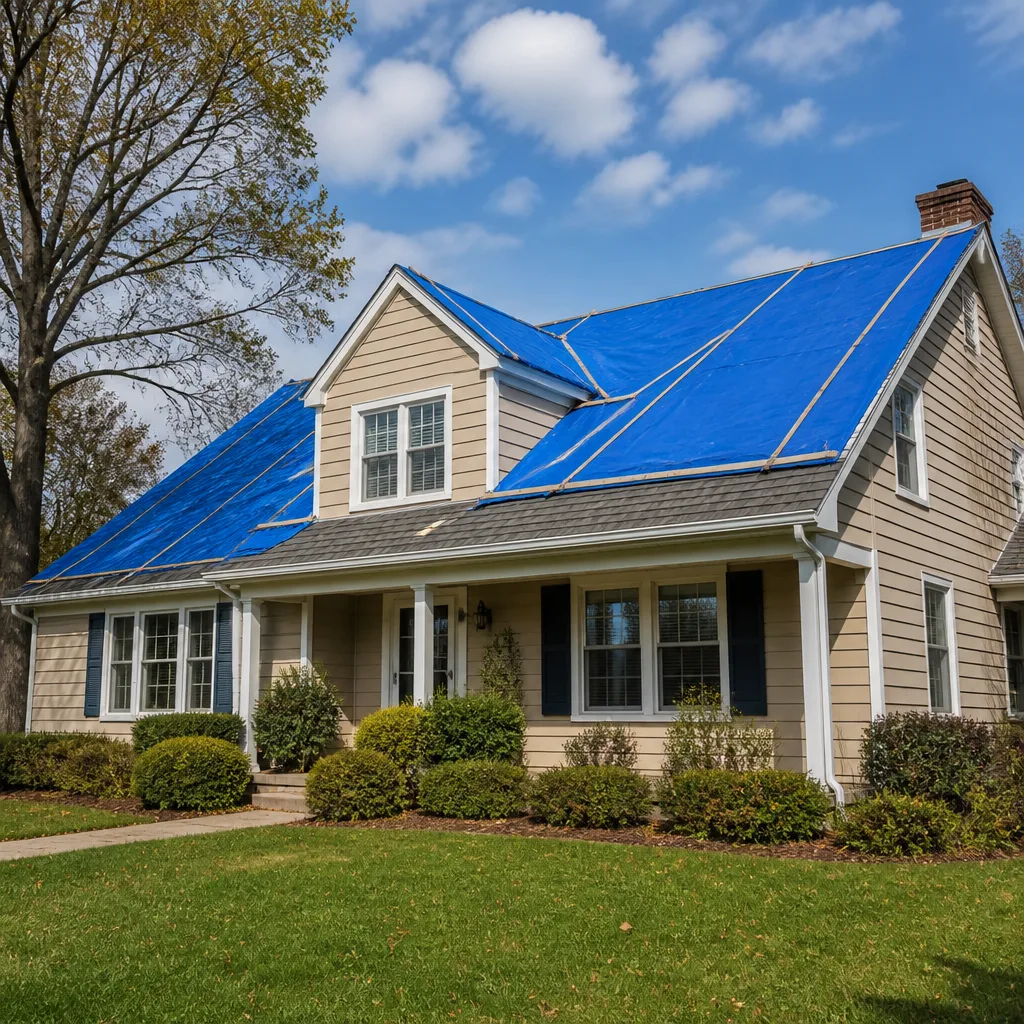
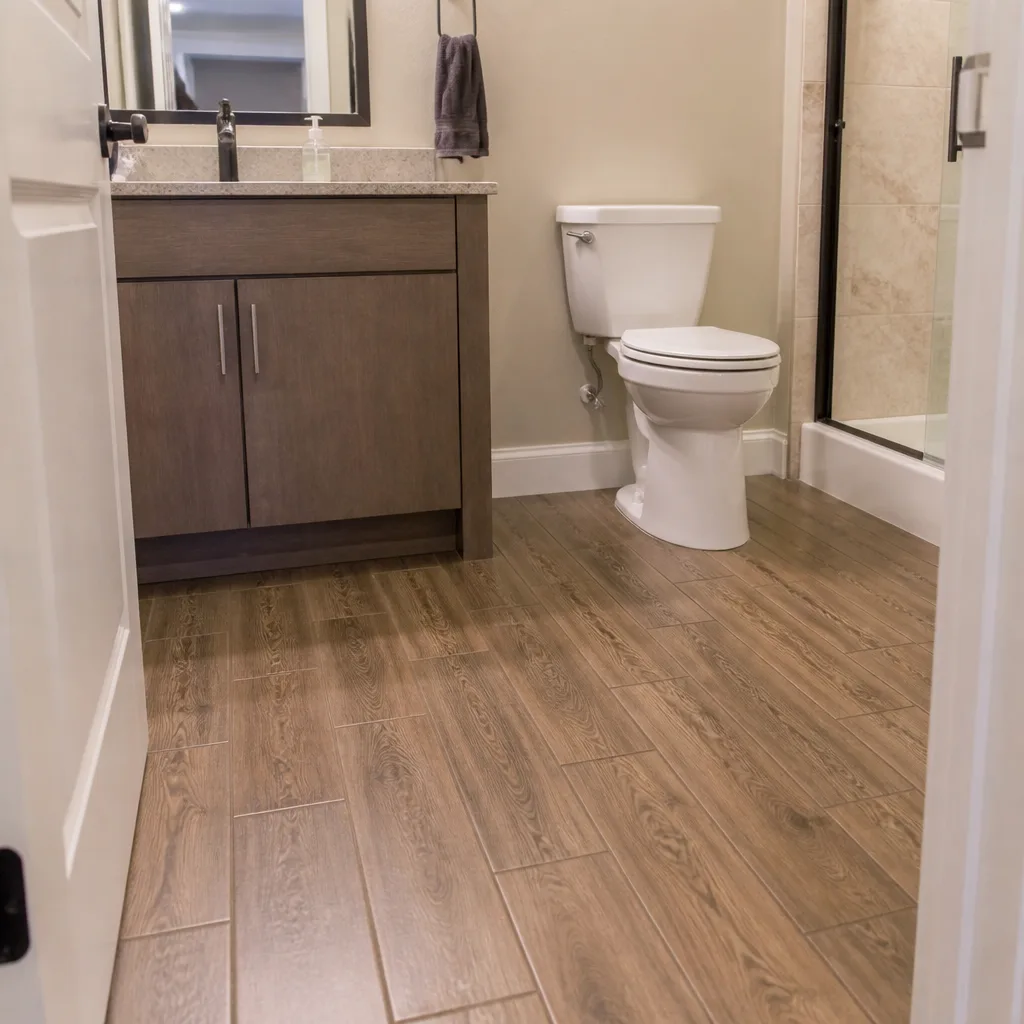
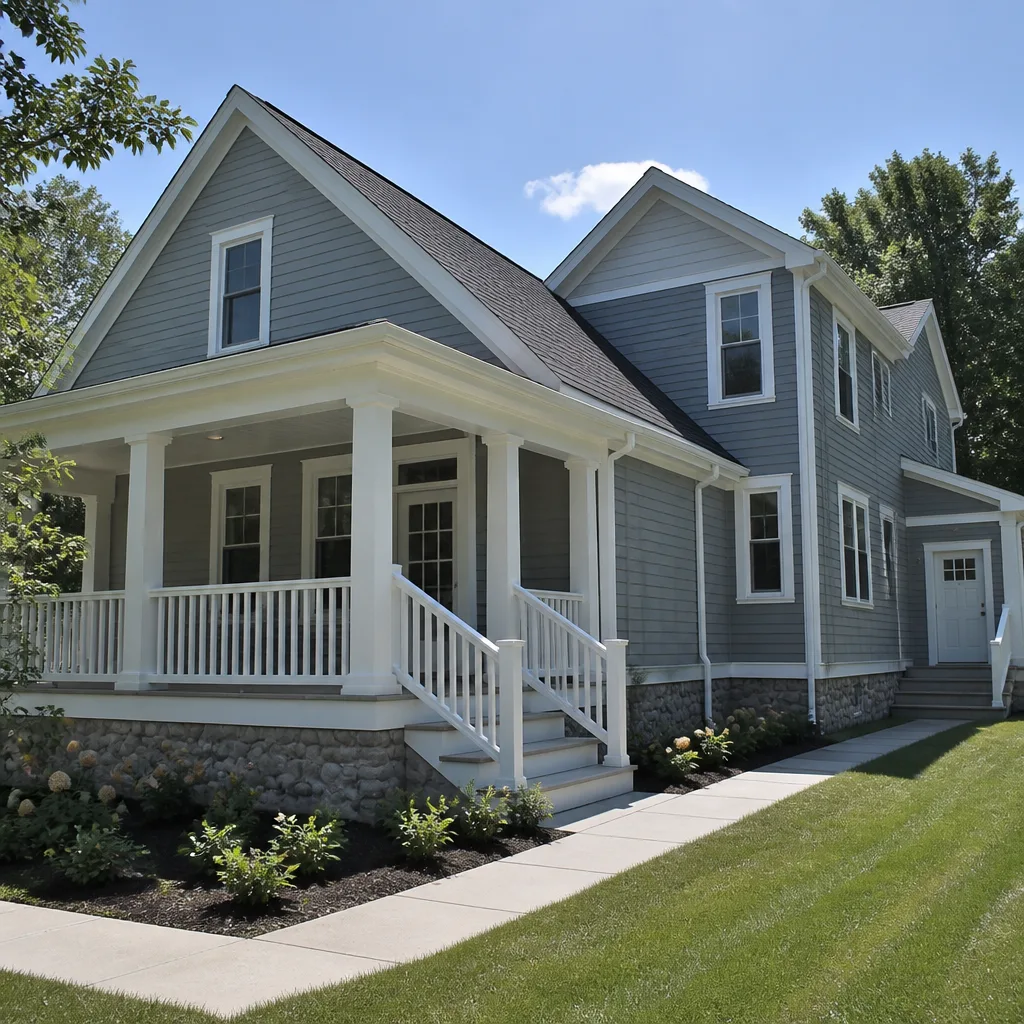
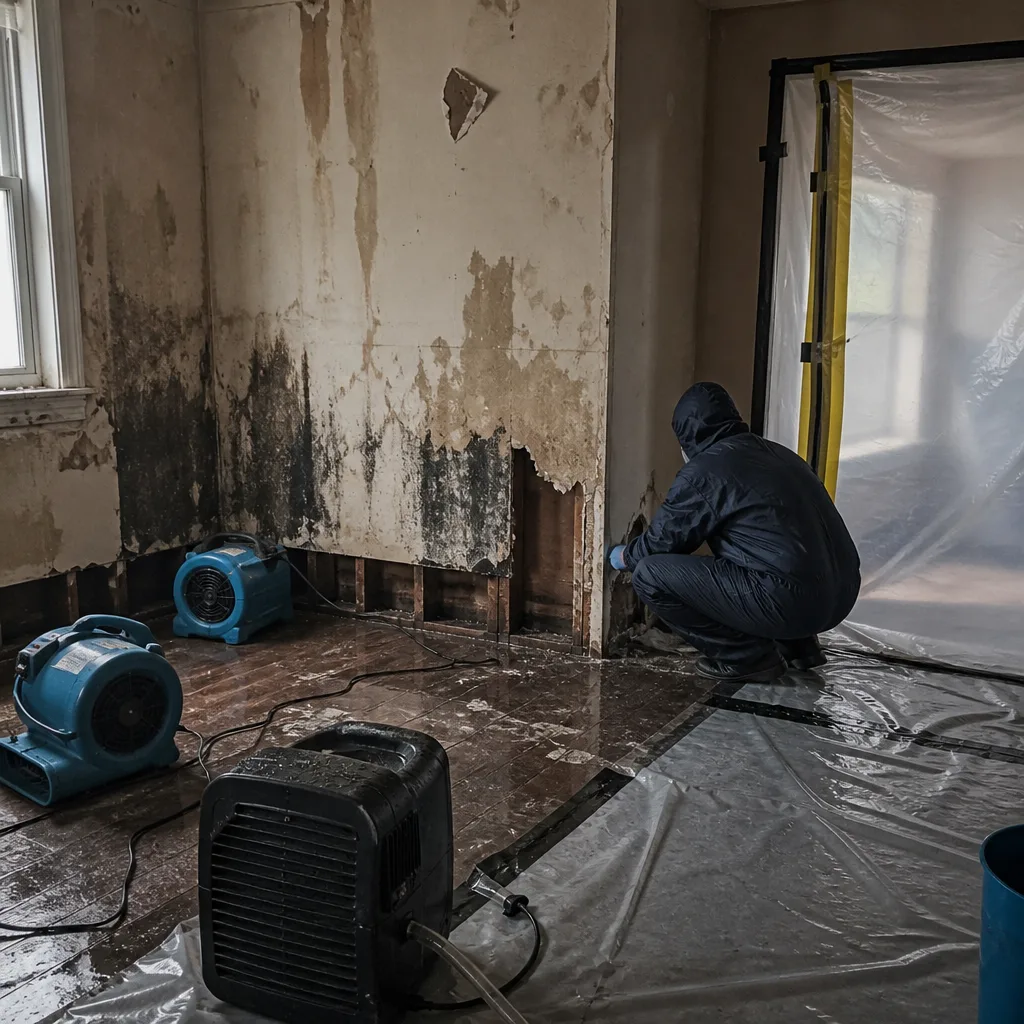 Before
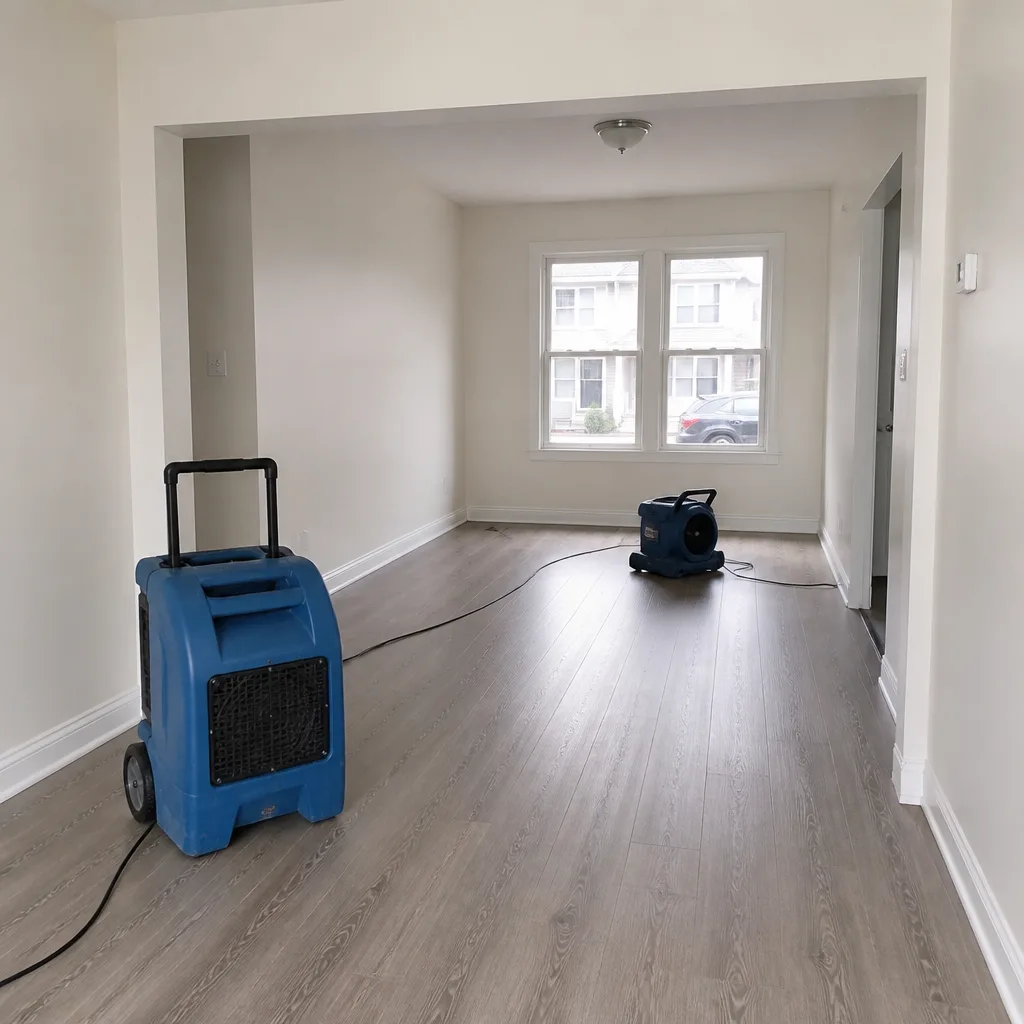 After
After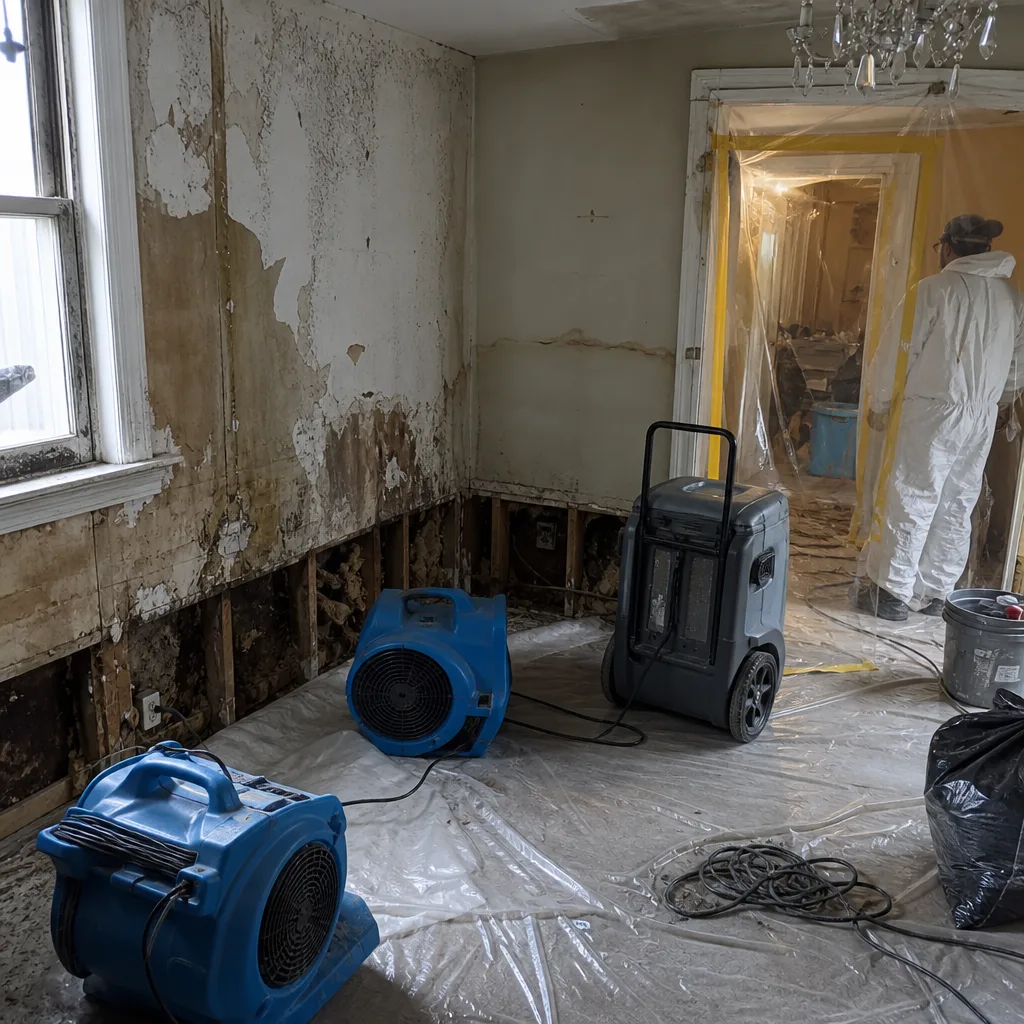 Before
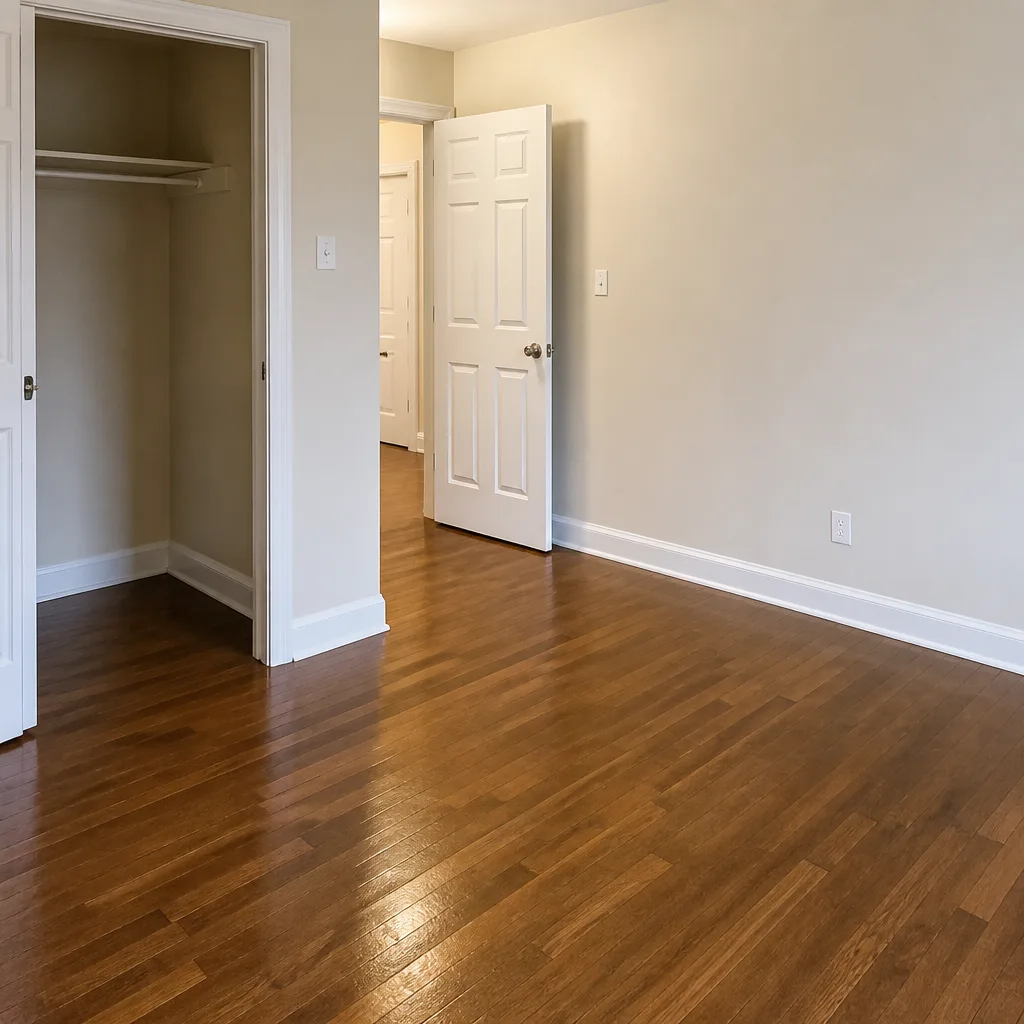 After
After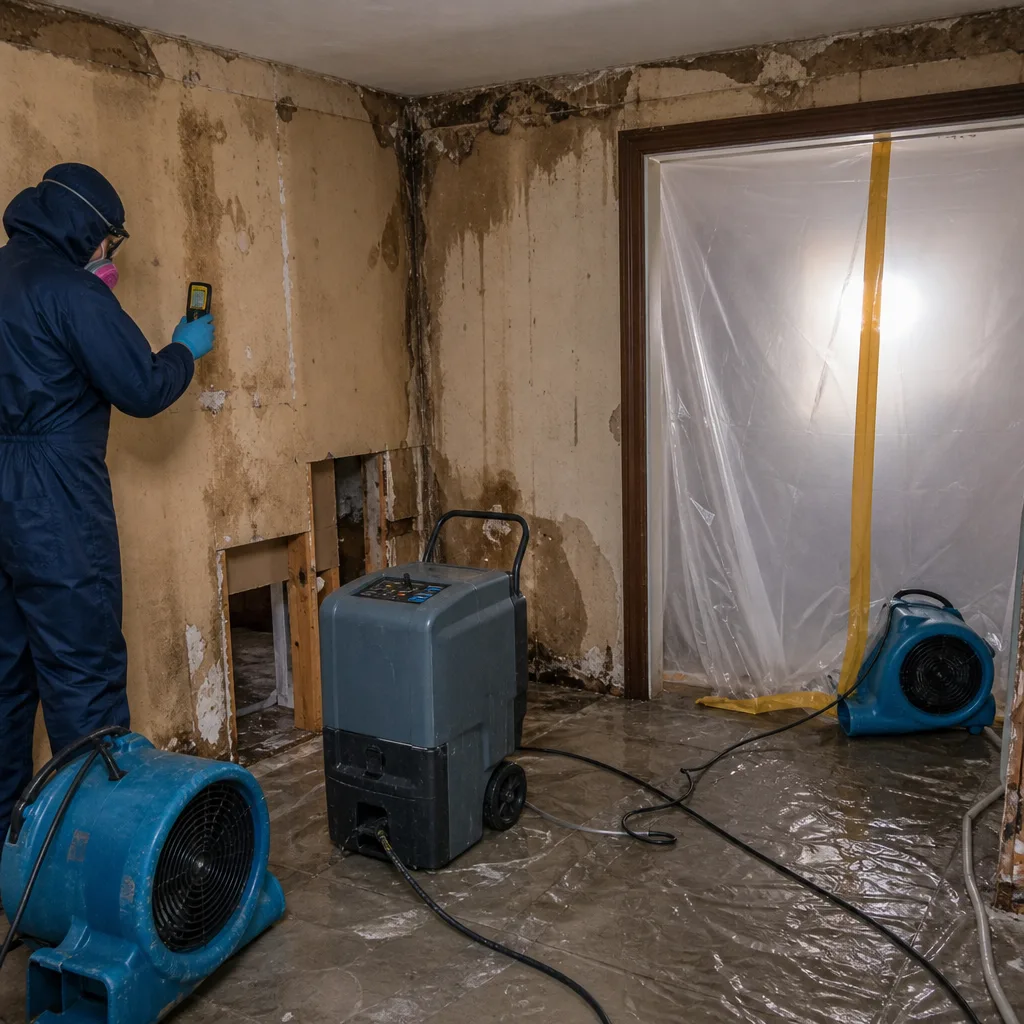 Before
 After
After24/7 Emergency Sewage Cleanup in Central Harlem
A sewage backup in a Central Harlem brownstone is a category 3 water event: it carries bacteria, viruses, and waste that make the space unsafe fast. Our crews reach Central Harlem properties inside 45 minutes, run extraction the same visit, and start containment so the damage stops spreading through shared masonry walls. Call (640) 221-3499 any hour. A live dispatcher answers, not a recording, and we dispatch a certified crew immediately. The first hour matters because category 3 water migrates laterally through party walls and old-growth timber framing quickly; the longer it sits, the wider the contamination and the heavier the rebuild. We photograph everything from minute one for your carrier and give you a written scope before any hidden work begins.
Understanding Sewage Cleanup Severity in Central Harlem Properties
Not every backup is the same. Category 1 is clean water from a supply line. Category 2 carries some contaminants, like a dishwasher overflow. Category 3, what we typically see in Central Harlem basements and English cellars, is raw sewage or toilet overflow laced with pathogens. In the brownstone rows off Lenox Avenue and Malcolm X Boulevard, these category 3 events run along original cast iron drain stacks that were installed between roughly 1885 and 1920. That pipe is cracked, bellied, or rusted through in sections by now. The sewage doesn’t stay in one unit either. It follows the old pipe chases between buildings. We use moisture mapping and thermal imaging to read where the water actually traveled, because visible water on a cellar floor rarely tells the whole story. Horsehair plaster wicks moisture upward into walls fast, and drywall-style drying targets will over-dry those walls until the lime plaster cracks and spalls. A restoration crew working Central Harlem needs pre-war building literacy, not just a dehumidifier.
Why Central Harlem Property Owners Choose Floodline Restoration Co.
- 45-minute response commitment. Our dispatch board tracks crews across Central Harlem so the closest certified team is on the way when you hang up. We’ll be there when we say.
- A real person answers, 24/7. No phone tree. No automated system. A live dispatcher picks up at 2 a.m. and starts the job.
- IICRC-certified technicians. Our crews hold WRT and ASST certifications, so the scope, containment, and drying standards are industry code, not guesswork.
- Free visual inspection. We walk the damage, explain what’s salvageable, and hand you a written line-item scope before work starts. No pressure.
- Direct insurance billing. We talk to your adjuster, submit the drying logs, and handle the carrier paperwork so you’re not the messenger.
- One team, extraction to reconstruction. The same Floodline crew that reads the moisture map on day one rebuilds what needs rebuilding. No mid-job handoff.
Our Sewage Cleanup Process
Inspection & Assessment
We identify the water category, trace the migration path with thermal imaging, and map affected surfaces. In Central Harlem rowhouses, that means checking the party walls and the neighbor’s cellar before filing a scope.
Extraction & Stabilization
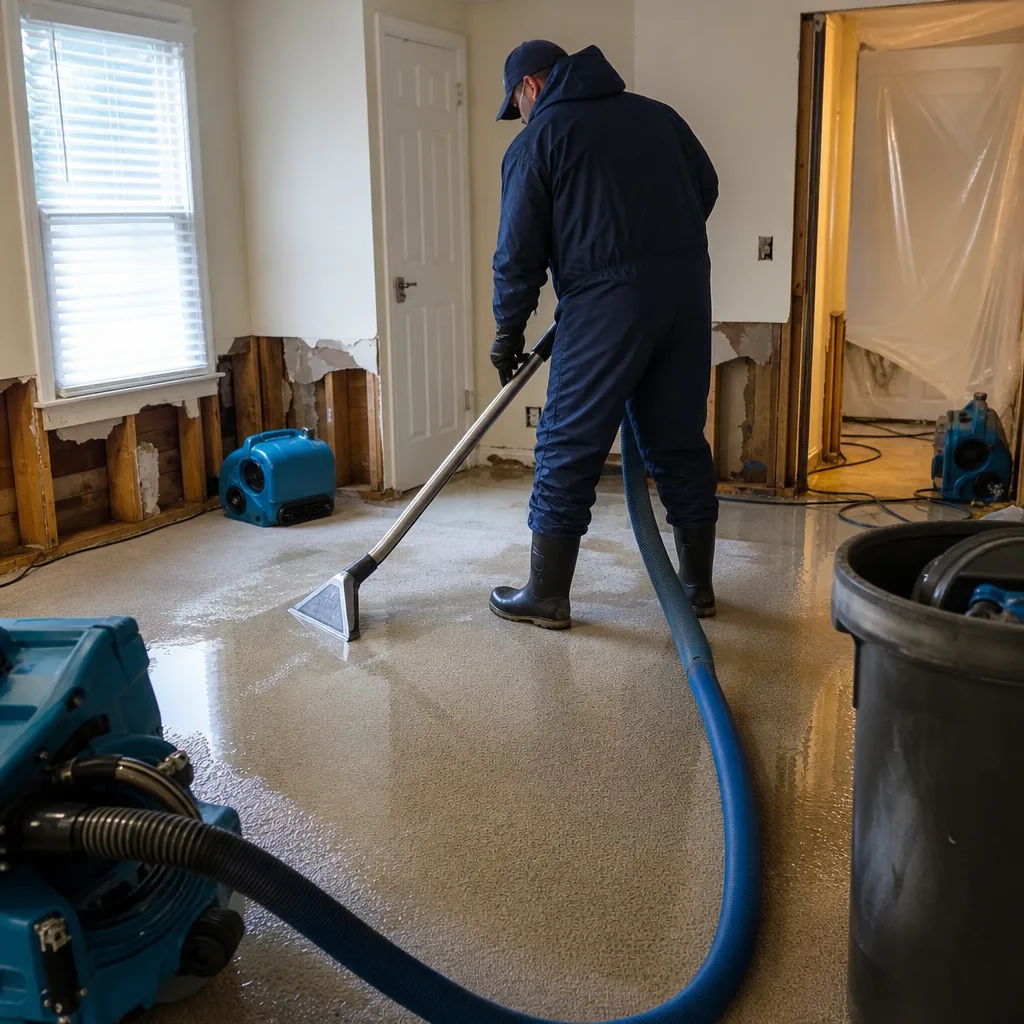
Truck-mounted extractors pull standing sewage from cellar floors, basement sumps, and crawl spaces. We secure the source, whether it is a failed ejector pump or a cracked cast iron stack.
Drying & Dehumidification
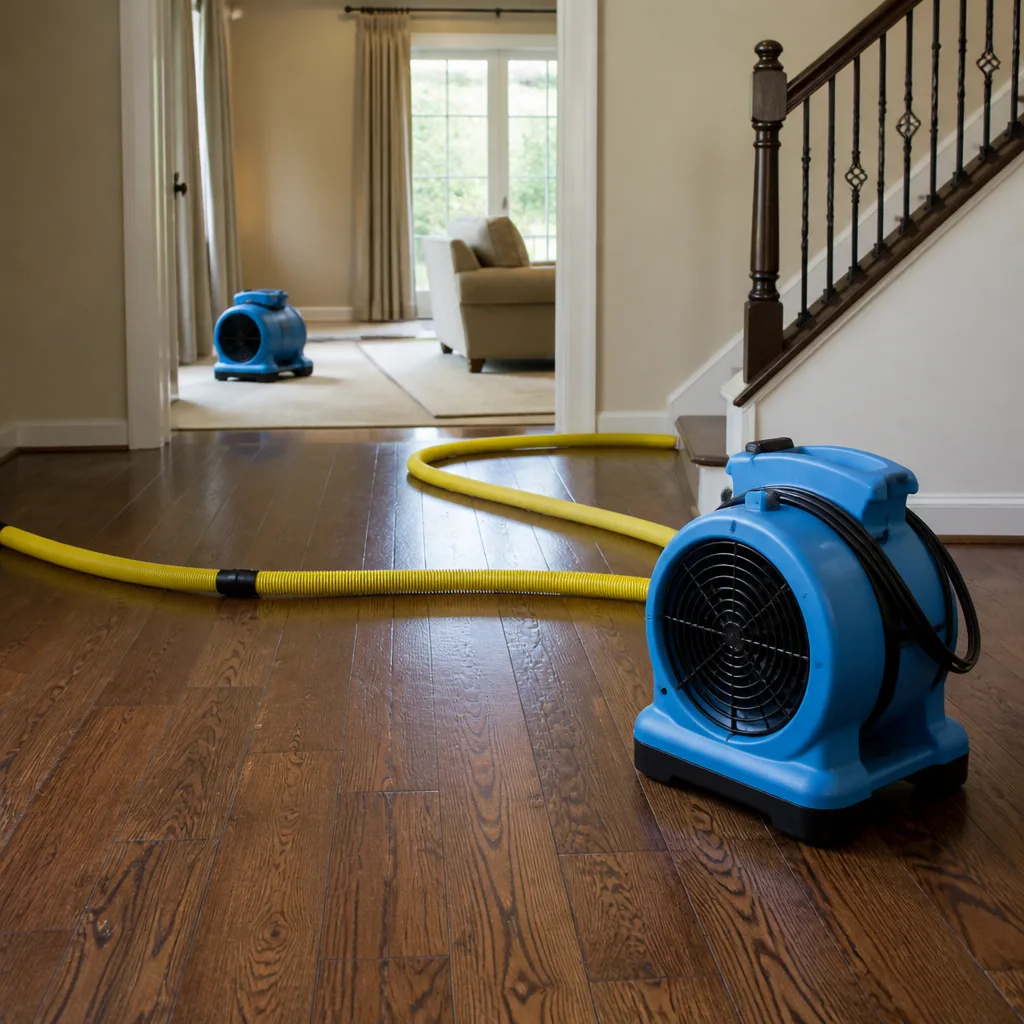
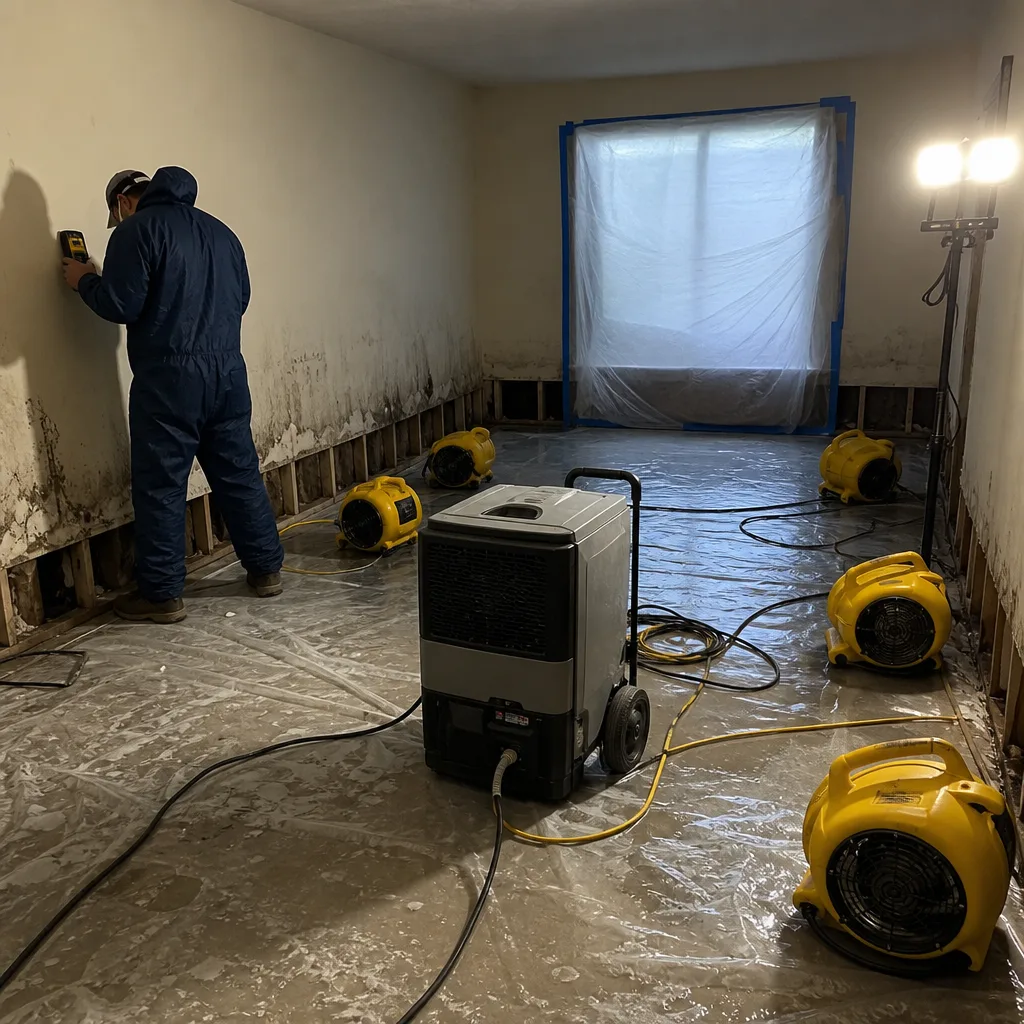
Dri-Eaz LGR dehumidifiers and XPOWER air movers run on a moisture map calibrated to pre-war plaster and old-growth framing, not a generic drywall schedule. Daily readings are logged until the dry standard is met.
Cleaning & Sanitization
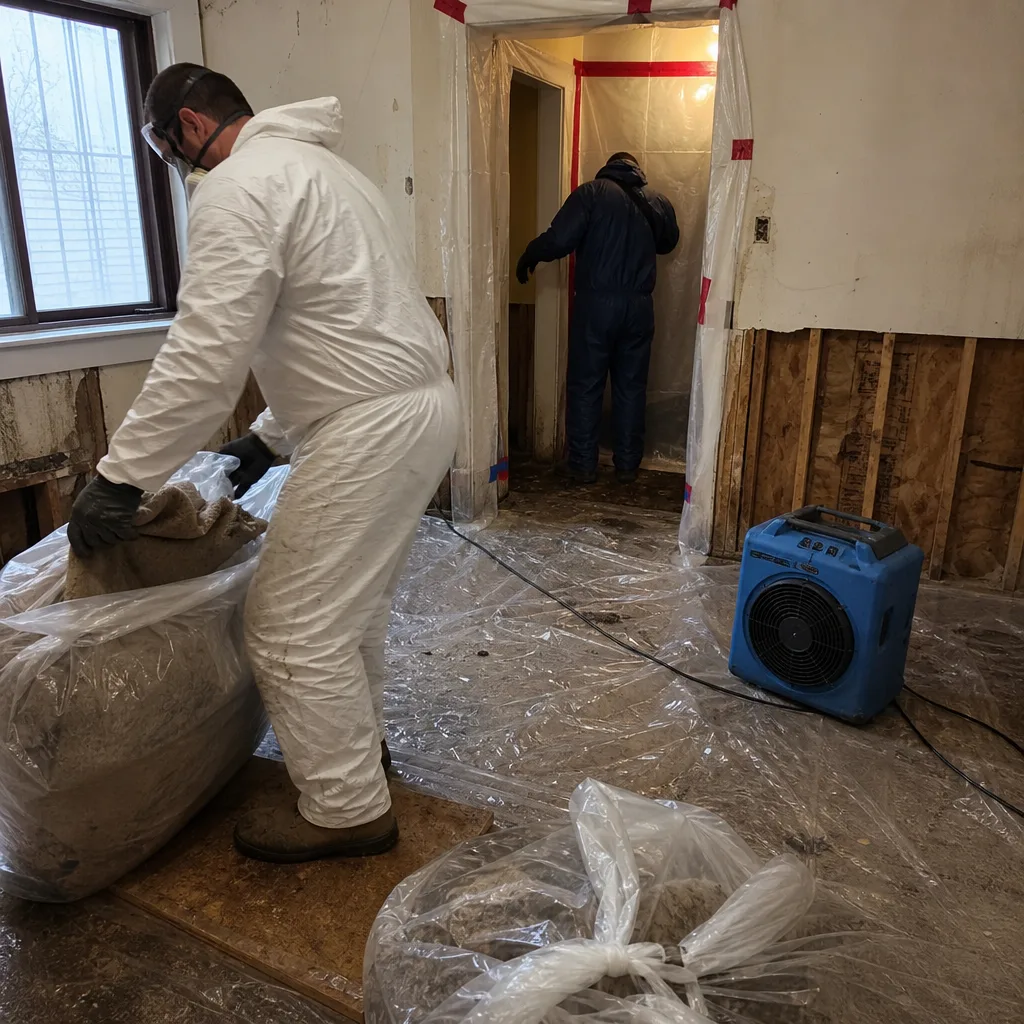
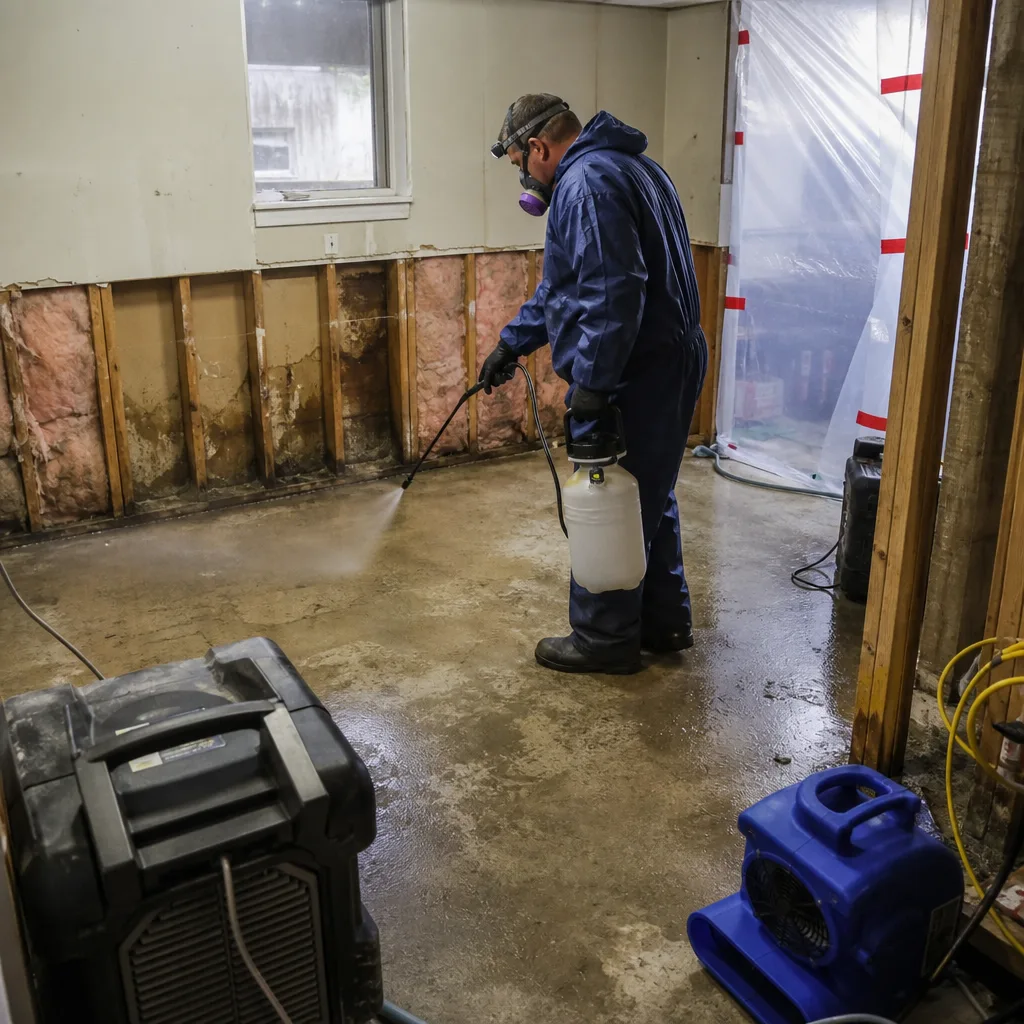
Contaminated surfaces are cleaned and treated with an EPA-registered antimicrobial. Porous materials that cannot be sanitized, like saturated insulation or fiberboard, are cut out and bagged for disposal.
Containment & Air Scrubbing
HEPA-filtered air scrubbers run during demolition and drying to keep sewage aerosols from spreading through basements and up shared stairwells. Containment barriers seal the work zone from occupied units.
Repairs & Restoration
We rebuild what was removed: plaster, framing, flooring, and if needed, replacement drain piping. The job is not done until the finish surfaces are restored to pre-loss condition and the guarantee is in your hand.
Need Emergency Sewage Cleanup in Central Harlem Now?
Crews minutes away, answering live 24 hours a day. The sooner we start, the less it costs.
Working With Your Insurance Company
Sewage backup coverage in Central Harlem is not automatic. It depends on your policy, your carrier, and often on whether you carry a water backup endorsement. Most homeowner policies cover sudden and accidental discharge, but older brownstones with known cast iron deterioration sometimes face adjuster questions about maintenance. That is where documentation decides the outcome. We record everything from the first hour: category 3 water samples, infrared images of hidden migration, and room-by-room photo logs. Curt Bowman started this company around a dispatch board, not a sales desk, and the documentation discipline that comes from that still shows in every claim file we hand a carrier. We talk to your adjuster directly, submit the moisture logs as they are recorded, and keep the claim moving while our crew keeps working.
What We Provide Your Insurer
- Thorough documentation of the loss
- Photos of all damage, room by room
- Moisture readings and drying logs
- A detailed, line-item scope of work
- Direct coordination with your carrier
Built for Central Harlem’s Loss Calendar
Central Harlem’s sewage losses follow a rhythm that anyone who owns a brownstone here knows by heart. January and February bring deep freezes that crack already-fragile cast iron stacks and freeze supply lines inside unheated cellars; when the thaw hits in March, water finds the path of least resistance and that is usually a broken drain stack. Spring heavy rain saturates the flat tar-and-gravel roofs on the old rowhouses, and downspouts tied into the combined sewer send extra overload into aging basement lines. Summer thunderstorms turn into quick, hard downpours that back the city’s combined sewer system straight up into English basements along Strivers’ Row and the St. Nicholas Historic District. Fall nor’easters push tidal surges up the Hudson and Harlem River, testing the sewers on the east side of the neighborhood. The pattern is Central Harlem-specific: dense attached housing, shared drain stacks, and a combined sewer system that was sized for a smaller city.
Sewage Cleanup Across Central Harlem’s Neighborhoods
Central Harlem runs from 110th Street up to 155th, and the building stock changes block by block. Around Mount Morris Park, the brownstones are among the most architecturally significant in the city: full height, stepped stoops, and original cast iron waste stacks that are now 110 to 130 years old. Sewage backups there spread through shared party walls into adjacent buildings quickly, and the LPC landmark district adds a review layer to any exterior vent or stack repair. Along Lenox Avenue, the mixed-use buildings put commercial kitchens and residential units on the same drain lines, which means grease-clogged stacks compound sewage backup problems during evening service hours. The St. Nicholas Historic District rowhouses, known as Strivers’ Row, have detailed pre-war interiors where our crews work extra carefully during demolition; preserving original plaster and millwork matters to the owners and to the LPC. In the eastern blocks toward Madison Avenue and East Harlem, many buildings are brick tenements with English basements that sit a few steps below grade, making them the first to flood when the combined sewer backs up in a storm. Floodline Restoration Co. crews know these blocks. We run these routes every week.
Specialized Sewage Cleanup Services We Offer in Central Harlem
Sewage Backup Cleanup
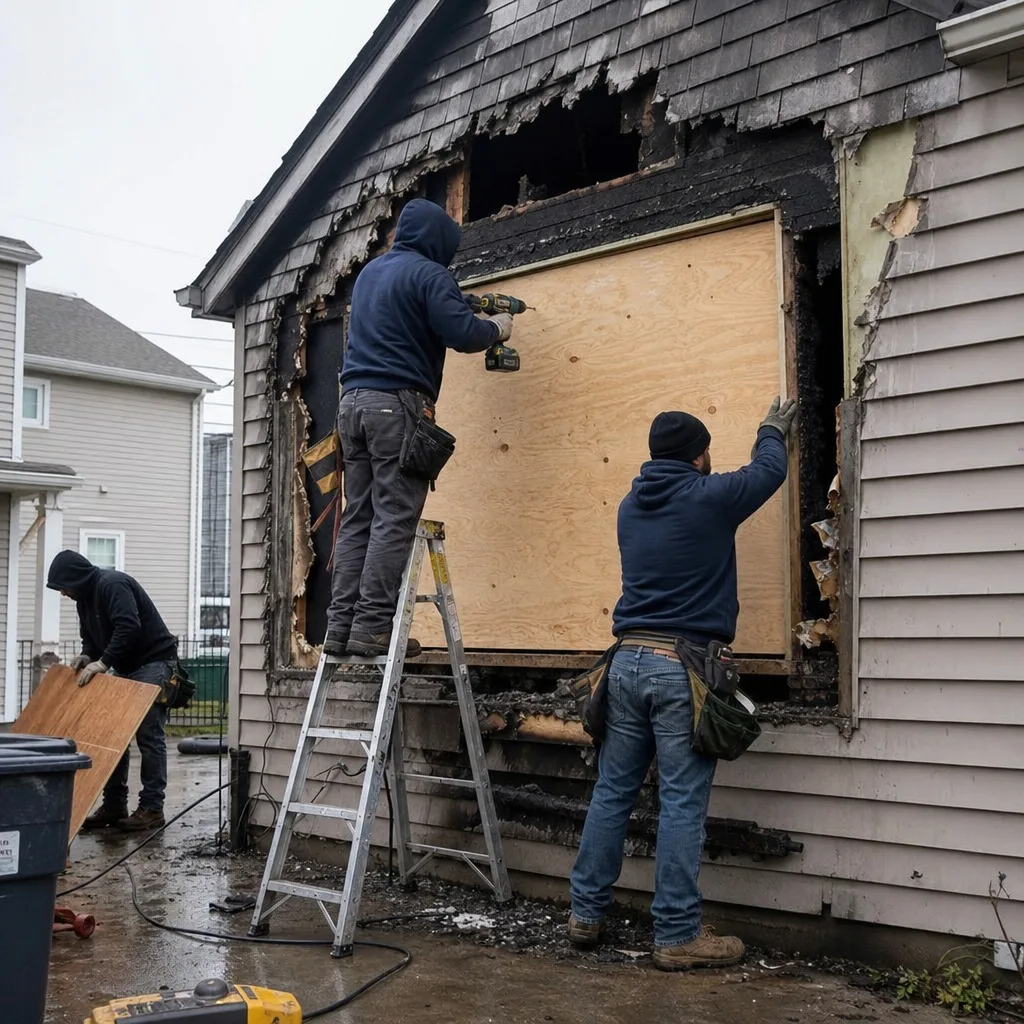
A clogged drain stack in a Central Harlem brownstone is not a local problem; it backs up into every unit below the clog. We clear the line where safe, extract the waste, and sanitize the affected cellars and basements. Because the stacks run through shared walls, we always check the adjacent building’s cellar before we call the job done.
Toilet Overflow Cleanup
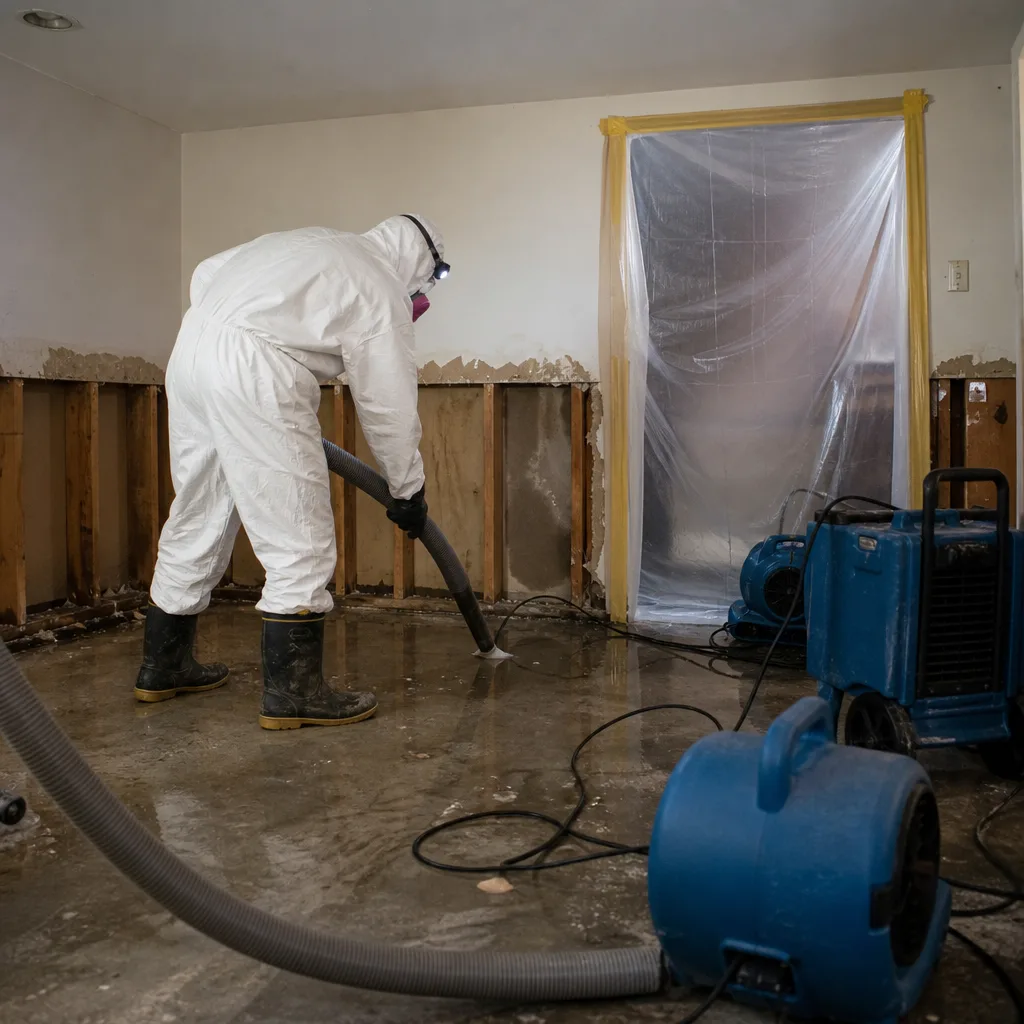
Toilet overflows on upper floors of a Central Harlem tenement migrate down through ceiling bays and old plaster before they show up in the unit below. We trace the water path, open only what needs opening, and dry the structural framing without ripping out historic finishes unnecessarily.
Septic Failure Cleanup
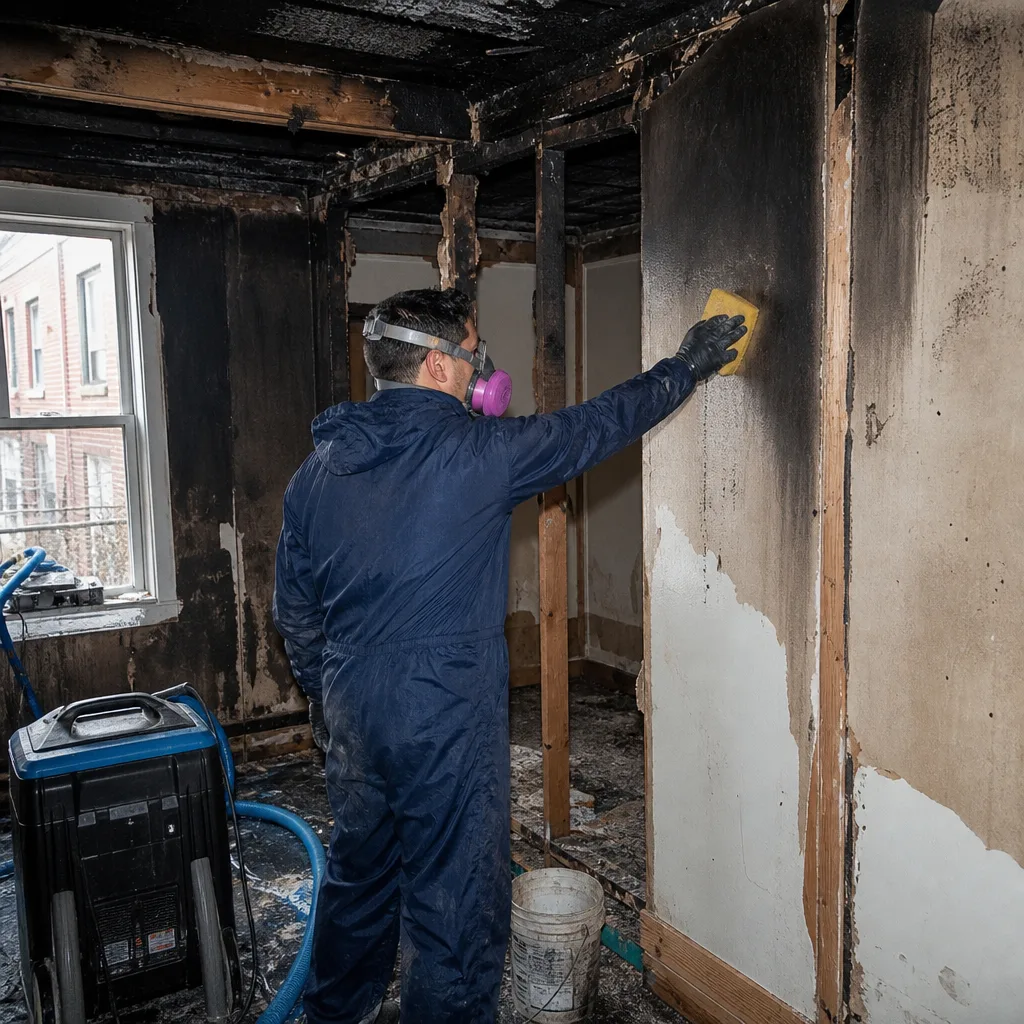
Some Central Harlem brownstones were built before the city sewer lines ran up the west side, and a few still carry legacy systems partially connected or abandoned in place. A septic failure in one smells like a city sewer backup but needs a different fix. Our team starts with the same category assessment, then scopes the actual failure before any repair work.
Black Water Extraction
Black water from a ruptured stack or rising sewer surge carries dangerous pathogens. We pump it out with truck-mounted extractors, bag contaminated materials in sealed containers, and run HEPA air scrubbers during the work. This is the service that stops a bad cellar flood from becoming a full building evacuation.
Sanitization & Disinfection
After extraction and drying, every affected surface gets an EPA-registered antimicrobial treatment. We pay special attention to old-growth floor joists and timber sills in Central Harlem’s pre-war cellars; those surfaces are porous and hold pathogens deep. The sanitization step is what makes the space safe for a family again.
What happens when you call
- 1
A real person answersNo phone trees - you reach a local pro.
- 2
You get an upfront price rangeHonest numbers before anyone is dispatched.
- 3
A background-checked tech heads outLicensed & insured, dispatched right away.
- 4
You approve before work beginsNothing starts until you say go.
Sewage Cleanup Costs in Central Harlem, NY
Most sewage cleanup jobs in Central Harlem run between $2,800 and $7,500 when the damage stays within one level of one building. A toilet overflow contained to a single bathroom might fall near $1,900. A full category 3 backup that floods a brownstone’s English basement, migrates through a party wall into the neighbor’s cellar, and requires removing horsehair plaster and cast iron pipe routinely passes $12,000. What moves the number: how much square footage the sewage touched, whether porous materials need replacement, how long the space needs structural drying, and whether LPC or DOB permits are required. A free visual inspection from Floodline Restoration Co. gives you a written line-item scope before any work begins. Many Central Harlem policies cover sudden and accidental sewage backups, and we bill your carrier directly so the out-of-pocket is often just the deductible. Call (640) 221-3499 for a firm scope, not an estimate range found on some national site.
We Also Serve Cities Near Central Harlem
Floodline Restoration Co. runs sewage cleanup crews into Central Harlem every day, and the same certified teams handle backups in Midtown West, the Upper West Side, Midtown Manhattan, and the Upper East Side. Same live dispatch, same 45-minute response commitment, same written scope before work starts. If your building is on the Harlem boundary, call and we will have the nearest crew to you.
Serving Central Harlem, NY - Our Local Coverage Area
We’re based in the Central Harlem area and know this community well. Use the map below to see our service coverage - if you’re nearby, we can almost certainly help.
Central Harlem Sewage Cleanup Questions, Answered
In Central Harlem brownstones, can you clean up a sewage backup in my basement without touching the original cast iron stack?
Yes, when the stack itself is sound. We extract, dry, sanitize, and restore the surrounding space without cutting into the original cast iron. If the stack is cracked or releasing sewage, that must be addressed or the backup will return. We give you a written scope that separates what must be done from what could be saved.
How do you dry out horsehair plaster walls after a category 3 sewage backup in a Central Harlem rowhouse?
We start with an infrared and probe moisture map, then set Dri-Eaz dehumidifiers and XPOWER air movers on a drying schedule calibrated for lime plaster, not drywall. Generic drywall targets over-dry horsehair plaster and cause cracking and spalling. Drying logs record readings daily until the plaster reaches a stable moisture equilibrium.
What should I do if sewage from my Harlem brownstone’s stack has spread into the neighbor’s basement?
Call us immediately, then tell your neighbor. We scope both cellars in the same visit, contain each space, and document the water path across the party wall. Building owners have filed joint claims before, and our documentation of the shared stack keeps the liability discussion factual instead of adversarial.
Do I need Landmarks Preservation Commission approval for sewage cleanup work inside my Central Harlem building?
Not for interior cleanup, drying, or sanitization. If the repair requires touching an exterior vent stack, replacing a stoop drain, or any exterior plumbing penetration, LPC review may be required alongside the standard DOB permit. Our team knows the Mount Morris Park and St. Nicholas Historic District boundaries and will flag that before any work starts.
Can you handle a septic failure in a Central Harlem brownstone if the building was converted from a shared septic to the city sewer?
Yes. Legacy septic conversions are not unusual in Central Harlem’s older housing stock. We assess the actual discharge point, scope the line, and repair what failed. The sewage cleanup follows the same safety protocol as any category 3 event, with one difference: the source is a buried tank or old seepage pit, not the city sewer.
How fast can your crews reach a Central Harlem address?
Within 45 minutes, usually faster. Dispatch tracks crews across Central Harlem so the closest certified team rolls when you call. We answer live around the clock, every day. A two-in-the-morning call gets a person, not a machine.
Will my insurance cover the sewage cleanup if my building is old and the pipes are original?
Sudden and accidental sewage backup is covered under many policies, especially if you carry the water backup endorsement. Coverage disputes arise when a carrier argues the loss was long-term deterioration, not a sudden event. We scope the failure carefully, document what caused the discharge, and submit that evidence directly to your adjuster.
What do I do in the first 30 minutes before your crew arrives?
Shut off water to the affected plumbing fixture if you can do so safely. Do not flush toilets or run sinks. Keep children and pets out of the affected area. Do not attempt to handle raw sewage yourself; category 3 water carries pathogens. Open windows if weather allows. We will handle the rest from the moment we arrive.
Written by Curt Bowman, Owner at Floodline Restoration Co., serving Central Harlem and the surrounding New York City area. The line the water left is where we start.