
Free visual inspection and a written scope of work before any mitigation begins - photos, moisture readings, and drying logs go in your claim file
The scope we write is the scope we bill. Anything new gets shown to you, in writing, before we touch it.
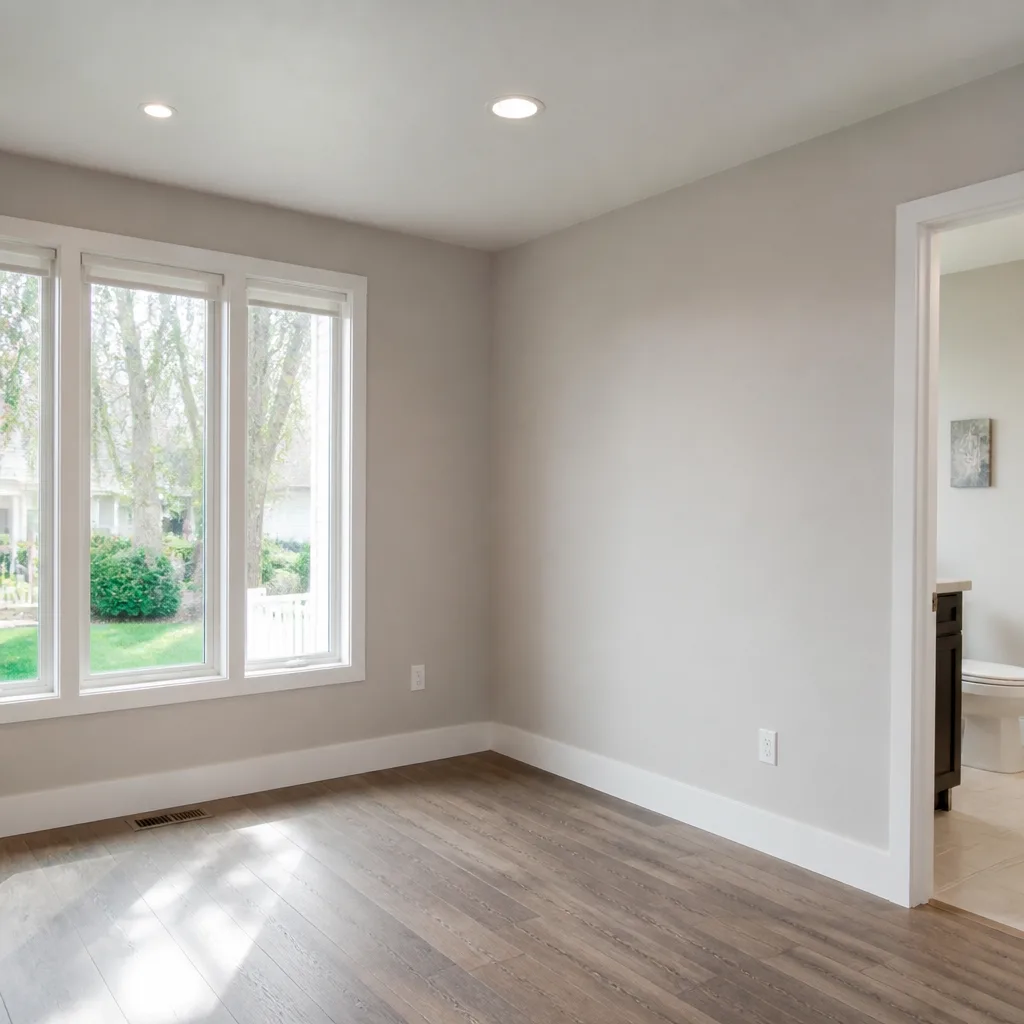
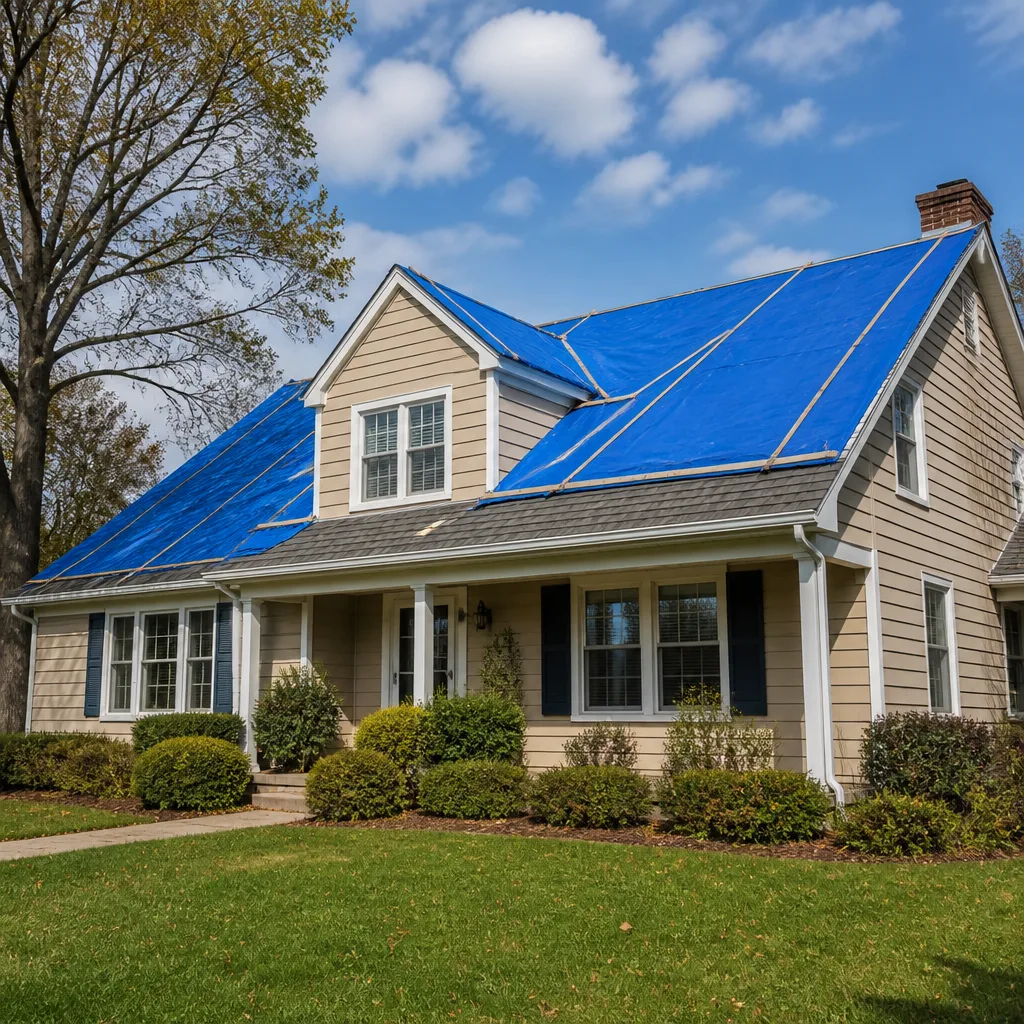
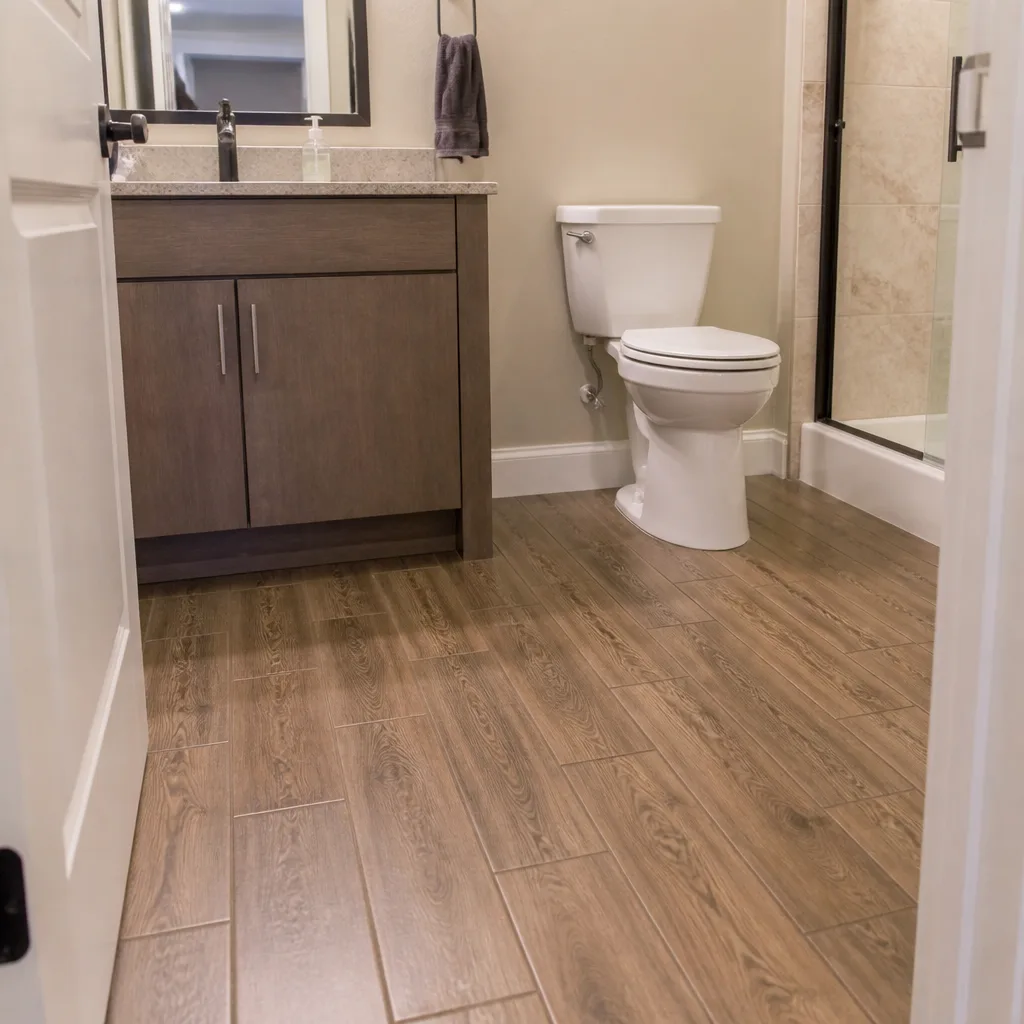
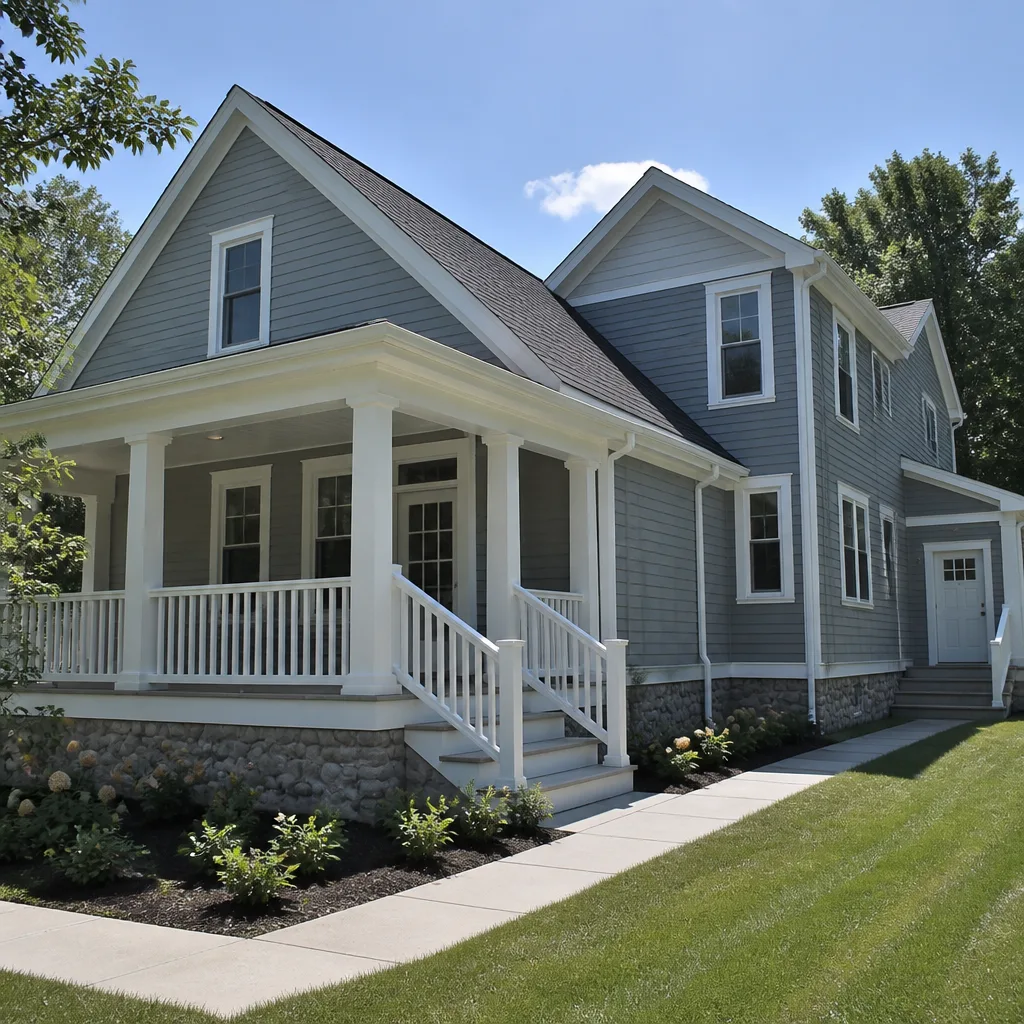
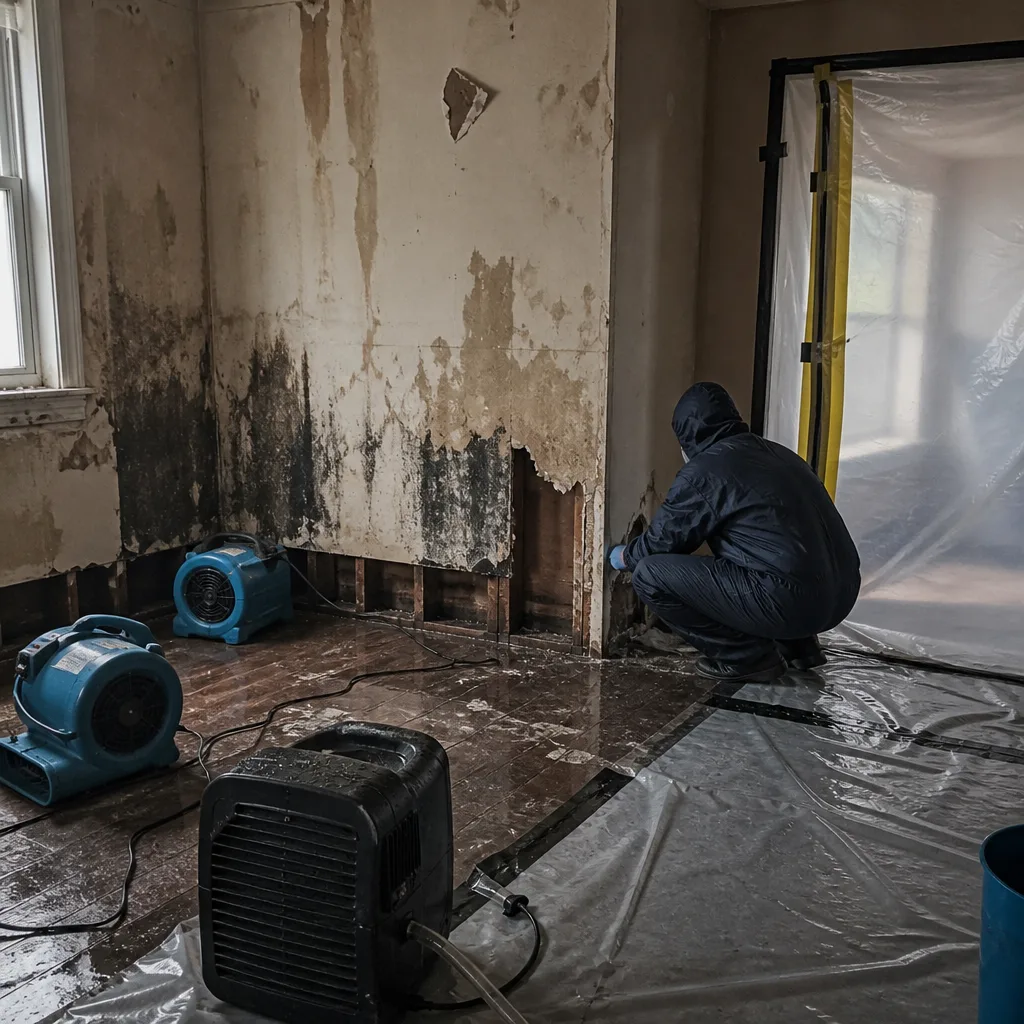 Before
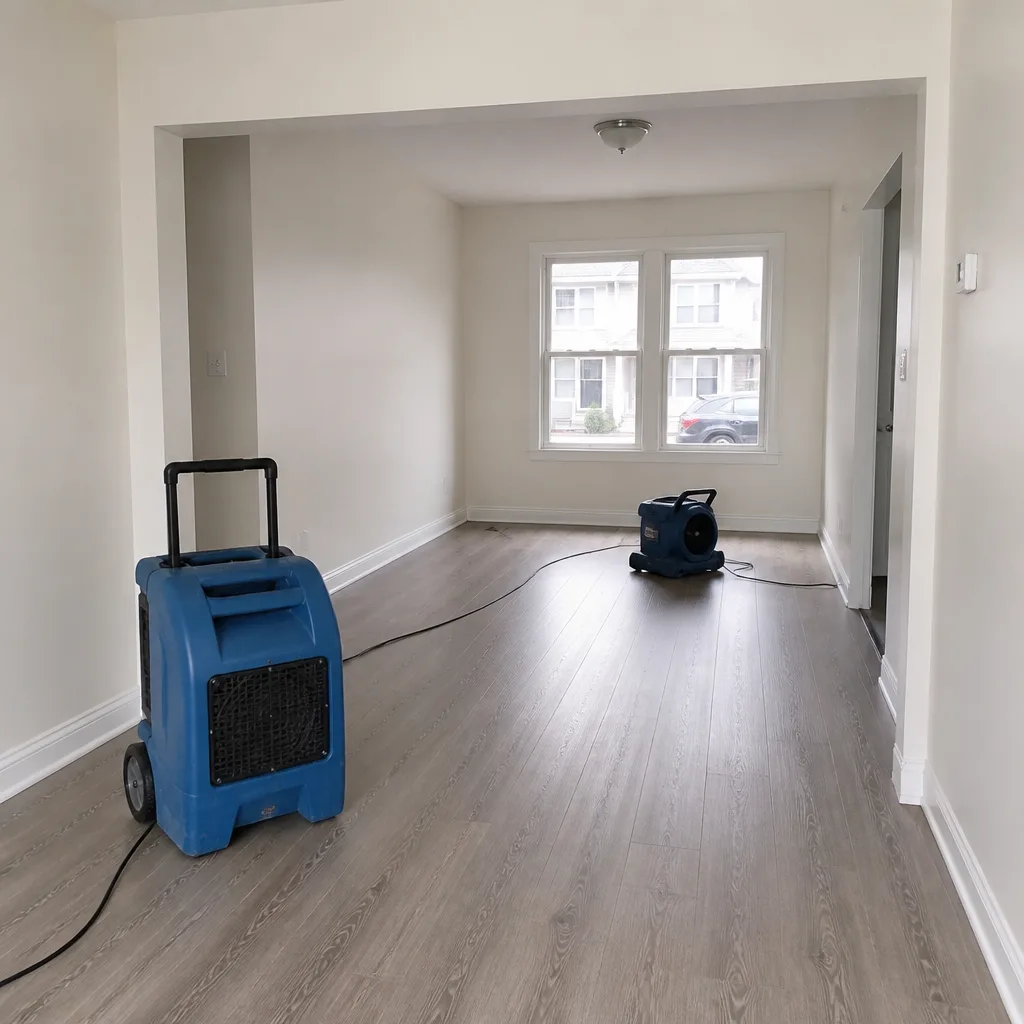 After
After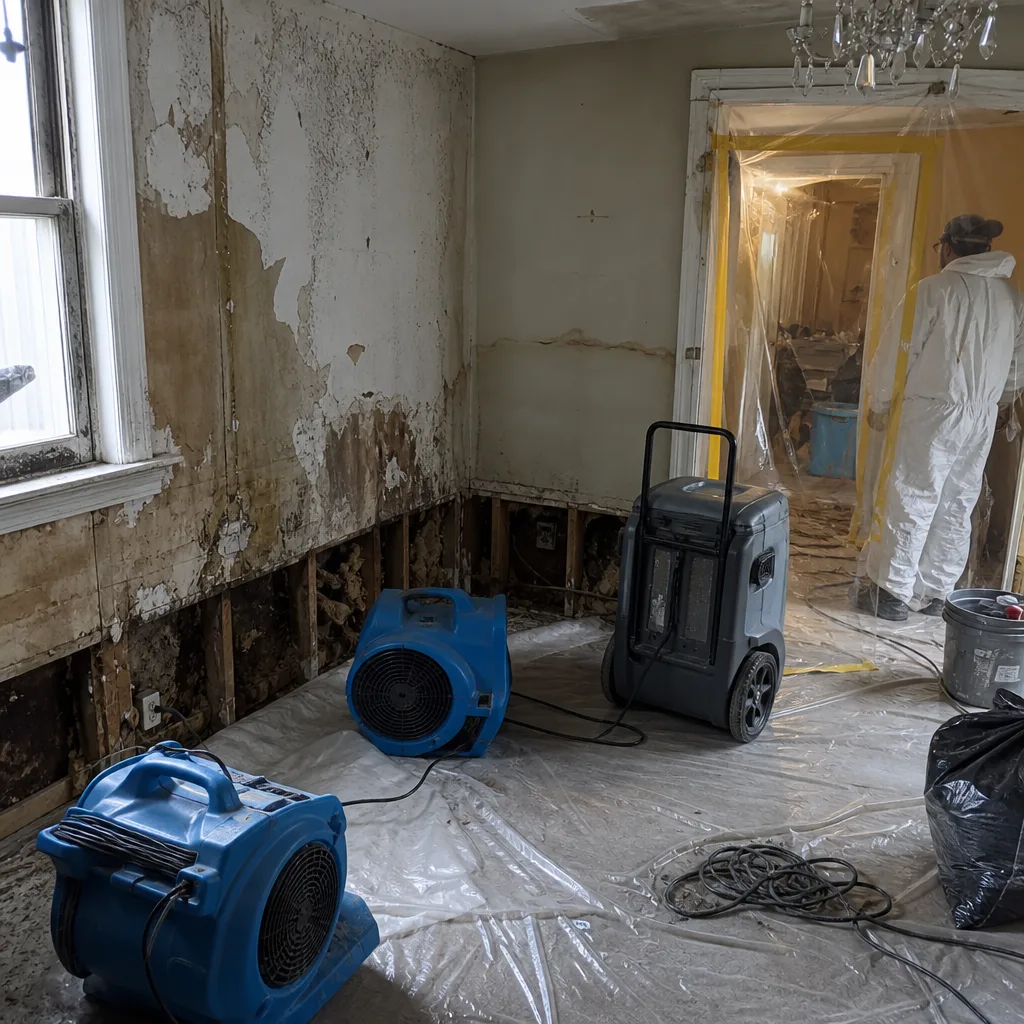 Before
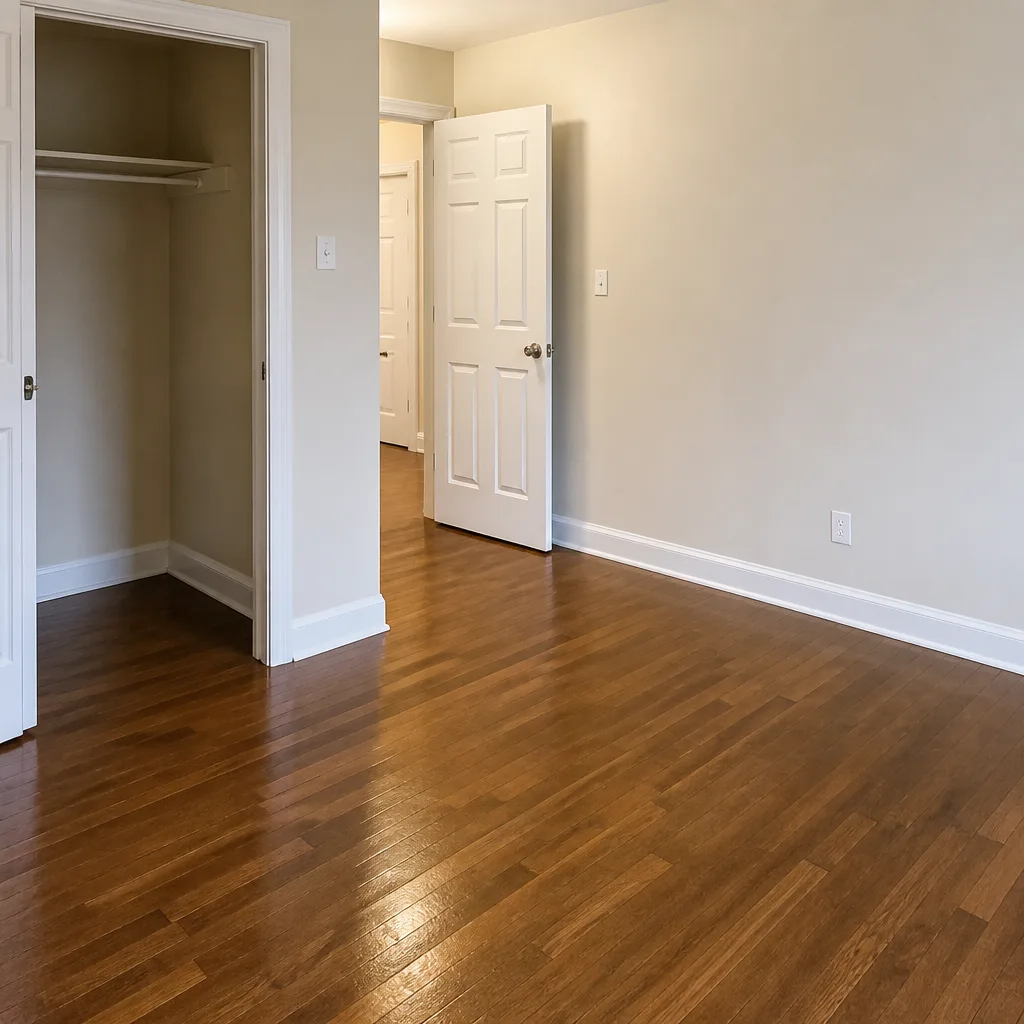 After
After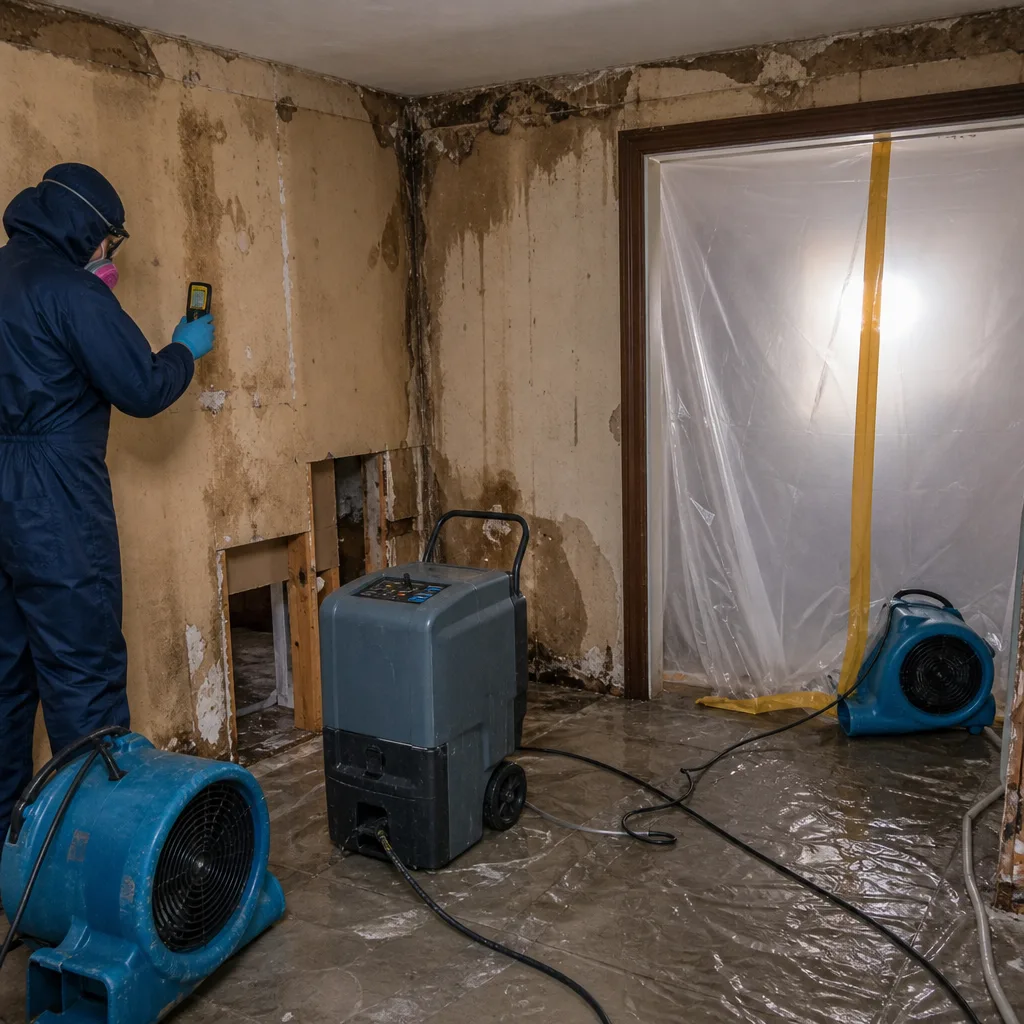 Before
 After
After24/7 Emergency Reconstruction & Cleanup in Central Harlem
When water, fire, or wind tears through a Central Harlem brownstone, the damage doesn’t wait for business hours, and neither do we. Floodline Restoration Co. answers live at (640) 221-3499 around the clock, every day of the year, with crews dispatched into Central Harlem typically within 45 minutes. The first hour after a roof breach or burst supply line matters because water traveling through horsehair plaster and old-growth timber wicks sideways into shared party walls faster than most homeowners realize. A free visual inspection tells you what you’re facing, what can be saved, and what the next 72 hours should look like. Done right, and backed in writing.
Understanding Reconstruction & Cleanup Severity in Central Harlem Properties
Central Harlem’s building stock doesn’t behave like modern construction. The attached 4-6 story brownstone rowhouses and brick tenements built between roughly 1885 and 1920 contain horsehair plaster, balloon framing, cast iron drain stacks, and shared masonry party walls that conduct moisture laterally. A Category 2 gray-water leak from a bathroom supply line inside one unit can present as damp plaster in the adjacent building under different ownership two days later. Category 3 water from a backed-up combined sewer during a summer convective storm carries sewage and requires containment, antimicrobial treatment, and clear drying standards before any Water Damage Restoration - Central Harlem reconstruction begins. Fire losses in these buildings produce protein soot that embeds in original plaster and forced-air residue that follows chase ways between floors. Soot residue from a small kitchen fire in an English basement can migrate into second and third-floor units through gaps that haven’t been touched since the building went up. Moisture mapping here is not optional. It’s the difference between a completed repair and a call-back in a neighboring unit.
The LPC districts covering Mount Morris Park and St. Nicholas add another layer that our Commercial Restoration in Central Harlem addresses properly, unlike box-store protocols. Any exterior reconstruction work on façades, stoops, or roofing in those districts requires Landmarks Preservation Commission approval layered on top of standard DOB permits. We scope with that reality from day one so a wind-damaged door doesn’t turn into a two-month landmarks review after demolition already started.
Why Central Harlem Property Owners Choose Floodline Restoration Co.
- 45-minute response commitment for Central Harlem. Our dispatch board, not a sales desk, routes the nearest certified crew to your block when you call. We’ll be there when we say.
- Live answer, 24/7, every day. A real person picks up at 2 a.m. on a Sunday. Never an automated system, never a callback queue. You talk to someone who can dispatch a crew.
- IICRC-certified technicians on every job. Our crews carry WRT, FSRT, and AMRT certifications and train to RIA and IFA standards. Background-checked and uniformed, so you know who’s in your home.
- Free visual inspection with a written scope. Before any work starts, you get a line-item scope in writing. No surprises on the bill. A square deal.
- Direct insurance billing. We document the loss from the first hour, bill your carrier directly, and coordinate with your adjuster so you never play messenger.
- One team from extraction to reconstruction. The same crew that reads the moisture map on day one handles daily readings, rebuilds what needs rebuilding, and hands you the drying log. No mid-job handoff, no inherited crew.
Our Reconstruction & Cleanup Process
Inspection & Assessment
We start with thermal imaging and hygrometer readings to map moisture migration, including the party walls. In Central Harlem, that means checking adjacent units before filing a single-property estimate. The line the water left is where we start.
Extraction & Stabilization
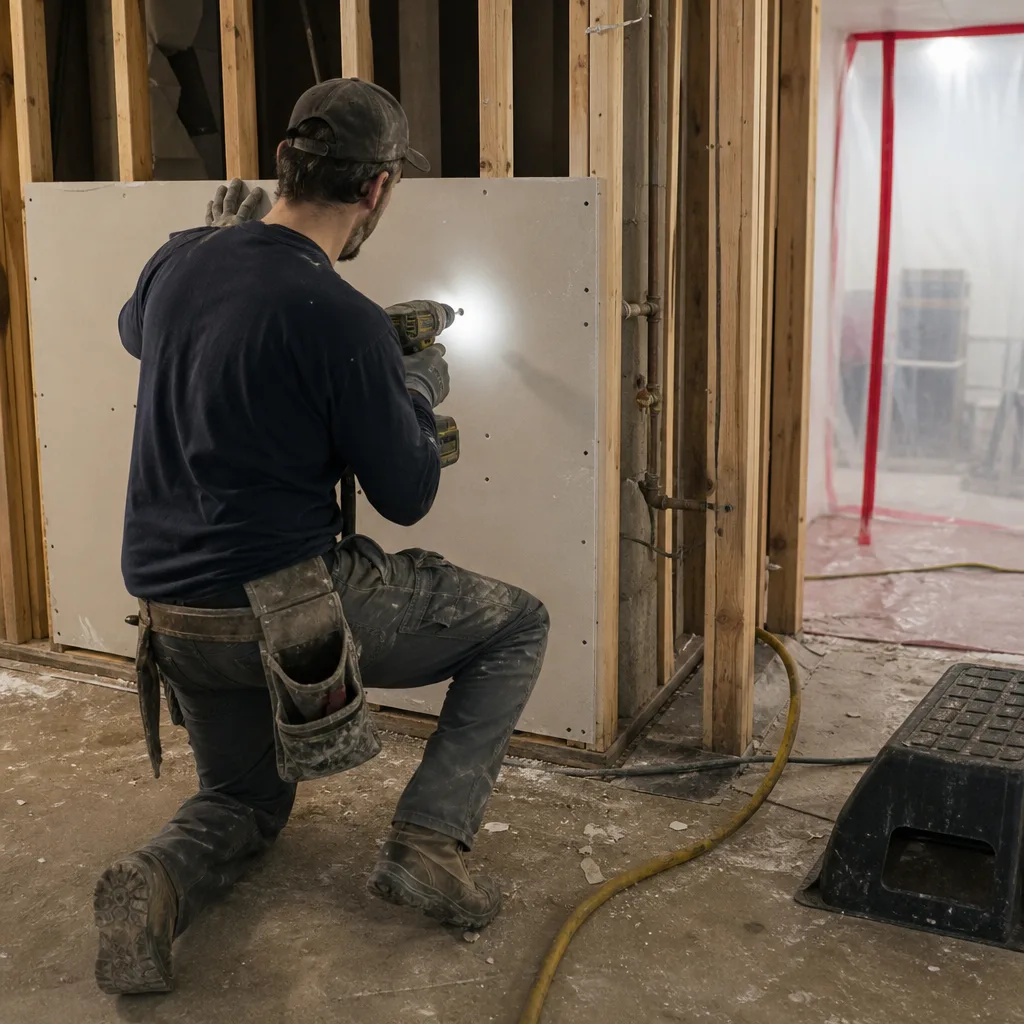
We remove standing water and stabilize compromised plaster, flooring, and structural framing before further movement spreads the damage. For wind-damaged roofs and doors, we install temporary weather barriers the same visit.
Drying & Dehumidification
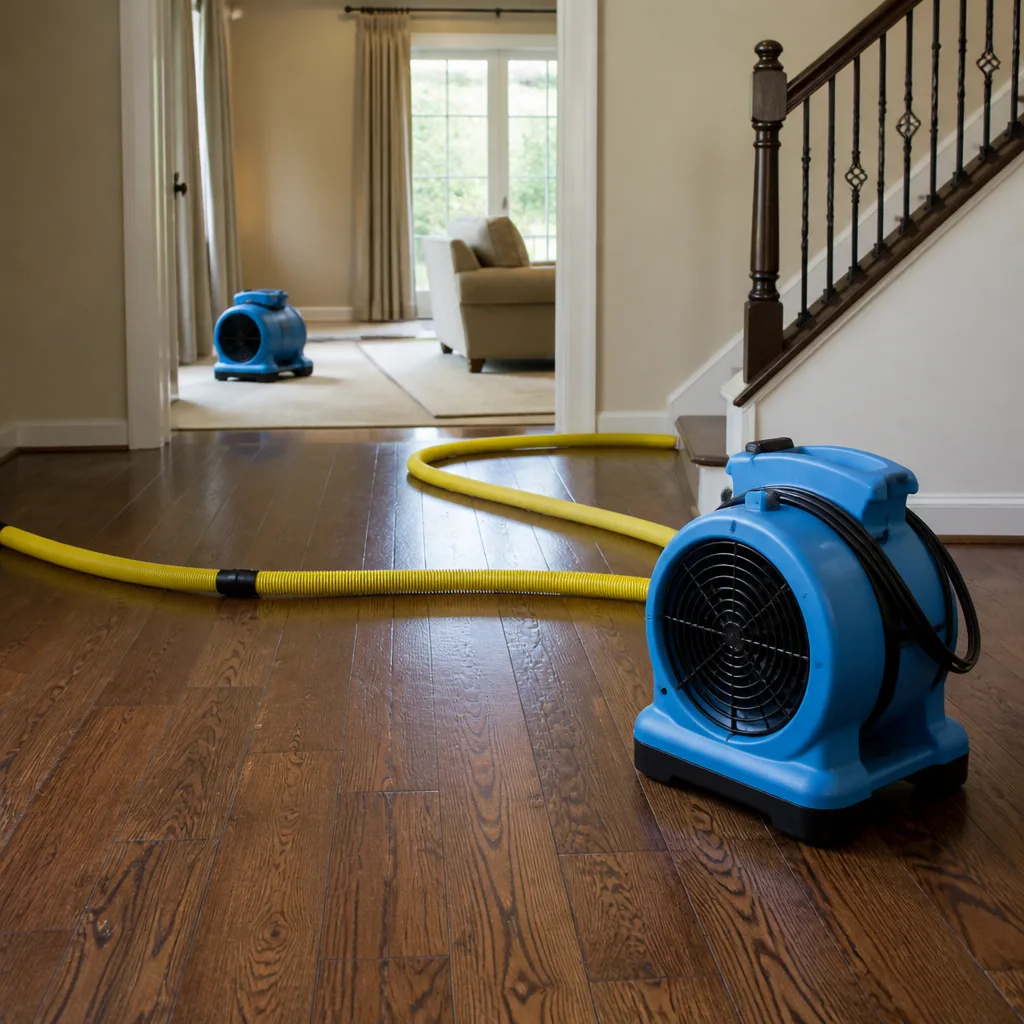
Professional-grade Dri-Eaz and Phoenix dehumidifiers paired with XPOWER air movers run on a calculated placement plan, with daily moisture readings logged until the dry standard is met. We hand you that log.
Cleaning & Sanitization
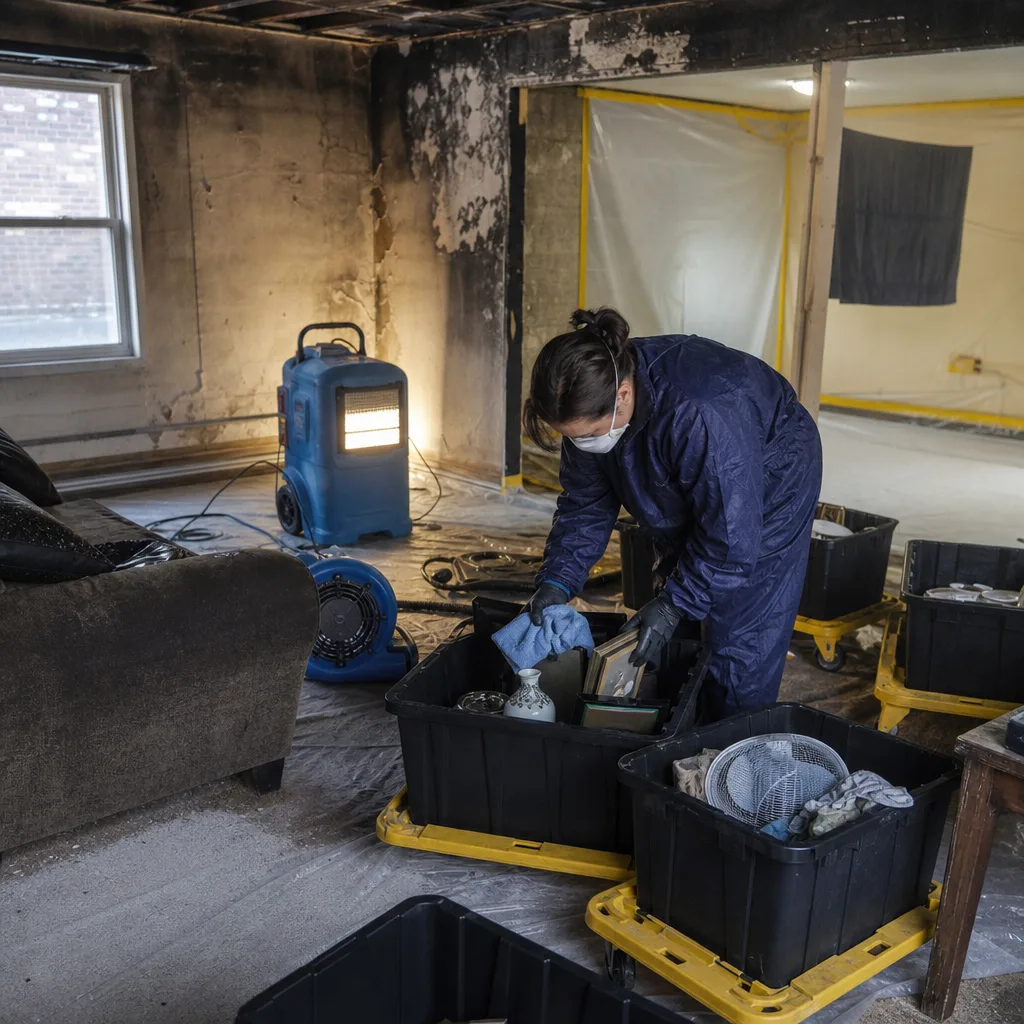
Antimicrobial treatment for Category 2 and 3 water, HEPA air scrubbing for soot and particulate, and Mold Remediation in Central Harlem with surface cleaning appropriate to the building’s original materials. Horsehair plaster gets different chemistry than gypsum board.
Reconstruction & Specialty Treatment
Drywall and flooring repair, plaster restoration, door replacement, and full-room rebuilds are handled by the same certified crew. Where LPC approval applies, we sequence the work so interior drying proceeds while exterior approvals pend.
Final Verification & Handover
We walk the property with you, review the moisture log and photo documentation, and confirm the written scope is complete. The 90-Day Done Right Promise goes in your hands before we leave.
Need Emergency Reconstruction & Cleanup in Central Harlem Now?
Crews minutes away, answering live 24 hours a day. The sooner we start, the less it costs.
Working With Your Insurance Company
Insurance is almost always in the room when a Central Harlem brownstone takes water or fire damage, even when nobody says it out loud. We treat the claim as part of the job from the first hour, photographing damage room by room before we touch anything, logging moisture readings that your adjuster can actually use, and writing a line-item scope in the format carriers expect. Our team coordinates directly with your adjuster, so you’re not routing emails and voicemails between two parties who don’t answer each other’s phones. For losses that touch LPC-regulated exteriors, we document the code and landmarks context your carrier may need to approve the full reconstruction scope rather than a partial patch-and-paint.
What We Provide Your Insurer
- Thorough documentation of the loss
- Photos of all damage, room by room
- Moisture readings and drying logs
- A detailed, line-item scope of work
- Direct coordination with your carrier
Built for Central Harlem’s Loss Calendar
Central Harlem’s damage calendar has a rhythm, and we plan around it. January deep freezes push Manhattan temperatures below 20°F and burst supply lines in the unheated basement and cellar spaces common through the rowhouse rows. Water from a single frozen line on the fourth floor travels down three stories of original plaster and into the English basement before anyone notices. Spring thaw brings basement seepage as groundwater rises against the rubble stone foundations and freeze-thaw cycles have spent all winter opening hairline cracks in the brownstone façade. Summer convective storms are the sleeper: streets west of Fifth Avenue see flash flooding when the combined sewer system backs up during downpours, and that water doesn’t care whether it “rained that hard.” It cares about the grade of your cellar floor and the condition of your backflow preventer. Nor’easters in fall and early winter rip rolled roofing off flat tar-and-gravel roofs, and that’s when the party-wall migration pattern really shows itself. One building’s roof membrane fails, and two or three basements on the block get wet.
Last August, a wind-driven storm tore a section of rolled roofing off a six-story brownstone on West 138th Street between Adam Clayton Powell Jr. Boulevard and Malcolm X Boulevard, sending water through three floors of horsehair plaster and into the English basement. We set containment and ran Phoenix air movers and Dri-Eaz dehumidifiers across four rooms, mapping moisture readings in the party walls hourly until the damp stopped wicking into the adjacent building, a call the owner hadn’t expected but that kept the job from becoming a two-landlord claim.
Reconstruction & Cleanup Across Central Harlem’s Neighborhoods
Response routes through Central Harlem vary block by block, and so do the buildings. Around Mount Morris Park and the St. Nicholas Historic District, the brownstones are larger and the LPC oversight more concentrated, meaning exterior reconstruction work from doors to roofs runs on a dual-agency approval timeline. We build that sequencing into every estimate. Along Lenox Avenue and Adam Clayton Powell Jr. Boulevard, the mixed-use buildings put commercial tenants on the ground floor and residential units above, which means a single roof failure can generate both a landlord claim and a business interruption claim. West 125th Street’s busy retail corridor carries a higher share of post-construction cleanup work after tenant fit-outs, while the block-deep rowhouse rows between Frederick Douglass Boulevard and St. Nicholas Avenue generate the shared party-wall water migration cases that define our Reconstruction & Cleanup work here. Near 116th Street, the older tenement stock with central stairwells and air shafts tends to send smoke and soot vertically through the same channels that once carried heat, which changes how we scope a kitchen fire on the first floor.
Through 10026, 10027, 10030, and 10037, the buildings were built before modern plumbing, modern roofing membranes, and modern fire separation. Central Harlem requires crews who don’t have to learn pre-war building behavior on your dime.
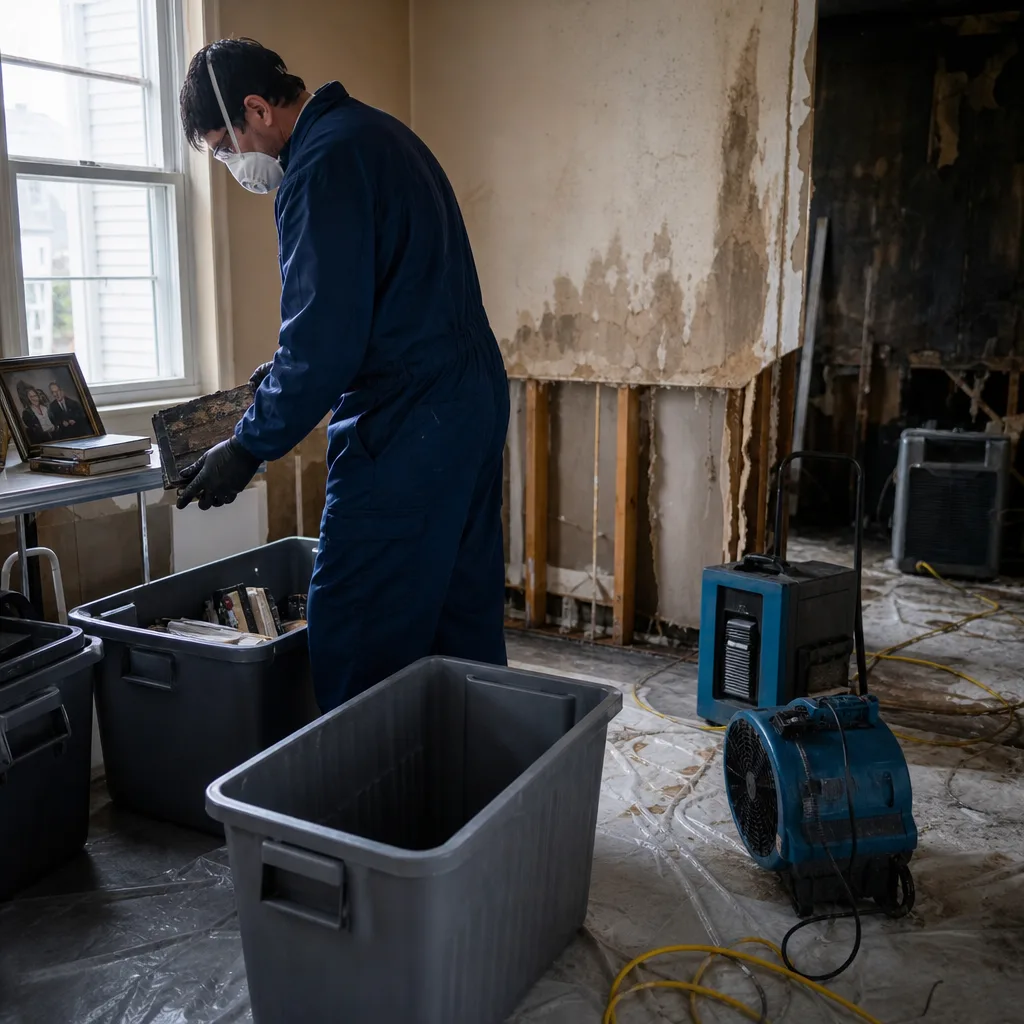
Specialized Reconstruction & Cleanup Services We Offer in Central Harlem
Full-Service Reconstruction
One crew handles the job from first extraction to final coat of paint. That matters in Central Harlem because the original plaster, trim profiles, and built-in details from 1890 don’t have off-the-shelf replacements at the supply house. We match materials, rebuild lath and plaster where appropriate, and sequence LPC exterior work so interior reconstruction never stalls.
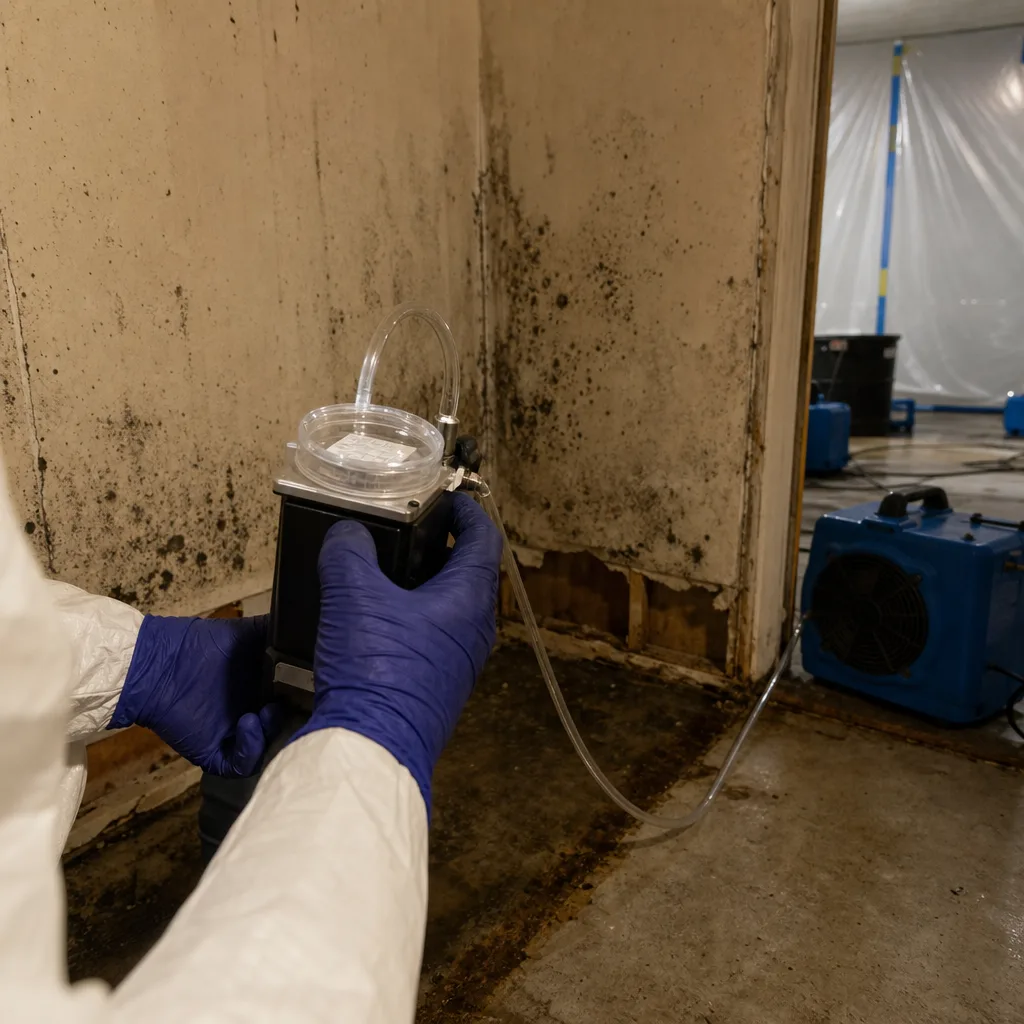
Drywall & Flooring Repair
When the bottom three feet of a brownstone parlor wall get soaked from a baseboard leak, the repair is rarely just drywall. We cut along mortar lines where original construction demands it, stabilize the framing behind it, and dry to standard before new board or plaster goes up. For flooring, we match existing hardwood species and plank width where salvage is possible, and tell you straight when it’s not.
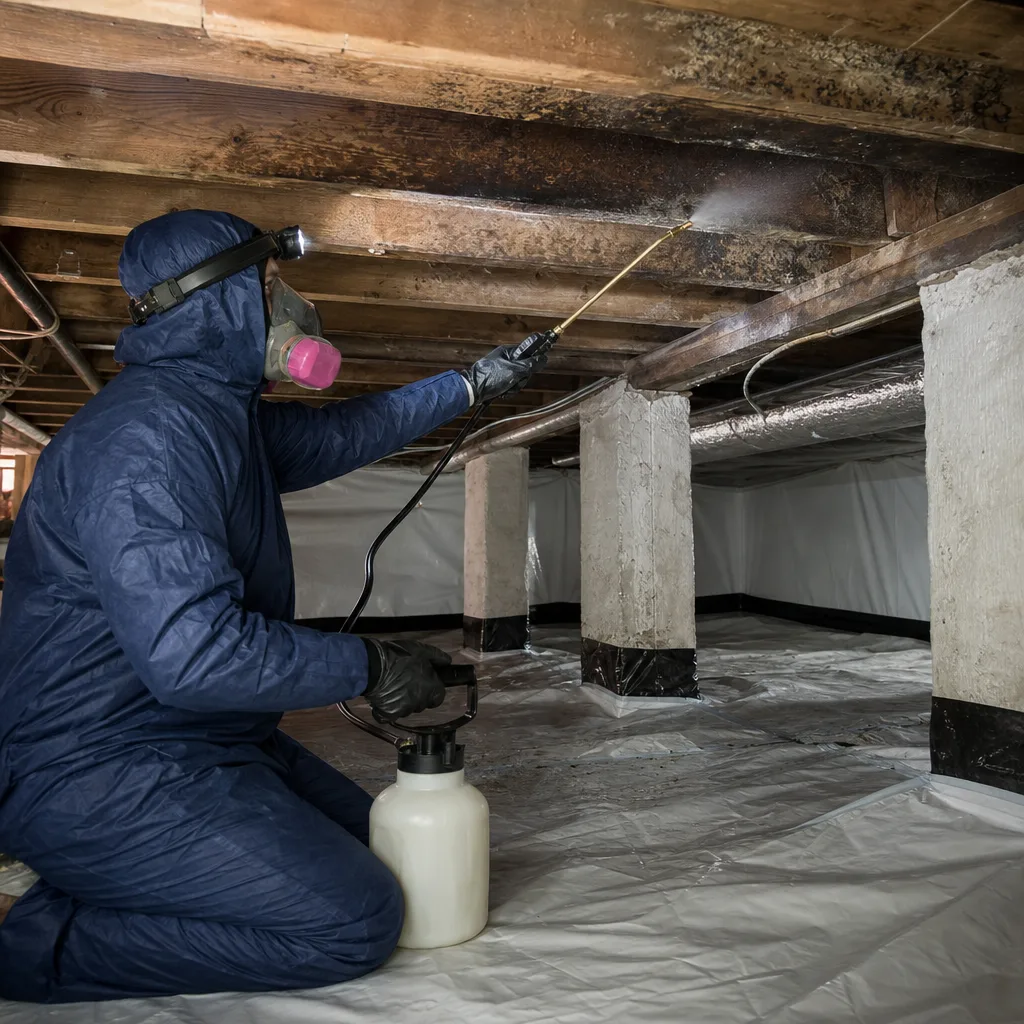
Contents Restoration & Pack-Out
Furniture, rugs, books, and records dry differently than framing. We inventory, pack out, and restore contents off-site when the scope demands it, with photo documentation your adjuster can use. In the tightly built rowhouses of Central Harlem, pack-out is often the difference between drying a room in five days or three weeks.
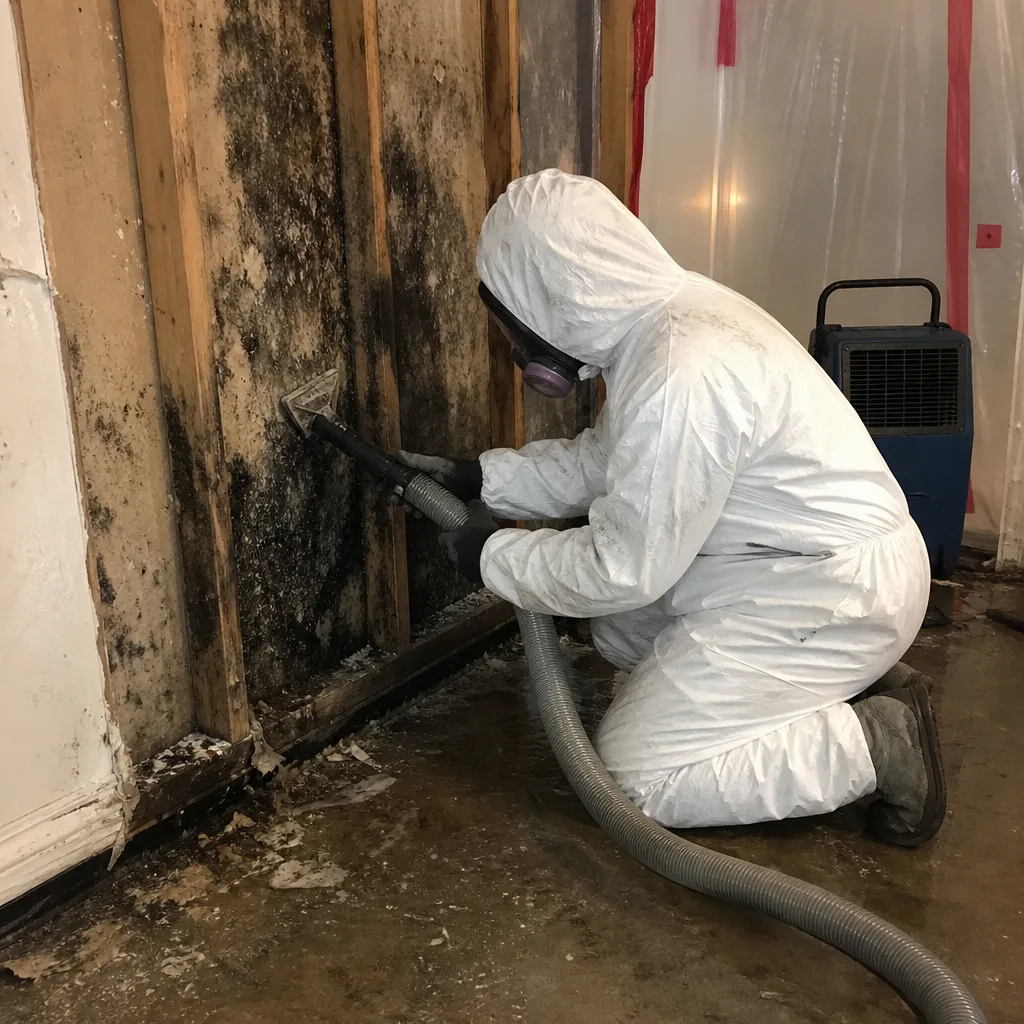
Carpet & Upholstery Cleaning
Post-loss and post-construction, carpet and upholstery hold particulate that HEPA air scrubbing alone doesn’t remove. We run professional-grade extraction and cleaning on-site where possible, or pack out where the odor load is too deep. No deodorizer masking; we measure what’s left, not just what you smell.
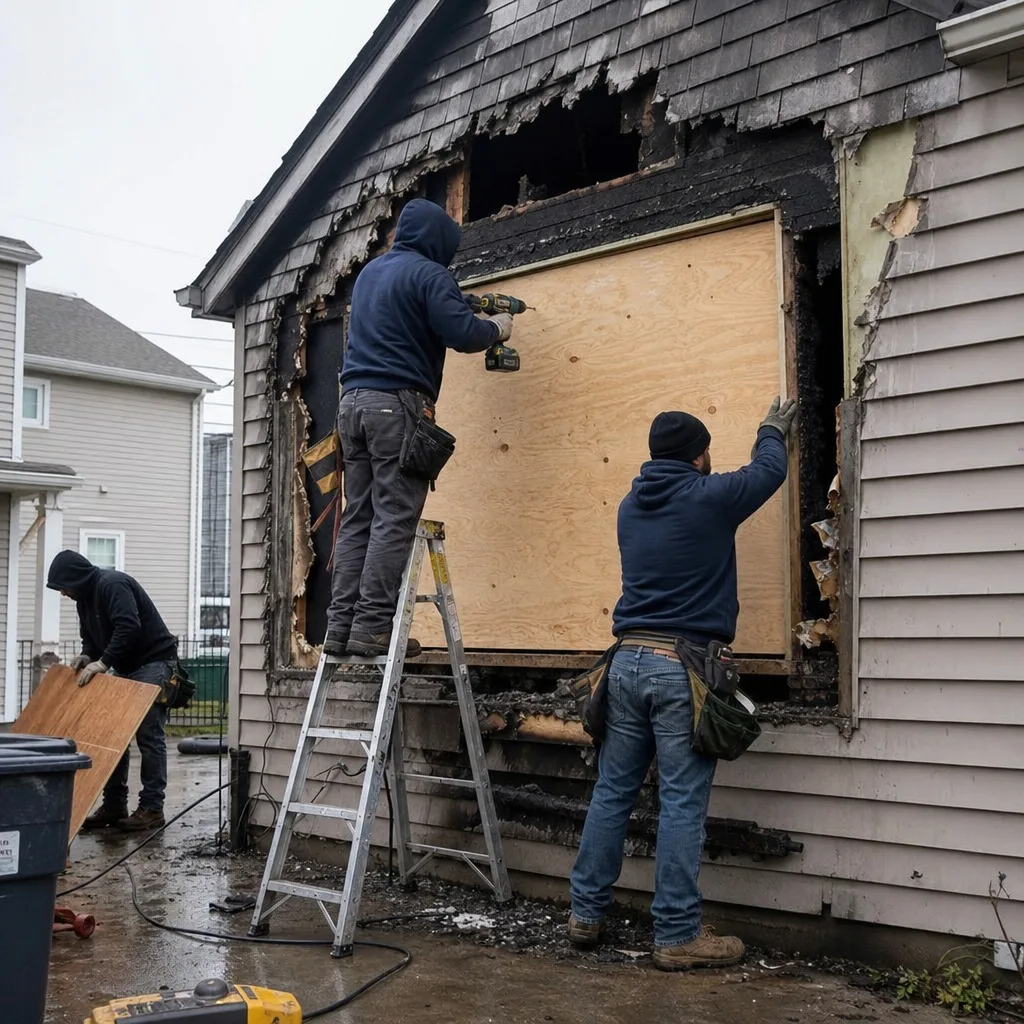
Post-Construction Cleanup
After any reconstruction job in Central Harlem, fine dust from plaster, drywall compound, and sanded hardwood settles into every drawer, behind every radiator, and inside every air register. We detail-clean with HEPA vacuums and wipe-downs that leave the space ready to live in, not just ready to photograph.
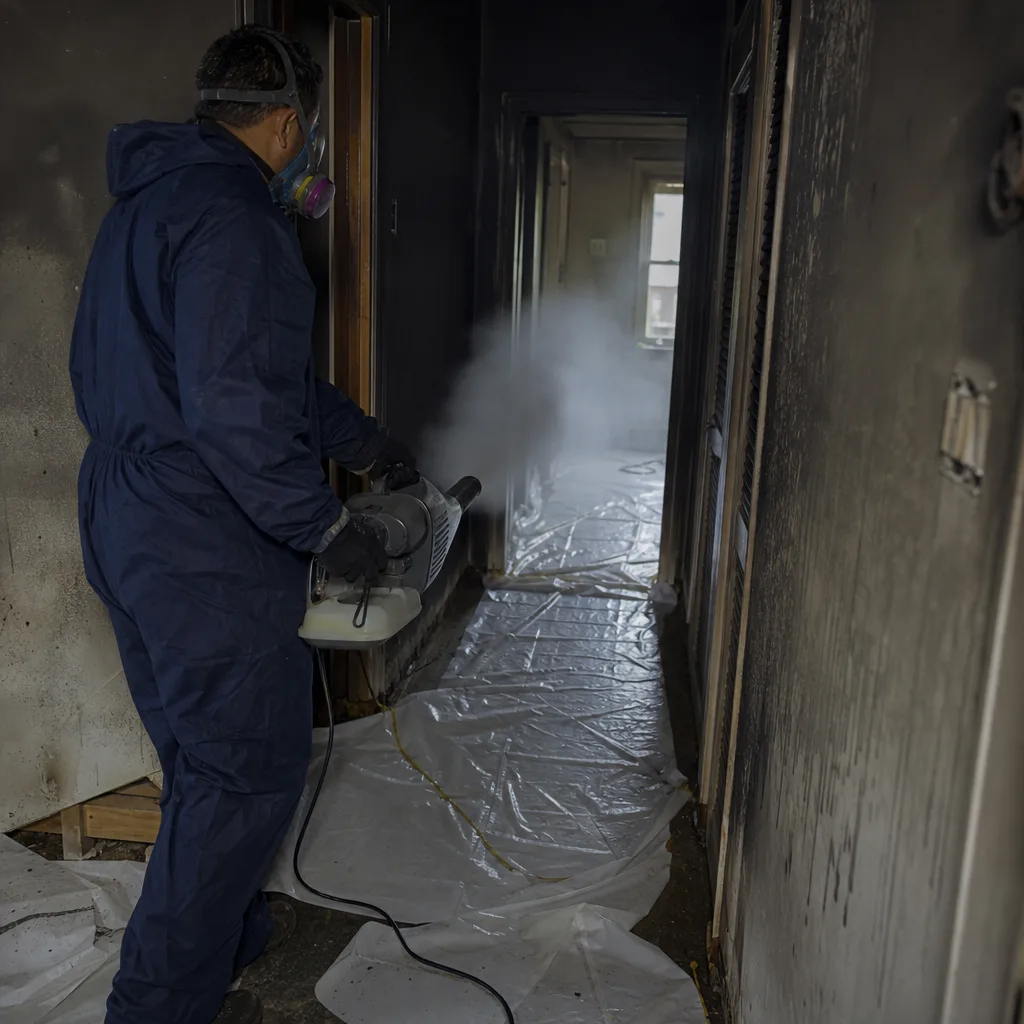
What happens when you call
- 1
A real person answersNo phone trees - you reach a local pro.
- 2
You get an upfront price rangeHonest numbers before anyone is dispatched.
- 3
A background-checked tech heads outLicensed & insured, dispatched right away.
- 4
You approve before work beginsNothing starts until you say go.
Reconstruction & Cleanup Costs in Central Harlem, NY
Honest numbers for Central Harlem’s market, based on what we actually see in the brownstone rows. Emergency water extraction and drying typically runs $1,800 to $4,500 depending on square footage and how far moisture migrated into the party walls. Full drywall and flooring repair after a Category 2 leak lands between $3,200 and $8,000 per affected room when original plaster and hardwood are involved. A complete English basement reconstruction after sewer backup commonly runs $15,000 to $35,000, driven by the demolition of saturated plaster, flooring replacement, and the antimicrobial and drying steps carriers require. Full-service reconstruction after a significant fire in a Central Harlem brownstone starts around $25,000 and can exceed $100,000 when LPC-governed exterior work enters the scope. What moves the price most in this neighborhood: whether the LPC district is triggered, whether the party wall shared with a neighboring owner needs drying or repair, and how much original material can be salvaged. Insurance-covered losses typically leave the homeowner responsible only for their deductible; out-of-pocket repairs are quoted with the same written scope at the same rates. Call (640) 221-3499 for an exact quote. The visual inspection is free, and the scope is in writing before you commit to anything.
We Also Serve Cities Near Central Harlem
Floodline Restoration Co. handles reconstruction and cleanup for property owners throughout the surrounding area. When you call from Central Harlem or the blocks just beyond, our crews route the same way: Midtown West, Upper West Side, Midtown Manhattan, and Upper East Side. Same live answer, same 45-minute response commitment, same written scope before work starts.
Serving Central Harlem, NY - Our Local Coverage Area
We’re based in the Central Harlem area and know this community well. Use the map below to see our service coverage - if you’re nearby, we can almost certainly help.
Central Harlem Reconstruction & Cleanup Questions, Answered
Do I need LPC approval to replace a wind-damaged door on my Central Harlem brownstone?
Yes, if your building falls within the Mount Morris Park or St. Nicholas Historic District, any exterior door replacement, including a wind-damaged one, requires Landmarks Preservation Commission review on top of DOB permits. Interior door replacements do not. Before you start demolition, we check the LPC designation for your specific block and sequence the work so the opening is weather-sealed now while the approval process runs. Call (640) 221-3499 and we’ll check the district map for your address before anyone touches a hinge.
My neighbor’s roof leak is wetting my party wall inside Central Harlem. Who pays for the reconstruction?
Typically, the insurance policy of the property where the water originated covers the damage it caused to adjacent properties, but liability disputes between landlords get expensive fast. The practical answer in Central Harlem’s attached rows is to scope both units before filing anything, document the moisture migration path with readings and photos, and submit a coordinated set of documents to both carriers. We do this routinely. It’s the only way to avoid the one-landlord claim that becomes a two-landlord legal fight.
Can you dry out original horsehair plaster walls, or do they always get torn out in Central Harlem?
We can dry horsehair plaster in place more often than the demo-first crews would have you believe, provided the moisture mapping is done early and the framing behind it hasn’t been soaked long enough to rot. Dri-Eaz and Phoenix dehumidifiers with careful air mover placement pull moisture through the plaster’s thickness without forcing it to spall from inside. If the plaster key has failed or the wall has been wet for weeks, removal is sometimes the only honest option, and we tell you which path the readings support.
Why did my English basement flood during a summer storm even though it didn’t rain that hard in Central Harlem?
Because Manhattan’s combined sewer system carries both stormwater and sewage in the same pipes, and during heavy convective storms the system surcharges, backing up through basement drains and floor drains in the lowest-lying points of the rowhouse rows. The rain doesn’t need to be record-breaking, the system just needs to be overwhelmed for the fifteen minutes it takes your cellar floor to become the relief valve. A working backflow preventer is the only reliable defense, and we inspect that as part of every Central Harlem basement water assessment.
What records do I need to show my insurance company for a Central Harlem brownstone water damage claim?
Start with photos of every affected room before anything is moved, then add moisture readings taken with hygrometers at the time of loss and daily thereafter, a line-item scope of the reconstruction work, and documentation of the water source and category. Your carrier will also want to know whether any LPC-regulated exterior work is part of the claim, since that changes the permitted scope and timeline. We compile all of this for you in a claim-ready package and coordinate directly with your adjuster, so you don’t spend weeks assembling what we already measured.
How fast can a Floodline crew actually get to a Central Harlem address?
We commit to 45 minutes for emergency calls inside Central Harlem, measured from the moment you hang up with our live dispatcher to the moment the truck parks on your block. For non-emergency reconstruction estimates, we schedule within one business day, and the visual inspection is free. Call (640) 221-3499 and a real person will tell you which crew is closest to your address right now.
How long does drying take in a Central Harlem brownstone?
Most residential drying in Central Harlem takes three to five days when we start within the first 24 hours, but original horsehair plaster and party walls can extend that timeline to seven or ten days. We take daily moisture readings and give you the log, so you’re watching the numbers come down with us, not wondering whether the job is finished or just abandoned. Reconstruction begins only after the dry standard is met. That’s the Keystone Standard, and it’s in writing.
What should I do in the first 30 minutes after water damage in Central Harlem?
Shut the water at the main if the source is a burst line, kill power to affected areas if water is near outlets or the panel, and do not enter standing water until the source is confirmed safe. Move small valuables and rugs up out of the water if you can do so safely, but do not attempt to extract water yourself with a shop vac from a Category 2 or 3 loss. Then call (640) 221-3499. The first hour sets the entire drying curve in these pre-war buildings, and every minute of delay is moisture moving further into plaster and party walls.
Written by Curt Bowman, Owner at Floodline Restoration Co., serving Central Harlem since 2010.