
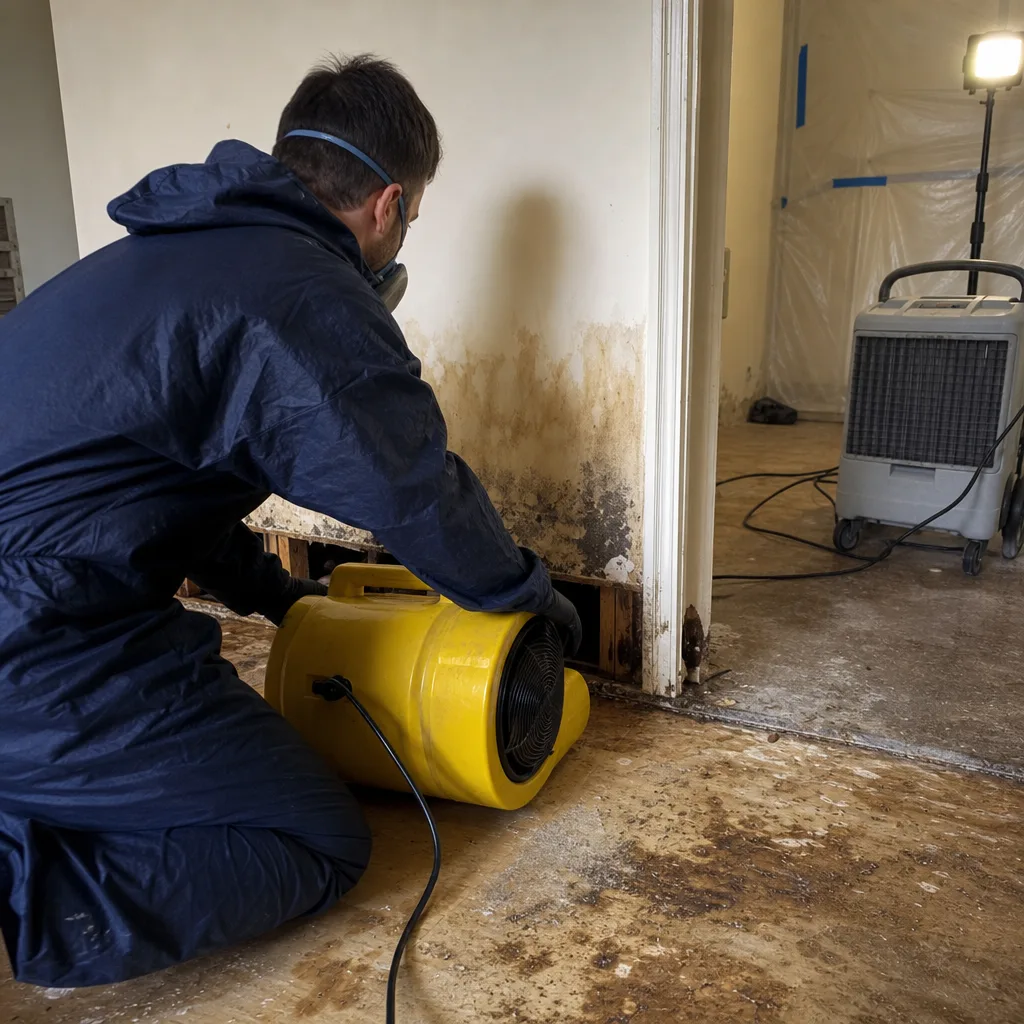
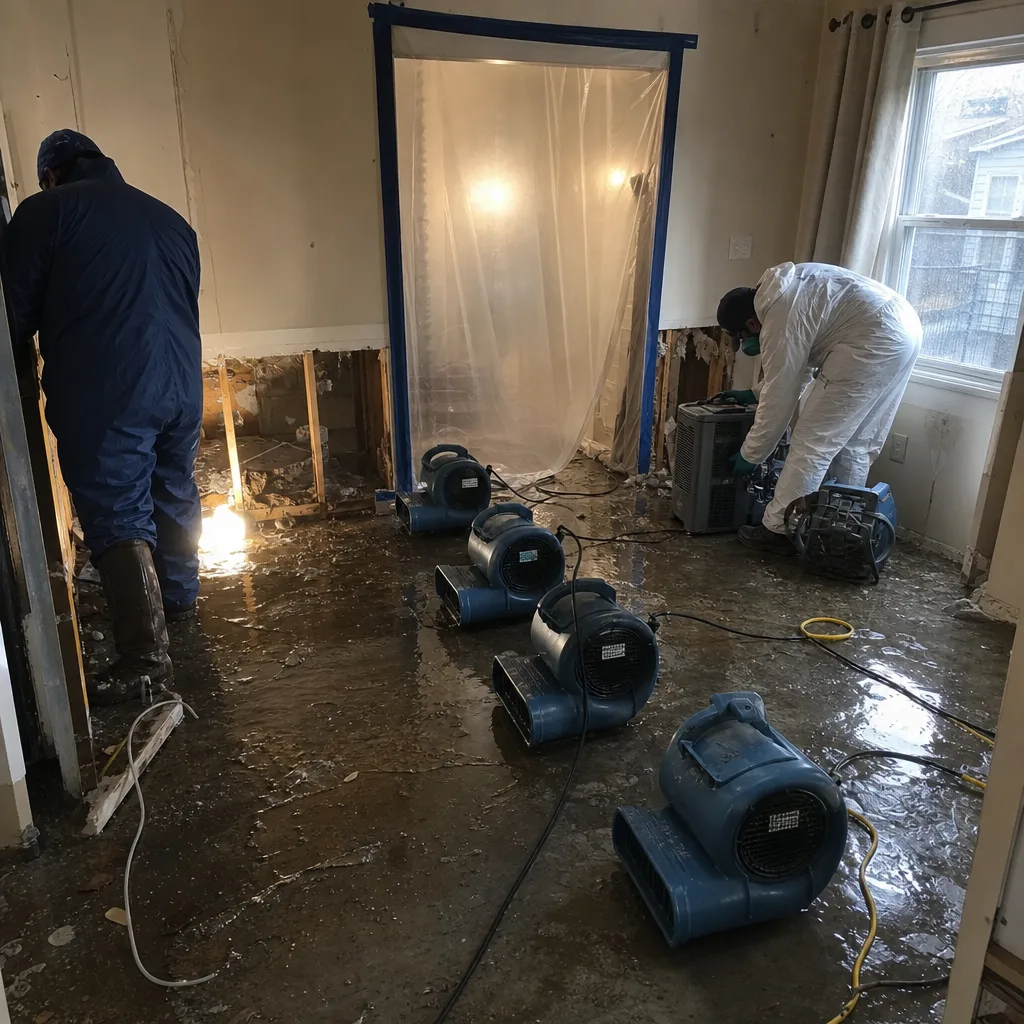
Free visual inspection and a written scope of work before any mitigation begins - photos, moisture readings, and drying logs go in your claim file
The scope we write is the scope we bill. Anything new gets shown to you, in writing, before we touch it.
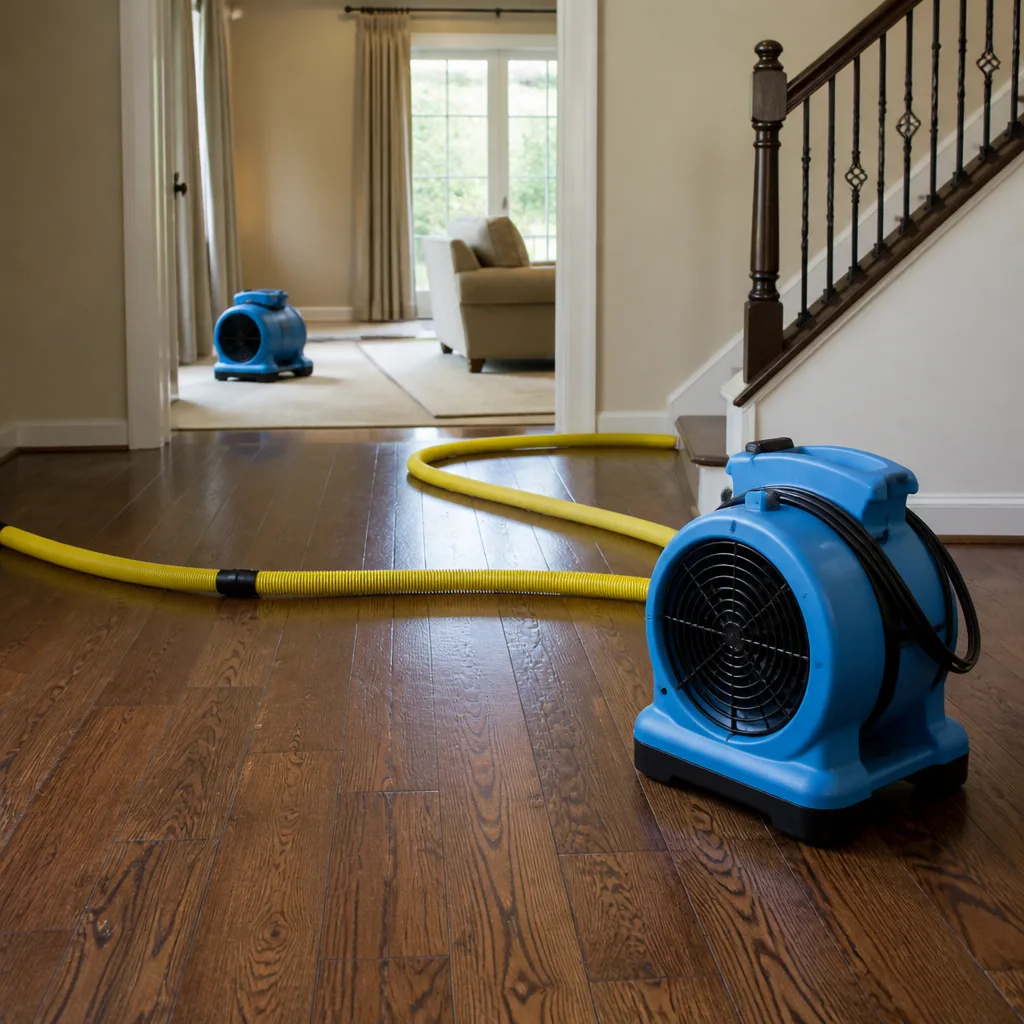
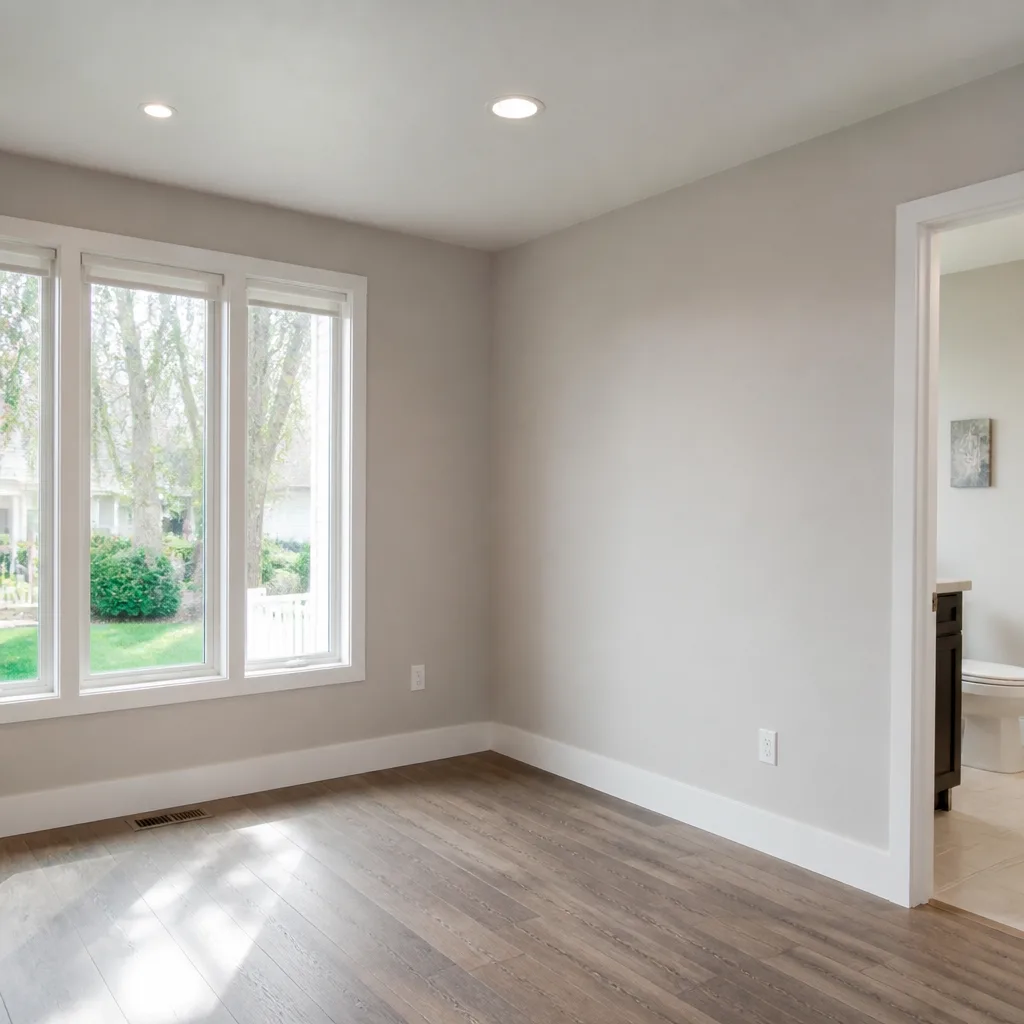
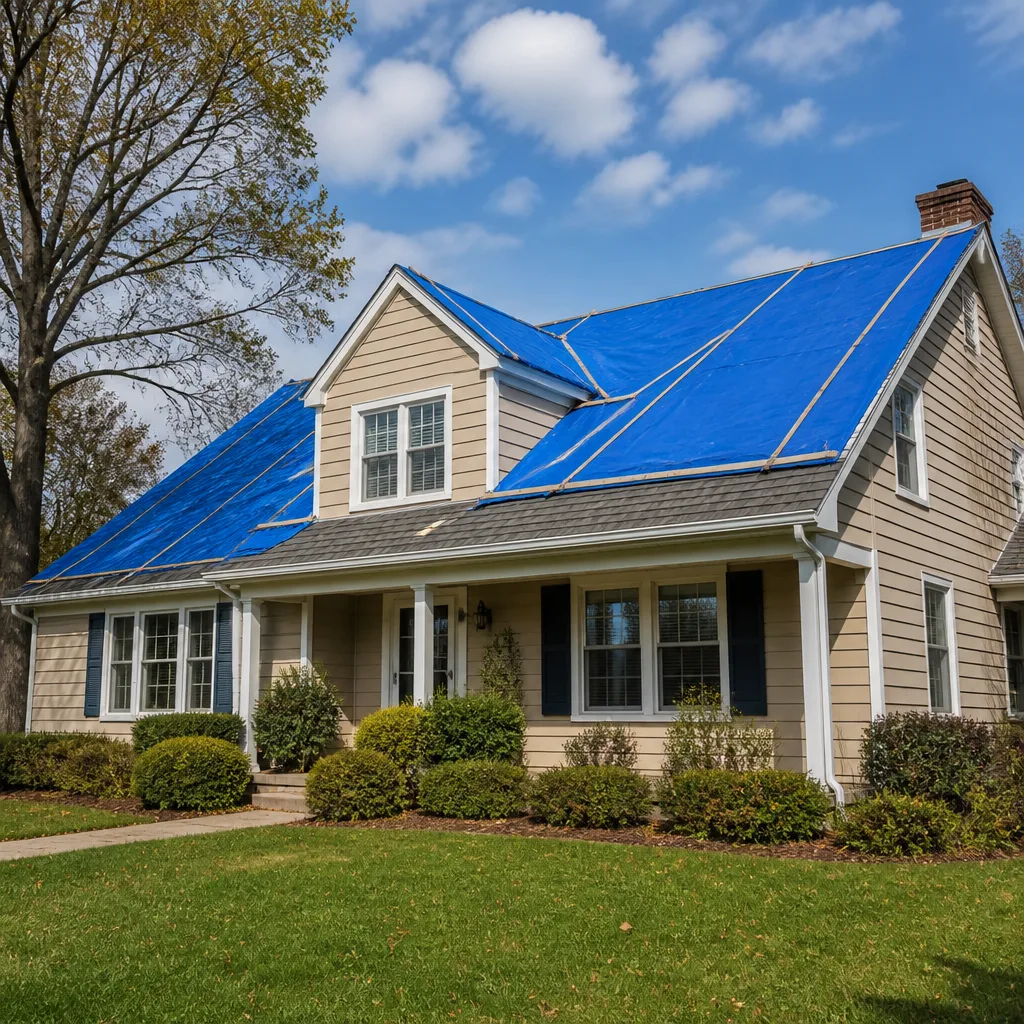
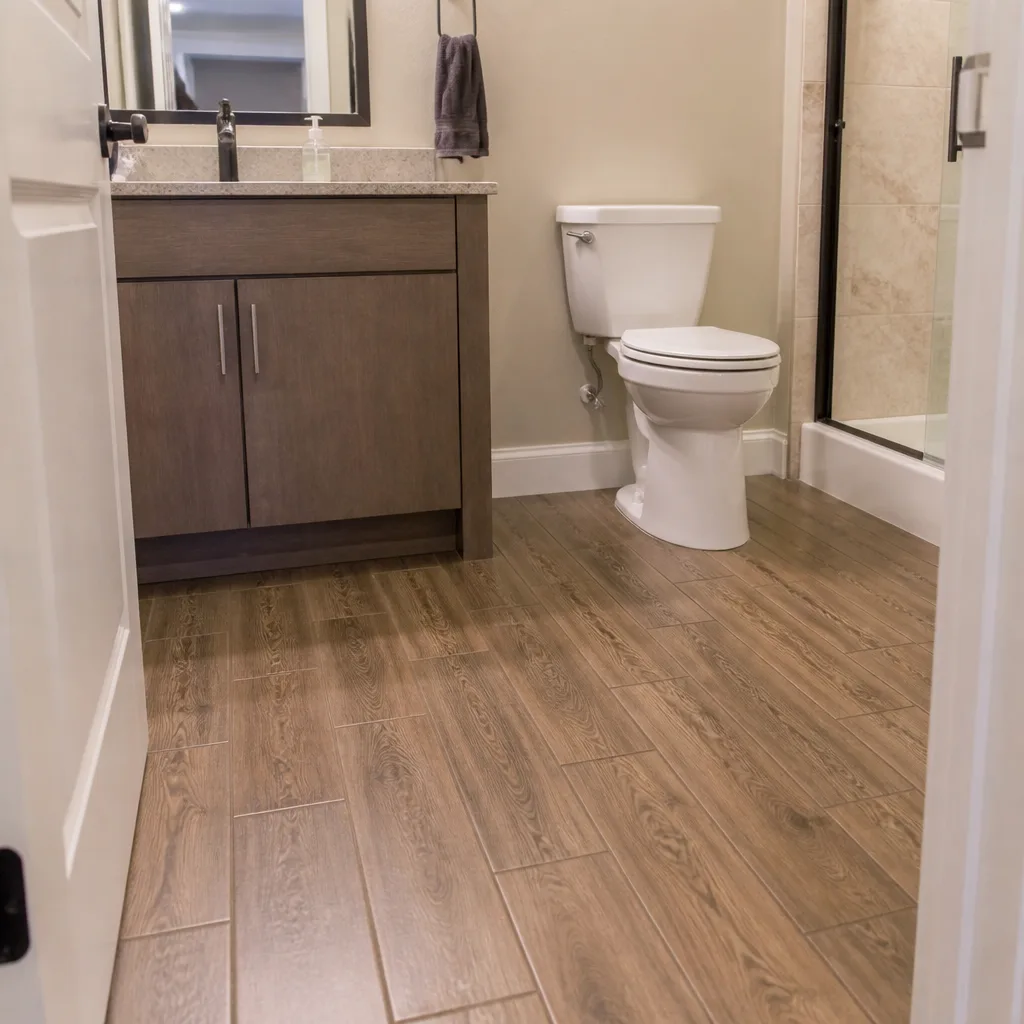
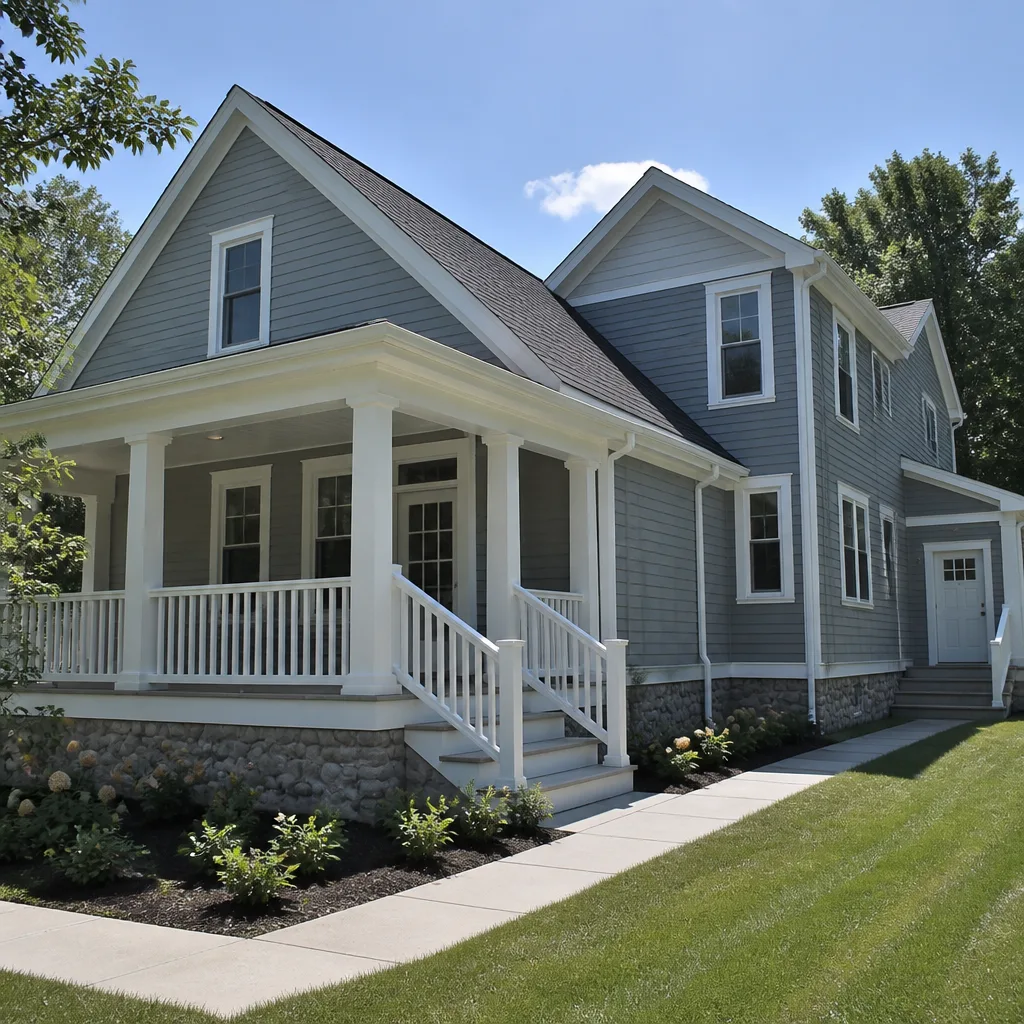
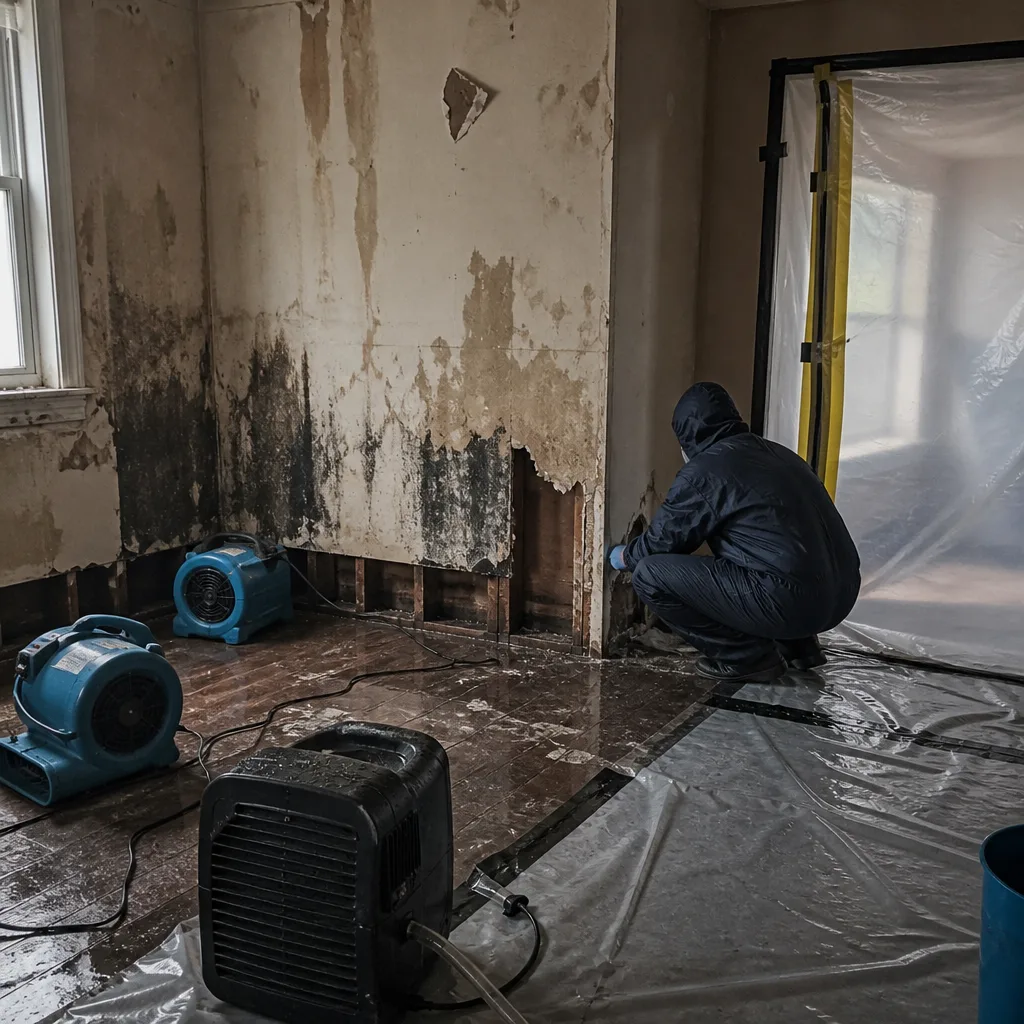 Before
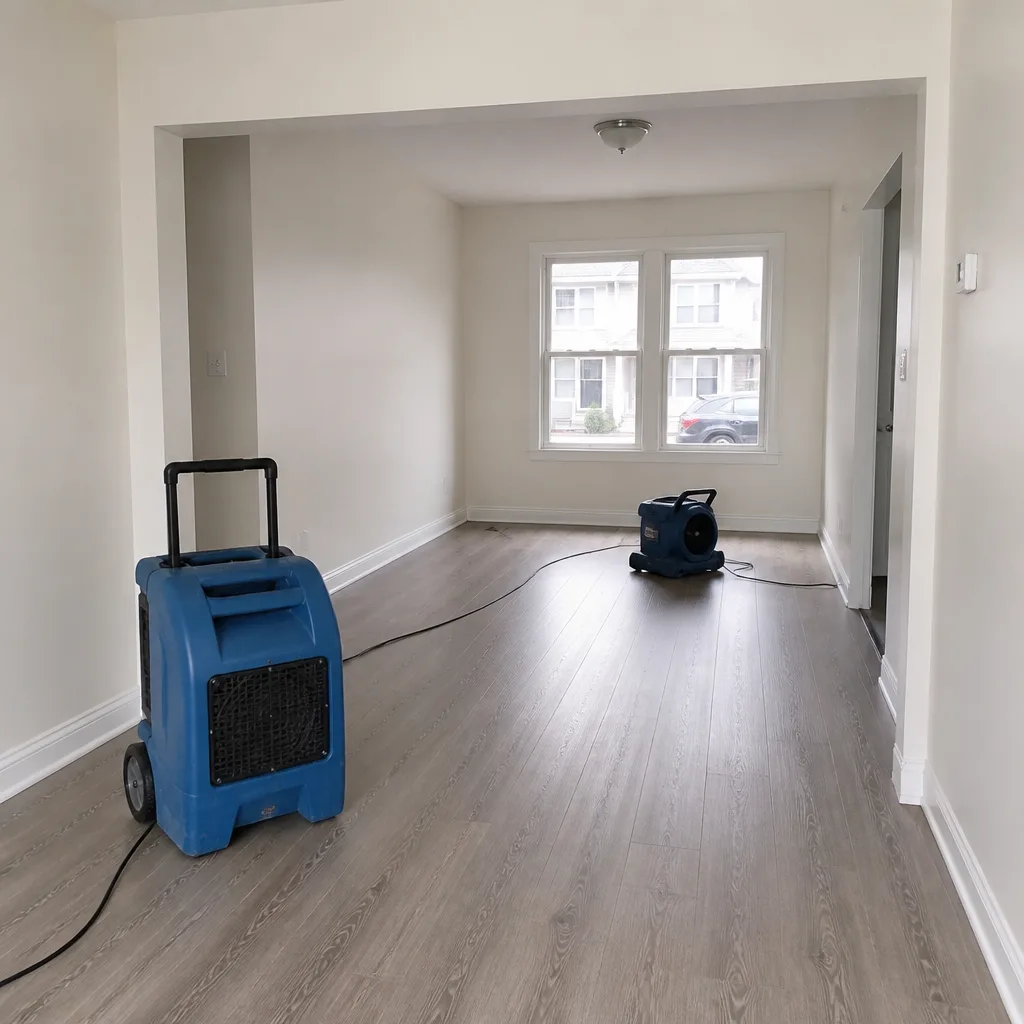 After
After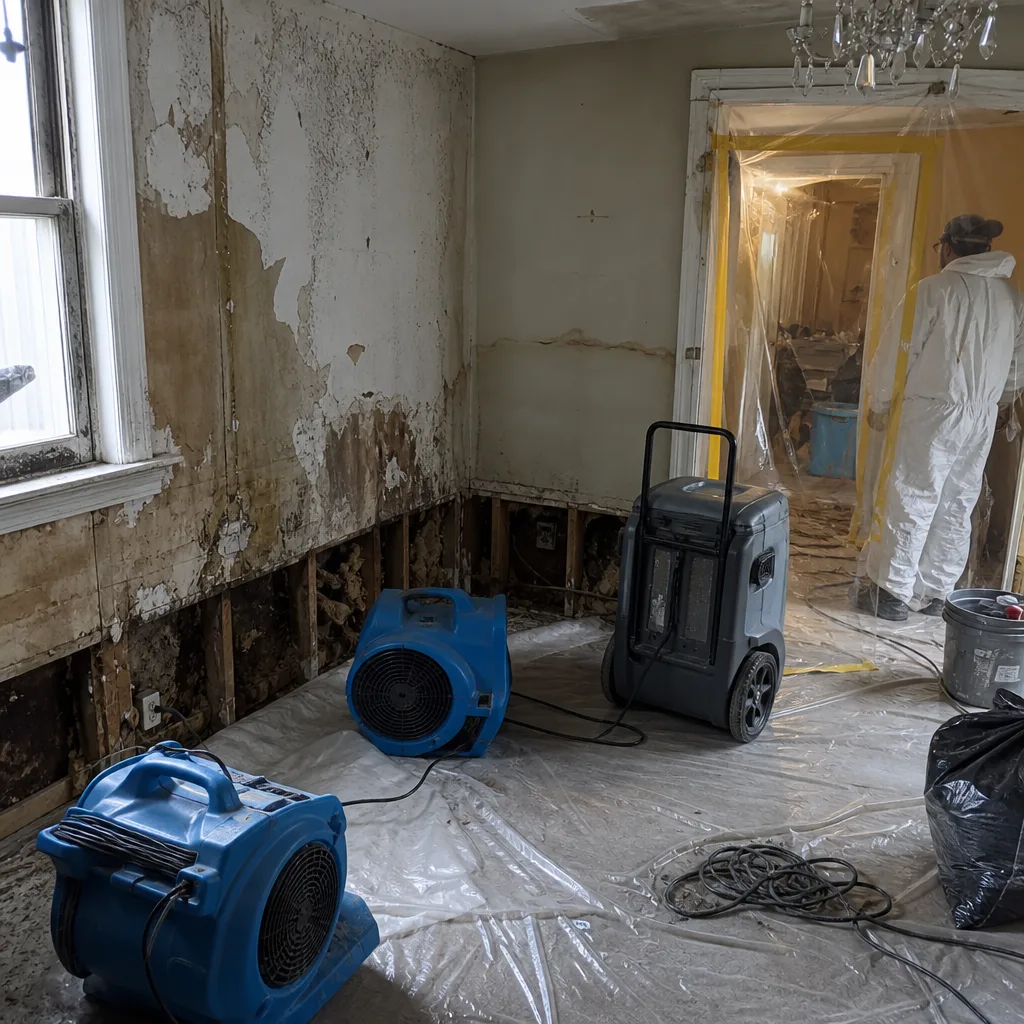 Before
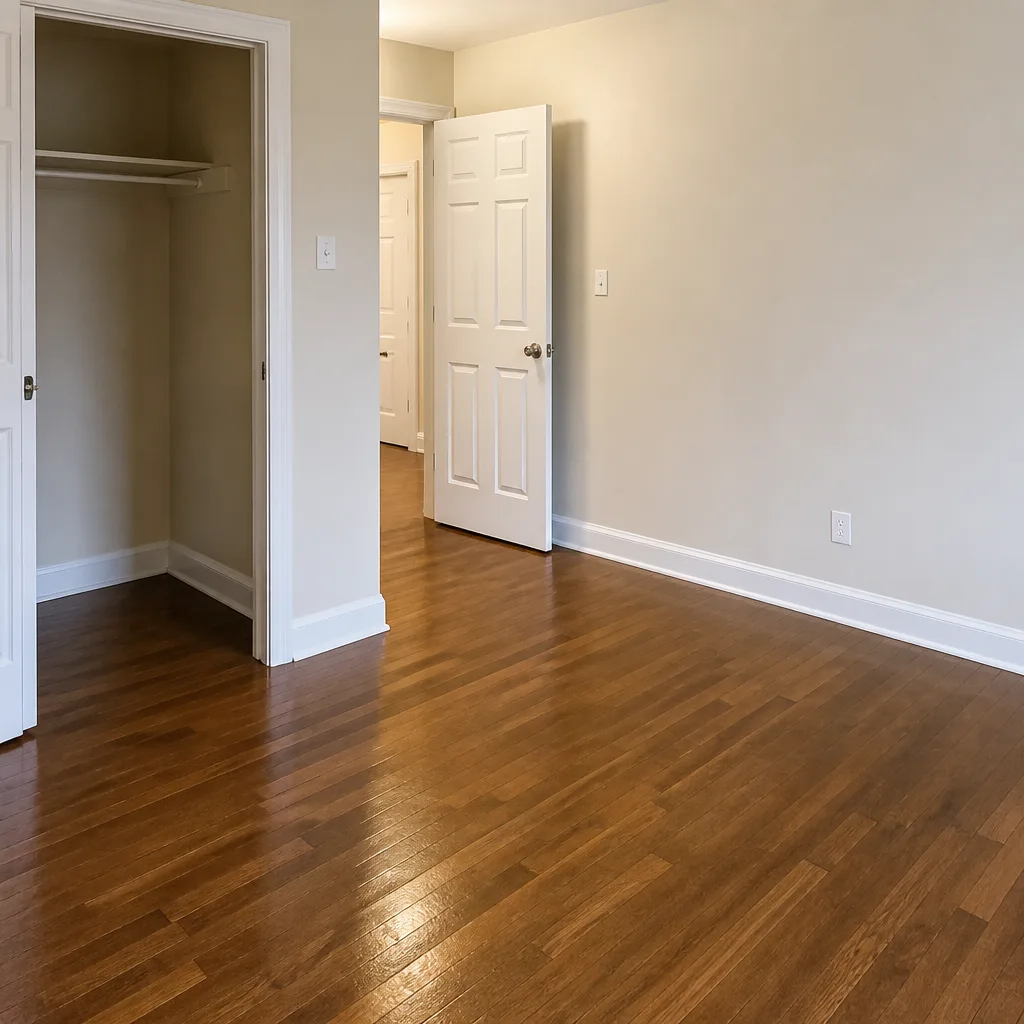 After
After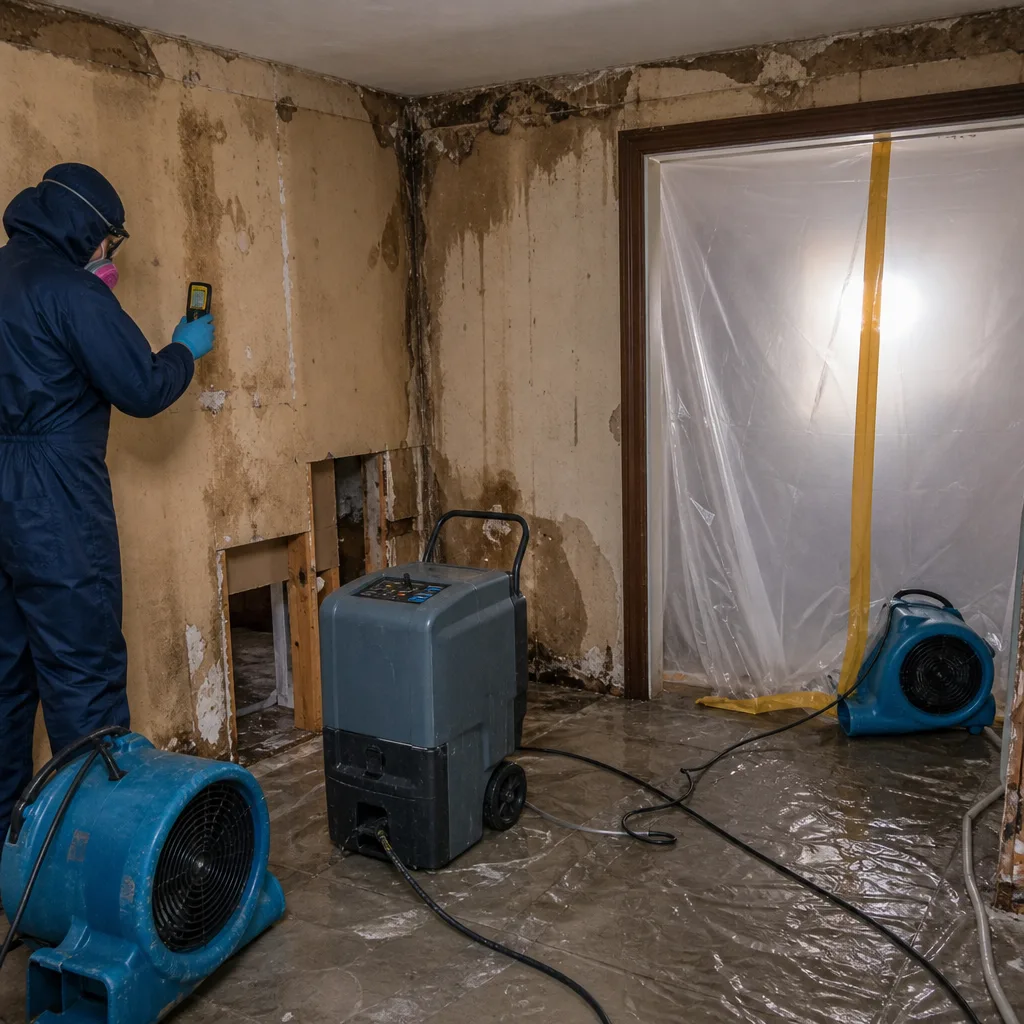 Before
 After
After24/7 Emergency Commercial Restoration in Central Harlem
Commercial restoration in Central Harlem requires a crew that understands what they’re walking into before they open the door. Floodline Restoration Co. answers live at (640) 221-3499 around the clock, every day of the year, and our certified technicians dispatch into Central Harlem within 45 minutes of your call. The first hour after a water line breaks on the third floor of a brownstone, or smoke pushes through the shared wall of a commercial kitchen, determines whether you’re looking at a contained cleanup or a full building shutdown. We arrive with commercial-grade Dri-Eaz dehumidifiers, thermal imaging, and moisture mapping equipment already loaded. The free visual inspection happens before any work begins. The line the water left is where we start.
Understanding Commercial Restoration Severity in Central Harlem Properties
Commercial restoration in Central Harlem splits into categories that most building owners never see coming. Category 1 water from a broken supply line is clean but still migrates fast through horsehair plaster and old-growth timber. Category 2 water, which carries detergents or biological contaminants from a failed drain line, moves through the same walls and demands antimicrobial treatment before drying can begin. Category 3 water from a combined sewer backup into an English basement is a biohazard, full stop, and requires full containment, disposal of saturated porous materials, and clearance testing before occupancy returns.
Central Harlem’s pre-war construction changes the drying math. Horsehair plaster holds moisture longer than gypsum board and hides saturation pockets that standard moisture meters misread. Cast iron drain stacks rust from the inside out, failing suddenly and dumping water into walls that haven’t been open since 1910. Our technicians run moisture mapping with thermal imaging and hygrometers across every affected surface, not just the visible stain. The daily readings get logged until the dry standard is met, and you get that log in writing.
Why Central Harlem Property Owners Choose Floodline Restoration Co.
- 45-minute response commitment to Central Harlem. We’re staged locally, and the dispatcher who answers your call knows the difference between a brownstone on Strivers’ Row and a tenement near the Apollo. The crew arrives fast, scopes the loss, and puts a plan in writing.
- 24/7 live answer, every single time.A real person picks up at two in the morning. No answering service, no callback queue. The person who answers can dispatch a crew. That’s the whole system.
- IICRC-certified crews with trade-specific codes. Our Water Damage Restoration Technicians (WRT), Fire & Smoke Restoration Technicians (FSRT), and Applied Microbial Remediation Technicians (AMRT) are trained to standards that matter in Central Harlem’s rowhouse stock. Uniformed, background-checked, and accountable to a name, not a franchise number.
- Free visual inspection with no obligation. A technician walks the property, documents what’s there, and tells you plainly what needs to happen and what doesn’t. If you don’t need full remediation, we’ll say so.
- Direct insurance billing. We document the loss from the first hour, file line-item estimates in the format carriers expect, and talk to your adjuster directly. You don’t play messenger between us and the insurance company.
- One team from extraction to reconstruction. The same crew that reads the moisture map on day one handles daily readings, hands the log to you and your carrier, and rebuilds what needs rebuilding. No mid-job handoff, no inherited crew.
Our Commercial Restoration Process
Inspection & Assessment
We walk the entire property, not just the visible damage. Thermal imaging finds the moisture inside horsehair plaster walls that looks dry to the eye. We identify the water category, map the affected area, and write a scope with real numbers before any equipment touches the floor.
Extraction & Stabilization
Extraction pumps and weighted extraction tools pull standing water from floors, English basements, and crawl spaces. We shut off the water source, isolate the affected area, and stabilize anything at risk of collapse or further spread.
Drying & Dehumidification
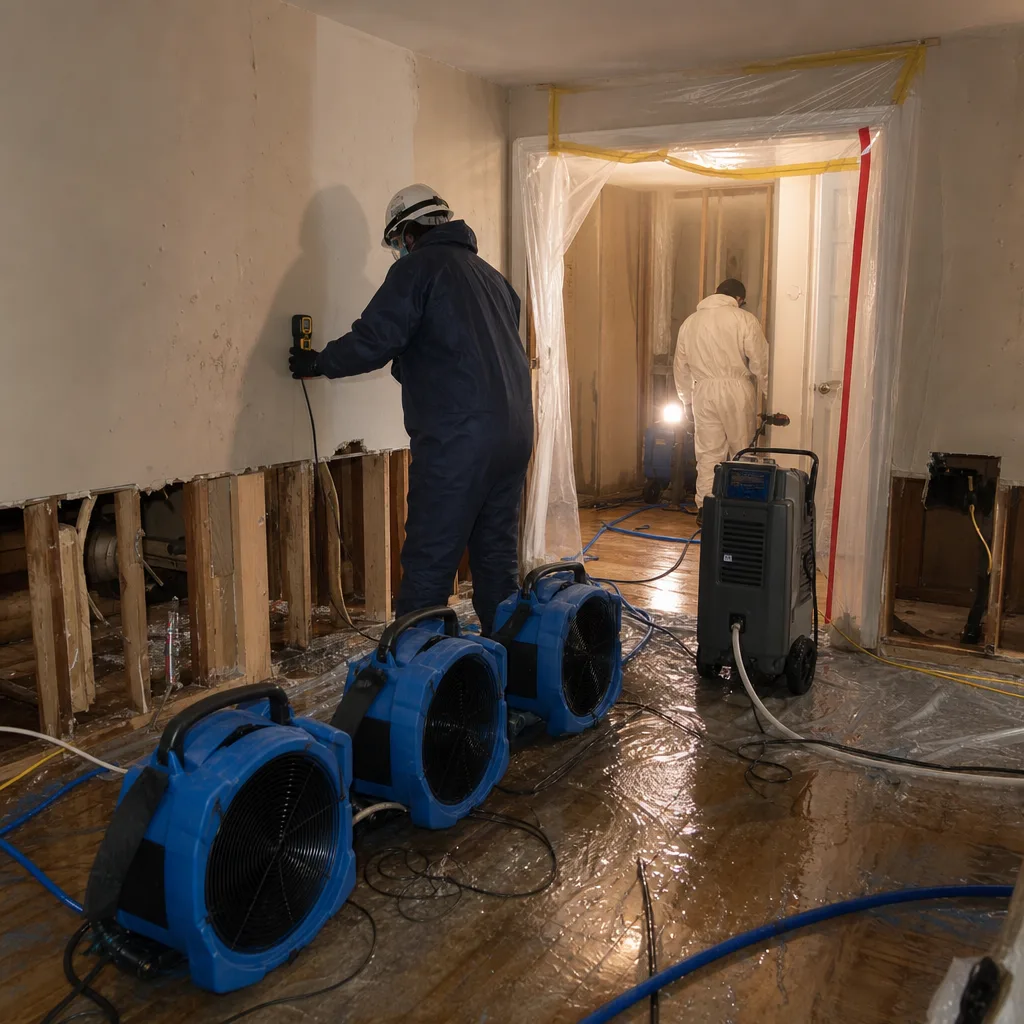
Dri-Eaz dehumidifiers and air movers run in a calculated configuration based on the moisture map. In rowhouse party walls, we dry both sides of the wall, not just the side that got wet. Daily readings get logged until the dry standard is met.
Cleaning & Sanitization
Depending on the water category and the loss type, we apply EPA-registered antimicrobial treatments, run HEPA air scrubbers, and remove porous materials that cannot be salvaged. Horsehair plaster with Category 1 water can often be saved. Horsehair plaster with Category 3 water cannot.
Commercial Restoration Specialty Work
This is where Central Harlem changes the playbook. We coordinate with the Landmarks Preservation Commission on exterior entries, document pre-loss conditions for multi-unit buildings, and handle contents recovery for ground-floor retail. Injectidry systems dry wall cavities without opening landmarked walls unnecessarily.
Repairs & Restoration
The same crew that dried the building rebuilds it. Lath and plaster repair, millwork matching, flooring, paint, and any structural work gets done to the standard that building had before the loss. The 90-Day Done Right Promise covers the entire job, in writing.
Need Emergency Commercial Restoration in Central Harlem Now?
Crews minutes away, answering live 24 hours a day. The sooner we start, the less it costs.
Working With Your Insurance Company
Most commercial restoration claims in Central Harlem are covered by property policies, but the claims process is where building owners get worn down. We handle that load. From the first hour, our technicians photograph the loss room by room, log moisture readings, and write a line-item scope in the estimating format your carrier uses. When your adjuster calls, we talk to them directly. You stay out of the middle. The documentation package includes pre-loss condition notes, which matters a great deal in a landmarked brownstone where historic materials cost more to replace. If the carrier disputes a line item, we support it with the drying log and the photos. That’s a square deal: no surprises on the bill.
What We Provide Your Insurer
- Thorough documentation of the loss
- Photos of all damage, room by room
- Moisture readings and drying logs
- A detailed, line-item scope of work
- Direct coordination with your carrier
Built for Central Harlem’s Loss Calendar
Central Harlem’s commercial restoration calls follow the weather and the age of the plumbing. January and February bring deep freezes that split supply lines in unheated cellar spaces and against exterior walls. Manhattan’s repeated freeze-thaw cycles, with temperatures crossing 32°F dozens of times each winter, work on the brownstone façade material. The porous sandstone absorbs water, freezes, and spalls, creating entry points that let water behind the wall and into the interior during every thaw. Those moisture entry points compound existing damage and have to be addressed alongside the primary restoration scope.
Spring brings the thaw and basement seepage into English basements, where water migrates through foundation cracks. Summer is worse. Heavy convective storms overwhelm the city’s combined sewer system, and the sewage backs up into the English basements and cellar apartments common throughout Harlem’s rowhouse rows. That’s a distinct seasonal flood pattern, not a one-off. Nor’easters in the fall and early winter drive wind-driven rain through flat tar-and-gravel roofs that have been holding or failing since the building was new. Every season has a script. We know it because we answer the phone in Central Harlem all year.
Commercial Restoration Across Central Harlem’s Neighborhoods
Central Harlem’s commercial districts each bring a different restoration profile to the job. Along 125th Street, the retail corridor from Fifth Avenue to Morningside, we see ground-floor storefronts in buildings with apartments above. A roof drain backing up on the commercial flat roof sends water down through four floors of residential units before it pools behind the retail ceiling. The job is never just the store. Mount Morris Park, with its landmarked rowhouses and the LPC oversight that comes with them, requires crews who understand that replacing the wrong cornice detail can trigger a violation. Around Marcus Garvey Park, the attached brownstones on 120th and 121st Streets share party walls, and lateral moisture migration through the masonry changes the entire scope: a single-property estimate is wrong before it’s written.
St. Nicholas Avenue’s multi-unit buildings run deep basements with original cast iron stacks. When those stacks rust through, the water column drops six stories and spreads at the bottom. The St. Nicholas Historic District adds the landmark layer that governs any exterior repair we make. These are not interchangeable jobs. A crew that doesn’t know the difference between a horsehair plaster wall and a gypsum board wall, or between a DOB permit and an LPC certificate of no effect, will cost the building owner weeks and thousands in call-backs.
Specialized Commercial Restoration Services We Offer in Central Harlem
Multi-Unit & HOA Restoration
Central Harlem’s building stock is overwhelmingly attached rowhouses and tenements subdivided into multi-unit rentals with shared party walls. Water from one unit’s failed drain stack migrates laterally through masonry into two or three adjacent units under separate ownership. We scope the neighboring units before filing a single-property estimate, coordinate with building management and unit owners, and document pre-loss conditions across every affected space. The scope identifies shared building elements separately from unit-level finishes, because the insurance picture is different for each.
Office & Retail Restoration
Ground-floor retail on 125th Street or Lenox Avenue cannot stay closed for long. We can often keep the retail space operational during Category 2 water extraction by containing the affected area, setting up negative air pressure, and running the drying equipment in a zoned configuration. Document and inventory recovery moves salvageable stock, electronics, and records to a dry area while we work. The goal is the same every time: get the store open, then finish the restoration behind the scenes.
Industrial Facility Cleanup
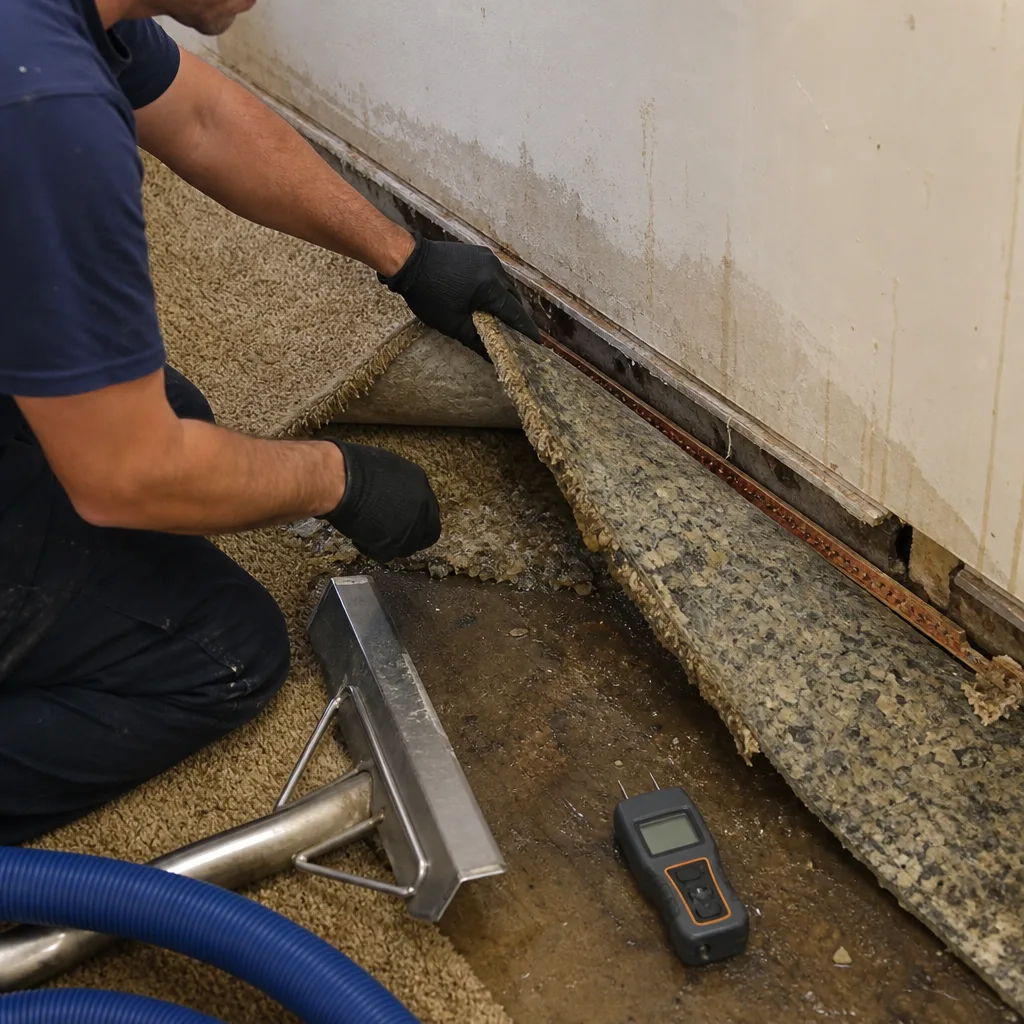
Central Harlem’s industrial buildings, the old manufacturing lofts and warehouse conversions along the Park Avenue corridor and near the viaduct, have different construction than the rowhouses. Steel and concrete frames, heavier electrical loads, and larger open spans. Our industrial cleanup work covers the same water, fire, and sewage losses but with equipment scaled for bigger spaces: larger dehumidifiers, longer hose runs, and digital documentation of every drying zone. The commercial restoration principles stay the same, the equipment gets sized up.
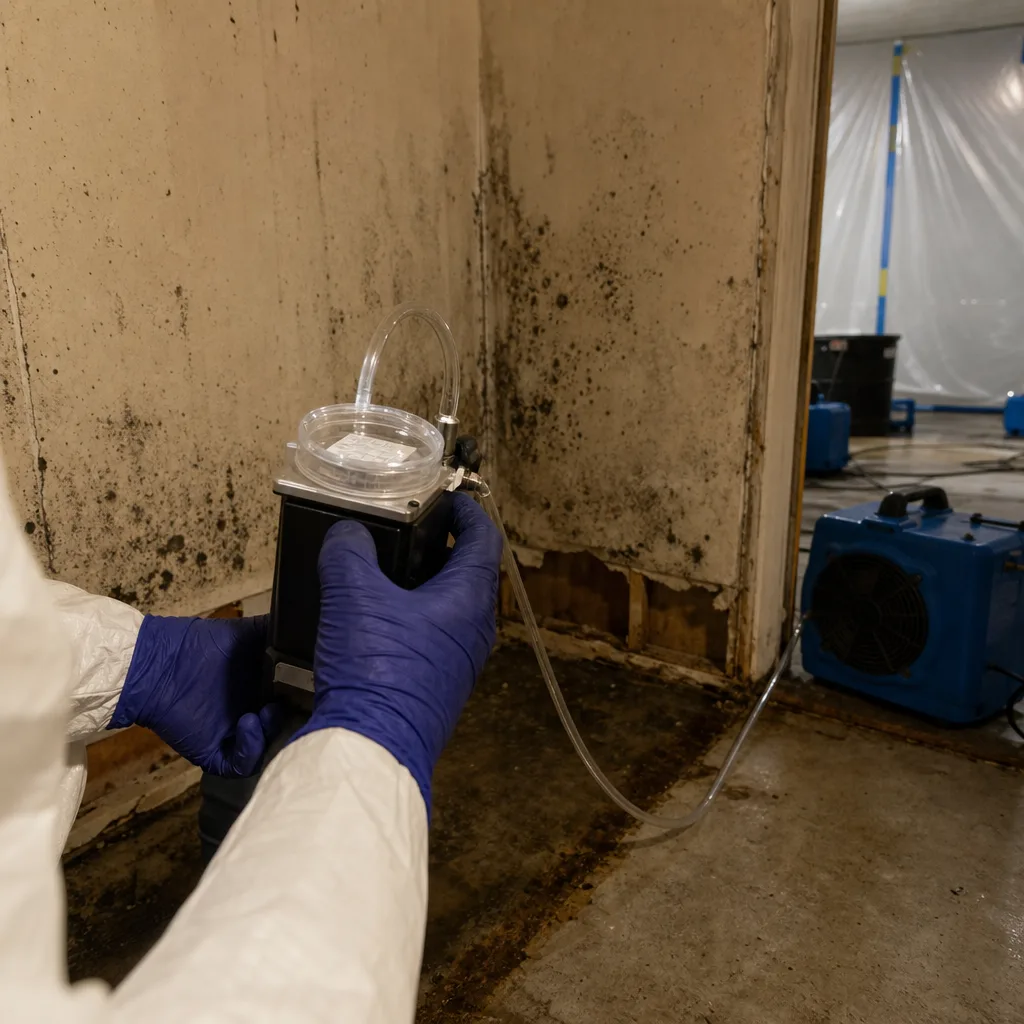
Large-Loss Response
A single roof failure on an attached brownstone can send water through three floors and two adjacent buildings before anyone notices. A fire in a shared basement can smoke-load every unit above it. For large-loss commercial restoration in Central Harlem, we bring a larger crew, more equipment, and the project-management structure to track every drying zone, every permit, and every response to the carrier. We coordinate with the LPC and DOB in parallel so the paperwork doesn’t add a second delay to the restoration.
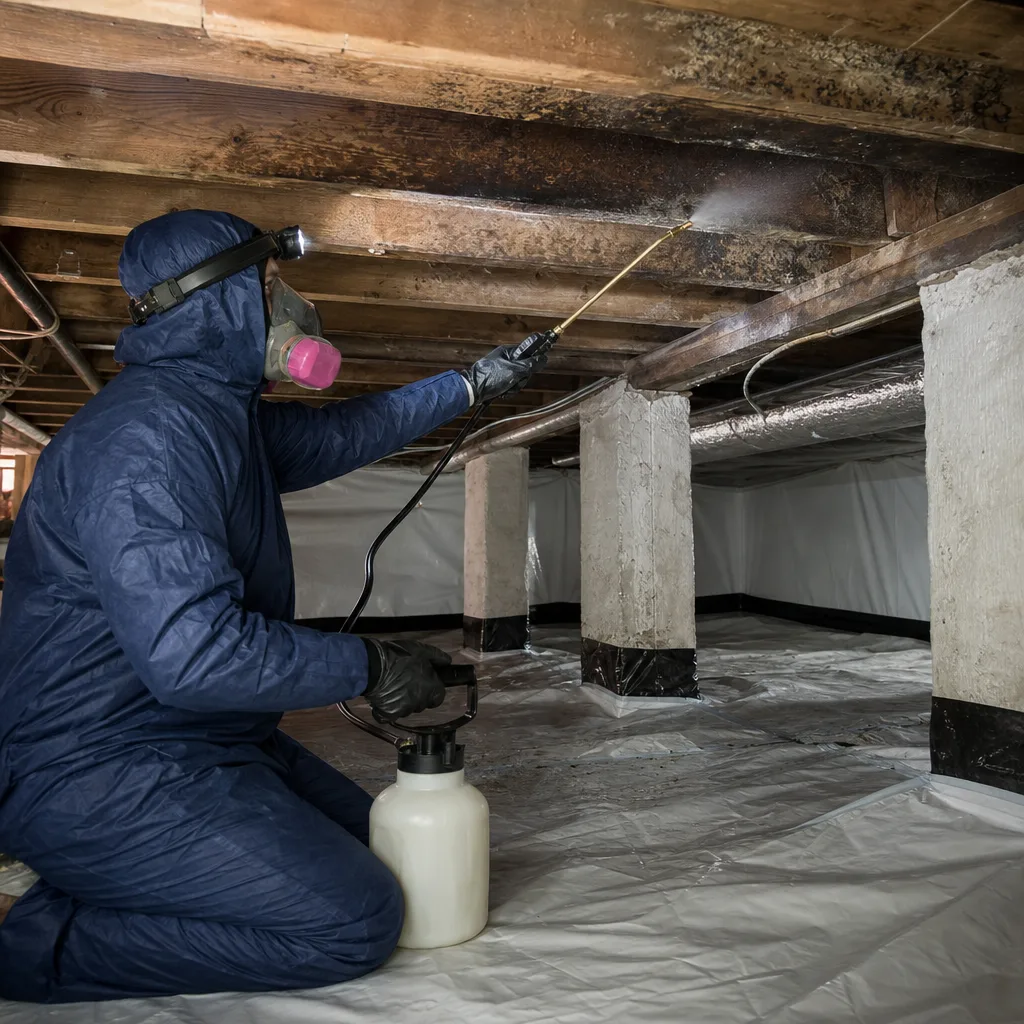
Business Interruption Minimization
Every day a Central Harlem business stays closed costs revenue that property insurance may only partially replace. Our documentation supports business interruption claims: we log the hours, map the affected area, and write the scope so the carrier sees exactly what shut the doors and what it took to reopen them. We can often phase the work so the business operates in part of the space while restoration continues in another. Business interruption is a claim category, not an afterthought. Our team factors it into the documentation from the first hour.
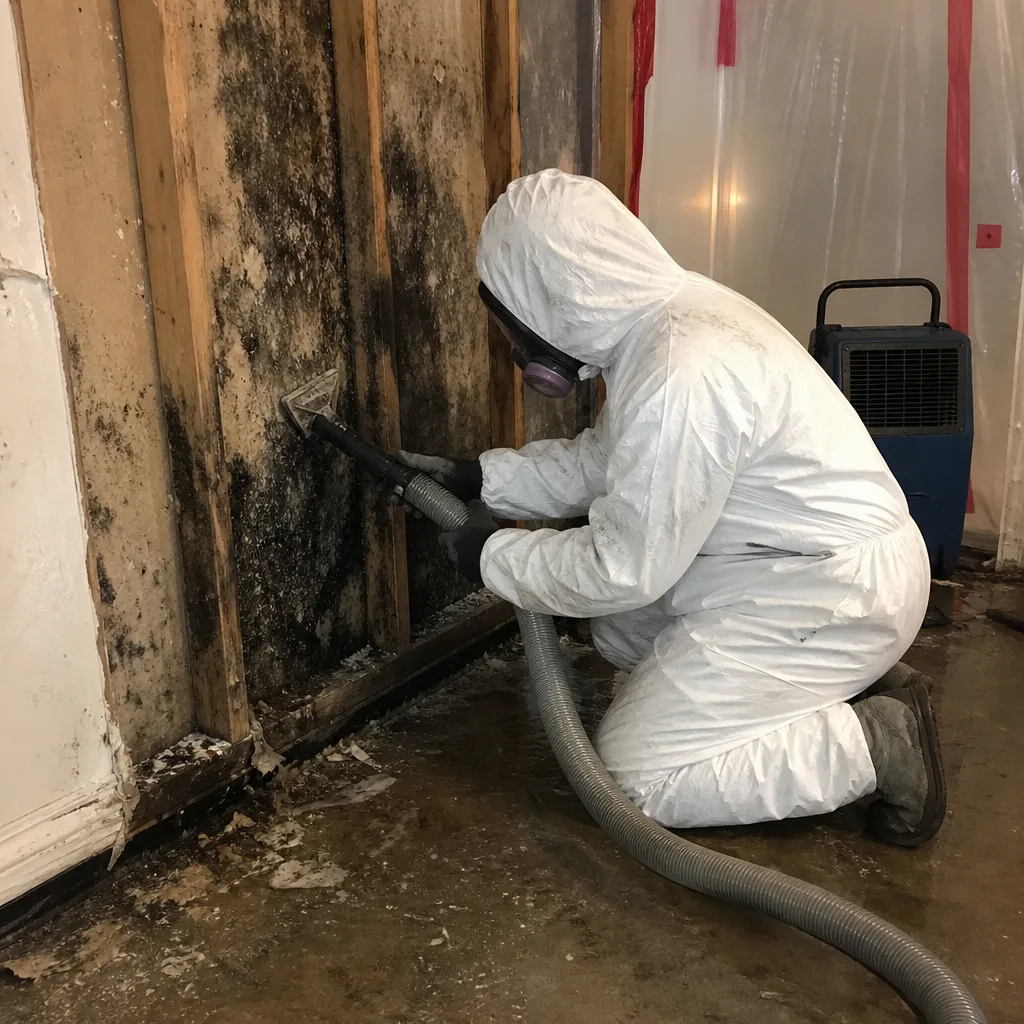
What happens when you call
- 1
A real person answersNo phone trees - you reach a local pro.
- 2
You get an upfront price rangeHonest numbers before anyone is dispatched.
- 3
A background-checked tech heads outLicensed & insured, dispatched right away.
- 4
You approve before work beginsNothing starts until you say go.
Commercial Restoration Costs in Central Harlem, NY
Commercial restoration costs in Central Harlem run higher than the surrounding boroughs for one reason: the buildings are older and the materials are more expensive to match. A typical water extraction and structural drying job on a single commercial space in a Central Harlem brownstone runs $3,500 to $9,000, depending on the number of affected floors and whether the party wall needs to be dried on both sides. A Category 3 sewage backup in an English basement, with full containment and disposal, typically runs $8,000 to $18,000. Fire and smoke restoration in a commercial kitchen with grease soot residue and odor control runs $12,000 to $35,000 or more, depending on square footage and the amount of equipment that can be salvaged.
Three factors move the price the most: whether the building is landmarked, whether the moisture migrated into neighboring units through a party wall, and whether the loss is Category 1, 2, or 3 water. Horsehair plaster repair costs more than drywall, and matching original millwork costs more than replacing it. The fastest way to a firm number is the free visual inspection. We write a scope with line items and real costs. If the carrier pushes back, we support the estimate with documentation. If something is not covered, we’ll tell you before the work starts, not after.
We Also Serve Cities Near Central Harlem
Our commercial restoration crews also serve Midtown West, Upper West Side, Midtown Manhattan, and Upper East Side. The same live answer, the same 45-minute response commitment, and the same written guarantee apply across the service area. For commercial restoration in Central Harlem, call (640) 221-3499 and a live dispatcher will route a crew your way.
Serving Central Harlem, NY - Our Local Coverage Area
We’re based in the Central Harlem area and know this community well. Use the map below to see our service coverage - if you’re nearby, we can almost certainly help.
Central Harlem Commercial Restoration Questions, Answered
How do LPC landmark requirements affect restoration timelines for Central Harlem commercial buildings?
Landmarks Preservation Commission approval adds anywhere from a few days to several weeks to any exterior restoration work in the Mount Morris Park or St. Nicholas Historic Districts, because the LPC reviews material changes, color changes, and detail work before DOB permits issue. Interior restoration work generally does not require LPC review, so water extraction and drying can start immediately.
What is the biggest challenge with drying out horsehair plaster walls after a water loss?
Horsehair plaster holds moisture in pockets that standard moisture meters misread, and it dries much slower than gypsum board because the lime plaster and wood lath absorb water deeply. We use thermal imaging and penetrating moisture meters to find the hidden saturation, then dry with low-grain refrigerant dehumidifiers and targeted air movement, sometimes using Injectidry systems to dry wall cavities without opening the wall.
If water spreads from our rowhouse into the neighboring building, who is responsible for restoration?
Liability depends on the source of the water, the terms of each property’s insurance policy, and New York’s laws on party walls and shared building elements. In practice, when a cast iron drain stack fails in one unit and water migrates into two adjacent buildings under separate ownership, each owner’s property insurance typically covers the damage within their own walls, but the source owner may face subrogation claims. We document the entire migration path with photos and moisture maps so the adjusters can sort out liability without guesswork. Call (640) 221-3499 for a free inspection and a scope that covers every affected unit.
Can we keep our ground-floor retail open during Category 2 water extraction?
Usually yes, if the affected area can be contained with plastic sheeting and negative air pressure. Category 2 water carries contaminants, so containment is mandatory while we extract and dry. We run HEPA air scrubbers and keep the drying zone sealed off. The retail area stays operational, and we phase the work so the customer-facing space is clean and presentable during business hours.
Why do Central Harlem businesses get basement backups during summer thunderstorms?
Manhattan’s aging combined sewer system carries stormwater and sewage in the same pipes, and during heavy summer convective storms the system overwhelms. The sewage backs up into the English basements and cellar apartments common throughout Harlem’s rowhouse rows. That is a Category 3 water event, and it requires full containment, disposal of saturated porous materials, antimicrobial treatment, and clearance testing before the space can be reoccupied.
How fast can someone actually get to my Central Harlem commercial property?
Within 45 minutes of your call, any hour, any day. The dispatcher who answers at (640) 221-3499 knows Central Harlem’s streets and building stock. The crew arrives with extraction equipment and moisture mapping tools already in the truck, so work starts on the first visit, not on a return trip.
Do I really need full remediation, or just a cleaning?
That depends on the water category, the materials affected, and how long the water has been present. Category 1 water on tile and concrete can often be extracted and dried without full remediation. Category 2 water in horsehair plaster or carpet requires antimicrobial treatment. Category 3 water in any porous material requires removal. Our free visual inspection tells you which path you’re on, with the reasoning written down.
Who deals with my adjuster?
We do. Our team documents the loss from the first hour, writes the line-item estimate in the format your carrier uses, and communicates directly with the adjuster throughout the restoration. You stay out of the middle. We bill the carrier directly, and the 90-Day Done Right Promise covers the work in writing.
Done right, and backed in writing. Call (640) 221-3499 for a free estimate on commercial restoration in Central Harlem, or visit our Commercial Restoration hub for details on the full range of services. Our New York City office dispatches crews into Central Harlem around the clock, every day.
Written by Curt Bowman, Owner at Floodline Restoration Co., serving Central Harlem since 2010.