
Free visual inspection and a written scope of work before any mitigation begins - photos, moisture readings, and drying logs go in your claim file
The scope we write is the scope we bill. Anything new gets shown to you, in writing, before we touch it.

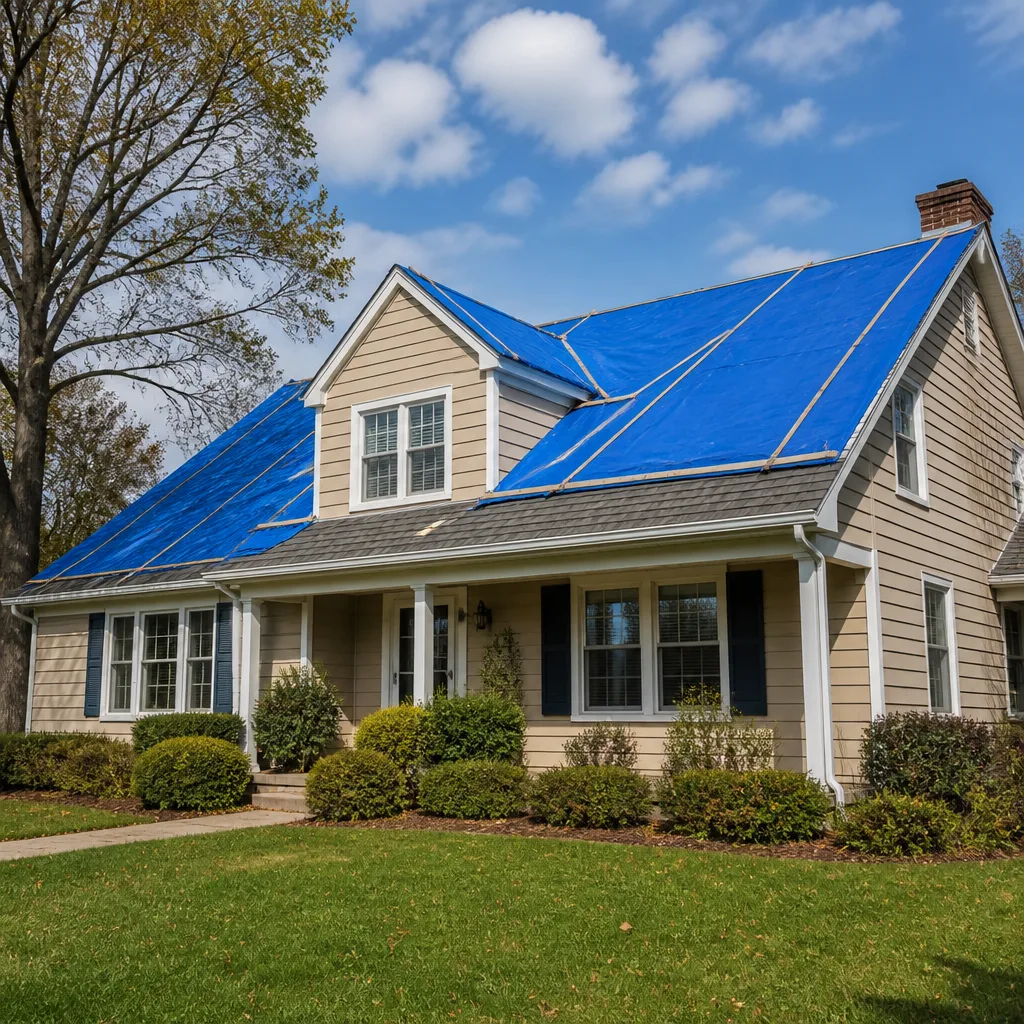
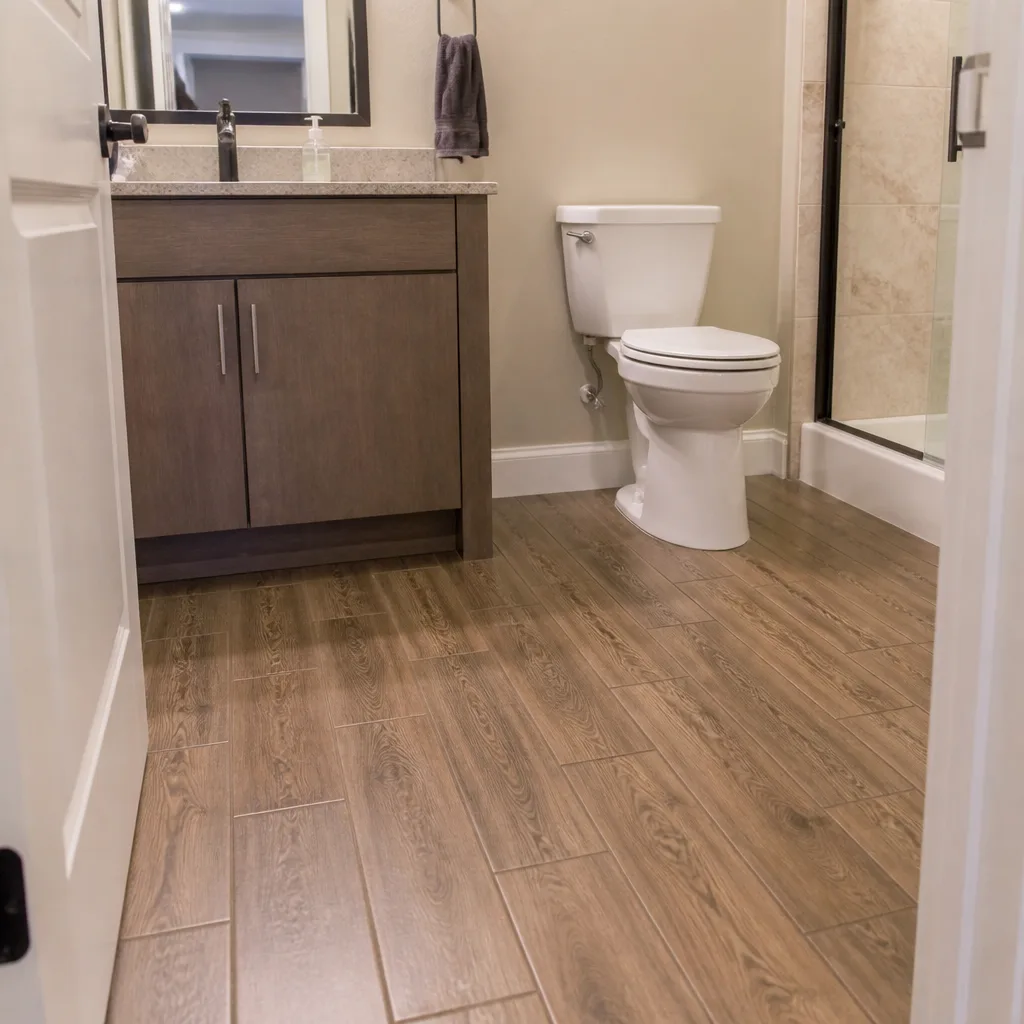
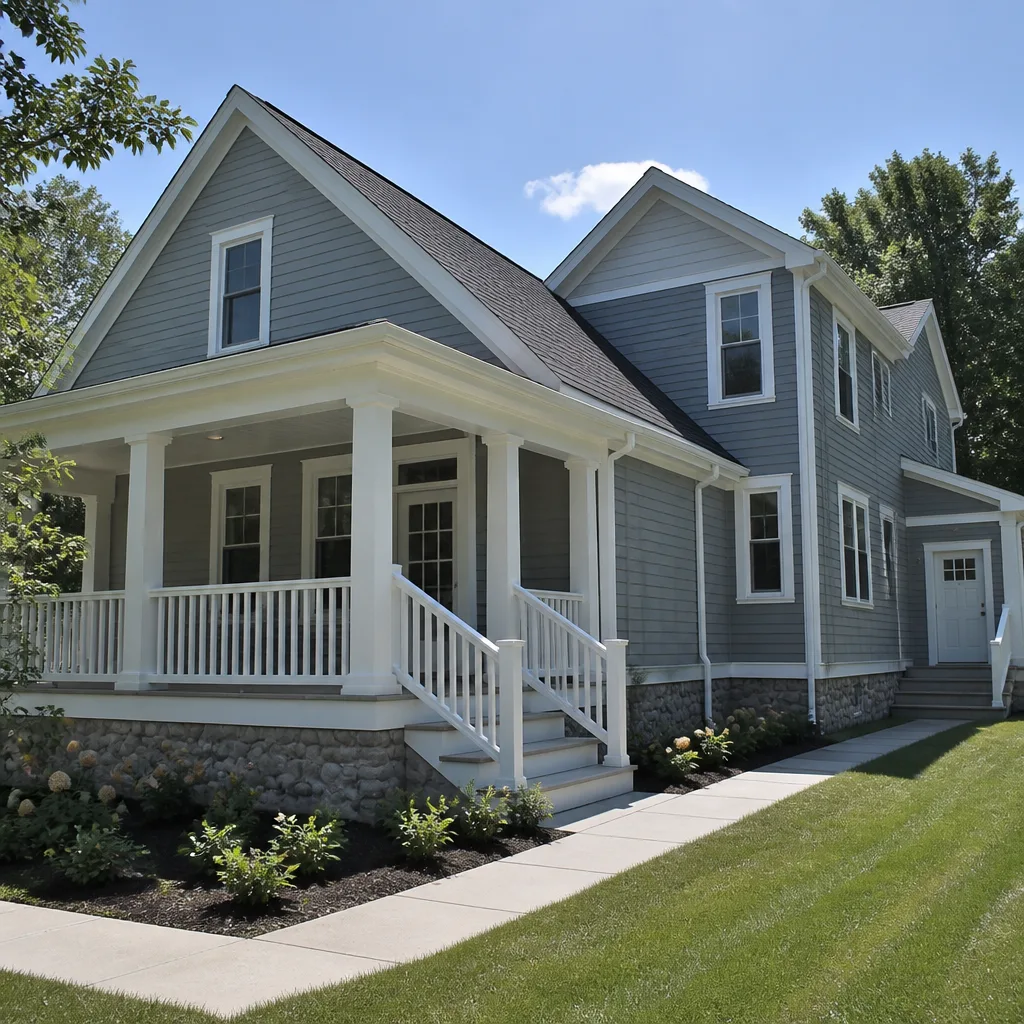
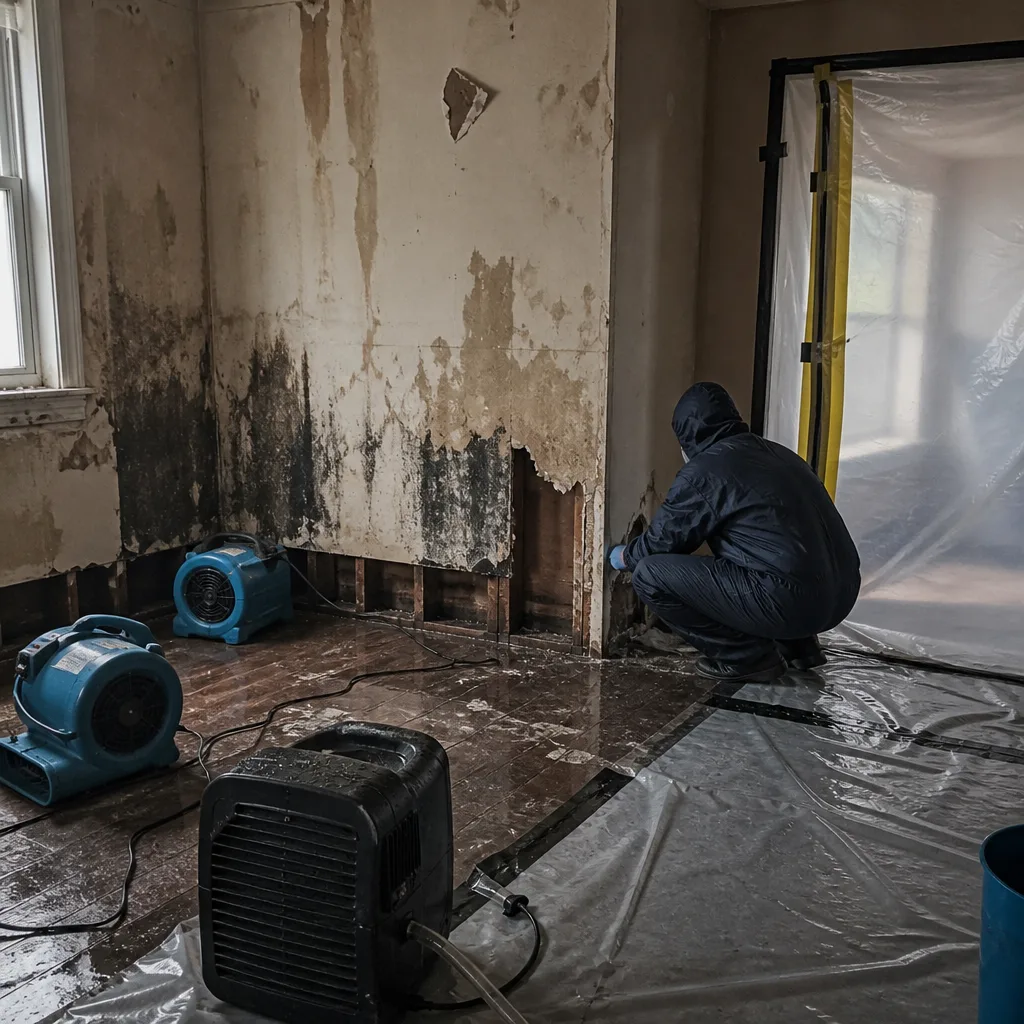 Before
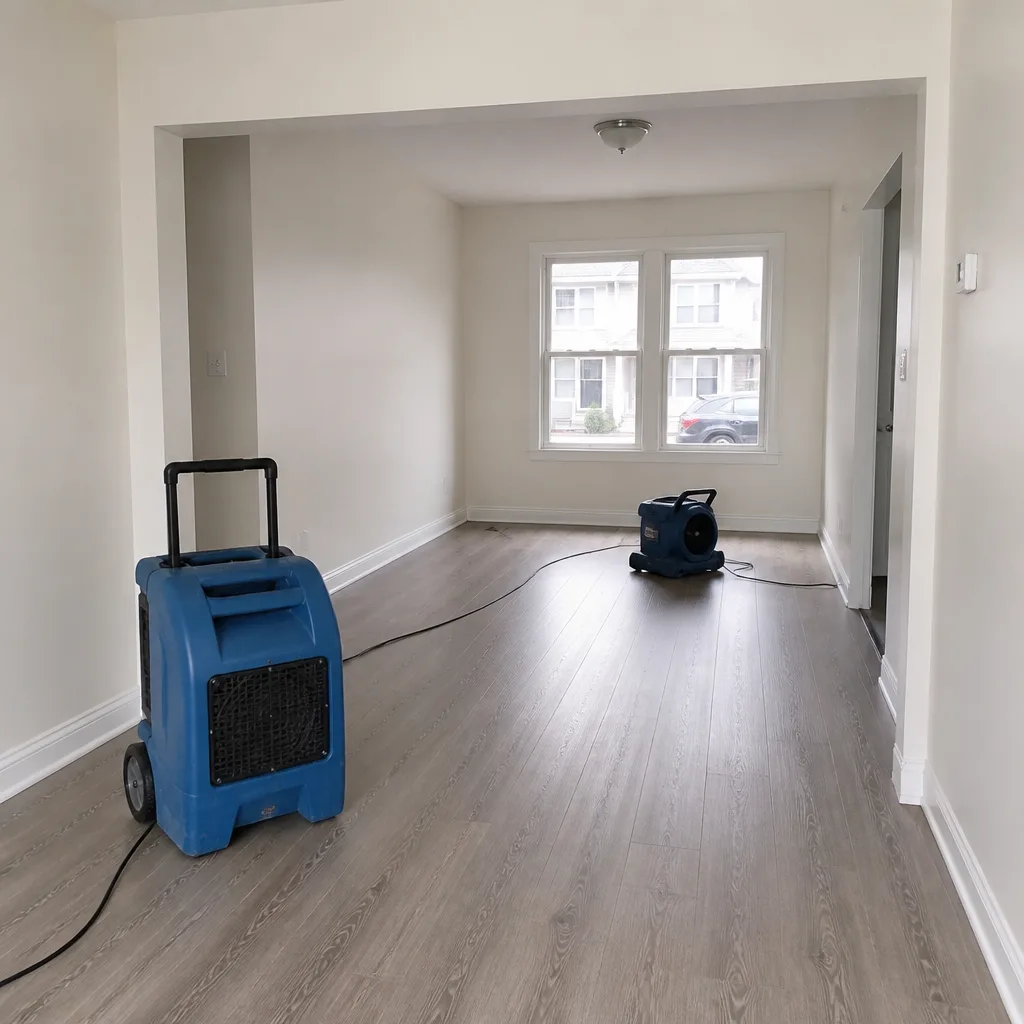 After
After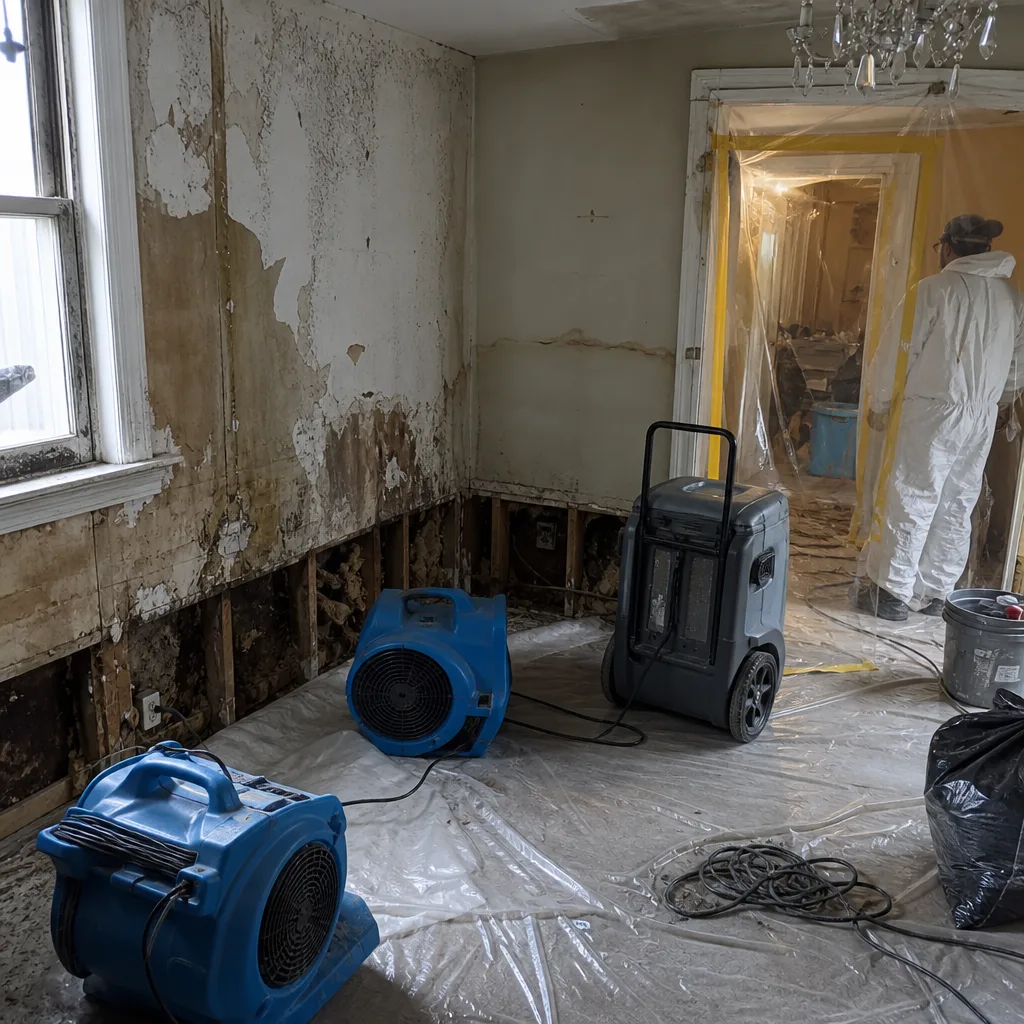 Before
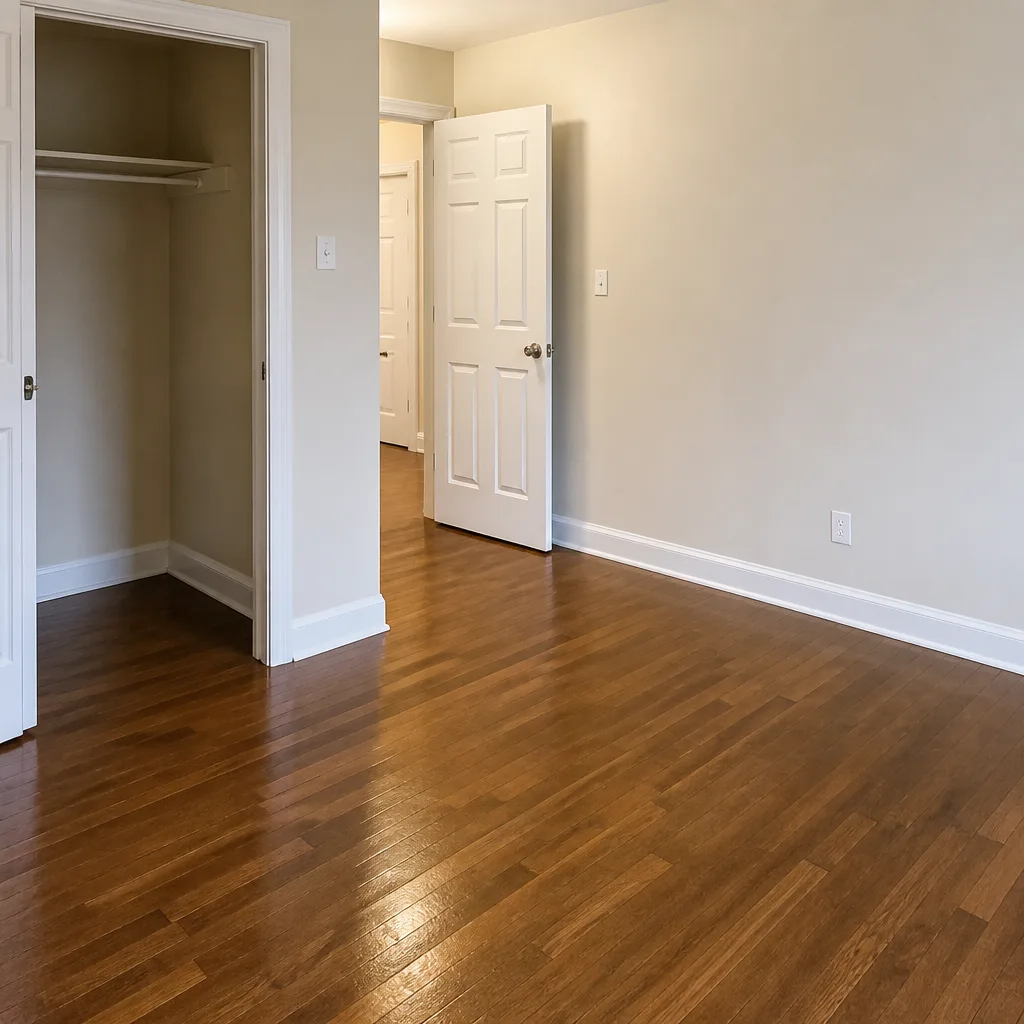 After
After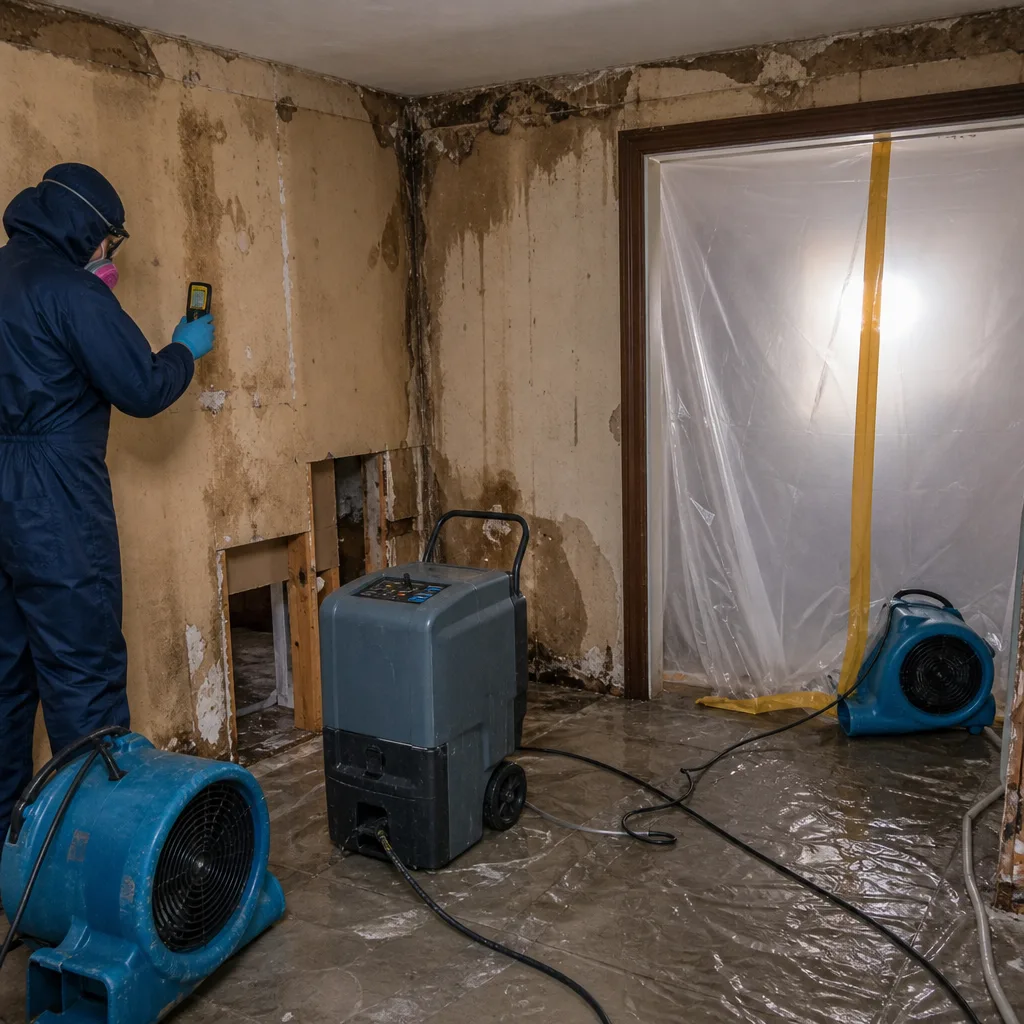 Before
 After
After24/7 Emergency Sewage Cleanup in Midtown Manhattan
A sewage backup inside a Midtown Manhattan high-rise is a Category 3 water event that spreads fast, smells worse, and can not wait until Monday. Our crews reach most Midtown Manhattan buildings within 45 minutes of your call, any hour, any day. A live dispatcher answers at (640) 221-3499, walks you through shutting off the source if it is safe, and gets a certified crew moving toward your address while you are still on the line.
The first hour decides whether contaminated water stays in a bathroom or migrates through a plumbing chase into the unit below. We begin with a free visual inspection so you know the exact scope before any work begins. No recordings, no call center script, and no waiting until morning. You get a real person, then a real crew, and the job starts the same visit.
Understanding Sewage Cleanup Severity in Midtown Manhattan Properties
Sewage contamination falls under Category 3 water, the most dangerous classification defined by the IICRC. It contains bacteria, parasites, and viruses from human waste, and it requires full containment, extraction, HEPA air scrubbing, sanitization, and removal of porous materials that absorbed it. In Midtown Manhattan, the severity compounds because the source is rarely isolated to one apartment.
Pre-war co-ops along Park Avenue and Fifth Avenue share cast-iron waste risers that run through twenty or more floors. When a joint fails inside a plumbing chase, effluent can push into units four floors above or below before building staff locate the house trap in the sub-basement. That means what looks like a toilet overflow in one bathroom is often a building-wide stack failure affecting multiple tenants, multiple insurance policies, and a co-op board that must approve access and remediation before work proceeds. Moisture mapping with thermal imaging becomes essential, because Category 3 water travels behind marble thresholds, under oak flooring, and into wall cavities where it cannot be seen until the damage has already spread.
Why Midtown Manhattan Property Owners Choose Floodline Restoration Co.
- 45-minute response commitment to Midtown Manhattan. We dispatch from our New York City office and keep crews staged near the Midtown core during storm seasons so a real, uniformed technician reaches your door fast.
- A live person answers, 24/7. You will not get a recording at 2 a.m. If your co-op’s waste stack fails overnight, a dispatcher picks up, asks the right questions, and has a crew rolling immediately.
- IICRC-certified technicians. Our crews train to IICRC, RIA, and IFA standards, including WRT and AMRT certifications for water and microbial remediation in occupied high-rise environments.
- Free visual inspection before any work begins. You get a written scope and a firm price before we open a single wall. No surprises, no upsells, no pressure.
- Direct insurance billing. We document everything from the first hour, send the file straight to your carrier, and deal with the adjuster so you do not have to.
- One team from extraction to reconstruction. The same certified crew that removes the black water also rebuilds the bathroom, hallway, or guest-room wing. You never face a mid-job handoff to a stranger.
Our Sewage Cleanup Process
Inspection & Assessment
We begin with a full visual inspection and moisture mapping using thermal imaging and hygrometers. On a Midtown co-op job, this means tracing the path of Category 3 water through chases, under thresholds, and into adjacent units. We also identify the source, whether it is a house trap, a failed cast-iron joint, or a building riser backed up across floors.
Extraction & Stabilization
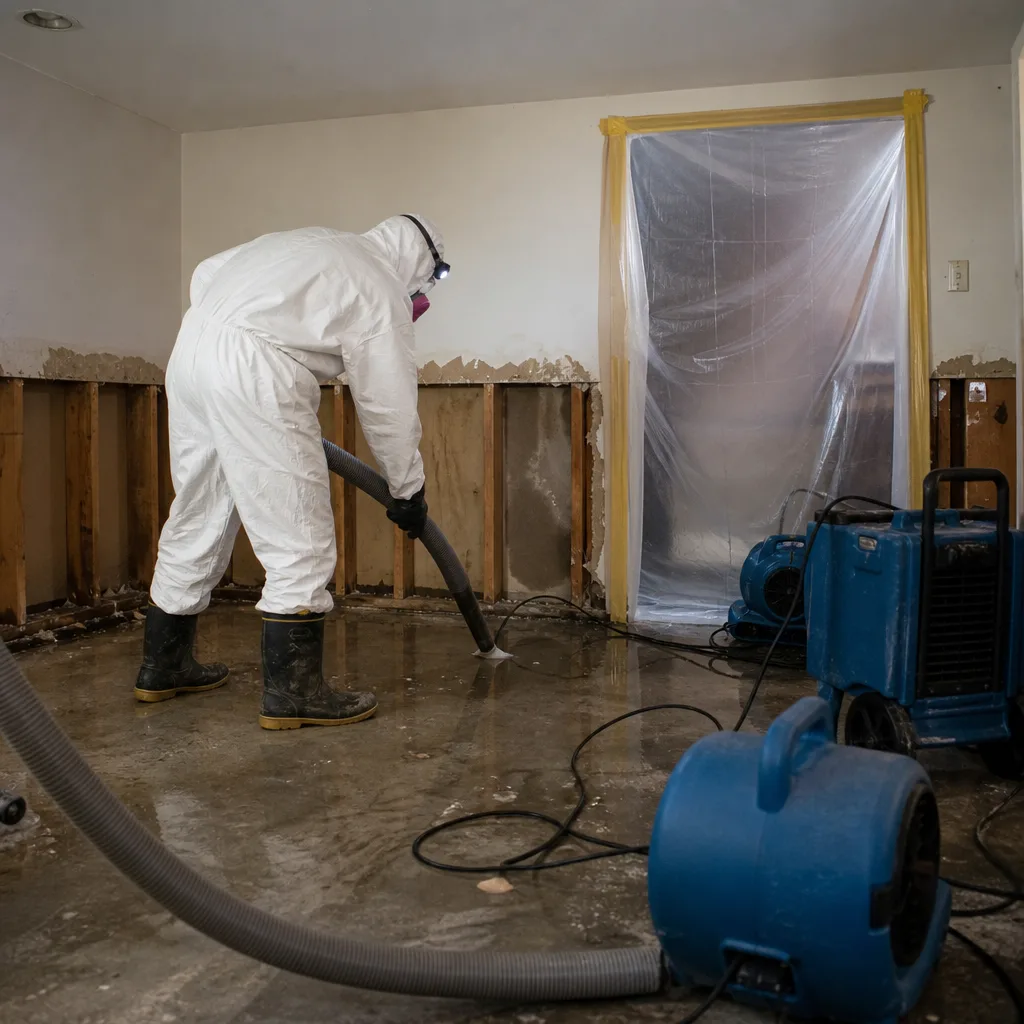
We extract standing sewage with truck-mounted and portable extraction units rated for black water. In a high-rise, that often means running hoses through service elevators and staging equipment in hallways while building staff coordinates access. The goal is to remove every gallon of standing water before it migrates further.
Containment & Structural Drying
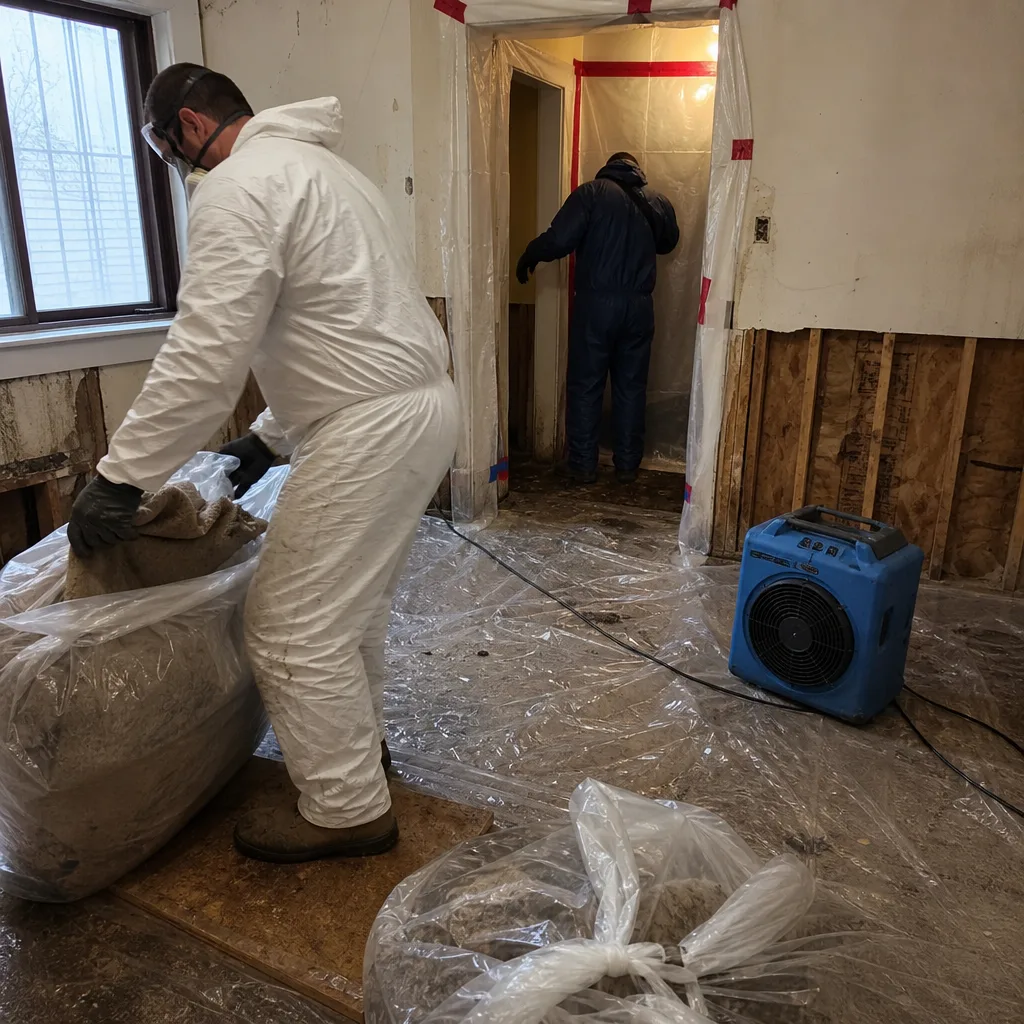
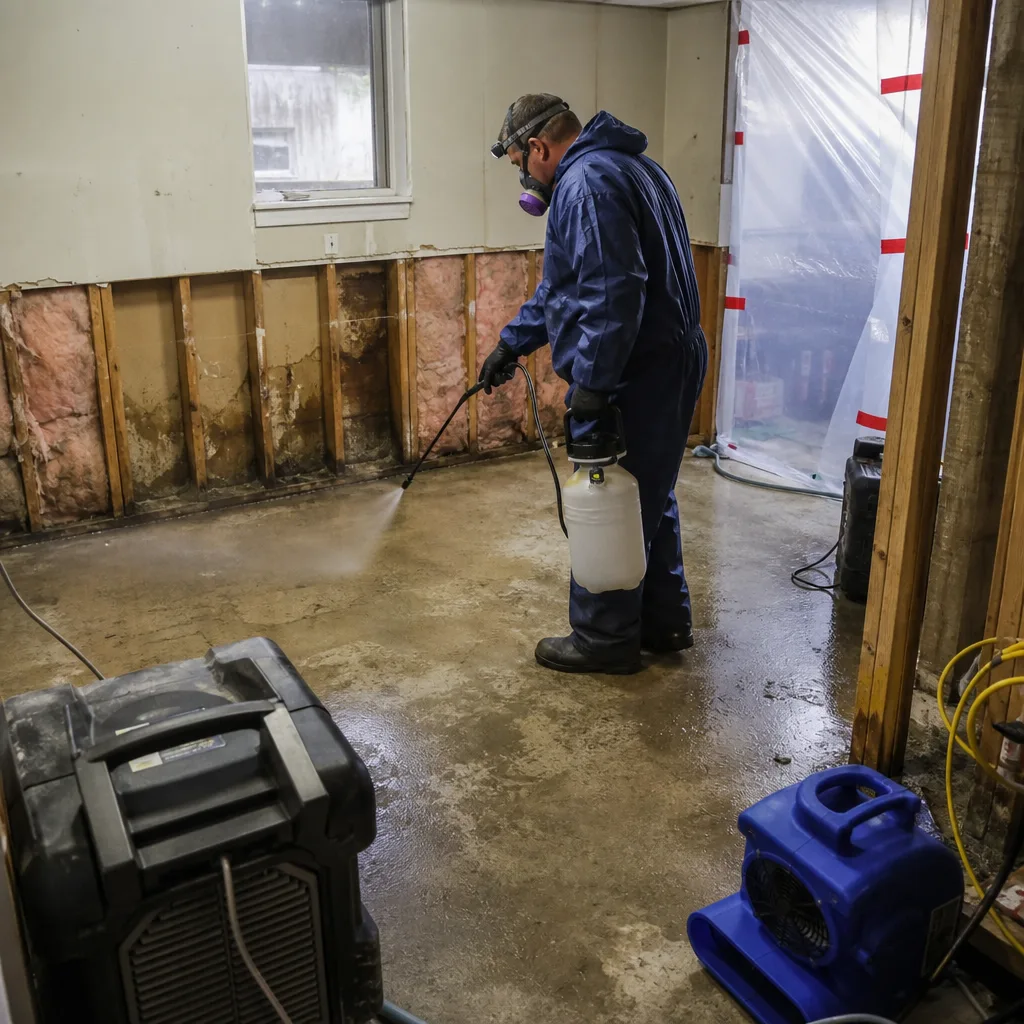
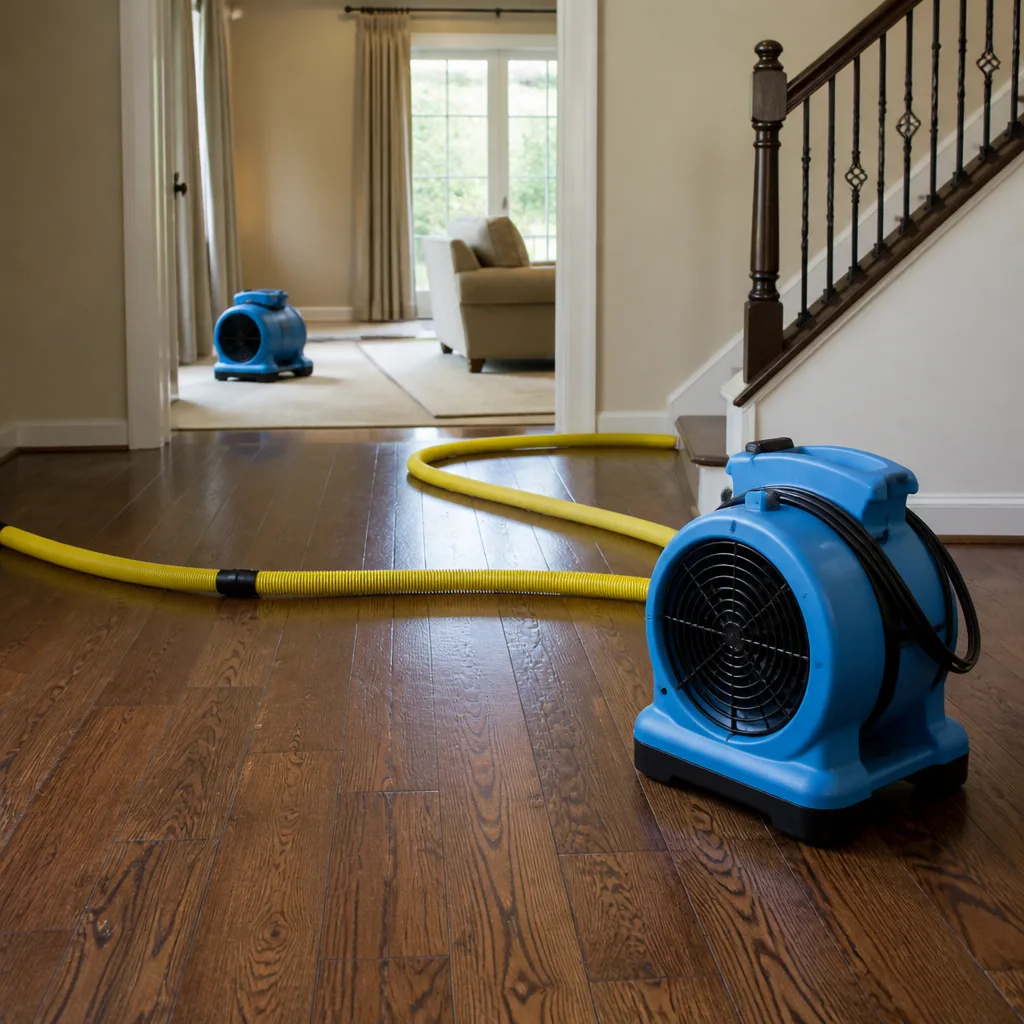
Technicians seal affected areas with plastic sheeting and run HEPA air scrubbers to prevent airborne contamination from spreading through common hallways. We deploy professional-grade Dri-Eaz, Phoenix, and XPOWER air movers and dehumidifiers, taking daily moisture readings until affected materials reach the dry standard for that specific floor.
Cleaning & Sanitization
Every surface that contacted Category 3 water gets an EPA-registered antimicrobial treatment. We remove porous materials that cannot be properly sanitized, including drywall, insulation, carpet pad, and some plaster. Non-porous surfaces get thoroughly cleaned and disinfected to a hospital-grade standard.
Specialty Treatment for Category 3 Contamination
Sewage carries pathogens that require more than general cleaning. In pre-war Midtown bathrooms, that means careful removal of saturated plaster and lath, disposal of contaminated marble or tile if the bedding absorbed effluent, and Injectidry drying panels for hardwood floors where moisture readings confirm contamination penetrated the substrate.
Repairs & Restoration
Once drying is complete and post-remediation verification passes, our reconstruction team rebuilds what was removed. That includes drywall, flooring, cabinetry, and any other finish damaged during the loss. The same crew stays on the job, and the 90-Day Done Right Promise covers the work in writing.
Need Emergency Sewage Cleanup in Midtown Manhattan Now?
Crews minutes away, answering live 24 hours a day. The sooner we start, the less it costs.
Working With Your Insurance Company
Sewage backups are covered under most Midtown Manhattan co-op and condo policies, but the documentation has to be right from the first hour. We photograph every affected room before we touch anything, log moisture readings daily, and send a line-item scope directly to your adjuster. If the source is a shared building riser, we coordinate with the building’s carrier as well as yours, because liability for a stack failure in a pre-war co-op often falls on the building corporation, not the individual unit owner. Curt Bowman, who founded Floodline Restoration Co. in 2010, built our documentation process specifically to hold up under adjuster scrutiny in high-rise multi-party claims. You never play messenger between us and the carrier. We hand the file over and stay in direct contact until the claim settles.
What We Provide Your Insurer
- Thorough documentation of the loss
- Photos of all damage, room by room
- Moisture readings and drying logs
- A detailed, line-item scope of work
- Direct coordination with your carrier
Built for Midtown Manhattan’s Loss Calendar
Midtown Manhattan’s sewage cleanup volume tracks a predictable calendar, and the peaks look different than they do in the outer boroughs or the suburbs. January and February bring deep freezes that stress the original steam-heat risers and cast-iron waste stacks in pre-war co-ops along Park, Fifth, and Madison Avenues. When a riser freezes or a 90-year-old joint lets go, raw sewage can back up into multiple apartments before anyone finds the shutoff. Spring nor’easters hit the curtain walls of Times Square towers with horizontal rain at 40+ floors of elevation, and the wind-driven water that enters through façade joints often finds its way into the same plumbing chases and mechanical spaces as the waste lines. Summer brings thunderstorm flash flooding that overwhelms building sump systems in sub-basements where drainage was designed during the Coolidge administration. Fall and early winter coincide with hotel corridor maintenance along Seventh Avenue, when properties rushing to complete pre-holiday renovations put pressure on aging drain lines. We staff for all of it, year-round, because a sewage backup in Midtown Manhattan follows the building’s calendar, not the homeowner’s.
Sewage Cleanup Across Midtown Manhattan’s Neighborhoods
The nature of a sewage cleanup job in Midtown Manhattan changes block by block, and even floor by floor. In the pre-war co-op corridor running along Park Avenue and Fifth Avenue from 50th to 79th Streets, the dominant loss pattern is a shared cast-iron waste stack failing at a joint, sending Category 3 water through chases into units on multiple floors. These buildings have no floor-level shutoff, so containment and coordination with building staff are the first priorities. In Times Square and the hotel stretch along Seventh Avenue and Broadway, properties running near full occupancy need the work completed overnight between checkout and six a.m. housekeeping prep. Speed of mobilization is what matters there, and we stage crews accordingly during peak tourism stretches. In the commercial core around Grand Central Terminal and Madison Avenue, sewage backups often originate in the sub-basement pump systems of older Art Deco office towers, where decades of tenant buildouts have buried cleanout access behind storage rooms and mechanical clutter. On the far west side near Hudson Yards and the Javits Center, newer construction with modern plumbing still creates sewage losses when the building’s main drain line is overwhelmed during heavy storm runoff. Each pocket of Midtown Manhattan has its own failure mode, and our crews know the building types before they arrive.
Specialized Sewage Cleanup Services We Offer in Midtown Manhattan
Sewage Backup Cleanup
The most common call we get in Midtown Manhattan is a sewage backup in a pre-war co-op where the building’s shared waste riser has backed up into a lower-floor unit. We coordinate with building management to locate the house trap, shut off the stack if possible, and begin extraction while the source is still being resolved. In most co-ops, board approval is required before walls open, and we document everything for the board’s insurance file.
Toilet Overflow Cleanup
A toilet overflow in a Midtown Manhattan apartment is either a localized fixture problem or the first sign of a building riser issue. We determine which it is within minutes. If it is localized, extraction and sanitization of the bathroom and any adjacent flooring may be completed the same day. If it is the riser, the scope expands, and we bring in containment immediately.
Septic Failure Cleanup
Septic systems are rare in Midtown Manhattan, but a failed ejector pump in a sub-basement, commercial kitchen, or mechanical room creates the same Category 3 conditions as a septic discharge. We extract the black water, sanitize affected surfaces, and coordinate with building engineers on the pump replacement or repair so the fix is not just cosmetic.
Black Water Extraction
Black water extraction in a Midtown Manhattan high-rise requires equipment staged for vertical work. We run hose lines through service elevators, set up negative air containment in occupied hallways, and use truck-mounted extractors where street access allows, or portable XPOWER units where it does not. The goal is removing every standing gallon before it migrates through the slab or into the unit below.
Sanitization & Disinfection
After extraction and drying, we apply EPA-registered antimicrobials to every surface contacted by Category 3 water, then verify with post-remediation testing. In pre-war Midtown apartments with original plaster walls, this often means removing saturated plaster and lath that cannot be properly sanitized, not just wiping down surfaces. The goal is a clean post-remediation verification, not a room that smells clean but still carries pathogens.
What happens when you call
- 1
A real person answersNo phone trees - you reach a local pro.
- 2
You get an upfront price rangeHonest numbers before anyone is dispatched.
- 3
A background-checked tech heads outLicensed & insured, dispatched right away.
- 4
You approve before work beginsNothing starts until you say go.
Sewage Cleanup Costs in Midtown Manhattan, NY
A toilet overflow contained to one bathroom in a Midtown Manhattan co-op typically runs $2,800 to $6,500, including extraction, sanitization, drying, and minor finish repairs. A stack failure affecting multiple units across several floors generally ranges from $15,000 to $45,000 or more, depending on how many units are involved, what finishes were damaged, and whether reconstruction is required. Marble bathroom floors contaminated with Category 3 water on Park or Fifth Avenue often need removal and replacement, which pushes a single-bathroom scope to $10,000 or beyond. Commercial jobs in Times Square hotels or occupied office towers run higher because of nighttime access windows, elevator staging, and the speed required. The fastest way to a firm number is a free visual inspection, which we schedule immediately and complete without any obligation. Call (640) 221-3499 and we will have a technician at your Midtown Manhattan address to put the scope in writing.
We Also Serve Cities Near Midtown Manhattan
Our same certified crews serve Midtown West, the Upper West Side, the Upper East Side, and Upper Manhattan. If you have a sewage backup in one of those neighborhoods, the same 45-minute response commitment and live 24/7 dispatch apply.
Midtown Manhattan Sewage Cleanup Questions, Answered
How do you handle a sewage backup in a Midtown co-op when the source is a shared riser owned by the building?
We treat it as a building-level loss, not a unit-level cleanup. The first step is identifying the stack, locating the house trap, and coordinating shutoff with building staff. We then contain affected units, extract the standing Category 3 water, and document everything for both the unit owner’s carrier and the building corporation’s carrier. Board sign-off for wall access is common in pre-war co-ops, and we provide the board with a written scope before opening any surface. Call (640) 221-3499 and we will walk you through the first steps.
Can you dry a black water backup in a pre-war bathroom without removing the marble floor?
No, and we will tell you why. Category 3 water penetrates the bedding mortar beneath marble and cannot be sanitized without removing the stone. Drying alone leaves pathogens trapped in the porous substrate, which means odor and contamination return. We remove the marble, extract and dry the substrate, then rebuild the floor properly. The good news is the insurance claim typically covers it when documented correctly, which is what we do.
What kind of clearance do you need to start sewage cleanup in a Times Square hotel?
Hotel jobs require coordination with the property’s engineering team, security desk, and housekeeping schedule. We need service elevator access, a staging area, and a work window, which is almost always overnight between checkout and six a.m. housekeeping prep. Our crews are experienced working in occupied hotel corridors with negative air containment and noise discipline. We also carry the insurance certificates large hotel brands require before any vendor steps onto the property.
Do you handle sewage spills in Midtown commercial buildings that are still occupied?
Yes, and tight containment is the reason we get called for these jobs. We seal the affected area with plastic sheeting, run HEPA air scrubbers, and maintain negative air so airborne pathogens never enter occupied office space or retail areas. Building engineers usually insist on this level of control, and our IICRC-certified crews deliver it on every commercial loss in Midtown Manhattan.
Why does a sewage backup in a Midtown high-rise require different equipment than a suburban house?
Because the water travels differently and the access is harder. In a suburban house, a backup stays on one floor and equipment rolls through a front door. In a high-rise, the waste travels vertically through cast-iron chases and can appear on multiple floors at once. We need thermal imaging to trace migration behind marble and under oak flooring, portable XPOWER extraction units that fit in service elevators, and Injectidry panels for drying hardwood that cannot be removed. The equipment list is different because the building is different.
How fast can you actually get to a Midtown Manhattan address?
Our commitment is 45 minutes, and during normal conditions we are often faster. We stage crews near the Midtown core during storm seasons and the deep freeze months because we know that is when waste stacks fail and sump systems get overwhelmed. A live dispatcher confirms your address, tells you the ETA, and a uniformed technician arrives in a marked vehicle. We will be there when we say.
Will my co-op or condo insurance cover sewage cleanup in Midtown Manhattan?
Most co-op and condo policies cover Category 3 sewage damage, but the documentation has to distinguish between the building’s plumbing and your unit’s fixtures. A shared riser failure is usually the building corporation’s claim, while a toilet overflow inside your unit is yours. We photograph everything, log moisture readings, and send a line-item scope to whichever carrier owns the loss. You do not negotiate with adjusters. We do.
What should I do in the first 30 minutes after a sewage backup in Midtown Manhattan?
Stop using all water fixtures in the unit, turn off the water if you can reach the shutoff, and call (640) 221-3499. Do not flush toilets, do not run sinks, and do not try to clean the sewage yourself. Category 3 water carries pathogens that require professional-grade PPE and antimicrobial treatment. Keep people and pets out of the affected area, open a window if it is safe, and let our crew handle the rest when we arrive.
What certifications do your Midtown Manhattan sewage cleanup crews hold?
Our technicians are IICRC-certified in Water Damage Restoration and Applied Microbial Remediation, and they train to RIA and IFA standards as well. We use professional-grade Dri-Eaz, Phoenix, XPOWER, B-Air, and Injectidry equipment on every job. The same crew handles extraction, drying, sanitization, and rebuild, so you never juggle multiple vendors.
Do you offer any discounts for sewage cleanup in Midtown Manhattan?
We offer three standing offers to every Midtown Manhattan customer: $50 off any repair over $250, a $89 seasonal tune-up, and a 5% discount for seniors and veterans, always. These are standing offers, not promotions, and you can use them on any sewage cleanup or reconstruction scope. Ask the dispatcher when you call (640) 221-3499.
Serving Midtown Manhattan, NY - Our Local Coverage Area
We’re based in the Midtown Manhattan area and know this community well. Use the map below to see our service coverage - if you’re nearby, we can almost certainly help.
The Midtown Manhattan Sewage Cleanup Team You Can Hold Accountable
Most sewage cleanup companies in New York City extract the water, hand you a bill, and disappear. Floodline Restoration Co. does not operate that way. We were built in 2010 around a dispatch board, not a sales desk, and the 90-Day Done Right Promise means the work is backed in writing. If something is not right, we make it right. No arguing, no paperwork battles. That is the Keystone Standard, and Curt Bowman, who founded this company, put his name on it. Call (640) 221-3499 for a free visual inspection, or visit our Sewage Cleanup team page to see how we handle Category 3 losses across the city. If you are looking for Sewage Cleanup in Midtown Manhattan, you found the crew that answers the phone.
Written by Curt Bowman, Owner at Floodline Restoration Co., serving Midtown Manhattan and the surrounding New York City area.