
Free visual inspection and a written scope of work before any mitigation begins - photos, moisture readings, and drying logs go in your claim file
The scope we write is the scope we bill. Anything new gets shown to you, in writing, before we touch it.
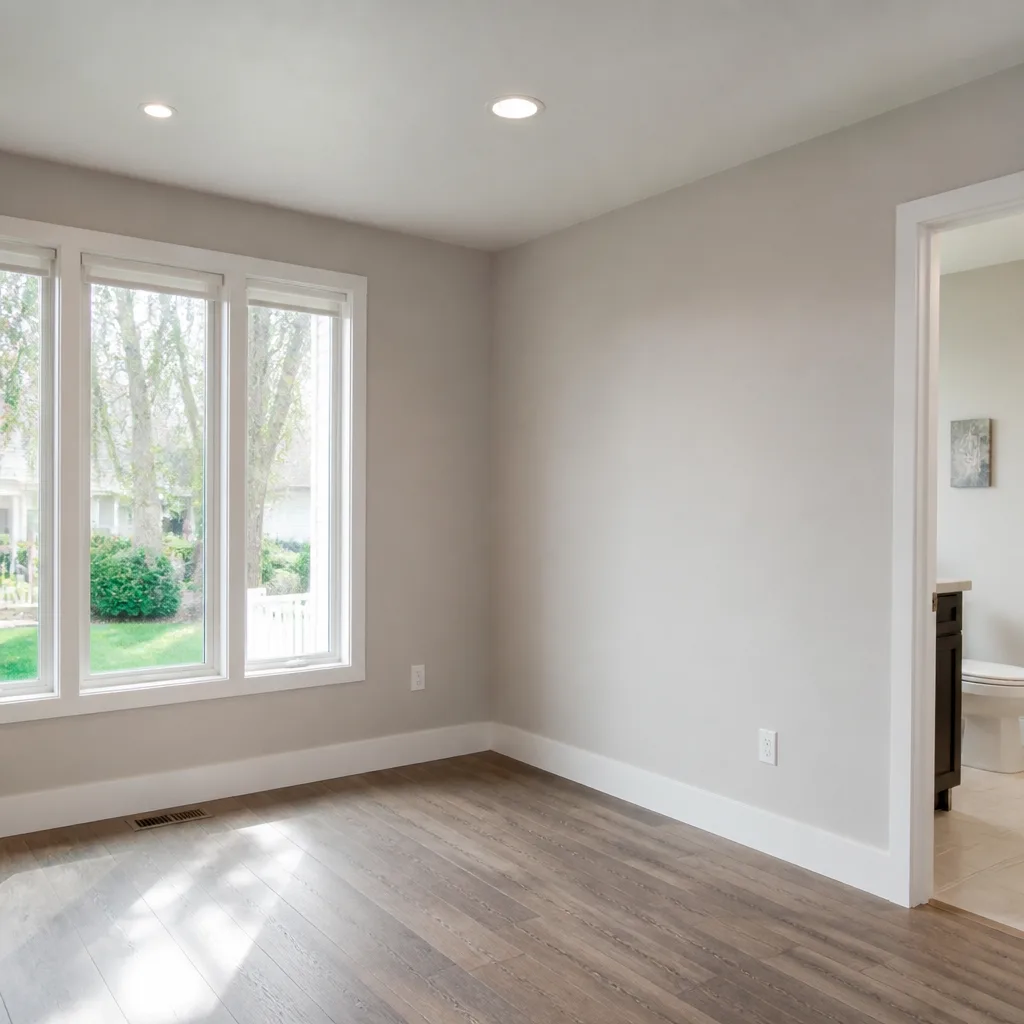
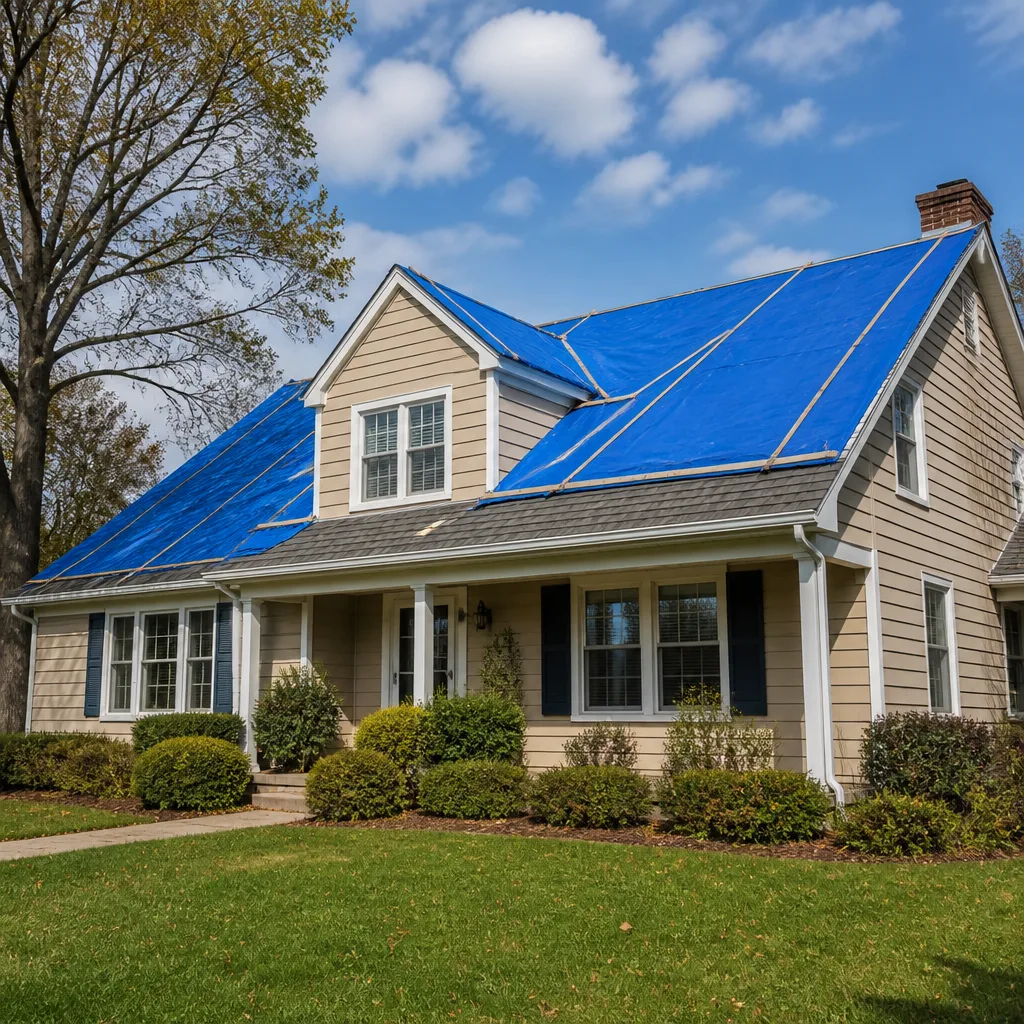
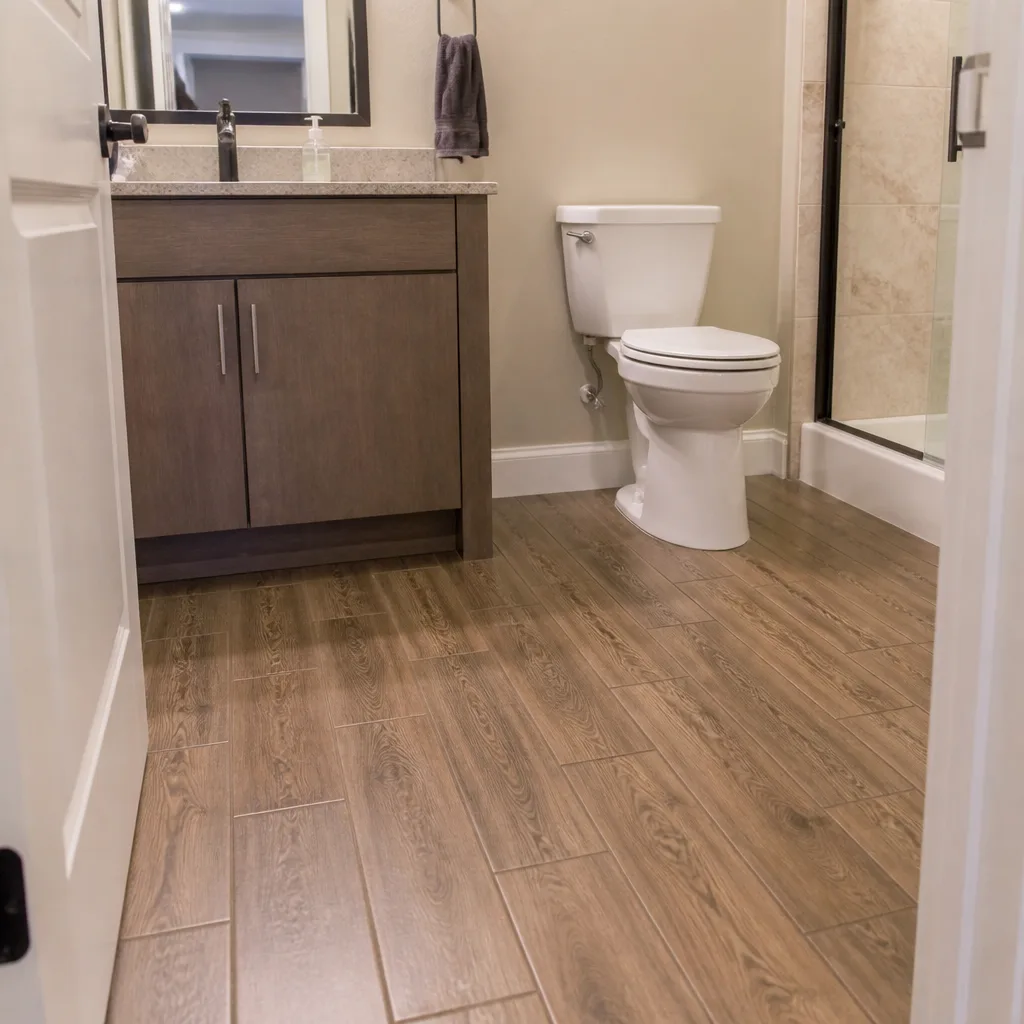
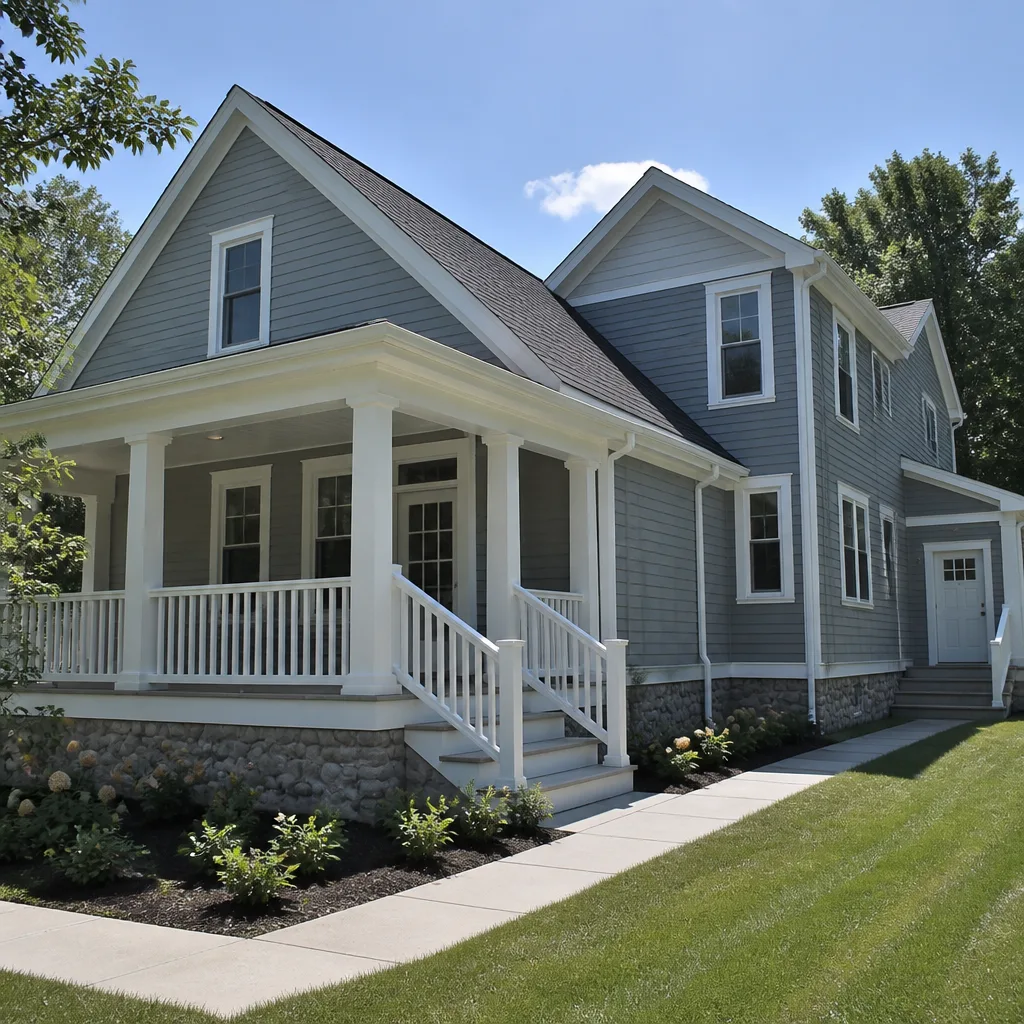
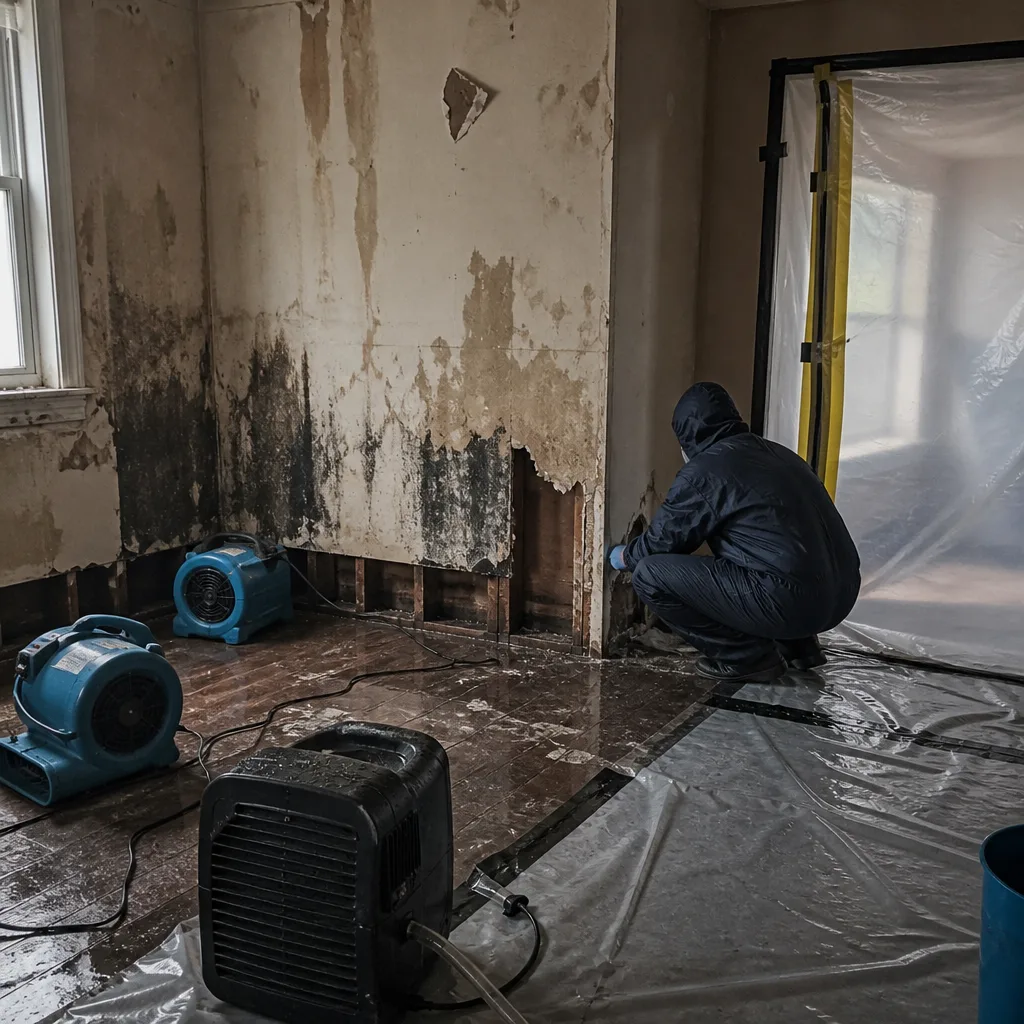 Before
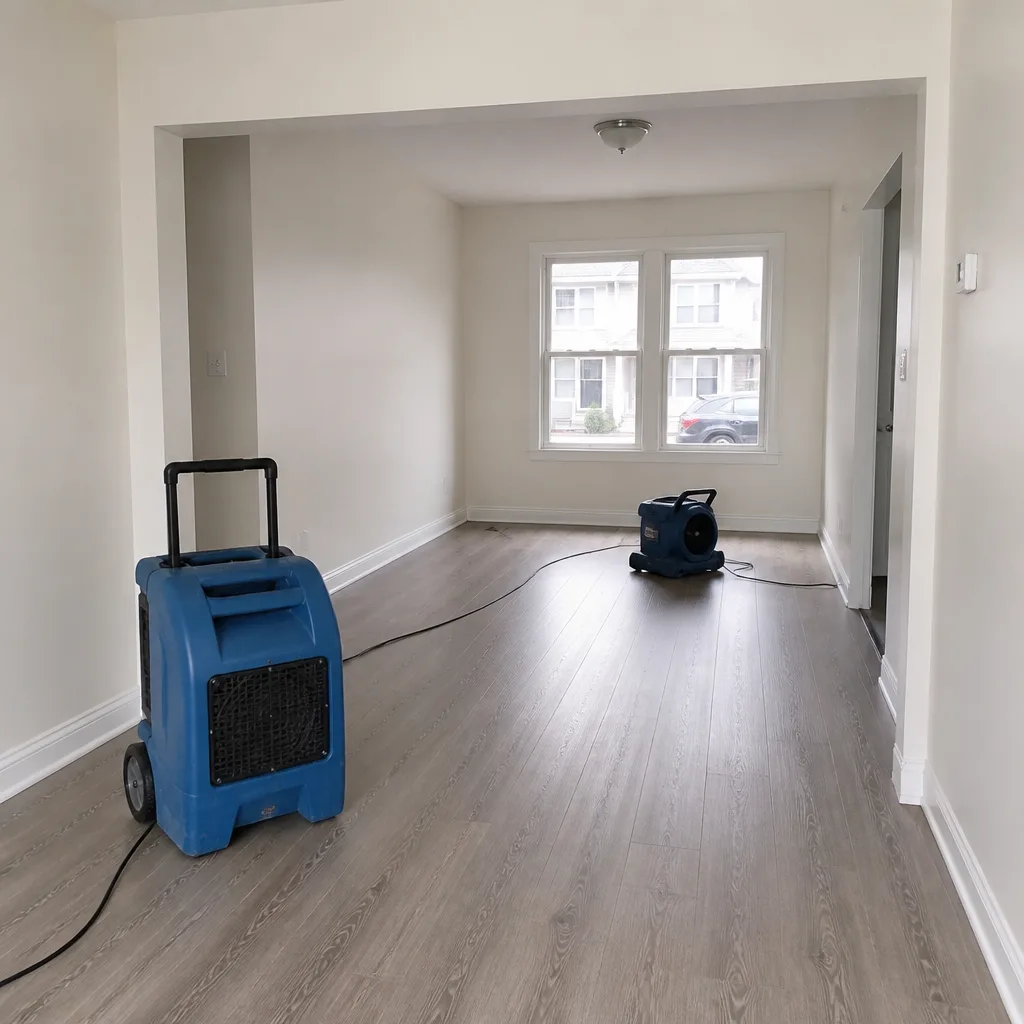 After
After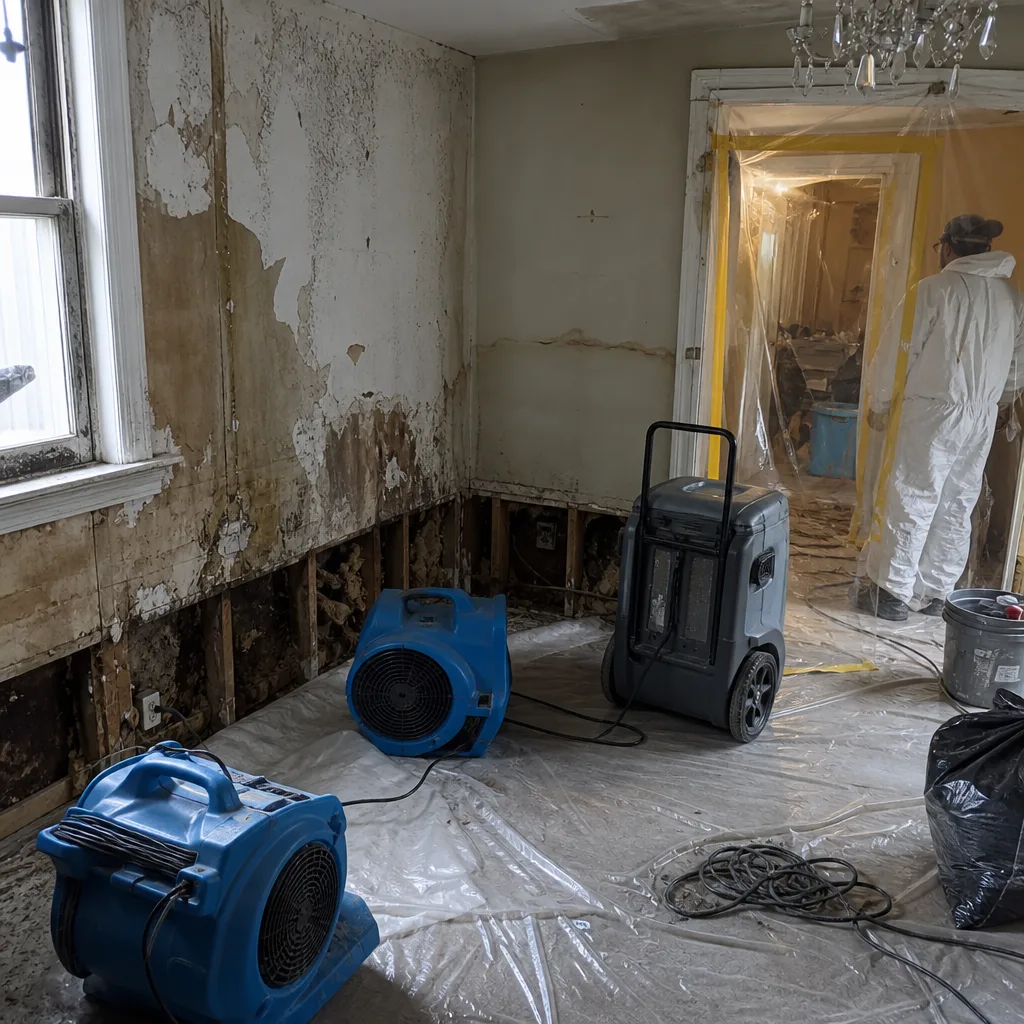 Before
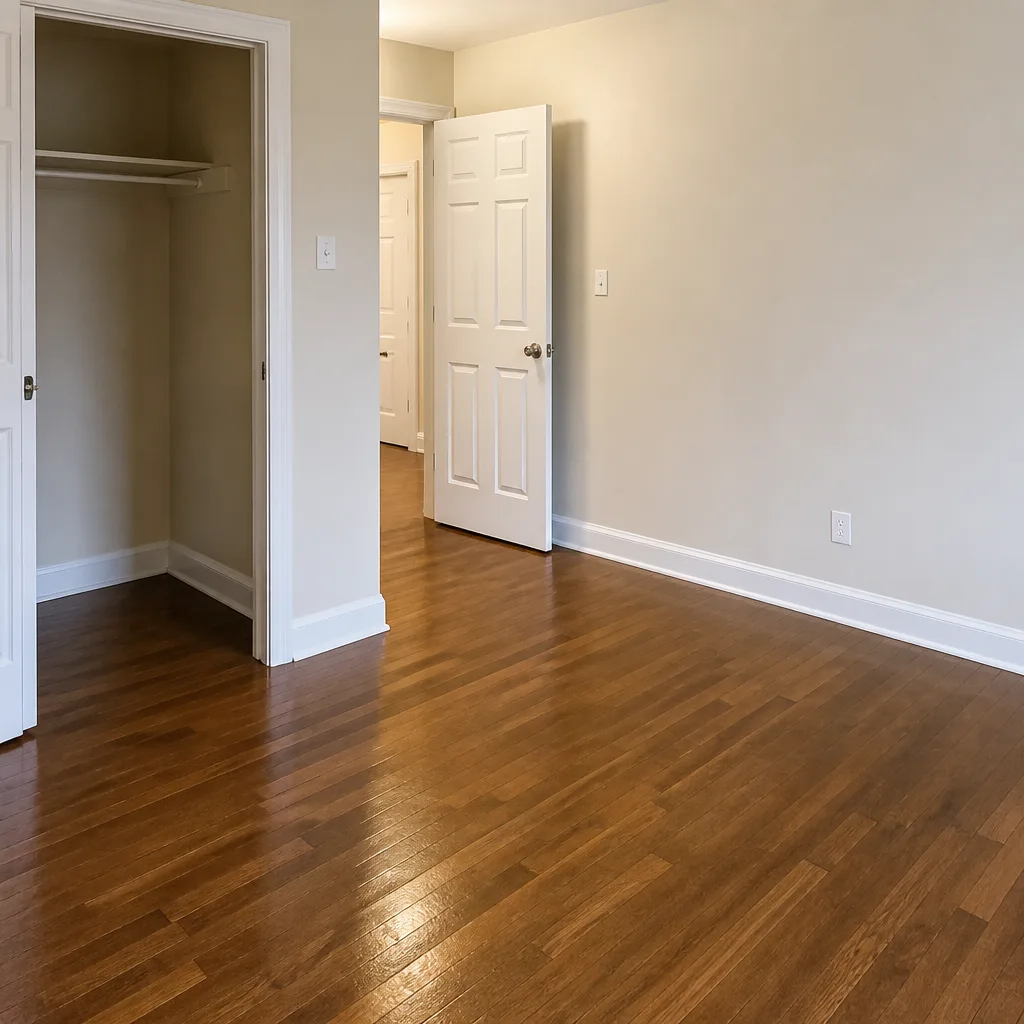 After
After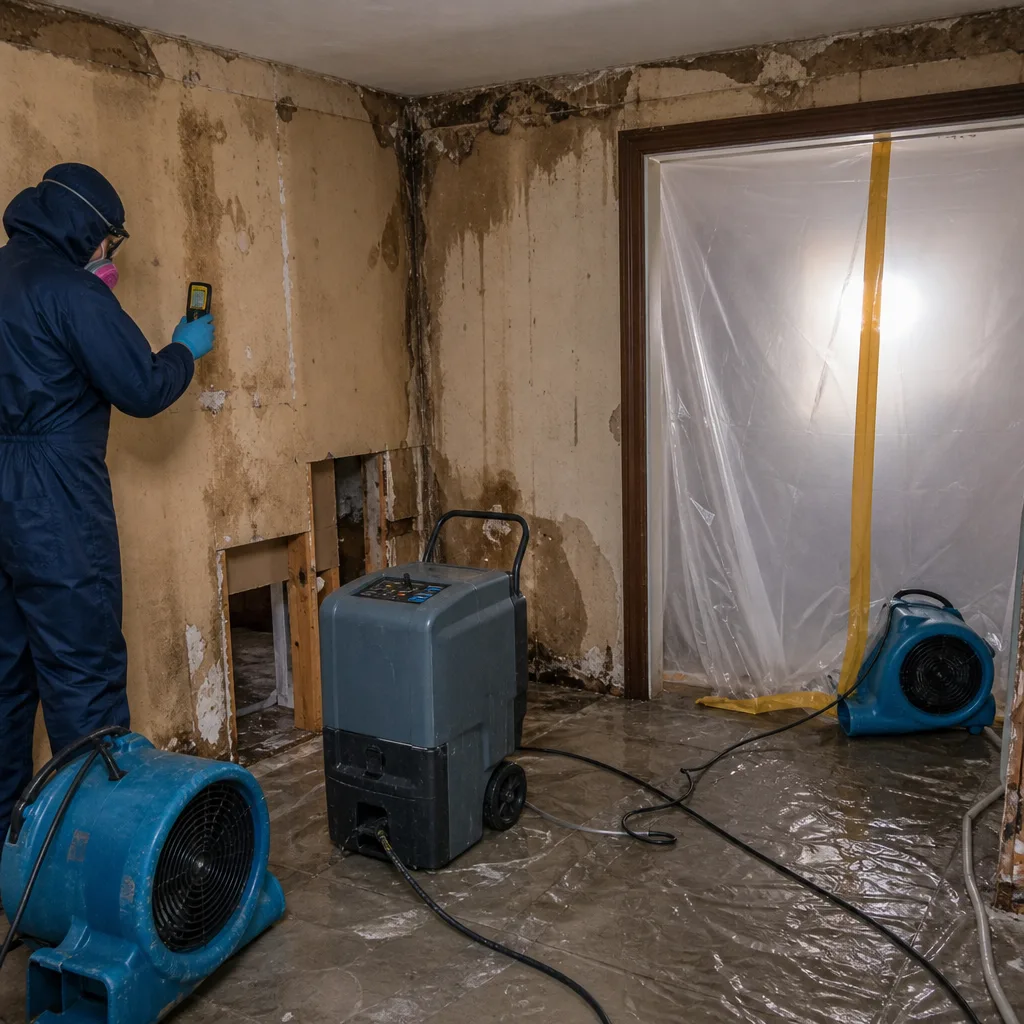 Before
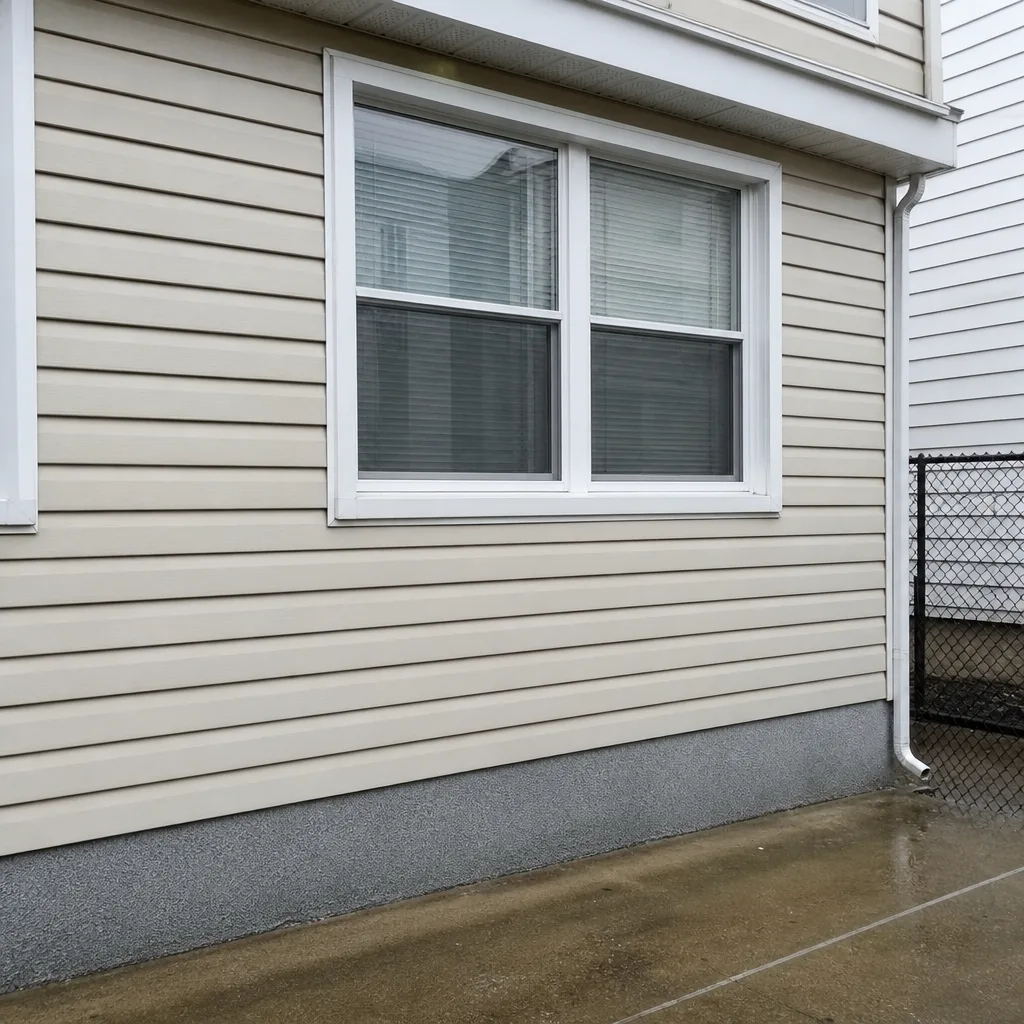 After
After24/7 Emergency Sewage Cleanup in Midtown West
Sewage backup in Midtown West means category 3 water inside a pre-war walk-up or a hotel tower where every hour of downtime costs real money. You need a crew that answers the phone at 2 a.m., dispatches into Hell’s Kitchen or the Theater District immediately, and starts extraction before the contamination spreads through original plaster and lath. Most sewage cleanup jobs in Midtown West run $1,800 to $4,600 for a single-unit backup, and larger commercial losses in hotels run substantially higher. Call (640) 221-3499 right now and a live dispatcher picks up. We’re Floodline Restoration Co., and our Sewage Cleanup team has been handling black water in this neighborhood long enough to know its buildings by their drain stacks, not just their addresses.
Understanding Sewage Cleanup Severity in Midtown West Properties
Sewage cleanup is not one job. It is a category 3 water intrusion, which means the water contains pathogens, feces, and bacteria that require full containment, antimicrobial treatment, and structural drying to an actual measurable standard. The severity depends on where the failure happened. A toilet overflow contained to a tile bathroom floor in a Hudson Yards tower is a different job than a corroded cast-iron drain stack that failed mid-line in a Hell’s Kitchen tenement and released black water into the wall cavity behind original plaster. In pre-war buildings, category 3 water saturates lath and plaster, not drywall. That means moisture mapping has to read through materials that hold water differently than modern gypsum. Our Midtown West crews run thermal imaging and Dri-Eaz moisture meters on every job because surface dryness means nothing when the contamination is behind a 1920s plaster wall. Manhattan’s repeated freeze-thaw cycles make this worse: a hairline crack in a drain line opens each winter, lets sewage seep into the wall cavity, and goes undiagnosed until the smell becomes unmistakable.
Why Midtown West Property Owners Choose Floodline Restoration Co.
- 45-minute response commitment. We dispatch from our New York City office as soon as you call. In Midtown West, a crew is typically on scene within 45 minutes, extraction equipment running the same visit.
- 24/7 live answer, always. Never a recording. A real dispatcher picks up at every hour, every day, and a background-checked, uniformed technician reaches your building.
- IICRC-certified crews. Our technicians hold WRT and AMRT certifications and train to RIA and IFA standards. Sewage cleanup is pathogen work; it requires more than a wet vac and bleach.
- Free visual inspection. We look, we explain what we found, and you get a written scope before anyone opens a wall. No obligation, no sales desk.
- Direct insurance billing. We bill your carrier directly and document the loss from the first hour so the claim moves without you playing messenger.
- One team from extraction to rebuild. No mid-job handoff. The same crew that reads the moisture map on day one handles daily readings and rebuilds what needs rebuilding.
Our Sewage Cleanup Process
Inspection & Assessment
We start with thermal imaging and moisture mapping to find every wet surface, including what the eye cannot see behind plaster and under flooring. Our techs identify whether it is a localized overflow or a full-building drain line failure. You get a written scope before any work begins.
Extraction & Stabilization
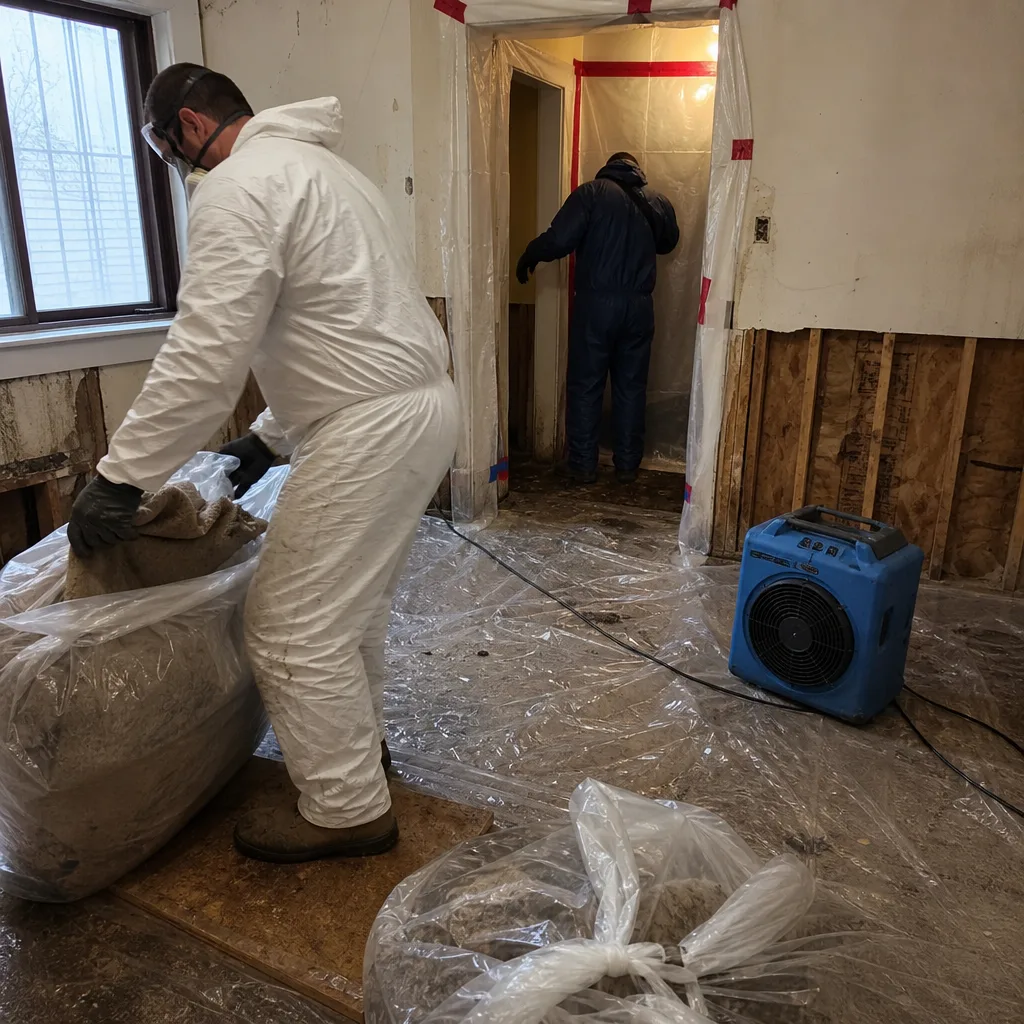
Category 3 water comes out fast using truck-mounted extraction and submersible pumps for larger volumes. We remove saturated porous materials like carpet, pad, and damaged drywall. Containment goes up immediately to stop contaminated air from moving into clean rooms.
Drying & Dehumidification
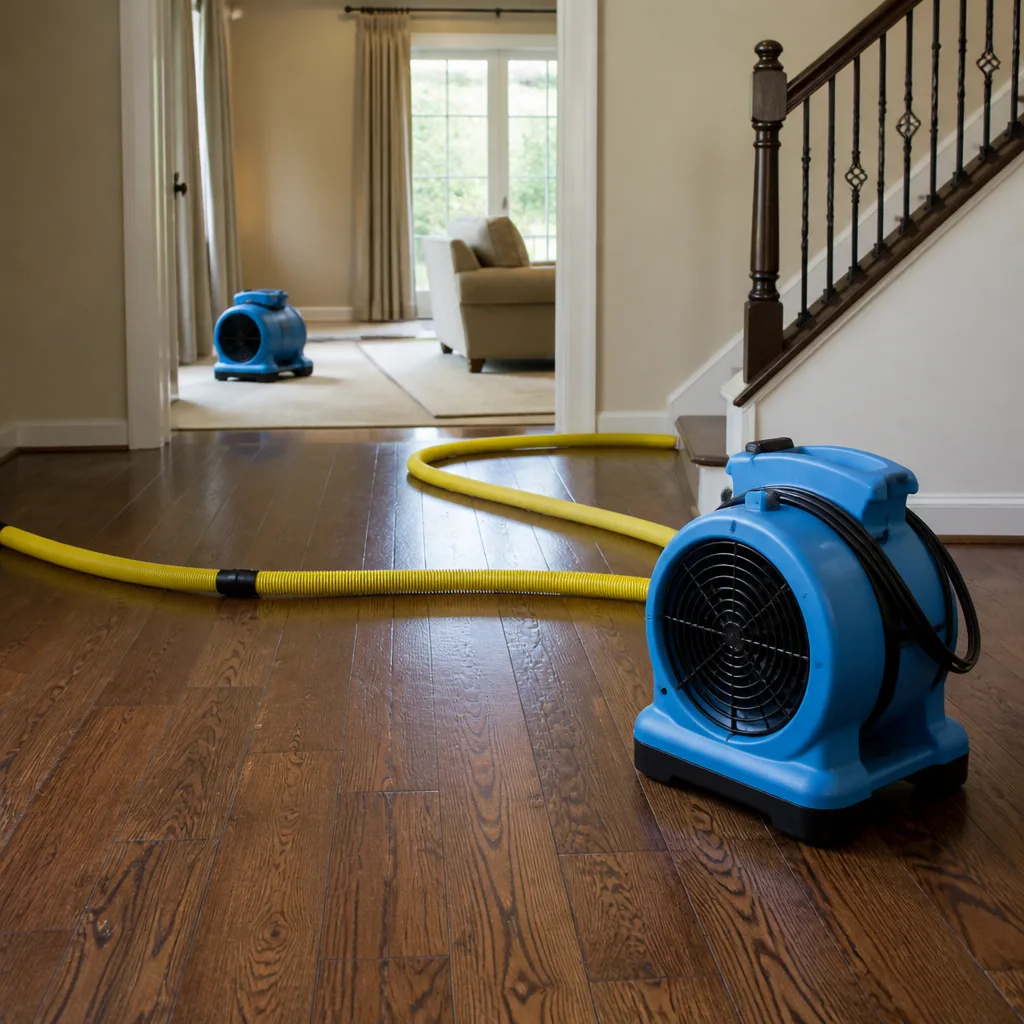
Phoenix dehumidifiers and XPOWER air movers run continuously, with daily moisture readings logged until the structure hits the dry standard. Original plaster and lath dry differently than modern drywall, so our techs monitor readings behind walls, not just surface checks.
Cleaning & Sanitization
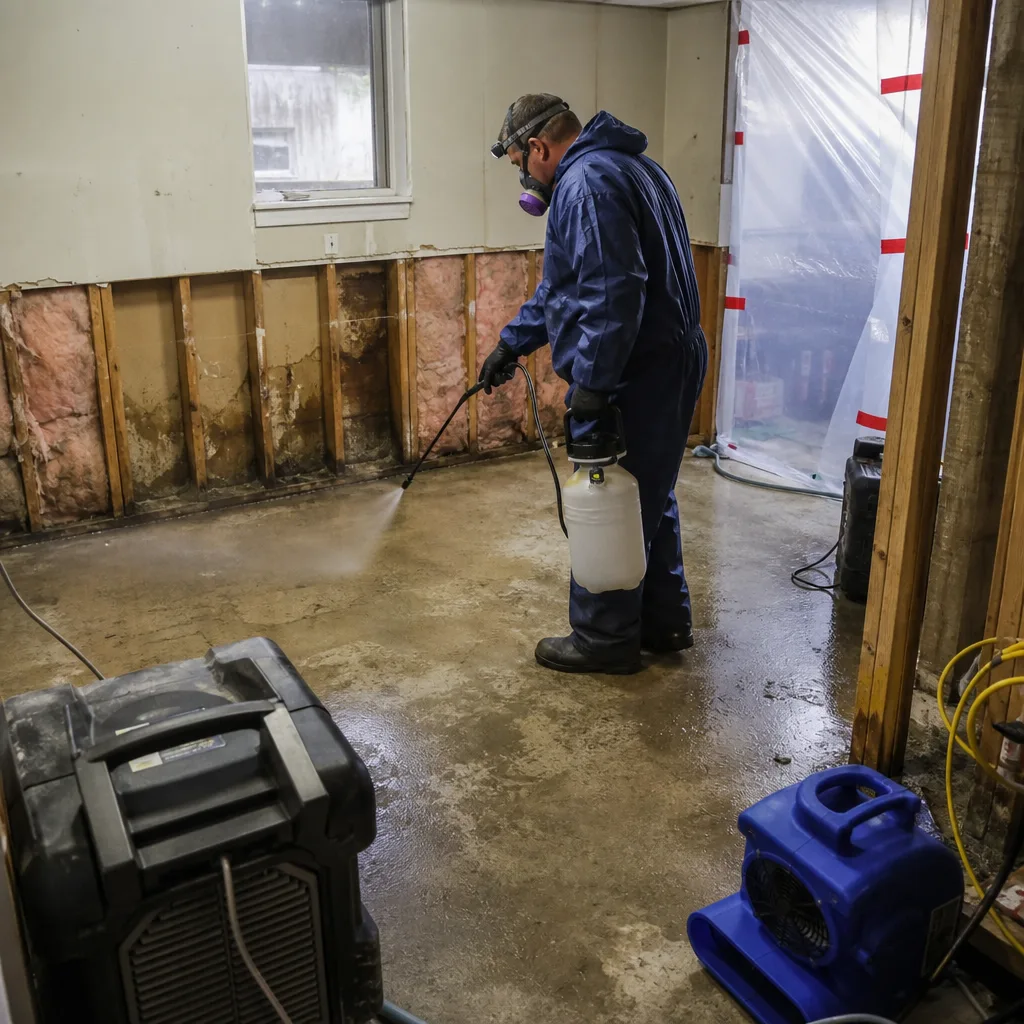
Antimicrobial treatment is applied to all affected surfaces, including framing and hidden cavities. HEPA air scrubbers run throughout the process to capture airborne pathogens. Every surface that can be saved is cleaned to a standard that makes the space safe for occupancy.
Specialty Treatment For Midtown West Buildings
In pre-war construction we check for asbestos and lead-paint triggers before opening walls, per local abatement requirements. Where district steam lines are present, we coordinate with the building engineer to isolate the steam supply before extraction begins so the actual source is addressed.
Repairs & Restoration
The same Floodline crew handles the rebuild: plaster repair, flooring replacement, baseboards, paint. We restore your home to its condition before the loss and stand behind the work with our 90-Day Done Right Promise, in writing.
Need Emergency Sewage Cleanup in Midtown West Now?
Crews minutes away, answering live 24 hours a day. The sooner we start, the less it costs.
Working With Your Insurance Company
Sewage backup claims in Midtown West move faster when documentation starts the moment we arrive. We photograph every affected room, every piece of damaged material, and every moisture reading. Our line-item scopes use industry-standard pricing so the adjuster recognizes the numbers. We send photos directly to your carrier, answer the adjuster’s questions, and track the claim while you get your home back. The 90-Day Done Right Promise stays in writing regardless of who pays the bill.
What We Provide Your Insurer
- Thorough documentation of the loss
- Photos of all damage, room by room
- Moisture readings and drying logs
- A detailed, line-item scope of work
- Direct coordination with your carrier
Built for Midtown West’s Loss Calendar
Midtown West’s sewage losses follow a pattern that anyone who has lived here long enough recognizes. January and February bring deep freezes that crack cast-iron drain lines in pre-war Hell’s Kitchen buildings; a frozen pipe inside a 1920s wall lets category 3 water into a cavity that has been sealed for a century. Spring thaw and heavy rain events push groundwater into the basements of older walk-ups where slab floors lack proper slope, pooling toilet overflows and saturating adjacent units. Summer thunderstorm flash flooding overwhelms New York’s combined sewer system, forcing sewage back through floor drains in subgrade mechanical rooms. Nor’easters slam wind-driven rain into west-facing facades, accelerating mortar-joint erosion that lets water into the same wall cavities where drain stacks run. And every season, Con Edison’s steam network runs beneath the neighborhood, with trap failures causing condensation that looks and smells like a sewage loss until the steam supply is isolated. In Midtown West, our crews know to check the steam first; it saves hours and prevents the wrong repair.
Sewage Cleanup Across Midtown West’s Neighborhoods
Midtown West stretches from roughly 34th Street to 59th Street west of Eighth Avenue, and each corridor presents different sewage cleanup challenges. In Hell’s Kitchen, between Eighth and Tenth Avenues, pre-war tenements from the 1890s through 1930s carry original cast-iron drain stacks. Those stacks corrode from the inside out, and when they fail mid-line, the black water releases behind kitchen walls and bathroom cavities that cannot be accessed without cutting through original plaster. Over on Ninth Avenue, restaurant row kitchens push decades of grease and solids through aging branch lines; a backup there is not just water; it is a biohazard mix that requires full category 3 treatment. Up around Times Square and the Theater District, hotel towers run 24-hour operations, so our crews phase room-by-room remediation around live occupancy, setting containment in one block of rooms while guests stay two doors down. The far west side, toward Hudson Yards and the new glass towers near 11th Avenue, has modern mechanical systems, but slab-on-grade construction means a toilet overflow on an upper floor does not stay on that floor; it tracks down through the building core and appears in a mechanical room or loading dock. Midtown West is not one building type. It is a compressed span of every construction era in New York, and sewage cleanup here has to account for all of it.
Specialized Sewage Cleanup Services We Offer in Midtown West
Sewage Backup Cleanup
When a main line backs up in a Midtown West building, it is never a one-floor problem. We trace the backup to its source, extract the standing category 3 water, and set containment before sewage gases migrate through the building’s pipe chases. In pre-war buildings, this often means coordinating with the building’s super and your neighbors, because the affected drain stack may serve six units, not one.
Toilet Overflow Cleanup
A toilet overflow in a Hell’s Kitchen walk-up can saturate the original wood subfloor between units. In buildings without proper floor slope, the water pools and finds its way into the apartment below. We extract immediately, pull damaged flooring, and run drying equipment with moisture probes placed in the ceiling cavity of the unit beneath you. Direct insurance billing handles the claim across both units when needed.
Septic Failure Cleanup
Most of Midtown West is on the municipal sewer system, but older mixed-use properties and some commercial buildings retain legacy tanks and ejector pits. When those fail, the contamination is often underground and inside a subgrade vault. Our crews are equipped for confined-space extraction, with the same category 3 treatment and antimicrobial protocols we use above grade.
Black Water Extraction
Black water extraction is the urgent first step in any category 3 loss. We run truck-mounted extraction for subgrade and building-core jobs, and portable extractors for upper-floor walk-ups where hoses cannot reach. In Midtown West’s street-level commercial spaces, we often work at night to avoid disrupting daytime operations, with a live dispatcher coordinating the call.
Sanitization & Disinfection
After extraction, antimicrobial treatment is applied to every affected surface, including framing, subfloor, and wall cavities that were opened for drying. HEPA air scrubbers run through the process to catch airborne pathogens. For Midtown West’s older buildings, this step matters more, because original plaster and lath hold biological contaminants in a way modern drywall does not.
What happens when you call
- 1
A real person answersNo phone trees - you reach a local pro.
- 2
You get an upfront price rangeHonest numbers before anyone is dispatched.
- 3
A background-checked tech heads outLicensed & insured, dispatched right away.
- 4
You approve before work beginsNothing starts until you say go.
Sewage Cleanup Costs in Midtown West, NY
A contained toilet overflow in a Midtown West apartment typically runs $1,500 to $2,800, including extraction, drying, and antimicrobial treatment. A full sewage backup requiring wall opening, containment, and structural drying of a pre-war unit runs $2,800 to $4,600. Larger losses, like a failed cast-iron stack serving multiple units or a hotel corridor backup, start around $6,000 and scale with square footage and the number of affected rooms. What moves the price: whether plaster has to be opened for access, whether asbestos abatement triggers on pre-1940s materials, how many floors are affected, and whether the district steam system has to be isolated before the real source is found. Insurance typically covers sewage backup when the loss is sudden and accidental, but coverage depends on your policy’s water backup endorsement. The free visual inspection gives you a firm written scope before any work starts, so you know the number before you commit.
We Also Serve Cities Near Midtown West
When a sewage backup hits outside Midtown West, our crews dispatch into Upper West Side, Midtown Manhattan, Upper East Side, and Upper Manhattan with the same 45-minute commitment and the same live phone answer. The building stock changes, the urgency does not.
Serving Midtown West, NY - Our Local Coverage Area
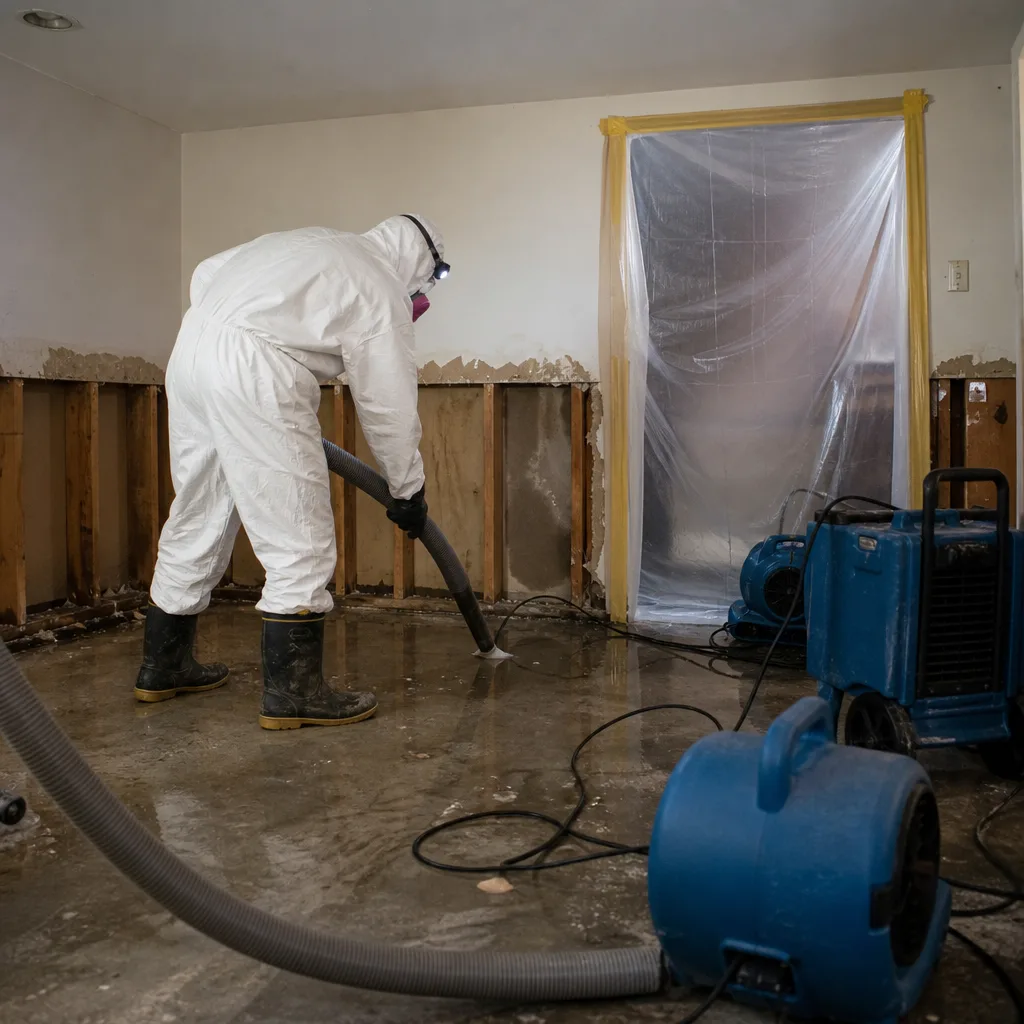
We’re based in the Midtown West area and know this community well. Use the map below to see our service coverage - if you’re nearby, we can almost certainly help.
Midtown West Sewage Cleanup Questions, Answered
How does Midtown West’s district steam network complicate sewage cleanup in my building?
The Con Edison district steam system runs beneath much of Midtown West, and when building-side steam traps fail, the condensation inside wall cavities looks and smells exactly like a sewage backup. A crew that does not know to isolate the steam supply first will waste hours opening walls and chasing the wrong source. We always check the building’s steam service before starting category 3 extraction. Call (640) 221-3499 and we will sort out the real source before anyone cuts plaster.
My pre-war Hell’s Kitchen walk-up has a sewage smell coming from the wall. Do I need asbestos abatement before cleanup?
In buildings from the 1890s through 1930s, opening an original plaster wall almost always triggers lead-paint and asbestos abatement requirements before remediation can proceed. We identify the trigger points during inspection, document them for your carrier, and bring in licensed abatement when required. The written scope you get before work starts spells out exactly what has to happen and in what order.
Can you dry my original plaster walls after a sewage backup, or do they have to be removed?
Original plaster and lath can often be saved if the category 3 water has not saturated the full wall assembly. We run moisture mapping with Dri-Eaz meters to read what is happening behind the surface, then use Phoenix dehumidifiers and XPOWER air movers targeted into the cavities. If the plaster is delaminating or the lath is saturated with sewage, removal is the honest call. We will tell you which path your wall needs and why, before anything gets cut.
What’s the difference between a sewage backup and category 3 water in Midtown West specifically?
Category 3 water is the classification for water that contains pathogens, sewage, or other contaminants that can cause illness. A sewage backup is always category 3, but in Midtown West, not everything that smells like sewage is sewage. District steam condensation from a failed trap can mimic the smell and appearance of a backup, which is why our first step is always to confirm the source before treating the water as category 3. Guessing wrong costs you time and money. We do not guess.
How fast can you start sewage cleanup in a Midtown West hotel without disturbing guests?
We phase room-by-room, setting containment in the affected block and running extraction and drying while guests remain in other parts of the floor. Our crews have worked inside theater-district and Times Square hotels where every room is revenue, so silent operation, discreet access, and night-shift coordination are standard. A live dispatcher handles the scheduling so the hotel manager talks to a person, not an app.
How fast can you actually get to my Midtown West building?
Forty-five minutes is our commitment from the time you call. Our New York City office dispatches into Midtown West daily, and our crews know the routes through Hell’s Kitchen, the Theater District, and the far west side. At 2 a.m., a real person answers, and a real truck leaves. Call (640) 221-3499.
Will insurance cover sewage cleanup in my Midtown West apartment?
Most homeowner and commercial policies cover sudden and accidental sewage backup when a water backup endorsement is in place, but pre-existing corrosion in a cast-iron drain stack can complicate coverage. We document the loss from the first hour, photograph everything, and bill your carrier directly. We also provide the adjuster with moisture logs and a line-item scope so the claim matches the actual work.
What should I do in the first 30 minutes after a sewage backup in Midtown West?
Do not flush, do not run water, and do not walk through the affected area. Shut off water at the nearest fixture if you know how, move people and pets away from the contaminated space, and call (640) 221-3499. The longer category 3 water sits, the more it wicks into plaster, subfloor, and structural framing. Every hour increases the drying time and the cost.
Written by Curt Bowman, Owner at Floodline Restoration Co., serving Midtown West and New York City since 2010.