
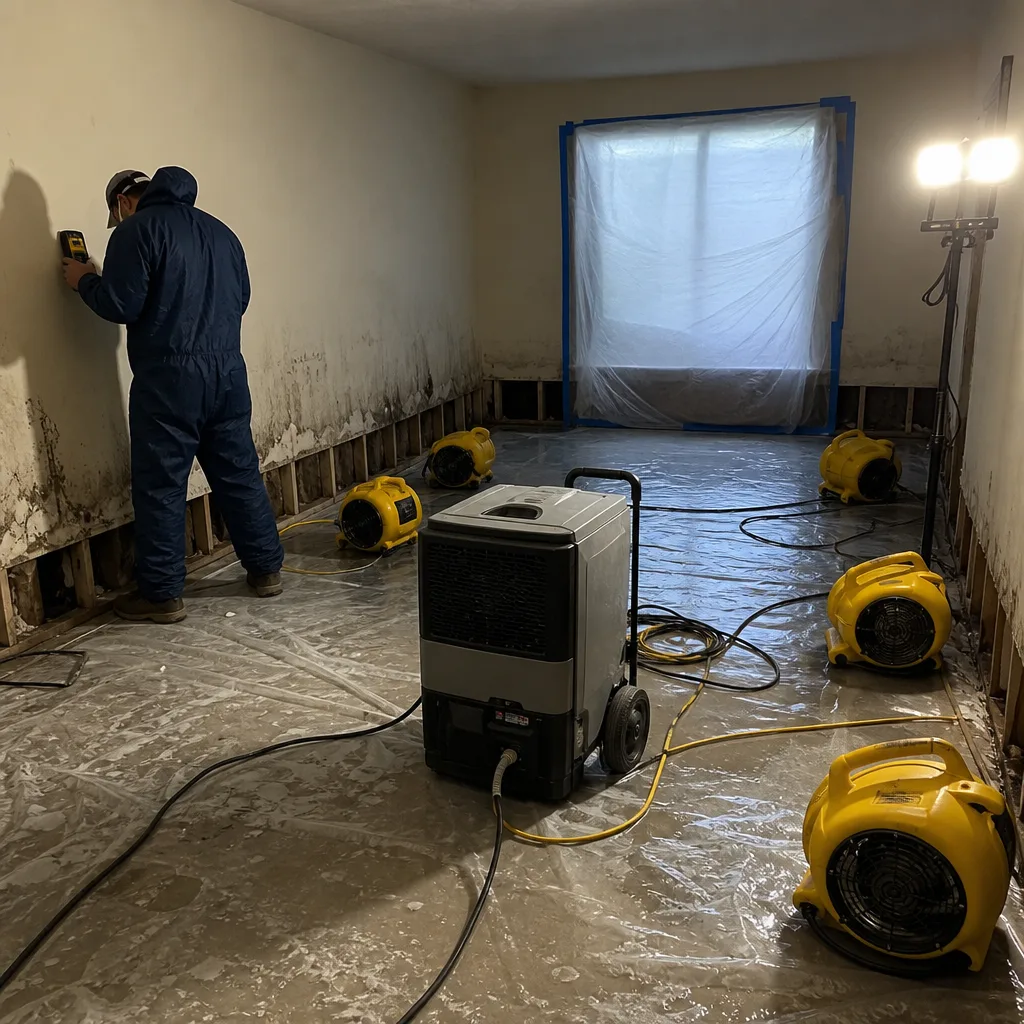
Free visual inspection and a written scope of work before any mitigation begins - photos, moisture readings, and drying logs go in your claim file
The scope we write is the scope we bill. Anything new gets shown to you, in writing, before we touch it.
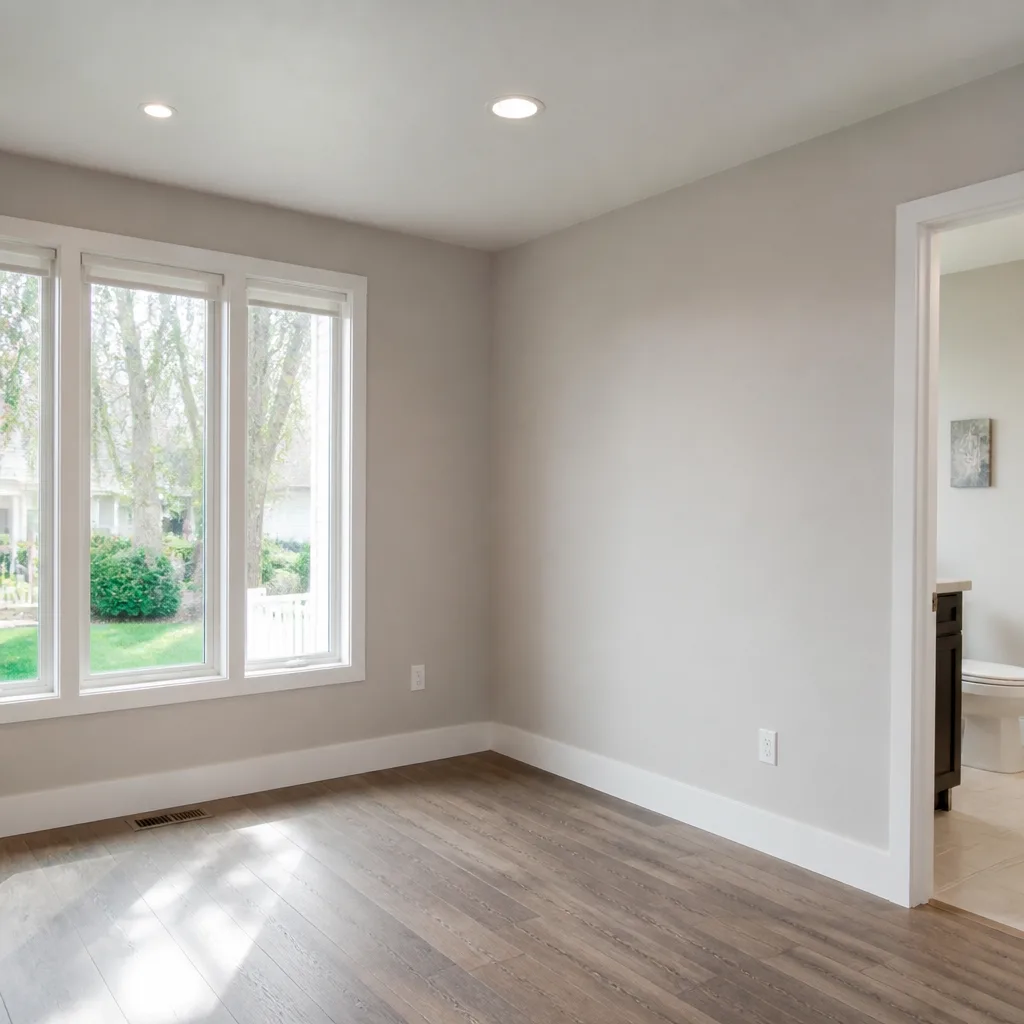
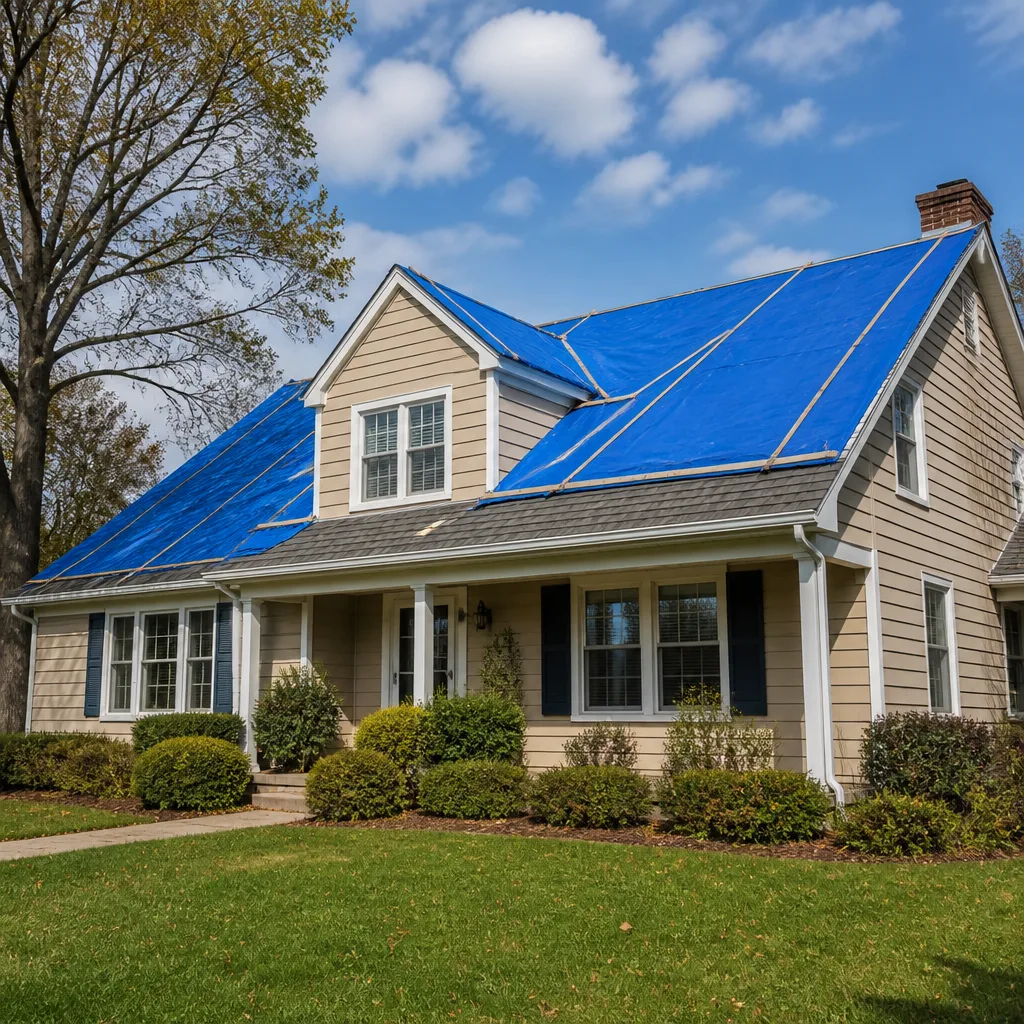
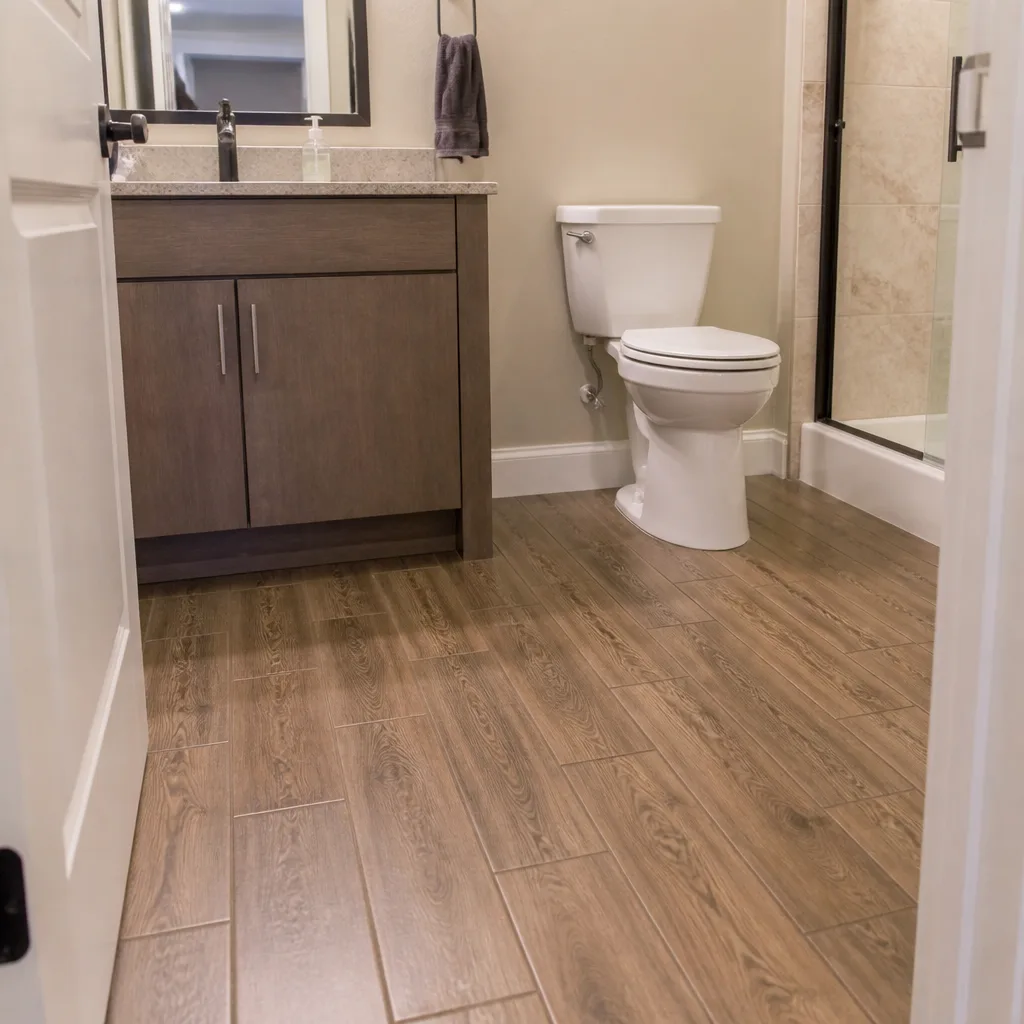
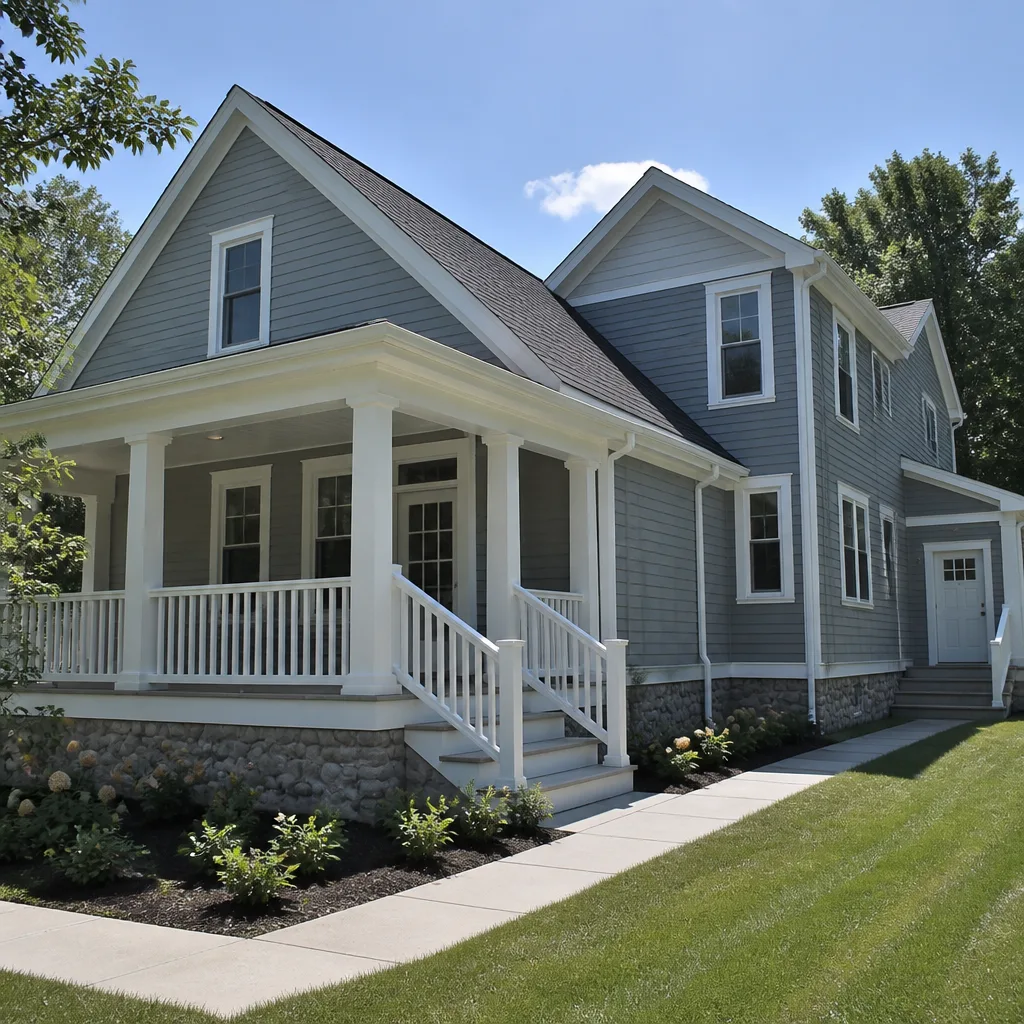
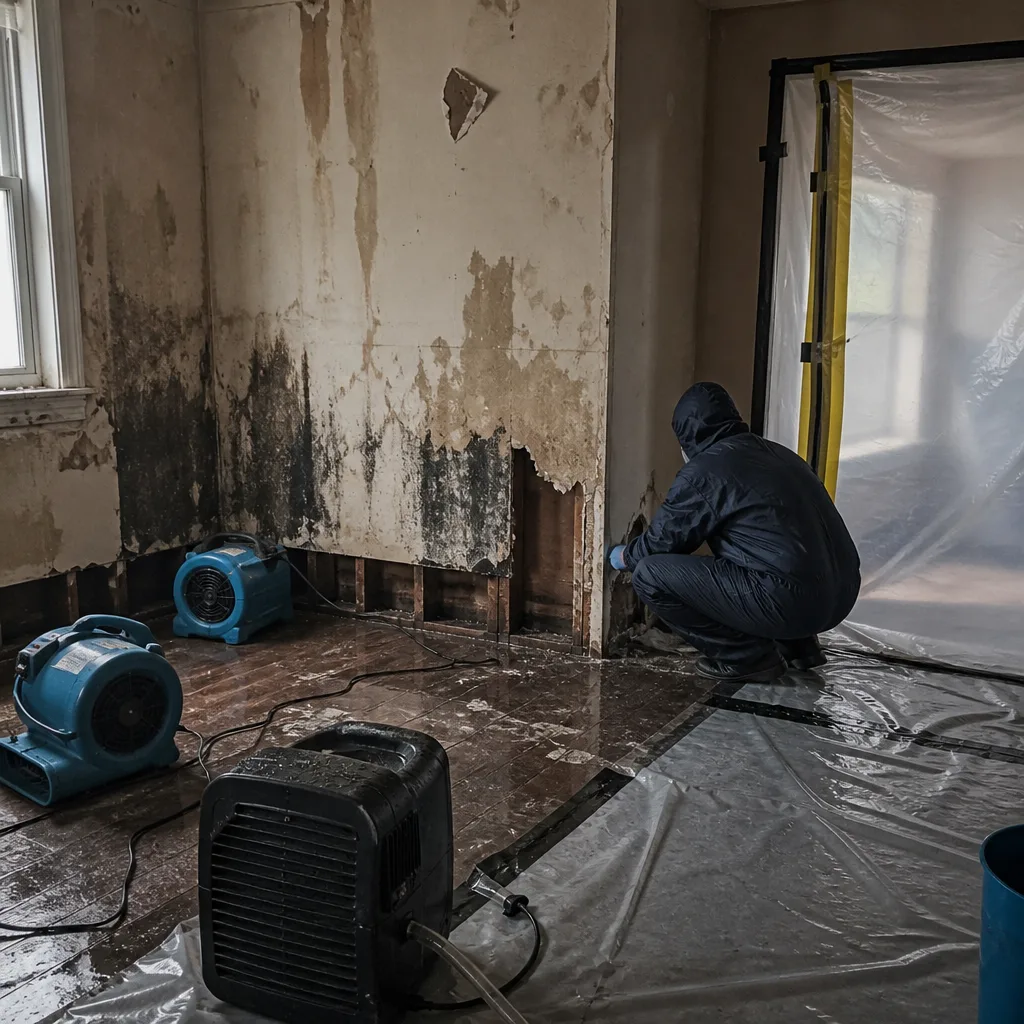 Before
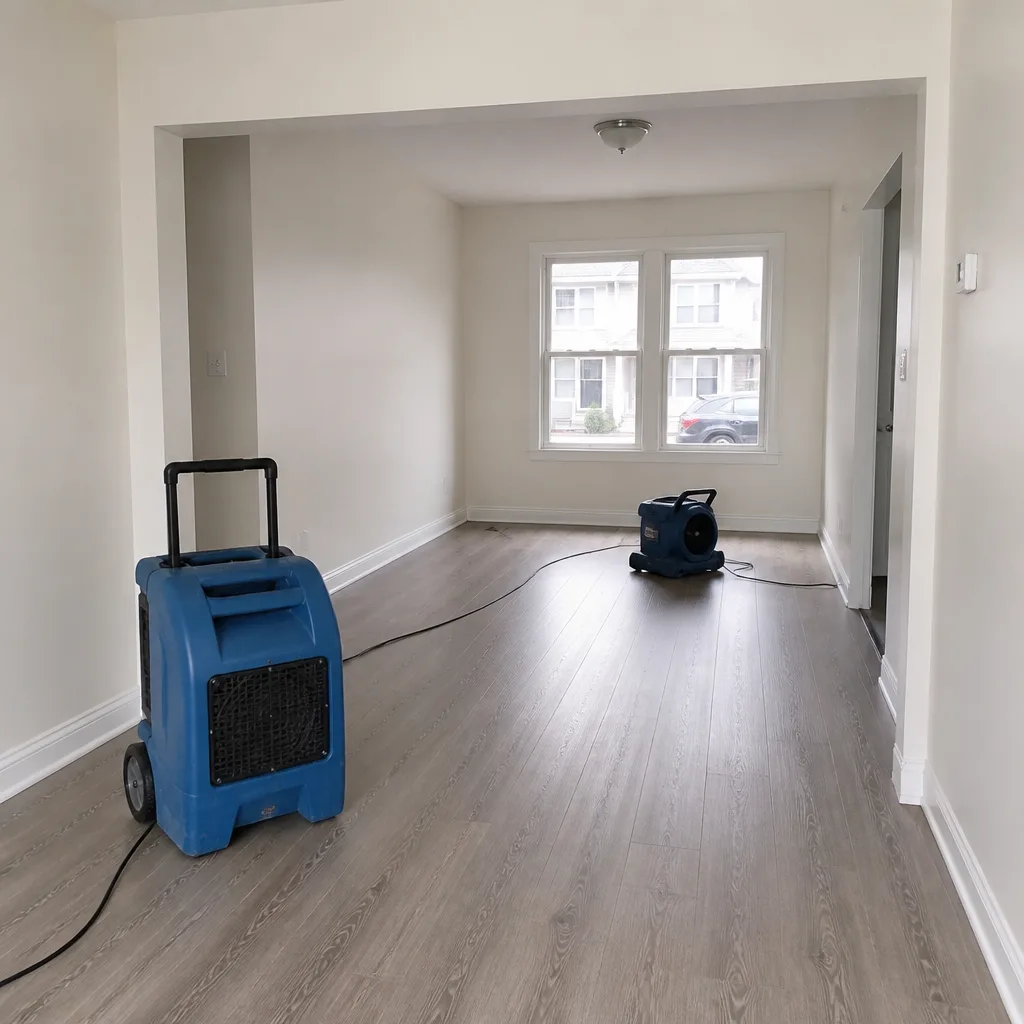 After
After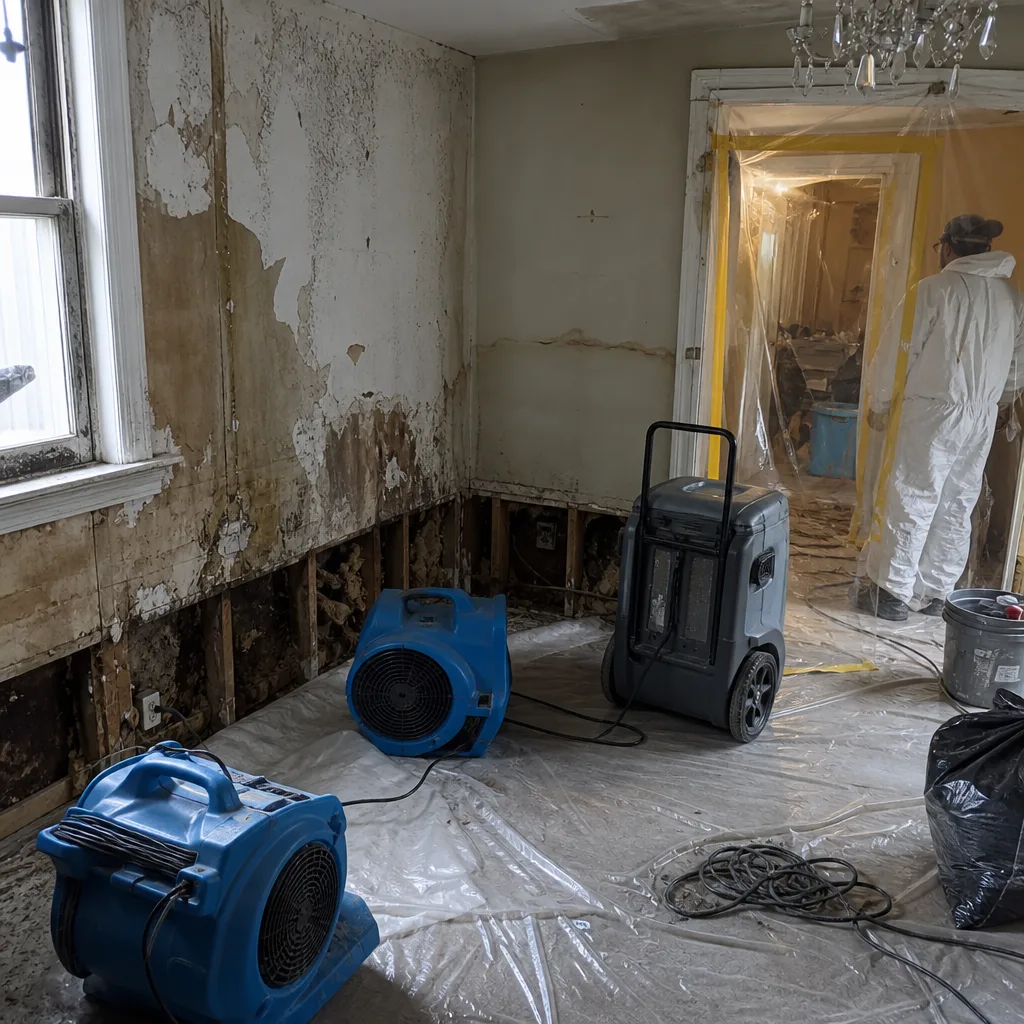 Before
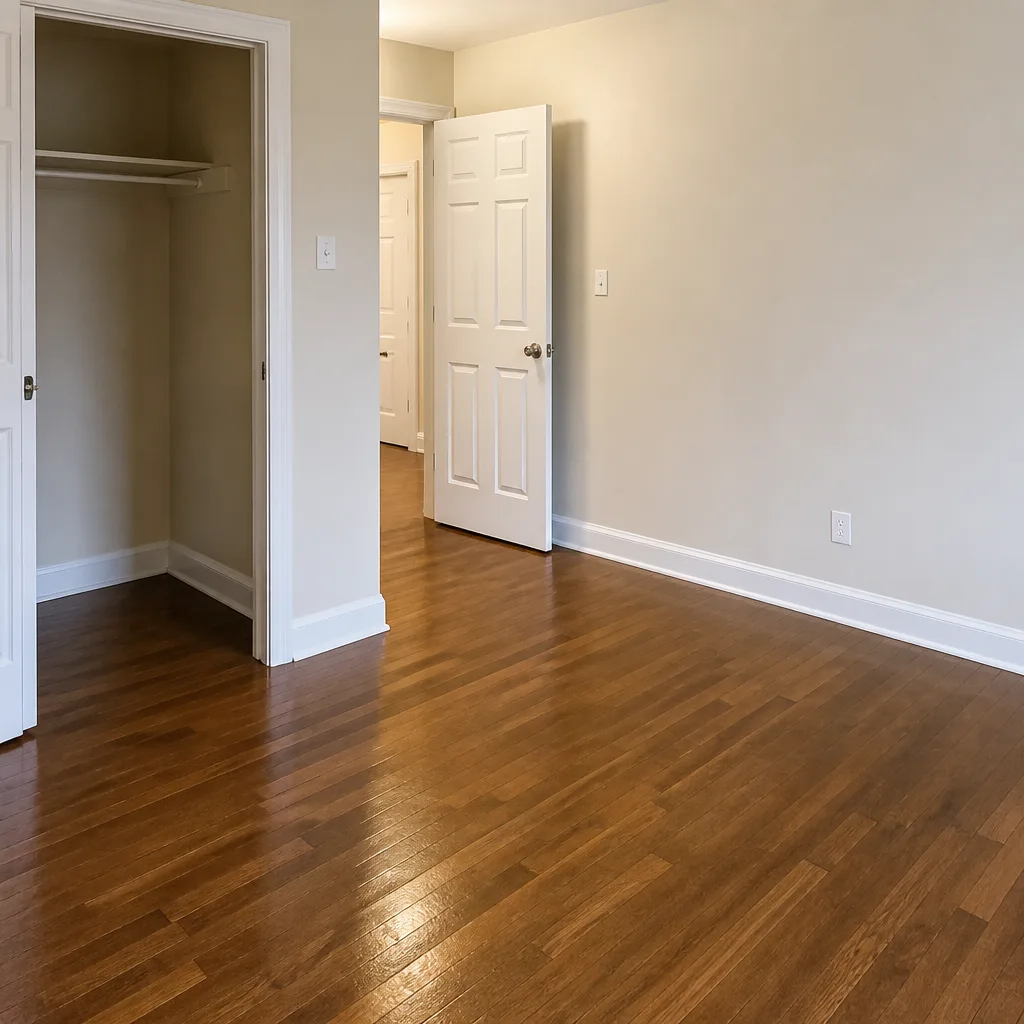 After
After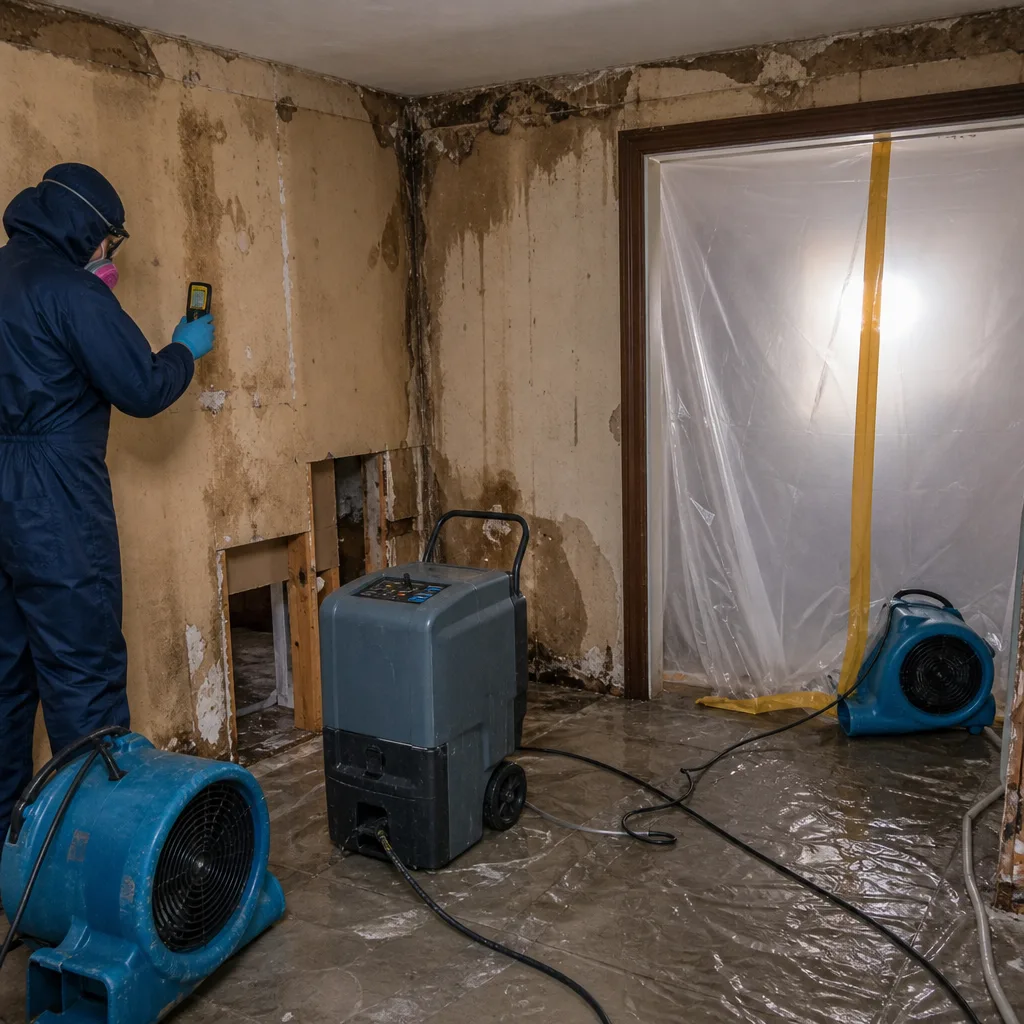 Before
 After
After24/7 Emergency Water Damage Restoration in Midtown West
Water damage restoration in Midtown West costs $2,400-$7,800 for a typical single-room loss and $9,000-$35,000 when multiple rooms or commercial hotel floors are involved. Our crews reach most Midtown West addresses within 45 minutes, with extraction running the same visit. Call (640) 221-3499 any hour, any day. A live dispatcher answers, not a recording.
The first hour after water appears is when the math works in your favor or against it. Category 1 water from a burst supply line becomes Category 2 within 48 hours as it picks up contaminants from flooring adhesives, drywall dust, and whatever else it saturates. In Midtown West’s older buildings, that clock moves faster. Original plaster walls and hardwood subfloors from the 1920s hold moisture longer than modern gypsum and engineered lumber, which extends drying time and raises the ceiling on what a claim costs. We start the clock the moment we answer the phone. A background-checked, uniformed technician arrives, maps the moisture with thermal imaging and hygrometers, and gives you a written scope before any equipment gets plugged in. Free visual inspection, no pressure.
Understanding Water Damage Restoration Severity in Midtown West Properties
The Institute of Inspection, Cleaning and Restoration Certification, which we train to, classifies water into three categories. Category 1 is clean water from supply lines, faucets, or steam condensate. Category 2 carries significant contamination: dishwasher discharge, washing machine overflow, sump failures. Category 3 is grossly contaminated: sewage backups, Hudson River storm surge, street-level floodwater that found its way into a Hell’s Kitchen basement.
Severity in Midtown West is a product of the building, not just the water. A Category 1 leak inside a pre-war tenement on West 49th Street behaves differently from the same leak in a Hudson Yards tower built in 2021. The tenement’s original plaster wicks moisture upward through horsehair and lime, requiring aggressive structural drying with Dri-Eaz desiccant dehumidifiers and daily moisture readings until the dry standard is met. The glass tower’s steel studs and gypsum board dry faster, but water migrating through the floor assembly can reach occupied units below within hours. We treat each building vintage as its own drying problem. That’s why our assessment includes the building’s age, construction type, and mechanical systems before we set the first air mover.
Why Midtown West Property Owners Choose Floodline Restoration Co.
- 45-minute response commitment for Midtown West addresses. Our dispatch board is built around routes through Midtown West, not a sales desk. A crew is on the way while most carriers are still routing you to a call center menu.
- 24/7 live answer, every time. Curt Bowman built Floodline around a dispatch board. When you call at 2 a.m. because a supply line let go above your Hell’s Kitchen walk-up, a person picks up and starts coordinating. Not a voicemail.
- IICRC, RIA, and IFA certified technicians. Our crews hold WRT, FSRT, and AMRT certifications. They read moisture maps, run drying logs, and know when a wall cavity is actually dry versus when a meter just says it is.
- Free visual inspection with a written scope. Before any work starts, you get a line-item scope and a firm price. No surprises on the bill. We stand behind that in writing with the 90-Day Done Right Promise.
- Direct insurance billing and adjuster coordination. We document from hour one, send your carrier the photos, the moisture readings, the drying log, and the scope. You don’t play messenger between us and the adjuster.
- One certified crew from extraction to reconstruction. The same team that pulls the water rebuilds the wall. No mid-job handoff, no inherited crew, no finger-pointing between a drying company and a GC.
Our Water Damage Restoration Process
Inspection & Assessment
We arrive, walk the loss site, and identify the water category, the migration path, and the building vintage. Thermal imaging finds water trapped in wall cavities and under flooring that a visual check misses. You get a written scope and a firm price before we begin.
Extraction / Stabilization
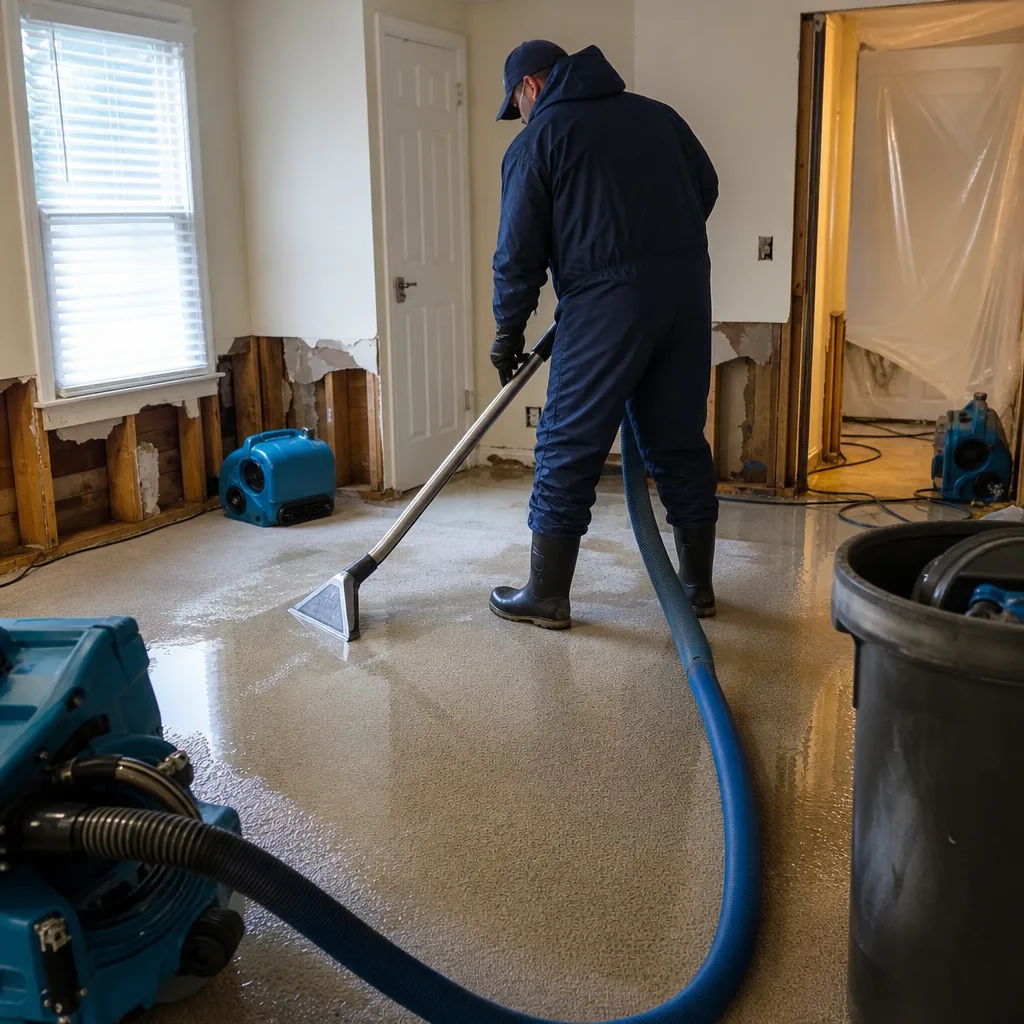
We pull standing water with truck-mounted and portable extraction units, then stabilize the site. Inhalation hazards, electrical exposure, and collapse risk are evaluated before we start. In Midtown West high-rises, we coordinate with building management on water shutoff and elevator access.
Drying & Dehumidification
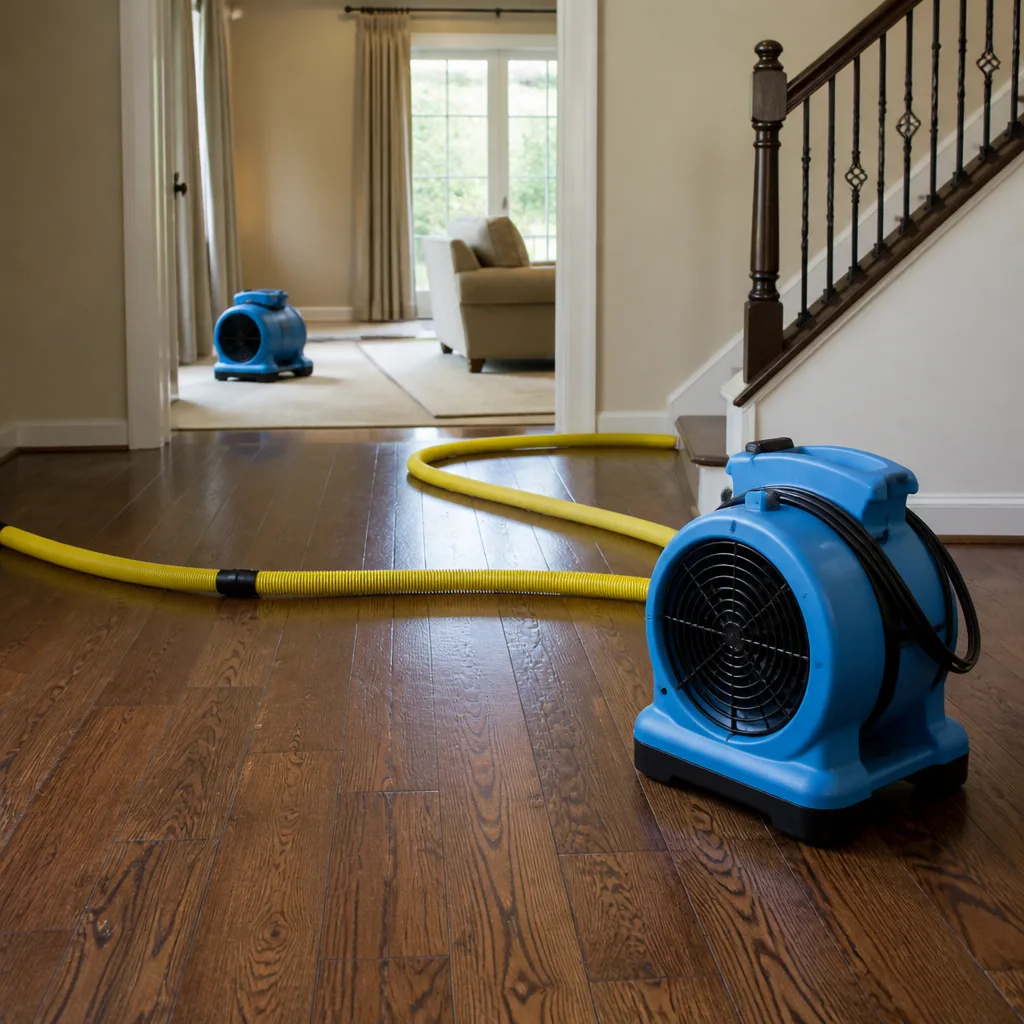
We place Dri-Eaz air movers and Phoenix dehumidifiers strategically, not in a row of ten. In hotel corridors, we run them off-peak and route hoses to avoid blocking guest traffic. Daily moisture readings continue until the structural drying meets the dry standard, and the log goes to you and your carrier.
Cleaning & Sanitization
Category 2 and 3 water requires antimicrobial treatments and, where contamination is present, HEPA air scrubbing. We clean and sanitize affected surfaces before any reconstruction begins. This step is not optional, and we won’t skip it to hit a deadline.
Steam System Verification
For Midtown West properties on Con Edison’s district steam network, we verify the building-side source before we finish. If a failed steam trap caused the loss, we document it so the repair happens and the damage doesn’t return next week.
Repairs & Restoration
We rebuild what we dried. Plaster patching to match original profiles, baseboard replacement, flooring refinishing, and painting. The 90-Day Done Right Promise covers it all. If it isn’t done right, we make it right. In writing.
Need Emergency Water Damage Restoration in Midtown West Now?
Crews minutes away, answering live 24 hours a day. The sooner we start, the less it costs.
Working With Your Insurance Company
We treat the insurance claim as part of the job from the first hour. That means photographs of every damaged surface before demolition, room by room. Moisture readings logged daily. Drying logs your adjuster can verify. A line-item scope of work written in the format carriers expect. We coordinate directly with the adjuster on your behalf, and we bill the carrier directly when your policy allows. You get a copy of everything. No playing messenger. No “the contractor said, the adjuster said” back and forth. One team handles the documentation, the drying, and the rebuild under one written scope. Since 2010, Curt Bowman has built Floodline around the belief that a square deal on the bill is as important as dry walls.
What We Provide Your Insurer
- Thorough documentation of the loss
- Photos of all damage, room by room
- Moisture readings and drying logs
- A detailed, line-item scope of work
- Direct coordination with your carrier
Built for Midtown West’s Loss Calendar
Midtown West’s water damage calendar is predictable if you know the buildings. January and February are burst-pipe season, when a 10-degree night freezes an uninsulated supply line in a 1928 Hell’s Kitchen tenement and splits the copper. We’ve seen the west side of 48th Street with three simultaneous pipe failures after a single hard freeze. March brings thaw and the first real tests of cast-iron drain stacks that have been slowly corroding for 90 years. April through June are nor’easter months, when wind-driven rain hammers the Hudson-facing facades around 42nd and 57th Streets, forcing water through window perimeters and crumbled mortar joints. July and August thunderstorms dump an inch of rain in thirty minutes, overwhelming the combined sewer outfalls along the Hudson and pushing Category 3 floodwater into Hell’s Kitchen basements. September and October are quieter, which is when smart property owners schedule the preventive work. November and December bring the district steam system under load, and with it the condensate leaks that look like pipe bursts but aren’t.
Water Damage Restoration Across Midtown West’s Neighborhoods
Midtown West is not one neighborhood. It’s a patchwork of building types that changes every few blocks, and we route crews accordingly. Hell’s Kitchen, west of 8th Avenue from 34th to 59th, is where our steam-trap and pre-war plaster experience gets used the most. We’ve restored water-damaged walk-ups on West 46th, 47th, and 52nd Streets, where every job comes with the same two questions: is the source actually a pipe, and does this property trigger asbestos abatement? The Theater District between Broadway and 8th is hotel territory. The Marriott Marquis and Sheraton Times Square run 24-hour operations, and a water loss on the 18th floor means a room-by-room phased restoration that protects the property’s nightly revenue. We’ve done exactly that, running drying equipment after check-out hours and coordinating with hotel engineering on corridor access. The far-west blocks around Hudson Yards are different again. Those glass towers, built between 2019 and 2022, have modern materials but complex vertical water migration. A toilet overflow on 30 can reach the ceiling of 29 before anyone notices. And the commercial corridors along 7th and 8th Avenues are mostly older office and retail spaces where a water loss in a retail storefront means revenue stops at the front door. We schedule commercial Midtown West work for off-hours where possible and work with building managers who know their systems best.
Specialized Water Damage Restoration Services We Offer in Midtown West
Emergency Water Extraction
Standing water removal is the first hour’s job. Truck-mounted extraction for street and lobby access, portable Xtreme Xtractors for upper-floor Midtown West units where a 50-gallon unit heats up a bathroom fast. We pull standing water, then hit the saturated surfaces. In a Hell’s Kitchen basement with 4 inches of water, we’re extracting within 45 minutes of the call.
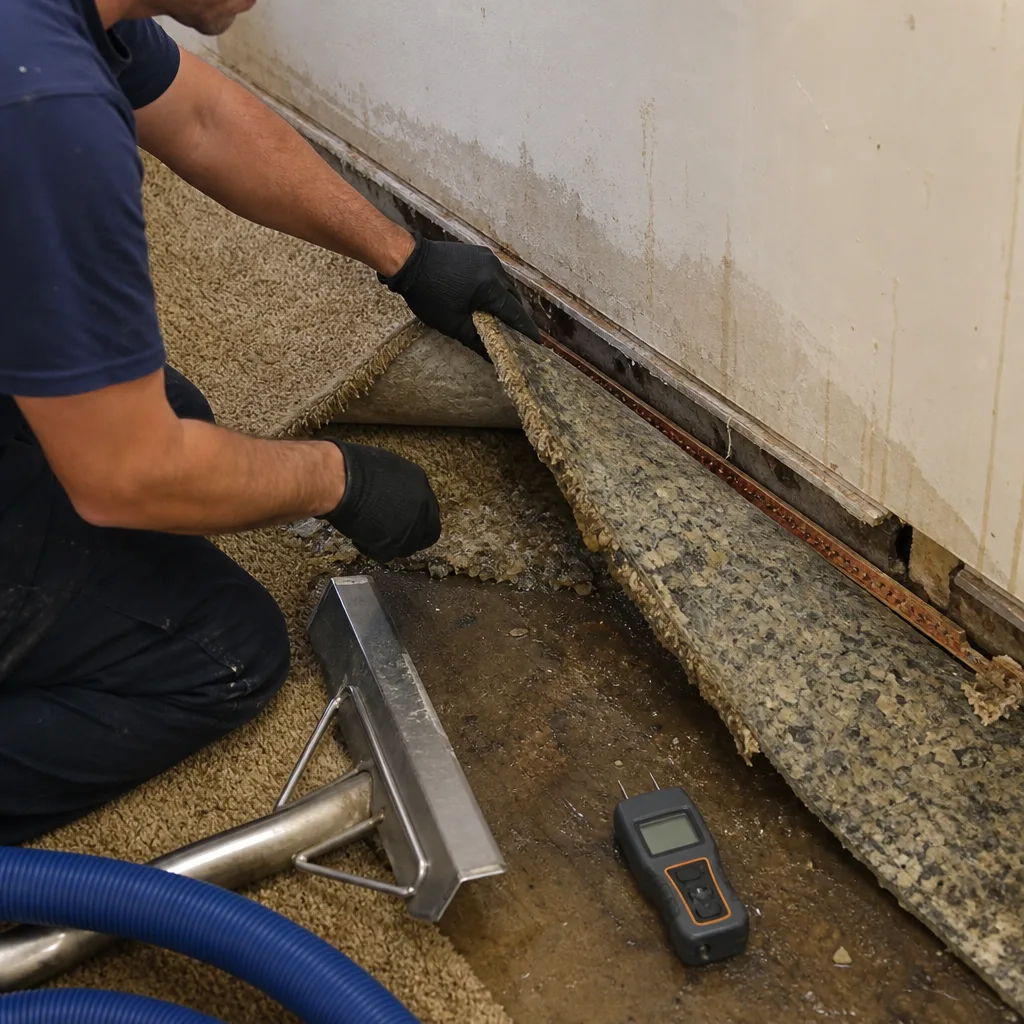
Structural Drying & Dehumidification
This is the step that separates dry-enough from actually dry. We use Dri-Eaz LGR dehumidifiers and Phoenix air movers, placed to create real airflow, not a wall of noise. For Midtown West’s pre-war plaster walls, we use Injectidry to force dry air into wall cavities. In hotel corridors, we run hoses along baseboards and schedule high-airflow cycles for overnight hours. Daily moisture readings until the standard is met, logged and verified.
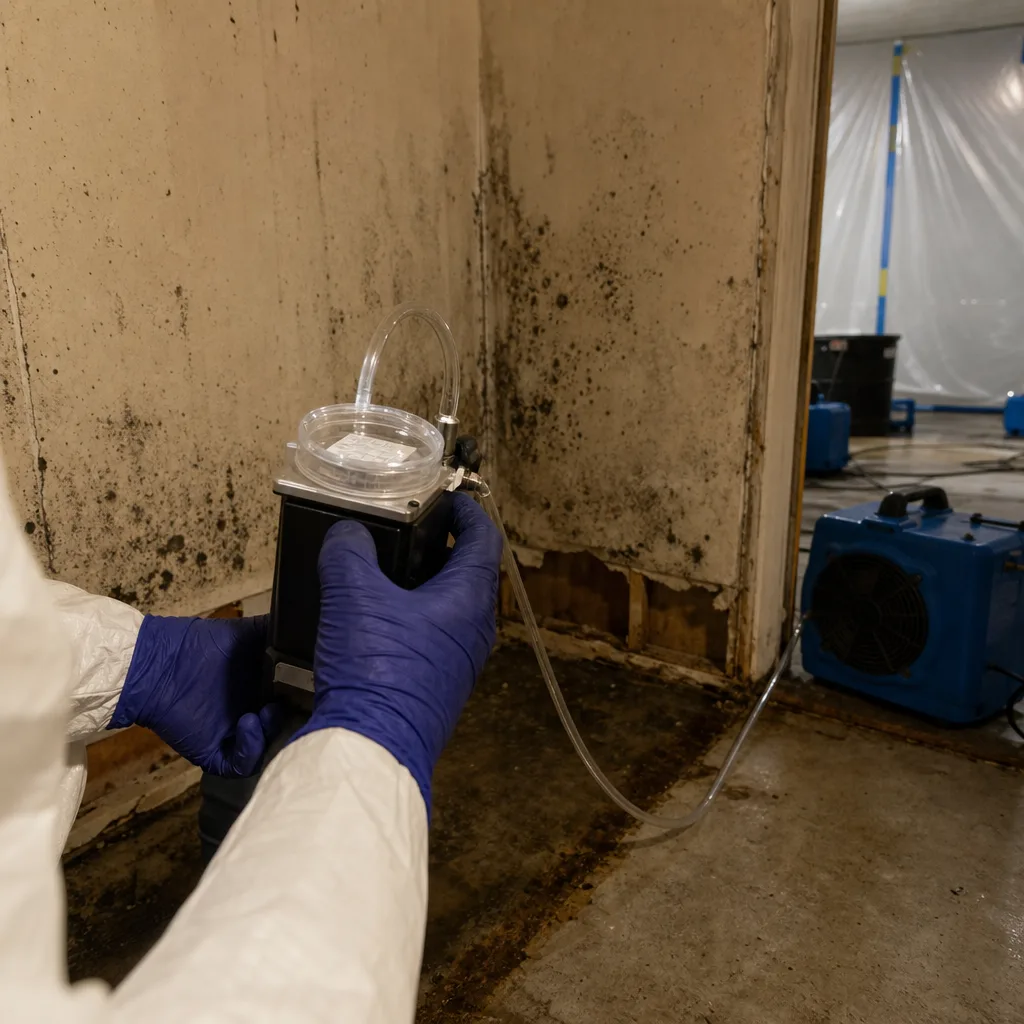
Flood Cleanup
Floodwater in Midtown West is almost always Category 3: Hudson River surge, combined sewer overflow, street-level runoff from a nor’easter. That means full removal of saturated materials that can’t be sanitized, not just drying. We cut drywall and insulation, remove affected flooring, dispose of contaminated materials, then treat remaining surfaces. If you’re in Hell’s Kitchen, we also check the age of the building before disturbing anything that might contain asbestos or lead paint.
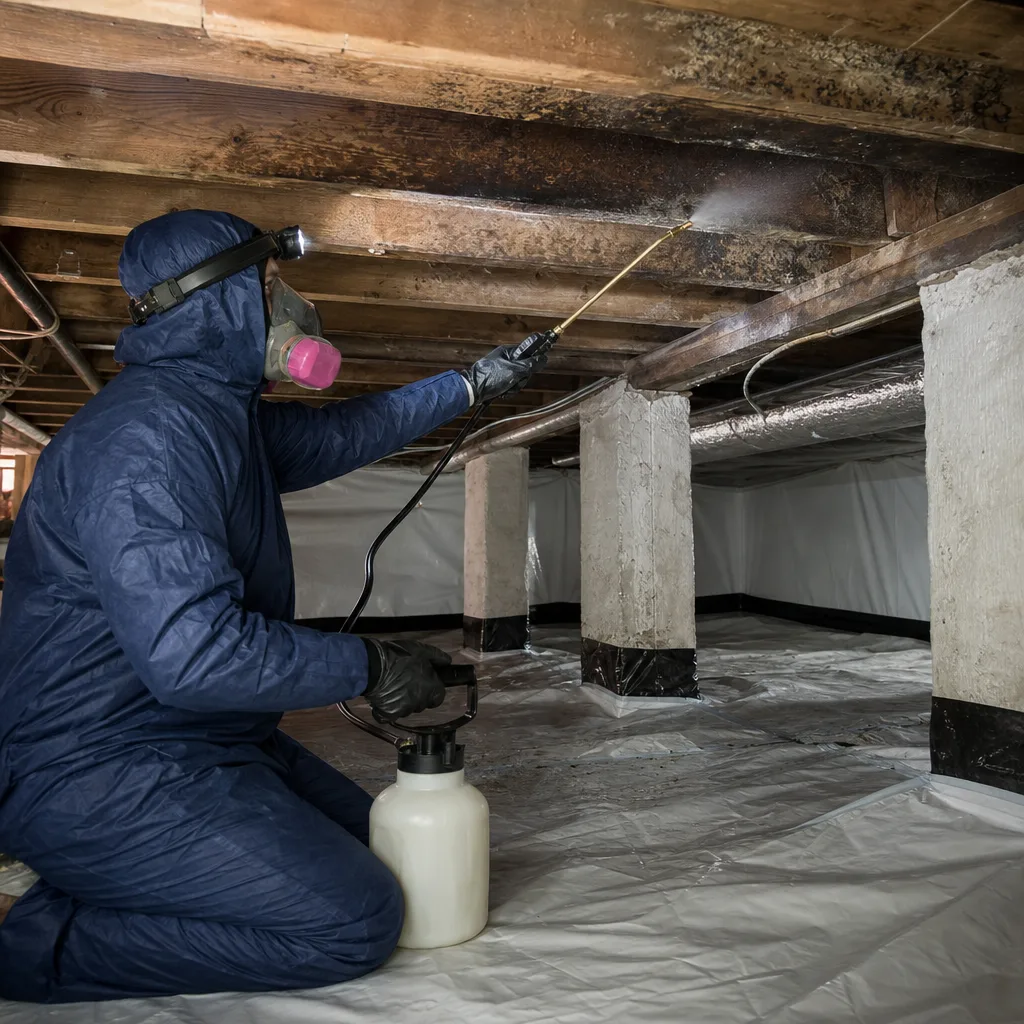
Burst Pipe Restoration
When a frozen supply line lets go on the 4th floor of a Midtown West walk-up, water finds every path down. We stop the leak, extract, map the migration, and dry the full path, not just the visible puddle. This is where our 45-minute response matters most. Every hour a burst pipe runs adds hundreds of dollars in absorbed flooring and drywall. Curt Bowman’s team is built to move fast and document everything for the carrier.
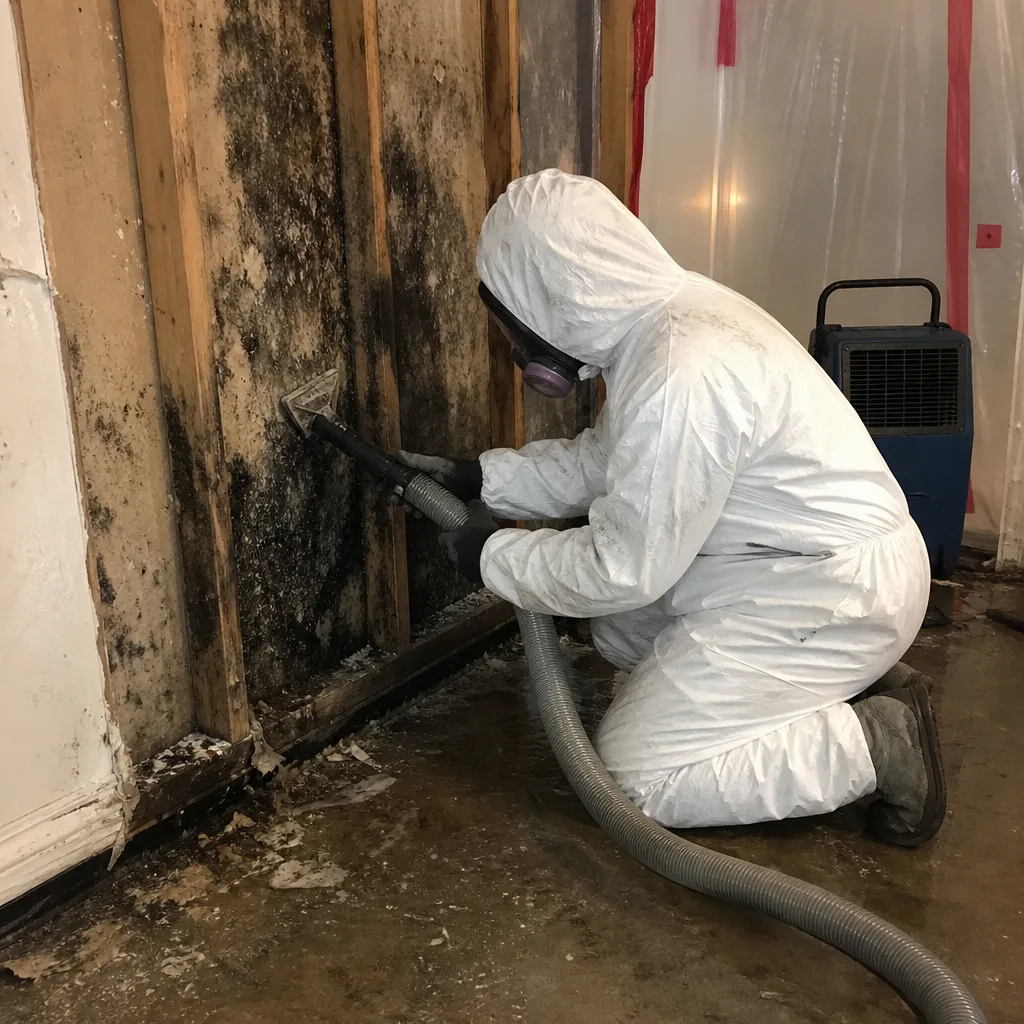
Basement Water Removal
Basements in Hell’s Kitchen are old, shallow, and often part-finished. When Category 2 or 3 water gets in, it soaks into wood studs and flooring that were installed in the last 30 years over a 90-year-old slab. We remove the water, dry what can be saved, and cut out what can’t. If the building’s original cast-iron stack is the source, we flag it for the plumber and hold off on rebuild until the line is pressure-tested and repaired.
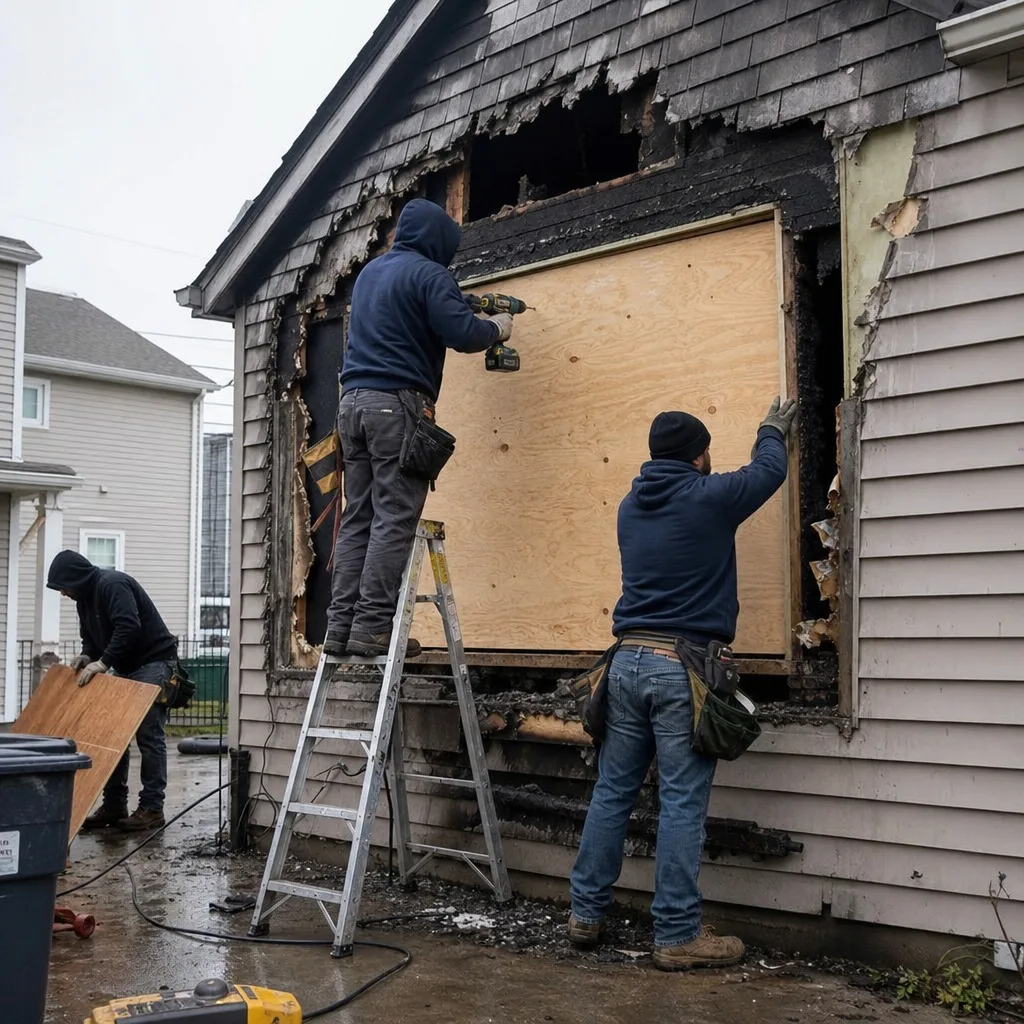
Ceiling & Roof Leak Water Damage
Nor’easters drive rain horizontally into Midtown West’s aging brick and limestone facades. Water that enters through a window perimeter or a failed parapet cap migrates down through wall cavities and shows up as ceiling staining on a lower floor. We trace the moisture path with thermal imaging, cut only what’s actually saturated, and dry the cavity before patching. For roof leaks on flat-roofed Hell’s Kitchen tenements, we coordinate with roofing contractors and handle the interior drying and repair ourselves.
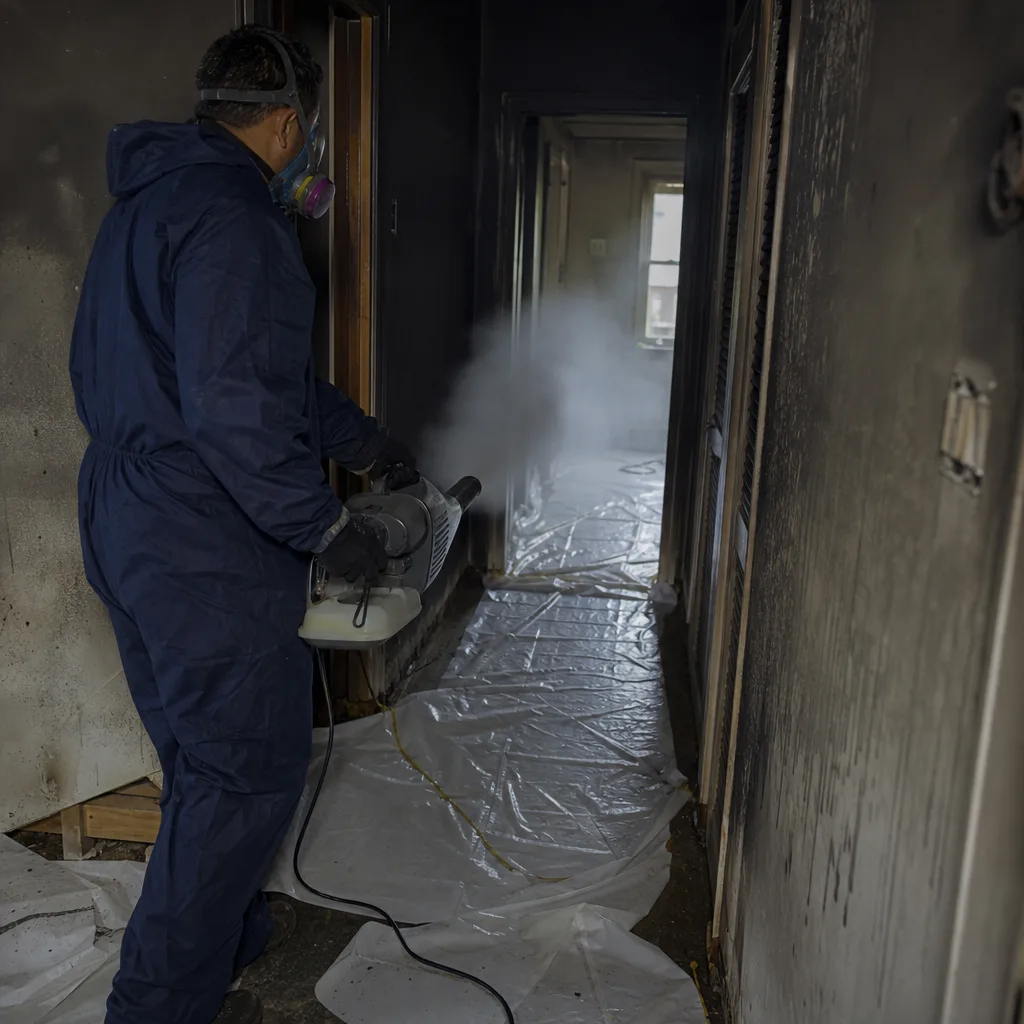
What happens when you call
- 1
A real person answersNo phone trees - you reach a local pro.
- 2
You get an upfront price rangeHonest numbers before anyone is dispatched.
- 3
A background-checked tech heads outLicensed & insured, dispatched right away.
- 4
You approve before work beginsNothing starts until you say go.
Water Damage Restoration Costs in Midtown West, NY
What actually moves the price in Midtown West is building age and access. Here’s the honest range based on what we’ve seen in this specific market.
- Single-unit pipe break in a pre-war walk-up: $2,400-$5,500 for extraction, drying, and plaster/drywall repair.
- Hotel room water loss (phased, revenue-sensitive): $3,500-$9,000 per room depending on finish level and corridor restrictions.
- Steam-trap condensation loss in a Hell’s Kitchen tenement: $3,000-$7,000 including the steam system verification and structural drying.
- Category 3 basement flood from sewer backup: $5,000-$11,000 for full removal, sanitization, drying, and basic rebuild.
- Ceiling leak from a nor’easter facade failure: $1,800-$4,500 for extraction, drying, and ceiling repair if caught early.
Insurance covers the drying and rebuild when the cause is sudden and accidental, which most pipe breaks and storm-related losses are. The $50 Off Any Repair Over $250 and the $89 Seasonal Tune-Up apply to qualifying non-insurance work. The Senior & Veteran 5% Discount is always available. Free visual inspection, and we’ll put the number in writing before we start.
We Also Serve Cities Near Midtown West
Our crews respond daily across Upper West Side, Midtown Manhattan, Upper East Side, and Upper Manhattan. The same 45-minute commitment, the same live dispatch, the same written 90-Day Done Right Promise.
Midtown West Water Damage Restoration Questions, Answered
How does Floodline Restoration Co. handle water damage in a Midtown West hotel without shutting down guest floors?
We run phased, room-by-room restoration coordinated around the hotel’s occupancy map and 24-hour operations. Extraction happens immediately in the affected room. Drying equipment runs overnight in corridors, with hoses routed along baseboards and air movers positioned to keep guest paths clear. We work directly with hotel engineering on water shutoffs, elevator access, and guest relocation. For the Marriott Marquis, Sheraton Times Square, and similar full-service properties in Midtown West, every damaged room represents lost nightly revenue, so we treat speed as part of the service contract. Daily drying logs go to the hotel’s insurance carrier and ours.
How can we tell if water coming through our Hell’s Kitchen wall is from a pipe or from the Con Edison steam system?
The short answer: you usually can’t tell visually. Condensation from a failed steam trap inside a wall cavity looks exactly like a pipe leak. The way to tell is to isolate the steam supply line to the building, then pressure-test the domestic water lines. If the moisture stops migrating after the steam isolation, it’s the Con Edison district steam system. We’ve handled this on West 46th Street, where a steam-trap failure in a pre-war tenement mimicked a burst pipe for days before anyone thought to pressure-test the steam line. Our techs do that verification as part of every Midtown West assessment in buildings connected to the district steam network.
Do you handle the asbestos and lead-paint abatement required in pre-war Hell’s Kitchen buildings during water damage restoration?
We coordinate it directly. Hell’s Kitchen tenements built from the 1890s through the 1930s almost always trigger NYC DEP abatement requirements when demolition exposes original plaster, flooring, or insulation. We identify those materials during the inspection, hold demolition until licensed abatement contractors clear the area, and sequence the work so drying starts immediately on safe surfaces while abatement is scheduled. Skipping this step gets you a stop-work order. We don’t skip it.
What is the biggest water damage risk for the new Hudson Yards glass towers compared to the older Hell’s Kitchen tenements?
The Hudson Yards towers built between 2019 and 2022 don’t have the plaster-wicking and cast-iron corrosion problems of the pre-war stock. Their biggest risk is vertical water migration through floor assemblies. A supply line break on the 25th floor moves down through the concrete slab and shows up as ceiling staining three floors below while the source is still running. That means moisture mapping has to follow the path down, not just around the visible damage. We’ve seen this in the new towers along 11th Avenue. The tenements fail slowly and visibly; the glass towers fail fast and vertically. Both need fast extraction at the source.
How quickly can Floodline Restoration Co. start emergency water extraction in a Midtown West high-rise?
Within 45 minutes of your call, typically. A live dispatcher answers, pulls the address, and routes the nearest available crew. For Midtown West high-rises, we coordinate with building management on freight elevator access and water shutoff while the crew is en route. Extraction usually starts the same visit. Call (640) 221-3499. We answer live, any hour.
Will my insurance cover water damage restoration in Midtown West?
Most policies cover sudden and accidental water damage: a burst pipe, a storm-related roof leak, a steam-trap failure that damaged walls. Gradual leaks, sewer backups without a rider, and floodwater from the Hudson are often excluded or require separate coverage. We document everything from hour one so your adjuster gets a claim file that’s easy to approve. Direct billing to your carrier is available on covered losses. Call (640) 221-3499 and we’ll help you understand what your policy covers before work starts.
How long does structural drying take in a Midtown West pre-war building?
Three to five days is typical for a single-unit pipe break in a Hell’s Kitchen tenement, assuming the source was caught within hours. Original plaster and hardwood subfloors hold moisture longer than gypsum and engineered materials, so we run daily moisture readings and don’t pull equipment until the dry standard is met, not until a timer goes off. Larger losses in hotels or multi-floor migrations can take ten to fourteen days. The drying log goes to you and your carrier.
What should I do in the first 30 minutes after discovering water damage in Midtown West?
Call us at (640) 221-3499 first. Then shut off the water at the nearest shutoff valve if the source is a supply line. Don’t use your wet/dry vac on Category 2 or 3 water; that spreads contamination. Don’t cut into walls or floors yourself, especially in pre-war buildings where plaster and flooring may contain asbestos or lead paint. Move undamaged belongings to dry areas. Take photos of everything before anything is moved. A live dispatcher is on the phone now and will start routing a crew while you’re still reading this sentence.
Are your technicians certified?
Our crews are IICRC, RIA, and IFA certified. WRT, FSRT, and AMRT certifications apply to the water damage, fire and smoke, and microbial remediation work we do in Midtown West. That training is the difference between guessing at a moisture map and reading one accurately. It matters in pre-war buildings where walls don’t dry on schedule. Background-checked, uniformed, and trained to the standard we’d want in our own homes.
Serving Midtown West, NY - Our Local Coverage Area
We’re based in the Midtown West area and know this community well. Use the map below to see our service coverage - if you’re nearby, we can almost certainly help.
Call Floodline Restoration Co. for Water Damage Restoration in Midtown West
Done right and backed in writing. That’s the standard. The line the water left is where we start, and the job isn’t finished until extraction, drying, and rebuild are handled by the same certified crew, with a moisture log and the 90-Day Done Right Promise in your hands. We’ve been building Floodline Restoration Co. around a dispatch board, not a sales desk, since 2010. A live person answers at (640) 221-3499. Call now for a free visual inspection and a firm written scope. We’ll be there when we say.
Written by Curt Bowman, Owner at Floodline Restoration Co., serving Midtown West with certified restoration crews since 2010.