
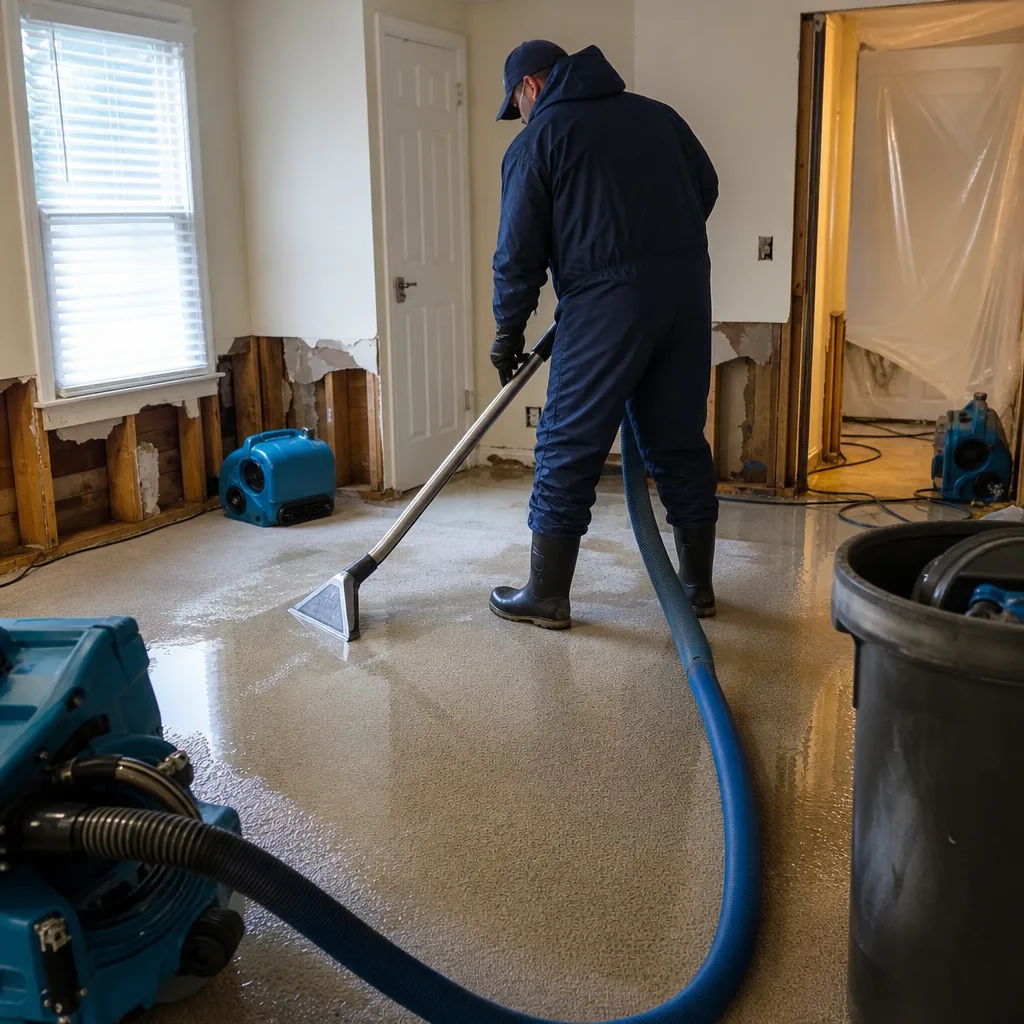
Free visual inspection and a written scope of work before any mitigation begins - photos, moisture readings, and drying logs go in your claim file
The scope we write is the scope we bill. Anything new gets shown to you, in writing, before we touch it.
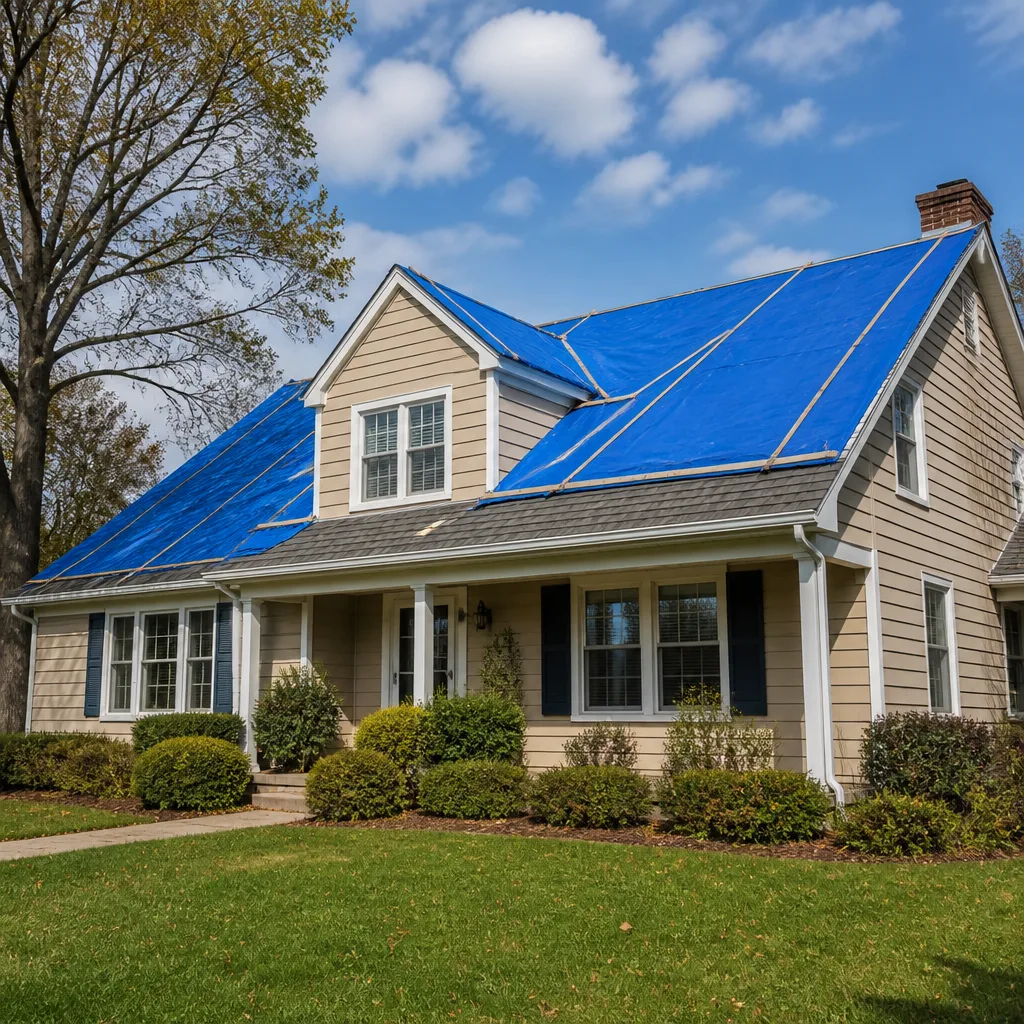
 Before
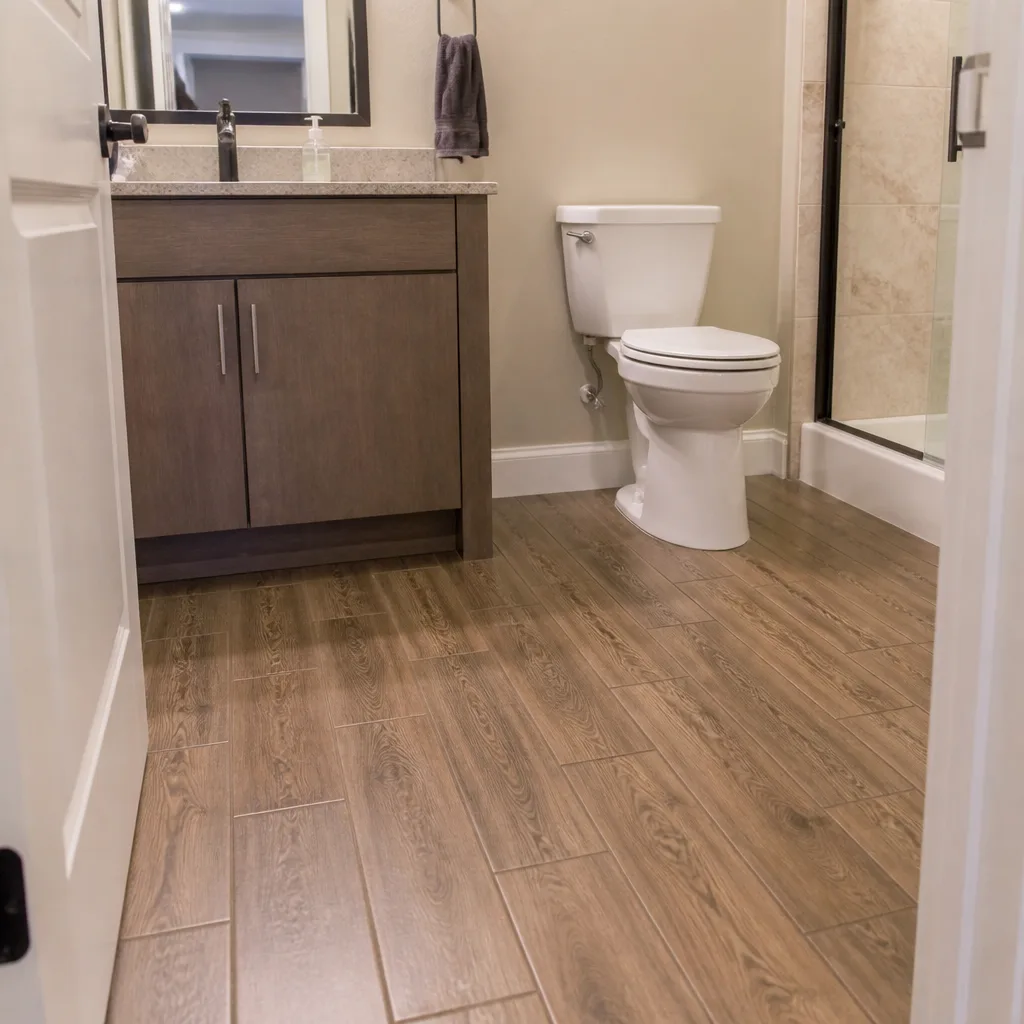
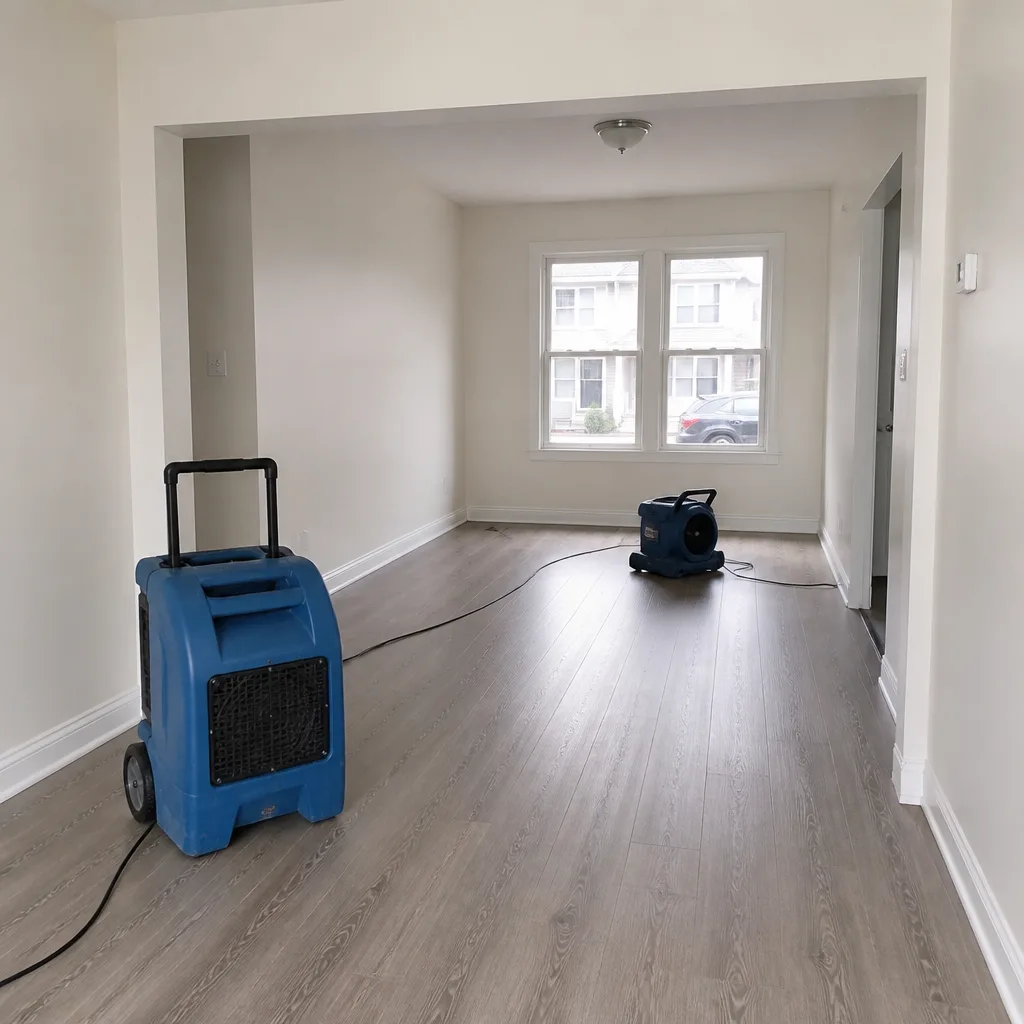 After
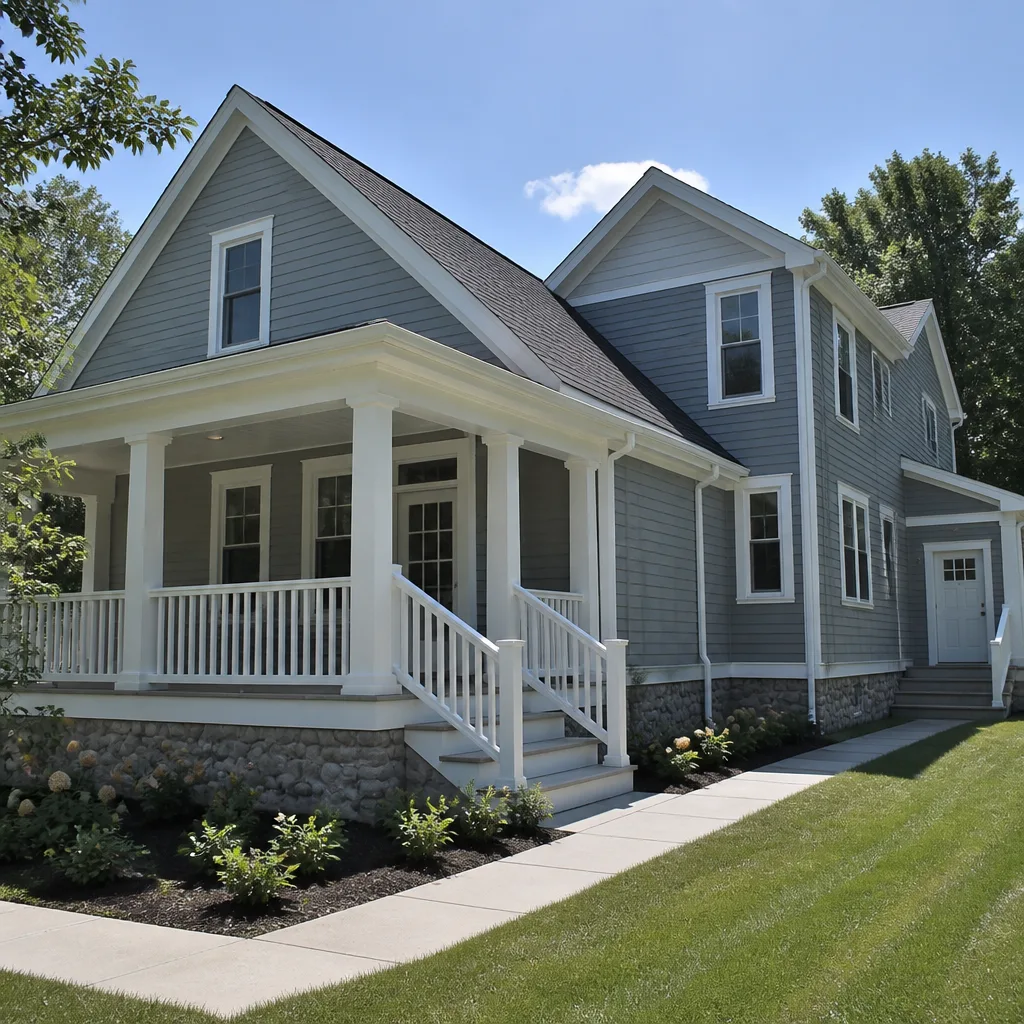
After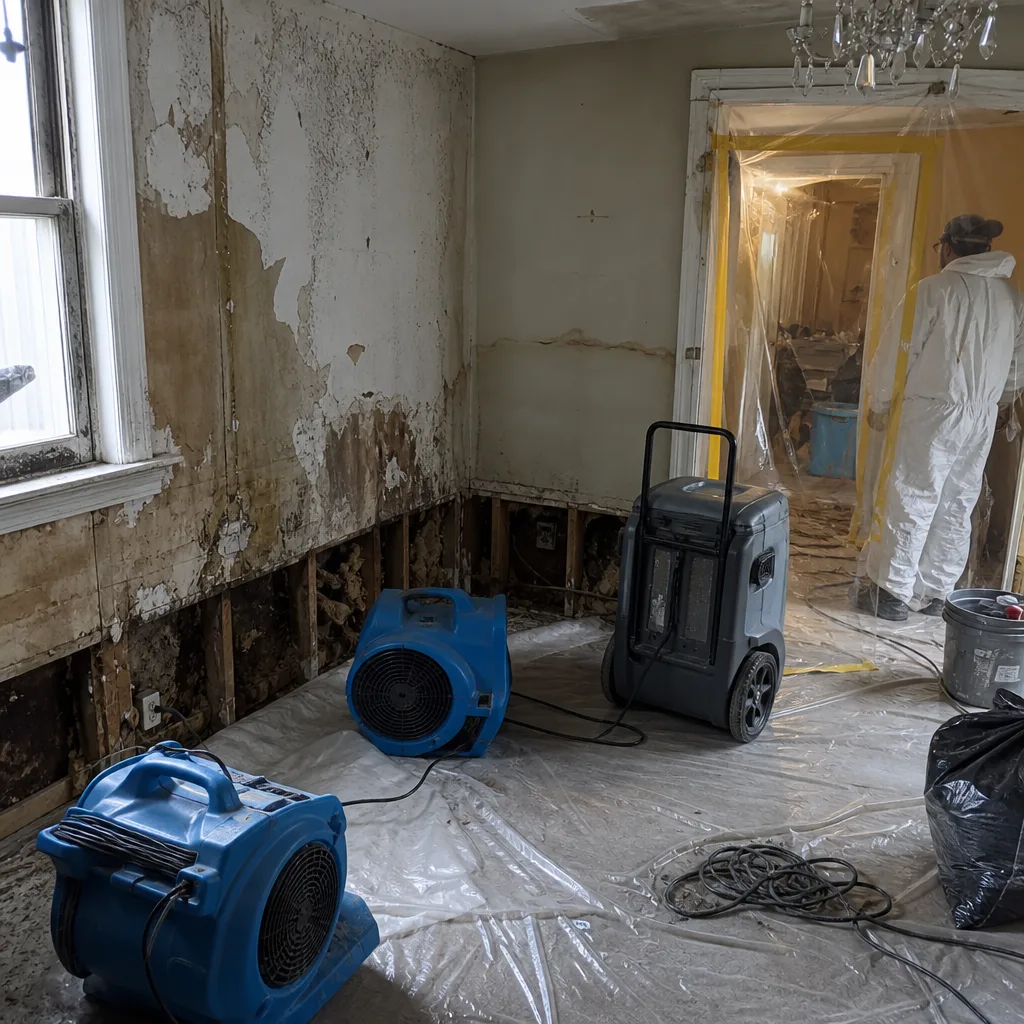 Before
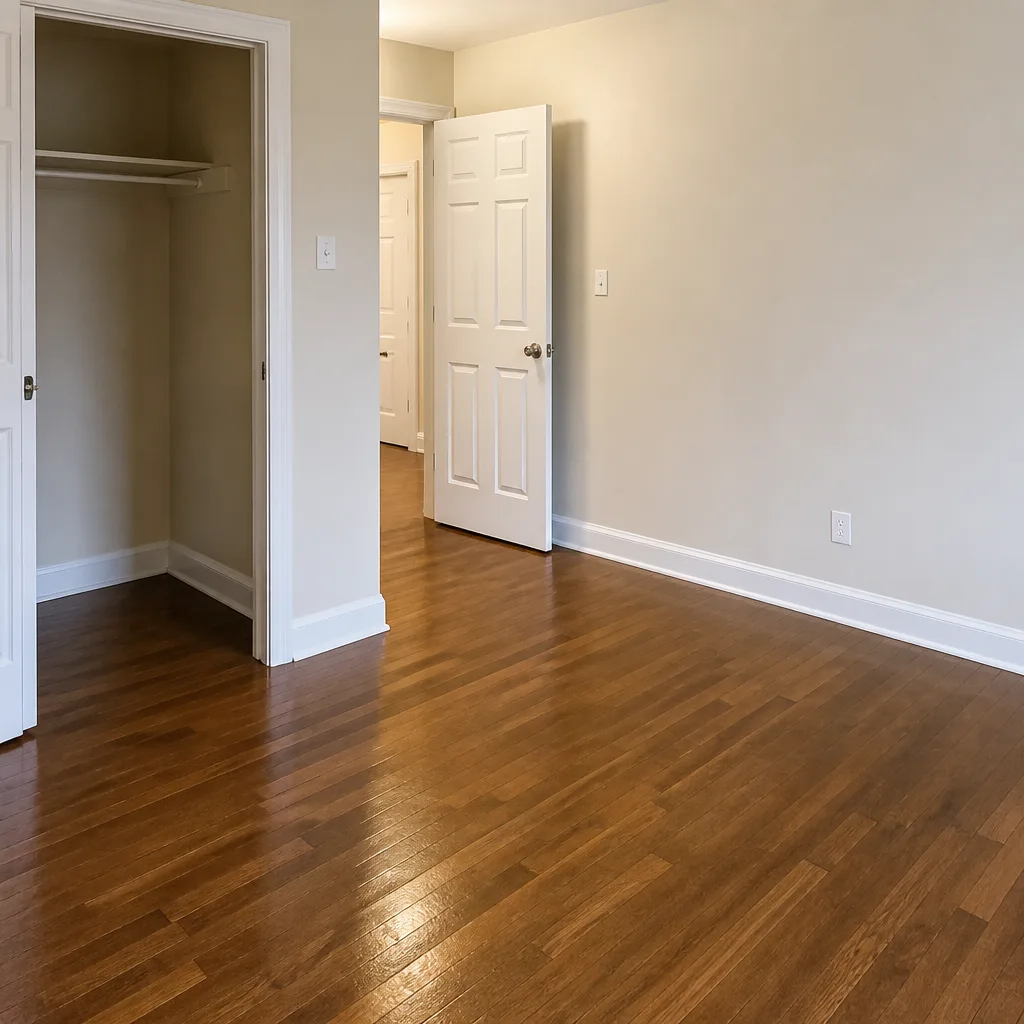 After
After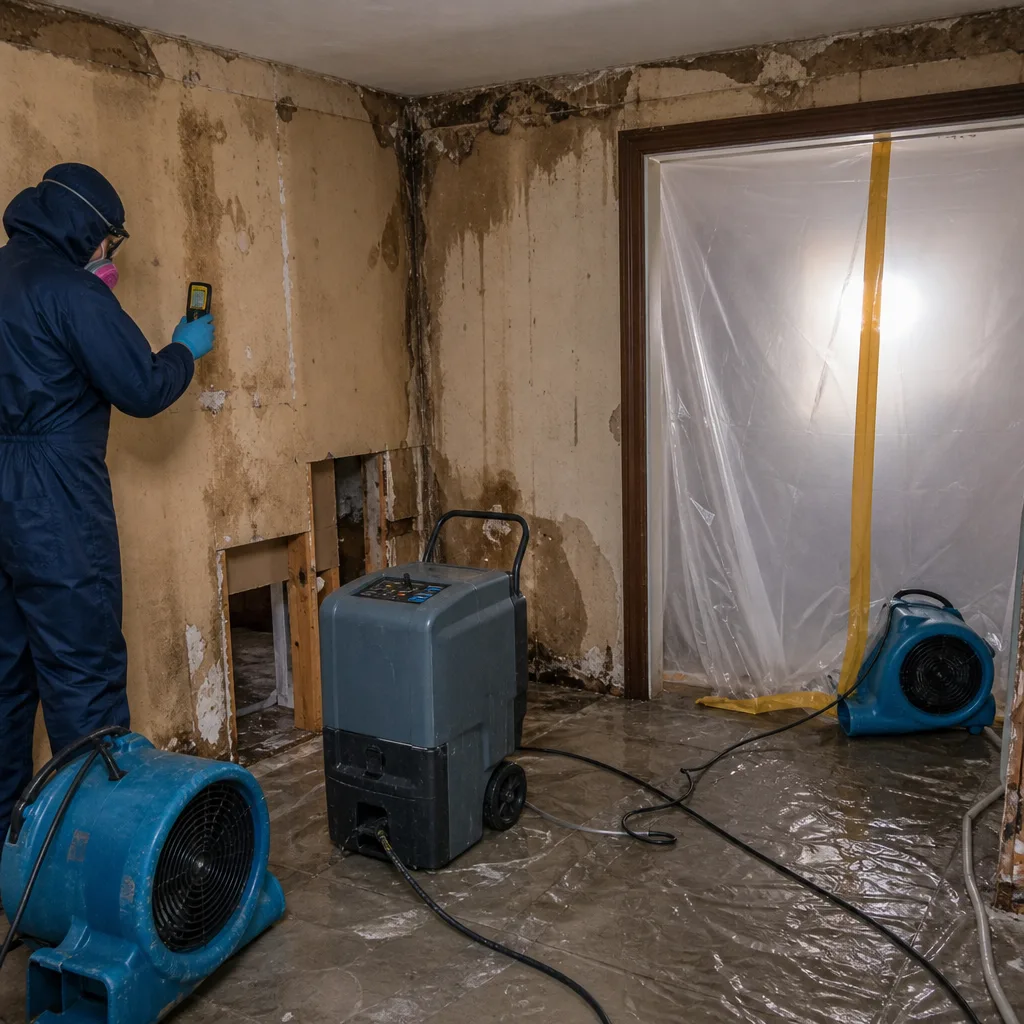 Before
 After
After24/7 Emergency Water Damage Restoration in Upper East Side
Water damage restoration in Upper East Side typically costs between $2,400 and $8,900 for a standard single-unit event, with structural drying alone running $1,200 to $3,400 depending on how many rooms are involved. When a supply line bursts in a pre-war co-op at 79th and Lexington, or a rooftop water tower fitting fails over Fifth Avenue, the first call should get a live person, not a recording. Our dispatchers answer at (640) 221-3499 around the clock and have crews staged inside the Upper East Side service area who can reach most buildings within 45 minutes.
Speed on the first visit changes the entire claim. Category 1 water from a burst pipe is restorable for the first 48 to 72 hours. After that, it migrates into baseboards, plaster keys, and subfloor cavities, and starts acting like Category 2 or 3. In the Upper East Side, where original mahogany millwork and hand-laid parquet sit behind drywall that is actually plaster and lath from 1927, every hour matters more than it does in a sheetrock-and-laminate subdivision. Extraction running the same visit is not a sales line. It is the difference between drying cabinetry in place and cutting it out. We are Floodline Restoration Co., and we start at the line the water left.
Understanding Water Damage Restoration Severity in Upper East Side Properties
In restoration terms, the first question is the water category. Category 1 is clean water from a supply line or faucet. Category 2 carries contamination from a source like a clogged condensate drain or an overflowing clothes washer. Category 3 is sewage, storm surge, or standing water that has picked up bacteria from building risers and chases. In the Upper East Side, a high-rise event can change category quickly as water travels down through multiple floors, picking up whatever is inside the wall cavities and ceiling bays it passes through. A clean-water tower overflow on the 14th floor is not necessarily clean by the time it reaches the 4th floor.
Severity is also about the structure itself. Pre-war co-ops on Park Avenue, Fifth, and East End were built with plaster over wood lath. That plaster absorbs water slowly and releases it even more slowly, often trapping moisture against the lath for weeks after the surface feels dry to the touch. Without moisture mapping and a drying plan that moves air into the wall and ceiling cavities rather than just across the room, hidden moisture feeds mold and rot behind crown moldings no manufacturer makes anymore. Structural drying in these buildings is a specialty trade, not a dehumidifier rental.
Why Upper East Side Property Owners Choose Floodline Restoration Co.
- 45-minute response commitment: Our local crews are staged around the Upper East Side so we can be on-site within 45 minutes of a dispatched call, day or night.
- A live person answers, always: Call (640) 221-3499 at 2 a.m. and a dispatcher picks up. Not a tree of menu options. Not a callback request. A person who starts a crew moving.
- IICRC-certified technicians: Our water restoration techs carry WRT, ASD, and AMRT certifications, plus IFA and RIA training. They show up in uniform and they show you their moisture readings as they go.
- Free visual inspection: We look before we scope. If the damage is cosmetic or the drying can be managed with a few days of air movement, we say so. No scare quotes.
- Direct insurance billing: We bill your carrier directly and hand you a written scope before work starts. You never play messenger between Floodline and the adjuster.
- One team through rebuild: The same crew that extracts and dries stays through plaster matching and refinishing. No mid-job handoff to a sub you have never met.
Our Water Damage Restoration Process
Inspection & Assessment
We walk the unit with thermal imaging and pin-type moisture meters, mapping wet zones in ceilings, walls, and floors. In a pre-war co-op, the map matters because water travels along framing and riser chases, not in straight lines. We document every reading in a written log you and your adjuster both receive.
Extraction & Stabilization
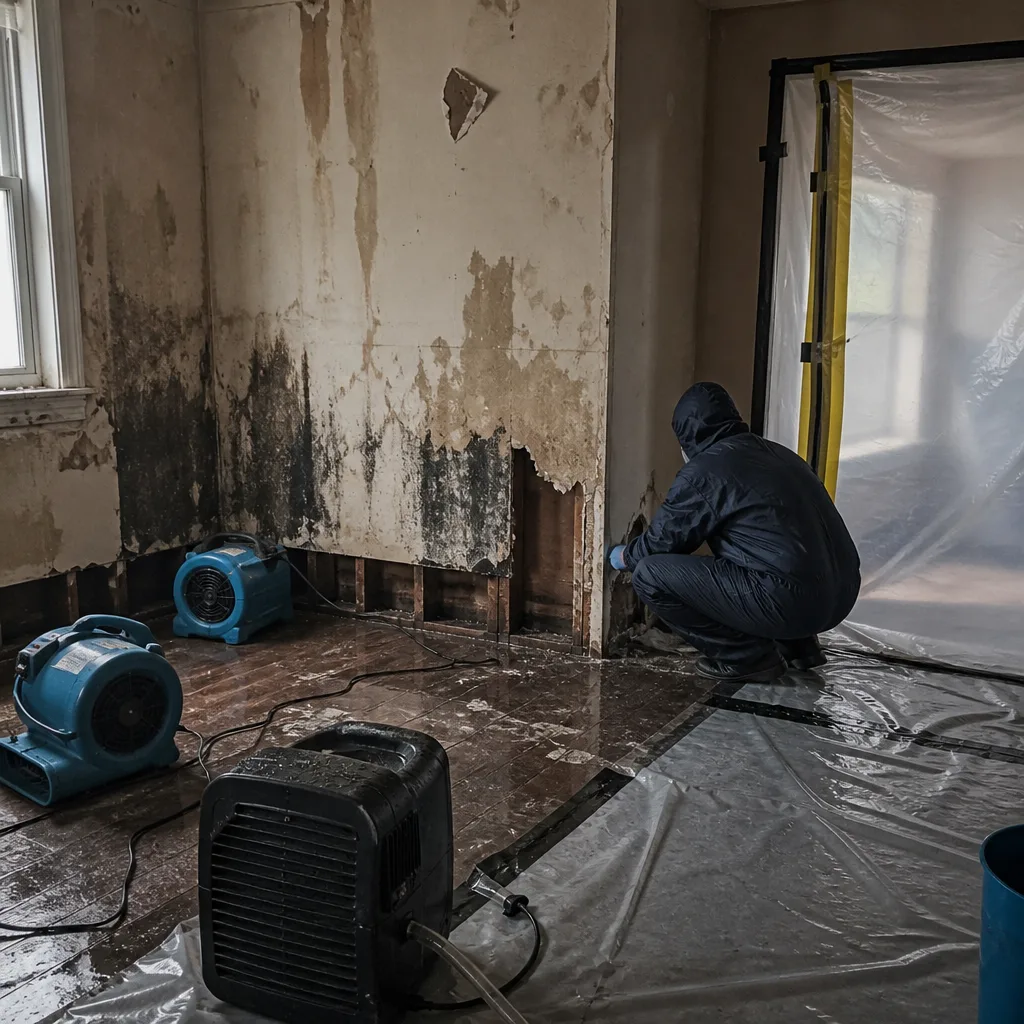
Truck-mounted extractors pull standing water from floors, then weighted extraction wands press water out of carpet, parquet, and area rugs. In high-rise units, we set containment and drop cloths through hallways and service elevators before we move equipment so building staff stay cooperative.
Drying & Dehumidification
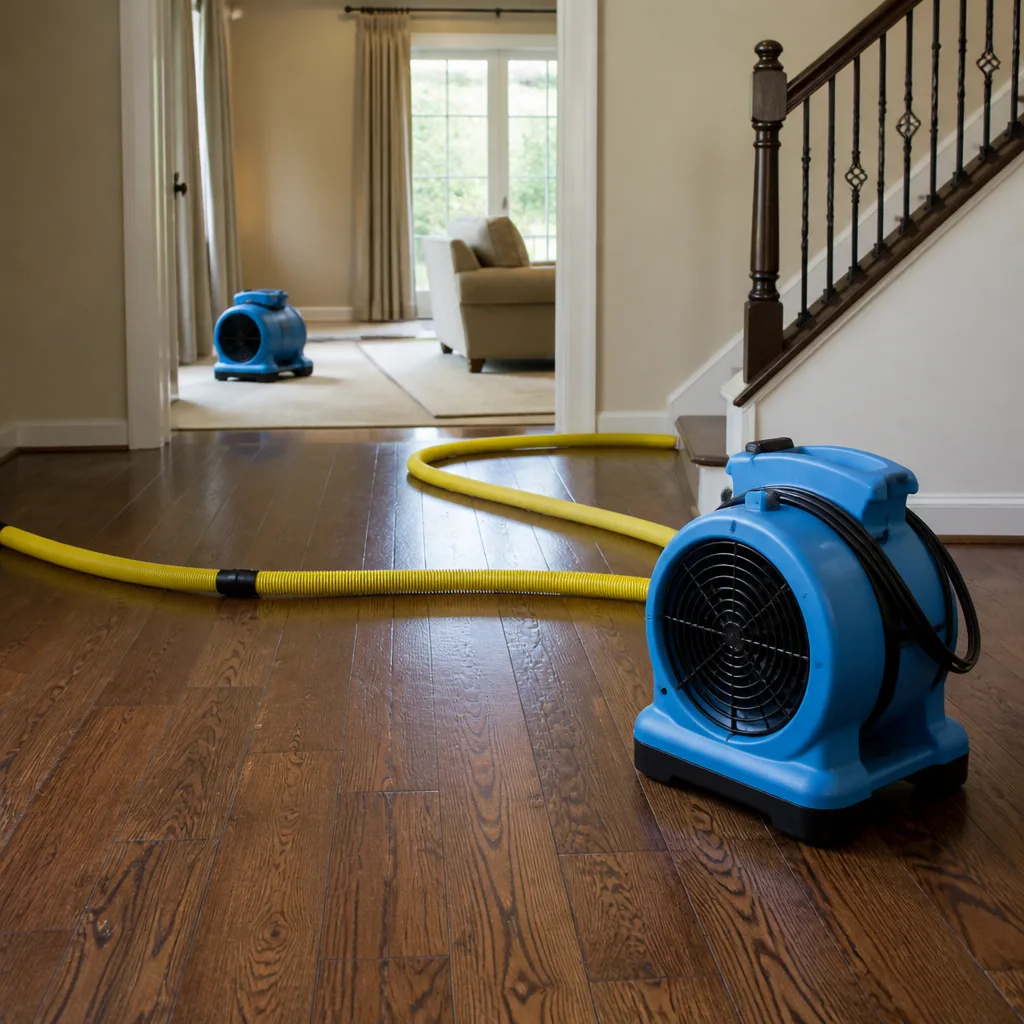
Dri-Eaz and Phoenix air movers are placed for cross-flow in wet rooms, while low-grain refrigerant dehumidifiers pull vapor from the air and structural cavities. Injectidry systems dry inside wall and ceiling cavities, including plaster-key cavities behind ornate plasterwork, without tearing the face off the wall.
Cleaning & Sanitization
We wipe down surfaces with appropriate antimicrobial treatments and HEPA-vacuum all porous materials. In Category 2 or 3 losses, we remove and bag contaminated materials under containment with negative air. Elevated or aged co-op residents should not be breathing demolition dust from 1930s lath and plaster.
Historic Plaster & Finish Matching
This is the step generic restoration companies skip. We make run molds to match existing crown profiles, hand-match stain and lacquer on baseboards and millwork, and repair plaster medallions in place. Drywall patches are not an acceptable finish in an Upper East Side co-op.
Repairs & Restoration
Once the dry standard is hit and documented, we rebuild: plaster, millwork, cabinetry, flooring, paint. The same crew that started the job finishes it, and the 90-Day Done Right Promise applies to all of it, in writing.
Need Emergency Water Damage Restoration in Upper East Side Now?
Crews minutes away, answering live 24 hours a day. The sooner we start, the less it costs.
Working With Your Insurance Company
We have walked through thousands of high-rise water claims, and the pattern is always the same: adjusters move faster and approve more when the documentation is already in front of them, dated and photographed. From the first hour, we document the loss with timestamped photos, room-by-room inventories, moisture maps, and drying logs that show we hit the dry standard and stayed there. For co-op board claims, we also prepare the scope in the format board attorneys and unit owners expect, which keeps things moving when multiple insurers are splitting a single tower overflow.
What We Provide Your Insurer
- Thorough documentation of the loss
- Photos of all damage, room by room
- Moisture readings and drying logs
- A detailed, line-item scope of work
- Direct coordination with your carrier
Built for Upper East Side’s Loss Calendar
The Upper East Side’s water damage calendar is not suburban. January deep freezes burst supply lines in exterior-facing walls, especially in pre-war buildings where original galvanized risers have been patched and repatched for 90 years. February brings the silent failures: rooftop water tower fittings and gravity-feed pipes that give out in the middle of the night, sending water down through a dozen occupied floors before anyone notices the ceiling stain. March and April bring thaw cycles that push water through aged parapet copings and failed mortar joints on limestone and brick facades, so fourth-floor units show wall staining while the exterior looks fine. Summer thunderstorms dump wind-driven rain against high-floor window glazing that has not been re-sealed since the building was co-oped. In short, the Upper East Side does not flood from rivers. It floods from the infrastructure above and inside its own buildings.
Water Damage Restoration Across Upper East Side’s Neighborhoods
Our crews run the Upper East Side from the East River up to Central Park, and the building stock changes the work. In the Carnegie Hill section, north of 86th, side-street brownstones and pre-war elevator buildings have narrower stairwells and smaller service entrances, so we stage drying equipment carefully and use floor protection through marble lobbies. Along Park Avenue in the 70s and 80s, high-rise co-ops often have strict service-elevator hours and building engineers who want a copy of the scope before we unload. Over in Yorkville, newer condo conversions and rental buildings mix with old tenement layouts, where water spreads fast through shared riser chases. And in Lenox Hill along Lexington and Third, many pre-war co-ops are full-floor units where a single supply-line break can soak 3,000 square feet of ornamental plaster in one event. Different blocks, different boards, same standard: done right, backed in writing.
Specialized Water Damage Restoration Services We Offer in Upper East Side
Emergency Water Extraction
Standing water in a high-rise unit has nowhere to go but down. We run truck-mounted and portable extraction to stop migration through the floor assembly into the unit below, a point co-op boards care about intensely. In the Upper East Side, extraction has to happen the same visit, not the next morning.
Structural Drying & Dehumidification
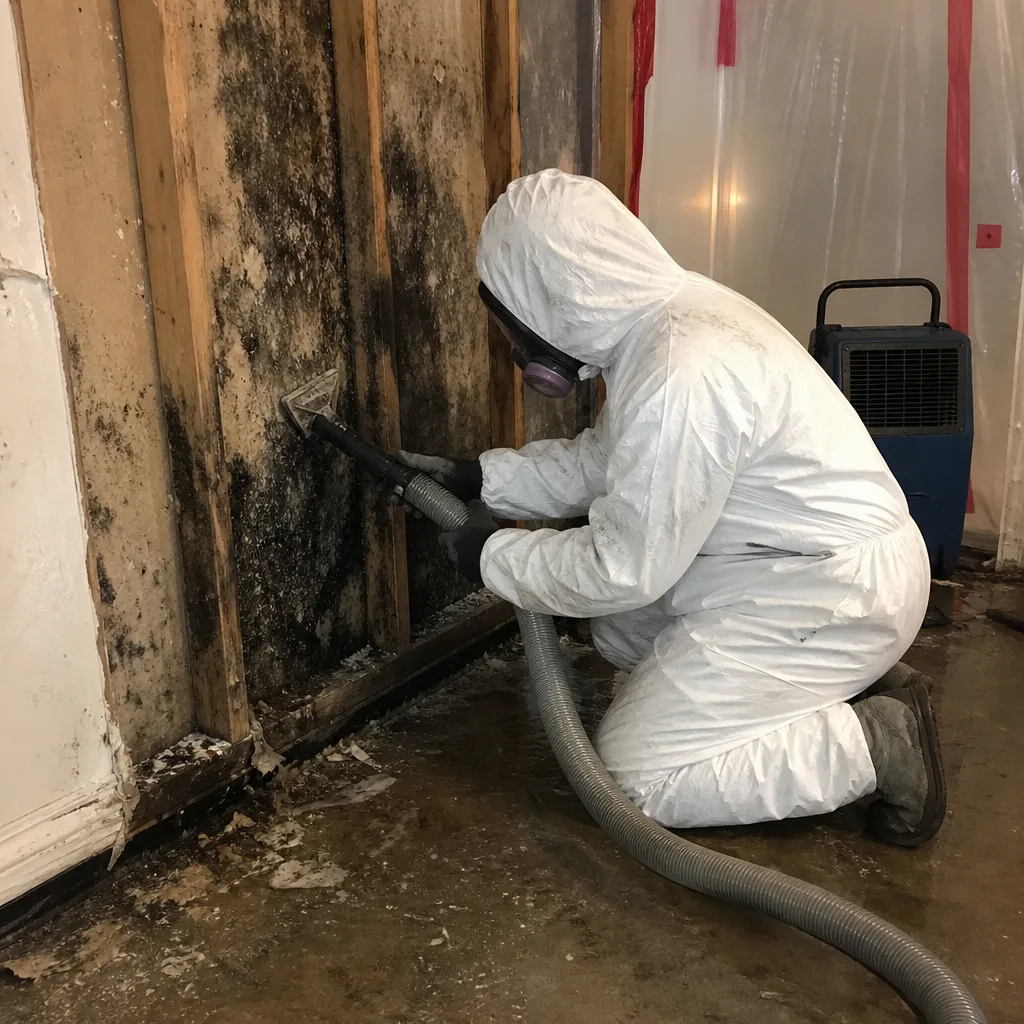
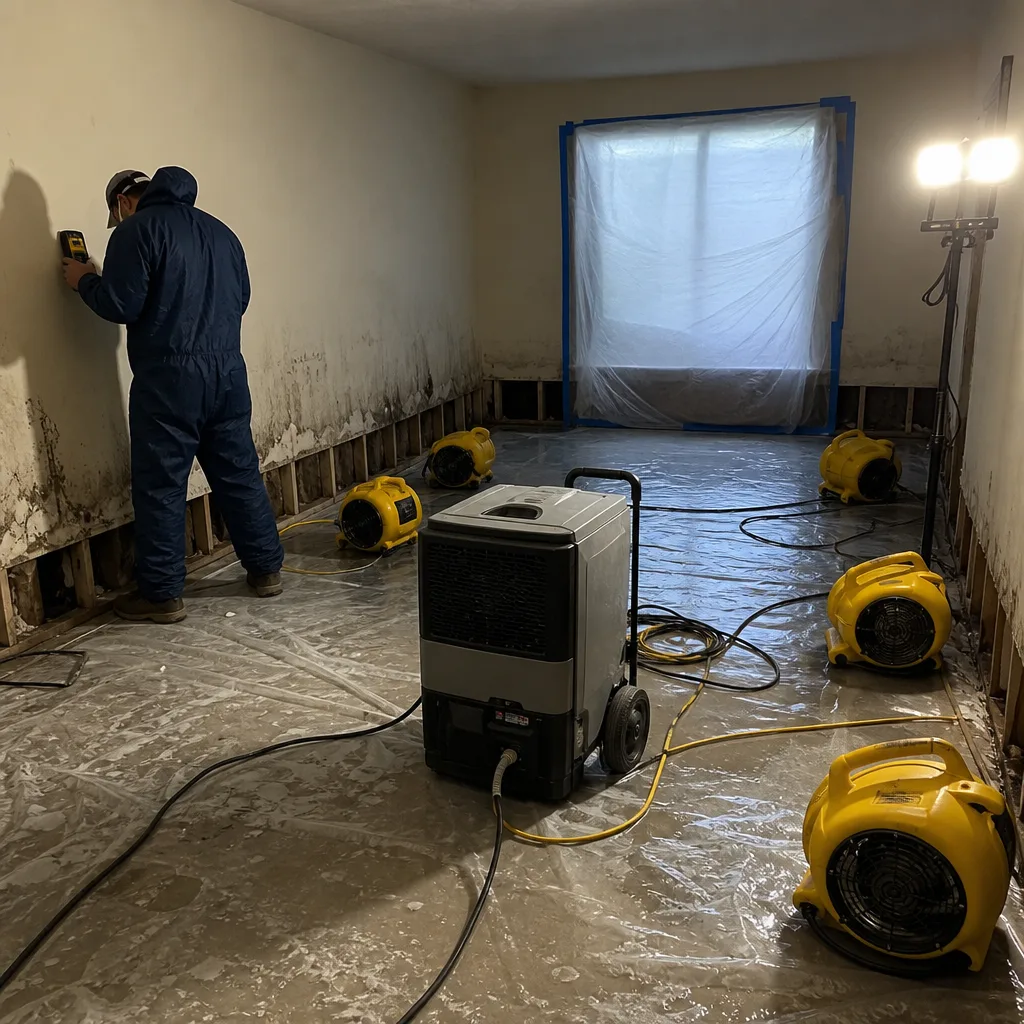
Drying a pre-war unit means drying the cavities behind the plaster. We use Injectidry systems, Dri-Eaz air movers, and Phoenix dehumidifiers to pull moisture from wall and ceiling voids without tearing out original plaster. Daily readings are logged and shared with you and your adjuster until the dry standard is met.
Flood Cleanup
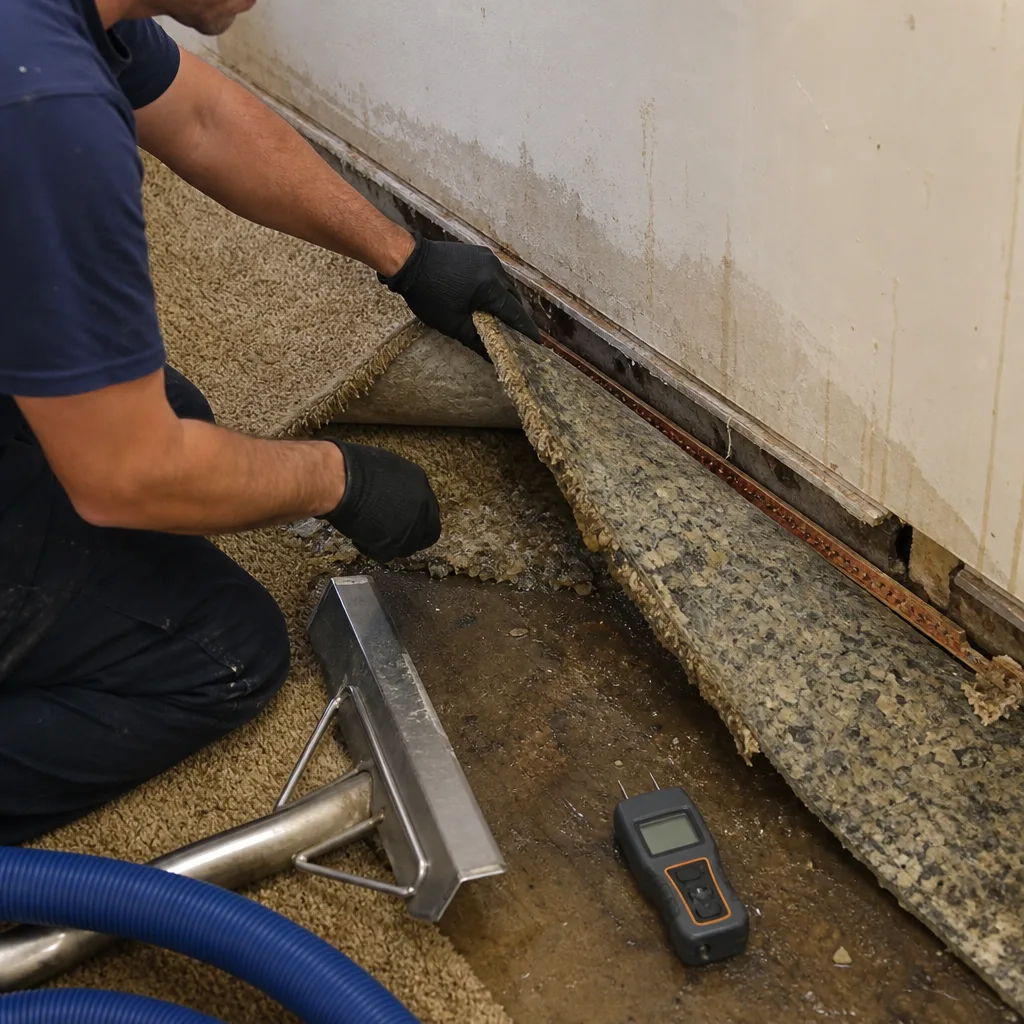
When a water tower overflows or a supply riser lets go, multiple units flood at once. We coordinate with the board, the building engineer, and each unit owner’s insurer so the response does not turn into a hallway argument. Containment goes up, extraction runs, and each unit gets its own drying log.
Burst Pipe Restoration
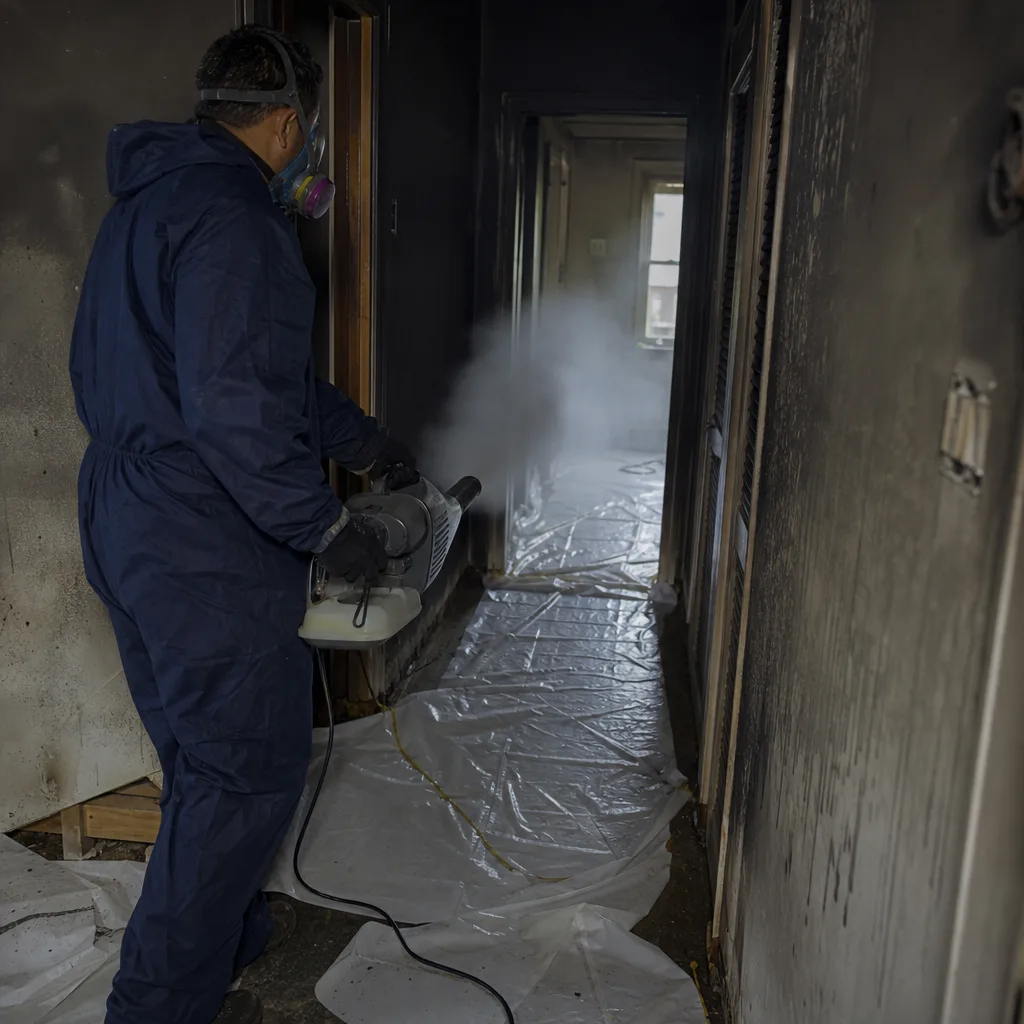
Winter freeze bursts in exterior walls are common in Upper East Side pre-wwar buildings. We repair the damage in place where we can, matching plaster, millwork, and finishes, and we document everything for the claim. If the board requires a licensed plumber before we start, we pause only what the board requires and continue mitigation where we are cleared.
Basement Water Removal
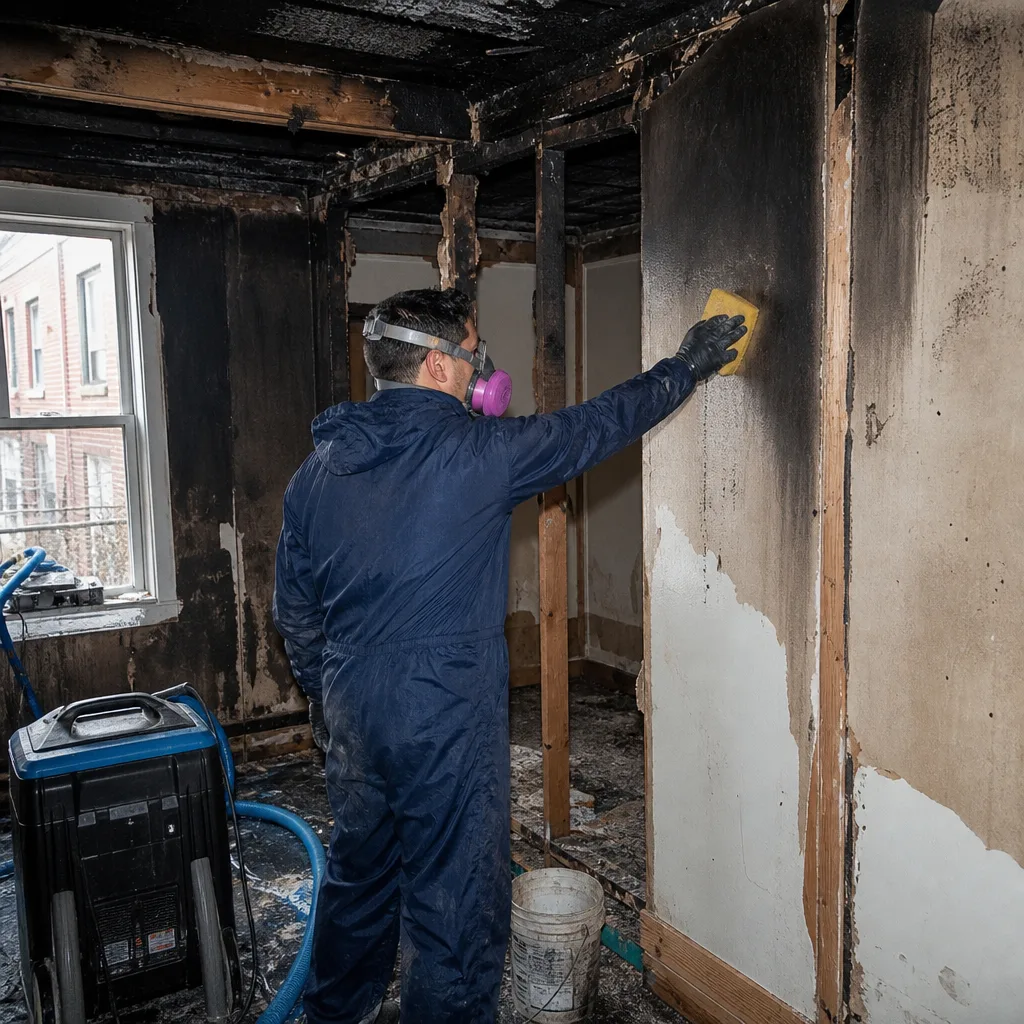
Brownstones and smaller co-op buildings in Yorkville and Carnegie Hill have basements that collect water from grading problems, sewer backups, and groundwater seepage. We extract, dry, and then talk straight with you about whether the fix is restoration, a sump system, or masonry work. No upgrade pitches.
What happens when you call
- 1
A real person answersNo phone trees - you reach a local pro.
- 2
You get an upfront price rangeHonest numbers before anyone is dispatched.
- 3
A background-checked tech heads outLicensed & insured, dispatched right away.
- 4
You approve before work beginsNothing starts until you say go.
Water Damage Restoration Costs in Upper East Side, NY
Expect to pay these ranges in the Upper East Side market:
- Emergency water extraction: $900 to $2,800 depending on square footage and floor depth
- Structural drying and dehumidification: $1,200 to $3,400 for a standard one or two room event; $4,000 to $8,000 for multi-room or high-rise cavity drying
- Burst pipe restoration, including plaster and finish matching: $3,500 to $9,500
- Category 3 or sewage cleanup: $4,000 to $12,000, with containment and material removal
- Full restoration including rebuild of ornamental plaster, millwork, and flooring: $15,000 to $45,000 for larger co-op units
What moves the price is building construction. Plaster and lath dry slower than drywall, ornamental matching costs more than a flat ceiling patch, and co-op board coordination adds time. Your insurance policy likely covers most of this, less your deductible. Call (640) 221-3499 and we will walk the unit, take readings, and put a firm scope in writing before any billable work starts. Estimates are free.
We Also Serve Cities Near Upper East Side
We regularly run crews to Upper East Side-adjacent neighborhoods: Midtown West, Upper West Side, Midtown Manhattan, and Upper Manhattan. If you have water damage in any of those areas, the same certified crews, same equipment, and same written 90-Day Done Right Promise apply.
Serving Upper East Side, NY - Our Local Coverage Area
We’re based in the Upper East Side area and know this community well. Use the map below to see our service coverage - if you’re nearby, we can almost certainly help.
Upper East Side Water Damage Restoration Questions, Answered
What is the biggest challenge in drying a pre-war co-op after a water tower failure?
The biggest challenge is drying the plaster and lath cavities behind original walls and ceilings without tearing out the ornamental plaster. Water sits inside those cavities for weeks, and if you do not use in-cavity drying like Injectidry, you either leave hidden moisture to rot the lath or you demolish something irreplaceable. The second challenge is that the board must approve the scope before work begins, which changes the schedule.
Can you match the original ornamental plaster and woodwork in a 1920s co-op after water damage?
We can match it, and we do it with custom run molds and hand-matched finishes, not off-the-shelf drywall and caulk. Matching the profile is the first step. Matching the paint sheen and the way the old lacquer has aged is the step that makes the repair disappear. This is standard practice for us in the Upper East Side, not an upsell.
How do you handle category 2 or 3 water in a high-rise building with shared riser pipes?
We contain the affected unit or chase, run negative air where needed, and remove contaminated materials in sealed bags through the service elevator. We log the water category, the drying target, and the clearance readings. Shared risers mean the contamination can enter multiple units, so we map each unit separately and coordinate with the board.
Why does a UES pre-war building need moisture mapping before restoration starts?
Because water travels along steam risers, joist bays, and plaster lath in directions no visual inspection will show. Moisture mapping with thermal imaging and pin meters tells us which cavities are wet, how wet, and where the drying equipment needs to go. Without the map, you get surface drying and hidden rot.
How fast can you get to an Upper East Side address?
Usually within 45 minutes for an emergency call. Our local crews are staged around the Upper East Side and we have live dispatch at (640) 221-3499 all day, every day. For a water tower overflow or burst riser, a crew starts moving on that call while you are still on the phone.
Will my insurance cover water damage in a co-op apartment?
Most co-op unit owner policies cover interior water damage, while the building’s master policy may cover the broken pipe or tower fitting. We document from the first hour, photograph every affected surface, and coordinate directly with your adjuster and the board’s carrier. You do not have to become the messenger.
Can I stay in my apartment during drying?
Often yes, especially for Category 1 water in one or two rooms. If the event is Category 3, or if dust, mold, or structural concerns are present, we will tell you honestly and help with the temporary living expense portion of the claim. We do not push people out of their homes to inflate a scope.
What should I do in the first 30 minutes after discovering water damage?
Shut the water if you can do so safely, move valuables and art off wet surfaces, and call (640) 221-3499. Do not run ceiling fans or turn on built-in heaters, which can spread moisture and push water deeper. If the water is coming from above or through a wall, do not touch electrical fixtures. Call and start documenting with phone photos.
Written by Curt Bowman, Owner at Floodline Restoration Co., serving Upper East Side and New York City with water damage restoration and full reconstruction.
If you are reading this with water running down a wall or spreading across a parquet floor, stop reading and call (640) 221-3499. A live dispatcher answers, a crew moves toward your building, and the scope is in writing before work starts. We stand behind it.