
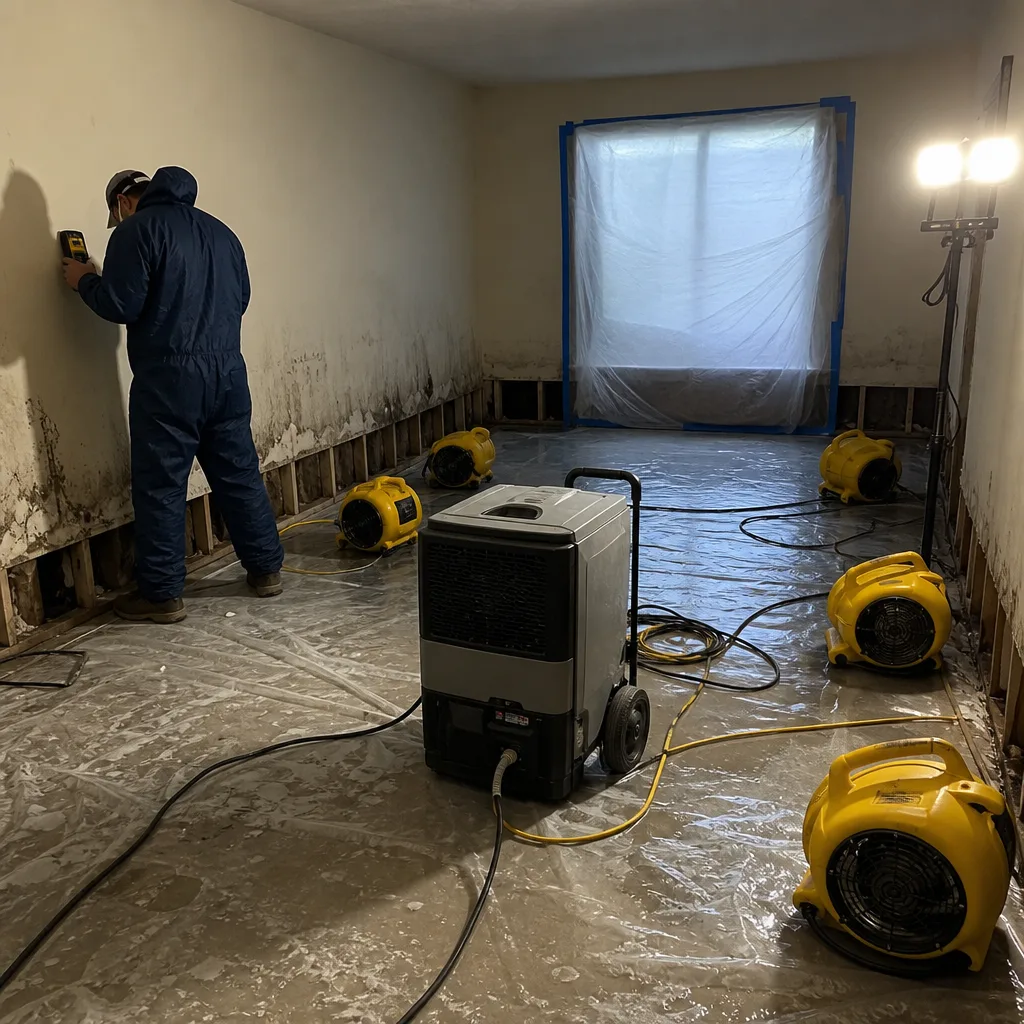
Free visual inspection and a written scope of work before any mitigation begins - photos, moisture readings, and drying logs go in your claim file
The scope we write is the scope we bill. Anything new gets shown to you, in writing, before we touch it.
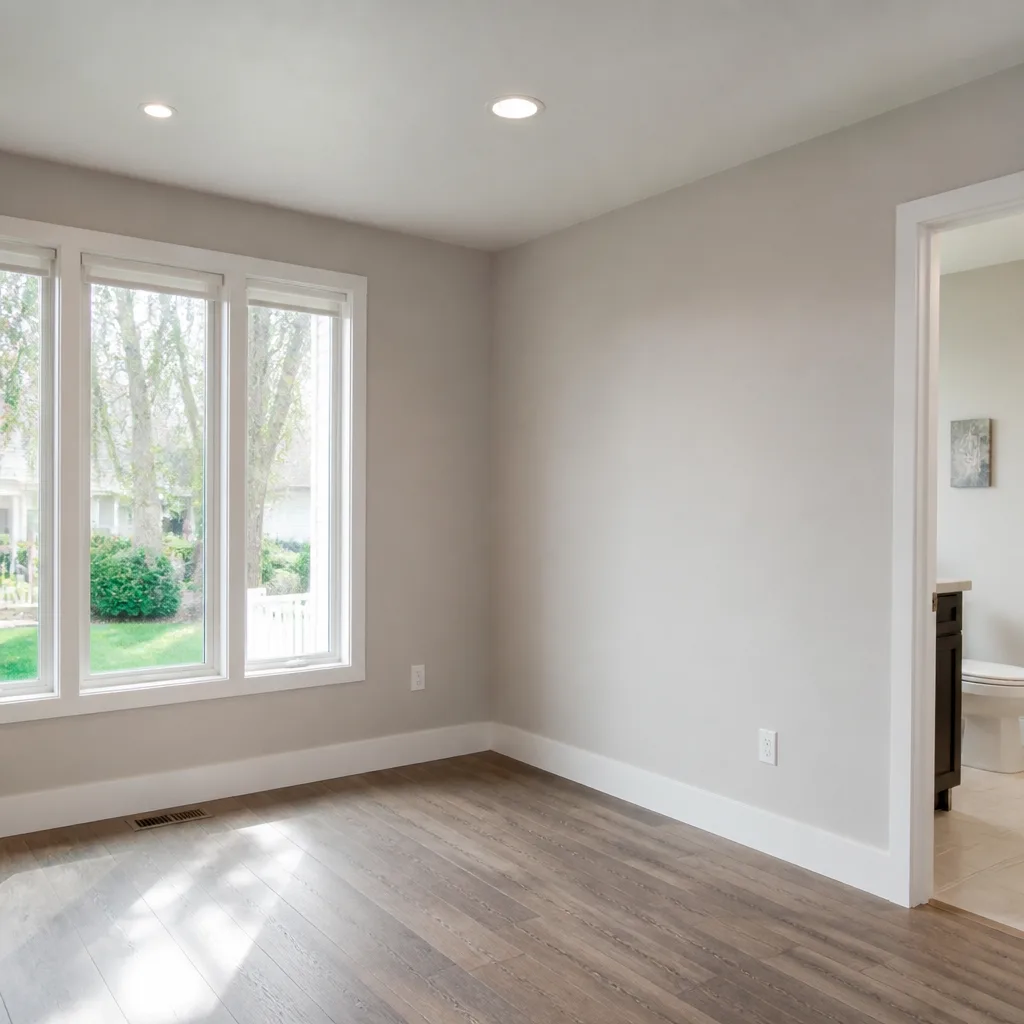
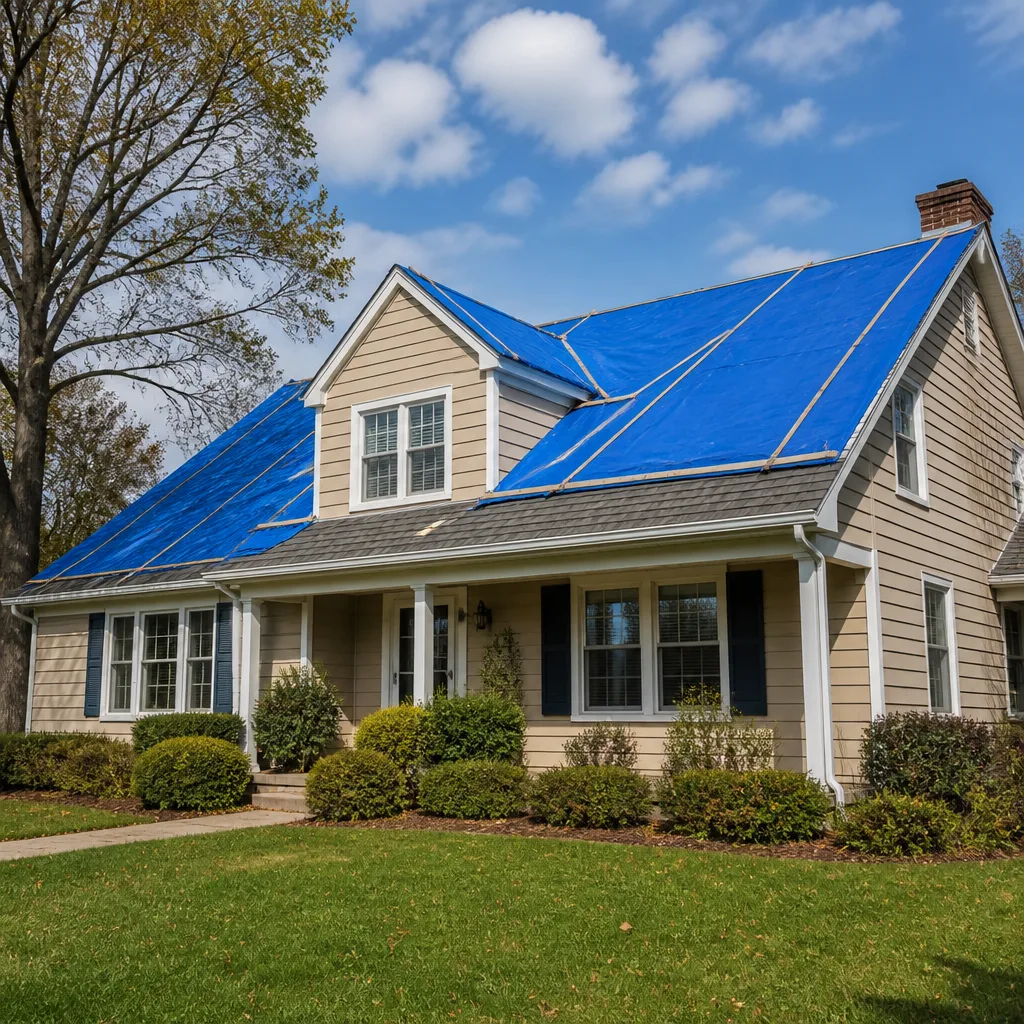
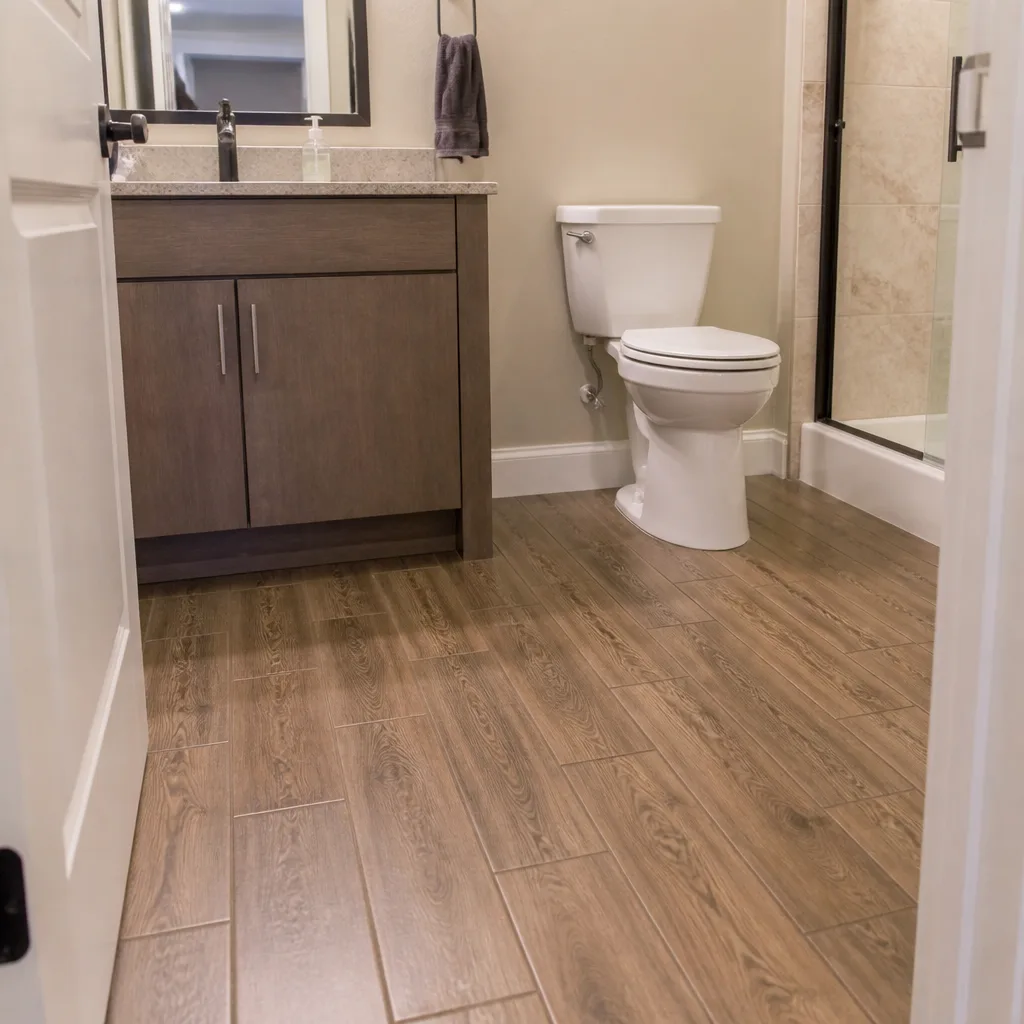
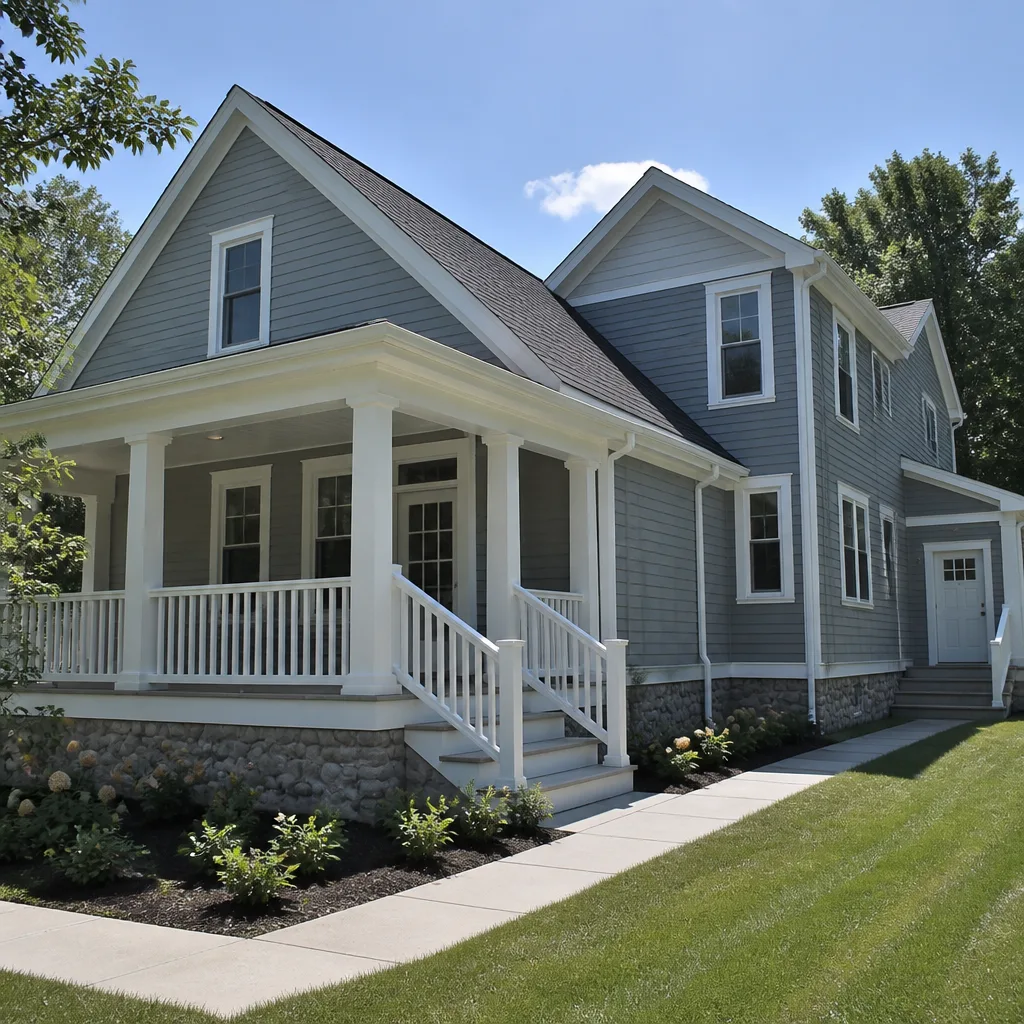
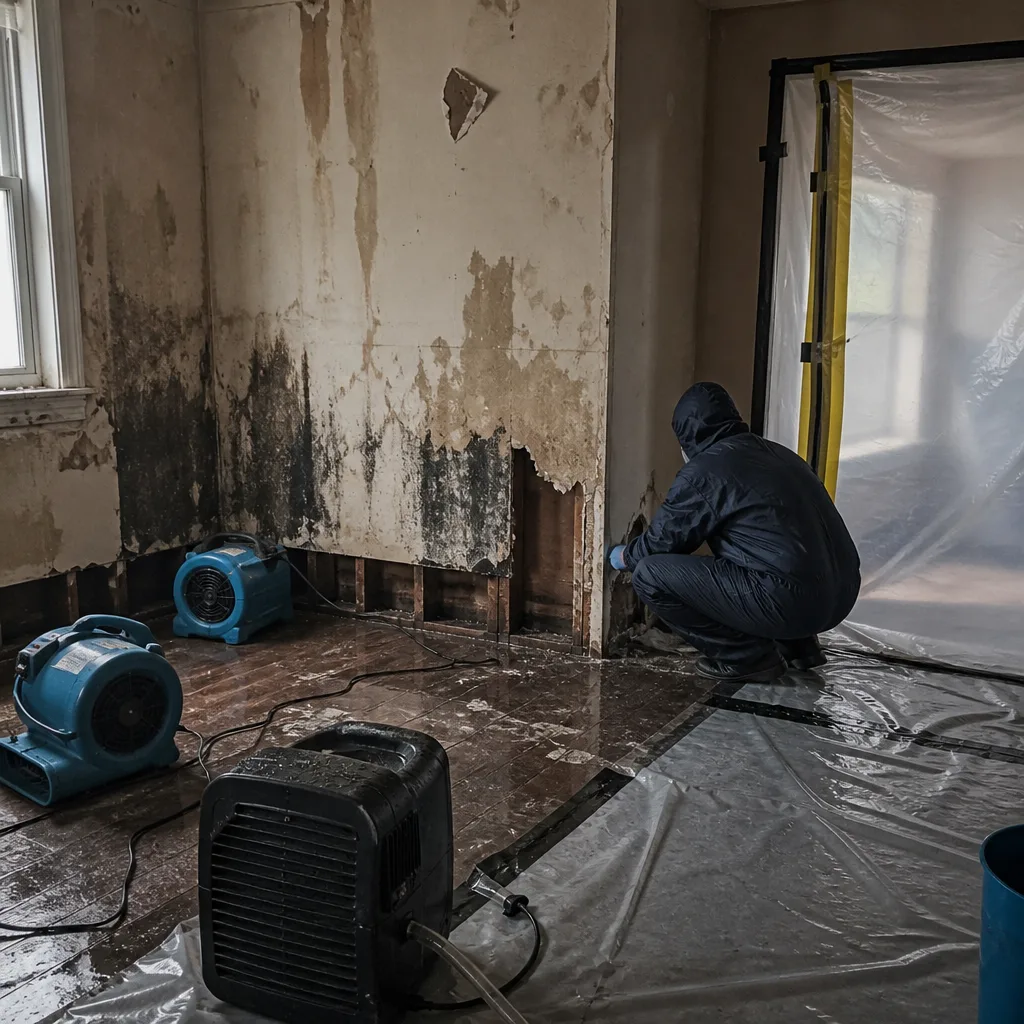 Before
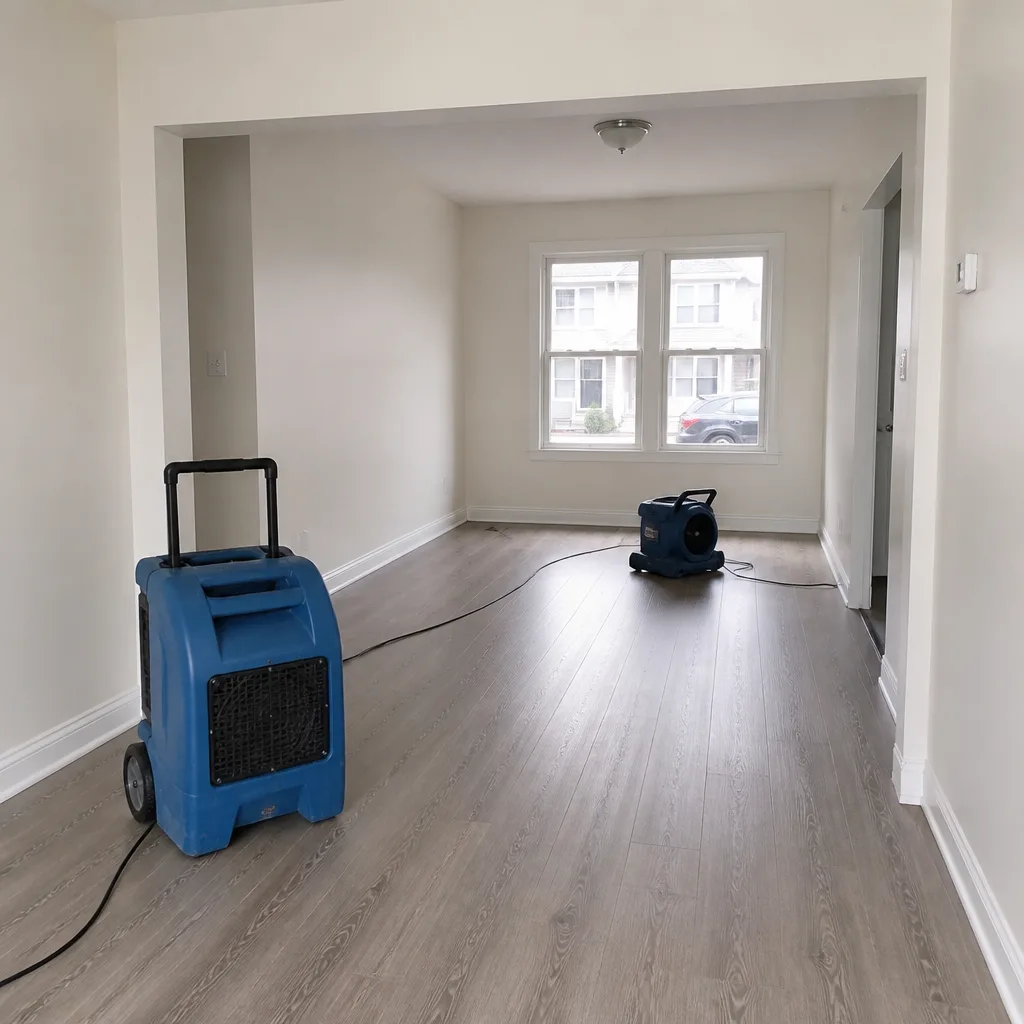 After
After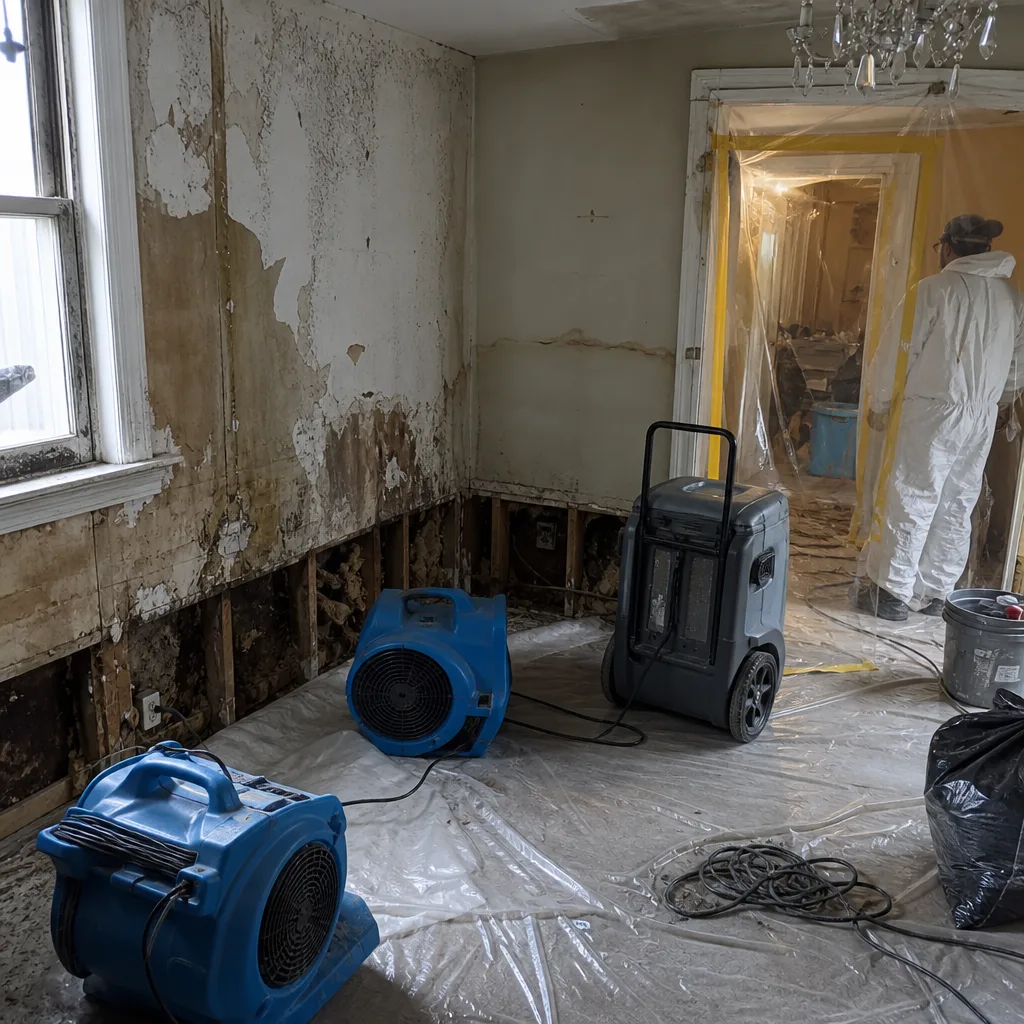 Before
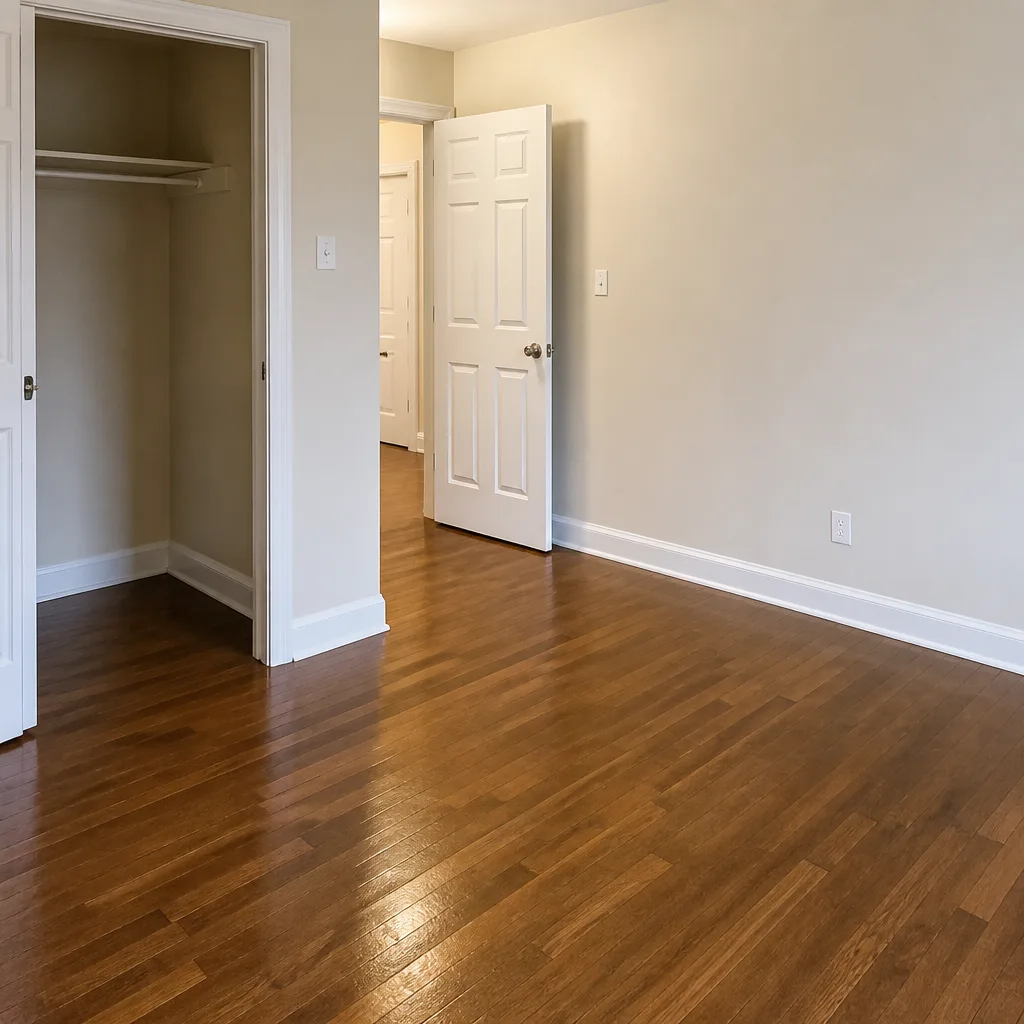 After
After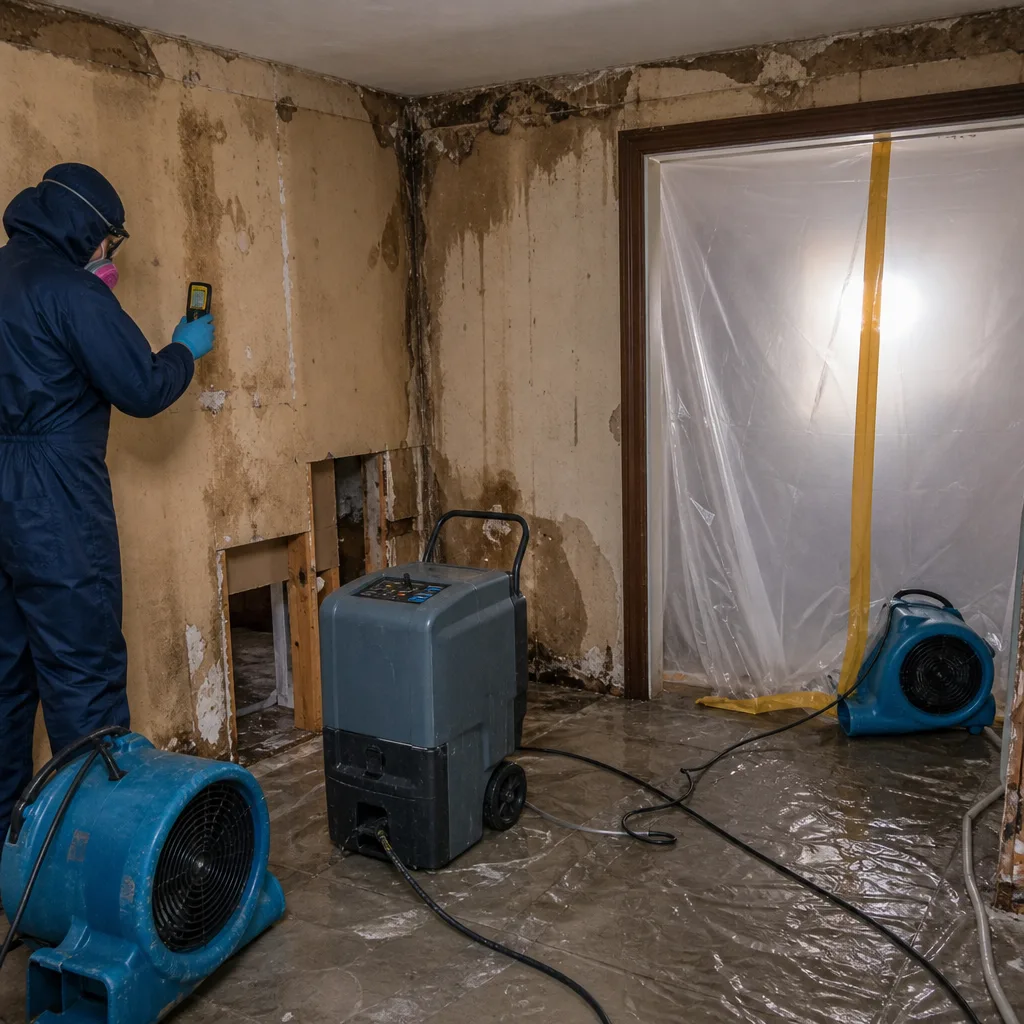 Before
 After
After24/7 Emergency Water Damage Restoration in Midtown Manhattan
Water damage restoration in Midtown Manhattan costs between $2,800 and $9,500 for a typical multi-floor apartment or condo loss, with extraction-only emergency response starting around $900. Our crews answer live at (640) 221-3499 at any hour, and we dispatch into Midtown Manhattan inside 45 minutes from the call. A free visual inspection tells you what you’re actually facing before any equipment gets unloaded. The first hour matters because Category 2 water from a failed riser or drain stack keeps moving downward through original plaster and subfloor until someone stops it.
Understanding Water Damage Restoration Severity in Midtown Manhattan Properties
We classify every Midtown Manhattan water loss by the water’s source, not just the square footage it touched. Category 1 starts clean: a supply line to a bathroom sink or a failed ice-maker connection in a high-floor condo. Category 2 carries contaminants: a cast-iron drain stack joint that lets go in a pre-war co-op, or a cooling tower condensate pan overflowing into a mechanical room. Category 3 is grossly contaminated: sewage backup through a shared building waste line, or storm surge pushing up through a sub-basement sump. In Midtown Manhattan specifically, the severity is rarely contained to one unit. Vertical plumbing chases run through dozens of floors, so what starts as a Category 1 leak on the 18th floor becomes a Category 2 event by the time it reaches the 14th floor ceiling. Moisture mapping with thermal imaging is how we trace that hidden migration before tearing open drywall where the water isn’t.
Why Midtown Manhattan Property Owners Choose Floodline Restoration Co.
- 45-minute response commitment. We dispatch from our New York City office directly into Midtown Manhattan, and our crews know the service entrances and freight elevators that GPS doesn’t.
- 24/7 live answer. A person picks up at (640) 221-3499, not a recording. At 2 a.m. on a Sunday, you’ll reach a dispatcher who can start the process.
- IICRC-certified crews. Our technicians hold WRT and ASD certifications, trained to IICRC, RIA, and IFA standards, and they’ve worked in buildings where the freight elevator reservation alone can eat two hours.
- Free visual inspection. We look before we quote. You get a written scope, not a sales pitch.
- Direct insurance billing. We communicate with your carrier and your co-op or condo board’s insurer directly, so you’re not the messenger.
- One team from extraction to reconstruction. The same Floodline Restoration Co. crew that extracts the water dries the structure and rebuilds what needs rebuilding. No mid-job handoff.
Our Water Damage Restoration Process
Inspection & Assessment
We arrive, walk the affected floor (and the floors below, if water has migrated), and run thermal imaging to find moisture hiding behind walls and above ceilings. You get a written assessment before any equipment moves.
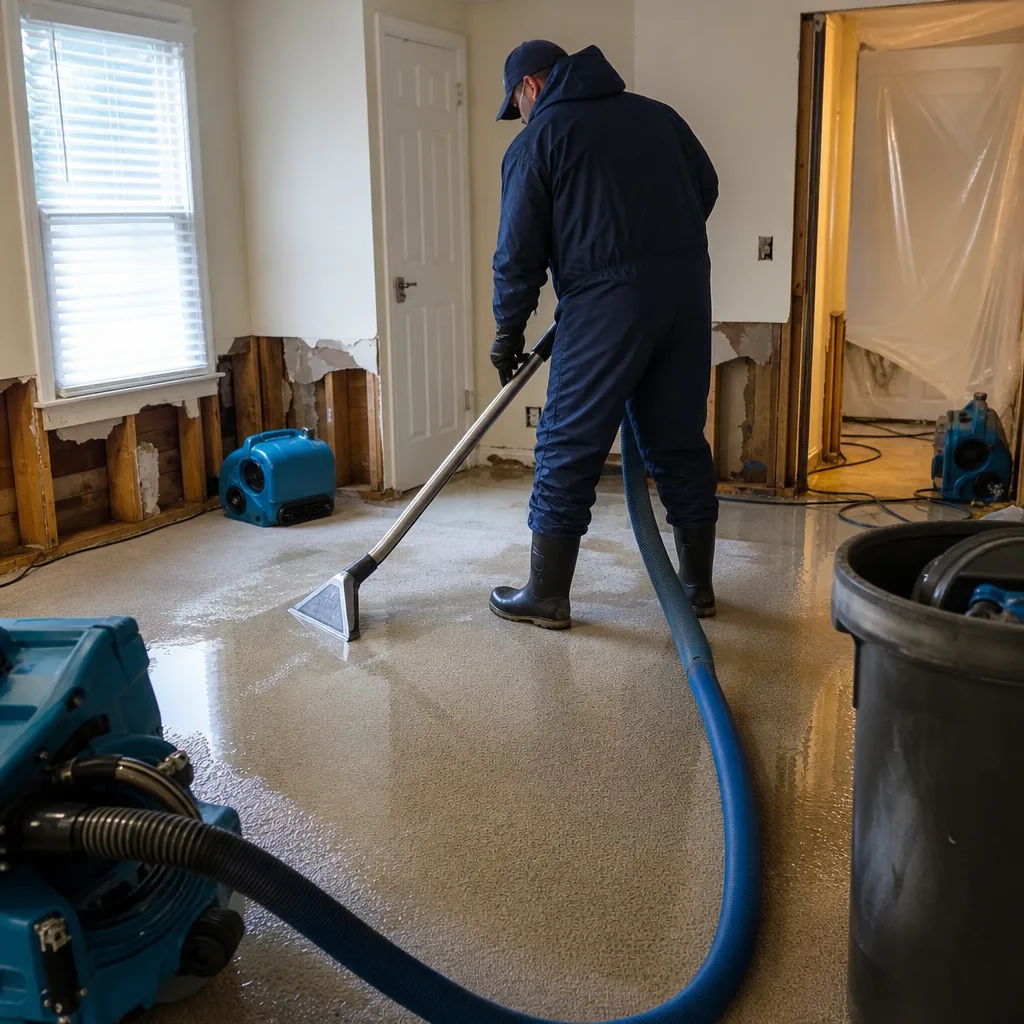
Extraction / Stabilization
We remove standing water with truck-mounted or portable extraction units, depending on elevator access and floor. In a high-rise, smaller Dri-Eaz portable units are often the only gear that fits the service elevator.
Drying & Dehumidification
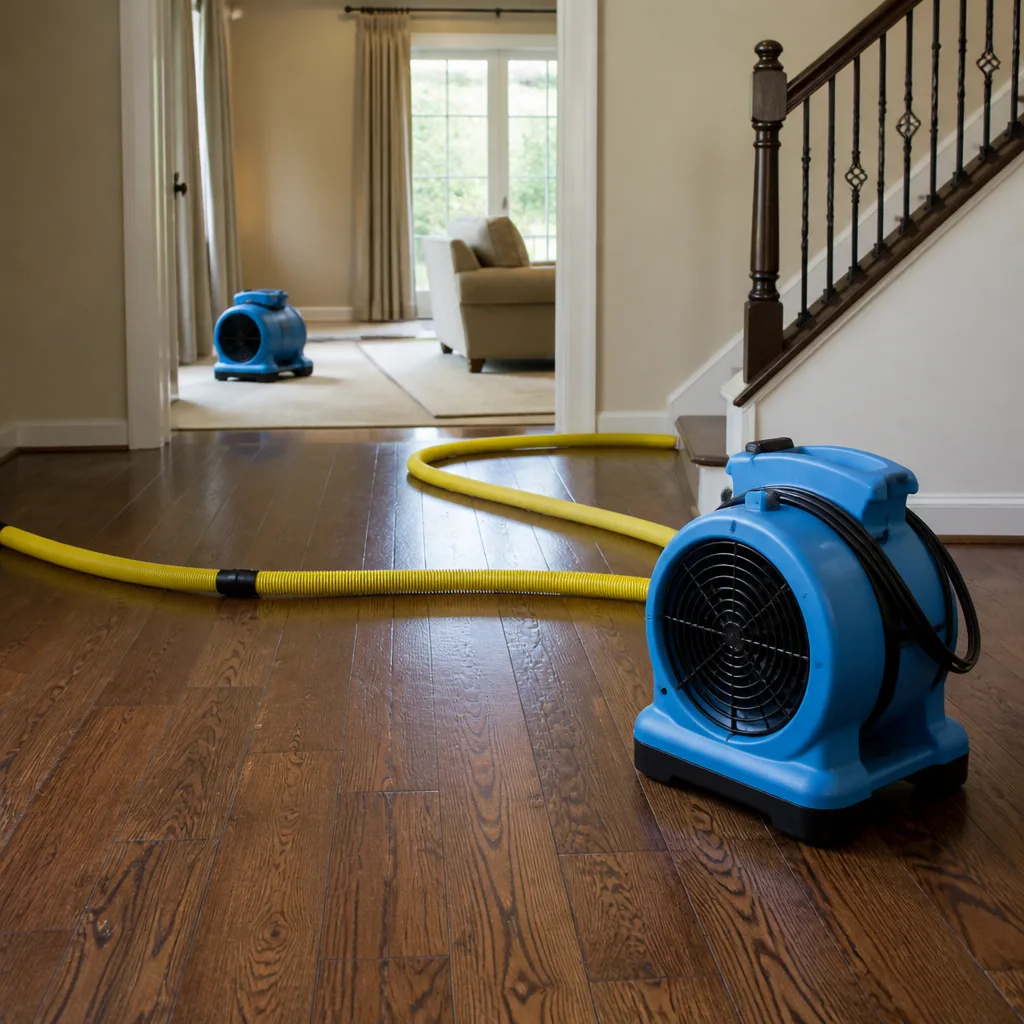
Professional-grade Phoenix and XPOWER air movers and dehumidifiers get placed according to the moisture map, not guesswork. We log readings daily until the dry standard is met, and we hand that log to you and your carrier.
Cleaning & Sanitization
After drying, we clean and sanitize affected surfaces, including original plaster, hardwood, and marble that older Midtown buildings hold onto. Antimicrobial treatment is standard when Category 2 or 3 water was involved.
Specialty Treatment: Ceiling & Roof Leak Tracing
Midtown water damage often shows up as a ceiling stain with no obvious source. We trace it to the actual origin: a rooftop cooling tower, a curtain-wall seal, a blocked roof drain. Fixing the drywall without fixing the source just means doing the job twice.
Repairs & Restoration
We rebuild what needed to be opened. Drywall, plaster, trim, paint, floor refinishing. The 90-Day Done Right Promise covers it in writing, so you’re not wondering six months later whether the job actually got finished right.
Need Emergency Water Damage Restoration in Midtown Manhattan Now?
Crews minutes away, answering live 24 hours a day. The sooner we start, the less it costs.
Working With Your Insurance Company
Most Midtown Manhattan water damage losses involve more than one policy: yours, your neighbor’s, the co-op or condo corporation’s master policy, and sometimes a commercial tenant’s carrier below you. We handle that mess so you don’t have to. From the first hour, we photograph everything, log moisture readings, and record the source of the water in a way claims adjusters recognize. We write estimates in the same line-item format the carriers use, and we communicate with your adjuster directly. You get a copy of everything. If the board or building manager needs documentation before granting access for drying equipment, we provide it the same day.
What We Provide Your Insurer
- Thorough documentation of the loss
- Photos of all damage, room by room
- Moisture readings and drying logs
- A detailed, line-item scope of work
- Direct coordination with your carrier
Built for Midtown Manhattan’s Loss Calendar
Midtown Manhattan’s water damage calendar doesn’t look like the suburbs. January deep freezes stress the steam risers in Park Avenue pre-war co-ops, and when a supply line freezes on an exterior wall, the thaw doesn’t trickle. Nor’easters from October through April drive horizontal rain into the curtain walls of glass towers at 40 floors and up, bypassing ground-level defenses entirely and soaking insulation behind pressurized facades. Summer brings thunderstorm downpours that overwhelm aging rooftop drains on 1920s and 1930s office buildings, sending water down elevator shafts and stairwells. The Freeze-thaw cycle through November to March hits rooftop cooling tower housings hard. We see the same seasonal pattern every year: ice dams form inside tower housings, condensate pans overflow, and someone on the 20th floor gets a ceiling stain that has nothing to do with the roof membrane. Our Water Damage Restoration team plans staffing around these cycles, because Midtown’s calendar is predictable to anyone who’s been doing this long enough.
Water Damage Restoration Across Midtown Manhattan’s Neighborhoods
Midtown Manhattan is a rectangle of very different buildings, and the loss pattern shifts block by block. Along Fifth Avenue and Park Avenue, the pre-war co-ops have original cast-iron drain stacks and steam heat risers that have been in service since the 1920s; when one joint fails, water can drop through a dozen floors of plaster ceilings before building staff can locate the shutoff. Over near Times Square and Seventh Avenue, the hotel corridor runs dense with properties where a closed floor costs tens of thousands of dollars per day in lost room revenue, so extraction and structural drying often has to happen overnight, between 11 p.m. and 6 a.m., before housekeeping starts turning rooms. West of Eighth Avenue in the Hell’s Kitchen blocks, you see a mix of older walk-ups and newer condo towers, and the walk-ups have the same cast-iron stack problems without the revenue pressure. Down in the Garment District and around Herald Square, commercial buildings from the mid-century have flat roofs and cooling tower housings whose ice dams become ceiling leaks every winter. A crew that works Midtown Manhattan regularly knows which building types respond which way before the first moisture reading gets taken.
Specialized Water Damage Restoration Services We Offer in Midtown Manhattan
Emergency Water Extraction
When a supply line lets go in a Midtown high-rise, standing water travels down through floor assemblies faster than most people think. We extract first and ask about board approval second, because every hour Category 2 water sits in a pre-war co-op means more plaster, more hardwood, and more units involved. Our professional-grade Dri-Eaz and XPOWER extraction units get water out of carpet, hardwood, and subfloor.
Structural Drying & Dehumidification
Drying a Midtown Manhattan apartment properly means accounting for the building’s envelope. Pre-war masonry walls hold moisture differently than modern glass curtain walls, and drying too fast cracks original plaster. We use Phoenix dehumidifiers and Injectidry systems to push air where it actually is, not where it’s easy to reach, and we log readings daily until the dry standard is met, then we hand you the log.
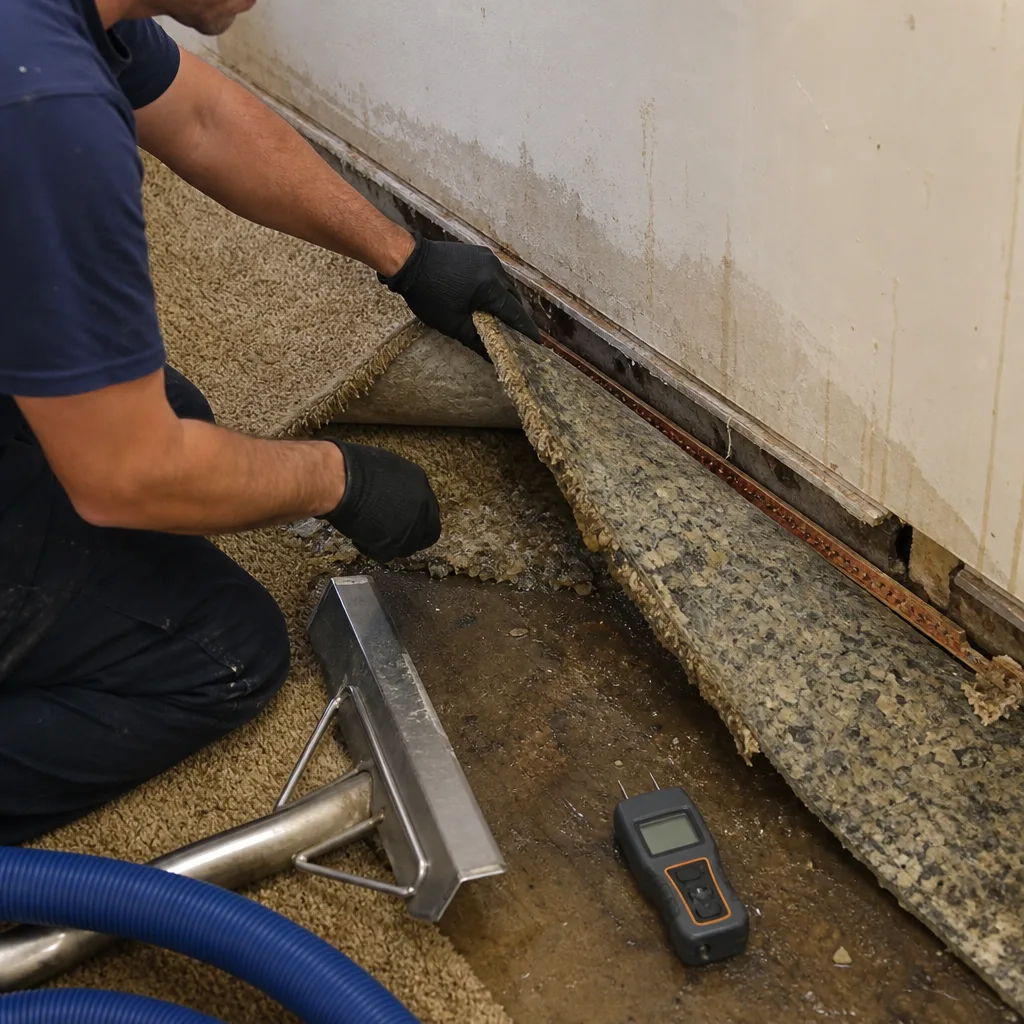
Flood Cleanup
Flash flooding in Midtown usually comes through the roof or the sub-basement, not the front door. When rooftop drains back up in a July thunderstorm, water finds the path of least resistance down through mechanical shafts and stairwells.
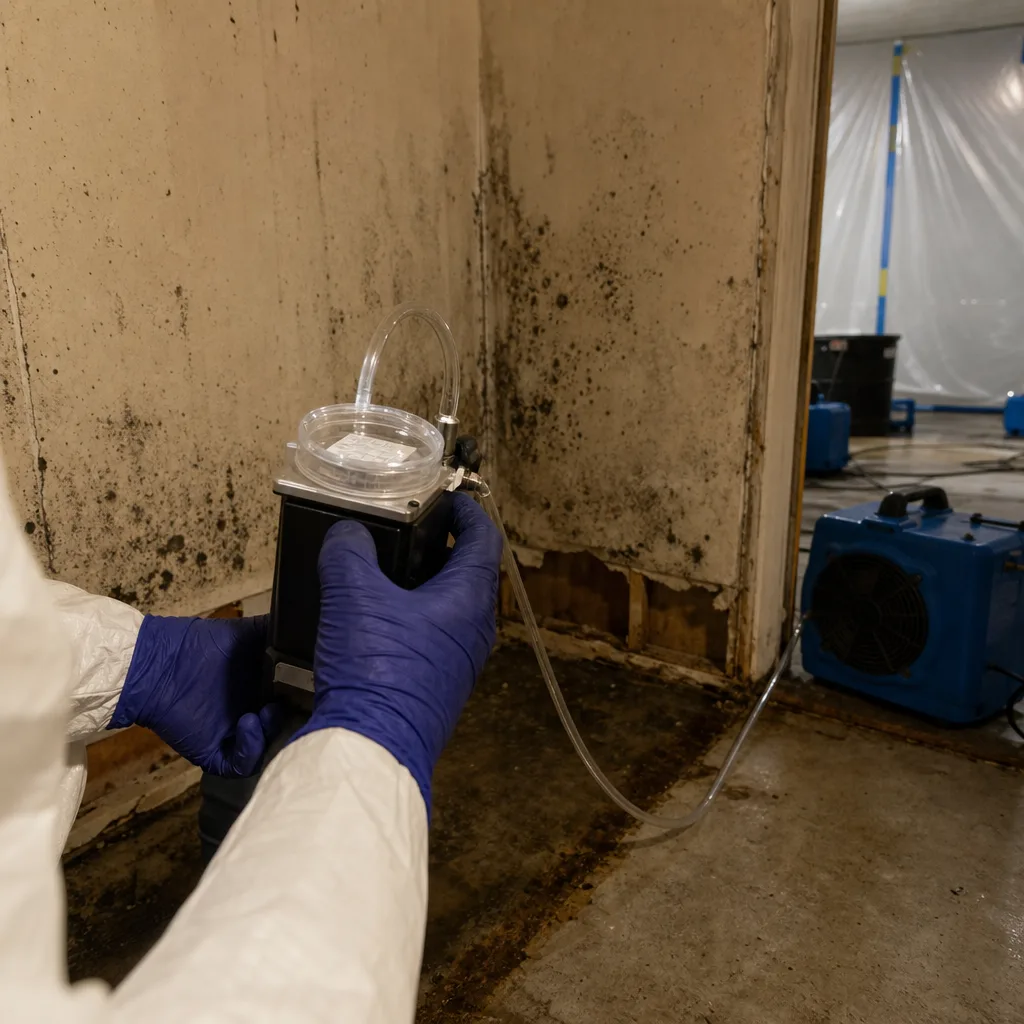
Burst Pipe Restoration
A frozen pipe in a Midtown high-rise rarely bursts where you can see it. The break happens inside a wall cavity or above a dropped ceiling, and the first sign is water staining two floors down. We trace the source with thermal imaging, stop the flow, and restore what the water damaged.
Basement Water Removal
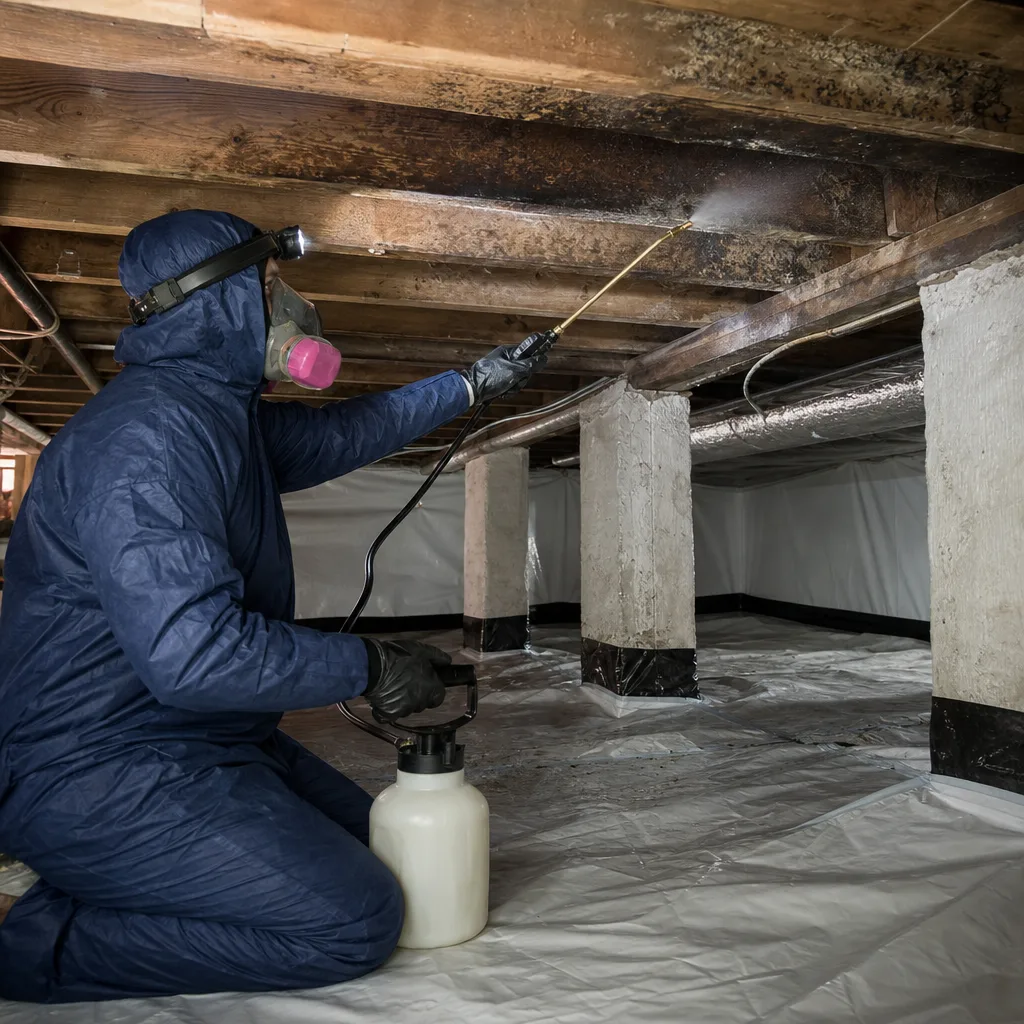
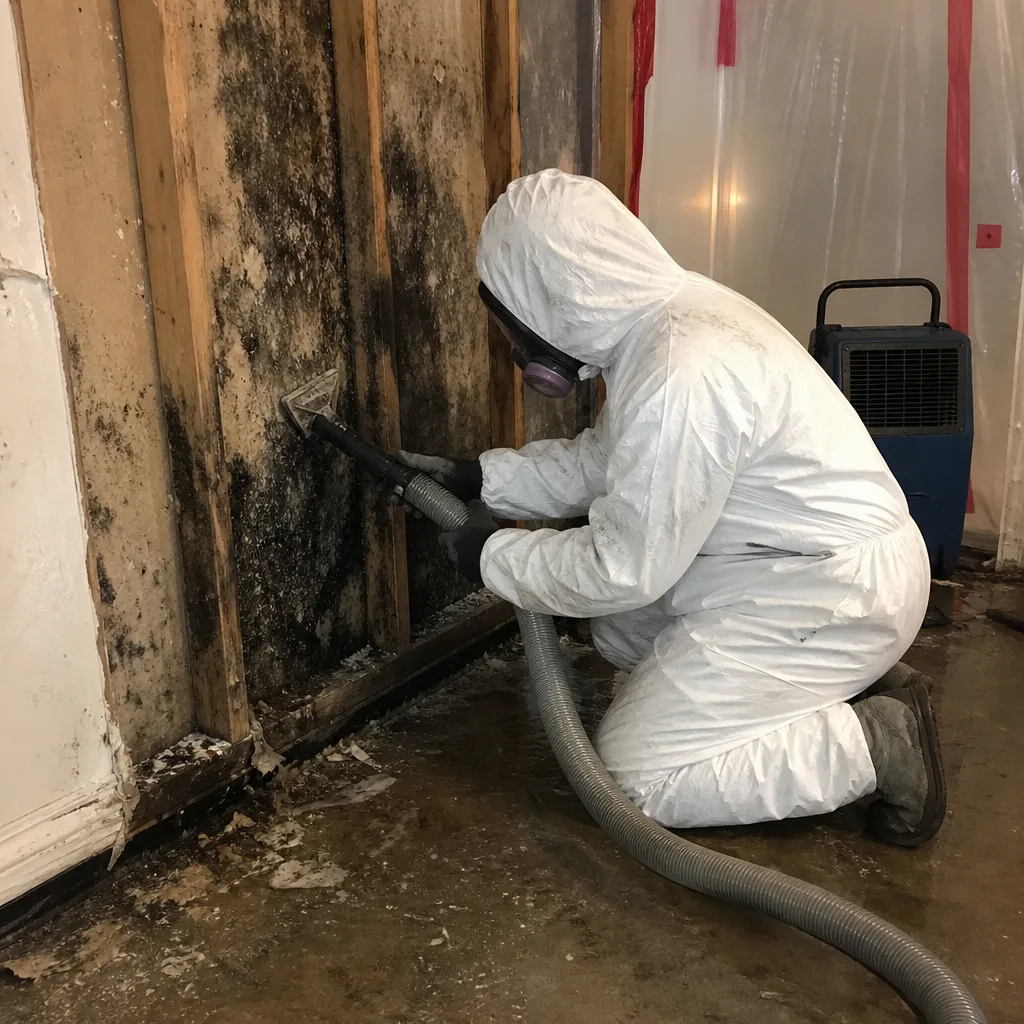
Sub-basements in Midtown commercial buildings and older co-ops collect water from a dozen sources: sump failures, foundation seepage, sewer backups through floor drains. We pump it out, dry the space, and tell you where the water actually came from.
What happens when you call
- 1
A real person answersNo phone trees - you reach a local pro.
- 2
You get an upfront price rangeHonest numbers before anyone is dispatched.
- 3
A background-checked tech heads outLicensed & insured, dispatched right away.
- 4
You approve before work beginsNothing starts until you say go.
Water Damage Restoration Costs in Midtown Manhattan, NY
A typical emergency water extraction and structural drying job in Midtown Manhattan runs $2,800 to $9,500, depending on how many floors the water reached and how long it sat before we got there. Extraction-only response starts around $900 for a single unit. What moves the price in this market more than anything is access: freight elevator reservations, board-required insurance certificates, and after-hours building staffing all add friction. A Category 2 loss that affects three units in a Park Avenue co-op and requires NYC DOB permits will land on the higher end. Insurance typically covers the extraction and drying when the cause is sudden and accidental, like a burst supply line. Water that’s been seeping for months is a maintenance issue, and that’s an out-of-pocket conversation. We give you a free visual inspection and a written scope first, so the number on paper matches the work that actually needs doing. Call (640) 221-3499 and we’ll walk you through it.
We Also Serve Cities Near Midtown Manhattan
Our crews regularly work Midtown West, Upper West Side, Upper East Side, and Upper Manhattan. If you’re in one of these neighborhoods and water is moving, call the same number: (640) 221-3499.
Serving Midtown Manhattan, NY - Our Local Coverage Area
We’re based in the Midtown Manhattan area and know this community well. Use the map below to see our service coverage - if you’re nearby, we can almost certainly help.
Midtown Manhattan Water Damage Restoration Questions, Answered
How quickly can you start water extraction in a Midtown high-rise when the building requires co-op board approval?
We can be on-site in Midtown Manhattan within 45 minutes of your call, but actual extraction sometimes waits on board sign-off. In most buildings, emergency mitigation that prevents further damage can begin without full board approval, and we document the urgency in writing for the managing agent. The board usually wants the same thing you do: less water, less damage, less claim. Call (640) 221-3499 and we’ll help you navigate it.
Will you need a permit from NYC DOB for water damage restoration in Midtown?
Sometimes, yes. If the job involves replacing plumbing risers, modifying a fire-rated assembly, or structural repair, a DOB permit is usually required. Simple extraction and drying typically is not. We tell you which one applies to your loss, and we can file the paperwork when it’s needed.
Do you have experience with wind-driven rain intrusion in Midtown glass towers?
Yes. Wind-driven rain during nor’easters pushes water into curtain-wall joints at 40 floors and above, and the water travels inside the façade before showing up as a stain on the interior drywall. We trace it with thermal imaging, not drywall removal, and we’ve done this in modern glass towers across Midtown Manhattan.
Can you perform overnight water extraction in a Times Square hotel without disrupting guests?
Yes. We work the overnight window between 11 p.m. and 6 a.m. in Midtown hotel properties, coordinating with the property’s engineering team to isolate floors and run equipment quietly. A closed floor costs the property too much to leave wet, and we’ve handled these schedules before.
What happens if my pre-war apartment’s steam riser bursts and floods multiple floors?
The water moves down through the building’s plumbing chases, and multiple units are usually affected. We extract from every affected floor, document moisture readings at each level, and coordinate with the managing agent and all affected parties’ insurers. Our crew extracted 1,200 gallons of Category 2 water from a 14th-floor pre-war co-op on Park Avenue after a cast-iron drain stack joint failed above a commercial tenant space, leaving our techs to run Injectidry floor drying systems and document moisture readings down three floors of affected units before the board would approve containment and pack-out of a shared corridor.
Will my insurance cover water damage restoration in a Midtown co-op?
It depends on the source and the timing. Sudden and accidental losses, like a burst supply line, are typically covered. Gradual seepage or lack of maintenance usually is not. We document the loss from the first hour and communicate with your carrier directly, so the claim gets handled without you playing liaison.
How long does structural drying take in a pre-war Midtown building?
Most Midtown Manhattan drying jobs take 3 to 5 days for proper structural drying in pre-war masonry buildings, because original plaster and hardwood release moisture slowly. We log readings daily and only remove equipment when the dry standard is met. Rushing the dry cycle leads to mold, and we won’t do that.
What should I do in the first 30 minutes after discovering water damage in my Midtown apartment?
Call building management to shut the water off if you can’t find the source, move what you can off the floor, and call us at (640) 221-3499. Don’t use a household vacuum on standing water, and don’t wait to see if it dries on its own. The first hour is when extraction prevents the most damage. A free visual inspection tells you where you stand.
Written by Curt Bowman, Owner at Floodline Restoration Co., serving Midtown Manhattan and the surrounding area since 2010.