
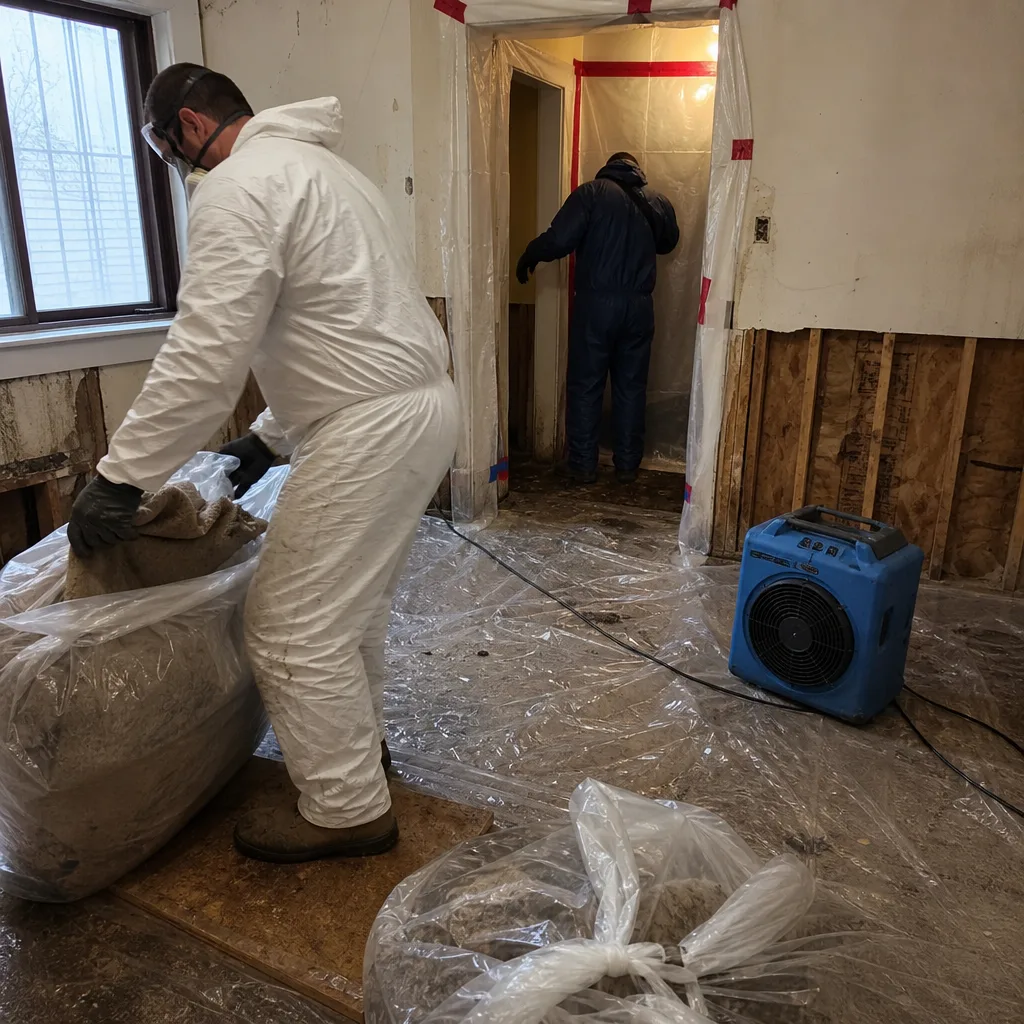
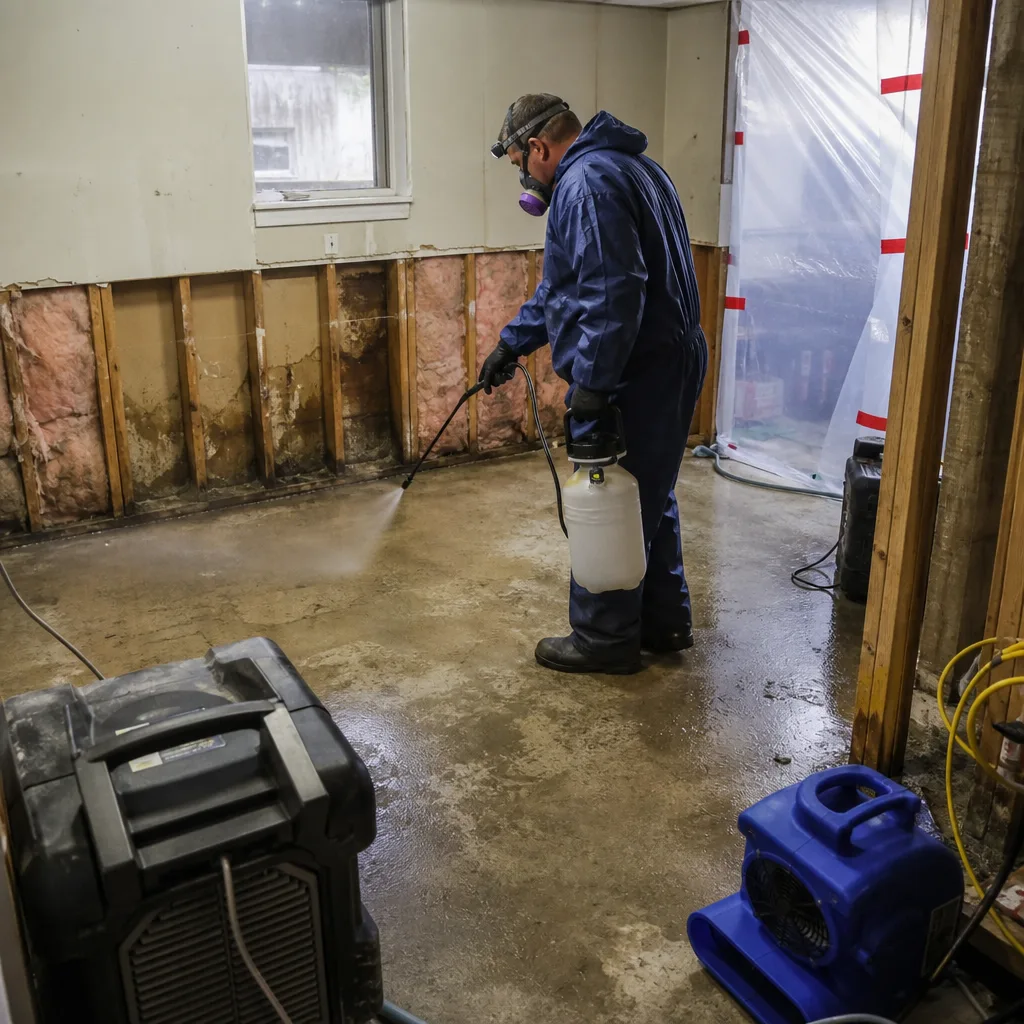
Free visual inspection and a written scope of work before any mitigation begins - photos, moisture readings, and drying logs go in your claim file
The scope we write is the scope we bill. Anything new gets shown to you, in writing, before we touch it.
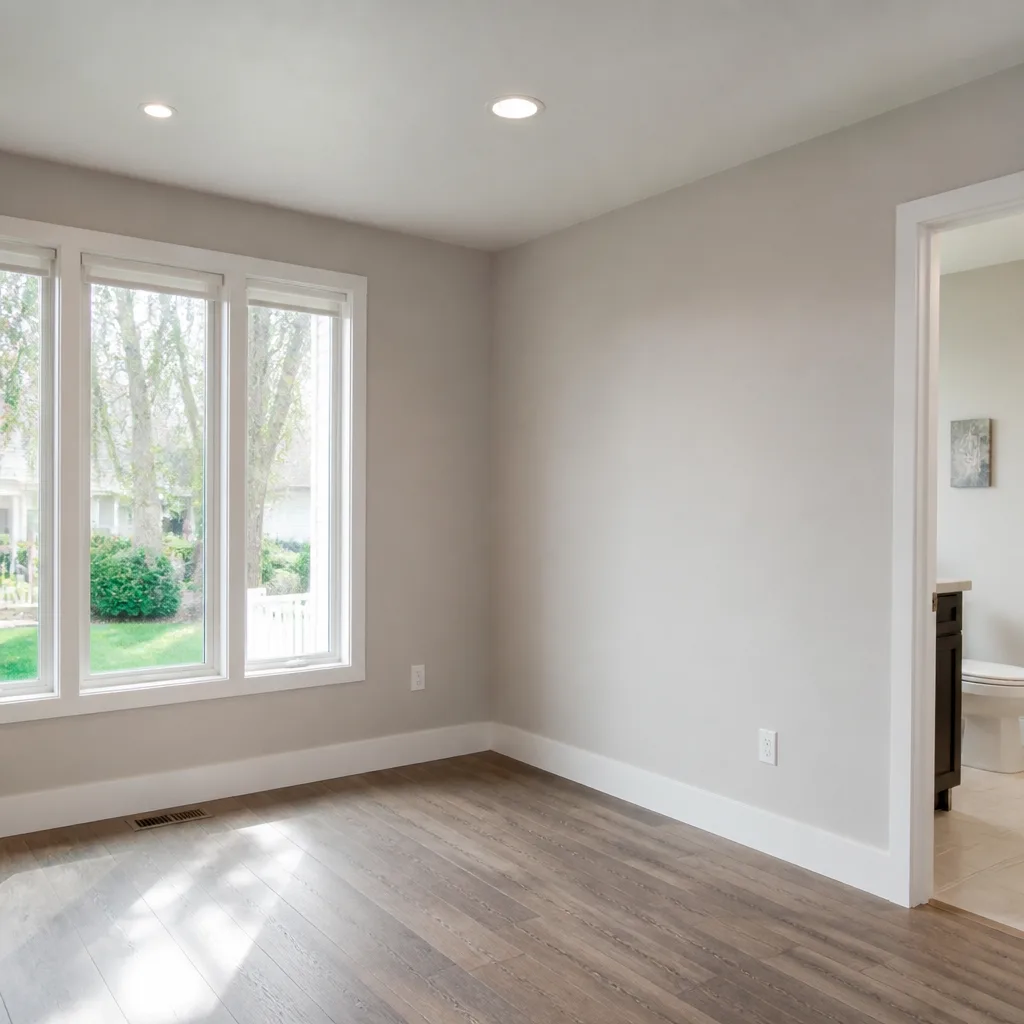
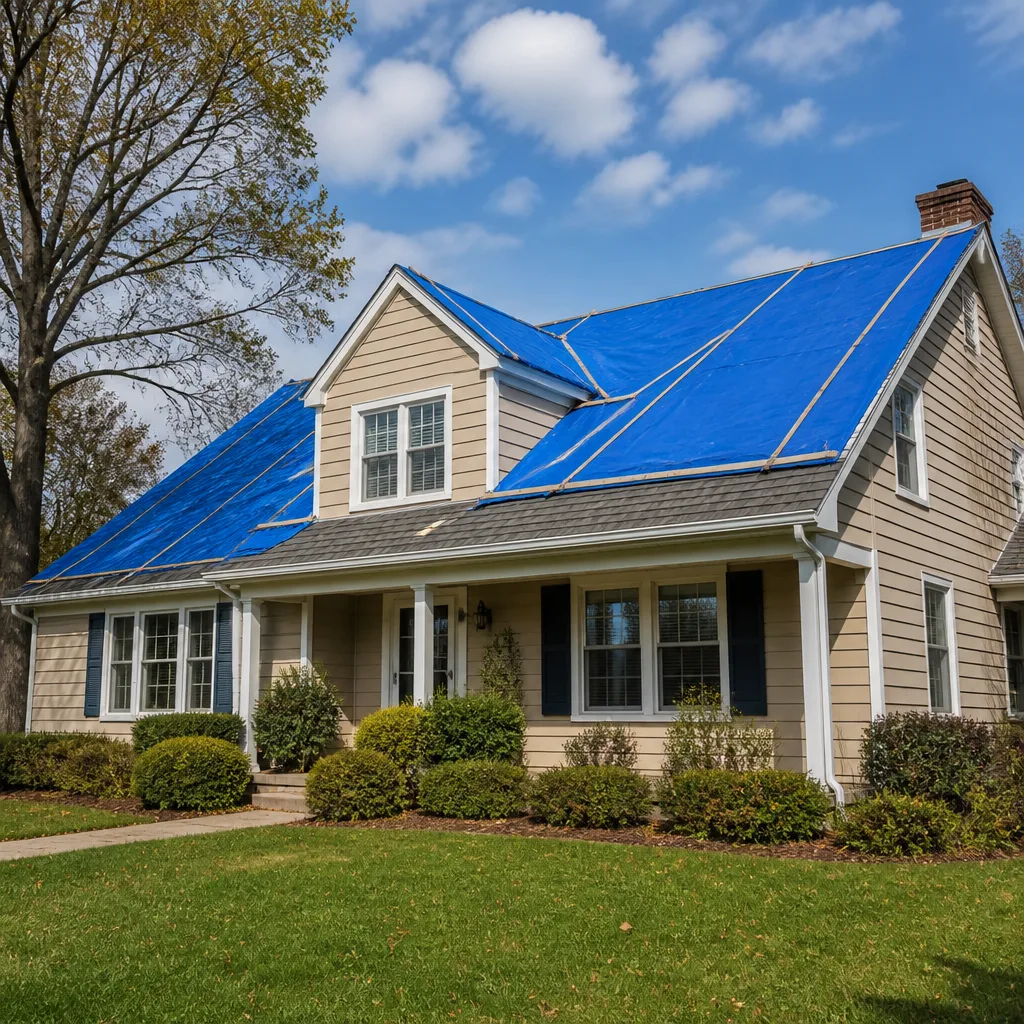
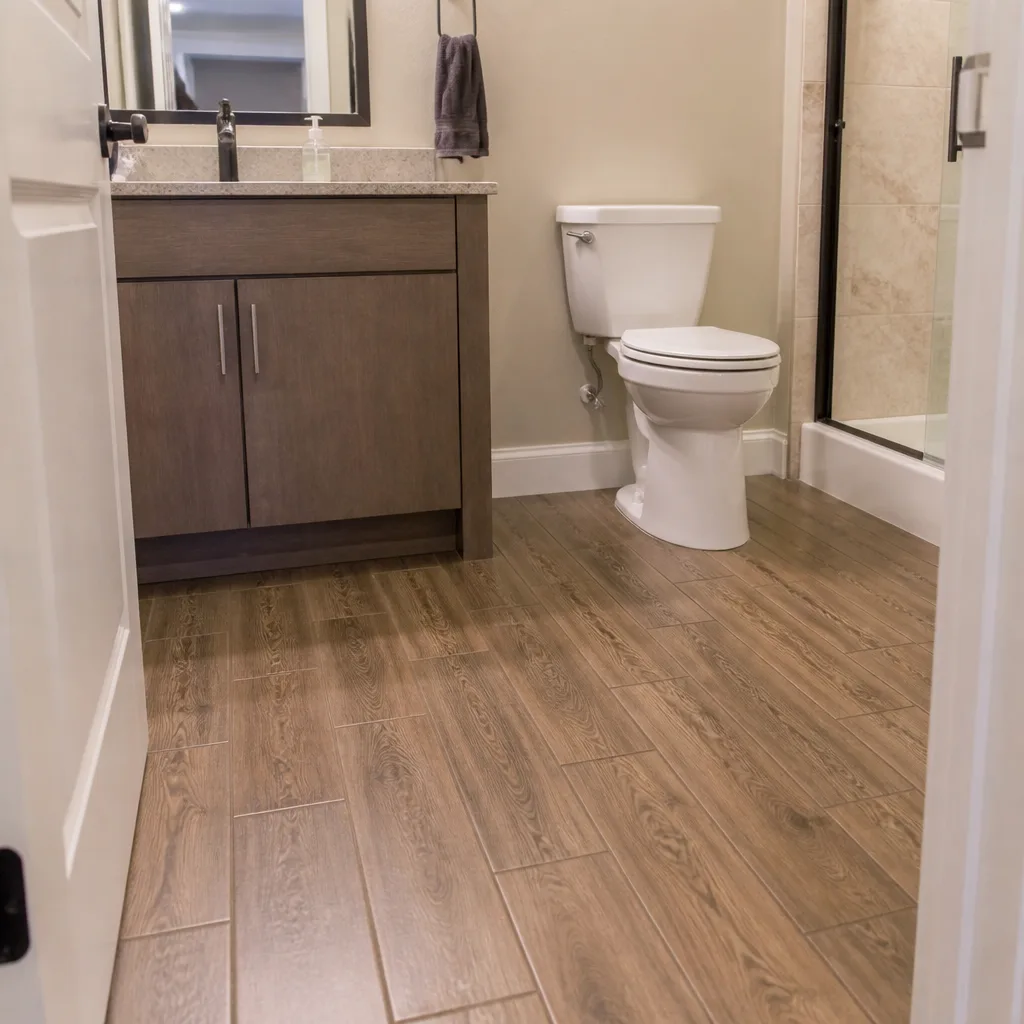
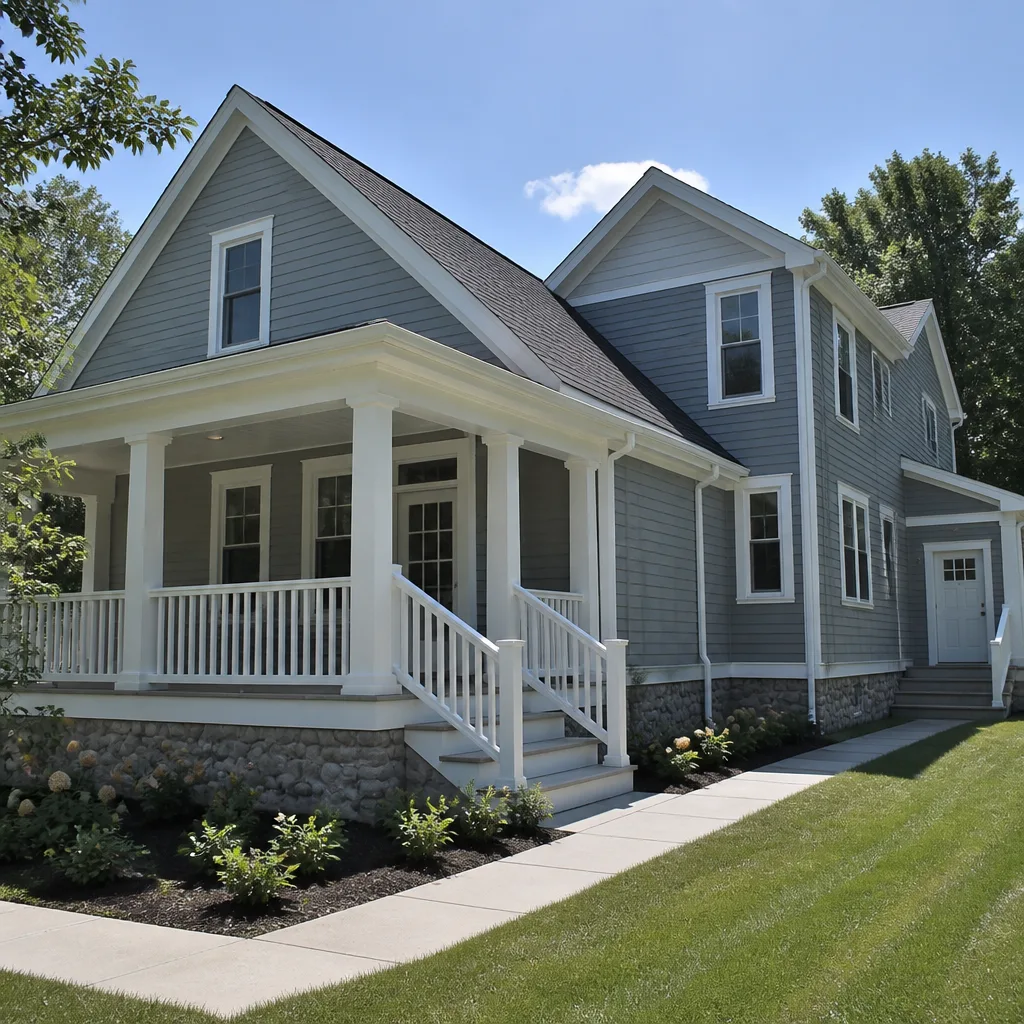
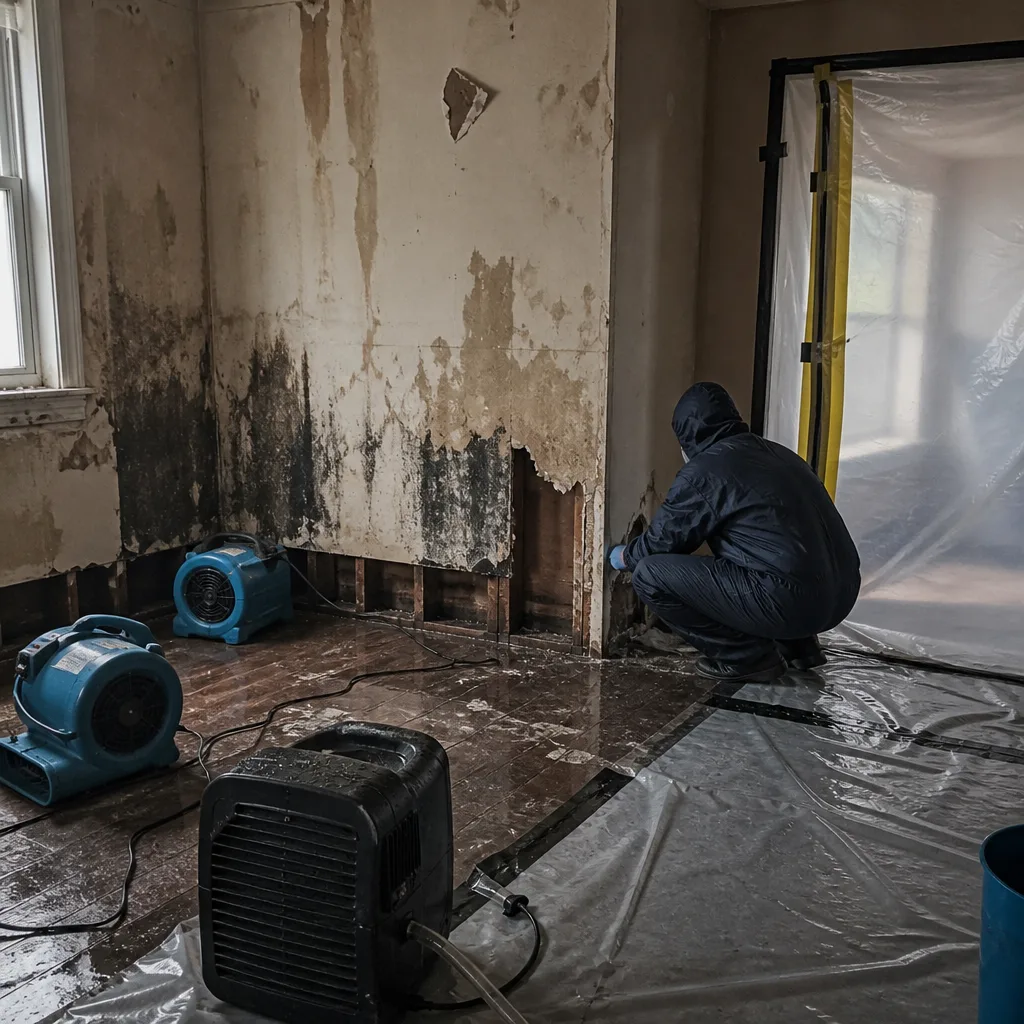 Before
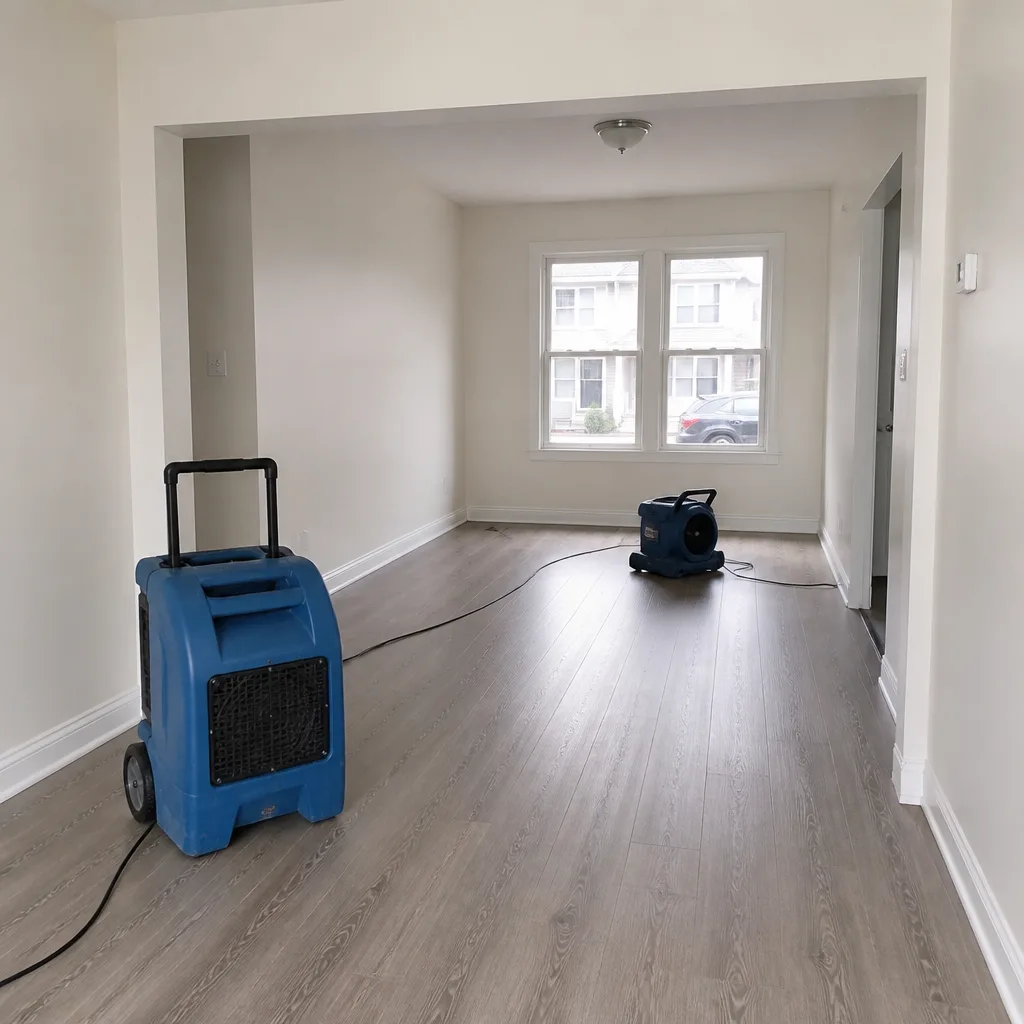 After
After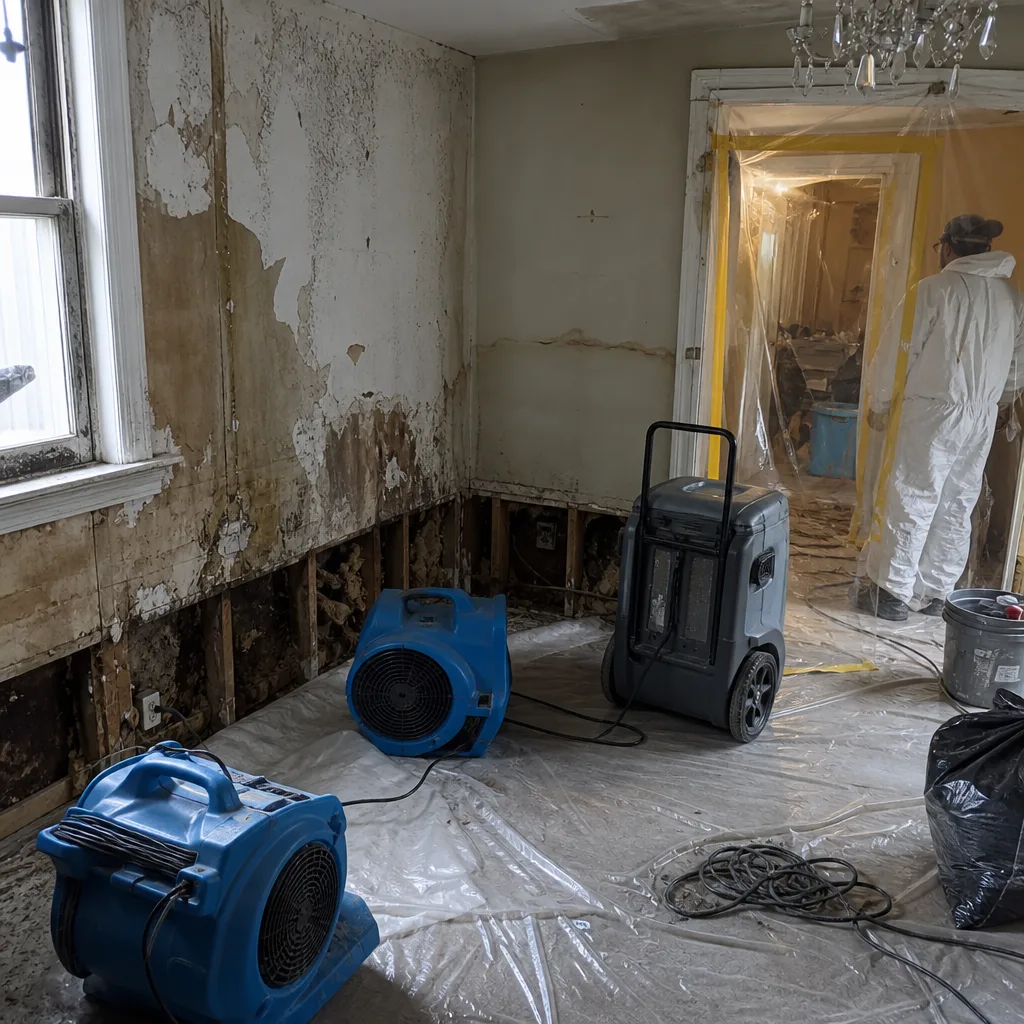 Before
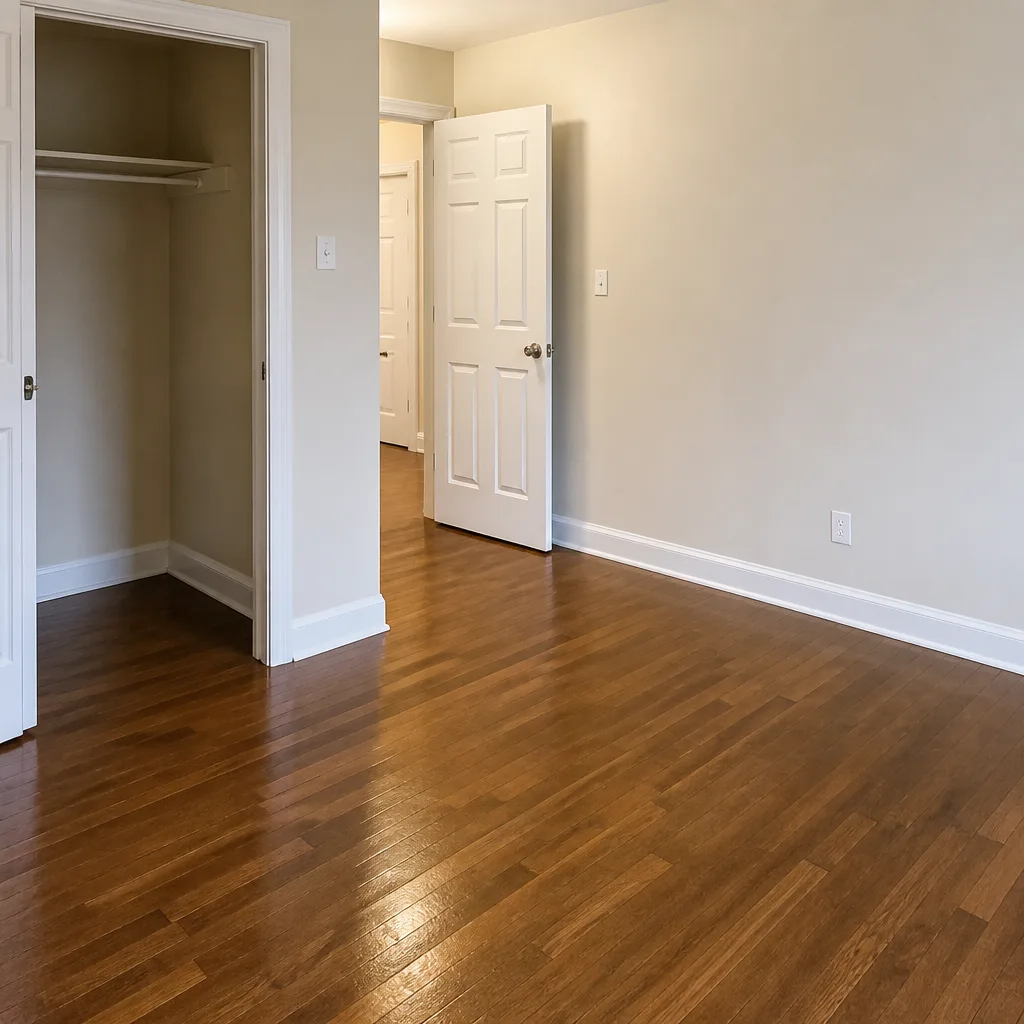 After
After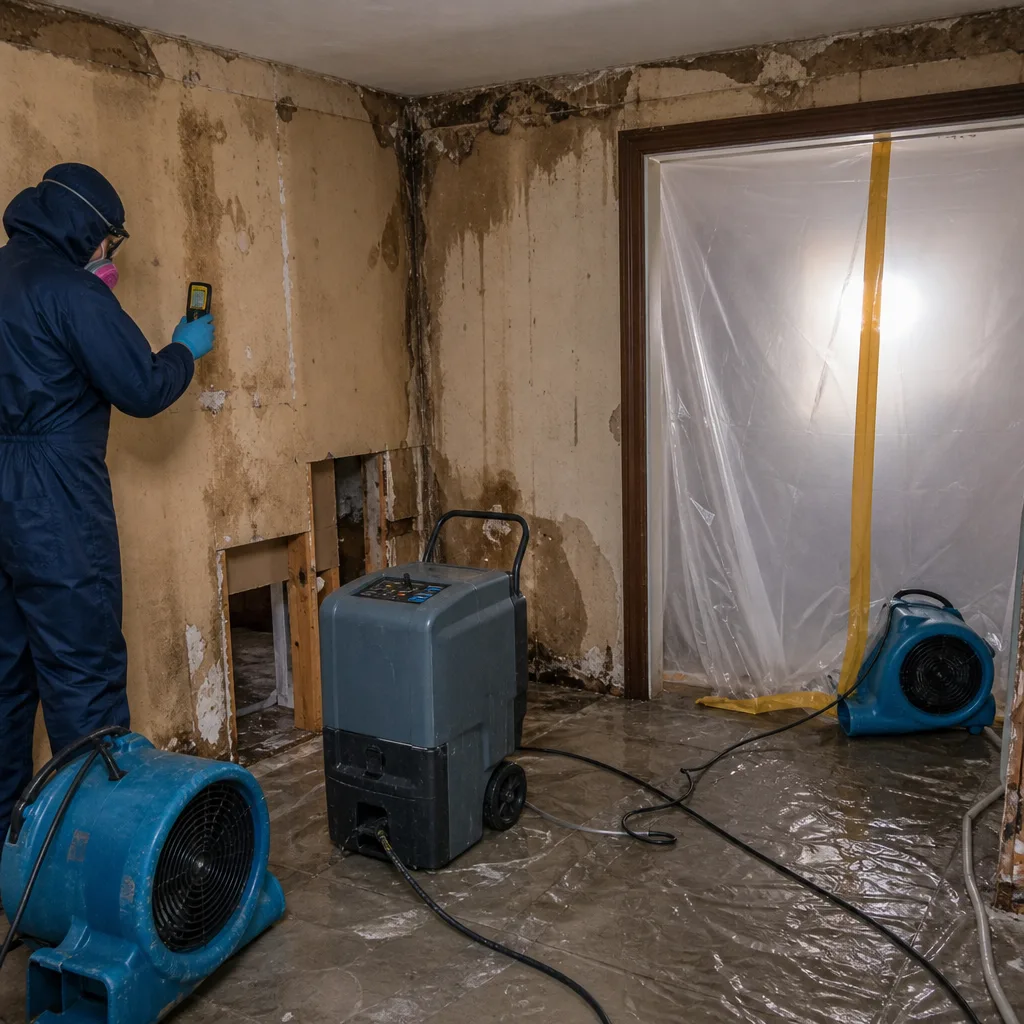 Before
 After
After24/7 Emergency Sewage Cleanup in Upper East Side
Sewage cleanup on the Upper East Side carries a complication most neighborhoods never face: by the time you smell it, Category 3 water has often already traveled through a shared pre-war waste stack into the walls, floors, and ceilings of neighboring co-op units. That’s why our crews are dispatched the moment you call (640) 221-3499, with a live person answering at two in the morning and a certified team rolling toward your building within 45 minutes. The first hour determines whether that backup stays a contained bathroom problem or becomes a board-level emergency involving multiple apartments, insurers, and the building’s engineer. We document everything from the first visual inspection, so the board has what it needs before any wall comes open. Free inspection, direct insurance billing, and one crew from extraction to finished restoration.
Understanding Sewage Cleanup Severity in Upper East Side Properties
In this line of work, water gets classified by what’s actually in it. Category 1 starts clean, Category 2 carries contaminants from washing machines or sump pumps, and Category 3 is the serious one: raw sewage, toilet backflow, or any water that has sat long enough to grow whatever grows in stagnant black water. On the Upper East Side, a Category 3 event in a pre-war building is rarely a single-apartment problem. The gravity-fed cast iron waste stacks in buildings constructed between 1905 and 1940 are shared vertically, so a backup on the fifth floor can push sewage into the walls of the fourth, third, and second floors before anyone on the first realizes what’s happening. Moisture mapping with thermal imaging tells us where that water actually went, not just where it surfaced. In these buildings, the steam-pipe chases and riser cavities act as highways for contaminated moisture, and if we only dry the visible floor, we leave black water wicking through plaster and lathe behind the baseboards. That’s how a $4,000 cleanup becomes a $90,000 restoration and a co-op board dispute that drags on for months.
Why Upper East Side Property Owners Choose Floodline Restoration Co.
- 45-minute response commitment. When a Category 3 backup is spreading through shared wall cavities, time is measured in dollars. Our crews are staged to reach Upper East Side buildings fast, usually inside 45 minutes from the call.
- A live person answers, 24/7. You will never reach a recording or an answering service. A dispatcher who knows this trade picks up the phone at any hour because sewage does not wait for business hours.
- IICRC-certified crews trained in WRT, FSRT, and AMRT standards. Our technicians carry the certifications that matter for water restoration, fire and smoke, and applied microbial remediation. They’re background-checked and uniformed, and they treat your co-op the way a guest should.
- Free visual inspection before you owe us anything. We will walk the affected area, explain what we’re seeing in plain language, and give you a written scope before any demolition starts. No pressure, no hard sell, no surprises on the bill.
- Direct insurance billing with adjuster coordination. We bill your carrier directly and speak to your adjuster from the first day. You should never have to play messenger between our crew and your insurer.
- One team from extraction through reconstruction. We do not hand your apartment off to a different company for the rebuild. The same certified crew that reads the moisture map on day one handles the daily readings and reconstructs what needs rebuilding.
Our Sewage Cleanup Process
Inspection & Assessment
We arrive with thermal imaging cameras, hygrometers, and moisture meters. The goal is a complete picture of where Category 3 water actually traveled, not just where it pooled. On the Upper East Side, that means checking the steam-pipe chase, the riser cavity, and every shared wall adjacent to the affected stack.
Extraction & Stabilization
Truck-mounted extraction pulls the black water out fast, before it can wick deeper into parquet, plaster, or millwork. We set containment with 6-mil polyethylene to keep airborne contaminants from migrating into hallways or neighboring units. The building staff needs to know this is happening, and we coordinate that communication.
Drying & Dehumidification
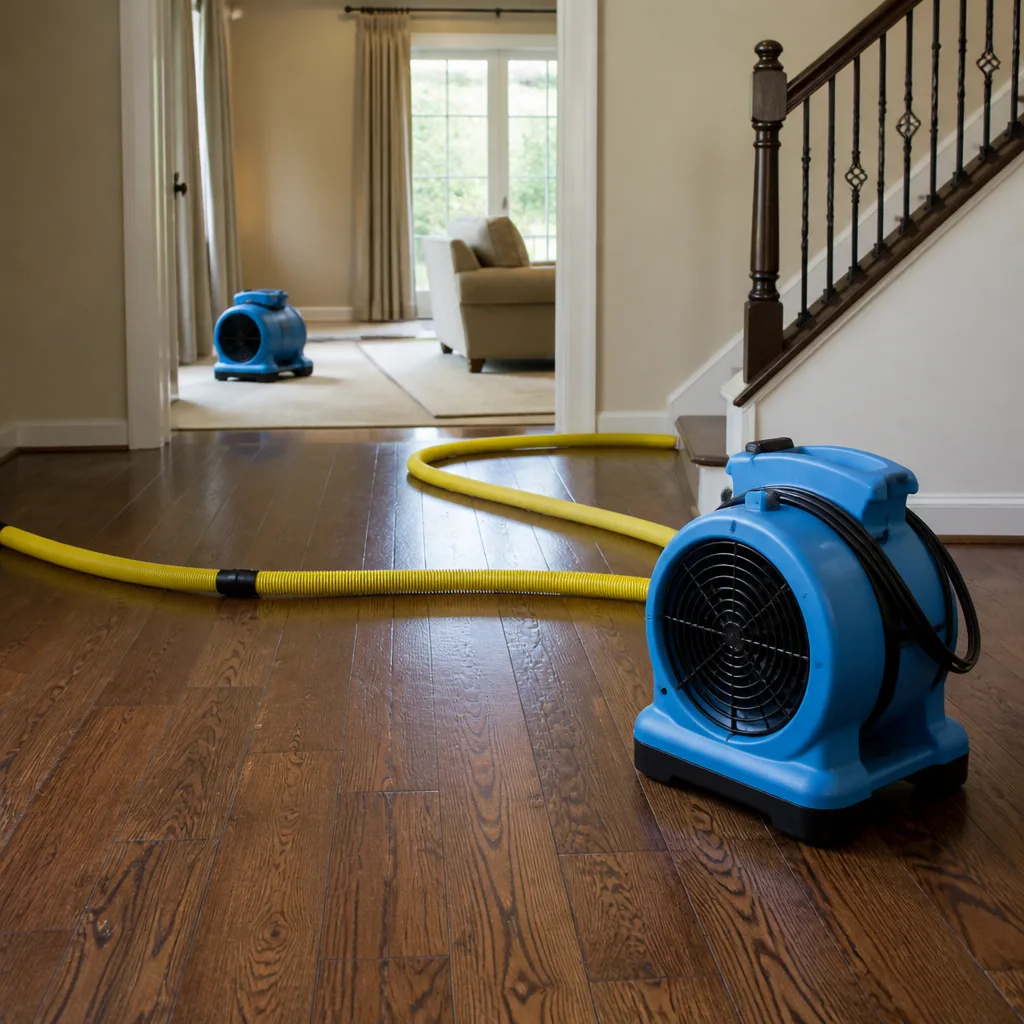
Dri-Eaz air movers and Phoenix dehumidifiers run continuously, with daily moisture readings logged until the area reaches the dry standard. In pre-war buildings with thick plaster walls, structural drying takes longer than drywall, and we plan for that honestly from the start.
Cleaning & Sanitization
All affected surfaces get treated with antimicrobial agents appropriate for Category 3 water. We use HEPA-scrubbed air filtration to clear what you cannot see, and we document every step for your insurer and your board.
Specialty Treatment for Sewage
Under hand-laid parquet, category 3 water gets into the tongue-and-groove joints and the subfloor. We use Injectidry systems to draw moisture out of flooring cavities without pulling up boards that can be saved. Matching those boards to the pre-loss condition matters to the board, so we document the before-state rigorously.
Repairs & Restoration
When the moisture map says the space is dry, we rebuild. Ornamental plaster crown moldings are matched by specialty tradespeople, not replaced with drywall patches. Silk wall coverings and lacquered millwork get restoration attention that standard drywall-and-carpet crews cannot provide. The finished product meets the board’s pre-loss condition standard.
Need Emergency Sewage Cleanup in Upper East Side Now?
Crews minutes away, answering live 24 hours a day. The sooner we start, the less it costs.
Working With Your Insurance Company
Your co-op’s master policy and your individual unit policy are two very different documents, and a Category 3 backup on the Upper East Side almost always involves both. The building’s carrier typically covers the shared waste stack and common elements, while your unit policy covers interior damage to finishes, fixtures, and personal property. Where the line falls often depends on what the board’s engineer determines and how the claim is documented. We have handled enough of these to know what adjusters actually need, and we provide it from the first hour: photos of every affected surface before anything is moved, moisture readings taken with calibrated equipment, daily drying logs, and a line-item scope of work that itemizes exactly what is being done and why. Direct adjuster communication means you are not translating between our crew and an insurance representative who has questions about the dry standard or the antimicrobial treatment. When the board requires pre-approval before demolition, we package the documentation so the board’s engineer can sign off quickly, which keeps the claim moving.
What We Provide Your Insurer
- Thorough documentation of the loss
- Photos of all damage, room by room
- Moisture readings and drying logs
- A detailed, line-item scope of work
- Direct coordination with your carrier
Built for Upper East Side’s Loss Calendar
January and February bring hard freezes that hit the Upper East Side’s aging infrastructure where it hurts. Cast iron waste lines in buildings approaching their hundredth year have lost their margin for expansion and contraction, and a deep freeze can crack a stack fitting behind a bathroom wall without anyone knowing until the thaw releases a flood of sewage into multiple units. Late winter is rooftop water tower season on the Upper East Side, and a failed fitting on a wooden tower can send water cascading through ten or twenty floors of occupied units before building staff even notice the overflow. That water picks up whatever is in the waste lines as it travels, turning a clean water overflow into a Category 3 event by the time it reaches the lower floors. Spring brings thaw-related seepage into below-grade mechanical rooms and basement storage areas where old clay drain lines have shifted over decades. Summer thunderstorms overwhelm the combined storm-sewer system, and sudden downpours push street-level sewage back through floor drains in garden-level units and basement apartments on the cross streets off Lexington and Third. Late summer and fall bring the backup season for buildings with shared grease lines serving street-level restaurants, where congealed grease from commercial kitchens backflows into the residential stacks above. Each season has its own signature, and this is the calendar we work around.
Sewage Cleanup Across Upper East Side’s Neighborhoods
The Upper East Side is not one neighborhood; it is a series of distinct building stock patterns, and sewage behaves differently in each. Carnegie Hill, south of 96th east of Fifth, is mansion territory with some co-op buildings dating to the 1910s and 1920s, where original waste stacks are often still in service and board standards for restoration are especially strict. Yorkville, stretching east toward the river from Third Avenue up past 86th, has a mix of pre-war walk-ups and mid-century high-rises, with many garden-level units that catch street-level sewage backups during summer storms. Lenox Hill, around 72nd and Lexington, has some of the densest high-rise co-op stock, where shared stacks serve hundreds of units in a single building. The blocks along Fifth Avenue and Park Avenue hold the landmark pre-war cooperatives where ornamental plaster and hand-laid parquet make every sewage loss a specialty historic restoration. We know how to route through the cross streets without getting caught in the Lexington Avenue bus lane, and we know which buildings require freight elevator access for equipment.
Specialized Sewage Cleanup Services We Offer in Upper East Side
Sewage Backup Cleanup
When a shared waste stack backs up in an Upper East Side co-op, the source is rarely in the unit where the water appears. We trace the backup to its source, coordinate with the building’s plumber to stop the inflow, and then begin extraction. In pre-war buildings, this often means opening walls only after the board has approved the scope, so we package that documentation fast.
Toilet Overflow Cleanup
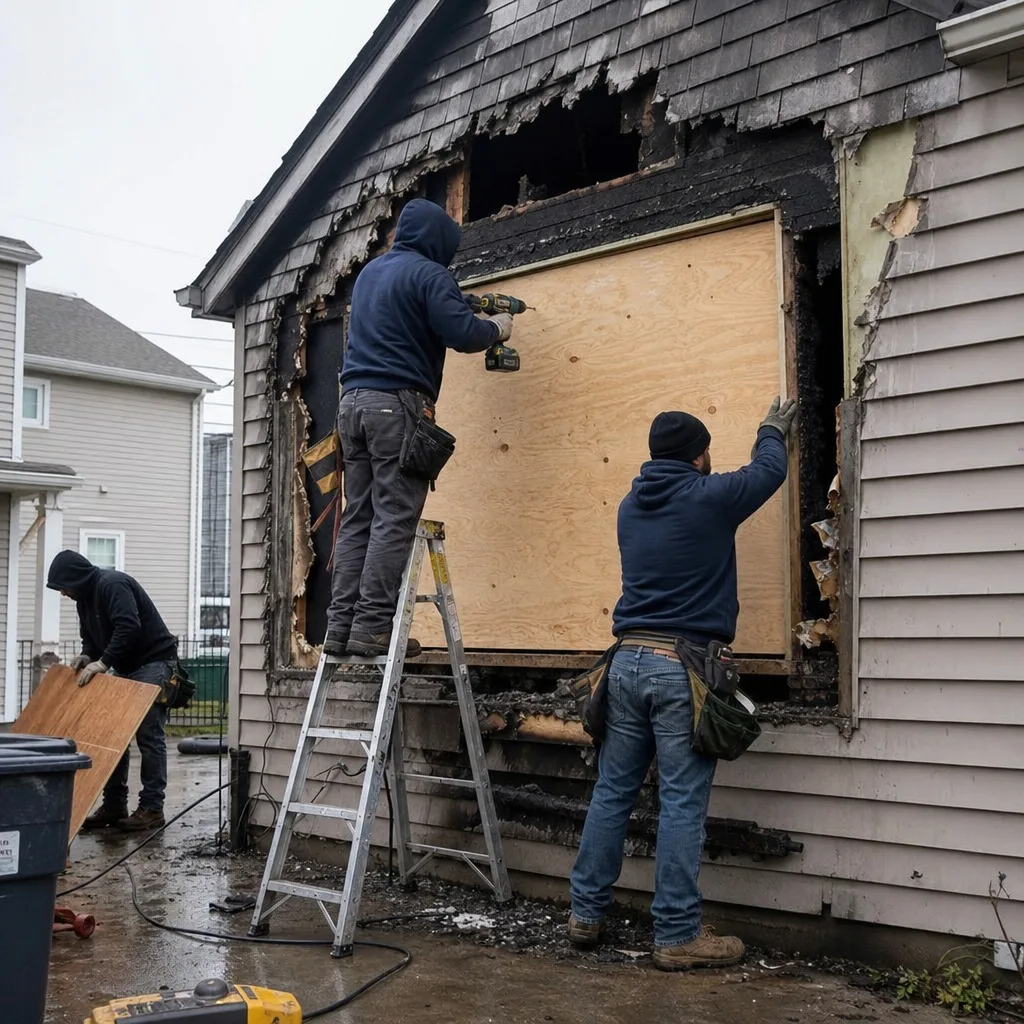
A toilet overflow on the fourth floor of a Fifth Avenue co-op is not a cleaning job; it is a Category 3 water event that can travel through the wax ring, into the subfloor, and down the ceiling of the apartment below. We extract, sanitize, and dry the cavity completely before any finish work happens. The board will want proof, and we have it.
Septic Failure Cleanup
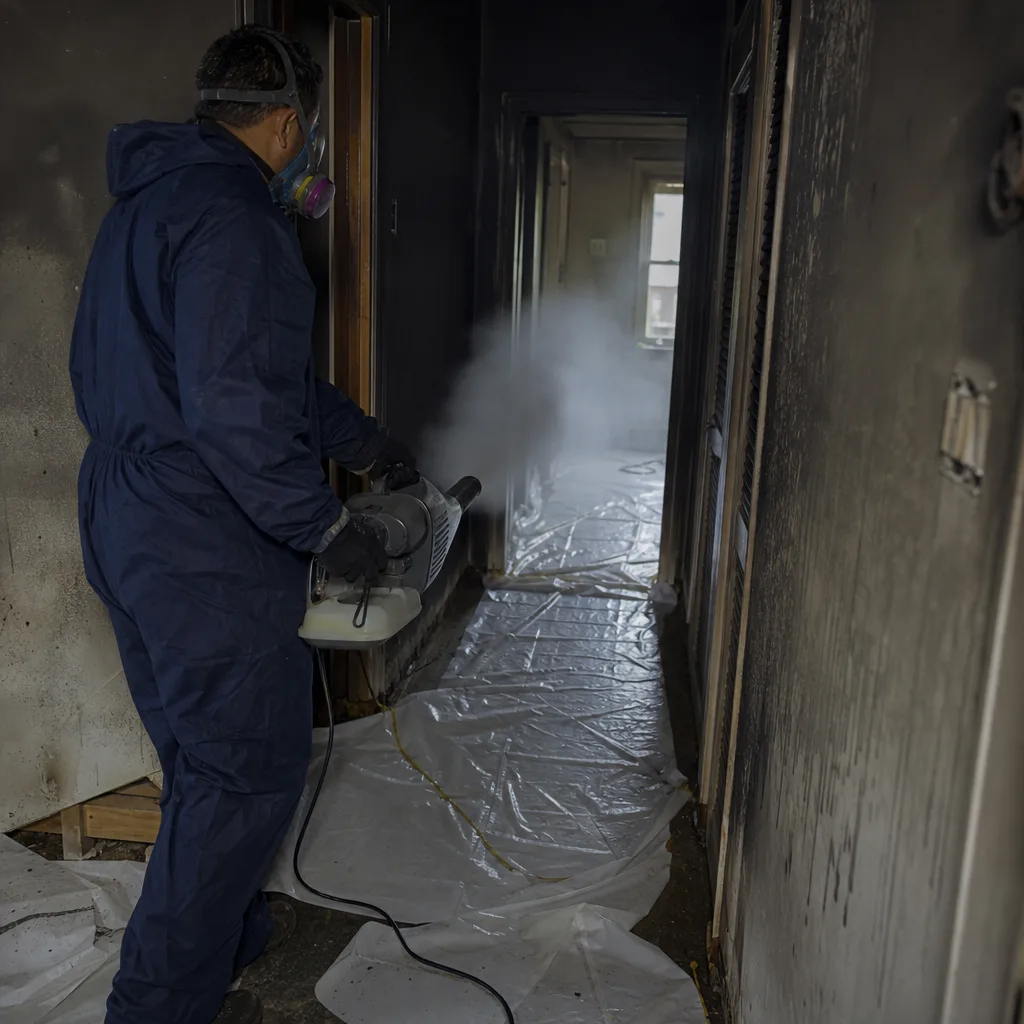
Most Upper East Side buildings are on municipal sewer, but a handful of older properties, particularly some townhouses and smaller walk-ups east of Third, still have legacy septic or holding systems. When those fail, the backup is worse because the system has been silently failing for weeks before it surfaces. We handle those cleanups with full Category 3 protocols.
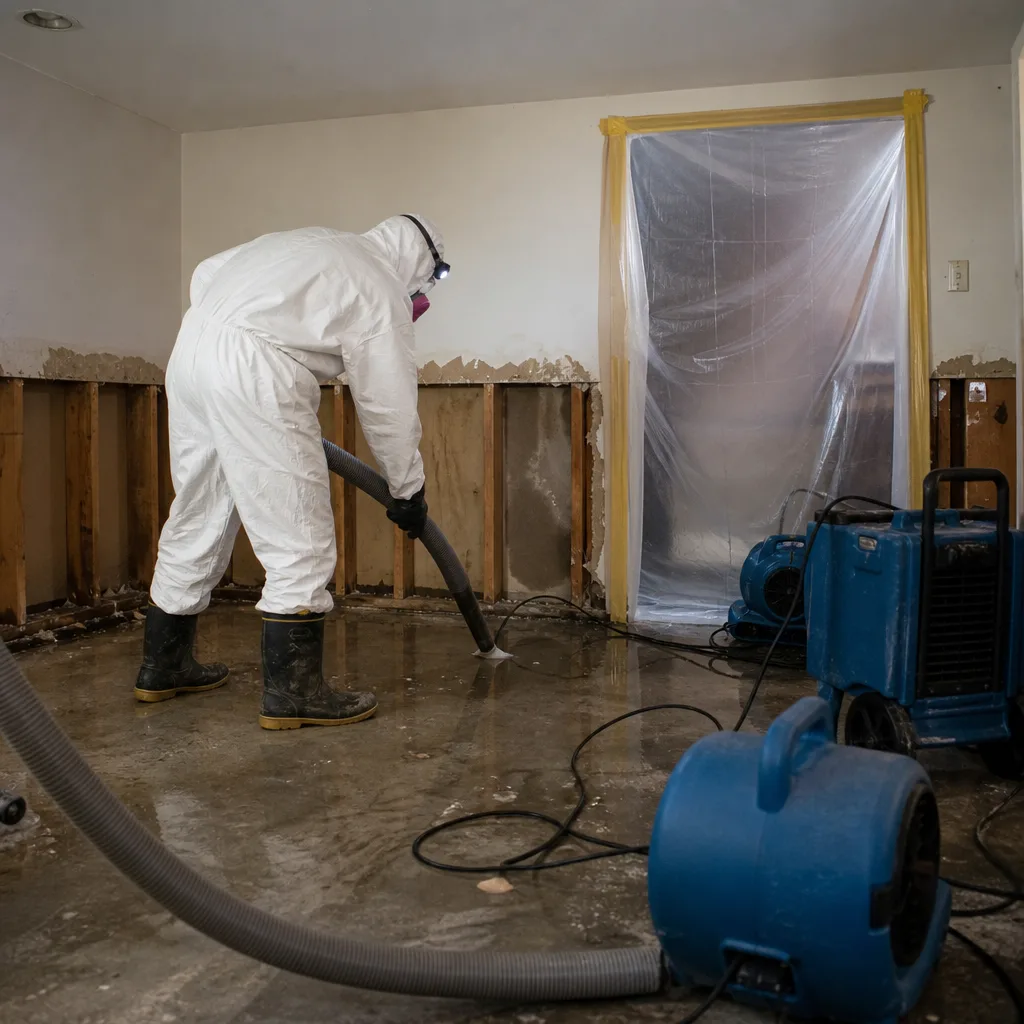
Black Water Extraction
Black water is the trade term for Category 3 water containing human waste or heavy pathogens. We use truck-mounted extraction to pull it out fast, then treat every surface it touched with antimicrobial agents appropriate to the contamination level. On the Upper East Side, black water extraction often happens in shared wall cavities and stairwell chases, so containment is critical.
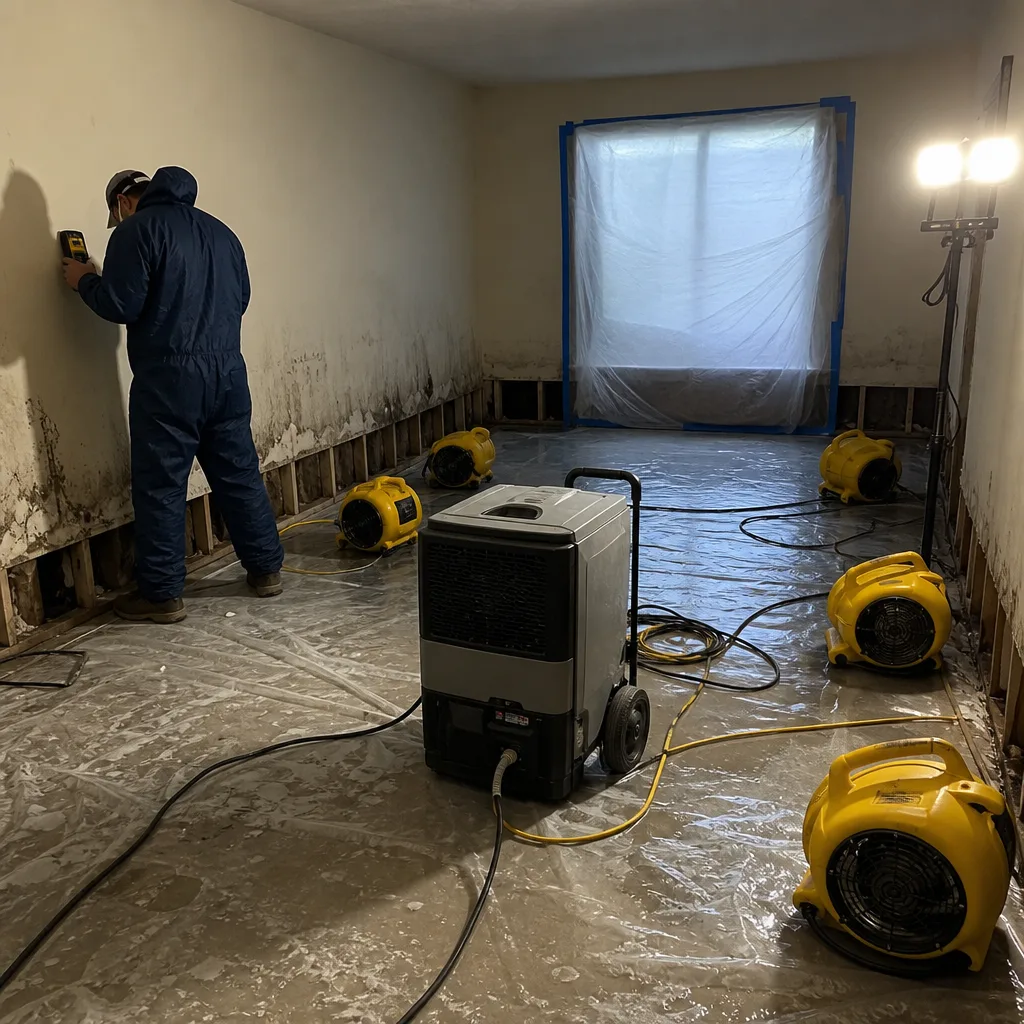
Sanitization & Disinfection
After the water is gone, the pathogens remain: E. coli, salmonella, hepatitis A, and whatever else lives in shared sewage. We sanitize hard surfaces with the right agents, run HEPA air scrubbers to clear the airborne contaminants, and document the clearance readings. Your neighbors in the adjacent units deserve that assurance, and so do you.
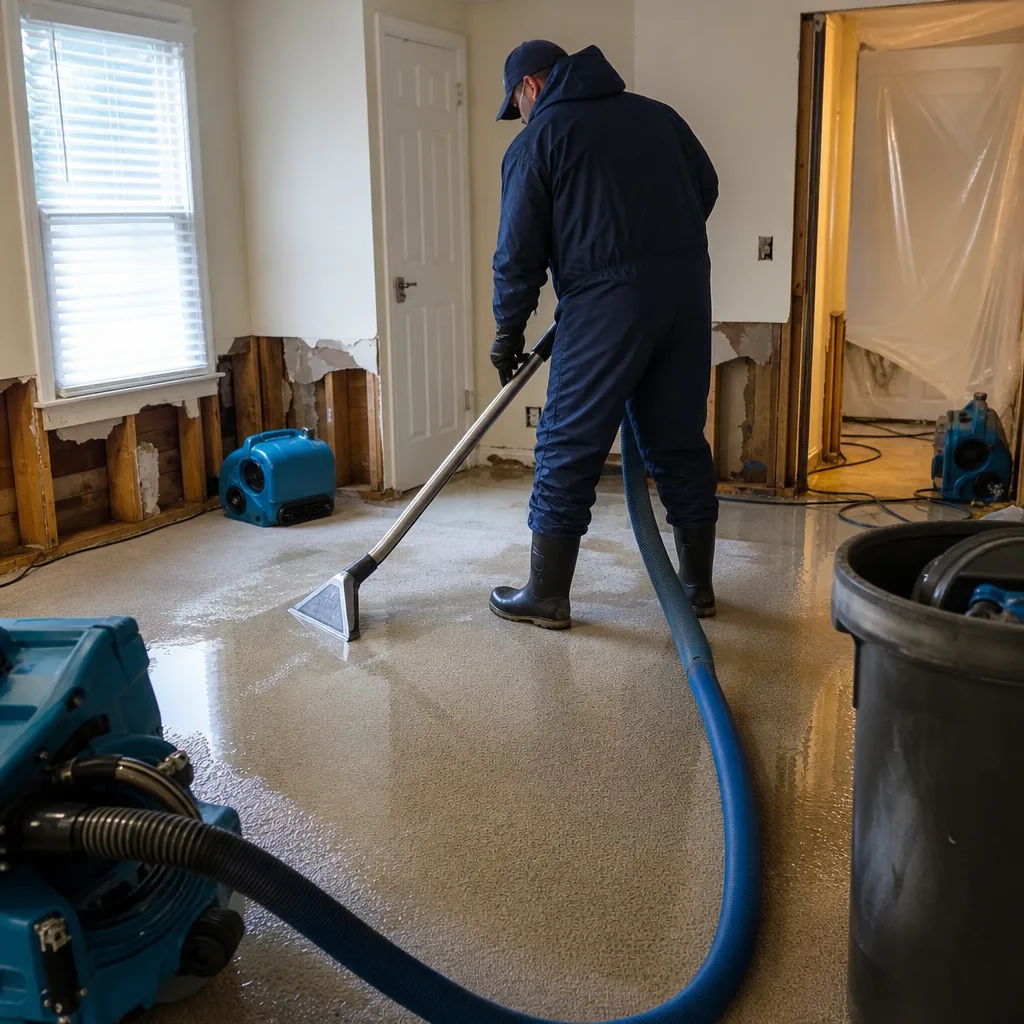
Crawl Space Sewage Removal
Garden-level units and basement storage rooms on the Upper East Side sometimes sit over crawl spaces that collect sewage from broken lines above. We access those spaces, remove the contaminated material, and dry the cavity completely. Confined-space protocols apply, and our crews carry the right equipment for it.
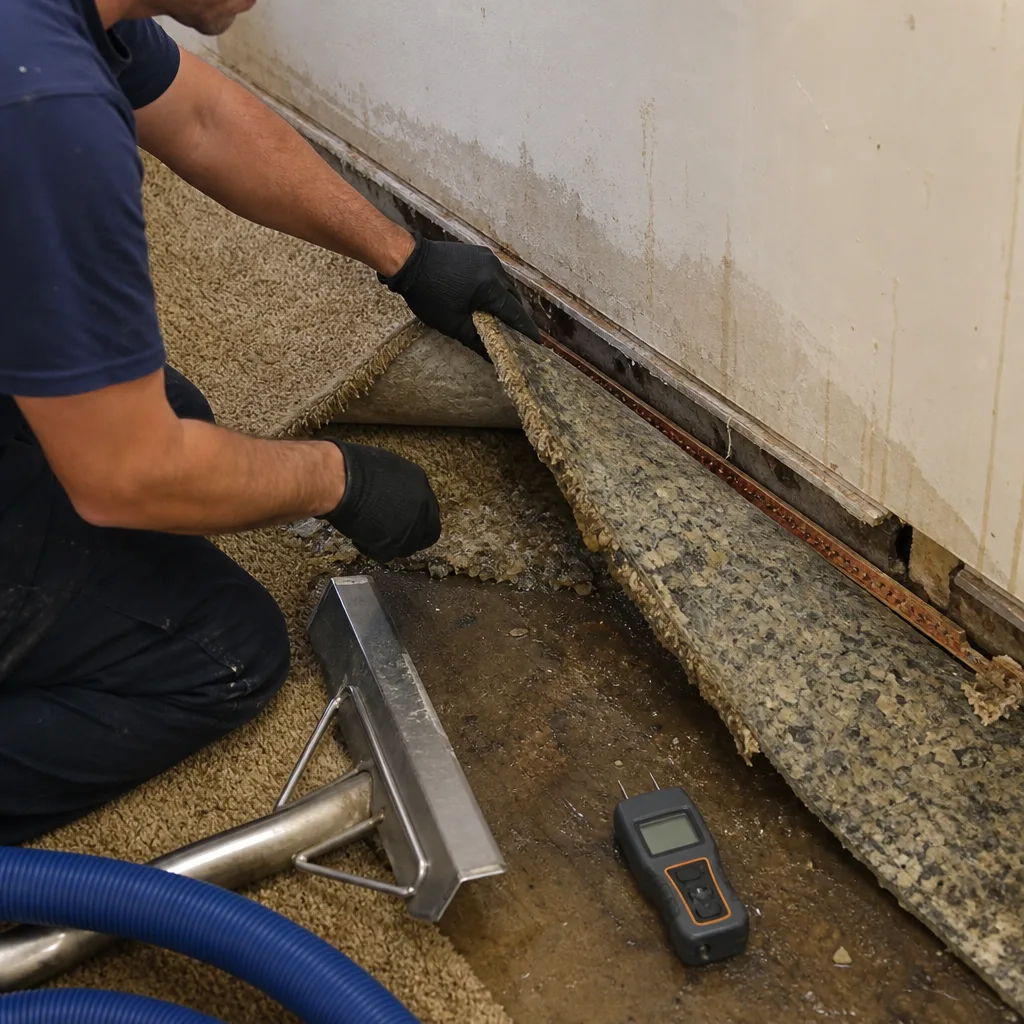
What happens when you call
- 1
A real person answersNo phone trees - you reach a local pro.
- 2
You get an upfront price rangeHonest numbers before anyone is dispatched.
- 3
A background-checked tech heads outLicensed & insured, dispatched right away.
- 4
You approve before work beginsNothing starts until you say go.
Sewage Cleanup Costs in Upper East Side, NY
What you pay depends on what actually happened, but here are honest ranges for the Upper East Side market. A contained toilet overflow with immediate response typically runs $2,800 to $6,500, including extraction, sanitization, and structural drying. A sewage backup affecting a full bathroom with wall cavity contamination runs $8,000 to $22,000 once you factor in plaster removal, antimicrobial treatment, drying, and reconstruction to board standards. A Category 3 event spanning multiple rooms with hand-laid parquet, ornamental plaster, or silk wall coverings can run $35,000 to $90,000 or more, because those finishes require specialty historic restoration rather than standard replacement. The cost drivers are water volume, how long it sat before we arrived, how many floor cavities it wicked into, and whether the board requires specialty trades for the rebuild. Your insurance typically covers most of it under your unit policy, minus your deductible. The fastest way to a firm number is a free visual inspection, which gives us enough to write a line-item scope you can take to your board and your carrier. Call (640) 221-3499 and we will be there within 45 minutes.
We Also Serve Cities Near Upper East Side
Floodline Restoration Co. provides the same 24/7 emergency Sewage Cleanup services to property owners in Upper East Side and the surrounding Manhattan neighborhoods, including Midtown West, Upper West Side, Midtown Manhattan, and Upper Manhattan. Live dispatch, certified crews, and the 90-Day Done Right Promise travel with us.
Serving Upper East Side, NY - Our Local Coverage Area
We’re based in the Upper East Side area and know this community well. Use the map below to see our service coverage - if you’re nearby, we can almost certainly help.
Upper East Side Sewage Cleanup Questions, Answered
How do I handle sewage cleanup in a pre-war co-op when the board requires approval before any demolition?
Call us first, then call your board or managing agent. We will document the affected area with photos and moisture readings, then package a scope of work that the board’s engineer can approve quickly. No walls come open until that approval is in writing, because opening a shared wall without board authorization can stop the entire mitigation mid-job and leave Category 3 water sitting in the cavity. We move fast on documentation so the approval process does not become the bottleneck.
Can you remove black water from under hand-laid parquet without ruining the floor?
In many cases, yes. We use Injectidry systems that draw moisture out through the gaps in the tongue-and-groove joints without prying up boards. If the subfloor is saturated and the parquet is delaminating, we may need to remove sections, but we document the before-state so the board understands what was salvageable and what was not. Matching the reclaimed wood profile is part of the restoration, not an afterthought.
What is the difference between Category 2 and Category 3 water when dealing with an Upper East Side toilet overflow?
Category 2 water contains significant contamination such as washing machine discharge or sump pump runoff. Category 3 water contains human waste or heavy pathogens, which is what a toilet overflow involving sewage is. Category 3 requires full extraction, antimicrobial treatment, and often removal of porous materials that absorbed the water. In a pre-war co-op, the distinction matters because Category 3 water in shared walls can affect a neighbor’s unit even if it never surfaced there.
How fast do you get to an Upper East Side apartment after a roof water tower overflow sends sewage into multiple units?
We commit to a 45-minute response on the Upper East Side, and most calls see our crew on site inside that window. A rooftop water tower overflow is a building-wide event, so we bring enough extraction capacity for multiple affected units and coordinate with building staff on freight elevator access. The faster we extract across all affected floors, the less damage the building sustains as a whole. Call (640) 221-3499 and the dispatcher will route the nearest crew immediately.
Do you work with the building’s plumber to stop the sewage source before cleanup?
Yes. Stopping the source is step one, and on the Upper East Side that often means the building’s plumber is already on site or on the way. We coordinate with them directly so extraction starts the moment the inflow stops. There is no point in cleaning and drying a space while sewage is still backing into it, so we sequence the work in the right order and document the timing for the claim.
How long does sewage cleanup and drying take in a typical Upper East Side bathroom?
A contained Category 3 backup affecting one bathroom typically dries in three to five days, assuming the wall cavities were not heavily saturated. Pre-war plaster walls hold moisture longer than drywall, so in some buildings the drying window stretches to seven days. We take daily moisture readings and give you and your carrier the drying log in writing, so everyone knows when the space actually hit the dry standard.
Can we stay in our apartment during sewage cleanup?
For a contained bathroom event, usually yes, though we recommend staying out of the affected room while drying equipment is running. For a Category 3 event that has spread into multiple rooms or the unit hallway, you may need to relocate temporarily while containment and air scrubbing are active. We will tell you honestly on the first visit what the situation requires, so you can plan accordingly.
What should I do in the first 30 minutes after a sewage backup on the Upper East Side?
Shut the water to the affected fixture if you can do so safely, and do not flush again. Move valuables out of the path of the water. Open no walls and pull up no flooring; if the board requires pre-approval, unauthorized demolition can complicate the claim and the board’s position. Call us at (640) 221-3499 and we will arrive, document the scene, and start extraction. The first hour is the difference between a bathroom cleanup and a multi-unit restoration.
When sewage backs up in a pre-war co-op on the Upper East Side, the difference between a $3,000 cleanup and a $90,000 restoration is usually measured in hours, not days. One shared stack, one board approval, one adjuster who needs documentation. We handle all three, and we stand behind the result in writing with the 90-Day Done Right Promise. No mid-job handoffs, no surprises on the bill, no arguing about what was said. Call (640) 221-3499 any hour. A live person answers, and a certified crew will be on the way.
Written by Curt Bowman, Owner at Floodline Restoration Co., serving Upper East Side and the surrounding Manhattan neighborhoods.