
Free visual inspection and a written scope of work before any mitigation begins - photos, moisture readings, and drying logs go in your claim file
The scope we write is the scope we bill. Anything new gets shown to you, in writing, before we touch it.
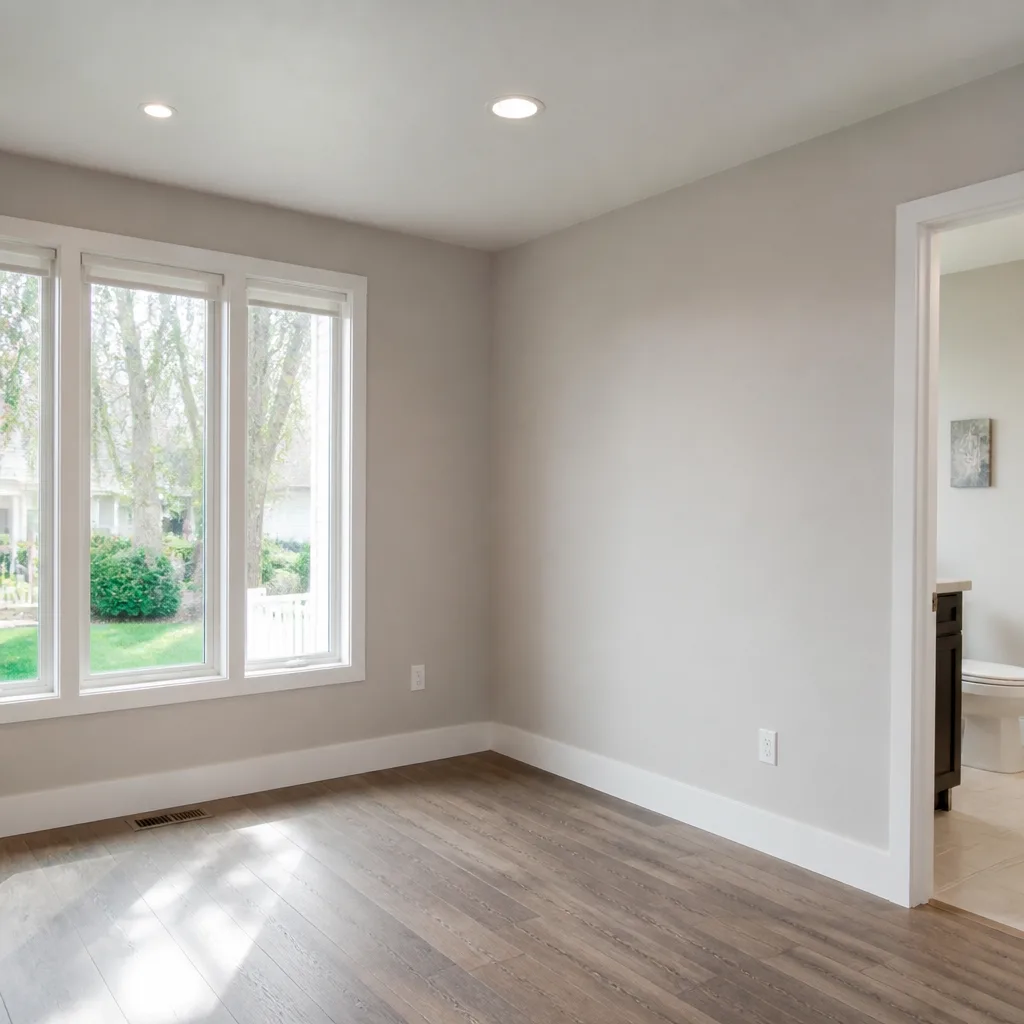
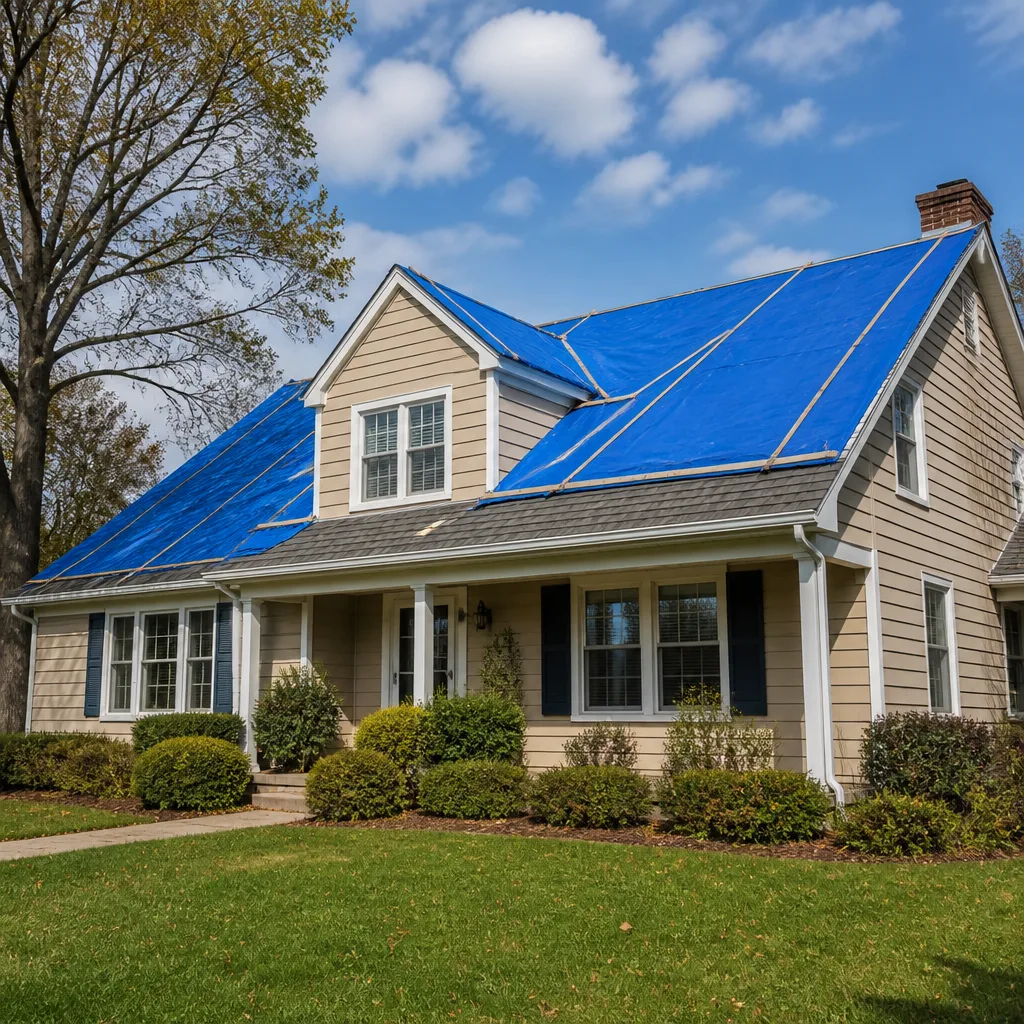
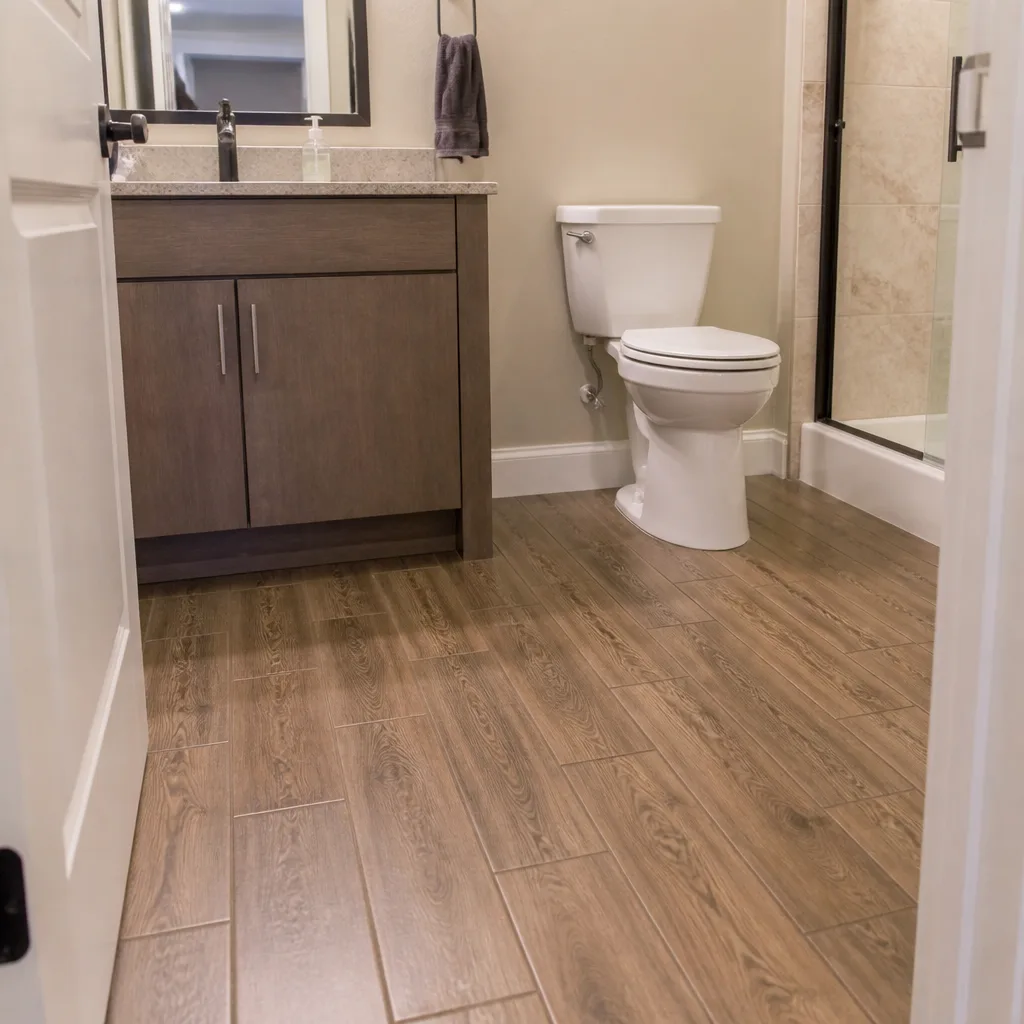
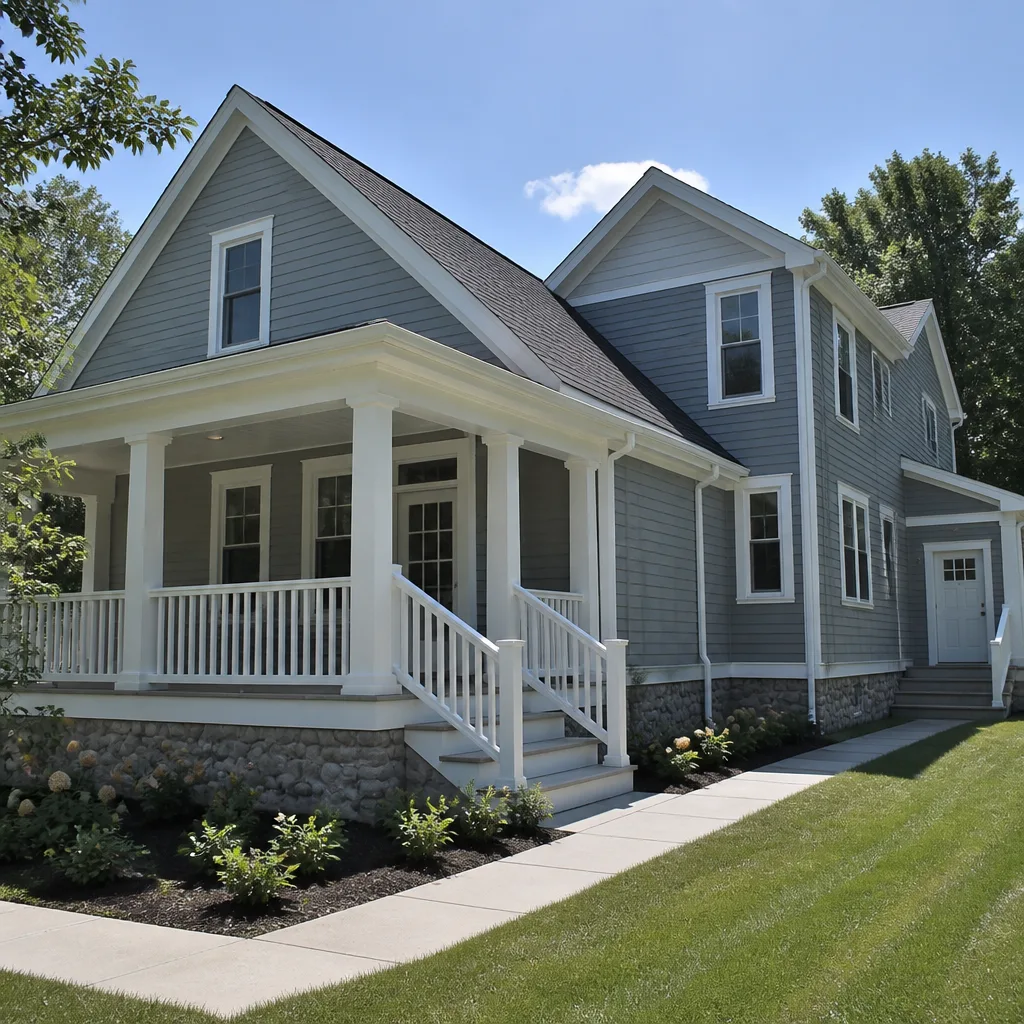
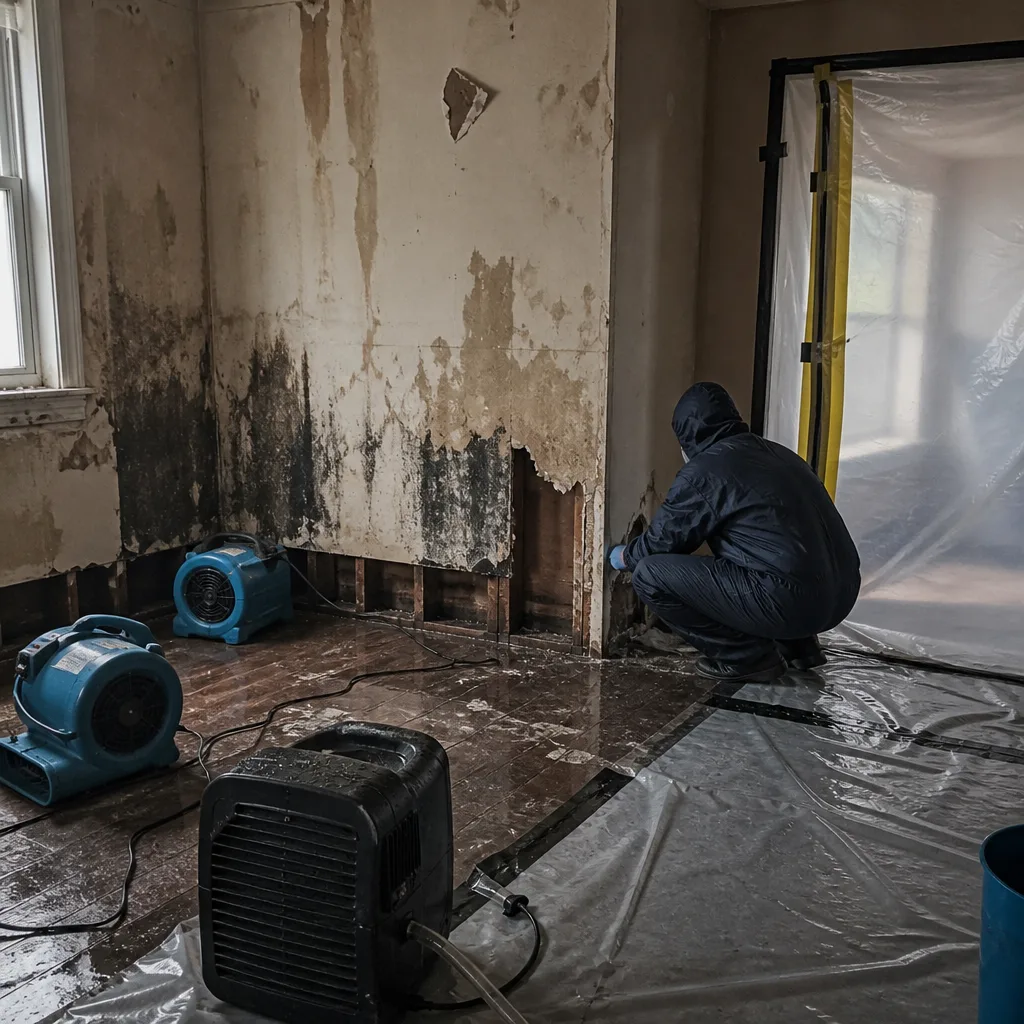 Before
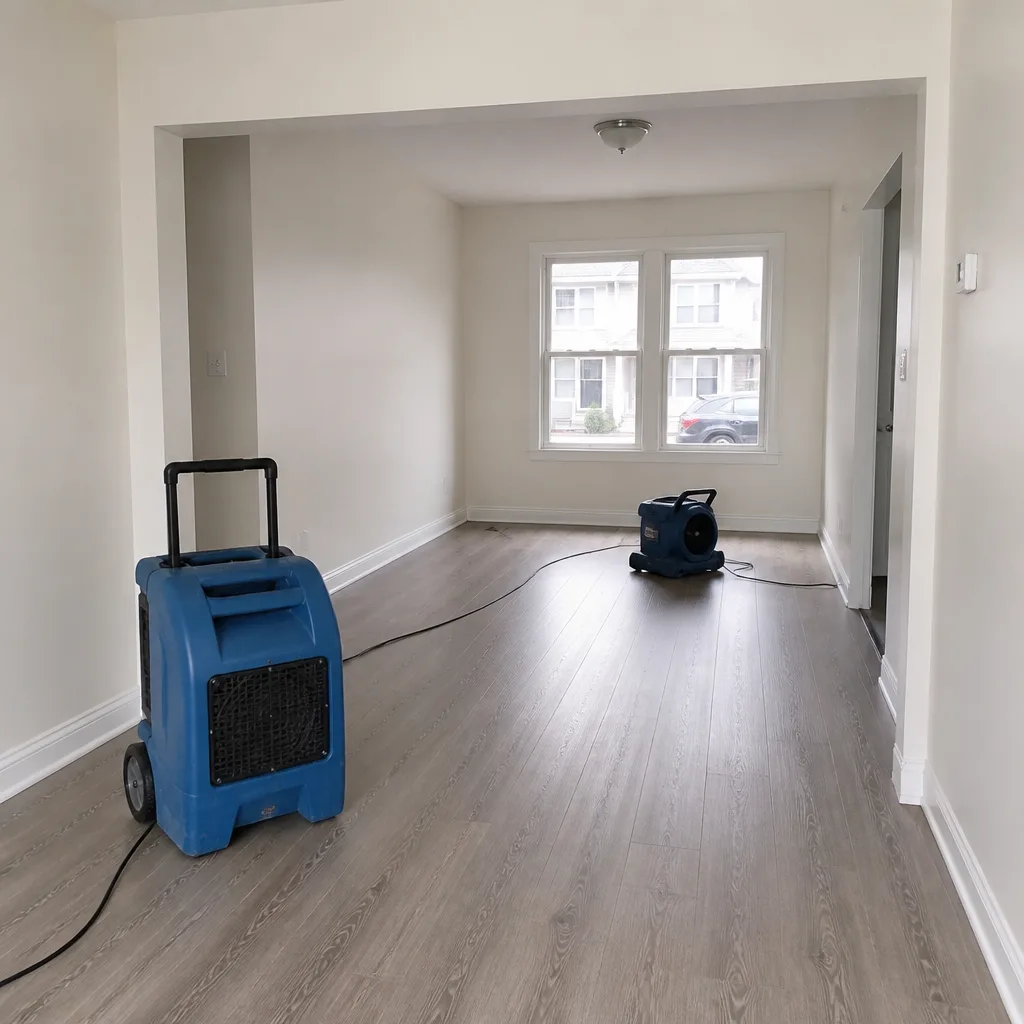 After
After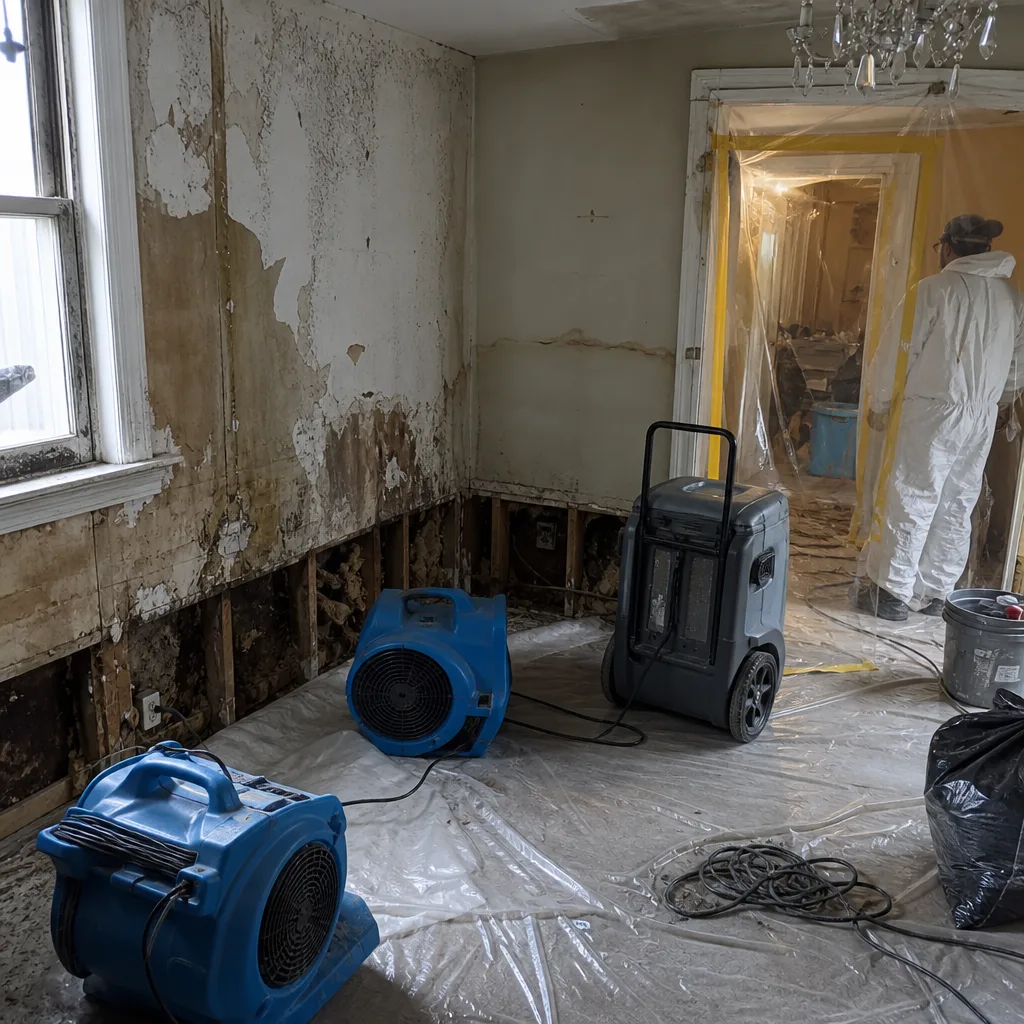 Before
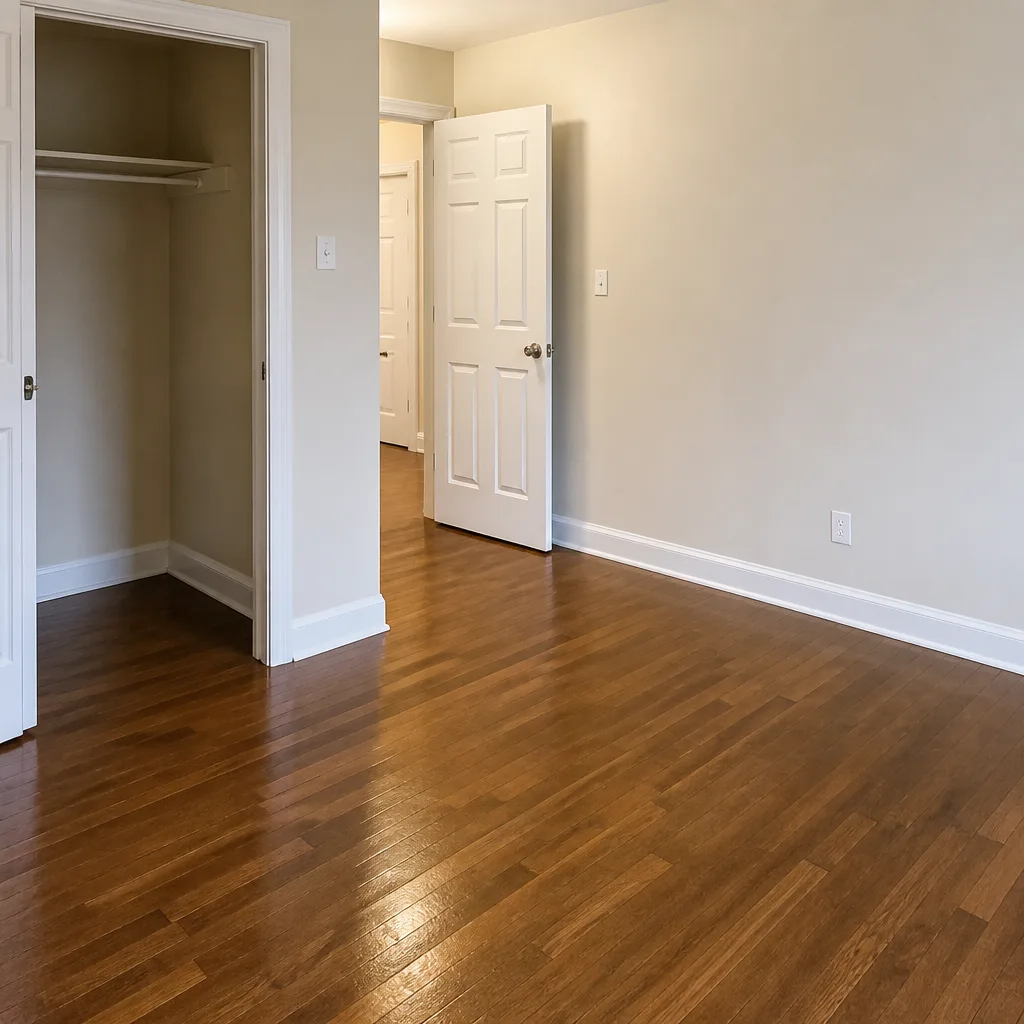 After
After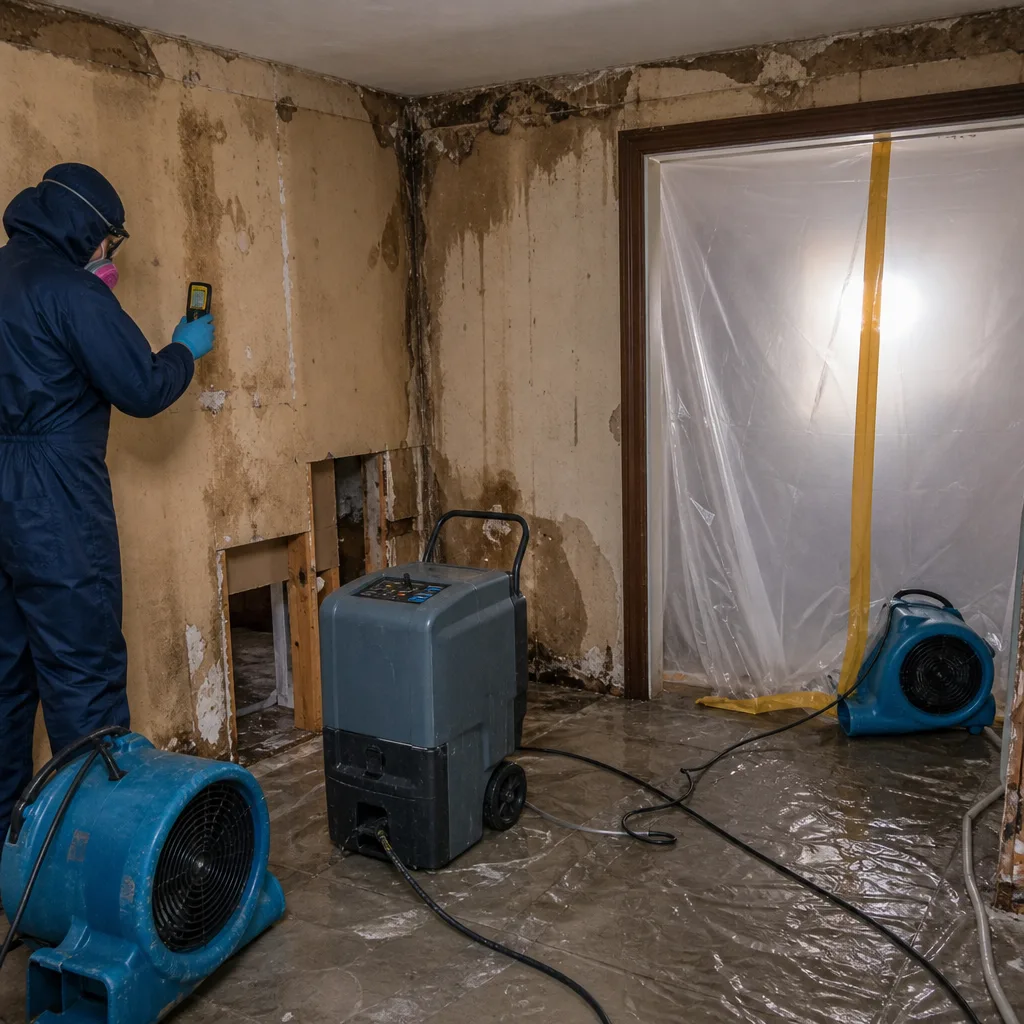 Before
 After
After24/7 Emergency Sewage Cleanup in Upper Manhattan
A sewage backup in Upper Manhattan needs immediate attention. Category 3 water carries bacteria, viruses, and parasites that spread through porous horsehair plaster and wood lath within hours. We answer live at (640) 221-3499 around the clock, and our certified crews reach most Upper Manhattan addresses within 45 minutes. The first hour determines whether you’re dealing with a contained cleanup or a multi-floor tear-out. Don’t wait for building management to coordinate. Call us first, and we’ll handle the containment while you sort out the rest.
Understanding Sewage Cleanup Severity in Upper Manhattan Properties
Sewage cleanup falls under Category 3 water, the most hazardous classification in restoration work. This is water contaminated with human waste, pathogens, and sometimes chemicals. In Upper Manhattan‘s pre-war housing stock, the severity compounds quickly. Most walk-ups built between 1890 and 1940 still have original cast-iron drain stacks running through interior wall cavities. When a backup occurs, contaminated water travels downward through those stacks and saturates the horsehair plaster and wood lath behind intact wall surfaces. Standard moisture meters calibrated for modern drywall under-read this material by a significant margin. A wall that looks dry to the eye and even feels dry to the touch can be holding Category 3 water three feet up from the baseboard. Our technicians use thermal imaging and probe rods specifically because of this. We measure what’s inside the cavity, not just what’s visible on the surface.
Why Upper Manhattan Property Owners Choose Floodline Restoration Co.
- 45-minute response commitment. Our dispatchers know Upper Manhattan’s streets. From Inwood down to Central Park North, we route the nearest certified crew immediately.
- 24/7 live answer, never an automated system. At 2 a.m. on a Sunday, a real person picks up. They dispatch. They don’t take a message.
- IICRC-certified crews. Our technicians carry WRT and ASD certifications and train to RIA and IFA standards. They know what Category 3 water does inside a 1920s plaster wall.
- Free visual inspection. We assess the damage, explain what we found, and give you a written scope before any work begins. No pressure, no surprises.
- Direct insurance billing. We document everything, photograph everything, and bill your carrier directly. You never play messenger between us and your adjuster.
- One team from extraction to reconstruction. Floodline Restoration Co. handles the whole job. We don’t hand off to a subcontractor after the water is out.
Our Sewage Cleanup Process
Inspection & Assessment
We arrive, walk the affected area, and map the moisture. On pre-war Upper Manhattan buildings, this means thermal imaging and probe rods on every adjacent wall, not just the one with visible staining. We identify the contamination source and the full migration path before touching anything.
Extraction & Stabilization
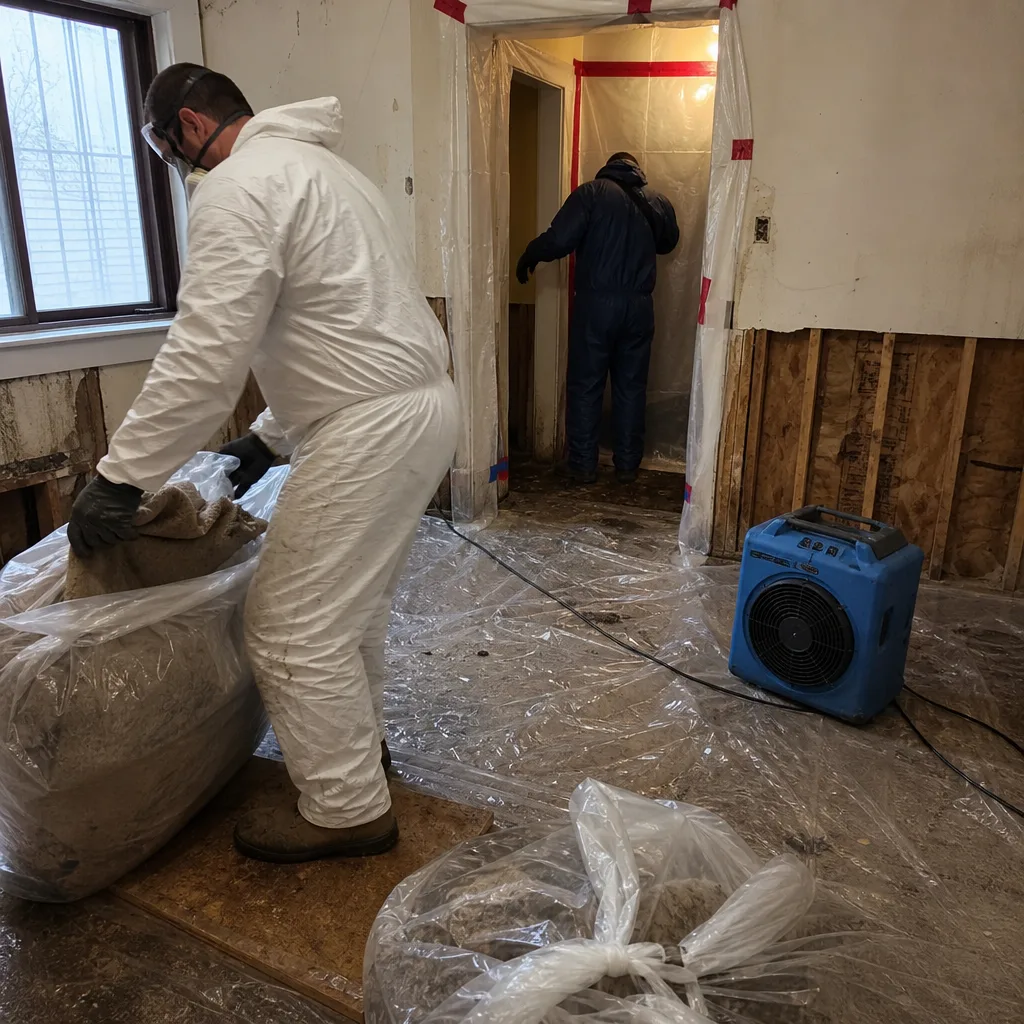
Standing black water comes out first. Our Dri-Eaz extractors pull contaminated water from floors, and we set containment barriers to stop airborne pathogens from spreading into hallways or neighboring units. On shared-stack buildings, we check every floor below the source.
Drying & Dehumidification
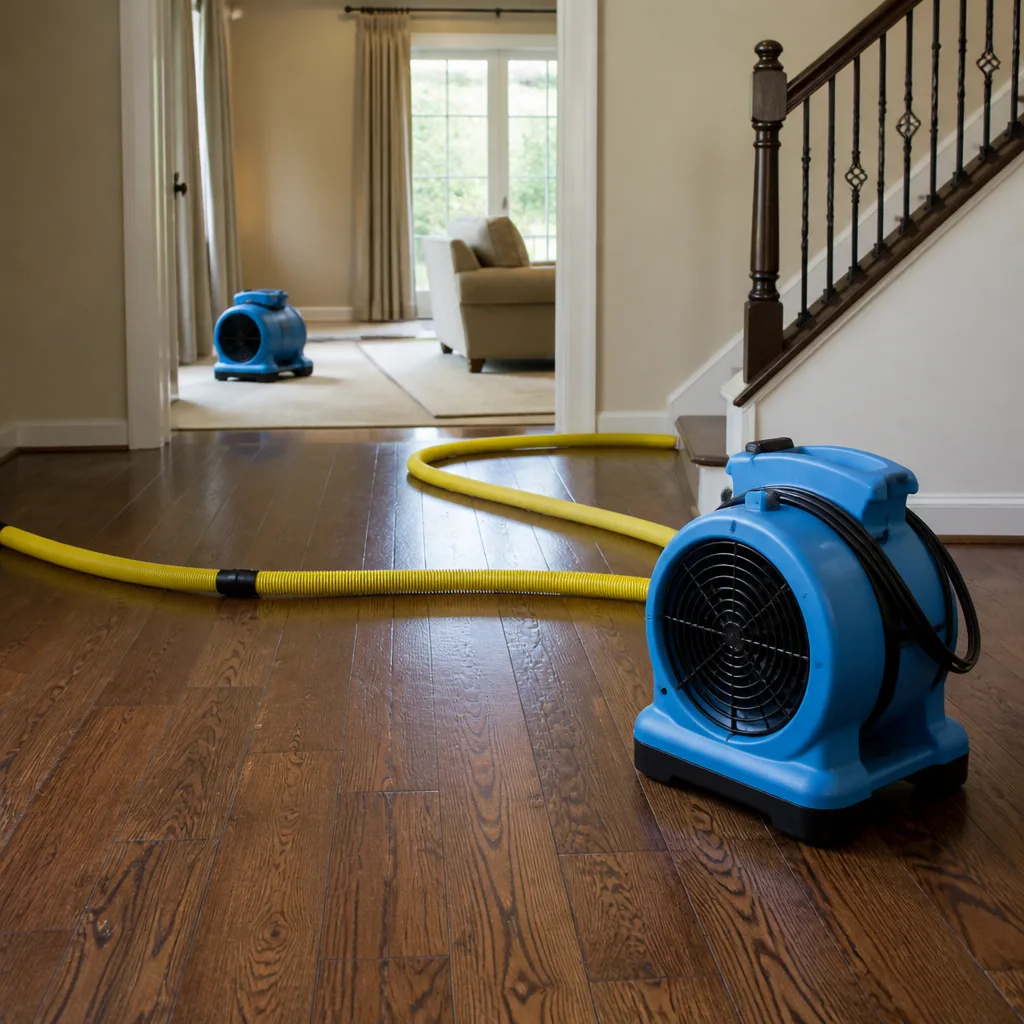
Phoenix and Dri-Eaz air movers and dehumidifiers run until our hygrometers show the dry standard is met. This takes longer in horsehair plaster than in modern drywall. We take daily readings and log them.
Cleaning & Sanitization
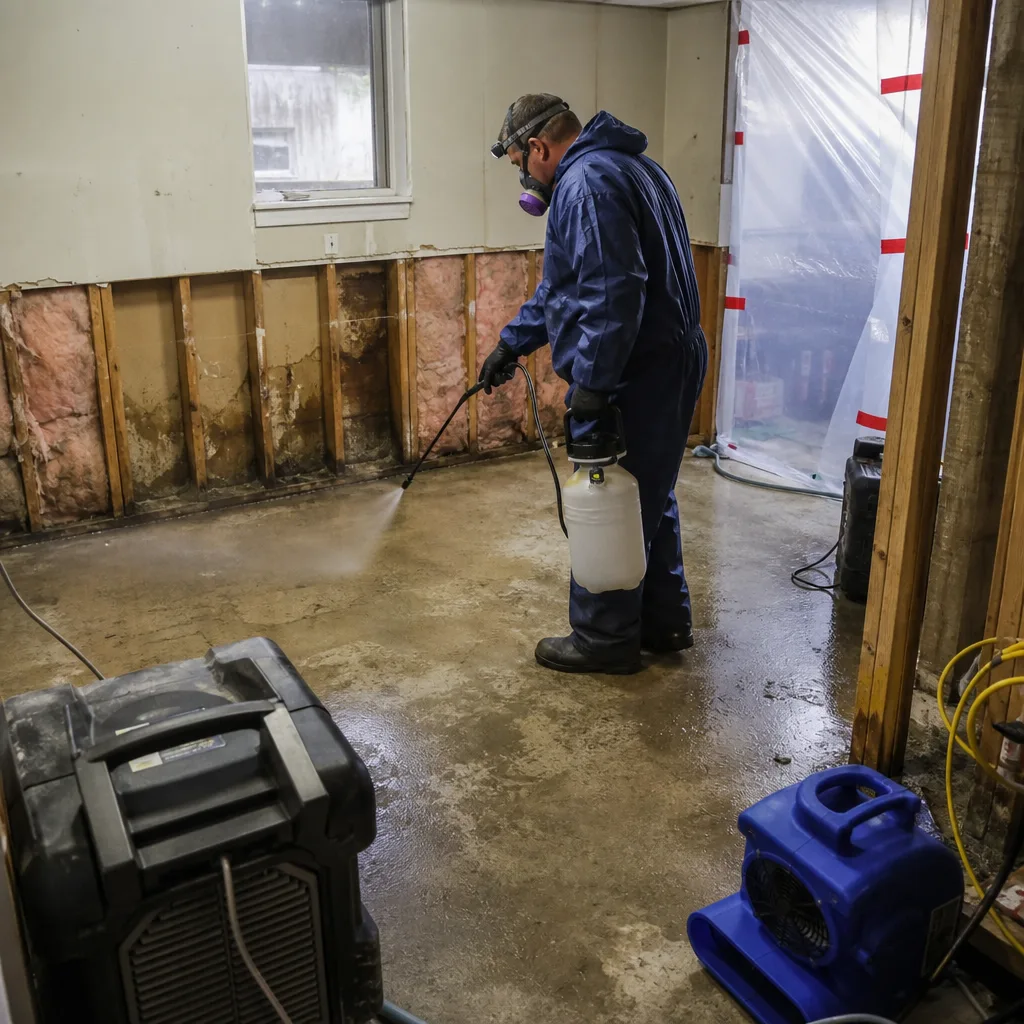
All affected surfaces receive antimicrobial treatment. We use EPA-registered products appropriate for Category 3 contamination and follow IICRC S500 guidelines exactly. Porous materials that cannot be sanitized come out.
Specialty Treatment for Sewage Cleanup
This is where Upper Manhattan’s older buildings demand more. We open walls that read wet behind the plaster, remove saturated lath, and treat the cavity itself. This isn’t optional on a 1920s walk-up. Trapped contamination breeds mold inside walls you can’t see.
Repairs & Restoration
Once the structure is dry and sanitized, we rebuild. New plaster, new lath, new flooring if needed. Our carpenters and finishers complete the job so you don’t wait on a second contractor.
Need Emergency Sewage Cleanup in Upper Manhattan Now?
Crews minutes away, answering live 24 hours a day. The sooner we start, the less it costs.
Working With Your Insurance Company
Sewage backup claims in Upper Manhattan are more common than most homeowners realize. Whether your policy covers the loss depends on the cause, the type of coverage you carry, and how the contamination spread. We handle the documentation from the first hour so you don’t have to argue with an adjuster about what happened. Our team photographs every affected area before demolition begins, logs moisture readings daily, and provides your carrier with a line-item scope of work. When your adjuster calls, we talk to them directly. You have enough to deal with.
What We Provide Your Insurer
- Thorough documentation of the loss
- Photos of all damage, room by room
- Moisture readings and drying logs
- A detailed, line-item scope of work
- Direct coordination with your carrier
Built for Upper Manhattan’s Loss Calendar
Upper Manhattan’s sewage and water losses follow a pattern tied to the city’s weather and aging infrastructure. January and February bring deep freezes that burst supply lines in unheated hallways and vacant units. The thaw that follows sends meltwater into garden-level apartments in Inwood and Washington Heights, where the grade slopes toward the Harlem River. Summer thunderstorms overwhelm the combined sewer system, pushing backups into basement and garden-level units across Hamilton Heights and East Harlem. Nor’easters in the fall and early spring send groundwater up through basement floors near the Hudson. The building stock compounds every one of these events. Cast-iron stacks from the 1920s were never designed for today’s load. Horsehair plaster holds water for weeks. When a backup happens, the clock is already running before anyone notices.
Sewage Cleanup Across Upper Manhattan’s Neighborhoods
Washington Heights walk-ups present a specific challenge: steam-heat supply pipes routed through interior wall cavities can weep for weeks, saturating horsehair plaster while the surface shows nothing. When sewage backs up through those same cavities, the contamination travels the same hidden routes. Our crews know to probe every wall that shares a chase with a drain stack. In Harlem’s brownstones, the issue is often original wood lath behind plaster finishes. Lath wicks water upward, so contamination from a garden-level backup can run several feet above the visible water line. East Harlem’s NYCHA towers add a municipal approval layer. We’ve coordinated with NYCHA maintenance staff enough to know the paperwork and access protocols before we arrive. Inwood’s garden-level units sit close to the water table, so backups there almost always involve groundwater intrusion in the same event. One call on Sherman Avenue is different from one on Fort Washington Avenue because the building’s plumbing is different. We route crews who know the difference.
Specialized Sewage Cleanup Services We Offer in Upper Manhattan
Black Water Extraction
Category 3 water removal in Upper Manhattan requires more than a shop vac. We use truck-mounted and portable Dri-Eaz extractors rated for contaminated water, and we extract from every affected surface, including inside wall cavities. On a four-story Washington Heights walk-up, a toilet overflow pushed Category 3 water down through the shared plumbing stack into the garden-level apartment below. Our crew set up containment on both floors, extracted standing black water, and used thermal imaging plus probe rods on the original horsehair-plaster walls. Moisture readings showed saturation running three feet up the lath from the baseboard, so we cut and removed that material before antimicrobial treatment and structural drying. The plaster face had shown no visible staining at all.
Sanitization & Disinfection
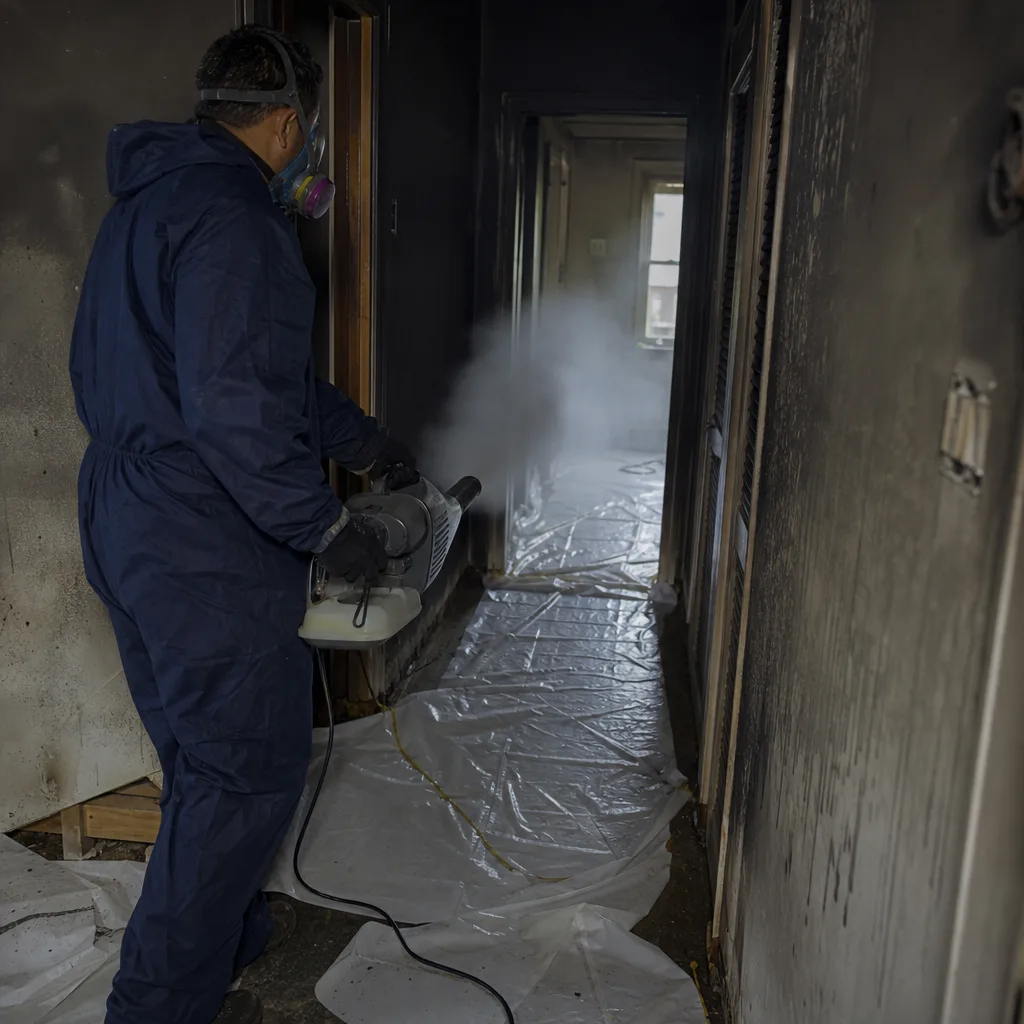
After extraction, every surface in the affected area gets treated with EPA-registered antimicrobials. In pre-war buildings, this includes the inside of opened wall cavities, not just finished surfaces. Air scrubbers with HEPA filtration run during and after the work to capture airborne contaminants. We test before we finish.
Crawl Space Sewage Removal
Garden-level and basement units in Upper Manhattan often have tight crawl spaces under the floor. Sewage that finds its way in there sits against floor joists and subflooring. We remove contaminated material, dry the space with XPOWER and B-Air equipment, and sanitize before closing it up.
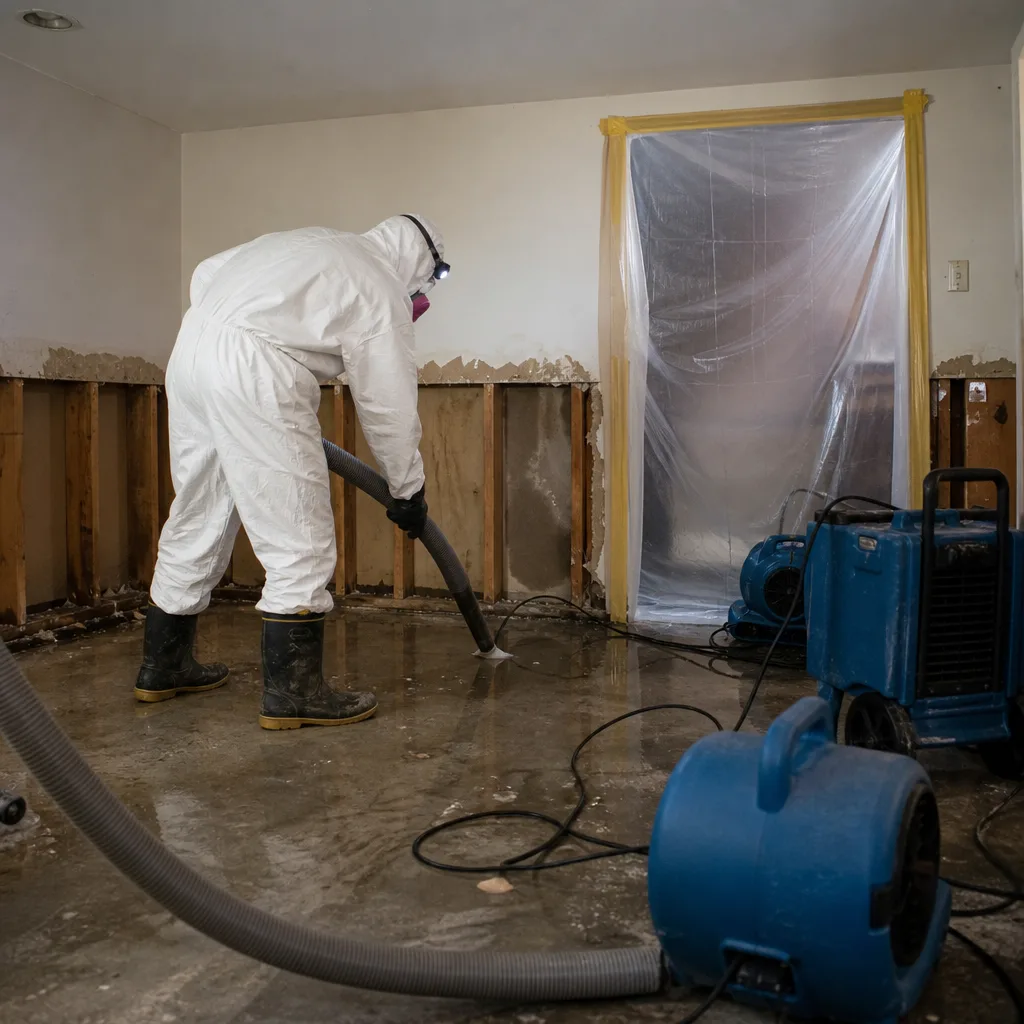
Sewage Backup Cleanup
When a shared cast-iron stack backs up in an East Harlem tenement, the problem rarely stays in one unit. Our Sewage Cleanup team checks every floor connected to that stack. We coordinate with supers and property managers to get access fast, because contamination that sits behind horsehair plaster for more than 48 hours becomes a mold problem too.
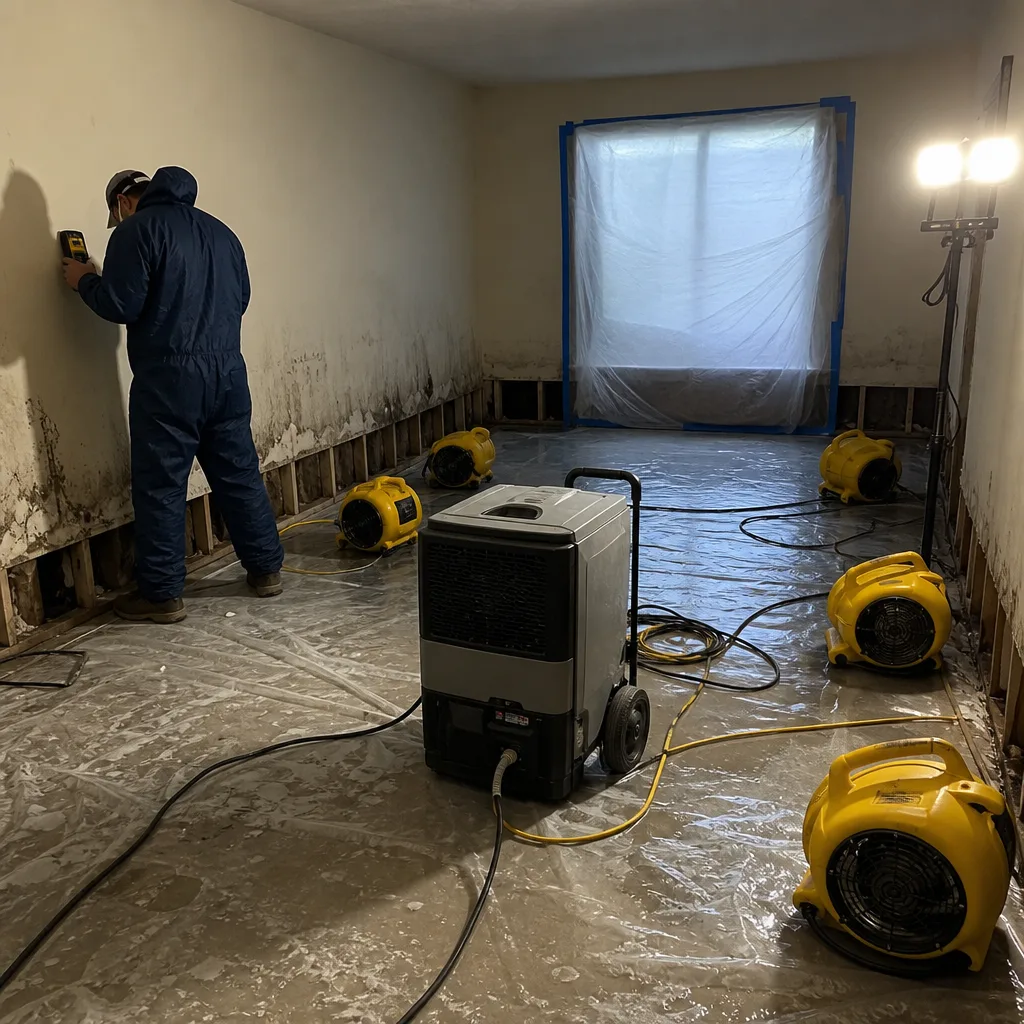
Toilet Overflow Cleanup
The most common call we get in Upper Manhattan. A toilet overflows, water runs across the bathroom floor, and much of it finds its way down through gaps around the pipe chase. By the time the tenant below notices water on their ceiling, the cavity is already saturated. We treat every overflow as a Category 3 event until proven otherwise.
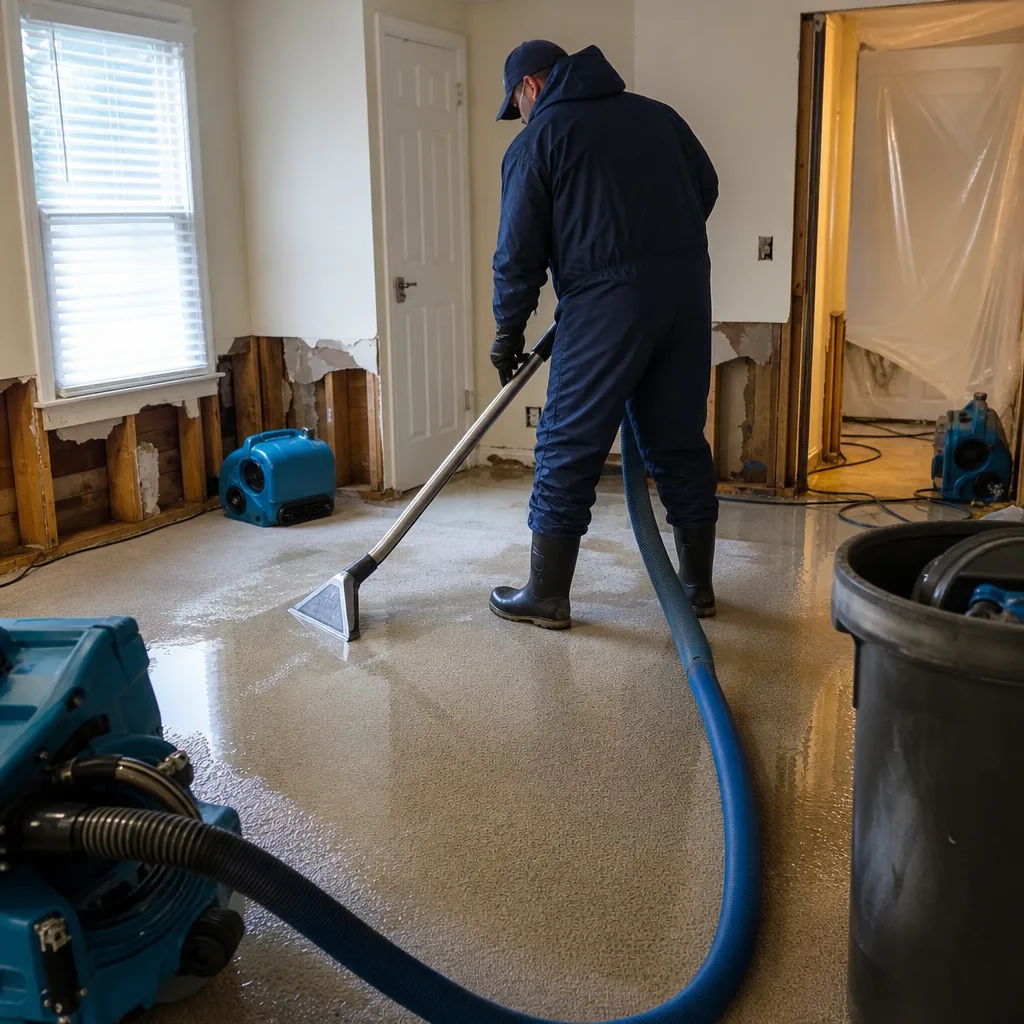
Septic Failure Cleanup
Less common in Manhattan proper but present in some larger brownstones with older private systems. When a septic line fails, contaminated water surfaces in the lowest point of the building. We extract, sanitize, and coordinate with a plumber to address the line itself.
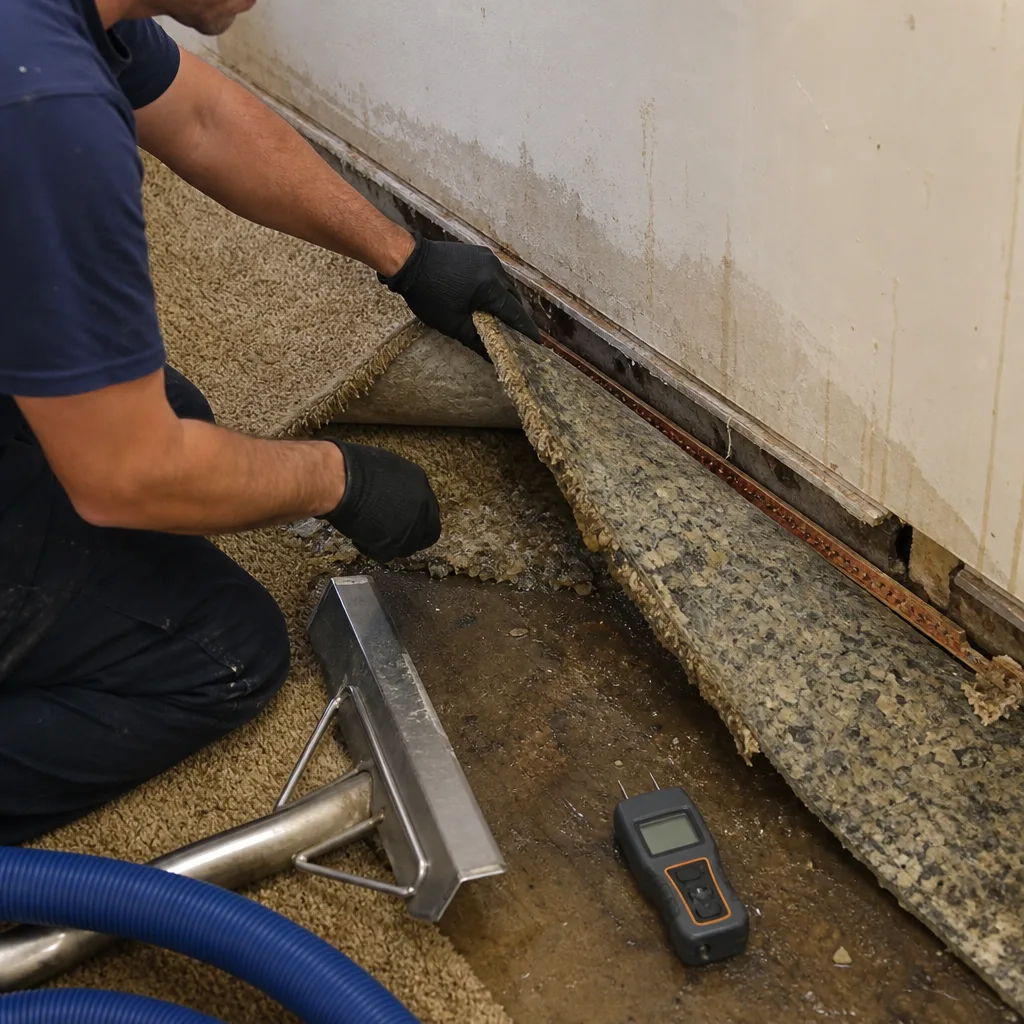
What happens when you call
- 1
A real person answersNo phone trees - you reach a local pro.
- 2
You get an upfront price rangeHonest numbers before anyone is dispatched.
- 3
A background-checked tech heads outLicensed & insured, dispatched right away.
- 4
You approve before work beginsNothing starts until you say go.
Sewage Cleanup Costs in Upper Manhattan, NY
A typical sewage backup cleanup in Upper Manhattan runs $1,800 to $5,500 depending on how far the contamination traveled and how much wall material we have to open. A contained toilet overflow in a single bathroom with tile floors and no wall penetration might come in around $1,200 to $2,000. A shared-stack backup that saturates horsehair plaster across two floors of a Washington Heights walk-up usually lands between $4,000 and $8,000, because we’re cutting out lath, treating cavities, and rebuilding. Crawl space sewage removal under a garden-level Inwood unit typically runs $2,500 to $6,000. The free inspection gives you a written scope with a firm number before any work starts. $50 off applies to any repair over $250, and seniors and veterans always get 5% off.
We Also Serve Cities Near Upper Manhattan
Our crews serve the broader borough, including Sewage Cleanup in Upper Manhattan and the surrounding neighborhoods: Midtown West, Upper West Side, Midtown Manhattan, and Upper East Side. Same dispatch, same live answer, same 45-minute commitment.
Upper Manhattan Sewage Cleanup Questions, Answered
Do I need to open my Washington Heights plaster wall after a toilet overflow, even if the wall looks dry?
Yes. In most pre-war Washington Heights buildings, a toilet overflow against an interior wall sends water into the cavity behind the plaster. Horsehair plaster and wood lath absorb water quickly and release it slowly. The wall surface can stay intact and visually normal while the cavity behind it is saturated with Category 3 water. If we don’t open that wall, the contamination stays inside and mold follows within days. Call (640) 221-3499 and we’ll check the wall with thermal imaging before cutting anything.
My building super says the sewage backup is just my unit’s problem - when is it actually a shared stack issue in an East Harlem tenement?
Almost every East Harlem tenement with original cast-iron plumbing shares drain stacks between units stacked vertically. If your toilet backed up on the third floor, the water passed through the same pipe that serves the apartments below you. Contamination that leaves your unit and travels down that stack is a building-wide issue. We work with supers, managing agents, and co-op boards every week. We’ll document the migration path so the responsibility is clear.
How fast do you show up for a sewage backup in an Inwood garden-level apartment during a nor’easter?
During nor’easters we stage crews in Upper Manhattan ahead of the storm. Our 45-minute commitment holds in Inwood most of the year, and when the weather is bad enough to flood garden-level units, we prioritize the lowest-lying blocks first. Call (640) 221-3499 and a live dispatcher will tell you exactly where the nearest crew is.
Can you dry out a Harlem brownstone’s original wood lath after a sewage backup, or does it always come out?
It almost always comes out, and that’s the honest answer. Wood lath is extremely porous. Once Category 3 water saturates it, the contamination is inside the wood fibers, not just on the surface. Drying lath after sewage exposure leaves pathogens in the wall that will reactivate with the next humidity spike. We remove contaminated lath, treat the cavity, and rebuild with modern materials that meet current code.
What does mitigation mean on a NYCHA property in East Harlem after a toilet overflow?
Mitigation on NYCHA property means the same extraction, sanitization, and drying work, but with an added coordination layer. NYCHA maintenance staff handle building access and some building-systems decisions. We’re familiar with their approval process and can work directly with their staff so the restoration doesn’t stall while paperwork moves. The contamination doesn’t wait for approvals, so we set containment and start extraction immediately while the administrative pieces sort out.
Will insurance cover sewage backup cleanup in Upper Manhattan?
It depends on your policy. Many homeowners policies cover sewage backup as a named peril only if you carry that specific endorsement. Renters policies typically cover contents but not the building structure. We photograph everything from day one and provide your carrier with the documentation they need. When there’s a coverage question, we talk to your adjuster directly so you don’t have to.
How long does sewage remediation take in a pre-war building?
Extraction and sanitization usually happen in the first visit, often the same day. Drying horsehair plaster and wood lath takes longer than modern drywall, typically 3 to 7 days depending on how deep the saturation runs. If walls need to be opened and rebuilt, the full job from first call to finished repair is usually 1 to 3 weeks.
What should I do in the first 30 minutes after discovering a sewage backup in Upper Manhattan?
Stop using water in the affected area immediately. Turn off fixtures if you can reach them safely. Don’t run fans or a household dehumidifier, because that spreads contaminated air. Open a window if weather allows. Keep people and pets out of the affected room. Then call us at (640) 221-3499. We’ll walk you through the next steps on the phone while the crew is on the way.
Serving Upper Manhattan, NY - Our Local Coverage Area
We’re based in the Upper Manhattan area and know this community well. Use the map below to see our service coverage - if you’re nearby, we can almost certainly help.
Call Floodline Restoration Co. for Sewage Cleanup in Upper Manhattan
Floodline Restoration Co. has been handling Upper Manhattan restoration work for years, and we’ve seen what happens when sewage sits behind a plaster wall too long. Every job gets a written scope before work begins. Every job is backed by the 90-Day Done Right Promise, our Keystone Standard, in writing and without argument. Our technicians are background-checked, uniformed, and certified to IICRC, RIA, and IFA standards. One call reaches a live person, any hour, any day. We show up when we say. We finish what we start. Call (640) 221-3499 now for a free estimate.
Written by Curt Bowman, Owner at Floodline Restoration Co., serving Upper Manhattan, NY.