
Free visual inspection and a written scope of work before any mitigation begins - photos, moisture readings, and drying logs go in your claim file
The scope we write is the scope we bill. Anything new gets shown to you, in writing, before we touch it.
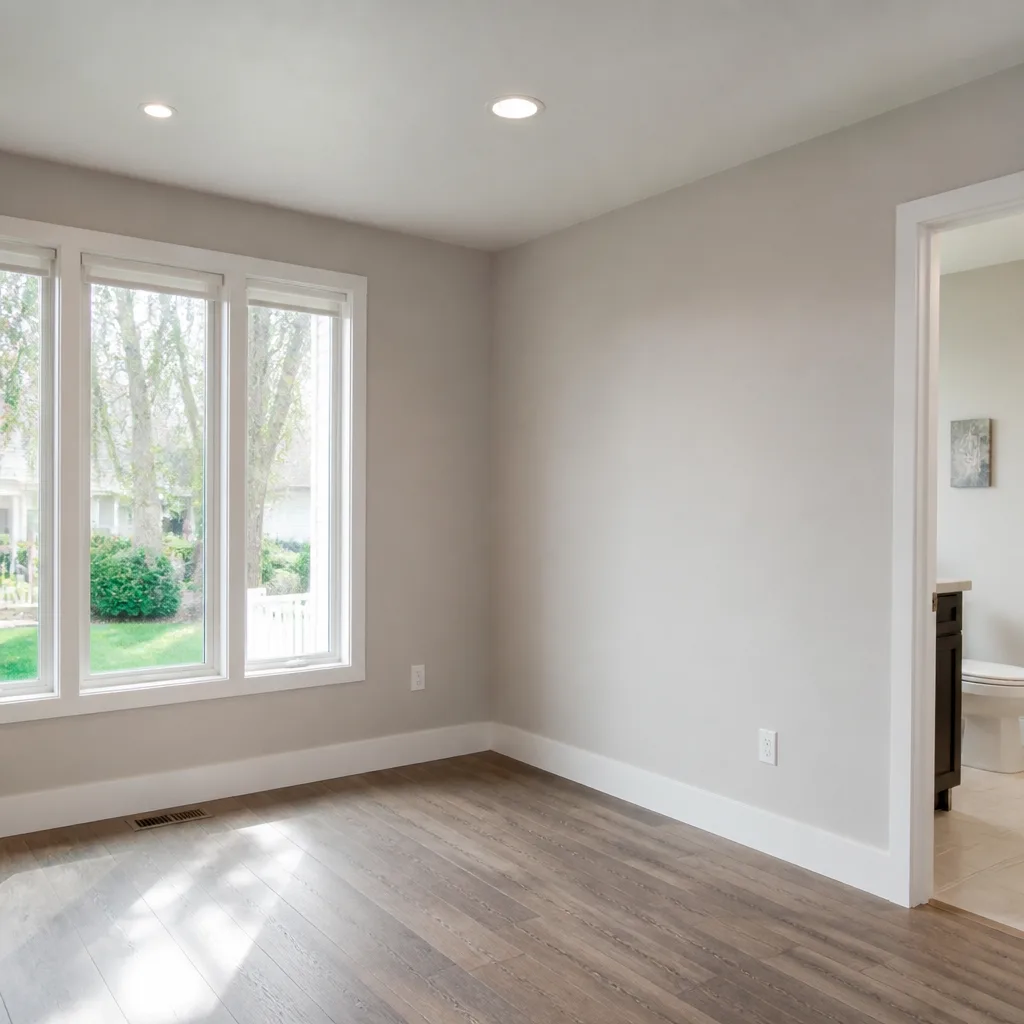
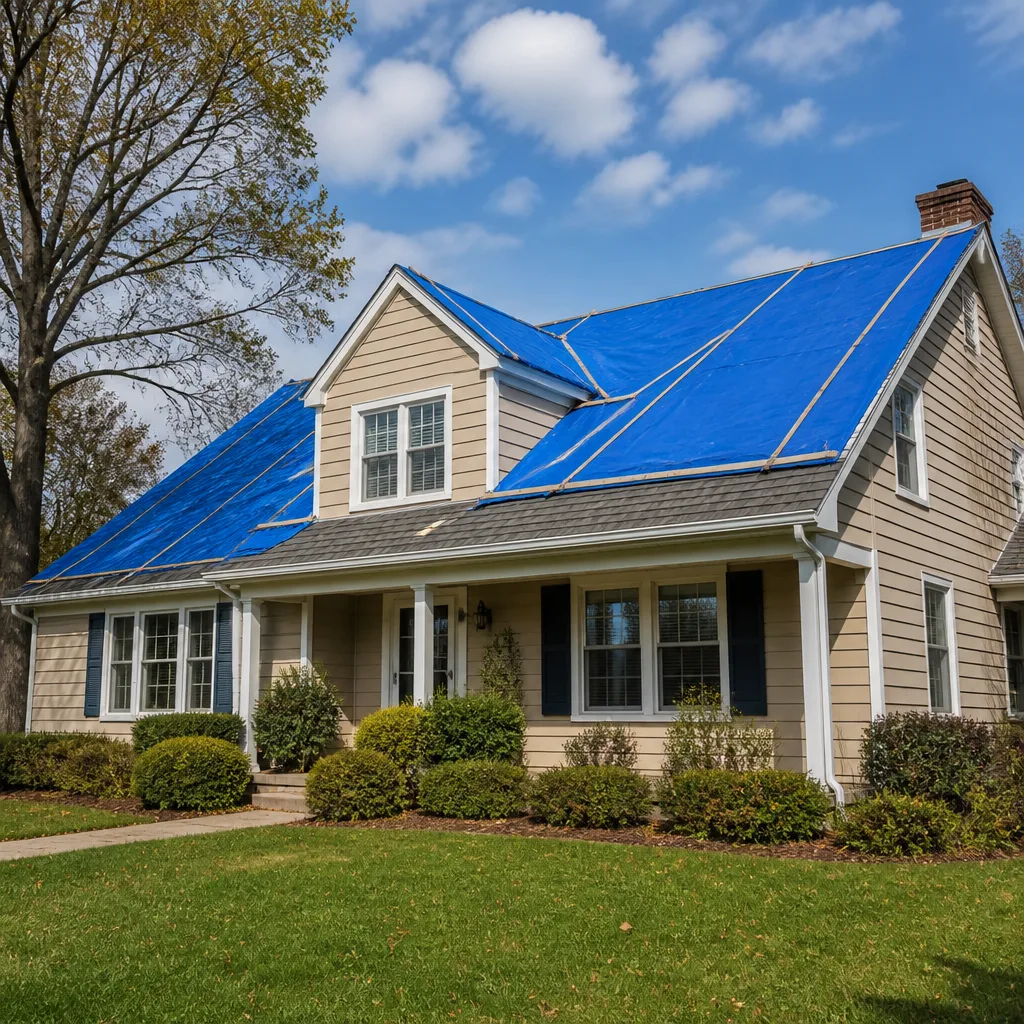
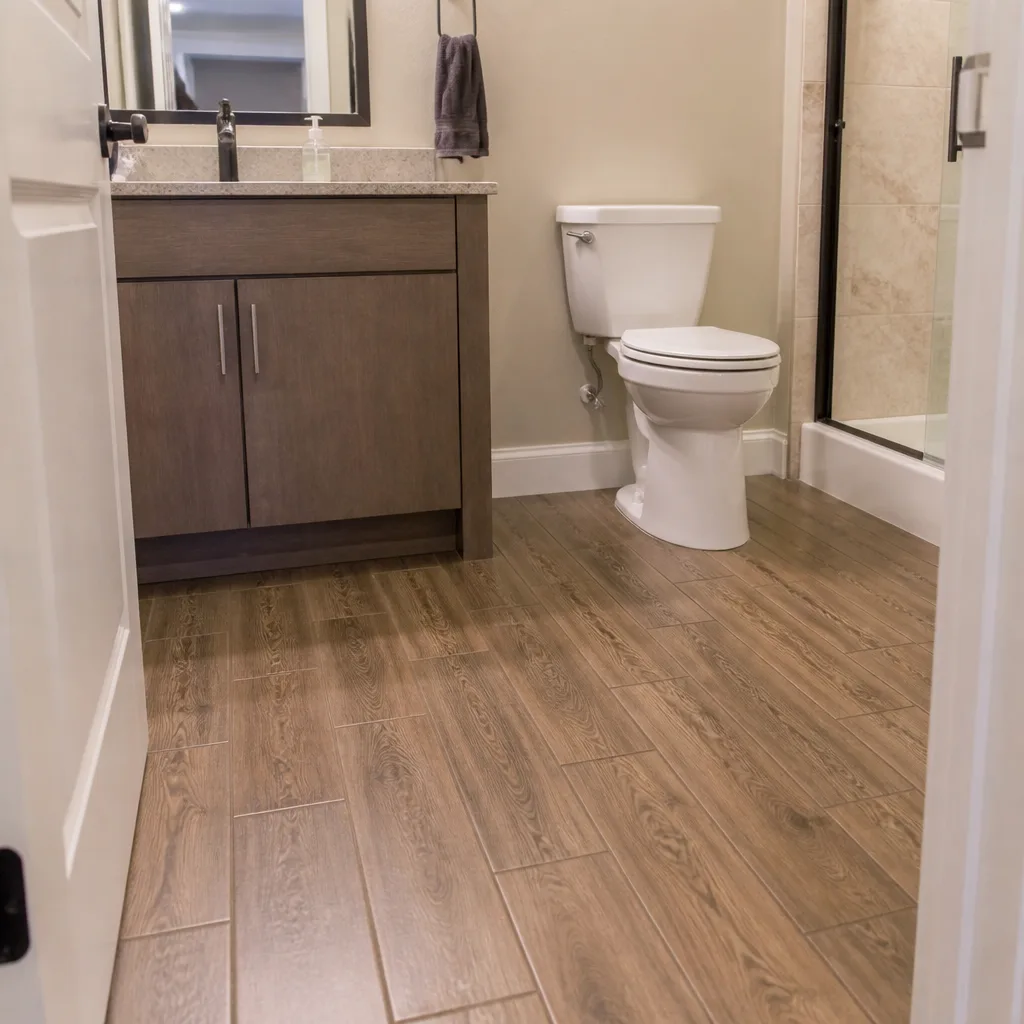
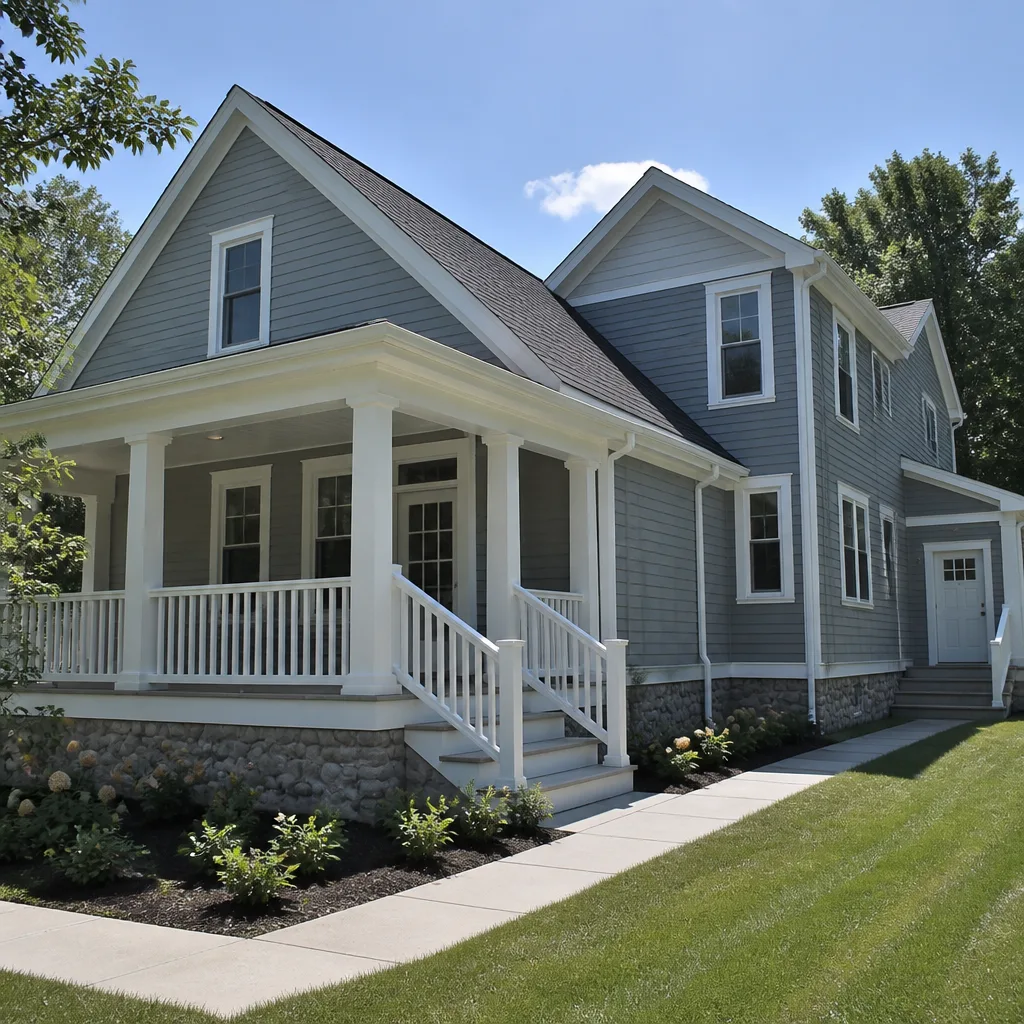
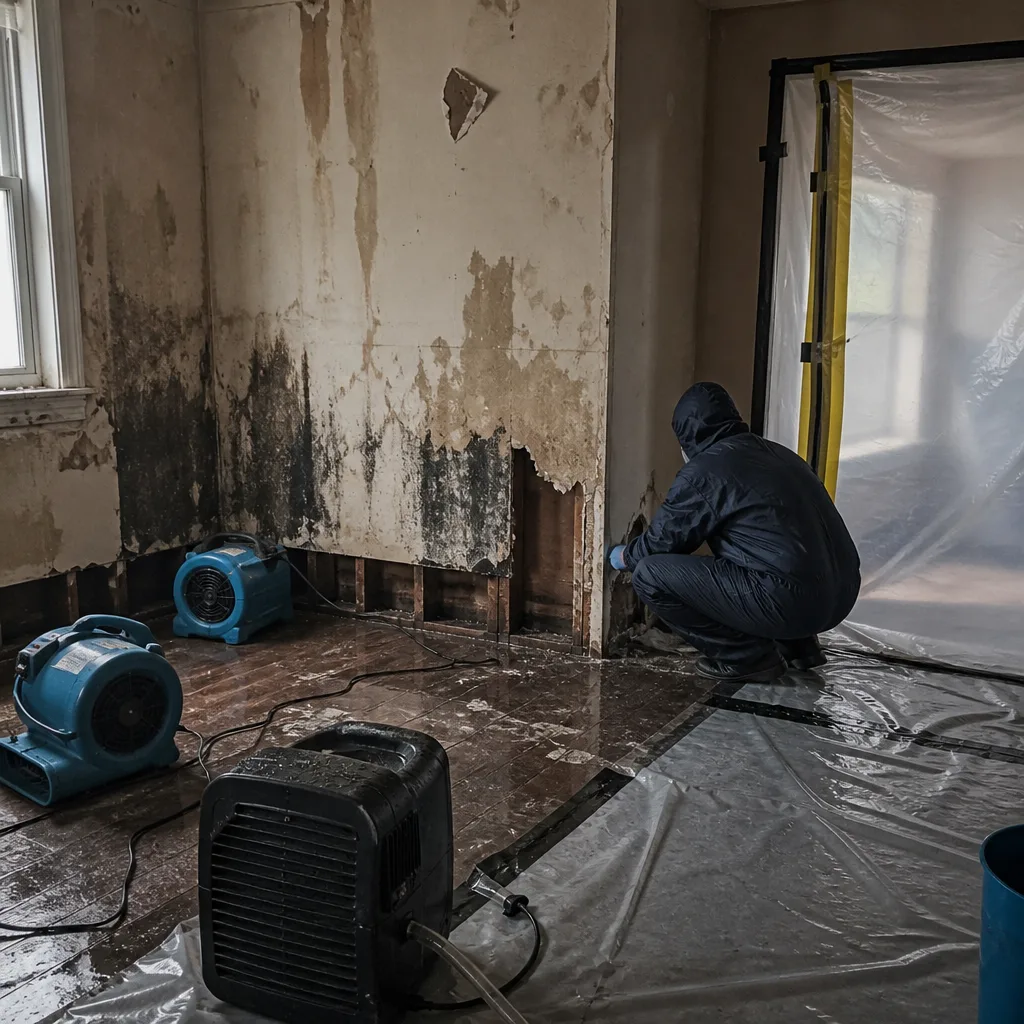 Before
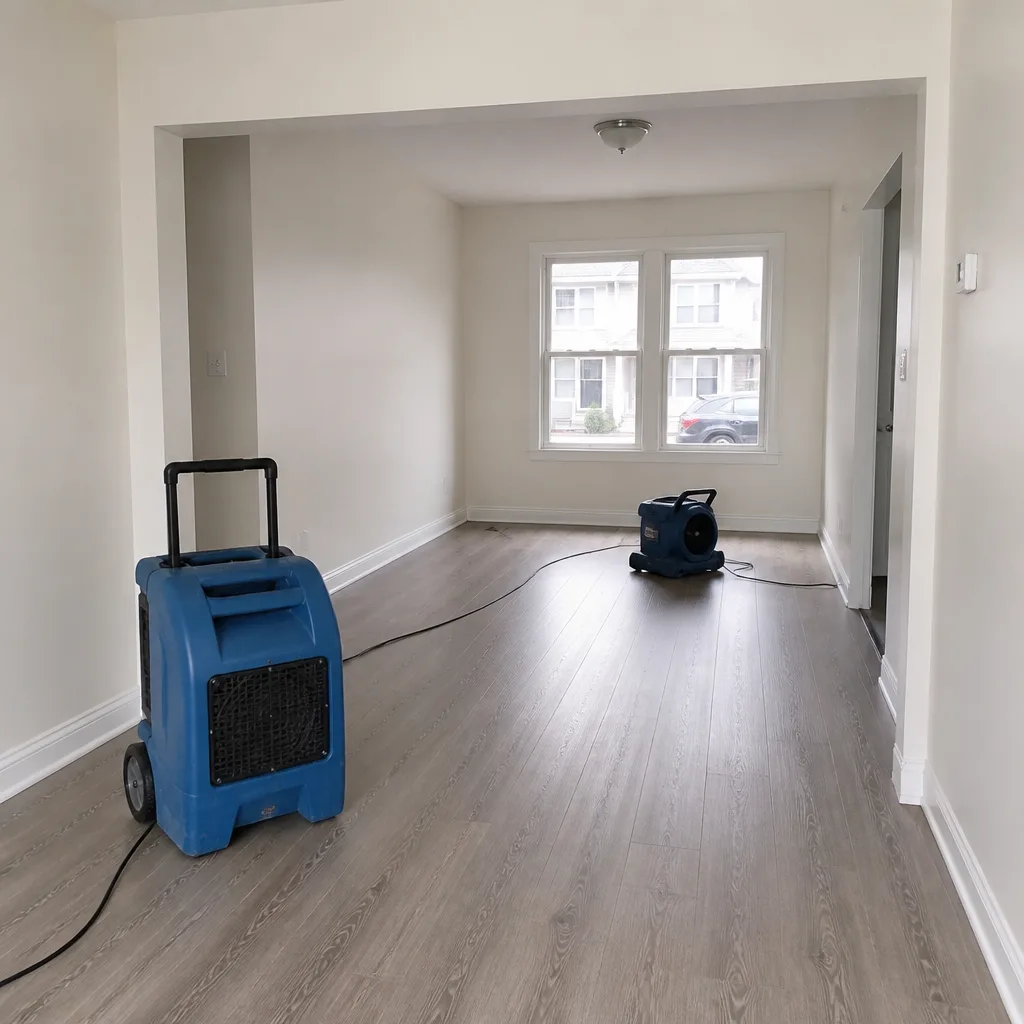 After
After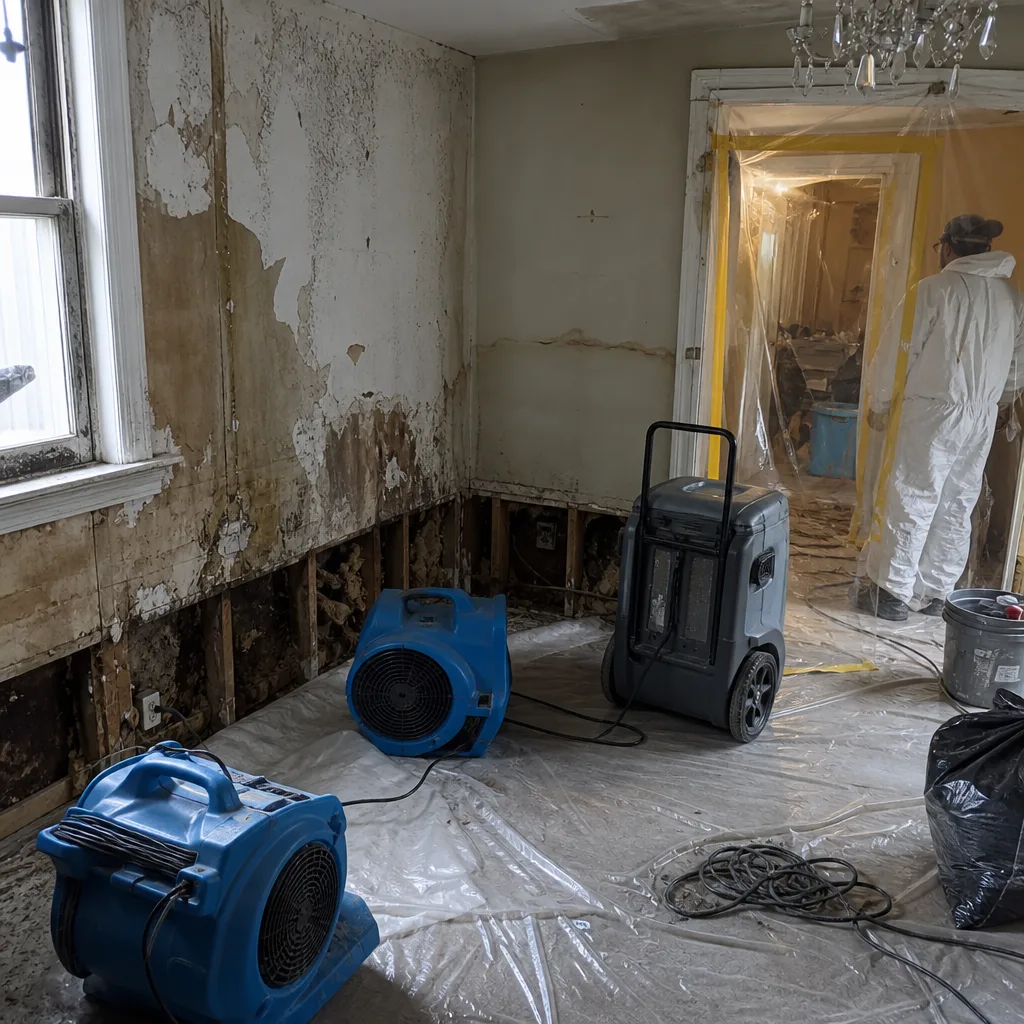 Before
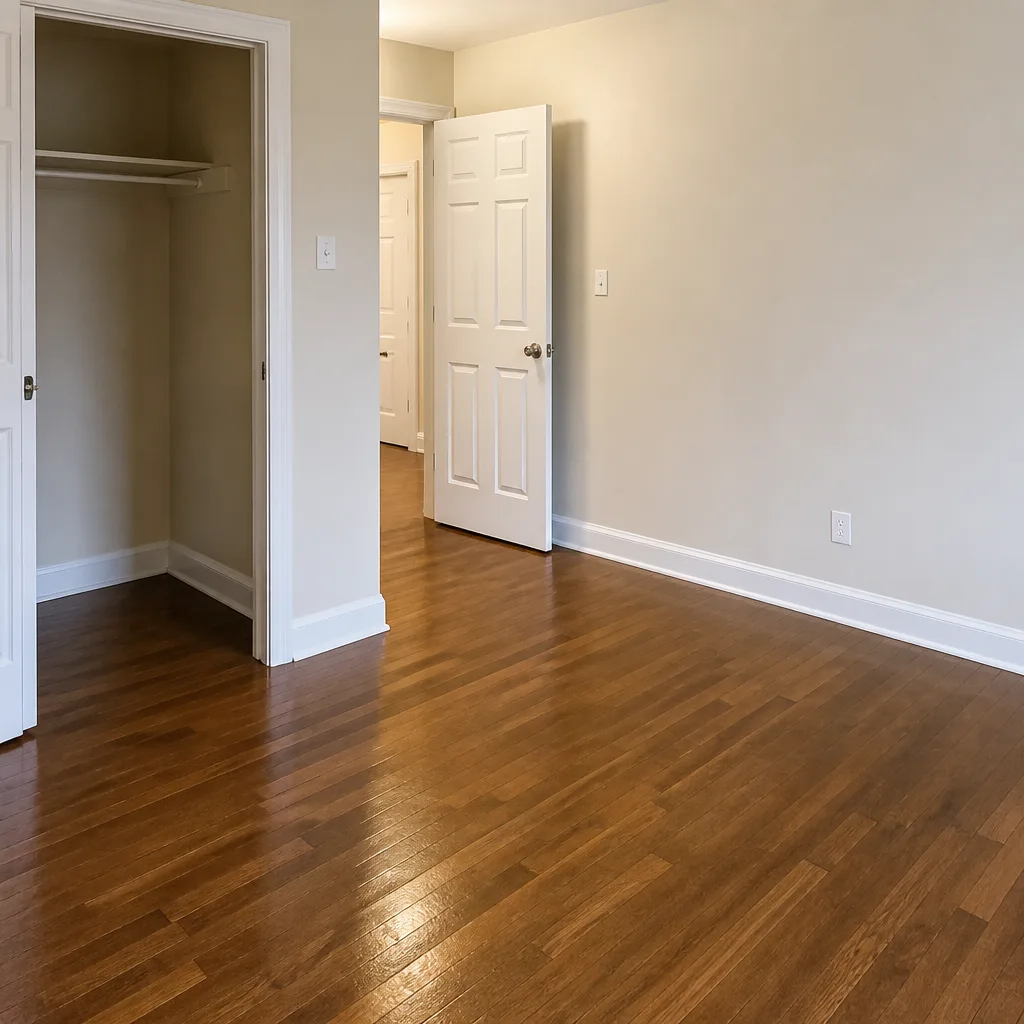 After
After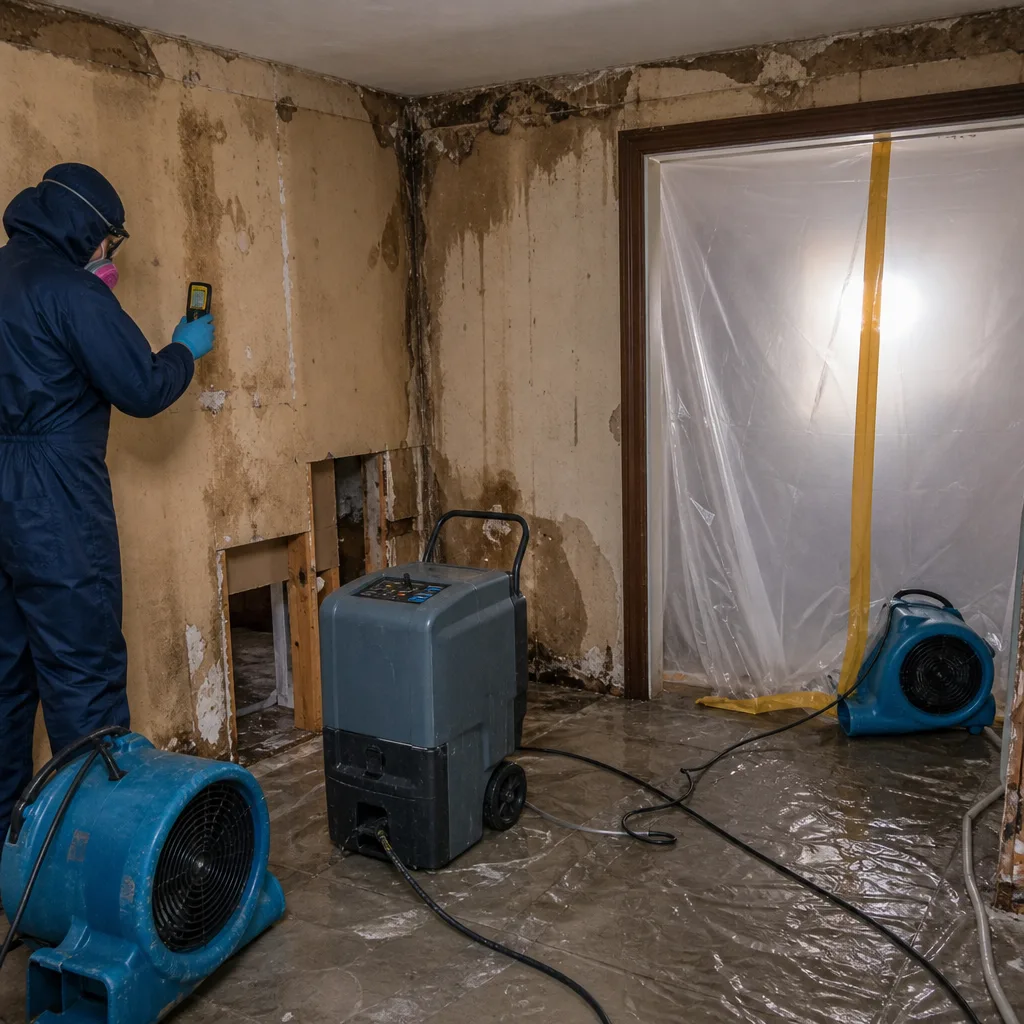 Before
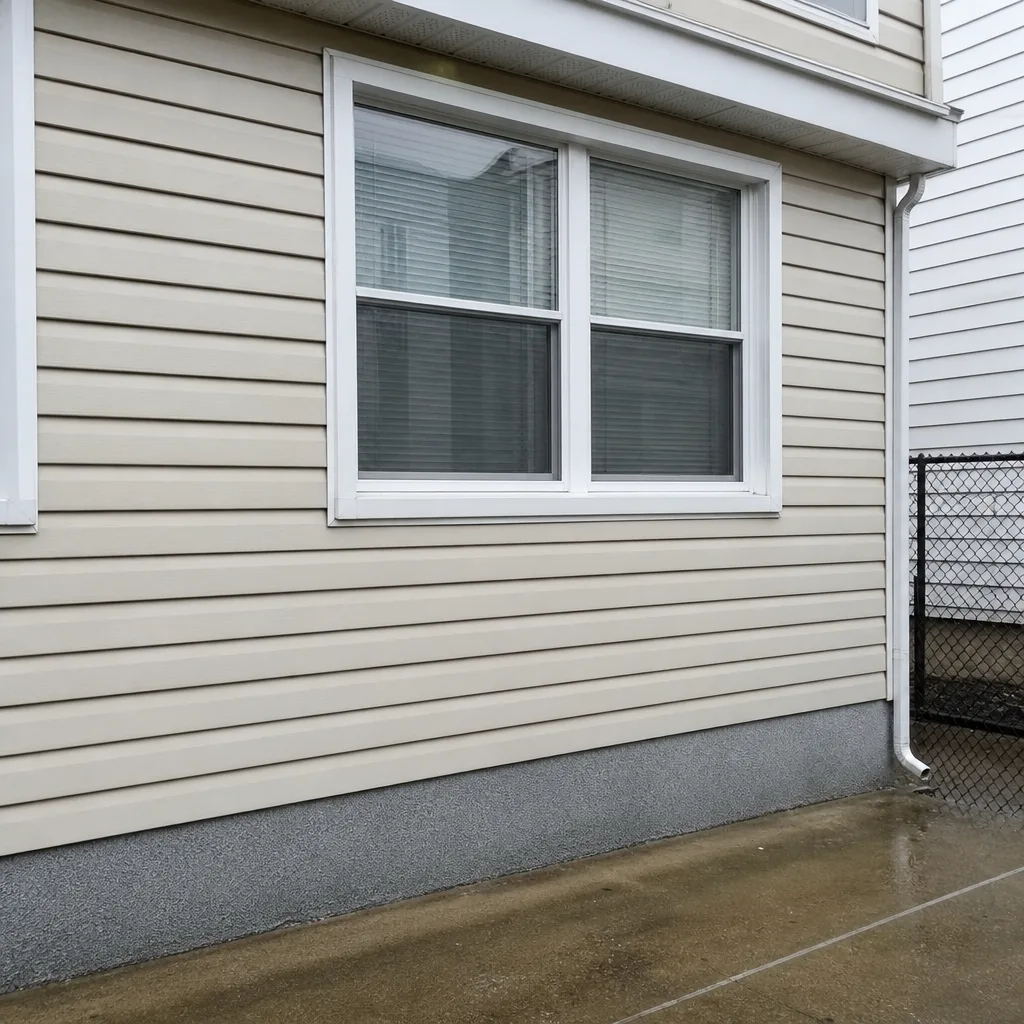 After
After24/7 Emergency Storm & Disaster Restoration in Upper East Side
Storm damage inside a pre-war co-op doesn’t wait for a board meeting. When wind-driven rain breaches aging window glazing on East 79th Street or a rooftop water tower fitting fails during a January freeze, water is already moving through plaster ceilings, silk wall coverings, and hand-laid parquet floors within minutes. Our crews answer live at (640) 221-3499 around the clock and dispatch into the Upper East Side immediately, because the first hour determines whether you’re facing a contained drying job or a full ornamental plaster restoration. We do a free visual inspection on arrival, set up containment if needed, and start documenting everything for your co-op board and insurance carrier the same visit. The line the water left is where we start.
Understanding Storm & Disaster Restoration Severity in Upper East Side Properties
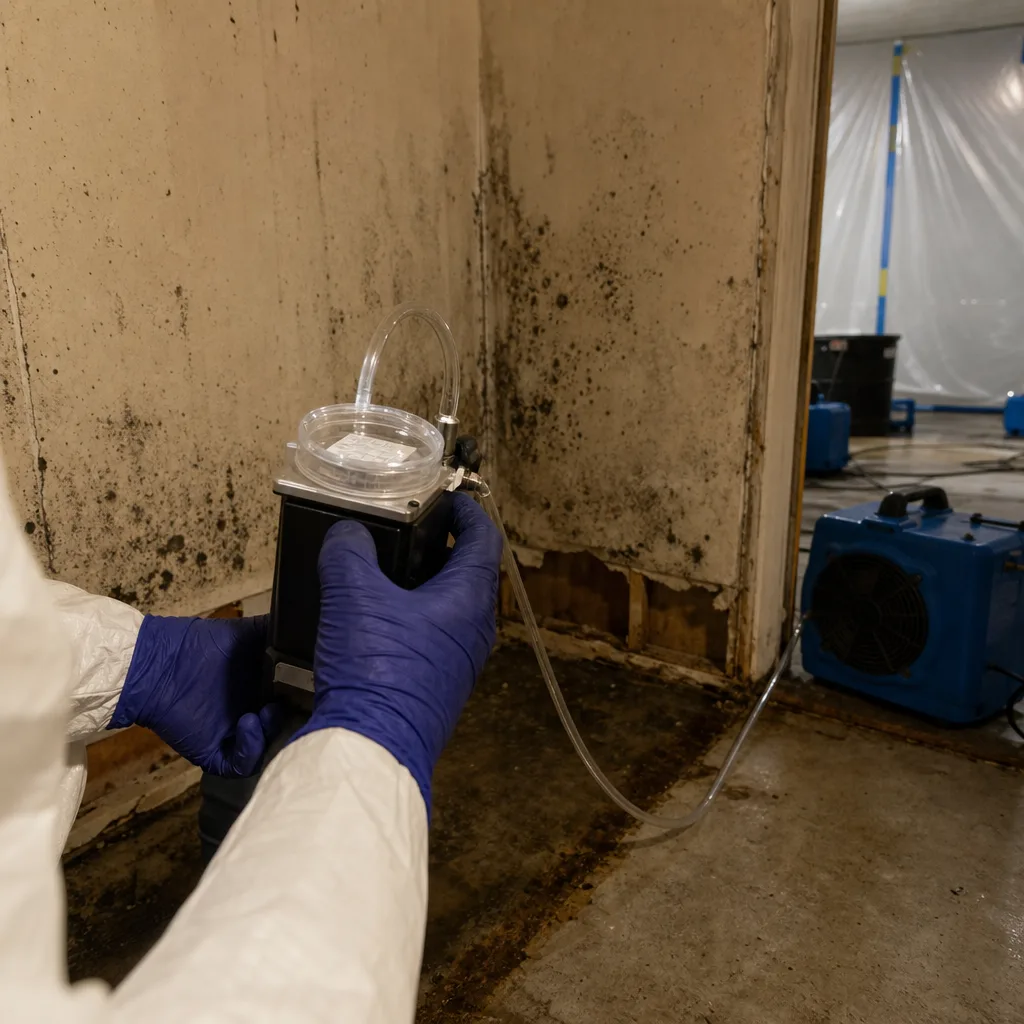
Upper East Side storm losses rarely look like suburban damage. A nor’easter that leaves a Long Island house with a wet basement will send category 2 and category 3 water migrating through steam-pipe chases, masonry voids, and behind lacquered millwork in a 1928 co-op tower. That’s the difference between surface cleanup and full structural drying with containment. We classify water by its contamination level: category 1 from a clean supply line, category 2 with significant contaminants, and category 3 carrying sewage or storm-driven pathogens. In UES pre-war buildings, even category 1 water that sits behind plaster for 48 hours becomes category 2 or worse, because those wall cavities hold hundred-year-old dust, lead paint residue, and rodent byproducts. Our techs use thermal imaging and moisture meters to trace migration paths that building staff never see, then log daily readings until the dry standard is met. Hidden mold behind a crown molding on Park Avenue is a five-figure restoration problem; catching it early is a dehumidifier and some patching.
Why Upper East Side Property Owners Choose Floodline Restoration Co.
- 45-minute response commitment for emergency calls within the Upper East Side. Our dispatchers know the difference between Lexington Avenue and York Avenue traffic patterns, and our crews stage accordingly.
- 24/7 live answer, always a person. No answering machine, no call center script. A dispatcher picks up at 2 a.m. and a certified crew is en route the same call.
- IICRC-certified crews trained to WRT, FSRT, and AMRT standards. The same technicians who read the moisture map on day one handle daily readings and the final clearance documentation.
- Free visual inspection on every emergency call. We look, we document, we write a scope. You decide before any work starts.
- Direct insurance billing. We communicate with your adjuster and your co-op board’s insurance coordinator so you never play messenger.
- One team from first extraction to finished rebuild. Curt Bowman built Floodline around a dispatch board, not a sales desk. The crew that dries your apartment is the crew that restores your ceiling medallion.
Our Storm & Disaster Restoration Process
Inspection & Assessment
We arrive, map the affected area with thermal imaging and moisture meters, and identify every migration path including steam-pipe chases and masonry voids. The assessment includes photos and readings your co-op board will require before approving work.
Extraction & Stabilization
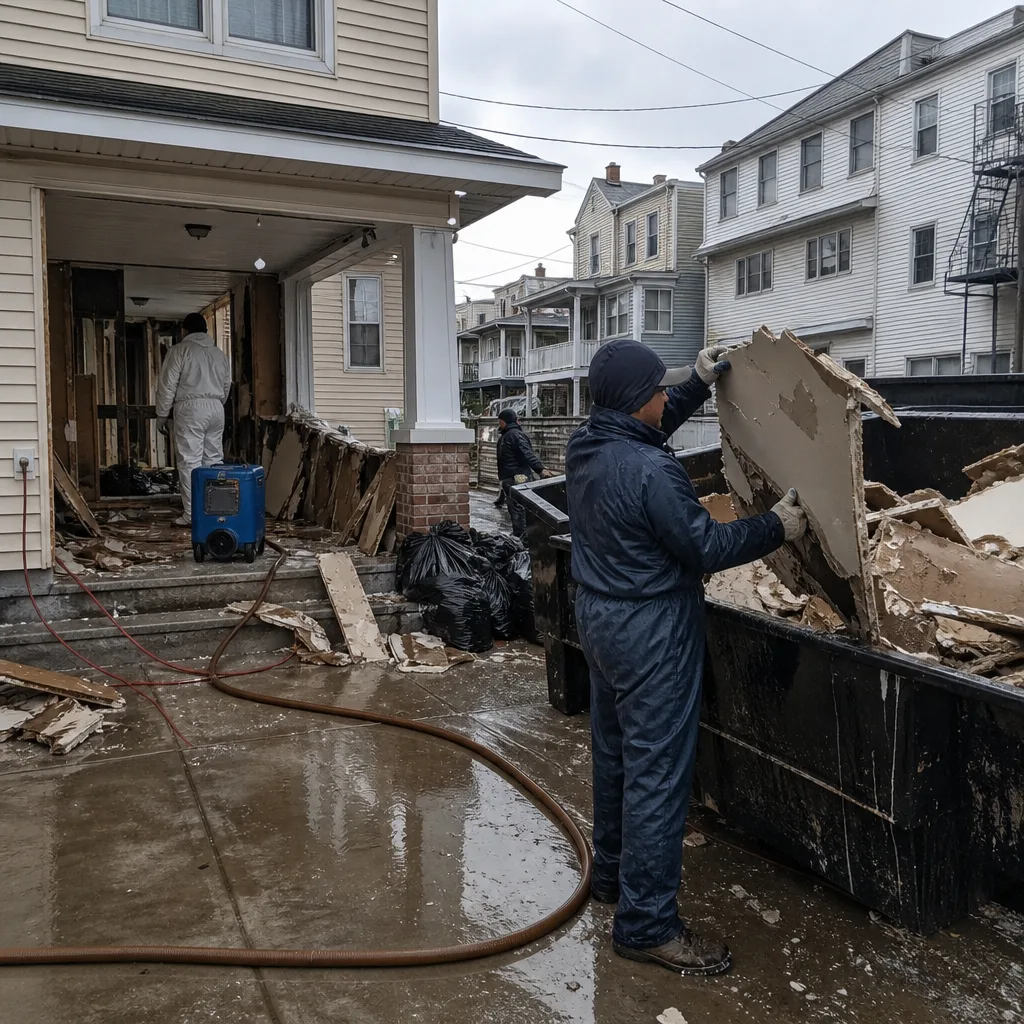
Standing water comes out first using truck-mounted and portable extraction units. We stabilize damaged plaster, set containment if category 3 water is present, and stop active water migration at the source.
Drying & Dehumidification
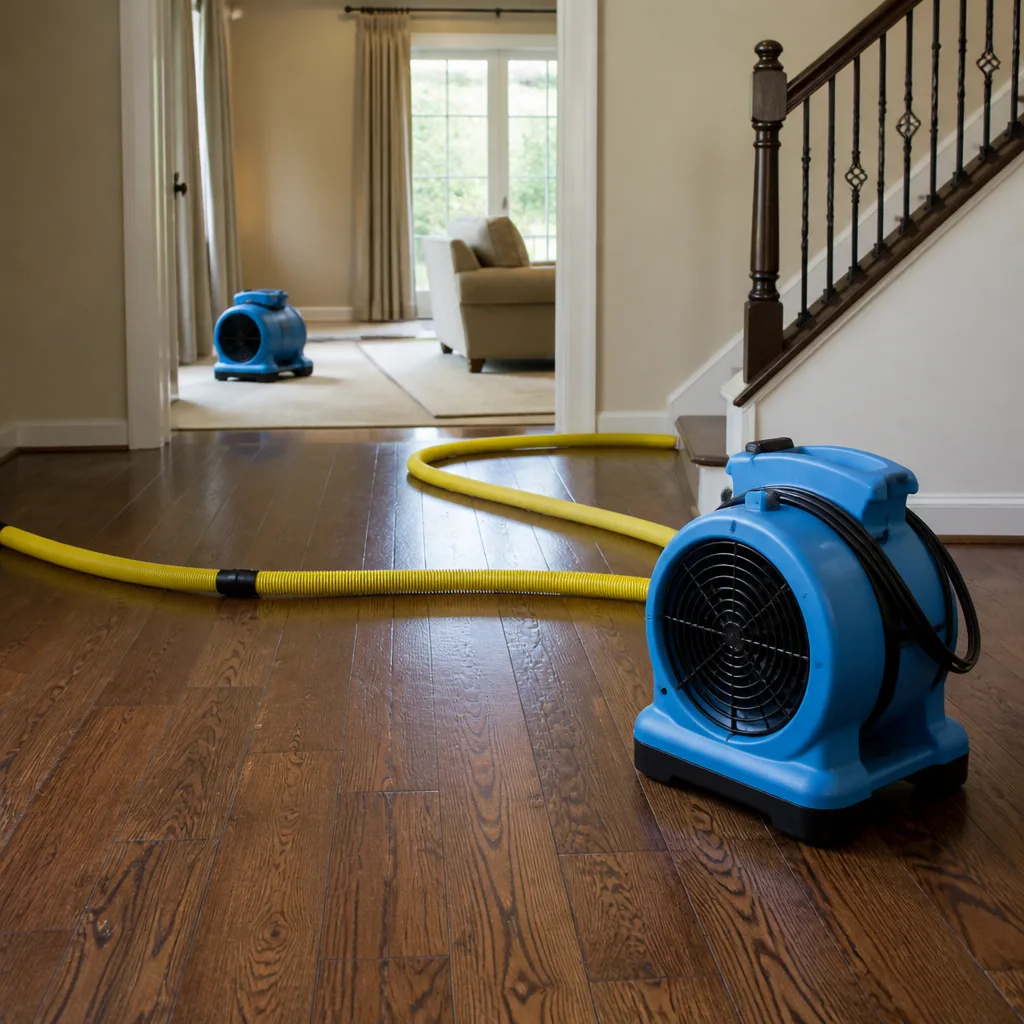
XPOWER air movers and Dri-Eaz dehumidifiers get positioned based on the moisture map, not guesswork. In pre-war units with silk wall coverings, we run Injectidry panel systems that pull moisture through behind the fabric without tearing it off.
Cleaning & Sanitization
HEPA air scrubbers run throughout the drying period. We clean and sanitize all affected surfaces, treating exposed lath and plaster with antimicrobial agents appropriate for historic materials.
Specialty Storm Damage Treatment
Ornamental plaster ceilings, wood window surrounds, and lacquered millwork require profile-matched repair and controlled drying protocols. We document the pre-loss condition and submit that documentation with the board approval packet.
Repairs & Restoration
The same crew handles reconstruction, from crown molding profiles to parquet floor replacement. No handoff to a different company, no inherited crew that never saw the original damage. Done right and backed in writing.
Need Emergency Storm & Disaster Restoration in Upper East Side Now?
Crews minutes away, answering live 24 hours a day. The sooner we start, the less it costs.
Working With Your Insurance Company
Upper East Side storm claims are rarely simple. A single rooftop water tower failure can generate simultaneous claims across dozens of individual co-op owners, each with their own insurer and their own board-mandated contractor approval requirements. We handle that complexity from the first hour. Our documentation starts the moment we arrive: photos of every affected room, moisture readings taken at regular intervals, and a line-item scope of work written in the same format your adjuster expects. We communicate directly with your carrier’s desk adjuster and coordinate with the building management’s insurance coordinator. You get a written scope before work starts, and the bill goes directly to your insurer when you have covered loss. We stand behind it.
What We Provide Your Insurer
- Thorough documentation of the loss
- Photos of all damage, room by room
- Moisture readings and drying logs
- A detailed, line-item scope of work
- Direct coordination with your carrier
Built for Upper East Side’s Loss Calendar
Upper East Side storm damage follows a rhythm. January deep freezes burst aging cast iron supply lines inside uninsulated wall cavities and freeze rooftop water tower fittings that have been silently corroding for fifty years. When the thaw comes, those frozen joints release, and water cascades through a dozen floors of occupied luxury units before building staff even notices the overflow. Spring nor’easters drive wind-driven rain through aged window glazing and failing parapet copings. Summer thunderstorm flash flooding overwhelms the neighborhood’s combined sewer system, sending category 3 water into basement storage rooms and mechanical spaces in buildings from Fifth Avenue to the East River Esplanade. Our crews track the forecast like a fire department tracks a call board. When a storm hits the Upper East Side, we’re already staging equipment nearby.
Storm & Disaster Restoration Across Upper East Side’s Neighborhoods
The Upper East Side isn’t one building type. Along Fifth Avenue and Park Avenue between 60th and 79th Streets, you find limestone and brick co-op buildings from the 1905-1925 era, with grand rooms, ornamental plaster ceilings that run full span, and steam risers that haven’t been replaced since Coolidge was president. Those buildings suffer parapet failures and window surround leaks that show up as ceiling staining in penthouses and water dripping through chandelier medallions. Over on the Yorkville section east of Lexington Avenue, walk-ups and smaller pre-war tenements have their own issues: gravity-fed rooftop water towers with original fittings, shallow parapets, and basement mechanical rooms that flood during every heavy summer downpour. Lenox Hill, between 68th and 77th Streets, has a mix of postwar high-rises with aluminum window frames that leak at the sills during nor’easters. Carnegie Hill, north of 86th Street, holds some of the oldest standing co-ops in the neighborhood, where steam-pipe chases run directly behind silk wall coverings and lacquered millwork. Our response routes account for the loading dock access rules on Fifth Avenue, the narrow service entrances in Yorkville walk-ups, and the doorman protocols in full-service Park Avenue buildings.
Specialized Storm & Disaster Restoration Services We Offer in Upper East Side
Storm Damage Cleanup
When wind-driven rain penetrates a penthouse on East 72nd Street, cleanup means more than mopping floors. We set containment, extract from behind silk wall coverings using Injectidry panel systems, and dry hand-laid parquet floors in place before they cup or buckle. Every step gets documented for the co-op board, because unpainted damage gets rejected.
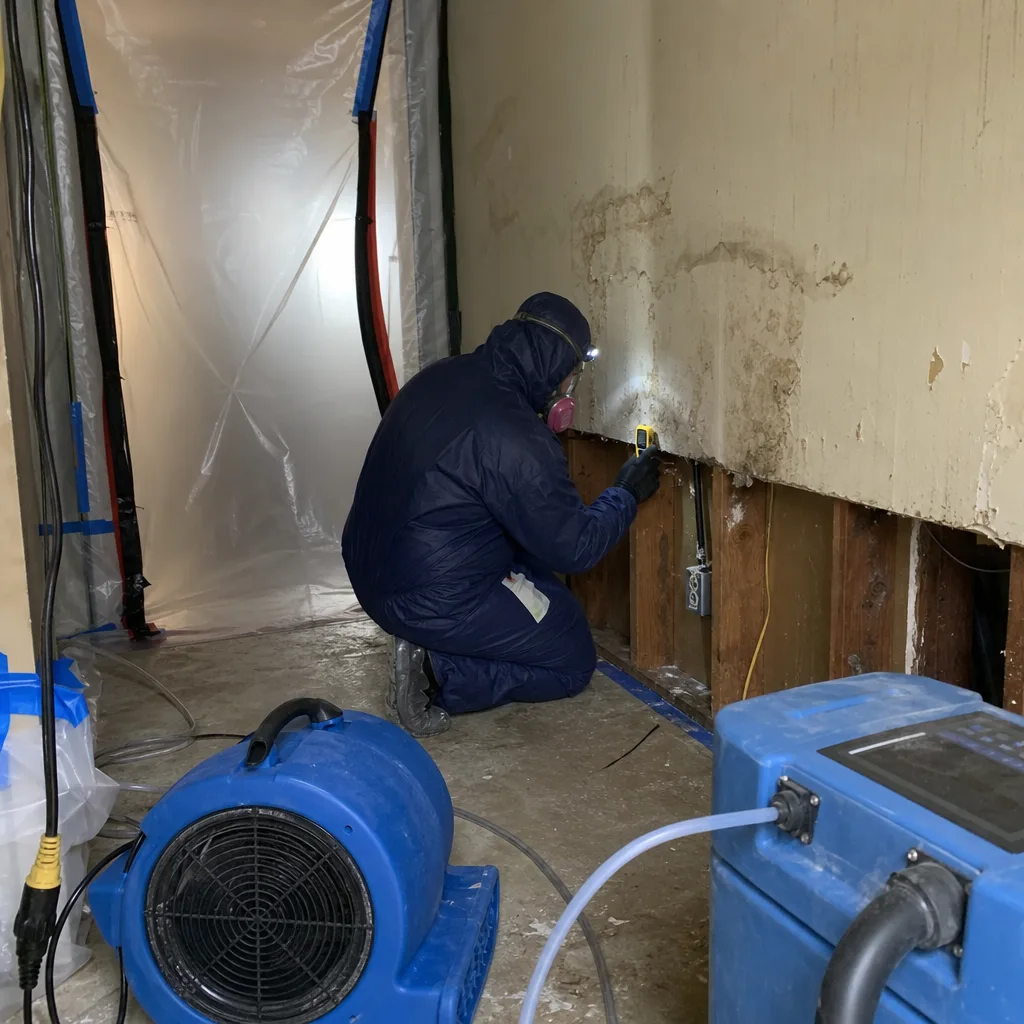
Flood Damage Restoration
A rooftop wooden water tower fitting that fails during a hard freeze sends water through 10 to 20 floors of occupied luxury units. Each affected apartment has different finishes, different insurer requirements, and different board-mandated contractor rules. We handle the full sequence, from first extraction on the top floor to baseboard replacement in the lobby, with one certified crew reading moisture levels the whole way down.
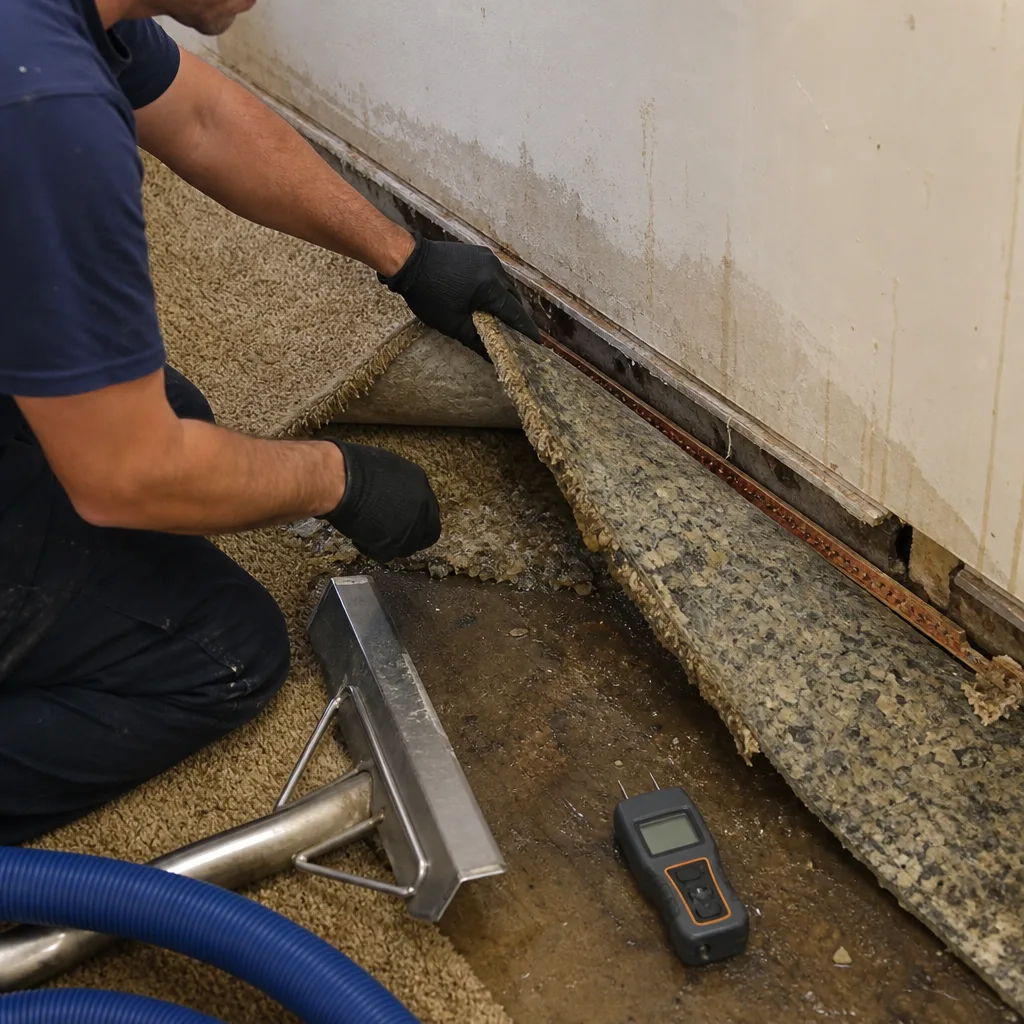
Emergency Board-Up
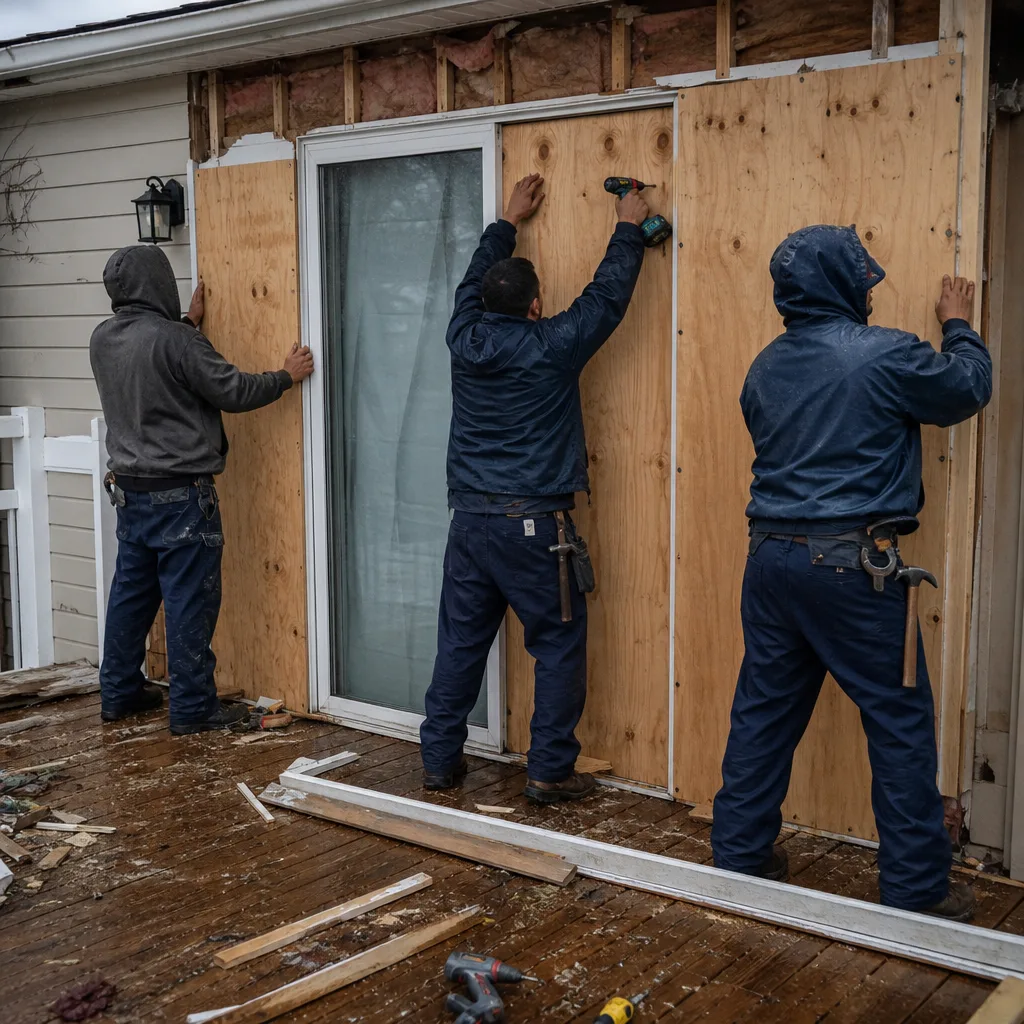
Broken window glazing from wind-blown debris or a failed parapet coping leaves a pre-war unit open to further storm damage. We board up and seal openings the same visit, using materials that won’t damage original window surrounds or landmarked exterior details. The board gets documentation showing the building was stabilized immediately, which matters when claims start moving.
What happens when you call
- 1
A real person answersNo phone trees - you reach a local pro.
- 2
You get an upfront price rangeHonest numbers before anyone is dispatched.
- 3
A background-checked tech heads outLicensed & insured, dispatched right away.
- 4
You approve before work beginsNothing starts until you say go.
Storm & Disaster Restoration Costs in Upper East Side, NY
Storm damage restoration on the Upper East Side runs higher than the citywide average because the finishes are higher. A standard water extraction and drying job in a drywall apartment might run $2,500 to $6,000. But when you’re drying silk wall coverings and lacquered millwork, expect $8,000 to $18,000. Ornamental plaster ceiling restoration after a category 2 water event typically runs $4,000 to $12,000 per ceiling, depending on the profile complexity and gilding. A rooftop water tower failure that affects multiple floors can produce claims from $30,000 to $250,000 across the building. What moves the price: the age and condition of the plaster, whether your co-op requires a licensed master restoration contractor, whether mold containment is necessary, and how fast you call. Insurance covers most storm-related water damage in co-op buildings, but the board’s master policy versus your individual unit policy determines exactly what’s covered. Call (640) 221-3499 for a free inspection and a firm scope in writing before anything starts.
We Also Serve Cities Near Upper East Side
Our crews serve the full Storm & Disaster Restoration in Upper East Side market and nearby areas including Midtown West, Upper West Side, Midtown Manhattan, and Upper Manhattan. If you’re in a pre-war building anywhere in Manhattan and water is moving, call us.
Serving Upper East Side, NY - Our Local Coverage Area
We’re based in the Upper East Side area and know this community well. Use the map below to see our service coverage - if you’re nearby, we can almost certainly help.
Upper East Side Storm & Disaster Restoration Questions, Answered
Why does storm damage restoration on the Upper East Side require co-op board approval before the water extraction can even start?
Because the co-op corporation owns the walls, ceilings, and structural systems of your unit. Any work that touches those elements legally requires board authorization, and starting mitigation without it can void your claim and force you to undo completed work. A smart restoration company documents the emergency, stabilizes the immediate hazard, and submits the board approval packet the same day. Call (640) 221-3499 and we’ll handle that sequence properly.
What’s the biggest storm-related risk to ornamental plaster ceilings in UES pre-war towers?
Water that sits above a plaster ceiling for more than 24 hours begins delaminating the plaster from its lath keys. Once the keys fail, the ceiling collapses even after the leak stops. The risk is highest in top-floor units under roof parapets and water tower platforms. If you see staining or a soft spot on an ornamental ceiling, call us immediately.
How do you dry out a silk wall covering after a roof leak without destroying it?
We use Injectidry panel systems that pull moisture through the fabric from behind, along with low-grain dehumidification and constant monitoring. Silk can’t be aggressively heated or scrubbed without permanent water staining. In our experience, panels plus patience save the covering in most cases. Call us before the stain sets.
What happens when a rooftop wooden water tower fitting fails during a hard freeze on the Upper East Side?
Water comes down through the building’s core, following pipe chases, elevator shafts, and stairwells. A single failure often affects a dozen or more apartments across multiple floors. Claims multiply, boards scramble, and restoration contractors without pre-war experience make it worse. We coordinate directly with building staff and the board’s insurance coordinator from the first hour.
Why is category 3 water more common in UES storm damage than people expect?
Because hundred-year-old building systems do not stay clean. Storm water entering through a parapet picks up decades of accumulated grime, lead dust, and rodent contamination inside wall cavities before it reaches your ceiling. That’s why we treat storm intrusions in pre-war buildings as category 3 until testing proves otherwise. It protects your health and your claim.
How fast can you actually reach the Upper East Side?
We commit to 45 minutes for emergency calls within the neighborhood. Our crews stage in and around the Upper East Side specifically because the building access rules are different here. Call (640) 221-3499 and a live dispatcher gives you the real ETA.
Will my insurance cover storm damage restoration in a co-op building?
Usually, but the split between the co-op’s master policy and your individual unit coverage determines who pays for what. The master policy typically covers the building envelope and common elements; your policy covers improvements inside the unit. We document everything and work directly with both carriers so you don’t have to interpret policy language at 3 a.m.
Can we stay in the apartment during storm damage restoration?
That depends on the water category and the extent of containment. Category 1 water with localized drying usually allows occupancy. Category 3 water or mold containment requires vacating the affected areas. We’ll tell you honestly on the first visit, and we’ll document the recommendation for your insurer.
If storm water is moving through your Upper East Side apartment right now, call (640) 221-3499. A live dispatcher answers, a certified crew is on the way, and the first inspection is free. Our Storm & Disaster Restoration team handles everything from first extraction to finished rebuild, backed by the 90-Day Done Right Promise in writing. Done right, and backed in writing.
Written by Curt Bowman, Owner at Floodline Restoration Co., serving Upper East Side with certified storm and disaster restoration crews.