
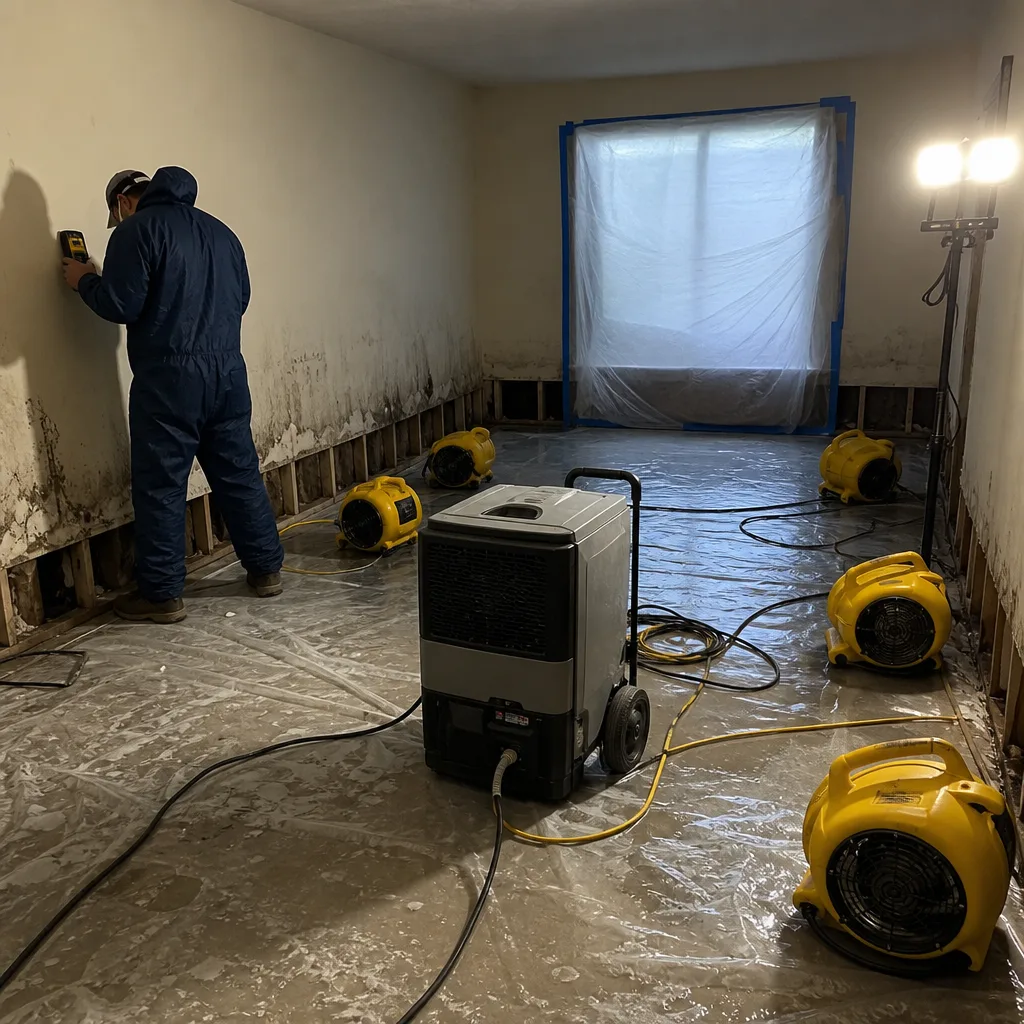
Free visual inspection and a written scope of work before any mitigation begins - photos, moisture readings, and drying logs go in your claim file
The scope we write is the scope we bill. Anything new gets shown to you, in writing, before we touch it.
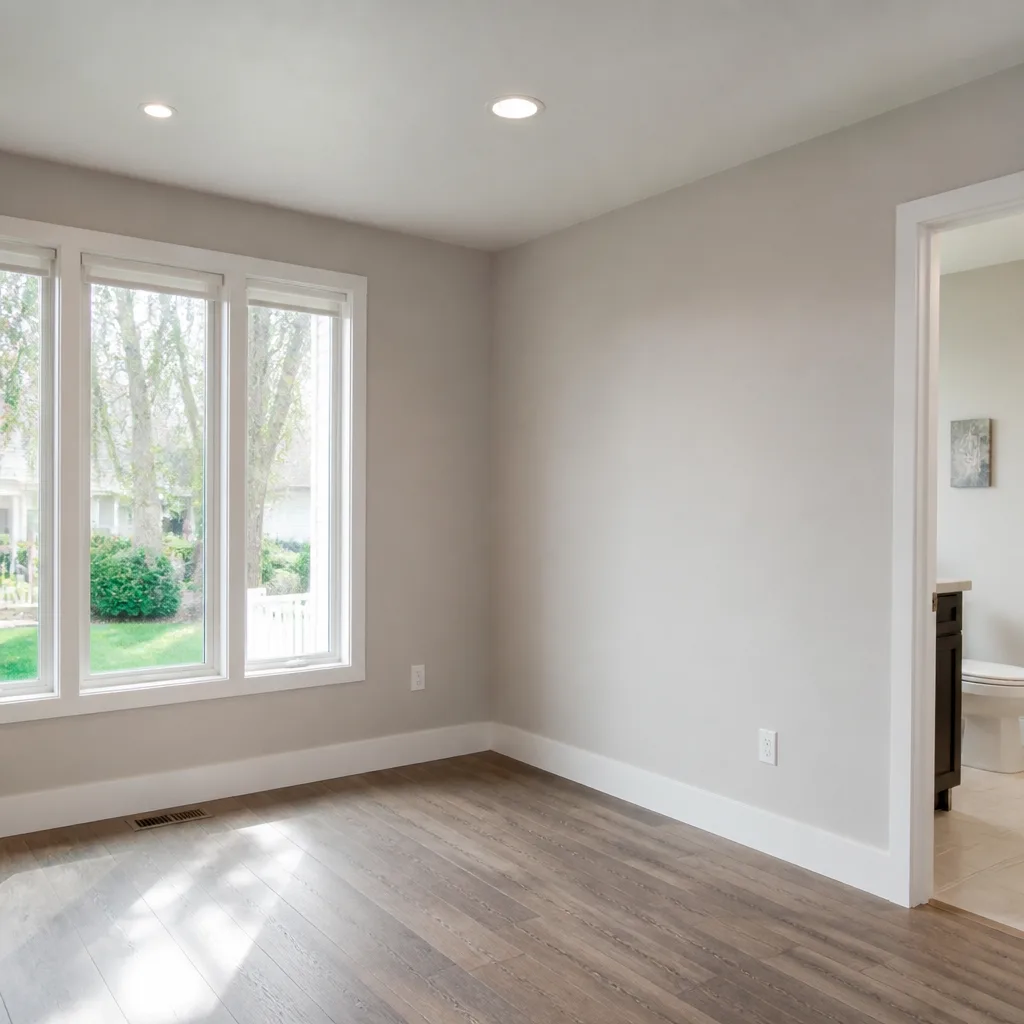
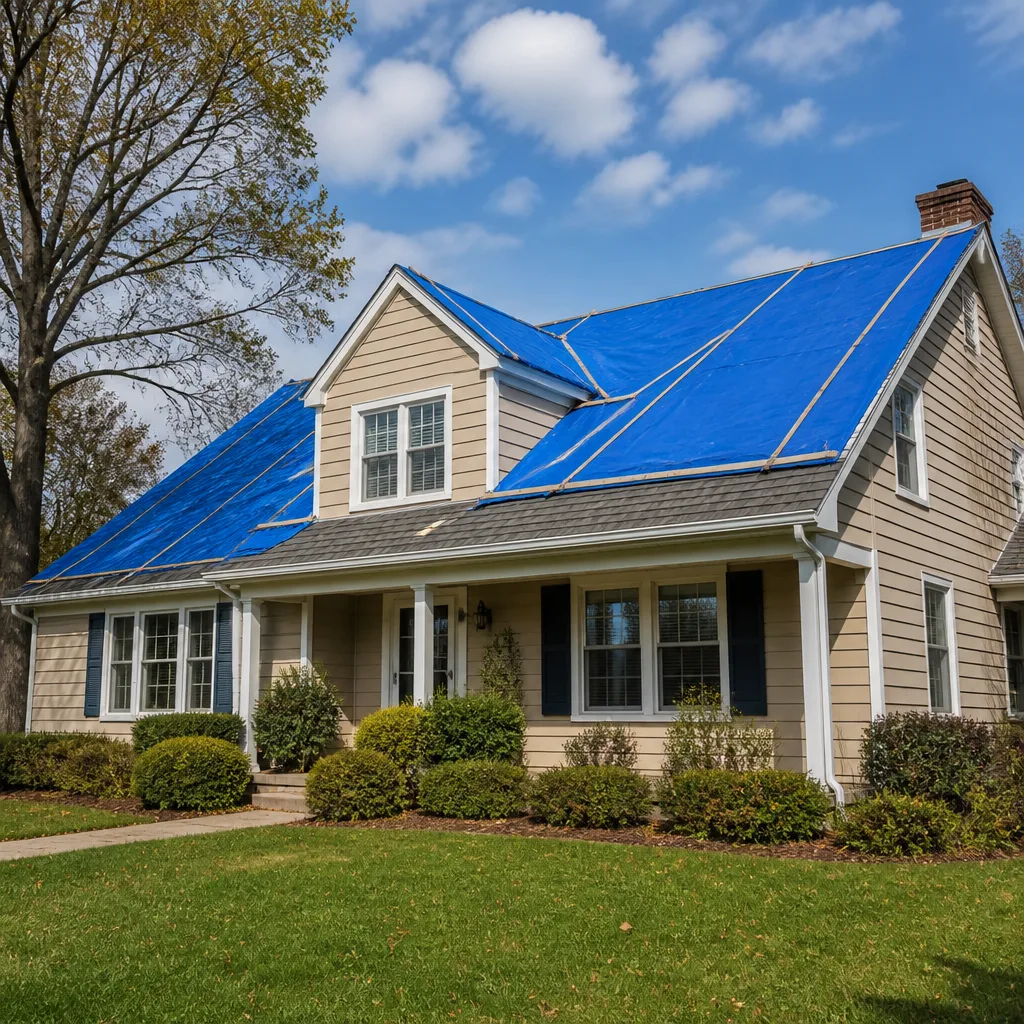
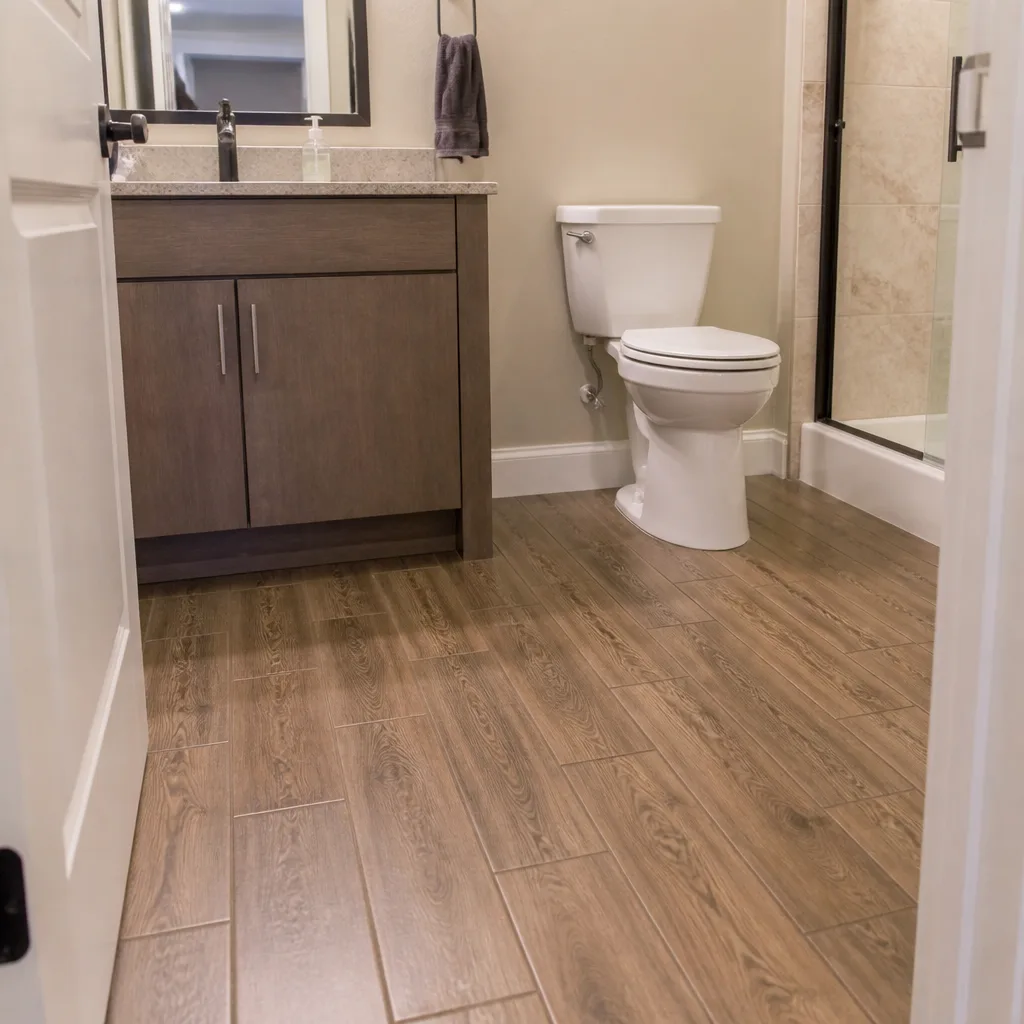
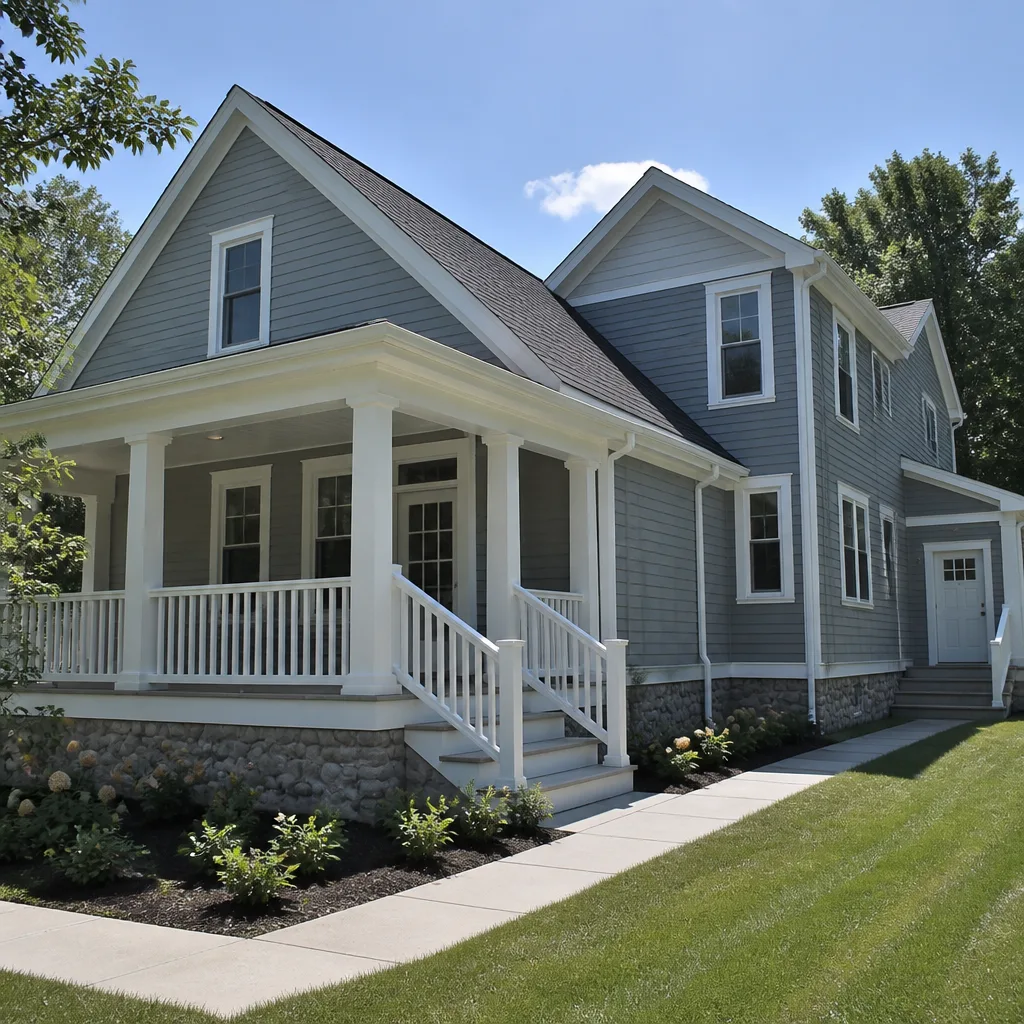
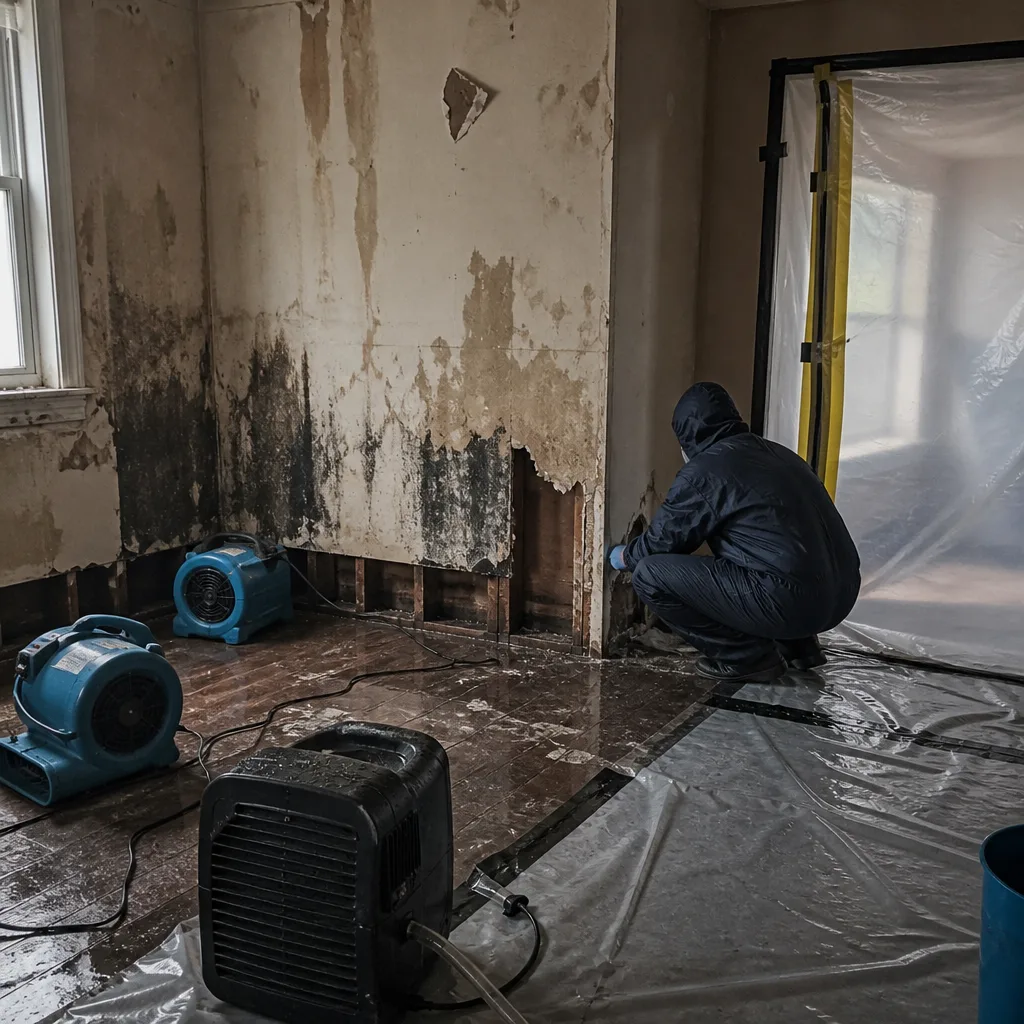 Before
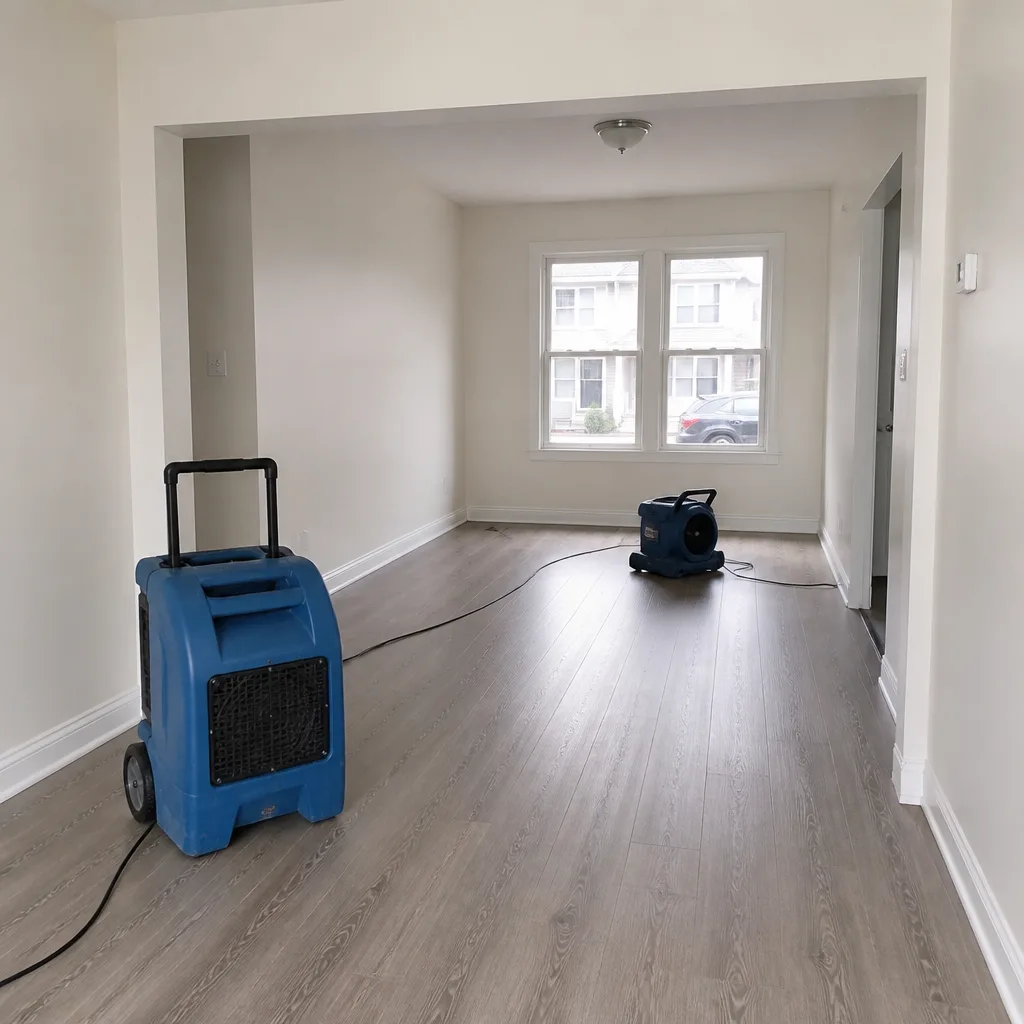 After
After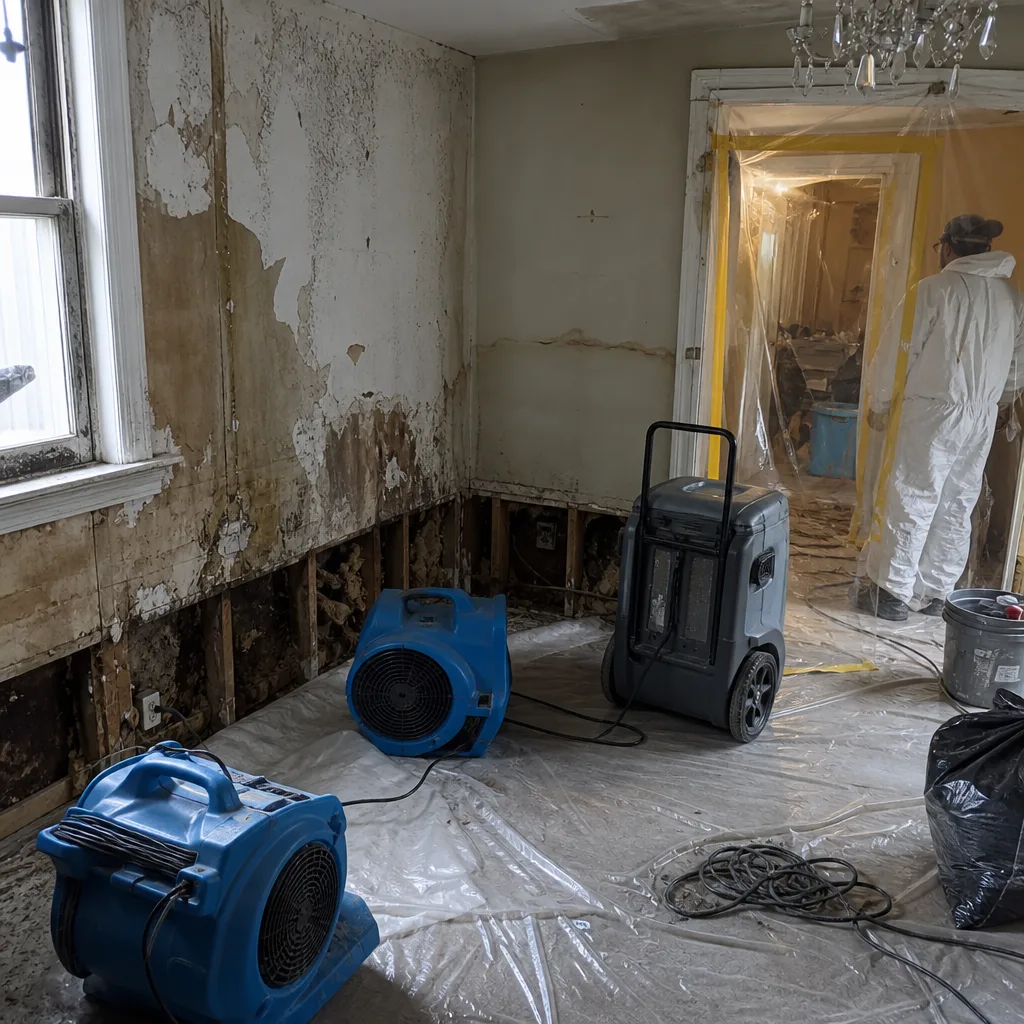 Before
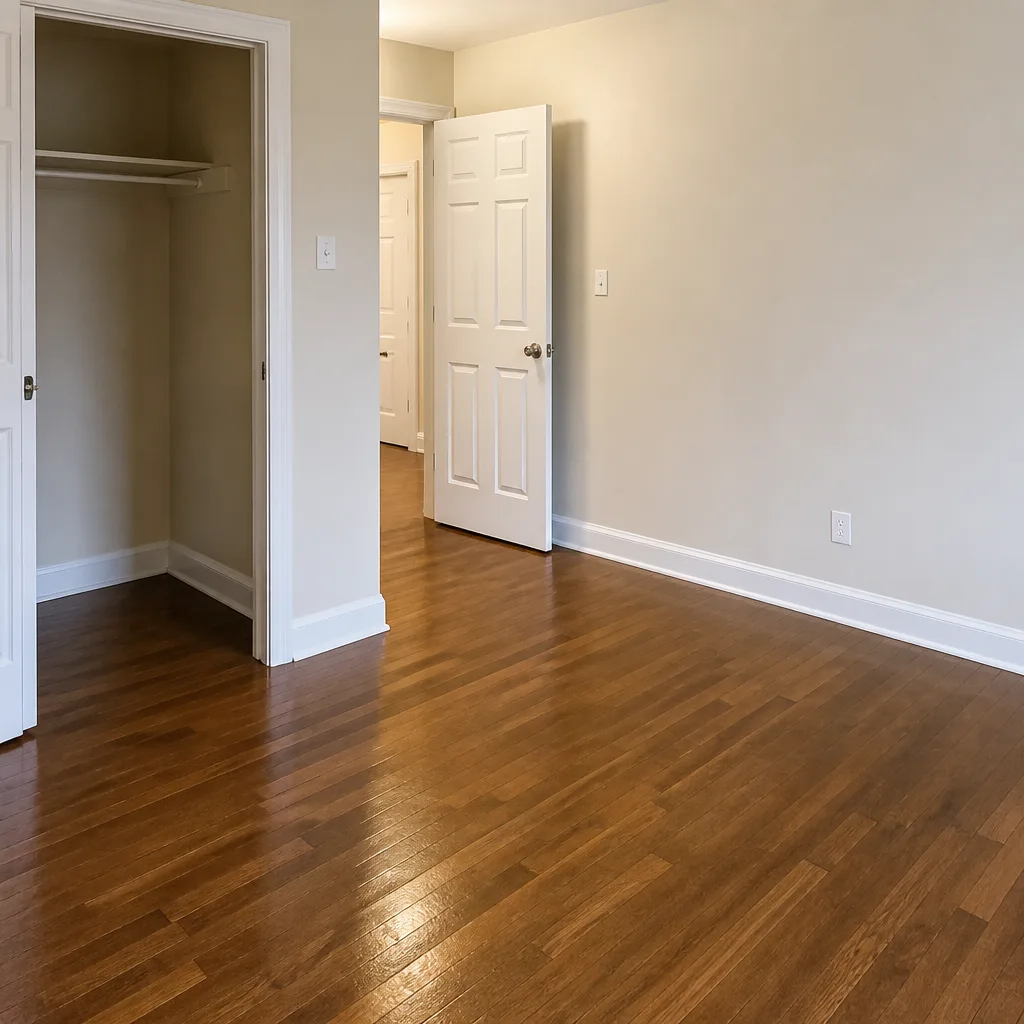 After
After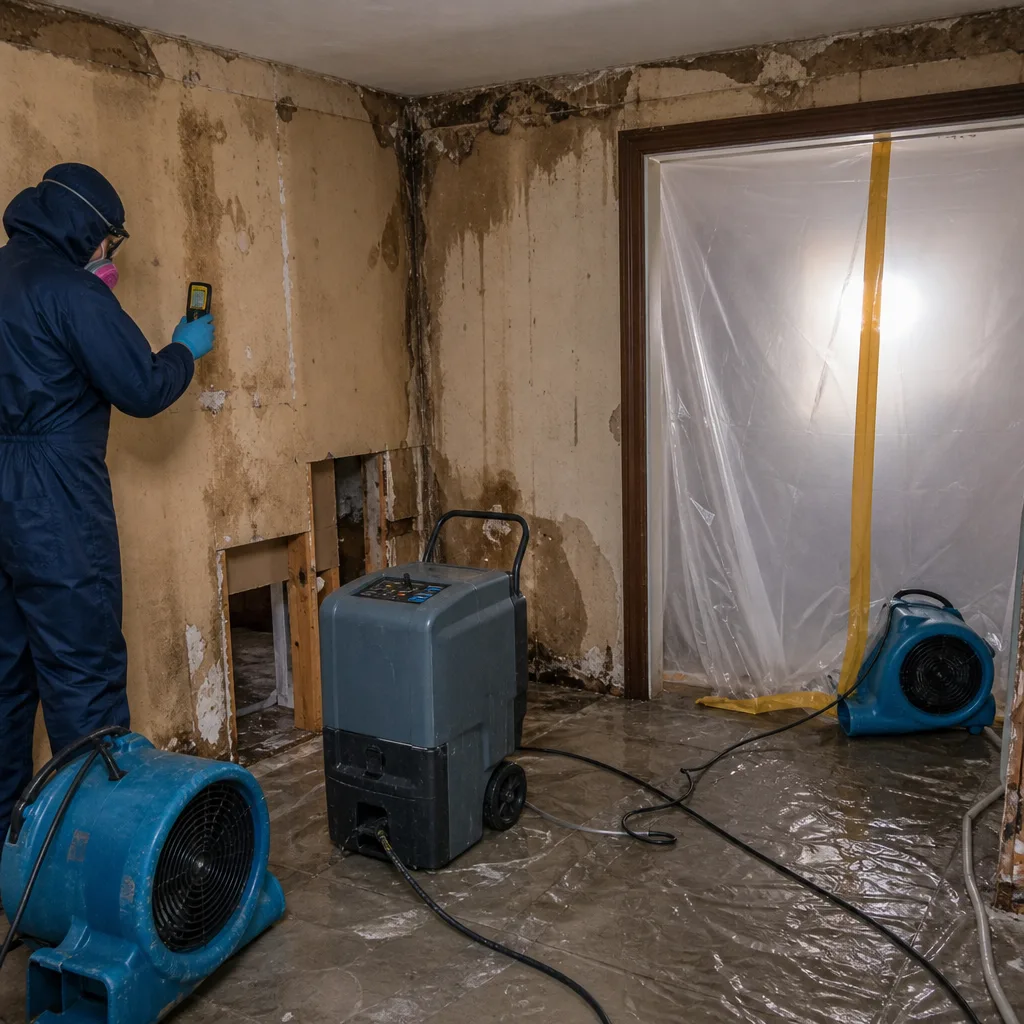 Before
 After
After24/7 Emergency Water Damage Restoration in Central Harlem
Water damage restoration in Central Harlem typically costs $1,800 to $11,000 depending on how far the water traveled and what it touched. You can reach a live dispatcher at (640) 221-3499 any hour, any day, and we’ll have a certified crew headed to your block within 45 minutes. The first hour matters more than most homeowners realize. A cracked pipe behind a kitchen wall or a roof leak over a top-floor unit in a Lenox Avenue brownstone will keep saturating plaster, flooring, and framing until someone stops it. We arrive, find the source, and start extraction the same visit.
Understanding Water Damage Restoration Severity in Central Harlem Properties
Restoration crews classify water by contamination level. Category 1 is clean, from a supply line or tub overflow. Category 2 carries soap, food residue, or biological matter, the kind you get when a dishwasher drain backs up or a washing machine overflows into a hallway. Category 3 is grossly contaminated: sewage, street water from combined sewer backups, or standing water that has sat for days. In Central Harlem’s four-to-six-story attached brownstones, Category 2 and 3 events get worse quickly because those buildings share floor joists and masonry party walls. Moisture mapping with thermal imaging and penetrating meters tells us where the water actually went, which is rarely where it pooled. Horsehair plaster, common in buildings raised between 1885 and 1920, absorbs water like a sponge and releases it slowly. That changes the drying math entirely. Standard drywall protocols will not get an 1890s rowhouse to dry standard, and hidden moisture behind plaster means mold in six to eight weeks.
Why Central Harlem Property Owners Choose Floodline Restoration Co.
- 45-minute response commitment. A live dispatcher confirms the crew, the truck, and the equipment before we hang up the phone. You get a real ETA, not a call-center promise.
- 24/7 live answer, never an automated system. At 2 a.m. on a Sunday, a person picks up. That person knows our service area, our equipment inventory, and which crew is closest to your block in Central Harlem.
- IICRC-certified crews, trained to WRT and ASD standards. Every technician is background-checked, uniformed, and certified. No subcontractor roulette.
- Free visual inspection. We assess before we quote. You get a written scope of work, not a sales pitch.
- Direct insurance billing. We document the loss from the first hour, deal with your adjuster directly, and you never carry the claim paperwork back and forth.
- One team from extraction to reconstruction. The same crew that runs the moisture map on day one handles daily readings, hands you the log, and rebuilds what needs rebuilding. No mid-job handoff.
Our Water Damage Restoration Process
Inspection & Assessment
We locate the source, categorize the water, and map moisture through walls, floors, and ceilings using thermal imaging and hygrometers. In Central Harlem attached rowhouses, we scope adjacent units behind shared party walls before filing a single-property estimate.
Extraction & Stabilization
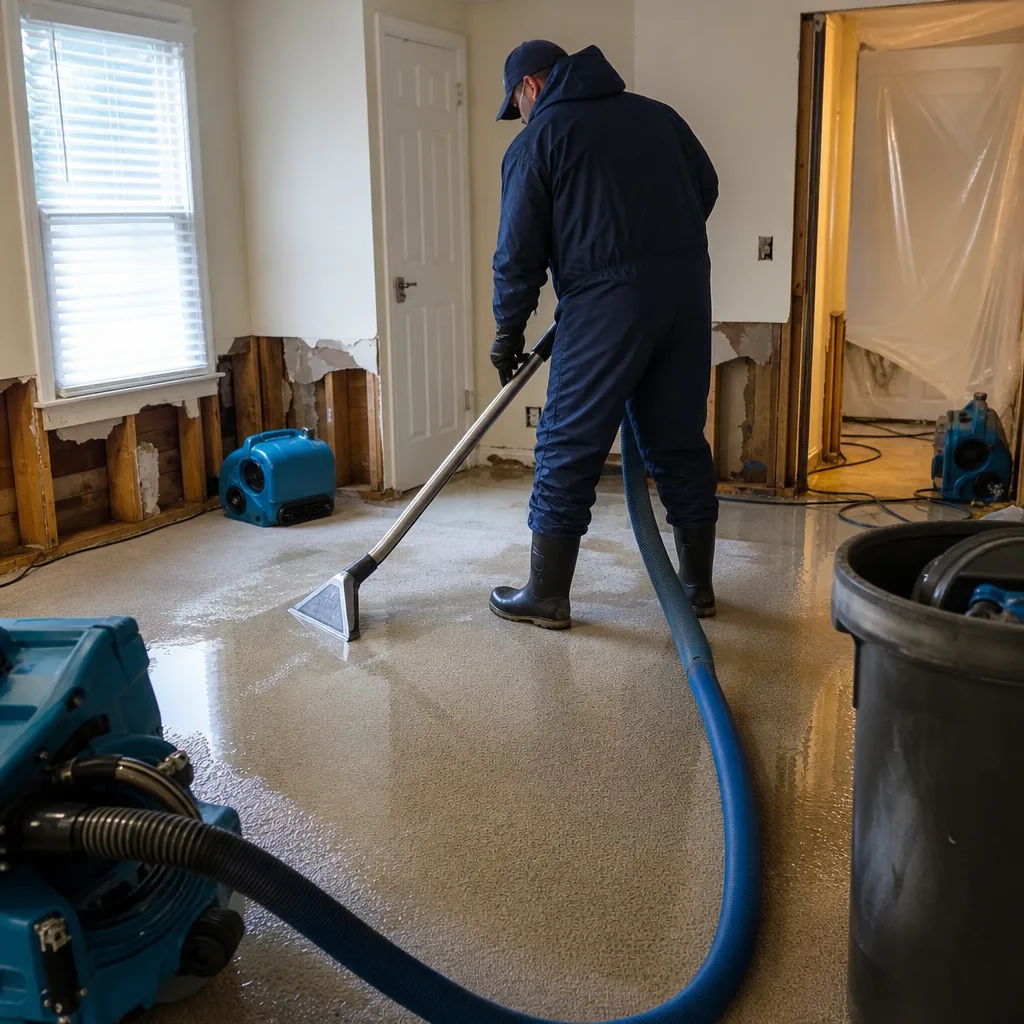
Standing water comes out with truck-mounted or portable extraction units. We remove saturated materials that cannot be saved, including waterlogged carpet, padding, and sections of damaged plaster. The goal is to stop active water migration before the hour is up.
Drying & Dehumidification
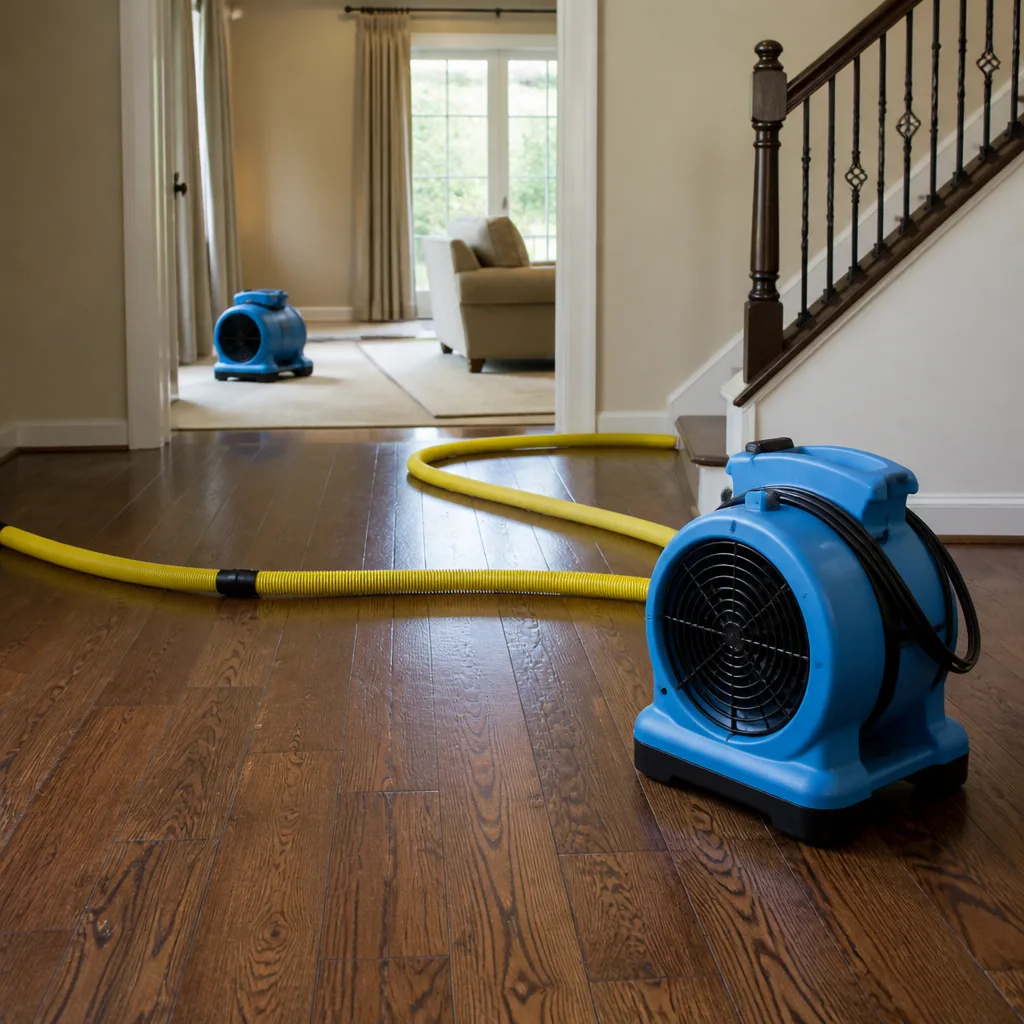
Dri-Eaz dehumidifiers and XPOWER air movers are placed based on the moisture map, not scattered randomly. Horsehair plaster and old-growth timber dry slower than modern drywall, so we log daily moisture readings until the dry standard is met, not when it looks dry.
Cleaning & Sanitization
Affected surfaces are cleaned with appropriate antimicrobial treatments. For Category 3 water, we follow full containment and disinfection protocols before any dry-out begins, which prevents cross-contamination into unaffected living spaces.
LPC and DOB Compliance
For any restoration touching an exterior wall, roof, or stoop in the Mount Morris Park or St. Nicholas Historic Districts, we coordinate Landmarks Preservation Commission review alongside Department of Buildings permits before work begins. That sequence prevents stop-work orders and weeks of delay.
Repairs & Restoration
We reconstruct plaster walls, refinish floors, repair ceiling joists, and repaint to match the building’s original character. The 90-Day Done Right Promise covers the result in writing. If it is not done right, we make it right.
Need Emergency Water Damage Restoration in Central Harlem Now?
Crews minutes away, answering live 24 hours a day. The sooner we start, the less it costs.
Working With Your Insurance Company
Most Central Harlem homeowners policies cover sudden and accidental water damage, including burst pipes, appliance overflows, and roof leaks. What changes the outcome is documentation. From the first hour, we photograph every affected room, log moisture readings room by room, and build a line-item scope of work in the same format your carrier’s adjusters use. You do not play messenger. Our team speaks with your adjuster directly, answers questions about drying standards and tech readings, and submits the claim documentation so the process moves without you chasing paperwork. If the carrier disputes something, we provide the data to support the claim. That is how a square deal works.
What We Provide Your Insurer
- Thorough documentation of the loss
- Photos of all damage, room by room
- Moisture readings and drying logs
- A detailed, line-item scope of work
- Direct coordination with your carrier
Built for Central Harlem’s Loss Calendar
January is the month burst pipes tear through Central Harlem. Deep freezes hit the uninsulated riser closets and basement supply lines in pre-war brownstones hard, and when a cast-iron pipe splits, it floods every floor below. February and March bring the freeze-thaw cycle that works on brownstone facades. Temperatures cross 32°F dozens of times each winter, the porous stone absorbs meltwater, and cracks open wider. That is why roof leak water damage here recurs, it is not a one-time failure. It is the building material itself cycling through expansion and contraction. Summer is different. Heavy convective storms overwhelm the combined sewer system, and sewers back up into English basements and cellar apartments along Adam Clayton Powell Jr. Boulevard and Frederick Douglass Boulevard. Nor’easters in the fall push wind-driven rain through flat tar-and-gravel roofs. Every season has its failure mode. We keep crews staged accordingly.
Water Damage Restoration Across Central Harlem’s Neighborhoods
Response routes matter in Central Harlem because the blocks are dense, parking is scarce, and every minute of delay lets water migrate further. We run crews to the Mount Morris Park Historic District, where landmarked brownstones between West 118th and West 124th Streets demand LPC-aware scoping for any exterior restoration. We respond to apartment buildings and tenements along Lenox Avenue, where a third-floor supply-line break floods two floors below before anyone notices. Over in the St. Nicholas Historic District, the “Strivers’ Row” rowhouses on West 138th and West 139th between Powell and Douglass share thick party walls, and lateral water migration between neighbors is common. Near Morningside Park, buildings on the slope face drainage issues that put English basements at risk during every hard rain. Around the 125th Street corridor, mixed-use buildings with storefronts below apartments bring a commercial element to water losses that requires faster containment. Each block has its own building stock, its own plumbing age, its own exposure.
Specialized Water Damage Restoration Services We Offer in Central Harlem
Emergency Water Extraction
Standing water in a Central Harlem brownstone will not wait. We respond day or night with truck-mounted extraction units that pull hundreds of gallons per hour from basements, kitchens, and bathrooms. The faster the extraction, the less saturation the plaster and flooring hold.
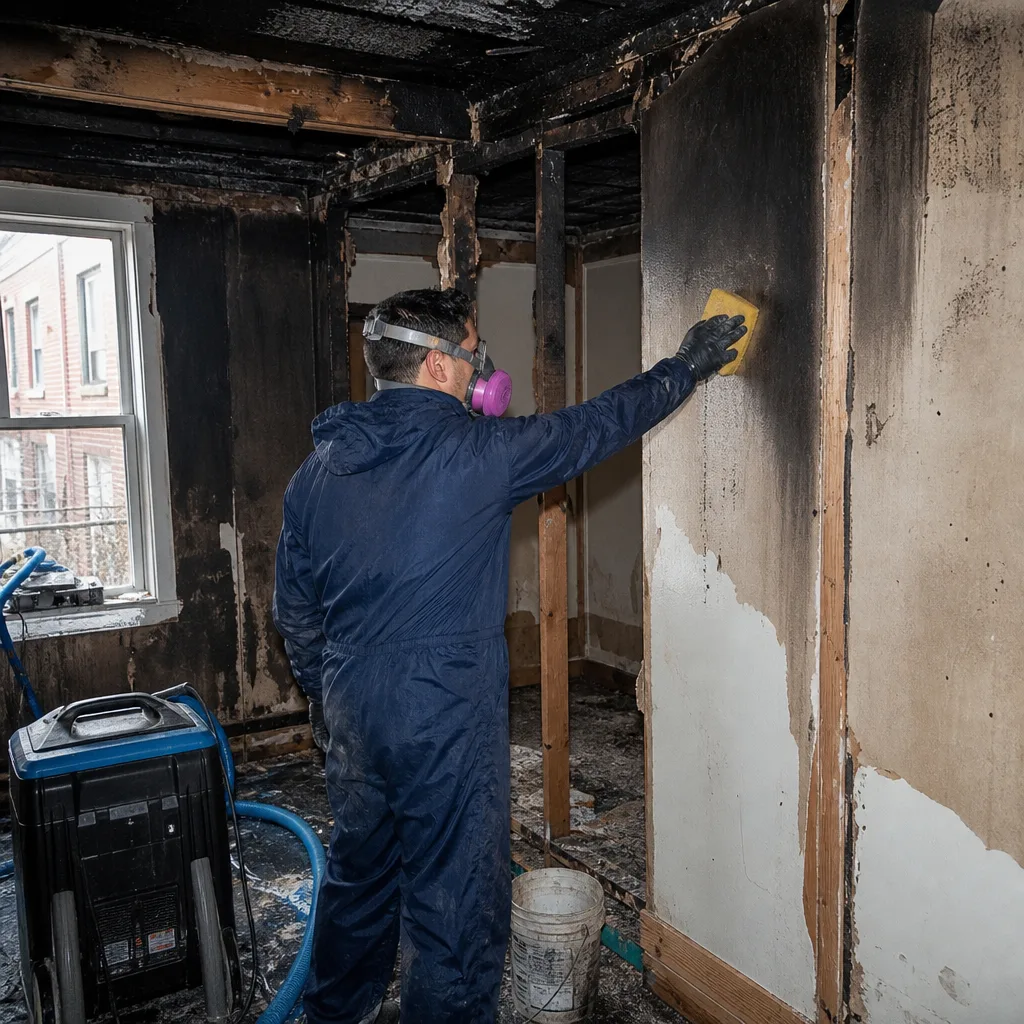
Structural Drying & Dehumidification
Drying a pre-war building is different from drying a drywall subdivision. Horsehair plaster retains moisture deep in the wall cavity, and old-growth timber framing releases it stubbornly. We run Dri-Eaz and Phoenix dehumidifiers with daily logged readings until the structure hits the dry standard, not when the surface feels dry to the touch.
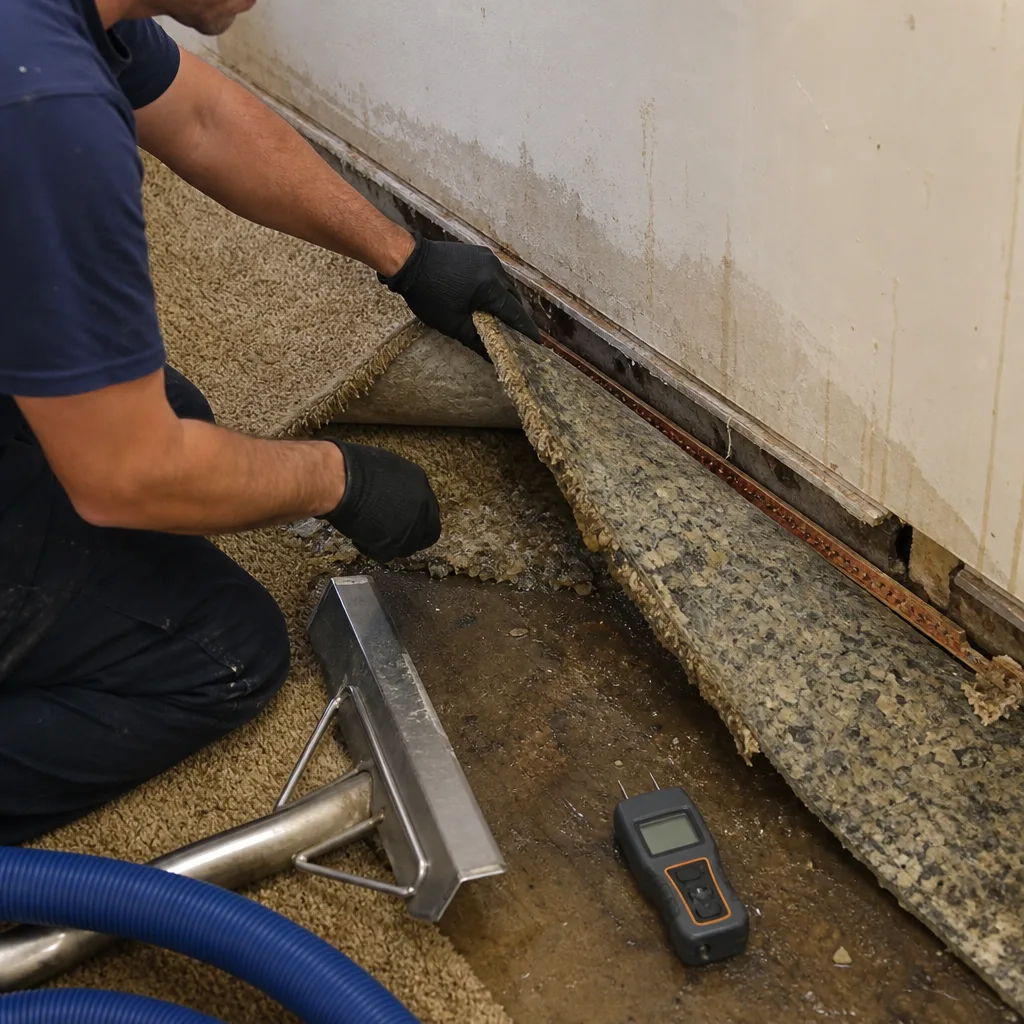
Burst Pipe Restoration
A failed cast-iron riser or a frozen copper supply line inside a Central Harlem party wall rarely stays within one apartment. Water follows joist bays and balloon framing down and sideways across ownership lines. We scope the source, contain the spread, coordinate with adjacent owners, and restore what the water damaged.
Flood Cleanup
Combined sewer backups bring Category 3 water into English basements and cellar units throughout Harlem’s rowhouse rows. That requires full containment, antimicrobial treatment, and careful disposal of saturated materials. This is not mop-up work. It is a contamination event.
Basement Water Removal
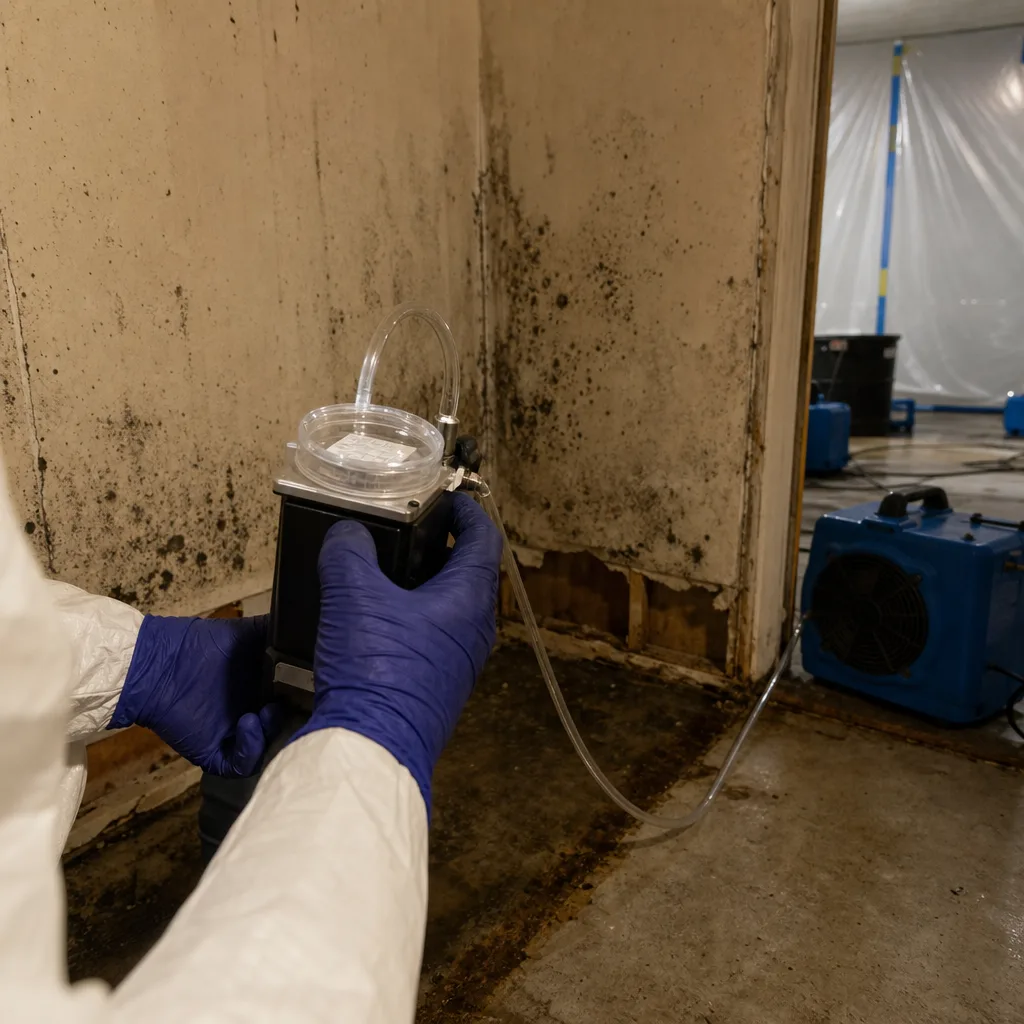
Harlem basements hold furnaces, boilers, electrical panels, and decades of stored belongings. We extract the water, use thermal imaging to find hidden pockets, and dry the space to a standard that prevents mold from establishing in the joist bays overhead.
Ceiling & Roof Leak Water Damage
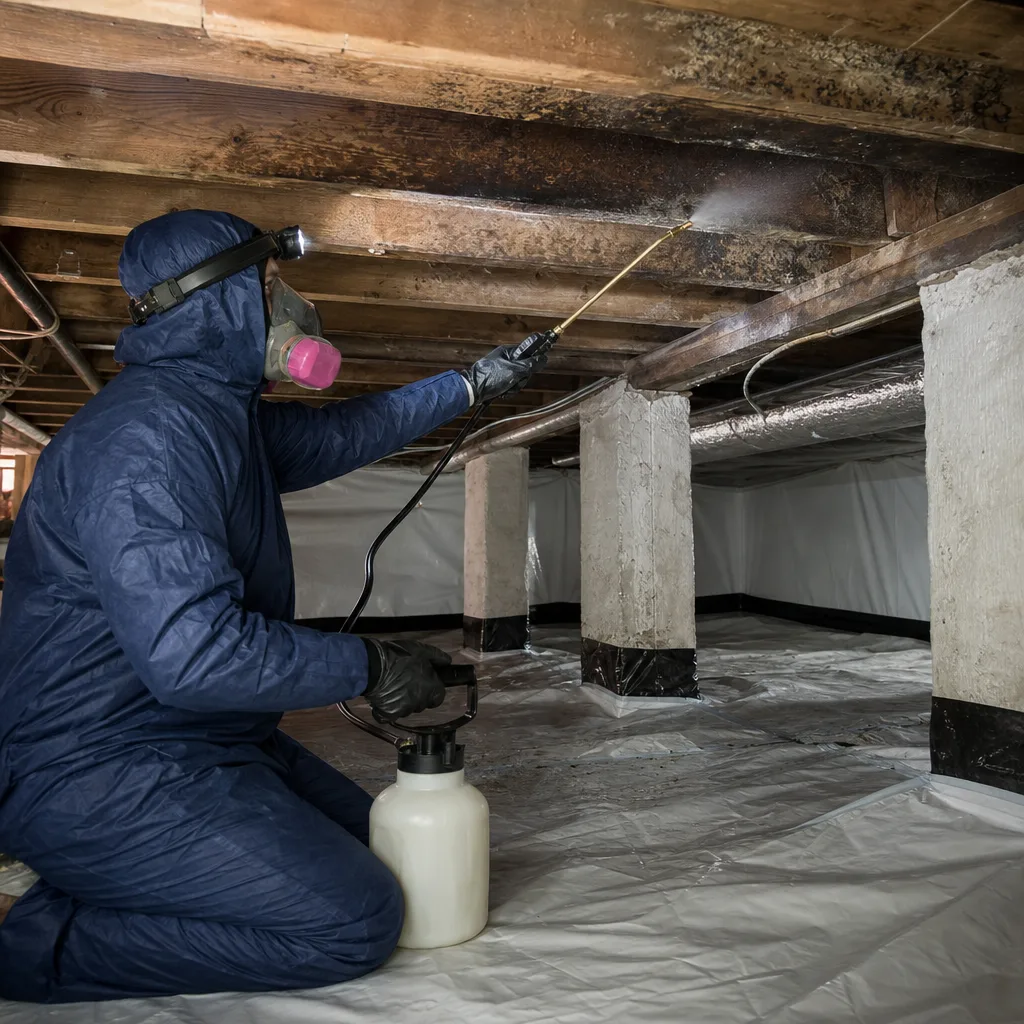
Flat tar-and-gravel roofs on Central Harlem brownstones fail slowly, then all at once. Water stains the top-floor ceiling, then the plaster keys release and the ceiling drops. We trace the leak, dry the ceiling cavity, and restore the plaster to match the original profile.
What happens when you call
- 1
A real person answersNo phone trees - you reach a local pro.
- 2
You get an upfront price rangeHonest numbers before anyone is dispatched.
- 3
A background-checked tech heads outLicensed & insured, dispatched right away.
- 4
You approve before work beginsNothing starts until you say go.
Water Damage Restoration Costs in Central Harlem, NY
Here is what Central Harlem homeowners can expect. Emergency water extraction alone runs $700 to $2,000 depending on square footage and water depth. Structural drying with equipment and daily monitoring runs $1,500 to $5,000 for a typical brownstone apartment. Burst pipe restoration, including source repair and damage mitigation, typically lands between $2,500 and $9,000. Basement flood cleanups with Category 3 water run $3,000 to $11,000 because of the containment and disposal requirements. What moves the price is the building’s age, the wall construction, and whether water crossed into a neighboring unit. In LPC-protected districts, exterior repairs add cost because of the dual-agency permitting path. Most sudden pipe bursts and appliance failures are covered by homeowners insurance minus the deductible. The free visual inspection gets you a firm, line-item scope before you commit to anything, and our standard offers, $50 Off Any Repair Over $250 and the Senior & Veteran 5% discount, apply to the out-of-pocket portion. Call (640) 221-3499 for an exact quote and a free estimate.
We Also Serve Cities Near Central Harlem
Floodline Restoration Co. runs crews to Midtown West, the Upper West Side, Midtown Manhattan, and the Upper East Side. If you own a building near the Harlem border or manage units in any of those neighborhoods, the same live dispatch, the same Water Damage Restoration team, and the same 90-Day Done Right Promise apply. We are one company, and we stand behind the work wherever the water line falls.
Serving Central Harlem, NY - Our Local Coverage Area
We’re based in the Central Harlem area and know this community well. Use the map below to see our service coverage - if you’re nearby, we can almost certainly help.
Central Harlem Water Damage Restoration Questions, Answered
How does LPC landmark status in Central Harlem change the water damage restoration process versus other NYC neighborhoods?
Any restoration work that touches an exterior wall, roof, or stoop in an LPC-protected district requires Landmarks Preservation Commission approval on top of standard DOB permits. Most other neighborhoods only need DOB sign-off. In Central Harlem, that dual review can add two to four weeks to the exterior portion of a job, so the mitigation is scoped separately from the exterior repair so drying starts immediately while the landmark paperwork processes.
Why does water from a burst pipe in one Central Harlem brownstone often affect neighboring buildings?
Brownstone rowhouses share masonry party walls and often share floor joists and roof structures. A burst riser in one building puts water into the shared wall cavity, and gravity takes it laterally and down into adjacent buildings that may have completely different owners. That is why our crews scope neighboring units before filing a single-property estimate. If you only dry your side of the wall, you will get a callback and a liability dispute with your neighbor.
What’s different about drying out a pre-war brownstone with horsehair plaster versus a modern drywall apartment?
Horsehair plaster is hygroscopic. It pulls water deep into the wall cavity and releases it slowly over weeks, not days. Drywall becomes visibly saturated and is often cut out and replaced. Plaster, by contrast, may look fine on the surface while the lath and studs behind it stay wet. Our drying protocol uses moisture meters and thermal imaging to track what is inside the wall, and we run equipment longer on plaster walls than we would on drywall. Stopping early means hidden mold behind the plaster in a couple of months.
Do Central Harlem cellar and English basement flood cleanups require different handling because of the combined sewer system?
Yes. When heavy storms overwhelm the combined sewer system, water backs up through floor drains into cellars and English basements. That is Category 3 water, meaning it carries sewage and street runoff. Cleanup requires full containment, antimicrobial treatment, and careful waste disposal. You cannot simply pump it out and set fans. The affected materials, including any saturated flooring or wallboard, must be removed and disposed of properly.
How does Central Harlem’s freeze-thaw cycle make roof leak water damage worse than in other parts of Manhattan?
Brownstone is porous. Water enters the stone during the day when temperatures rise above freezing, then freezes and expands at night, opening cracks wider each cycle. Over a Manhattan winter with dozens of freeze-thaw crossings, a small roof leak turns into a recurring entry point. The damage compounds, water moves deeper into the parapet and top-floor ceiling, and by March you have failed plaster keys and a sagging ceiling. Fixing the leak without addressing the facade condition means the problem comes back next winter.
How fast can you actually get to a Central Harlem address?
Our commitment is 45 minutes from when you call to when a crew arrives at your door. A live dispatcher confirms the nearest available team and equipment truck before we end the call. In dense Central Harlem traffic, the biggest variable is parking, and our crews know the blocks, the loading zones, and the side streets. Call (640) 221-3499 and we will give you a real ETA, not a window.
Will my insurance cover water damage restoration in Central Harlem?
Most homeowners policies cover sudden and accidental water damage, such as a burst supply line, a failed water heater, or an appliance overflow. Gradual leaks, neglect, and flood from rising street water are typically excluded unless you carry separate flood coverage. Sewer backup usually requires an endorsement. We document the loss from the first hour, work directly with your adjuster, and bill the carrier so you do not have to carry paperwork between parties.
What should I do in the first 30 minutes after discovering water damage?
Call us at (640) 221-3499. Then, if it is safe to do so, shut off the water at the main valve or the fixture supply. Do not enter standing water if there is any chance it is touching electrical outlets or appliances. Move small belongings out of the water path if you can. Do not try to extract water from a Category 3 sewage backup yourself, that requires protective equipment and proper disposal. Every minute the water sits, the damage spreads through plaster, flooring, and the units below.
Written by Curt Bowman, Owner at Floodline Restoration Co., serving Central Harlem and the surrounding boroughs with full-cycle water damage restoration.