
Free visual inspection and a written scope of work before any mitigation begins - photos, moisture readings, and drying logs go in your claim file
The scope we write is the scope we bill. Anything new gets shown to you, in writing, before we touch it.
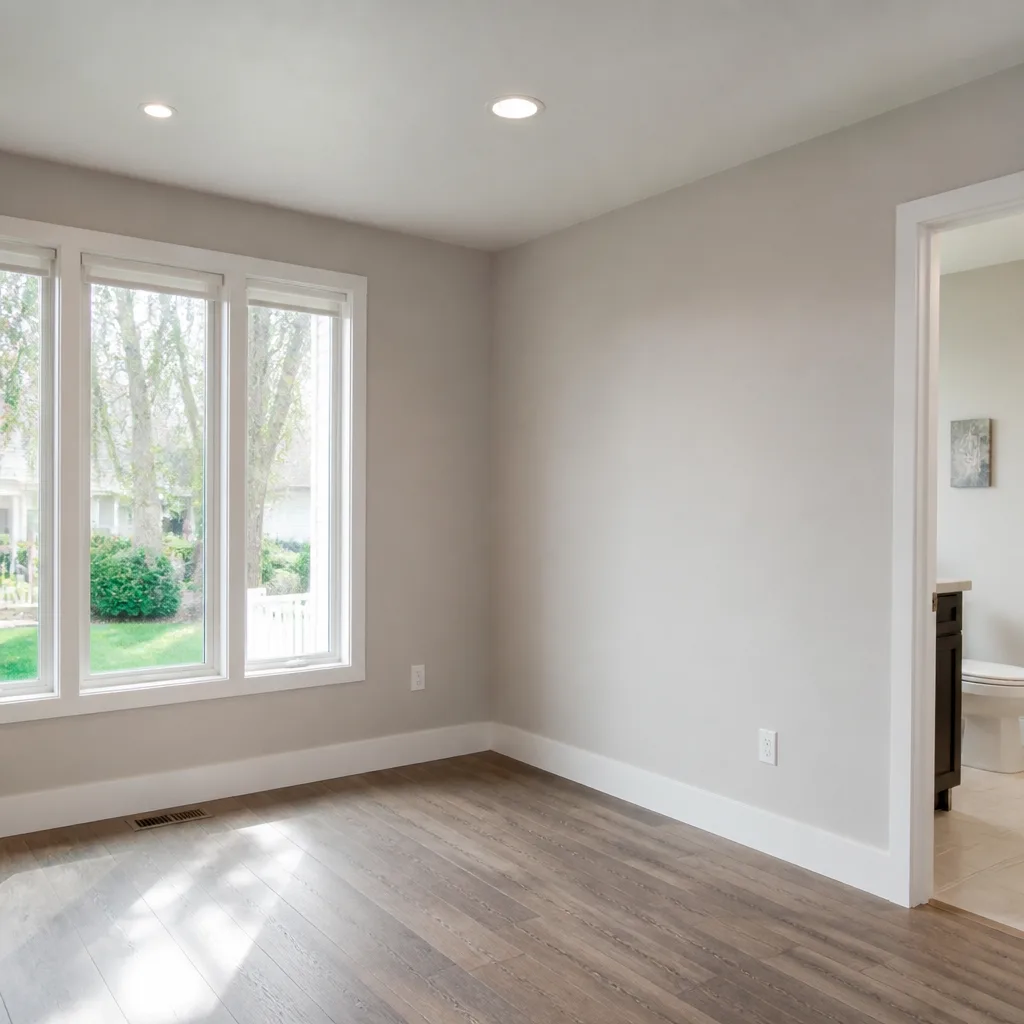
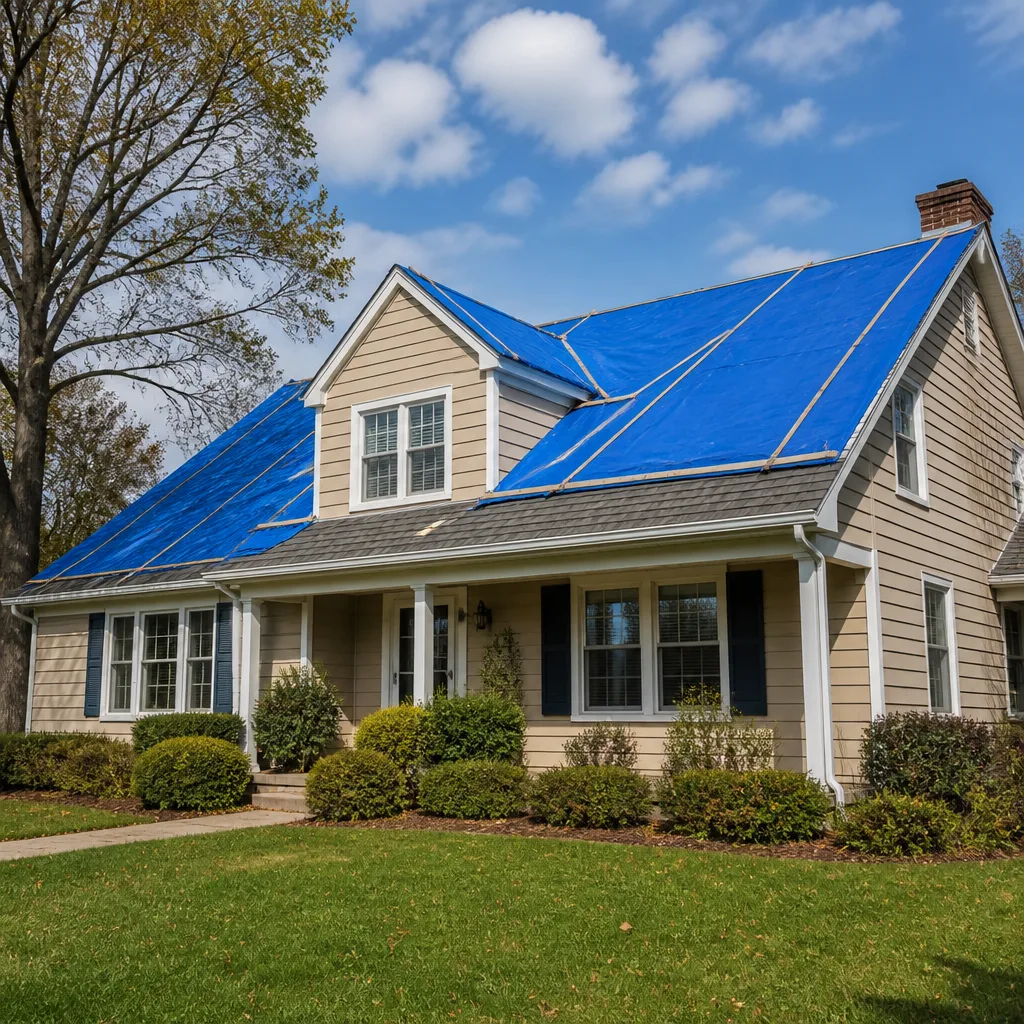
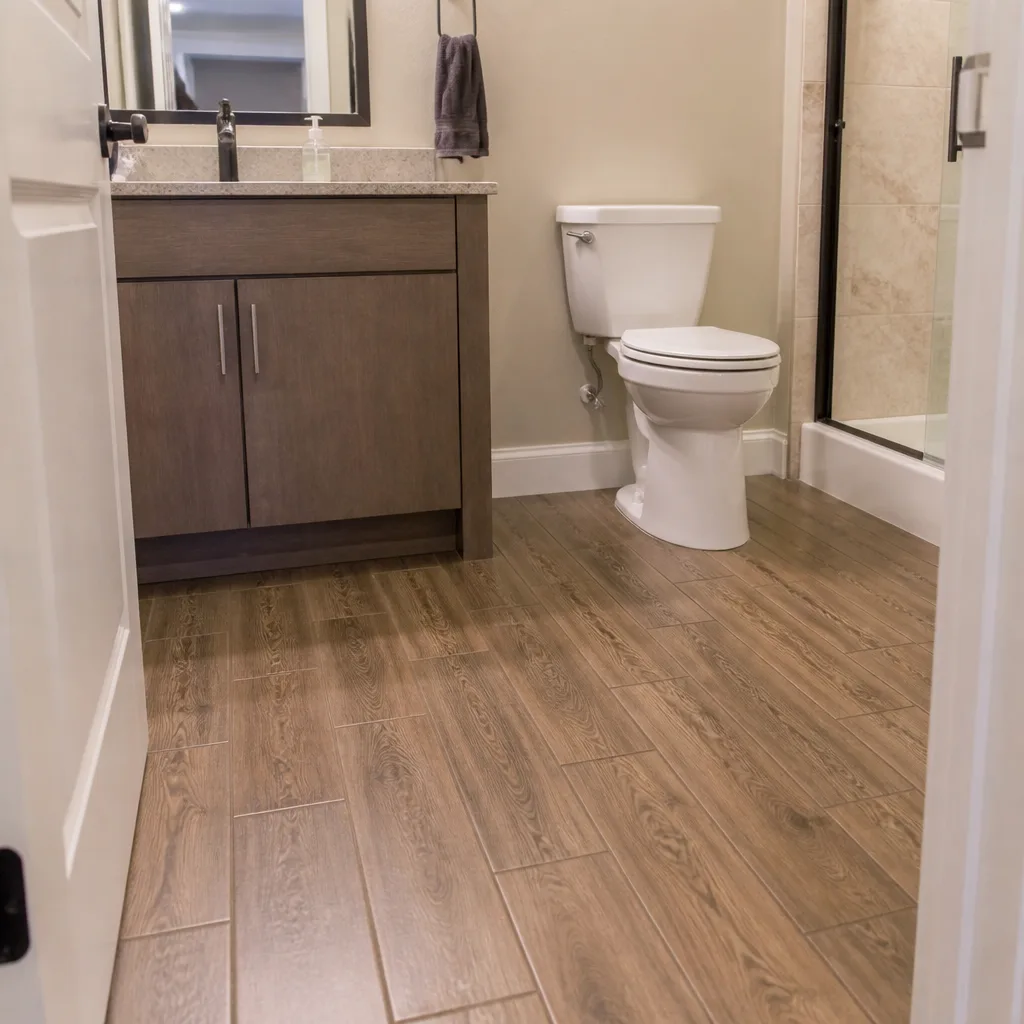
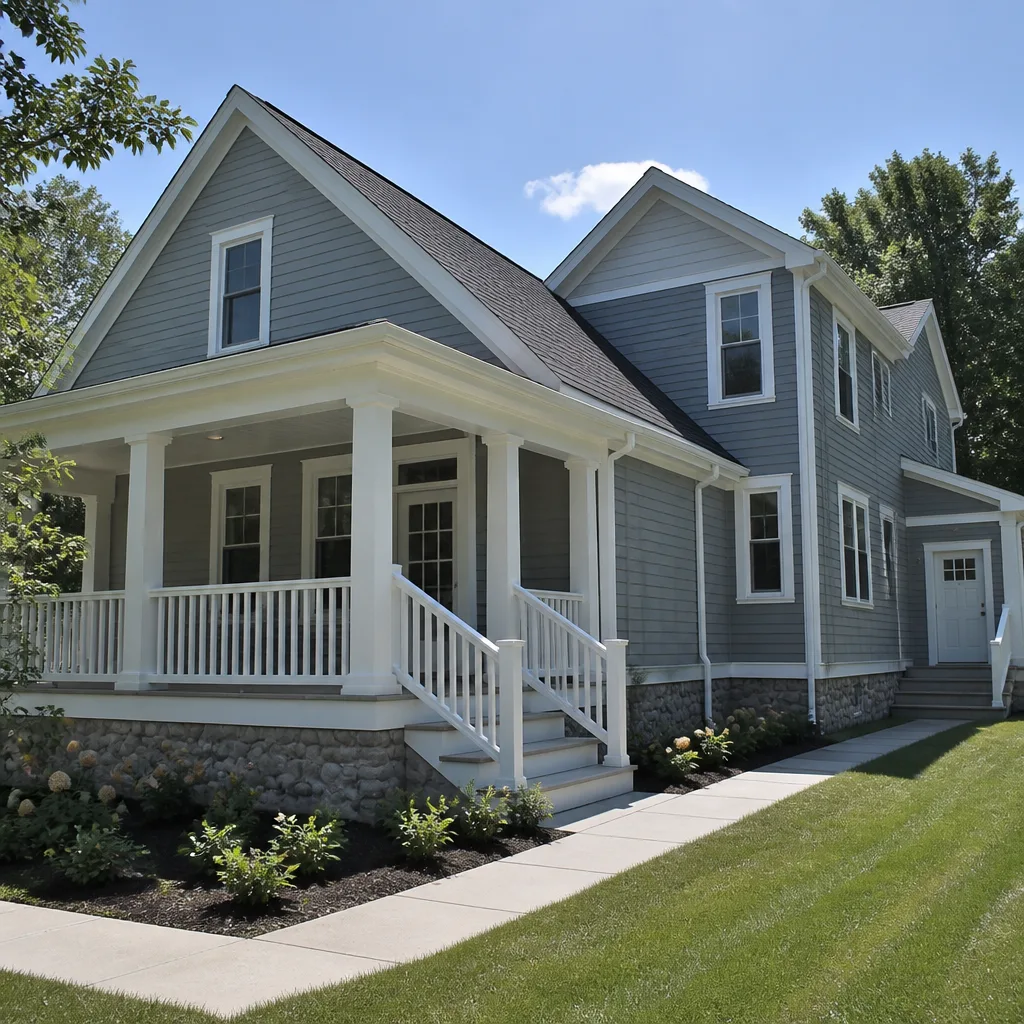
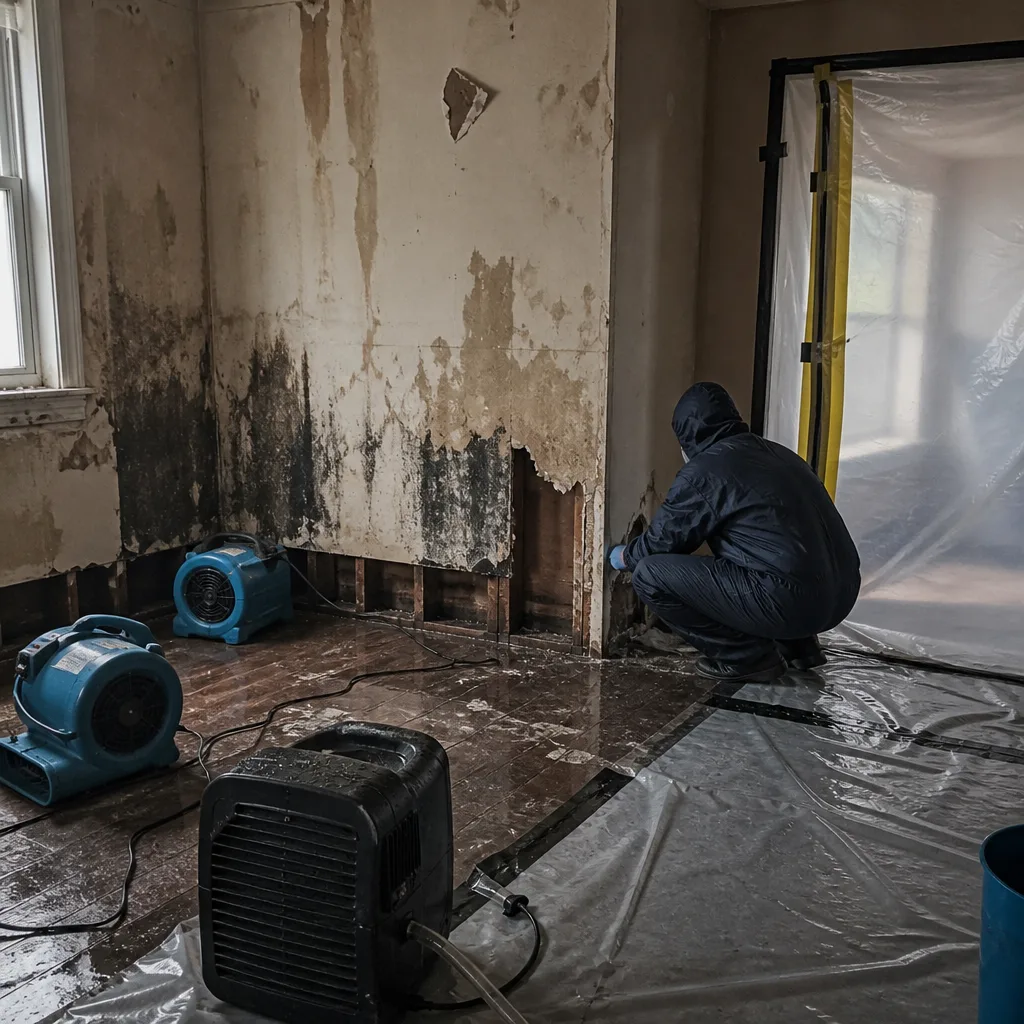 Before
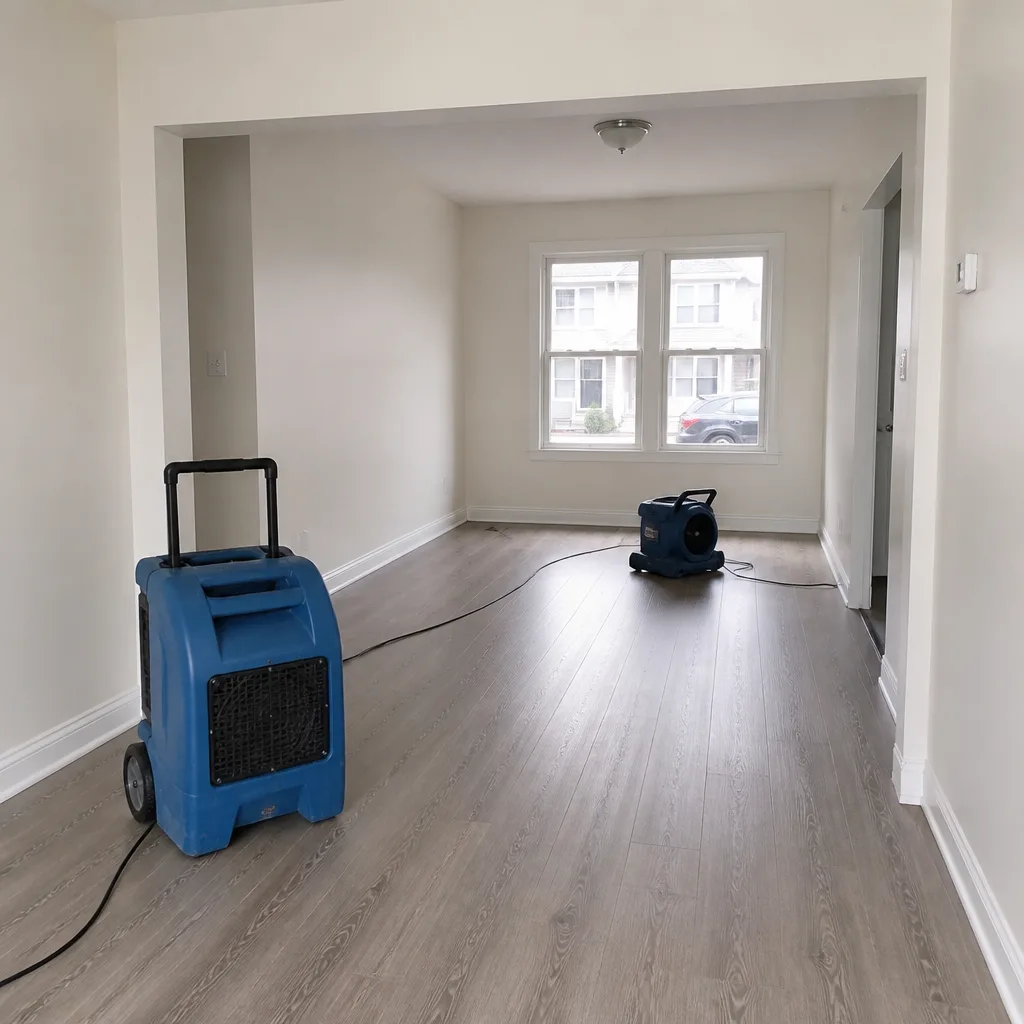 After
After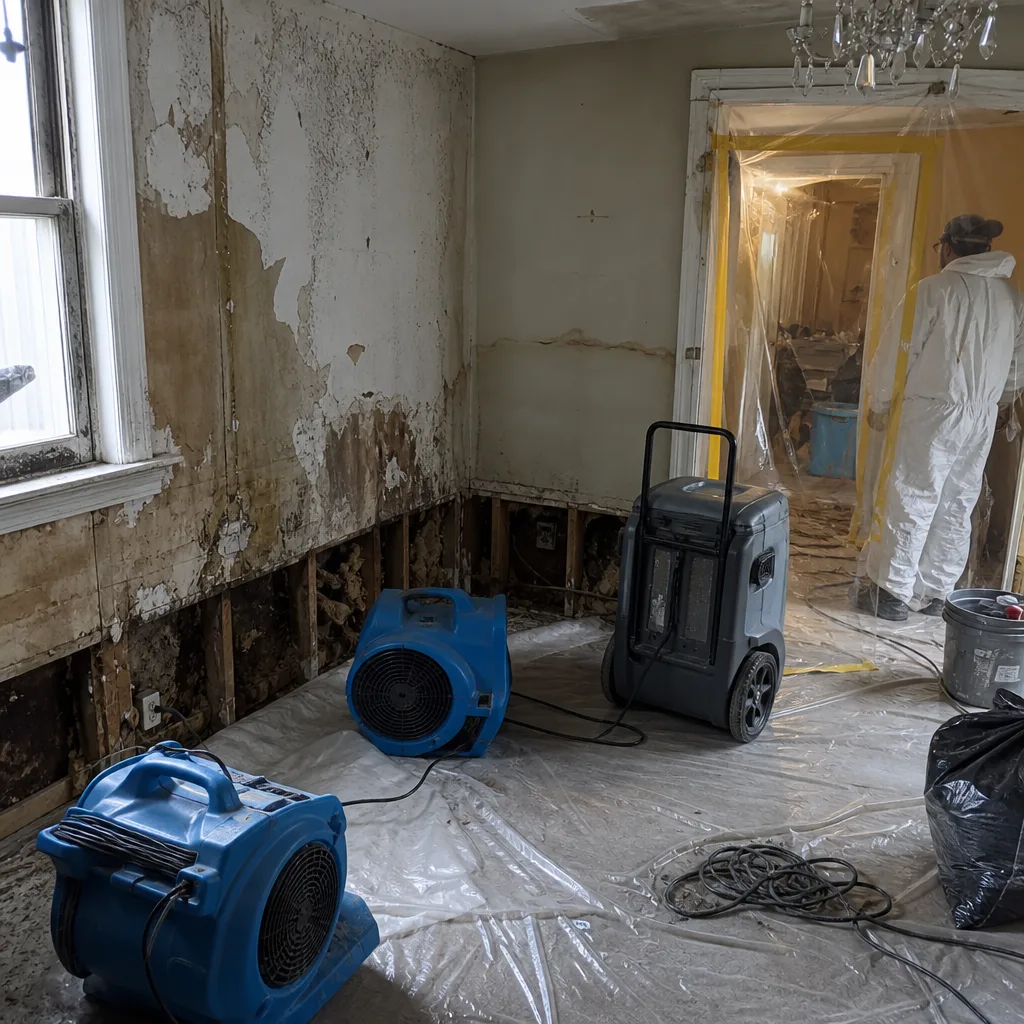 Before
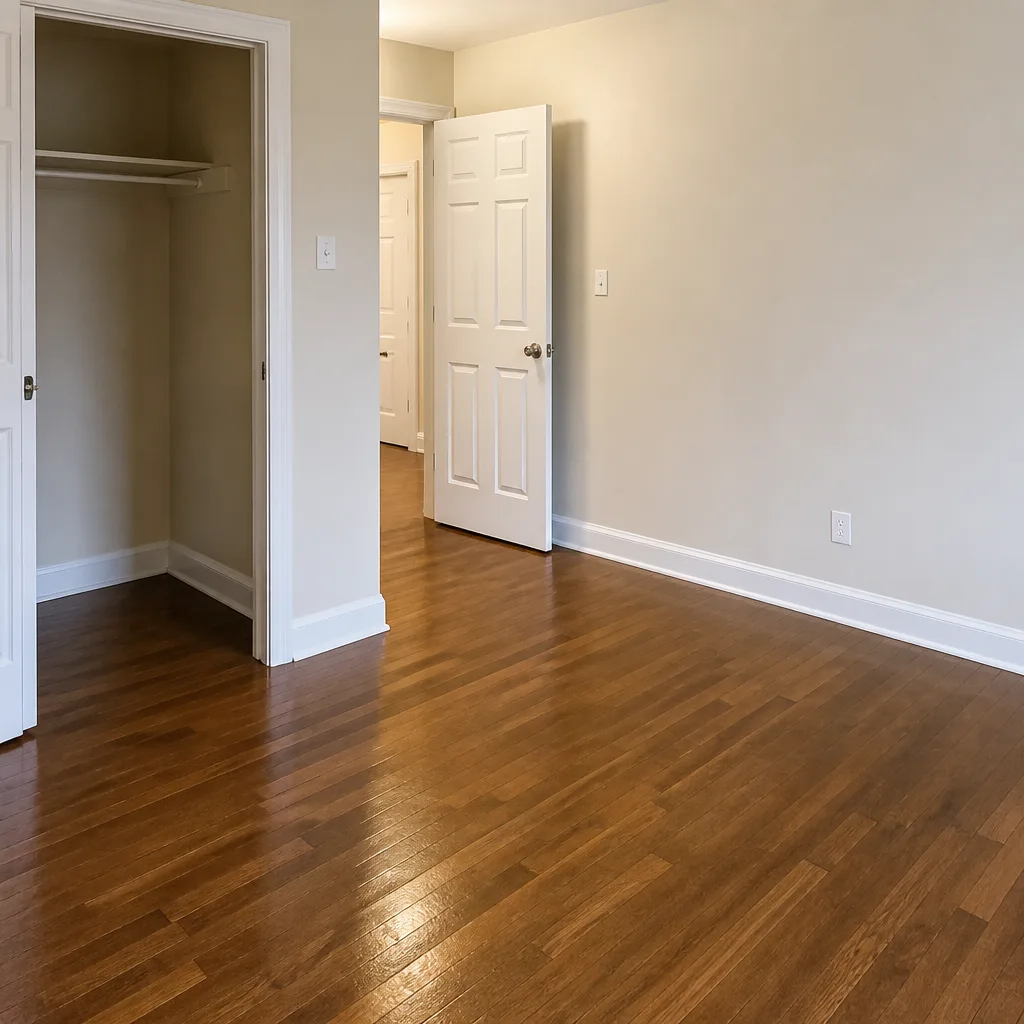 After
After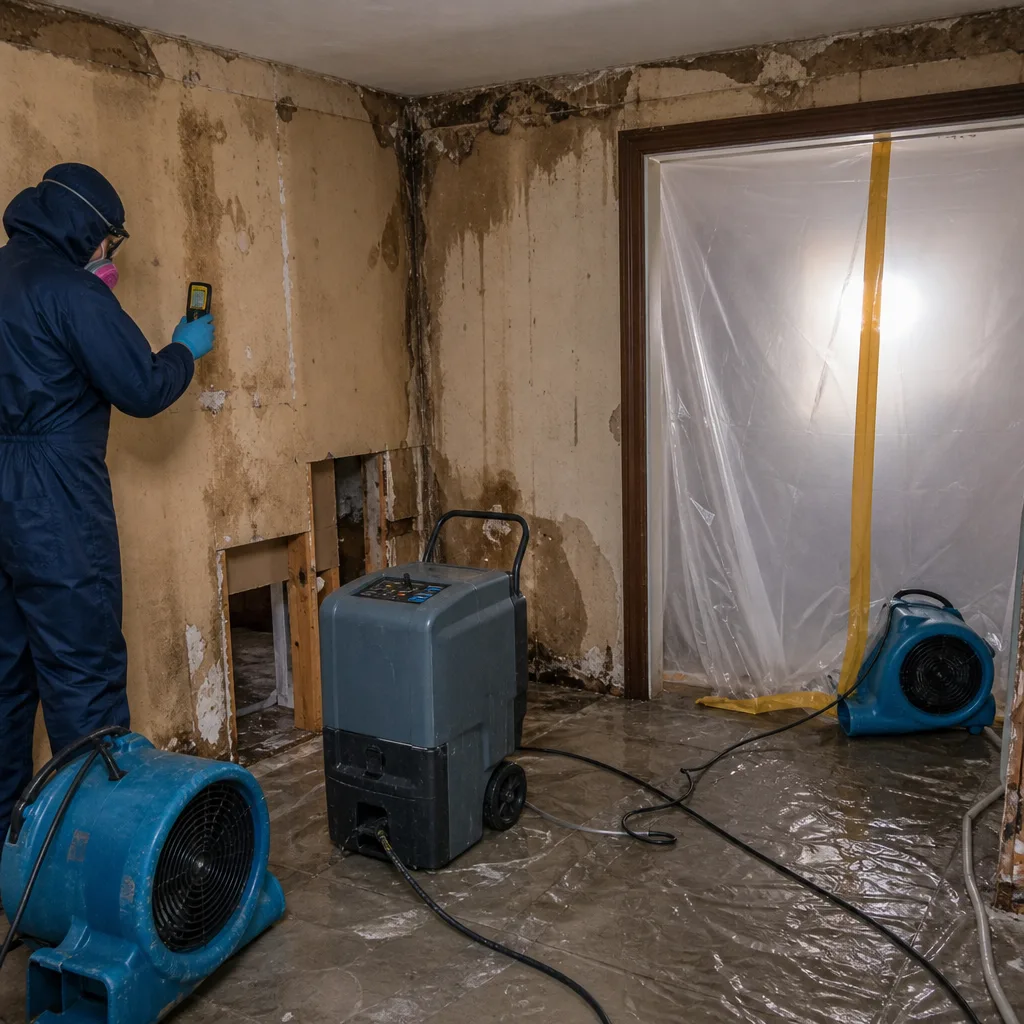 Before
 After
After24/7 Emergency Storm & Disaster Restoration in Upper Manhattan
Storm and flood damage in Upper Manhattan doesn’t wait for business hours, and neither do we. A burst pipe in a six-story Washington Heights walk-up at 3 a.m. is already seeping through horsehair plaster into the unit below before you’ve found the shutoff valve. Our crews are dispatched into Upper Manhattan around the clock, with a live person answering the phone at (640) 221-3499 no matter when you call. The first hour after water intrusion determines whether you’re looking at a few days of drying or a full gut-and-rebuild across multiple floors. We’ll send a certified technician for a free visual inspection, get extraction running the same visit, and hand you a written scope so nobody starts tearing into your walls without you knowing exactly what happens next.
Understanding Storm & Disaster Restoration Severity in Upper Manhattan Properties
Not all water behaves the same way once it’s inside a pre-war building, and the category matters more than the volume. Category 1 water from a clean supply line is nuisance damage until it saturates lath and plaster. Category 2 is gray water from washing machines or steam-heat overflows. Category 3 carries sewage or river water, and that changes the protocol entirely. In Upper Manhattan’s 1890-to-1940 building stock, the drywall-era assumptions most national franchises use don’t hold. Horsehair plaster wicks water upward and sideways far beyond the visible stain, while cast-iron drain stacks in six-story walk-ups channel water down through shared walls into units two and three floors below the original break. We use thermal imaging and probe rods to map actual saturation, not just visible dampness. Steam-era buildings hide moisture behind a plaster skin that looks dry to the touch. By the time anyone smells it, mold has typically colonized the cavity behind the wall. That’s why we treat every Upper Manhattan water event as potentially structural until moisture mapping says otherwise.
Why Upper Manhattan Property Owners Choose Floodline Restoration Co.
- 45-minute response commitment: We dispatch crews stationed for Upper Manhattan coverage, so someone’s on the way within 45 minutes of your call, not “sometime tomorrow.”
- 24/7 live answer, every time: A dispatcher picks up at 2 a.m. in a nor’easter. You’ll never hear a recording or a call-back promise.
- IICRC-certified crews: Our technicians hold WRT and FSRT certifications and follow IICRC, RIA, and IFA standards on every Upper Manhattan job.
- Free visual inspection: We’ll assess the damage and tell you honestly what needs fixing now versus what can wait, with no charge for that first visit.
- Direct insurance billing: We work with your carrier and adjuster from day one, submit the documentation, and bill them directly so you’re not floating the claim.
- One team from extraction to reconstruction: No mid-job handoff to a different company. The same certified crew that extracts the water rebuilds the walls.
Our Storm & Disaster Restoration Process
Inspection & Assessment
We start with thermal imaging and moisture mapping to find water that isn’t visible, including migration through shared walls and under flooring. You get a written scope before any demo begins.
Extraction & Stabilization
We pull standing water with truck-mounted and portable extraction units, then stabilize the structure with emergency board-up or tarping if storm damage opened the envelope.
Drying & Dehumidification
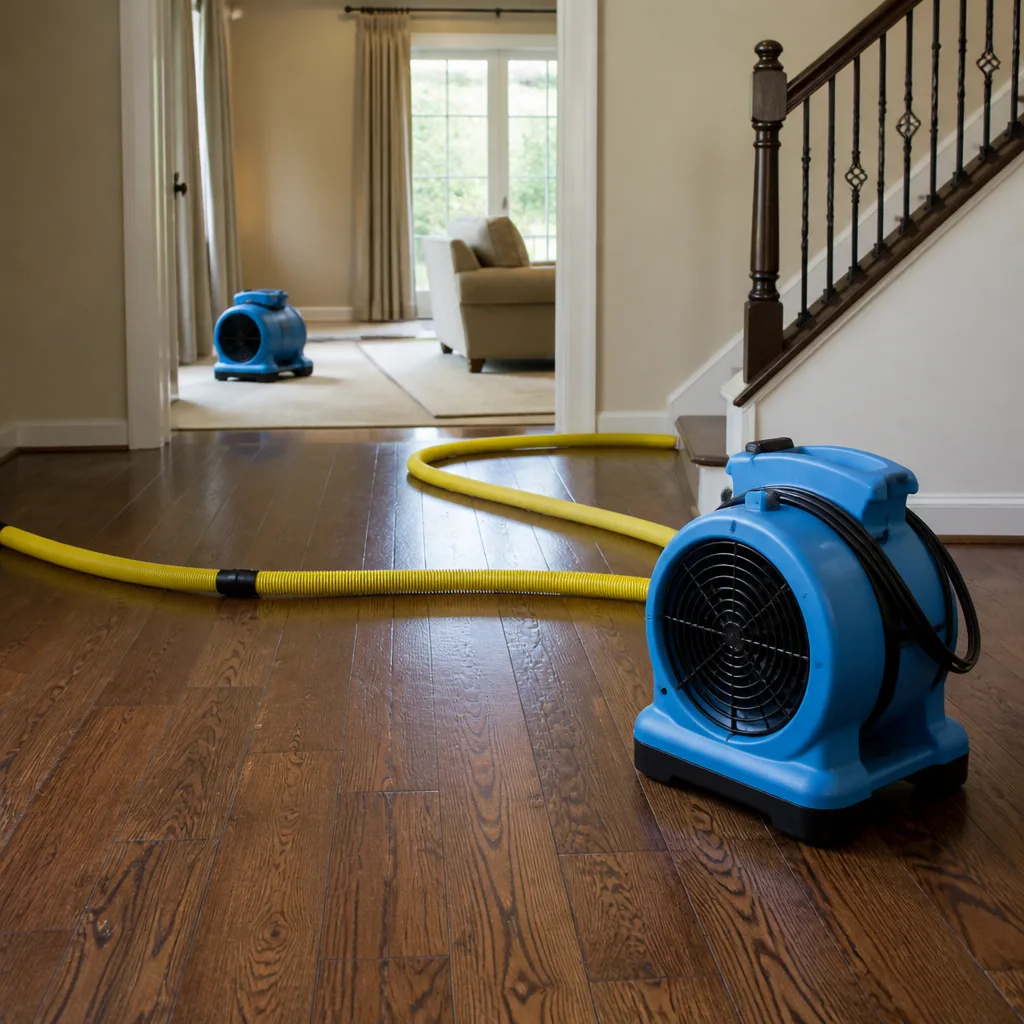
Dri-Eaz LGR dehumidifiers, Phoenix air movers, and Injectidry systems go in, with daily moisture readings logged until the dry standard is met. For steam-era plaster, we probe deeper than surface meters read.
Cleaning & Sanitization
We clean salvageable surfaces, apply antimicrobial treatment where water category requires it, and run HEPA air scrubbers to control airborne particulates during demolition.
Mold Prevention & Containment
In Upper Manhattan’s horsehair plaster buildings, we install containment and run negative air on any wall we open where moisture has sat more than 24 hours. This isn’t optional.
Repairs & Restoration
The same crew that dried the building now rebuilds it: plaster repair, new lath where needed, paint, trim, flooring. You get one accountable team from floodline to finish.
Need Emergency Storm & Disaster Restoration in Upper Manhattan Now?
Crews minutes away, answering live 24 hours a day. The sooner we start, the less it costs.
Working With Your Insurance Company
We’ve handled enough Upper Manhattan co-op and landlord claims to know that adjusters don’t argue with documentation; they argue with vague descriptions. From the first hour, we photograph every affected room, log every moisture reading, and describe the scope in line-item detail that your carrier can process without kicking it back for questions. If your building is a co-op or rent-stabilized property, we coordinate directly with the board, the managing agent, and the adjuster so you’re not the one running between three parties with a folder of papers. Direct billing means we submit to your insurer and they pay us directly for covered work. You get a full accounting and a written scope to review before anything gets approved.
What We Provide Your Insurer
- Thorough documentation of the loss
- Photos of all damage, room by room
- Moisture readings and drying logs
- A detailed, line-item scope of work
- Direct coordination with your carrier
Built for Upper Manhattan’s Loss Calendar
Upper Manhattan’s disaster season isn’t one season; it’s a calendar of specific failures tied to the buildings themselves. January and February bring deep freezes that crack supply lines in uninsulated wall cavities of pre-war walk-ups. March and April thaw the ground around Inwood and lower Washington Heights, where garden-level units and basements sit close to the water table at the confluence of the Hudson and Harlem Rivers. Summer brings short, intense convective storms that dump two inches of rain in an hour and overwhelm the combined storm-sewer system, backing water into basement drains. September through November is nor’easter season, with wind-driven rain finding every compromised flashing point on a parapet wall or a roof deck. Through all of it, steam-heat systems in buildings from 1890 to 1940 run constantly from October to May, and a slow weep behind a wall never announces itself until the plaster starts bubbling. The specific loss matters less than the building that holds it.
Storm & Disaster Restoration Across Upper Manhattan’s Neighborhoods
Washington Heights and Inwood sit at the top of the ridge, but that doesn’t make them dry. The slope toward the Harlem River sends stormwater down into basement units on lower-grade blocks, and the older six-story walk-ups along 181st Street and Fort Washington Avenue carry water through shared stacks with the precision of a plumbing diagram. Central Harlem and East Harlem bring a different set of constraints: NYCHA towers require a separate municipal contracting approval process before we can even set a dehumidifier, and that timeline doesn’t pause while water keeps moving. Morningside Heights and Hamilton Heights, with their co-op boards and landmarked facades, add an architectural review layer to any repair that touches an exterior wall. Along the East River side, older tenement buildings with railroad-flat layouts concentrate plumbing in a single wet wall, so a second-floor leak travels down four apartments before anyone on the first floor calls the super. Each neighborhood in Upper Manhattan has a different failure pattern, and the crew that arrives should know which one they’re walking into.
Specialized Storm & Disaster Restoration Services We Offer in Upper Manhattan
Our Storm & Disaster Restoration team handles the full range of storm damage in Upper Manhattan, from first response to final coat of paint. Here’s what that looks like in real terms.
Flood Damage Restoration
Flood water in Upper Manhattan is rarely a single-unit problem. A burst pipe in a Washington Heights walk-up can migrate through shared plumbing stacks into three or four adjacent units within hours. We extract, dry, and restore across every affected floor, coordinating with the super, the board, and neighboring tenants so every affected unit gets logged and treated. If it’s groundwater coming up through an Inwood garden-level slab during a nor’easter, we address the hydrostatic pressure issue alongside the interior damage, because drying the floor doesn’t matter if the water comes back in three weeks.
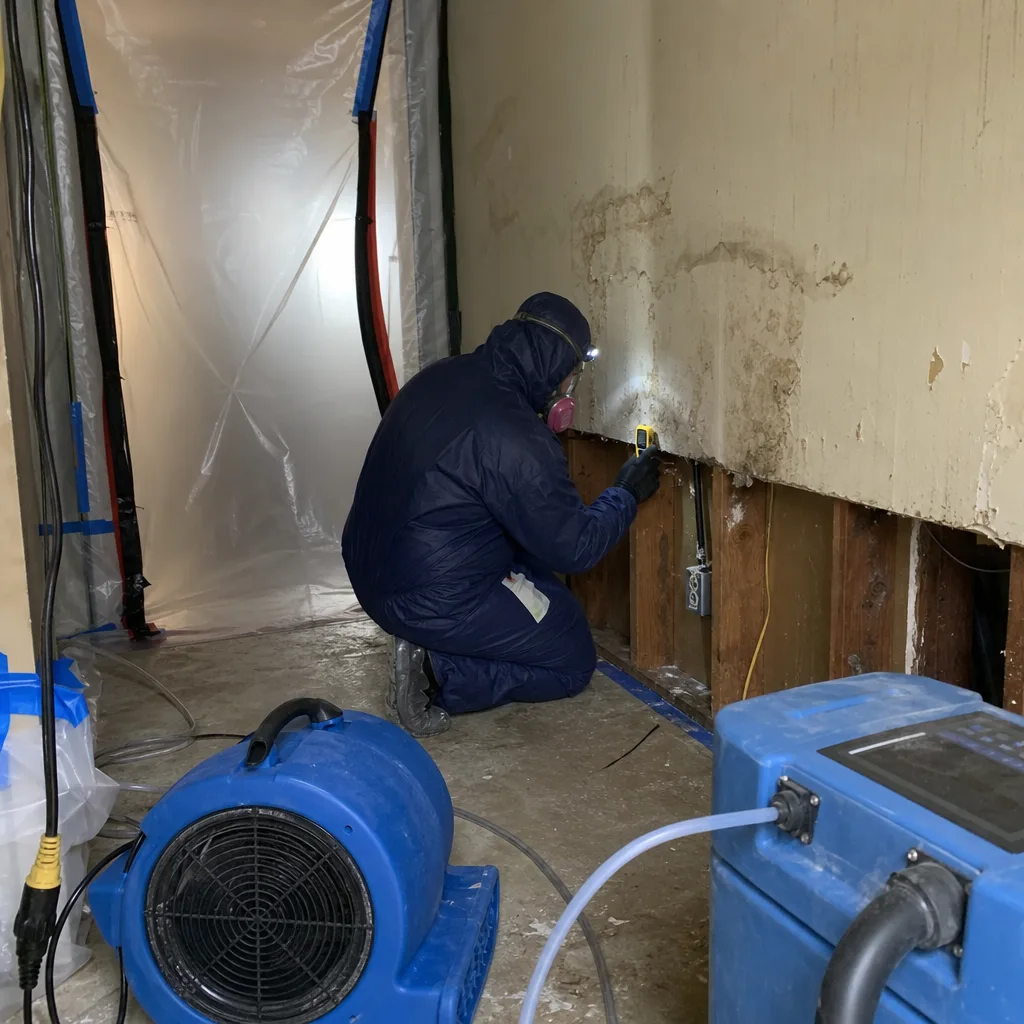
Storm Damage Cleanup
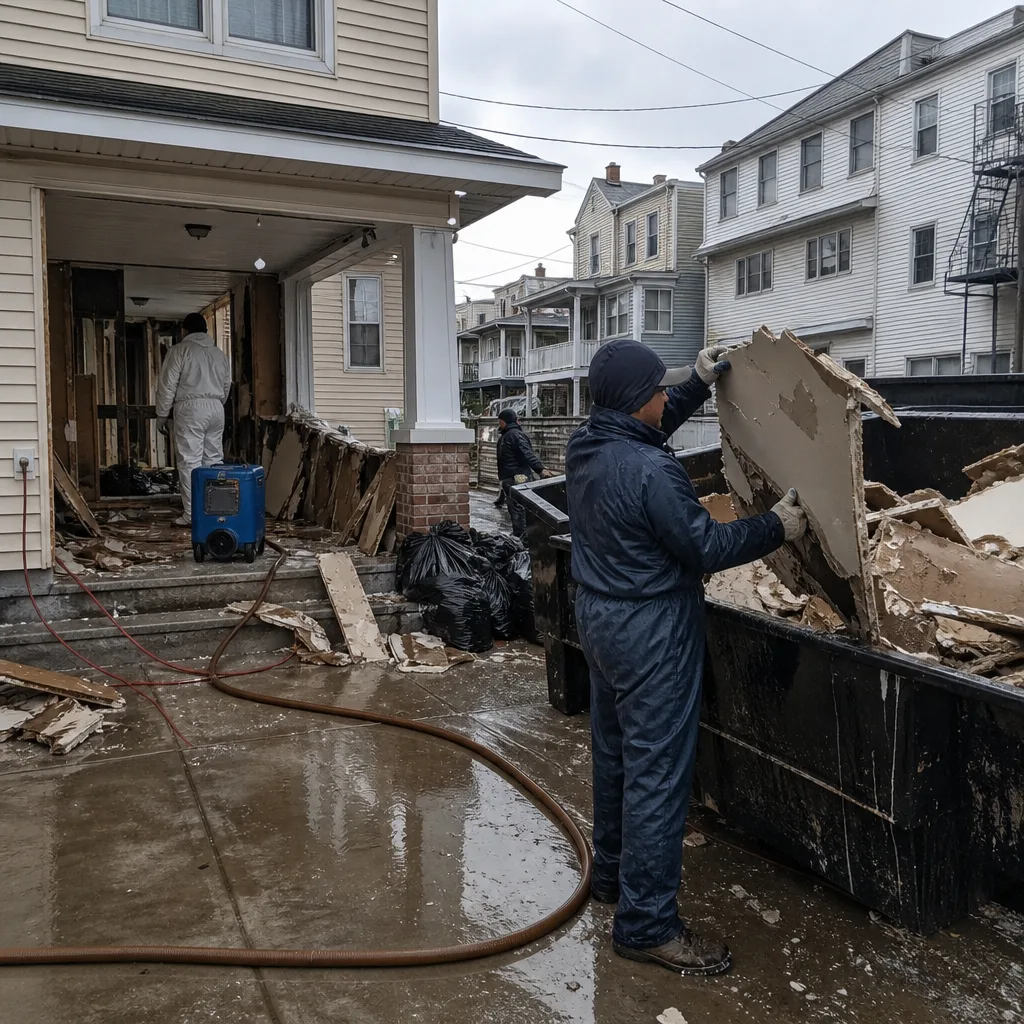
After a severe storm, the damage isn’t always standing water. It’s debris on the roof, a gutter pulled away from the parapet, or wind-driven rain that’s been seeping behind a cornice for six hours. We clear the immediate hazards, document the envelope damage for your carrier, and get the interior stabilized before secondary problems like mold in the wall cavities take hold. In pre-war buildings, a small roof leak left unattended for a weekend becomes a plaster-and-lath problem on three floors by Monday.
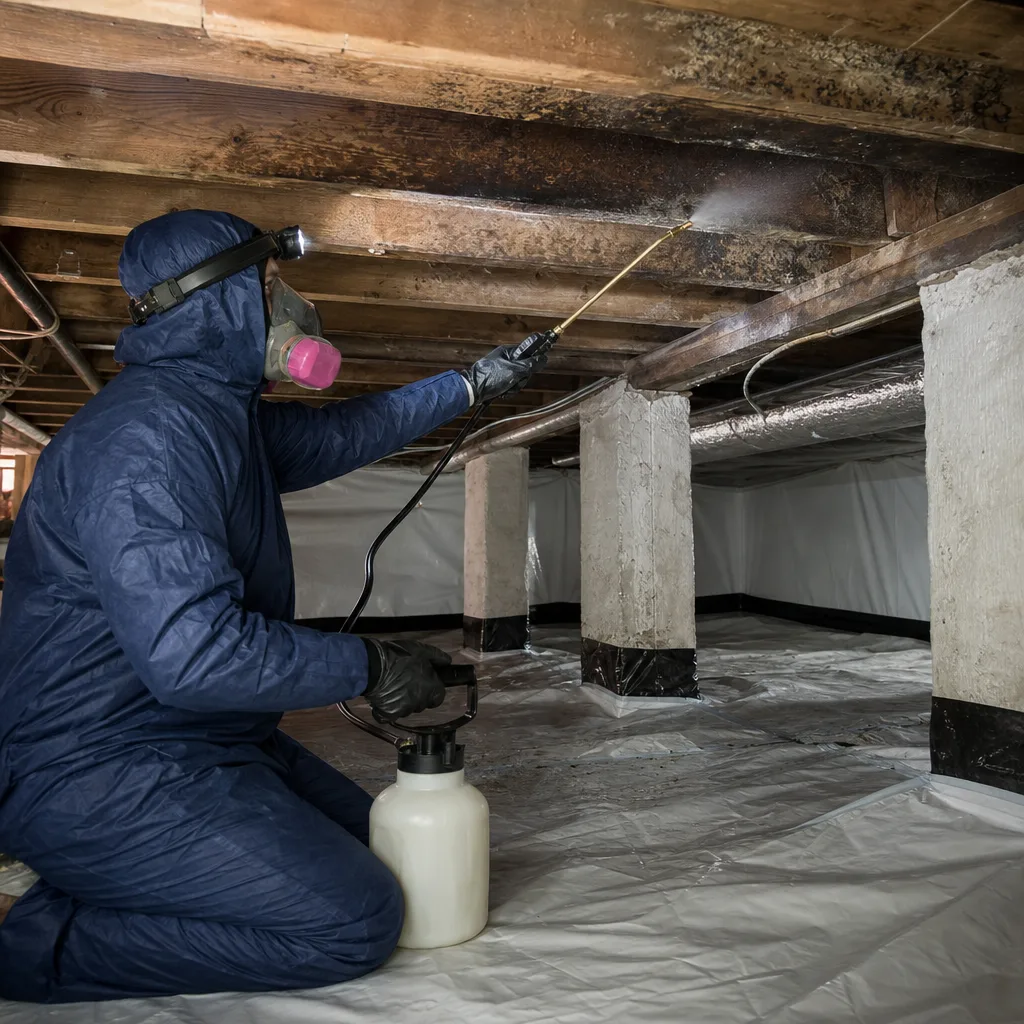
Emergency Board-Up
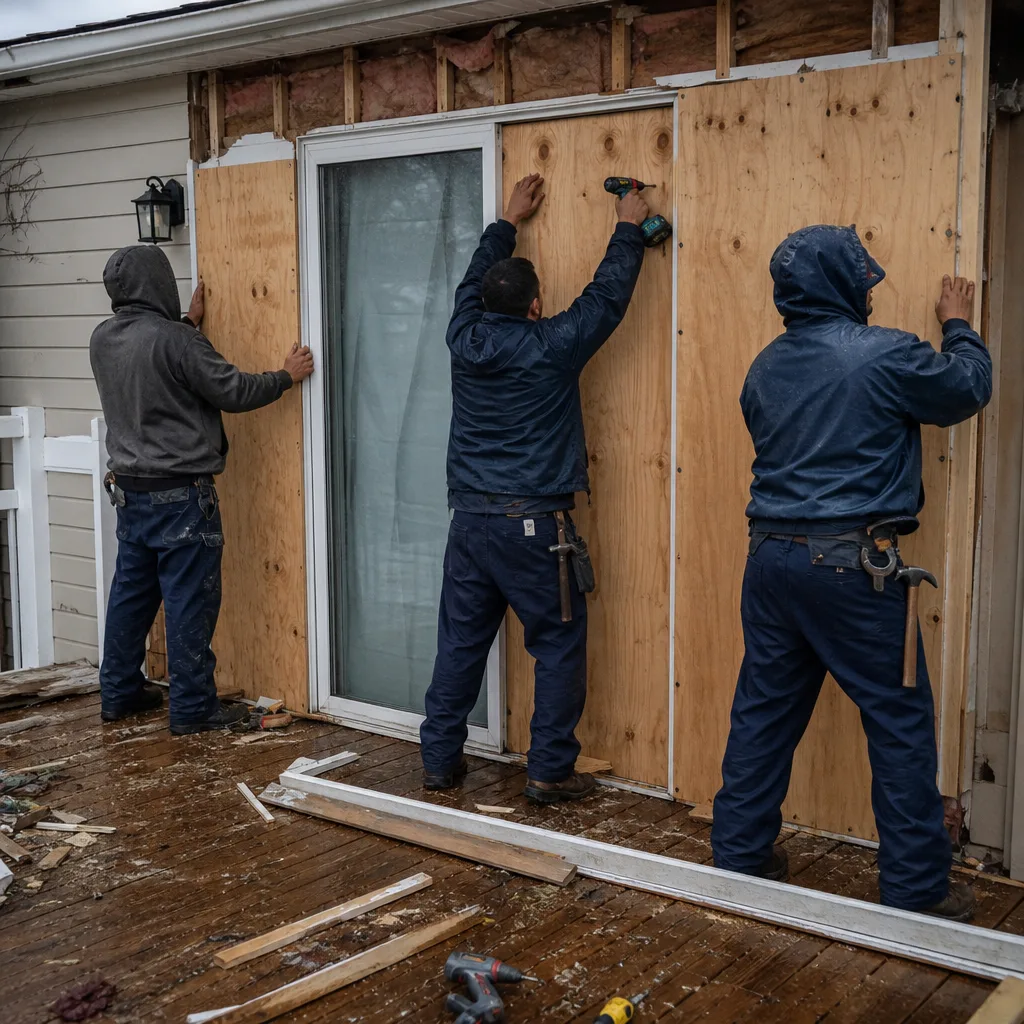
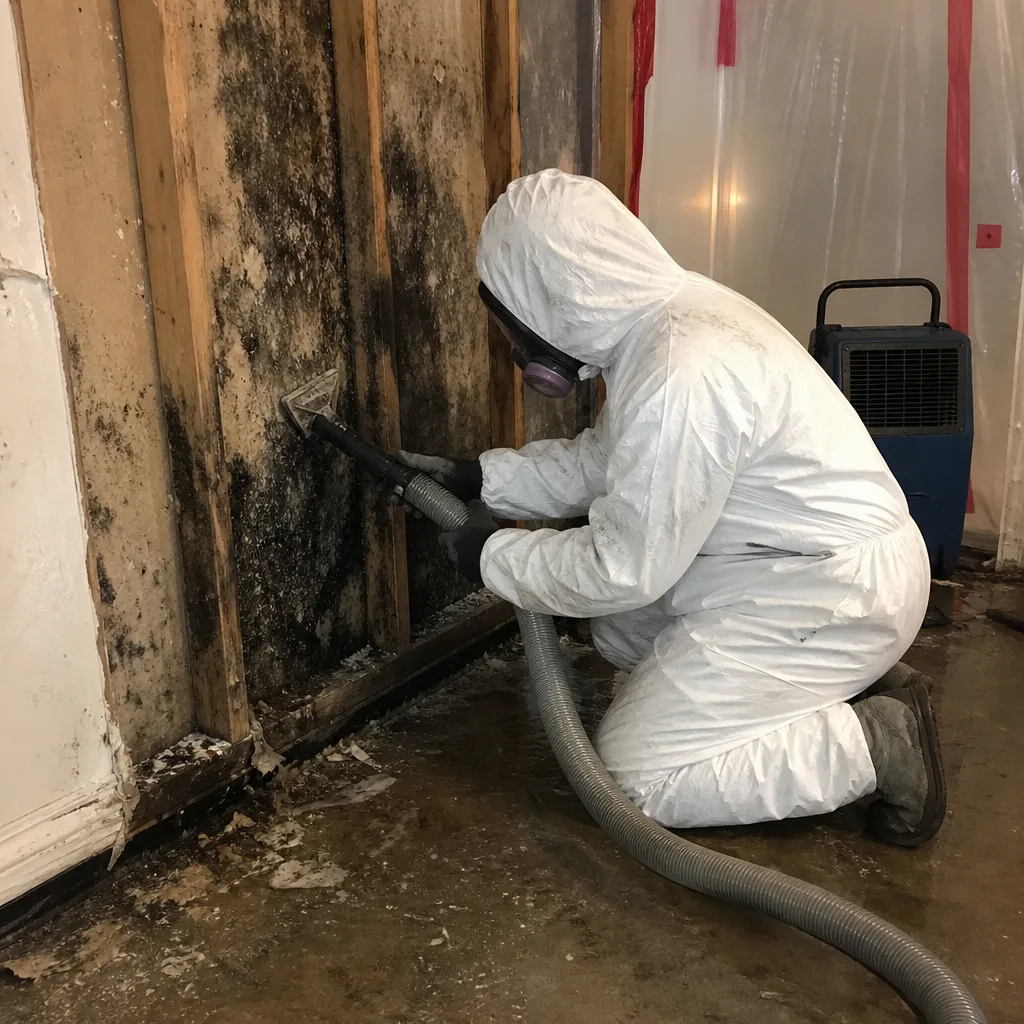
When a wind event or fallen branch takes out a window or a section of wall in an East Harlem tenement or a Morningside Heights brownstone, the building is exposed and the security risk is immediate. We board up with materials sized to the opening and secured properly, not a sheet of plywood screwed into the trim, so the building stays weathertight and secure until permanent repairs are scoped. For street-level storefronts and garden units, we also cover sidewalk protection so debris doesn’t become a liability.
Roof Tarping
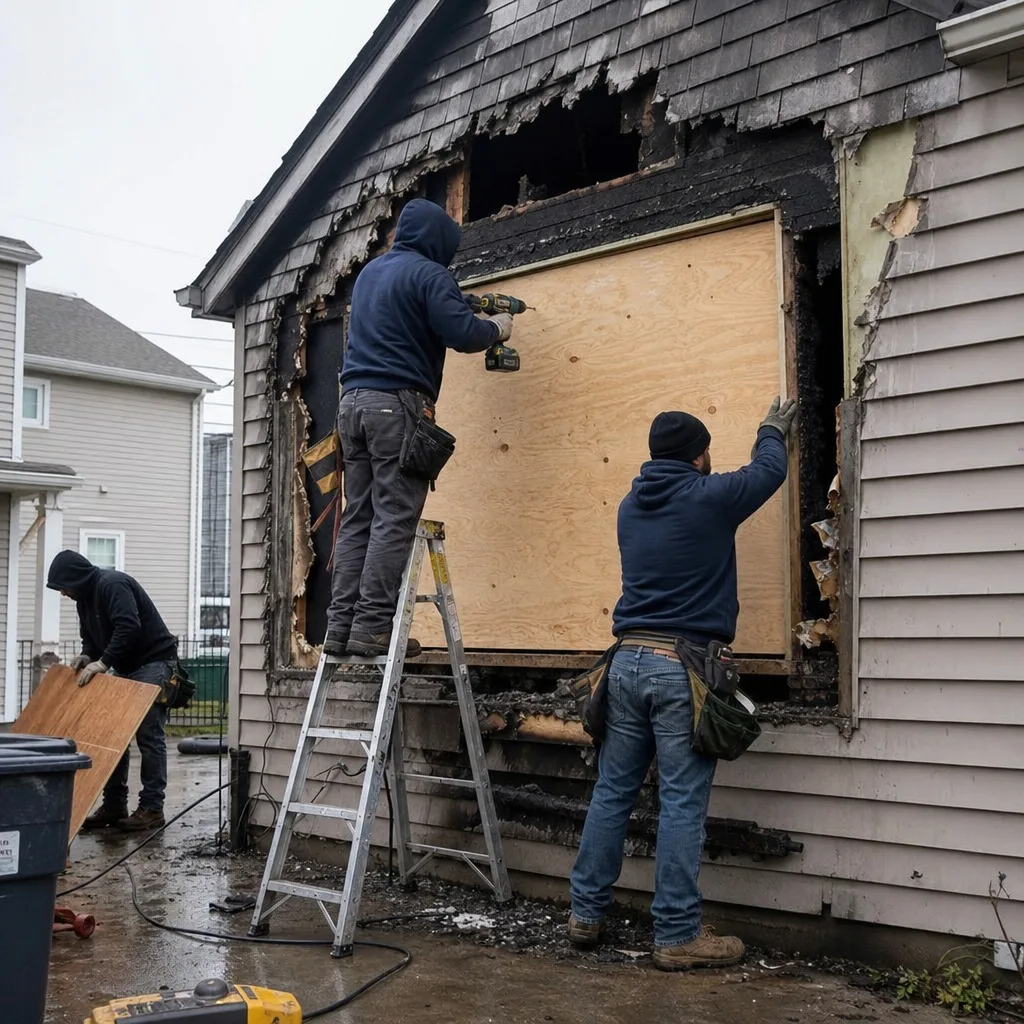
A tarp is a temporary fix, but a bad tarp job makes the original damage worse. On Upper Manhattan’s flat and low-slope roofs, water ponds after a storm, and a tarp that isn’t properly anchored channels that water into the building instead of away from it. We tarp to buy time for a permanent repair, securing the covering to the parapet and sealing penetrations so the next rain event doesn’t get inside.
Debris Removal
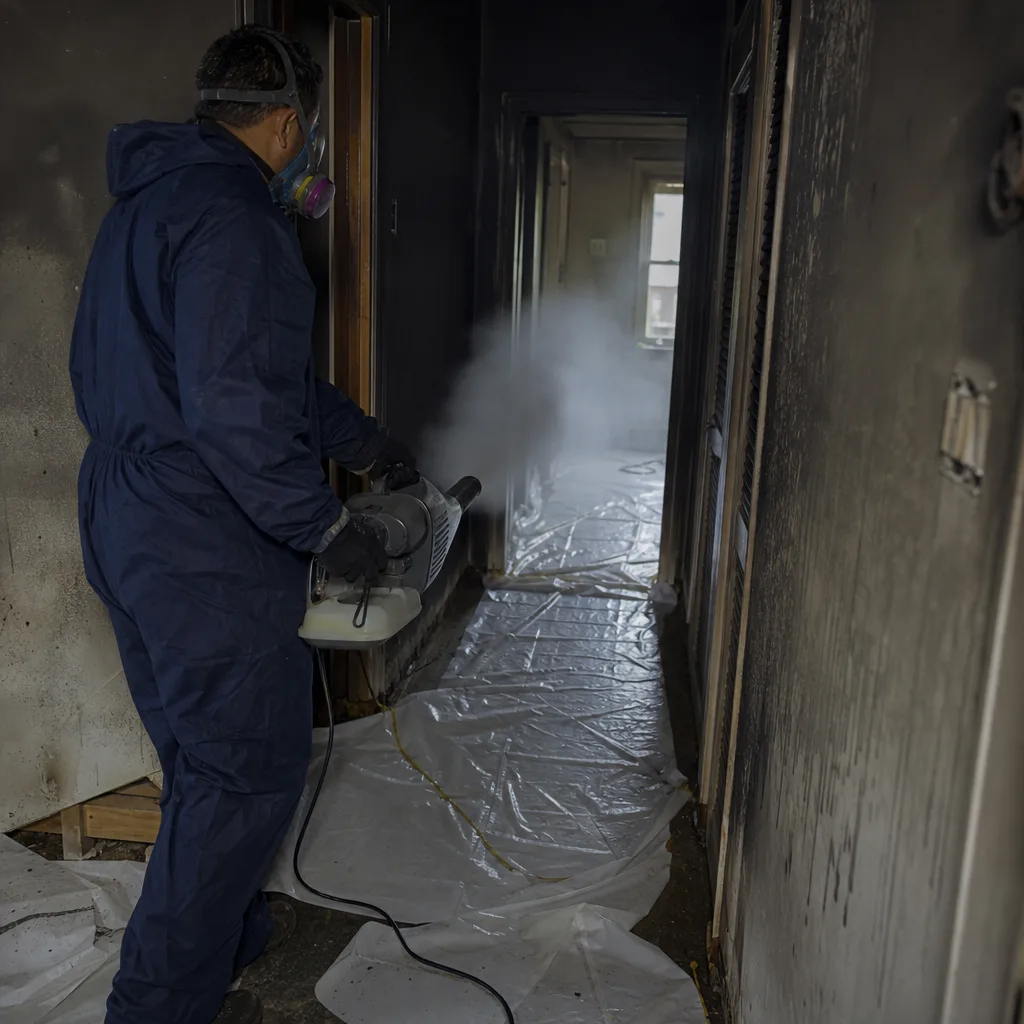
Storm debris in Upper Manhattan accumulates fast: branches, shingle material, torn flashing, and whatever the wind carried off a neighboring roof. We remove the debris that’s causing a hazard, document what was there for the insurance claim, and separate the salvageable from the trash so you’re not paying disposal fees for material that can be reused in the rebuild.
What happens when you call
- 1
A real person answersNo phone trees - you reach a local pro.
- 2
You get an upfront price rangeHonest numbers before anyone is dispatched.
- 3
A background-checked tech heads outLicensed & insured, dispatched right away.
- 4
You approve before work beginsNothing starts until you say go.
Storm & Disaster Restoration Costs in Upper Manhattan, NY
Upper Manhattan storm and water restoration pricing tracks the building, not just the square footage. A straightforward Category 1 water extraction from a burst supply line in a single Harlem brownstone unit typically runs $1,800 to $3,400. Add cross-floor migration through a shared stack in a Washington Heights walk-up, and you’re looking at $6,000 to $14,000 because three or four units need drying, containment, and plaster repair. Category 3 sewage or river-water backup in an Inwood garden-level apartment starts around $4,000 and climbs to $12,000 or more once you account for antimicrobial treatment, disposal of contaminated materials, and building-structure drying. Emergency board-up or roof tarping after storm damage runs $400 to $1,200 for a same-day response, depending on the opening size and access. The honest path to a firm number is a free visual inspection, a moisture map of actual saturation, and a written scope your insurer can approve without revision.
We Also Serve Cities Near Upper Manhattan
Beyond Upper Manhattan, our certified crews respond to storm and water damage in Midtown West, the Upper West Side, Midtown Manhattan, and the Upper East Side. If your building is in any of those neighborhoods, the same live dispatch line at (640) 221-3499 reaches a real person around the clock.
Serving Upper Manhattan, NY - Our Local Coverage Area
We’re based in the Upper Manhattan area and know this community well. Use the map below to see our service coverage - if you’re nearby, we can almost certainly help.
Upper Manhattan Storm & Disaster Restoration Questions, Answered
How do you handle a pipe burst that affects multiple floors in a pre-war Washington Heights walk-up?
We treat it as a single event across every affected floor, not five separate jobs. That means one scope of work covering all units, one drying plan with moisture readings taken daily in every affected apartment, and one point of contact with the super, the co-op board or landlord, and the insurance carriers. Cross-floor water migration through shared plumbing stacks is the rule in these buildings, not the exception, and our process is built around coordinating all parties from the first hour.
Can horsehair plaster walls be saved after a flood, or do they always need to be opened up?
Some can be saved, but only if we get to them fast and dry them properly. Horsehair plaster holds water far longer than drywall, and it wicks moisture vertically beyond the visible stain. If the plaster is still structurally sound after extraction, we can often dry it with Injectidry systems and targeted air movement. But if water sat in the cavity for more than 24 to 48 hours, or if the wall contains a steam riser that’s been leaking for weeks, the lath and plaster behind it are already colonized with mold, and the wall has to come open. We’ll show you the moisture readings either way before we cut anything.
Why does my East Harlem NYCHA building need a separate approval process before you can start water extraction?
NYCHA properties operate under a municipal contracting framework that requires vendor pre-approval, work permits, and insurance documentation filed with the housing authority before any restoration work can begin inside the building. This isn’t optional diligence on our side; it’s a legal requirement. We’ve worked these approvals before, and we’ll file the paperwork and coordinate with the development’s management office so extraction starts as soon as the access is signed off, not days later.
What’s the difference between groundwater flooding in an Inwood garden-level unit and a burst pipe in an upper-floor apartment?
Groundwater flooding in Inwood and lower Washington Heights comes up through the slab or foundation when the water table rises during a nor’easter or intense summer rain event, and it’s almost always Category 3 water by the time it gets inside. That means full containment, antimicrobial treatment, and an assessment of the drainage and waterproofing around the foundation so the problem doesn’t return with the next storm. A burst pipe on an upper floor is usually Category 1 or 2 water, which is less contaminated, but it can travel down through wall cavities and affect units below, making the drying plan larger than just the one apartment.
How quickly can you be on-site in Upper Manhattan after a severe storm or pipe failure?
We commit to a 45-minute dispatch window for Upper Manhattan. Our crews are positioned for this area specifically, so we’re not driving in from an outer borough while the water keeps moving. Call (640) 221-3499 and a live dispatcher takes the call, alerts the nearest available certified crew, and gives you a real arrival time.
Will my insurance cover storm damage restoration in Upper Manhattan?
Most homeowner and co-op policies cover sudden and accidental storm damage, including water from a burst pipe and wind-driven rain damage to the building envelope. Groundwater flooding through a garden-level slab is typically excluded from standard policies unless you carry a separate flood policy, which is increasingly common for below-grade units in Inwood and lower Washington Heights. We’ll photograph and document everything from the first hour and work directly with your adjuster so the claim reflects the actual scope of damage, not just the visible portion.
Do I need full restoration or just a cleaning after a small flood?
That depends on the water category, the building materials, and how long the water sat. Category 1 water from a supply line that’s extracted within a few hours on a wood or tile floor often needs drying and sanitization, not full restoration. But water that soaked into horsehair plaster, sat for more than a day, or carried sewage or river water usually requires opening walls and replacing materials. We’ll tell you honestly which one you’re dealing with during the free inspection, and we’ll show you the moisture readings that back up the recommendation.
What should I do in the first 30 minutes after discovering a storm or water emergency in Upper Manhattan?
Shut off the water at the main if the source is a pipe or appliance, cut electrical power to the affected area if water is near outlets or the panel, move valuables and furniture out of the water path, and call us at (640) 221-3499. Don’t run fans or heat into a water-damaged area; you’ll spread moisture and potentially aerosolize mold spores. Don’t open walls yourself. A steam-era plaster wall that looks dry on the surface can be fully saturated behind the lath. Let our techs map the actual damage before anything gets disturbed.
Written by Curt Bowman, Owner at Floodline Restoration Co., serving Upper Manhattan with storm, water, and disaster restoration since 2010.