
Free visual inspection and a written scope of work before any mitigation begins - photos, moisture readings, and drying logs go in your claim file
The scope we write is the scope we bill. Anything new gets shown to you, in writing, before we touch it.
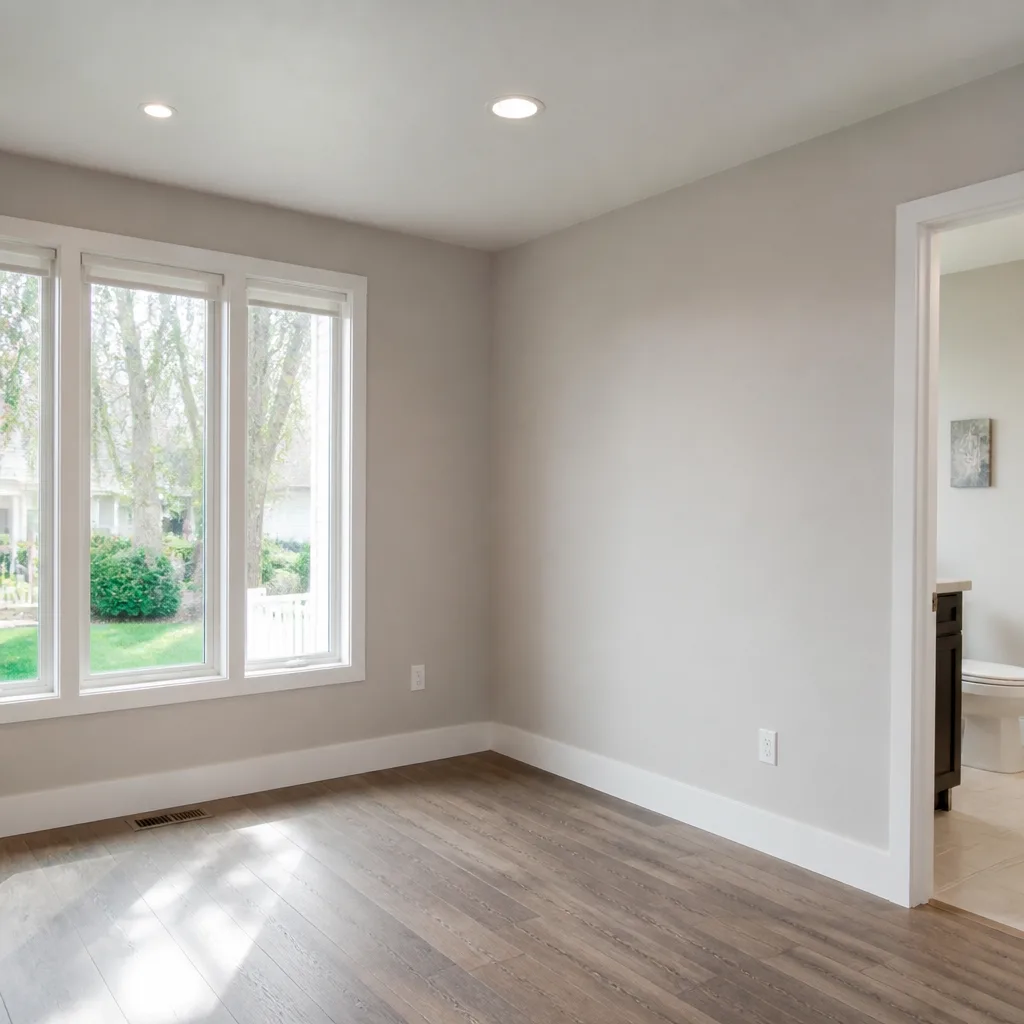
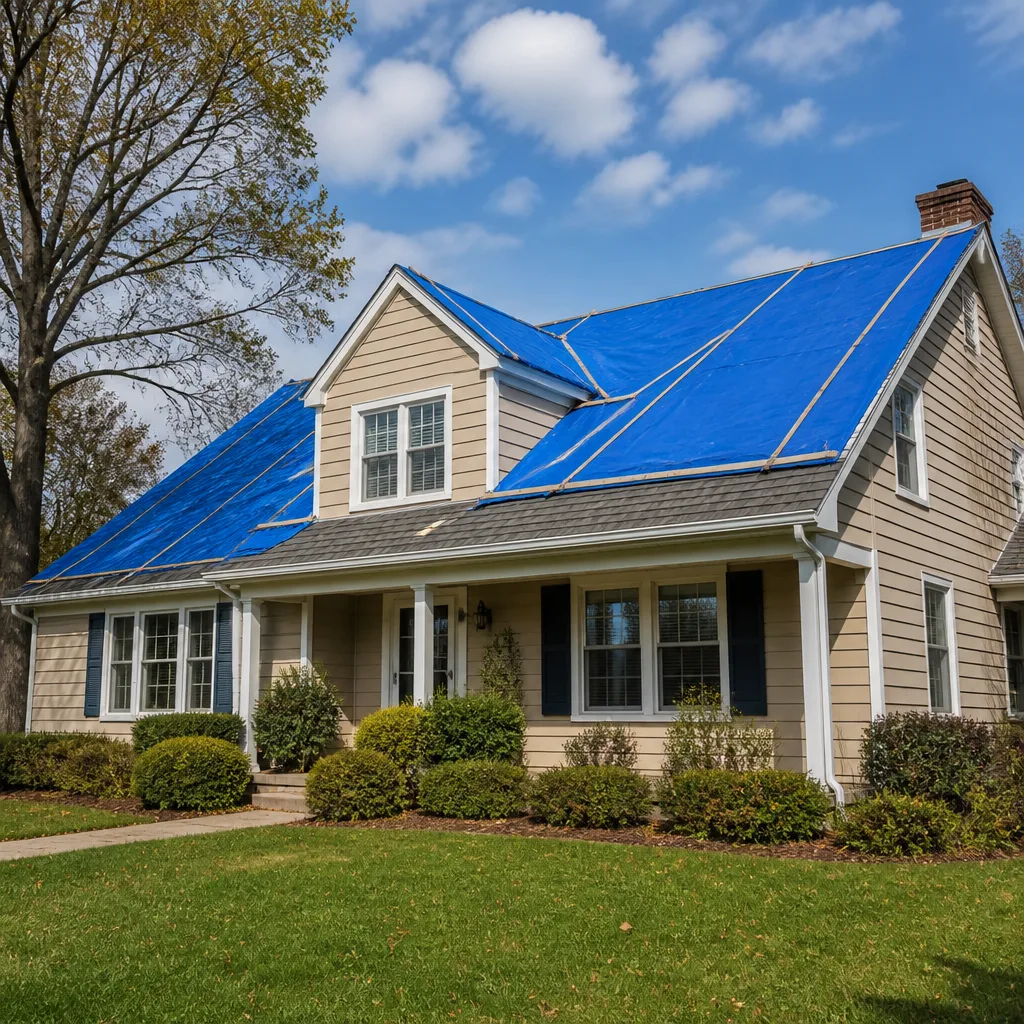
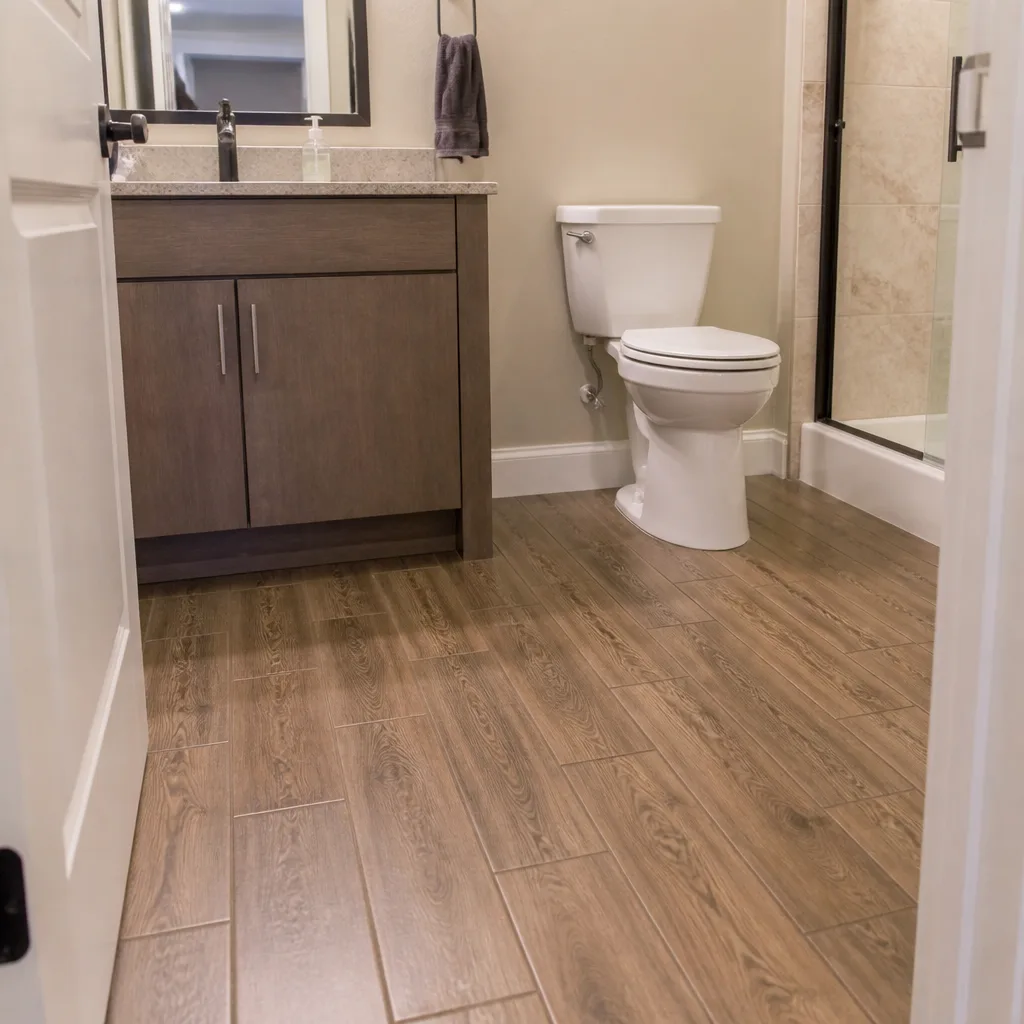
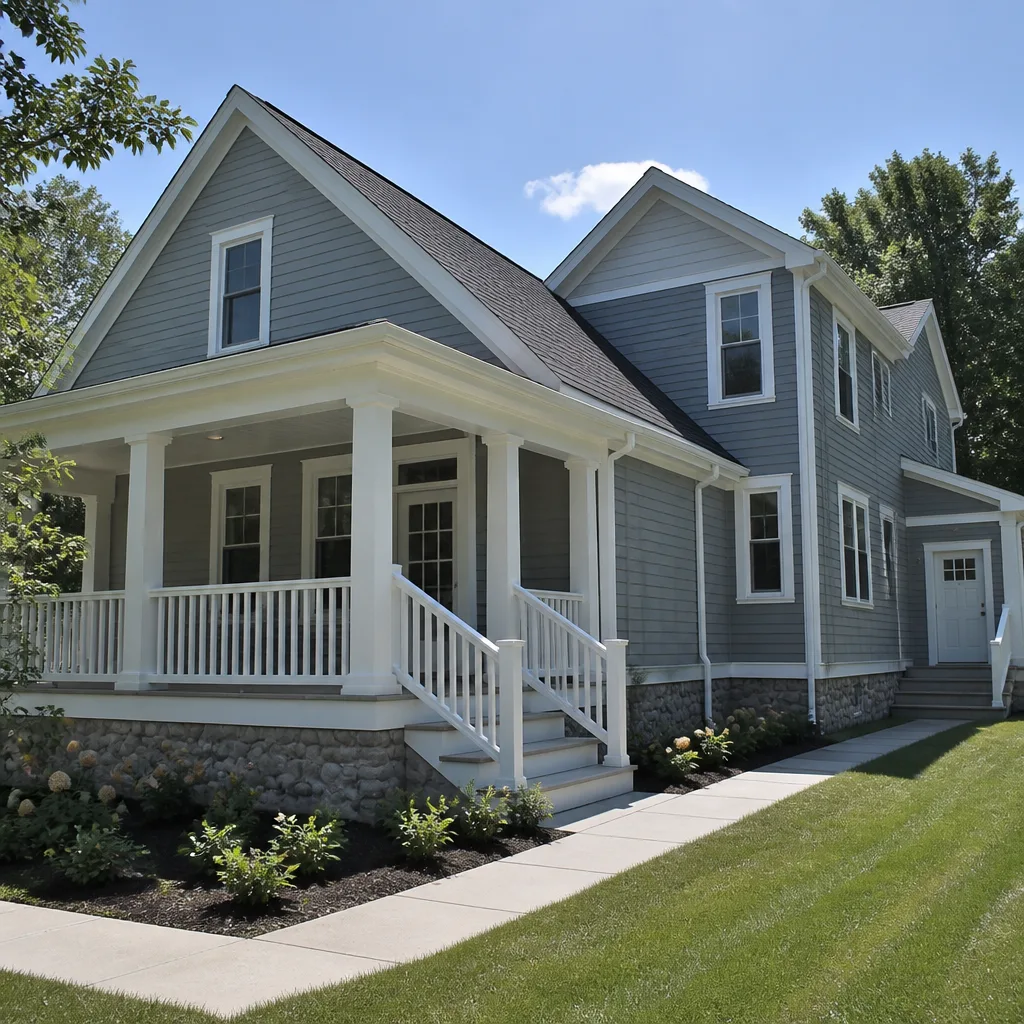
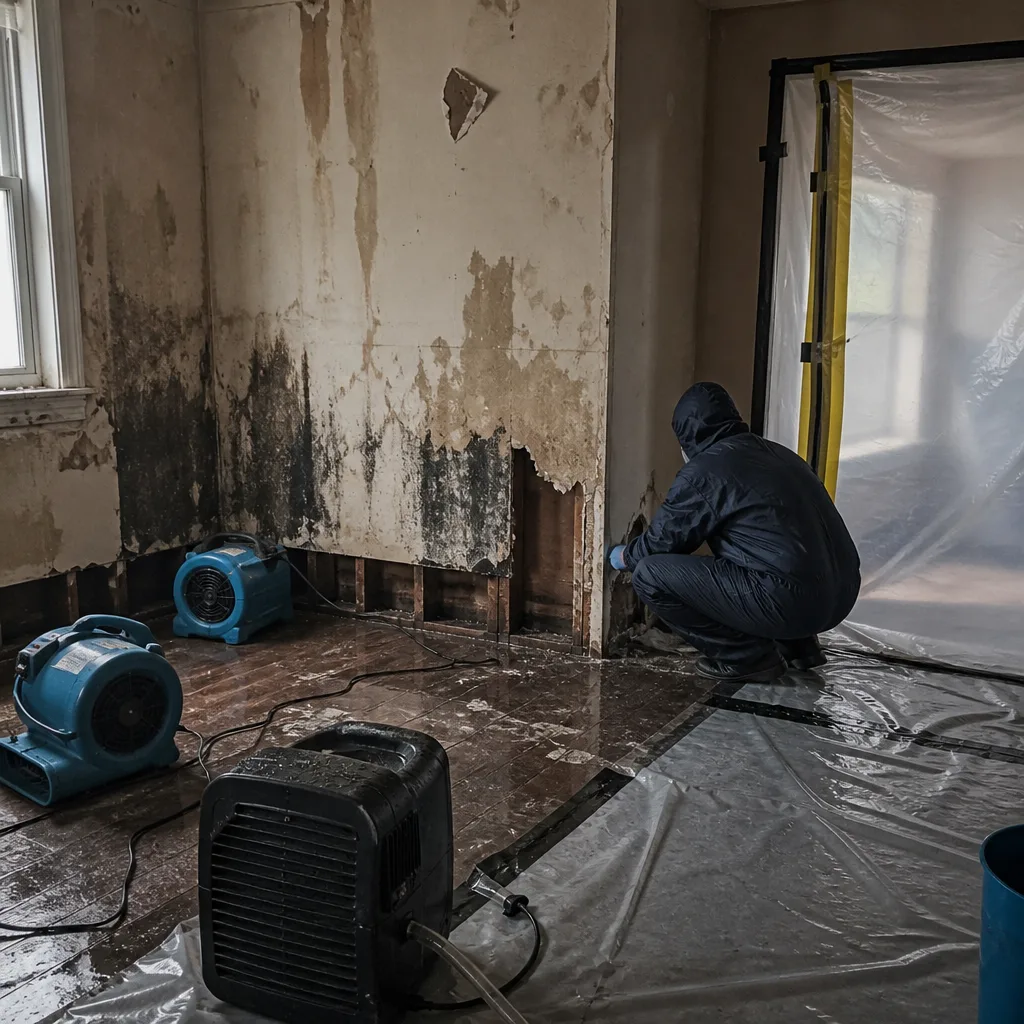 Before
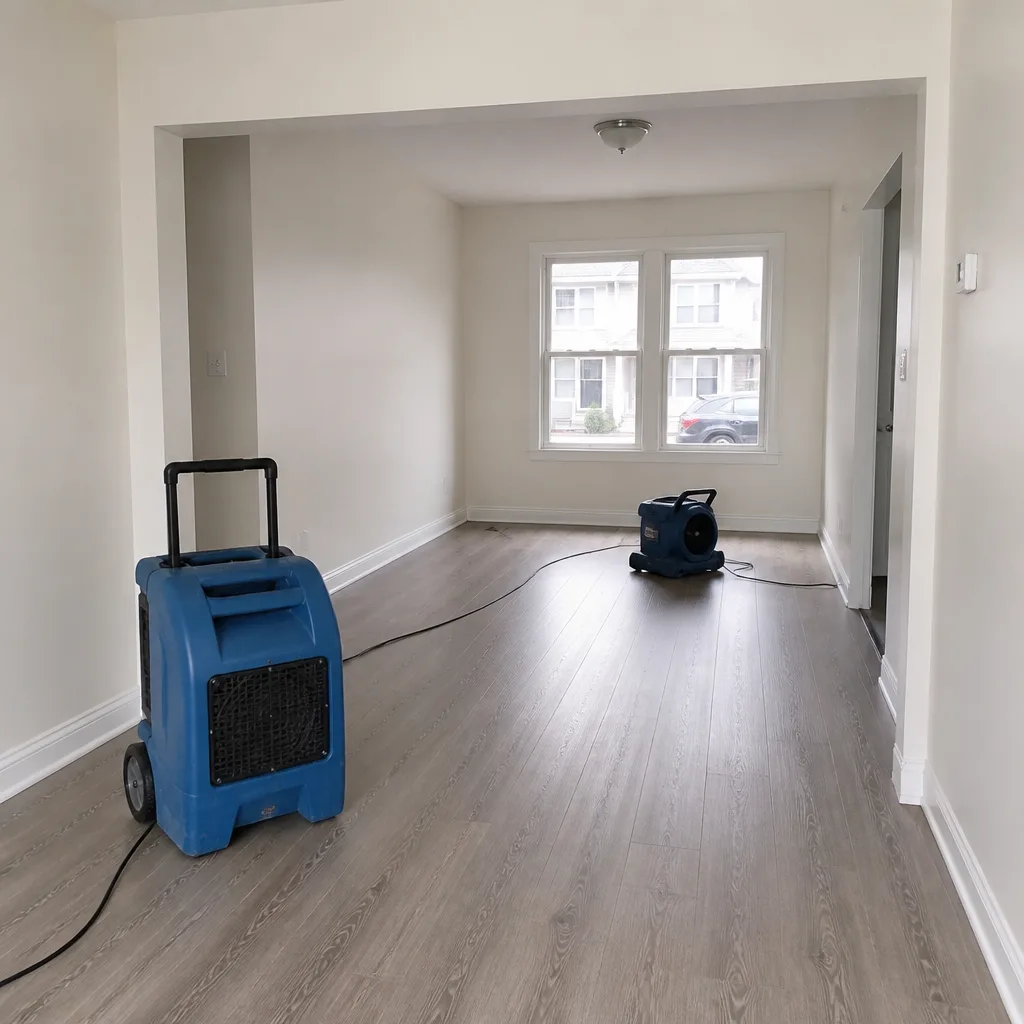 After
After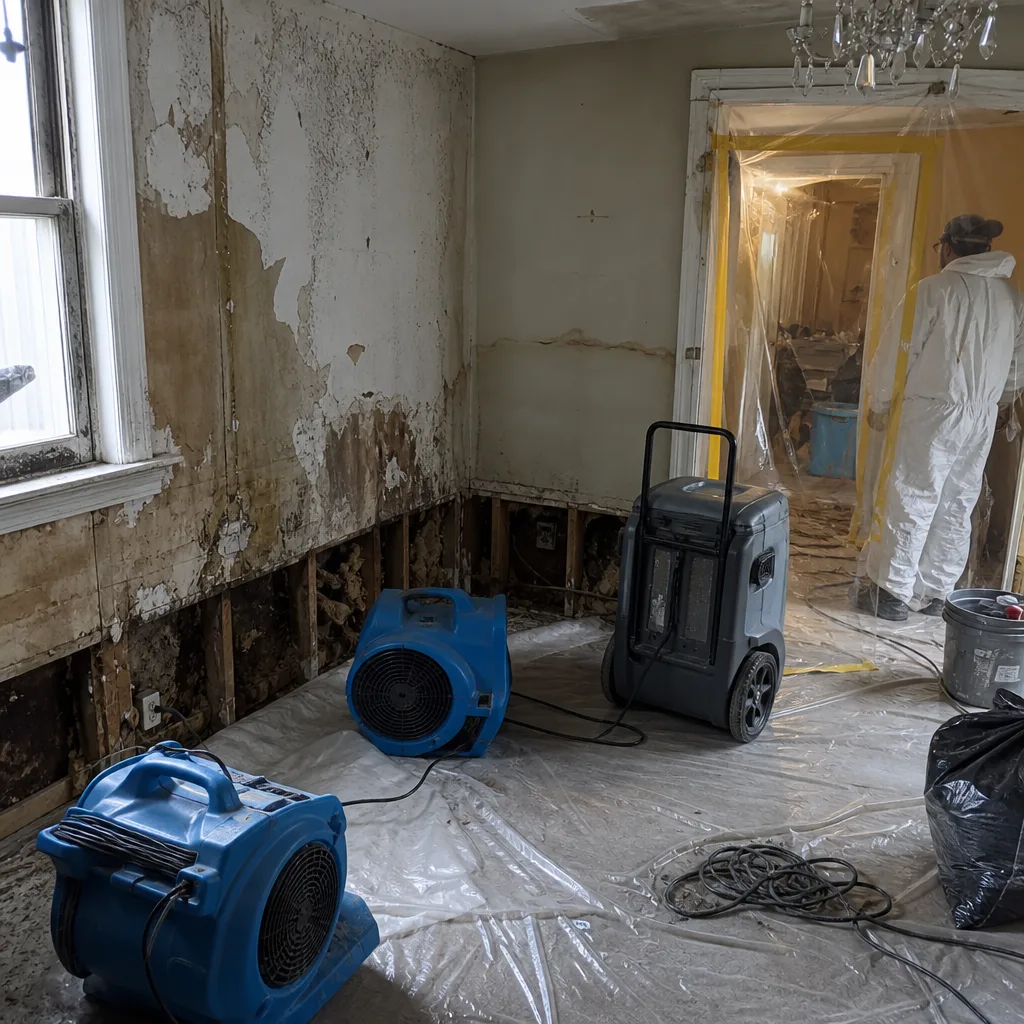 Before
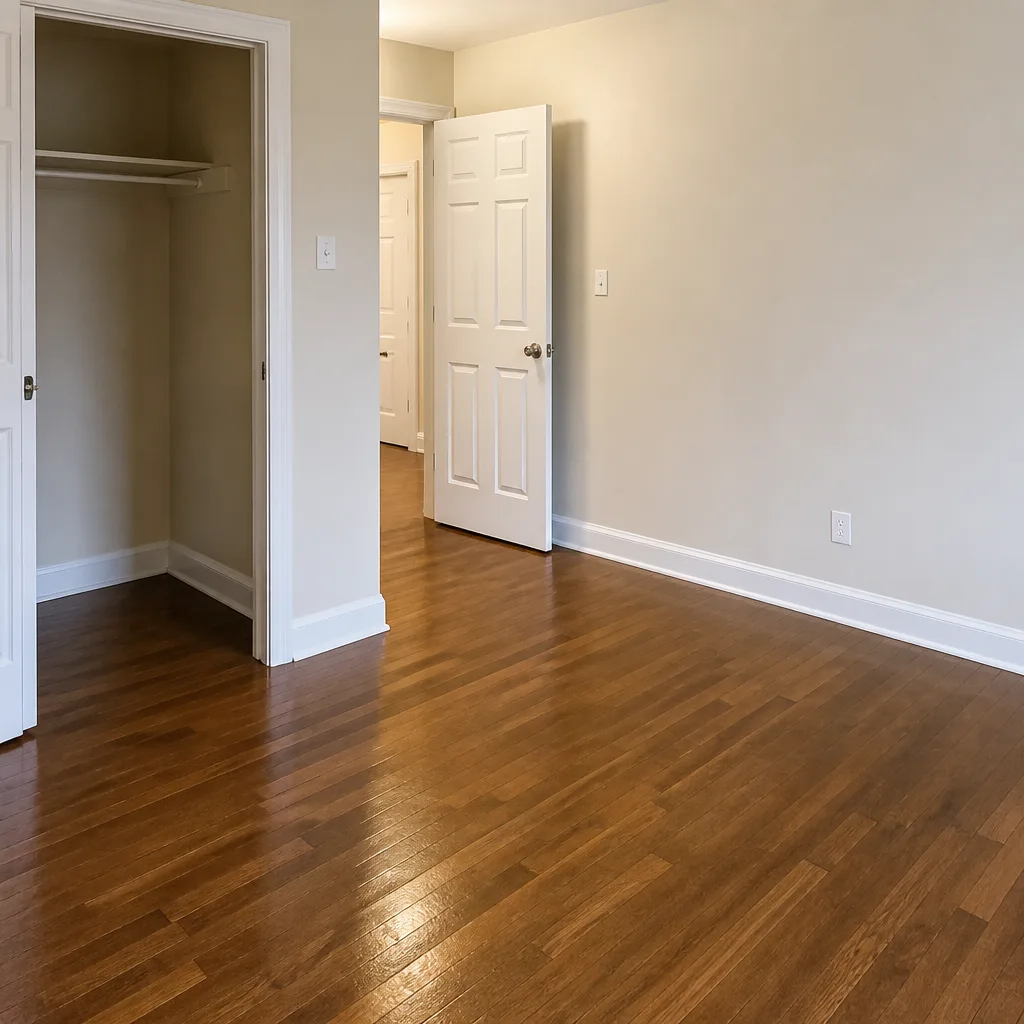 After
After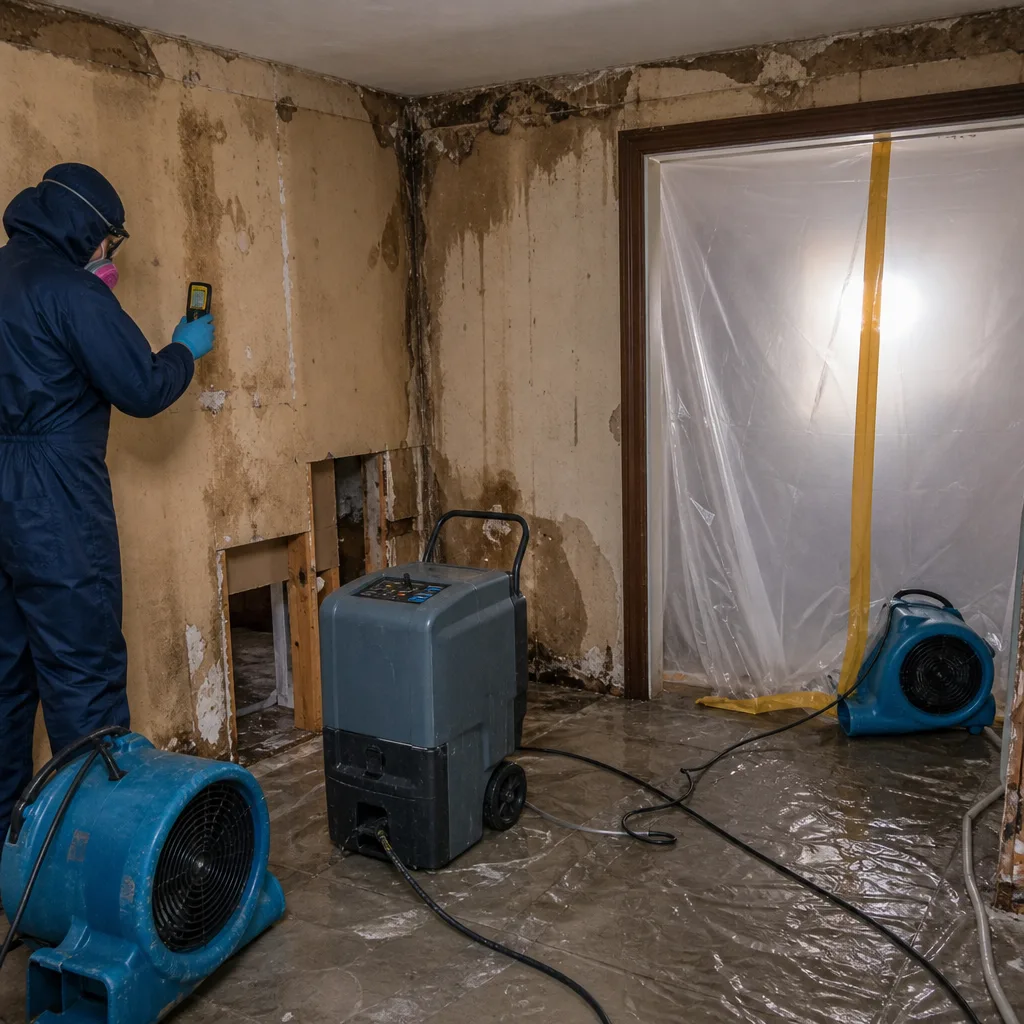 Before
 After
After24/7 Emergency Reconstruction & Cleanup in Upper Manhattan
Reconstruction after a water or fire loss in Upper Manhattan isn’t a renovation project. It’s putting a home back together after the walls, floors, and finishes took real damage. Most jobs in this borough run $4,500 to $18,000 depending on how far moisture traveled through plaster and lath, but every job starts the same way: a call to (640) 221-3499, a live dispatcher on the line, and a certified crew headed your way. We respond anywhere from East Harlem to Inwood within 45 minutes, because the first hour after a pipe breaks is when secondary damage gets locked in or stays out. Our Reconstruction & Cleanup team arrives with a thermal imaging camera before they arrive with a hammer.
Understanding Reconstruction & Cleanup Severity in Upper Manhattan Properties
Not all reconstruction losses are equal. The restoration industry classifies water damage as Category 1, 2, or 3. Category 1 is clean water from a supply line or radiator. Category 2 is gray water from a washing machine or dishwasher overflow, carrying soap, detergent, and microorganisms. Category 3 is black water, usually sewage or river flooding, and it demands full removal of porous materials down to the framing. In Upper Manhattan’s 1890 to 1940 housing stock, the material that materials sit on matters as much as the water category. Horsehair plaster and wood lath hold moisture at depths that modern gypsum board doesn’t. A Category 2 loss inside a Harlem brownstone’s interior wall cavity routinely means cutting out plaster two feet above the visible stain, not just drying the surface and repainting. We use moisture mapping to find saturation behind walls before demolition begins, which means the scope on day one is the scope we actually need on day five.
Why Upper Manhattan Property Owners Choose Floodline Restoration Co.
- 45-minute response commitment in Upper Manhattan. When you call, a live dispatcher answers. A crew from our New York City office rolls into East Harlem, Washington Heights, or Inwood fast, because delay spreads damage into shared walls and neighboring units.
- 24/7 live answer, never an automated system. At 2 a.m., a person picks up. Not a script. A person who can dispatch a crew that same visit and get extraction running before sunrise.
- IICRC-certified crews with named credentials. Our technicians hold WRT for water damage, FSRT for fire smoke restoration, and AMRT for mold. Background-checked, uniformed, trained to the standard that matters in pre-war buildings.
- Free visual inspection and a written scope. We document what we find, hand you a line-item scope before work starts, and stick to it. No surprise add-ons after the walls open.
- Direct insurance billing. We bill your carrier directly and handle adjuster communication. You won’t be the messenger carrying numbers between the insurance company and our crew.
- One team from extraction to rebuild. The same certified crew that reads the moisture map on day one handles daily readings, keeps the drying log, and rebuilds what needs rebuilding. No handoff to a sub you never met.
Our Reconstruction & Cleanup Process
1. Inspection & Assessment
We arrive and map the full extent of damage with thermal imaging, moisture meters, and hygrometers. On Steam-era buildings, we probe wall cavities. The written scope you get reflects what the instruments found, not what the eye can see.
2. Extraction & Stabilization
Standing water comes out with truck-mounted and portable extractors. We stabilize the structure and shut down the source of the loss so it stops spreading. In a multi-unit building, that means working with supers and shutting off risers as needed.
3. Drying & Dehumidification
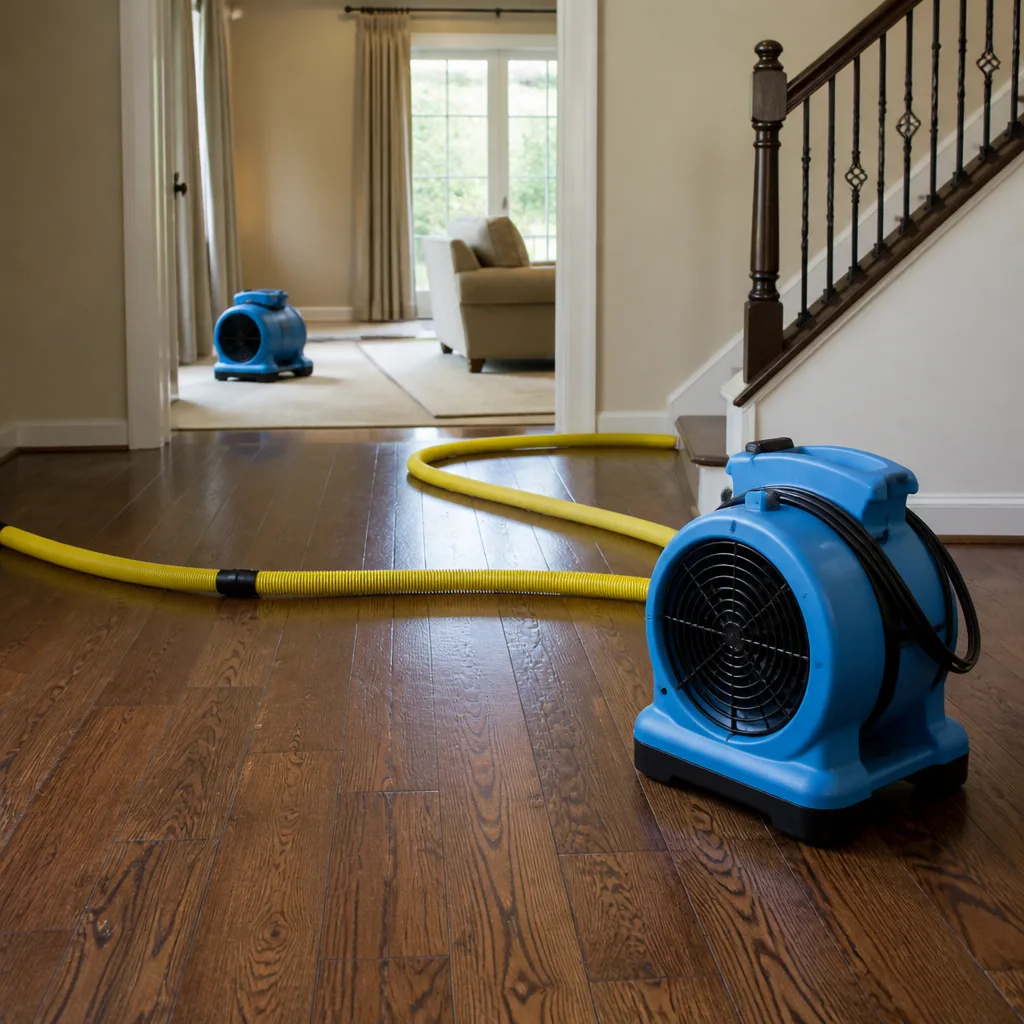
Dri-Eaz dehumidifiers and Phoenix air movers go into place. On horsehair plaster, we dry to the actual equilibrium moisture content of the original material, not the drywall standard. Daily readings are logged until the dry standard is met.
4. Cleaning & Sanitization
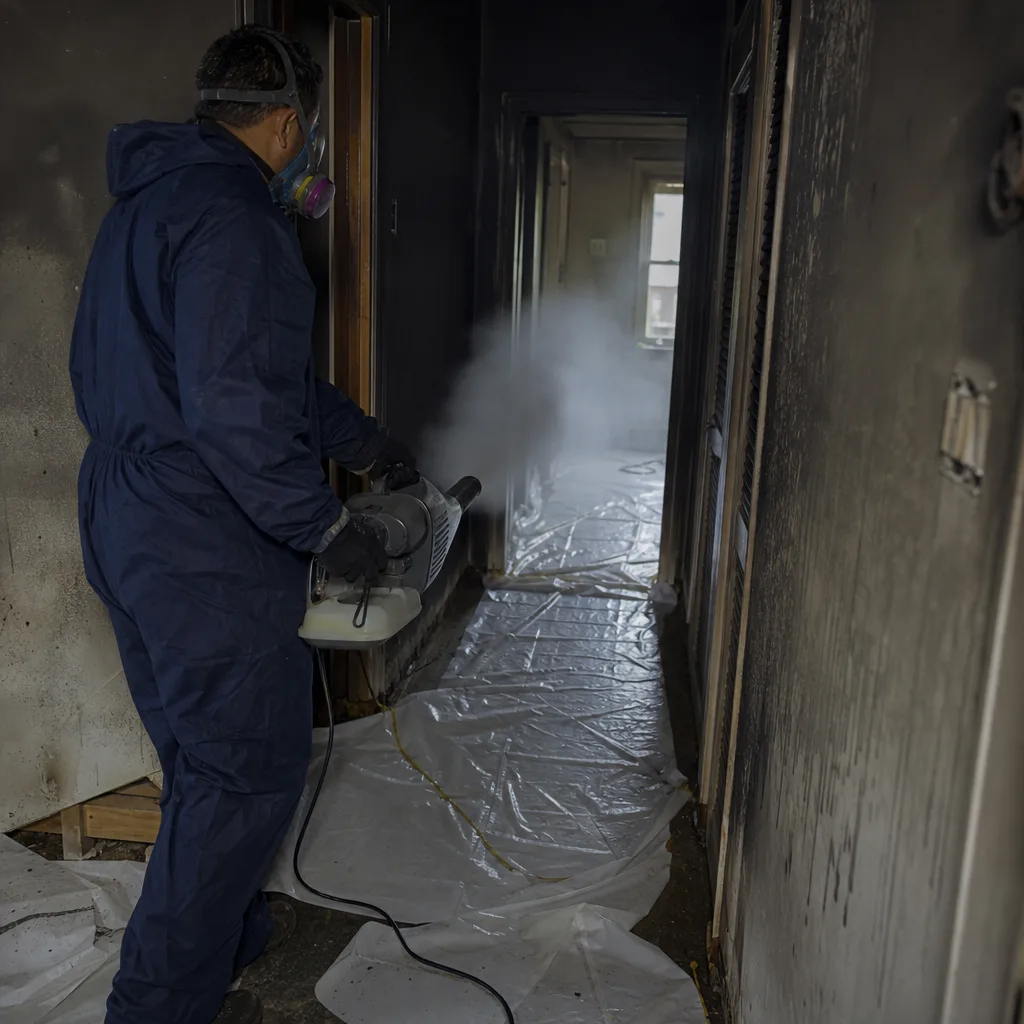
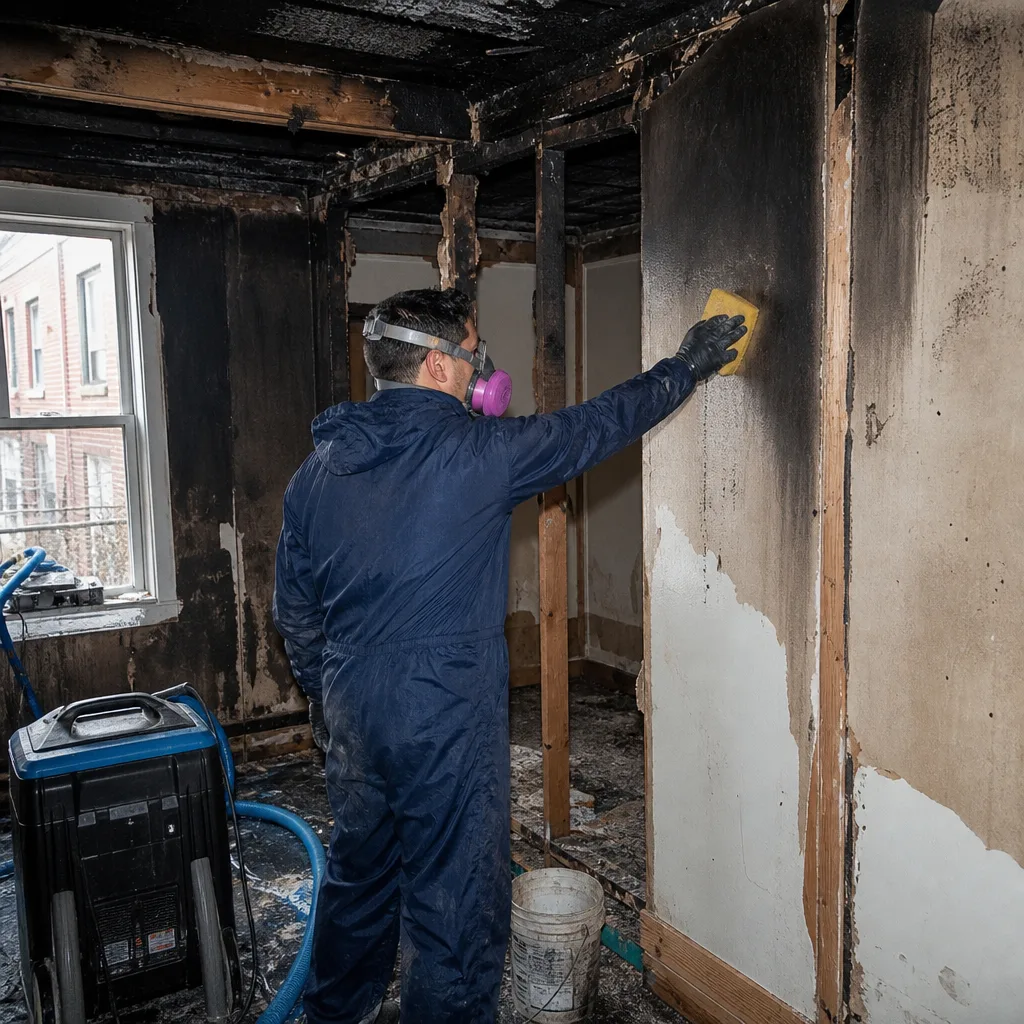
HEPA vacuuming and antimicrobial treatment on all affected surfaces. The goal is a clean, stable surface before any rebuilding starts. Air scrubbers run where mold or sewage touched the space.
5. Removal of Unsavable Materials
Wet horsehair plaster, warped lath, and damaged flooring get removed down to stable material. On pre-war buildings, this step often reveals additional saturation that visual inspection missed. Our crews know that and plan for it.
6. Repairs & Restoration
New moisture-resistant drywall or plaster restoration, flooring repair, trim, and paint. The 90-Day Done Right Promise comes in writing. If it’s not done right, we make it right.
Need Emergency Reconstruction & Cleanup in Upper Manhattan Now?
Crews minutes away, answering live 24 hours a day. The sooner we start, the less it costs.
Working With Your Insurance Company
You file the claim. We handle the rest. From the first hour, we photograph every room, map every moisture reading, and write a line-item scope in the format carriers expect. When the adjuster calls, we talk to them directly. When they ask for the drying log, we send it same day. Floodline Restoration Co. has billed carriers on thousands of losses, and in Upper Manhattan, the multi-unit nature of the building often pulls in co-op or landlord insurance on top of the homeowner’s policy. We coordinate with all parties so the rebuild doesn’t stall over paperwork. That’s a big deal when multiple floors are affected and a building super needs sign-off before a wall comes down.
What We Provide Your Insurer
- Thorough documentation of the loss
- Photos of all damage, room by room
- Moisture readings and drying logs
- A detailed, line-item scope of work
- Direct coordination with your carrier
Built for Upper Manhattan’s Loss Calendar
Upper Manhattan’s reconstruction season tracks the weather and the age of its pipes. January deep freezes snap supply lines in uninsulated exterior walls of pre-war tenements, sending water down through multiple floors into a shared stairwell. February brings the same freeze-thaw cycle through steam risers that have been in place since before 1940. Spring thaw saturates the ground around garden-level units in Inwood and lower Washington Heights, where the Harlem and Hudson Rivers hold the water table high. Nor’easters hit from October through April, and during summer convective storms, the steep drop from the Washington Heights ridge toward the Harlem River valley channels runoff into basement units on lower-grade east-side blocks. Those garden-level apartments get hydrostatic flooding that a flat-borough contractor rarely sees. And all year long, cast-iron drain stacks in central Harlem and East Harlem give way after 80 or 90 years of service. We know the calendar. We know what’s coming, and we know what to do when it shows up.
Reconstruction & Cleanup Across Upper Manhattan’s Neighborhoods
Our crews move through Upper Manhattan by neighborhood, because the buildings change character block by block. In Washington Heights, six-story walk-ups along Broadway and St. Nicholas Avenue share steam risers and drain stacks, so a third-floor loss often means opening walls on floors two and four. In East Harlem, NYCHA towers and older tenements sit side by side; the tenements have horsehair plaster that hides moisture, and the towers have their own municipal contracting requirements and approval chains. Central Harlem brownstones and limestone townhouses are some of the oldest in the borough, with original wood lath and parlor-floor layouts that make drying more complex, not less. Inwood’s garden-level apartments near the river deal with groundwater intrusion that repeats every nor’easter season. We know the difference between a co-op board on Riverside Drive, a landlord in a rent-stabilized walk-up off Sherman Avenue, and a super in a post-war building near 125th Street. Each one changes how a reconstruction job runs.
Specialized Reconstruction & Cleanup Services We Offer in Upper Manhattan
Full-Service Reconstruction
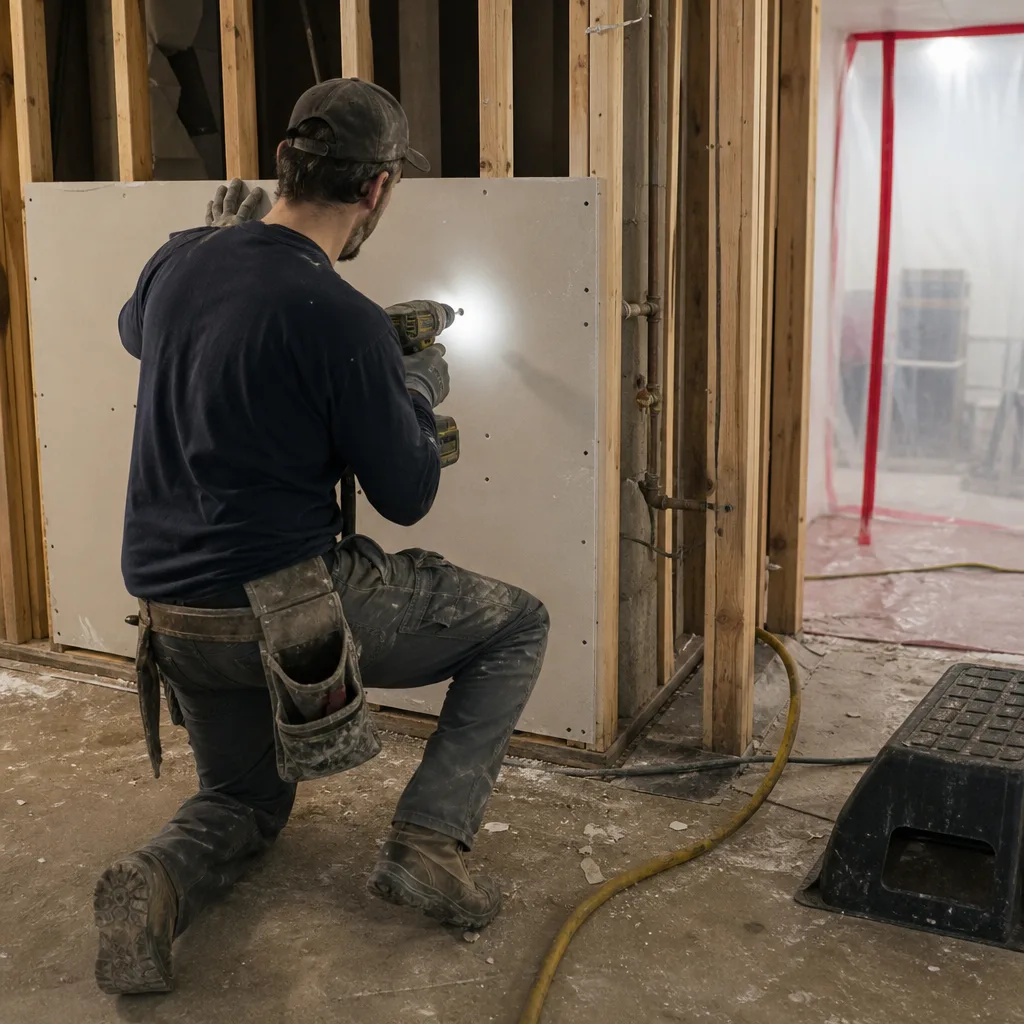
We rebuild what the water or fire took apart. Kitchens, bathrooms, entire rooms, entire floors. On a Harlem brownstone, that means restoring plaster profiles and matching original trim when possible. On a Washington Heights walk-up, it means coordinating across units so one floor’s repair doesn’t leave the unit below exposed. Done right, and backed in writing.
Drywall & Flooring Repair
Most Upper Manhattan losses end here: a burst pipe ruined a kitchen floor and the ceiling below it. We match the floor type, replace subfloor where needed, hang and finish drywall, and paint. In pre-war buildings we use moisture-resistant board and proper setting compounds, because cheap materials fail within a year in these structures.
Contents Restoration & Pack-Out
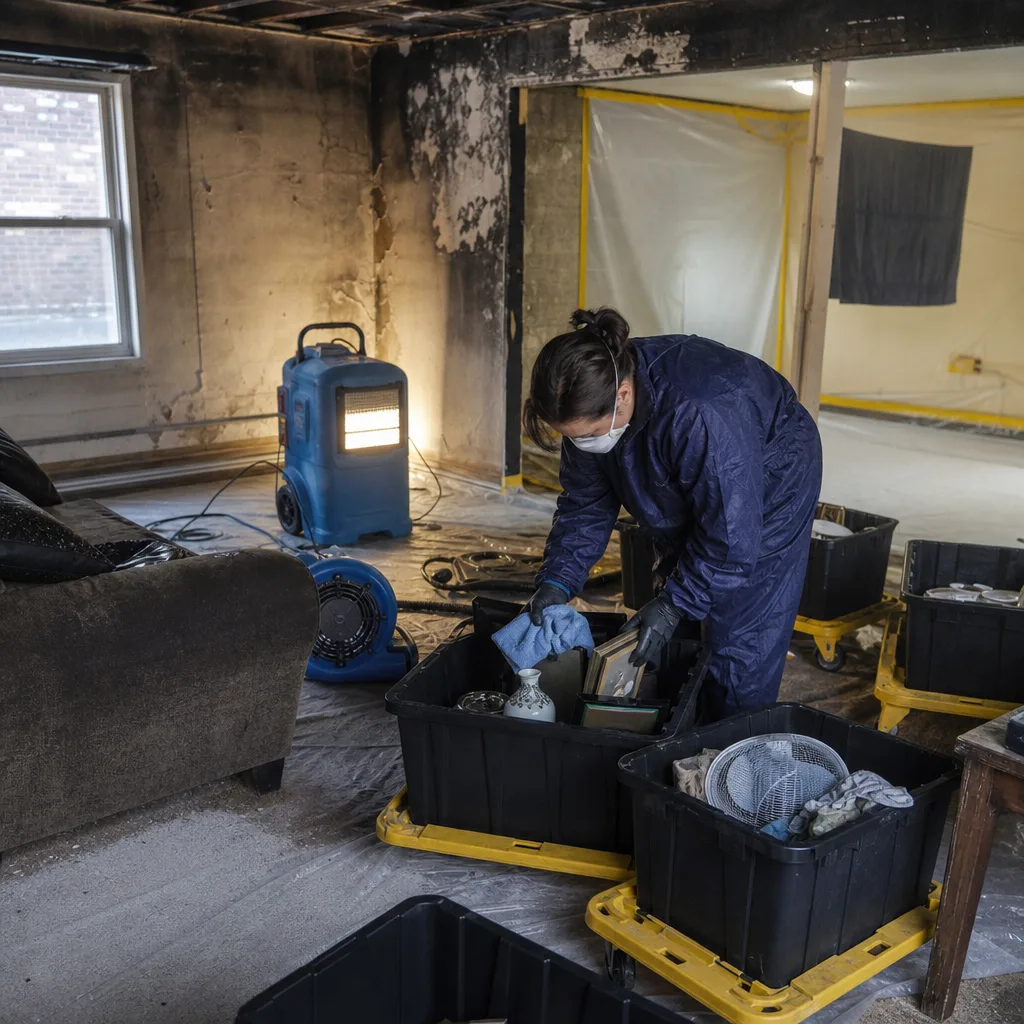
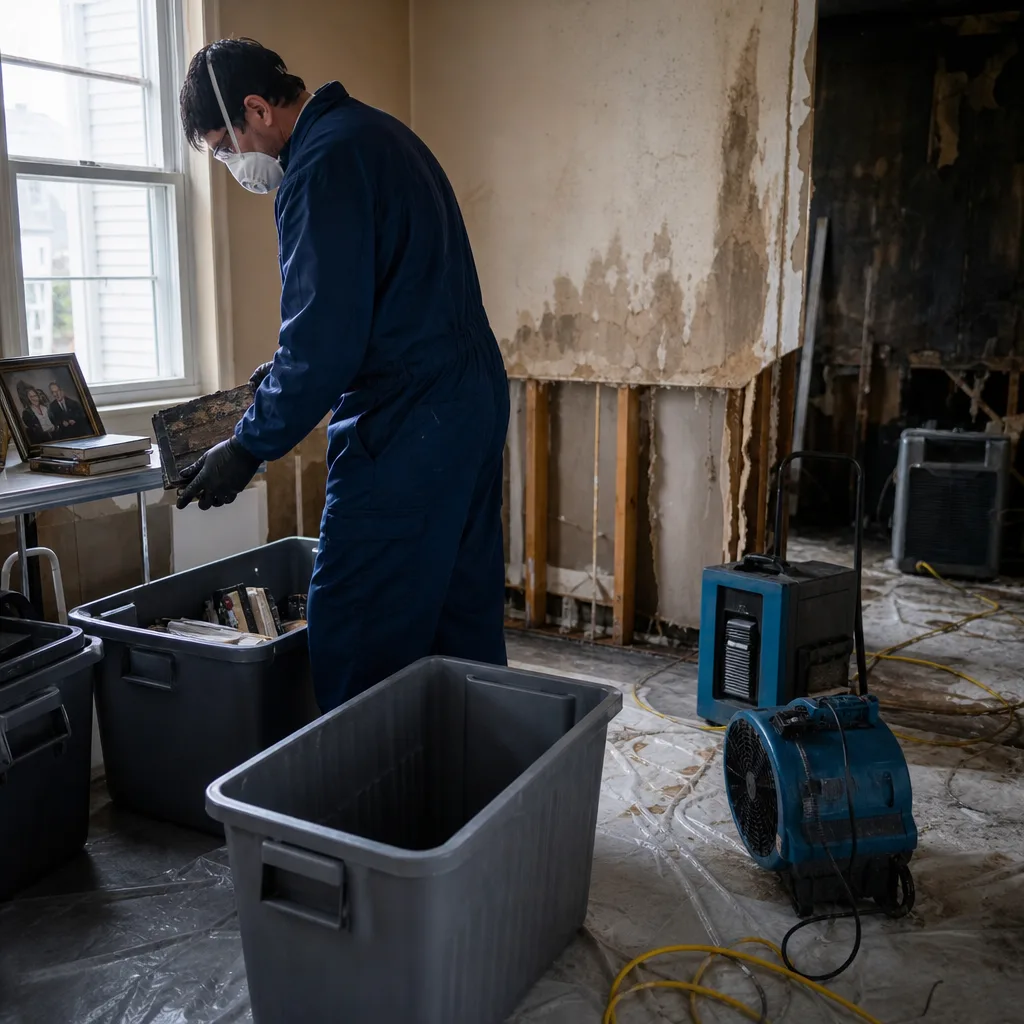
When a unit is too far gone to live in, we pack out contents, inventory everything, and restore what can be saved. Furniture, clothing, books, keepsakes. We clean and store them while reconstruction runs, then bring them back. For rent-stabilized tenants in Washington Heights, this is often the difference between losing everything and keeping what matters.
Carpet & Upholstery Cleaning
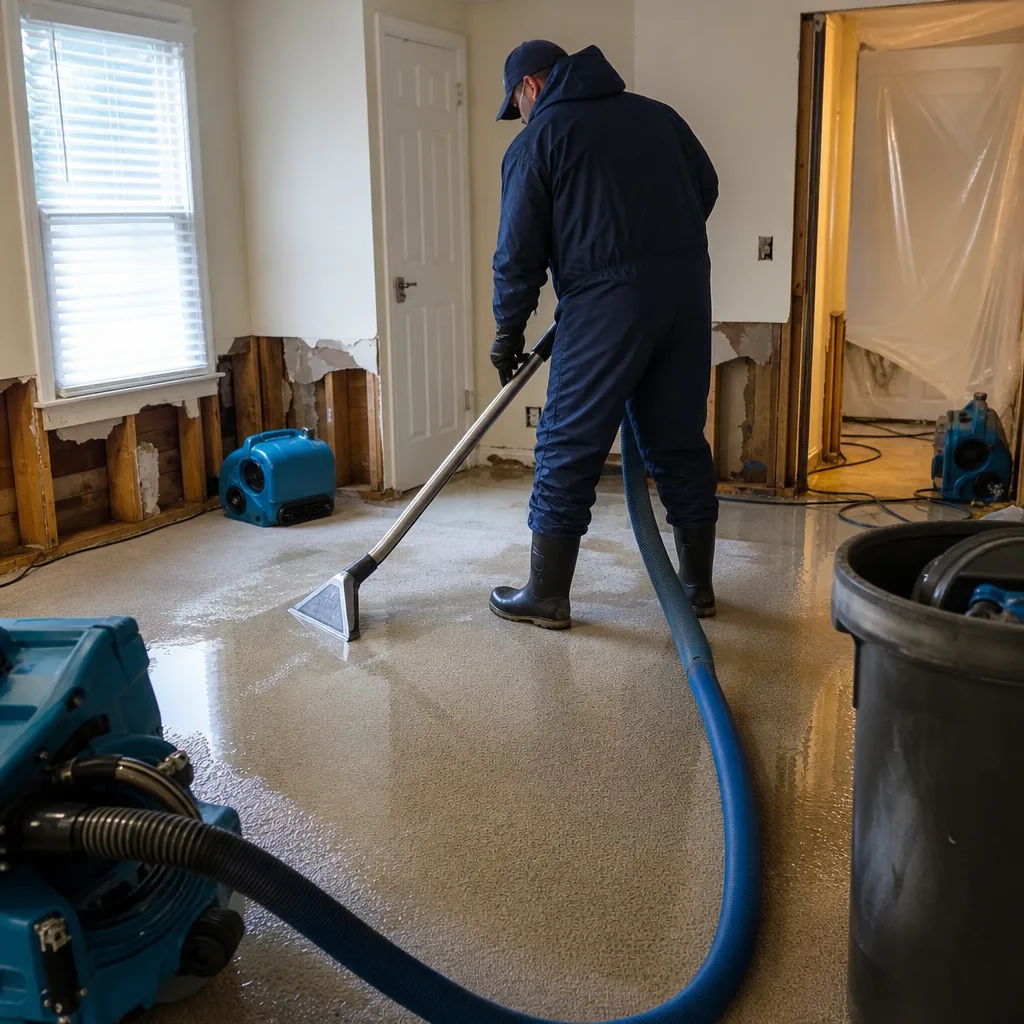
Post-loss carpet and upholstery need deep extraction and sanitization. We run the same professional-grade equipment we use on structural drying, lifting soil and cleaning agents out rather than pushing them deeper. If the carpet survived the water event, we’ll tell you if it’s worth saving.
Post-Construction Cleanup
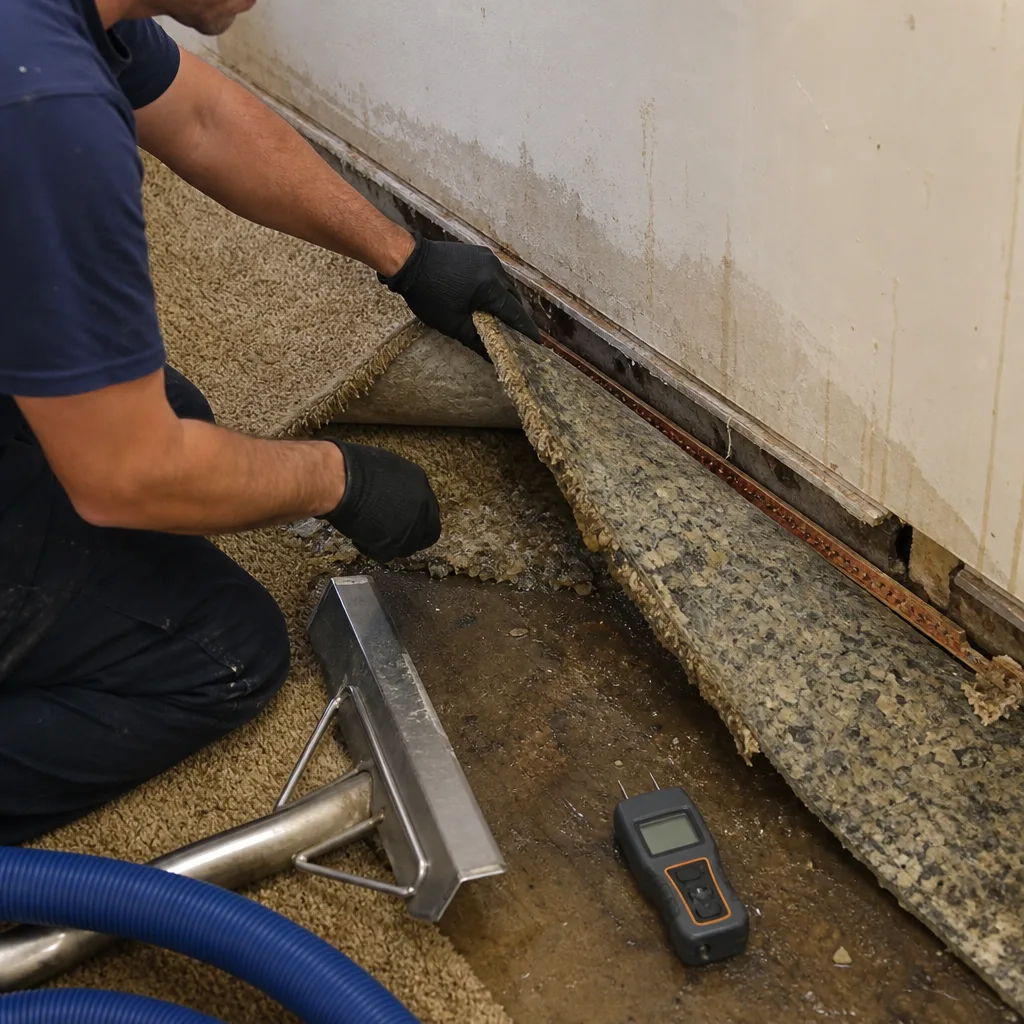
When the last piece of trim is installed and the paint is dry, the job isn’t finished until the dust is gone. We clean surfaces, floors, and air spaces so the rebuilt room is ready to live in. HEPA vacuums, surface wiping, and a final walkthrough with you.
What happens when you call
- 1
A real person answersNo phone trees - you reach a local pro.
- 2
You get an upfront price rangeHonest numbers before anyone is dispatched.
- 3
A background-checked tech heads outLicensed & insured, dispatched right away.
- 4
You approve before work beginsNothing starts until you say go.
Reconstruction & Cleanup Costs in Upper Manhattan, NY
Straight numbers: a single-room drywall and floor repair after a Category 1 supply-line break in Upper Manhattan typically runs $2,800 to $6,500. A full kitchen rebuild after a Category 2 loss in a pre-war walk-up lands between $9,000 and $22,000. Sewage backups in garden-level Inwood units push higher, often $12,000 to $30,000, because porous materials come out and hydrostatic issues need addressing. What moves the price here more than most places: building age. Horsehair plaster removal costs more than drywall. Cast-iron stack replacement costs more than PVC. And co-op or NYCHA approval processes add days, not dollars, but days matter on the drying side. Call (640) 221-3499 for a free inspection and a written scope. Insurance typically covers the bulk of reconstruction when the source is sudden and accidental. Our direct billing means you see the numbers, but you don’t carry them.
We Also Serve Cities Near Upper Manhattan
Our crews serve Upper Manhattan and the surrounding borough neighborhoods, including Midtown West, the Upper West Side, Midtown Manhattan, and the Upper East Side. The pre-war building challenges don’t stop at 110th Street, and neither do we.
Serving Upper Manhattan, NY - Our Local Coverage Area
We’re based in the Upper Manhattan area and know this community well. Use the map below to see our service coverage - if you’re nearby, we can almost certainly help.
Upper Manhattan Reconstruction & Cleanup Questions, Answered
Why do my walls look dry after a pipe leak in my Harlem brownstone, but smell musty weeks later?
The surface dried, but the wall cavity didn’t. Horsehair plaster and wood lath hold moisture for weeks and can look completely dry to the eye and hand while mold grows behind the paint. In Upper Manhattan’s steam-era buildings, a slow pipe weep inside a wall cavity is exactly the scenario that produces this: surface looks fine, musty smell arrives weeks later, and the mold has colonized the entire cavity. The fix is thermal imaging, which shows the temperature difference of hidden moisture, then opening the wall to inspect and dry the actual lath. Call (640) 221-3499 for a free inspection if you smell must but see no stain.
Can you handle reconstruction in a rent-stabilized Washington Heights walk-up where management and multiple tenants are involved?
Yes. This is the standard job in Upper Manhattan, not the exception. We coordinate directly with building management, supers, and neighboring tenants when a loss in one unit affects shared walls, risers, or floors. We document everything in writing for the landlord, the tenant, and the insurance carriers. The scope gets approved by the party that owns the wall before we open it. That keeps the job moving and keeps everyone on the same page.
How quickly can you respond to a burst pipe in an East Harlem tenement before mold sets in?
Within 45 minutes to East Harlem, typically faster. Mold needs 24 to 48 hours to establish in a damp cavity, but in a tenement with shared risers and tight wall spaces, the window is often shorter. The bigger risk is water sitting in a shared wall cavity and escalating a Category 1 loss into Category 3 while coordination across tenants and management stalls. That’s why we arrive fast, document conditions immediately, and start stabilization the same visit. Call live at (640) 221-3499.
Do you need special approvals to work in NYCHA public housing buildings for water damage reconstruction?
In East Harlem’s NYCHA towers, yes. NYCHA has its own contracting and approval process for restoration work in its buildings, separate from private-landlord or condo work. We’ve worked within that process. The documentation requirements are different, the access protocols are different, and the timeline runs through NYCHA’s system. We know the process and we work inside it rather than treating it like a surprise. If you manage or live in a NYCHA property, call us and we’ll walk through what applies to your specific building.
What’s the difference between drying in place and removing horsehair plaster after a Category 2 water loss in a pre-war building?
Drying in place means keeping the plaster and lath intact while drying the cavity with air movement and dehumidification. It works when the water was clean, the exposure was short, and the plaster is still bonded. Removal means cutting out the plaster and lath entirely, drying the framing, and rebuilding with modern moisture-resistant materials. After a Category 2 gray-water loss in a horsehair wall, removal is usually the right call, because gray water carries biological material that drying won’t remove. On this page’s founding scenario, a steam-pipe weep that sat for weeks: the cavity is already colonized. Removal down to the lath, then structural drying, is the only honest fix. We’ll show you the moisture readings and the scope before a single wall comes down.
How long does reconstruction take after a water loss in Upper Manhattan?
Typical single-room reconstruction in Upper Manhattan takes 5 to 10 working days once drying is complete. Drying itself takes 3 to 7 days in horsehair plaster, longer than drywall because the material holds more water. A full unit rebuild after a multi-floor loss can stretch 4 to 8 weeks, particularly when multiple tenants or a co-op board need to approve scope changes. We’ll give you a written timeline at the start, update it as the job runs, and stick to it.
Can we stay in the apartment during reconstruction?
For single-room jobs with proper containment, usually yes. For full-unit reconstruction where the kitchen or bathroom is out of service, or where mold or sewage was present, the answer is often no for safety reasons. We’ll tell you at the inspection, not after demo starts. If relocation is needed, we can coordinate a pack-out and storage so your belongings are protected while you’re out. On rent-stabilized units, we also coordinate with the landlord about temporary accommodation requirements.
What should I do in the first 30 minutes after a pipe break in my apartment?
Shut off the water at the fixture, then at the riser or main. Move what you can lift away from wet areas. Put a pan or towel under active drips. Do not open walls yourself. Do not run a household fan and assume that’s enough. Then call (640) 221-3499. We’ll talk you through the first 30 minutes and get a crew dispatched while you’re still on the line. The sooner we start, the less this costs you.
On a Washington Heights six-story walk-up, our crew responded within two hours to a slow steam-pipe weep inside a third-floor apartment. Using thermal imaging, we traced hidden saturation across two units, set containment and air movers, removed horsehair plaster down to the lath, performed structural drying with Dri-Eaz dehumidifiers, and rebuilt with moisture-resistant drywall, restoring the tenant’s pre-loss condition before the weekend. That’s the Upper Manhattan job in one paragraph: invisible water, shared walls, and a crew that knows what it’s looking for.
In Upper Manhattan’s pre-war walk-ups, steam-heat pipes routed inside wall cavities can weep unnoticed for weeks, fully saturating horsehair plaster and wood lath while the surface looks dry. By the time bubbling paint or must appears, mold has colonized the entire cavity. A dry-looking wall can hide a fully saturated horsehair cavity, and the wrong contractor will paint over it. We won’t. We’ll find it with thermal imaging and probe rods, show you what we found, and rebuild it right. That’s the difference between a patch job and a done-right job in this borough.
Floodline Restoration Co. has been answering calls in the New York City area since 2010, when Curt Bowman built the company around a dispatch board, not a sales desk. That’s still how it works: a live person answers at 2 a.m., a certified crew arrives the same visit, and the job runs straight through extraction, drying, and rebuild. We stand behind the work with the 90-Day Done Right Promise, in writing, no arguing. The K.E.Y.S. values code behind it: Krafted right, Every time, Your home first, Standing behind it. Standing offers apply to every job: $50 off any repair over $250, $89 seasonal tune-up, and a Senior & Veteran 5% discount, always. Call (640) 221-3499 for a free estimate. The line the water left is where we start.
Written by Curt Bowman, Owner at Floodline Restoration Co., answering the call in Upper Manhattan since the day the phone started ringing.