
Free visual inspection and a written scope of work before any mitigation begins - photos, moisture readings, and drying logs go in your claim file
The scope we write is the scope we bill. Anything new gets shown to you, in writing, before we touch it.
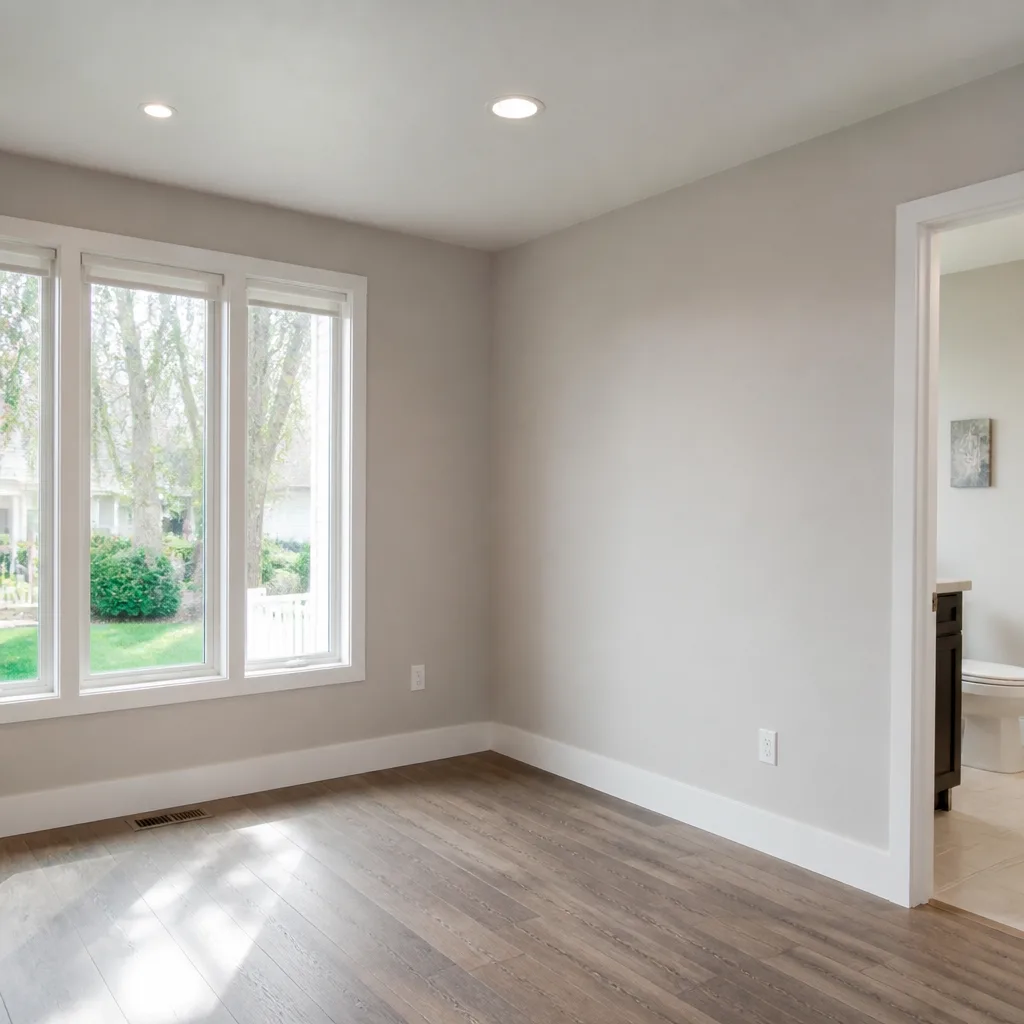
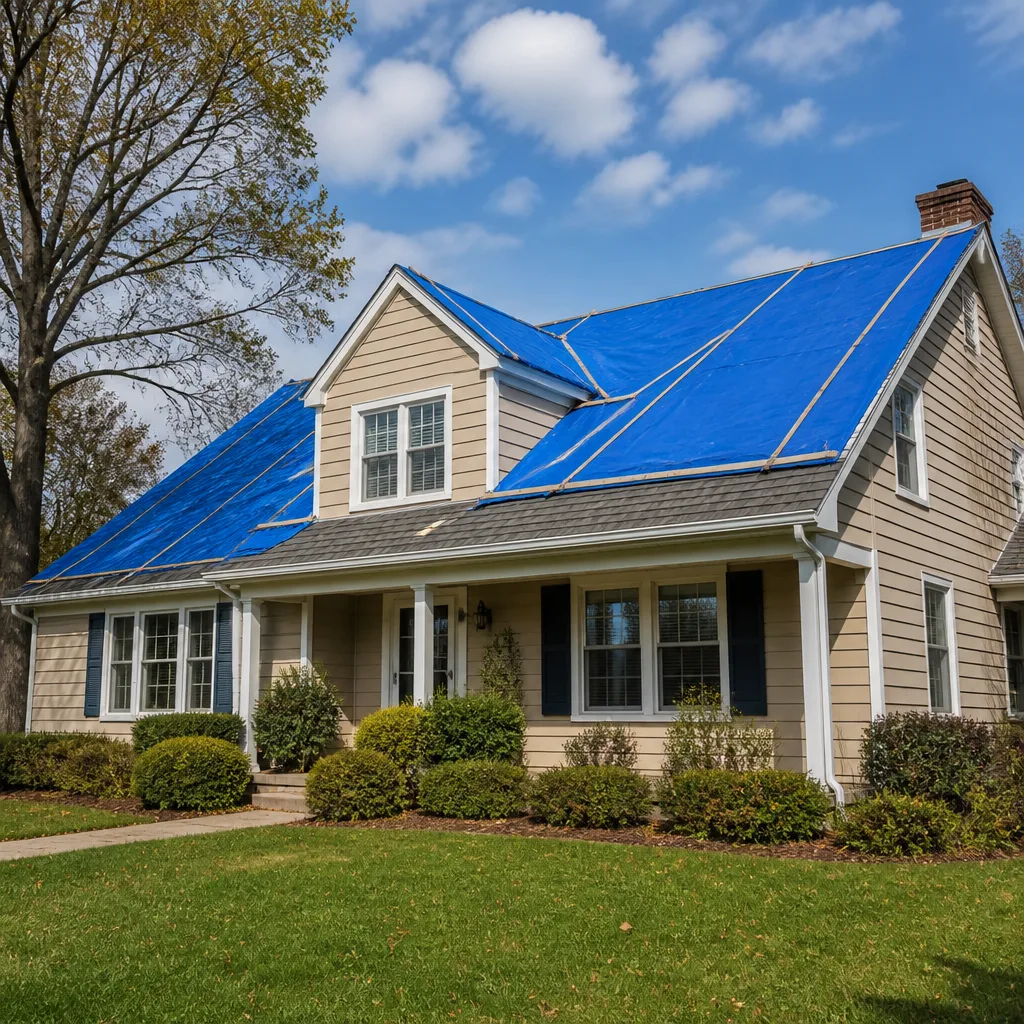
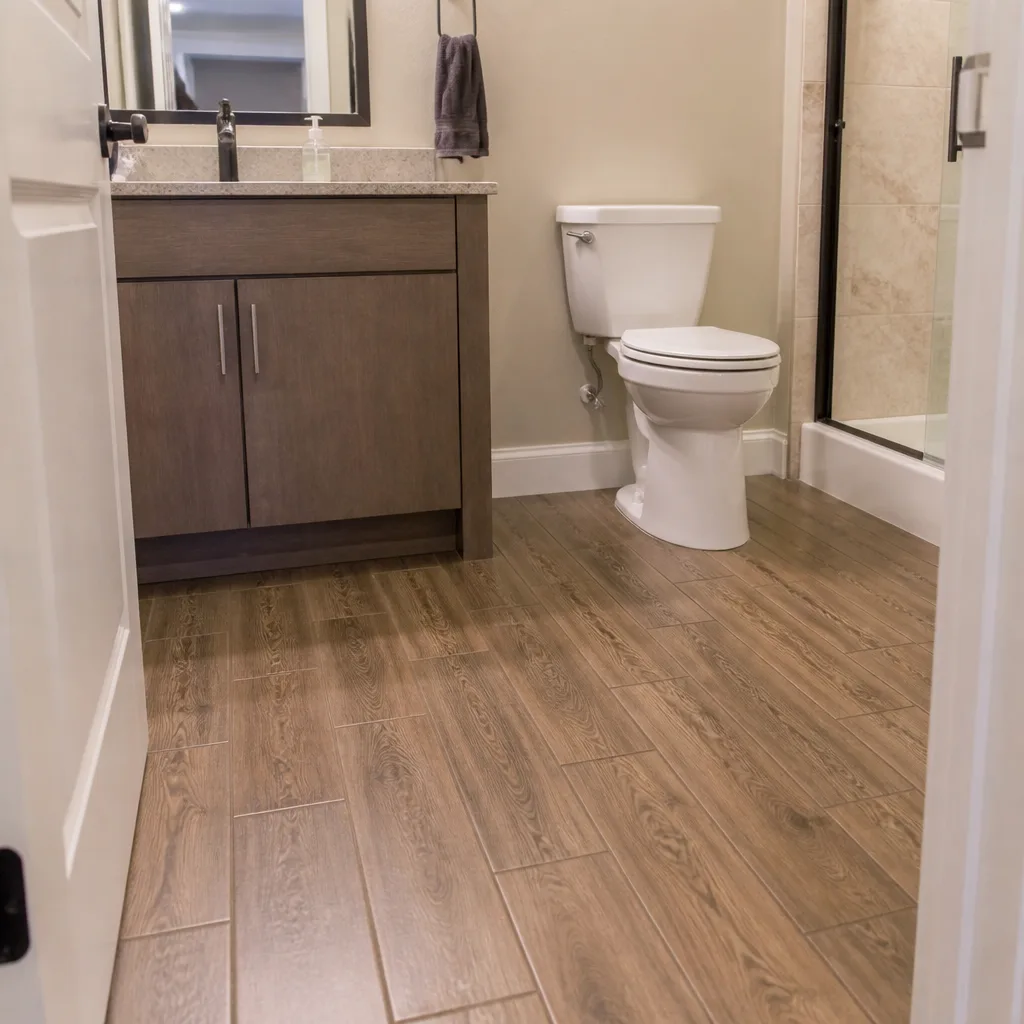
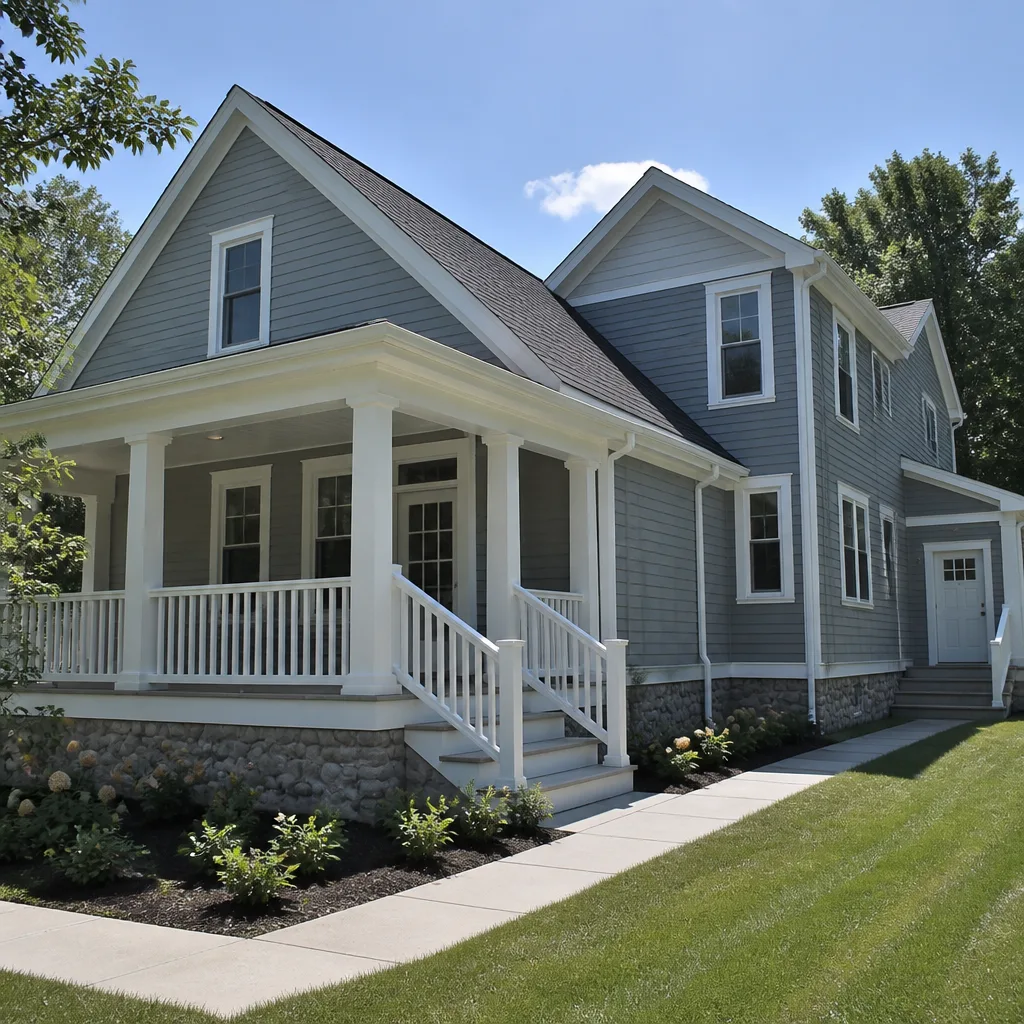
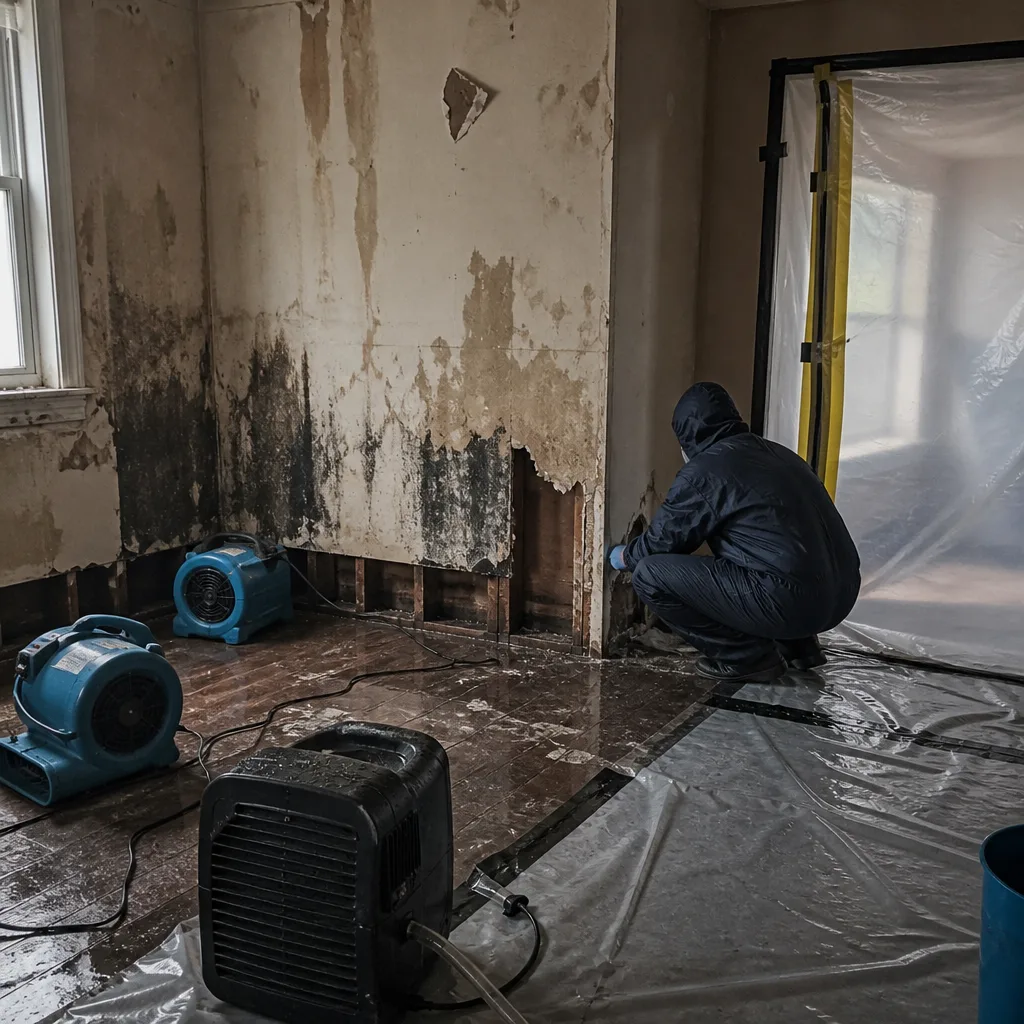 Before
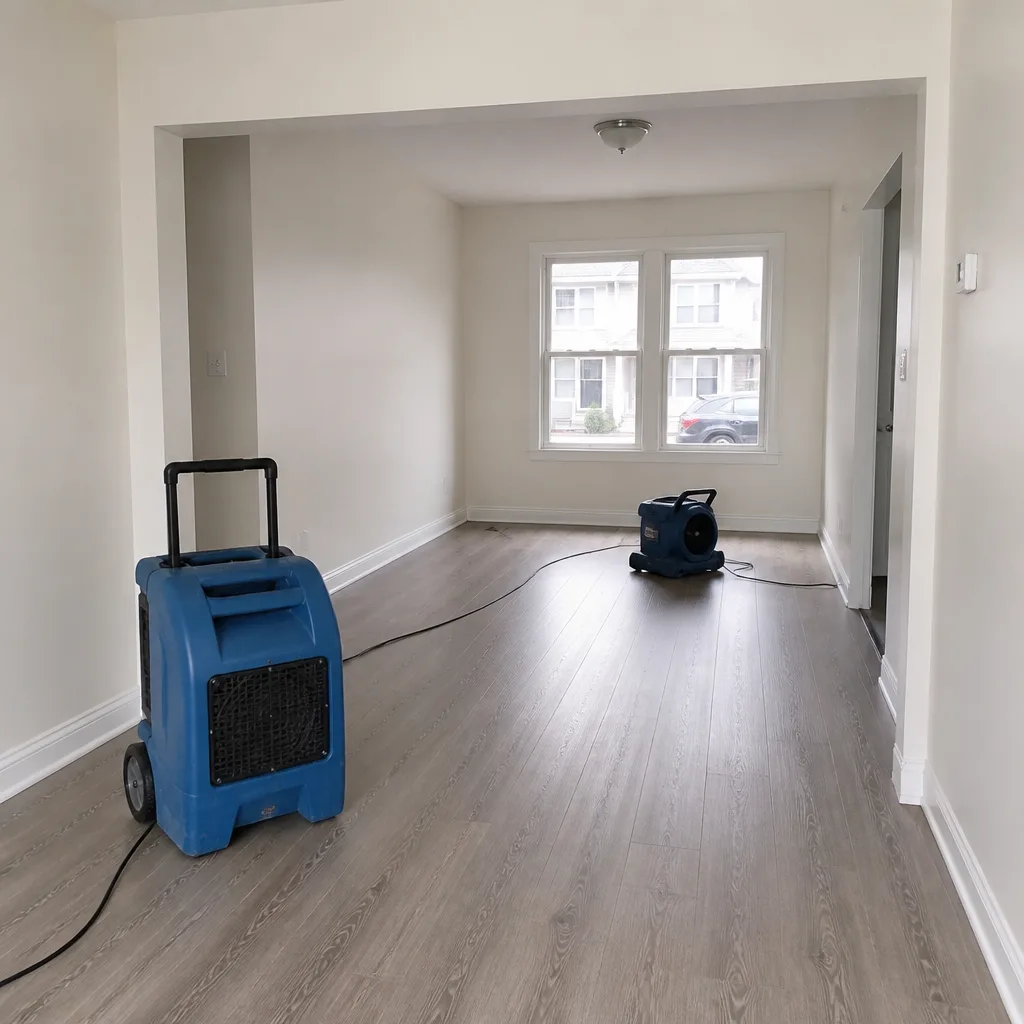 After
After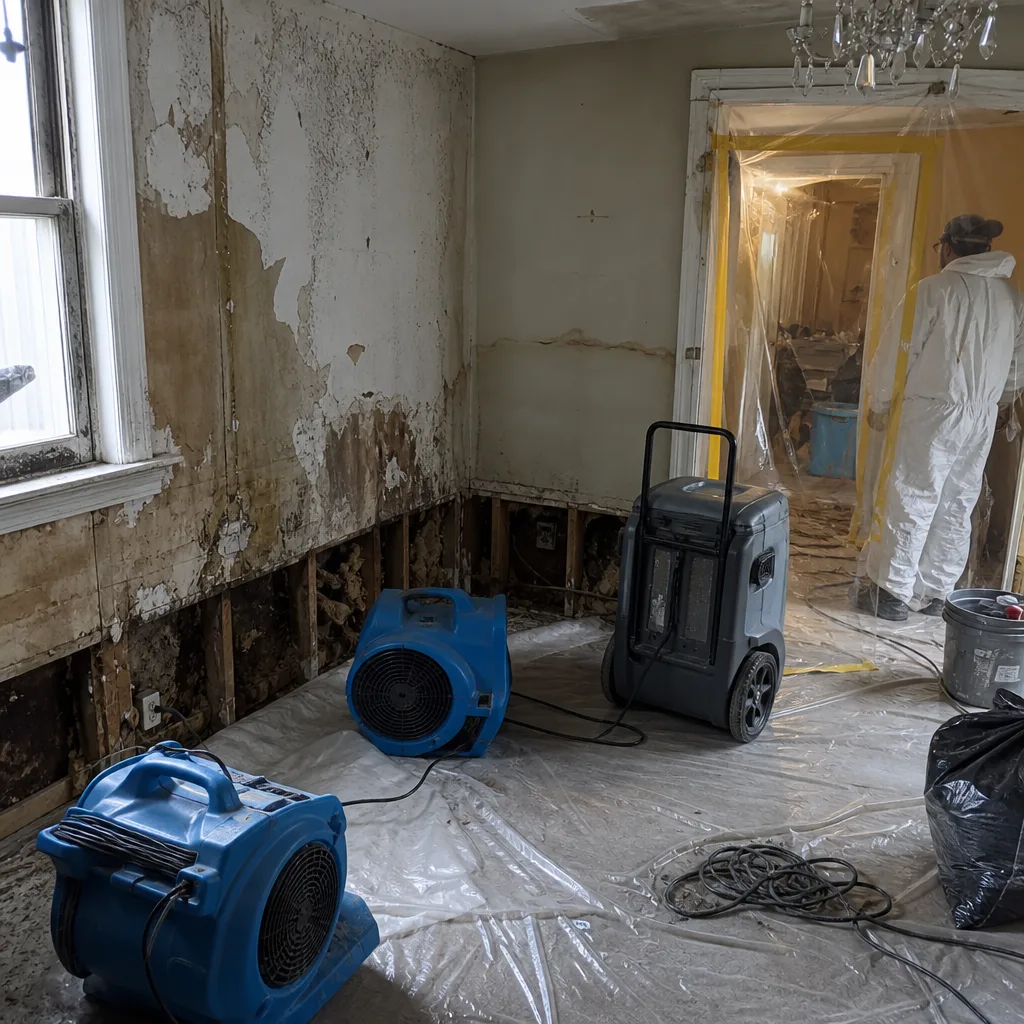 Before
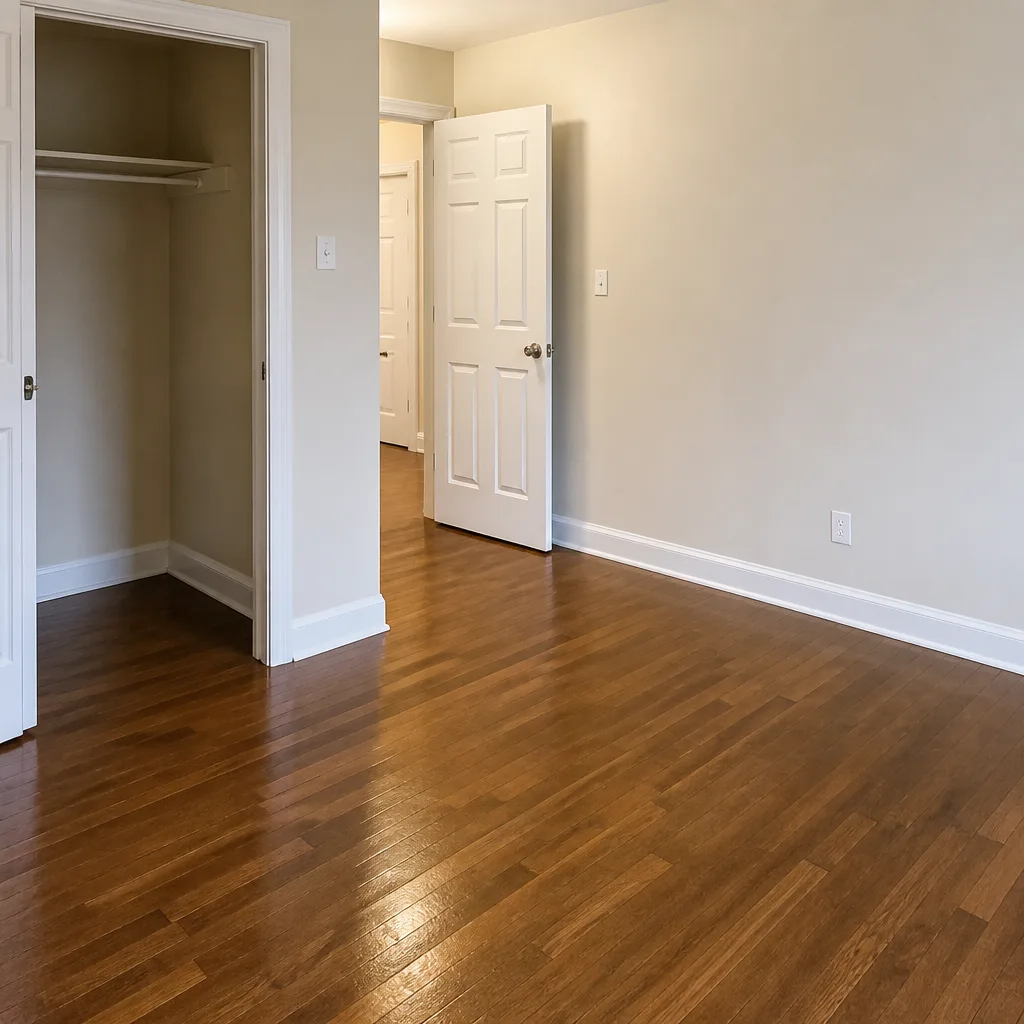 After
After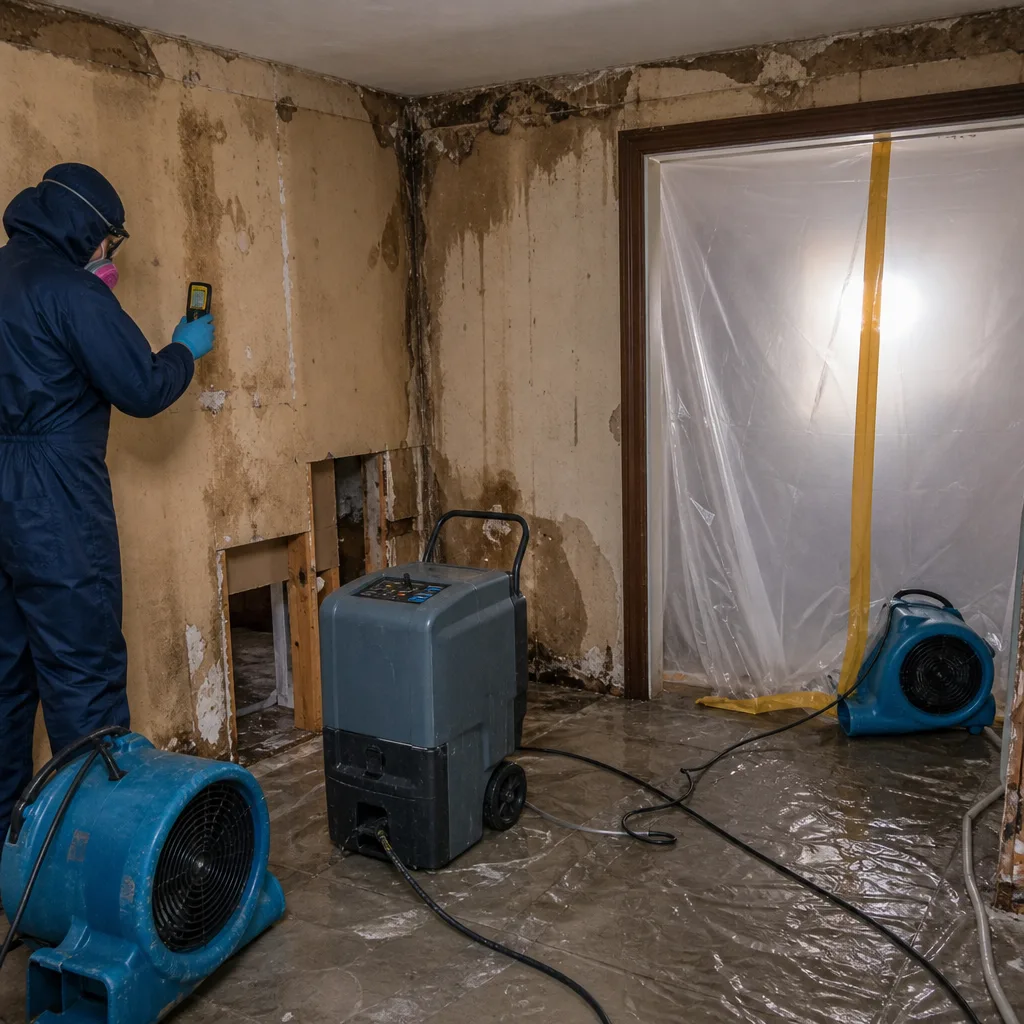 Before
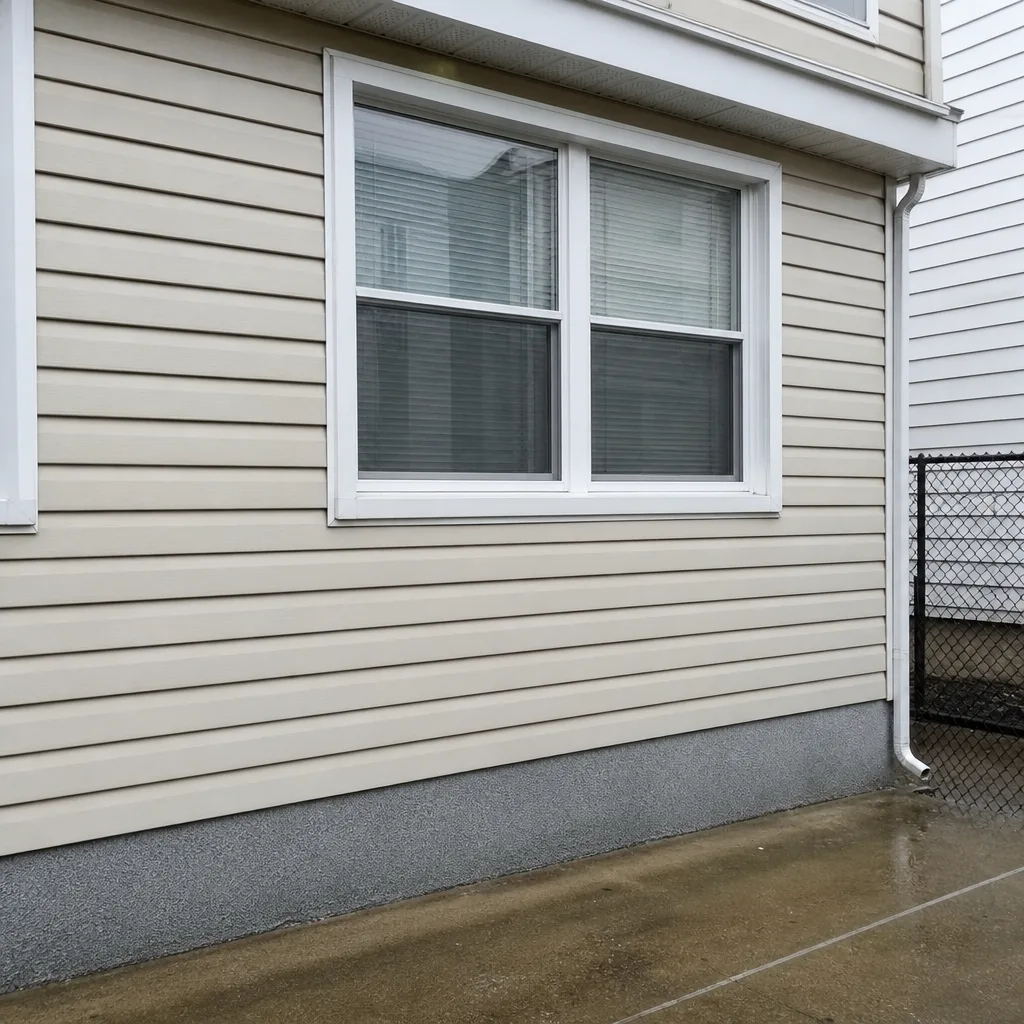 After
After24/7 Emergency Storm & Disaster Restoration in North Bergen
Storm damage in North Bergen moves fast, and so do we. Floodline Restoration Co. answers live around the clock, every day of the year, at (640) 221-3499. A real dispatcher picks up, not a recording. We dispatch certified crews into every part of North Bergen, from the Palisades ridge down to the Meadowlands flats, and we’ll have someone at your door for a free visual inspection before the water line has finished climbing the wall. The first hour is the difference between drying out a basement and rebuilding it, between containing one unit and treating three. When a nor’easter pushes the Hudson River into your street, or a hard rain sends runoff cascading down Boulevard East into your basement entry, you want a crew that knows North Bergen’s split geography and doesn’t waste time figuring it out on your dime.
Understanding Storm & Disaster Restoration Severity in North Bergen Properties
Storm restoration in North Bergen is rarely a simple job because the township’s housing stock doesn’t do simple. Most homes here are two- and three-family brick and wood-frame structures built between the 1940s and 1970s. They share walls. They share basement slabs. A water loss in one unit migrates through party-wall cavities into the neighbor’s finished basement before the first bucket is emptied. And the water itself isn’t uniform. We classify what we find using the IICRC categories: Category 1 is clean supply water, Category 2 carries contaminants, Category 3 is grossly unsanitary, full of sewage, river sediment, or tidal backflow from the Hackensack River corridor. In the low western flats, after a major storm, we’re almost always looking at Category 3. On the upper ridge, you’re more likely to see Category 2 from groundwater pushing through the diabase rock that sheds runoff straight into hillside foundations. What’s true in the flats isn’t true on the ridge, even though both homes share a North Bergen zip code. Our crews carry moisture meters, thermal imaging cameras, and hygrometers to map wicking through masonry and subfloor before a single air mover is placed. We don’t guess at severity. We measure it, document it, and dry to a standard you can hold us to.
Why North Bergen Property Owners Choose Floodline Restoration Co.
- 45-minute response commitment: When you call from anywhere in North Bergen, we commit to having a crew in motion within 45 minutes, not counting the time it takes to navigate the Palisades switchbacks and steep side streets.
- Live answer, 24/7: A trained dispatcher answers every call at (640) 221-3499. Never an automated system. At 2 a.m. on a Saturday, you talk to a person who can send help.
- IICRC-certified crews: Our technicians hold current certifications in water damage restoration (WRT), fire and smoke restoration (FSRT), and applied microbial remediation (AMRT). The certs mean something because the drying logs we hand you are built on documented standards.
- Free visual inspection: We walk the loss with you before any equipment is unloaded. You see what we see. Then we agree on a scope in writing.
- Direct insurance billing: We bill your carrier directly and walk the adjuster through the loss room by room. You are not the messenger between us and the insurance company.
- One team, start to finish: The crew that extracts the water is the crew that runs daily moisture readings and the crew that rebuilds the drywall. No mid-job handoff to a subcontractor you never met.
Our Storm & Disaster Restoration Process
Inspection & Assessment
We arrive, walk the property inside and out, and identify the water source and category. Thermal imaging reads moisture behind walls and under flooring. We map the loss, note pre-existing conditions, and give you a written scope before we start. No surprises on the bill.
Extraction & Stabilization
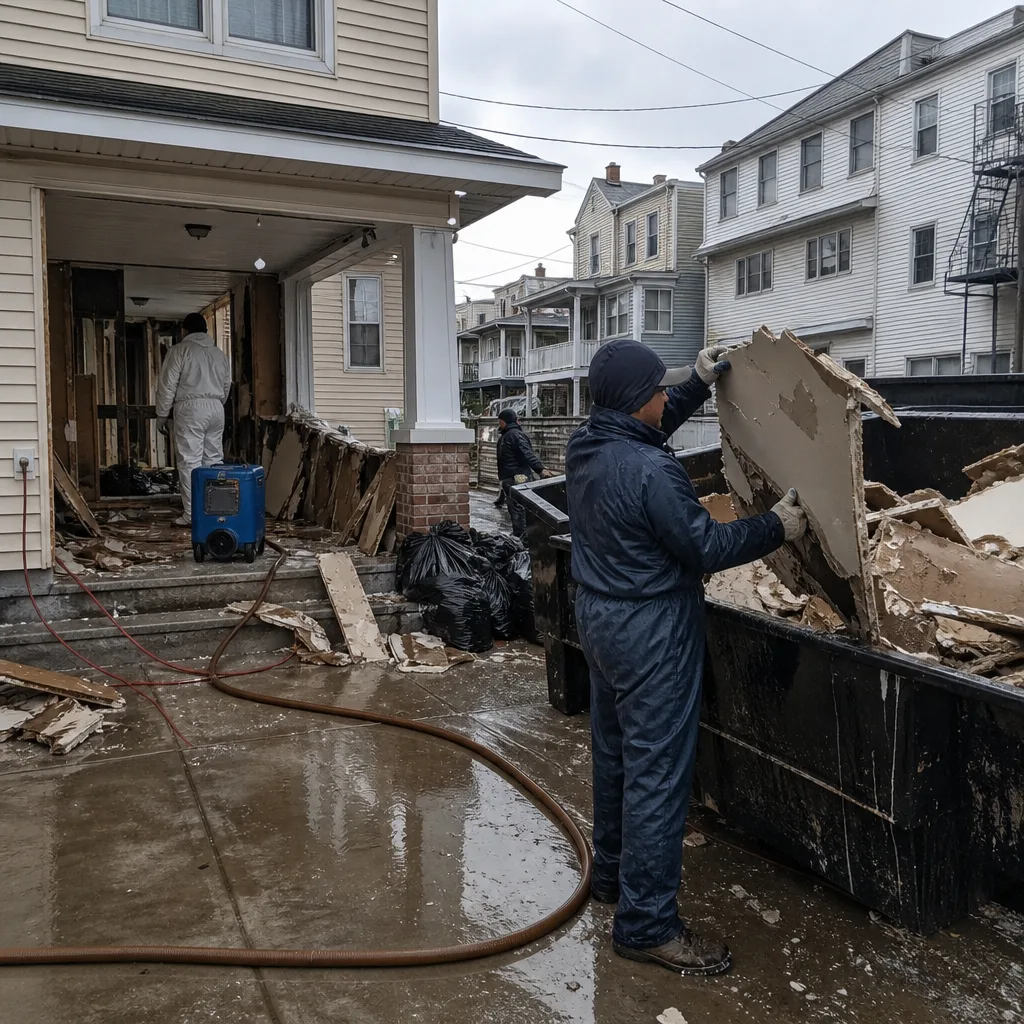
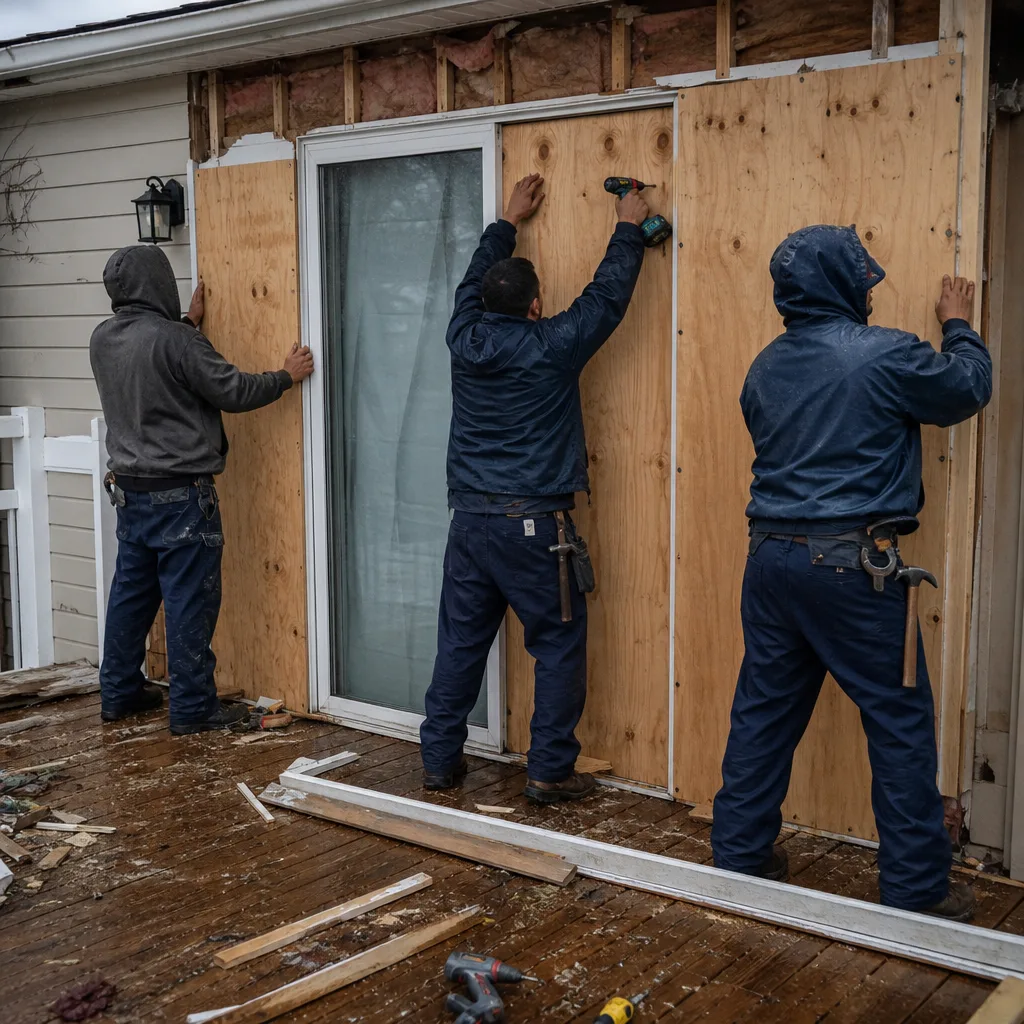
Truck-mounted extractors pull standing water fast. For saturated carpet and padding in finished basements, we cut and remove what can’t be saved. If there’s storm damage to windows or the roof, emergency board-up and tarping go up immediately to stop more water entering.
Drying & Dehumidification
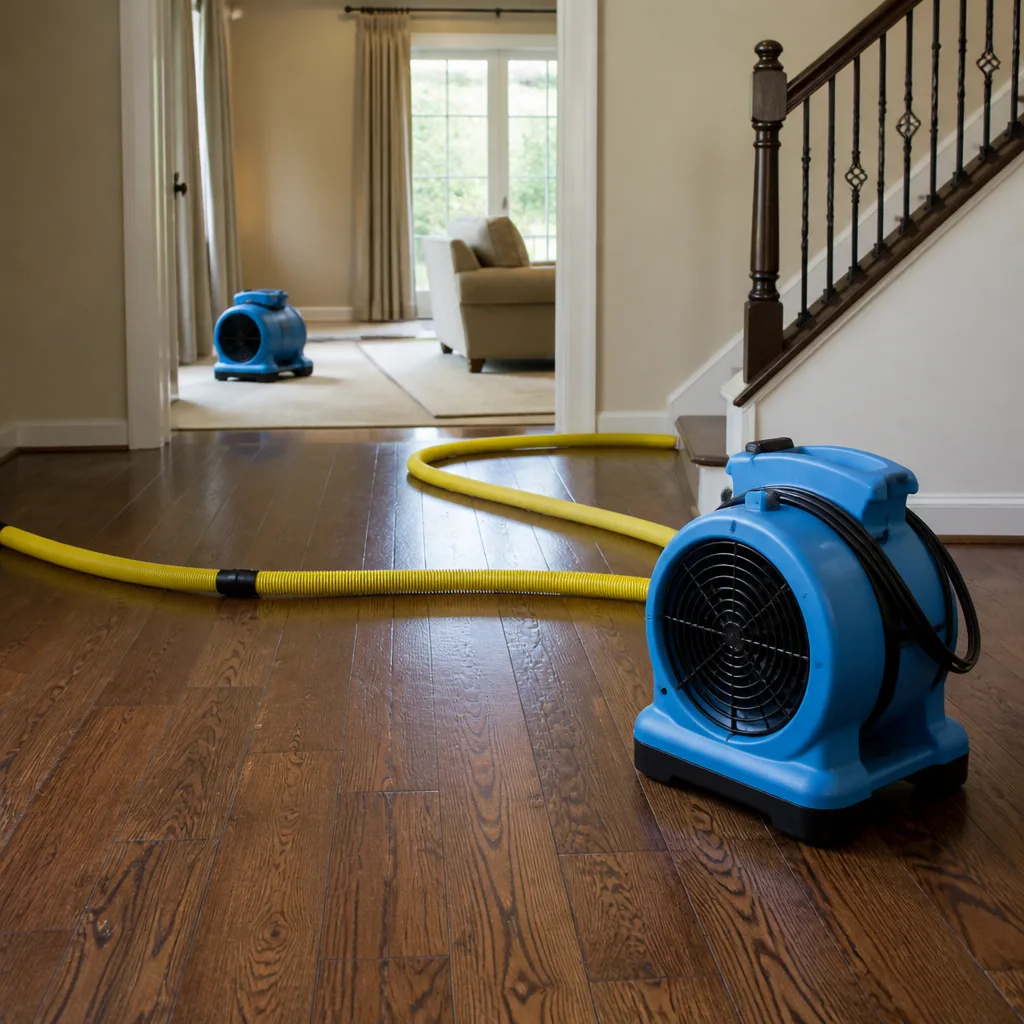
Professional-grade Dri-Eaz LGR dehumidifiers and XPOWER air movers are placed according to the moisture map, not scattered by guesswork. We take daily readings with hygrometers and keep a log showing progress toward the dry standard. The log goes to you and to your insurer.
Cleaning & Sanitization
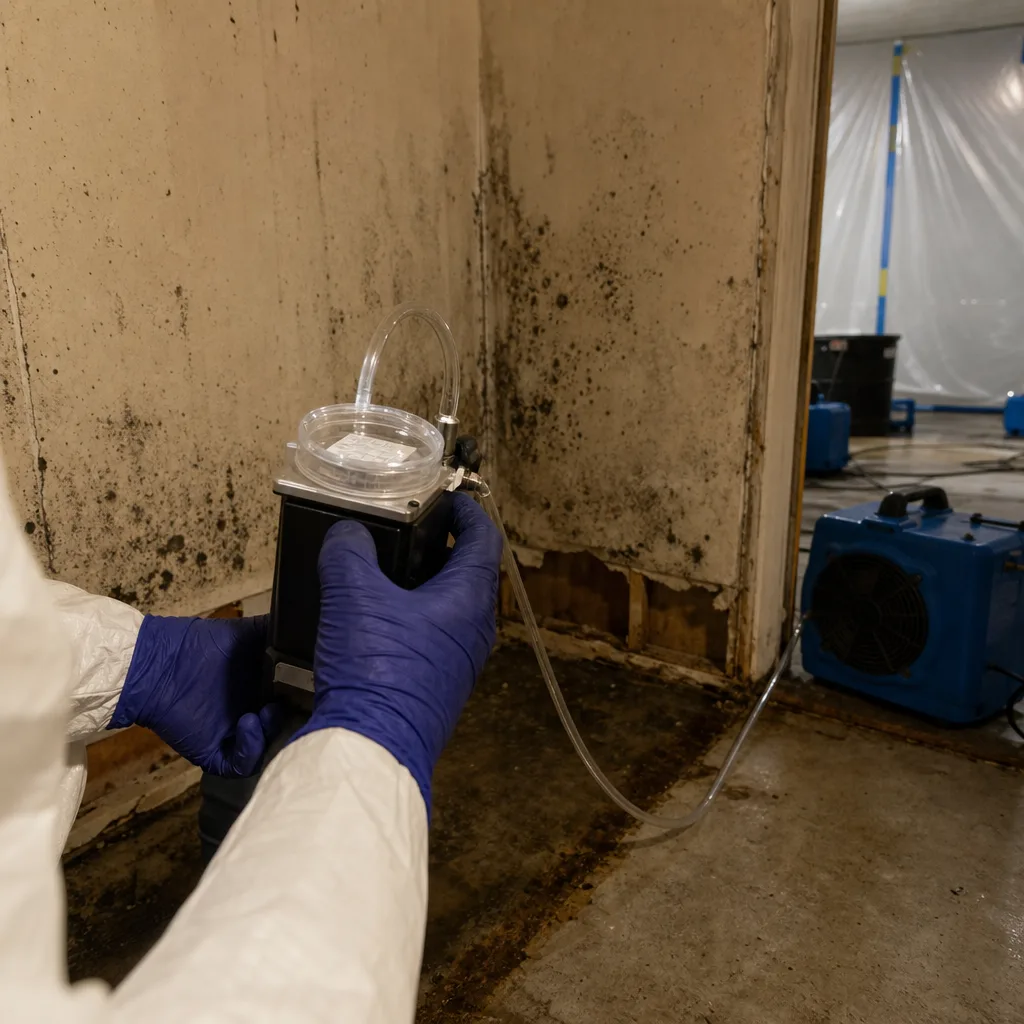
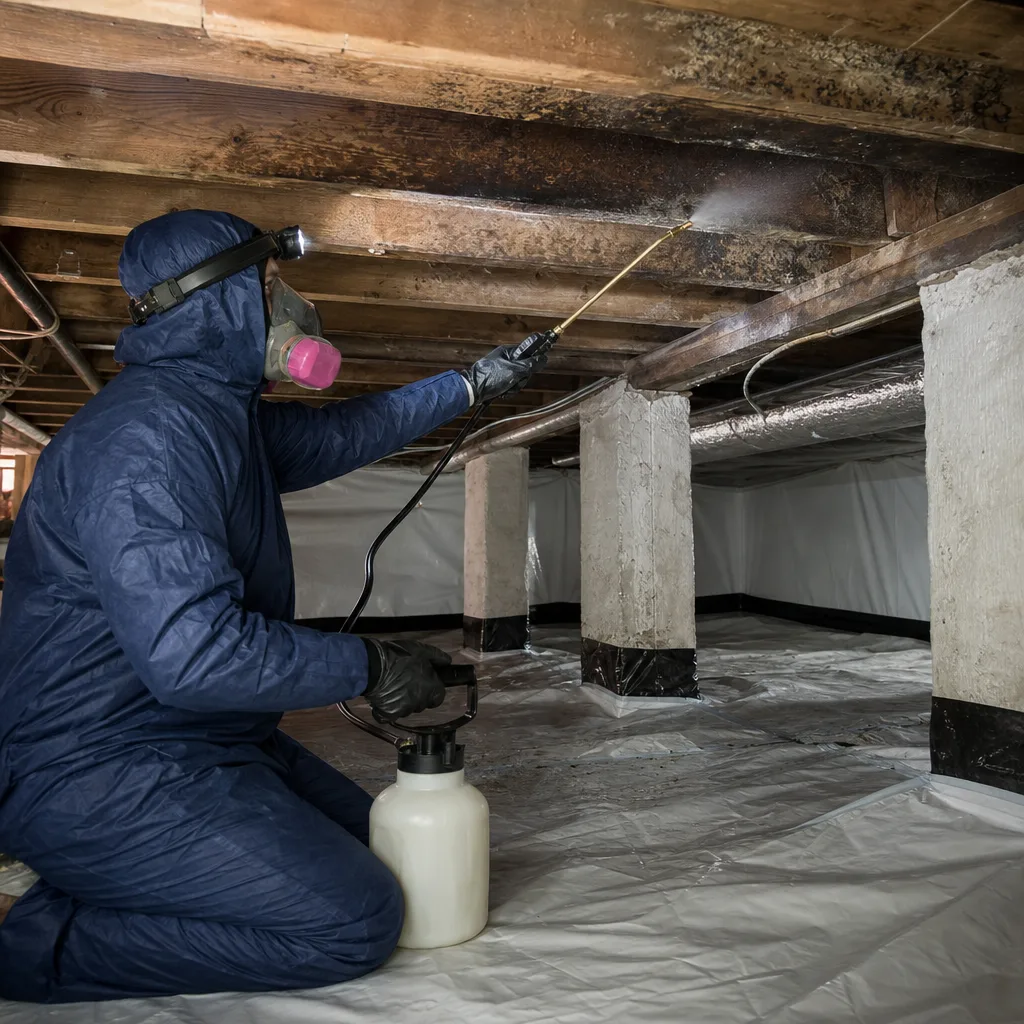
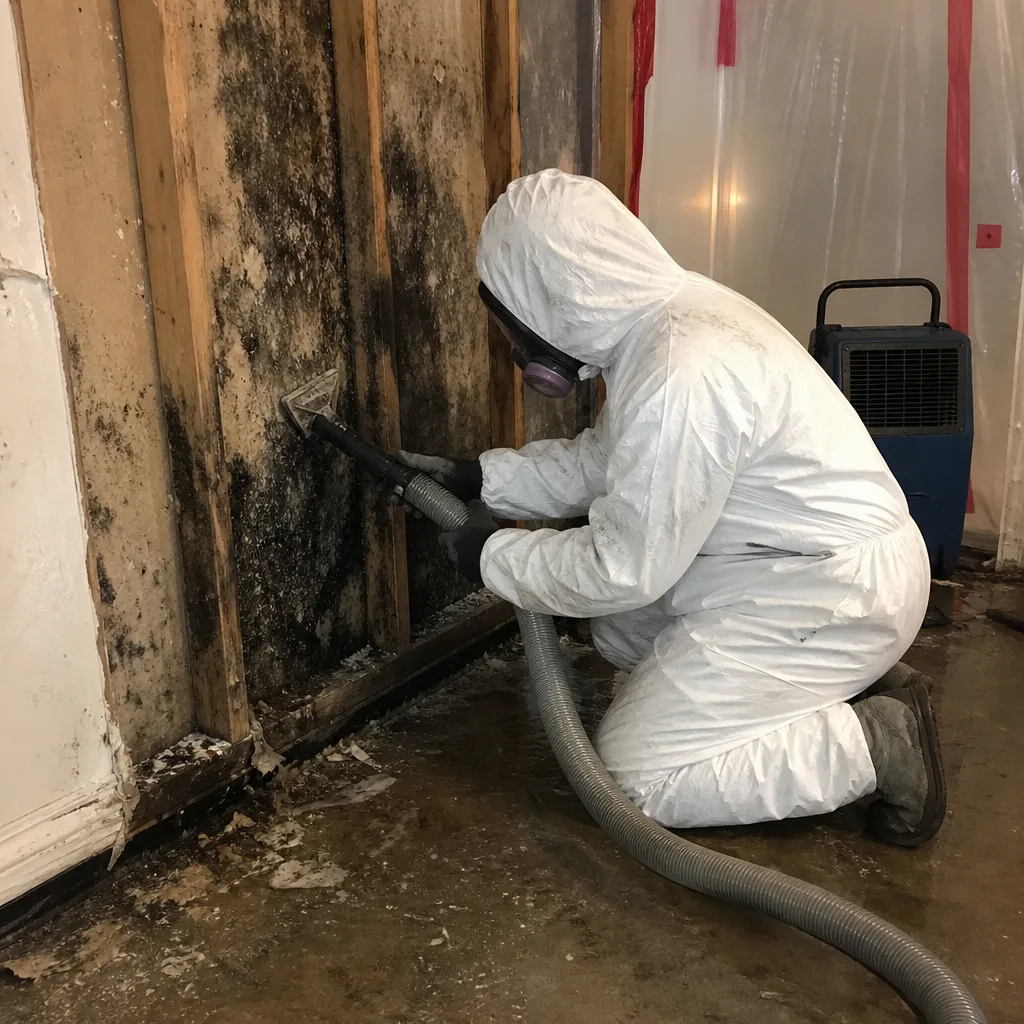
Stormwater brings contaminants. We clean and apply antimicrobial treatments to affected surfaces, especially in party-wall cavities where hidden mold takes hold. For Category 3 losses, we set up containment and run HEPA air scrubbers before disturbing walls.
Specialty Treatment
North Bergen’s dense, attached housing requires containment protocol on nearly every job. We isolate affected units, protect neighboring units with poly barriers, and monitor for vapor migration through shared walls. On hillside basements, we address hydrostatic pressure, not just the symptom.
Repairs & Restoration
Once the structure is dry, the same crew rebuilds. Drywall, trim, flooring, paint. If we had to cut into a party wall, the neighbor’s side is restored too. We finish with a final walk-through and your 90-Day Done Right Promise in writing.
Need Emergency Storm & Disaster Restoration in North Bergen Now?
Crews minutes away, answering live 24 hours a day. The sooner we start, the less it costs.
Working With Your Insurance Company
Storm damage claims in North Bergen go smoother when the documentation is built from the first hour. We photograph every room before equipment moves, note pre-existing conditions so a party-wall neighbor’s old leak isn’t tangled into your claim, and keep moisture readings and drying logs that adjusters recognize as industry-standard. Our scopes are written line-item by line-item. When your carrier has questions, we take the call directly. You don’t chase us and we don’t ask you to interpret drying data. Floodline Restoration Co. has done this for over 42 years, and we’ve learned that the claim that gets approved is the one with a paper trail that a desk adjuster in another state can follow without asking what happened.
What We Provide Your Insurer
- Thorough documentation of the loss
- Photos of all damage, room by room
- Moisture readings and drying logs
- A detailed, line-item scope of work
- Direct coordination with your carrier
Built for North Bergen’s Loss Calendar
Storm losses in North Bergen follow a rhythm that anyone who’s lived here twenty years knows by heart. January and February bring the deep freezes that burst supply lines in uninsulated exterior walls and ice dams that back up under the eaves of the ridge-top rowhouses. March starts the thaw, and with it, groundwater seepage into hillside basements as the diabase rock sheds weeks of stored moisture. Summer thunderstorms hit fast and hard. A single July downpour sends a sheet of water down the Palisades slope and into stairwells that were dry an hour earlier. Autumn is nor’easter season. The Hudson River corridor pushes storm surge toward the low western flats, and the same streets that drain slowly in a regular rain don’t drain at all when the tide is running. By December, the cycle starts again. Homes built in the 1950s and 1960s with original drainage and aging masonry take the worst of it. The homes that fare best are the ones where problems get addressed when they’re small, not when the basement is four inches deep at midnight. That’s why we answer the phone at 2 a.m. and why the free visual inspection exists. You shouldn’t have to wait for a sales pitch while water sits against your foundation.
Storm & Disaster Restoration Across North Bergen’s Neighborhoods
North Bergen isn’t one flood profile. It’s at least two, and the difference matters when we dispatch a crew. Up along Boulevard East and the streets that climb toward the Palisades ridge, including around Woodcliff and the area near James J. Braddock Park, the dominant storm problem is runoff and hydrostatic pressure. Steep grades send rainwater down driveways and through ground-level entries. Foundations take a beating in freeze-thaw cycles because the ridge top is exposed and wind-scoured all winter. Down on the western side, toward the Tonnelle Avenue corridor and the Meadowlands edge, the trouble is slow drainage and, in the biggest storms, tidal backflow from the Hackensack River system. Streets that run flat hold water. Basements in the two-family brick homes along the numbered streets off Kennedy Boulevard take on water not because of a hillside, but because the storm system can’t move it out fast enough. In between, around the mid-slope blocks, you get both at once. Our crews route through these areas every week. We know which streets need pumps, which need containment, and which need a board-up crew and a roofer working at the same time.
Specialized Storm & Disaster Restoration Services We Offer in North Bergen
Storm Damage Cleanup
After a nor’easter or a July thunderstorm, the mess isn’t just water. It’s mud from the Palisades slope, debris blown off rooftops, silt from the street. We remove it, bag it, and haul it. Then we start the drying plan. In attached homes, cleanup includes the shared stairwells and entries, because the neighbor’s insurance claim shouldn’t start with the mess from your side.
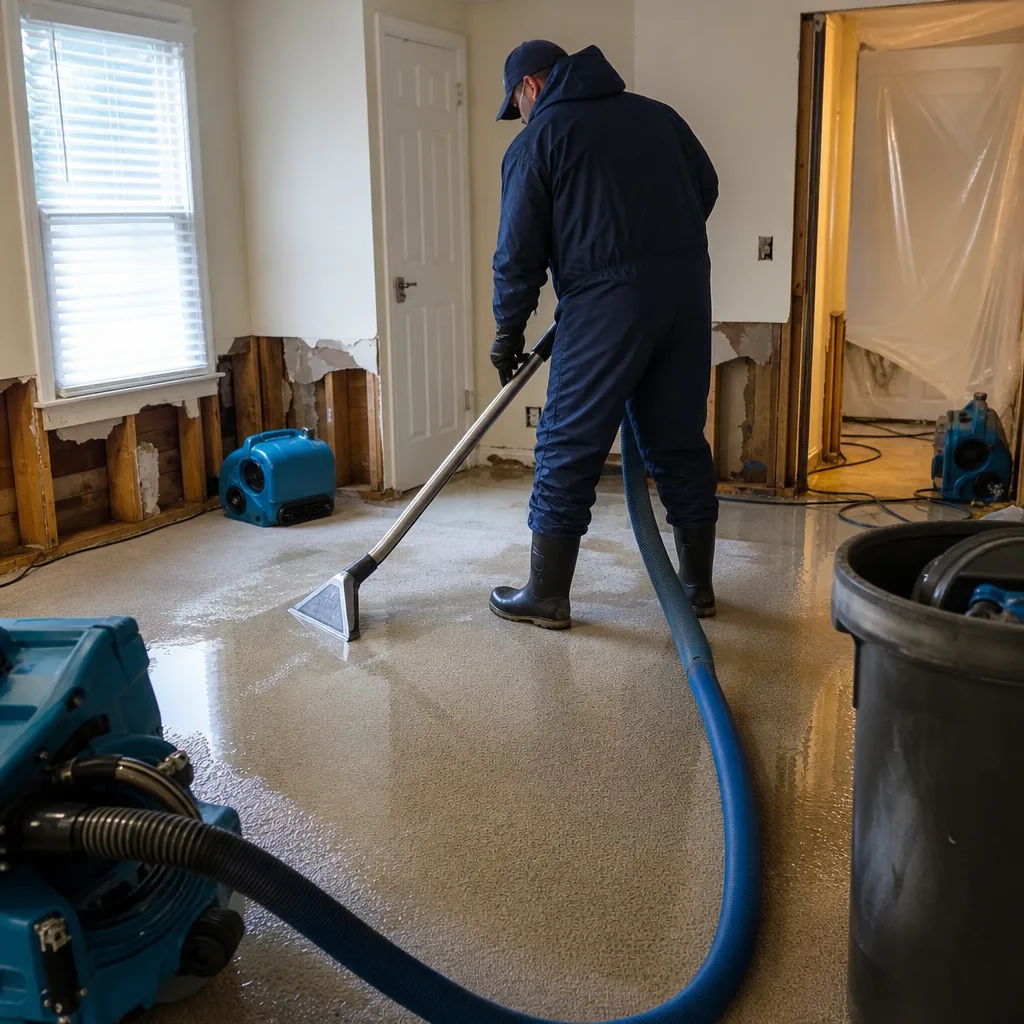
Flood Damage Restoration
Whether the water came up from the Hackensack corridor or down from the ridge line, the response is the same: extract, dry, verify. In North Bergen’s finished basements, that often means cutting drywall to dry the masonry behind it. We document everything so you’re not fighting your carrier over a moisture reading that was taken after we left. Storm & Disaster Restoration is what we do every day, not a side line.
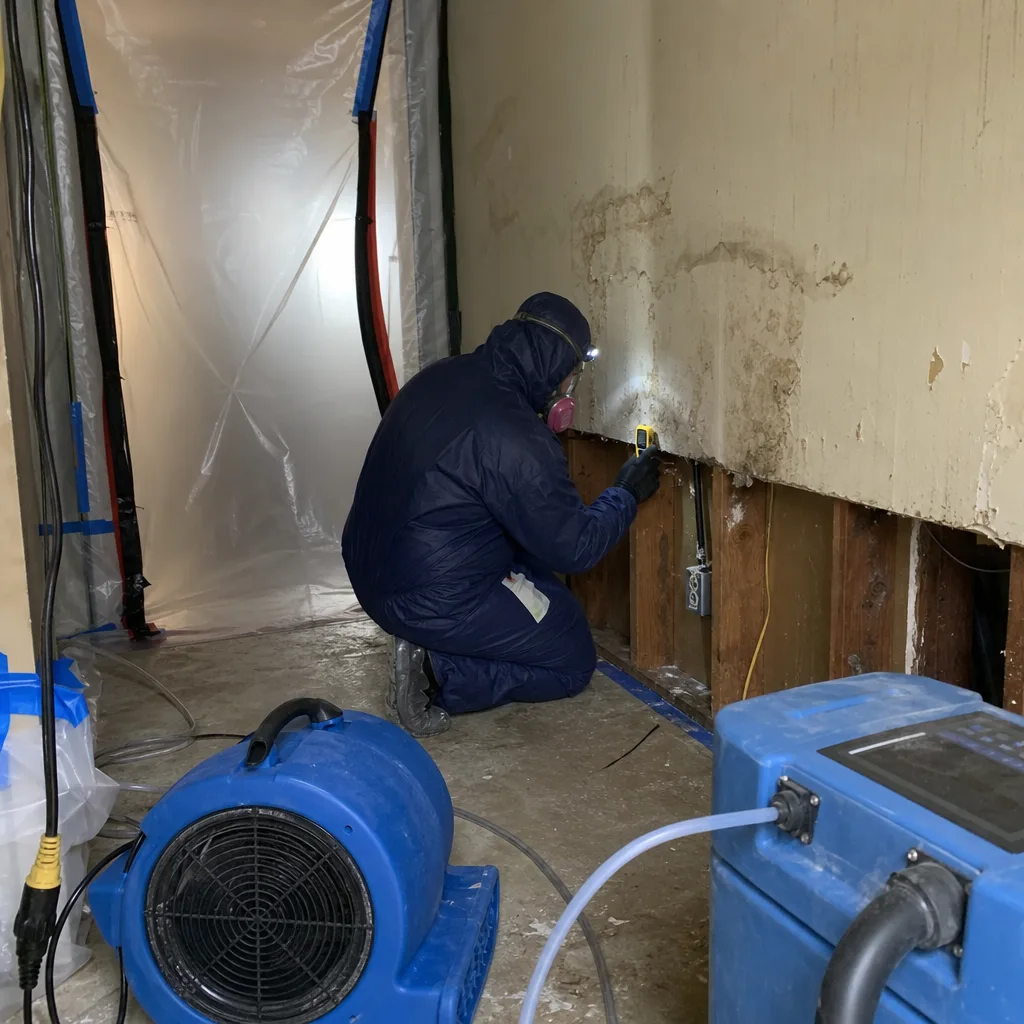
Emergency Board-Up
A broken window after a storm on a steep North Bergen street needs to be secured fast, both for weather and for security. We board up openings with plywood cut to fit, secured properly, and photograph it for your claim. When the new window goes in, we’re the ones removing the board-up, not a separate crew you have to schedule.
Roof Tarping
Nor’easter winds peel back roofing on the exposed ridge-top blocks. A tarp installed the same day keeps rain out of the attic and stops a roof loss from becoming a whole-house loss. We tarp tightly, nail it into the decking, and document the installation for the adjuster.
Debris Removal
Tree limbs, building materials, roofing shingles, whatever the storm left in your yard or against your foundation. We haul it. In narrow North Bergen alleys, that means hand-carrying to the truck, not dropping a dumpster on the sidewalk. It’s slower work and it’s the right way to do it without tearing up a neighbor’s fence.
What happens when you call
- 1
A real person answersNo phone trees - you reach a local pro.
- 2
You get an upfront price rangeHonest numbers before anyone is dispatched.
- 3
A background-checked tech heads outLicensed & insured, dispatched right away.
- 4
You approve before work beginsNothing starts until you say go.
Storm & Disaster Restoration Costs in North Bergen, NJ
Honest numbers, because you called for help, not a sales pitch. In North Bergen, a standard basement water extraction with equipment and drying for two to three days typically runs $1,800 to $3,800 depending on the size of the space and the water category. Flood damage restoration with drywall cuts, disposal, antimicrobial treatment, and full structural drying usually lands between $4,000 and $9,500 in the finished basements common across the township. Storm damage cleanup with debris removal and hauling runs $750 to $2,200 for a typical single-family or two-family storm mess. Emergency board-up is normally $350 to $850 per opening, and roof tarping runs $425 to $950 per tarp installed. What moves the price in North Bergen specifically is access. Narrow alleys, steep street grades, and limited parking add labor time. Attached construction adds containment costs. A free visual inspection gives you a firm written scope with a line-item price before any work begins. No surprises, no squishy “it depends” after we’ve already started. Most storm-related work is insurance-covered; the inspection documentation starts that claim on the right foot.
We Also Serve Cities Near North Bergen
Our crews work all over North Bergen and the surrounding Hudson County towns. If you’re in North Bergen proper or in nearby Weehawken, Union City, Ridgefield, or Secaucus, the same 24/7 live answer and the same certified team responds. Storm water doesn’t respect municipal lines, and neither do we.
North Bergen Storm & Disaster Restoration Questions, Answered
What’s different about flood damage restoration in North Bergen’s upper Palisades blocks versus the western flats?
The water source and the pressure behind it are different, and treating them the same way leads to recurring damage. On the upper Palisades blocks, the water is typically groundwater driven by hydrostatic pressure against hillside foundations. The diabase rock sheds runoff fast, and the ground pressure pushes water through foundation cracks and cove joints. On the western flats near the Meadowlands, the water is surface floodwater that comes up through street drains and ground-level entries, often influenced by tidal backflow from the Hackensack River corridor. Flat-side flooding is usually Category 3 and requires containment and sanitization. Ridge-side seepage is often Category 2 but recurs unless the drainage and hydrostatic pressure are addressed. Our drying plan, equipment placement, and documentation differ based on which side of the ridge you’re on. Call (640) 221-3499 and we’ll walk your property and tell you which profile you’re facing.
How do you handle emergency board-up on a steep North Bergen street with no parking?
We park where we legally can and hand-carry materials. Our crews work on the Palisades switchbacks regularly. They know how to stage a truck on a side street and walk plywood up a 60-foot driveway with a 15% grade. It adds labor time, and it’s built into the honest estimate we give you before we start. The board-up still goes up the same day, the openings still get secured, and the documentation still goes to your carrier. Steep streets slow down other crews. They don’t stop us. Call (640) 221-3499 and a real dispatcher will get the right crew rolling.
I live in an attached two-family; do you need to treat my neighbor’s unit after a flood in mine?
Almost always, yes, at least for inspection and containment. Water in a party-wall building travels through shared floor joists and wall cavities. A flood in your finished basement can wick into the neighbor’s drywall within 24 to 48 hours, even if their side looks dry. We set up containment before any demolition starts, and we’ll inspect the adjoining unit with a moisture meter. If the neighbor has damage, we document it separately so their claim doesn’t get tangled with yours. If they’re dry, the containment log proves we protected them. That documentation has kept a lot of North Bergen two-family owners out of disputes with the people on the other side of the wall.
Can you dry out a finished basement on a hillside home without tearing out all the drywall?
Sometimes we can, and sometimes the drywall has to go. The answer depends on what the thermal imaging shows and how fast the water got to us. If Category 2 or 3 water sat against drywall for more than a few hours, the paper backing wicks moisture upward and the material starts to fail. Cutting it out is usually cheaper and faster than trying to dry it in place. What we can often save is the framing and the flooring, using Dri-EZ LGR dehumidifiers, XPOWER air movers, and daily hygrometer readings. We’ll show you the moisture map and explain what stays and what goes before making a cut. The free visual inspection establishes this plan with no commitment.
What should I do when the street above me sends runoff into my basement entry during a nor’easter?
First, shut off power to the affected area if water is rising near outlets or appliances. Then call us at (640) 221-3499. While you wait, move small items to higher ground if it’s safe to do so. Don’t enter standing water that’s been in contact with the street or the river. The long-term fix for stormwater cascading down a Palisades street into your basement entry usually involves a grade-level drain or a deflector at the top of the entry, but in the moment, the priority is extraction and drying. We’ve responded to this exact failure mode on Boulevard East blocks after hard rains, and we know the pattern. Your first step is the call. The rest is our job.
How fast can you actually get to a North Bergen storm emergency?
We commit to a 45-minute response window for any address in North Bergen. In most cases, our nearest crew arrives faster. A live dispatcher answers at (640) 221-3499, pulls the closest available team, and you get a call with an ETA. Extraction equipment goes on the truck first. We’re not going to sit in the dispatch office and wait for a damage report. If you’re on the western flats and water is coming up through the floor, we want pumps running inside the hour.
Will my insurance cover storm and flood damage restoration in North Bergen?
Most storm damage is covered under a standard homeowners policy, but flood damage from rising water usually requires a separate flood policy. Nor’easter wind damage, roof leaks, and a burst pipe from a freeze are typically covered. Water that comes up through a foundation from groundwater may or may not be, depending on your policy language. The best path is to document everything from the start. That’s what we do, from the first moisture reading to the final rebuild. We also bill directly and coordinate with your adjuster, so you’re not stuck explaining drying curves to a claims department. The free inspection starts the paper trail.
Who are your technicians and what certifications do they hold?
Our technicians are background-checked, uniformed, and certified to IICRC, RIA, and IFA standards. The IICRC certifications relevant to storm work are WRT (Water Damage Restoration Technician), FSRT (Fire and Smoke Restoration Technician), and AMRT (Applied Microbial Remediation Technician). Our crews train on professional-grade Dri-Eaz, Phoenix, XPOWER, B-Air, and Injectidry equipment. The person who walks your property on day one is the person who takes the daily moisture readings. That continuity is how the drying log stays accurate and how the 90-Day Done Right Promise means something.
Serving North Bergen, NJ - Our Local Coverage Area
We’re based in the North Bergen area and know this community well. Use the map below to see our service coverage - if you’re nearby, we can almost certainly help.
Call Floodline Restoration Co. for Storm & Disaster Restoration in North Bergen
Storm damage in North Bergen doesn’t wait for business hours, and neither do we. A live dispatcher answers at (640) 221-3499 any hour, any day. We’ll send a certified crew, do a free visual inspection, and put a written scope in your hands before any work begins. One team from extraction to rebuild, direct insurance billing from day one, and the 90-Day Done Right Promise in writing when the job is finished. Storm & Disaster Restoration in North Bergen means knowing the difference between a ridge-side groundwater loss and a flat-side flood, and treating each the way it needs to be treated. That’s what Floodline Restoration Co. does. Call today, and we’ll be there.
Written by Curt Bowman, Owner at Floodline Restoration Co., serving North Bergen and Hudson County since 2010.