
Free visual inspection and a written scope of work before any mitigation begins - photos, moisture readings, and drying logs go in your claim file
The scope we write is the scope we bill. Anything new gets shown to you, in writing, before we touch it.
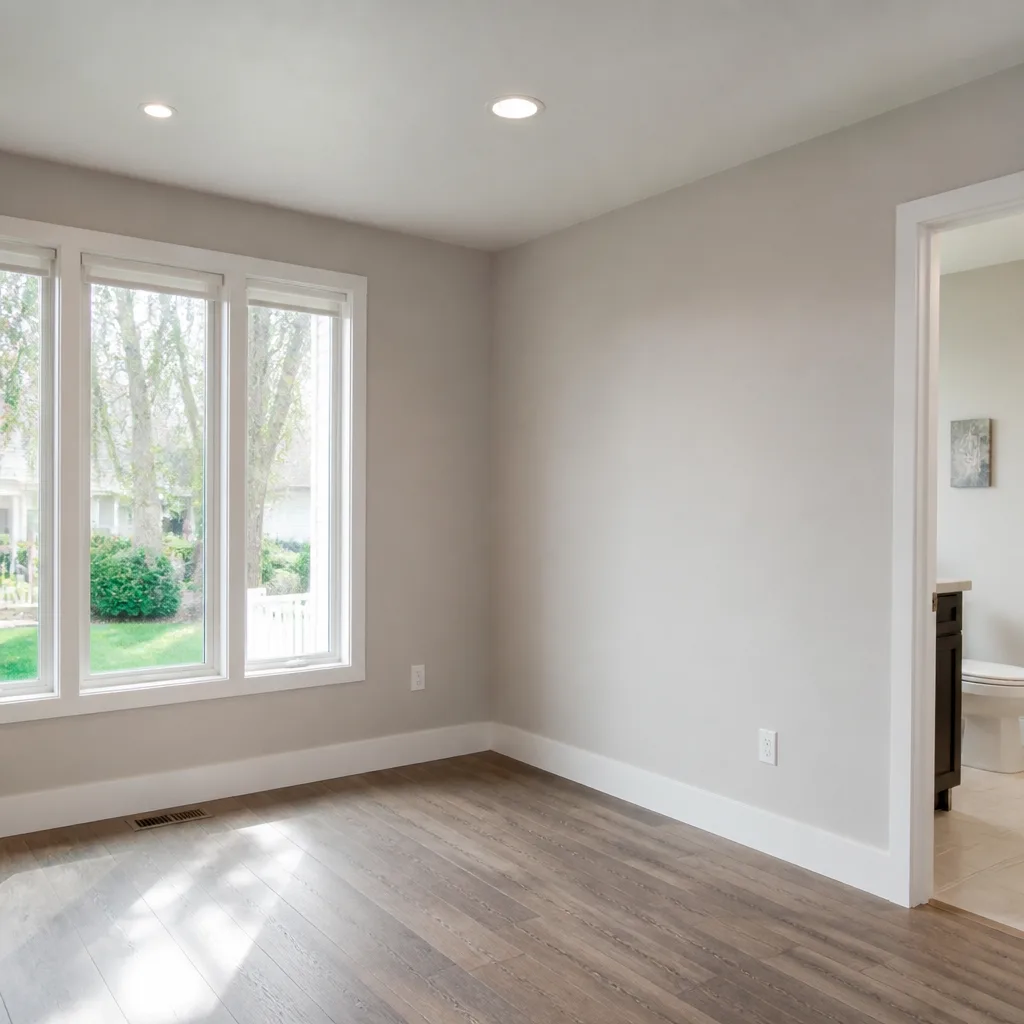
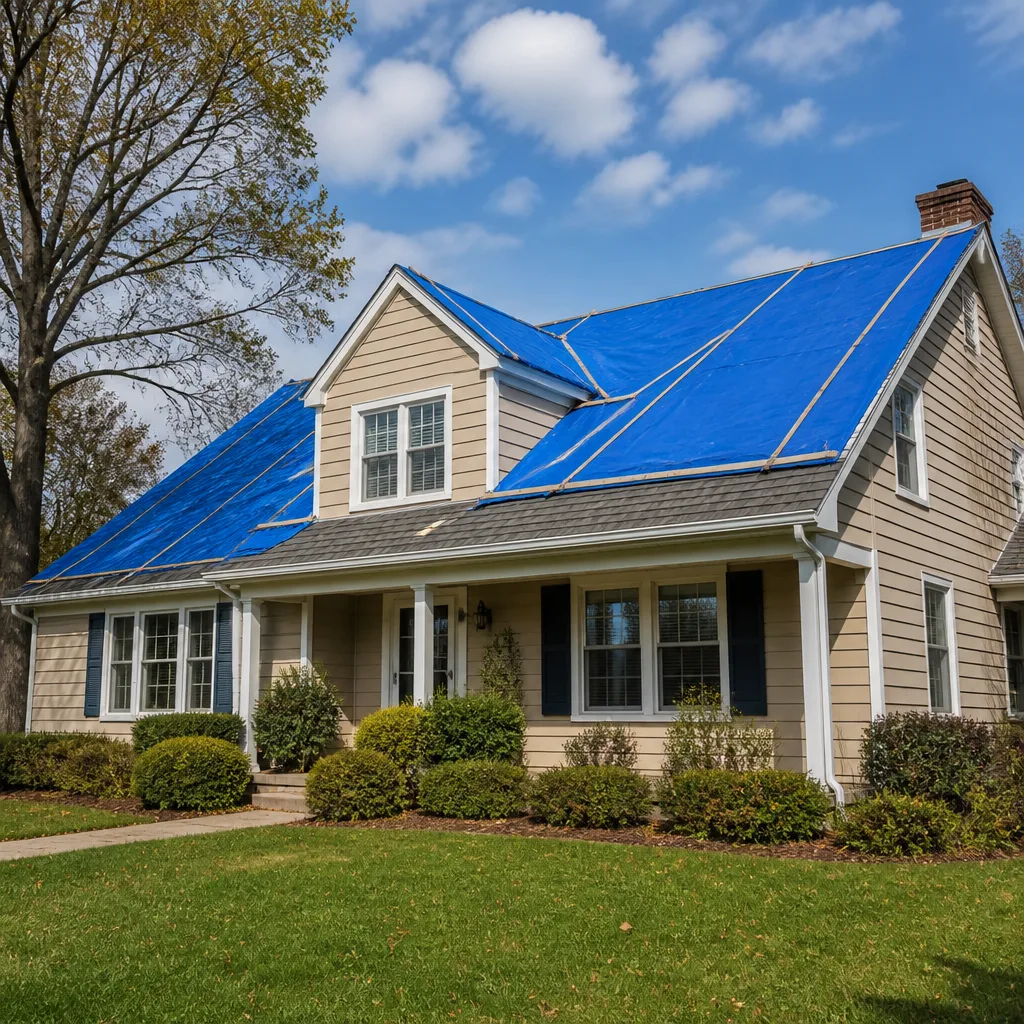
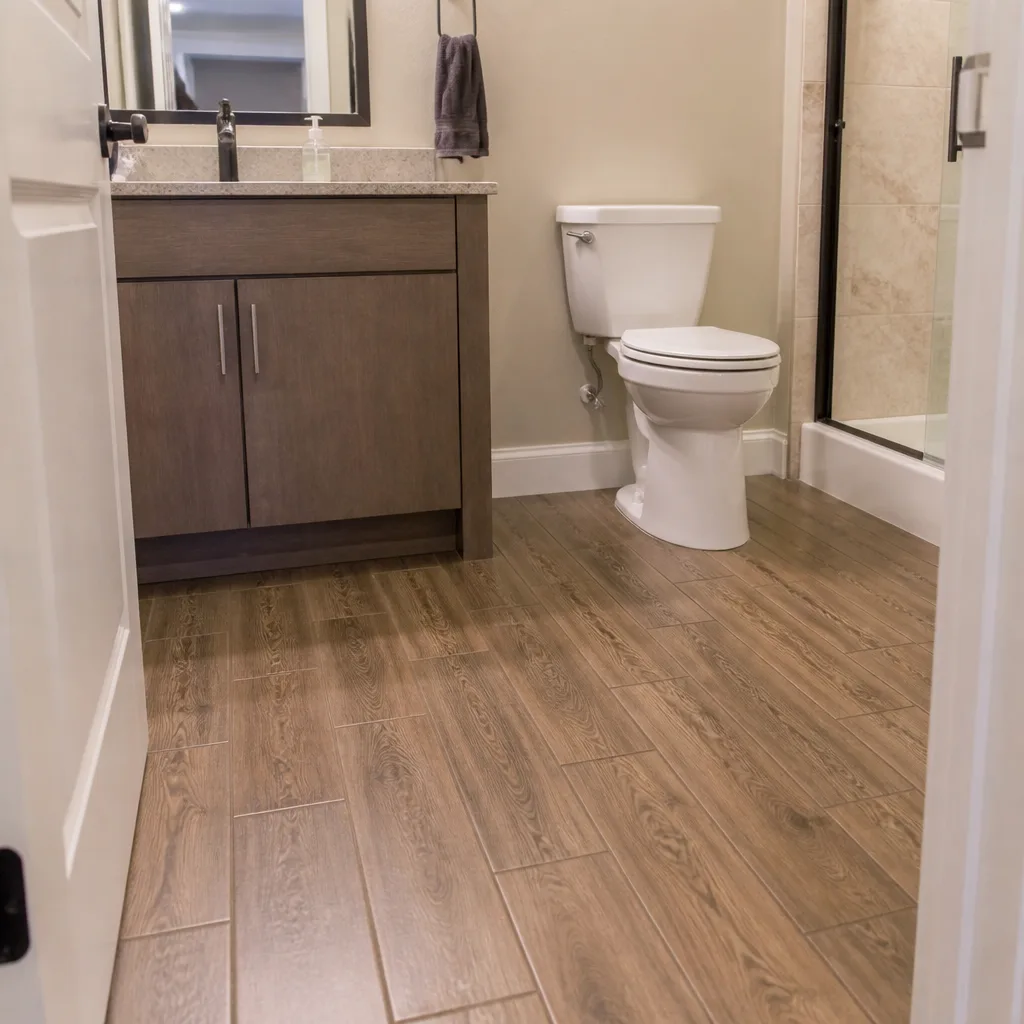
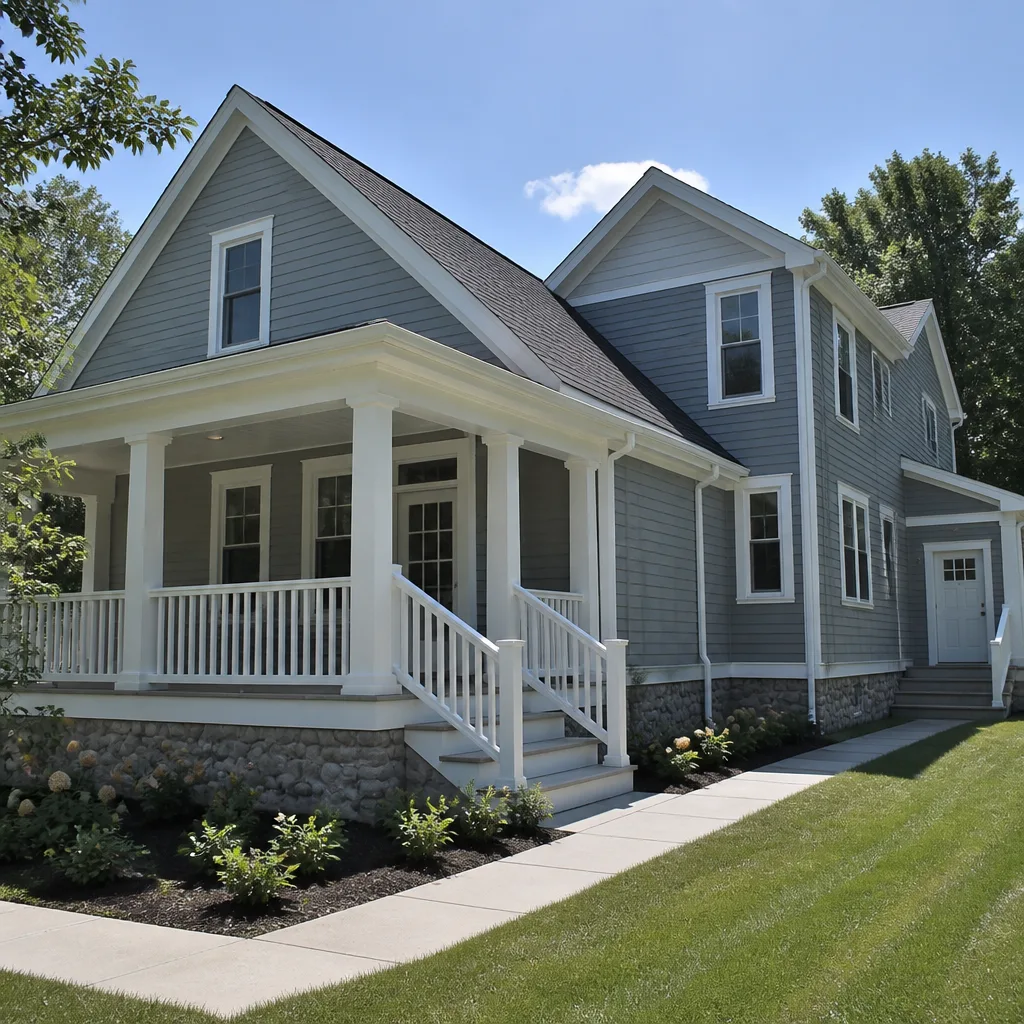
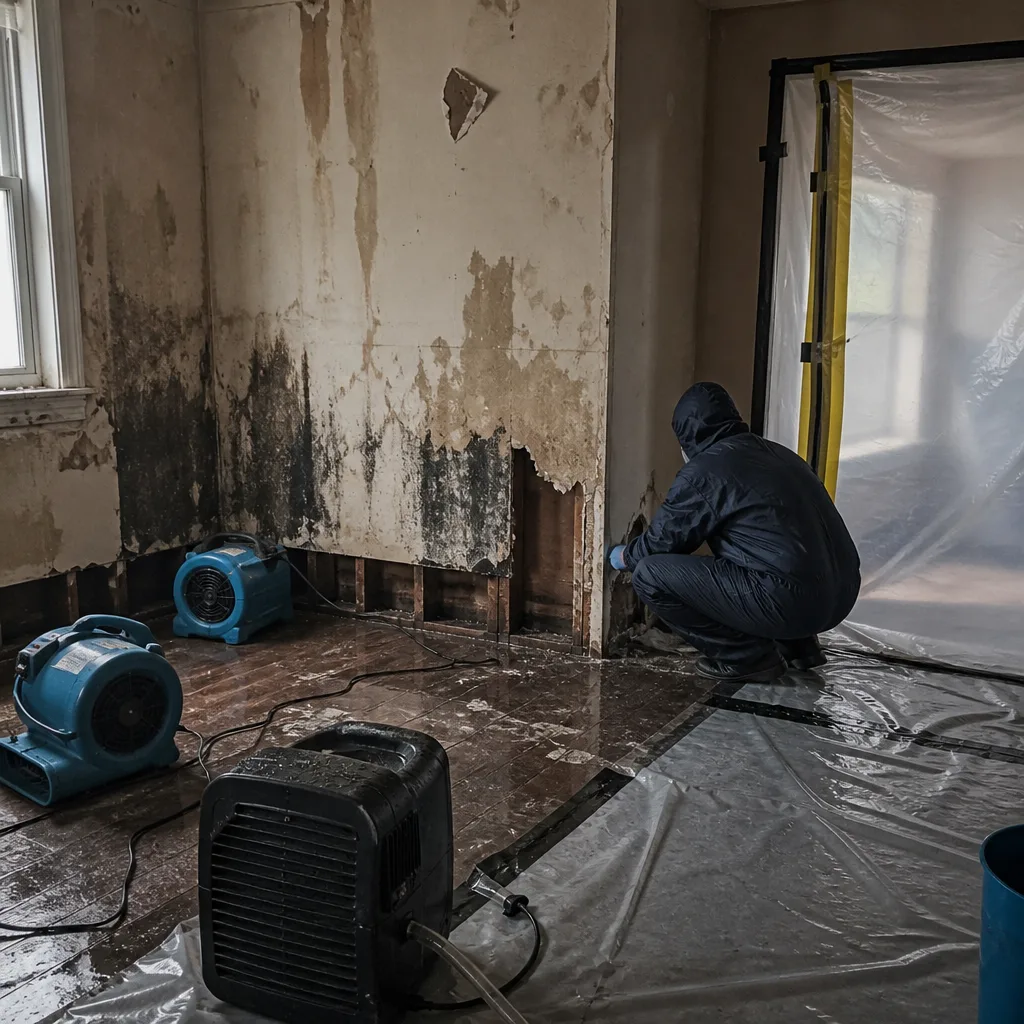 Before
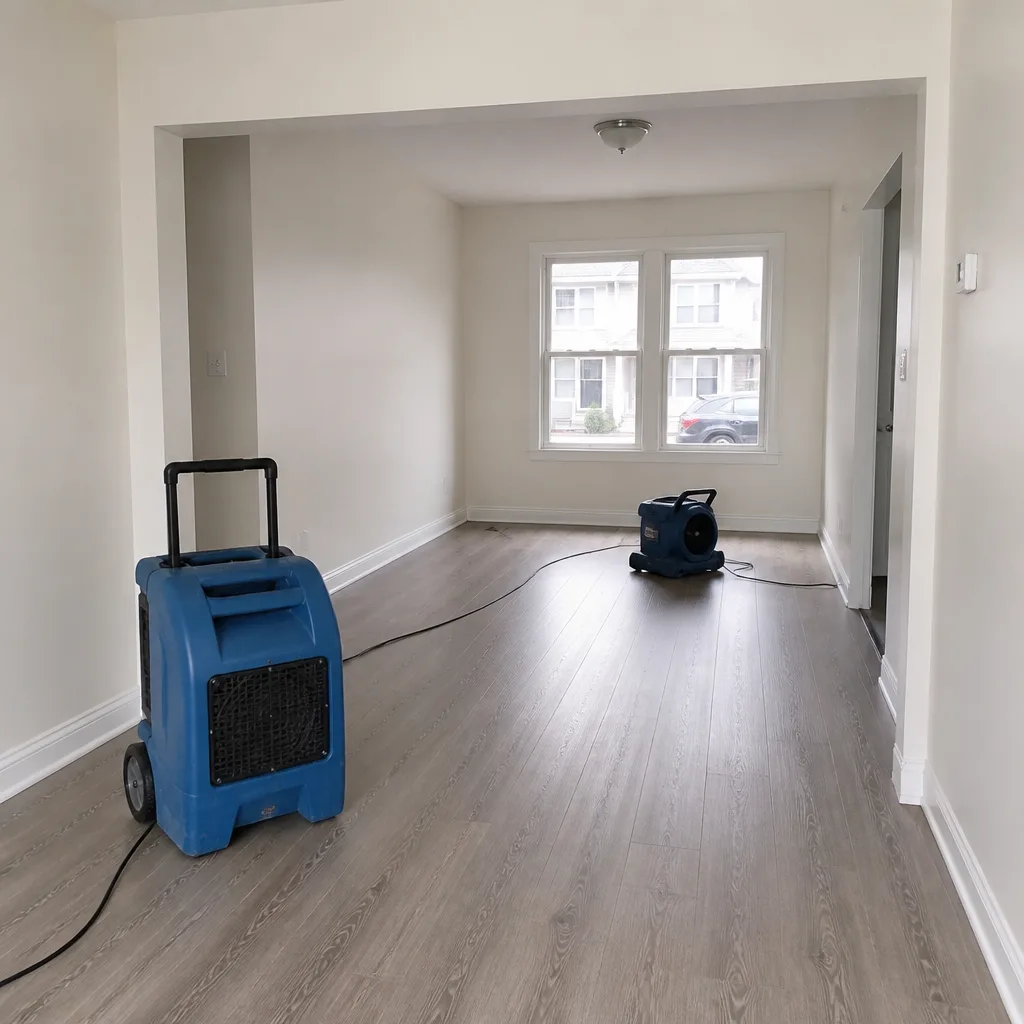 After
After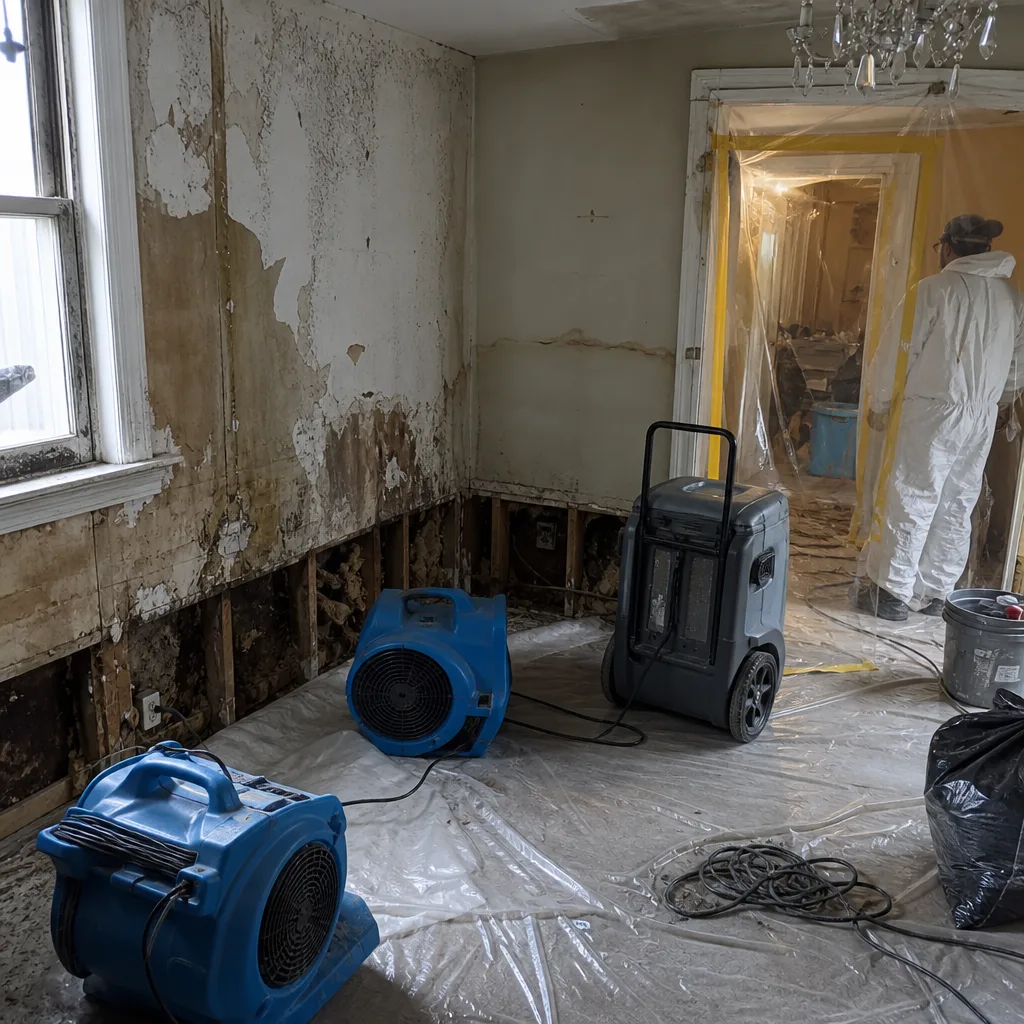 Before
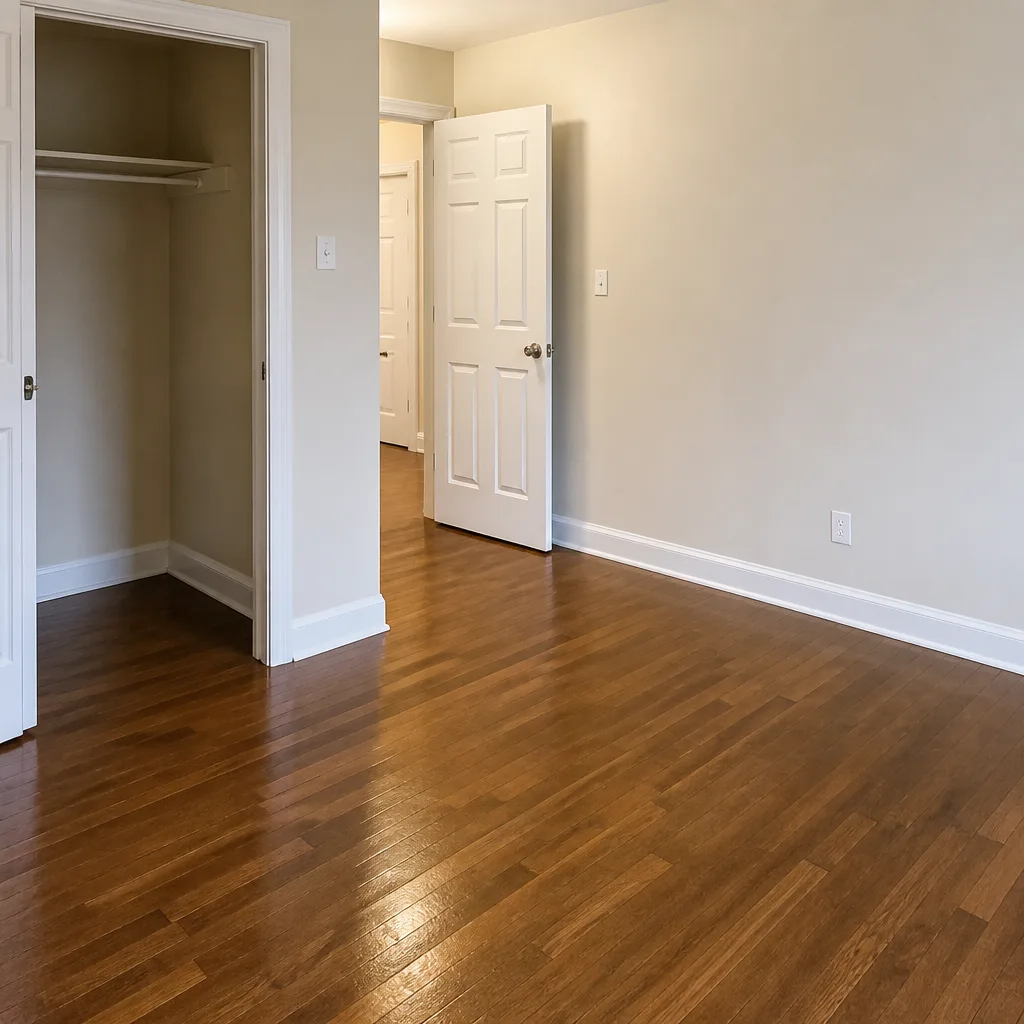 After
After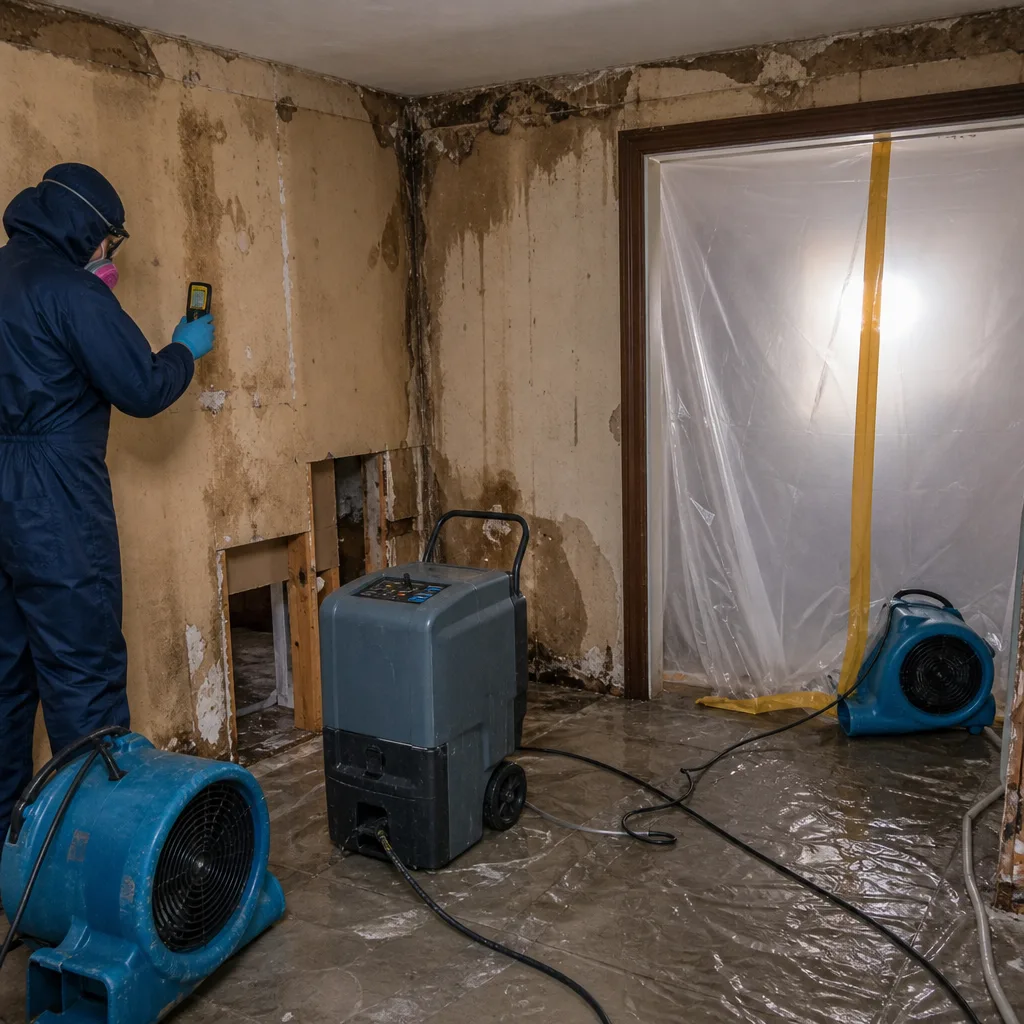 Before
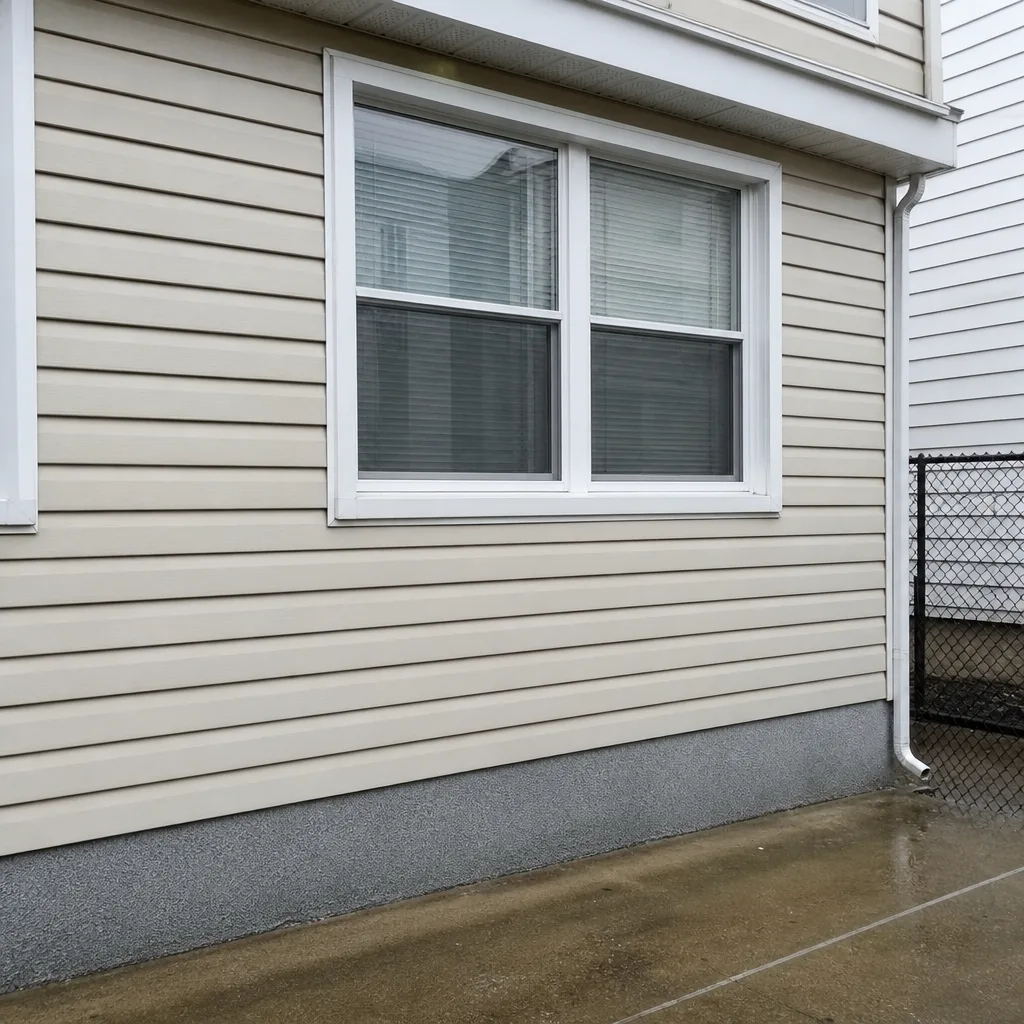 After
After24/7 Emergency Storm & Disaster Restoration in Weehawken
When wind tears a section of roofing off a bluff row house or storm surge backs water into a Port Imperial condo’s below-grade garage, the first hour determines how much of the damage stays permanent. Floodline Restoration Co. answers the phone live at (640) 221-3499 at any hour, every day. A certified crew dispatches into Weehawken immediately. We arrive with extraction equipment, stabilization materials, and a written scope ready before we leave, and we never hand the job to a different company mid-repair. Call now and you’ll speak to a dispatcher who knows Weehawken’s streets, not a call center reading a script.
Understanding Storm & Disaster Restoration Severity in Weehawken Properties
Storm damage in Weehawken rarely announces itself as one clean problem. A nor’easter that drives salt spray into a waterfront garage door at Port Imperial also forces wind-blown rain behind the brick facade of a century-old row house on the Palisades bluff. The water you see is Category 1 or Category 2, but water that sits in wall cavities for 48 hours becomes Category 3, and that changes everything. We classify every intrusion, map moisture with thermal imaging and hygrometers, and track drying to an industry dry standard. Below-grade spaces in Lincoln Harbor condos, where mechanical rooms and parking share wall space with the river, need commercial-grade dehumidification because concrete holds moisture long after the surface looks dry. Older bluff homes with lath-and-plaster walls pull water upward into structural framing, which means the visible patch is never the real job. Weehawken’s split geography means two adjacent buildings can have completely different damage profiles, and a template response fails both of them.
Why Weehawken Property Owners Choose Floodline Restoration Co.
- 45-minute response commitment: We dispatch locally, and our crews know the Lincoln Tunnel Helix traffic patterns. You’ll get a real arrival window, not an open-ended “sometime today.”
- A live person answers at 2 a.m.: No phone tree, no third-party answering service. The dispatcher who picks up has the authority to send a crew immediately.
- IICRC-certified technicians: Our crews hold WRT (Water Damage Restoration Technician) and FSRT (Fire & Smoke Restoration Technician) certifications, and they train to RIA and IFA standards as well. Uniformed, background-checked, and known by name.
- Free visual inspection with a written scope: Before any work begins, you know exactly what we propose, why, and what it costs. No surprises on the bill, no upsell from a commission-driven estimator.
- Direct insurance billing: We send the documentation and the bill to your carrier. You are not the messenger.
- One team from extraction to reconstruction: The same certified crew that pulls the water also hangs the drywall. No mid-job handoff, no inherited crew that never saw the original damage.
Our Storm & Disaster Restoration Process
Inspection & Assessment
We start with a room-by-room visual inspection plus moisture mapping. In Weehawken, that means checking below-grade garage levels, parapet walls, and window glazing near the Lincoln Tunnel Helix, where vibration cracks hide water entry points.
Extraction & Stabilization
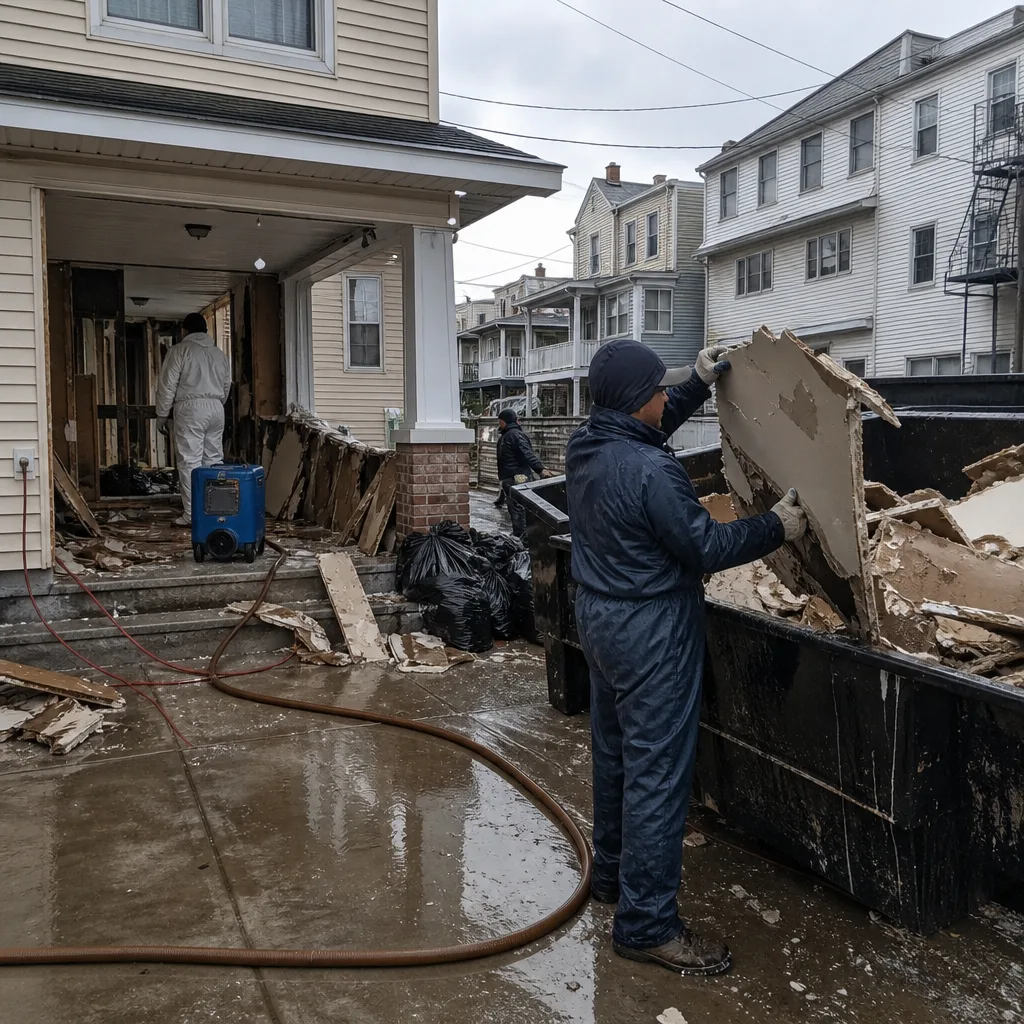
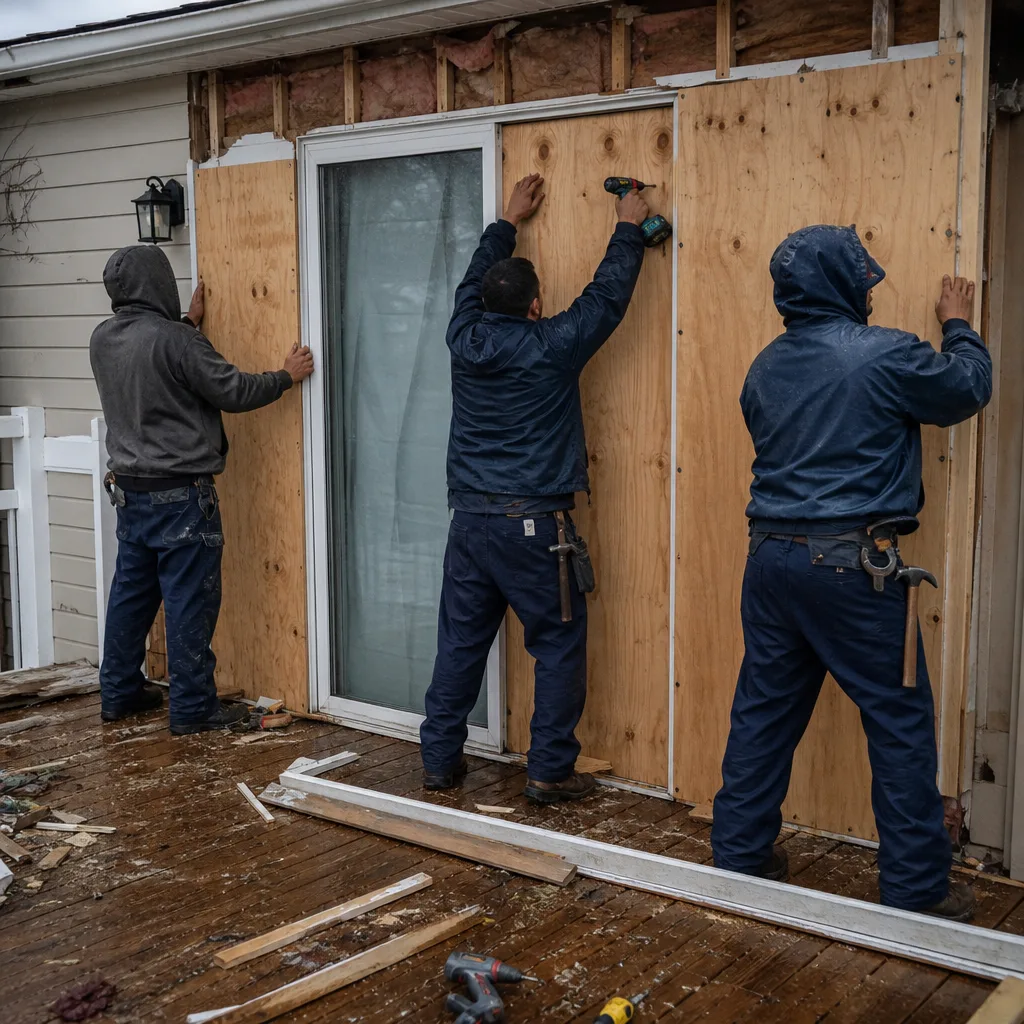
We remove standing water and storm debris, then stabilize openings with emergency board-up and roof tarping. The goal in hour one is stopping any additional intrusion, not just removing what is already there.
Drying & Dehumidification
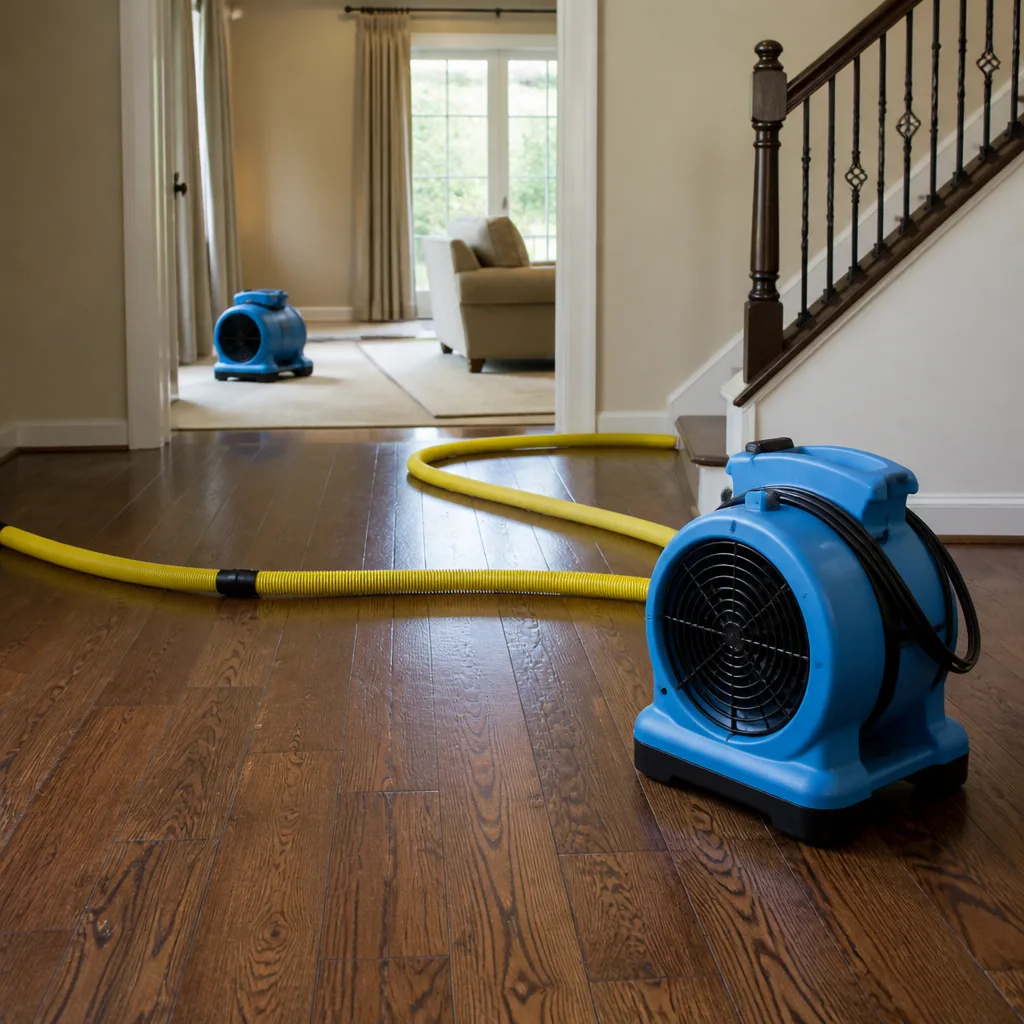
Professional-grade Dri-Eaz dehumidifiers and high-velocity air movers run on a moisture map we update daily. Weehawken’s river humidity means drying times run longer than inland towns, so we read and log until the dry standard is met, not a day sooner.
Cleaning & Sanitization
Category 2 and 3 water get antimicrobial treatment. Soot and storm debris get HEPA vacuuming and air scrubbing where needed. We treat what you can see and what you can’t.
Corrosion & Specialty Treatment
On the waterfront, we inspect garage-door hardware, hinges, and track systems for salt-air corrosion before reconstruction. Galvanized springs and stainless fasteners go in where salt spray shortened the life of the original parts.
Repairs & Restoration
The same crew rebuilds what was torn out, replacing drywall, trim, flooring, and damaged structural elements. Your 90-Day Done Right Promise is in writing before we leave. If it is not done right, we make it right. No arguing.
Need Emergency Storm & Disaster Restoration in Weehawken Now?
Crews minutes away, answering live 24 hours a day. The sooner we start, the less it costs.
Working With Your Insurance Company
Insurance claims in Weehawken often involve storm surge exclusions, wind-driven rain debates, and depreciation schedules. Our team handles the documentation so your adjuster gets a defensible file from day one. We photograph every affected surface before demolition, log moisture readings daily, and write a line-item scope your carrier can process without bouncing back for clarification. You should not be the one explaining the difference between wind damage and flood damage. That is our job.
What We Provide Your Insurer
- Thorough documentation of the loss
- Photos of all damage, room by room
- Moisture readings and drying logs
- A detailed, line-item scope of work
- Direct coordination with your carrier
Built for Weehawken’s Loss Calendar
Weehawken’s damage calendar has a rhythm. January and February deep freezes burst supply lines in pre-war bluff row houses, where original cast-iron plumbing sits in uninsulated exterior walls. March and April bring thaw cycles: the Palisades bluff sheds groundwater into semi-finished basements that were never waterproofed to modern standards. Summer thunderstorms dump flash rainfall faster than the combined sewer system can carry it away, flooding streets near the waterfront and backing water into lower-level garages. Then comes nor’easter season, from September through November, when wind-driven salt spray coats every exposed surface on the Port Imperial corridor and storm surge overruns the bulkhead line. We schedule our equipment, staff our dispatch board, and pre-position materials around this calendar because Weehawken’s losses don’t wait for a convenient Tuesday afternoon.
Storm & Disaster Restoration Across Weehawken’s Neighborhoods
Down in Port Imperial and Lincoln Harbor, the damage is almost always water, and it is almost always below grade. Storm surge pushes through mechanical rooms and parking levels; salt spray eats at metal door hardware and track systems. Our crews know to bring commercial-scale dehumidification and corrosion treatments that don’t matter six blocks away. Up on the bluff, along Boulevard East and the side streets running downhill toward the river, the housing stock changes completely. Edwardian brick row houses and two-to-four-family flats sit hard against each other, sharing party walls and aging parapets. When wind-driven rain gets behind that brick, moisture travels laterally, not just down. We pull baseboards in adjacent units, not just the one that reported the leak. Over near the Lincoln Tunnel Helix, we see a pattern no other town produces: constant heavy-vehicle vibration loosens caulked seams and window glazing year after year. The water entry points are small, the rot they cause is not. A restoration team that has never worked the Helix corridor looks at a stained window sill and sees a caulk job. We see months of gradual intrusion, and we check the framing behind it.
Specialized Storm & Disaster Restoration Services We Offer in Weehawken
Storm Damage Cleanup
After a nor’easter or a summer squall tears through Weehawken, the first need is simply getting the debris out and the property dry. We handle tree limb removal from upper-bluff yards, broken glass and construction debris along the Helix corridor, and saturated materials in basement units. Every load is sorted, disposed of properly, and documented for the claim.
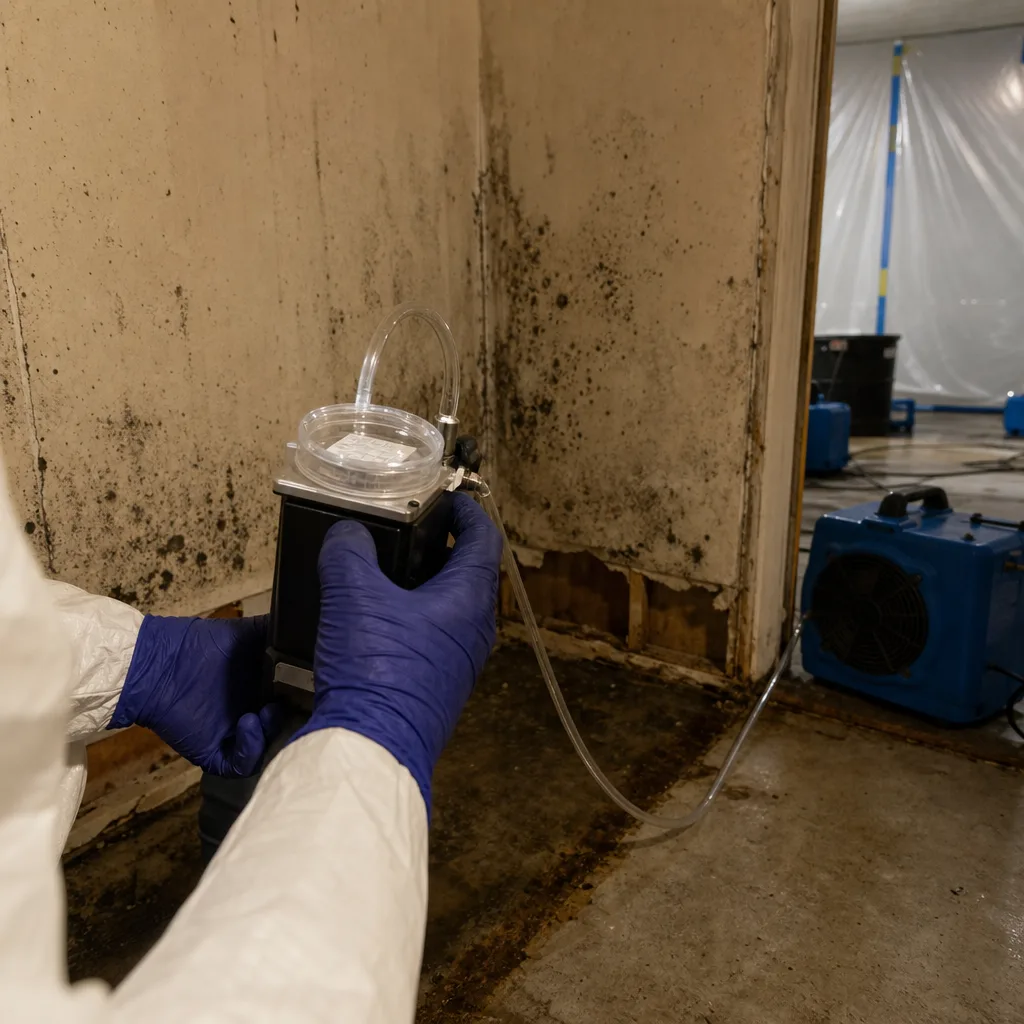
Flood Damage Restoration
Waterfront flooding in Port Imperial is not the same as a water heater leak on a bluff side street. Surge water is Category 3: contaminated, brackish, and aggressive. We extract, sanitize, dry to a documented standard, and rebuild the space with materials that hold up to river proximity. The salt and silt that surge water leaves behind will destroy a fresh renovation in under two years if the space is not properly treated first.
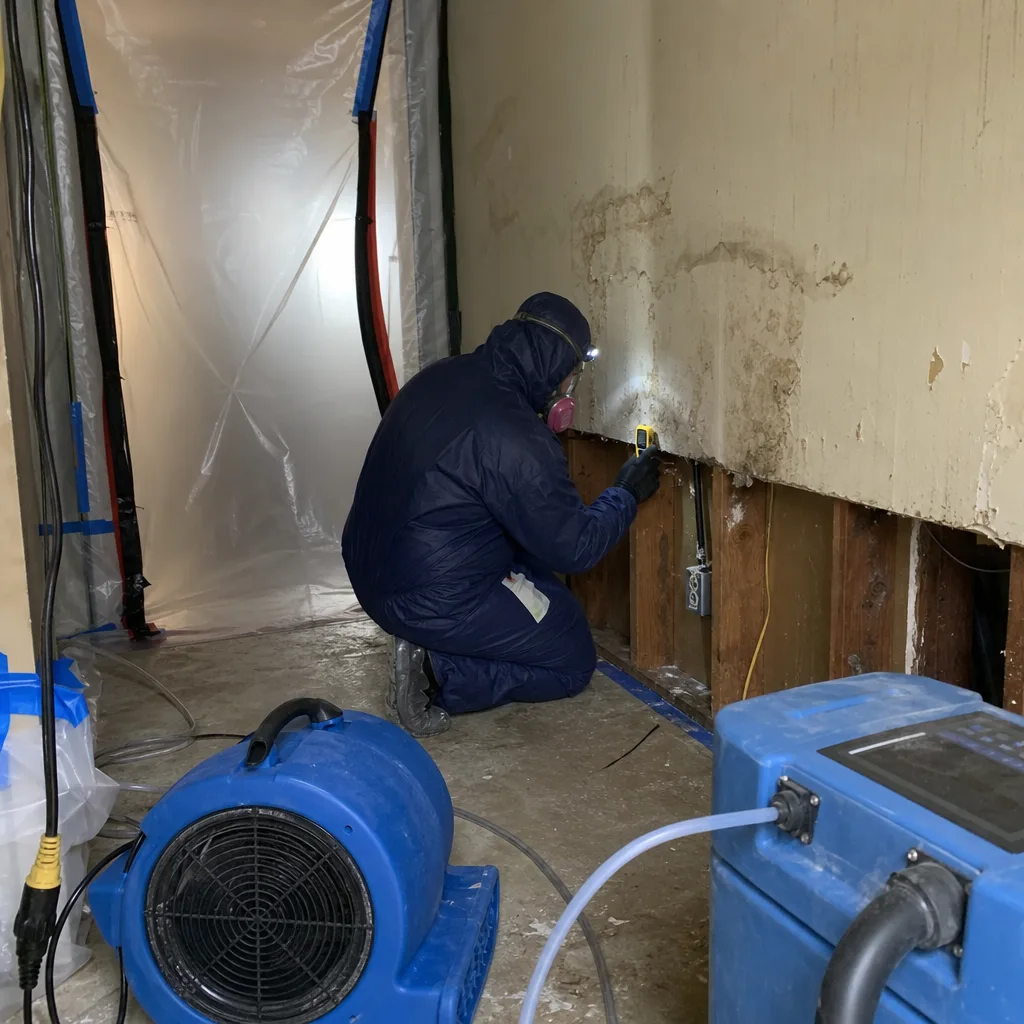
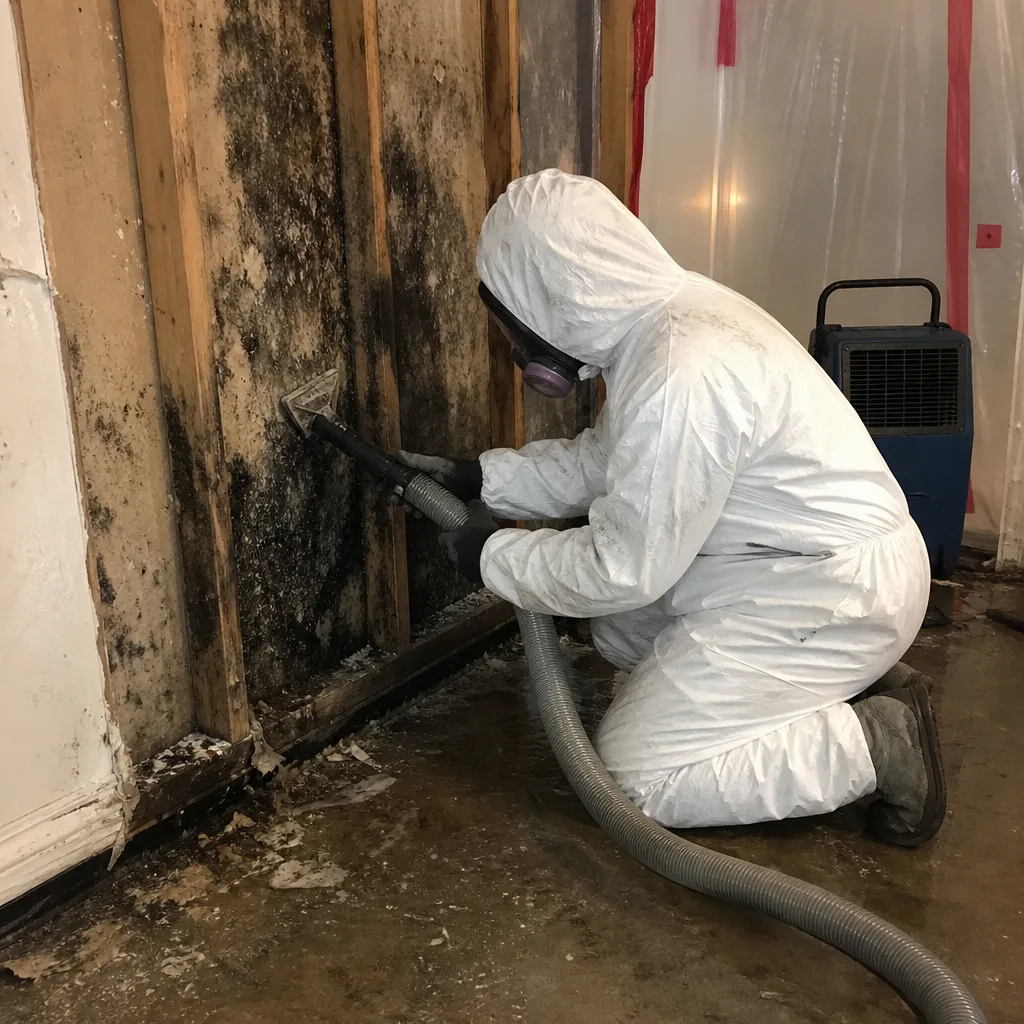
Emergency Board-Up
Broken windows and breached doors need to be secured before the next storm front arrives. We board up openings on the north side of the bluff, where wind gusts hit hardest, using weather-rated plywood and anchor systems that hold in high wind. This is not a cosmetic job; a poorly secured board becomes a missile in 50-mile-an-hour gusts.
Roof Tarping
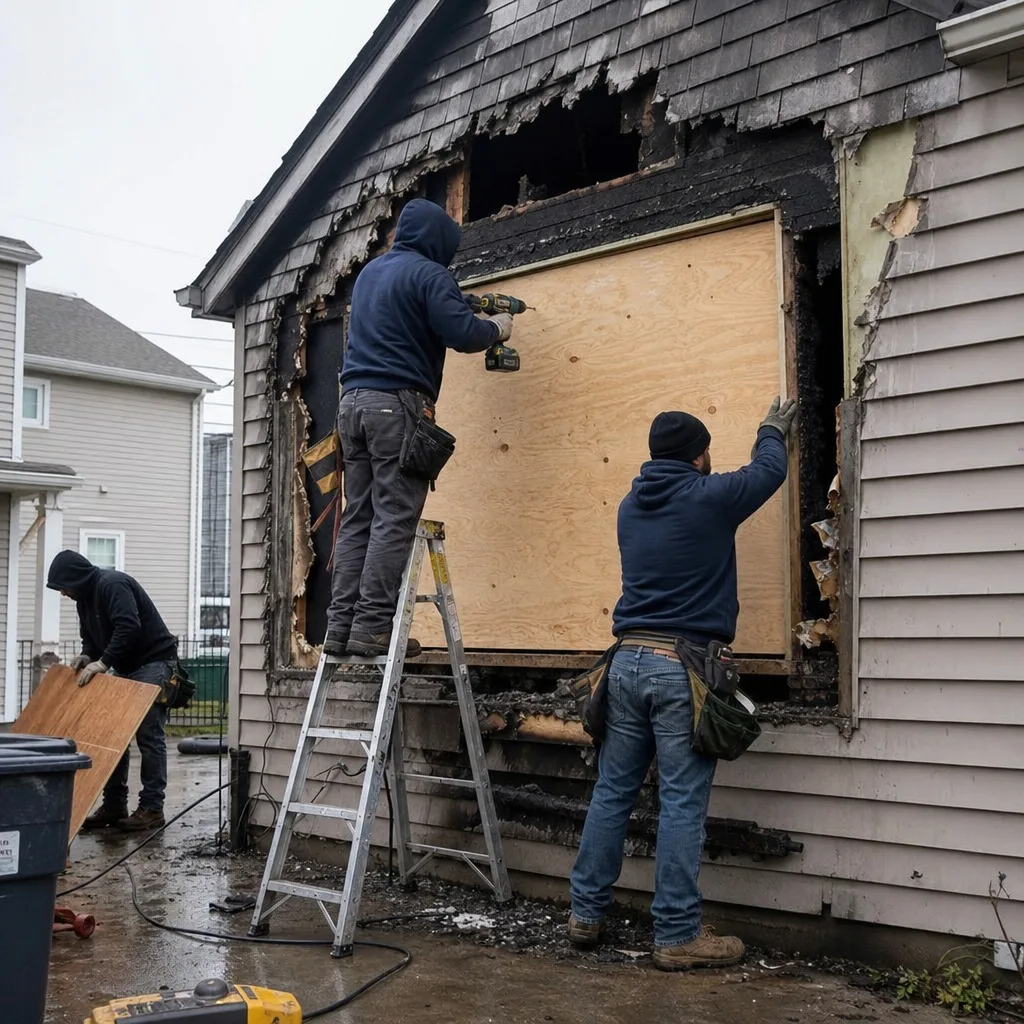
Wind damage to Weehawken roofs happens most often on the cornice lines and parapets of century-old flat-roof row houses. We tarp those openings with reinforced, UV-stabilized covers that buy you the time to scope a real roof repair without letting another storm soak the interior.
Debris Removal
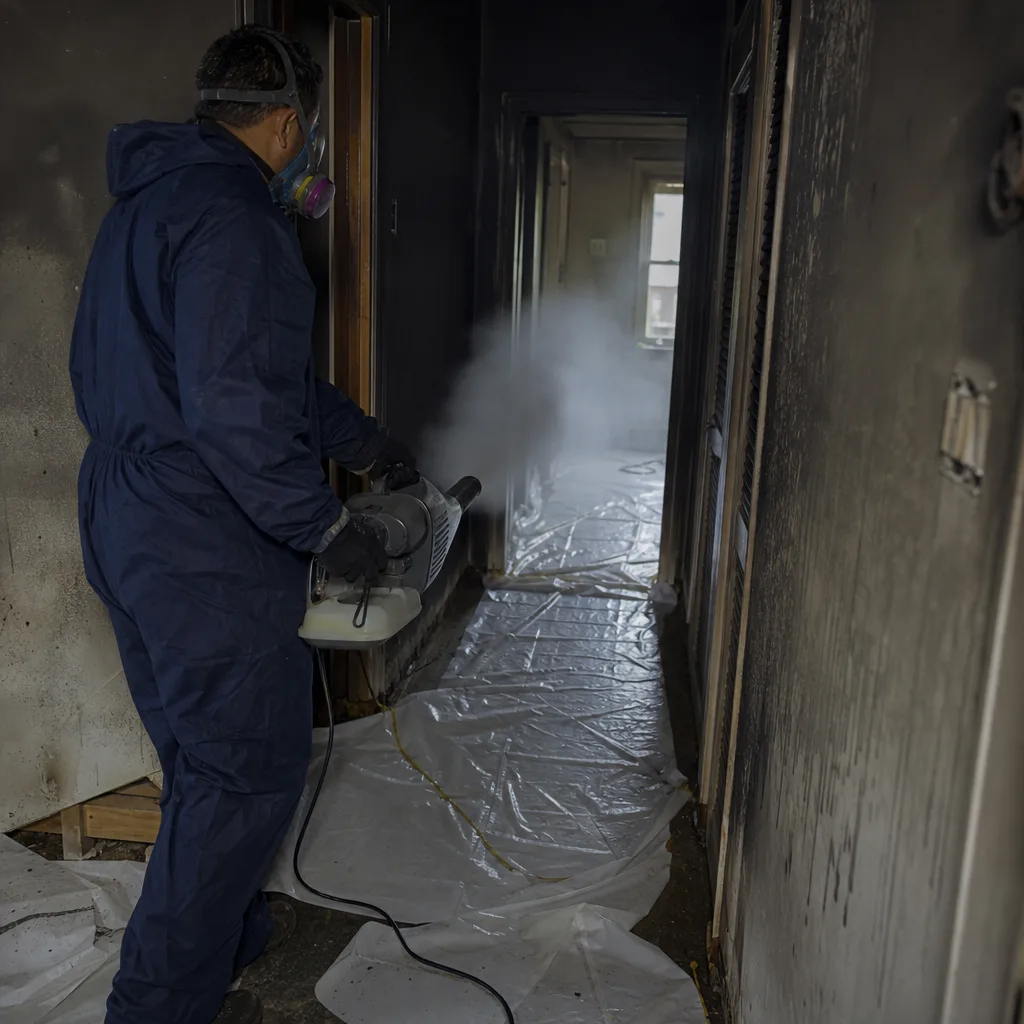
Storm debris on a Weehawken sidewalk is a liability, not an eyesore. We clear it fast, photograph the source for the insurance file, and coordinate with building management where condo association rules apply. On the waterfront, that coordination is usually required before work can even begin.
What happens when you call
- 1
A real person answersNo phone trees - you reach a local pro.
- 2
You get an upfront price rangeHonest numbers before anyone is dispatched.
- 3
A background-checked tech heads outLicensed & insured, dispatched right away.
- 4
You approve before work beginsNothing starts until you say go.
Storm & Disaster Restoration Costs in Weehawken, NJ
Weehawken’s market runs slightly higher than inland Hudson County towns for one reason: the geography. Parking and staging are tight on the bluff, and waterfront buildings require coordination with condo associations and building engineers. Here is what we see on typical jobs. Emergency board-up and roof tarping runs $400 to $1,200 depending on the number of openings and whether ladder access or a lift is required. Storm damage cleanup and debris removal typically lands between $800 and $3,500 for a single-family row house, more for multi-unit buildings. Flood water extraction and drying in a below-grade garage starts around $2,500 and can reach $15,000 plus when commercial dehumidification runs for a week or more. Full restoration after a nor’easter, including drywall, flooring, and trim on a bluff row house, commonly falls between $8,000 and $40,000 depending on square footage and whether the party wall was affected. Your insurance covers most storm-related water and wind damage if the policy is written correctly. We’ll inspect for free, write a firm scope with line-item pricing, and bill your carrier directly. Every estimate is a real number, not a placeholder.
We Also Serve Cities Near Weehawken
Floodline Restoration Co. runs crews into Union City, Hoboken, North Bergen, and Secaucus for emergency storm response and full reconstruction. If your property sits in any of these towns, the same phone number gets you the same live dispatcher and the same 90-Day Done Right Promise.
Serving Weehawken, NJ - Our Local Coverage Area
We’re based in the Weehawken area and know this community well. Use the map below to see our service coverage - if you’re nearby, we can almost certainly help.
Weehawken Storm & Disaster Restoration Questions, Answered
How often should Weehawken waterfront homeowners inspect garage-door springs and rollers for salt corrosion?
Every 12 months is the minimum on the Port Imperial and Lincoln Harbor waterfront. Salt-laden air from the Hudson River corrodes galvanized springs and hinges two to three times faster than inland. We check spring tension, hinge movement, roller wear, and chain condition during any restoration visit, and we recommend coated or stainless replacements when corrosion is visible. Call (640) 221-3499 to schedule an inspection.
Does Floodline Restoration handle storm-surge water extraction in below-grade parking garages at Lincoln Harbor?
Yes. Surge water in below-grade parking garages is Category 3 water, contaminated with salt, silt, and whatever the river carried in. We use commercial-grade extraction pumps and Dri-Eaz dehumidifiers sized for large open concrete spaces, then document moisture readings daily until the structure meets the dry standard. This is routine work for our crews. Call (640) 221-3499 for same-day extraction.
What’s different about drying out a century-old bluff row house after a nor’easter versus a waterfront high-rise?
Older bluff row houses have plaster walls, shared party walls, and original framing that moves moisture laterally through the building. Drying is slower and requires moisture readings in adjacent rooms and the unit next door. Waterfront high-rises dry more like commercial buildings: concrete, steel framing, and mechanical systems that need large-capacity dehumidification but respond predictably. We run both, and we map each job differently.
Can you board up windows damaged by wind-blown debris near the Lincoln Tunnel Helix without disrupting traffic?
Yes. We coordinate with Weehawken’s traffic patterns and building management to stage materials safely, and our crews secure openings from the building side wherever possible. If a lane closure is needed, we handle the permit communication. Your board-up is installed the same day you call, and it holds through the next high-wind event.
Do you document moisture readings for insurance claims after a Weehawken storm?
Yes, every time. We log moisture readings daily, photograph every affected surface before and after treatment, and provide your carrier with a complete drying log plus a line-item scope of work. Your adjuster gets the file without you playing messenger. This is standard on every Floodline Restoration Co. job, not an add-on.
How fast can a crew actually reach a Weehawken property after a storm?
Our commitment is 45 minutes from your call to dispatch confirmation. In practice, crews working in Weehawken often arrive faster because we keep equipment staged and our dispatch is local, not routed through a national call center. The clock matters: water sitting in wall cavities for 48 hours changes category and doubles the restoration cost. Call (640) 221-3499 now.
Will my insurance cover storm surge and wind damage in Weehawken?
Wind damage is generally covered under standard homeowners policies. Storm surge and flood damage require a separate flood policy, which matters a lot on the Port Imperial waterfront. Our team documents the source of the intrusion and the category of water so your claim is handled correctly. We bill your carrier directly and you never negotiate with us about what the policy says.
What should I do in the first 30 minutes after a storm damages my Weehawken property?
Call (640) 221-3499. Then, if it is safe, shut off electricity to wet areas and move valuables off the floor. Do not enter below-grade spaces with standing water if there is any chance of electrical contact. Take photos of the damage as it looks now, before anything is moved. We will guide you through the next steps on the phone while the crew is en route.
Written by Curt Bowman, Owner at Floodline Restoration Co., providing Storm & Disaster Restoration across Weehawken and nearby Hudson County communities.