
Free visual inspection and a written scope of work before any mitigation begins - photos, moisture readings, and drying logs go in your claim file
The scope we write is the scope we bill. Anything new gets shown to you, in writing, before we touch it.
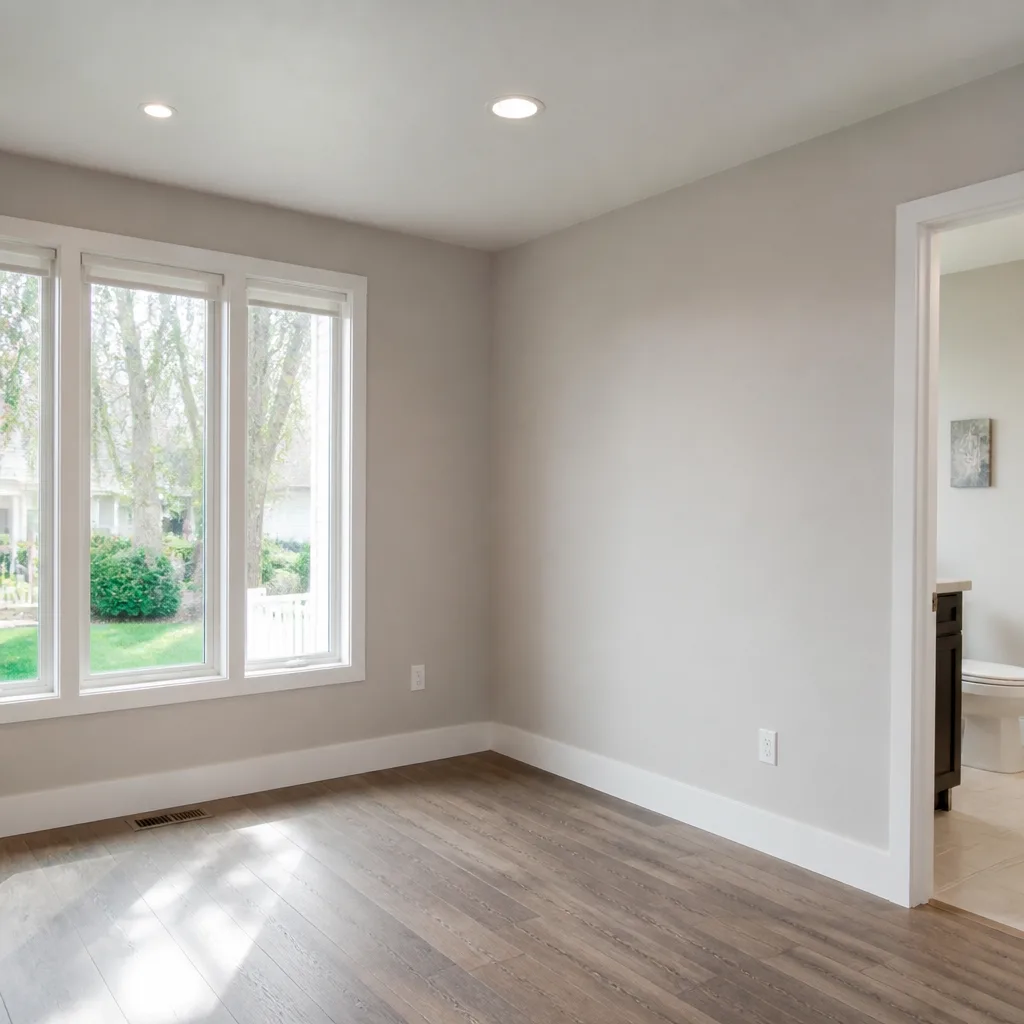
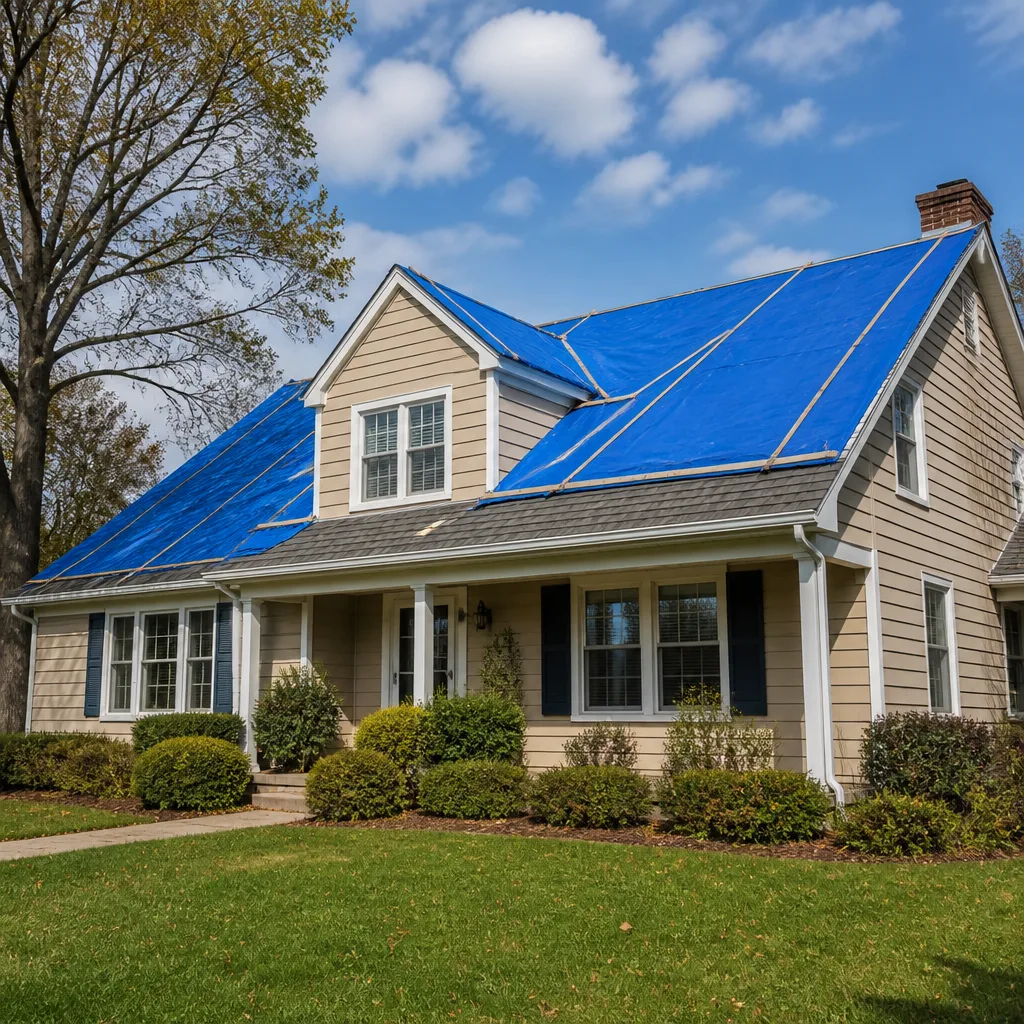

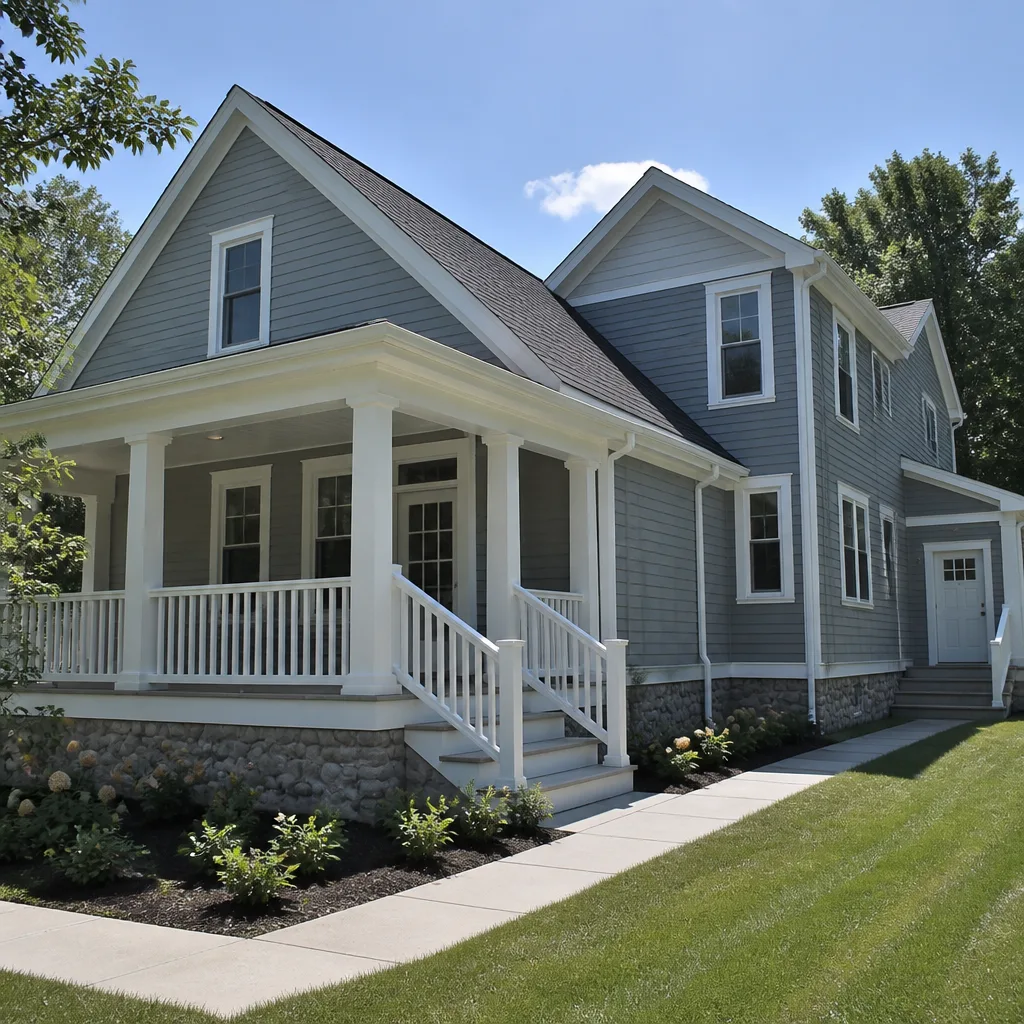
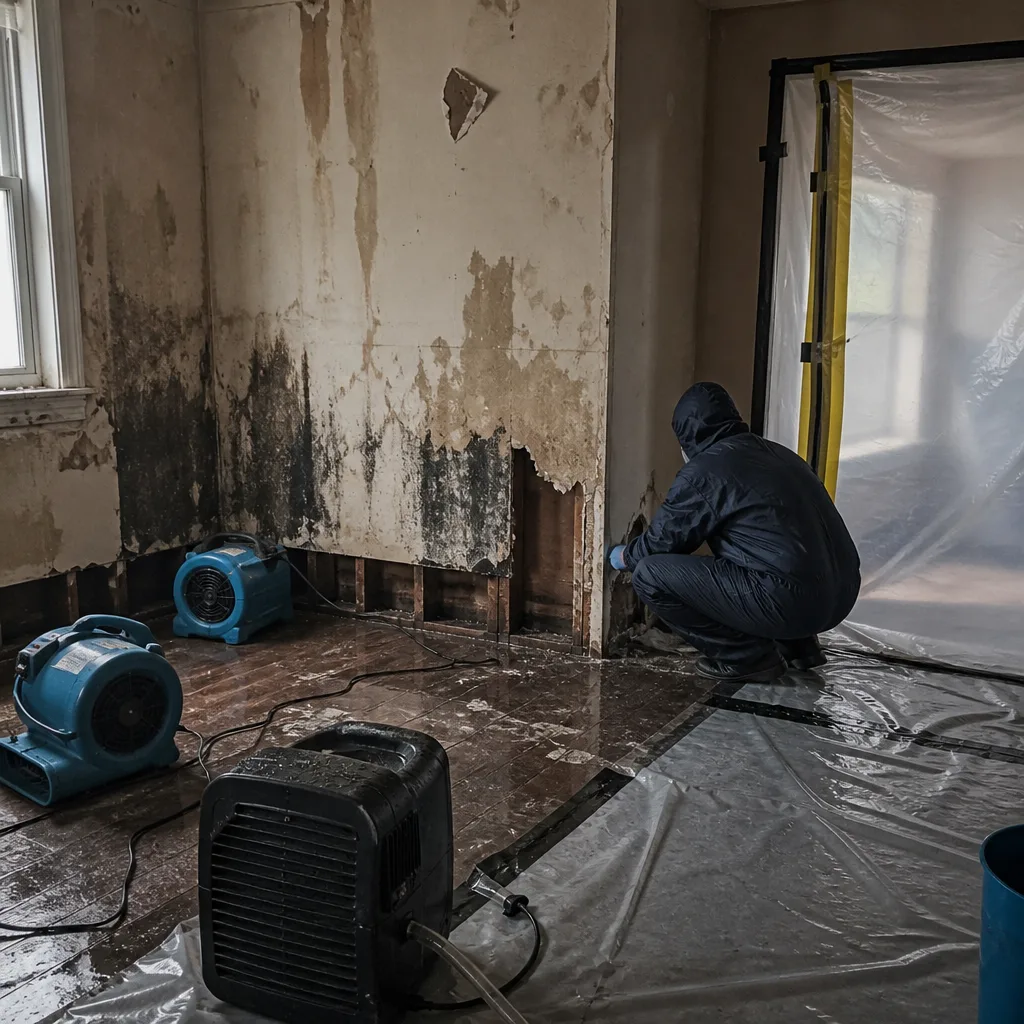 Before
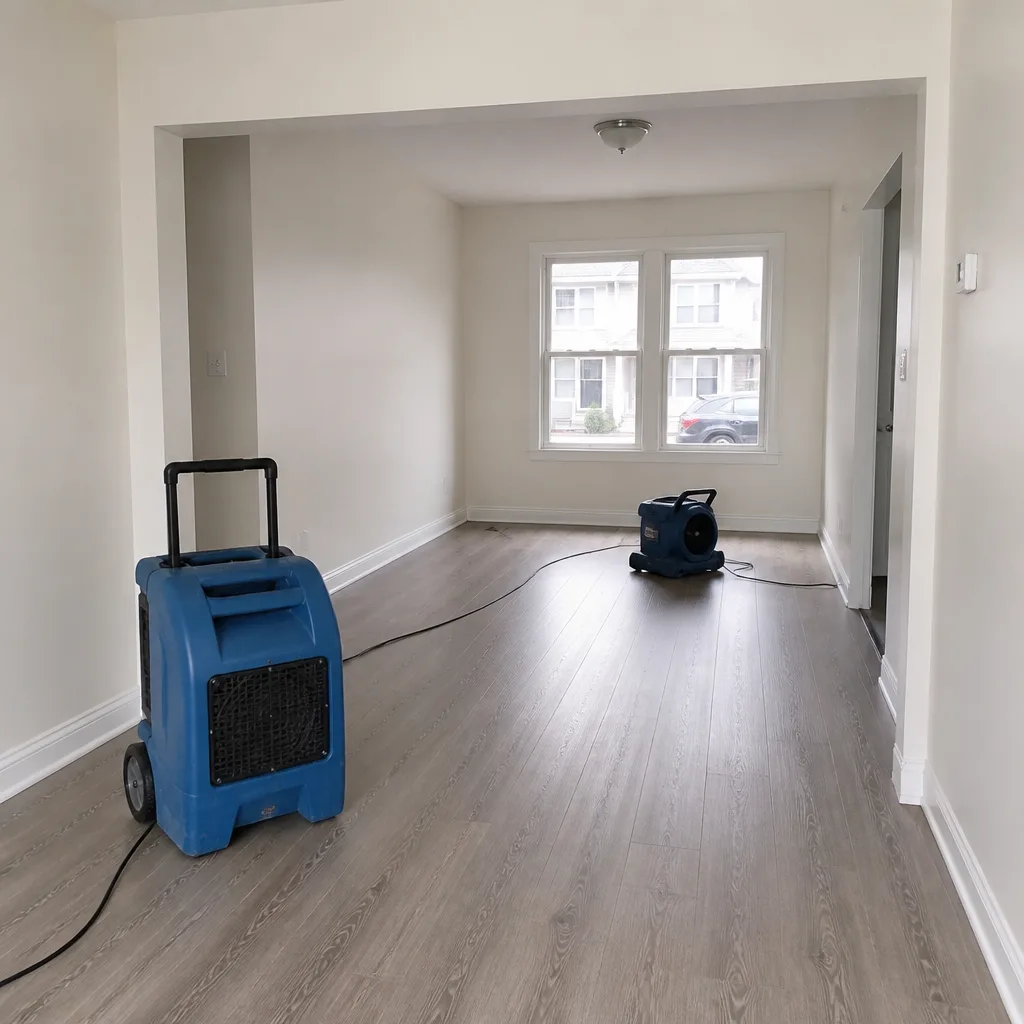 After
After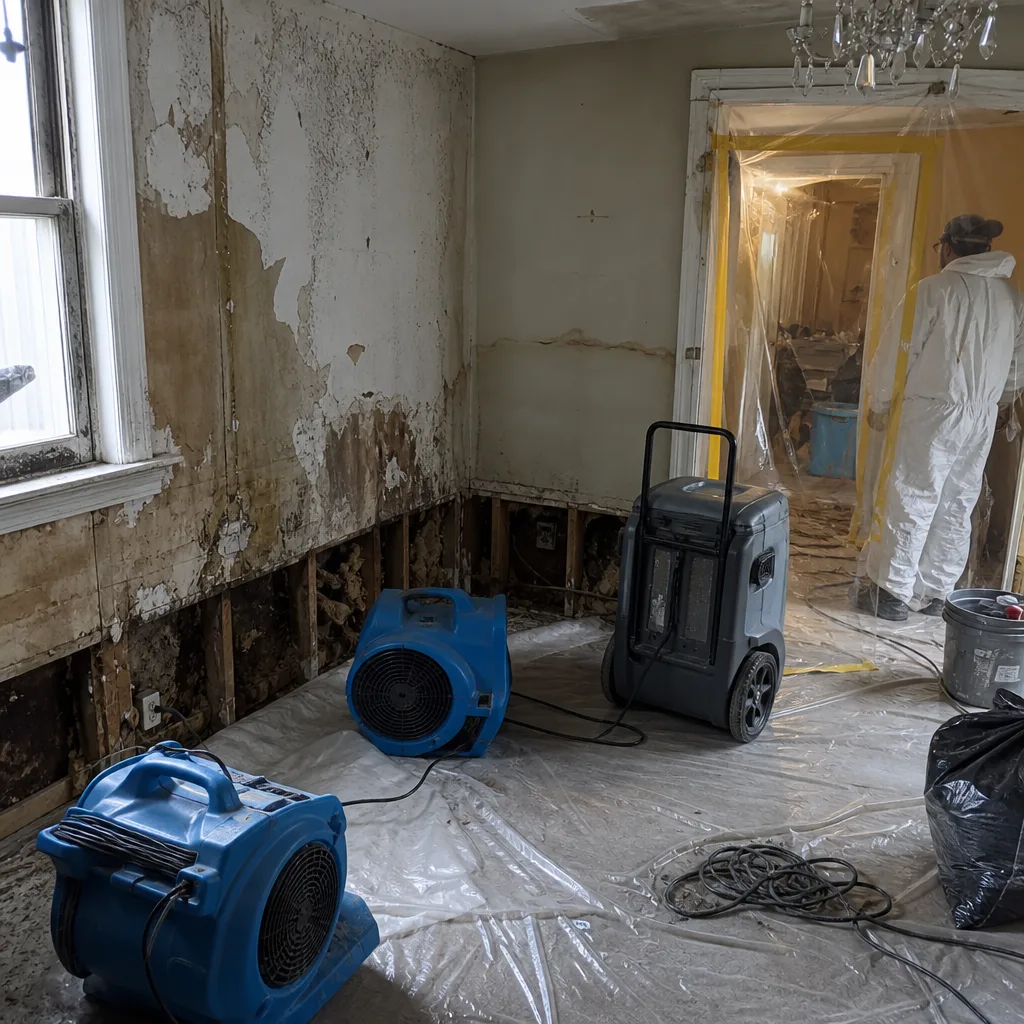 Before
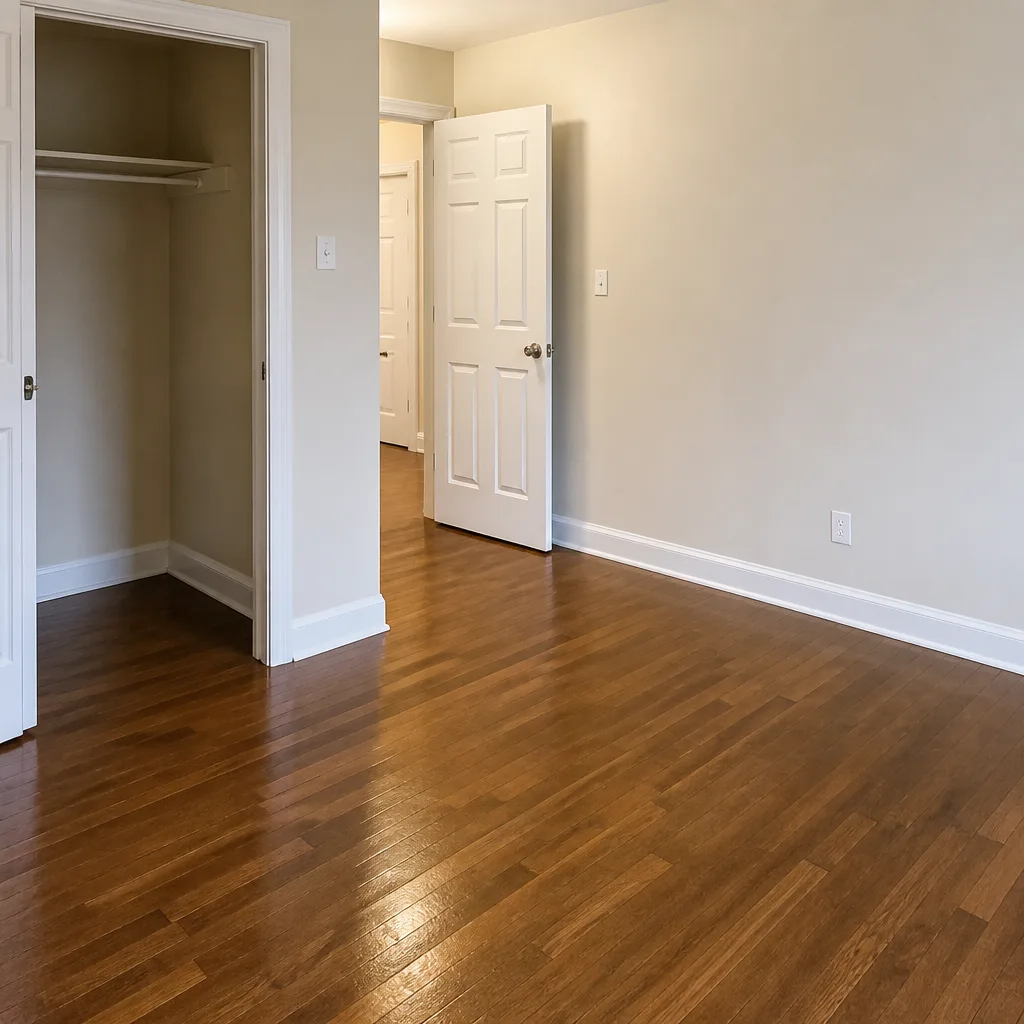 After
After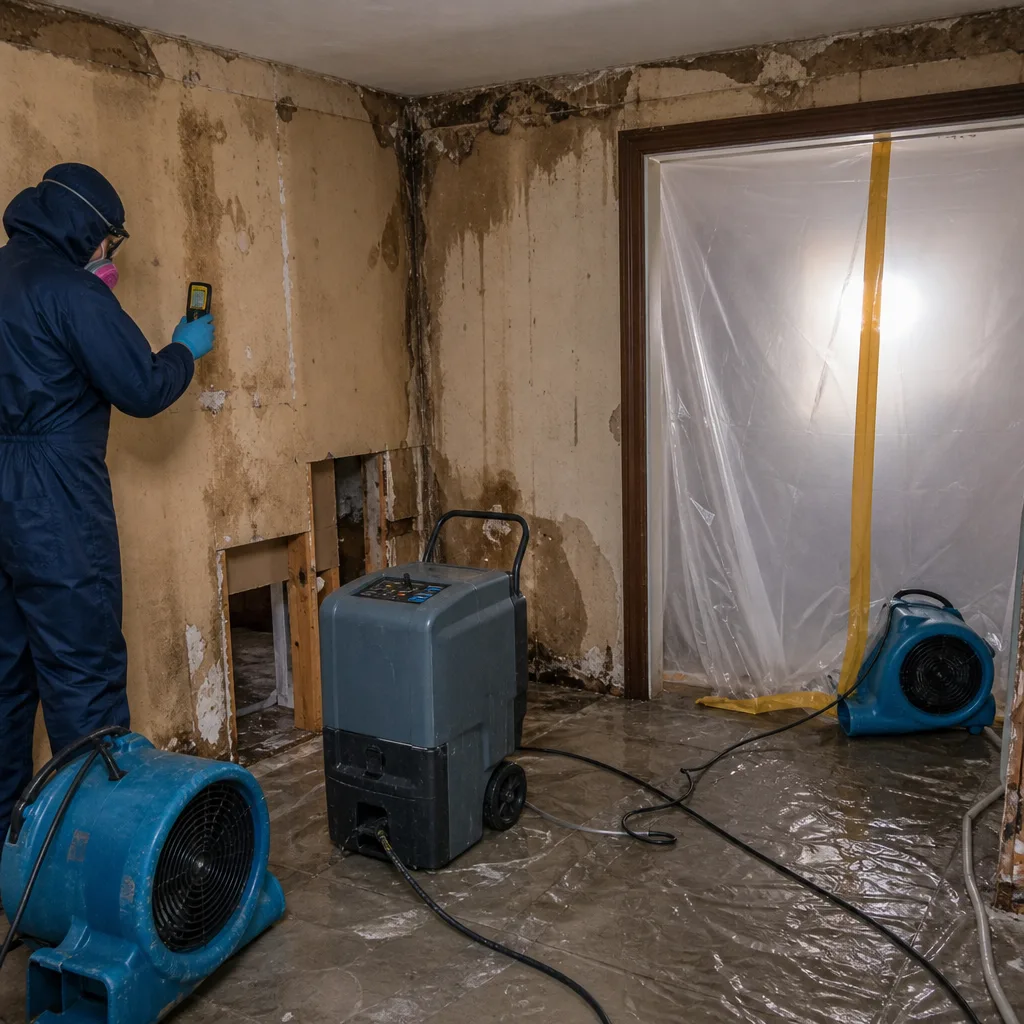 Before
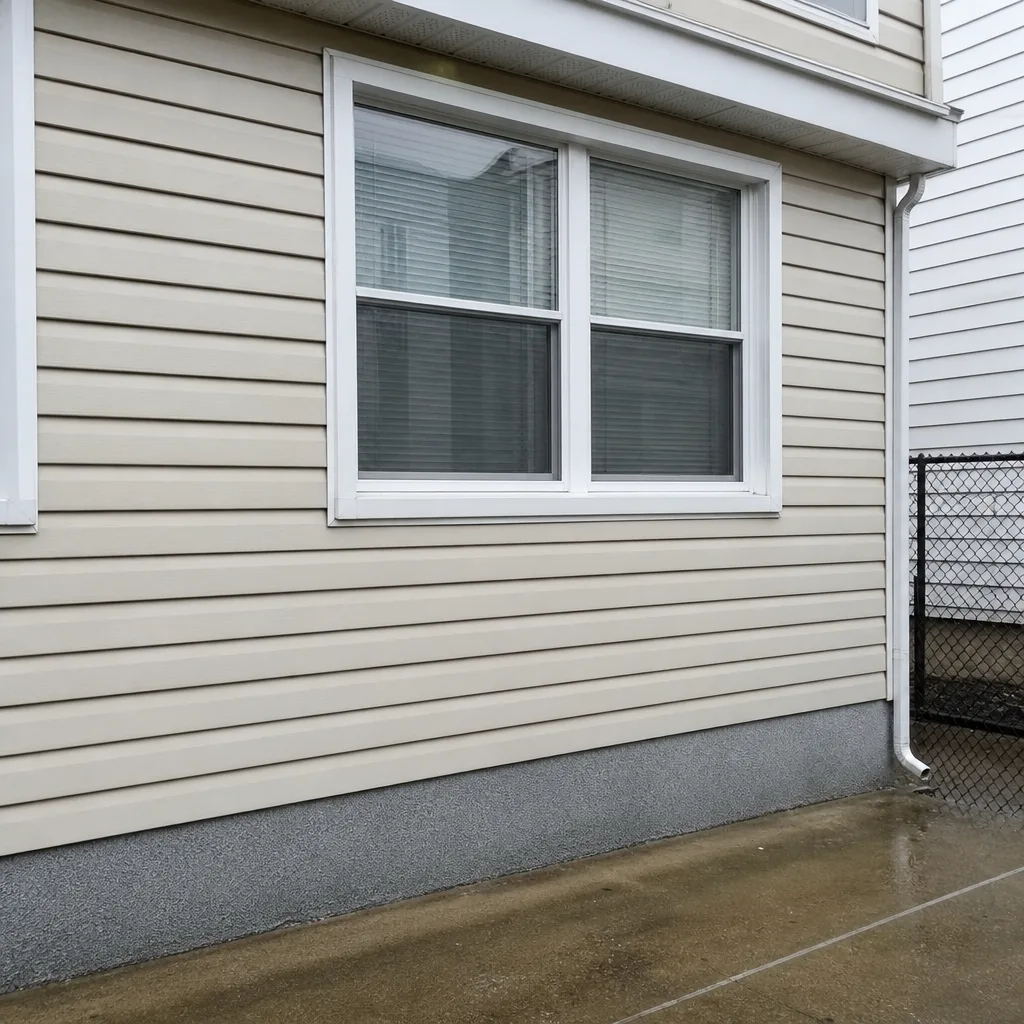 After
After24/7 Emergency Storm & Disaster Restoration in Ridgefield
Storm and disaster restoration in Ridgefield starts with a phone call that a real person answers, not a recording. That matters at 2 a.m. when the Hackensack River has pushed water through your basement window well and the silt line is climbing. We dispatch certified crews into Ridgefield around the clock, every day of the year, and the first visual inspection costs you nothing. Call (640) 221-3499 now, and a response team reaches your street within 45 minutes. The first hour after a flood or wind event decides how much gets saved. Water moves fast through 1950s Cape Cods and split-levels, finding wall cavities and flooring before you’ve even found the mop.
Our Storm & Disaster Restoration team handles everything from emergency board-up and roof tarping to full structural drying and rebuild. And we do it without handing your job off to a different crew midway through.
Understanding Storm & Disaster Restoration Severity in Ridgefield Properties
Not all storm water is the same, and Ridgefield’s geography makes the distinction more urgent than in most Bergen County towns. The Institute of Inspection, Cleaning and Restoration Certification (IICRC) classifies flood water into three categories. Category 1 is clean water from a broken supply line. Category 2 carries significant contamination. Category 3, what we call black water, contains sewage, river silt, and organic debris. When the Hackensack River backs up into the lower borough streets, you are almost always dealing with Category 3. That changes everything about the job: containment, antimicrobial treatment, and often cutting out lower drywall rather than just drying it.
Ridgefield’s housing stock compounds the challenge. Homes built from 1945 to 1965 sit on shallow slab-on-grade foundations or low crawlspaces that offer minimal resistance to groundwater intrusion. Moisture wicks upward through concrete for weeks after a flood recedes. Without daily moisture readings and a documented drying log, your insurance carrier has no proof the job reached dry standard, and hidden saturation feeds mold inside wall cavities where you cannot see it. Severity here is not just about how much water came in. It is about how long the slab holds it, and what the water carried with it from the river.
Why Ridgefield Property Owners Choose Floodline Restoration Co.
- 45-minute response commitment: When you call with storm damage in Ridgefield, a crew is dispatched immediately and reaches your address within 45 minutes. That is a commitment we make in writing, not a marketing phrase.
- 24/7 live answer, never an automated system: A live dispatcher picks up at 2 a.m., not a phone tree. Flooding does not wait for business hours, and neither do we.
- IICRC-certified crews: Our technicians hold IICRC credentials including WRT (Water Damage Restoration Technician) and AMRT (Applied Microbial Remediation Technician), so the team that assesses your flooded basement knows what the water category means and what the remediation protocol requires.
- Free visual inspection: We walk the loss with you before any work is authorized, explain what we found, and give you a written scope.
- Direct insurance billing: We bill your carrier directly and communicate with your adjuster, so you are not the messenger between two parties who should be talking to each other.
- One team from extraction to reconstruction: The same certified crew that runs the moisture map on day one handles daily readings, hands you the drying log, and rebuilds what needs rebuilding. No mid-job handoff, no inherited strangers.
Founded in 2010 and led by Curt Bowman, Floodline Restoration Co. has built a reputation on the 90-Day Done Right Promise - our written, no-argument guarantee that backs every job we complete. That promise extends to every storm and flood restoration we perform in Ridgefield. If it is not done right, we make it right. In writing.
Our Storm & Disaster Restoration Process
Inspection & Assessment
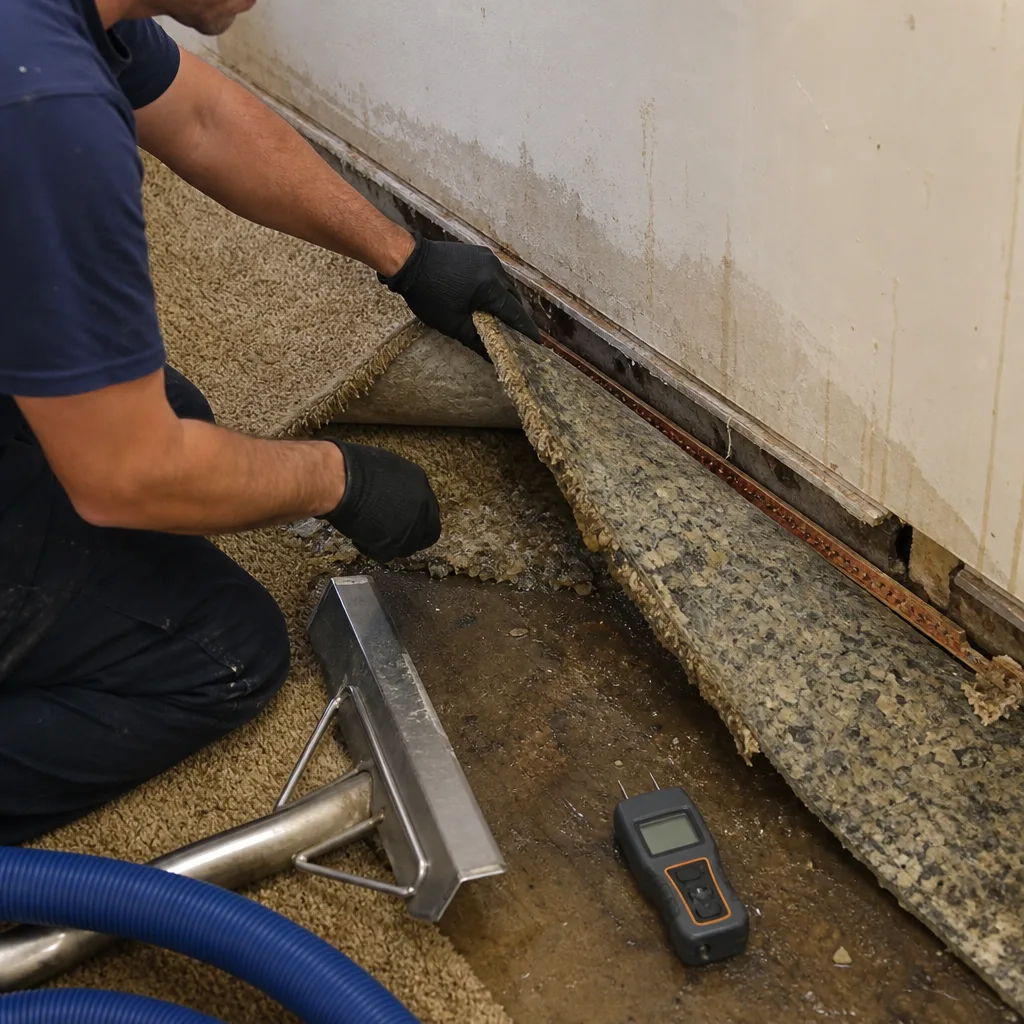
We arrive with thermal imaging cameras, hygrometers, and moisture meters, and we map every affected surface. For Ridgefield homes built before 1965, this includes checking for asbestos-containing materials before any demolition or aggressive drying begins. You get a clear, written scope before work starts.
Extraction & Stabilization
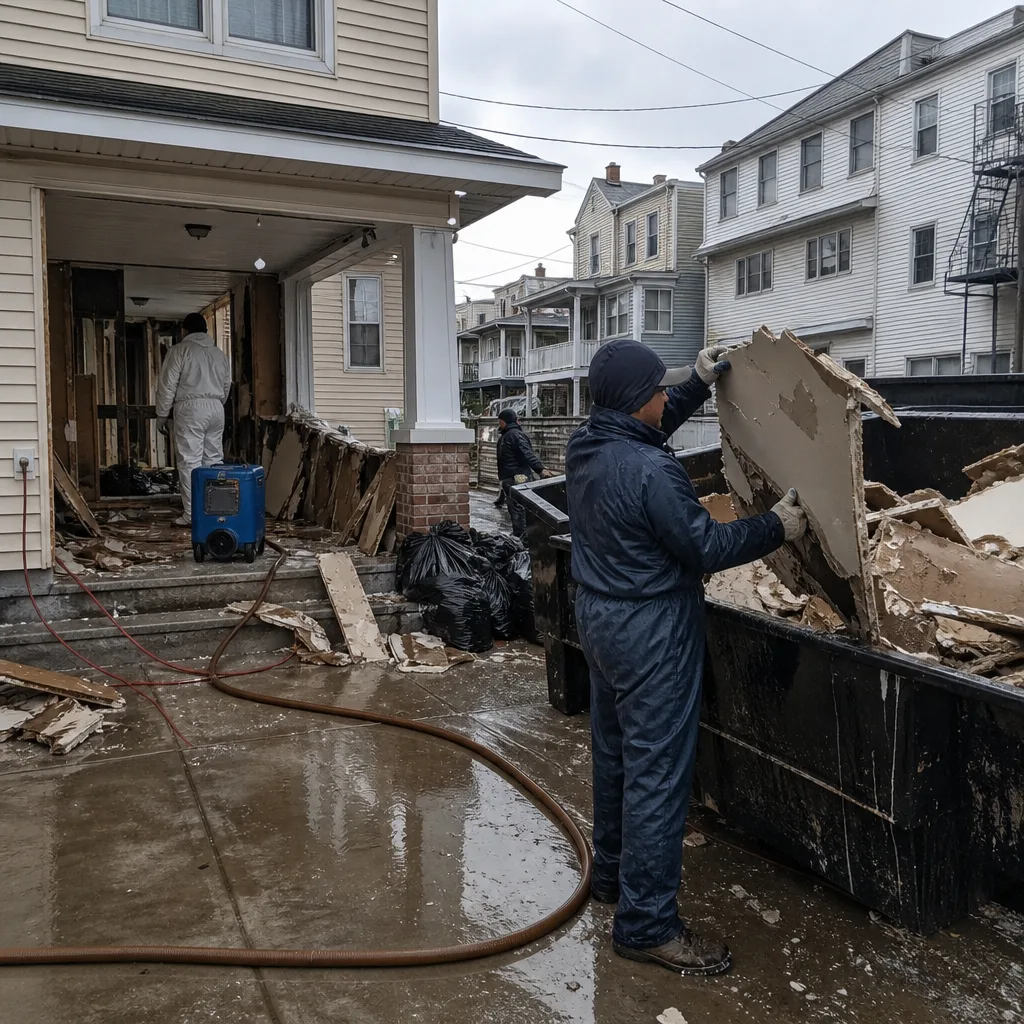
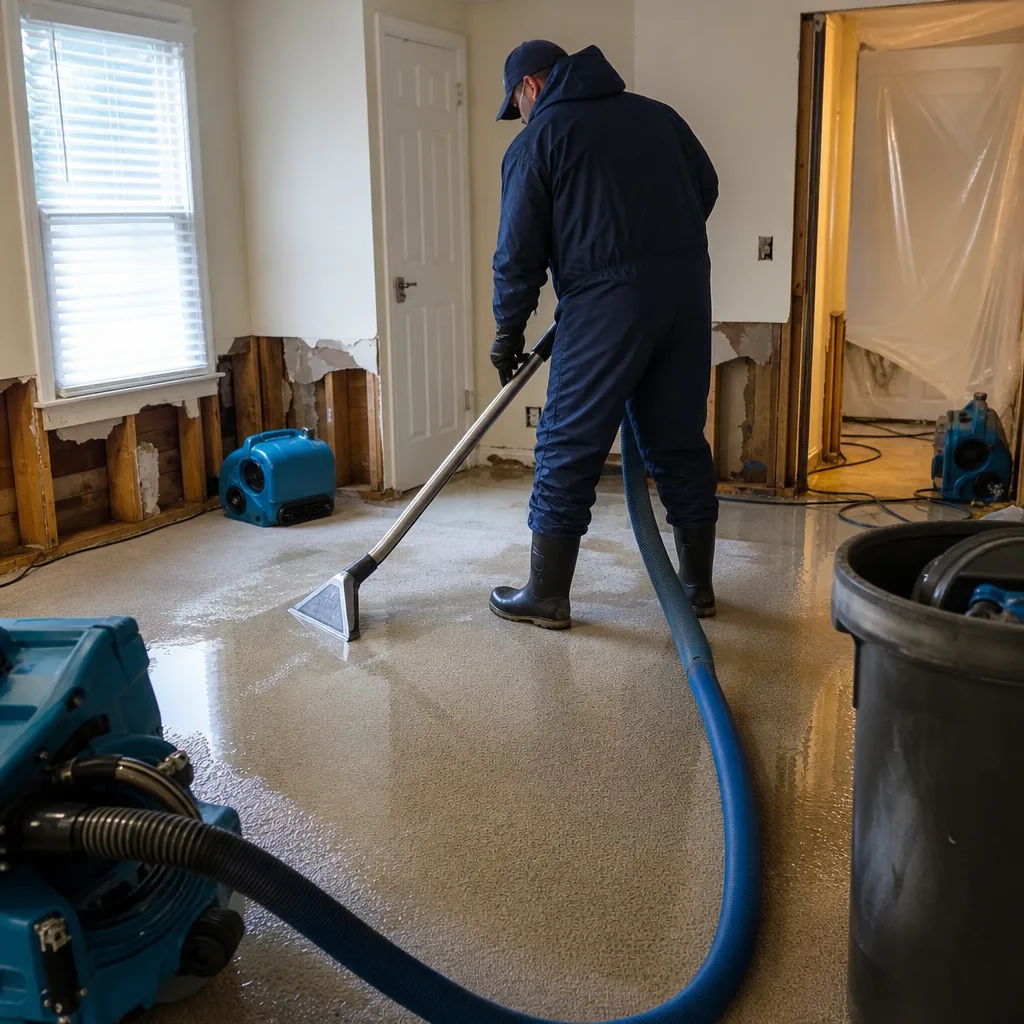
Standing water is removed with truck-mounted and portable extraction units. If the loss involved river backflow or sewage, we establish containment and treat the water as Category 3 from the first minute. Emergency board-up and roof tarping happen in this same visit to stop further exposure.
Drying & Dehumidification
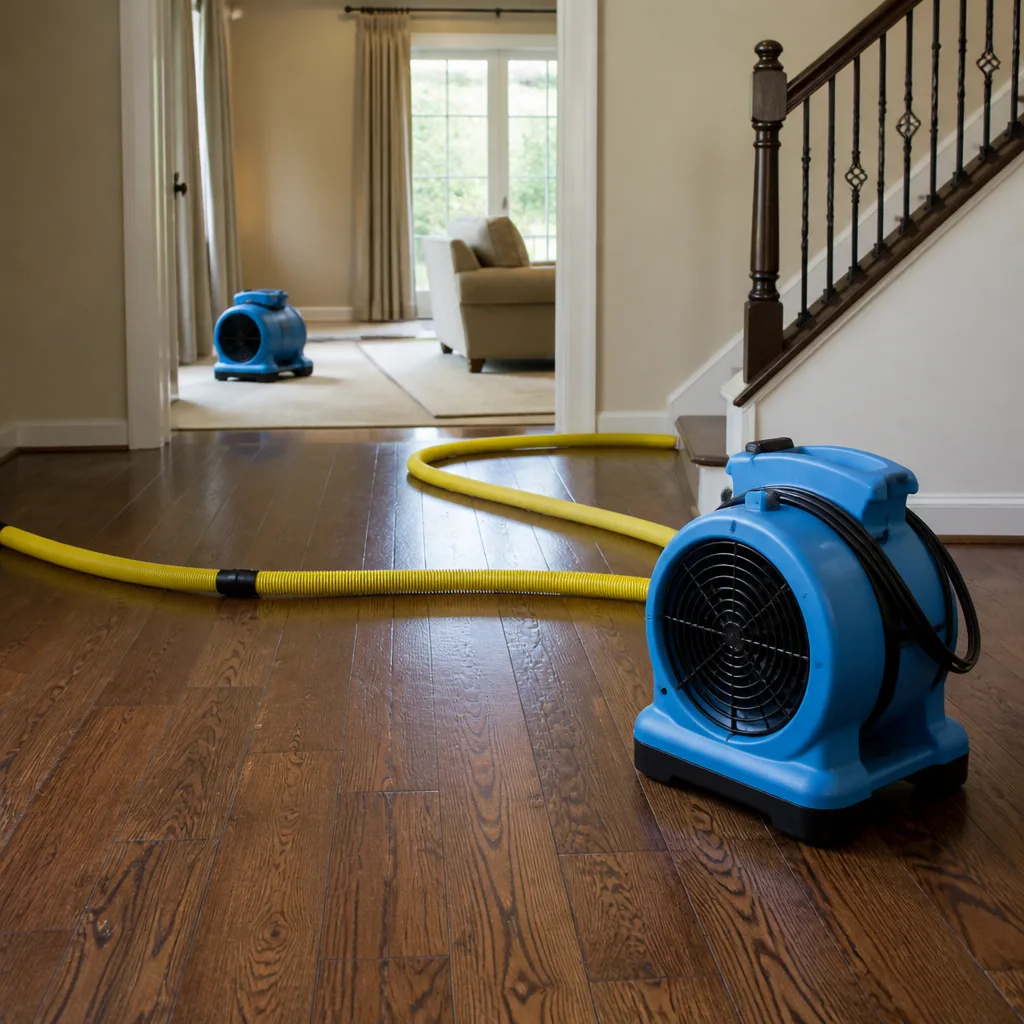
Dri-Eaz air movers and dehumidifiers are placed according to the moisture map, not guesswork. Daily readings are logged in writing, and the log is shared with you and your adjuster until the dry standard is met. On slab-on-grade foundations, this stage typically runs longer than in homes with full basements.
Cleaning & Sanitization
Every salvageable surface is cleaned and treated. Flood silt and river water leave behind pathogens that standard household cleaners do not address, so we apply EPA-registered antimicrobials appropriate to the water category and the materials affected.
Specialty Treatment for Flood & Sewage Losses
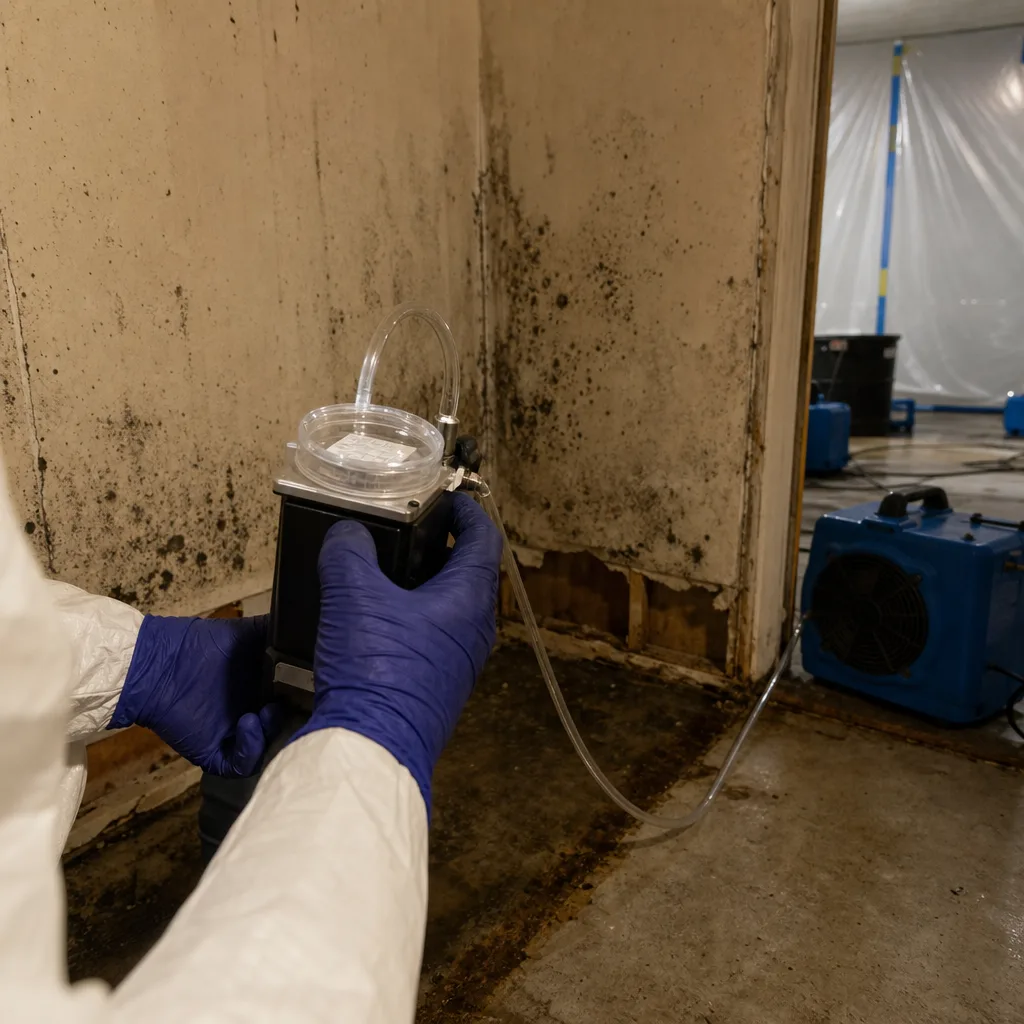
Ridgefield flood jobs often require cutting lower drywall, removing saturated insulation, and treating framing behind walls. We run HEPA air scrubbers during demolition and remediation to keep airborne particulates contained, particularly in homes where vermiculite insulation or asbestos flooring is present.
Repairs & Restoration
Once the moisture log shows the structure is dry, our own reconstruction crew rebuilds. Drywall, flooring, cabinetry, trim - the same team that extracted the water finishes the job. The 90-Day Done Right Promise covers the entire scope, from first cut to final coat of paint.
Need Emergency Storm & Disaster Restoration in Ridgefield Now?
Crews minutes away, answering live 24 hours a day. The sooner we start, the less it costs.
Working With Your Insurance Company
Storm flooding in Ridgefield routinely involves the National Flood Insurance Program rather than a standard homeowners policy, and NFIP claims follow their own documentation requirements. That is why we photograph everything from the first hour, log every moisture reading, and build a line-item scope that matches the carrier’s own estimating standards. Our team goes direct to your adjuster, so you are not relaying technical information between us and the person who approves your claim.
For Ridgefield homeowners navigating NFIP claims, the drying log is not optional paperwork. It is the primary evidence that the water was removed and the structure reached dry standard. We provide it in writing, day by day, and share it with your carrier as it builds.
What We Provide Your Insurer
- Thorough documentation of the loss
- Photos of all damage, room by room
- Moisture readings and drying logs
- A detailed, line-item scope of work
- Direct coordination with your carrier
Built for Ridgefield’s Loss Calendar
Ridgefield’s storm damage follows a seasonal rhythm, and years of local dispatch data tell us exactly what to expect. January and February bring deep freezes that burst supply lines in shallow foundations and unheated crawlspaces, and Ridgefield’s older homes take those hits worse than newer construction. March and April deliver spring thaw, when saturated ground pushes groundwater through slab edges and basement floor cracks. Summer thunderstorms overwhelm the borough’s stormwater system, and because Ridgefield’s lower streets sit so close to river level, even moderate rain sends water where it should not go.
Then comes nor’easter season. October through December, coastal systems drive tidal surge up the Hackensack River, and Ridgefield’s FEMA-designated flood zones take the brunt. Hurricane Sandy set the benchmark in 2012, flooding homes that had never flooded before. For property owners here, storm restoration is not a once-in-a-decade event. It is a recurring part of living near a tidal river in an aging housing stock. Knowing the calendar helps; having a restoration company that knows it too is the difference between a managed claim and a ruined winter.
Storm & Disaster Restoration Across Ridgefield’s Neighborhoods
Response routes through Ridgefield vary as much as the housing stock. The lower-elevation streets near the Hackensack River, including homes along Broad Avenue and the streets feeding toward the riverbank, are our repeat flood calls. These are the properties where tidal backflow pushes river water and silt through window wells and foundation seams during nor’easters, and where NFIP claims are the norm rather than the exception. Our crews know those blocks well, and we arrive already understanding what the water is carrying.
Up the hill toward the Palisades, the homes along streets like Shaler Boulevard and Edgewater Avenue sit higher, but they are not immune. Here we see more wind-driven roof damage, downed trees, and stormwater seepage through aging retaining walls. The post-war Cape Cods and split-levels that dominate Ridgefield’s residential streets from Abbott Avenue to Linden Avenue were built before modern waterproofing. When a storm hits, the failure mode is usually the same: water finds the shallow foundation. The difference is altitude and what the water brings with it. Lower streets get contaminated river intrusion. Higher streets get rain-driven seepage that still requires aggressive drying but follows a different treatment protocol.
This is not a town where a franchise dispatcher can send a generic crew and expect clean results. Ridgefield’s flood response depends on knowing which side of the borough you are on and what the water did there. Our crews know both, and the moisture maps we build reflect that local knowledge.
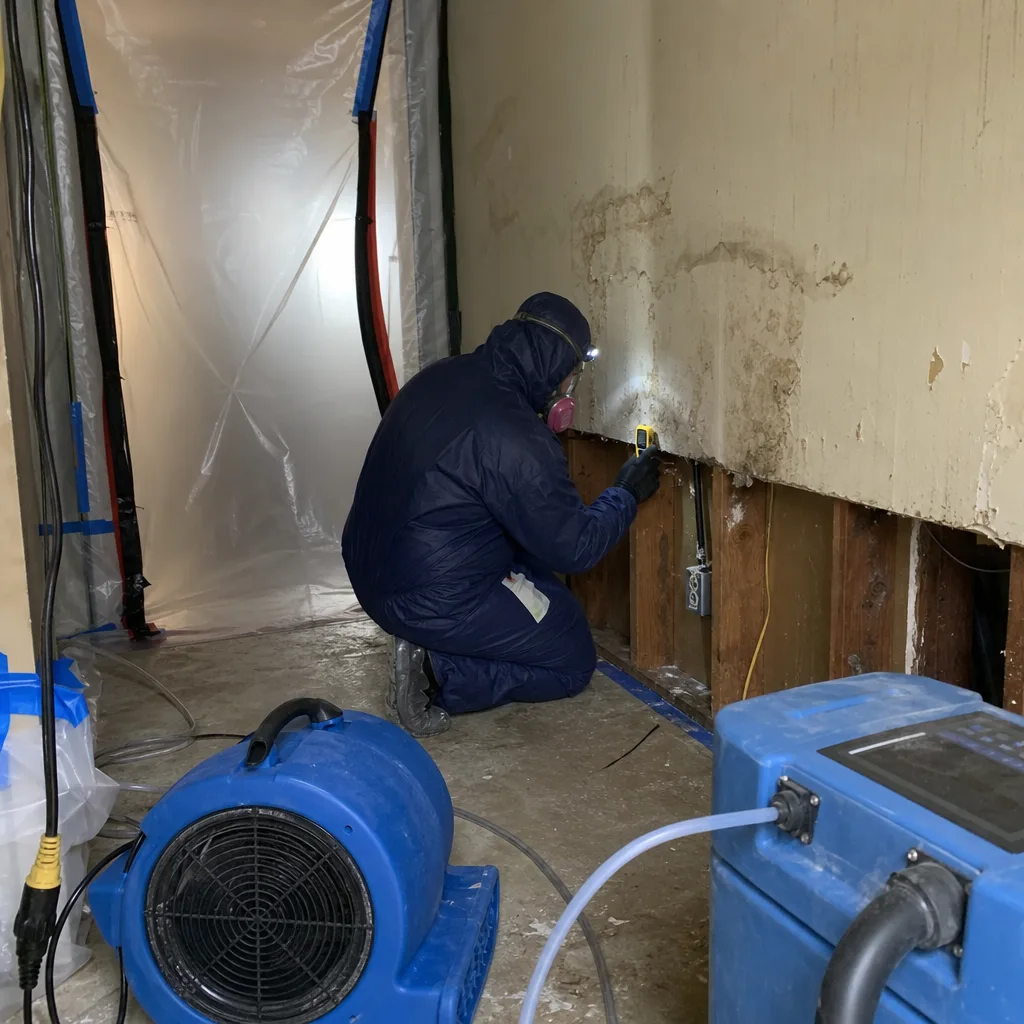
Specialized Storm & Disaster Restoration Services We Offer in Ridgefield
Flood Damage Restoration
Flood restoration in Ridgefield means more than extracting water. When the Hackensack River backs up through the lower borough, you are almost certainly dealing with Category 3 water carrying river silt and organic debris. We treat every lower-elevation flood in Ridgefield as contaminated until proven otherwise, which means containment, antimicrobial treatment, and targeted removal of saturated materials. The goal is not to dry the smell out. It is to make the house safe to live in again.
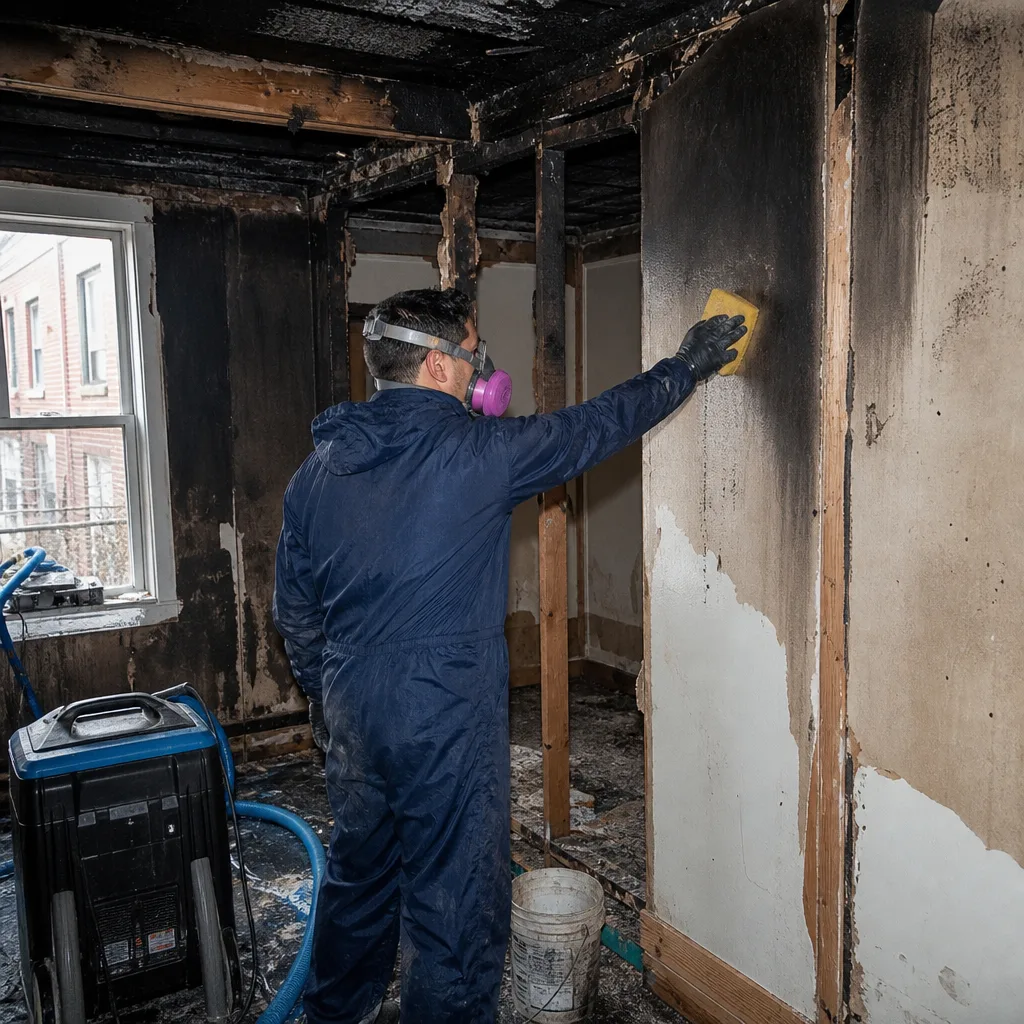
Storm Damage Cleanup
Nor’easters and summer squalls leave Ridgefield homes with downed trees, damaged siding, and debris strewn across yards. We remove storm debris, secure damaged openings, and start the restoration process on the same visit. The sooner loose materials are cleared and openings are covered, the less secondary damage occurs while you wait for full repairs.
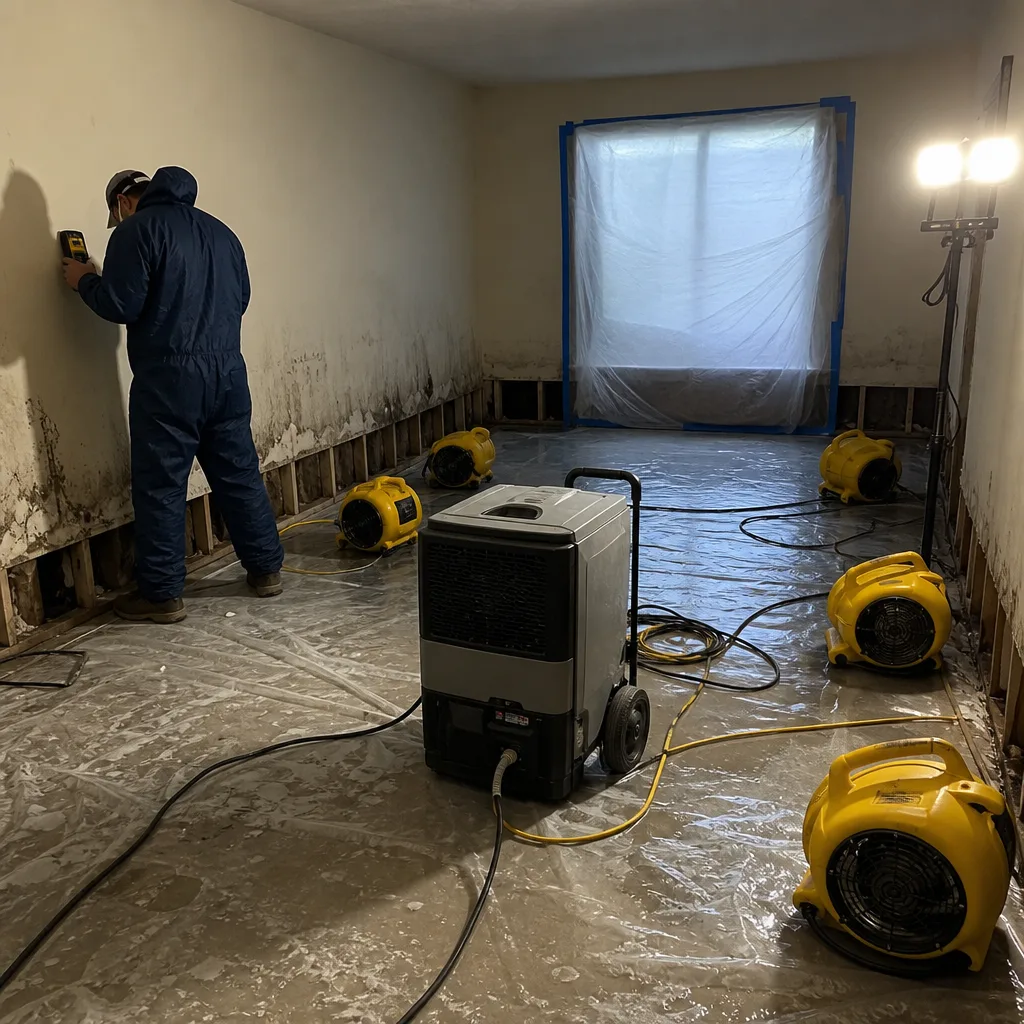
Emergency Board-Up
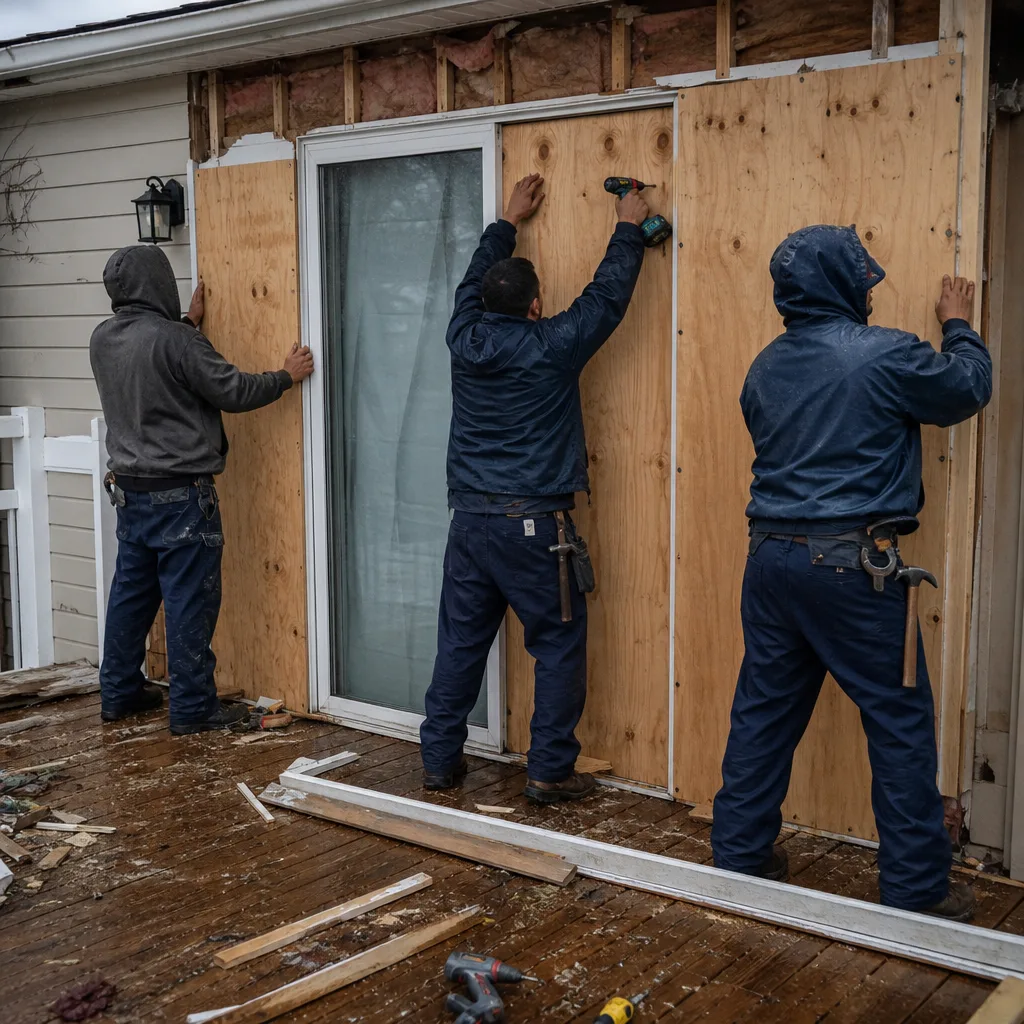
Broken windows and breached doors cannot wait for business hours. Ridgefield has a real risk of opportunistic entry after storm damage, and unsecured openings let in rain, animals, and worse. Our crews install plywood barriers and temporary closures within hours of your call, every day of the year.
Roof Tarping
Wind-driven shingle loss and tree impacts are common on Ridgefield’s older roofs. We install heavy-duty tarps with proper sealing to keep the interior dry while a permanent repair is scheduled. A properly tarped roof prevents the kind of secondary ceiling collapse and attic saturation that turns a small roof repair into a full interior restoration.
Debris Removal
Storm debris in Ridgefield runs from downed branches to construction materials carried by flood water. We remove and dispose of it safely, including materials that may have contacted contaminated flood water, which must be handled and hauled under different protocols than clean yard waste.
What happens when you call
- 1
A real person answersNo phone trees - you reach a local pro.
- 2
You get an upfront price rangeHonest numbers before anyone is dispatched.
- 3
A background-checked tech heads outLicensed & insured, dispatched right away.
- 4
You approve before work beginsNothing starts until you say go.
Storm & Disaster Restoration Costs in Ridgefield, NJ
Ridgefield storm restoration costs depend heavily on the water category and what the property is made of. A straightforward storm cleanup with minor water extraction in a higher-elevation part of the borough typically runs $1,800 to $4,500. Flood damage restoration involving Category 3 water in lower-elevation streets, with drywall removal and antimicrobial treatment, generally lands between $6,000 and $18,000. Emergency board-up services in Ridgefield run $350 to $1,200 depending on the number of openings, and roof tarping runs $400 to $1,800 for most residential roofs. Debris removal is priced by volume and contamination level, typically $500 to $3,000.
What moves the price is what the water carried and how long it sat. Clean rain seepage costs less to mitigate than river backflow. A 1950s home with asbestos-era flooring adds testing and potential abatement costs that newer construction does not. Insurance coverage eases the burden, and we bill carriers directly. The free inspection gives you a firm written scope before anything is authorized. Ken. Call (640) 221-3499 for an exact quote based on your home and your loss.
Heads-Up for Ridgefield Homeowners: The Tidal Backflow Reality
There is something we tell every Ridgefield homeowner after their first flood, because it changes everything about the restoration decision. If your basement took on water during a nor’easter or a heavy rain while the Hackensack River was running high, that water is not clean groundwater. Tidal backflow pushes river water, silt, and organic matter into basements through foundation seams, floor drains, and window wells. It carries the same category of contamination as sewage. Calling it a basement flood and renting hardware-store fans is not mitigation. It is a mold incubator with a delay timer.
On a split-level off Broad Avenue, our crew arrived after a nor’easter pushed river silt and organic debris through a basement window well. The homeowners had pumped the standing water themselves and thought the worst was over. But the silt left on the slab had already begun supporting mold growth within 36 hours, and the lower drywall had wicked moisture well above the visible water line. We set up containment, extracted what remained, then ran moisture mapping and structural drying with Dri-Eaz air movers and dehumidifiers. The lower drywall came out, antimicrobial treatment went on the framing, and the rebuild followed once the slab reached dry standard. The homeowners’ NFIP claim was approved based on our documentation. This is the pattern in Ridgefield flood restoration: the water leaves, the silt stays, and the clock is already running.
We Also Serve Cities Near Ridgefield
Our crews cover Ridgefield and the surrounding Bergen and Hudson County communities, including Edgewater, North Bergen, Weehawken, and Union City. If your property is nearby and you are facing storm damage, call (640) 221-3499. We answer live and dispatch immediately.
Ridgefield Storm & Disaster Restoration Questions, Answered
How does tidal backflow from the Hackensack River change the water category in a flooded Ridgefield basement?
Tidal backflow is Category 3 water by definition, because it carries river water, silt, and organic debris that may include sewage overflows from backing storm drains. Category 3 water means the flooded area must be treated as a biohazard, requiring containment, antimicrobial treatment, and removal of porous materials like drywall and carpet. Clean groundwater seeping through a foundation crack is different and may dry without demolition. The distinction changes both the scope and the cost of the job.
Will my insurance cover storm flooding if my Ridgefield home is in a FEMA flood zone?
If you carry a flood policy through the National Flood Insurance Program (NFIP), yes, subject to your policy limits and deductibles. Standard homeowners policies do not cover surface flood water, even in Ridgefield’s lower-elevation streets. NFIP claims require specific documentation, including drying logs, moisture readings, and proof of the water category, all of which we provide directly to your adjuster. Call (640) 221-3499 and we will help you understand what your policy covers before work begins.
Why does mold appear faster in flooded basements on Ridgefield’s lower streets than in other parts of town?
Mold grows fastest in warm, humid environments with organic food sources. Flooded basements in lower Ridgefield take in river silt and organic debris that provide both the food and the spores, and the shallow slabs in pre-1965 homes hold moisture longer than deeper foundations. Mold colonization can begin within 24 to 48 hours. In homes without proper drying, visible mold often appears within a week. Rapid extraction, containment, and structural drying with daily moisture readings are the only proven way to interrupt that cycle.
Do I need asbestos testing before you dry out my Ridgefield home built in 1955?
Almost certainly yes. Ridgefield homes built before the mid-1960s commonly contain asbestos floor tiles, asbestos-containing drywall joint compound, and vermiculite insulation. Aggressive drying and demolition can disturb those materials and release fibers. We check for these materials during the initial assessment and order testing before cutting or sanding. Skipping this step can shut down a restoration job mid-way and create a much larger problem than the original flood.
Can you restore my slab-on-grade foundation after a storm without breaking the slab?
Drying a slab-on-grade foundation does not require breaking the concrete, and in most cases we avoid it. We run moisture readings through the slab at multiple points, install containment and dehumidification equipment sized to the affected square footage, and dry the slab from the surface and perimeter. Daily readings tell us when the slab has reached dry standard. Breaking the slab happens only in rare cases where a leak beneath the slab is the cause of ongoing water intrusion, which we assess case by case.
How fast can you get to my Ridgefield home?
Our commitment is 45 minutes from the time you call (640) 221-3499 to a crew arriving at your Ridgefield address. We have crews based in the area and dispatch immediately, 24 hours a day, every day. A live dispatcher answers your call, takes the address and the nature of the loss, and redirects the nearest available certified team.
Do I need full restoration, or can my flooded basement just be cleaned?
That depends on the water category and where the moisture went. Clean water from a burst pipe in a high-elevation Ridgefield home may need only extraction and drying. River backflow or sewage backup in lower streets is Category 3 and demands removal of saturated porous materials, antimicrobial treatment, and verification that hidden wall cavities are dry. Our free visual inspection tells you which situation you have, and the written scope prevents overselling. You will not be pushed into work you do not need.
What should I do in the first 30 minutes after flood water enters my Ridgefield home?
First, call a restoration company that answers live. Second, shut off electricity to the affected area if you can reach the panel without standing in water. Third, do not run a home vacuum or hardware-store fan, because they spread contaminated water and force moisture deeper into walls. Fourth, if the water came from a nor’easter or backed-up storm drain in lower Ridgefield, treat it as contaminated and avoid contact. Then call (640) 221-3499. We are on the phone now, and a crew is on the way.
Serving Ridgefield, NJ - Our Local Coverage Area
We’re based in the Ridgefield area and know this community well. Use the map below to see our service coverage - if you’re nearby, we can almost certainly help.
Key Takeaways for Ridgefield Storm & Disaster Restoration
- Lower-elevation Ridgefield streets face Category 3 flood water from Hackensack River tidal backflow, not clean groundwater.
- Pre-1965 housing stock means asbestos testing is needed before cutting or aggressive drying in many Ridgefield homes.
- Slab-on-grade foundations wick moisture for weeks, requiring documented drying logs to support NFIP claims.
- Floodline Restoration Co. answers live 24/7, dispatches within 45 minutes, and completes the job with one certified crew.
- The 90-Day Done Right Promise backs every flood, storm, and rebuild job in writing. No arguing, no paperwork battles.
If storm water has found its way into your Ridgefield home, the fastest way to stop the damage is the phone already in your hand. Call (640) 221-3499 for a free visual inspection and a written scope. We answer live, we get there fast, and we stand behind the work in writing.
Written by Curt Bowman, Owner at Floodline Restoration Co., serving Ridgefield and surrounding communities with storm, flood, and disaster restoration since 2010.