
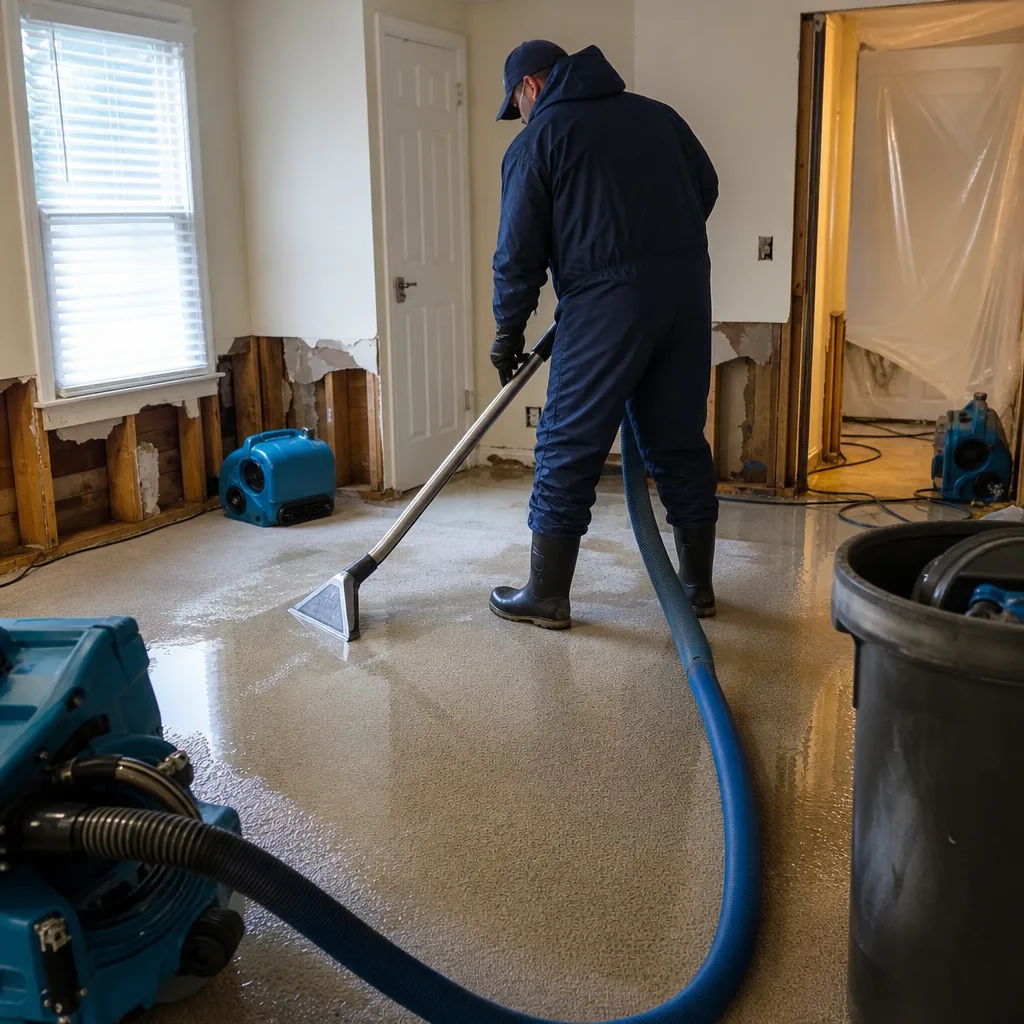
Free visual inspection and a written scope of work before any mitigation begins - photos, moisture readings, and drying logs go in your claim file
The scope we write is the scope we bill. Anything new gets shown to you, in writing, before we touch it.
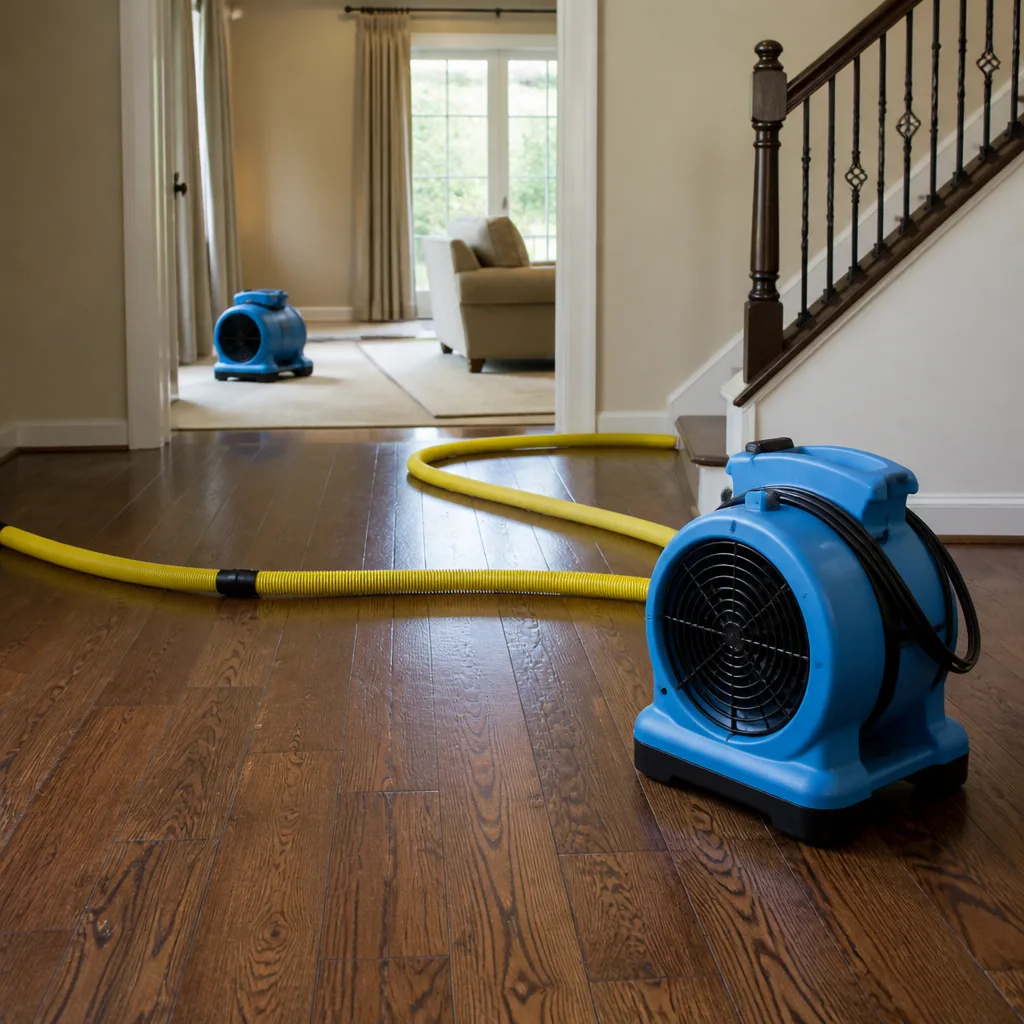
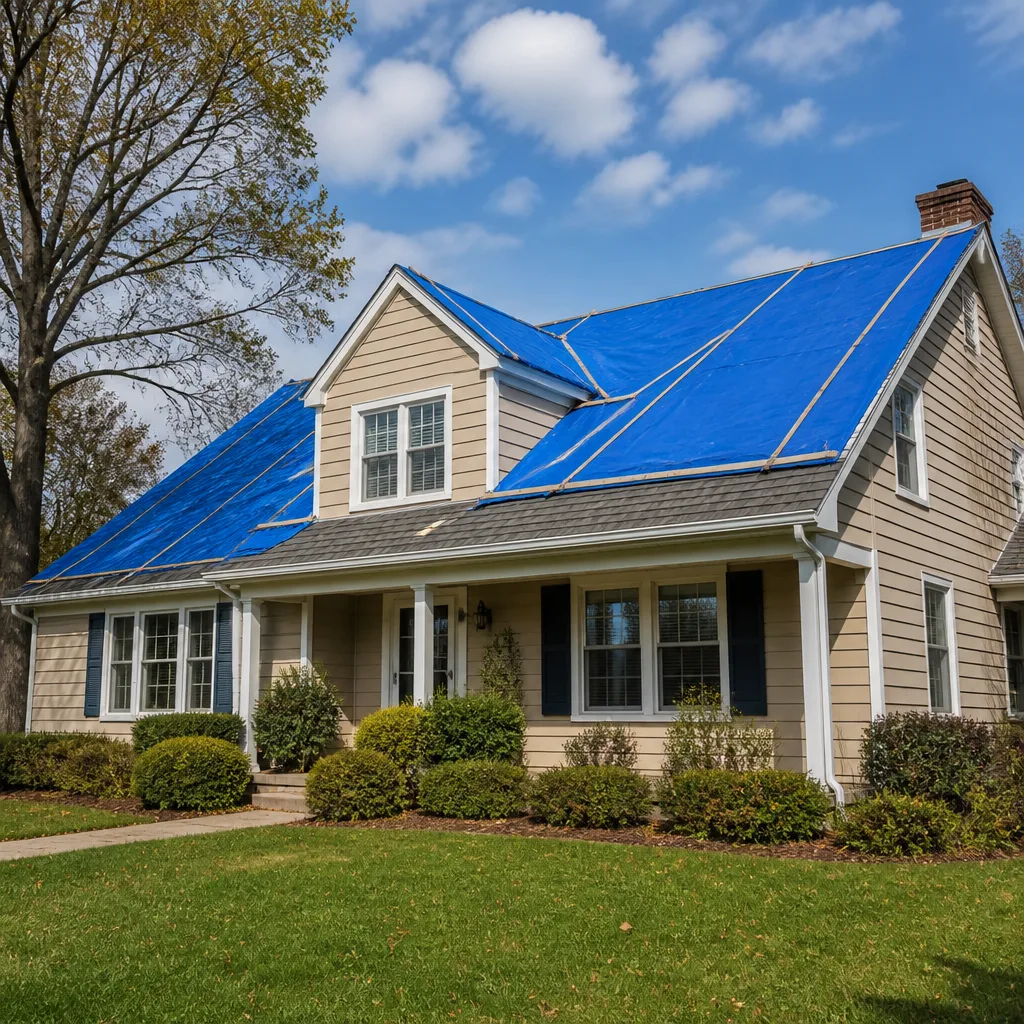
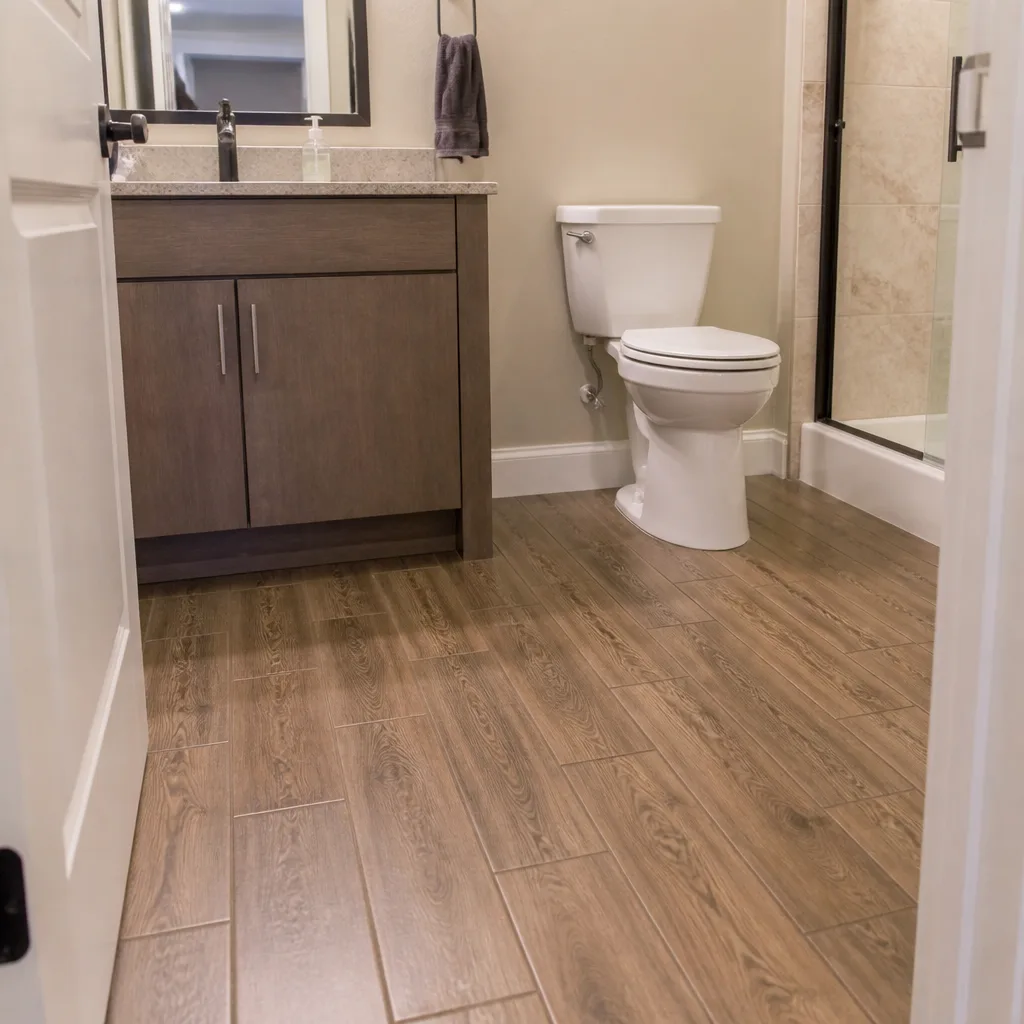
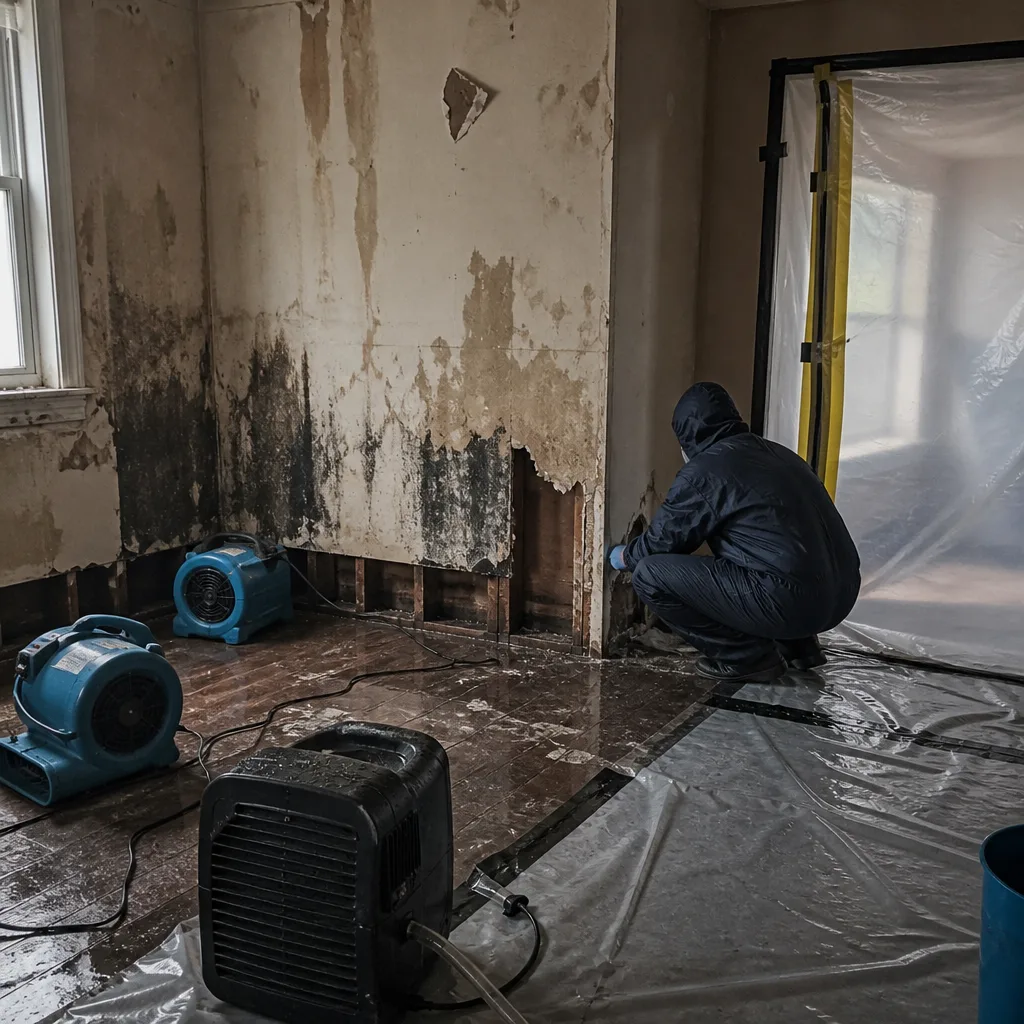 Before
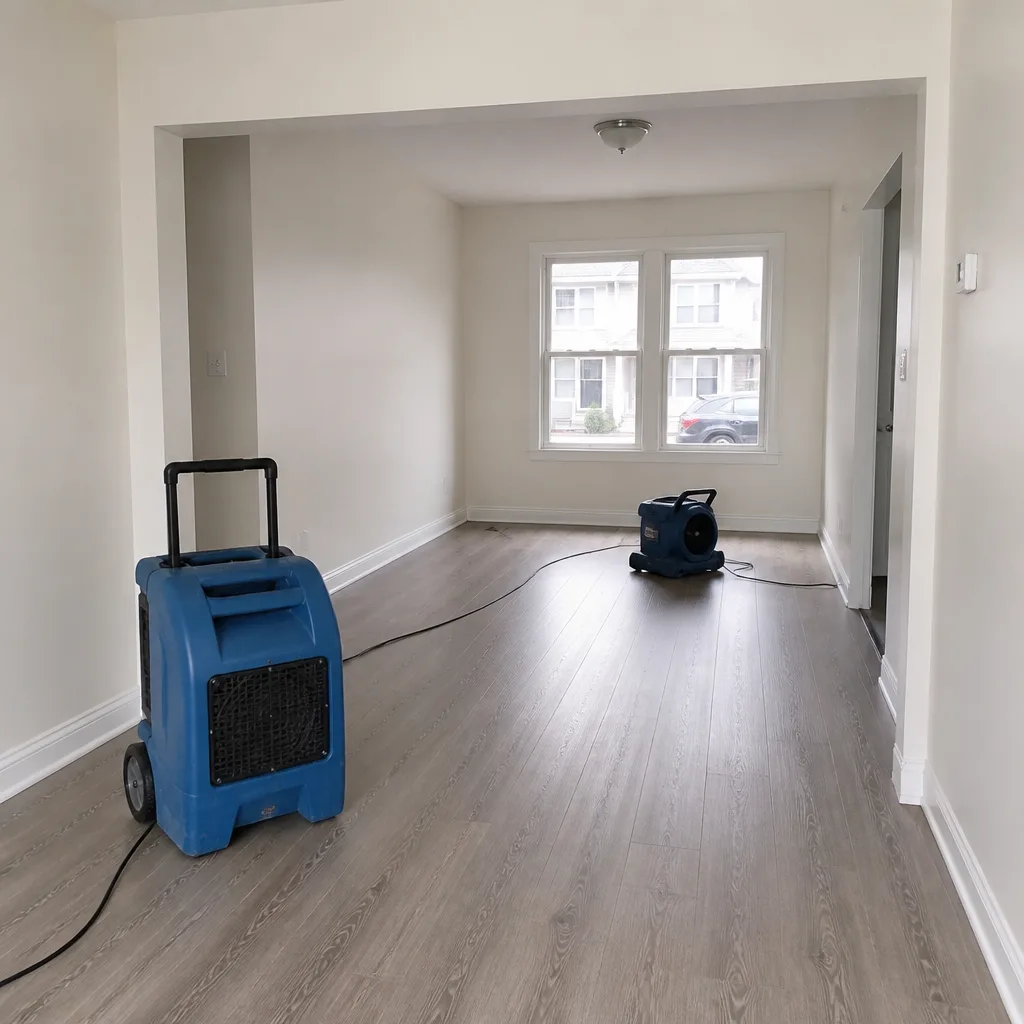 After
After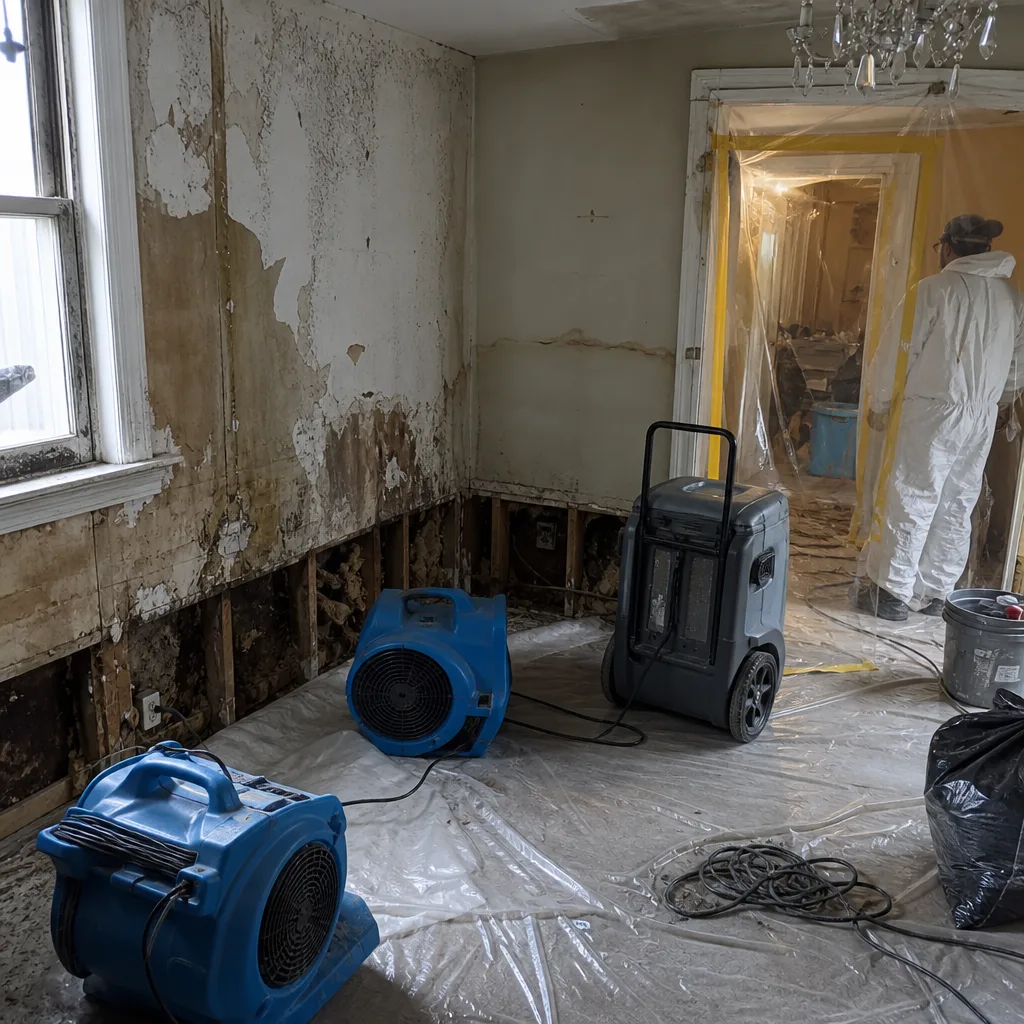 Before
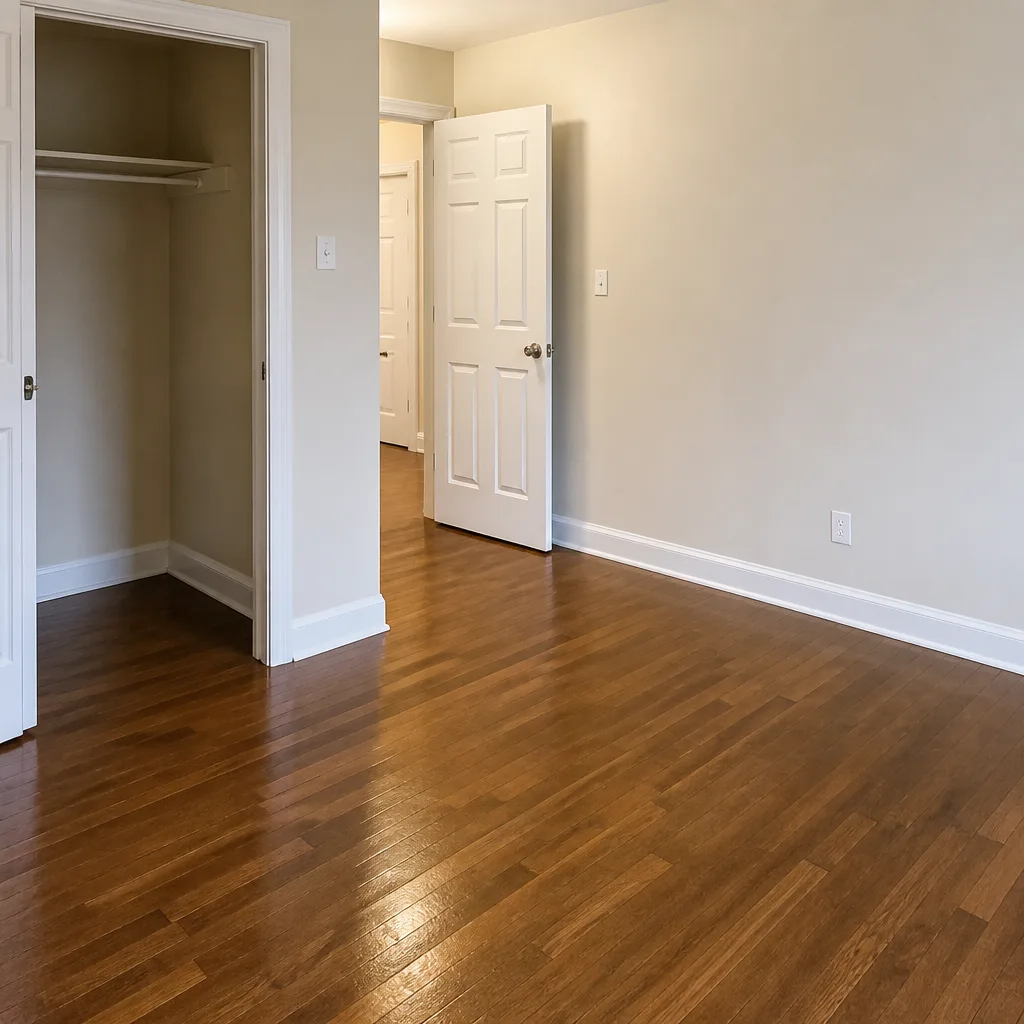 After
After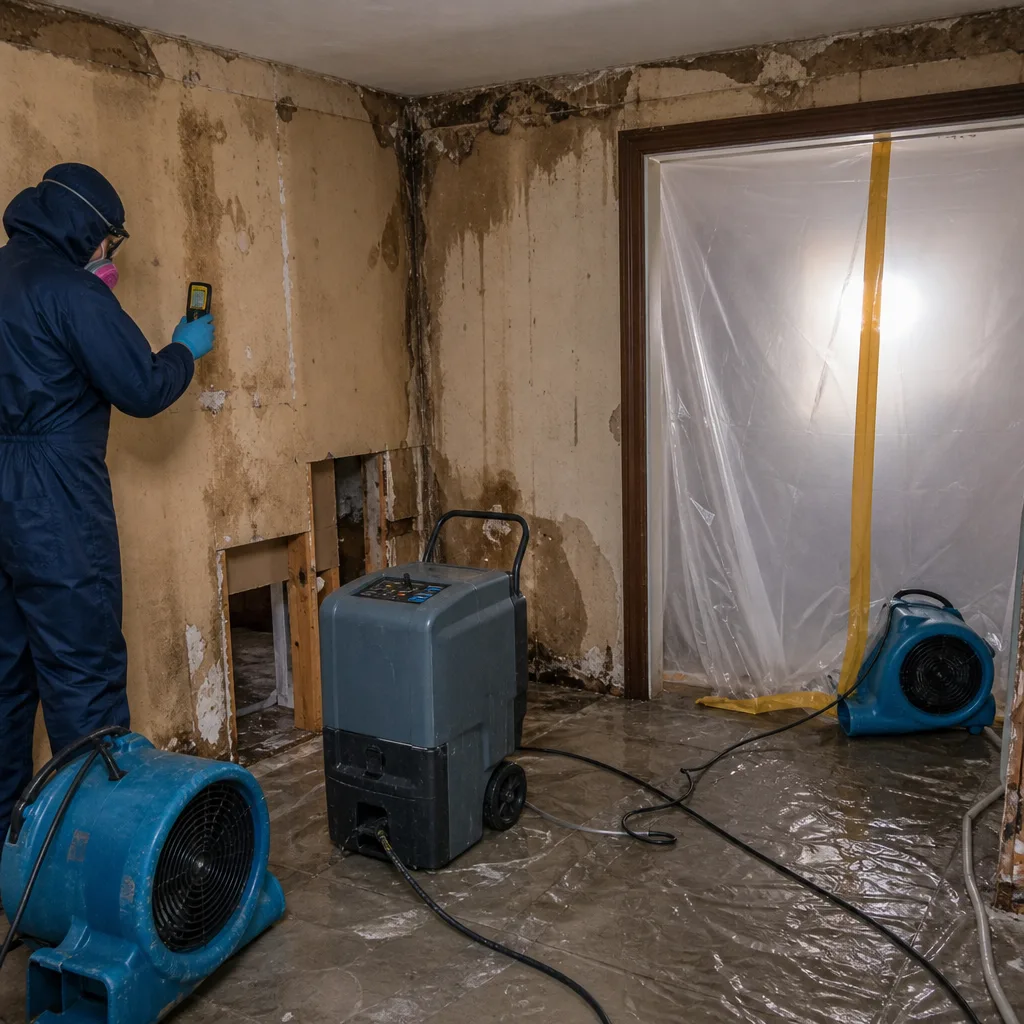 Before
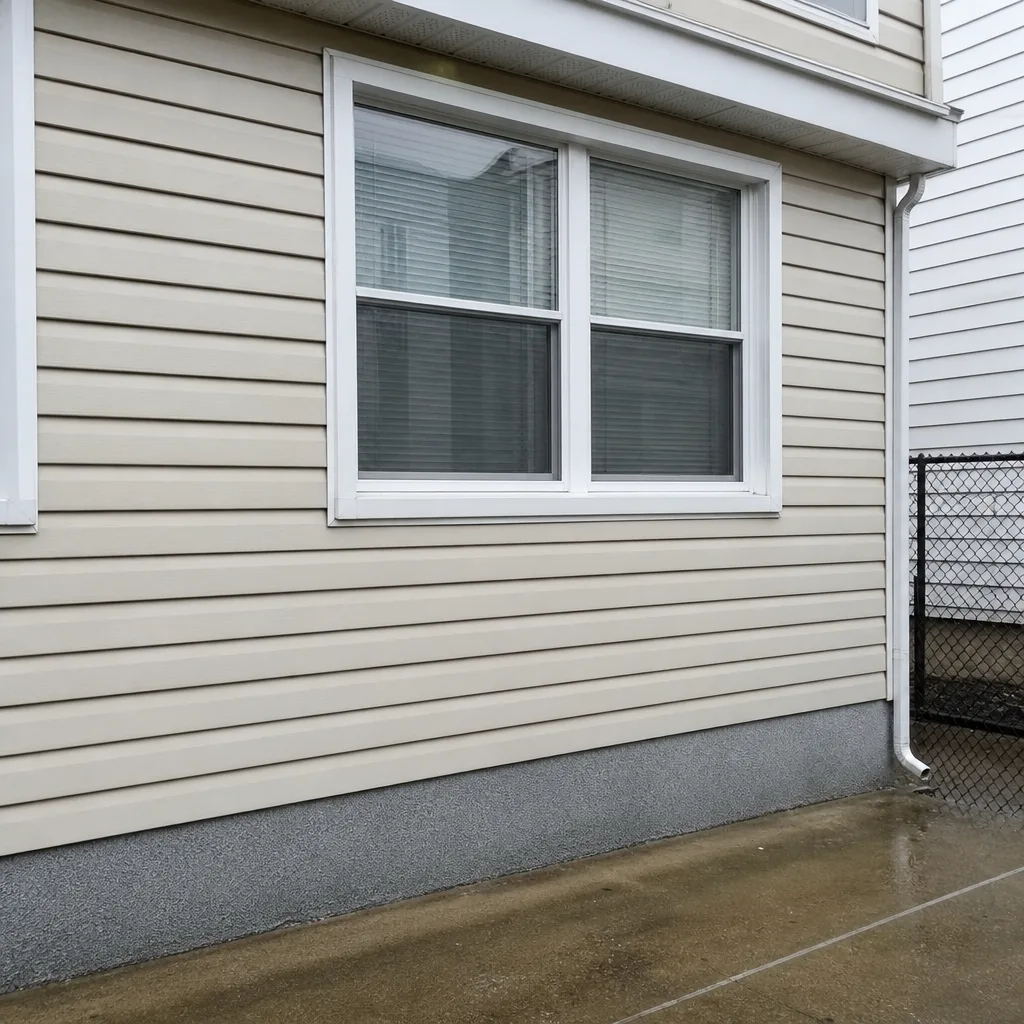 After
After24/7 Emergency Water Damage Restoration in Upper West Side
A burst radiator supply line in a 12-story prewar co-op on West End Avenue is not a tomorrow problem. Water moves through stacked apartments fast, and the first hour decides whether you’re drying plaster or replacing it. Our crews answer live at (640) 221-3499 around the clock, every day of the year. We dispatch a certified team into the Upper West Side immediately, run extraction the same visit, and start the drying plan before the water has time to hit the apartment below. The visual inspection is free. The moisture mapping is free. What costs you is waiting. Done right, and backed in writing.
Understanding Water Damage Restoration Severity in Upper West Side Properties
Water damage in the Upper West Side runs on a different clock than in the outer boroughs. The dominant stock here is massive prewar brick-and-limestone buildings, most constructed between the 1890s and 1930s. Original horsehair-and-plaster walls absorb water slowly but release it even slower. Galvanized and cast-iron supply lines, some a century old, corrode from the inside out and fail without warning. Steam radiators on gravity-fed systems put pressure on aged union fittings and supply valves every October. When we assess a job, we classify the water first: Category 1 is clean supply water from a burst pipe or failed valve. Category 2 is contaminated gray water, common when a drain stack backs up into a basement storage room. Category 3 is sewage or outside flood water, which requires full containment and sanitizing. Then we moisture-map the structure. Thermal imaging finds water inside walls and ceilings that a moisture meter alone would miss. In prewar plaster construction, hidden moisture behind masonry walls is the difference between a two-day dry-out and a recurring Category 2 mold problem within 48 hours. This is not an exaggeration. We’ve pulled wet plaster off lath in dozens of Upper West Side buildings and found the cavity still holding water two weeks after the surface felt dry. The building’s age, the plaster’s density, and the stack layout inside the walls all drive severity. We read the building before we write the scope.
Why Upper West Side Property Owners Choose Floodline Restoration Co.
- 45-minute response commitment in the Upper West Side. We’re not coming from New Jersey. Our crews stage across Manhattan and we dispatch the closest certified team the moment you hang up.
- A live person answers at 2 a.m. Not a recording, not an answering service asking for a callback number. A dispatcher picks up and a crew is rolling.
- IICRC-certified technicians. Water damage restoration trained to the IICRC WRT standard, with RIA and IFA training across the crew. Uniformed, background-checked, and they show up sober and ready.
- Free visual inspection and moisture assessment. We walk the property, map the water, and give you a straight answer about what you’re facing. No charge, no obligation.
- Direct insurance billing. We deal with the carrier, the adjuster, the paperwork. You don’t play messenger between us and them.
- One crew from extraction to rebuild. Same team reads the moisture log on day one and handles the final coat of paint. No mid-job handoff, no inherited crew who never saw the original damage.
Our Water Damage Restoration Process
Inspection & Assessment
We arrive, walk every affected floor, and document what we see. Thermal imaging and hygrometers map the moisture plume in real time. You get a written scope before any work starts, priced line by line.
Extraction & Stabilization
Standing water comes out first. Truck-mounted and portable extraction units pull water from hardwood, carpet, and concrete. We stop the source at the same visit, whether that’s shutting a valve, capping a supply line, or patching a leak.
Drying & Dehumidification
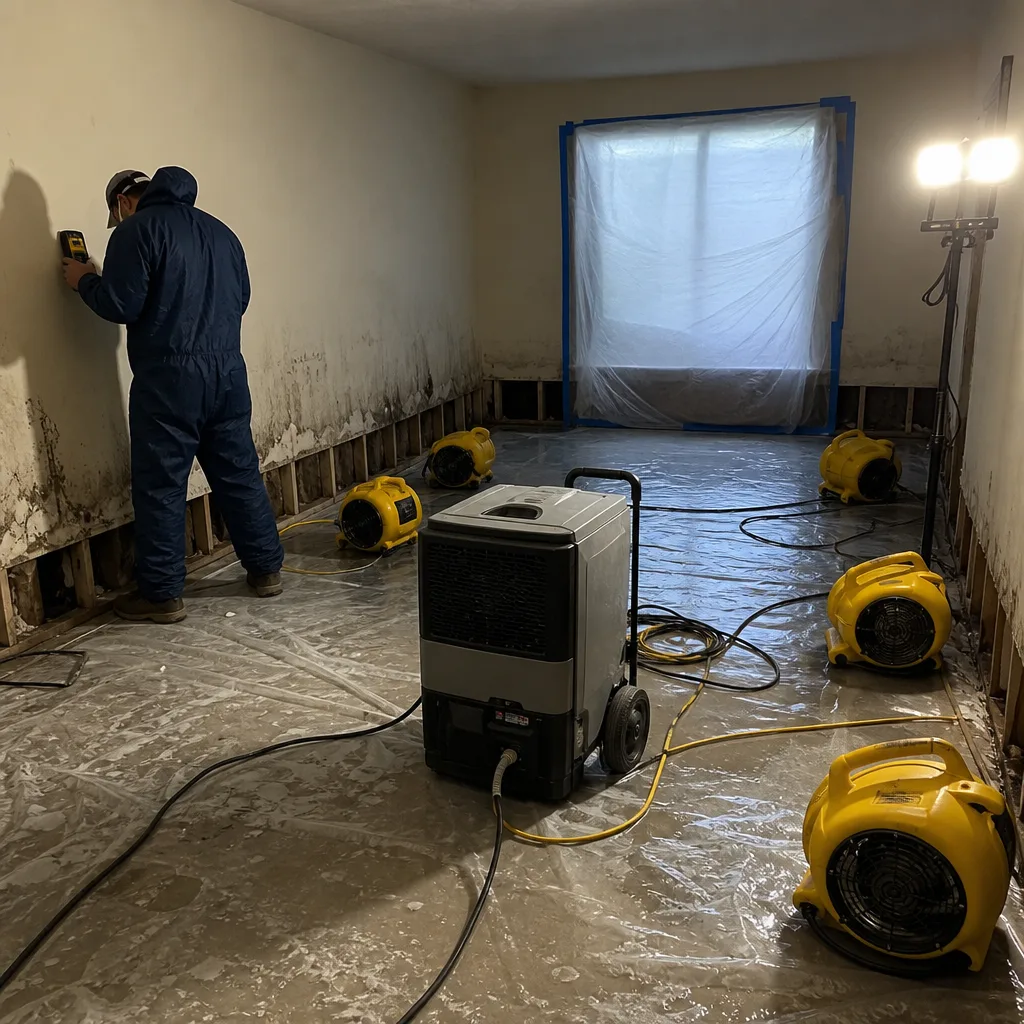
Dri-Eaz air movers and Phoenix dehumidifiers go in the same day. In prewar plaster, we set conservative drying targets and hold them. Daily readings get logged until the dry standard is met, not until the surface feels dry.
Cleaning & Sanitization
Category 2 and 3 water requires antimicrobial application on affected surfaces. HEPA air scrubbers run during demo to keep contaminants from migrating into clean zones. We clean what’s salvageable, not what’s cheap to replace.
Structural Moisture Verification
Before we call a job dry, we verify with penetrating moisture meters in wall cavities and subfloors. The moisture log goes to you and your carrier. No one signs off on a dry building on a hunch.
Repairs & Restoration
Plaster matching, trim work, flooring, paint. The same crew that mapped the moisture rebuilds what needs rebuilding. The 90-Day Done Right Promise goes in writing before we leave.
Need Emergency Water Damage Restoration in Upper West Side Now?
Crews minutes away, answering live 24 hours a day. The sooner we start, the less it costs.
Working With Your Insurance Company
In a multi-unit Upper West Side building, insurance gets tangled fast. The co-op or landlord’s master policy covers the building envelope and common plumbing. Your HO-6 unit-owner policy covers your apartment, your finishes, your contents. When a radiator line lets go and water runs down eight stacked units, the carrier questions start immediately. We’ve been through this enough times to know what adjusters need. From the first hour, we document everything: photos of the source, room-by-room damage shots, moisture readings at every stage, a line-item scope of work, and daily drying logs. Our team communicates directly with your adjuster, your carrier, and your building’s insurer if necessary. You get a square deal with no surprises on the bill. Curt Bowman built this company around direct billing because homeowners on the Upper West Side have enough to manage without playing phone tag with an insurance desk.
What We Provide Your Insurer
- Thorough documentation of the loss
- Photos of all damage, room by room
- Moisture readings and drying logs
- A detailed, line-item scope of work
- Direct coordination with your carrier
Built for Upper West Side’s Loss Calendar
Every October and November, building supers across the Upper West Side throttle up steam pressure for heating season. Aged radiator supply valves and union fittings fail in a predictable annual spike. Local restoration crews call it radiator season, and we pre-schedule crews knowing that the first hard cold snap will simultaneously flood multiple buildings within a few square blocks. January and February bring deep freezes that burst supply lines in uninsulated exterior walls, especially on west-facing elevations along Riverside Drive. Spring thaw and heavy rain push groundwater into basement storage rooms through old foundation walls. Summer thunderstorms overload the city’s combined sewer system and back up into those same basement mechanical spaces. Nor’easters drive wind-driven rain through deteriorated mortar joints in century-old masonry facades. Every season has its own failure pattern here, and we’ve seen each one more times than we can count. The Upper West Side’s Water Damage Restoration needs are predictable, which means we can be ready before the call comes in.
Water Damage Restoration Across Upper West Side’s Neighborhoods
The Upper West Side is not one neighborhood. It’s a long strip of distinct building stock running from Lincoln Square up to Morningside Heights, and each section has its own water damage patterns. In the West 70s and 80s off Columbus Avenue and Amsterdam Avenue, we’re mostly in 10-to-16-story prewar co-ops with original steam risers. The buildings are dense, the supers are responsive, and the typical call is a vertical leak from an upper-floor radiator or bathroom supply line. Along Riverside Drive, we see more envelope failures: wind-driven rain through deteriorated mortar, failing lintels, and bulk-water intrusion that soaks horsehair plaster from the outside in. The buildings sit exposed to the Hudson River weather, and the west elevations take the worst of it. Central Park West is a different animal entirely: landmarked facades, strict board protocols, and exterior work that requires NYC Landmarks Preservation Commission review before you touch a window or a parapet. Up near 96th Street and into the 100s, the housing stock shifts to smaller prewar walk-ups and some postwar buildings where galvanized supply lines are hitting the end of their service life. We run these streets every week. We know which buildings have cast-iron stacks, which ones have failing risers, and which supers keep a good maintenance log. That local knowledge shortens the assessment time and keeps scopes accurate. When we serve Upper West Side properties, we know the building before we open the door.
Specialized Water Damage Restoration Services We Offer in Upper West Side
Emergency Water Extraction
When a steam radiator valve lets go on the 11th floor, standing water is moving through the building right now. We run extraction the same visit, pulling thousands of gallons in the first few hours. The faster water comes out, the less plaster, flooring, and trim you lose.
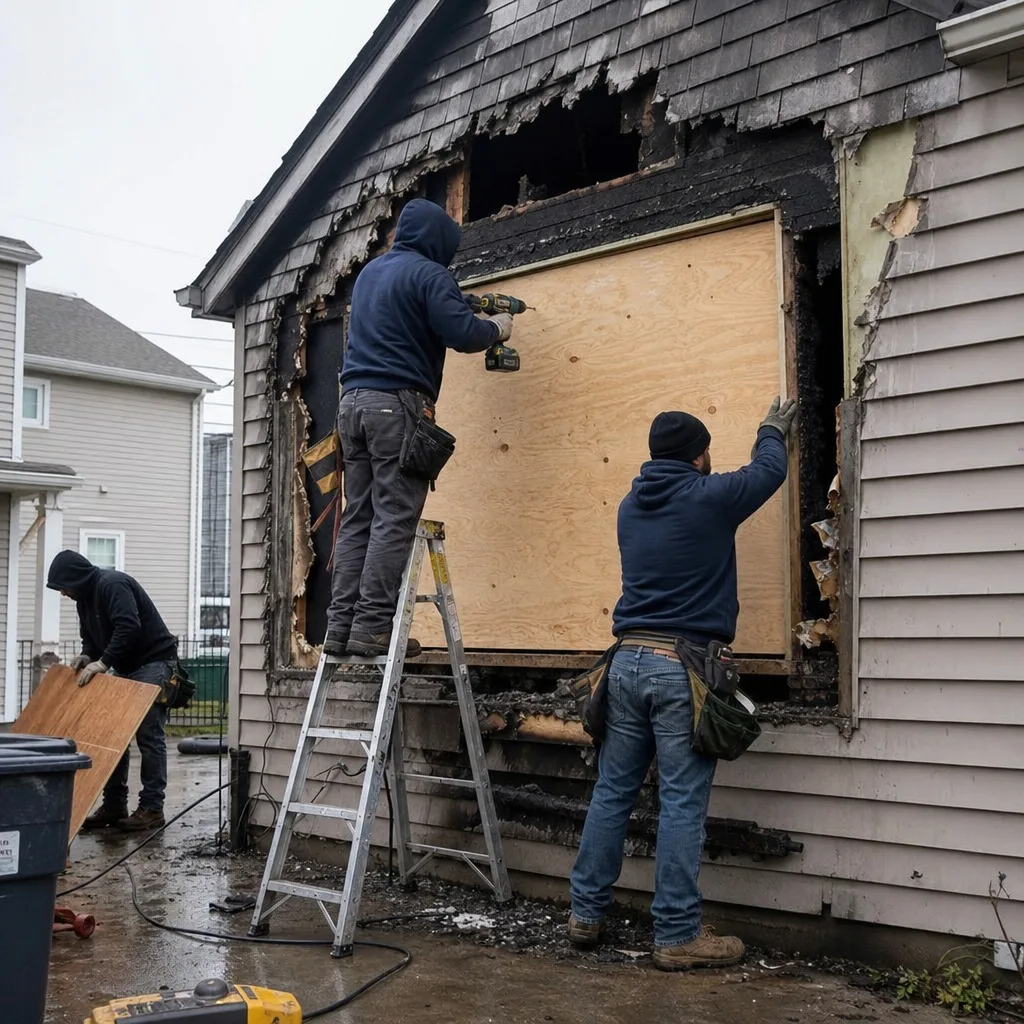
Structural Drying & Dehumidification
Drying prewar horsehair plaster is a controlled process. Crank the heat and airflow too high and the plaster cracks, crumbles, and falls off the lath. We set conservative drying targets, run Dri-Eaz air movers and Phoenix dehumidifiers at the right balance, and verify with penetrating moisture meters before we call anything dry.
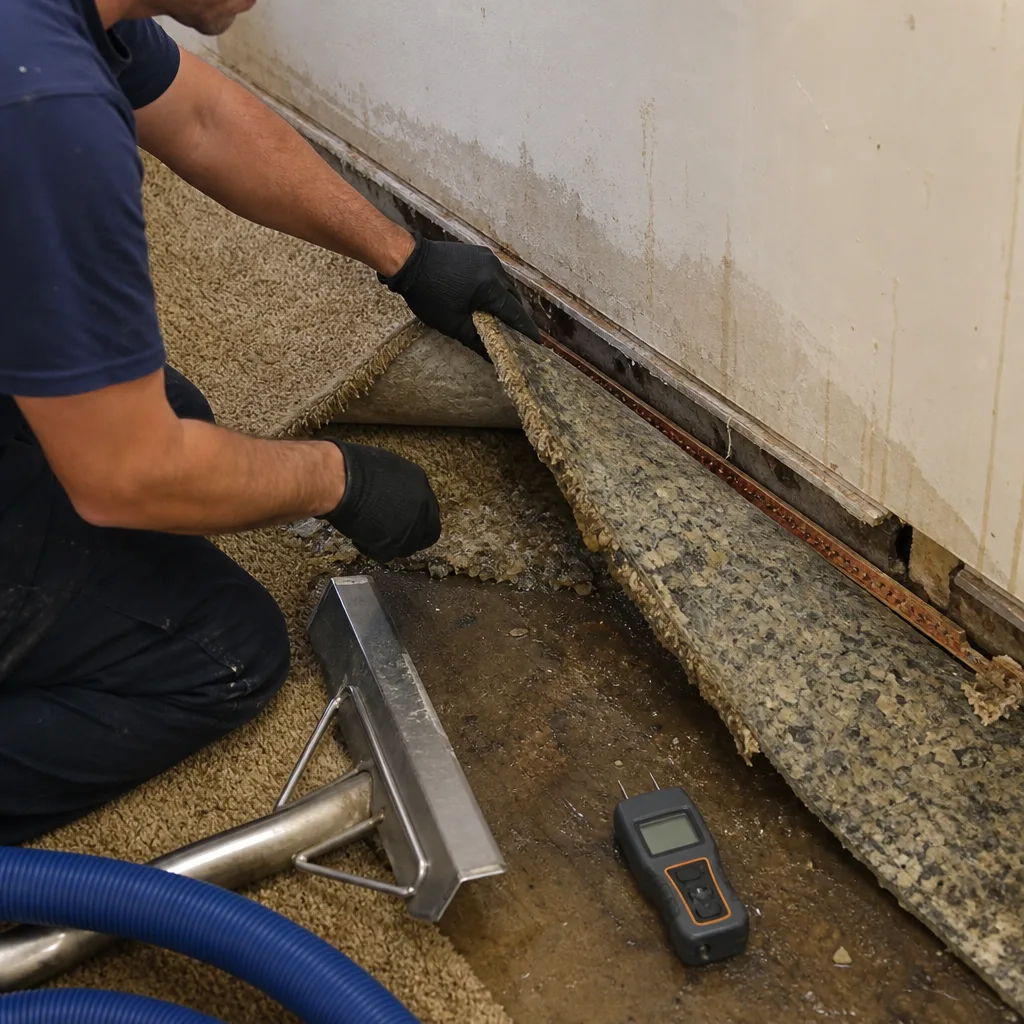
Flood Cleanup
Basement floods from sewer backups or storm water hit storage rooms and mechanical spaces throughout the Upper West Side. We handle Category 3 water with full containment, HEPA air scrubbing, and antimicrobial application. The scope covers everything from the water line to the finished restore.
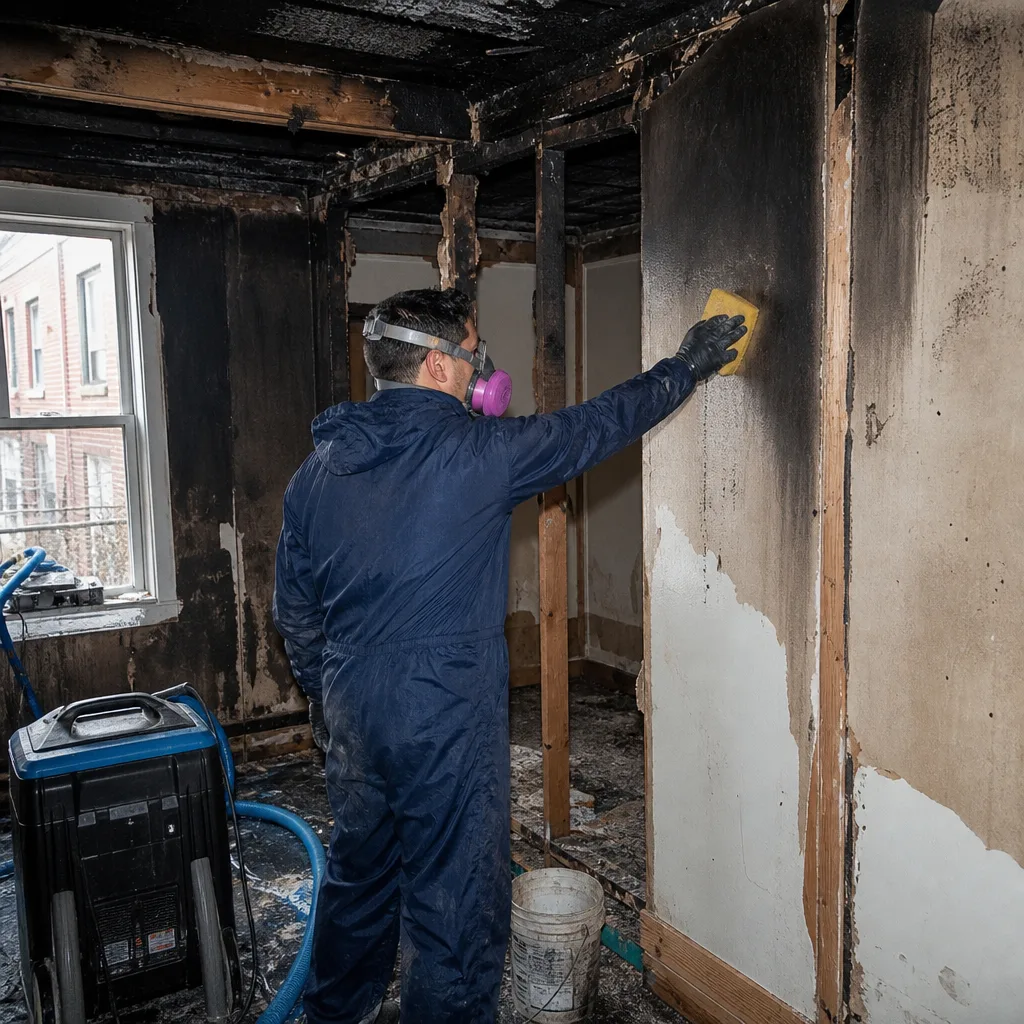
Burst Pipe Restoration
Frozen supply lines and corroded galvanized pipe fail without warning. We stop the source, extract, dry, and rebuild. In these old buildings, the plumbing repair is sometimes the simple part. The restoration is what decides whether you’re back in your apartment in a week or a month.
Basement Water Removal
Upper West Side basements hold boilers, storage, and decades of accumulated belongings. We pump, extract, dehumidify, and treat. If the building has a freight elevator, we use it. If not, we carry the equipment down the service stairs. We’ve done it a thousand times.
What happens when you call
- 1
A real person answersNo phone trees - you reach a local pro.
- 2
You get an upfront price rangeHonest numbers before anyone is dispatched.
- 3
A background-checked tech heads outLicensed & insured, dispatched right away.
- 4
You approve before work beginsNothing starts until you say go.
Water Damage Restoration Costs in Upper West Side, NY
Pricing here reflects the buildings, not just the water. A straightforward Category 1 extraction and dry-out in a single apartment runs $1,800 to $4,500. A multi-unit vertical leak with containment on several floors, plaster salvage, and structural drying pushes $8,000 to $25,000 or more depending on the spread. Burst pipe restoration with plumbing repair and plaster matching typically lands between $3,500 and $9,000. Basement Category 3 flood cleanup with sanitizing and full drying runs $4,000 to $12,000 depending on square footage and contents. What moves the price: plaster density, accessibility through old service elevators, lead and asbestos abatement where demo is required, and LPC paperwork if the envelope is involved. Insurance covers most of it in typical Upper West Side claims. Our free visual inspection gets you a firm, line-item scope in writing before any work starts. Call (640) 221-3499 and we’ll come look.
We Also Serve Cities Near Upper West Side
Our crews cover the Upper West Side and the surrounding Manhattan neighborhoods: Midtown West, Midtown Manhattan, Upper East Side, and Upper Manhattan. Same live answer, same 45-minute response target, same 90-Day Done Right Promise.
Upper West Side Water Damage Restoration Questions, Answered
Why do water damage claims spike on the Upper West Side every October?
Steam radiator systems in prewar buildings spike in pressure when building supers throttle up for heating season, and aged supply valves and union fittings fail in a synchronized burst. We call it radiator season, and we pre-schedule crews for it. Call us at (640) 221-3499 if your radiator let go.
How do you dry out horsehair plaster without wrecking it?
Slowly and deliberately. Horsehair plaster holds water deep and cracks under aggressive airflow or heat. We use lower temperature differentials, controlled dehumidification, and daily moisture readings until the plaster reaches dry standard without delaminating from the lath.
What makes a Riverside Drive water job different from other parts of Manhattan?
The west elevations take direct Hudson River wind-driven rain, and the masonry facades on Riverside Drive have open mortar joints after a century of freeze-thaw cycles. Water enters the envelope from outside as well as from plumbing failures inside. That dual-source moisture demands a broader drying plan and careful exterior assessment.
Do I need co-op board approval before you start mitigation?
For emergency mitigation limited to the interior of your unit, most co-op boards and management companies allow immediate access under the emergency provisions of the proprietary lease. For work affecting common elements like risers, stacks, or building envelope, board authorization is required. We coordinate with your board and building management directly. The mitigation can typically start the same day.
Can you save my 1920s wooden door and trim after a flood?
In most cases, yes. We use Injectidry systems to dry wood in place, pulling moisture out through small vacuum ports rather than tearing the wood out. That matters on the Upper West Side, where matching original 1920s millwork is nearly impossible. We only recommend replacement when the wood is physically destroyed.
How long does structural drying take in a prewar Upper West Side building?
Typically three to seven days for a standard interior water event, and longer if water got into masonry cavities or original plaster walls. We verify with penetrating moisture meters, not a calendar. If it’s not dry, we don’t call it dry.
Are your technicians certified for water damage restoration?
Yes. Our crews are IICRC-certified in water damage restoration, with additional RIA and IFA training. They are background-checked and uniformed. The same standards apply on every job from the first extraction to the final walkthrough.
What should I do in the first 30 minutes after discovering water damage?
Shut the water off if you can safely reach the valve. Move what you can off the floor. Then call us at (640) 221-3499. Don’t wait. Don’t start poking at the walls. The sooner we’re on site, the more we save.
Serving Upper West Side, NY - Our Local Coverage Area
We’re based in the Upper West Side area and know this community well. Use the map below to see our service coverage - if you’re nearby, we can almost certainly help.
Call Floodline Restoration Co. for Water Damage Restoration in Upper West Side
Water is moving through your building right now. The line the water left is where we start. Call (640) 221-3499 and a live dispatcher answers, not a recording. We’ll have a certified crew at your building in 45 minutes or less, a written scope before work starts, and the 90-Day Done Right Promise in your hands when the job is done. Serving the Upper West Side with direct insurance billing, background-checked certified technicians, and the same crew from first extraction to final rebuild.
Written by Curt Bowman, Owner at Floodline Restoration Co., serving the Upper West Side and surrounding Manhattan neighborhoods.