
Free visual inspection and a written scope of work before any mitigation begins - photos, moisture readings, and drying logs go in your claim file
The scope we write is the scope we bill. Anything new gets shown to you, in writing, before we touch it.
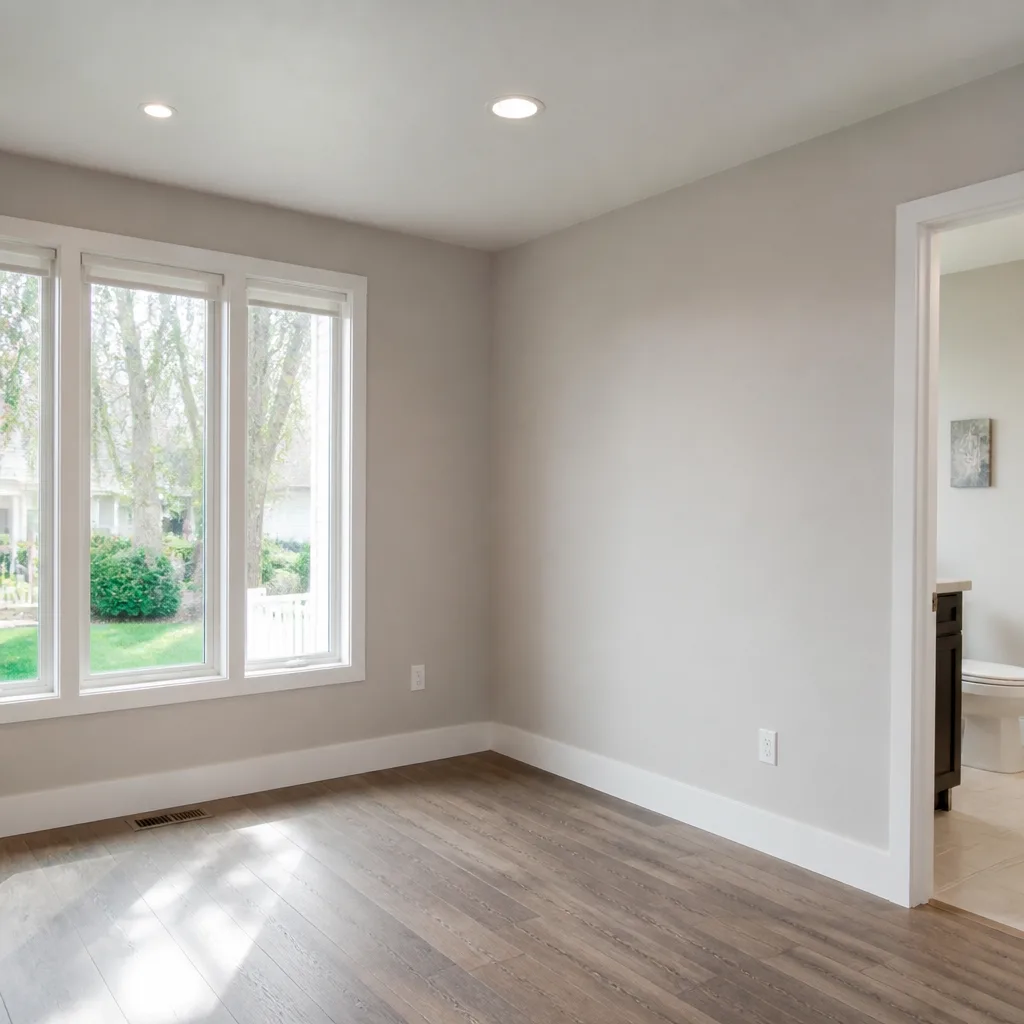
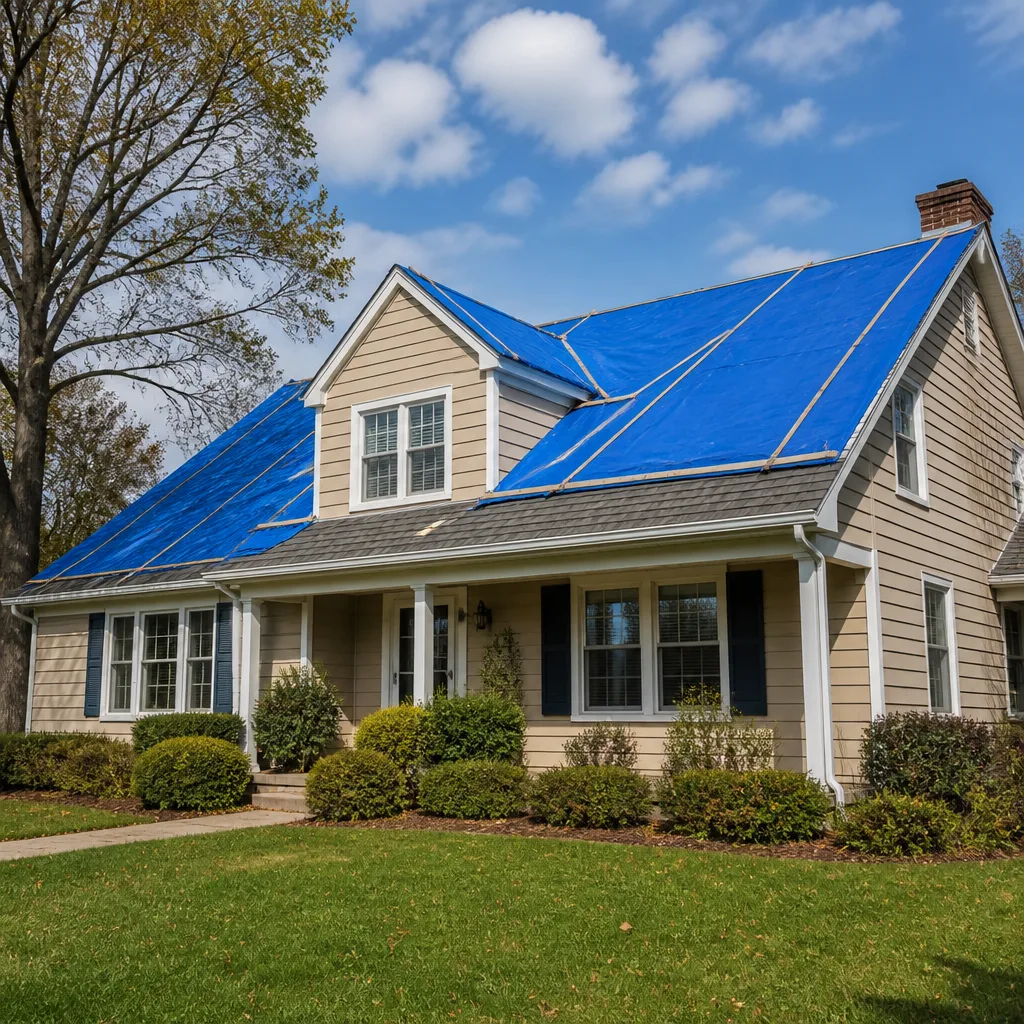
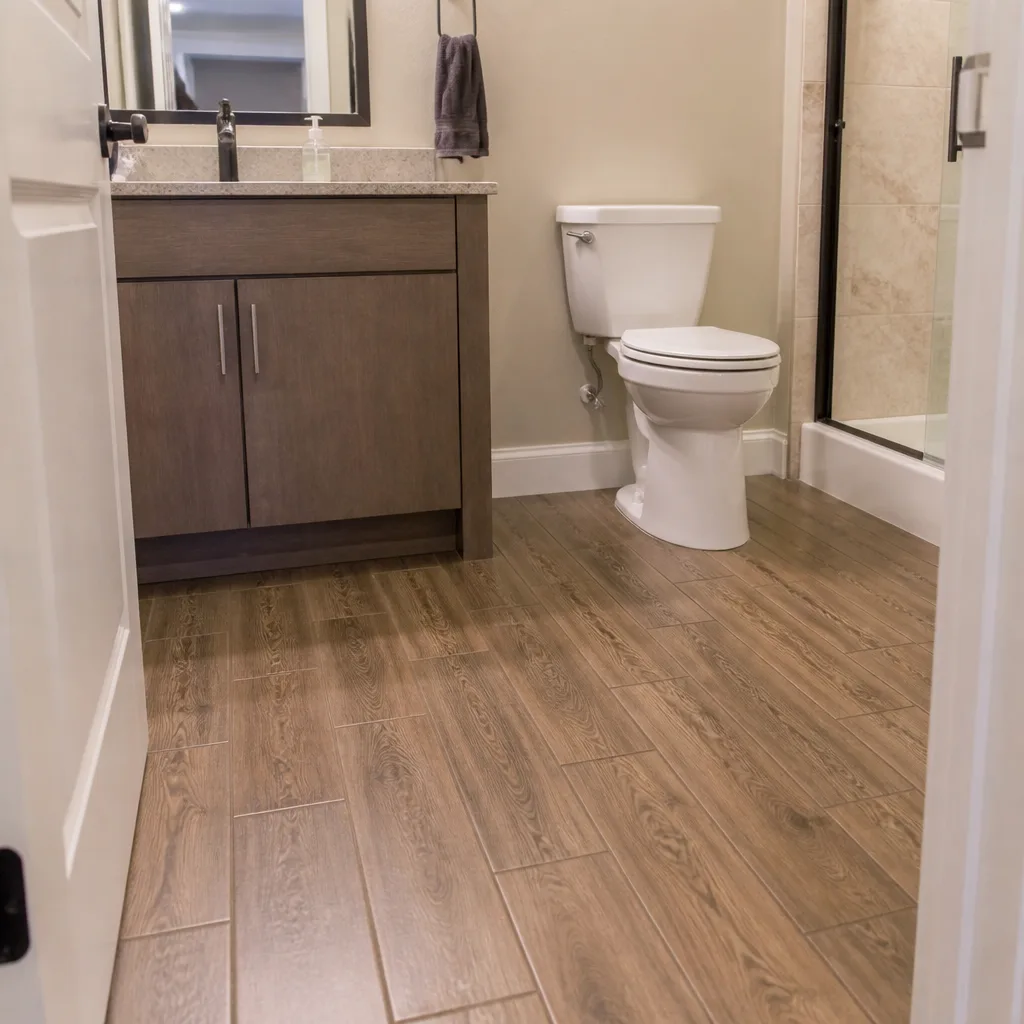
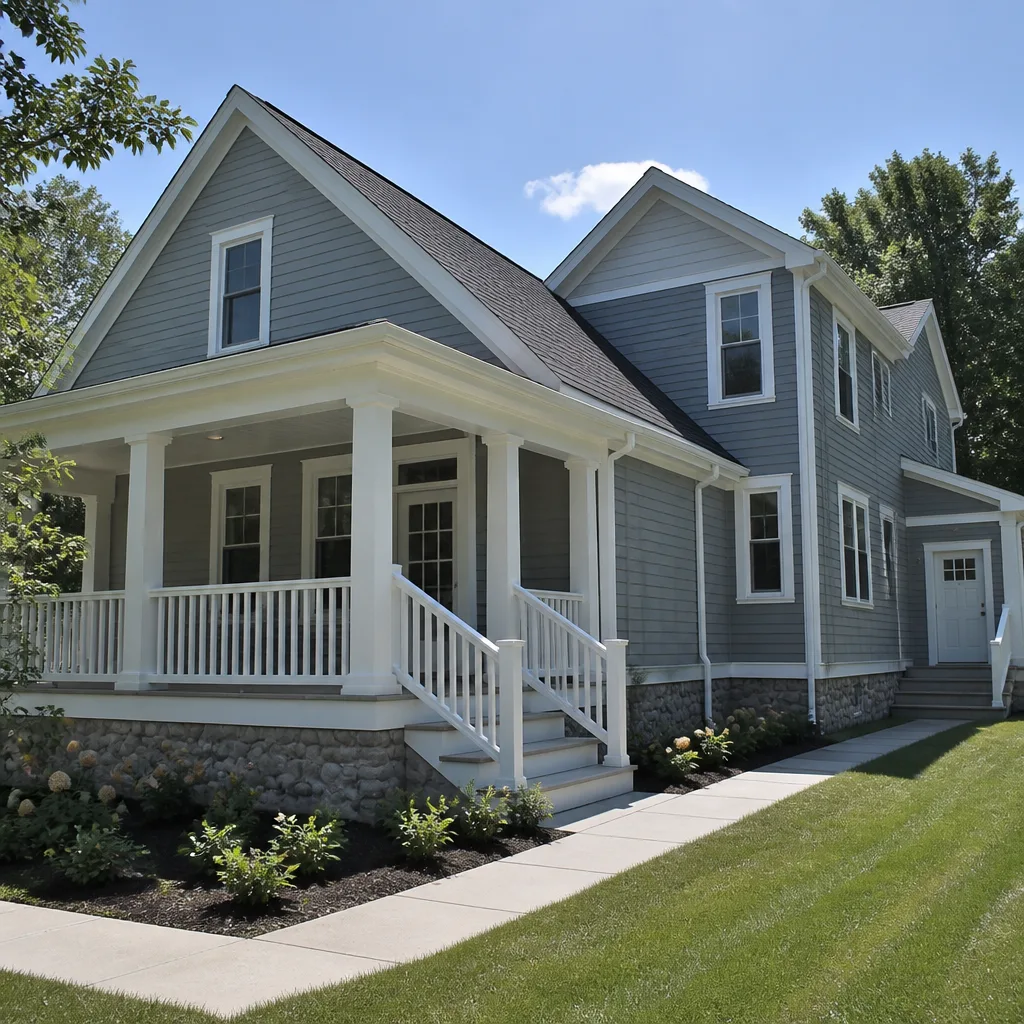
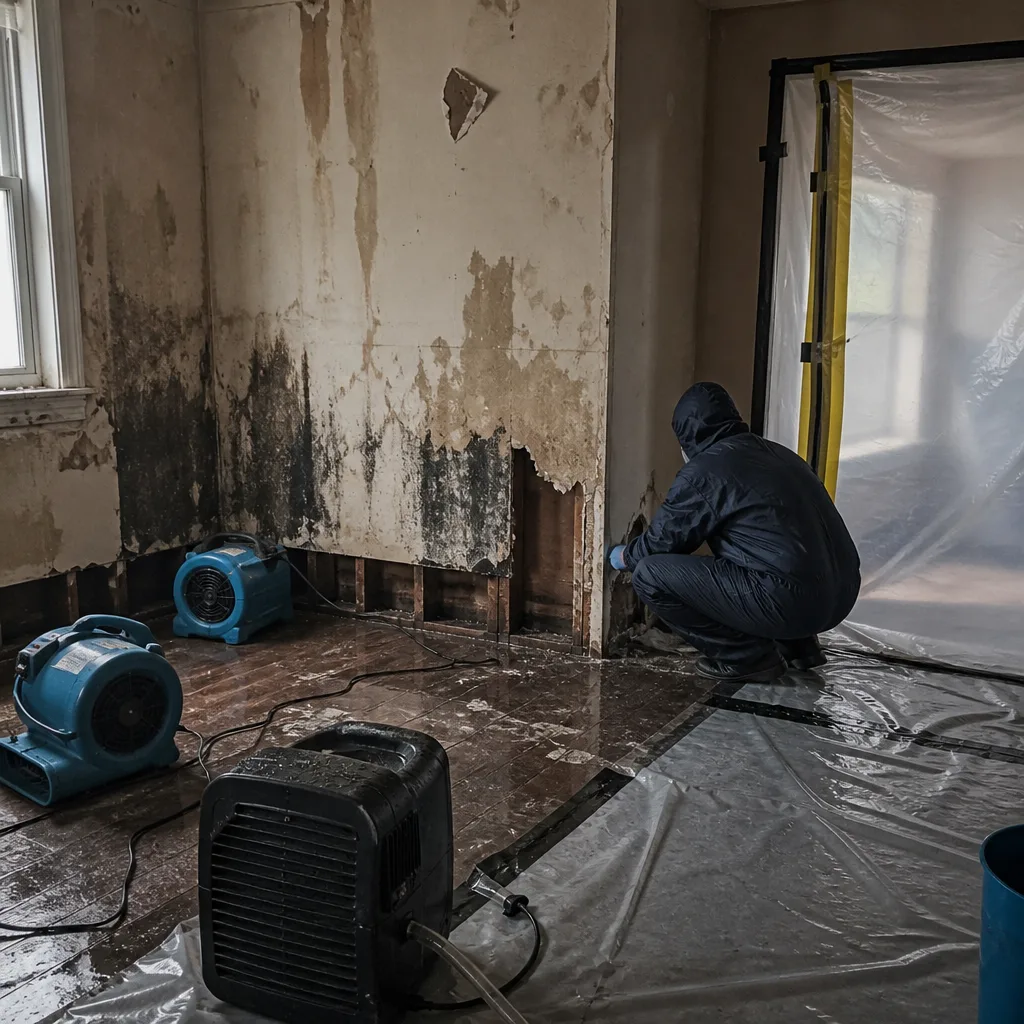 Before
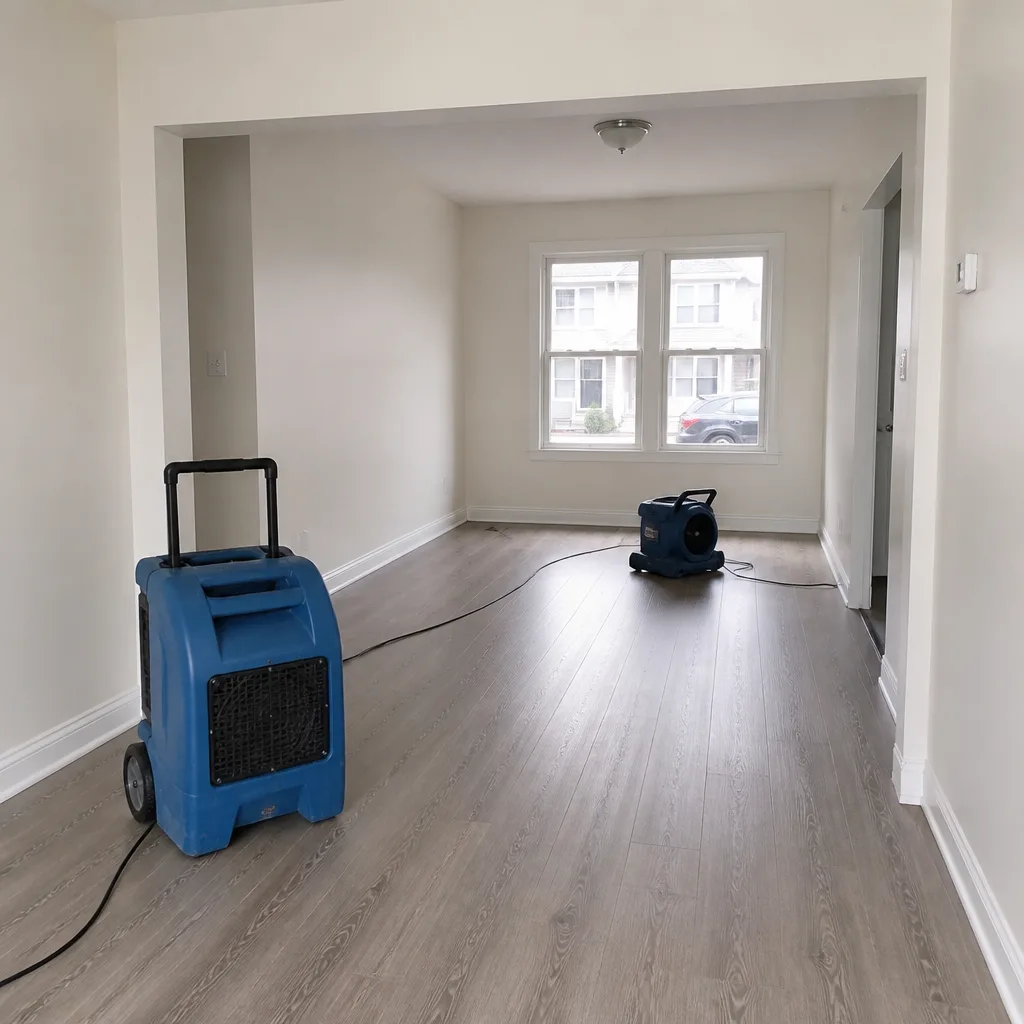 After
After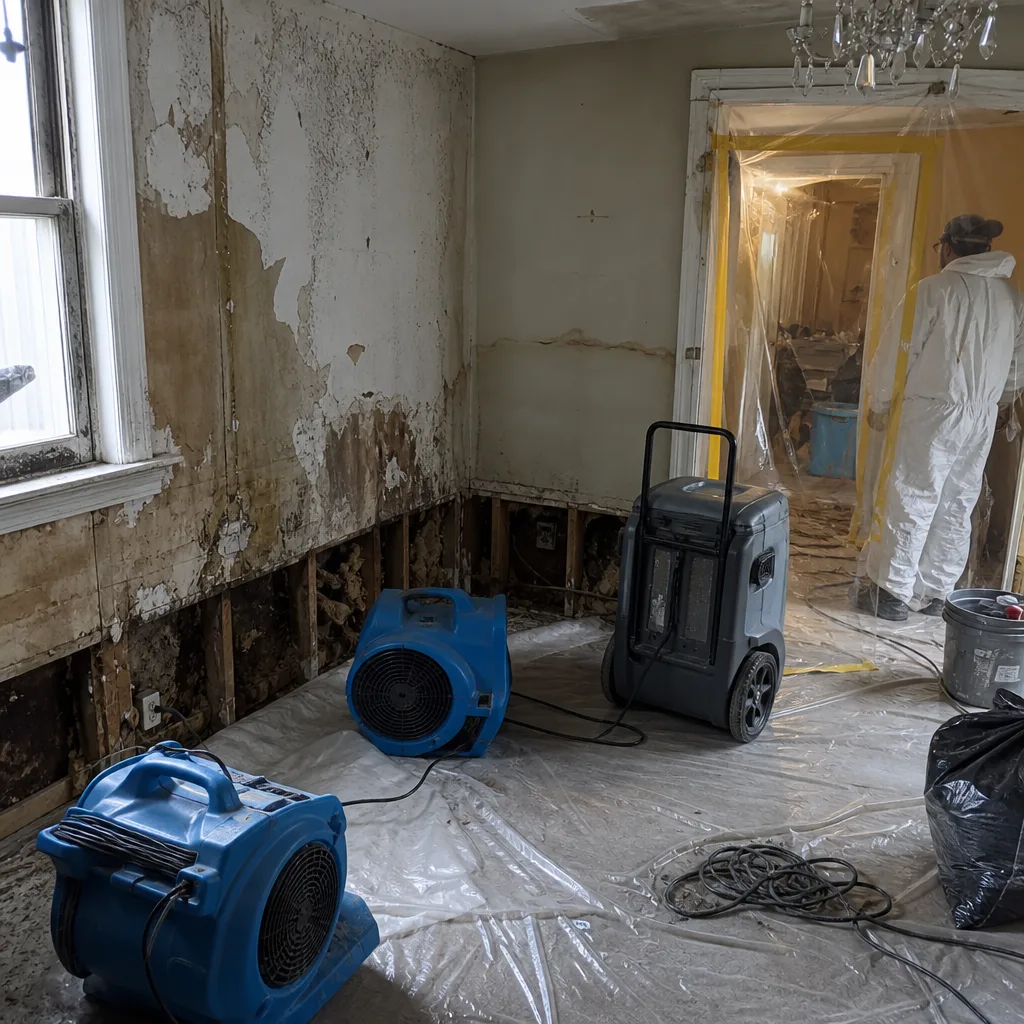 Before
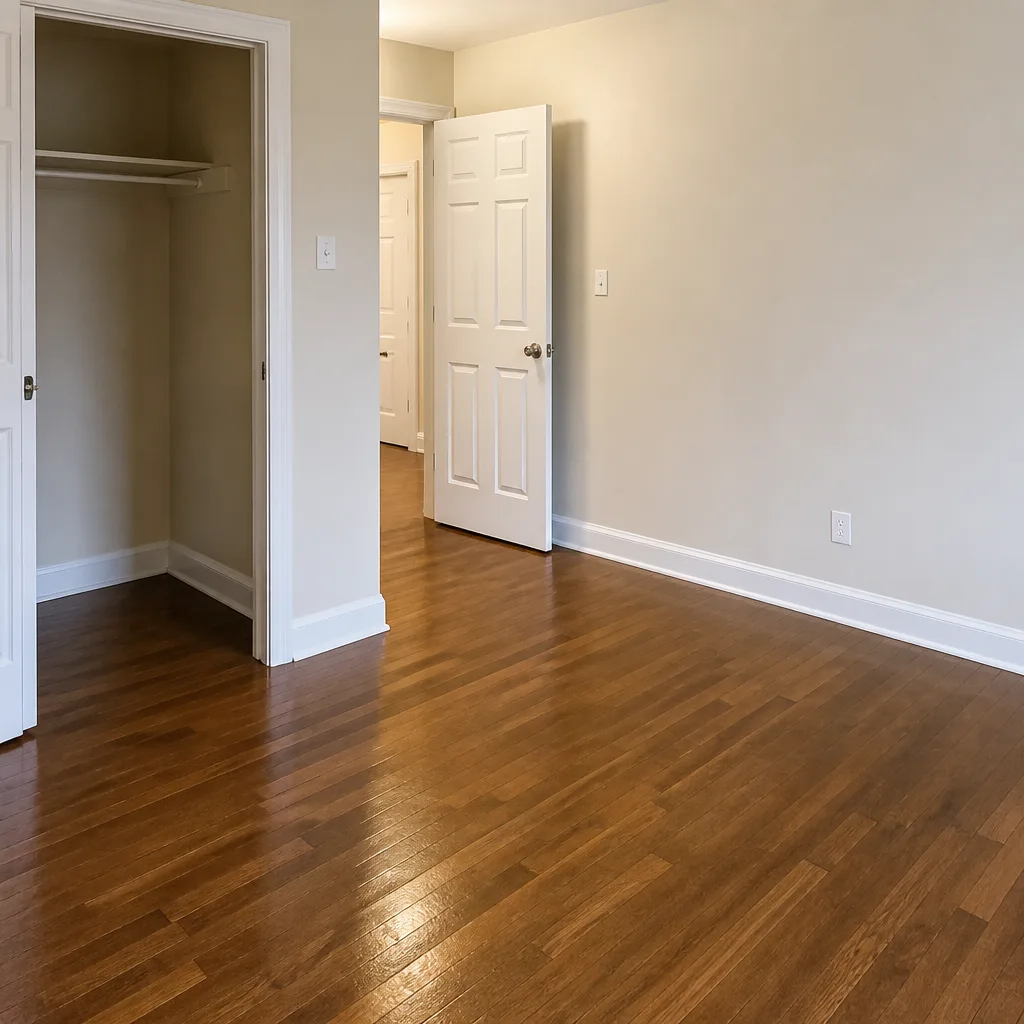 After
After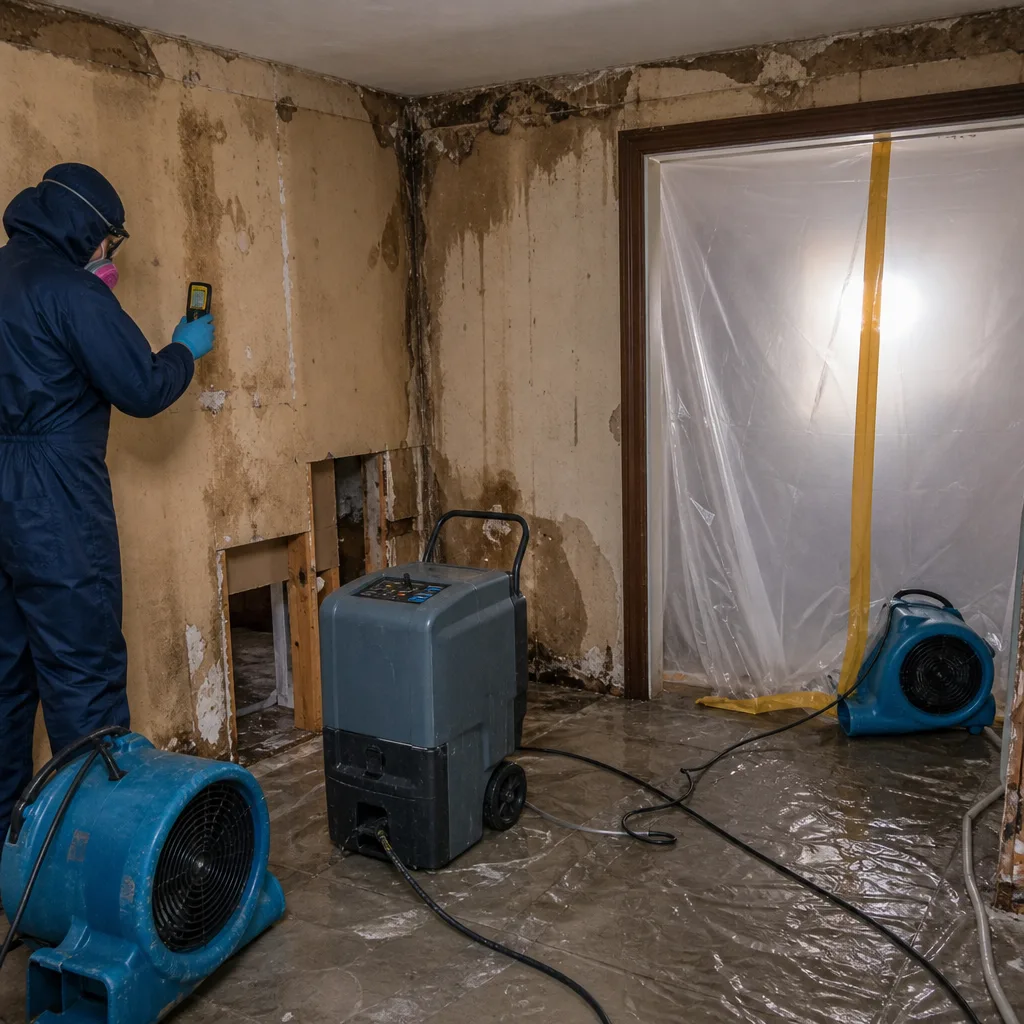 Before
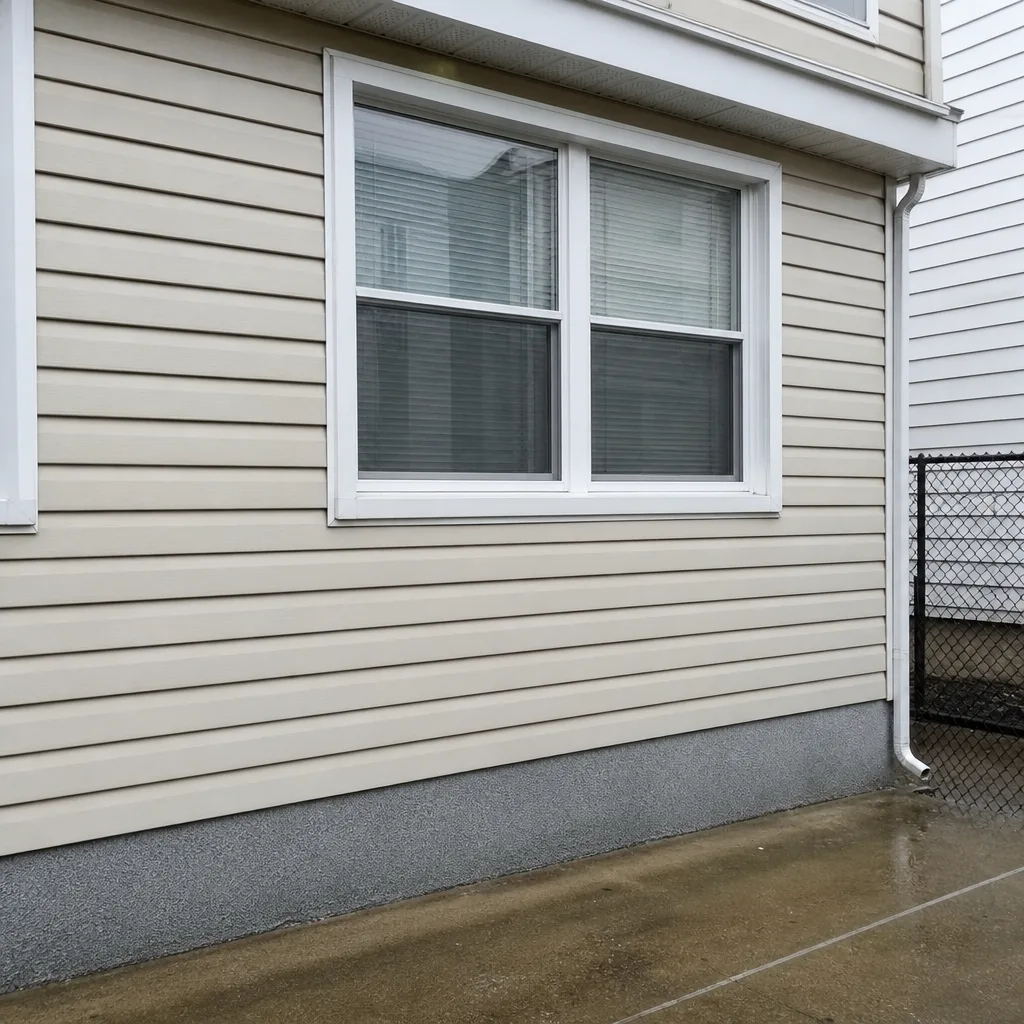 After
After24/7 Emergency Storm & Disaster Restoration in Upper West Side
Storm damage in Upper West Side moves fast, and so do we. When wind tears a section of roof off a Riverside Drive co-op or a summer thunderstorm pushes sewage up through basement floor drains on West End Avenue, you need a crew that answers the phone at two in the morning and arrives with equipment running, not a sales pitch. Our certified technicians stage throughout the Upper West Side and reach most buildings within 45 minutes of your call. Extraction starts the same visit, because every hour water sits in a prewar plaster wall is another hour it wicks deeper into horsehair lath and original hardwood. Call (640) 221-3499 now. A live dispatcher answers, a crew gets moving, and your free visual inspection tells you exactly what you’re facing before any work begins.
Understanding Storm & Disaster Restoration Severity in Upper West Side Properties
Not all storm water is created equal. Category 1 water comes from a broken supply line or radiator valve. Category 2 carries detergents and biological contaminants from appliance overflows. Category 3 is the one Upper West Side basement owners know too well: sewage-tainted water backed up from Manhattan’s combined sewer system during a heavy downpour. Category 3 means full cut-out of wet drywall and insulation, not just drying, because the pathogens involved make structural drying a mold risk within 24 to 48 hours. Moisture mapping with thermal imaging shows us where water migrated behind original plaster and lath, which is often two or three apartments away from the visible source. In a 1910s brick-and-limestone co-op with cast-iron risers, water travels vertically and laterally before it ever shows as a stain. That’s why our crews read the building, not just the room where the ceiling opened up. If you have wind damage from a nor’easter that breached the building envelope, we’re looking at bulk-water intrusion through deteriorated mortar joints on west-facing elevations along Riverside Drive, where Hudson River wind-driven rain hits hardest.
Why Upper West Side Property Owners Choose Floodline Restoration Co.
- 45-minute response commitment. Crews stage across the Upper West Side, from Lincoln Square up to Morningside Heights, so dispatch is measured in minutes, not hours.
- Live answer, 24/7. A real dispatcher picks up at 2 a.m., not a recording. You’ll never navigate a phone tree while water rises.
- IICRC-certified crews. Our technicians hold WRT, ASD, and FSRT certifications and know prewar building systems: steam risers, galvanized stacks, and plaster-and-lath construction.
- Free visual inspection. We assess the loss, map the moisture, and give you a written scope before anyone touches a wall. No surprises.
- Direct insurance billing. We coordinate with your co-op’s master policy and your HO-6 carrier, and we bill them directly. You don’t play messenger.
- One team, start to finish. Extraction, drying, plaster-matched repair, and full reconstruction. No mid-job handoff to a crew you’ve never met.
Our Storm & Disaster Restoration Process
Inspection & Assessment
We arrive with thermal imaging cameras and moisture meters, mapping water migration through walls, ceilings, and flooring. In Upper West Side prewar buildings, we check adjacent apartments, because vertical risers spread water far beyond the visible source.
Extraction & Stabilization
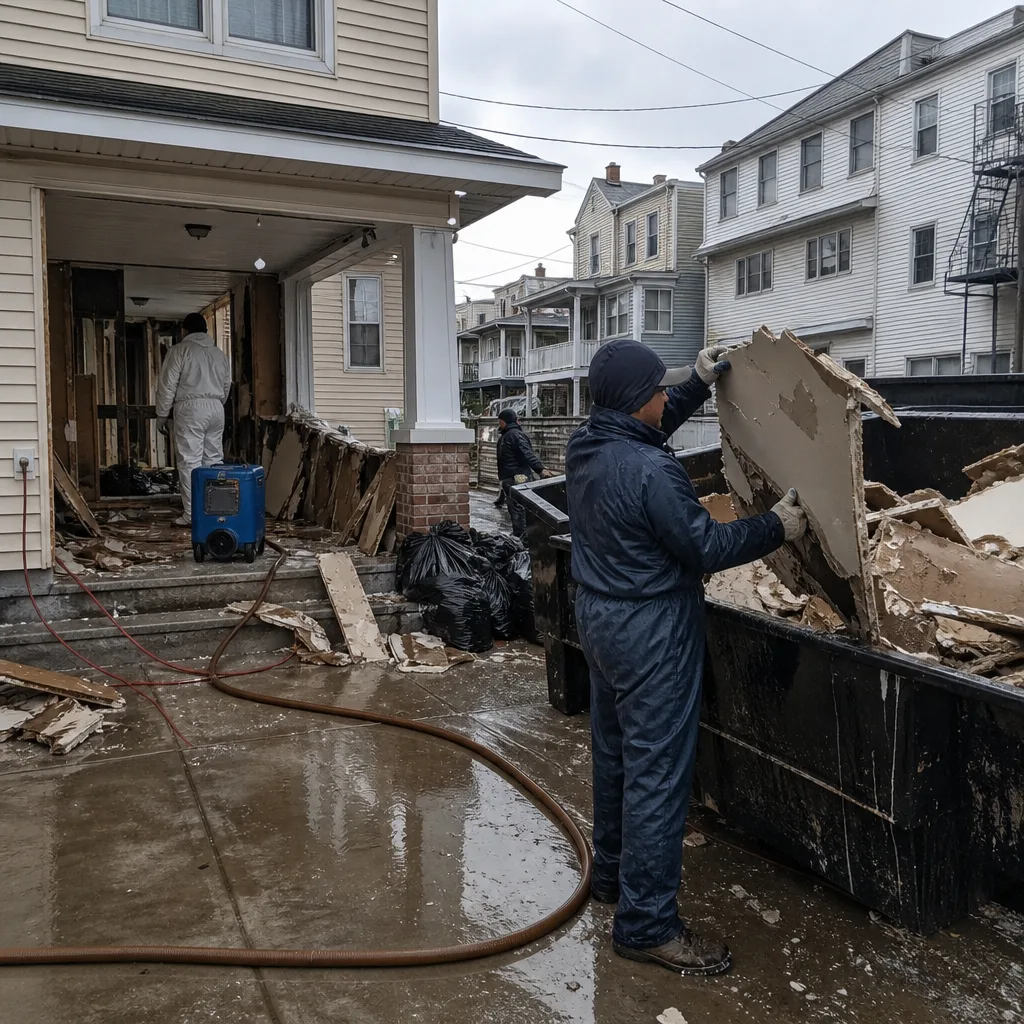
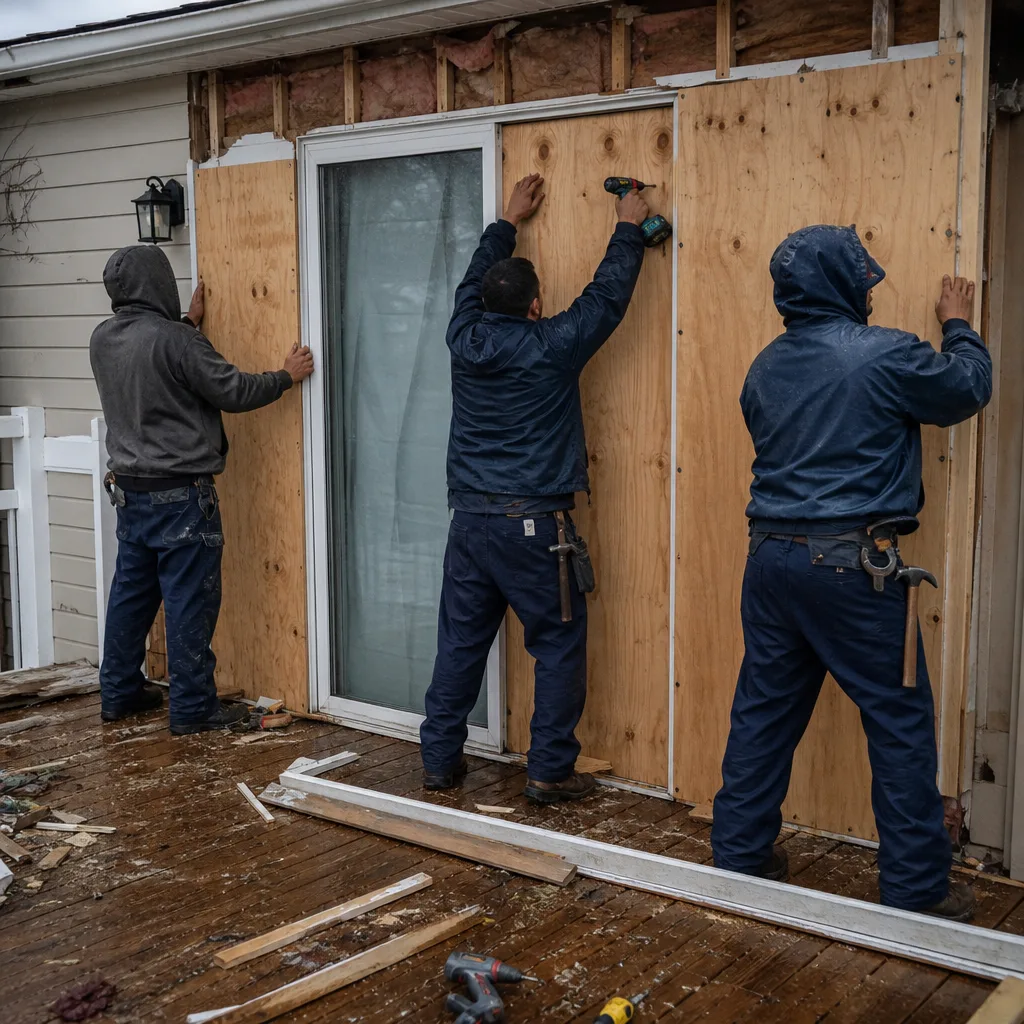
Truck-mounted extraction pulls standing water from floors and basement mechanical spaces. We stabilize ceilings at risk of collapse, and for wind-breach losses we board up broken windows and tarp damaged roof sections the same visit.
Drying & Dehumidification
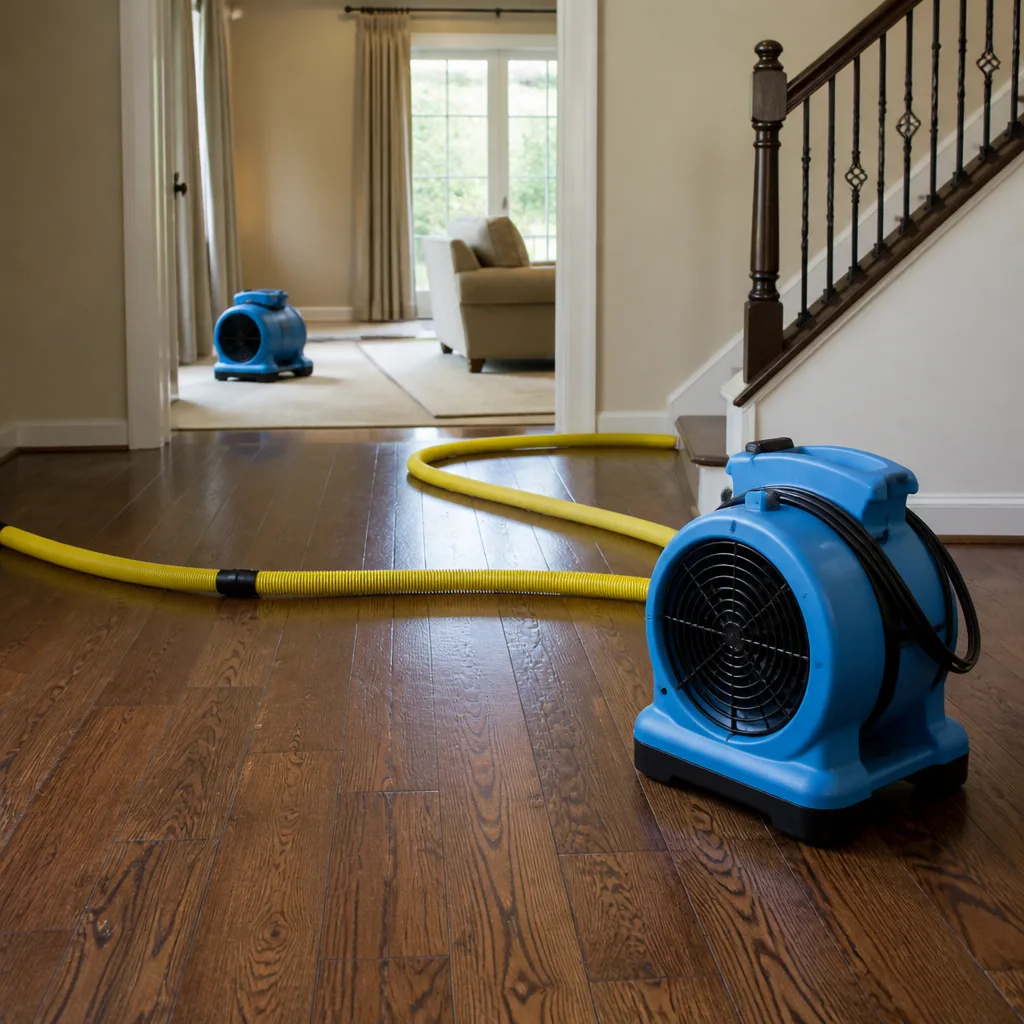
Dri-Eaz LGR 7000XLi dehumidifiers and XPOWER air movers run until our hygrometers confirm the dry standard is met. Plaster walls dry slower than drywall, so we log daily readings and adjust equipment placement as the moisture map shifts.
Cleaning & Sanitization
For Category 3 sewer backups, we cut out contaminated materials, then sanitize and treat remaining surfaces with antimicrobial agents. HEPA air scrubbers run throughout containment to capture airborne particulates.
Specialty Treatment for Storm Damage
On LPC-designated buildings, exterior envelope repairs require materials and methods that match the original fabric. We coordinate with Landmarks Preservation Commission requirements while protecting the interior from further exposure.
Repairs & Restoration
The same crew that extracted water rebuilds the walls, ceilings, and floors, matching original plaster profiles rather than defaulting to drywall. You get a finished space that looks like the building always looked, backed by our 90-Day Done Right Promise.
Need Emergency Storm & Disaster Restoration in Upper West Side Now?
Crews minutes away, answering live 24 hours a day. The sooner we start, the less it costs.
Working With Your Insurance Company
Storm and disaster claims in Upper West Side co-ops get complicated fast. There’s the building’s master policy, your HO-6 unit-owner policy, and often a third carrier for the unit below you that caught water through the ceiling. We handle all of it. From the first hour, our team documents everything: photos before demolition, moisture readings, daily drying logs, and a line-item scope of work written to the standard your adjuster expects. We speak to your carrier directly, send the files they need, and bill them directly so you’re not floating a five-figure restoration bill while waiting on a check. After 42 years serving local communities, we know what insurers will approve and how to document it so the claim moves. The 90-Day Done Right Promise means what we restore stays restored, and if something isn’t right, we make it right in writing. No paperwork battles, no arguing.
What We Provide Your Insurer
- Thorough documentation of the loss
- Photos of all damage, room by room
- Moisture readings and drying logs
- A detailed, line-item scope of work
- Direct coordination with your carrier
Built for Upper West Side’s Loss Calendar
Upper West Side storm losses follow a pattern older than the Dakota. January deep freezes crack supply lines and freeze radiator valves in unheated vestibules and basement utility rooms. Spring thaw brings seepage through aged mortar joints on brick facades, especially on Riverside Drive where freeze-thaw cycles have worked on century-old masonry for over a hundred winters. Summer thunderstorms overwhelm Manhattan’s combined sewer system, sending Category 3 water up through basement floor drains and into the storage rooms and mechanical spaces that line every prewar building along Central Park West. And every October, when supers throttle up steam pressure for heating season, aged radiator supply valves and union fittings fail in a predictable spike local crews call “radiator season.” That’s the Upper West Side reality: the disaster calendar is written into the buildings themselves. Our crews pre-stage for the first hard cold snap because we know it will flood multiple buildings within a few square blocks the same night.
Storm & Disaster Restoration Across Upper West Side’s Neighborhoods
Response routes matter. From Lincoln Square up to Morningside Heights, our crews navigate narrow side streets, double-parked moving trucks, and co-op service entrances that require superintendent coordination before we can even set foot in the basement. Along Riverside Drive and West End Avenue, the big prewar towers dominate, and wind-driven rain from the Hudson is a constant pressure on west-facing facades. A tarp job on a 16-story Riverside co-op means rooftop access, wind-load anchoring, and often LPC notification because the building envelope is landmarked. Over on Columbus and Amsterdam Avenues, we see more mid-rise walk-ups with original wood-frame windows that fail during nor’easters, sending water across original oak parquet. Further east toward Central Park West, basement mechanical rooms share walls with staff quarters and storage cages; when the combined sewer backs up on a hot July afternoon, the damage is almost always Category 3 and immediate cut-out is the only correct response. We know the service entrances, the freight elevator hours, and the super’s name at half the co-ops between 59th and 110th. That local knowledge shortens response time and keeps co-op boards informed at every step.
Specialized Storm & Disaster Restoration Services We Offer in Upper West Side
Flood Damage Restoration
When a steam riser lets go in a 1912 co-op, water moves down through stacked apartments in minutes. Our Storm & Disaster Restoration team tracks that vertical migration with thermal imaging, opens only what needs opening, and dries to the moisture map. Plaster-matched repair follows, because a 1925 co-op doesn’t get drywall and call it done.
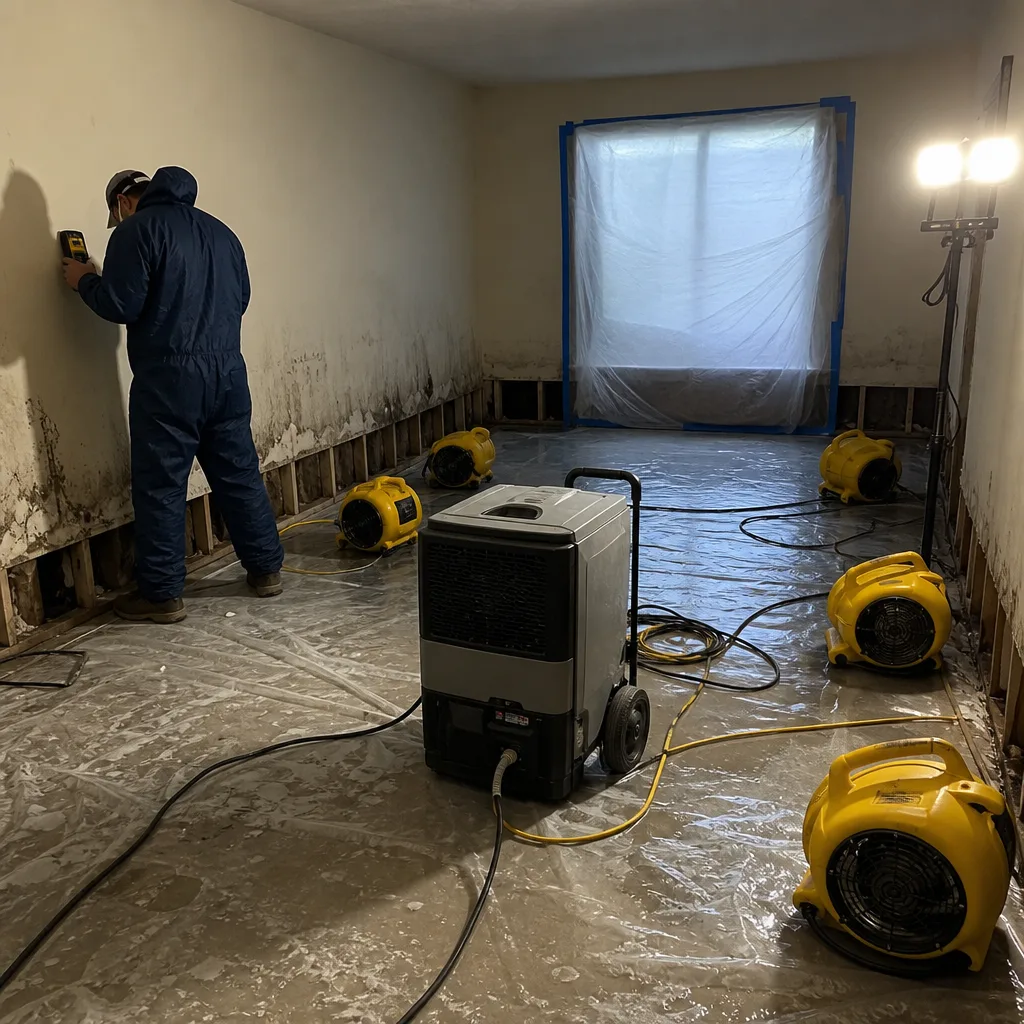
Emergency Board-Up
Wind-blasted windows on a landmarked Riverside Drive building need urgent protection from weather and intrusion. We board up with materials that don’t damage original frames, photograph everything for the claim, and coordinate with building management and the LPC where exterior work is involved.
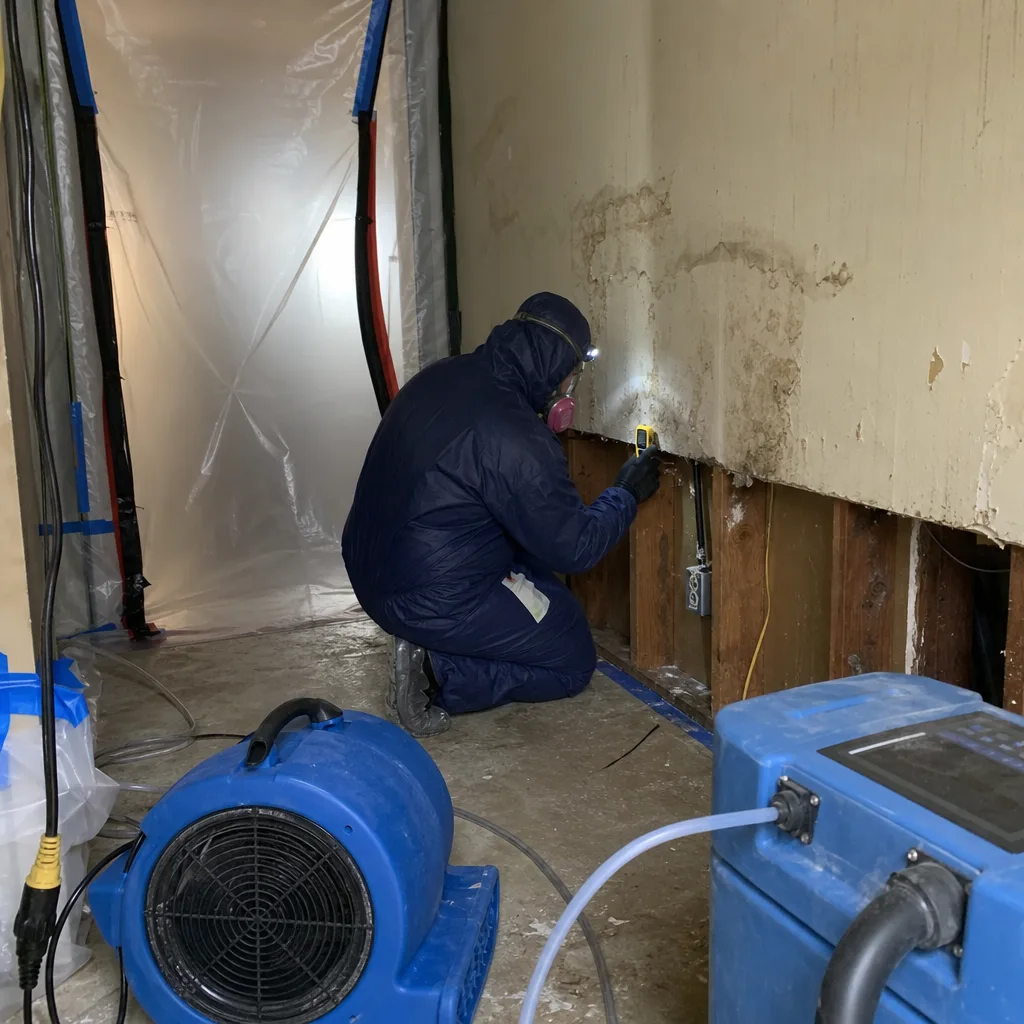
Roof Tarping
Flat tar-and-gravel roofs and older slate or copper detailing take a beating in nor’easters. We tarp with anchored, weather-sealed systems designed for Manhattan wind loads. A properly set tarp buys time for a full roofing scope while protecting the apartments below from further water.
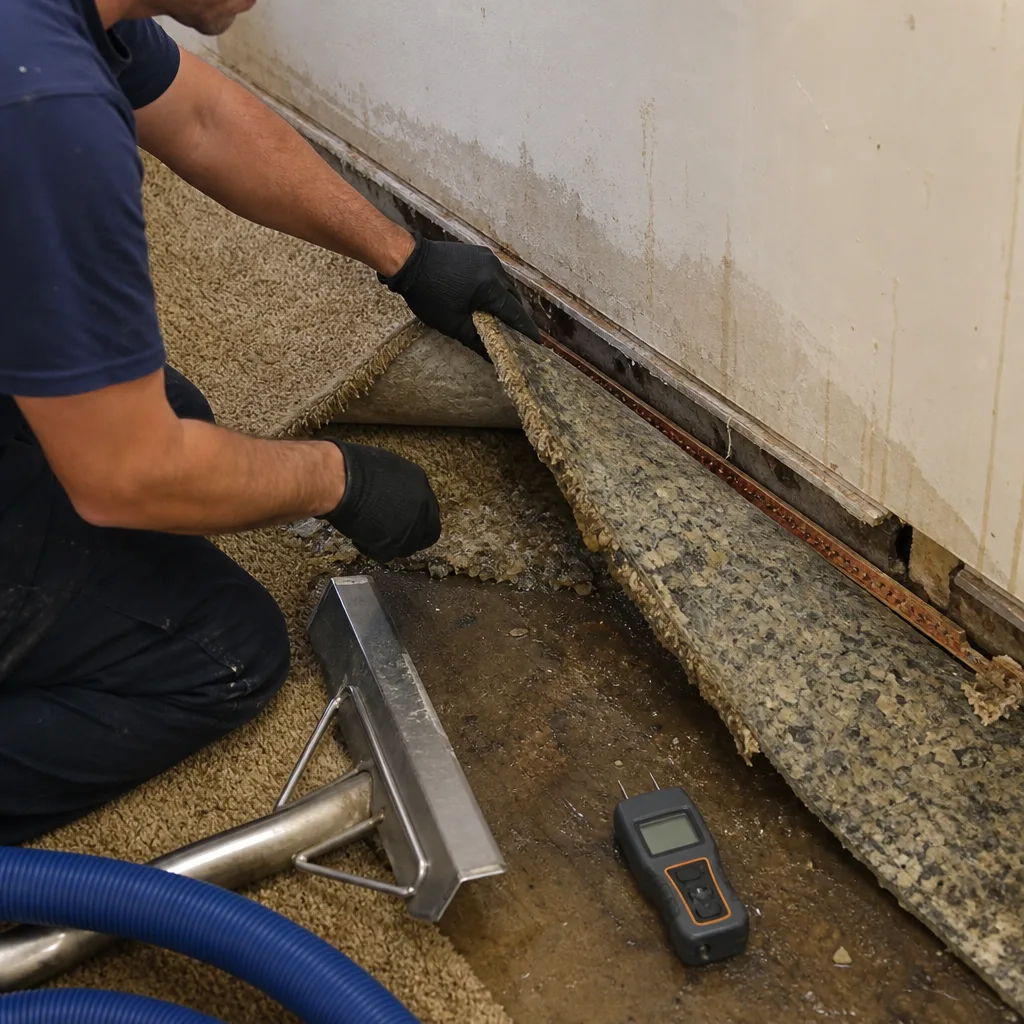
Storm Damage Cleanup
Downed tree limbs, flying debris, and wind-driven rain leave interiors soaked and exterior grounds hazardous. We clear debris, extract water, stabilize structures, and start drying the same visit. If the damage involves sewage, we treat it as Category 3 from the first hour.
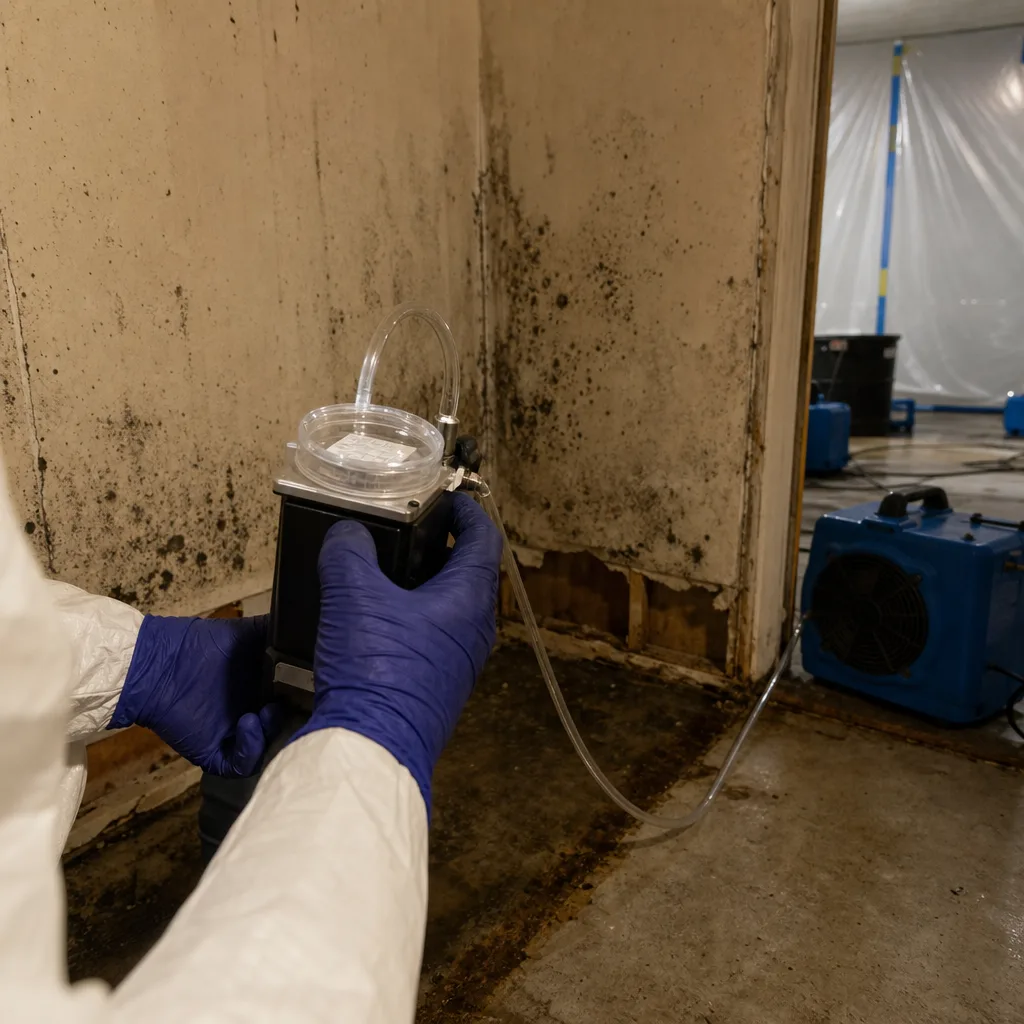
Debris Removal
Post-storm debris in Upper West Side alleys and light wells blocks access and creates safety hazards. Our crews remove it efficiently, document everything for your claim, and leave the path clear for building residents. No dumpster games, no surprise haul-away fees.
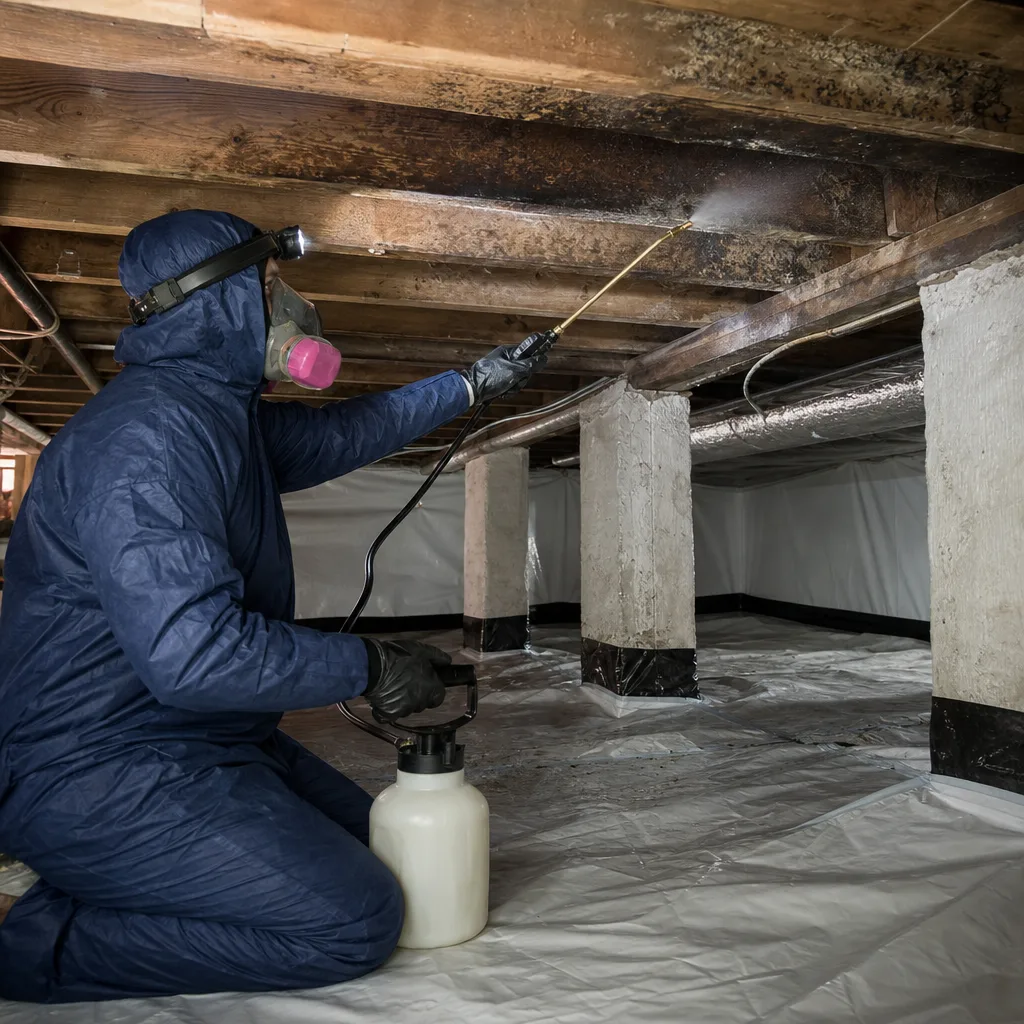
What happens when you call
- 1
A real person answersNo phone trees - you reach a local pro.
- 2
You get an upfront price rangeHonest numbers before anyone is dispatched.
- 3
A background-checked tech heads outLicensed & insured, dispatched right away.
- 4
You approve before work beginsNothing starts until you say go.
Storm & Disaster Restoration Costs in Upper West Side, NY
What you pay depends on how far water traveled and what it touched. A straightforward Category 1 radiator leak contained to one apartment with extraction and drying typically runs $2,800 to $5,400 in Upper West Side. A multi-floor steam riser failure that requires opening walls across three units, full drying, and plaster repair lands between $9,000 and $24,000. Sewer backup from the combined system in a basement storage room, with cut-out, sanitization, and rebuild, usually runs $6,500 to $18,000. Emergency roof tarping runs $1,200 to $3,800 depending on roof access and wind-load anchoring. Board-up for a broken window starts around $450. The free visual inspection is how you get a firm number instead of a guess. We walk the loss, map the moisture, and hand you a written scope before any work starts. Most Upper West Side storm losses are covered under your co-op’s master policy or your HO-6, and we bill carriers directly so the cost to you is your deductible, not the whole claim.
We Also Serve Cities Near Upper West Side
Our crews cover the entire Upper West Side, from Lincoln Square to Morningside Heights. We also respond to storm and disaster losses in Midtown West, Midtown Manhattan, Upper East Side, and Upper Manhattan. If your building sits near any of these corridors, call (640) 221-3499 and a live dispatcher will route the nearest available crew.
Serving Upper West Side, NY - Our Local Coverage Area
We’re based in the Upper West Side area and know this community well. Use the map below to see our service coverage - if you’re nearby, we can almost certainly help.
Upper West Side Storm & Disaster Restoration Questions, Answered
What’s different about storm water damage in Upper West Side prewar buildings with steam heating?
The difference is the plumbing itself. Prewar buildings along Central Park West and West End Avenue share original cast-iron and galvanized drain stacks and steam risers. When one pipe fails, water cascades through 8 to 12 stacked apartments, not just the floor where the leak started. Restoration requires multi-unit moisture mapping, access coordination with multiple unit owners, and often simultaneous claims under the building’s master policy and individual HO-6 policies. A generic dry-out plan that ignores adjacent apartments will miss water trapped behind plaster and lath, and mold will follow within 48 hours. Call (640) 221-3499 for a restoration plan that accounts for the whole riser, not just the visible ceiling stain.
Do I need co-op board approval for emergency water extraction in my UWS apartment?
No. Emergency mitigation to prevent further damage is not an alteration requiring board approval. You or your super can authorize extraction and drying immediately. What does require board involvement is any work that touches building systems or common elements, like a shared riser, the building roof, or exterior masonry. We handle that coordination for you: we speak to the super, the managing agent, and the board where needed, and we document everything for the master policy claim. If you’re a shareholder watching water run down your wall, start mitigation first, then let us manage the paperwork.
How do you handle sewer backups from Manhattan’s combined sewer system in UWS basement storage rooms?
As Category 3 water, which means full cut-out, not drying. Sewage-tainted water carries pathogens that can’t be removed by dehumidification alone. We remove the wet drywall, insulation, and any porous materials, sanitize the remaining structure with antimicrobial treatment, and run HEPA air scrubbers throughout containment. Then we rebuild. If a company tries to dry Category 3 water instead of cutting it out, mold takes hold within 24 to 48 hours and the restoration becomes far more expensive. Call (640) 221-3499 and we’ll start the correct protocol the same visit.
What if my UWS building needs roof tarping or board-up after wind damage, but it’s Landmarks-designated?
Emergency protection like tarping and board-up is considered temporary stabilization, not a permanent alteration, and can proceed immediately. We photograph everything, document the condition before work, and coordinate with the LPC on any permanent exterior repairs that follow. The key is doing the emergency work properly: anchored tarps rated for Manhattan wind loads, board-up materials that don’t damage original window frames, and full documentation for the master policy claim. Our crews have handled LPC-designated buildings on Riverside Drive and Central Park West, and we know the protocol.
Why does structural drying take longer in prewar UWS apartments with plaster walls?
Original horsehair-and-plaster walls are denser and more absorbent than modern drywall. Water penetrates deeper, dries slower, and hides in places thermal imaging alone can miss. We run Dri-Eaz LGR 7000XLi dehumidifiers and XPOWER air movers longer on these jobs, take daily moisture readings, and adjust equipment placement as the map shifts. A typical single-apartment drying job in a prewar co-op runs 3 to 5 days; a multi-floor riser failure can require 7 to 10 days before the dry standard is met. Rushing that process means trapped moisture, and trapped moisture means mold behind walls you just paid to restore. We’d rather take the extra days and hand you a drying log that proves the job was done right.
How fast can someone actually get to my Upper West Side apartment?
Our target is 45 minutes from your call to our crew at your door. We stage throughout the Upper West Side, from Lincoln Square up to Morningside Heights, so proximity is rarely the limiter. Peak demand hits during the first hard cold snap of radiator season and during severe summer thunderstorms, when multiple buildings flood at once. Even then, a live dispatcher tells you exactly where the crew is and when they’ll arrive. Call (640) 221-3499 and you’ll talk to a person, not a recording.
Do I really need full restoration, or can I just clean up and dry it myself?
If the water is Category 1 from a clean supply line, and it’s a small area, you can sometimes dry it with fans and patience. But if it’s Category 2 or 3, from an appliance or the city sewer system, or if it’s touched walls and traveled between floors, you need professional moisture mapping and structural drying. Water in a prewar wall cavity doesn’t evaporate on its own; it feeds mold and rots original lath. A free visual inspection answers this question honestly. We’ll tell you if it’s a mop job or a mitigation job, and we’ll give you a written scope either way. Call (640) 221-3499.
What certifications do your crews hold?
Our technicians are certified to IICRC, RIA, and IFA standards, with specific credentials in Water Damage Restoration (WRT), Applied Structural Drying (ASD), and Fire and Smoke Restoration (FSRT). We run Dri-Eaz, Phoenix, XPOWER, B-Air, and Injectidry equipment, and our crews are background-checked and uniformed on every job. The same certified team that extracts water from your apartment handles the daily moisture readings, the drying logs for your insurer, and the plaster-matched reconstruction that puts your home back the way it was.
Storm damage in Upper West Side doesn’t wait, and neither should you. Last October during the first hard cold snap, our techs were already staged near Riverside Drive when a 1912 co-op’s steam radiator supply valve split open, sending Category 1 water down five floors before the super could isolate the riser. We set containment with HEPA air scrubbers, used thermal imaging and moisture mapping to track water migration through original horsehair-and-plaster ceilings, and ran Dri-Eaz LGR 7000XLi dehumidifiers and XPOWER air movers for 72 hours. Because the building is LPC-designated, our scope of work included plaster-matched repair rather than drywall replacement, and we documented drying logs daily for the building’s master insurer and three separate HO-6 carriers. That’s the job. That’s the standard. If you’re facing water, wind, or sewer backup right now, call (640) 221-3499. A live dispatcher answers, a certified crew gets moving, and your free inspection tells you exactly what you’re dealing with. Done right, and backed in writing.
Written by Curt Bowman, Owner at Floodline Restoration Co., serving Upper West Side since 2010.