
Free visual inspection and a written scope of work before any mitigation begins - photos, moisture readings, and drying logs go in your claim file
The scope we write is the scope we bill. Anything new gets shown to you, in writing, before we touch it.
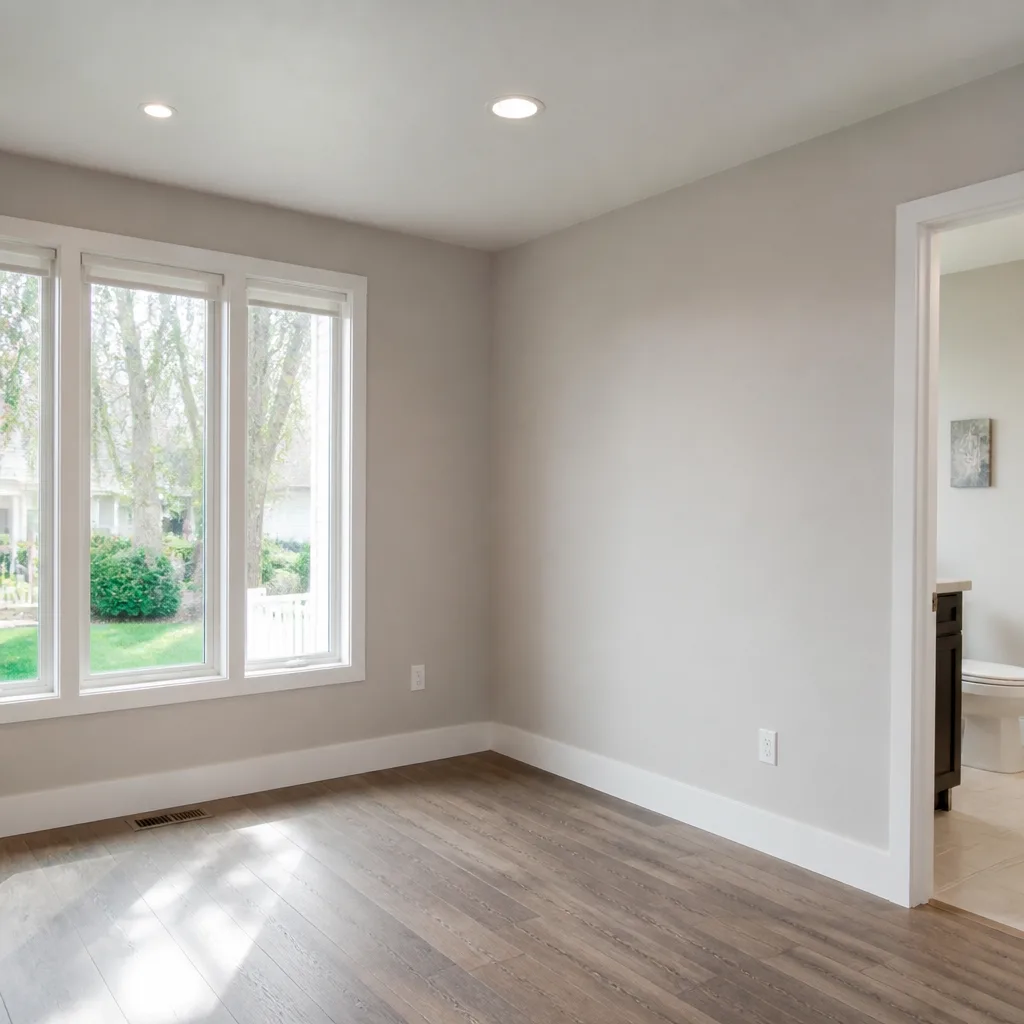
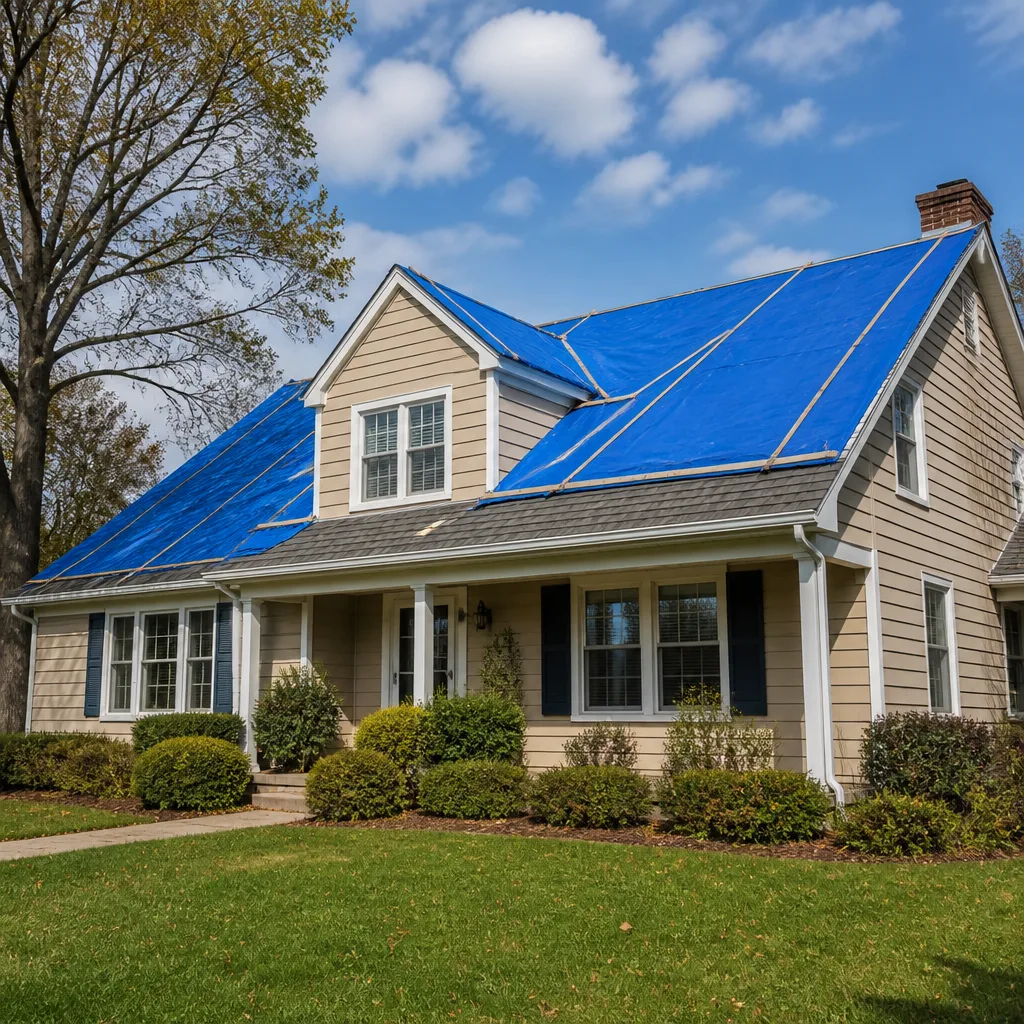
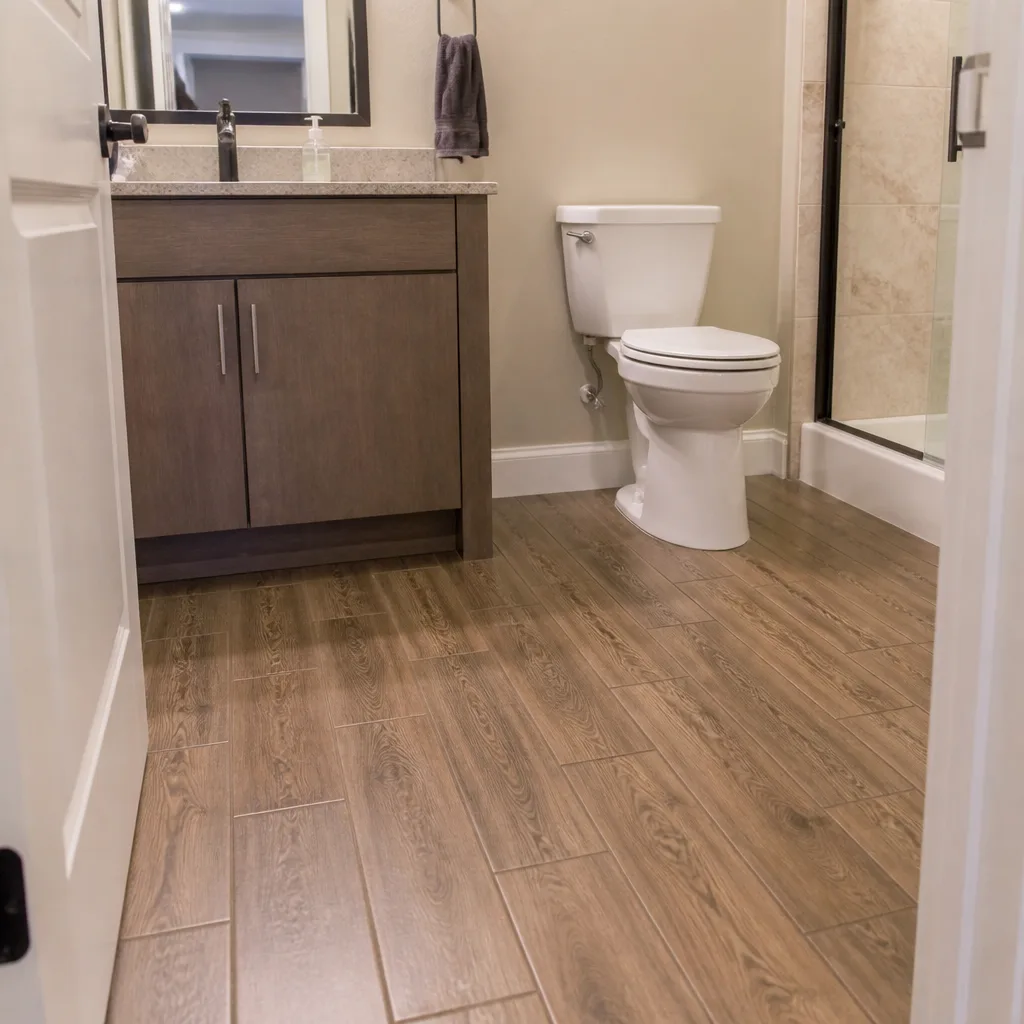
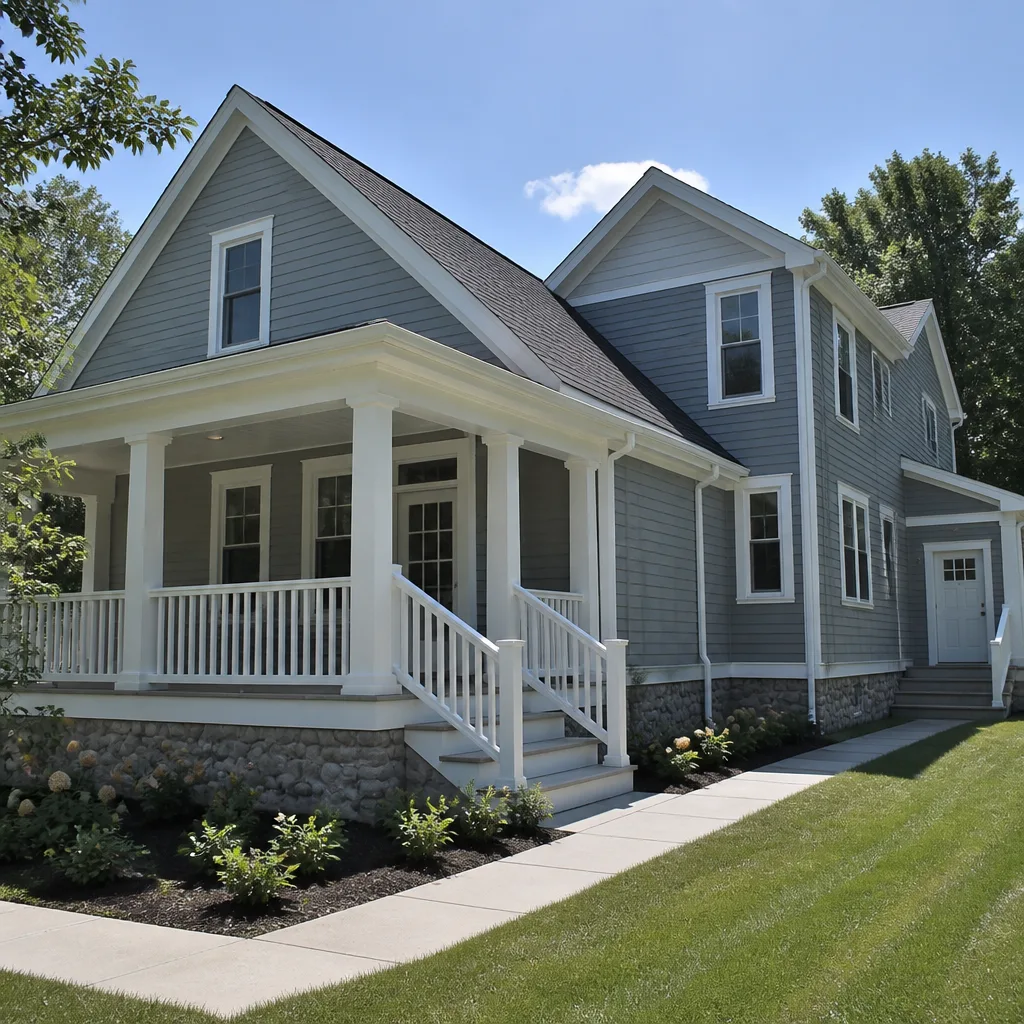
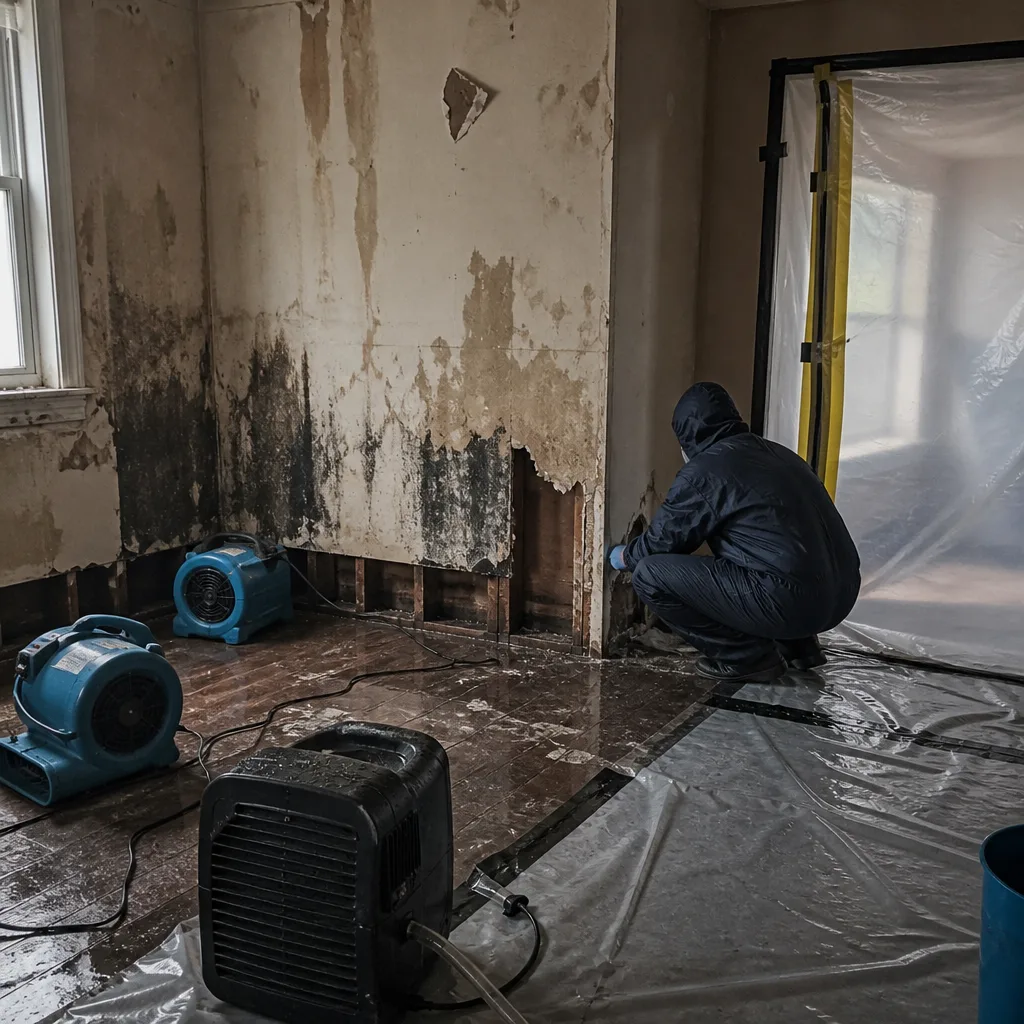 Before
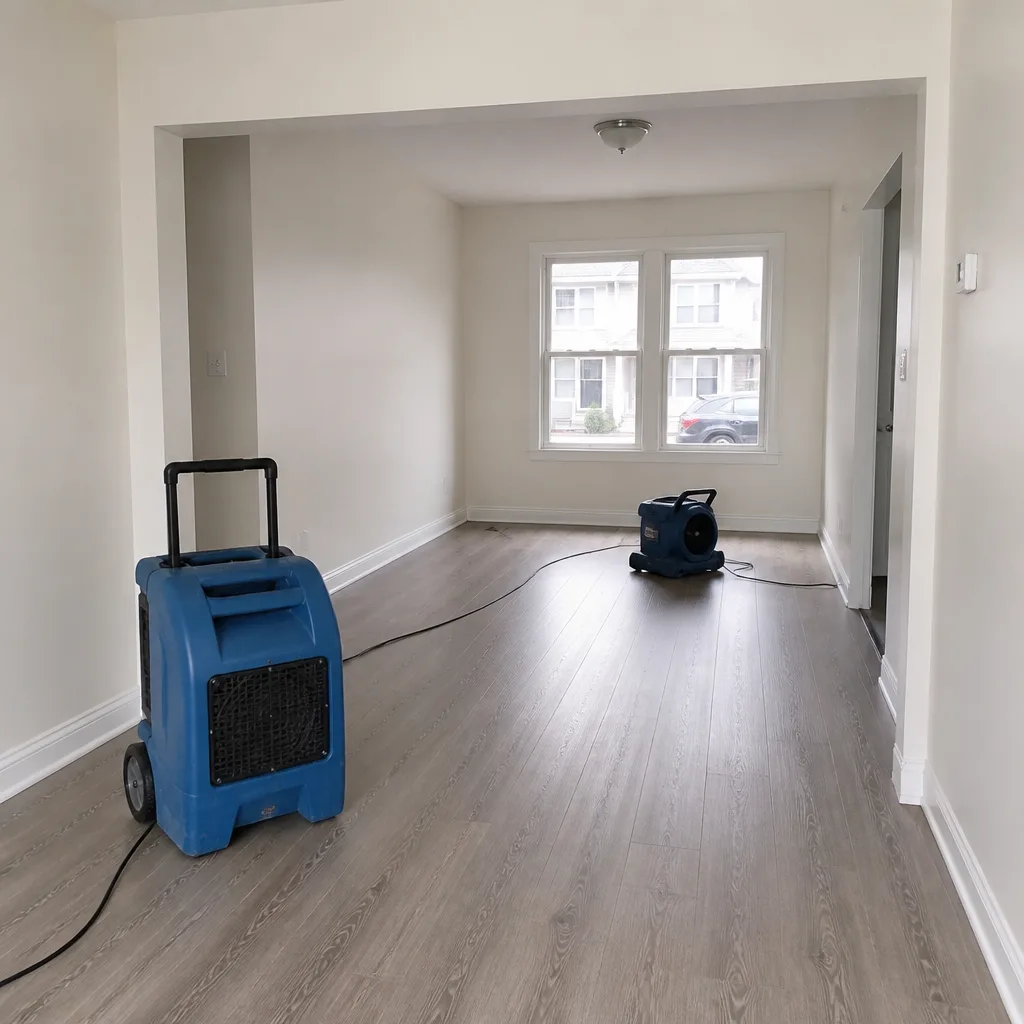 After
After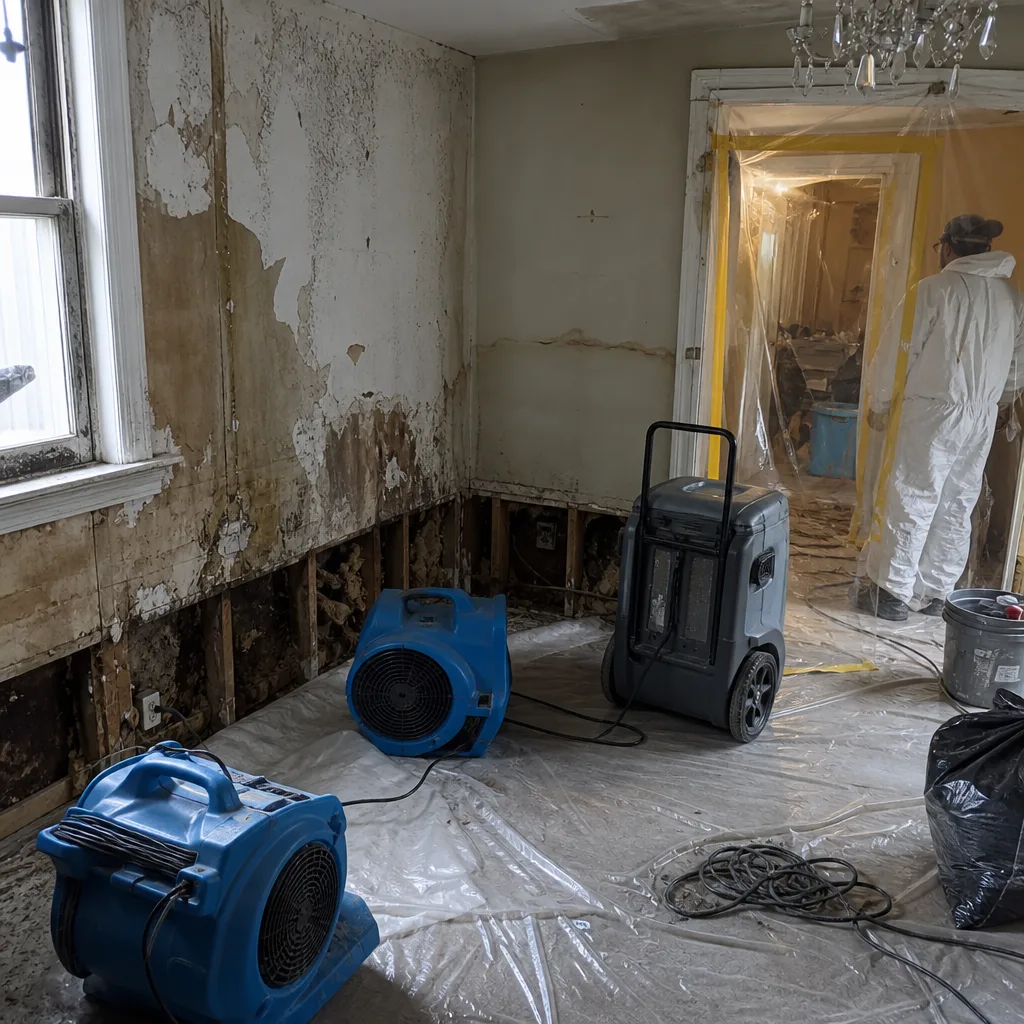 Before
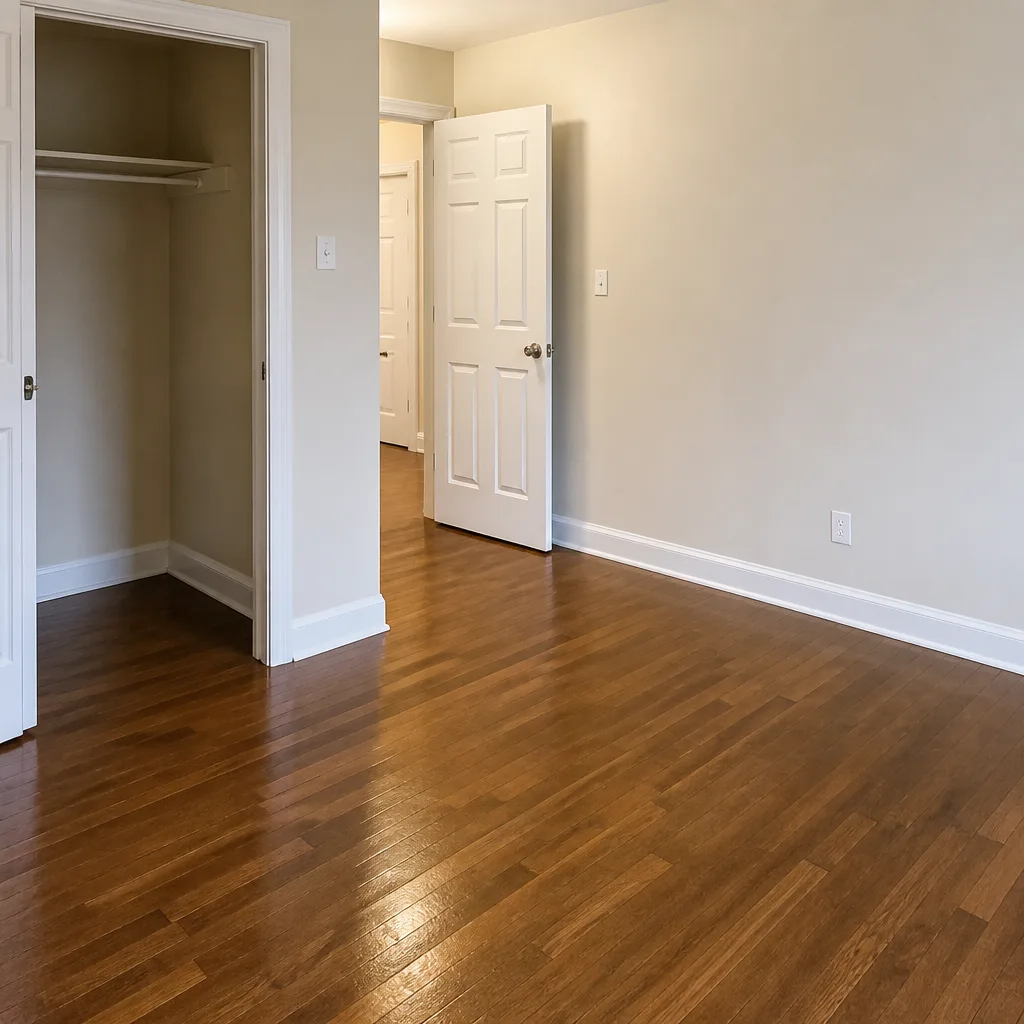 After
After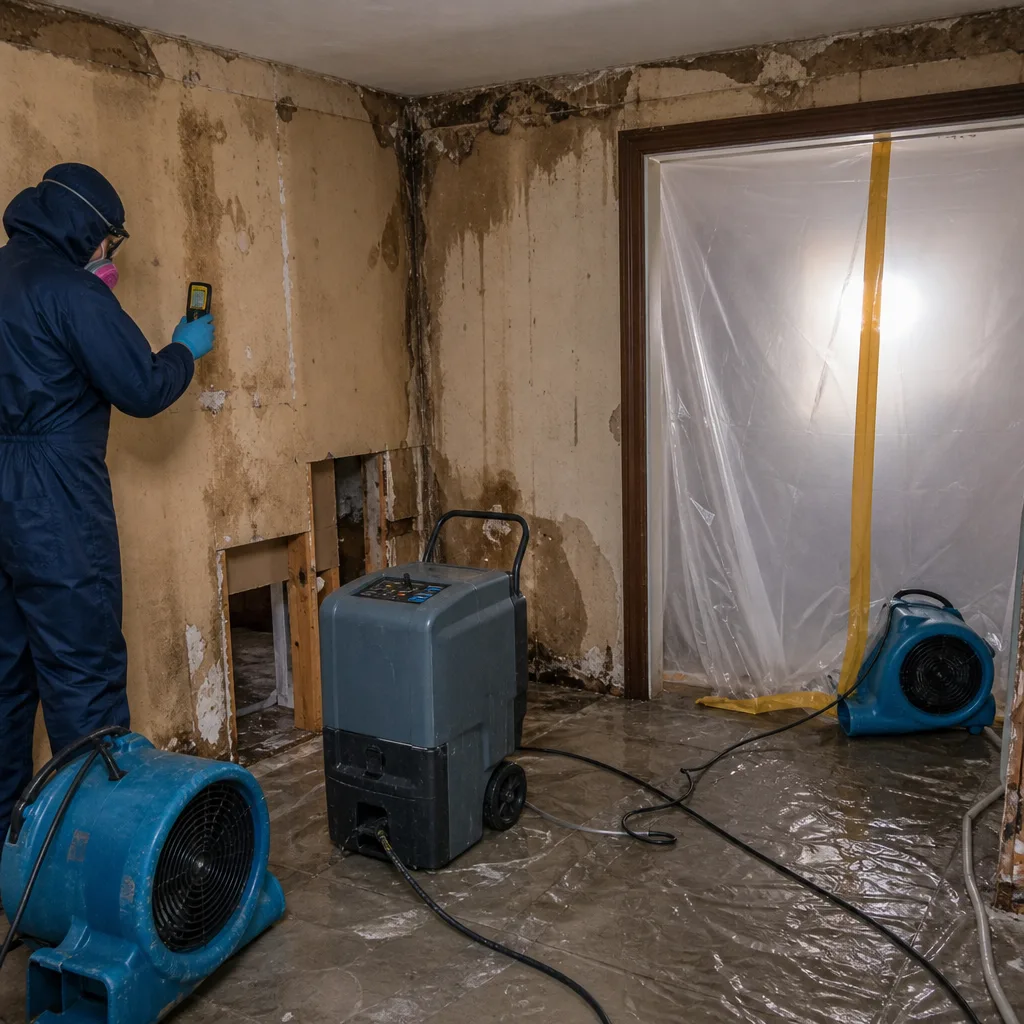 Before
 After
After24/7 Emergency Storm & Disaster Restoration in Union City
Storm damage in Union City moves fast, and so do we. A live dispatcher answers at (640) 221-3499 any hour of the day or night, and a certified crew can be on site within 45 minutes of your call. The first hour after a nor’easter tears through a roof membrane or a backed-up storm drain floods a ground-floor unit is when the real damage starts compounding: water wicks into 1910s plaster, saturated lath swells, and hidden mold takes hold inside wall cavities. We arrive with professional-grade drying equipment sized for tight tenement access, not suburban garages. Every emergency in Union City starts with a free visual inspection so you know exactly what you’re facing before any work begins.
Understanding Storm & Disaster Restoration Severity in Union City Properties
Storm restoration is not one job. It’s a sliding scale, and in Union City the building stock makes the scale heavier at both ends. Category 1 water from a wind-driven roof leak is clean but still destroys plaster and lath if it sits for 48 hours. Category 2 water (think sump pump overflows or storm drain backflow) carries contaminants that demand antimicrobial treatment of every affected surface. Category 3 water, the kind that comes from saturated ground pushing into basement units during heavy rain events, is grossly unsanitary and requires full containment, extraction, and disposal of porous materials. What surprises most property owners is how quickly Category 1 becomes Category 2 inside a wall cavity that never dries. That’s why we run thermal imaging scans on every job to find moisture the naked eye misses behind original plaster and under 1940s oak flooring. In attached buildings, severity also spreads horizontally through party walls, so we treat every job as a multi-unit risk until the moisture map says otherwise.
Why Union City Property Owners Choose Floodline Restoration Co.
- 45-minute response commitment: When dispatch sends a crew to an address in Union City, we commit to having eyes on site within 45 minutes, not just a callback. Emergency contact is the whole point.
- 24/7 live answer, no automated systems: A real person picks up the phone at 2 a.m. during a March nor’easter. You describe what happened, we tell you what to do in the next 30 minutes, and a crew is rolling.
- IICRC-certified crews: Our technicians carry WRT, FSRT, and AMRT certifications and are trained to RIA and IFA standards. They know how storm water interacts with pre-war plaster, balloon framing, and shared chimney stacks.
- Free visual inspection: Before any equipment comes off the truck, we walk the affected units and give you a straight read on scope, severity, and what insurance will likely cover. No obligation.
- Direct insurance billing: We document from the first hour, write industry-standard estimates, and work directly with your carrier. You never play messenger between Floodline and an adjuster.
- One team from extraction to reconstruction: The same certified crew that performs Category 3 extraction handles structural drying, repairs, and full rebuild. No mid-job handoff to someone you’ve never met.
Our Storm & Disaster Restoration Process
Inspection & Assessment
We arrive with thermal imaging cameras and hygrometers, document every affected surface, and map moisture migration through your unit and any adjoining apartments. You get a written scope of work before anything is torn out.
Extraction & Stabilization
Standing water is pulled with professional extractors, saturated carpet and pad are removed, and emergency board-up or roof tarping is installed to stop further exposure. For unsafe conditions, we stabilize before any drying begins.
Drying & Dehumidification
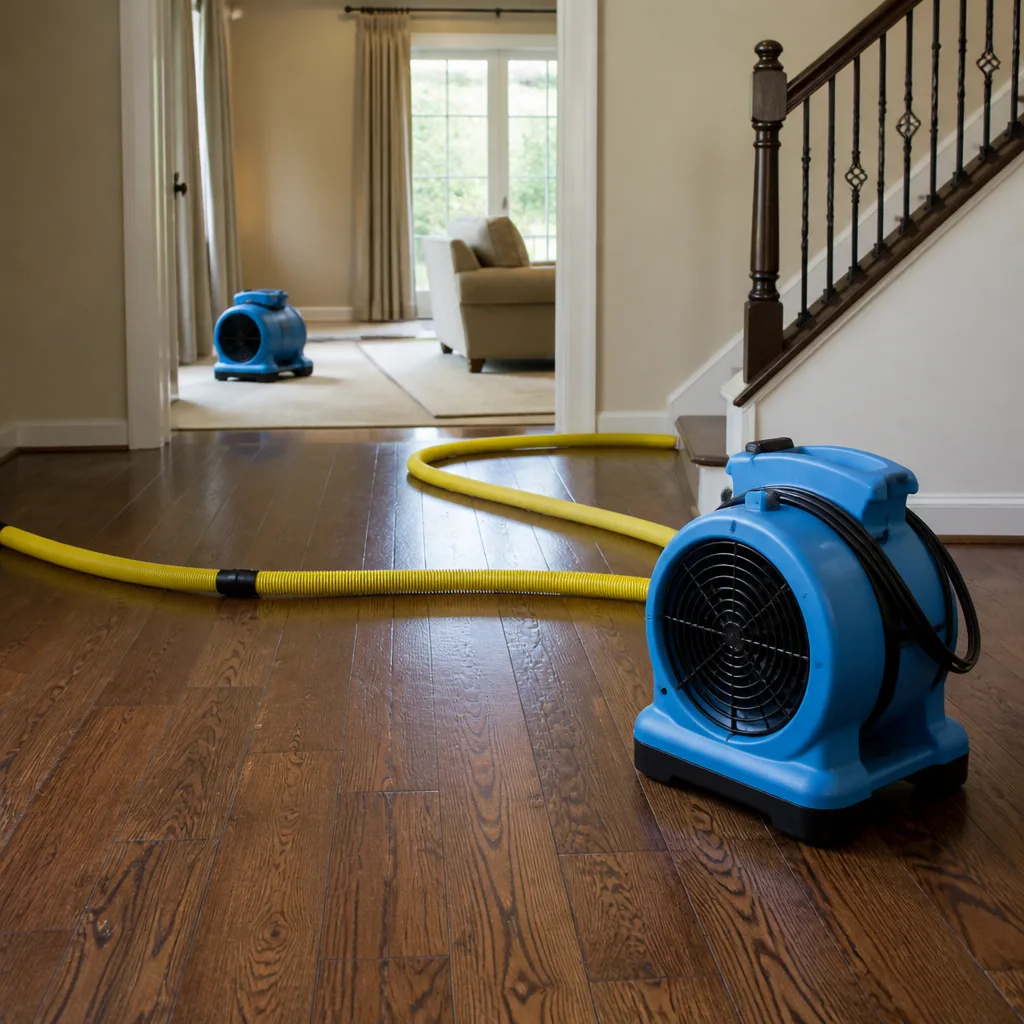
Dri-Eaz dehumidifiers and XPOWER air movers are positioned in each affected unit after being carried up stairwells piece by piece. Daily moisture readings are logged until the dry standard is met, and the log goes to you and your carrier.
Cleaning & Sanitization
Every exposed surface is cleaned, and affected areas receive antimicrobial treatment appropriate to the water category. HEPA air scrubbers run throughout the job to control particulates and contain any mold spores we release during demolition.
Specialty Storm Treatment
For wind-driven rain, roof tarp openings are reinforced, flashings are inspected, and any water-damaged roof decking is addressed before interior repairs begin. Parapet wall cracks and failing brick mortar, common on Union City’s flat-roof walk-ups, get documented for your building’s maintenance planner.
Repairs & Restoration
The same crew that extracted and dried now rebuilds: drywall, plaster repair, flooring, paint, and any structural repairs needed. The job is not done until you have a finished space and the 90-Day Done Right Promise in writing.
Need Emergency Storm & Disaster Restoration in Union City Now?
Crews minutes away, answering live 24 hours a day. The sooner we start, the less it costs.
Working With Your Insurance Company
Storm claims in Union City get complicated fast because one loss event often spans multiple units and multiple carriers. Adjacent apartments with separate policies, each with different deductibles and coverage schedules, need unit-by-unit scope documentation that a suburban restoration crew might never think to produce. We write every line item from the first hour and photograph every affected room before demolition begins. When adjusters need drying logs or moisture readings, we hand them a complete packet, not a spreadsheet scramble. And because we handle full-cycle Storm & Disaster Restoration from extraction through rebuild, the scope we quote at intake is the scope we finish, which keeps supplements honest and keeps your carrier from arguing line items later.
What We Provide Your Insurer
- Thorough documentation of the loss
- Photos of all damage, room by room
- Moisture readings and drying logs
- A detailed, line-item scope of work
- Direct coordination with your carrier
Built for Union City’s Loss Calendar
Storm losses in Union City follow a pattern you could set a calendar by, and each season demands a different response. January and February bring deep freezes that turn the city’s aging supply lines into frozen pipes in unheated stairwells and exposed wall chases. When they burst, water runs down through four floors of apartments before anyone notices. Spring brings saturated ground along the Palisades bluff, where the steep grade funnels groundwater directly against foundation walls and lower-level units that have no sump infrastructure. July and August thunderstorms hit with wind-driven rain that exploits every aging flat roof and parapet crack along Bergenline Avenue. And October through December, nor’easters test every roof membrane, flashing, and window seal in the county. Each season hits Union City’s attached building grid the same way: one point of failure inside a shared envelope, multiple units affected, and no room outside for staging equipment. We plan our dispatch and equipment logistics around that reality, not around the suburbs where driveways and backyards make things easy.
Storm & Disaster Restoration Across Union City’s Neighborhoods
Union City averages over 54,000 residents per square mile. That’s not a statistic; it’s a working condition. In the walk-ups along Palisade Avenue, a roof failure on a six-unit building means entering through a 30-inch front door, climbing three flights of stairs, and working inside occupied apartments where tenants are home and worried. Near 15th Street and New York Avenue, we regularly see parapet wall failures on 1920s brick buildings that send water cascading into top-floor units. The blocks around Columbus Park and West Hoboken border have dense attached housing with no alleys, no driveways, and no curbside staging room, so our crews break down air movers and desiccant units at the curb and carry them up stairwells piece by piece. On Bergenline Avenue mixed-use buildings, we coordinate with ground-floor business owners who need the store reopened while upper-floor apartments are being dried. Every one of these jobs runs through the 07087 ZIP code, but the building-by-building differences are enormous. Our Union City storm restoration work has taught us one thing above all: here, the building is the job site, and every building is different.
Last winter, a nor’easter drove water through a failing parapet on a six-unit walk-up near 15th Street, soaking top-floor plaster and carpet in three apartments. We broke down our XPOWER air movers and B-Air dehumidifiers at the curb, carried them up the narrow stairwell, and set containment and antimicrobial treatment in each unit. After structural drying and daily moisture readings with a Dri-Eaz meter, we rewrote the initial scope of work three times as hidden mold inside the original 1920s lath-and-plaster opened up, and coordinated three separate claim files to get all policies aligned.
Specialized Storm & Disaster Restoration Services We Offer in Union City
Storm Damage Cleanup
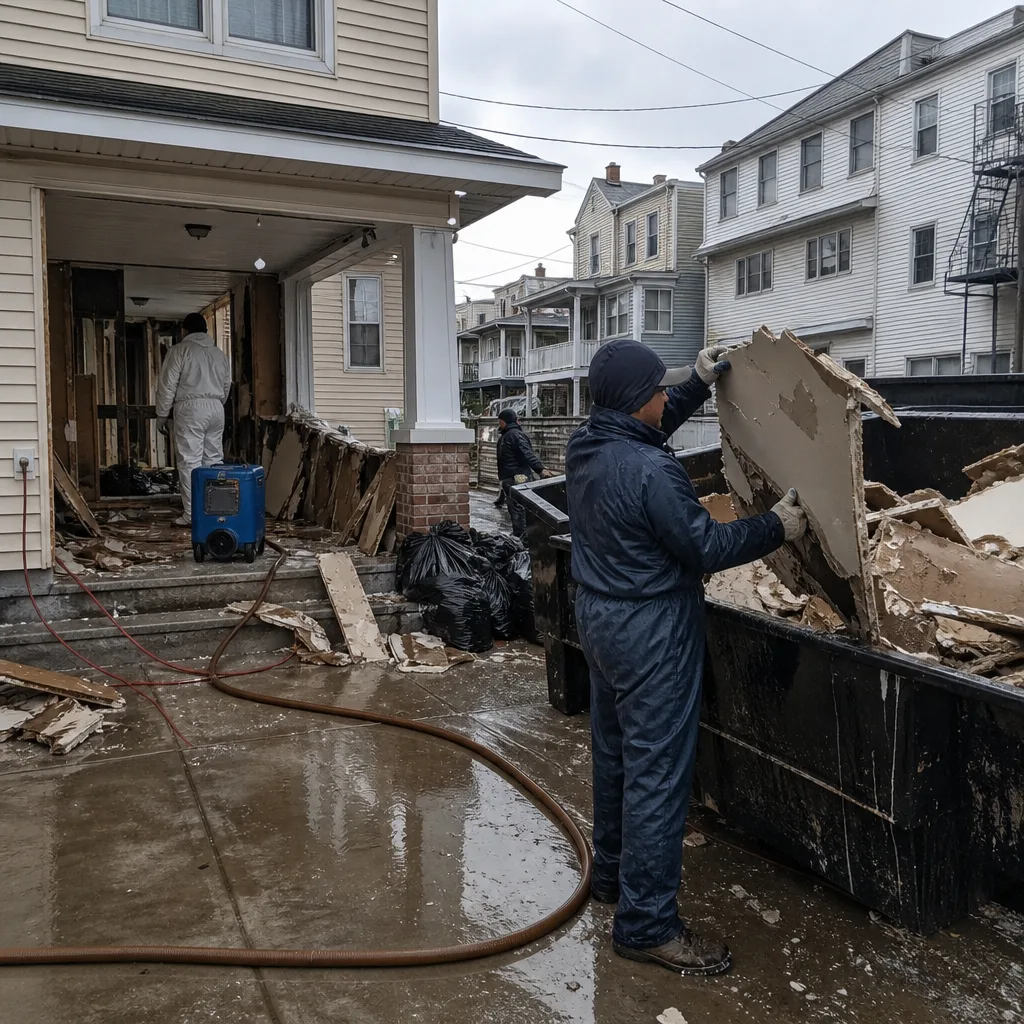
After wind-driven rain or flash flooding strikes, the first task is triage. We remove debris, secure openings, and assess what’s salvageable. In Union City, this means working fast inside occupied apartments while keeping halls and stairwells passable for neighbors. We stage only what’s necessary and haul out daily.
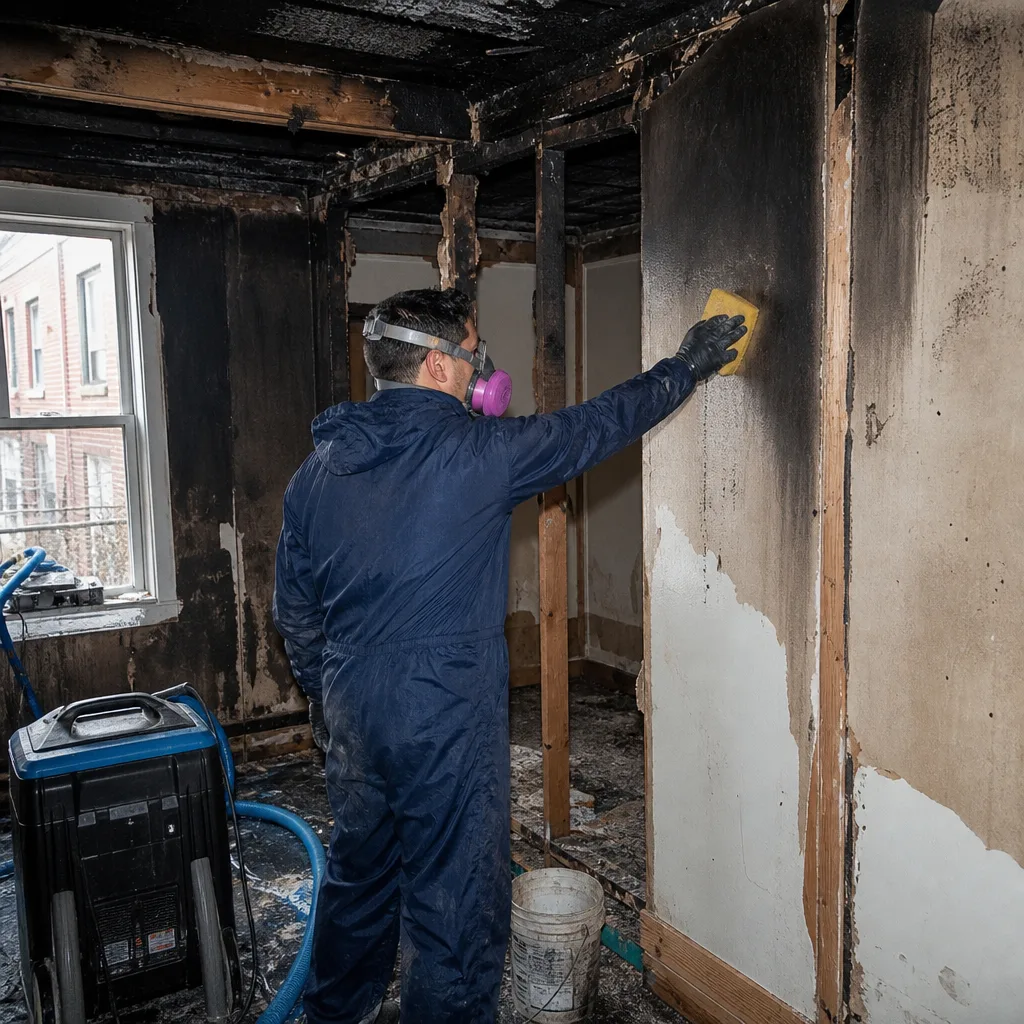
Flood Damage Restoration
Flooding in Union City comes from two directions: ground water pushing into lower-level units along the Palisades grade, and roof or parapet failures sending water down through top floors. Both demand the same unit-by-unit approach. We extract, dry, sanitize, and rebuild with a written scope for every affected apartment, separately documented for each carrier.
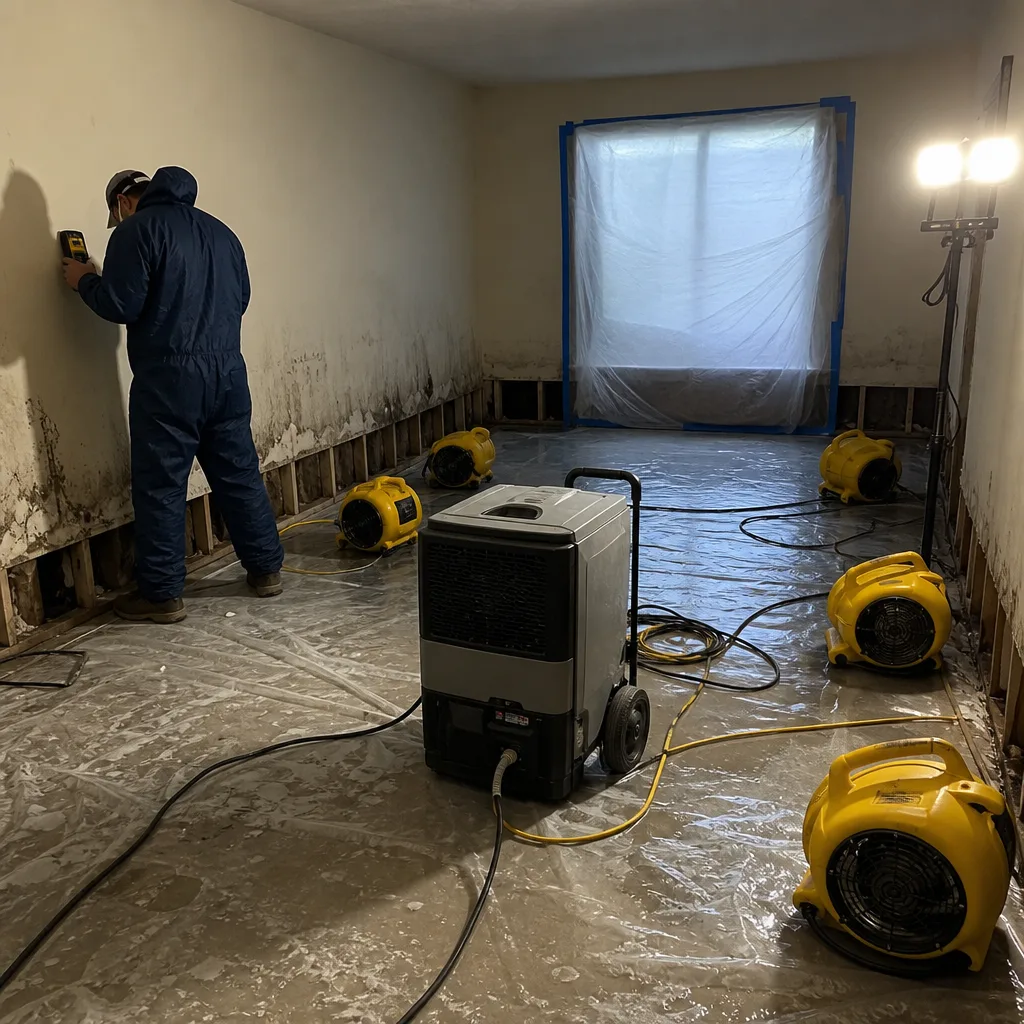
Emergency Board-Up
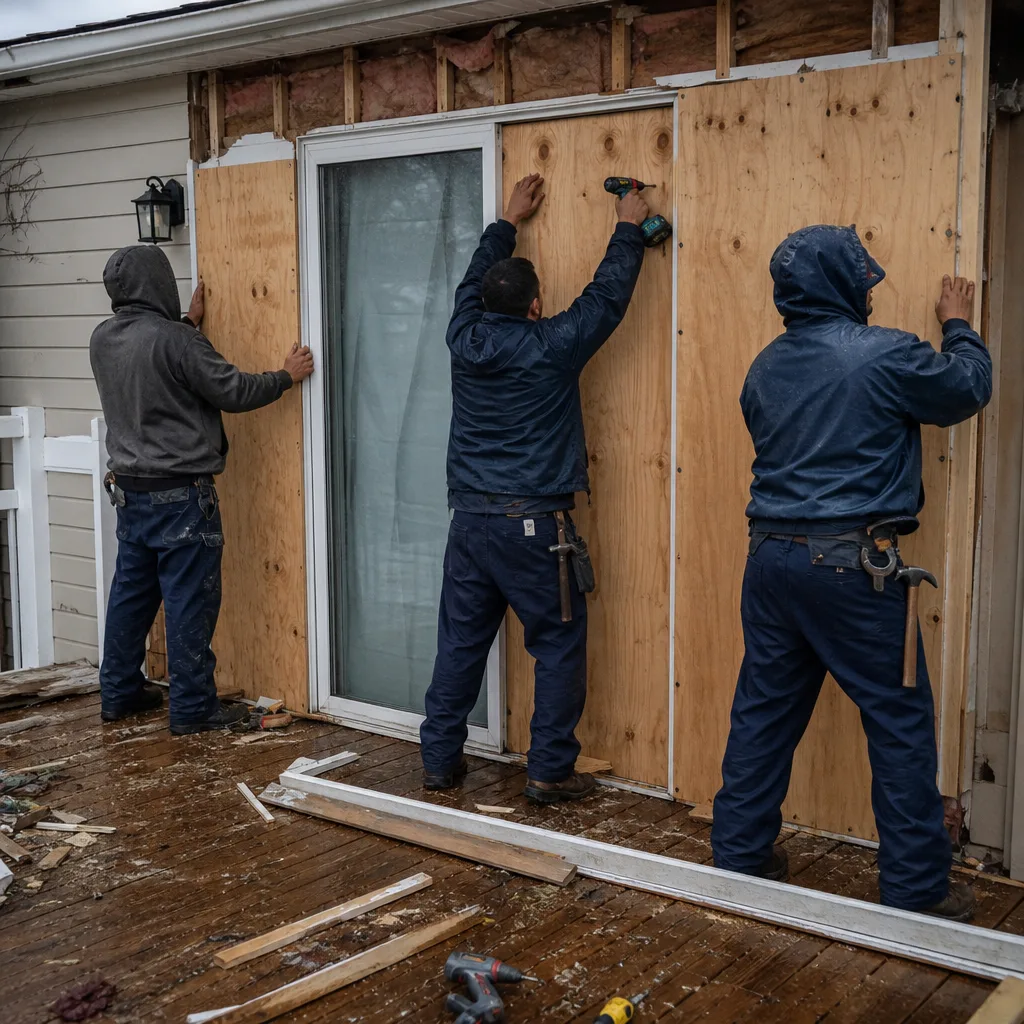
When a tree branch or a wind-driven piece of debris breaks a window in one of Union City’s brick tenements, the exposed opening lets weather into every apartment along the air path. We board up fast, usually within hours of the call, and we do it without blocking the sidewalk below.
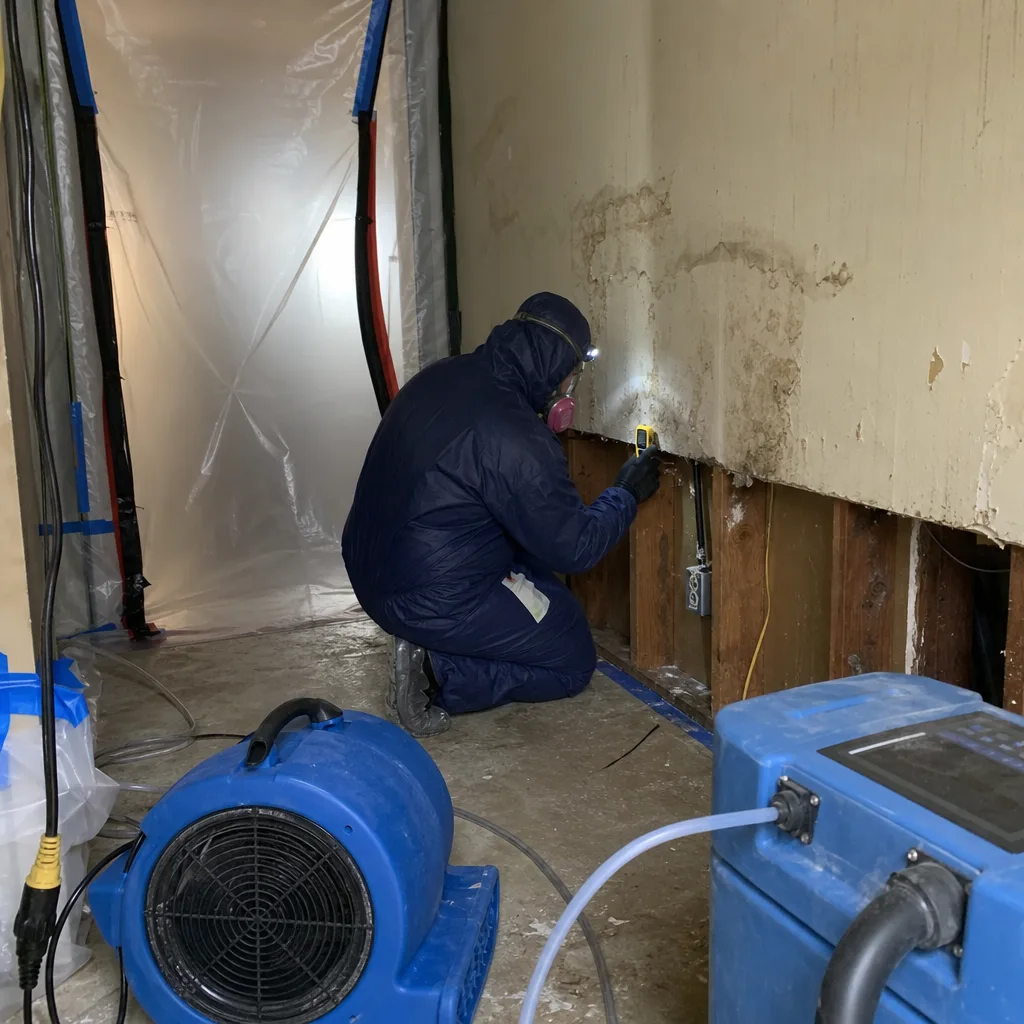
Roof Tarping
A flat roof membrane failure on a six-story building off Palisade Avenue will not wait for permanent repair. We tarp roof openings and parapet breaches immediately, seal seams to stop water intrusion, and document the damage for adjusters. Roof tarping is often the difference between a two-unit cleanup and a six-unit gut renovation.
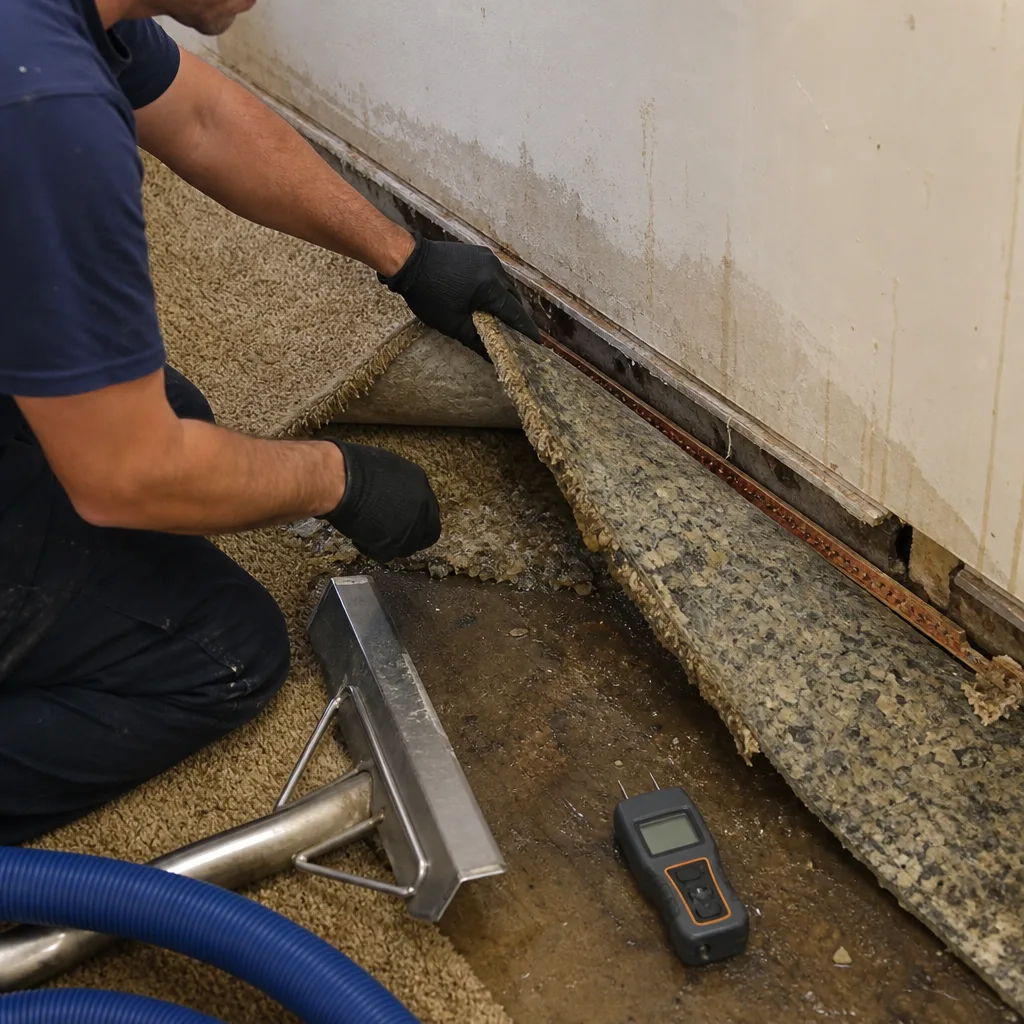
Debris Removal
In Union City, debris removal has no dumpster staged at the curb. Everything comes down stairwells in manageable loads, gets packed into trucks double-parked briefly with a spotter, and leaves the street clear. We handle building material, saturated drywall, damaged plaster, and any storm-created refuse the city won’t collect.
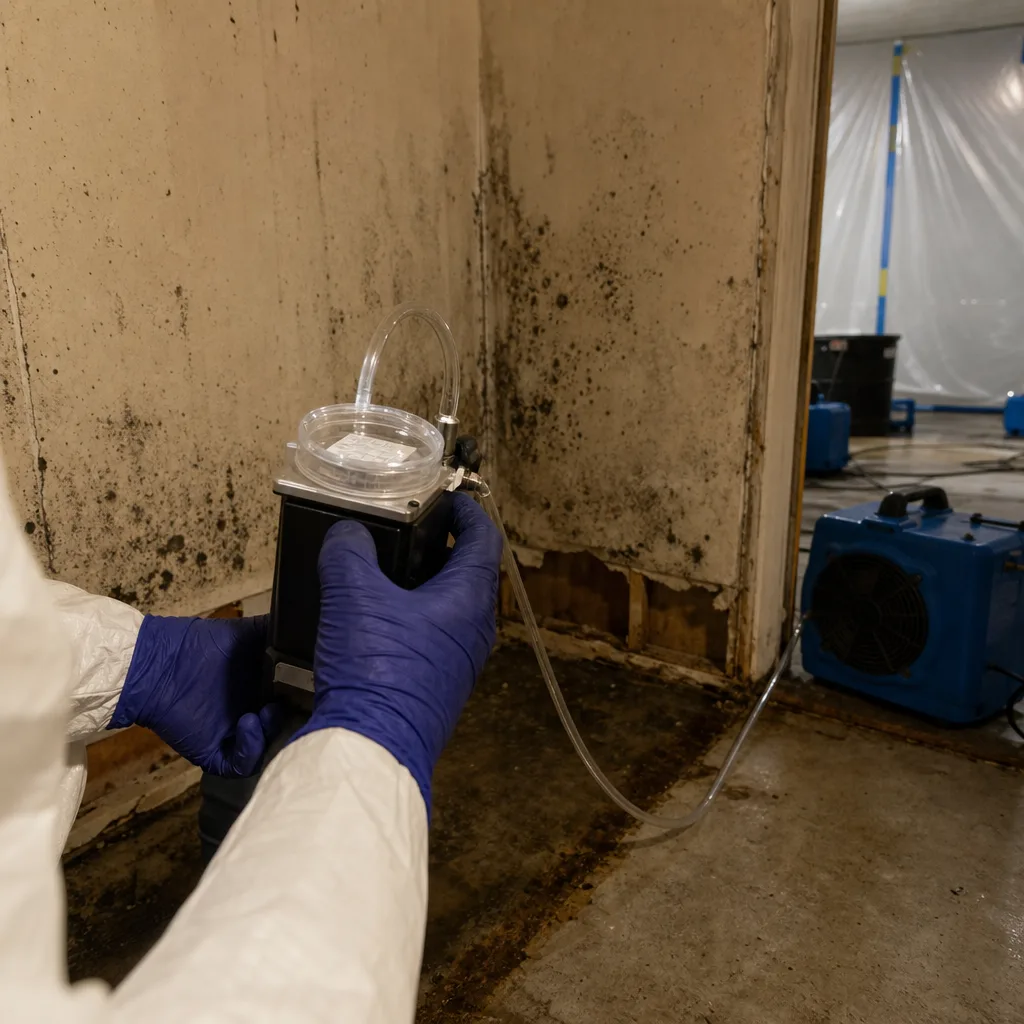
Wind Damage Repair
Union City’s high-density layout creates wind tunnels between attached buildings that can tear flashing, loosen parapet copings, and damage window frames. We repair the building envelope properly, with materials specified for pre-war brick construction, not modern retrofit shortcuts.
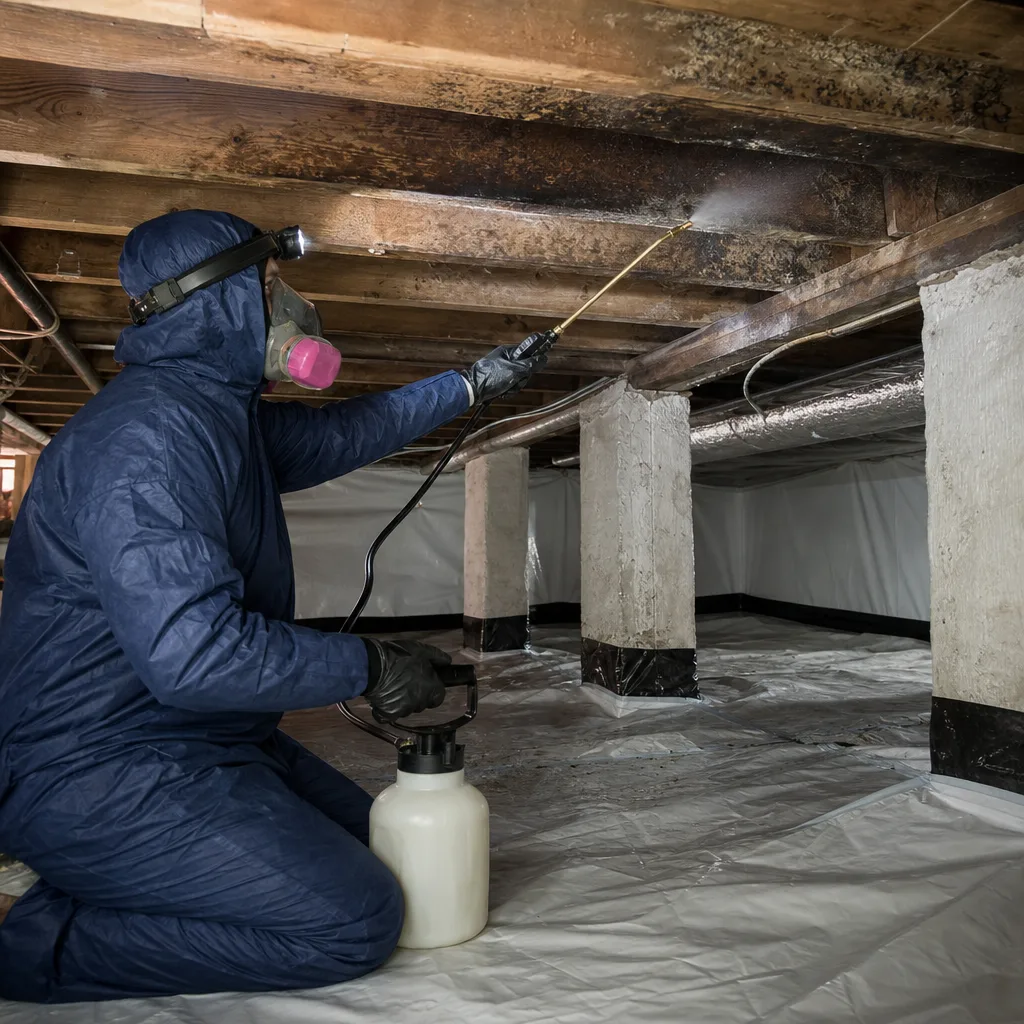
What happens when you call
- 1
A real person answersNo phone trees - you reach a local pro.
- 2
You get an upfront price rangeHonest numbers before anyone is dispatched.
- 3
A background-checked tech heads outLicensed & insured, dispatched right away.
- 4
You approve before work beginsNothing starts until you say go.
Storm & Disaster Restoration Costs in Union City, NJ
Here’s what you can expect to pay in Union City, with real numbers. A single-unit flood damage cleanup in a walk-up typically runs $2,800 to $6,500, depending on how far water wicks up original plaster walls and whether hardwood floors can be saved. Roof tarping after a nor’easter generally costs $450 to $1,200 for a standard six-unit building, depending on roof height and whether parapet copings need temporary sealing. Emergency board-up for a broken window or damaged door lands between $300 and $800 per opening, including materials and labor for climbing to second or third floor units with no fire escape access. Debris removal runs $250 to $700 per truckload in Union City, because everything must be carried down stairwells and staged carefully. A full multi-unit storm restoration on a top-floor apartment, including structural drying, antimicrobial treatment, plaster repair, and rebuilding water-damaged walls, can run $9,000 to $28,000, depending on whether original lath-and-plaster must be replaced or can be stabilized. Insurance covers most of these costs when the storm is a covered peril, and we bill your carrier directly. The fastest way to a firm number is a free visual inspection, which we offer 24/7 at (640) 221-3499.
We Also Serve Cities Near Union City
Beyond Union City itself, our storm restoration crews work regularly in Weehawken with its Palisade-facing buildings, Hoboken’s flood-prone grid, North Bergen’s hillside multi-family stock, and Secaucus where storm runoff demands a different approach entirely. We know the roads, the building types, and the response routes for each town.
Union City Storm & Disaster Restoration Questions, Answered
Why do I need containment on every Union City storm job, even if only one unit got wet?
Containment is mandatory because Union City’s attached buildings share wall cavities and air paths between apartments. Drying one unit without sealing it off pushes moisture, particulates, and any mold spores directly into neighboring units through the same paths the water traveled. Proper containment isolates the affected apartment, controls airflow with HEPA-scrubbed negative pressure, and documents for insurers that no cross-contamination occurred.
What does a typical multi-tenant storm restoration in a Union City walk-up include in the scope of work?
The scope is written unit by unit. It includes extraction in each affected apartment, containment setup per unit, structural drying with daily moisture readings, antimicrobial treatment of all Category 2 or 3 surfaces, demolition and removal of non-salvageable materials, and reconstruction of damaged finishes. Every line item is tied to a specific unit and documented separately for each tenant’s insurance carrier. Landlords receive one consolidated summary for their building claim.
How do you dry a top-floor Union City apartment when the only access is a 30-inch-wide stairwell?
We break down all equipment at the curb and carry it up piece by piece. XPOWER air movers, B-Air desiccant units, and Dri-Eaz dehumidifiers are modular, so two technicians can stage a full drying array on any floor. Stairwells themselves are sealed to prevent moisture from recirculating into neighboring units, and condensate is managed with hospital-grade pumps that run to existing drains.
Do I really need roof tarping after a Union City nor’easter if only one ceiling stain is showing?
Yes. A single ceiling stain means water has already penetrated the roof membrane or parapet flashing, and the next storm will push in more water before you can schedule a permanent repair. Tarping stops the intrusion immediately, prevents additional units from getting wet, and gives your adjuster documented evidence of the failure point so the roof repair is covered under the storm claim, not deferred maintenance.
How does debris removal work in Union City when there’s no alley or driveway for a dumpster?
We carry debris down stairwells in contractor bags and stage it briefly on the sidewalk with a spotter, then load directly into trucks. There is no dumpster sitting on the street for days. Each trip is planned so that the curb is clear within minutes, and we coordinate with your building’s super and any ground-floor businesses before staging begins.
Will insurance cover storm restoration in my Union City apartment?
Most storm damage is covered when the event is a named peril under your policy: wind, hail, rain entering through a roof opening, or water from a covered roof failure are all standard. Ground water flooding, like the kind that rises from saturated soil along the Palisades, typically requires separate flood insurance unless the water entered through a building opening like a window or door. We identify the actual point of failure on every job and document it clearly, which often makes the difference between a covered claim and a contested one.
How fast can you actually get to my building in Union City?
Our dispatch commitment is 45 minutes to on-site presence for active emergencies. Union City’s density works in our favor here: we keep response routes through North Bergen and along Kennedy Boulevard in mind, and our crews know which blocks have double-parking restrictions. The phone is answered live 24 hours a day, and the crew rolls as soon as you confirm the address.
What should I do in the first 30 minutes after storm damage hits my building?
Shut off power to affected areas if water has reached outlets or fixtures, but never enter standing water to do it. Move valuables and documents to dry ground. Photograph everything with your phone, especially the visible source of the water, the affected rooms, and any roof or wall openings. Then call (640) 221-3499. A live dispatcher will talk you through the next step while the crew heads your way.
Serving Union City, NJ - Our Local Coverage Area
We’re based in the Union City area and know this community well. Use the map below to see our service coverage - if you’re nearby, we can almost certainly help.
Storm Restoration That Fits How Union City Is Built
Union City has essentially zero back-alley or curb staging. Every upper-floor job means our crews hand-carrying Dri-Eaz and Phoenix desiccant units up 1910s tenement stairwells while coordinating multiple tenants’ insurance claims from a single pipe break or roof failure. Blocks have no alleys, no driveways, and no room for a suburban-style equipment spread. We know this before we arrive. That’s the advantage of a crew that has worked this city’s buildings long enough to understand what waits behind the plaster. The line the water left is where we start. Done right, and backed in writing.
Call Floodline Restoration Co. at (640) 221-3499 for a free estimate on storm and disaster restoration in Union City. A live person answers every call, and our team is ready to be at your building within 45 minutes.
Written by Curt Bowman, Owner at Floodline Restoration Co., serving Union City since 2010.