
Free visual inspection and a written scope of work before any mitigation begins - photos, moisture readings, and drying logs go in your claim file
The scope we write is the scope we bill. Anything new gets shown to you, in writing, before we touch it.
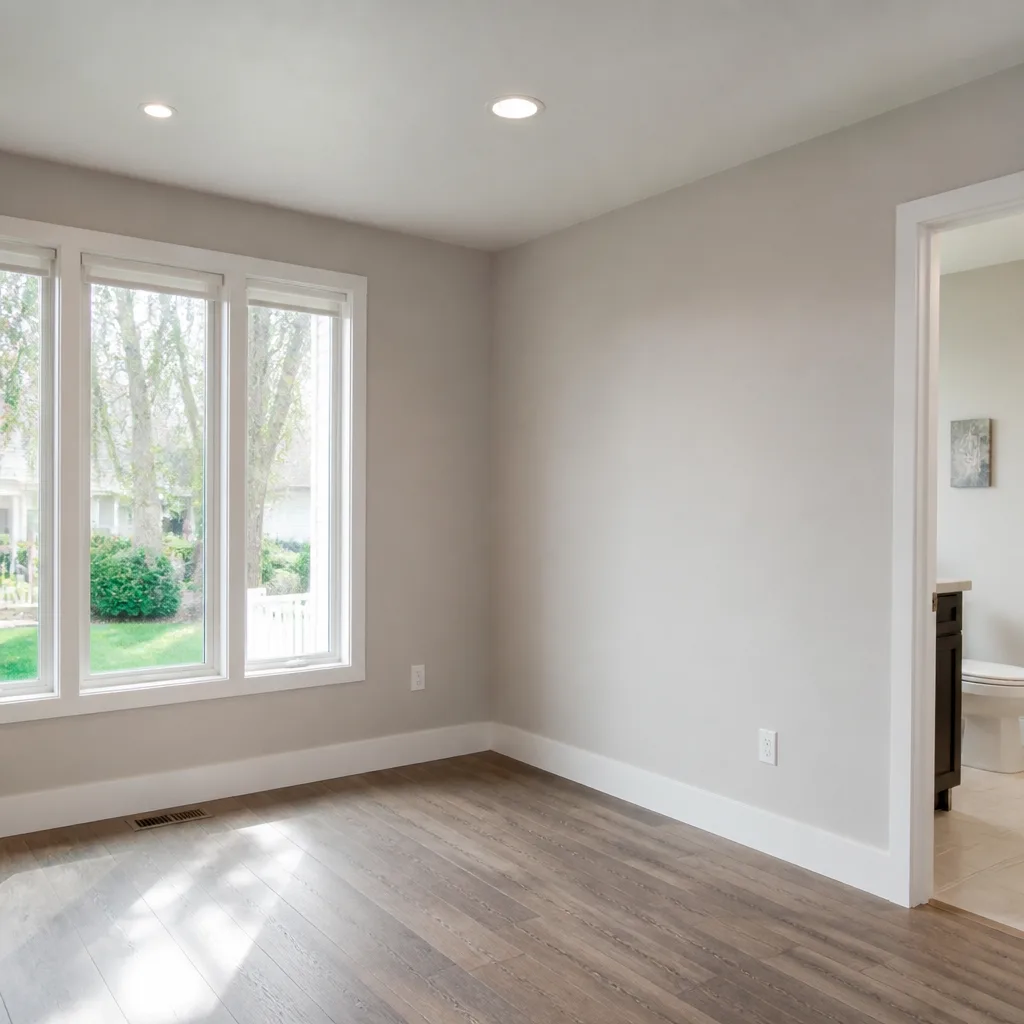
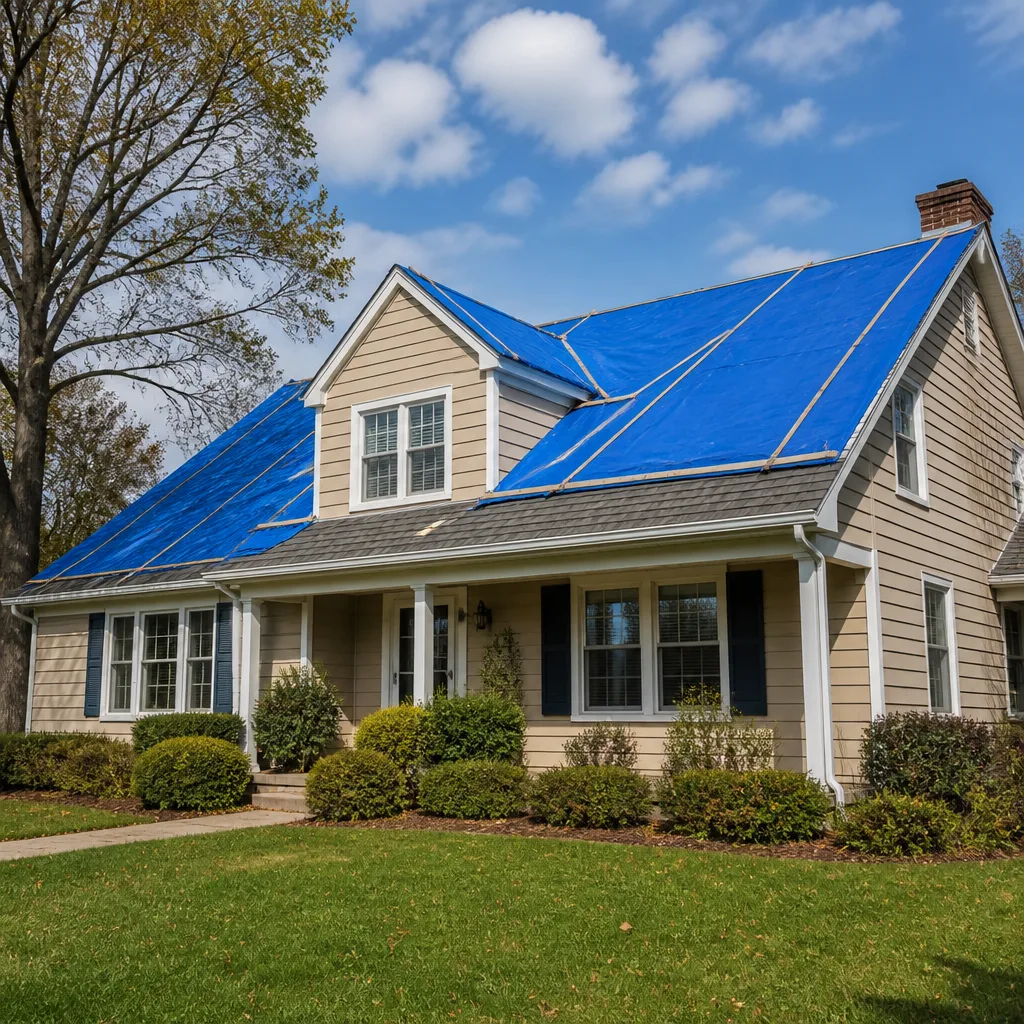
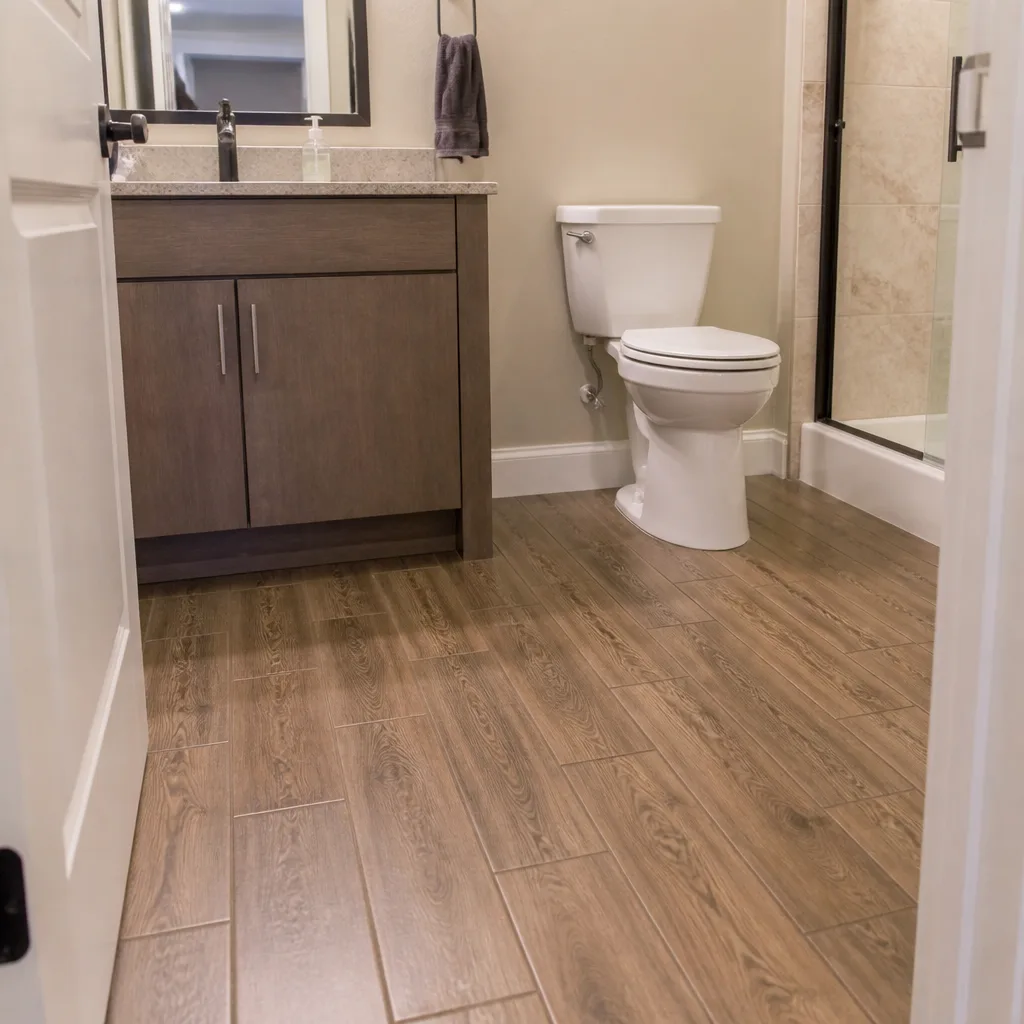
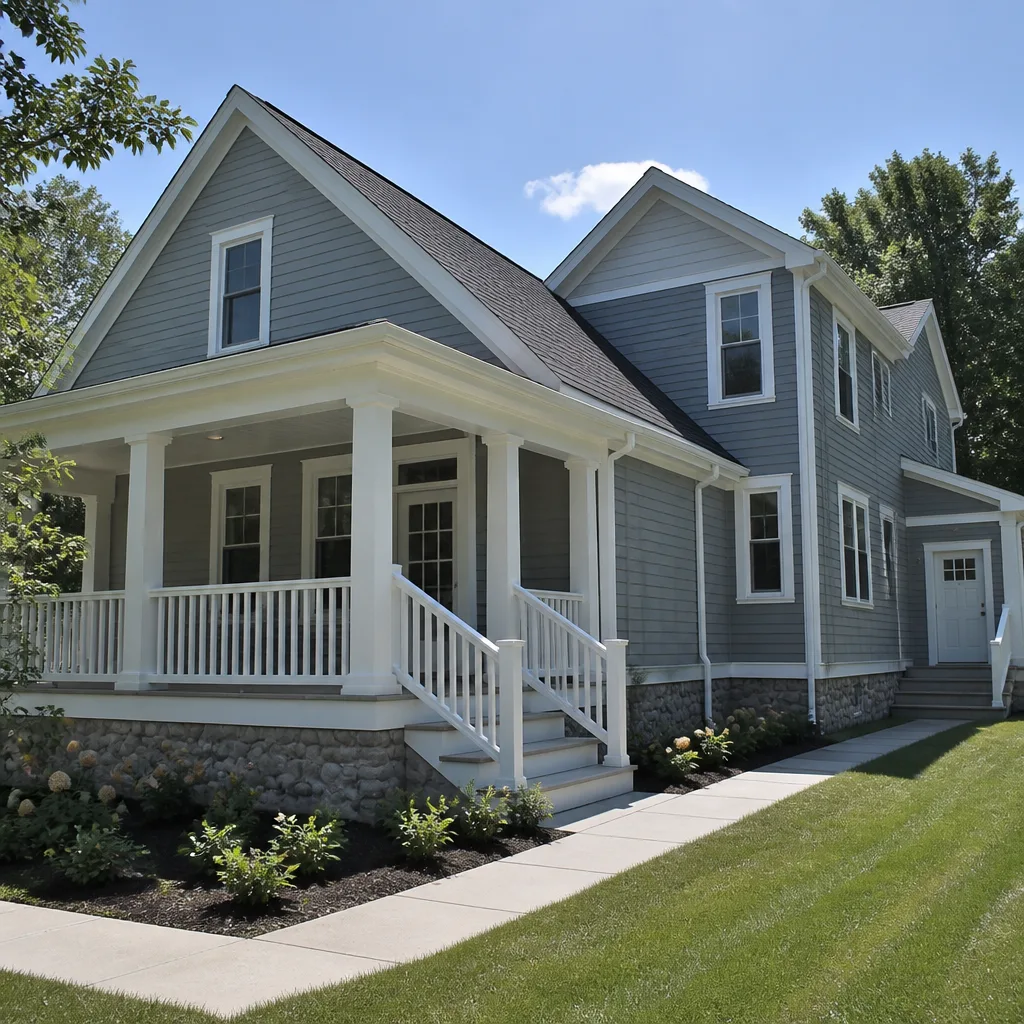
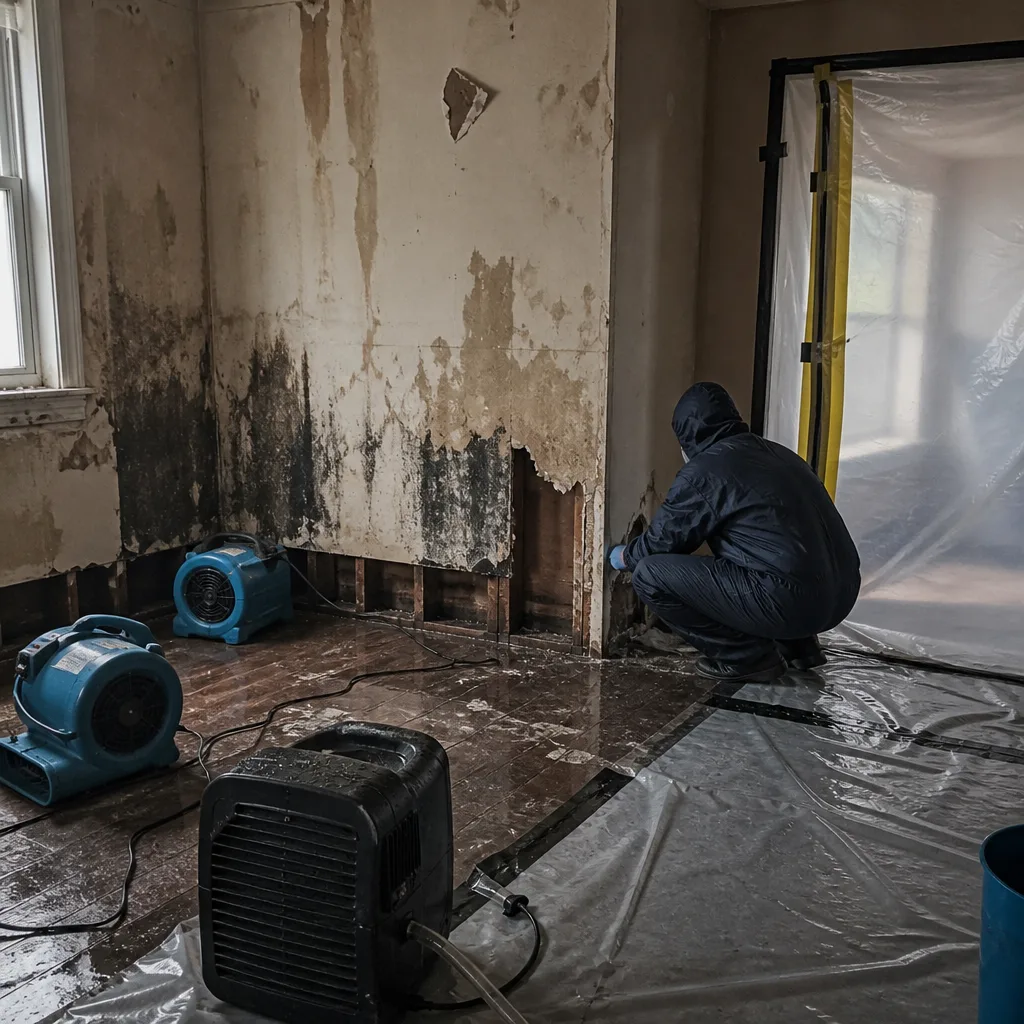 Before
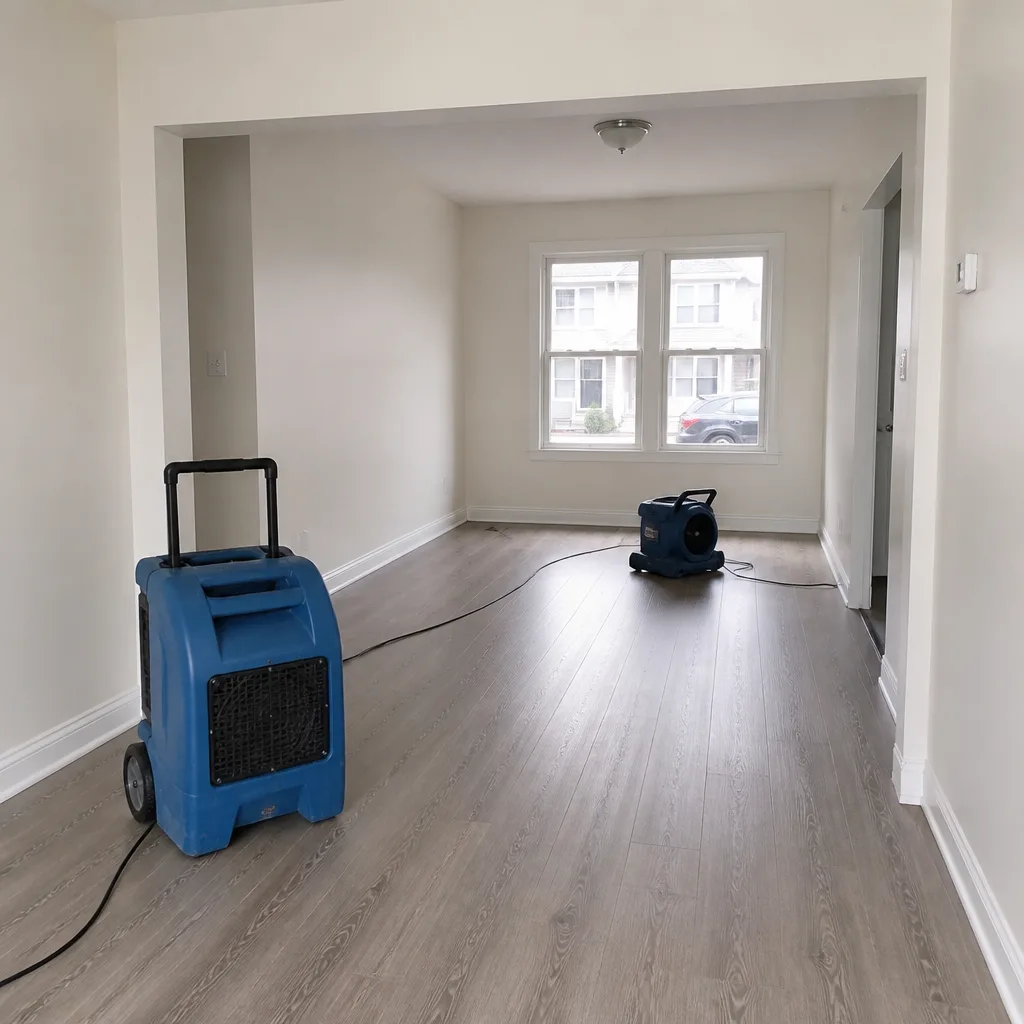 After
After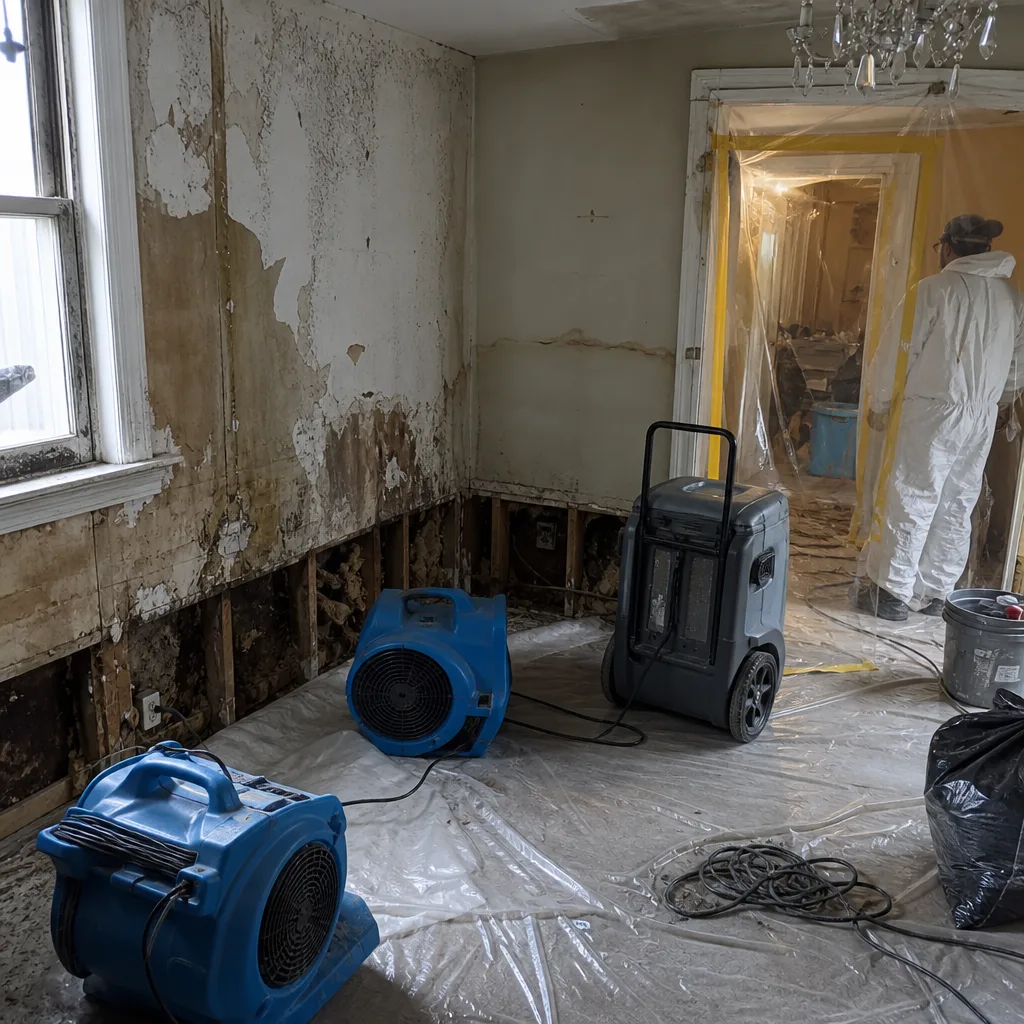 Before
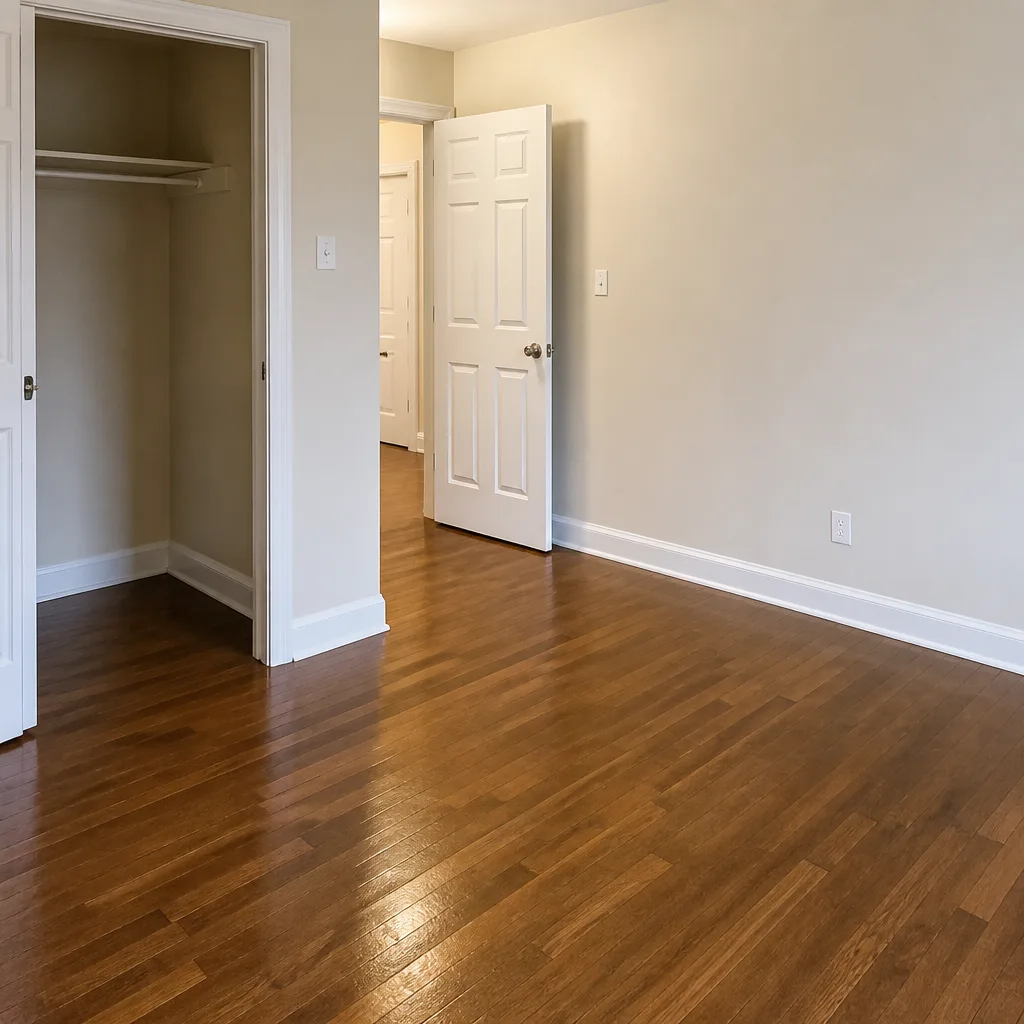 After
After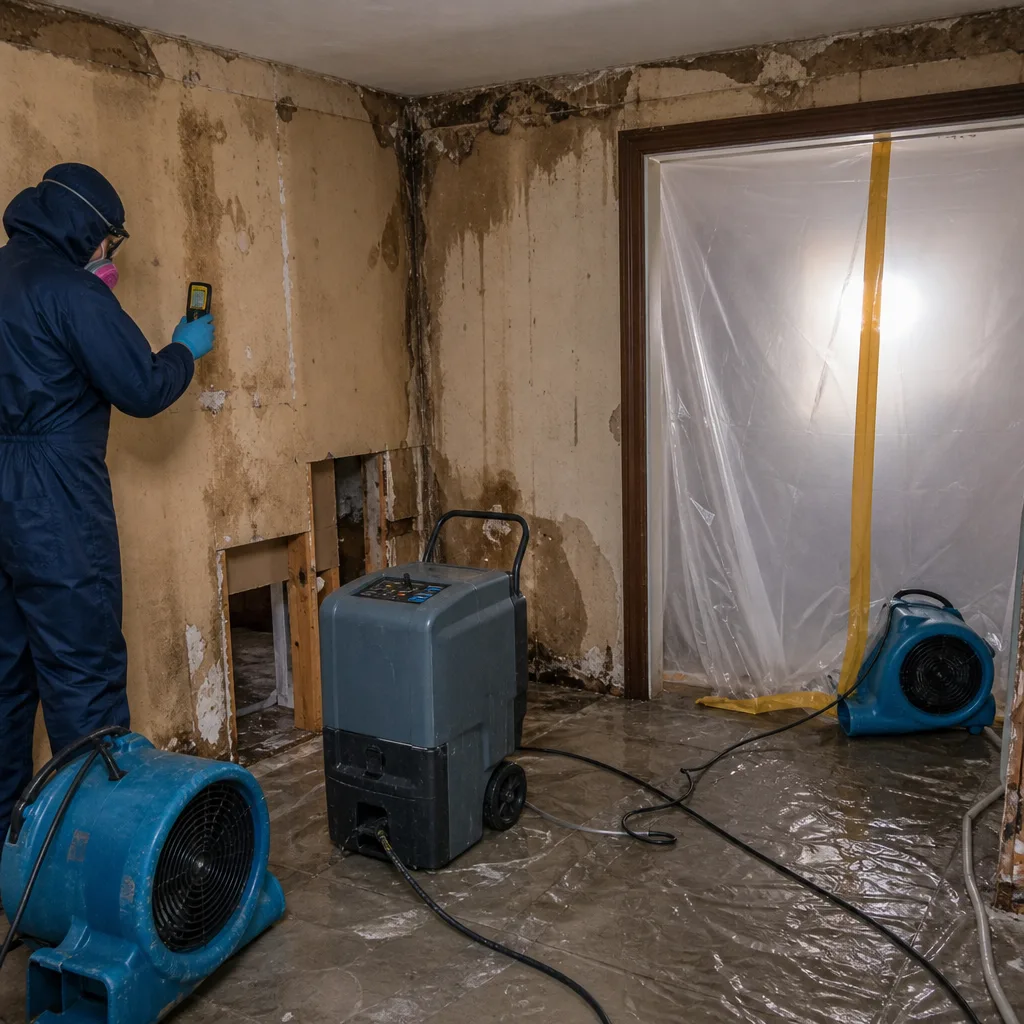 Before
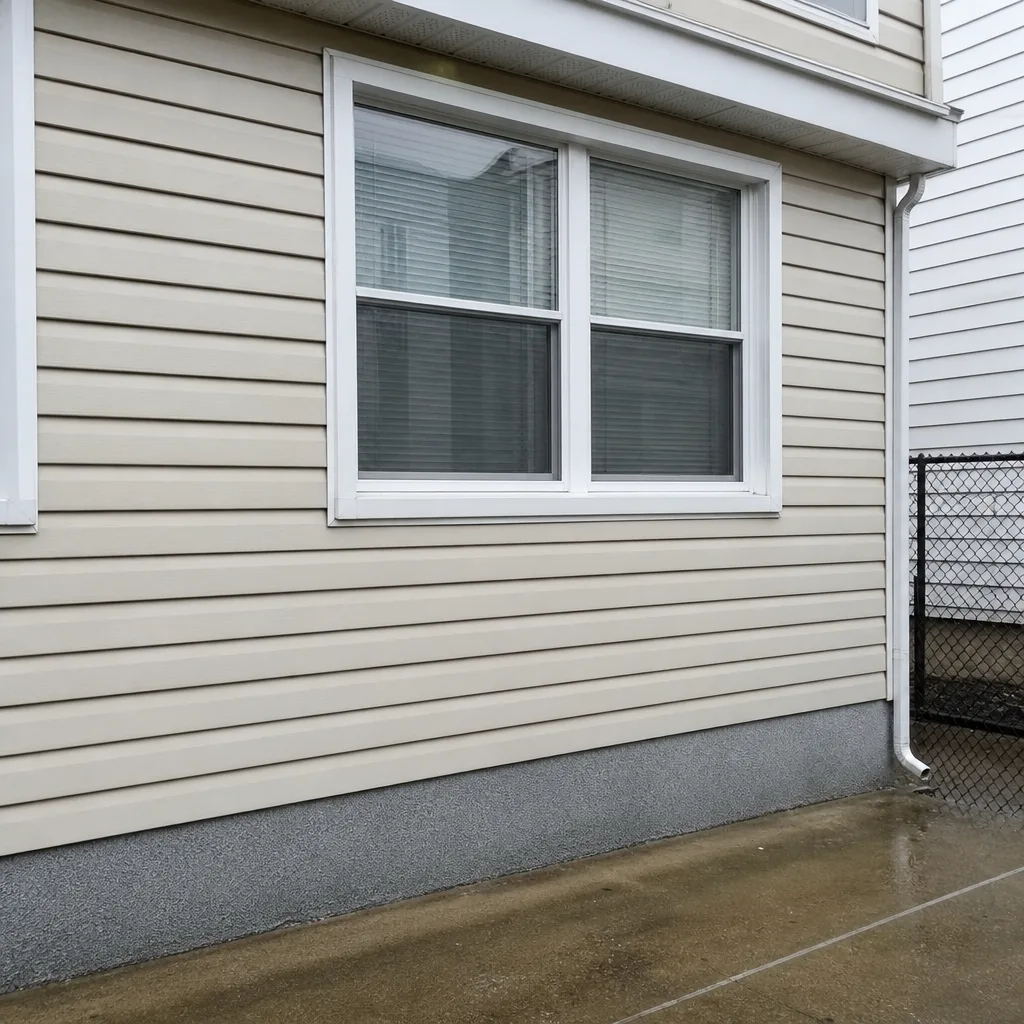 After
After24/7 Emergency Storm & Disaster Restoration in Hoboken
Storm damage in Hoboken does not wait for business hours, and neither do we. If water is coming through a roof, a window has blown out, or a flooded basement is rising against your garden apartment walls, call (640) 221-3499 right now. A live dispatcher answers at two in the morning, not a recording, and a certified crew is dispatched inside the Hoboken area with the equipment to start extraction the same visit. The first hour matters because that is the difference between drying a wet wall and replacing a saturated one, between a contained basement cleanout and a sewage-contaminated mess spreading into neighboring units. We respond with a free visual inspection, a written scope before any work starts, and the 90-Day Done Right Promise behind every step. Hoboken sits in a low-lying bowl between the Hudson River and the Palisades. When the storm hits, the water has nowhere to go but inside. We get it out, dry it down, and rebuild what the storm took. Done right, and backed in writing.
Understanding Storm & Disaster Restoration Severity in Hoboken Properties
Not all floodwater in Hoboken is the same, and treating Category 2 water like Category 1 creates problems nobody should have to live with. The IICRC water classification is straightforward: Category 1 is clean water from a supply line or a roof leak before it touches anything dirty. Category 2 carries significant contamination, typically from sump pump failures or minor sewer line seepage. Category 3 is grossly unsanitary, including sewage, rising river water, and any storm surge that has picked up street runoff. In Hoboken, here is what we see: the combined sewer system is aging, and during any heavy rain the sanitary line and the storm line are the same pipe. When it surcharges, whatever was in that pipe comes back into the lowest drains and the garden-level units. That is Category 3 in a basement, full stop. The reason it matters is that brick rubble foundations and horsehair plaster, the standard construction in Hoboken’s 1880s-to-1920s rowhouses, absorb contaminated water deeply and hide it well. Moisture mapping with thermal imaging and daily readings with penetrating meters are not optional here. They are the only way to prove the dry standard has been reached behind a party wall or under a finished floor. If that water is not classified, treated, and dried correctly, it becomes a mold problem inside two to three days, and a multi-unit claim inside a week.
Why Hoboken Property Owners Choose Floodline Restoration Co.
- 45-minute response commitment: When your garden apartment is filling with water, the last thing you need is a scheduling window. We commit to having a crew working toward your property within 45 minutes of your call.
- 24/7 live answer, always a person: No phone tree, no overnight answering service that takes a message. A live dispatcher who knows the Hoboken service area answers every single call at any hour.
- IICRC, RIA, and IFA certified crews: Our technicians carry WRT, FSRT, and AMRT certifications. That means they are trained in water damage restoration, fire and smoke restoration, and applied microbial remediation, not just handed a mop and a fan.
- Free visual inspection: Before we move a single piece of equipment, you get a real assessment of what got wet, what it will take to dry it, and what the scope of repairs will be. No charge, no obligation.
- Direct insurance billing: We bill your carrier directly, and we coordinate with your adjuster from the first visit. You never play messenger between Floodline and the insurance company.
- One team from extraction to reconstruction: The same crew that reads the moisture map on day one handles the daily readings, hands you and your carrier the drying log, and rebuilds what needs rebuilding. No mid-job handoff to an unknown crew.
Our Storm & Disaster Restoration Process
Inspection & Assessment
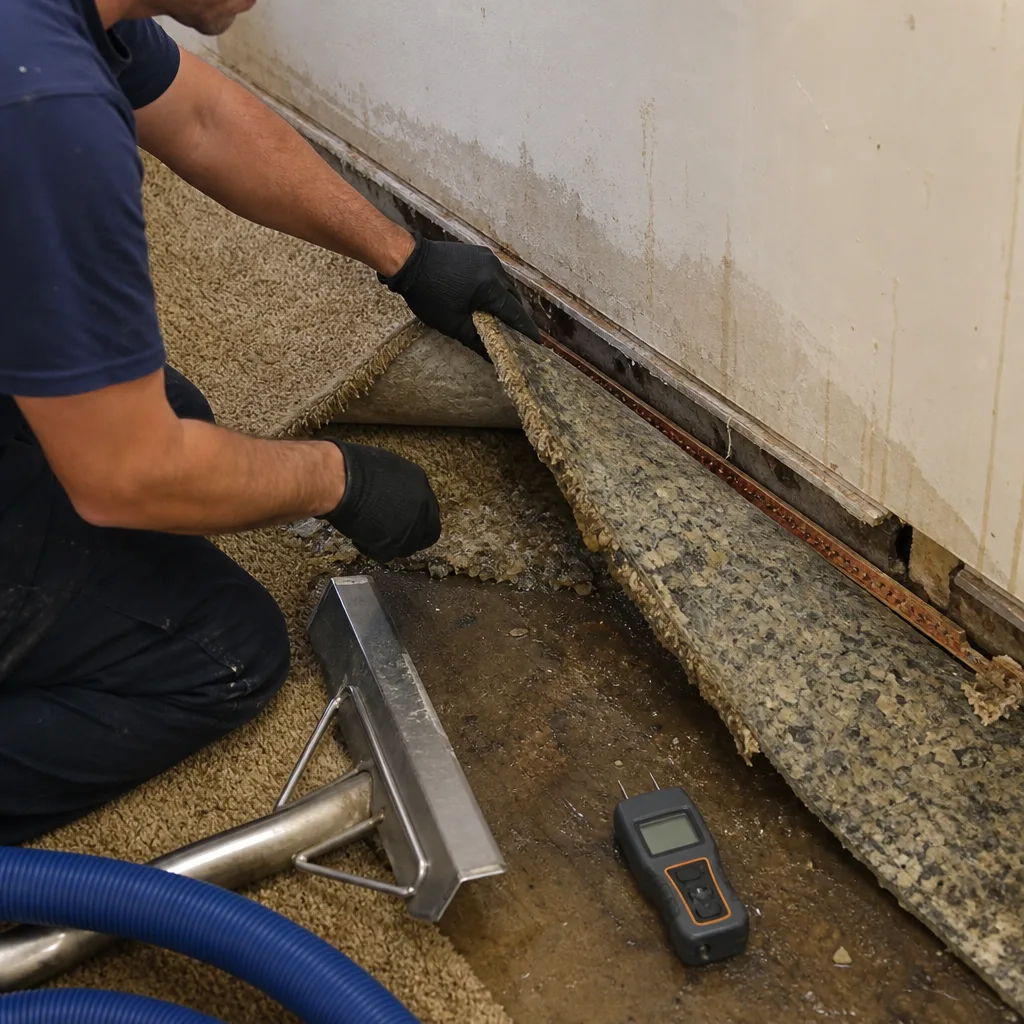
We walk the property with thermal imaging and penetrating moisture meters. You get a written scope, a room-by-room damage log, and a clear explanation of what is Category 1, 2, or 3 water and why it matters for your specific building’s construction.
Extraction & Stabilization
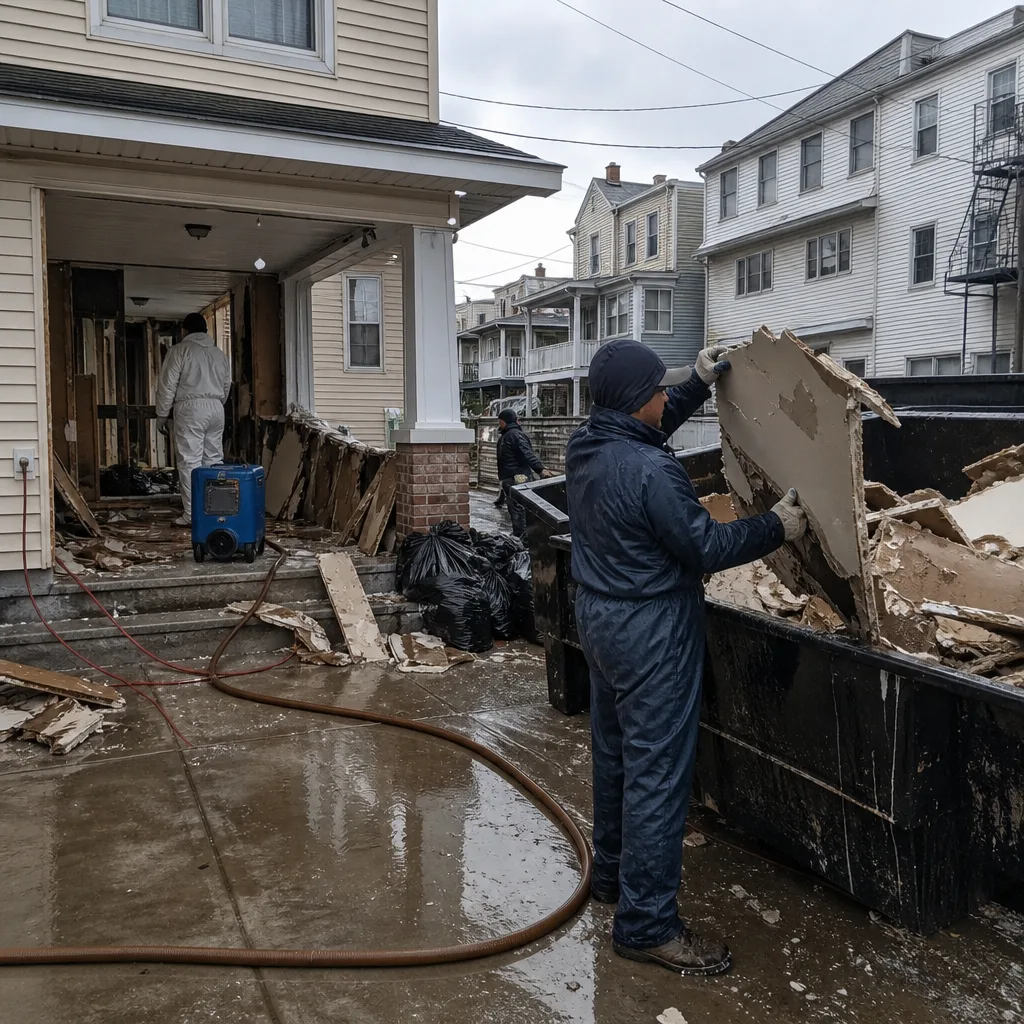
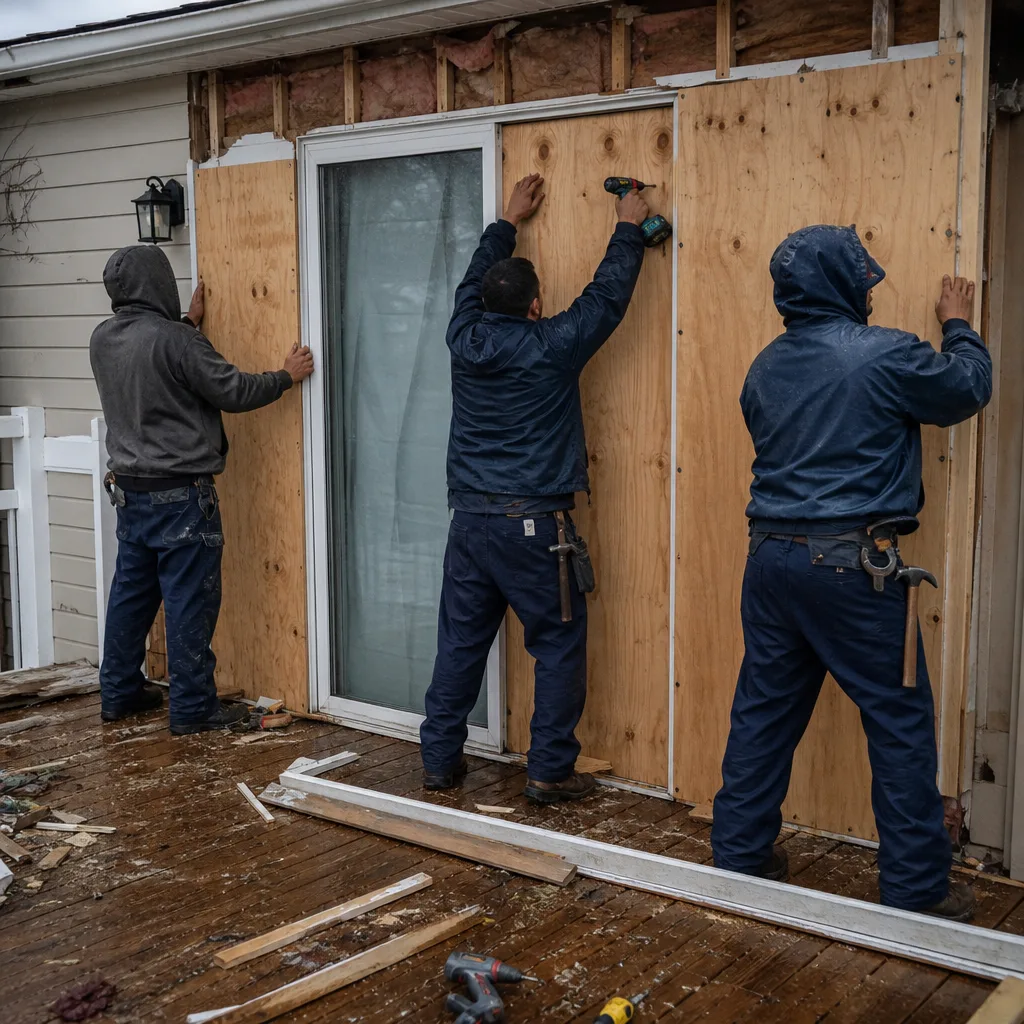
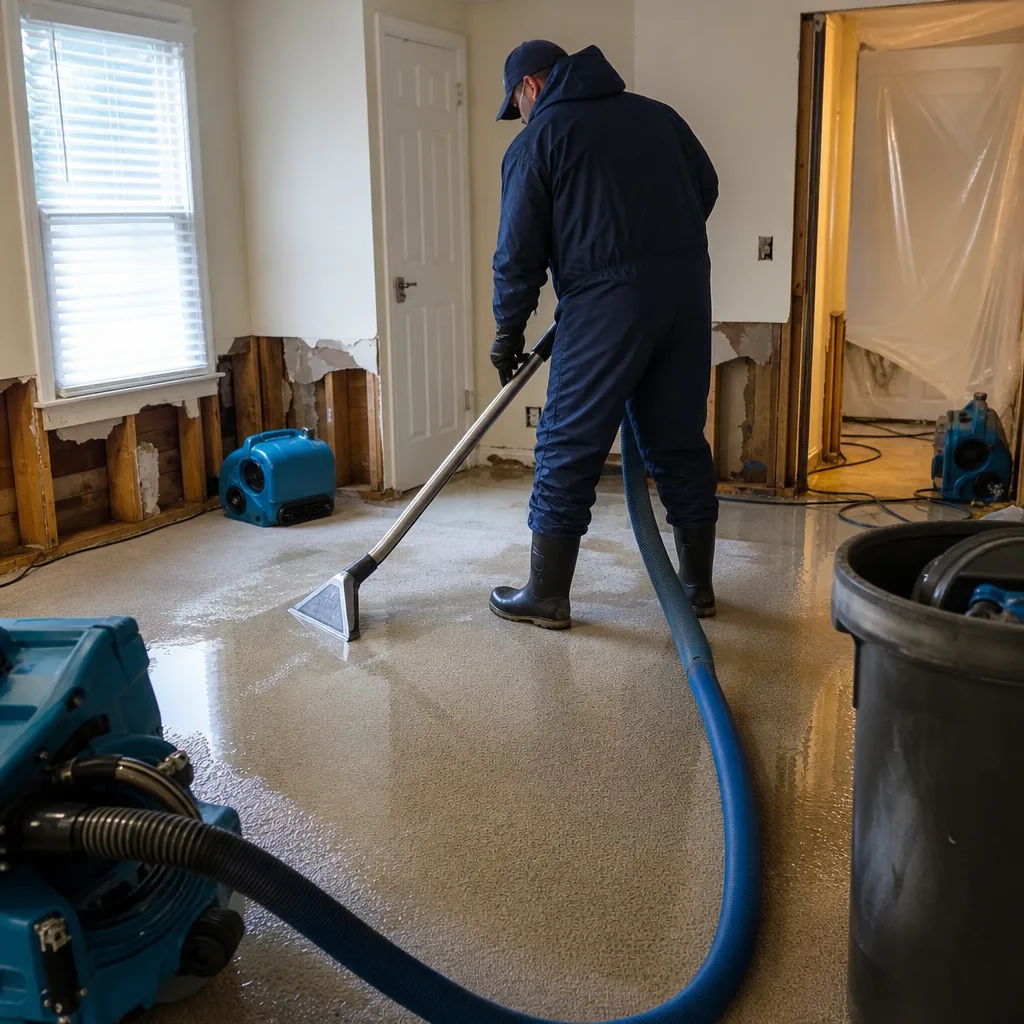
Every minute Category 3 water sits in a Hoboken basement is a minute it wicks higher into plaster and brick. We use truck-mounted and portable extraction units to remove standing water, then we get air movers on the affected surfaces and a dehumidification plan running. For storm-window failures and roof penetrations, this is also when we install emergency board-up and roof tarping to stop additional water from entering.
Drying & Dehumidification
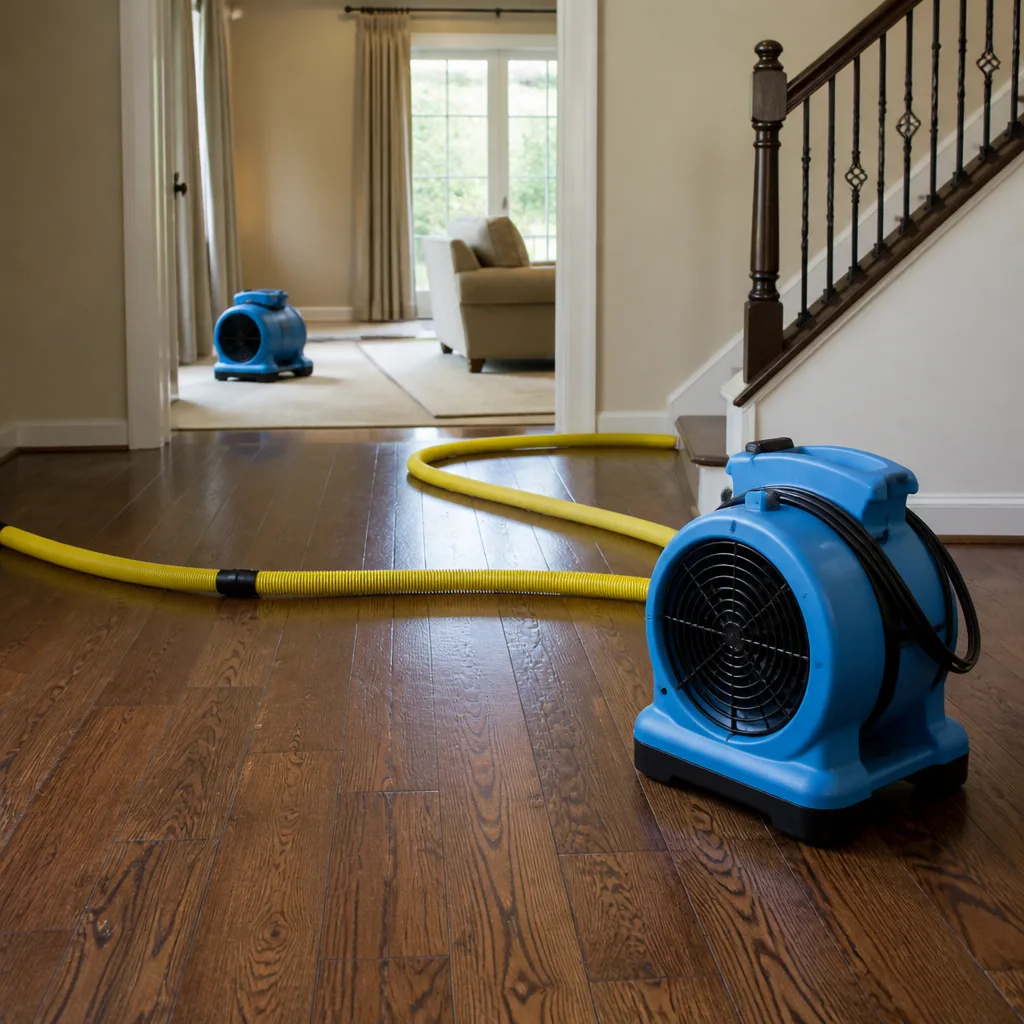
Brick rubble foundations and horsehair plaster do not dry the way gypsum board does. We use Dri-Eaz and Phoenix dehumidifiers with Injectidry drying systems for wall cavities and under-floor drying. Daily moisture readings are logged every single day until the dry standard is met, and that log goes to you and your carrier.
Cleaning & Sanitization
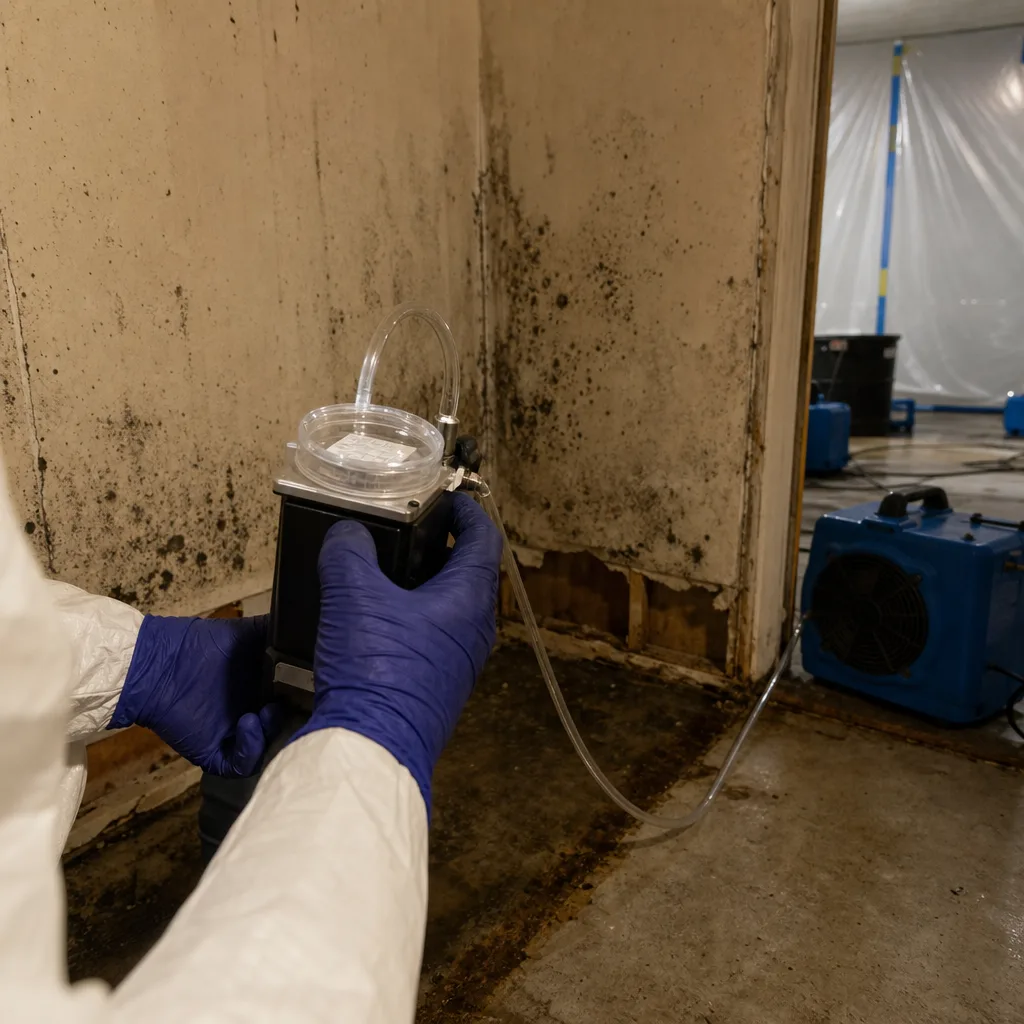
After the visible water is gone, the contamination is not. We treat Category 3 affected surfaces with antimicrobial agents, run HEPA air scrubbers to pull airborne particulates, and remove saturated materials that cannot be economically dried or safely restored. This is the step that prevents a visible flood from becoming a hidden mold problem inside your walls.
Storm-Specific Content Remediation
Hoboken rowhouses share walls, which means a single storm event can leave moisture hidden inside a party wall cavity that belongs to two units. We run moisture readings on both sides of any shared wall, set containment in adjacent units when needed, and document every reading. This is how you avoid a claim that gets re-opened in Unit B three months after Unit A was signed off as dry.
Repairs & Restoration
Once the dry log says the structure is stable, we rebuild: drywall, trim, flooring, doors, windows, and any structural repair the storm required. If your building has HOA architectural-review rules, we handle the approval path for any replacement that affects the exterior or a shared element, and we install only what the board has approved. The same crew stays through the finish, and the 90-Day Done Right Promise covers the work in writing.
Need Emergency Storm & Disaster Restoration in Hoboken Now?
Crews minutes away, answering live 24 hours a day. The sooner we start, the less it costs.
Working With Your Insurance Company
Most Hoboken storm and flood claims involve more than one policy, more than one unit, and often more than one insurer. A single burst pipe in a 4-story brick rowhouse on Bloomfield Street can put water into three garden apartments, each owned by a different person and insured by a different carrier. We have handled those jobs many times, and the thing that gets every claim settled fairly is documentation. From the first hour, we photograph room by room, run moisture readings before anything moves, and build a line-item scope that speaks the language adjusters expect. We coordinate directly with your carrier, provide drying logs that prove the structure hit dry standard before we rebuilt, and submit industry-standard estimates that hold up in review. You deal with your home and your family. We deal with the paperwork.
What We Provide Your Insurer
- Thorough documentation of the loss
- Photos of all damage, room by room
- Moisture readings and drying logs
- A detailed, line-item scope of work
- Direct coordination with your carrier
Built for Hoboken’s Loss Calendar
Hoboken’s storm season has a rhythm, and we have seen every beat of it. January and February bring deep-freeze events that freeze and split aging supply lines in un-insulated rowhouse crawl spaces and exterior wall chases. When the thaw comes in March, those splits open and dump Category 1 water into basements and garden units. Spring brings the other classic Hoboken problem: chronic groundwater seepage through brick rubble foundations as the water table rises. Then comes the part of the calendar no one in this city forgets. From June through September, intense convective thunderstorms drop an inch of rain in forty minutes onto the one-square-mile grid, overwhelming the combined sewer system and sending Category 3 water backward through drains in basement apartments near Washington Street, Willow Avenue, and the low blocks between Clinton and Grand. Autumn is nor’easter season, with wind-driven rain, blown-out windows, roof failures, and tidal surge along the Hudson side. Every one of these seasons produces a different dominance of damage type: frozen pipe water in winter, sewer backup in summer, wind and window failures in autumn. Our crews are outfitted and trained for all of them, and we dispatch the same day, every season, year after year.
Storm & Disaster Restoration Across Hoboken’s Neighborhoods
Hoboken is one square mile, but the restoration calls change block by block. Near Washington Street, the commercial corridor dominates and the buildings are taller, with storefronts at grade and residential units above; a wind-driven window failure there means water drops straight down through commercial space and into residential walls, so we run moisture mapping vertically, not just horizontally. The waterfront blocks along the Hudson side between Newark Street and 14th Street catch tidal surge first, and the buildings there are newer with more mechanical systems at grade, meaning a surge event fills elevator pits and electrical rooms before it ever reaches a living space. The garden apartments in the rowhouse blocks between Jefferson and Adams, especially along Bloomfield, Park, and Willow, are the classic Hoboken basement-flood calls: combined sewer backup through floor drains, brown water across a finished garden floor, and the question we hear most often, which is whether the floor can be saved. It can, more often than people expect, but only with the right drying plan. The brownstone-heavy blocks near Church Square Park and up toward the Palisades side see a different pattern: older cast-iron and galvanized supply lines, more original plaster, and party walls that wick water sideways into the neighbor’s condo. In every one of these areas, the same rules hold: get the water classified correctly, dry the structure to standard, document everything, and never leave a shared wall unmonitored.
Specialized Storm & Disaster Restoration Services We Offer in Hoboken
Flood Damage Restoration
The majority of flood calls in Hoboken are Category 3, not because of a river jumping its banks every week but because the city’s combined sewer system backs up whenever rainfall outpaces drainage. That means antimicrobial treatment is not optional, and saturated carpet, pad, drywall, and insulation below the waterline usually come out. We extract, contain, treat, dry, and rebuild, with daily moisture logs and direct insurance billing throughout. If you have a garden apartment off Willow Avenue or a basement on Jefferson, you are likely to need this service at some point, and the faster you call, the more of your finishes we can save.
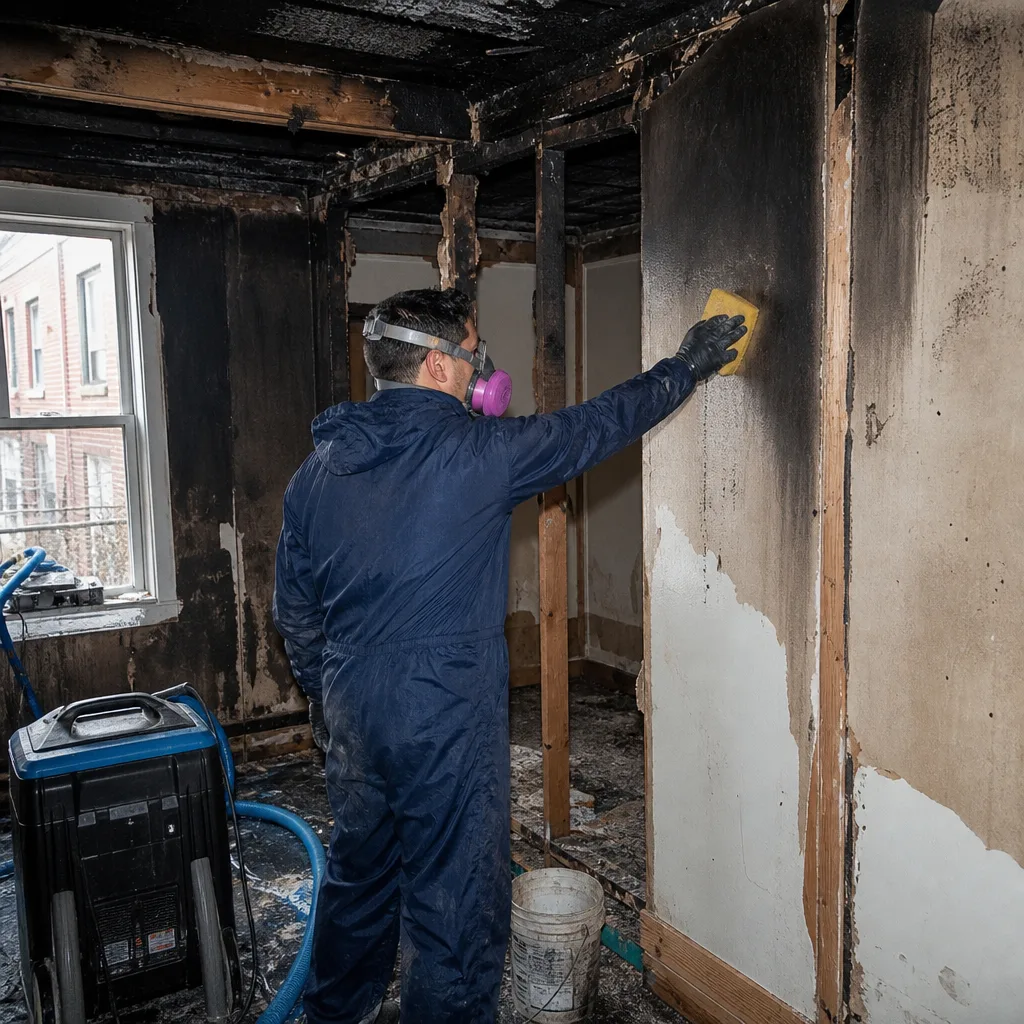
Storm Damage Cleanup
After the water recedes or a nor’easter punches a hole in a roof, there is a layer of debris, surface contamination, and mud that has to be gone before drying can work. We clear it, sanitize the affected envelope, and prep the structure for the drying plan. In buildings with shared entries and common hallways, we can set containment and run HEPA air scrubbers so the cleanup of one unit does not spread dust and contaminants into a neighbor’s space, and we coordinate directly with HOA boards on access and common-area restoration.
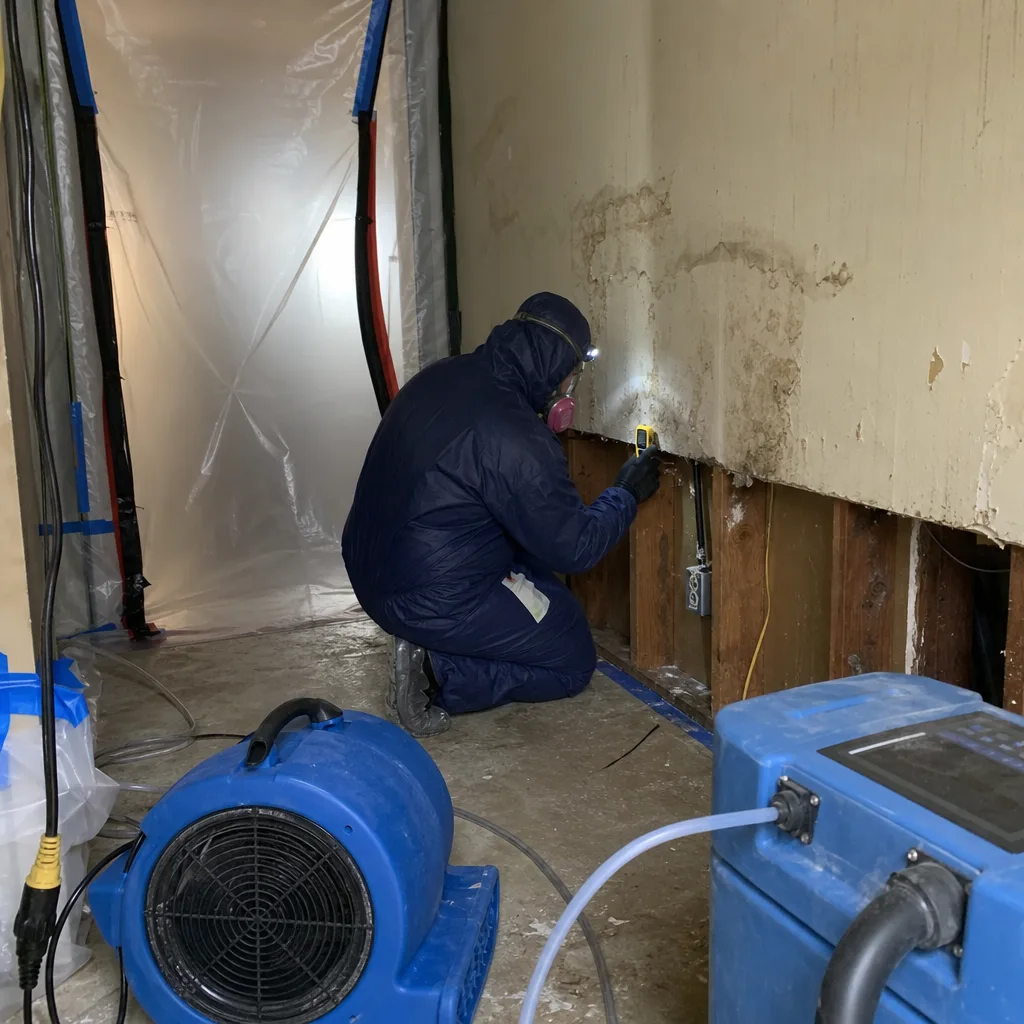
Emergency Board-Up
When a window blows out on the upper floors of a rowhouse during a nor’easter, the rain does not stop because the glass is gone. We install code-compliant emergency board-up over broken windows, failed doors, and roof penetrations to stop immediate water entry and secure the building until replacement can be scheduled. If your building requires architectural-review approval for the permanent window or door that follows the board-up, we handle that path and install only the approved specification. The board-up is temporary, but the workmanship around it holds through the storm that caused it.
Roof Tarping
Hoboken’s flat and low-slope rowhouse roofs do not shrug off a nor’easter the way a pitched suburban roof does. Ponding water on a flat roof finds its way through aging membrane, and once it gets into the top-floor unit, it travels down inside the party walls. We tarp roof penetrations and failing sections fast, then do the interior moisture mapping and structural drying to track how far the water actually went. The tarp is not the repair; it is the stopgap that lets the real repair be planned without more water coming in at the next storm.
Debris Removal
Storm debris in Hoboken is not just branches in a yard. It is waterlogged drywall, sewage-contaminated carpet, and structural components from wind-damaged roofs. We remove and properly dispose of all affected materials, following hazardous-waste protocol for Category 3 contaminated material, and we coordinate with your building’s waste contractor and the city’s bulk pickup rules for rowhouse blocks where curb space is tight. We leave the job site clean, not just drier.
What happens when you call
- 1
A real person answersNo phone trees - you reach a local pro.
- 2
You get an upfront price rangeHonest numbers before anyone is dispatched.
- 3
A background-checked tech heads outLicensed & insured, dispatched right away.
- 4
You approve before work beginsNothing starts until you say go.
Storm & Disaster Restoration Costs in Hoboken, NJ
Storm and flood restoration in Hoboken is priced by the scope of water damage, not by a flat per-room rate, but homeowners consistently ask for real numbers so here they are. A typical Hoboken garden apartment flood from a sewer backup runs $4,800 to $9,200 for extraction, containment, antimicrobial treatment, drying, and rebuilding the affected finishes. A roof leak that soaked one wall of a top-floor condo and requires patching, drying, and repainting typically runs $2,600 to $5,000. Emergency board-up on a single broken window or failed door runs $350 to $750. Roof tarping on a rowhouse section runs $450 to $900. Full storm-event restoration involving multiple rooms, shared party walls, and coordination with multiple insurers can range from $18,000 to $45,000+ depending on how many units and how much Category 3 water moved. What moves the price? The water category, the amount of finishes that need removal, whether a shared wall is involved, and whether HOA or ARB approval slows the permanent repairs. We give the free visual inspection specifically so you never buy a scope you have not seen. Call (640) 221-3499 and we will give you an exact written number before any work begins.
We Also Serve Cities Near Hoboken
Our crews serve Hoboken and the surrounding Hudson County communities, including Hoboken and the nearby cities of Union City, Weehawken, Secaucus, and North Bergen. If you own property in one of those cities and need Storm & Disaster Restoration, the same crew, the same equipment, and the same warranty follow us across the border. The phone is answered live, 24 hours a day.
Hoboken Storm & Disaster Restoration Questions, Answered
How quickly can mold start growing on wet drywall after a Hoboken basement flood?
Mold can begin growing on wet drywall within 48 to 72 hours, and in Hoboken’s humid summer months that window can be even shorter, sometimes 36 hours. The clock starts the moment the drywall gets wet, not when you first notice the water, which is why the first call matters. Our crews aim to have extraction running the same visit and drying equipment placed within hours, not days. Call (640) 221-3499 and we will tell you over the phone whether you need us tonight or can wait until morning.
Does the water category change how you handle flood damage in a Hoboken garden apartment?
Yes, and it changes everything. Category 1 water from a burst supply line can often be extracted and dried with the finishes saved. Category 3 water from a combined sewer backup or Hudson River surge requires antimicrobial treatment, and saturated porous materials below the waterline typically come out. In a Hoboken garden apartment, Category 3 usually means the finished floor, pad, and lower drywall go, and we treat the brick rubble foundation and party wall cavities before any rebuild. The classification drives the entire scope and the insurance claim.
Do I need HOA approval before you replace a flood-damaged door in a Hoboken condo?
In most Hoboken condo buildings with an architectural-review board, yes, if the door is part of the exterior envelope or a shared element. Replacing that door with a different style, color, or material without ARB approval can trigger a violation and a re-work order, and the board can legally require you to replace it again at your own expense. We handle the approval path before installation, and we install only what the board has approved in writing. Our process eliminates the risk of paying twice for the same door.
What does emergency board-up actually cover after a Hoboken window blows out in a nor’easter?
Emergency board-up covers the immediate and temporary sealing of the opening with code-compliant materials that stop water entry, secure the property, and keep the building envelope intact until a permanent replacement can be sourced and installed. It includes the labor, the materials to cover the opening, and usually a site check to make sure no additional water is entering from adjacent roof or wall damage. It does not include the permanent window replacement, which in Hoboken often requires ARB review if the building has an architectural board.
Why do so many Hoboken condo floods involve multiple units and insurers?
Because Hoboken’s housing stock is dominated by rowhouses subdivided into condos, and those buildings share party walls, floors, and plumbing chases. When water moves through a shared wall or drops through a floor assembly, it does not respect the legal line between Unit A and Unit B. A single broken pipe on the third floor can easily put water into the second and garden levels, which means three separate insurance claims, three adjusters, and sometimes three HOAs. We handle multi-unit mitigation and documentation routinely, and we run moisture readings on both sides of every shared wall so no unit gets signed off dry while the neighbor’s side is still wet.
How fast can you actually get to my Hoboken property?
We commit to a 45-minute response in Hoboken, and often beat it. Our dispatchers live in the metro area, our crews know the one-way streets and parking realities of the rowhouse blocks, and we maintain equipment on trucks so extraction starts the same visit. Call (640) 221-3499 and a live person will tell you exactly when to expect the crew at your door.
How long does drying and remediation take for a typical Hoboken basement flood?
Drying alone typically runs three to five days for a Category 1 or 2 event in a Hoboken garden apartment, provided we can get equipment in place within hours. Category 3 events usually add a day or two for demolition of affected finishes and antimicrobial treatment before drying even starts. Full restoration, including rebuild, often runs two to four weeks depending on HOA approvals, material lead times, and the insurance scope. You get a written timeline and daily moisture readings the whole way through.
Can we stay in our home during storm damage restoration?
In most cases, yes, especially if the damage is confined to one room or a basement level and we can set containment with negative air pressure around the work area. Category 3 sewage-backup events may require vacating the affected unit during the contaminated-material removal and antimicrobial treatment phase, typically one to three days. We will give you an honest answer in the first walkthrough, and if the job poses a risk to your health, we will tell you plainly and help you plan the short-term move.
Serving Hoboken, NJ - Our Local Coverage Area
We’re based in the Hoboken area and know this community well. Use the map below to see our service coverage - if you’re nearby, we can almost certainly help.
Call Floodline Restoration Co. for Storm & Disaster Restoration in Hoboken
When the water is coming in, you do not want a sales pitch. You want a live person on the phone, a crew that shows up when promised, and a name that stands behind the work. That is what we do. Floodline Restoration Co., led by Curt Bowman, has answered Hoboken storm calls for years, and we answer every one of them with the same promise: a live dispatcher, a 45-minute response, a written scope before work starts, direct insurance billing, and the 90-Day Done Right Promise in your hand when the job is finished. The line the water left is where we start. Call (640) 221-3499 for a free estimate, and ask about the $50 Off Any Repair Over $250, the $89 Seasonal Tune-Up, and the Senior & Veteran 5% Discount we always honor. We will be there when we say.
Written by Curt Bowman, Owner at Floodline Restoration Co. Our crews serve Hoboken and the surrounding Hudson County area, with dispatch coordinated from our New York City office.