
Free visual inspection and a written scope of work before any mitigation begins - photos, moisture readings, and drying logs go in your claim file
The scope we write is the scope we bill. Anything new gets shown to you, in writing, before we touch it.
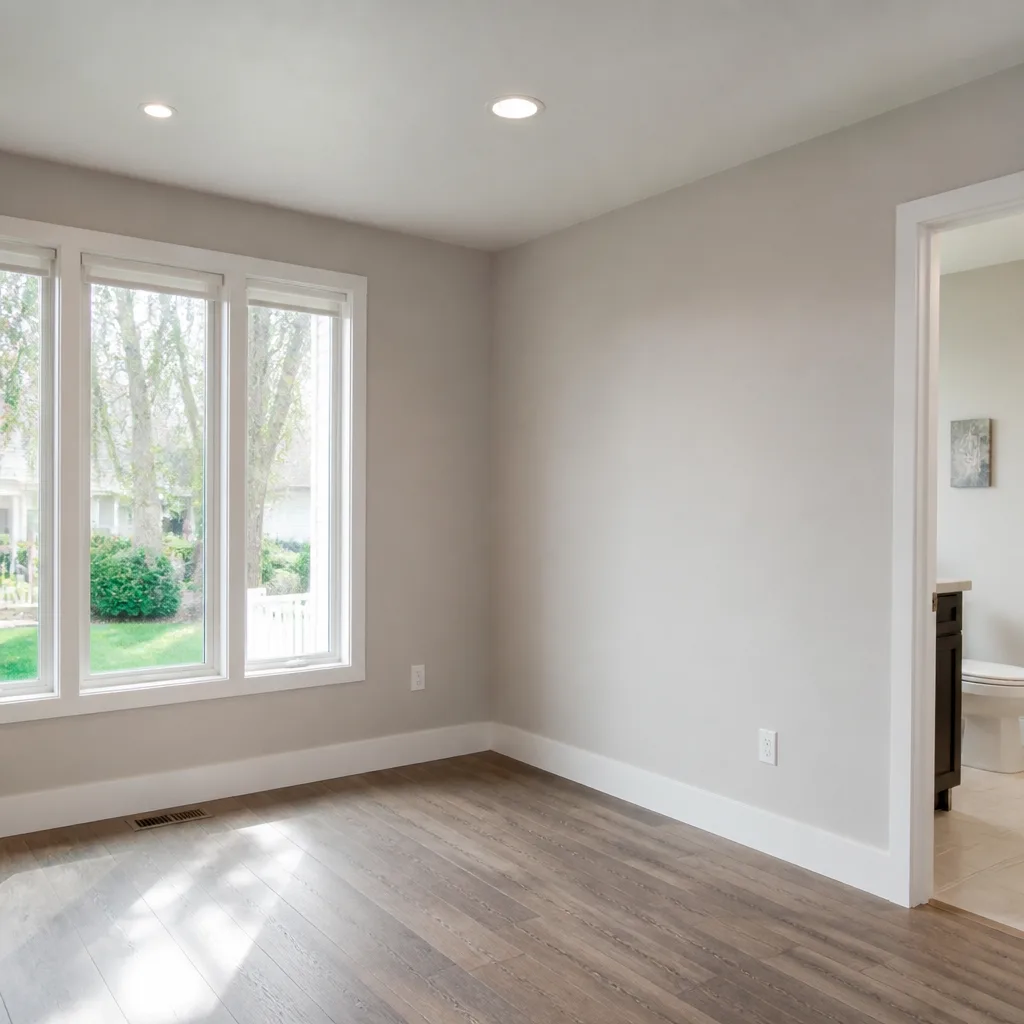
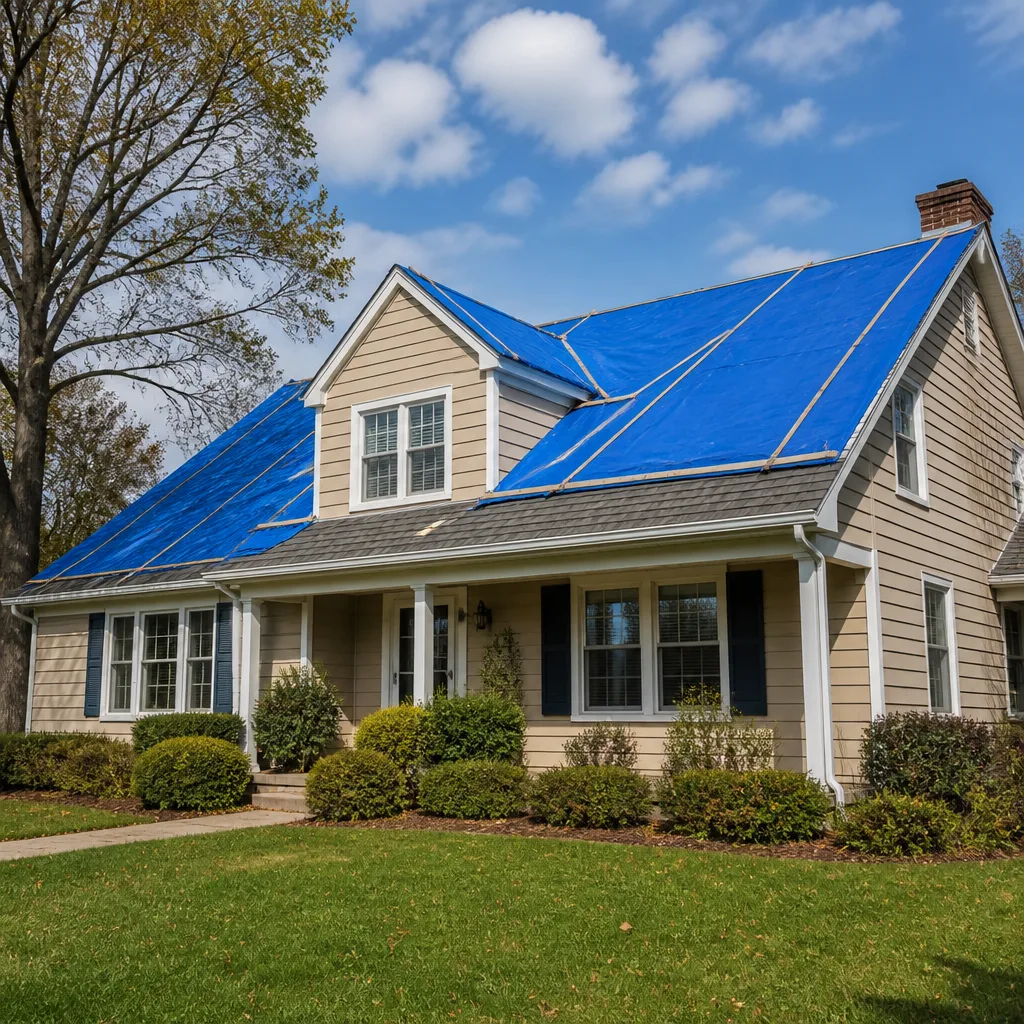
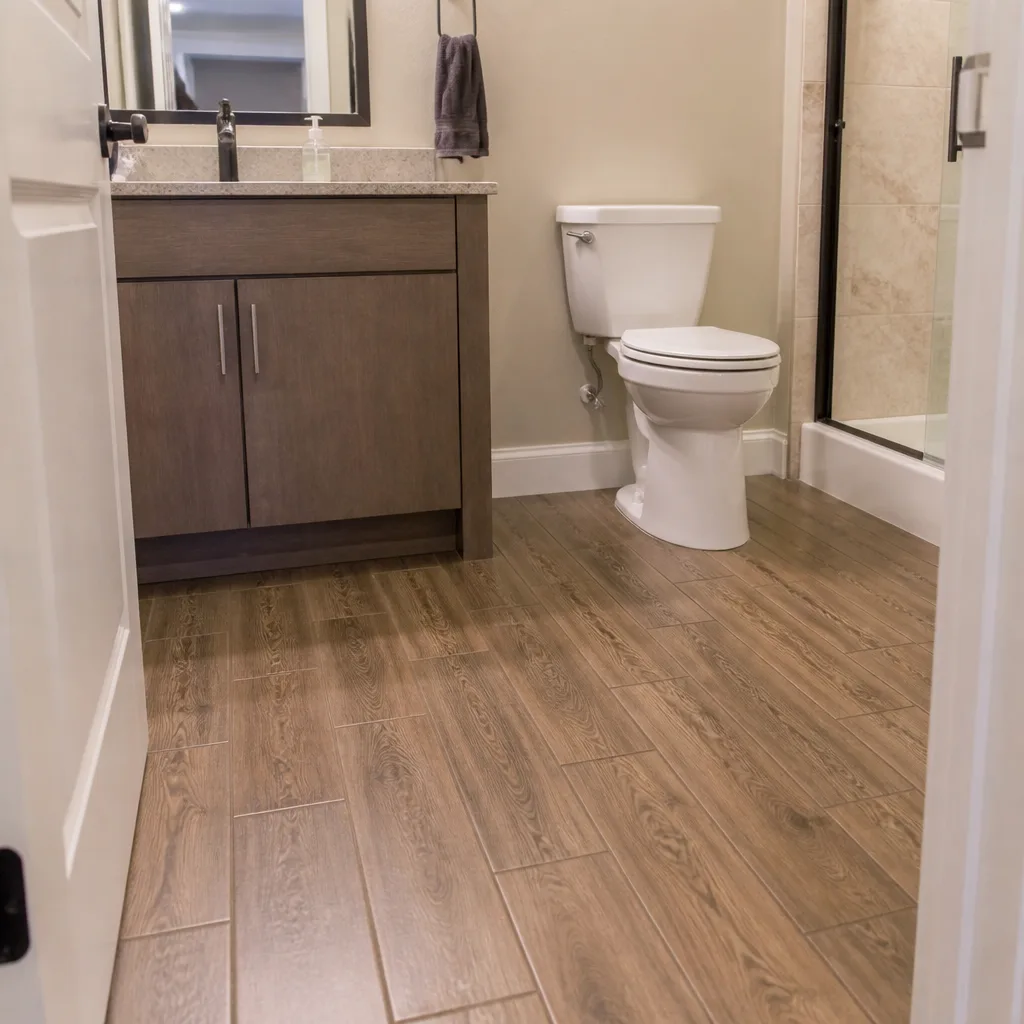
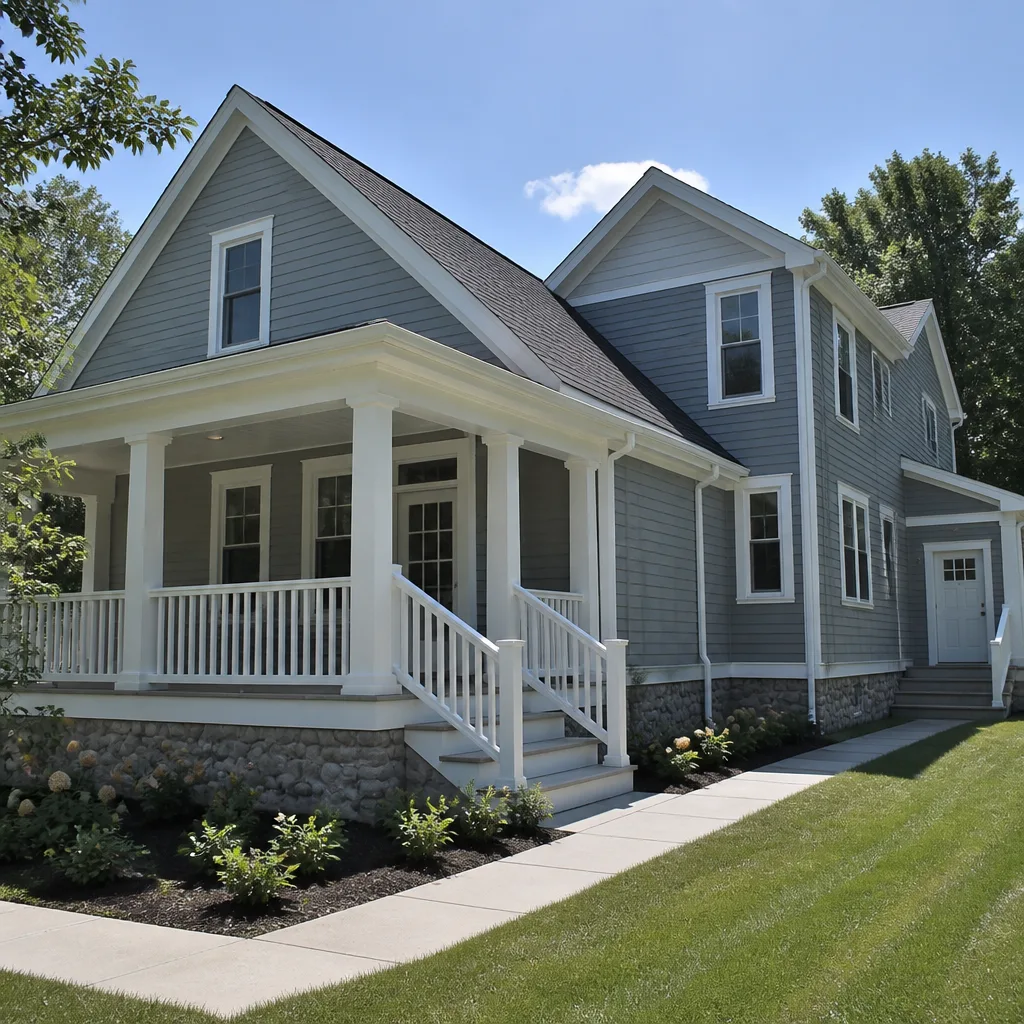
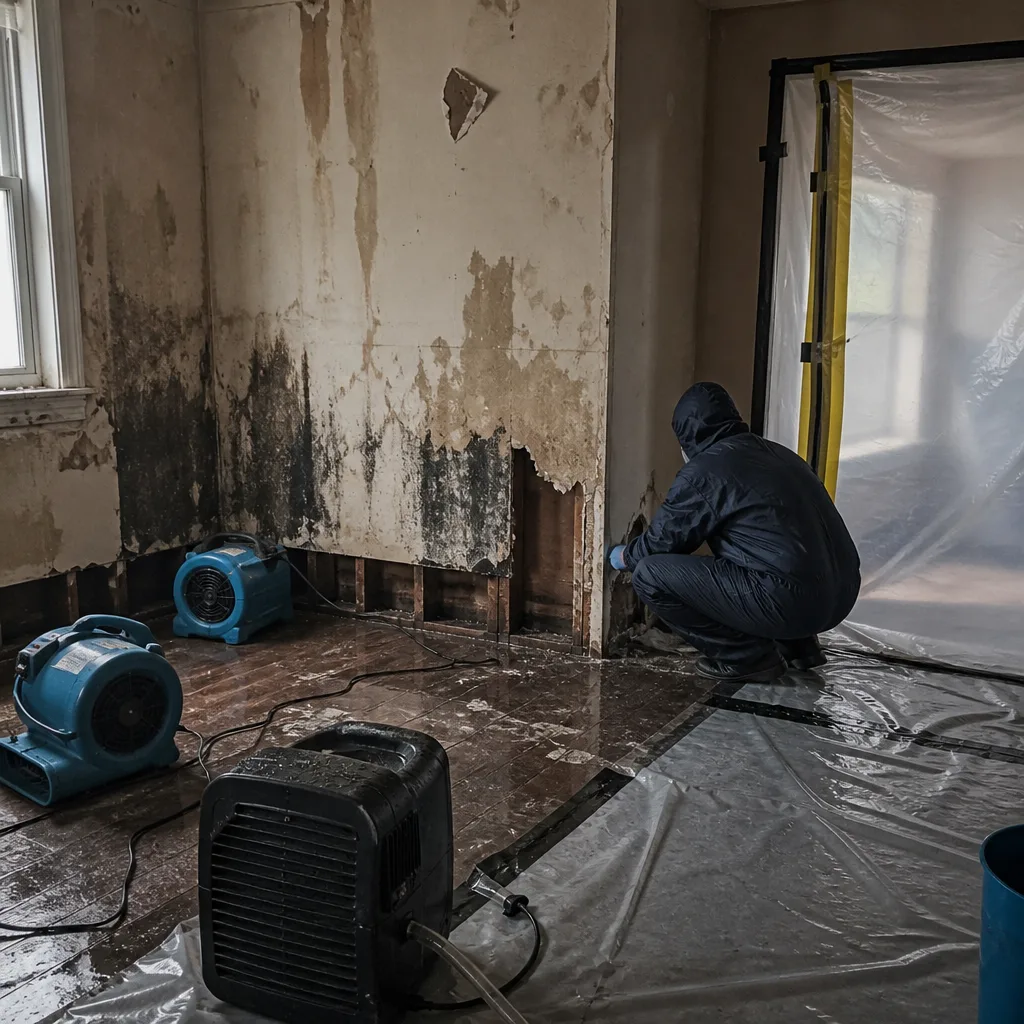 Before
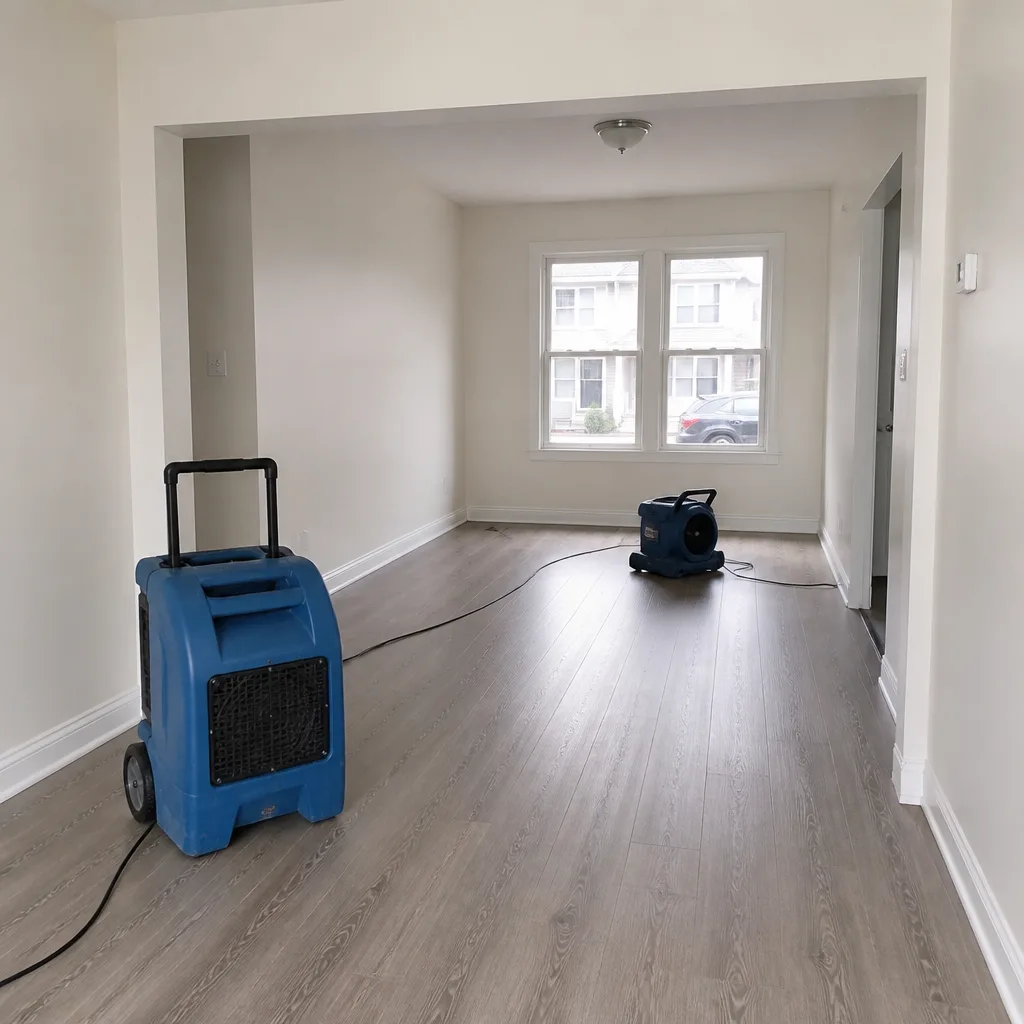 After
After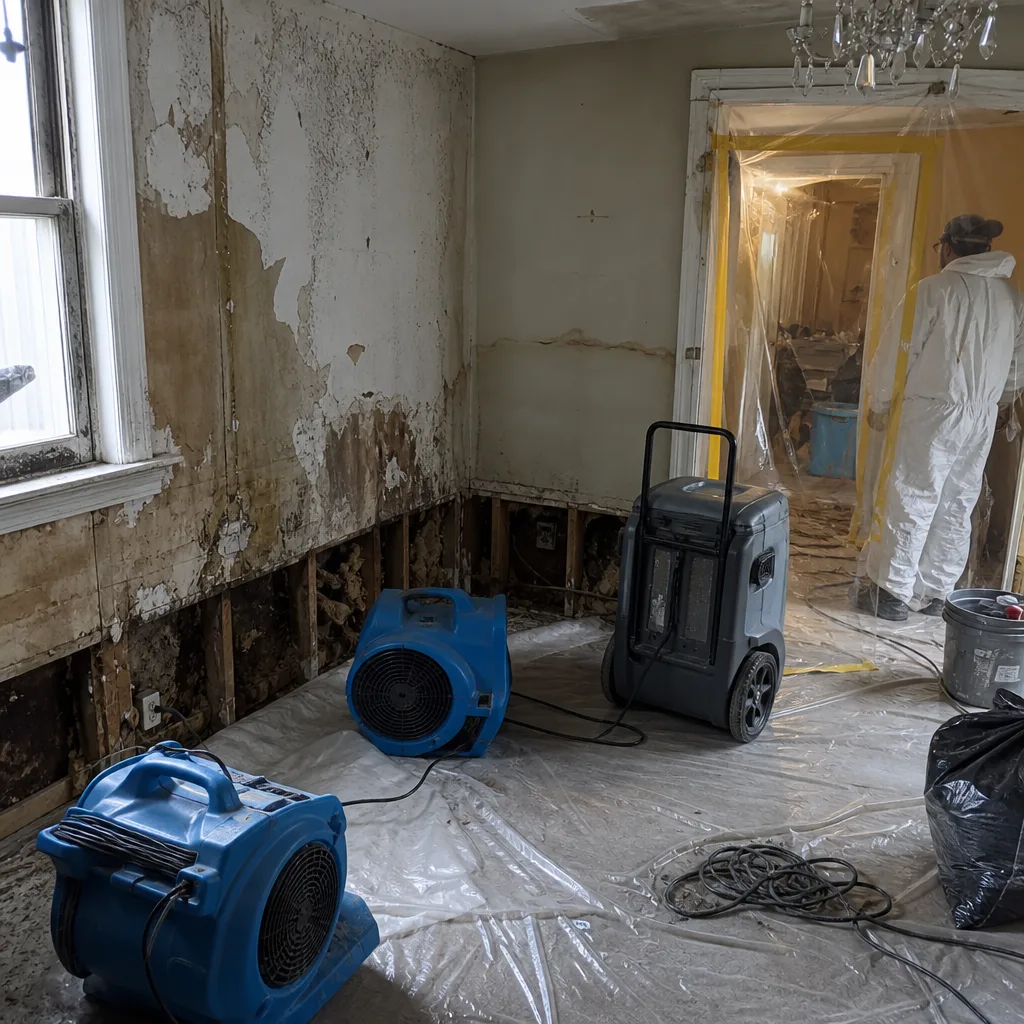 Before
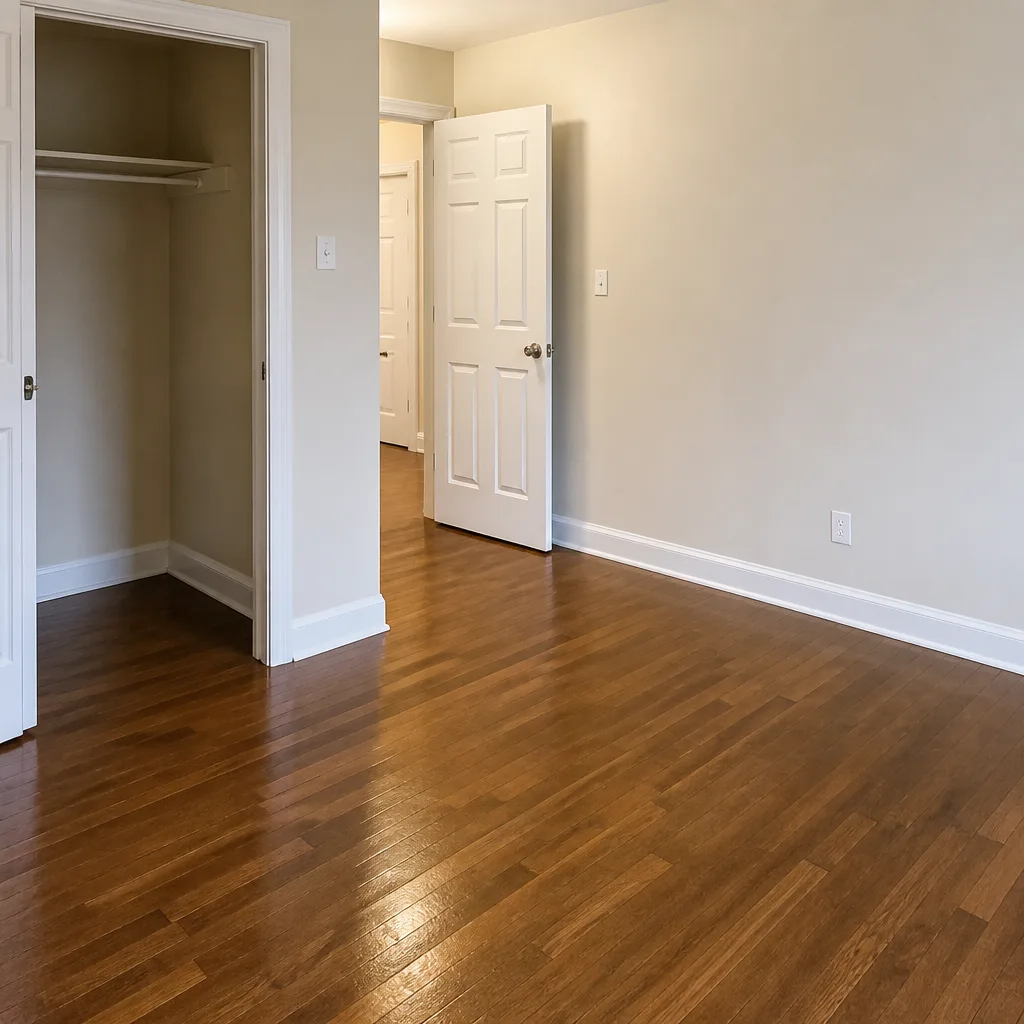 After
After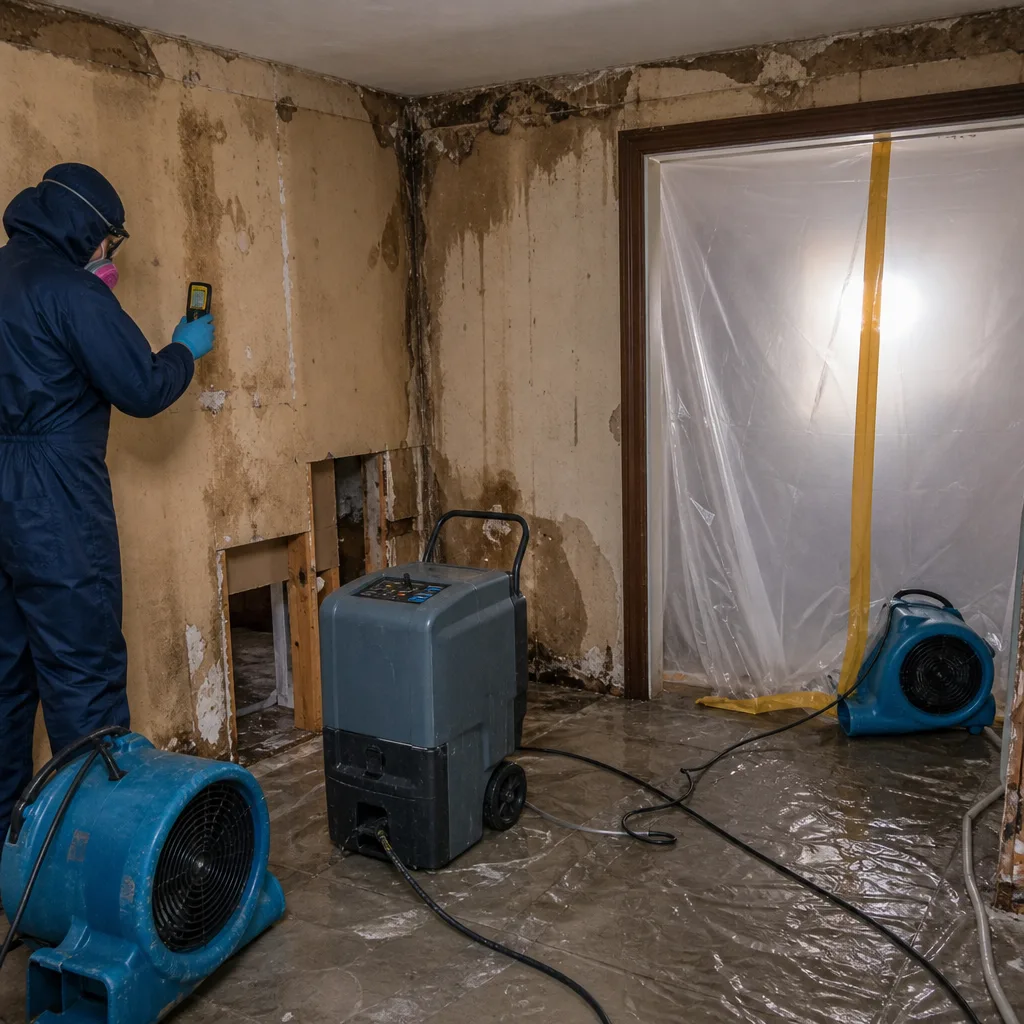 Before
 After
After24/7 Emergency Storm & Disaster Restoration in Midtown Manhattan
Storm damage in Midtown Manhattan doesn’t wait for building management to convene. A nor’easter ripping through at 2 a.m. or a failed riser flooding three floors of a pre-war co-op demands a crew that’s already moving. Our live dispatchers answer at (640) 221-3499 around the clock, every day of the year, and our certified technicians reach Midtown Manhattan addresses fast because we know the loading docks, freight elevators, and service entrances that GPS routing misses. The first hour after water intrusion or wind damage determines how much gets saved versus how much gets gutted. We don’t put you in a callback queue. We dispatch a uniformed, background-checked crew the same visit, with extraction equipment running before the water migrates any further.
Understanding Storm & Disaster Restoration Severity in Midtown Manhattan Properties
Midtown Manhattan’s building stock turns ordinary storm damage into a structural puzzle. In a pre-war co-op on Park Avenue, water that enters through a compromised roof or window frame follows the original cast-iron drain stacks and steam-heat risers downward, sometimes surfacing four or five floors below the point of entry. That’s vertical water migration, and it’s the reason a “small leak” on the 18th floor becomes a mold liability in a 14th-floor apartment within 48 hours. Our technicians classify water by category on arrival: Category 1 (clean supply-line water), Category 2 (gray water with contaminants), and Category 3 (black water carrying sewage, street runoff, or storm surge). Each requires a different extraction and sanitization protocol. We map moisture with thermal imaging and hygrometers before opening any wall, because in Midtown’s curtain-wall towers, wind-driven rain travels behind the façade in channels that standard moisture probes miss entirely. The severity of a storm loss in Midtown Manhattan isn’t measured in inches of standing water. It’s measured in how many floors the water crossed before anyone saw it.
Why Midtown Manhattan Property Owners Choose Floodline Restoration Co.
- 45-minute response commitment for Midtown Manhattan addresses, with a live dispatcher confirming a crew is en route before the call ends.
- 24/7 live answer from a real person at our New York City dispatch desk. No automated attendant, no “leave a message,” no call-back promise at 3 a.m.
- IICRC-certified crews trained to WRT, FSRT, and AMRT standards, plus RIA and IFA protocols for storm and catastrophe response.
- Free visual inspection with a written scope of work before any demolition, extraction, or drying equipment goes in.
- Direct insurance billing with photo documentation and daily moisture logs sent straight to your adjuster. You never play messenger.
- One team from extraction to reconstruction. The same certified crew that pulls water on day one rebuilds the drywall on day thirty. No handoffs, no inherited crews, no finger-pointing.
Our Storm & Disaster Restoration Process
Inspection & Assessment
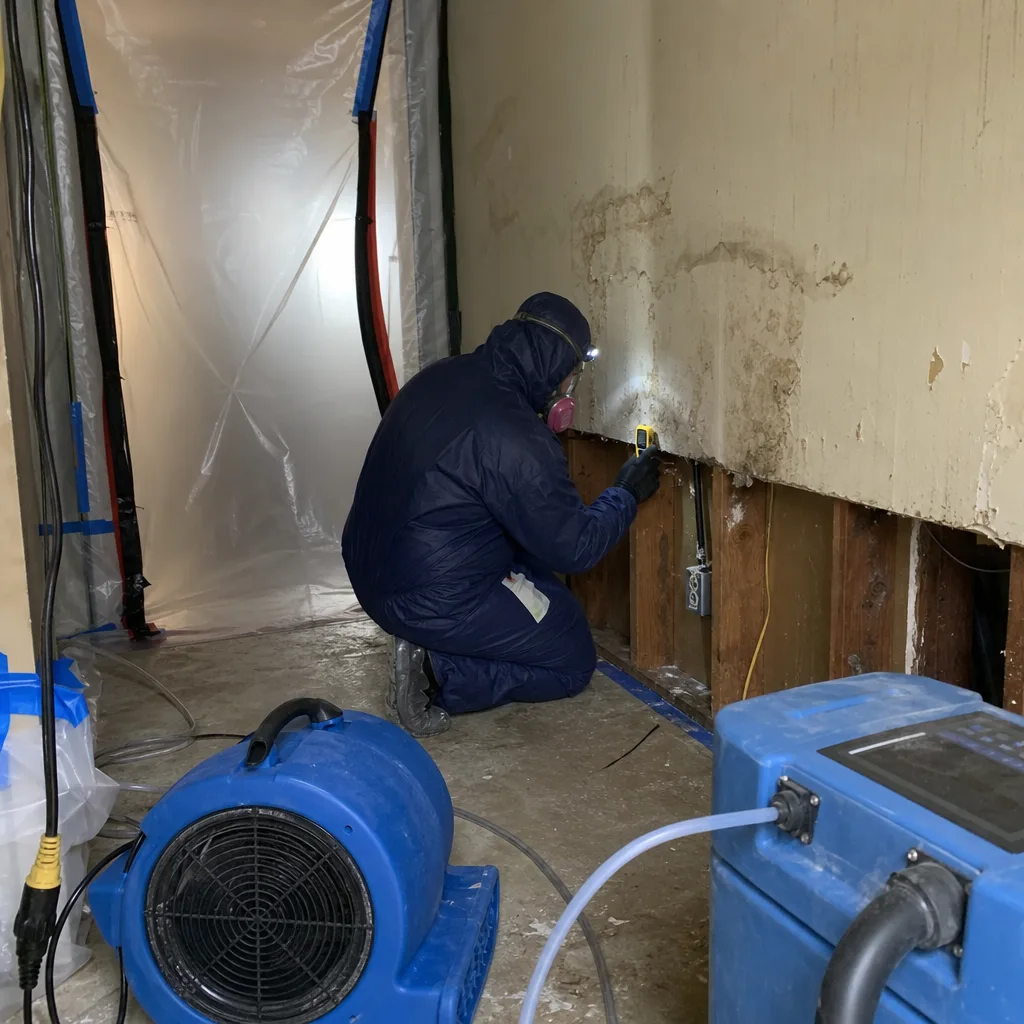
We arrive with thermal imaging cameras, hygrometers, and moisture meters. In a Midtown high-rise, we trace water paths through riser chases and behind curtain-wall façades before recommending any opening. You get a written scope and a firm plan, not a verbal estimate.
Extraction & Stabilization
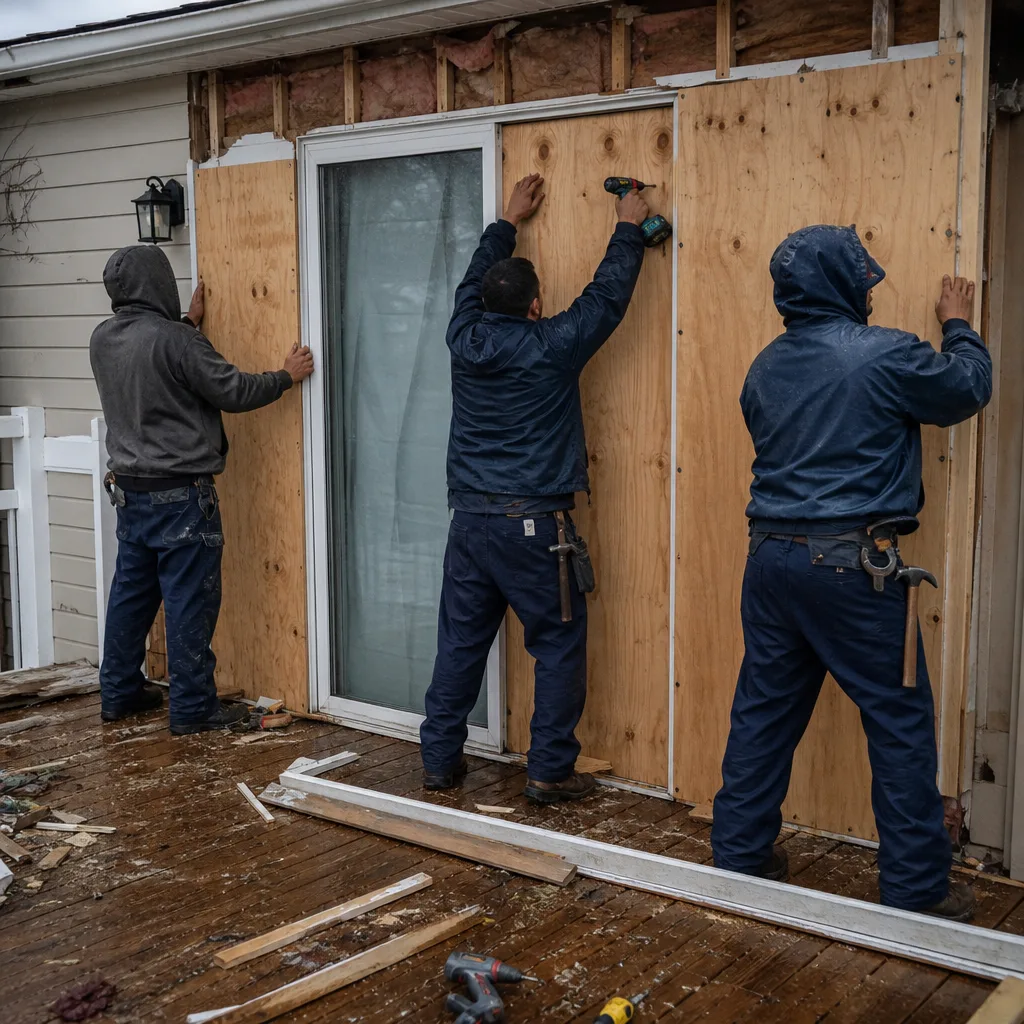
For flood damage, we run truck-mounted and portable extraction units immediately. For wind damage, we board up broken glass and tarp compromised roofing so the property is secure against further weather. Stabilization stops the loss from growing while we work.
Drying & Dehumidification
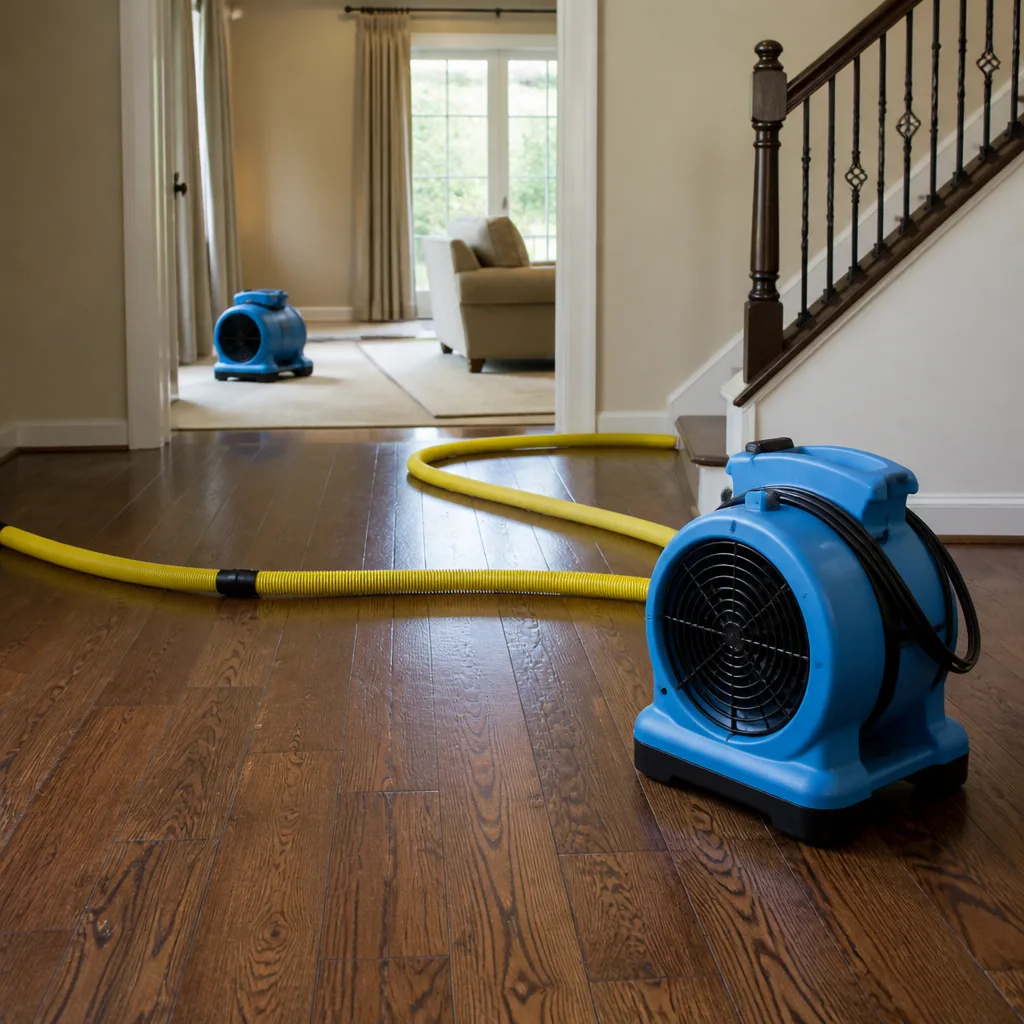
We place Dri-Eaz and Phoenix air movers and dehumidifiers according to a moisture map, not guesswork. In occupied Midtown buildings, we run drying overnight in empty commercial floors, hotel wings, or vacant units to hit the dry standard before business hours.
Cleaning & Sanitization
Storm water carries contaminants. We sanitize affected surfaces with EPA-registered antimicrobials, HEPA-vacuum porous materials, and run air scrubbers where needed to control airborne particulates in tight Midtown spaces.
Specialty Storm Treatment
Nor’easter damage in Midtown often means wind-driven rain intrusion behind glass curtain walls. We use Injectidry systems to dry concealed wall cavities and floors without removing historic finishes, a method that protects pre-war co-op interiors from unnecessary demolition.
Repairs & Restoration
The same Floodline Restoration Co. crew that extracted the water handles reconstruction: drywall, trim, flooring, paint, and finishes. We rebuild to the condition it was before the storm, and we hand you a moisture log plus the 90-Day Done Right Promise in writing.
Need Emergency Storm & Disaster Restoration in Midtown Manhattan Now?
Crews minutes away, answering live 24 hours a day. The sooner we start, the less it costs.
Working With Your Insurance Company
We’ve spent over 42 years in restoration, and we’ve learned that the fastest claims are the ones with documentation from hour one. When Floodline Restoration Co. handles your Midtown Manhattan storm loss, we photograph every affected room before we touch anything. We log moisture readings daily, we itemize every line of the scope, and we send all of it directly to your adjuster with a note explaining what we found and what we recommend. You don’t coordinate between three parties. You don’t translate drying logs into adjuster language. We bill the carrier directly for covered work, and we stand behind the result with the 90-Day Done Right Promise, given in writing, no arguments, no fine-print battles.
What We Provide Your Insurer
- Thorough documentation of the loss
- Photos of all damage, room by room
- Moisture readings and drying logs
- A detailed, line-item scope of work
- Direct coordination with your carrier
Built for Midtown Manhattan’s Loss Calendar
Midtown Manhattan’s storm damage follows a predictable seasonal rhythm, and our crews prepare for it the way a building super preps the roof drains in October. January and February bring deep freezes that burst supply lines in uninsulated mechanical rooms and along exterior walls, flooding multiple floors before the building staff can reach the sub-basement shutoff. March and April mean freeze-thaw cycles that split flat-roof membranes on mid-century office towers, letting snowmelt and rain into ceiling plenums for weeks before anyone notices a stain. July and August thunderstorms dump enough rain in ninety minutes to overwhelm aging roof drains and send water cascading down stairwells. And from September through the holidays, nor’easters whip horizontal rain at 40-plus floors of elevation, driving water through curtain-wall window frames and façade joints on the west-facing towers along Eighth Avenue. This is what Storm & Disaster Restoration actually looks like in Midtown Manhattan: not a one-off hurricane, but a year-round sequence of weather events hitting older building systems and taller facades harder than anywhere else in the city.
Storm & Disaster Restoration Across Midtown Manhattan’s Neighborhoods
Midtown Manhattan isn’t one place. It’s a patchwork of building types, access patterns, and response constraints that change block by block. In the Times Square hotel corridor along Seventh Avenue and Broadway, we’re frequently called to complete full water extraction and overnight structural drying in guest-room wings before 6 a.m. checkout prep, because a closed floor costs a property tens of thousands of dollars per day in lost room revenue. Up around the pre-war co-ops near Park Avenue and Fifth Avenue, we coordinate with co-op boards and building supers who control freight-elevator access and water shutoffs, often requiring us to submit certificates of insurance and DOB permit paperwork before we can begin. Over toward the Art Deco office towers on Madison and Lexington, storm losses typically involve aging mechanical penthouses and failed rooftop HVAC housings that leak downward through closed elevator shafts. And in the newer glass curtain-wall towers west of Sixth Avenue near Bryant Park, wind-driven rain intrusion at upper floors demands thermal imaging to locate water that traveled inside the façade before we ever open a wall. Our Midtown Manhattan crews know each of these patterns because we’re there every week, not once a season.
Specialized Storm & Disaster Restoration Services We Offer in Midtown Manhattan
Flood Damage Restoration
The single most common storm response in Midtown Manhattan is water where it shouldn’t be. We extract, dry, sanitize, and rebuild. A typical flood damage restoration in a Midtown co-op or office suite runs $3,800 to $18,000 depending on square footage and how many floors the water crossed. Category 3 floodwater from street-level storm surge or sewage backup pushes costs toward the upper end because it requires full sanitization and often pack-out of affected contents.
Emergency Board-Up
A blown-out storefront window on Lexington Avenue or a shattered hotel atrium panel on Seventh can’t wait for a glass company. We board up broken openings with plywood and fasteners that hold against Midtown winds, securing the property against looting, rain, and wind pressure. Board-up in Midtown Manhattan typically runs $400 to $1,200 per opening depending on size and floor level.
Roof Tarping
When storms tear membrane roofs or puncture rooftop cooling-tower housings on Midtown office buildings, we tarp the opening to stop water intrusion before permanent roofing crews can mobilize. Tarping a Midtown flat roof or penthouse roof typically runs $900 to $2,500. We anchor tarps to resist the same winds that caused the original damage.
Debris Removal
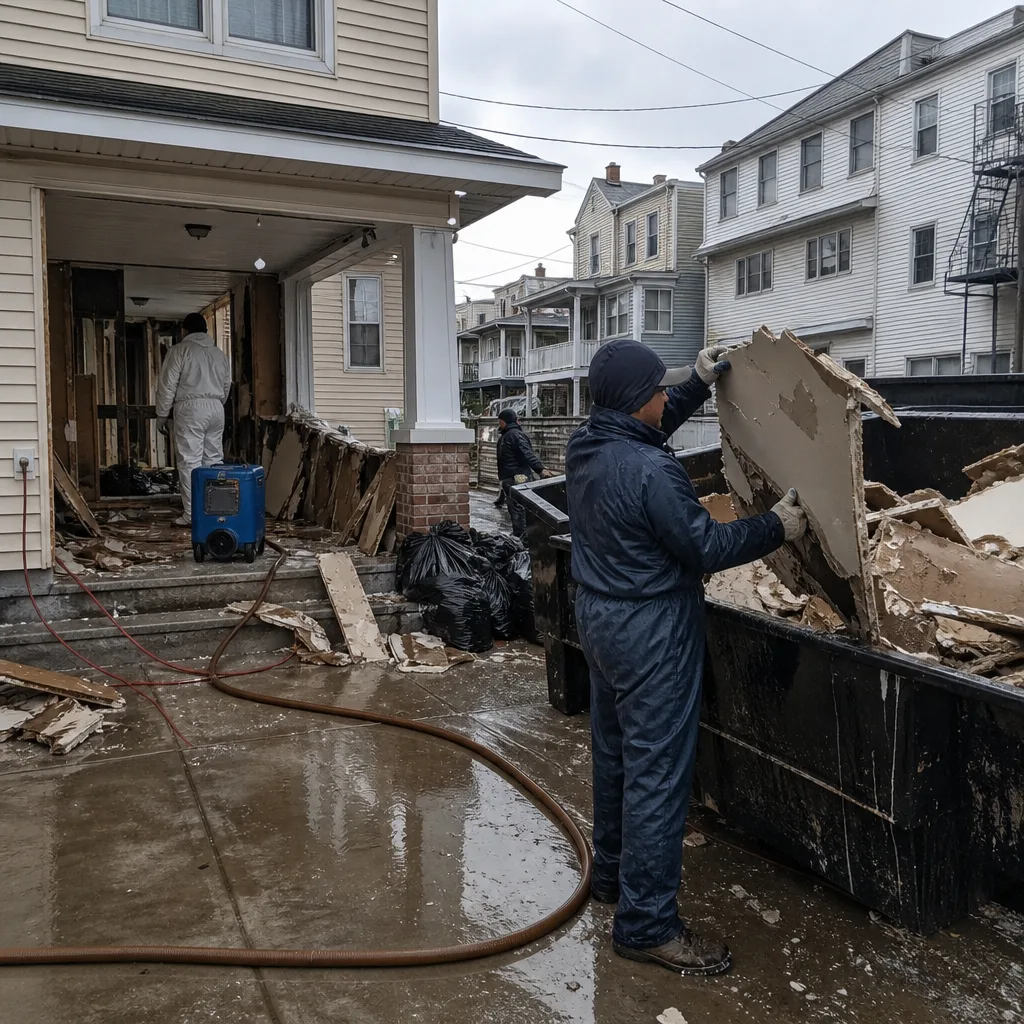
Storm debris in Midtown Manhattan is rarely tree branches. It’s broken glass from curtain walls, dislodged signage from building facades, collapsed drop ceilings, and waterlogged drywall and insulation. We remove it, bag it, and haul it through freight elevators and service corridors without disrupting occupied floors. Debris removal runs $500 to $2,000 depending on volume and building access constraints.
What happens when you call
- 1
A real person answersNo phone trees - you reach a local pro.
- 2
You get an upfront price rangeHonest numbers before anyone is dispatched.
- 3
A background-checked tech heads outLicensed & insured, dispatched right away.
- 4
You approve before work beginsNothing starts until you say go.
Storm & Disaster Restoration Costs in Midtown Manhattan, NY
Midtown Manhattan pricing reflects the building access realities that don’t exist in the outer boroughs. Freight elevator reservations, DOB permit fees, co-op board compliance paperwork, and overnight work windows all factor into the final number. A small Category 1 clean-water extraction in a single apartment typically runs $2,500 to $6,500. A multi-floor flood event in a commercial tower, with Category 3 water and overnight drying, commonly lands between $20,000 and $80,000 before reconstruction. Wind-driven rain intrusion requiring façade-adjacent drying and targeted drywall replacement in several units runs $8,000 to $30,000. Insurance covers most storm-related restoration when the damage is sudden and not pre-existing, but your deductible and policy limits apply. The free inspection gives you a written scope and a firm price before any equipment goes in. No surprises, no padding, no change-order games. A square deal.
We Also Serve Cities Near Midtown Manhattan
Our crews regularly respond across Midtown West, Upper West Side, Upper East Side, and Upper Manhattan. If your storm damage is in one of these nearby neighborhoods, the same certified technicians, the same equipment, and the same 90-Day Done Right Promise apply. Call (640) 221-3499 and a live dispatcher will route the closest available crew.
Midtown Manhattan Storm & Disaster Restoration Questions, Answered
How does a nor’easter with horizontal rain impact a Midtown high-rise differently from ground-level flooding?
Horizontal rain driven by nor’easter winds hits Midtown towers at 40-plus floors of elevation and enters through window frames, curtain-wall joints, and façade seams, not through ground-level openings. The water travels behind the exterior façade and inside wall cavities, often surfacing on lower floors or in elevator shafts. This requires thermal imaging to trace before any drywall is opened, because standard moisture meters can’t see what’s hidden behind a glass curtain wall. Call (640) 221-3499 for an inspection if you see staining or smell dampness after a nor’easter.
What does the freeze-thaw cycle mean for my Midtown office building’s flat roof during a winter storm?
Flat and low-pitch roofs on mid-century Midtown office buildings carry rooftop cooling-tower housings, vents, and mechanical penthouses whose seals crack under repeated freeze-thaw stress from November through March. Snowmelt and rain then enter through these failed penetrations and travel downward through ceiling plenums for weeks before stains appear. We tarp these penetrations and dry the interior with Dri-Eaz dehumidifiers to stop the leak at its source before repairs begin.
Why do co-op boards in Midtown add 24-48 hours to storm restoration start times?
Midtown co-op boards require certificates of insurance, DOB permit filings, and board sign-off before any mitigation work begins in a building’s common areas or riser chases. This institutional gatekeeping can delay the start of extraction by a day or two even when our crew and equipment are standing by on-site. We handle all the paperwork for you, submitting documentation before we arrive and coordinating with the building superintendent so the board sees a complete, compliant package on day one. That’s the Midtown protocol, and it’s built into our response plan.
Can you complete a hotel flood restoration overnight without disturbing guests?
Yes. We routinely complete full water extraction and structural drying cycles overnight in occupied Midtown hotel wings, especially along the Times Square and Seventh Avenue corridor. We section off the affected guest-room wing with containment, run air movers and dehumidifiers through the night, and hit the dry standard by 5 a.m. so the floor is ready for checkout prep. We work around guest floors, use service elevators, and keep noise confined to the affected area.
How do you handle water that migrates through multiple floors of a Midtown pre-war co-op during a storm?
We map the entire vertical path of the water, not just the floor where it was first spotted. In pre-war co-ops, water follows original cast-iron drain stacks and steam-heat riser chases downward, so the visible damage on the 10th floor may originate from a failure on the 14th. We inspect every floor along the migration path, run moisture readings in wall cavities and closets on each level, and submit a single coordinated scope to the building’s insurer. This is the only way to prevent missed water from becoming a mold problem months later.
How fast can a crew actually get to Midtown Manhattan for storm damage?
Our commitment is a 45-minute response for Midtown Manhattan addresses. A live dispatcher confirms the crew is en route before you hang up. In practice, our technicians are often already in the neighborhood working another job, which means we can sometimes be on-site in 20 minutes or less. Call (640) 221-3499 and ask for dispatch.
Will my insurance cover storm damage restoration in Midtown Manhattan?
Most standard property policies cover sudden and accidental storm damage, including wind-driven rain, burst pipes from freezing, and wind damage to roofs and windows, subject to your deductible and policy limits. The complication in Midtown Manhattan is multi-party claims when water crosses into neighboring units or a commercial tenant’s space. We document every affected floor separately, provide room-by-room photos and moisture logs, and bill your carrier directly for covered work. We also coordinate with your adjuster and, when needed, with a co-op board’s master policy carrier.
What should I do in the first 30 minutes after storm damage in a Midtown building?
First, call building management or the super to shut off water if the source is a burst pipe or active leak. Then call us at (640) 221-3499. Do not attempt to extract water yourself from a high-rise riser chase or an energized area. Move small valuables out of the water’s path if it’s safe to do so, and take photos of the visible damage with your phone. Then let our crew take over. The first hour determines how much drywall, flooring, and personal property survives.
Serving Midtown Manhattan, NY - Our Local Coverage Area
We’re based in the Midtown Manhattan area and know this community well. Use the map below to see our service coverage - if you’re nearby, we can almost certainly help.
Contact Floodline Restoration Co. in Midtown Manhattan
When a storm hits a Midtown Manhattan high-rise, co-op, hotel, or office tower, the damage compounds hourly while you wait on hold. We’re a local full-cycle restoration company with over 42 years of combined experience, background-checked uniformed technicians, and a live person answering at (640) 221-3499 no matter the hour. One call starts the process: a 45-minute dispatch commitment, a free visual inspection, a written scope, and a certified crew that handles everything from extraction to rebuild. We stand behind the work with the 90-Day Done Right Promise. In writing. No arguing.
Written by Curt Bowman, Owner at Floodline Restoration Co., serving Midtown Manhattan with certified storm and disaster restoration crews.