
Free visual inspection and a written scope of work before any mitigation begins - photos, moisture readings, and drying logs go in your claim file
The scope we write is the scope we bill. Anything new gets shown to you, in writing, before we touch it.
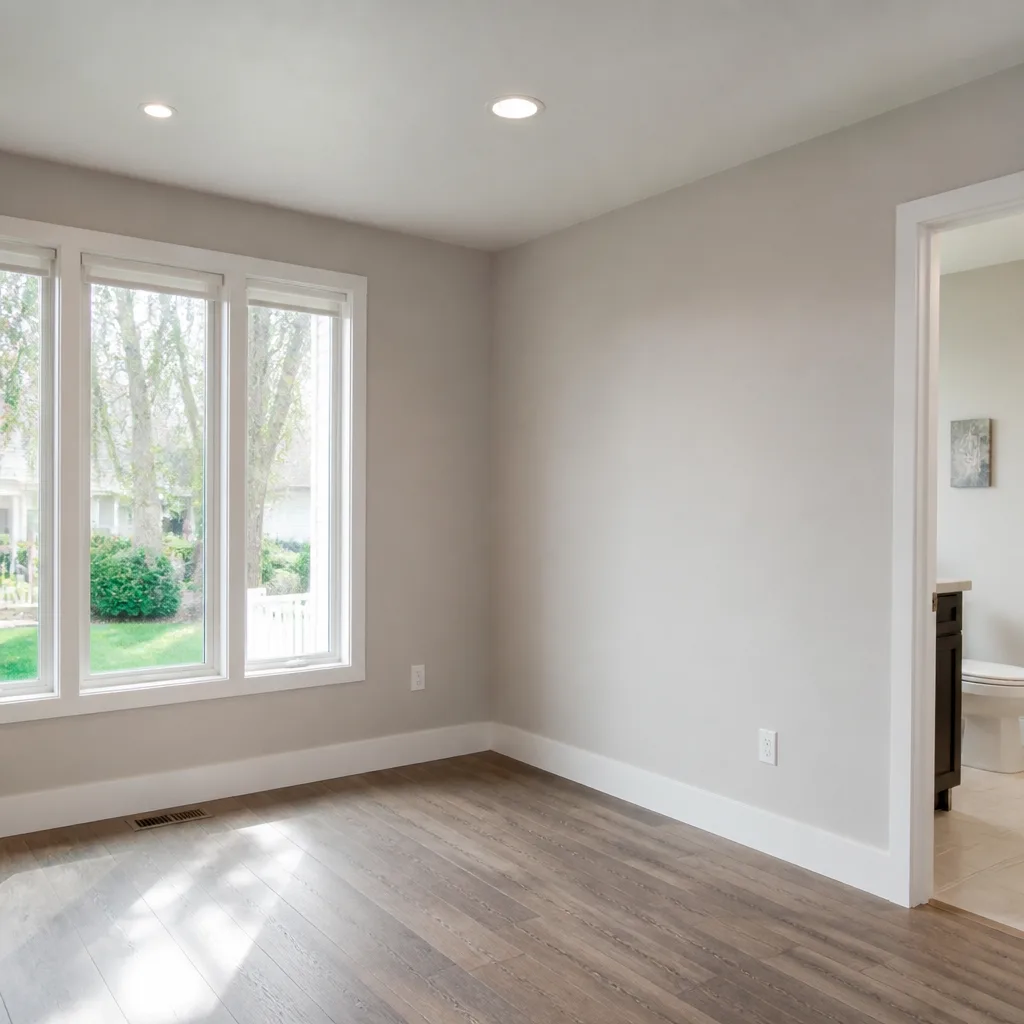
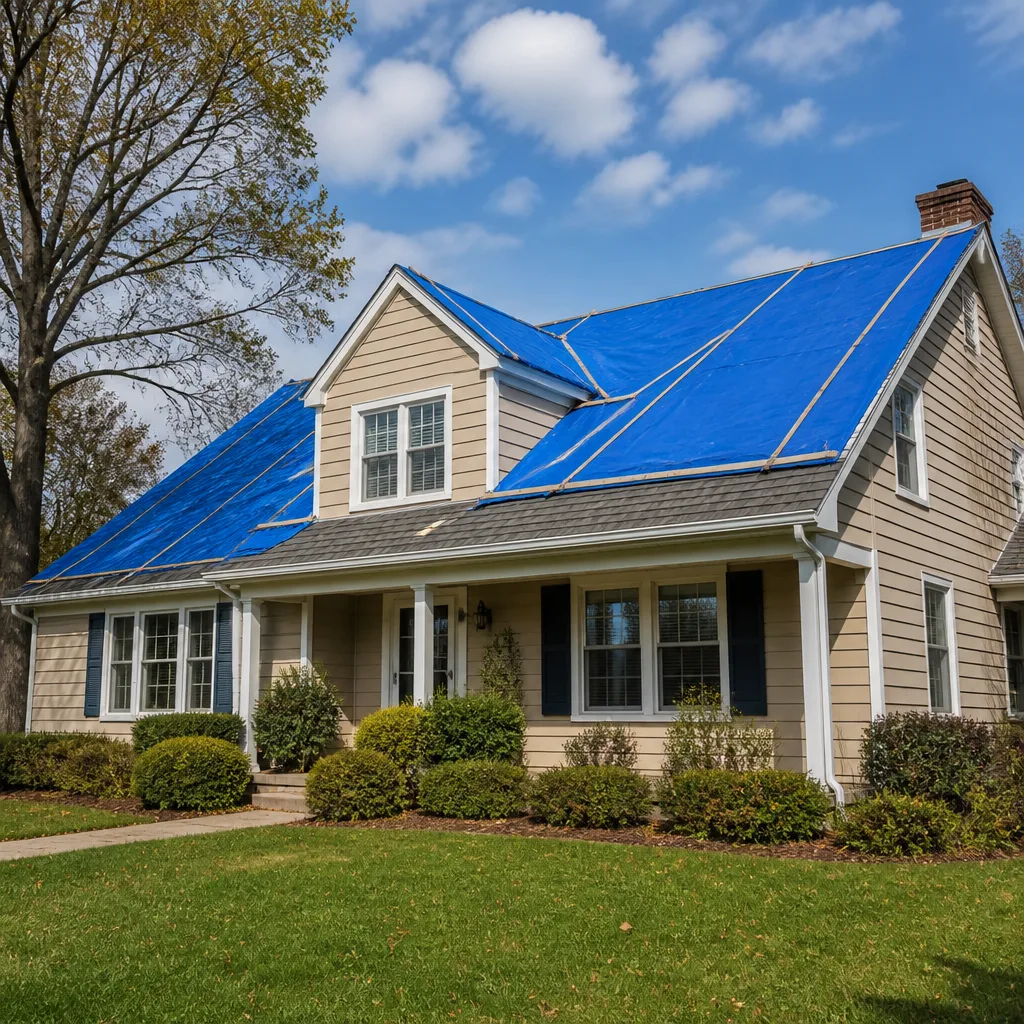
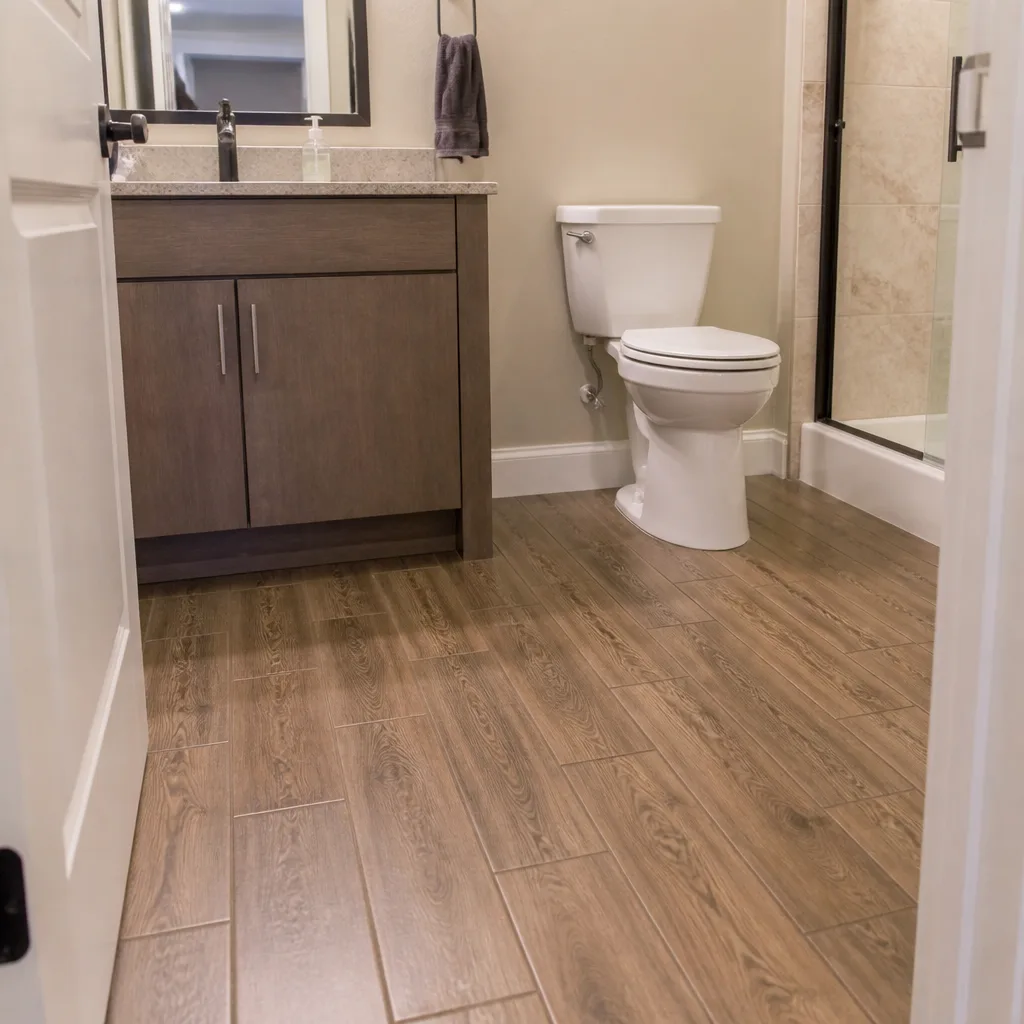
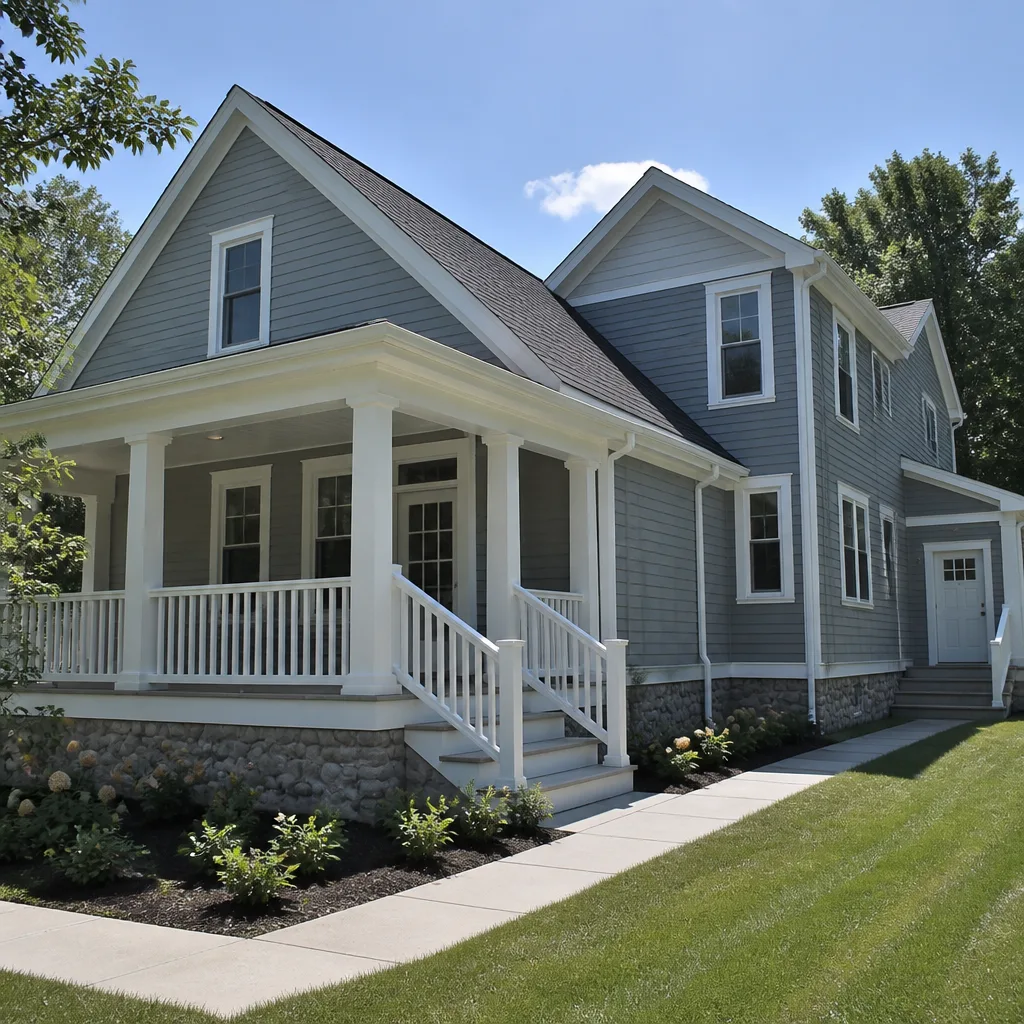
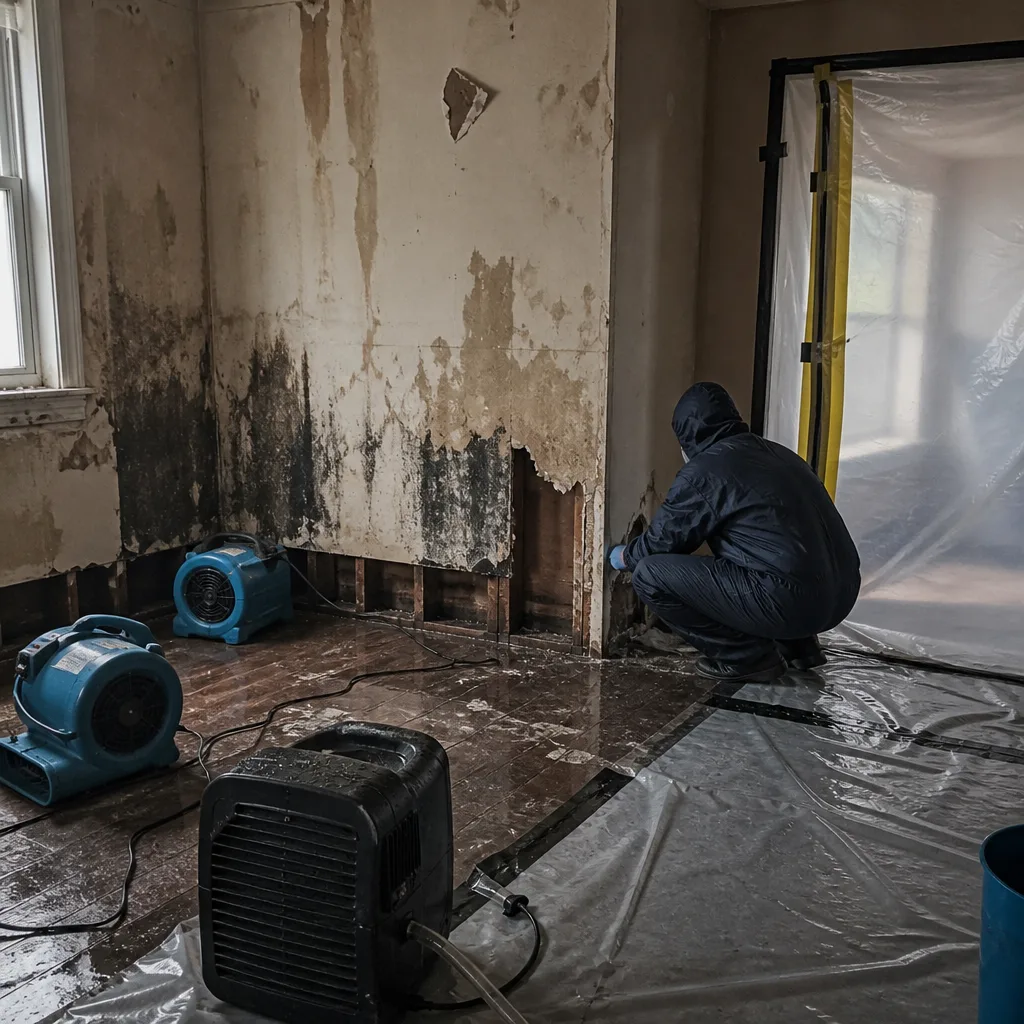 Before
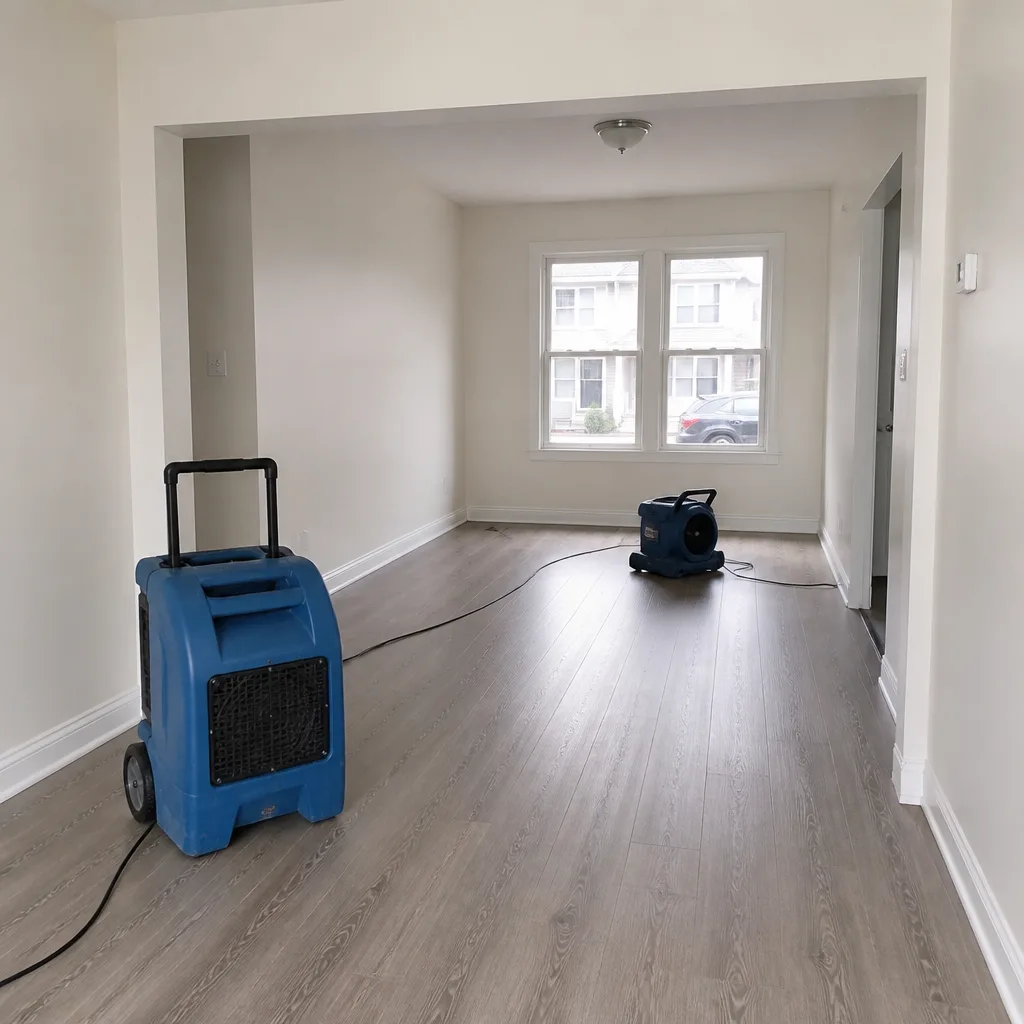 After
After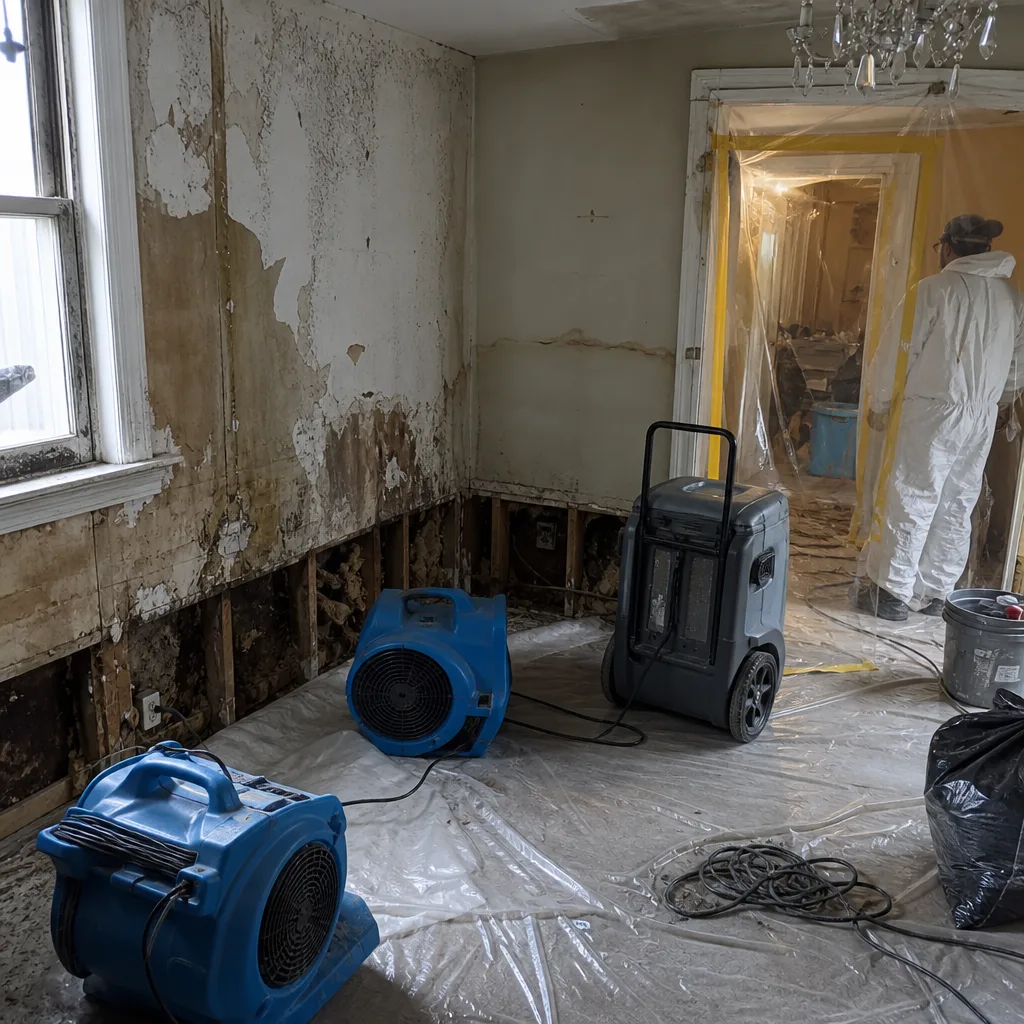 Before
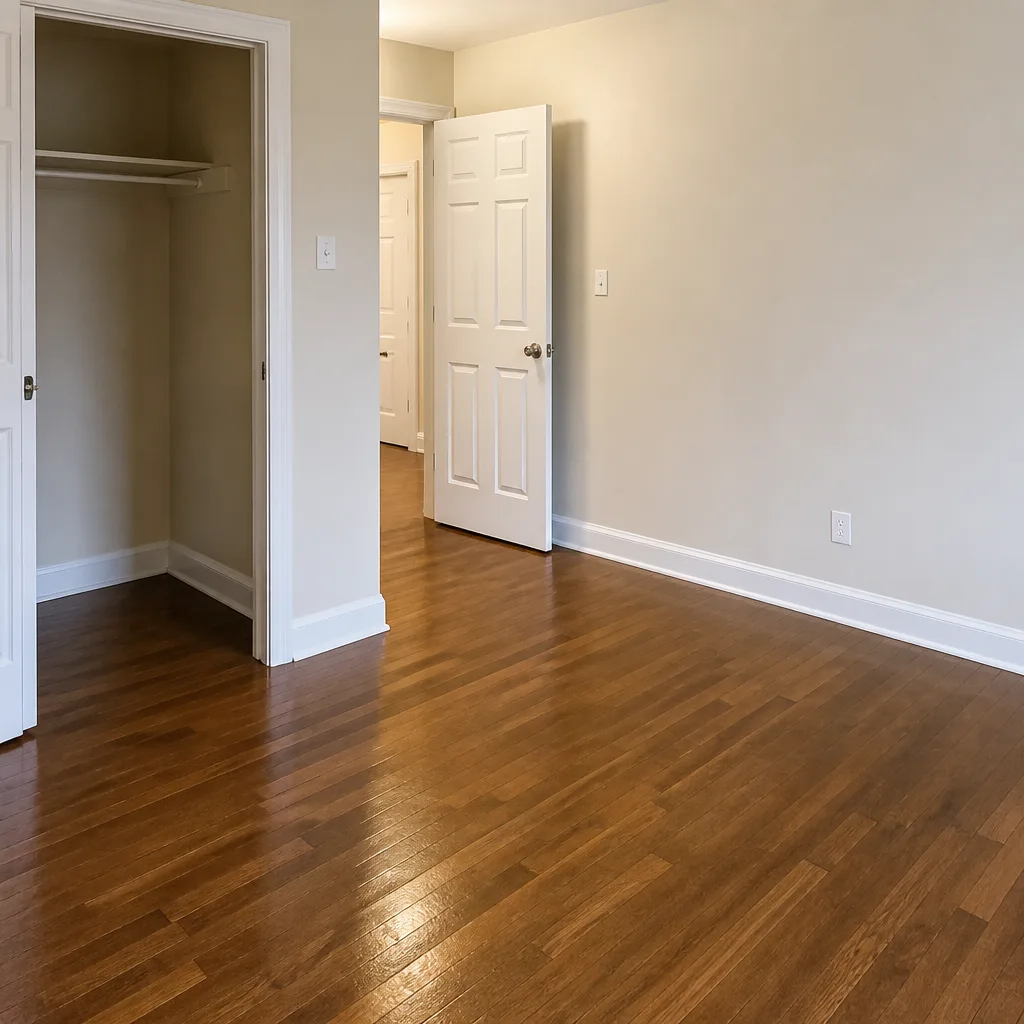 After
After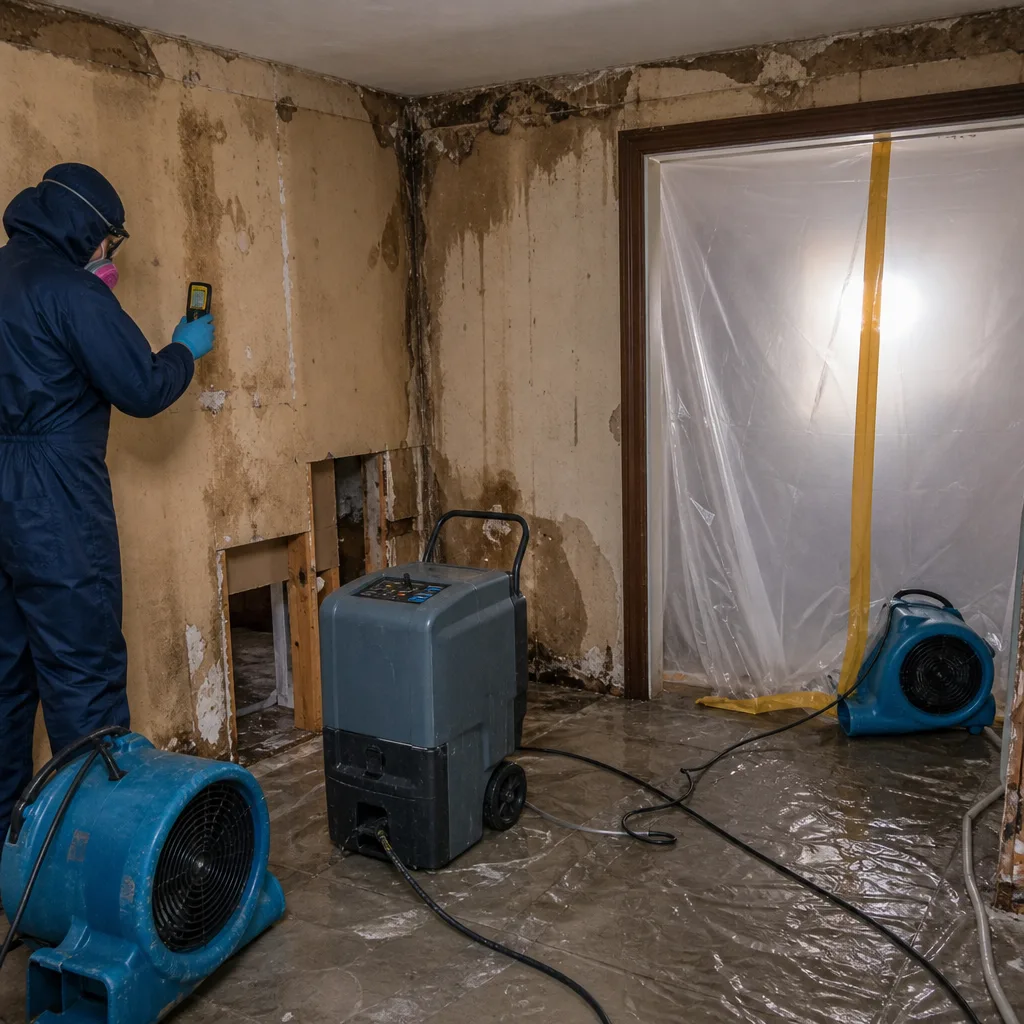 Before
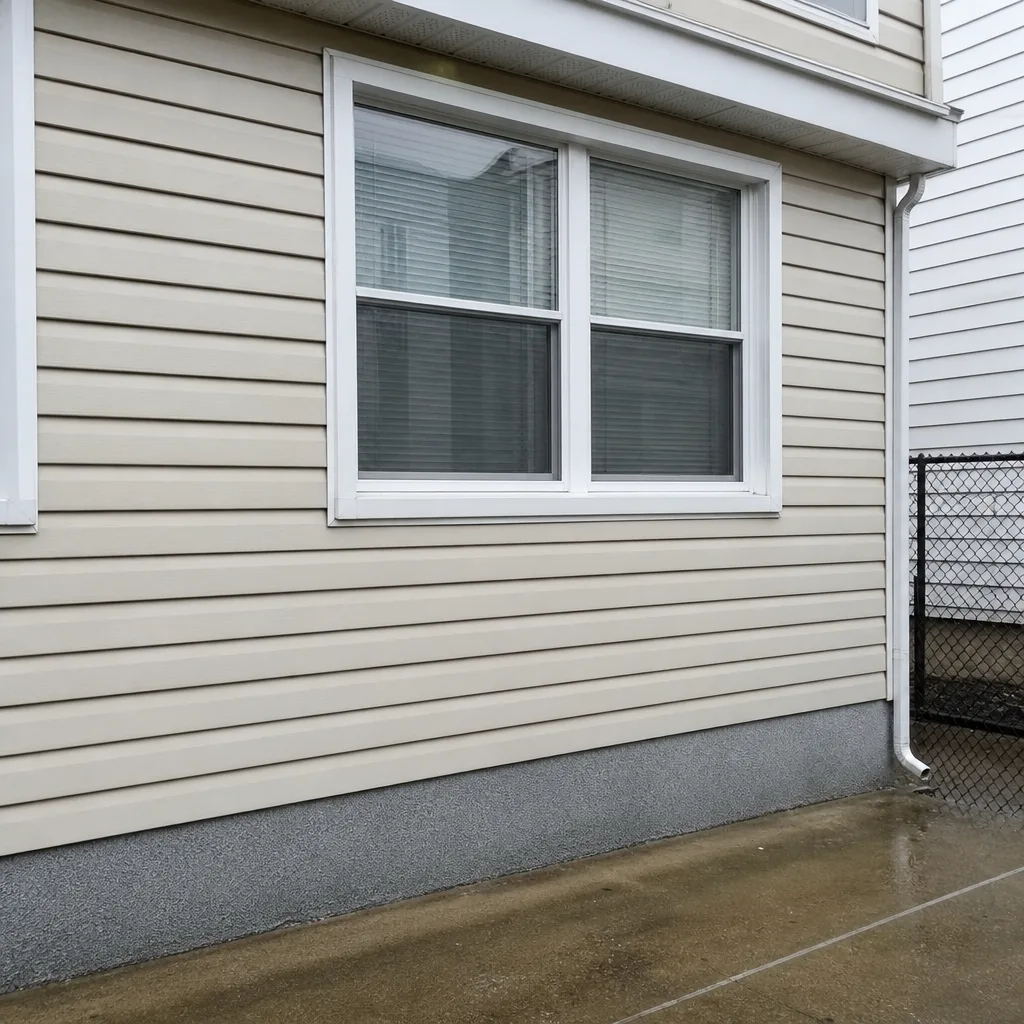 After
After24/7 Emergency Storm & Disaster Restoration in Central Harlem
Storm damage in Central Harlem doesn’t wait for business hours, and neither do we. Floodline Restoration Co. answers the phone with a live dispatcher at 2 a.m., not a recording, and our certified crews begin extraction the same visit. If water is moving through your brownstone right now, call (640) 221-3499. We’ll walk you through the first thirty minutes over the phone, then send a crew to your block in Central Harlem for a free visual inspection. The first hour after a roof failure or burst pipe is when the damage spreads into plaster, framing, and your neighbor’s unit through the party wall. That hour is where we start.
Understanding Storm & Disaster Restoration Severity in Central Harlem Properties
Storm restoration in Central Harlem is not a one-size job. Water that enters a 1905 brownstone behaves differently than water in a 1990s drywall build. Horsehair plaster holds moisture longer than gypsum board. Old-growth timber framing swells slower but dries slower too. So when we classify water, we’re reading the building as much as the spill. Category 1 water is clean, from a supply line or roof leak. Category 2 carries contaminants, common when rainwater mixes with decades of roof gravel and pigeon droppings. Category 3 is sewage, what backs up into English basements along Adam Clayton Powell Jr. Boulevard when a summer cloudburst overwhelms the combined sewer. Severity dictates equipment choice: Dri-Eaz and Phoenix air movers for structural drying, Injectidry mats for plaster walls, thermal imaging to find water behind original millwork. We moisture-map every room and log readings until the dry standard is met, not until a timer says the job is done.
Why Central Harlem Property Owners Choose Floodline Restoration Co.
- 45-minute response commitment to Central Harlem addresses. We’ll be there when we say.
- 24/7 live answer. A real person picks up at any hour, every day, and that person can dispatch a crew.
- IICRC-certified crews trained to WRT, FSRT, and AMRT standards, plus RIA and IFA protocols. Background-checked and uniformed.
- Free visual inspection with a written scope before any work begins. You see the numbers before we touch a wall.
- Direct insurance billing. We document, estimate, and coordinate with your adjuster so you don’t play messenger.
- One team from extraction to reconstruction. No mid-job handoff to a subcontractor you’ve never met.
Our Storm & Disaster Restoration Process
Inspection & Assessment
We arrive, walk the property, and map every square foot of affected area with thermal imaging and moisture meters. On a Central Harlem rowhouse, that includes checking the party wall on both sides before we quote a single number.
Extraction & Stabilization
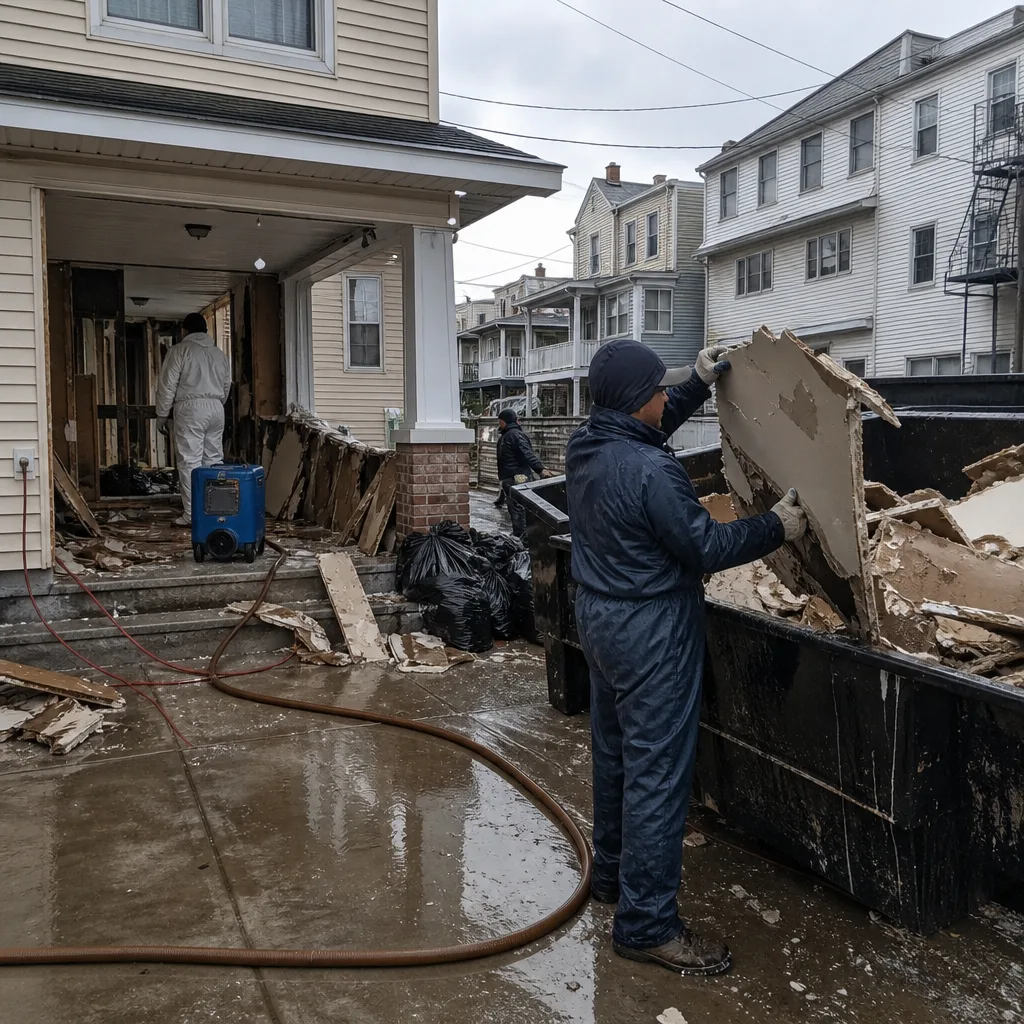
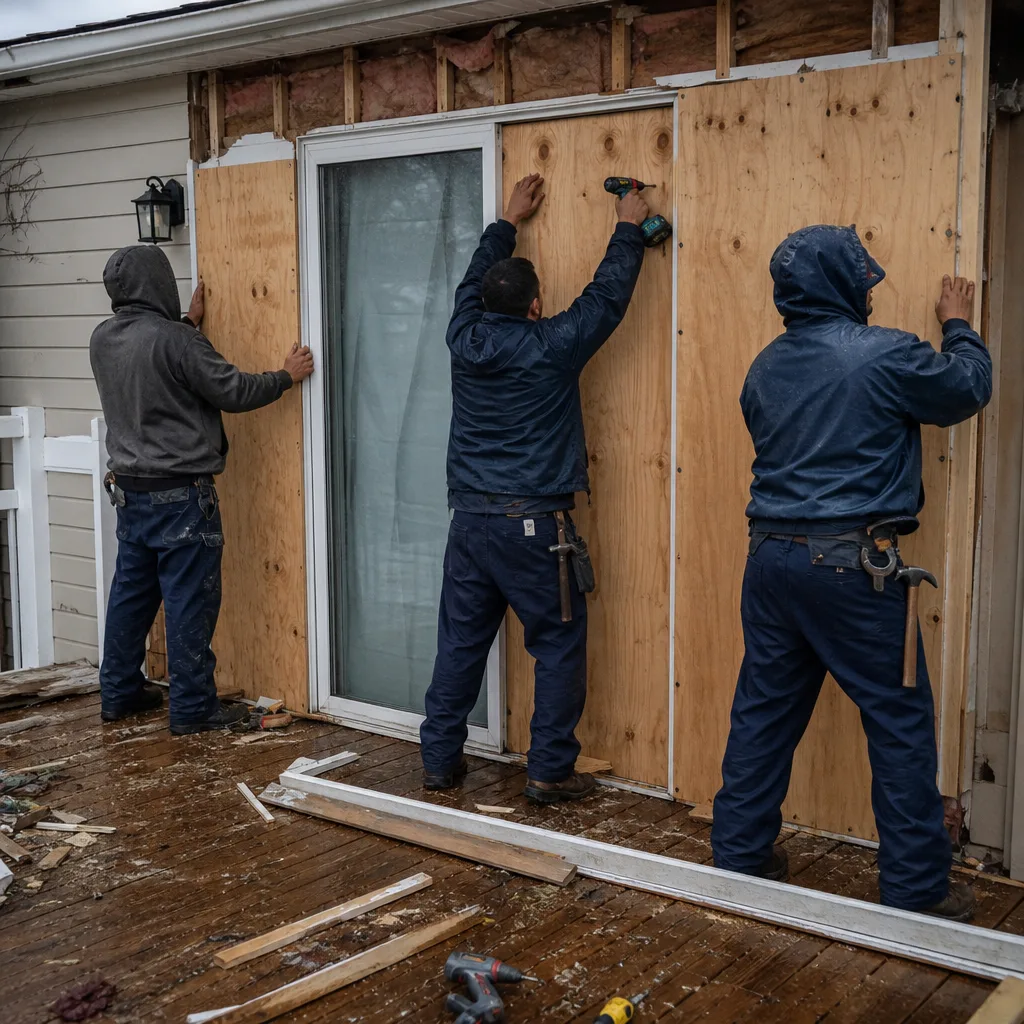
Standing water comes out with truck-mounted extraction. If the roof is compromised, we tarp it and board up openings the same visit. Stabilization stops the loss from spreading while we document everything.
Drying & Dehumidification
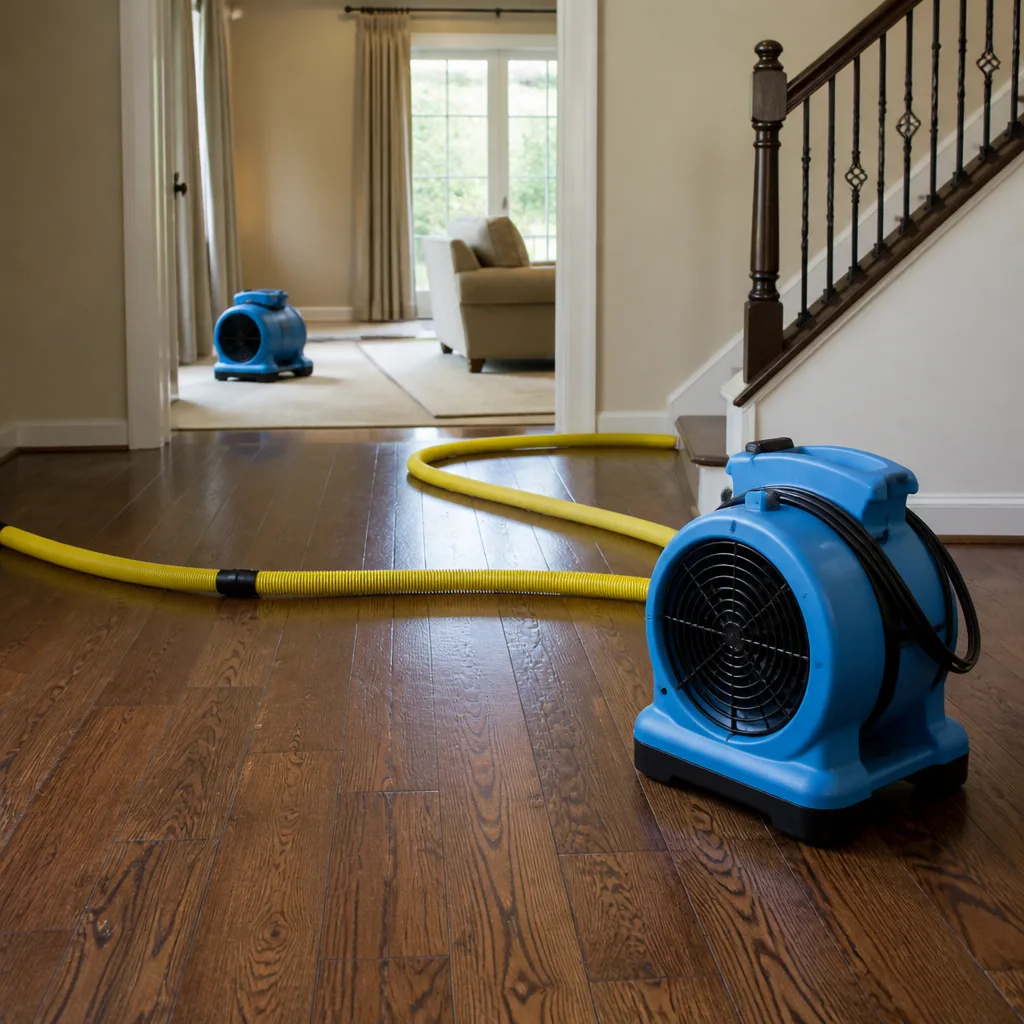
Professional-grade Dri-Eaz and Phoenix air movers, dehumidifiers, and Injectidry mats run on a drying plan built for your building’s materials. Plaster and old timber get the slower, deliberate schedule they require.
Cleaning & Sanitization
HEPA air scrubbers filter the air while we clean surfaces. For Category 3 water, we contain the affected area under negative pressure and follow IICRC sewage protocols to the letter.
Specialty Storm Treatment
This means freeze-thaw spall repair on brownstone facades, party-wall moisture remediation, and LPC-compliant exterior work. Not every restoration company in the five boroughs reads a pre-war building the way we do.
Repairs & Restoration
We rebuild what needs rebuilding: plaster walls, original wood floors, millwork, roof sections, and the English basement that took the water. The same crew finishes the job and hands you the moisture log and the 90-Day Done Right Promise in writing.
Need Emergency Storm & Disaster Restoration in Central Harlem Now?
Crews minutes away, answering live 24 hours a day. The sooner we start, the less it costs.
Working With Your Insurance Company
We photograph everything before we move anything. That’s the rule. Room by room, wall by wall, from the first six inches of the water line to the moisture readings behind the plaster. Our documentation goes to your adjuster with a line-item scope that matches the exact loss, not a padded estimate that triggers a carrier’s audit. We handle direct insurance billing, which means the carrier pays according to your policy and you never have to argue about line items with a claims department. If your adjuster pushes back, we push back with the drying logs and photo evidence. On one West 138th Street job near Strivers’ Row, that documentation stopped a liability dispute between adjacent building owners before it started. Written proof, not opinions.
What We Provide Your Insurer
- Thorough documentation of the loss
- Photos of all damage, room by room
- Moisture readings and drying logs
- A detailed, line-item scope of work
- Direct coordination with your carrier
Built for Central Harlem’s Loss Calendar
Central Harlem’s storm losses follow a predictable rhythm. January and February deep freezes split supply lines in unheated English basements and along the north-facing rear walls of the brownstones off Frederick Douglass Boulevard every single year. The porous brownstone facade on the street side absorbs snowmelt, freezes, and spalls, opening channels for water to enter long before the visible crack appears. March and April thaws bring basement seepage through foundations that were laid when Madison Square Garden was still a railroad depot. July and August convective storms drop two inches of rain in forty minutes, and the combined sewer system that serves Harlem’s rowhouse rows backs up into cellar apartments with nowhere else to go. Nor’easters in the fall strip roof membranes on the flat tar-and-gravel roofs common to the 1885-to-1920 housing stock. We plan our equipment staging and response routes around these seasonal patterns because Central Harlem is where we work, not a side territory.
Storm & Disaster Restoration Across Central Harlem’s Neighborhoods
Response routes through Central Harlem mean navigating Malcolm X Boulevard, St. Nicholas Avenue, and the tight one-way streets off Lenox Avenue where a box truck has eight inches of clearance. We know which blocks near Mount Morris Park have the narrowest stoop access and which buildings off Edgecombe Avenue need the roof hatch cleared before we can get a tarp staged. In the St. Nicholas Historic District, the attached rowhouses along 138th and 139th Streets share party walls so completely that a roof failure on one building routinely shows up as water in the adjacent building’s top-floor ceiling. Over near the Adam Clayton Powell Jr. State Office Building, the taller tenements present different access challenges: no elevator service above the sixth floor during a power outage, and water that follows the cast iron drain stacks down five stories before it pools in the basement. On Strivers’ Row, our crews move equipment through the service entrances in the rear courts, not through the front parlors. Every block has its own access pattern, and we’ve learned them the way you’d expect after years of emergency calls in Central Harlem.
Specialized Storm & Disaster Restoration Services We Offer in Central Harlem
Storm Damage Cleanup
Fallen tree limbs, wind-driven debris, and blown-out windows are the visible damage. What’s less visible is the water that entered through the opening and is now wicking through the horsehair plaster and into the wood lath. Cleanup in Central Harlem means removing the debris and then moisture-mapping the room to find what the storm left behind the walls. We do both.
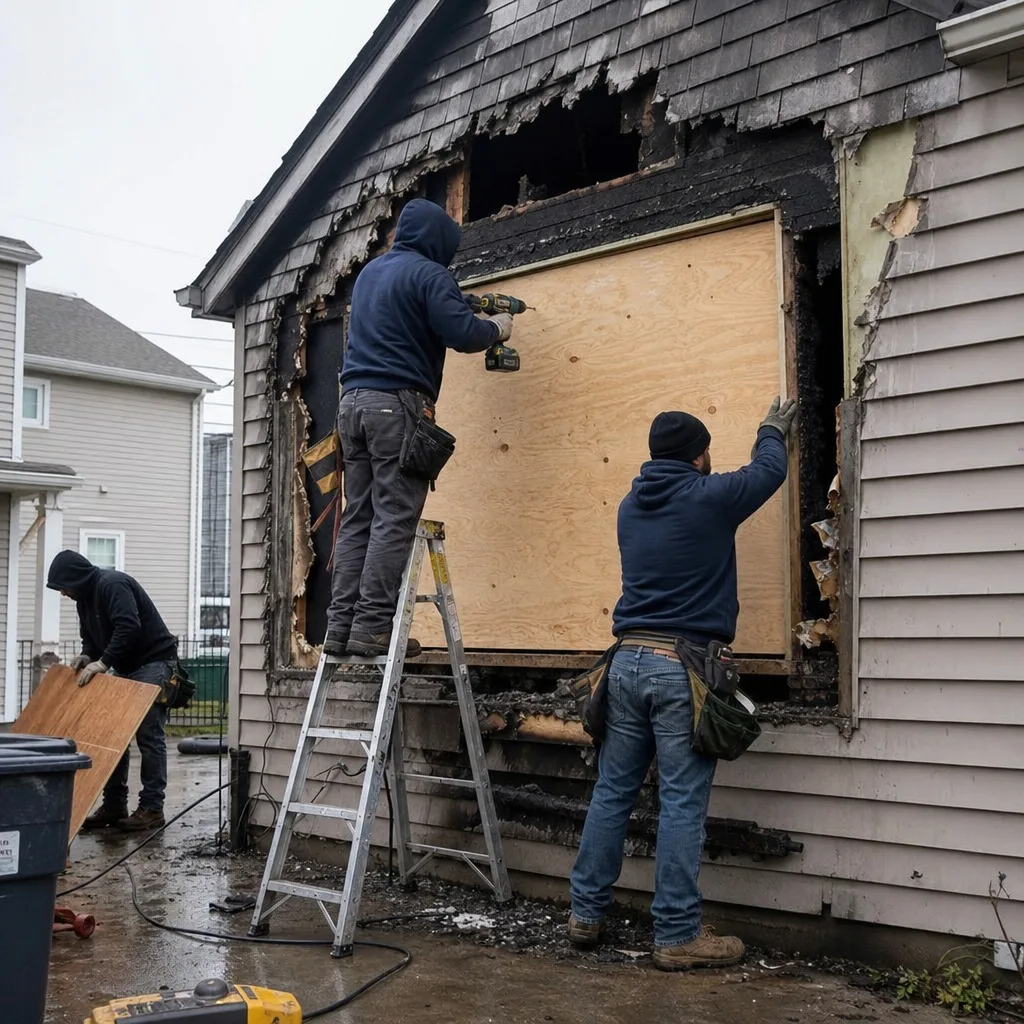
Flood Damage Restoration
Whether it arrives through the roof, the basement floor, or the sewer, floodwater in a Central Harlem rowhouse behaves according to the building’s age and construction. We extract, contain, dry, and rebuild with that pre-war reality in mind. Structural drying on a 1908 brownstone typically runs five to seven days, not the three-day timeline a modern drywall house might need. Cutting corners here means mold in the plaster a month later.
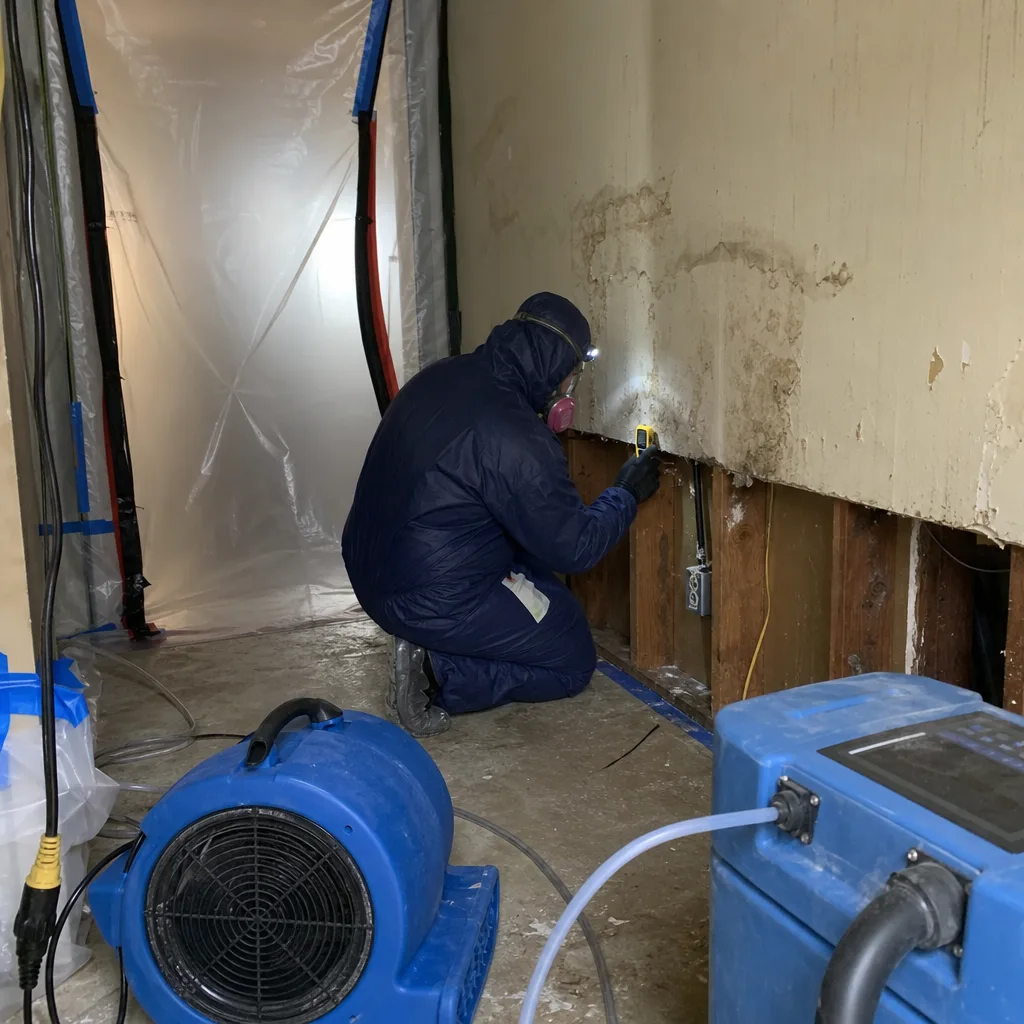
Emergency Board-Up
A storm that takes out a parlor-floor window on Lenox Avenue needs boarding before the next front moves through. A broken skylight over a top-floor stairwell near Marcus Garvey Park needs a tarp before rain turns a Category 1 loss into a Category 3 disaster. Our crews carry plywood, fasteners, and roof tarps on every storm response truck, so the board-up happens in the same visit as the assessment.
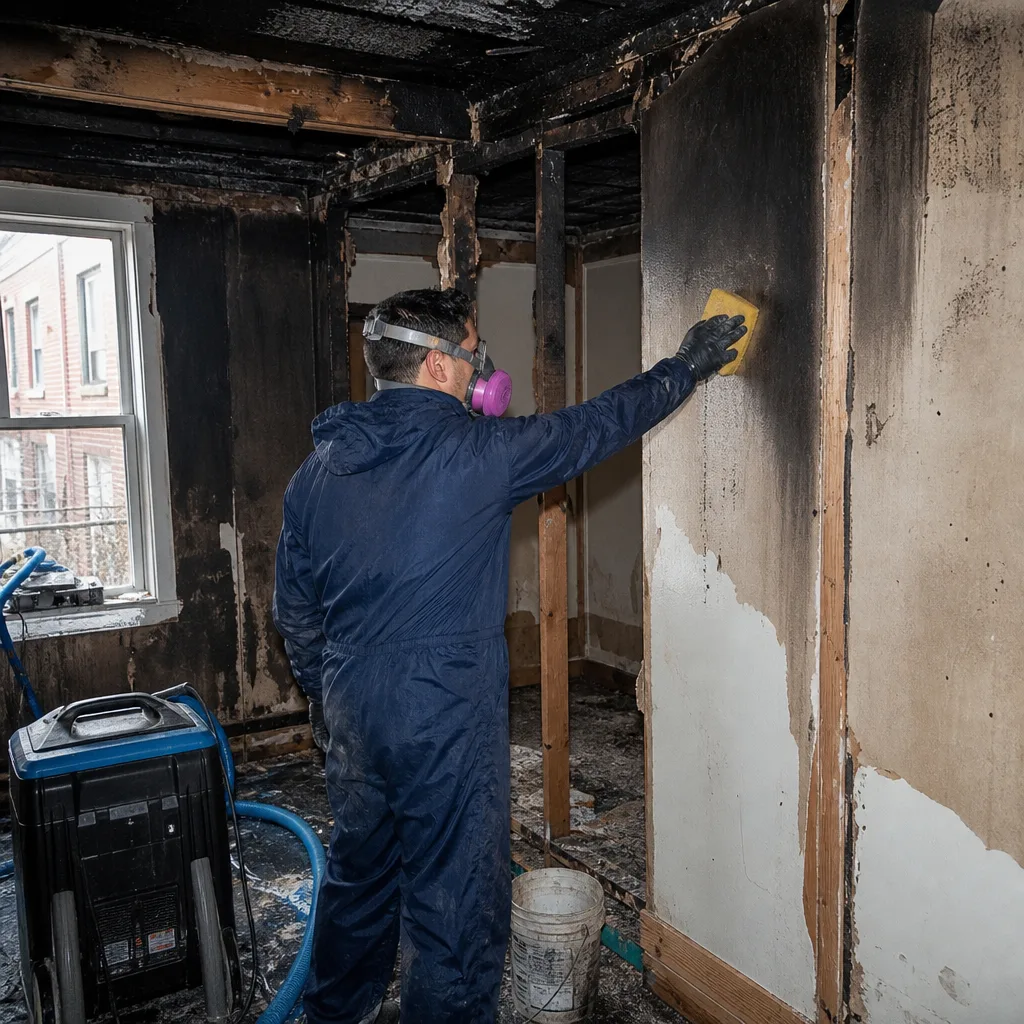
Roof Tarping
Most flat roofs in Central Harlem are tar-and-gravel membranes over old-growth timber roof decks. A nor’easter can lift a corner of that membrane in seconds, and the water that enters will travel laterally through the deck before it finds the ceiling below. We tarp to the parapet walls, not just the hole, because Harlem wind wraps around the block and pulls loose tarps off in a afternoon.
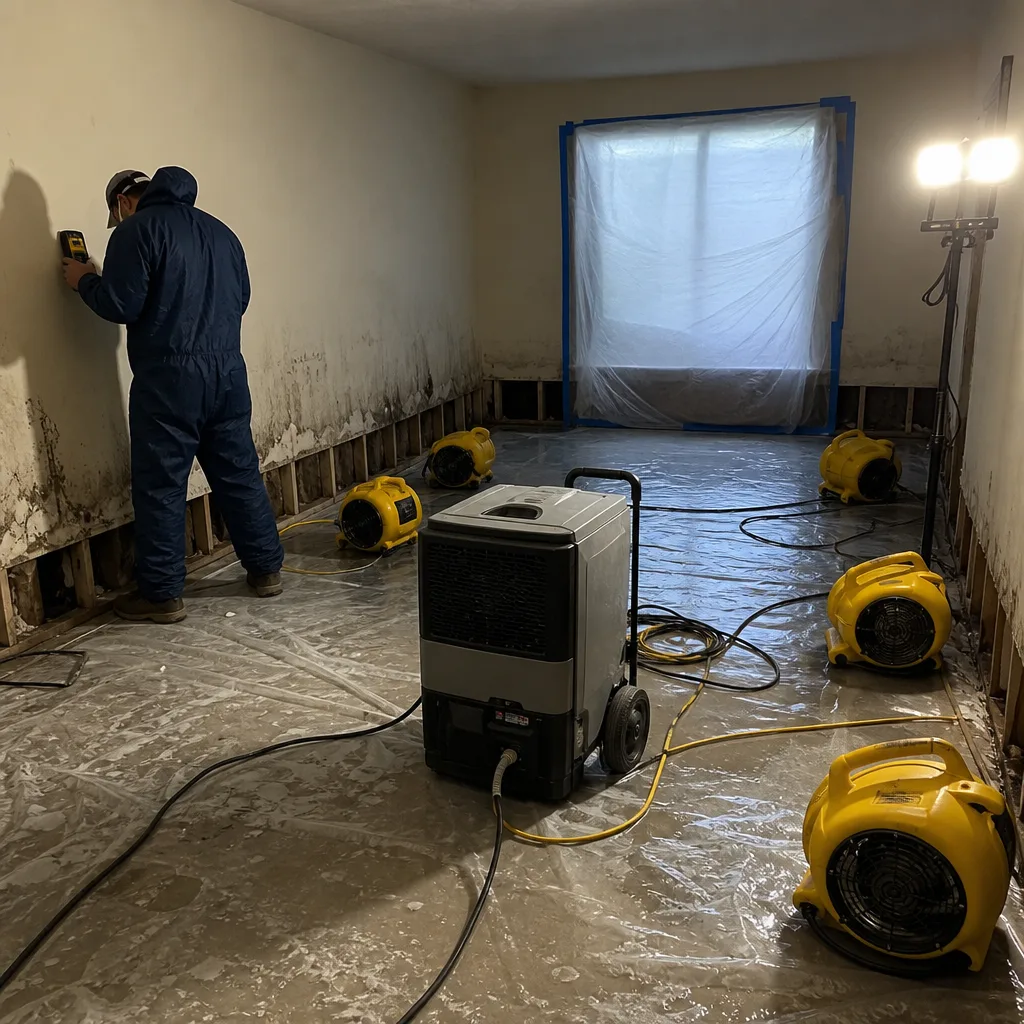
Debris Removal
Storm debris in Central Harlem has to go somewhere, and it’s usually not the curb. We haul it out through basement doors, up stairwells, and down stoop stairs with the same care we’d use on the intact portions of the house. No dumpsters parked on the sidewalk for a week. No pile left for the landlord to deal with.
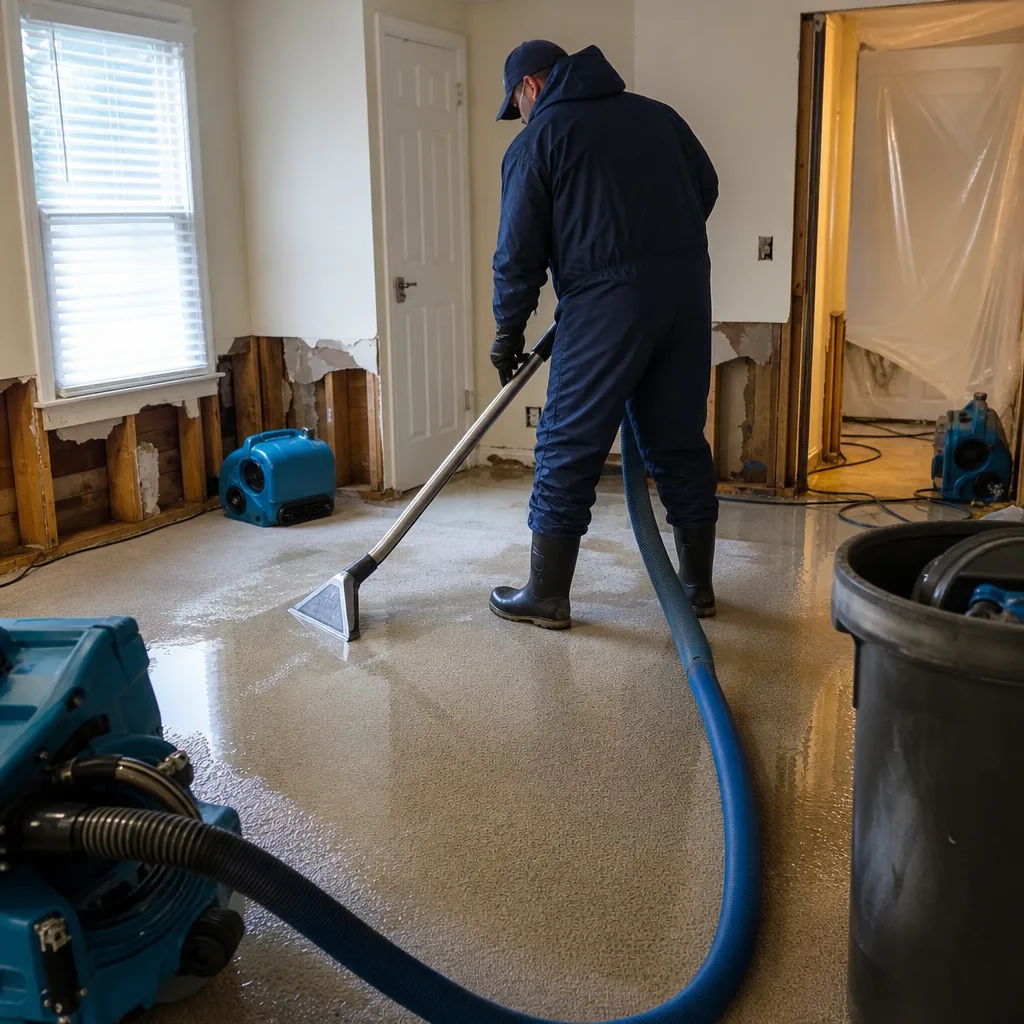
What happens when you call
- 1
A real person answersNo phone trees - you reach a local pro.
- 2
You get an upfront price rangeHonest numbers before anyone is dispatched.
- 3
A background-checked tech heads outLicensed & insured, dispatched right away.
- 4
You approve before work beginsNothing starts until you say go.
Storm & Disaster Restoration Costs in Central Harlem, NY
Storm damage restoration in Central Harlem runs on honest, documented numbers. A simple roof tarping job on a single brownstone typically costs $450 to $900, including the temporary membrane and secure fastening. A full storm water extraction and structural drying for a two-floor flood in a rowhouse runs $3,500 to $7,500 depending on square footage and how far the water traveled through the party wall. Emergency board-up for a blown-out storefront or parlor window runs $350 to $800 per opening. Debris removal from a fallen tree or collapsed ceiling adds $500 to $1,800 depending on volume and access. What moves the price most in Central Harlem is the party-wall factor: if water migrated into the adjacent building, that separate scope and its insurance claim are part of the job. The free visual inspection gives you a written, line-item scope before any work starts, so there are no surprises on the bill. If the loss is covered, we bill your carrier directly and you never handle the paperwork.
We Also Serve Cities Near Central Harlem
Our crews respond to storm and disaster calls throughout the surrounding area, including Midtown West, the Upper West Side, Midtown Manhattan, and the Upper East Side. If you own property in Central Harlem or the neighboring districts and a storm has just come through, call (640) 221-3499 and we’ll tell you over the phone whether we need to be there before sunrise.
Serving Central Harlem, NY - Our Local Coverage Area
We’re based in the Central Harlem area and know this community well. Use the map below to see our service coverage - if you’re nearby, we can almost certainly help.
Central Harlem Storm & Disaster Restoration Questions, Answered
How does water migrate through Central Harlem brownstone party walls, and why does that affect my restoration estimate?
In attached rowhouses, water from a single roof failure or burst pipe travels laterally through the shared masonry party wall into the adjacent building. That means your restoration estimate may need to include a neighbor’s unit, and the insurance claims may involve two separate policies. We scope both sides of the party wall before we file a single-property estimate, because discovering the migration a week later means a much bigger job and a liability dispute between landlords. Call (640) 221-3499 for an assessment that accounts for the whole building, not just your unit.
Do I need Landmarks Preservation Commission approval before you can tarp my roof in a Harlem historic district?
Yes. Exterior work on LPC-protected brownstones in the Mount Morris Park and St. Nicholas Historic Districts requires dual approval from the Landmarks Preservation Commission and DOB before any roof tarping or facade repair can proceed. We handle that approval process for you, and we’ll tell you in the first phone call whether your building falls under LPC jurisdiction. Emergency stabilization to prevent further damage is generally allowed under expedited review, but starting the paperwork correctly from hour one saves you stop-work orders and fines.
Why do Harlem’s pre-war plaster walls need different drying after a flood than modern drywall?
Horsehair plaster, common in Central Harlem buildings constructed between 1885 and 1920, absorbs water deeply and releases it slowly. Forcing rapid drying with maximum air movement can crack the plaster and delaminate it from the wood lath, which means a much more expensive plaster restoration later. We use Injectidry mats and controlled dehumidification to pull moisture out gradually over five to seven days, monitoring with daily hygrometer readings until the plaster hits its pre-loss moisture level. The alternative is treating a 1910 wall like a 2010 wall and replacing it, which destroys the building’s character and your budget.
How does the combined sewer system affect my English basement during summer storms?
Central Harlem sits on Manhattan’s combined sewer system, where stormwater and sewage share the same pipes. During heavy summer convective storms, the system surcharges and pushes water back up through the floor drains of English basements and cellar apartments throughout the rowhouse rows. This is Category 3 water, contaminated with sewage, and it requires containment, disinfection, and IICRC sewage protocols, not just mopping. If you have a recurring basement backup during downpours, call (640) 221-3499 and we’ll assess whether a backwater valve or other mitigation makes sense alongside the cleanup.
What’s the biggest mistake Harlem landlords make after a roof leak that spreads to a neighboring building?
Filing a single-property estimate without scoping the adjacent rowhouse. In Central Harlem’s attached rows, water from one roof failure routinely enters two or three neighboring buildings through shared masonry party walls, each under separate ownership. The landlord who calls a restoration company that only looks at one building ends up with a reopened job, a liability claim from the neighbor, and an adjuster who’s now suspicious of the original scope. We scope neighboring units before we quote anything, and we document the migration path so both carriers have the same facts.
How fast can someone actually get here after a storm in Central Harlem?
Our response commitment for Central Harlem is 45 minutes from your call to a crew at your address. A live dispatcher answers at (640) 221-3499 twenty-four hours a day and dispatches the nearest certified crew. In the middle of a nor’easter, every restoration company in Manhattan is busy; the difference is that Floodline Restoration Co. stages equipment and crews at known flood-prone blocks in Central Harlem before the storm hits, based on the seasonal loss patterns we’ve mapped over our years of working these streets.
Do I need full restoration after a storm, or just a cleaning?
That depends on where the water went. If the water was clean rain that only touched a tile floor and was extracted within a few hours, a thorough cleaning and drying may be sufficient. But in a Central Harlem brownstone, the water usually travels behind baseboards, under floorboards, and into plaster walls before you ever see it on the surface. Our free visual inspection includes thermal imaging and moisture mapping that shows what’s behind the wall. We’ll tell you honestly whether you need structural drying or just surface cleanup. The written scope you receive will reflect only what the moisture map shows, nothing padded.
What should I do in the first 30 minutes after storm damage in Central Harlem?
Call (640) 221-3499 first. While you’re on the phone with our live dispatcher, shut off electricity to any flooded areas if you can reach the panel safely without standing in water. Do not enter a room where the ceiling is sagging or where water is coming through a light fixture. Keep clear of Category 3 water entirely. Take photos of the damage from a safe distance for your insurance documentation. Then let us worry about the extraction, the tarping, and the LPC paperwork. The sooner we start, the less the damage spreads through the party wall and the less the final bill will be.
Written by Curt Bowman, Owner at Floodline Restoration Co., serving Central Harlem with full-cycle storm and disaster restoration backed by the 90-Day Done Right Promise.