
Free visual inspection and a written scope of work before any mitigation begins - photos, moisture readings, and drying logs go in your claim file
The scope we write is the scope we bill. Anything new gets shown to you, in writing, before we touch it.
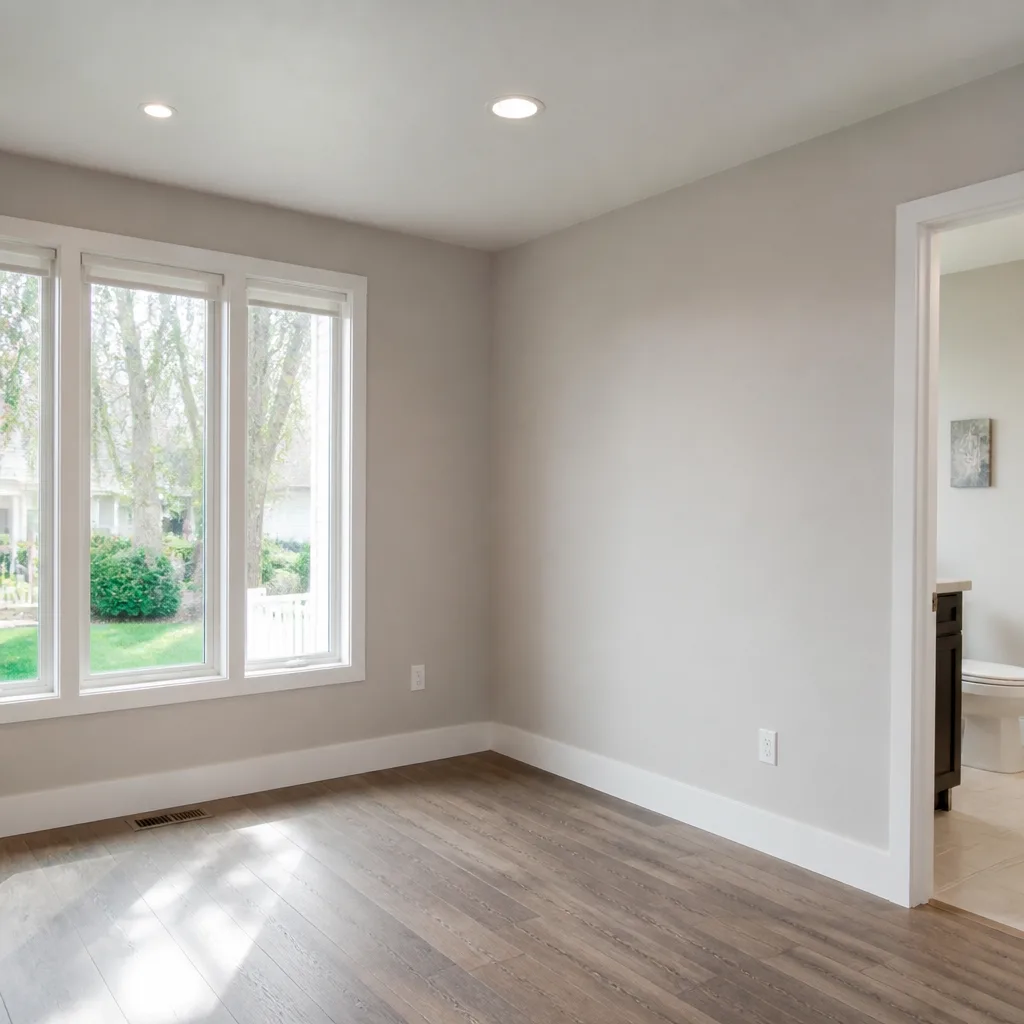
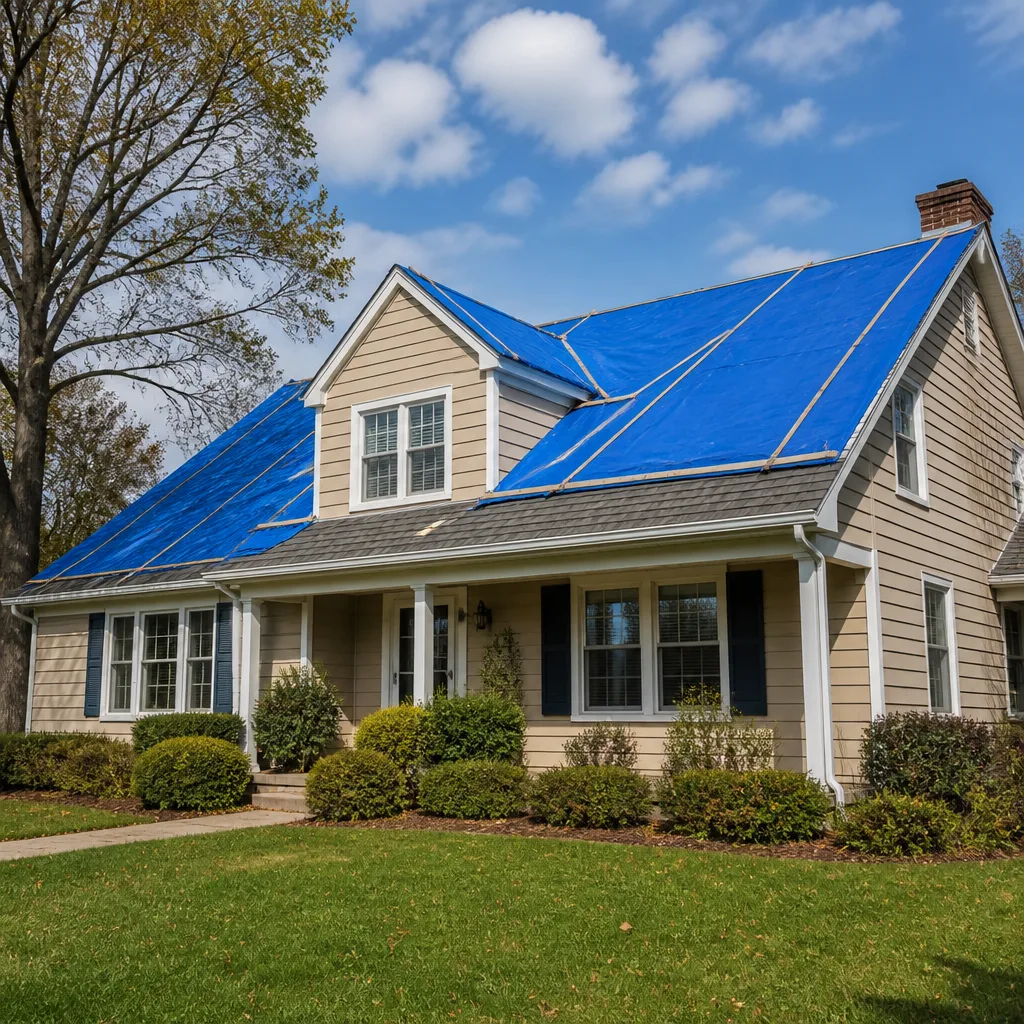
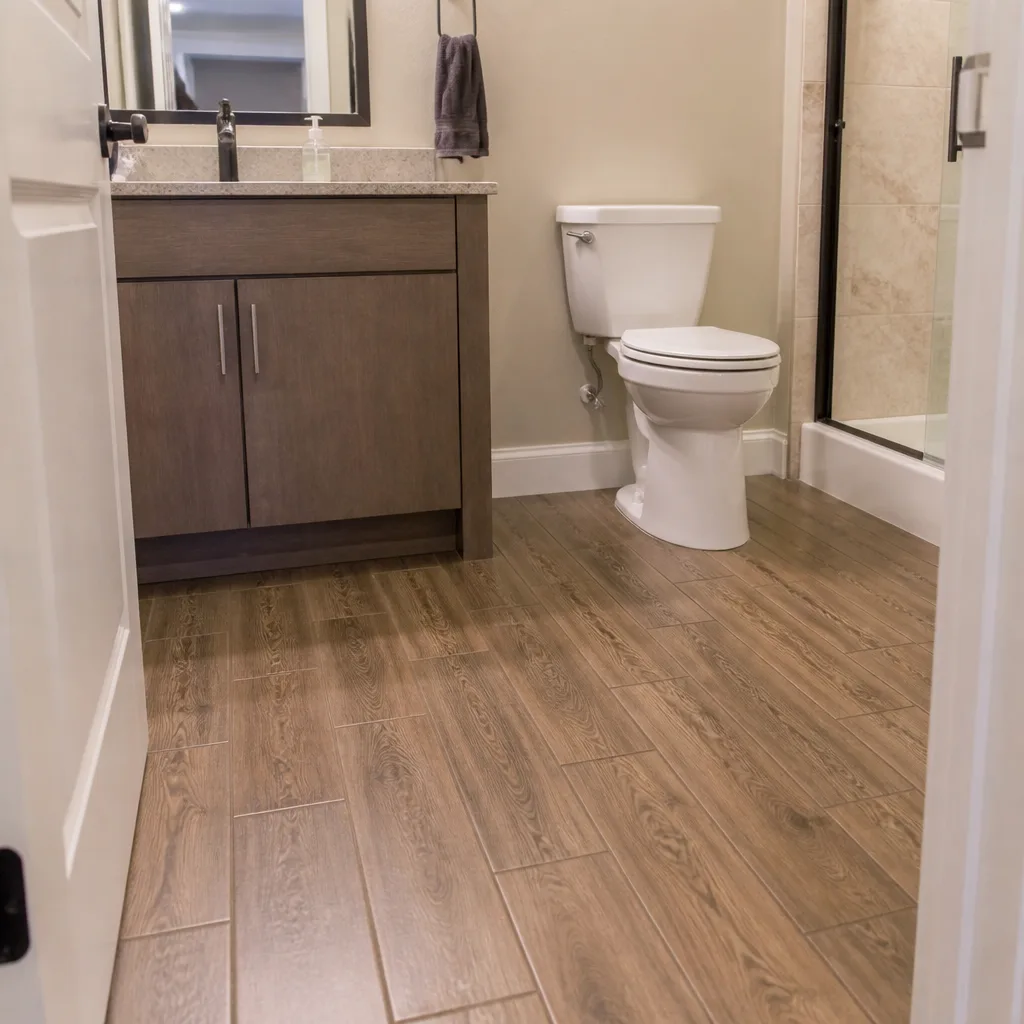
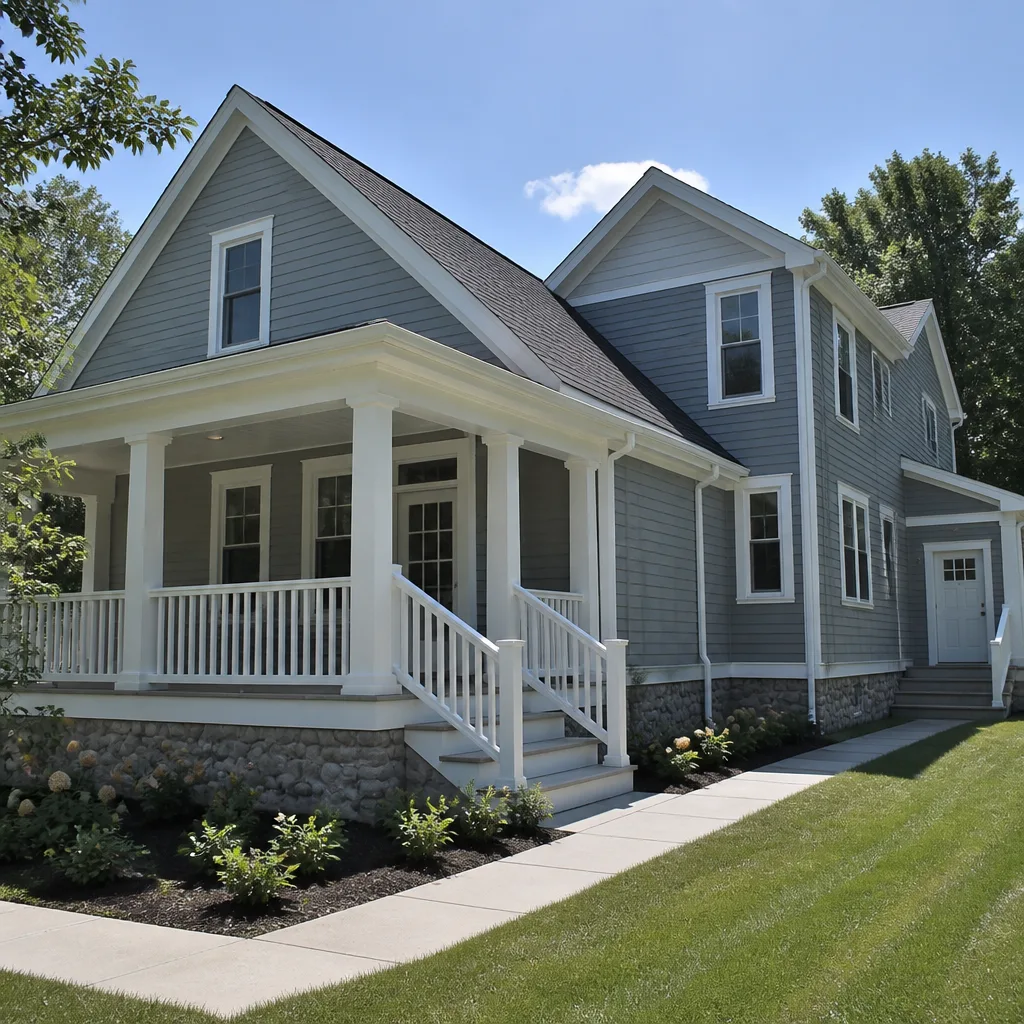
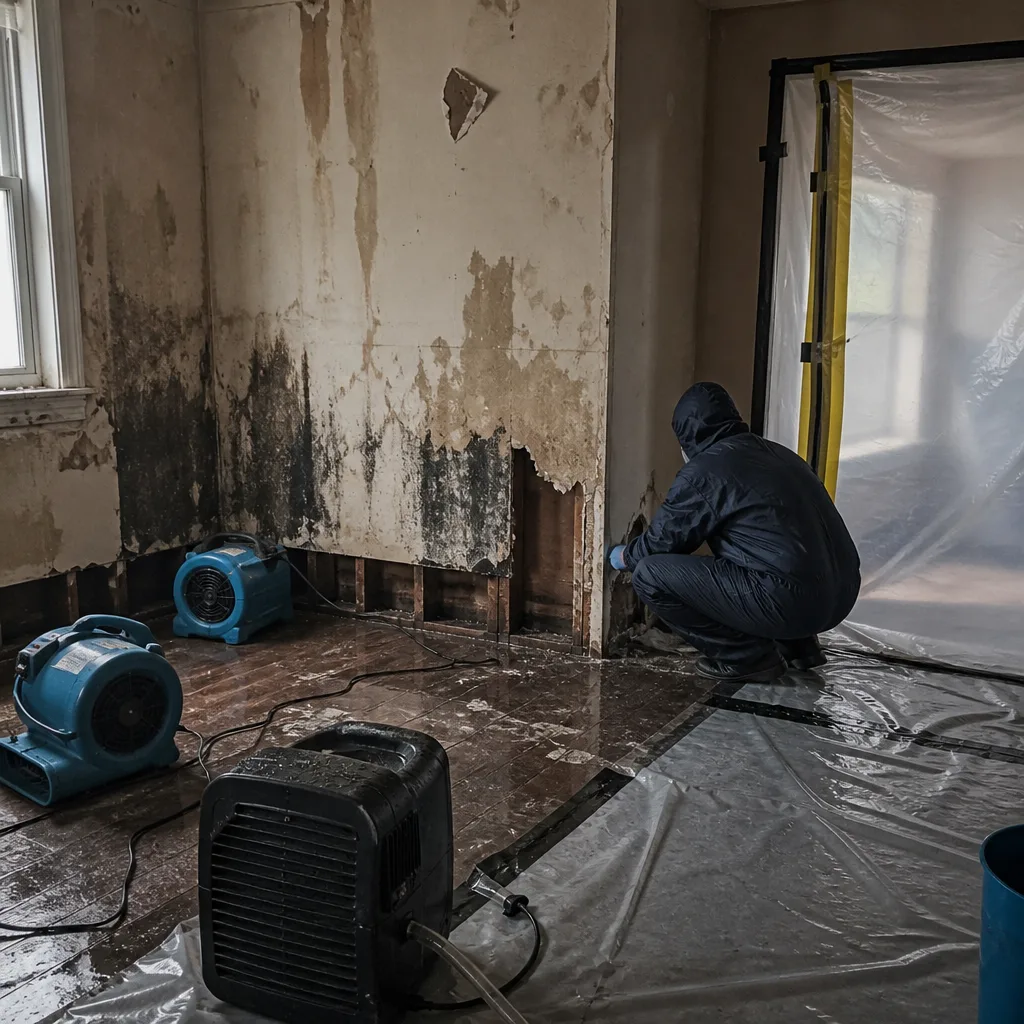 Before
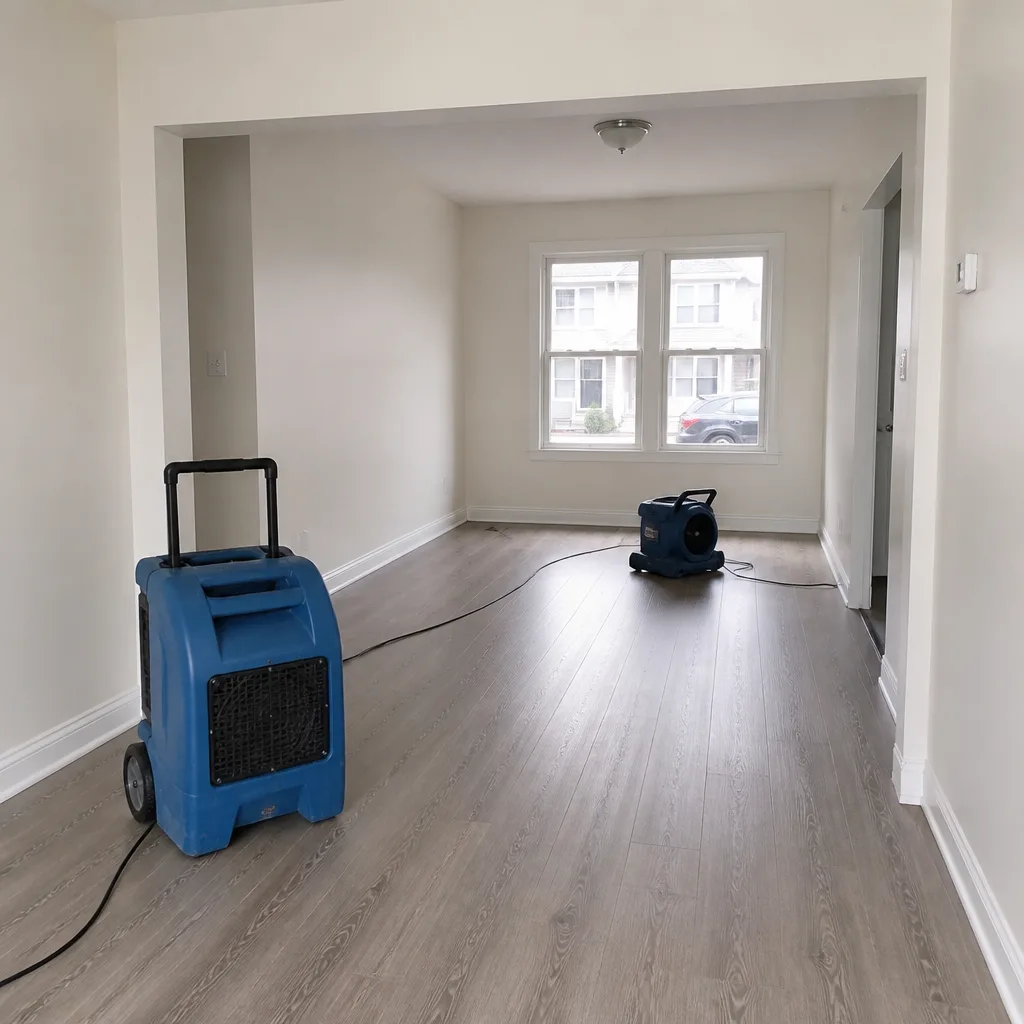 After
After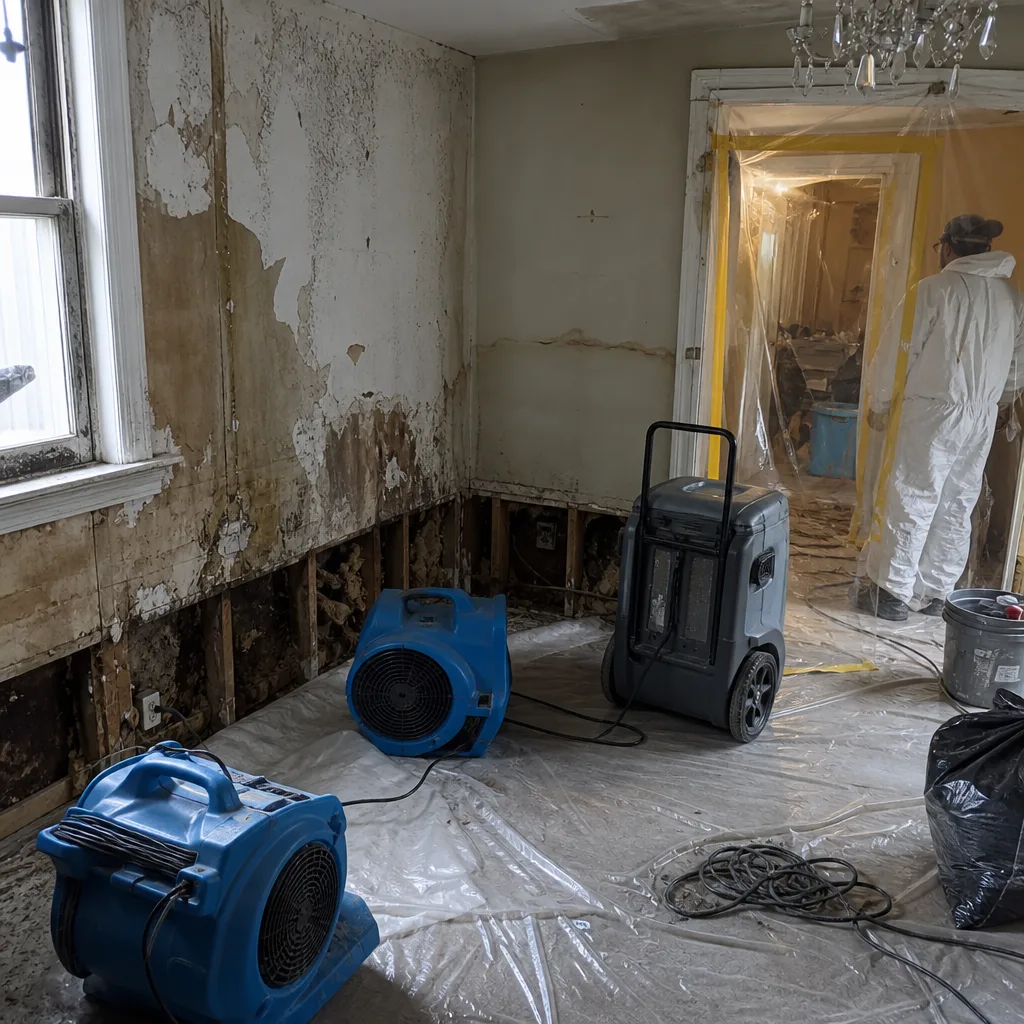 Before
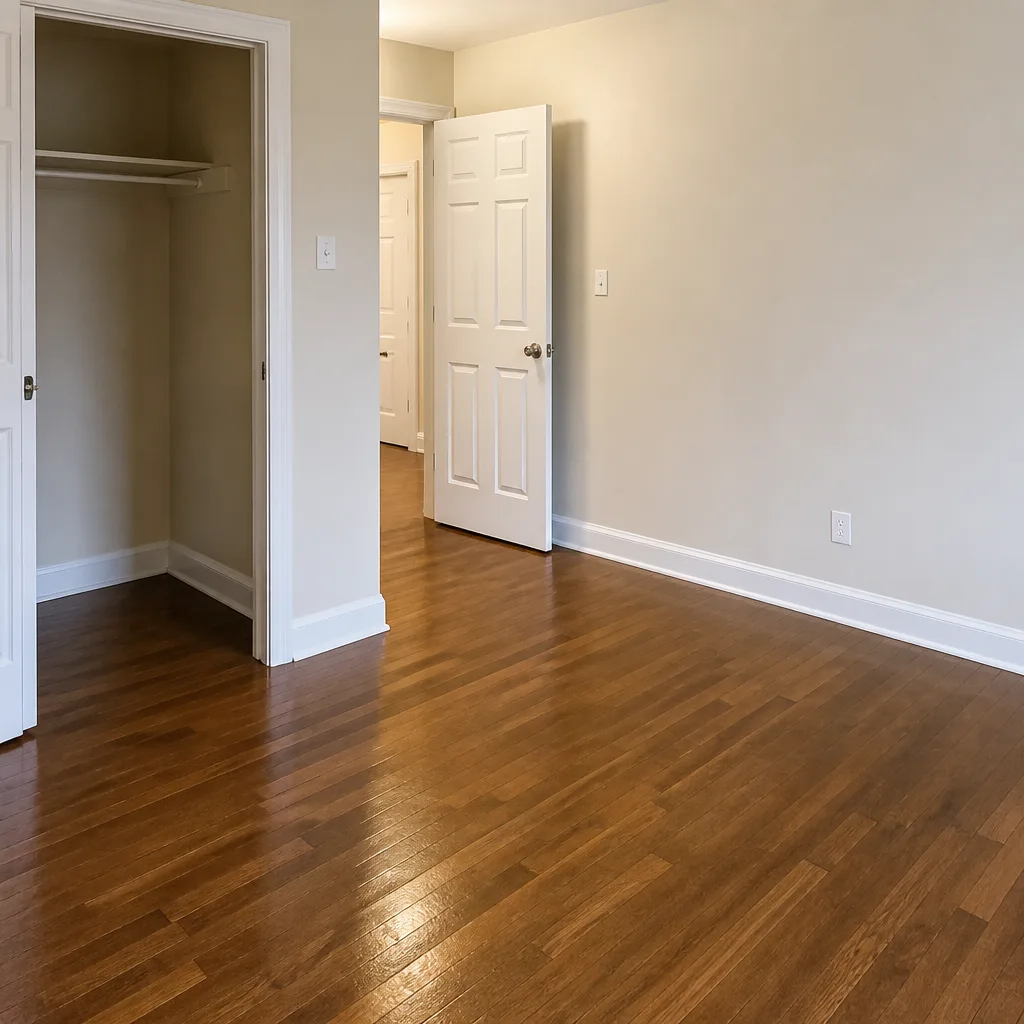 After
After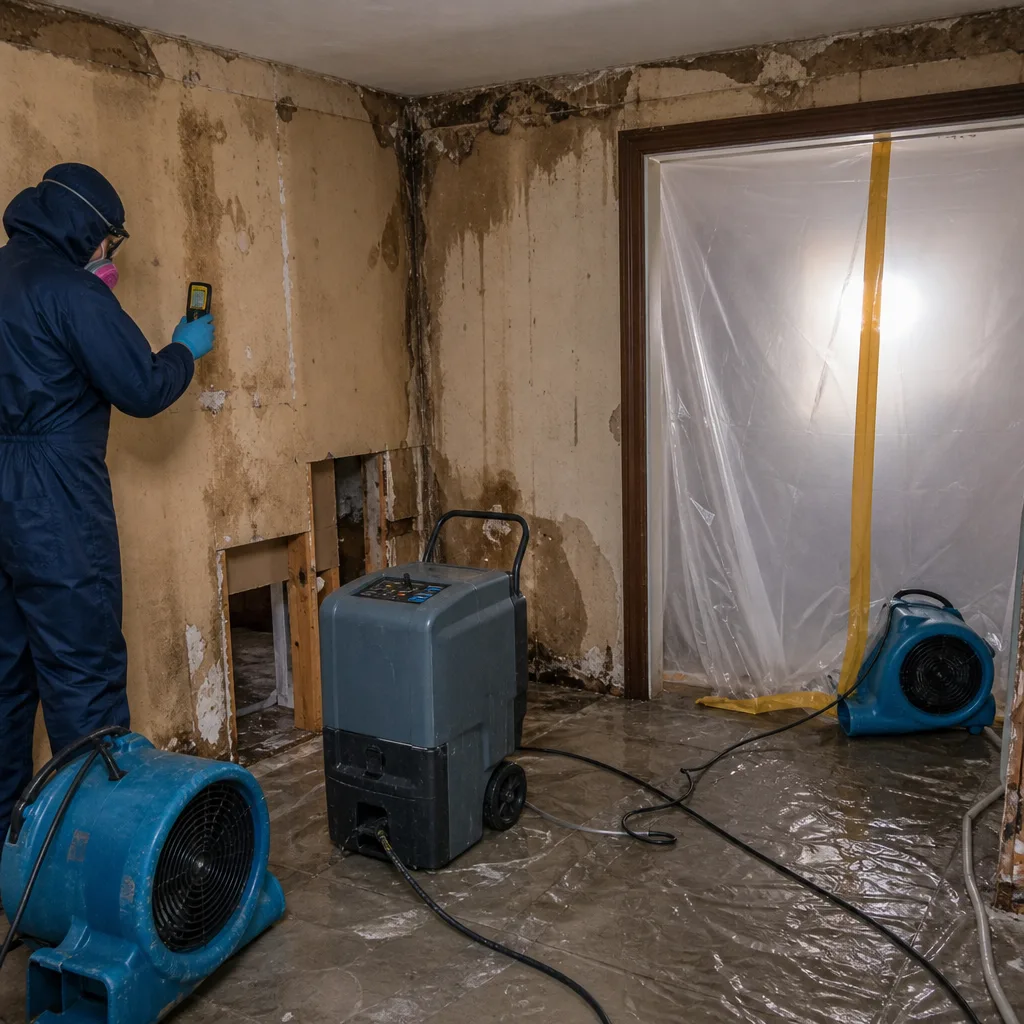 Before
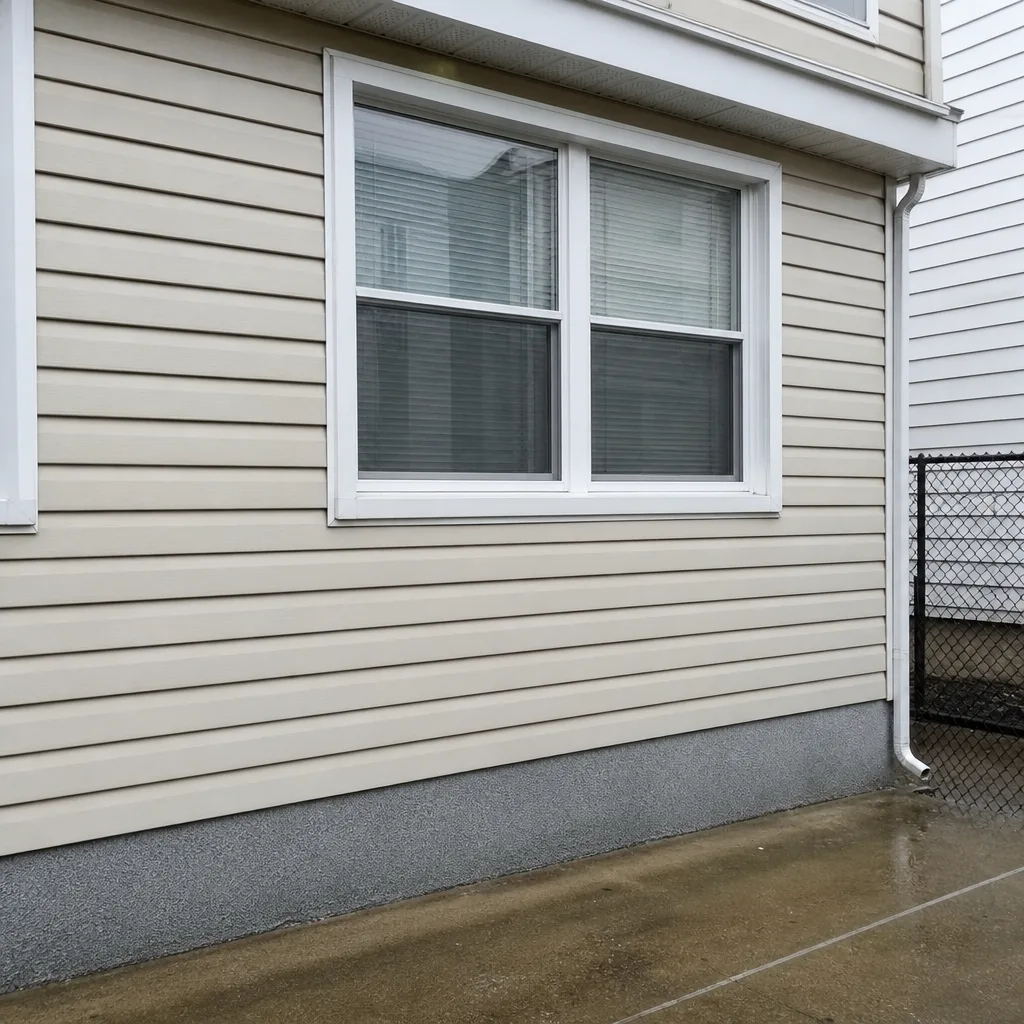 After
After24/7 Emergency Storm & Disaster Restoration in Morningside Heights
Storm and disaster restoration in Morningside Heights typically runs $1,800-$9,500 for emergency board-up, water extraction, and structural drying, with full reconstruction scopes reaching $30,000+ in severe multi-unit water spread. Most emergency mitigation starts within 45 minutes of your call, and the first hour decides whether you’re dealing with Category 1 drying or a Category 3 gut job. When a nor’easter tears flashing off a 1928 co-op on Claremont Avenue or a freeze-thaw cycle pops a supply line on floor 8, the water doesn’t wait for a board meeting. Neither do we. Call Floodline Restoration Co. at (640) 221-3499 and a live dispatcher answers, day or night, every day of the year.
Understanding Storm & Disaster Restoration Severity in Morningside Heights Properties
Storm damage in Morningside Heights rarely stays in one apartment. The neighborhood’s 6-12 story pre-war buildings share steam risers and original cast-iron drain stacks that run vertically through every floor, which means a single failed fitting during a storm sends water cascading through 6 to 10 units before anyone can shut a valve. We classify that water on the IICRC scale: Category 1 is clean supply-line water, Category 2 carries contaminants from building materials or fixtures, and Category 3 is black water from backed-up combined sewers or exterior floodwater. Morningside Heights’s aging combined sewer system backs up into basement laundry and mechanical rooms during heavy rain, turning what looks like a standard basement seep call into a Category 3 antimicrobial job. Original horsehair plaster and hardwood floors in these 1905-1940 buildings demand structural drying with moisture maps and daily readings, not just air movement. We don’t guess at saturation. We log it until the dry standard is met.
Why Morningside Heights Property Owners Choose Floodline Restoration Co.
- 45-minute response commitment. Crews staged near the Upper West Side reach Morningside Heights fast, because standing water in a pre-war building spreads vertically before it spreads horizontally.
- A live person answers at 2 a.m. Not a recording, not an answering service. A dispatcher who knows Morningside Heights and can route a certified crew immediately.
- IICRC-certified crews. Technicians hold WRT and FSRT certifications, trained to RIA and IFA standards, and they carry the credentials, not just the polo shirt.
- Free visual inspection. Before any work starts, you get a scope in writing. No surprises on the bill, and no work authorized without your signature.
- Direct insurance billing. We bill your carrier directly and coordinate with your adjuster, so you’re not playing messenger between a board, a carrier, and a crew.
- One team from extraction to reconstruction. The same certified crew that reads the moisture map on day one handles daily readings, the rebuild, and the final walkthrough.
Our Storm & Disaster Restoration Process
Inspection & Assessment
We thermal-image the building envelope and map moisture across every affected surface. In Morningside Heights co-ops, this includes tracing water paths down steam risers and through original plaster ceilings to catch migration before it becomes mold.
Extraction/Stabilization
Standing water is removed with professional-grade extraction units, then we stabilize the structure. Emergency board-up and roof tarping happen at this stage, often while the co-op board is still drafting its authorization.
Drying & Dehumidification
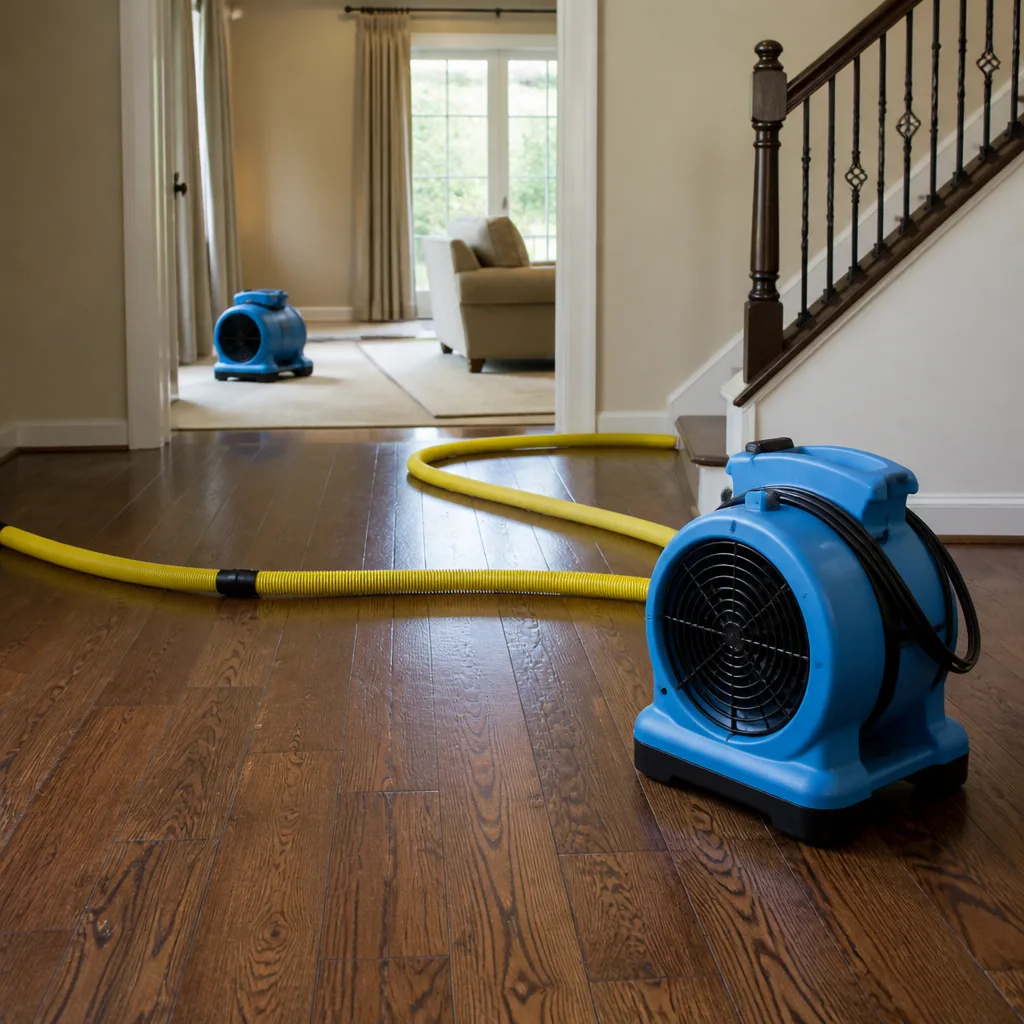
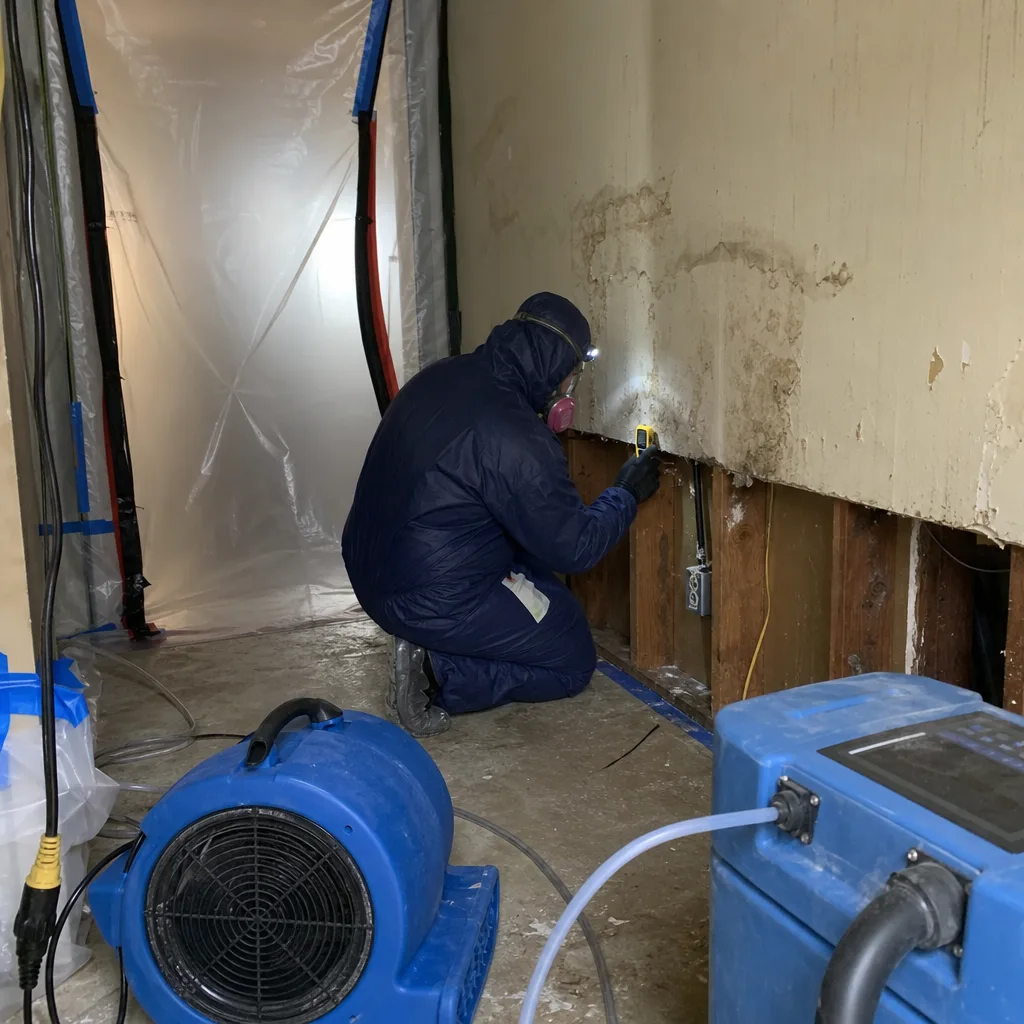
Dri-Eaz air movers and Phoenix dehumidifiers run against a documented dry standard. Daily moisture readings are logged and shared with the homeowner, the board, and the carrier. No one wonders whether the job is actually dry.
Cleaning & Sanitization
HEPA air scrubbers pull particulates and microbial spores from the air while we treat affected surfaces. Category 3 water jobs include full antimicrobial application and disposal of saturated materials that cannot be salvaged.
Storm-Specific Treatment
Wind-rated window and door repairs meet New York City code, with impact-rated replacements where the building’s exposure requires them. We also address water-damaged plaster, crown molding, and hardwood floors with restoration techniques matched to pre-war materials.
Repairs & Restoration
The same crew handles reconstruction, from plaster patching to full floor refinishing. No mid-job handoff to an inherited subcontractor. The 90-Day Done Right Promise covers the work in writing.
Need Emergency Storm & Disaster Restoration in Morningside Heights Now?
Crews minutes away, answering live 24 hours a day. The sooner we start, the less it costs.
Working With Your Insurance Company
Morningside Heights storm claims often involve three parties: the unit owner, the co-op board or Columbia University facilities office, and the insurance carrier. That’s a lot of signatures and a lot of documentation. We’ve handled hundreds of these claims, and we know what adjusters need to approve a scope without dragging it out. From the first hour, we photograph every affected surface, log moisture readings daily, and document the pre-loss condition of original materials so there’s no dispute later about whether that crown molding was damaged before the nor’easter hit. We bill directly to the carrier, coordinate with your adjuster, and keep the claim moving while you focus on getting back to normal.
What We Provide Your Insurer
- Thorough documentation of the loss
- Photos of all damage, room by room
- Moisture readings and drying logs
- A detailed, line-item scope of work
- Direct coordination with your carrier
Built for Morningside Heights’s Loss Calendar
Morningside Heights doesn’t have a storm season so much as a storm year. January and February bring deep freezes that stress exposed supply lines in the neighborhood’s poorly insulated top-floor units, and when a pipe lets go at 3 a.m., water pours through 6 to 10 floors of original plaster before the building super can locate the shut-off. Spring thaw pushes groundwater against century-old foundations, leaving basement seepage in every brownstone along West 111th through West 123rd. Summer thunderstorms overwhelm the aging combined sewer system, backing black water into basement laundry rooms and mechanical spaces. And fall nor’easters, like the one that tore through Claremont Avenue, rip flashing and shatter wind-rated windows on upper floors, turning one broken pane into a multi-unit water loss. We plan our Morningside Heights crews around that calendar, because we’ve been answering those calls for years.
Storm & Disaster Restoration Across Morningside Heights’s Neighborhoods
Morningside Heights runs from West 110th to West 125th, bounded by Riverside Drive, Morningside Park, and the Hudson. The response routes matter. On Riverside Drive, the pre-war co-ops face the river and take the full force of every nor’easter, which is why we stage roof tarping and board-up crews closest to that corridor. Around Amsterdam Avenue and Broadway, the taller Columbia University-owned buildings present a different challenge: institutional authorization layers that can stall mitigation for hours. On Claremont Avenue, the 1920s co-ops have original steam risers running vertically through every unit, so a storm-driven leak on floor 6 means containment and structural drying on floors 5 and 4 before the water spreads further. And the brownstones and smaller co-ops around Morningside Park deal with basement seepage and sewer backup during heavy rain, where Category 3 water demands antimicrobial treatment and full material pack-out of wood framing and stored belongings.
Specialized Storm & Disaster Restoration Services We Offer in Morningside Heights
Storm Damage Cleanup
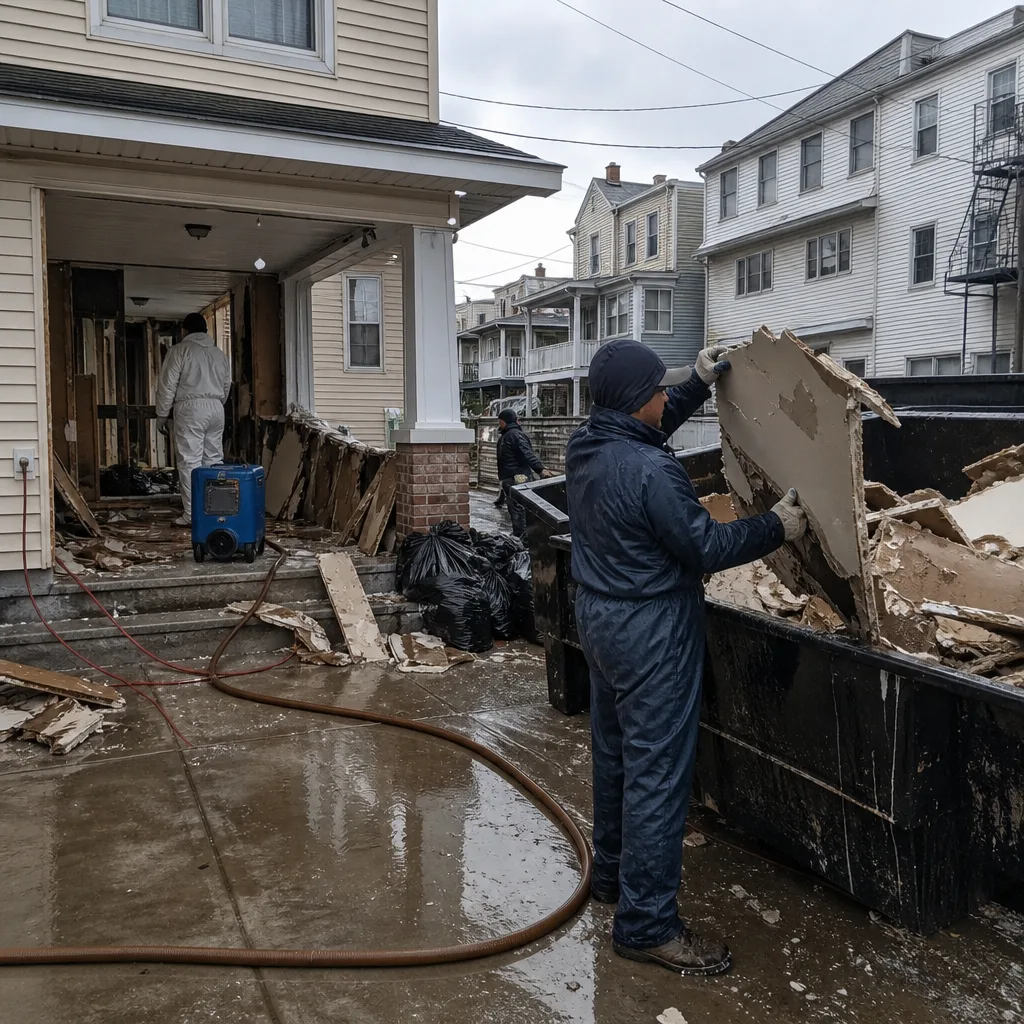
After a nor’easter, Morningside Heights buildings are littered with broken glass, waterlogged plaster, and debris from roof damage. We clear the debris, assess the water migration paths, and stabilize every affected surface before secondary damage can set in on original hardwood floors and horsehair plaster.
Flood Damage Restoration
Flooding in Morningside Heights comes in two forms: rain-driven intrusion through windows and roofs, and sewer backup through basement drains. Both require rapid extraction and structural drying, but sewer backup adds a Category 3 contamination layer that demands full antimicrobial treatment and careful material disposal under IICRC guidelines.
Emergency Board-Up
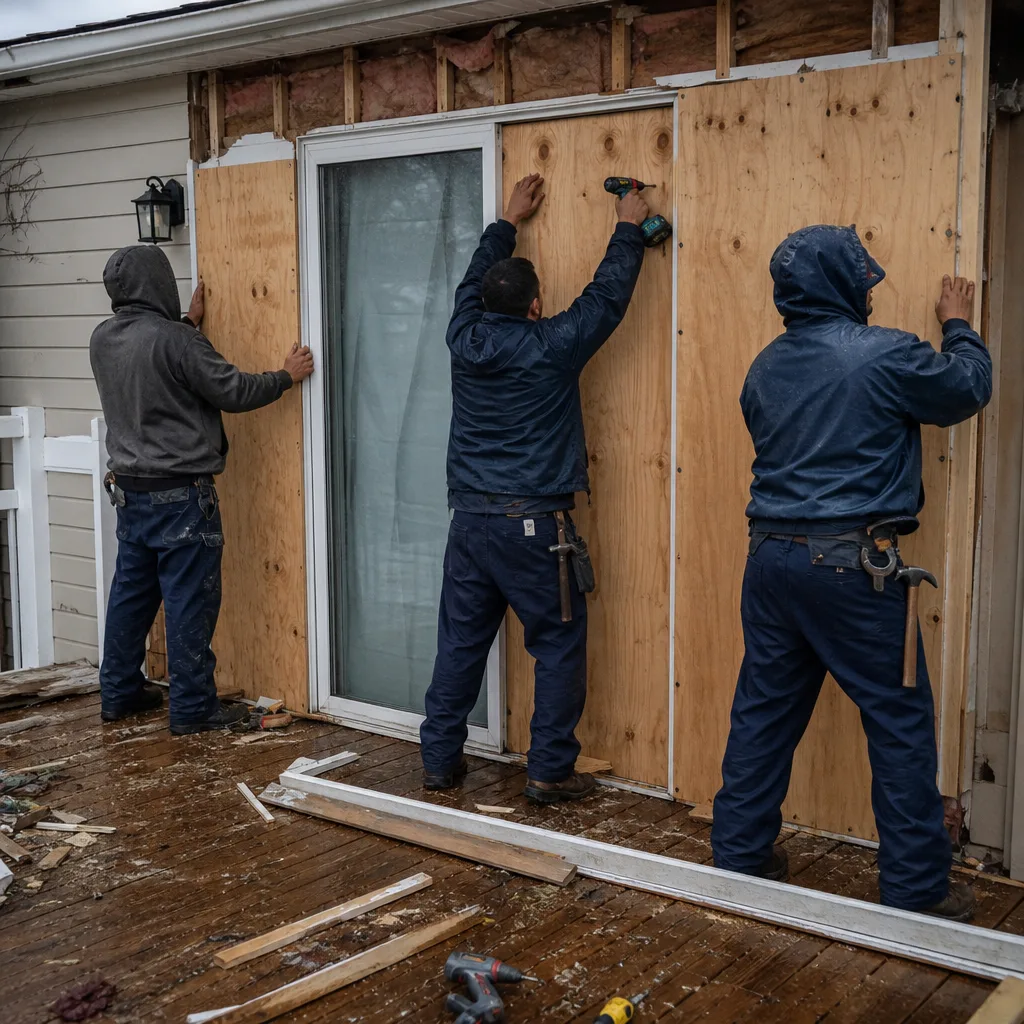
When a wind-rated window shatters on the 8th floor of a pre-war co-op on Riverside Drive, the opening lets wind and rain pour through the unit and the ones below it. We board up within the hour, using code-compliant materials that hold until permanent window replacement can be scheduled. This is not a stopgap with plywood and hope; it’s a structural stabilization that keeps the building envelope intact.
Roof Tarping
Morningside Heights’s flat and low-slope pre-war roofs take a beating from freeze-thaw cycles and nor’easter wind loads. A torn roof membrane on a 10-story building sends water down through every floor. We tarp damaged roof sections immediately, anchor the tarp properly against wind uplift, and document the damage for the carrier.
Debris Removal
Storm debris in Morningside Heights is rarely just leaves and branches. It’s broken glass from upper-floor windows, saturated plaster from collapsed ceilings, and waterlogged furniture from co-op common areas. We remove it fast, sort salvageable materials from unsalvageable, and document everything for the insurance claim.
Wind Damage Repair
Morningside Heights buildings are old enough that original window frames and door surrounds weren’t built for modern wind loads. New York City code now requires wind-rated and impact-rated components in many replacement circumstances. We repair and replace doors and windows to code, reinforce door frames against wind-load failure, and match original pre-war millwork wherever preservation standards require it.
What happens when you call
- 1
A real person answersNo phone trees - you reach a local pro.
- 2
You get an upfront price rangeHonest numbers before anyone is dispatched.
- 3
A background-checked tech heads outLicensed & insured, dispatched right away.
- 4
You approve before work beginsNothing starts until you say go.
Storm & Disaster Restoration Costs in Morningside Heights, NY
Storm restoration pricing in Morningside Heights follows the scope, not the square footage alone. A standard emergency board-up on a single broken window runs $250-$650. Water extraction and structural drying in a single unit typically lands at $3,000-$7,000, depending on how many floors the water traveled and whether original plaster walls need pack-out. A Category 3 basement flood from sewer backup runs $5,000-$12,000 once antimicrobial treatment, material disposal, and sanitization are factored in. Full reconstruction after a multi-unit vertical spread in a pre-war co-op frequently reaches $25,000-$45,000, especially when crown molding, hardwood floors, and steam riser access panels must be restored to board-standard condition. The fastest path to a firm price is our free visual inspection, which gives you a written scope before anything is authorized. Call (640) 221-3499 for an exact quote. Estimates are free, and we’ll always tell you what’s necessary versus what can wait.
We Also Serve Cities Near Morningside Heights
Floodline Restoration Co. serves the broader Manhattan market, including Midtown West, the Upper West Side, Midtown Manhattan, and the Upper East Side. If your building sits just outside Morningside Heights proper, call us anyway. Our dispatch routes crews across the entire Upper Manhattan and Midtown corridor.
Morningside Heights Storm & Disaster Restoration Questions, Answered
How does the Columbia University approval process affect storm damage restoration timelines in Morningside Heights?
Columbia University-owned buildings require facilities management sign-off before mitigation can start, and that sign-off can take hours if the contractor doesn’t know the vendor approval process. We’ve worked with Columbia’s facilities office on dozens of storm losses, which means we know exactly what documentation they need to approve a scope quickly. In many cases we begin emergency stabilization like board-up and tarping immediately, since those are life-safety and building-envelope protections rather than reconstruction. Call (640) 221-3499 and we’ll tell you honestly what your building’s approval path looks like.
Do Morningside Heights pre-war buildings require special wind-rated window or door repairs after a storm?
Yes. New York City code requires wind-rated and often impact-rated replacements when original pre-war windows or exterior doors fail. In landmark-designated buildings, which much of Morningside Heights district falls under, replacements must also match original sightlines and millwork profiles. We coordinate with your co-op board or Columbia facilities office on code-compliant, preservation-appropriate repairs.
Can a single broken storm window really flood multiple units in a Morningside Heights building?
Yes, and it happens regularly. In a 6-12 story pre-war building with shared steam risers and original cast-iron drains, water from one shattered window on an upper floor travels down through wall cavities, around risers, and under original hardwood floors into the units below. Our moisture mapping catches that vertical migration before it becomes a mold problem three floors down.
What’s the difference between Category 1 and Category 3 water in a Morningside Heights basement flood?
Category 1 water is clean supply-line water, like a burst pipe. Category 3 water is grossly contaminated, like what backs up from the combined sewer system into basement laundry rooms during heavy rain. Category 3 requires full antimicrobial treatment, disposal of saturated porous materials, and containment during removal. We never treat Category 3 water as a standard drying job.
Why do Morningside Heights co-op boards demand drying logs after every storm restoration?
Because co-op boards carry liability for common-area water damage and need proof that the building was dried to an IICRC-accepted standard. Daily moisture readings, drying logs, and equipment records show the board and their insurer that the job was done properly. We provide this documentation on every job, signed and dated, without being asked.
How fast can Floodline Restoration Co. actually get to a Morningside Heights building?
Our commitment is 45 minutes from your call to a crew on site in Morningside Heights. We stage crews near the Upper West Side precisely because this neighborhood’s pre-war buildings spread water vertically so fast. A live dispatcher answers at (640) 221-3499, every hour of every day.
Will my insurance cover storm damage restoration in a co-op?
Typically, the co-op’s master policy covers common areas and building systems, while your individual policy covers your unit’s interiors and contents. We document everything room by room, coordinate directly with both the co-op board’s carrier and yours, and bill directly so you’re not fronting the cost. The exact coverage depends on your policy’s terms.
What should I do in the first 30 minutes after a storm damages my Morningside Heights apartment?
Shut off electricity to affected areas if it’s safe to do so, move valuables out of standing water, and call Floodline Restoration Co. at (640) 221-3499. Document with photos from your phone. Don’t run fans or try to dry original plaster yourself; improper air movement spreads moisture into wall cavities and makes the restoration scope larger.
Serving Morningside Heights, NY - Our Local Coverage Area
We’re based in the Morningside Heights area and know this community well. Use the map below to see our service coverage - if you’re nearby, we can almost certainly help.
Storm & Disaster Restoration in Morningside Heights, Done Right
Morningside Heights is a neighborhood of pre-war architecture, institutional ownership, and vertical water spread that punishes slow response. The teams that get called after a storm here have to understand more than extraction and drying. They have to understand co-op board politics, Columbia University authorization protocol, landmark preservation constraints, and the way Category 3 water moves through original cast-iron drains. Floodline Restoration Co. has been answering these calls for years. When a nor’easter tore through a 1928 co-op on Claremont Avenue, our techs were on site within the hour to board up a shattered wind-rated window and run moisture mapping across the original plaster walls. The building’s steam risers had already sent Category 2 water down three floors, so we set up containment and structural drying with Dri-Eaz air movers and dehumidifiers, coordinating with the co-op board to get drying logs signed before mold could set in. That’s the job. Full-cycle Storm & Disaster Restoration, from first board-up to finished rebuild, handled by one certified team and backed by the 90-Day Done Right Promise in writing.
Our crews serve Storm & Disaster Restoration in Morningside Heights from the New York City office, with dispatch coordinated locally and crews minutes away. If your building took storm damage tonight, don’t wait for the board’s next meeting. Call (640) 221-3499 now. A live person will answer, and we’ll walk you through the first 30 minutes while a crew is already rolling.
Written by Curt Bowman, Owner at Floodline Restoration Co., serving Morningside Heights and greater New York City with full-cycle restoration since 2010.