
Free visual inspection and a written scope of work before any mitigation begins - photos, moisture readings, and drying logs go in your claim file
The scope we write is the scope we bill. Anything new gets shown to you, in writing, before we touch it.
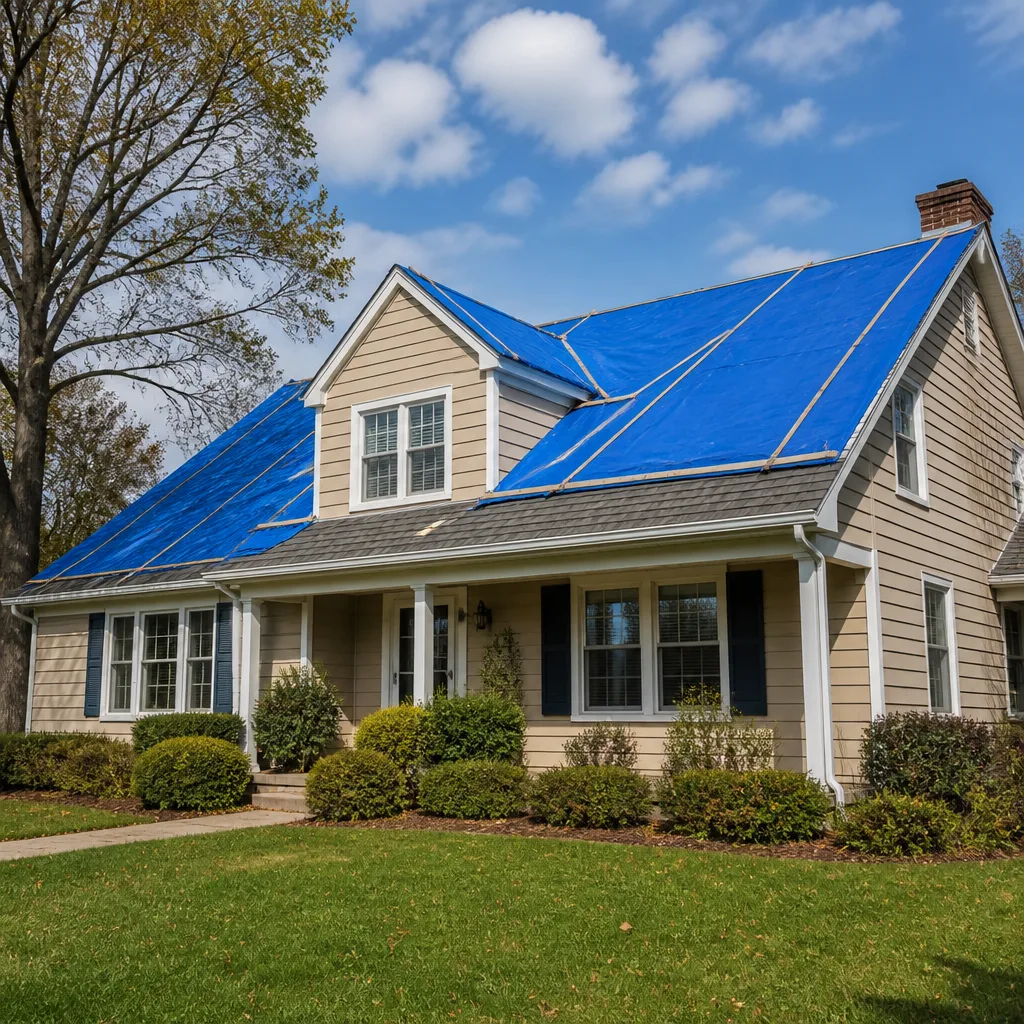
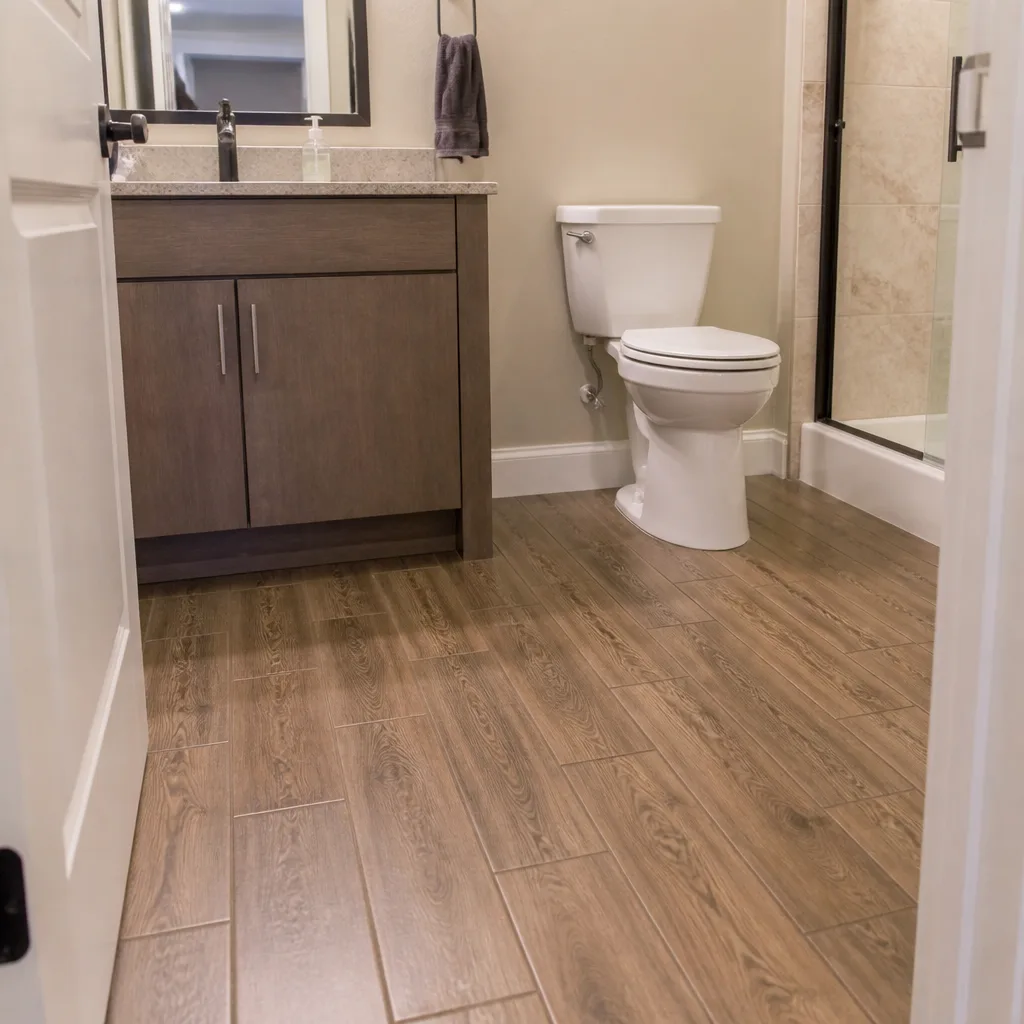
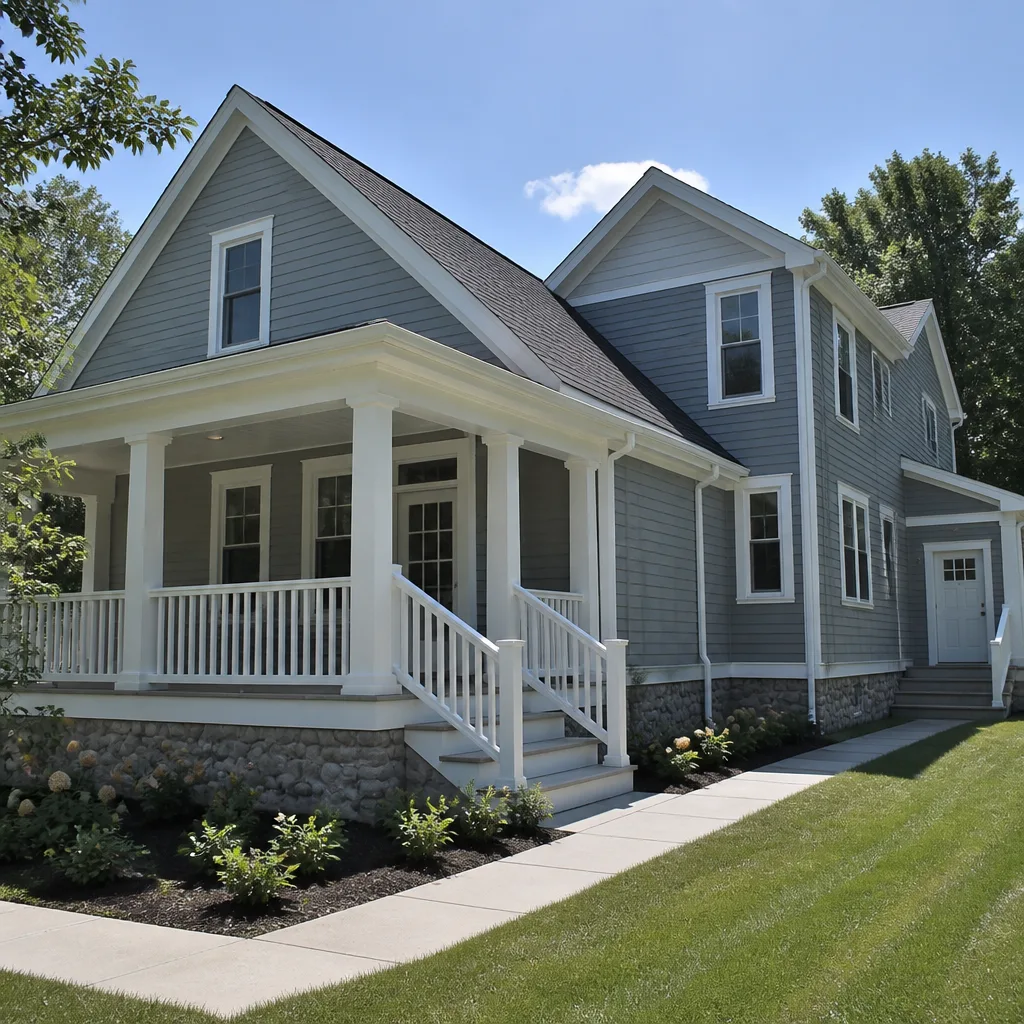
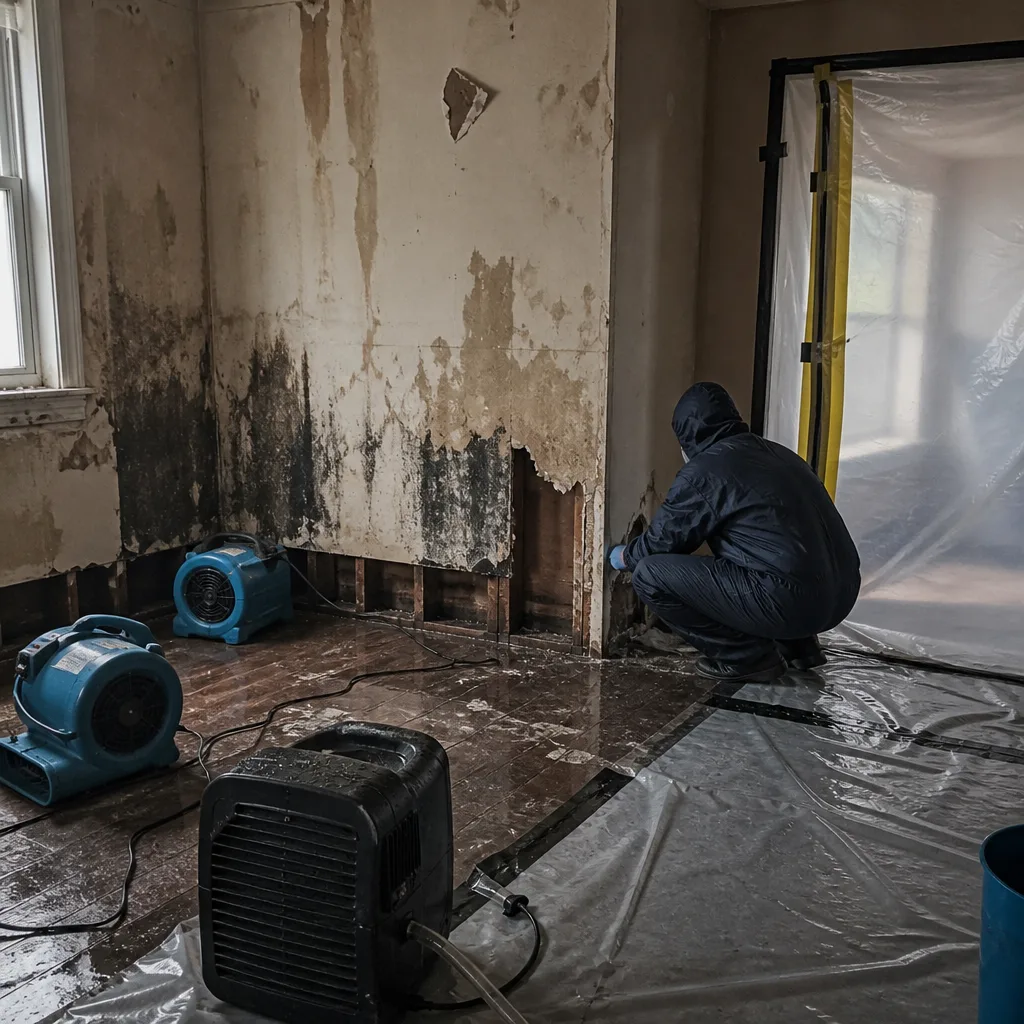 Before
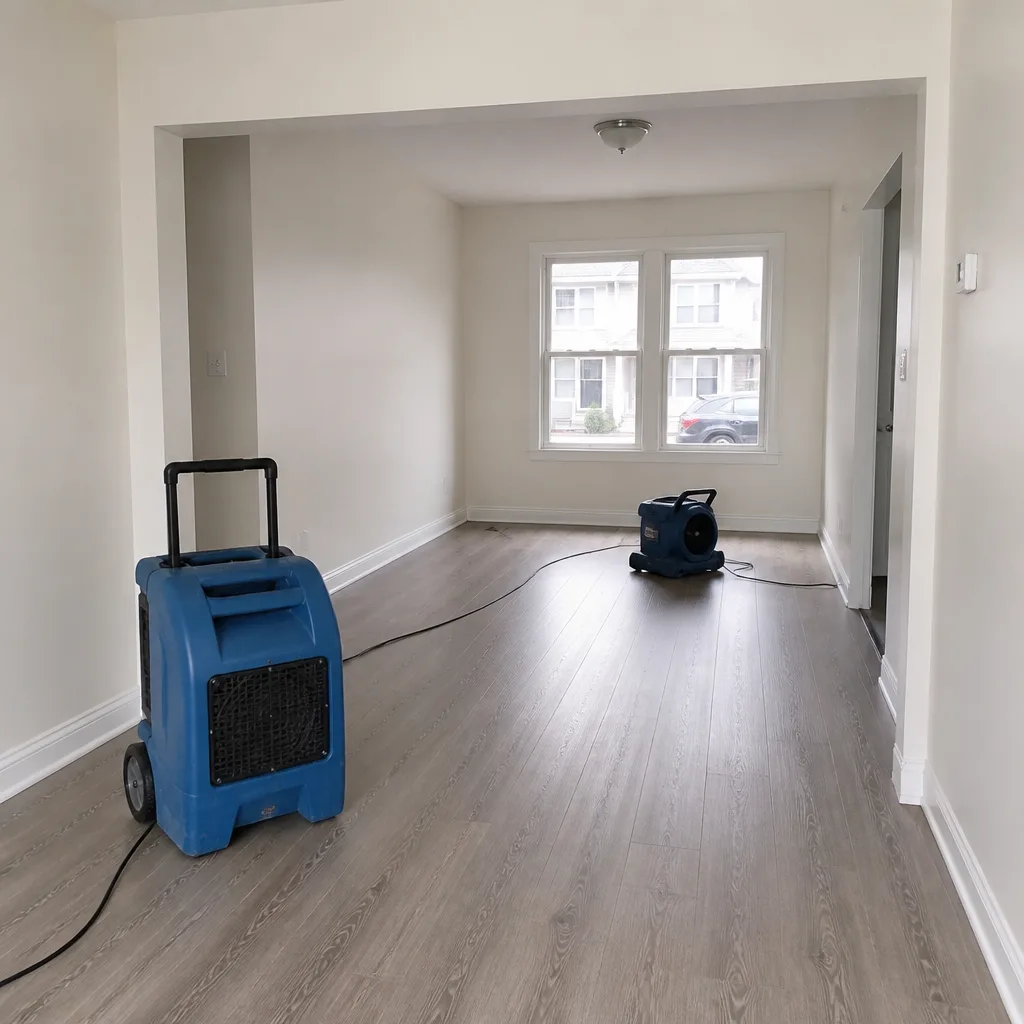 After
After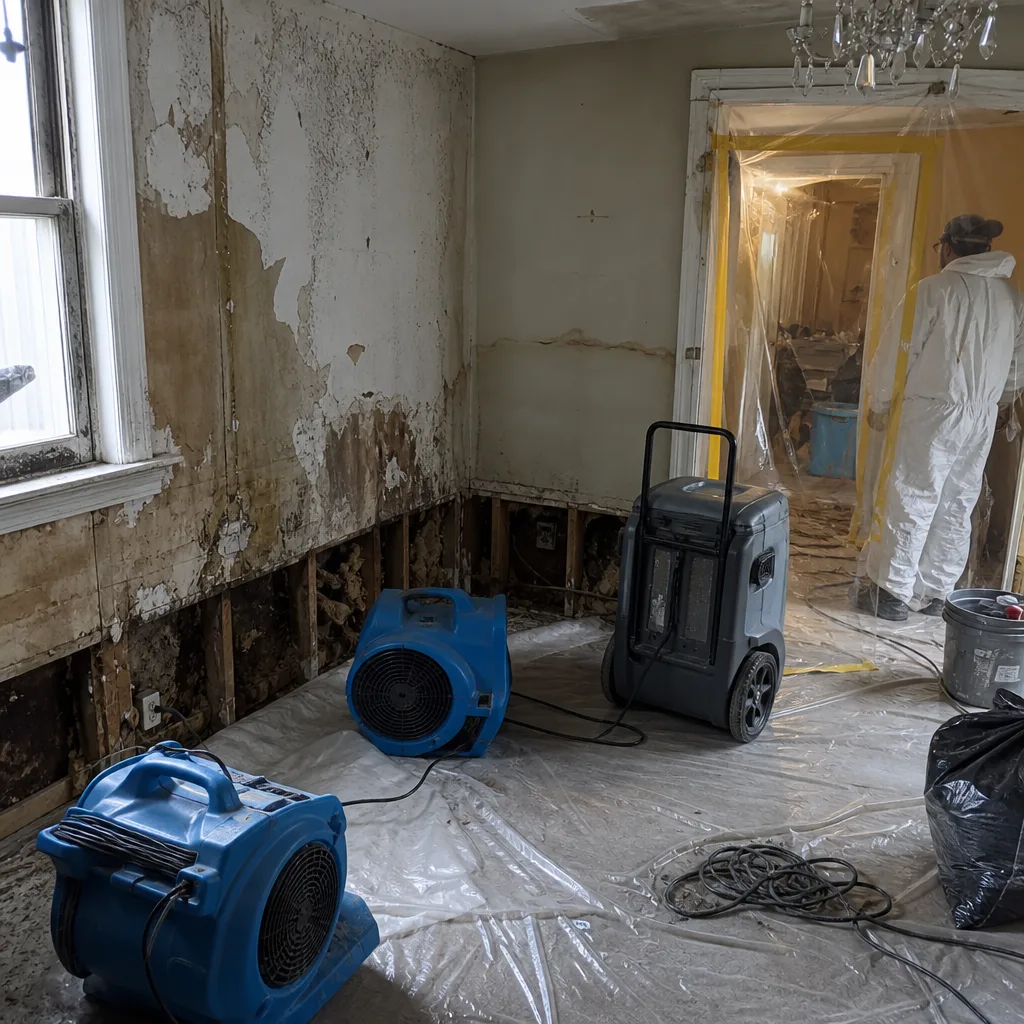 Before
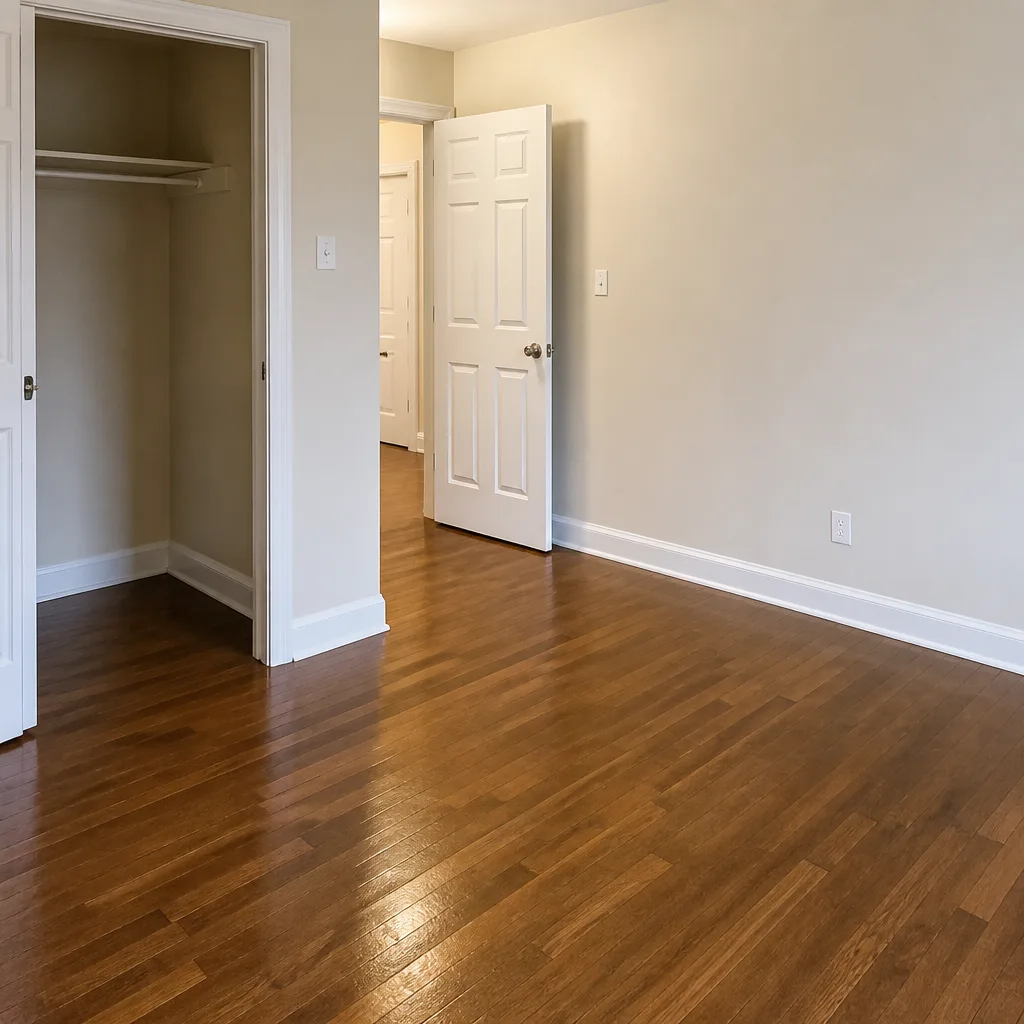 After
After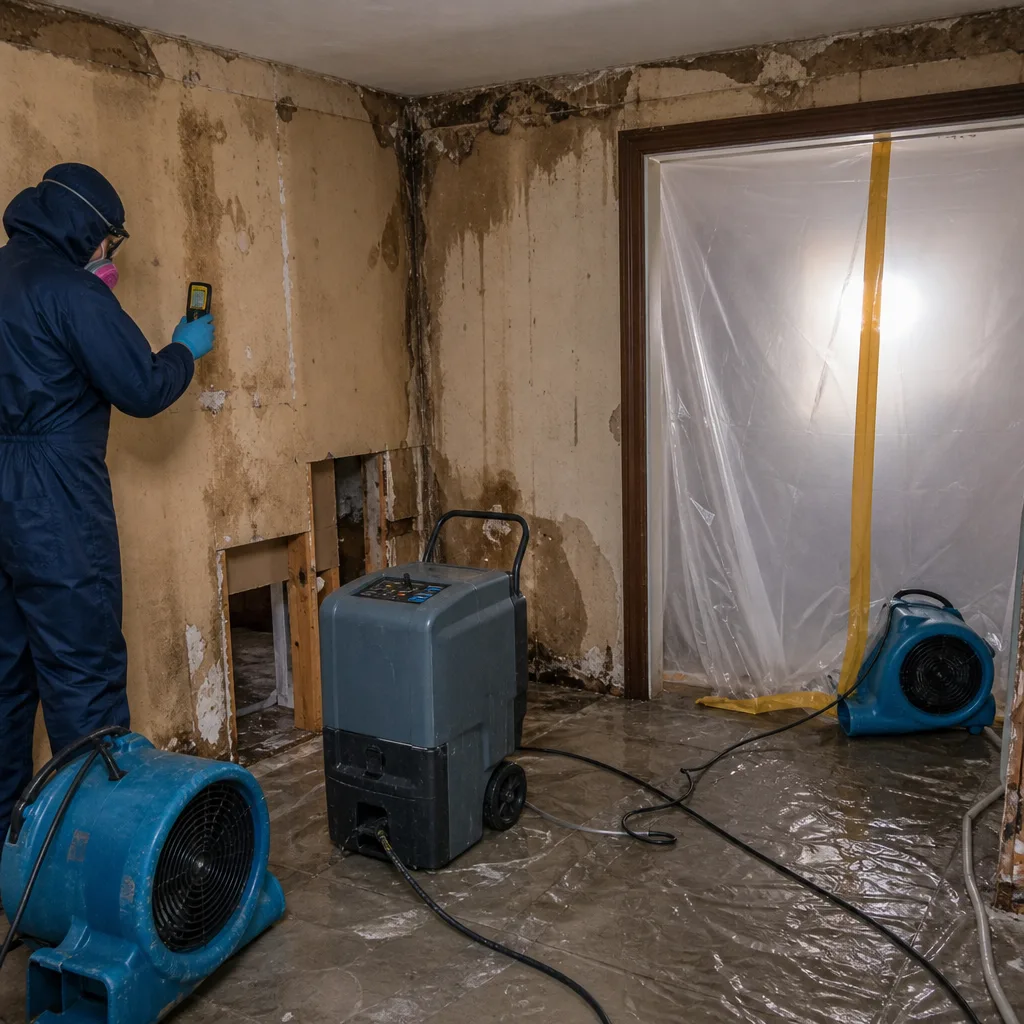 Before
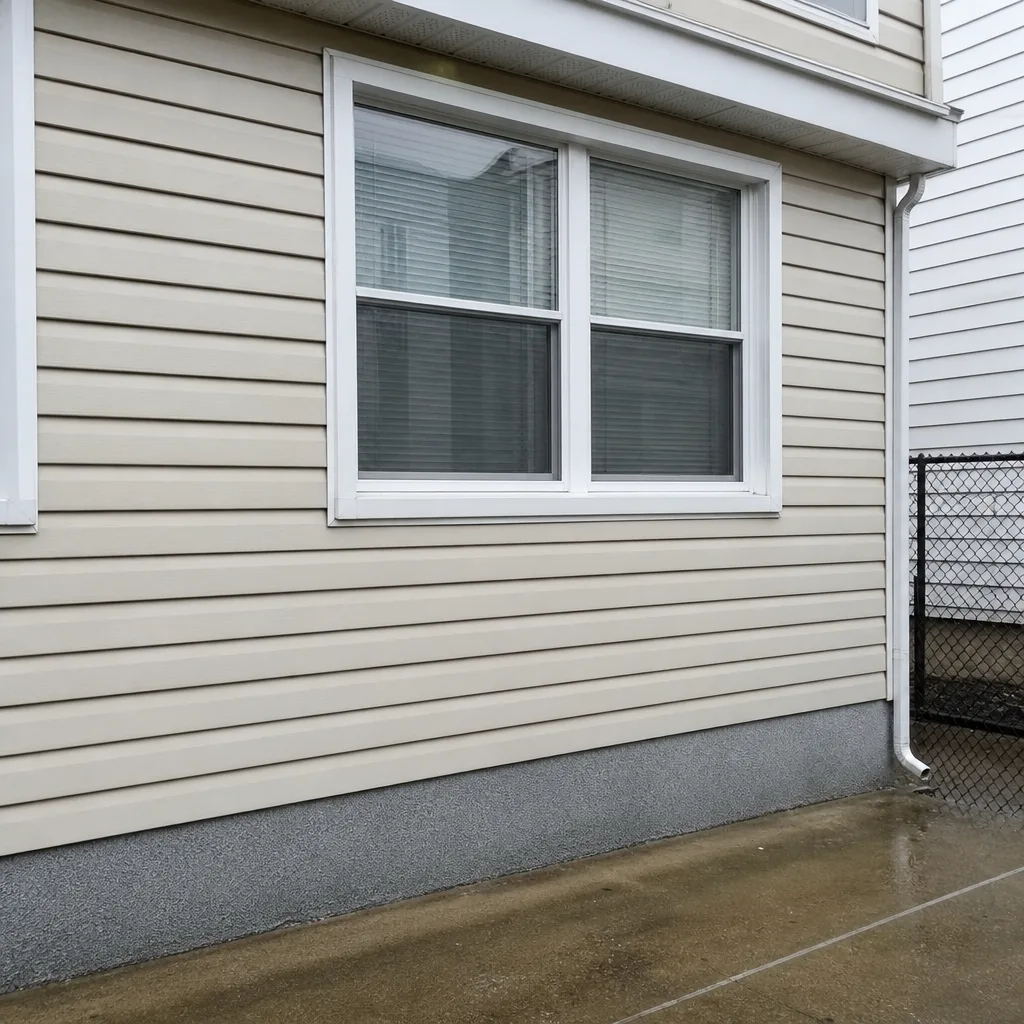 After
After24/7 Emergency Fire & Smoke Damage Restoration in West New York
If you’re standing in a smoke-damaged apartment on Bergenline Avenue right now, here’s what you need to know: our crews answer live at (640) 221-3499 around the clock, and we can have a certified technician inside West New York within 45 minutes. The first hour after a fire matters because soot is acidic and begins etching glass, metal finishes, and painted surfaces almost immediately. Smoke odor also works deeper into porous materials with every hour that passes. We start with a free visual inspection, scope the full extent of damage across every affected unit, and begin mitigation the same visit.
Understanding Fire & Smoke Damage Restoration Severity in West New York Properties
Fire damage in West New York doesn’t follow the single-family home pattern you’ll see in Union City or Ridgefield. In the pre-WWII brick walk-ups that dominate the inland blocks, fire produces three distinct residue types that each demand different treatment. Dry soot from fast-burning paper and wood settles as a fine powder on horizontal surfaces. Protein residues from kitchen fires cling tenaciously to vertical surfaces and produce the classic yellow-brown film that resists standard cleaning. Fuel-oil soot from furnace backups is dense, greasy, and requires solvent-based removal. In a four-story tenement, all three often coexist because smoke migrates through shared plaster-and-lath wall cavities, stairwells, and utility chases that haven’t been touched since the building went up in the 1920s or 1930s. Structural framing in these buildings is old-growth timber, which chars slowly but holds smoke odor in a way modern dimensional lumber does not.
Why West New York Property Owners Choose Floodline Restoration Co.
- 45-minute response commitment - We track our dispatch board not our marketing calendar. When a West New York landlord calls about a fourth-floor kitchen fire, our crew is rolling within the hour.
- 24/7 live answer, every time - A real dispatcher picks up at (640) 221-3499 at 2 a.m., not a recording. No phone tree, no “leave a message and we’ll get back to you.”
- IICRC-certified technicians - Our crews hold FSRT (Fire & Smoke Restoration Technician) and WRT (Water Damage Restoration Technician) certifications. Firefighting water is Category 3; you need both credentials on the same job.
- Free visual inspection with no obligation - We walk the upper and lower floors, check the shared wall cavities, and give you a written assessment before any work is authorized.
- Direct insurance billing - We hand documentation to your carrier and work with adjusters directly. You never play messenger between us and the insurance company.
- One team from first extraction to finished rebuild - The same Floodline crew that runs containment on day one handles daily moisture readings, odor treatment, and structural repairs. No mid-job handoff to a subcontractor you’ve never met.
Our Fire & Smoke Damage Restoration Process
1. Inspection & Assessment
We trace smoke migration across every floor of your West New York building, using thermal imaging to find hidden hotspots in shared wall cavities and moisture mapping to locate firefighting water that traveled below the fire floor. The written scope covers every affected unit before work starts.
2. Stabilization & Board-Up
Broken windows and compromised doors get boarded and tarped immediately. In West New York’s attached housing rows, securing one unit protects the buildings on either side from weather and unauthorized entry.
3. Water Extraction & Drying
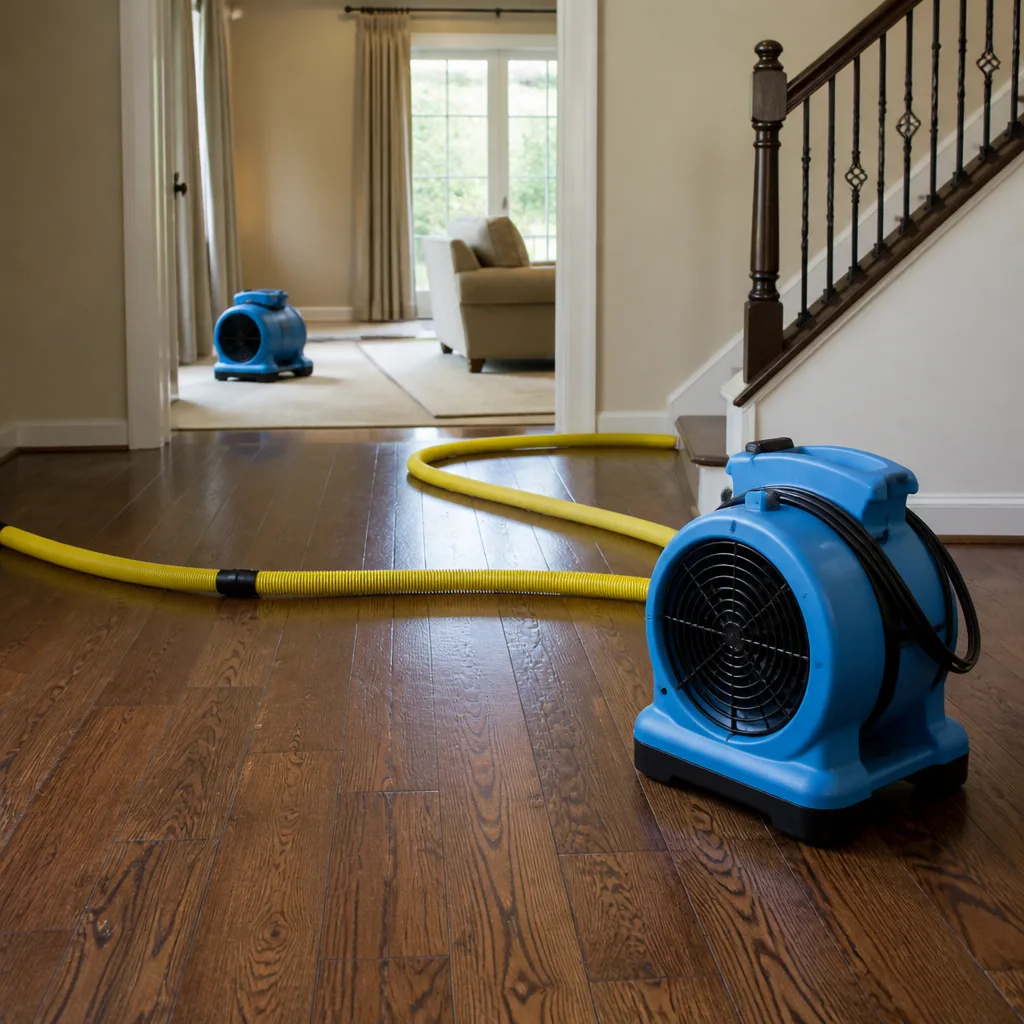
Firefighting water is Category 3 - loaded with contaminants. We extract standing water from every affected floor and deploy Dri-Eaz air movers, Phoenix dehumidifiers, and XPOWER ventilation units with daily moisture readings logged until the dry standard is met.
4. HEPA Air Scrubbing & Soot Removal
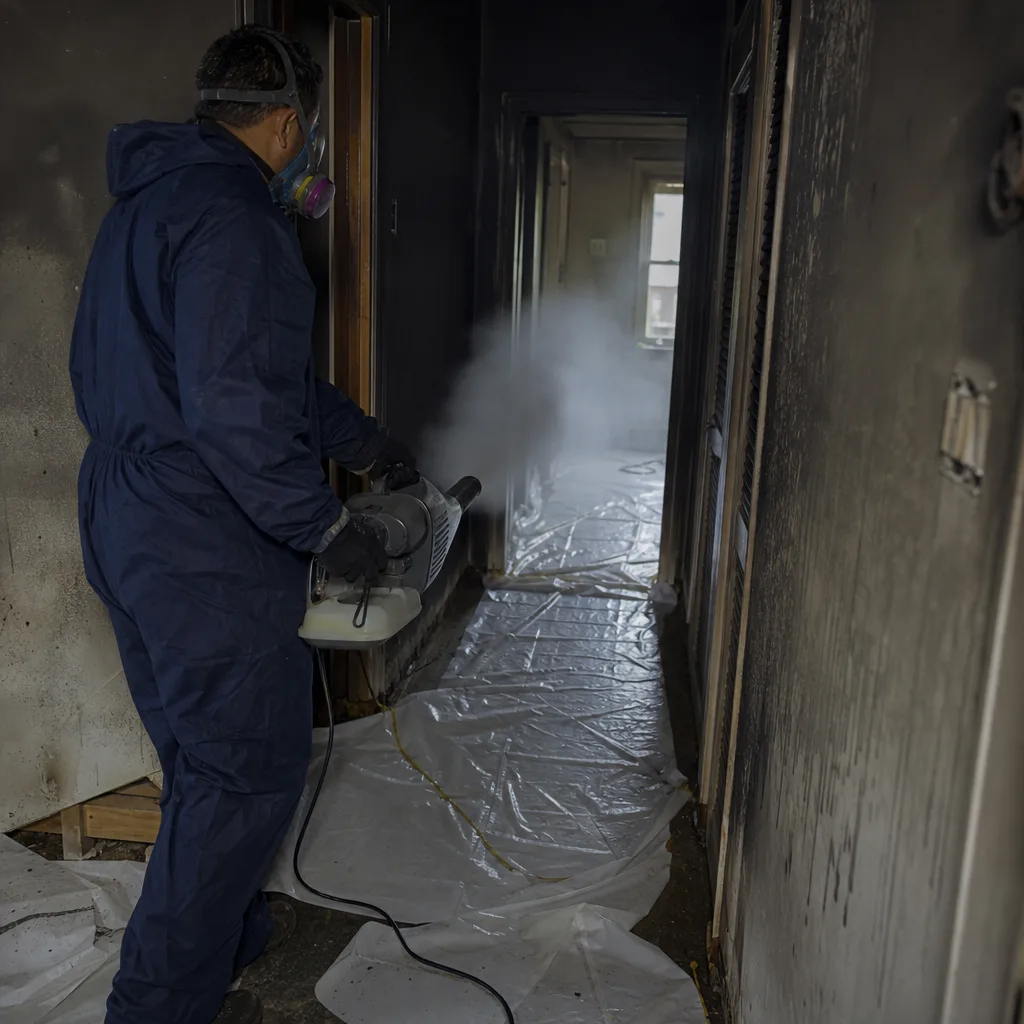
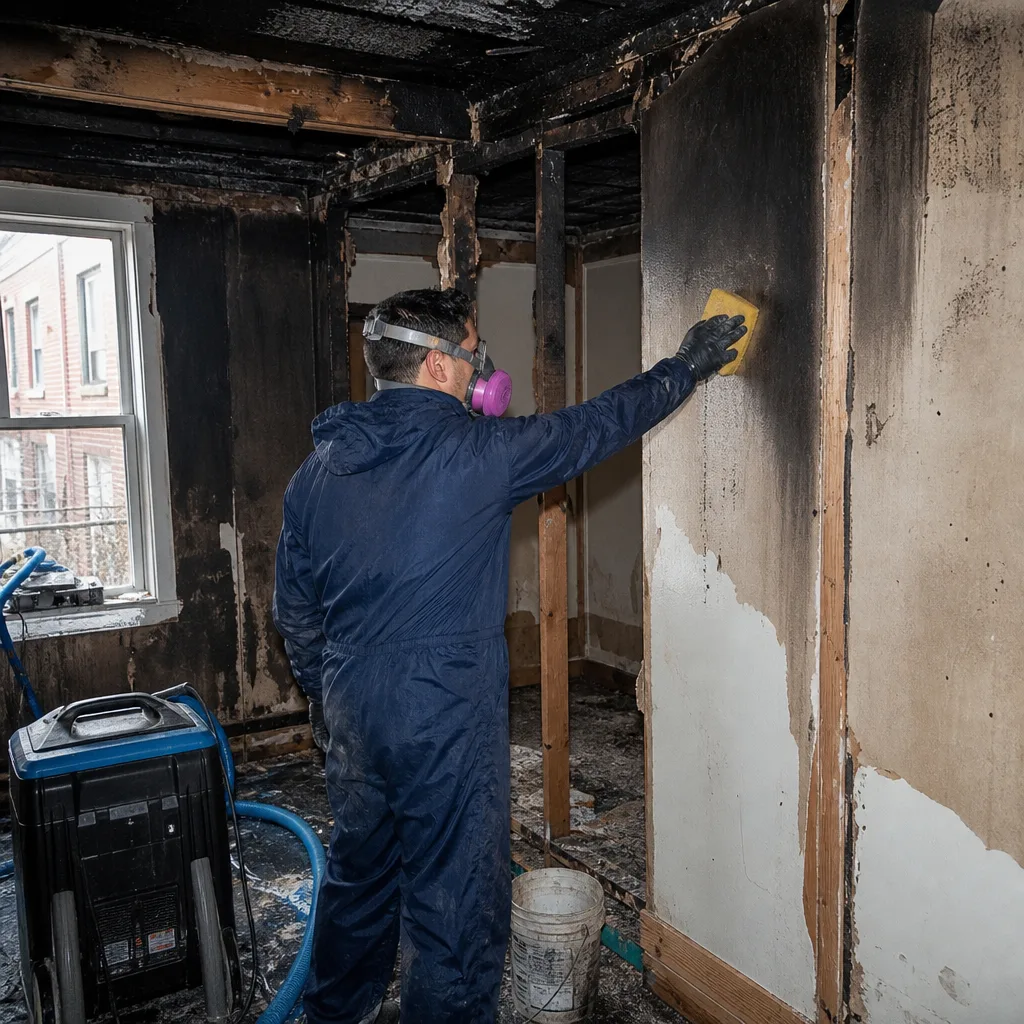
HEPA air scrubbers run in containments on affected floors and stairwell landings to pull soot particles from the air. We clean walls, ceilings, and surfaces with the right method for each soot type - dry sponge for powder soot, chemical degreaser for protein residue, solvent for fuel-oil smoke.
5. Odor Removal & Deodorization
We treat shared wall cavities, under-floor spaces, and HVAC runs with thermal fogging and hydroxyl generators. Odor trapped in plaster-and-lath walls gets treated at the source, not masked. This is where single-unit contractors fail in West New York tenements - they never touch the cavities.
6. Structural Fire Repair & Restoration
Charred framing gets sistered or replaced, smoke-damaged plaster and drywall gets cut out and rebuilt, and trim, paint, and finished surfaces return to pre-loss condition. The same crew that did the cleanup does the rebuild.
Need Emergency Fire & Smoke Damage Restoration in West New York Now?
Crews minutes away, answering live 24 hours a day. The sooner we start, the less it costs.
Working With Your Insurance Company
Fire claims in West New York’s stacked buildings get complicated fast. One kitchen fire on the fourth floor can involve three tenants, two landlords, and four adjusters from different carriers. We’ve been through hundreds of these claims. From the first hour, we photograph every room, every shared wall cavity we open, and every piece of damaged contents. Our estimates follow industry-standard line-item format that carriers recognize. We talk to adjusters directly - for the landlord’s building policy, the tenant’s renter’s policy, and any condo or co-op coverage - so the scope doesn’t get fragmented across multiple claims. You get one team, one scope of work, and written documentation your insurer can’t ignore.
What We Provide Your Insurer
- Thorough documentation of the loss
- Photos of all damage, room by room
- Moisture readings and drying logs
- A detailed, line-item scope of work
- Direct coordination with your carrier
Built for West New York’s Loss Calendar
West New York’s fire season doesn’t follow any single pattern, but we know the rhythms. Deep winter cold drives space heater use in older tenement units, and we’ve worked too many January fires that started with a portable heater pushed too close to a curtain in a living room that doubles as a bedroom. Spring brings heavy rain against the steep Palisades grade, and water intrusion into old electrical systems in basement utility rooms can smolder for days before anyone notices. Summer is kitchen fire season - open windows, long cooking sessions, and crowded apartments. Fall starts the heating system fires, when furnaces that sat idle all summer kick on with dust and debris in the burners. And any evening on Bergenline Avenue can bring a restaurant kitchen fire a block away that pushes smoke through your windows. We plan our West New York response routes around these blocks - 60th Street, Boulevard East, the high-rise corridor along River Road - because fires in attached buildings don’t respect property lines.
Fire & Smoke Damage Restoration Across West New York’s Neighborhoods
West New York isn’t one housing market - it’s three distinct zones, and restoration work looks different in each. The inland blocks between Bergenline Avenue and Palisade Avenue hold the pre-WWII brick walk-ups where most fire claims originate. Four-to-six-story buildings with shared stairwells, original plaster-and-lath walls, and plumbing stacks that run vertically through every unit. Smoke in one apartment travels through wall chases to the apartments above and below. On 60th Street near Bergenline Avenue, our crew handled a fourth-floor kitchen fire that pushed soot through the original plaster-and-lath seam into the third and second floors below. We ran HEPA air scrubbers and set up containment on the stairwell landings, then used Dri-Eaz air movers and XPOWER dehumidifiers to pull smoke residue from the shared wall cavities before starting structural drying. The landlord pulled us into a second building on the same block the next morning. Boulevard East and the Palisades cliffside holds older pre-war apartments with river views - beautiful units, but the tall windows and older electrical wiring mean a different fire profile, and the falling elevation toward the Hudson means water from firefighting flows hard downhill through lower units. The River Road waterfront high-rises present modern construction and sprinkler systems, but lower-level fires trigger massive sprinkler discharge that sends Category 3 water cascading through multiple floors below. Response timing matters differently in each zone - a fire at noon on a Tuesday moves faster in the inland blocks than a midnight fire in a high-rise, because traffic on Bergenline affects our rolling time.
Specialized Fire & Smoke Damage Restoration Services We Offer in West New York
Fire Damage Cleanup
We handle soot, char, and structural damage across every affected unit in your West New York building. This includes opening shared wall cavities in pre-war construction, removing charred materials, and cleaning all salvageable surfaces. A fourth-floor fire usually means cleanup work on the second and third floors too.
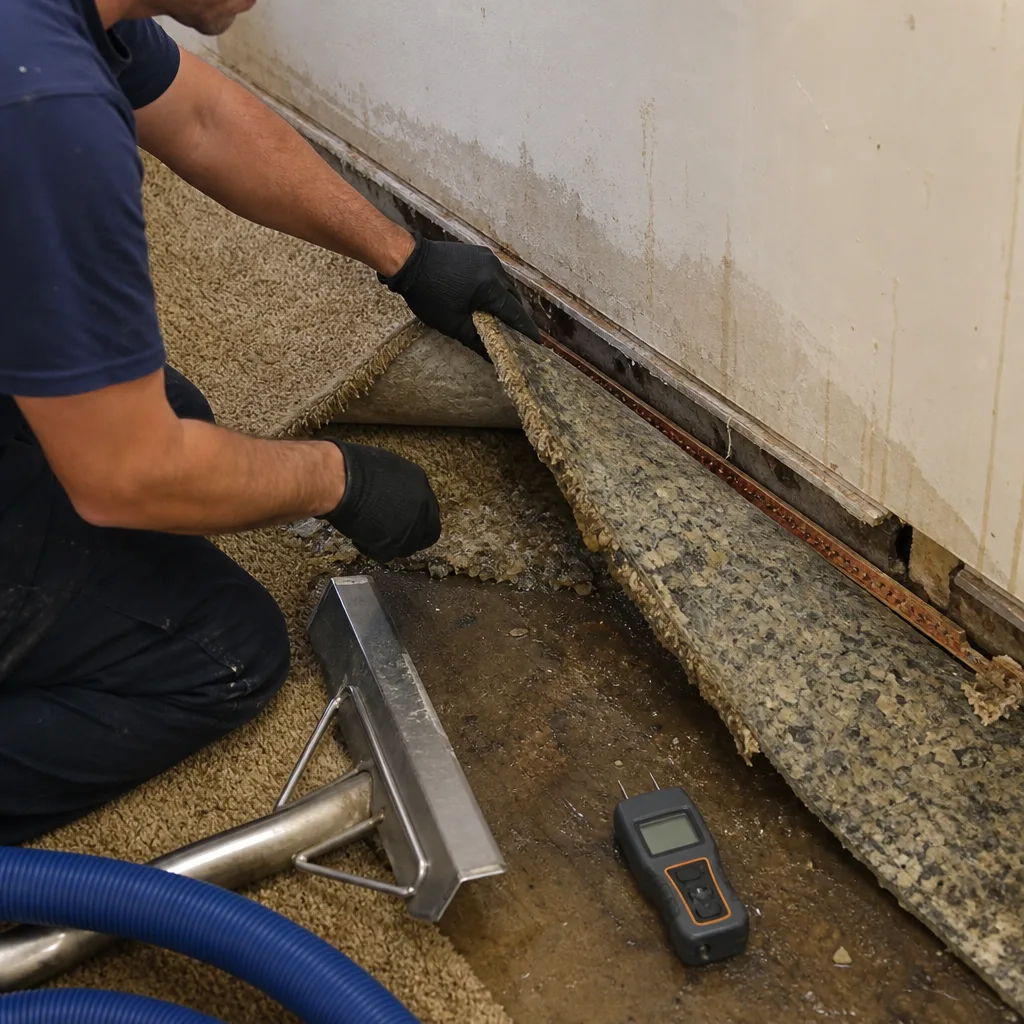
Smoke & Soot Removal
Soot removal in West New York’s tenements means treating the vertical runs - the wall cavities, pipe chases, and stairwell airspace that carry smoke between stacked units. We use dry sponges, chemical degreasers, and solvent-based cleaners matched to the soot type, then run HEPA air scrubbers to pull airborne particles out. The shared-wall problem never gets solved with a surface wipe.
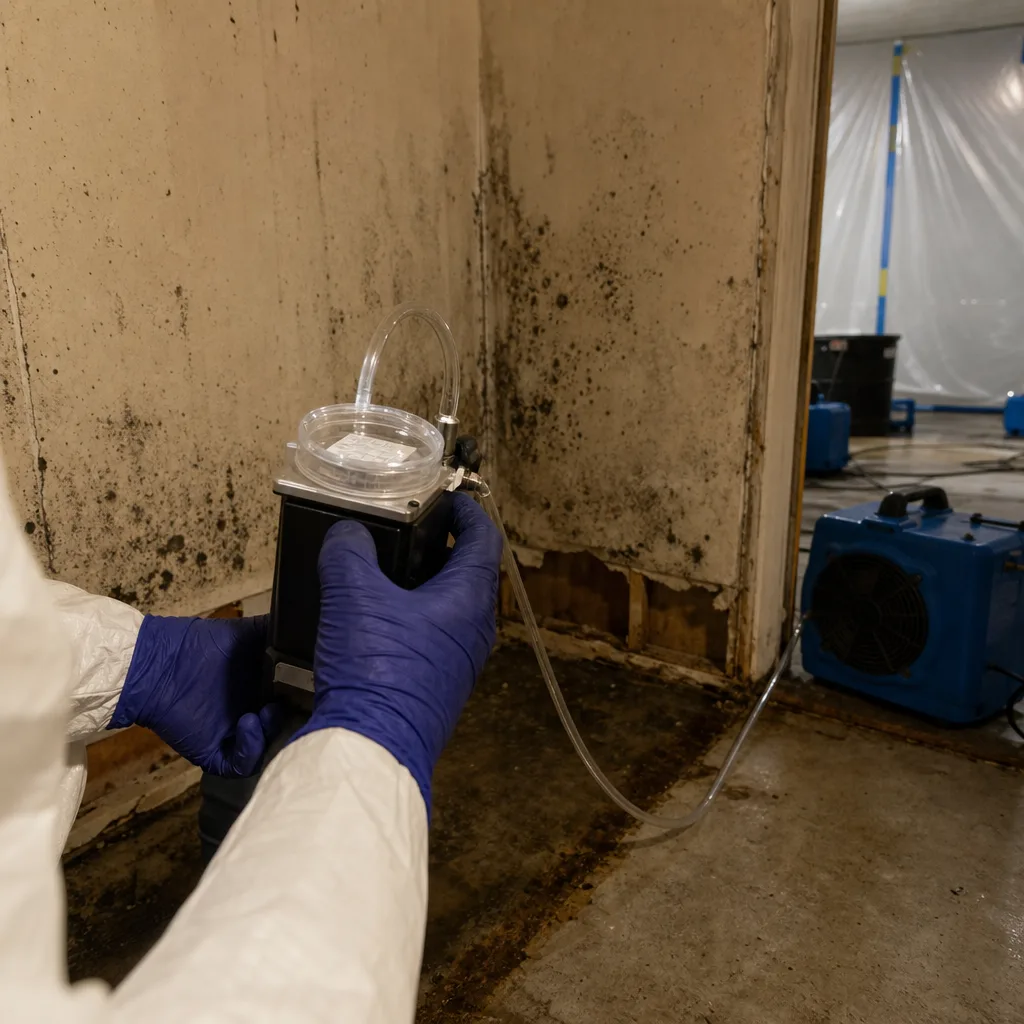
Odor Removal & Deodorization
Thermal fogging and hydroxyl generators reach the odor molecules trapped inside plaster, lath, and floor joists. In pre-war buildings, smoke odor can live in wall cavities for months before a tenant complains. We treat the cavities themselves, not just the air in the room. That’s the difference between a job that holds up and one that gets called back.
Contents Cleaning & Pack-Out
Furniture, clothing, dishes, and personal effects get inventoried, cleaned, deodorized, and stored if full reconstruction is required. We photograph everything for your insurer before a single item leaves the building. For landlords with multiple affected units, we handle contents separately per tenant so nothing gets mixed up.
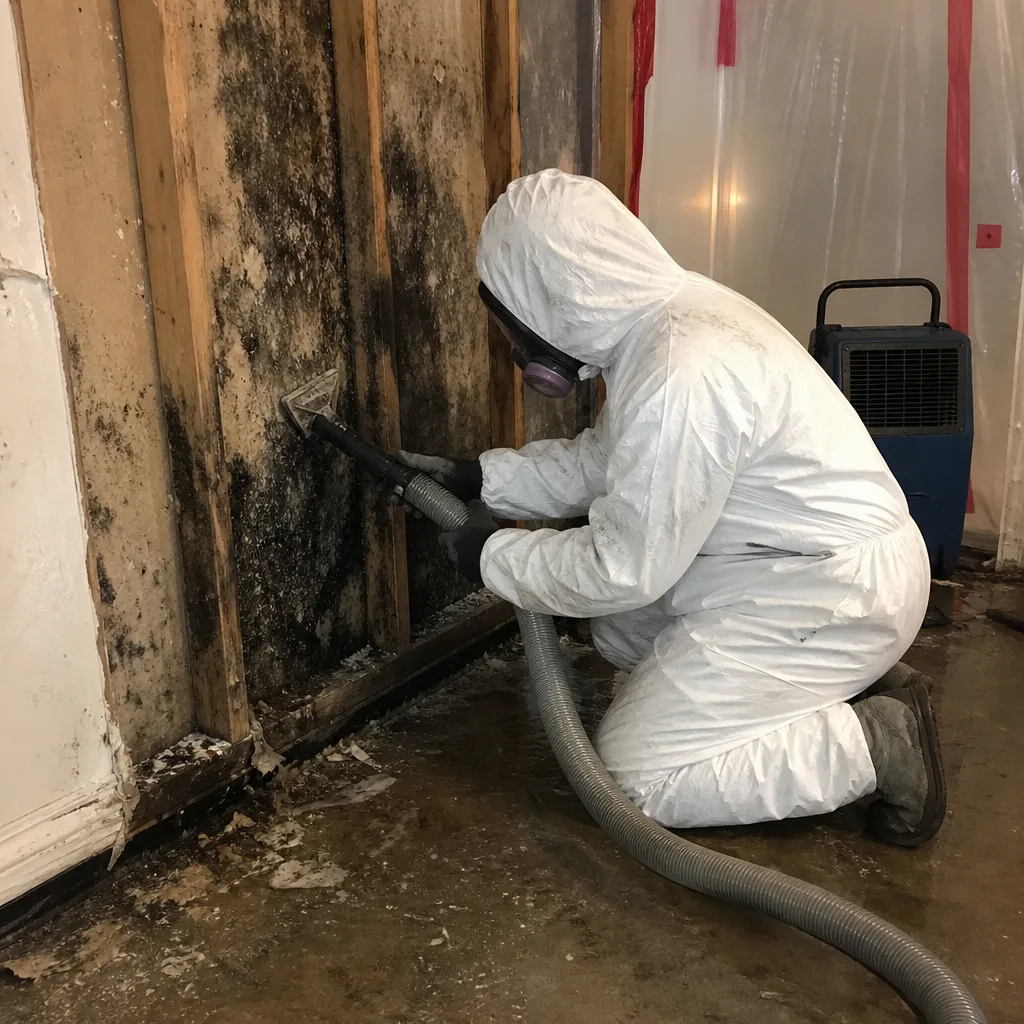
Emergency Board-Up & Tarping
Fire-damaged windows and holes in exterior walls get boarded and tarped immediately, even before the adjuster shows up. In West New York’s rows of attached buildings, an unsecured fire-damaged unit is a liability to every building that shares a party wall with it.
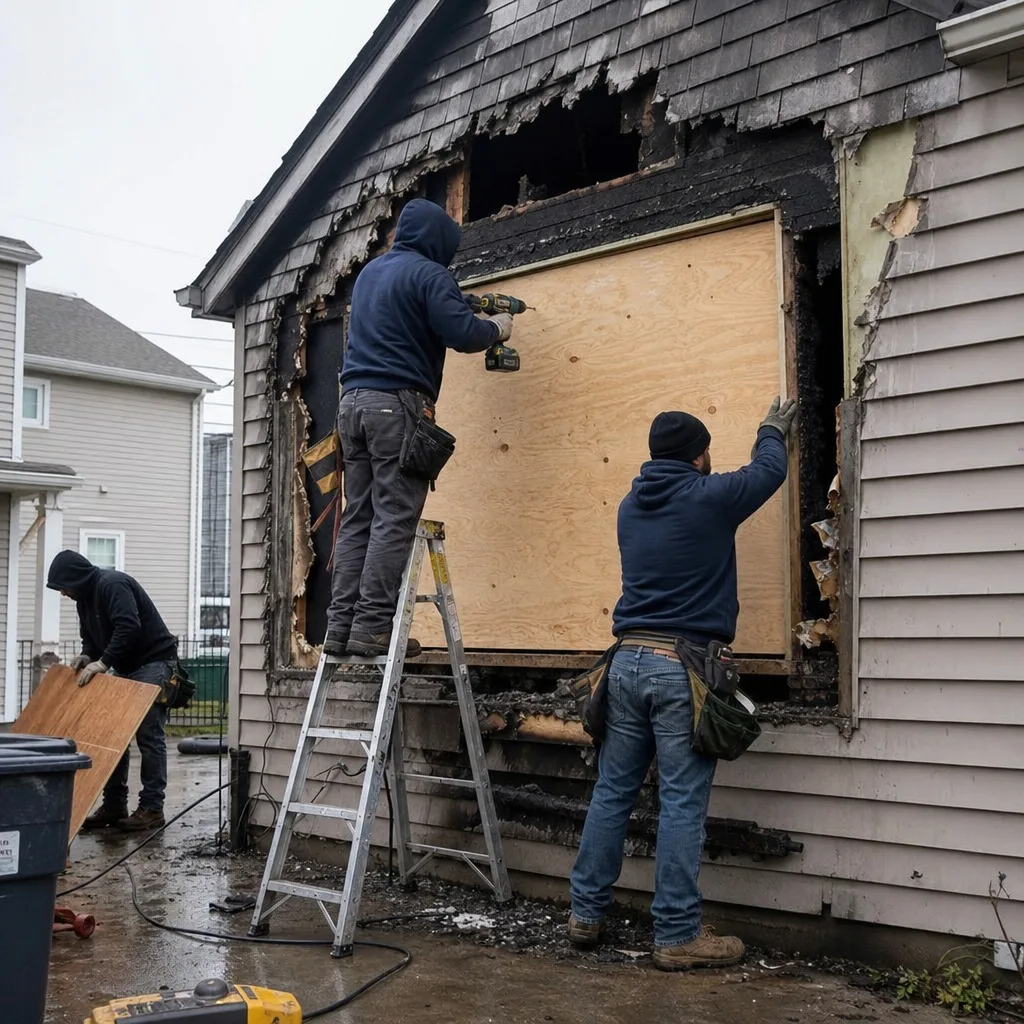
Structural Fire Repair
Sistered joists, replaced studs, rebuilt stairwells, and new plaster or drywall - structural fire repair is full-cycle work. The same Floodline crew that ran extraction on day one handles the rebuild. We don’t hand your building to a sub you’ve never met. Our Fire & Smoke Damage Restoration team carries the job from first board-up to final paint.
What happens when you call
- 1
A real person answersNo phone trees - you reach a local pro.
- 2
You get an upfront price rangeHonest numbers before anyone is dispatched.
- 3
A background-checked tech heads outLicensed & insured, dispatched right away.
- 4
You approve before work beginsNothing starts until you say go.
Fire & Smoke Damage Restoration Costs in West New York, NJ
In West New York’s market, a typical single-room kitchen fire with moderate smoke damage across two adjacent units runs $2,800-$6,500 for full smoke and soot removal, odor treatment, and structural repairs. A four-floor fire with widespread smoke migration through shared walls in a pre-war building typically lands between $12,000 and $45,000 depending on how many units need cavity work and rebuild. Contents cleaning and pack-outs add $1,500-$4,000 per unit. Emergency board-up and tarping on the same night runs $400-$1,200. The factors that move the number: how many floors smoke traveled, whether the firefighting water was Category 3 (almost always yes in tenement fires), and whether the landlord owns contiguous buildings that need scoping too. Most fire claims in West New York are insurance-covered. We bill carriers directly and provide the line-item documentation they require. The free visual inspection is the fastest way to a firm number - we walk the affected floors, check the shared cavities, and give you a written scope before any work is authorized.
We Also Serve Cities Near West New York
Our crews work across Hudson County daily. If your property is in North Bergen, Ridgefield, Weehawken, or Union City, we can be there in the same window. Call (640) 221-3499 and a live dispatcher will route the nearest crew.
West New York Fire & Smoke Damage Restoration Questions, Answered
How do shared plaster-and-lath walls in West New York’s pre-war buildings affect smoke and soot removal after a fire?
Shared plaster-and-lath walls act as vertical smoke channels. When fire hits one unit, smoke pushes into the wall cavity through seams and penetrations, then travels up and down to other floors. Smoke and soot removal in West New York demands opening those cavities, cleaning them mechanically, and treating them with thermal fogging or hydroxyl before closing them back up. Skip the cavities and the odor returns in another tenant’s unit weeks later. Call (640) 221-3499 to have a certified crew scope the full smoke path.
What does a category 3 water event from firefighting look like in a West New York apartment building, and how do you handle it?
Firefighting water is Category 3 - contaminated with soot, burned materials, and whatever the fire consumed. In a four-story tenement, that water travels down through floors and shared chases, pulling contaminants with it. We treat it as a biohazard water extraction, not just a mop-up. We extract, run air movers and dehumidifiers, log daily moisture readings, and document everything for the insurance carrier.
Why do you walk the lower floors before writing an estimate for a fourth-floor fire in West New York?
In stacked pre-war buildings, a fourth-floor fire is never a fourth-floor job. Smoke and water travel down through shared walls, pipe chases, and stairwells. We walk the second and third floors before writing a single line item, because hidden soot in those wall cavities is exactly where the odor resurfaces weeks later. An estimate that doesn’t include the lower floors is a call-back waiting to happen. That’s how our West New York crews scope every vertical fire.
How do West New York landlords with multiple contiguous buildings change the fire restoration process?
When a landlord owns two or three buildings on the same block, one fire often means scoping the adjacent structures too. Shared doors, shared duct runs, and connected basement spaces all carry smoke. We coordinate across the entire property, document every structure separately for the carrier, and work with one point of contact for all buildings. The goal is a single restoration plan, not three separate claims that fight each other.
What is the 24-to-48-hour mold concern after a fire in a West New York basement or ground-floor unit?
Firefighting water reaches basements and ground floors fast in West New York’s attached buildings. That water is Category 3, and mold begins colonizing damp porous materials within 24 to 48 hours. The Palisades runoff zone adds another layer - ground-floor and basement spaces on the uphill blocks already carry elevated moisture from foundation-wall seepage, so fire water on top of that accelerates the problem. We deploy drying equipment immediately and document moisture readings daily until the dry standard is met.
How fast can you actually get to a fire in West New York?
Within 45 minutes for most addresses in West New York, any time of day or night. We dispatch from our New York City office and keep crews routed across Hudson County through the day. Traffic on Bergenline Avenue or Boulevard East can add time at rush hour, but a live dispatcher will tell you exactly what’s happening. Call (640) 221-3499 and you’ll speak to a person, not a recording.
Will my insurance cover fire and smoke damage restoration in West New York?
Most homeowners, renters, and landlord policies cover fire and smoke damage, including the water damage from firefighting. The deductible and coverage limits depend on your policy. We photograph everything from the first hour, document every room and every cavity we open, and send line-item documentation directly to your adjuster. Direct billing means you don’t pay out of pocket and wait for reimbursement - we work it out with the carrier.
What should I do in the first 30 minutes after a fire in my West New York building?
Call (640) 221-3499 first. Then: don’t touch or wipe any soot-covered surface - soot smears and etches when disturbed. Don’t use ceiling fans or your HVAC system; circulating air pushes soot deeper into walls and ducts. Don’t walk heavily on water-damaged floors, especially in pre-war buildings where firefighting water may have soaked through to the ceiling below. Keep everyone out of the affected units until our crew arrives and assesses structural safety. The first 30 minutes of not doing the wrong thing saves hours of restoration work later.
Serving West New York, NJ - Our Local Coverage Area
We’re based in the West New York area and know this community well. Use the map below to see our service coverage - if you’re nearby, we can almost certainly help.
Call Floodline Restoration Co. for Fire & Smoke Damage Restoration in West New York
Fire moves fast in attached buildings, and so does the damage. Our crews answer live at (640) 221-3499, 24 hours a day, every day. We’ll walk every affected floor, coordinate with landlords and adjusters, handle the smoke and soot removal down to the wall cavities, and carry the job through structural repair. The estimate is free and the 90-Day Done Right Promise comes in writing. Call now - the sooner containment starts, the less damage there is to undo.
Written by Curt Bowman, Owner at Floodline Restoration Co., providing fire and smoke damage restoration across West New York and Hudson County.