
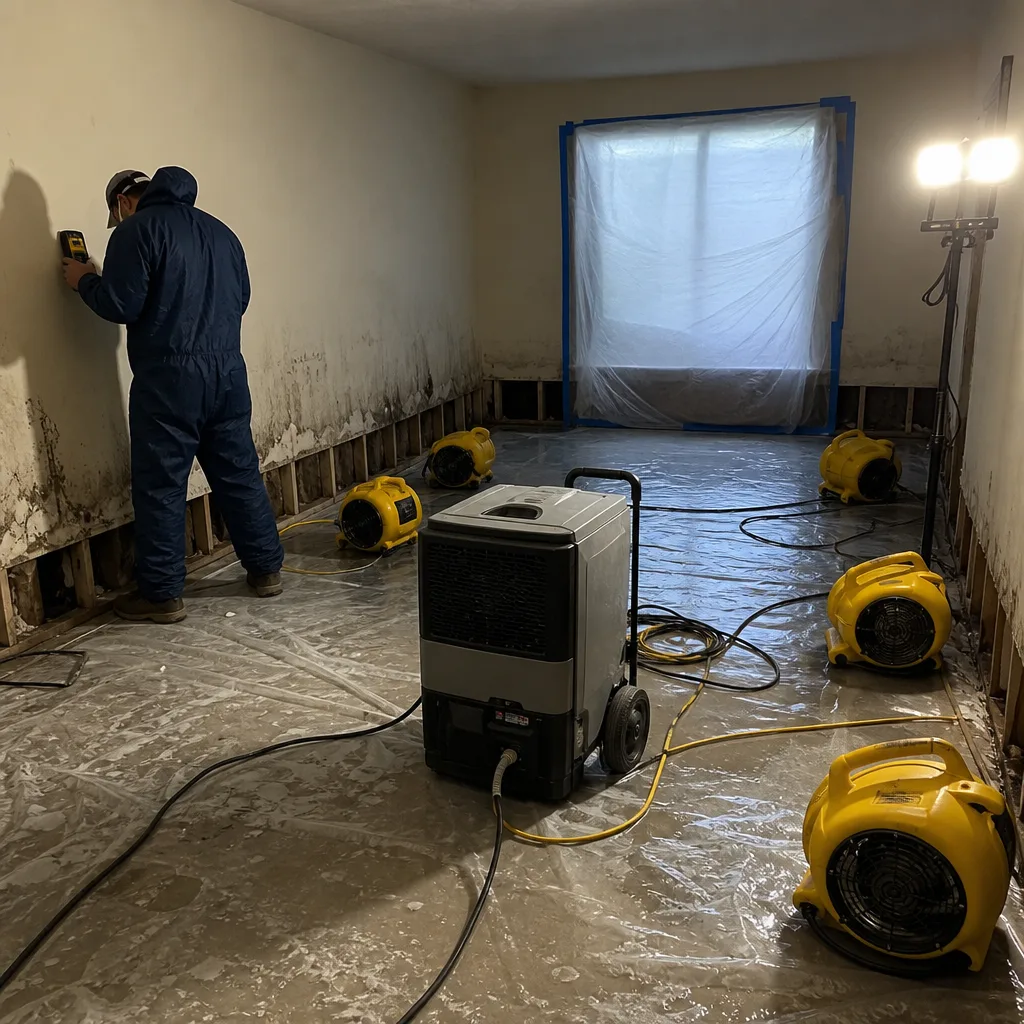
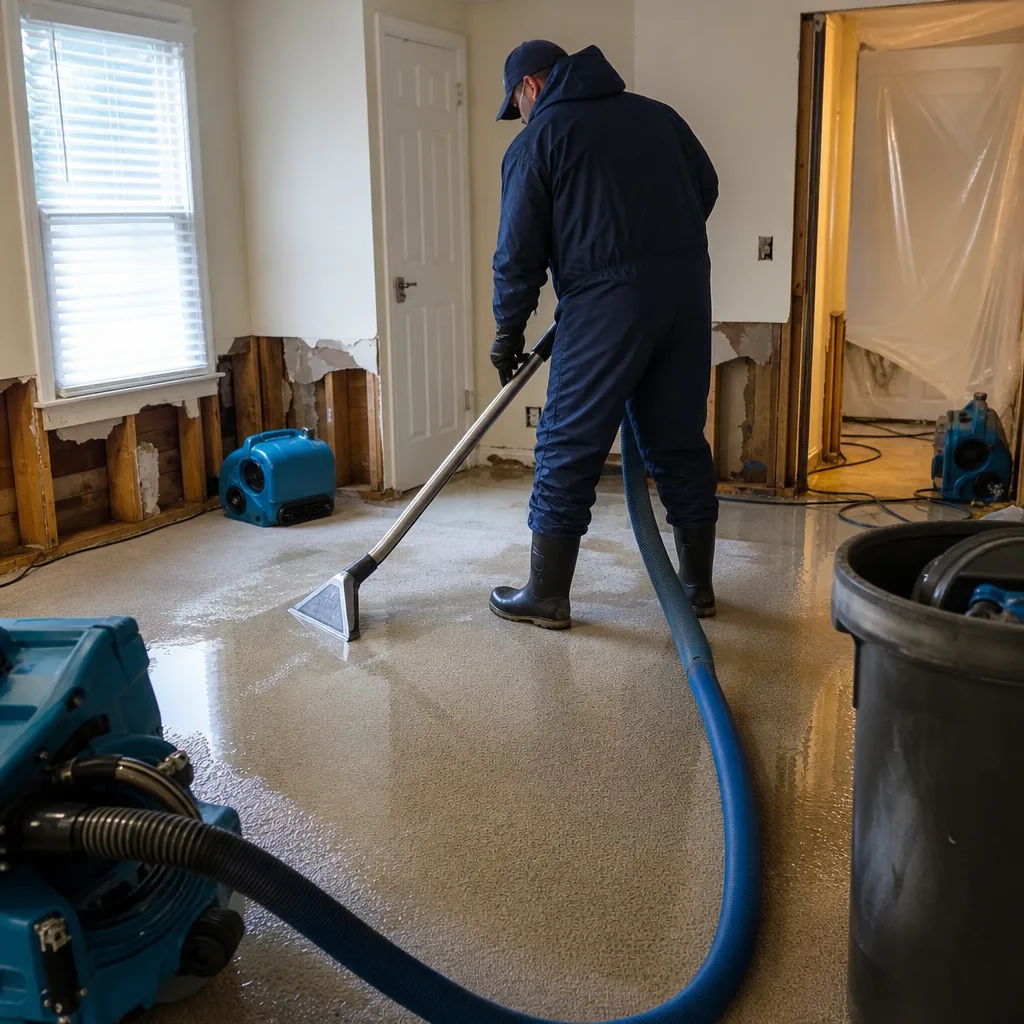
Free visual inspection and a written scope of work before any mitigation begins - photos, moisture readings, and drying logs go in your claim file
The scope we write is the scope we bill. Anything new gets shown to you, in writing, before we touch it.
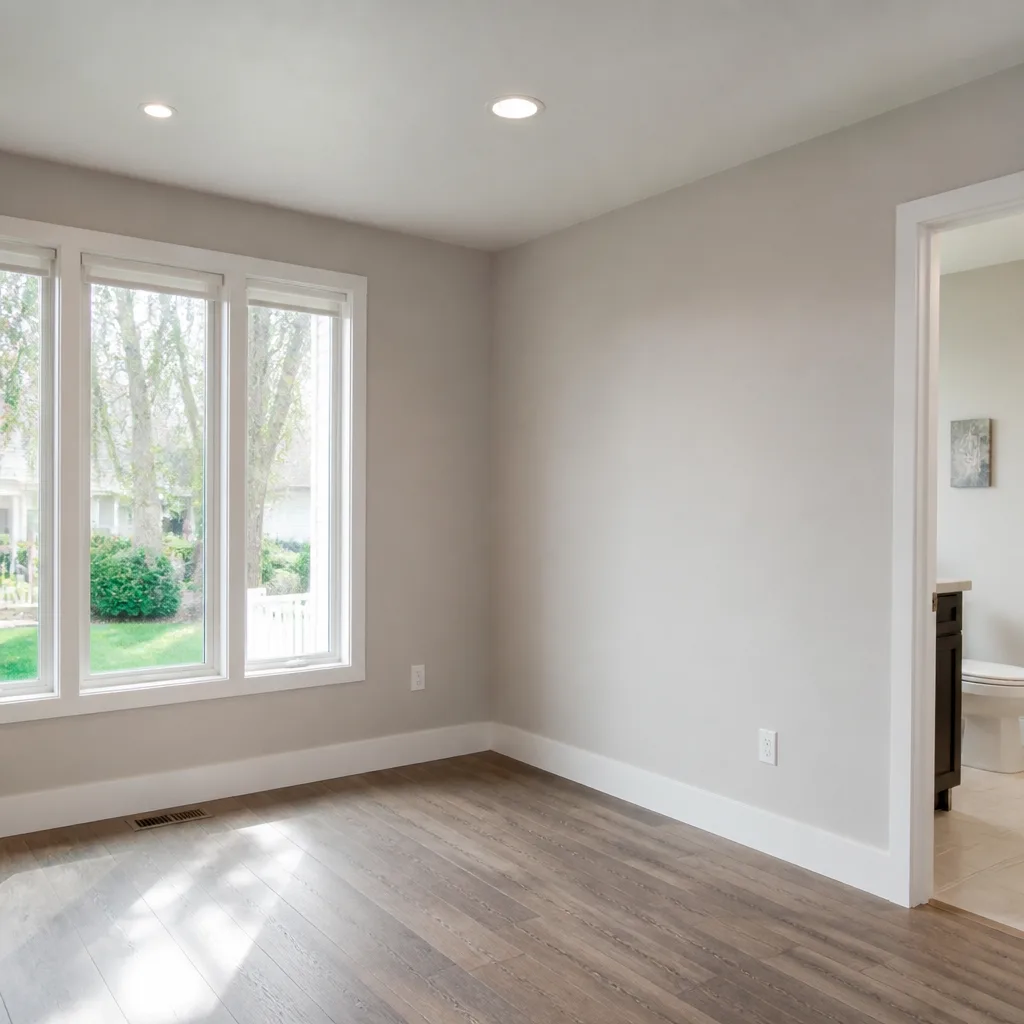
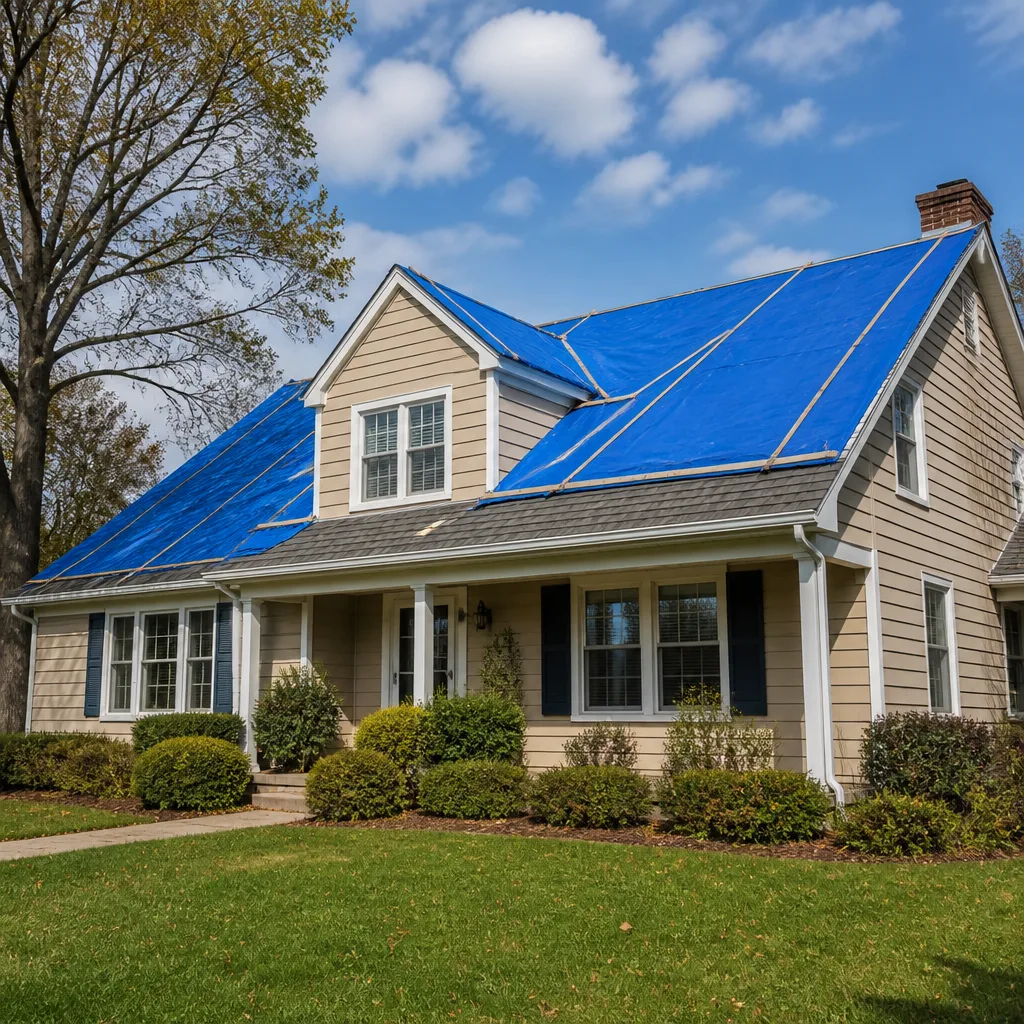
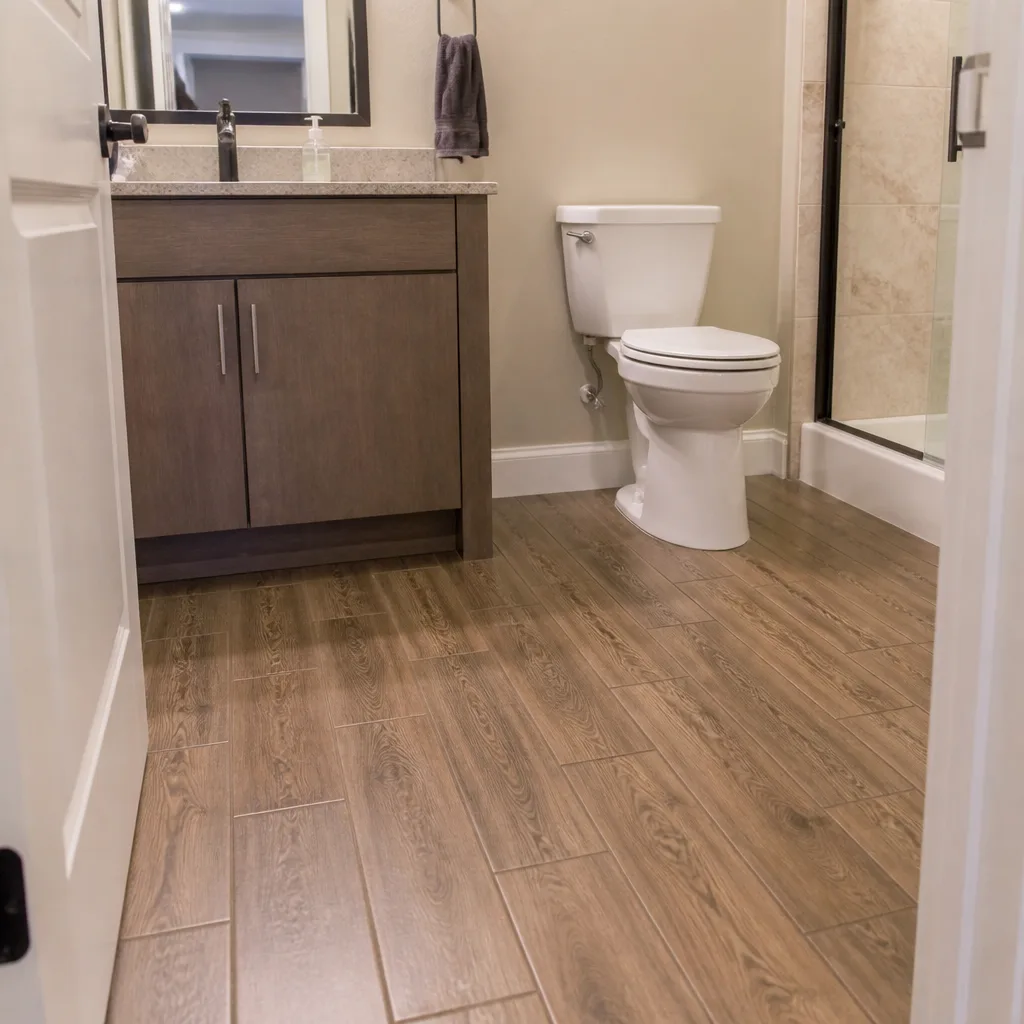
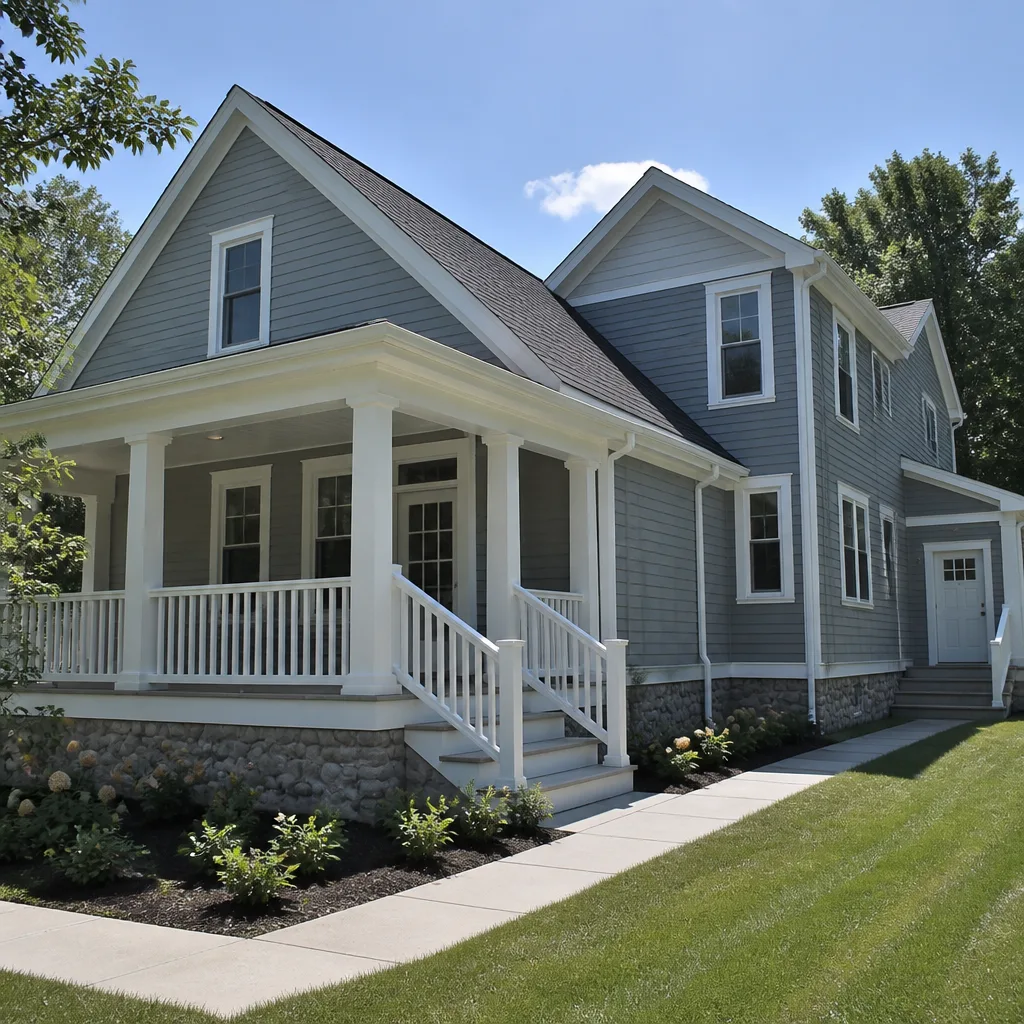
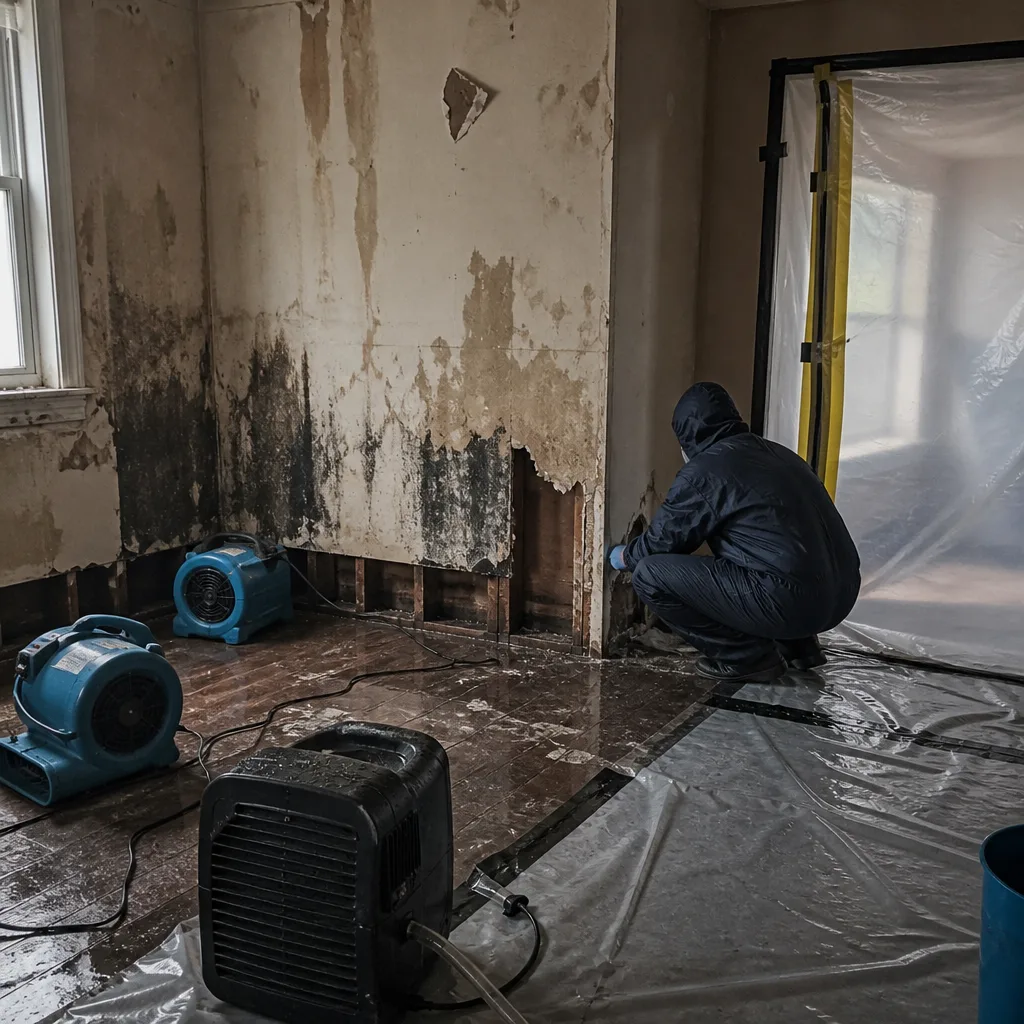 Before
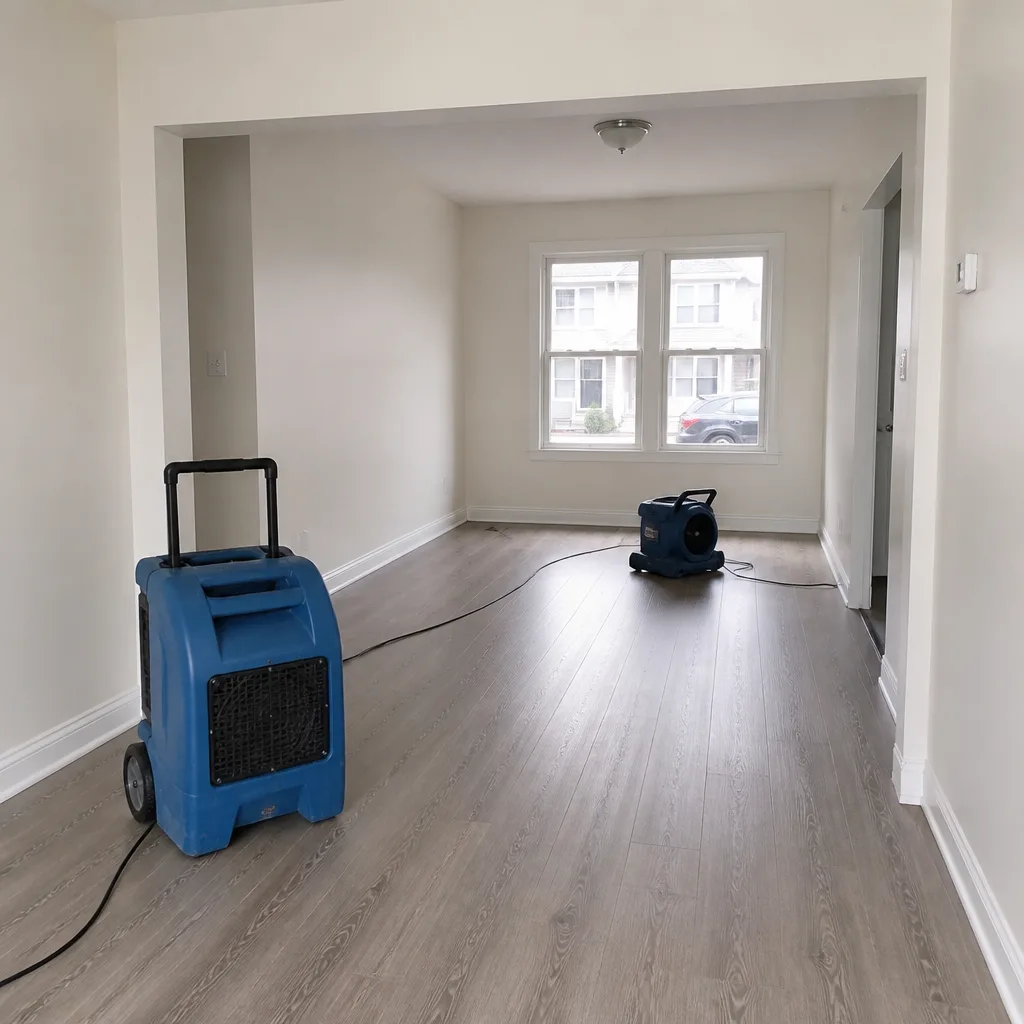 After
After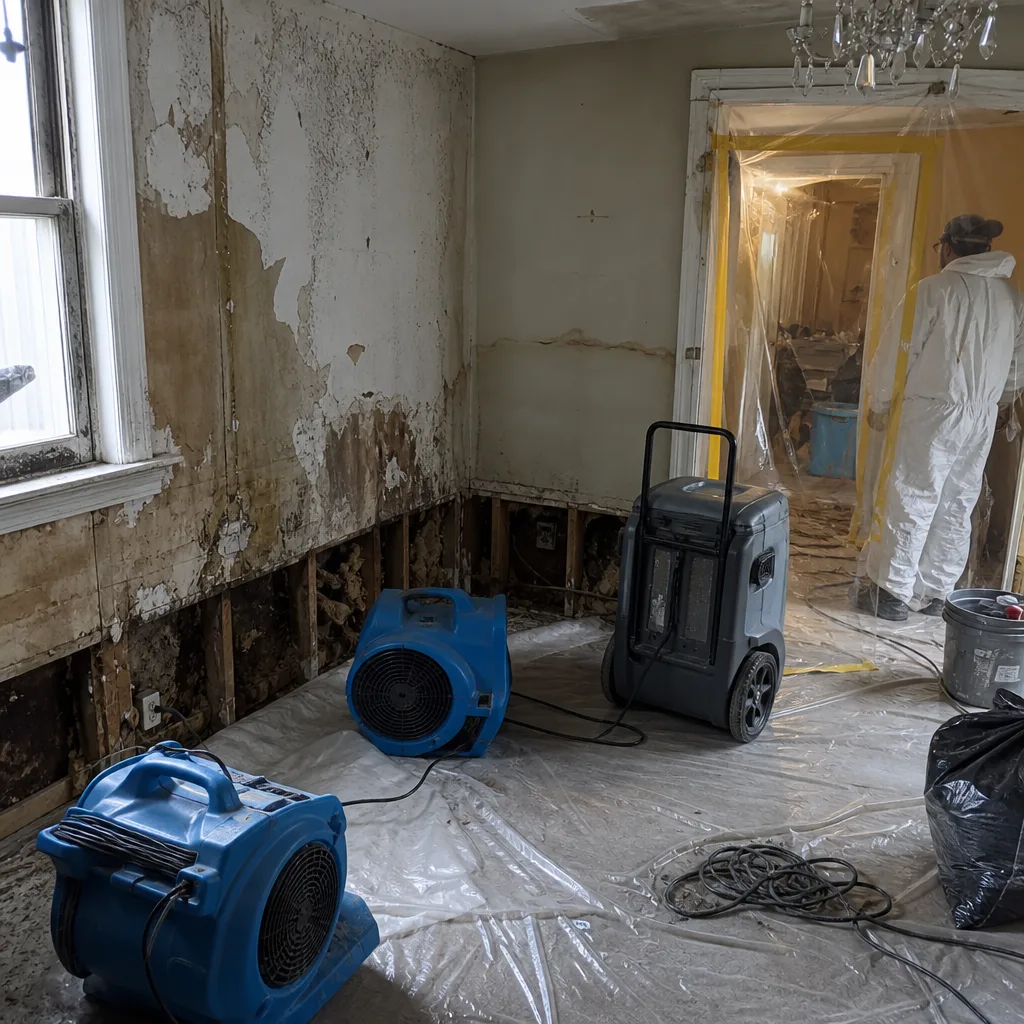 Before
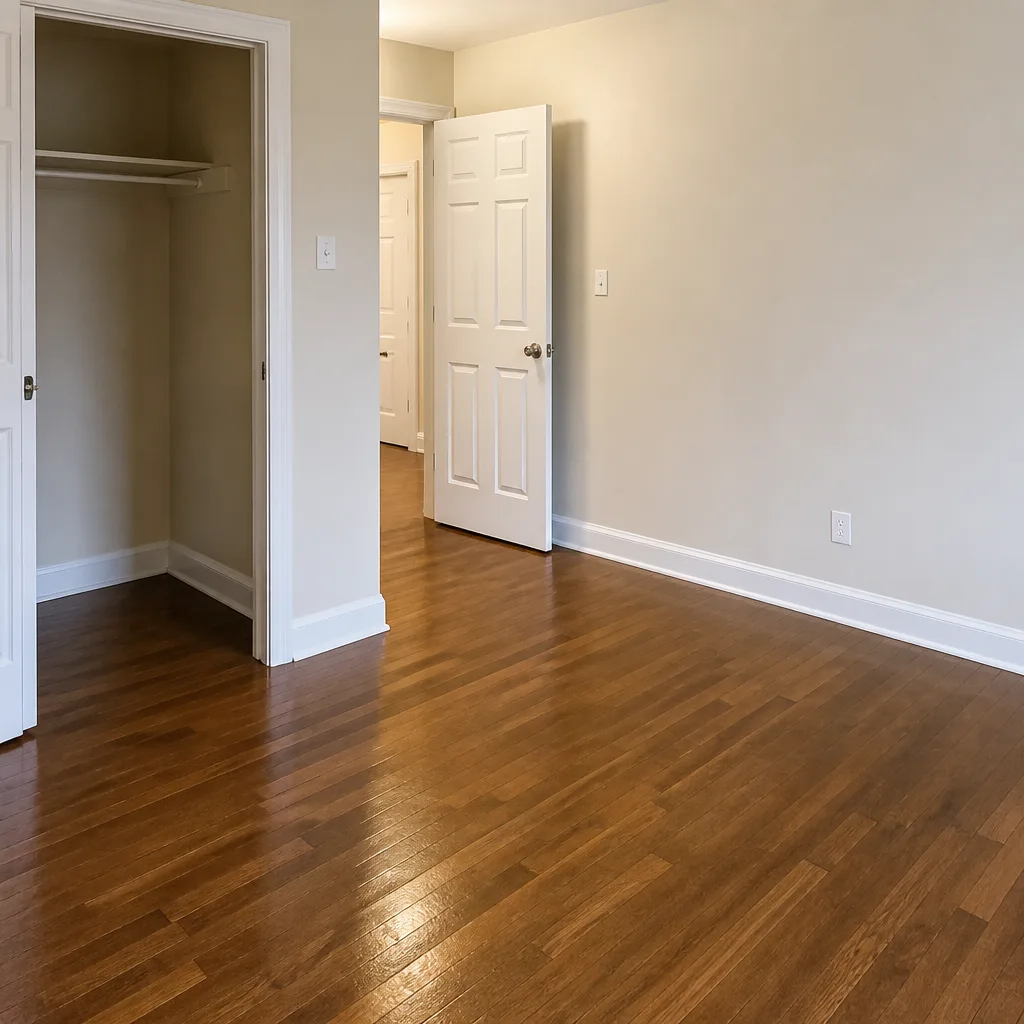 After
After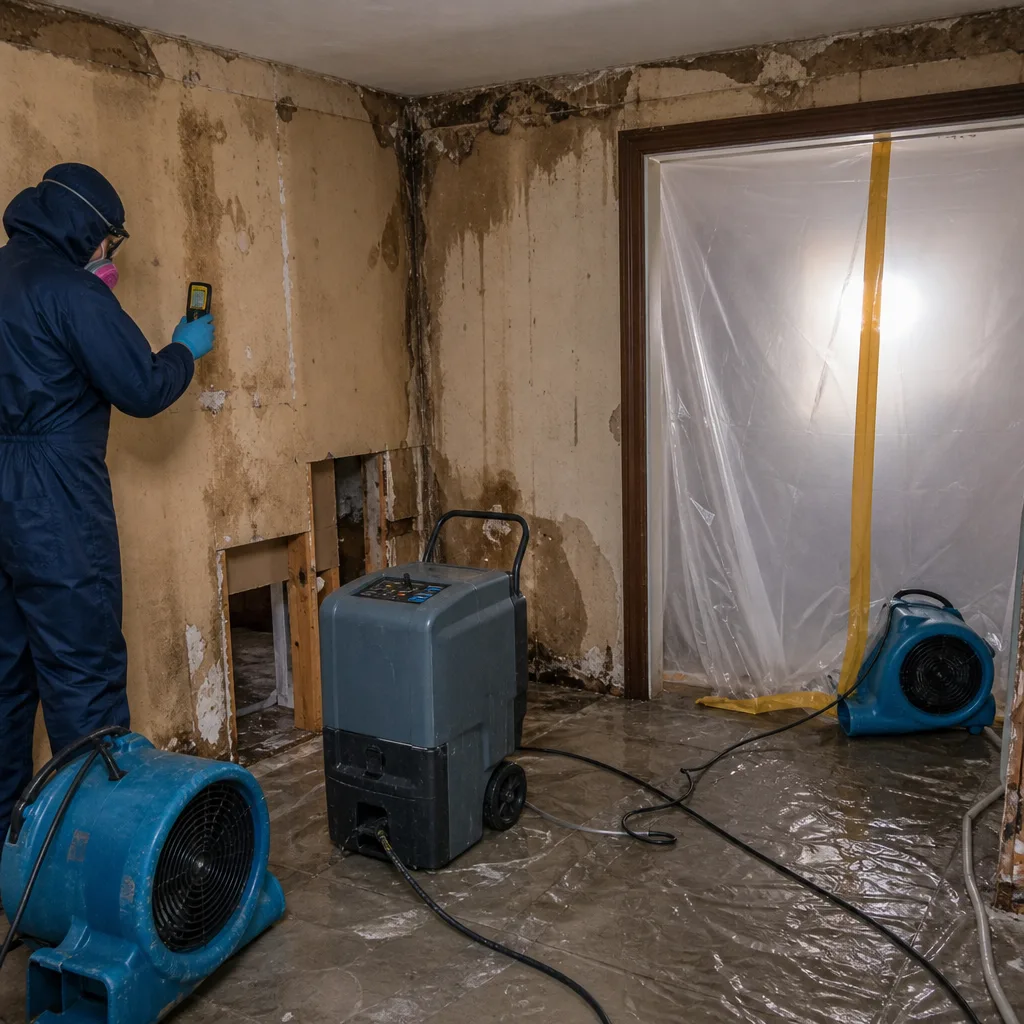 Before
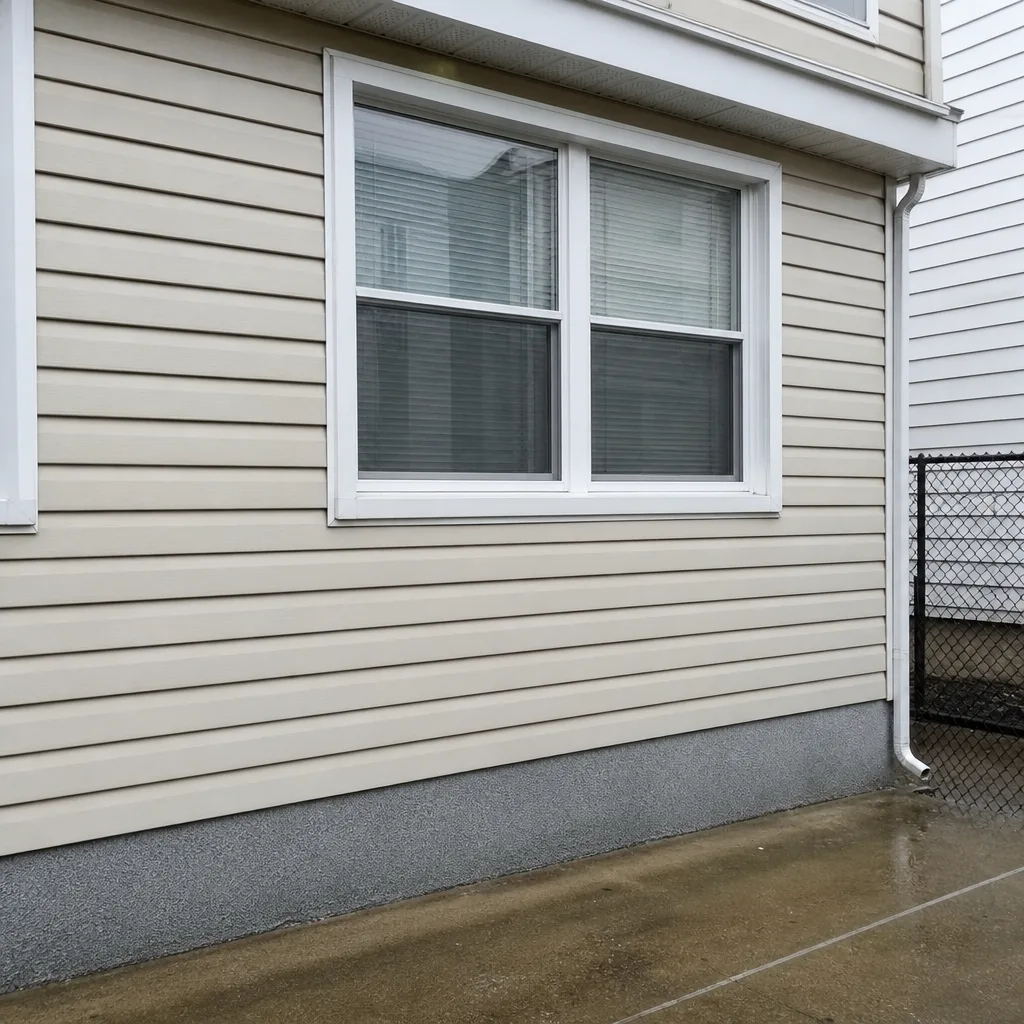 After
After24/7 Emergency Water Damage Restoration in Ridgefield
Water damage restoration in Ridgefield, NJ typically costs $2,800-$7,500 for a standard basement flood, and emergency extraction crews can reach most Ridgefield streets within 45 minutes. If you’re standing in water right now, call (640) 221-3499 and a live dispatcher answers, day or night. The first hour decides how much of your Ridgefield home we can save, because water migrating through a 1950s Cape Cod’s slab foundation or wicking up plaster walls gets into materials you cannot see yet. Our Water Damage Restoration team runs extraction pumps on the same visit, not the next morning. We answer the phone with a person, not a recording, and we dispatch from our New York City office to Ridgefield’s river flats, hill streets, and every block in between.
Understanding Water Damage Restoration Severity in Ridgefield Properties
Water damage is classified by contamination level, and in Ridgefield the category matters more than most homeowners realize. Category 1 is clean water from a burst supply line or overflowing sink. Category 2 carries detergents or mild contaminants. Category 3 is black water: sewage, groundwater, or in Ridgefield’s lower western streets, tidal backflow from the Hackensack River carrying silt, organic debris, and bacteria. A 1958 Cape Cod on Ray Avenue with two feet of river water in the basement is a Category 3 job from minute one, and it requires containment, antimicrobial treatment, and full removal of saturated materials, not just running fans. That is where the real cost difference comes from. Moisture mapping with thermal imaging and hygrometers tells us how far water has traveled through slab-on-grade concrete, behind plaster walls, and under original oak strip flooring. In Ridgefield’s post-war housing stock, built roughly between 1945 and 1965, we regularly find asbestos floor tiles and vermiculite insulation that must be tested before we cut anything open. Skipping that step risks releasing fibers and stopping the entire job.
Why Ridgefield Property Owners Choose Floodline Restoration Co.
- 45-minute response commitment from live dispatch. When a Ridgefield homeowner calls at 2 a.m. with a burst pipe, a real person answers, and a certified crew is rolling toward the borough immediately, not after a callback.
- 24/7 live answer, every day of the year. No answering service scripts, no “leave a message.” A dispatcher picks up and stays on the line until the crew is confirmed en route.
- IICRC-certified technicians trained to WRT and ASD standards. Our crews hold water restoration and applied structural drying certifications, plus RIA and IFA training, so the drying plan is built on industry code, not guesswork.
- Free visual inspection with photo documentation. Before any work begins, we document the full loss, mark the water line, and walk you through what we found. You see what we see.
- Direct insurance billing to your carrier. We invoice your insurer directly. You are not the messenger between Floodline and an adjuster, and you are not floating a five-figure cleanup bill while a claim processes.
- One team from extraction to reconstruction. The same crew that pumps out your Ridgefield basement on day one is the crew that hangs new drywall after structural drying. No handoff, no inherited subcontractor, no one blaming the last guy.
Our Water Damage Restoration Process
Inspection & Assessment
We arrive, walk the full property, and use thermal imaging cameras and pin-type moisture meters to map how far the water has moved. In Ridgefield’s older homes, this is also where we flag potential asbestos tile, vermiculite, and galvanized plumbing before anything gets touched.
Extraction / Stabilization
Submersible pumps and truck-mounted extraction units pull standing water out. For Category 3 floodwater in the river flats, we set up containment barriers first so contaminated air and debris do not spread through the house.
Drying & Dehumidification
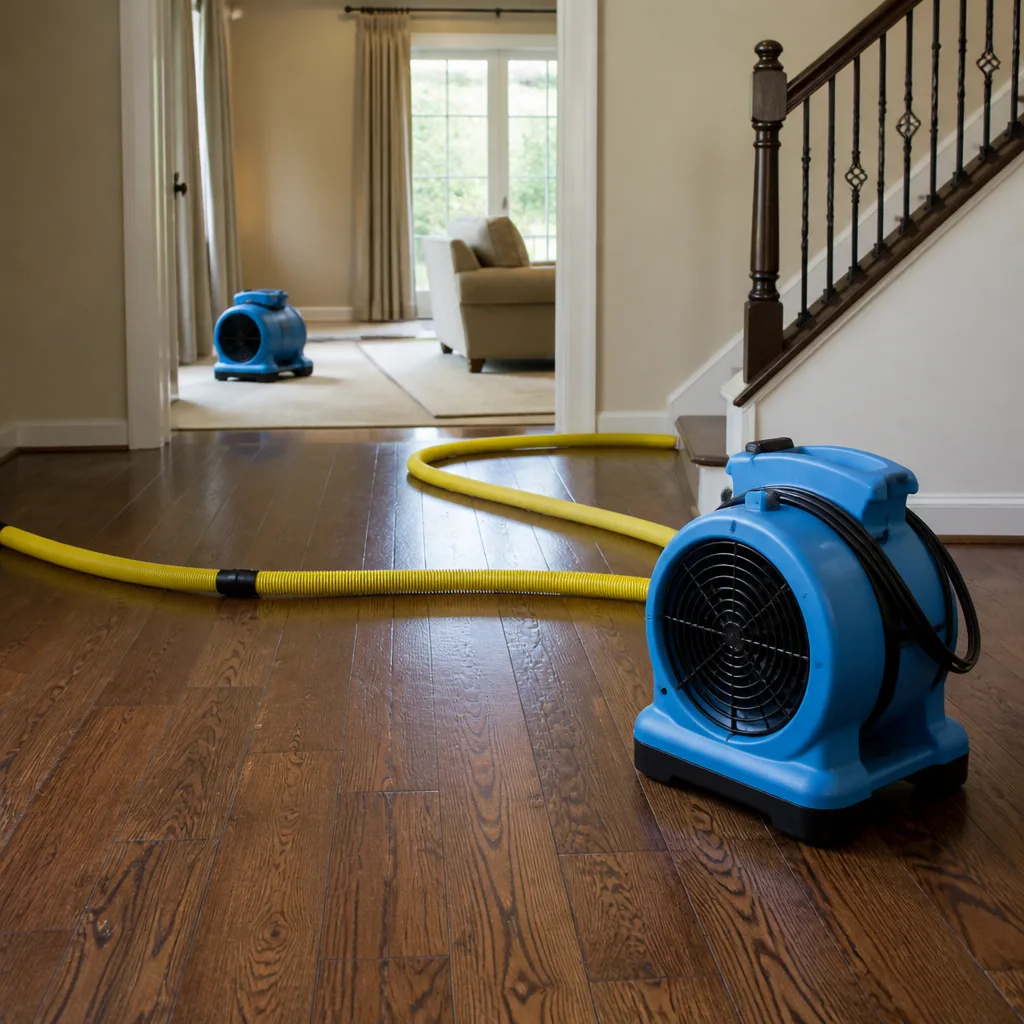
We place Dri-Eaz and Phoenix dehumidifiers plus high-velocity air movers in a calculated layout, not a random scatter. Daily moisture readings are logged in writing until the structure meets the IICRC dry standard. That log goes to you and your insurer.
Cleaning & Sanitization
HEPA air scrubbers run continuously to pull airborne contaminants out. We apply EPA-registered antimicrobial treatments to affected framing and surfaces, then clean salvageable contents. In flood zones near the Hackensack, this step is not optional.
Mold Prevention & Clearance
After drying, we check hidden cavities with invasive probes where needed. If microbial growth is found, full mold remediation protocols begin: containment, removal, and post-remediation verification.
Repairs & Restoration
We rebuild what we removed. Drywall, insulation, flooring, trim, and paint. The same Floodline crew that did the extraction does the finish work, backed by the 90-Day Done Right Promise in writing. If it’s not done right, we make it right. No arguing.
Need Emergency Water Damage Restoration in Ridgefield Now?
Crews minutes away, answering live 24 hours a day. The sooner we start, the less it costs.
Working With Your Insurance Company
Most Ridgefield water damage claims fall under two very different systems: standard homeowners insurance for burst pipes, supply-line failures, and appliance overflows, and the National Flood Insurance Program for river and tidal flooding. We handle both, and we handle the paperwork from the first hour. Our crews document the loss before demolition, photograph every affected room, and log daily moisture readings your adjuster can review. We write line-item estimates in the same format carriers expect, and we talk to your adjuster directly so you are not translating trade language into insurance language on a phone call. The goal is a clean claim file and a restoration scope that actually matches what your Ridgefield house needs, not what a desk adjuster assumes from three photos.
What We Provide Your Insurer
- Thorough documentation of the loss
- Photos of all damage, room by room
- Moisture readings and drying logs
- A detailed, line-item scope of work
- Direct coordination with your carrier
Built for Ridgefield’s Loss Calendar
Ridgefield’s water damage calls follow a pattern that any long-time borough resident would recognize. January and February bring deep freezes that split supply lines and open up flooded basements while homeowners are at work. The freeze-thaw cycle is brutal on Ridgefield’s original galvanized plumbing, much of it dating to the post-war build-out. March and April come with spring thaw and elevated groundwater, and because the western streets sit on tidal flats, the water table itself becomes the enemy. Summer thunderstorms overwhelm stormwater systems in the lower borough when the Hackensack River is already running high, pushing water up through floor drains and sump pits. Fall brings nor’easters, and in Ridgefield, nor’easter flooding is not a coastal phenomenon, it is a tidal backflow event driven by river surge. Every season has a different failure mode. Our crews know which one they are walking into before they knock.
Water Damage Restoration Across Ridgefield’s Neighborhoods
Ridgefield is a small borough, just over two and a half square miles, but the water damage patterns change block by block. The lower western streets near the Hackensack River, including Ray Avenue and the river flats, sit inside FEMA flood zones and see Category 3 tidal intrusion on a regular basis. Homes here need full containment, silt removal, and aggressive antimicrobial protocols, not a standard dry-out. Up the slope toward Broad Avenue and the commercial corridor, homes sit higher and drier, but they still contend with the borough’s original cast iron and galvanized supply lines, now 60 to 80 years old and prone to pinhole leaks and freeze bursts. The residential blocks off Route 5 and near the Overpeck County Park side of town tend toward split-levels and small colonials with shallow basements, where groundwater seepage through slab edges is the recurring problem after heavy rain. The Morsemere section in the borough’s northeast corner, with its tighter street grid and older housing stock, sees more burst-pipe and appliance-failure calls than flood calls. One borough, four distinct risk profiles. We route crews accordingly.
Specialized Water Damage Restoration Services We Offer in Ridgefield
Emergency Water Extraction
Standing water in a Ridgefield basement does not wait for business hours. Our extraction crews run truck-mounted and submersible pumps on the same visit, pulling hundreds or thousands of gallons out before it migrates into drywall, framing, and slab cracks. For homes in the river flats, we bring containment equipment as standard because the water is rarely clean.
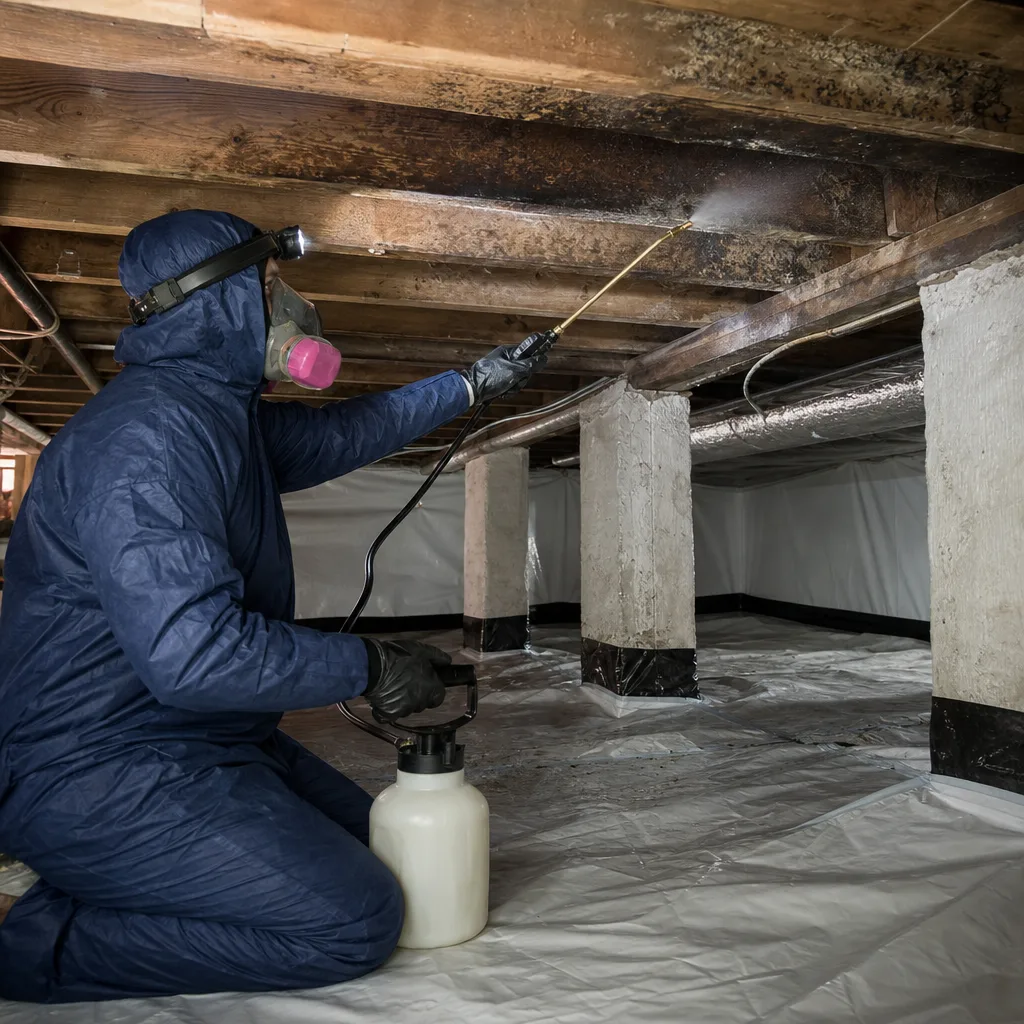
Structural Drying & Dehumidification
Drying a Ridgefield home built in 1955 is different from drying new construction. Plaster walls hold moisture longer than drywall. Slab-on-grade foundations wick water upward through concrete, which requires low-grain refrigerant dehumidifiers and extended drying times. Our moisture maps and daily logs prove when the structure is actually dry, not just when the surface looks dry.
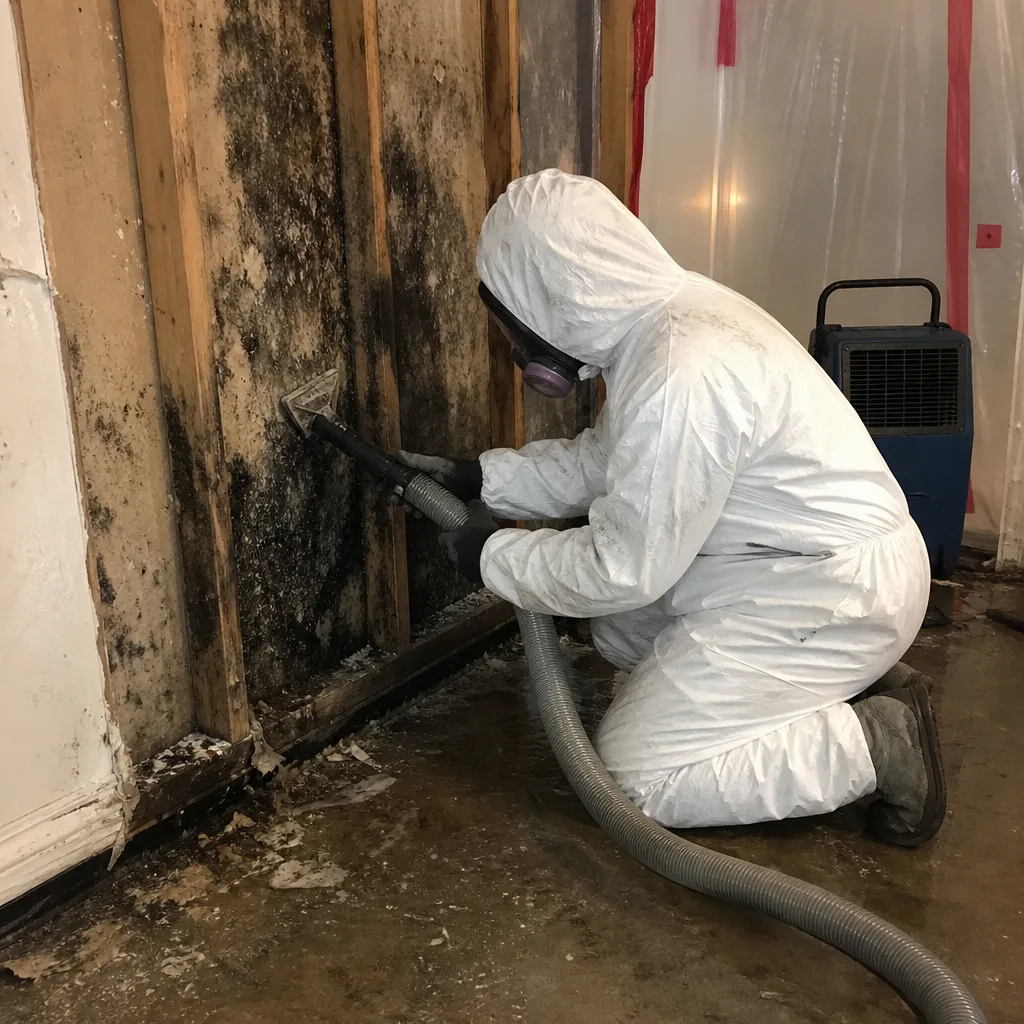
Flood Cleanup
Flood water in Ridgefield’s lower borough is almost never Category 1. It carries river silt, road runoff, and in some cases sanitary sewer backflow. Full flood cleanup here means cutting out contaminated materials, hauling debris, power-washing and disinfecting the slab, and running HEPA air scrubbers. Then we dry what remains and rebuild. Half-measures fail within a season.
Burst Pipe Restoration
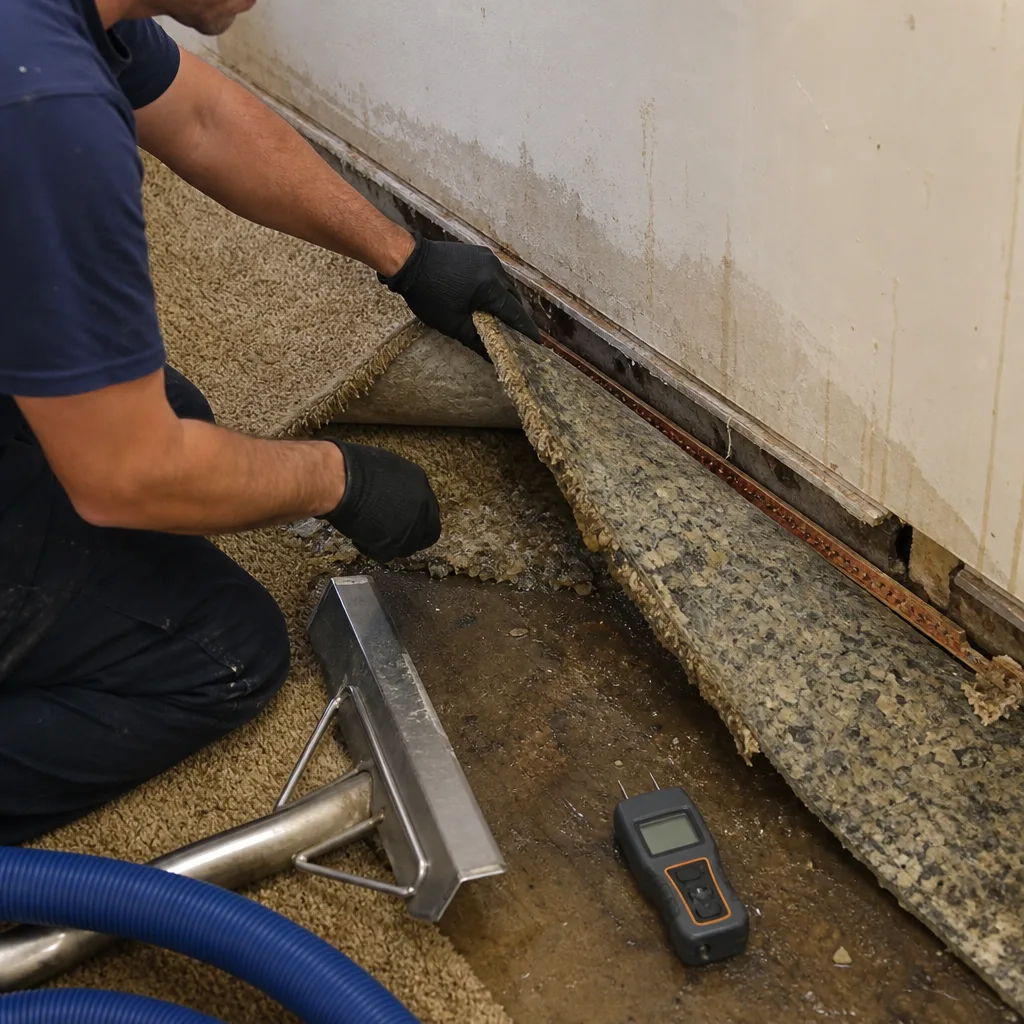
Ridgefield’s aging supply lines, much of it original galvanized steel from the 1940s and 1950s, fail on a schedule. A burst pipe in a basement ceiling or an exterior wall can run for hours before anyone notices, saturating insulation, flooring, and framing. We stop the source, extract, dry, and restore the affected areas, and we document everything for your insurer.
Basement Water Removal
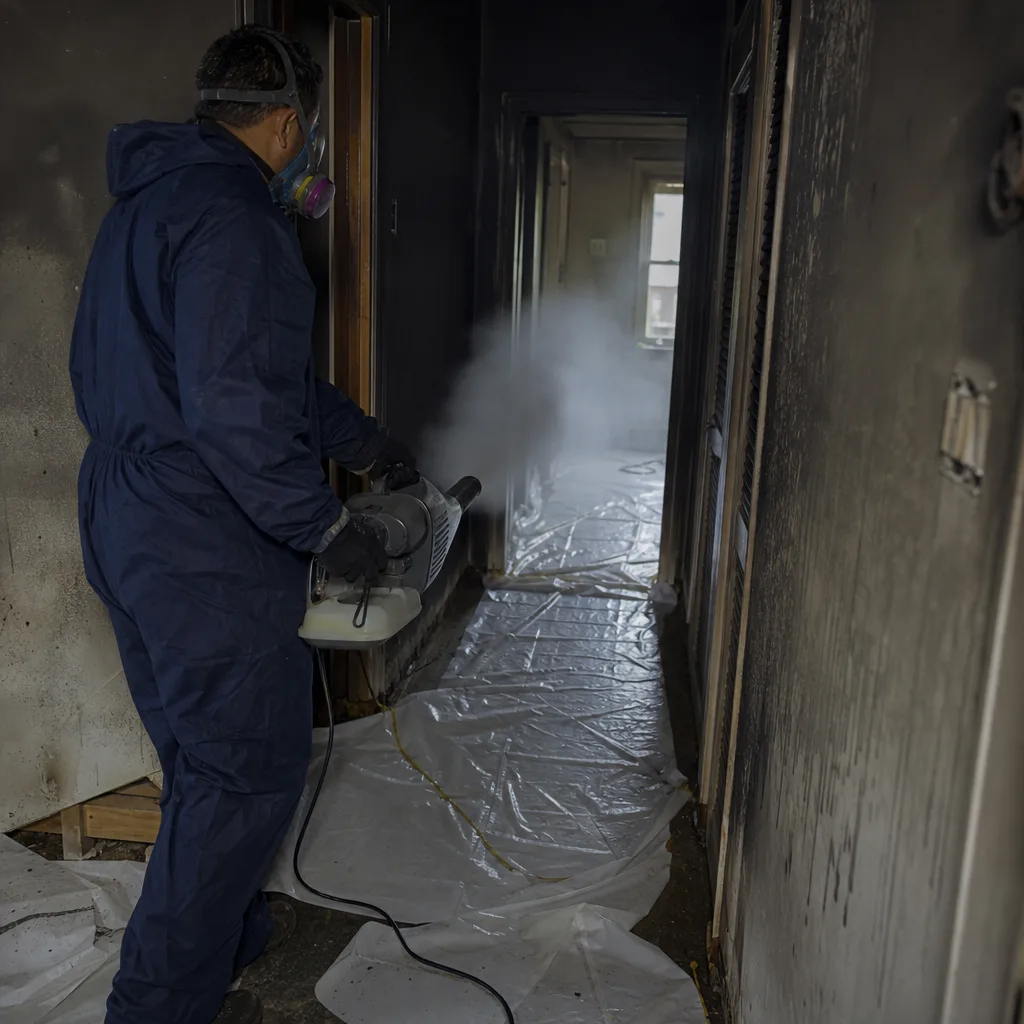
Basement flooding in Ridgefield usually means one of two things: a mechanical failure inside the house, or groundwater and tidal pressure outside it. We diagnose which one you are dealing with before we dry, because treating a stormwater backup like a burst pipe leaves the root cause active and sets up a repeat flood. For finished basements, we remove and restore flooring, drywall, and trim; for unfinished basements, we focus on extraction, drying, and sanitization.
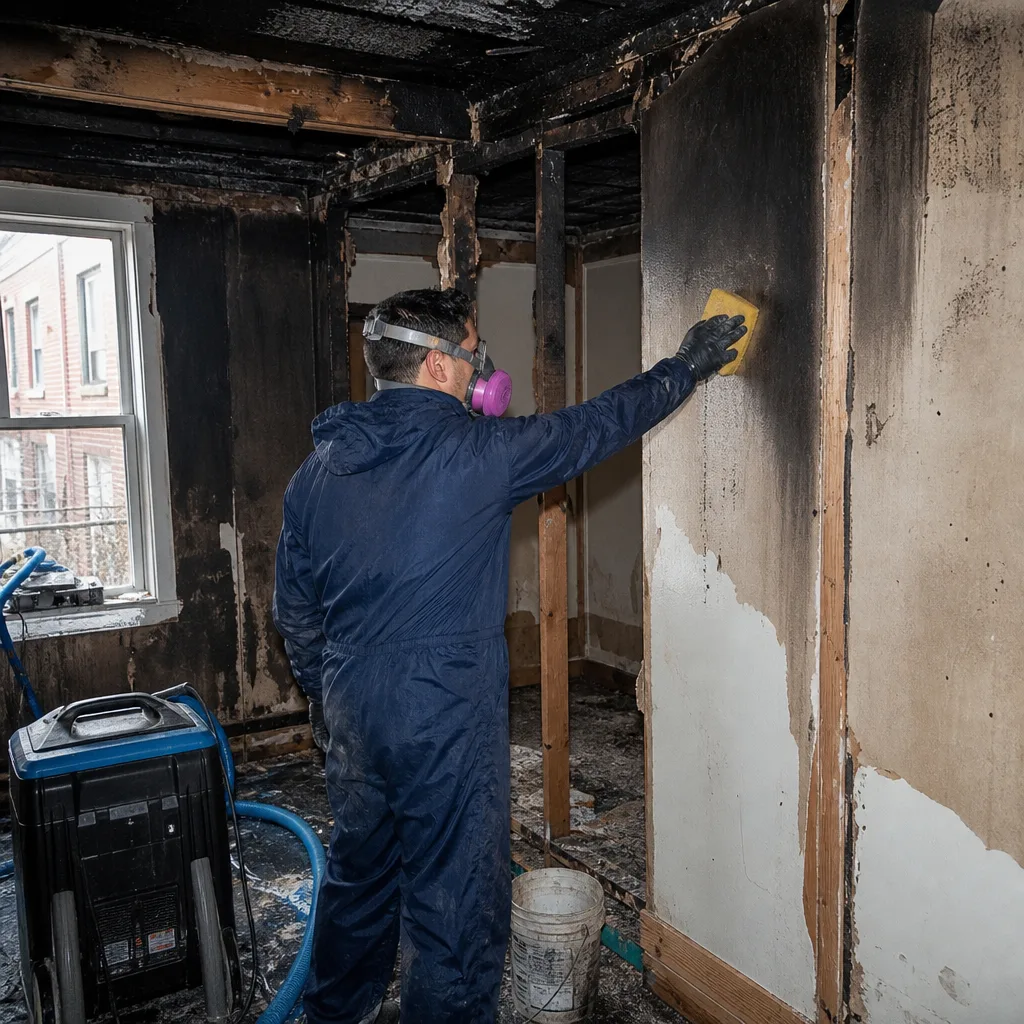
What happens when you call
- 1
A real person answersNo phone trees - you reach a local pro.
- 2
You get an upfront price rangeHonest numbers before anyone is dispatched.
- 3
A background-checked tech heads outLicensed & insured, dispatched right away.
- 4
You approve before work beginsNothing starts until you say go.
Water Damage Restoration Costs in Ridgefield, NJ
| Service | Typical Ridgefield Range |
|---|---|
| Emergency water extraction (single room) | $900-$1,800 |
| Full basement flood cleanup (Category 1) | $2,500-$5,500 |
| Category 3 flood remediation with containment | $5,000-$12,000+ |
| Structural drying & dehumidification (per affected area) | $1,200-$3,800 |
| Burst pipe restoration (ceiling/wall, 2-3 rooms) | $3,000-$7,500 |
| Asbestos tile / vermiculite abatement add-on | $1,500-$4,500 |
What moves the price in Ridgefield: the water category (tidal backflow costs more than a clean supply-line break), the size of the affected area, and whether your 1950s-era materials require asbestos testing and abatement. Insurance-covered claims follow your policy terms and deductible. Out-of-pocket jobs get a written line-item scope before work starts, so you know exactly what you are paying for. The free visual inspection is how we turn a phone estimate into a firm number. Call (640) 221-3499 and we will put eyes on it.
Ridgefield’s Flood Zone Reality: What Every Homeowner Here Should Know
Ridgefield’s borough sits where the Palisades ridge drops into low-lying tidal flats bordering the Hackensack River. The western and lower-elevation sections fall within FEMA-designated flood zones subject to recurrent storm surge, tidal backflow, and nor’easter flooding, a pattern Hurricane Sandy made catastrophic in 2012. That geography changes the restoration math. In the lower western streets near the river, even a moderate rain can back up storm drains and push tidal silt into basements, meaning our water damage jobs here are often Category 3 black water from the start, requiring full containment and removal rather than simple drying. Contractors working flood jobs on the lower streets of Ridgefield know to check whether a flooded basement also took in river-adjacent silt and organic debris, not just clean groundwater. That distinction dramatically accelerates mold growth timelines and requires more aggressive remediation protocols than a standard water-loss job in the borough’s higher-elevation streets. Homeowners navigating NFIP claims need a restoration partner who understands flood insurance documentation, not just a crew that owns dehumidifiers.
On Ray Avenue near the river flats, we arrived to a 1958 Cape Cod with two feet of tidal backflow in the basement. The water had carried river silt and organic debris into the slab-on-grade foundation, so our crew set up full containment, cut out the saturated drywall and asbestos floor tiles, and used moisture mapping to confirm the concrete slab was saturated. After weeks of structural drying with Dri-Eaz dehumidifiers and air movers, we coordinated vermiculite abatement before rebuilding. That job needed flood expertise, hazmat protocols, and reconstruction skills under one roof. It is why we do not hand off between trades.
We Also Serve Cities Near Ridgefield
Floodline Restoration Co. runs crews into Ridgefield and the surrounding North Jersey towns every day. We also handle water damage restoration in Edgewater, North Bergen, Weehawken, and Union City. If you are in one of those cities and standing in water, the same live dispatcher answers at (640) 221-3499.
Serving Ridgefield, NJ - Our Local Coverage Area
We’re based in the Ridgefield area and know this community well. Use the map below to see our service coverage - if you’re nearby, we can almost certainly help.
Ridgefield Water Damage Restoration Questions, Answered
Why does my basement in Ridgefield’s lower streets flood even when the rain isn’t heavy?
Because your basement is not flooding from rain falling on your roof. In Ridgefield’s western streets near the Hackensack River, stormwater systems back up when the river is already elevated from tidal influence. The water has nowhere to go, so it comes up through floor drains, sump pits, and slab cracks. That is stormwater and often Category 3 water, not a clean groundwater seep, and it needs contamination protocols. Call (640) 221-3499 if you are seeing repeated flooding after light rain.
My 1950s Ridgefield home has original asbestos floor tiles and vermiculite insulation. How does that affect water damage restoration?
It means we test before we cut. Homes built during Ridgefield’s post-war build-out, roughly 1945 to 1965, commonly contain asbestos floor tiles and vermiculite attic insulation. Saturating those materials with floodwater does not make them safe to handle, it makes them more likely to release fibers when disturbed. Our crews identify suspect materials during the initial assessment, order lab testing when needed, and bring in licensed abatement before demolition proceeds. That sequence protects you and keeps the job legal.
What is the difference between a burst pipe flood and a tidal backflow flood in Ridgefield?
A burst pipe is Category 1 or 2 water, and in most cases your standard homeowners insurance covers the damage. Tidal backflow from the Hackensack River is Category 3 water, meaning it carries bacteria, silt, and organic contamination, and coverage depends on your NFIP flood policy, not your homeowners policy. The restoration approach is entirely different: a pipe break gets extraction and drying, while tidal intrusion requires containment, antimicrobial treatment, full removal of saturated porous materials, and often hazmat-level debris disposal. Treating one like the other is the most common expensive mistake we see from out-of-area contractors.
How fast does mold start growing after a basement flood in Ridgefield’s humid summer climate?
Microbial colonization can begin within 24 to 48 hours in Ridgefield’s summer conditions. Bergen County humidity, combined with the organic material that Hackensack tidal water carries into lower-borough basements, accelerates the timeline beyond what a clean-water flood would produce. That is why our crews run extraction equipment on the same visit and start dehumidification immediately, not the next day. If you are past the 48-hour mark, we will inspect for visible growth and recommend containment and remediation if found.
Does my homeowner’s insurance cover flood damage in Ridgefield, NJ?
Standard homeowners policies do not cover flood damage from rising river water, storm surge, or tidal backflow. Homes in Ridgefield’s FEMA flood zones need a separate NFIP flood policy for that coverage. Burst pipes, supply line failures, and appliance overflows are typically covered under your standard policy, minus your deductible. We document every job the same way, with photos, moisture readings, and line-item scopes, so your claim file is complete regardless of which policy applies. Call (640) 221-3499 and we will walk you through what your specific situation looks like.
How fast can a crew actually get to my Ridgefield home?
We commit to a 45-minute response for emergency water damage calls in Ridgefield. A live dispatcher takes your call, confirms your address, and sends the nearest available certified crew immediately. We do not route emergency calls through a call center in another state. The crew calls you directly with their ETA.
Do I really need full remediation, or can my basement just be cleaned and dried?
That depends on the water category and what materials got wet. Clean-water pipe breaks in a single room often respond to extraction and drying without full demolition. Category 3 floodwater in a finished basement with drywall, insulation, and carpet almost always requires cutting out the porous materials that absorbed contaminated water and cannot be fully cleaned. We show you the moisture readings, identify what is salvageable, and write the scope honestly. We do not oversell demolition, and we do not undersell contamination risk. The 90-Day Done Right Promise covers it in writing either way.
What should I do in the first 30 minutes of discovering water in my Ridgefield home?
If it is safe to do so, shut off the water source or the main valve. Do not enter standing water if electrical outlets or appliances are submerged; that is a shock hazard and you should shut off power at the breaker only if you can reach it without stepping in water. Move valuables and furniture out of the affected area if possible. Then call (640) 221-3499. A live person answers, we dispatch immediately, and the sooner extraction starts, the less water migrates into your framing and slab.
Ridgefield homeowners: one call handles the flood. Floodline Restoration Co. answers live at (640) 221-3499, 24 hours a day, every day. Free visual inspection, honest scope, direct insurance billing, and a written 90-Day Done Right Promise on every job. The line the water left is where we start.
Written by Curt Bowman, Owner at Floodline Restoration Co., serving Ridgefield and North Jersey since 2010.