
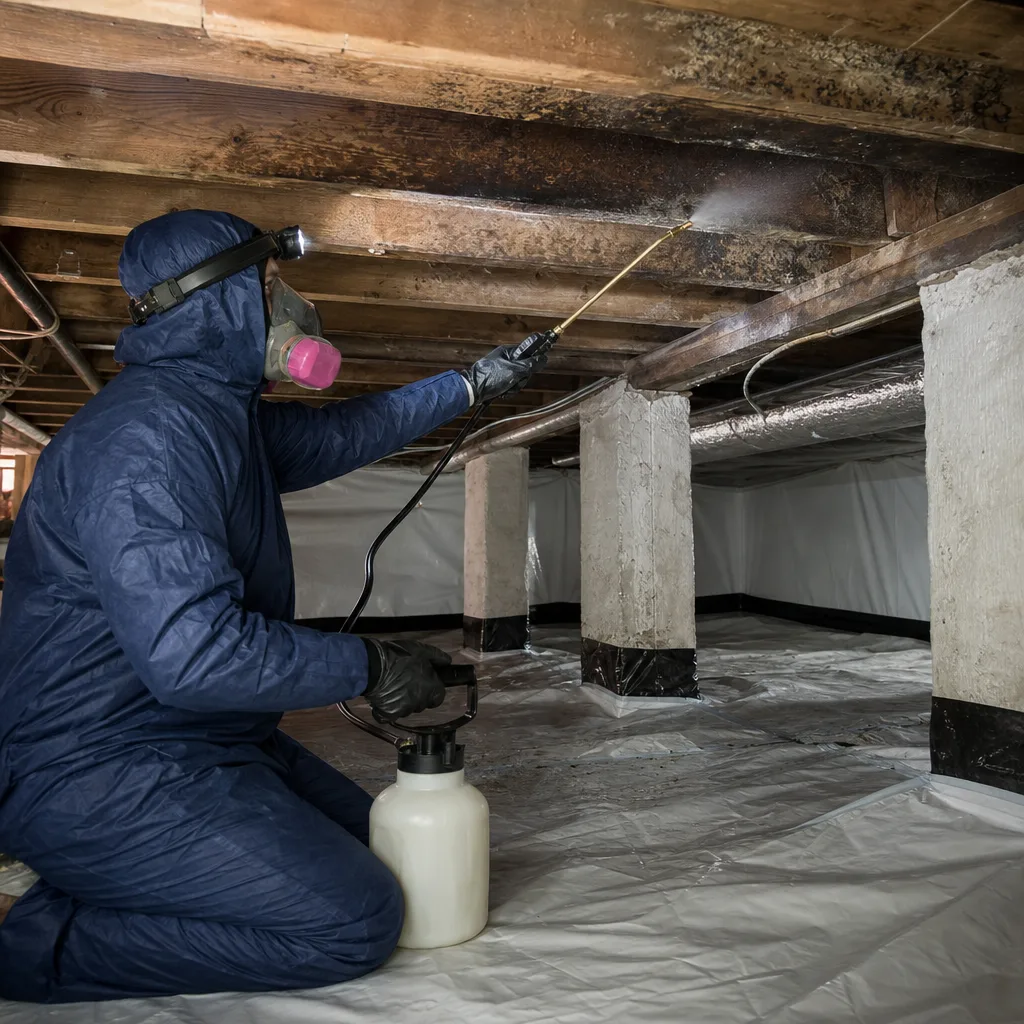
Free visual inspection and a written scope of work before any mitigation begins - photos, moisture readings, and drying logs go in your claim file
The scope we write is the scope we bill. Anything new gets shown to you, in writing, before we touch it.
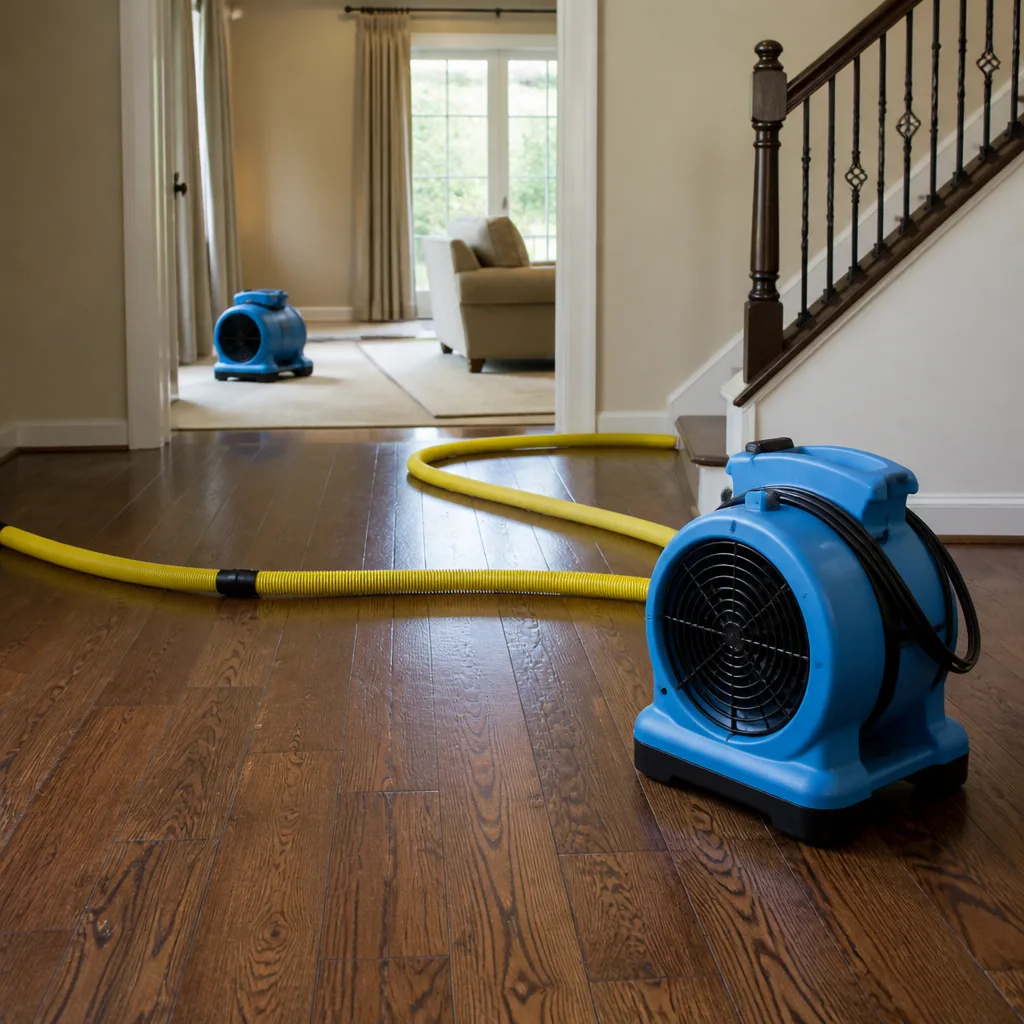
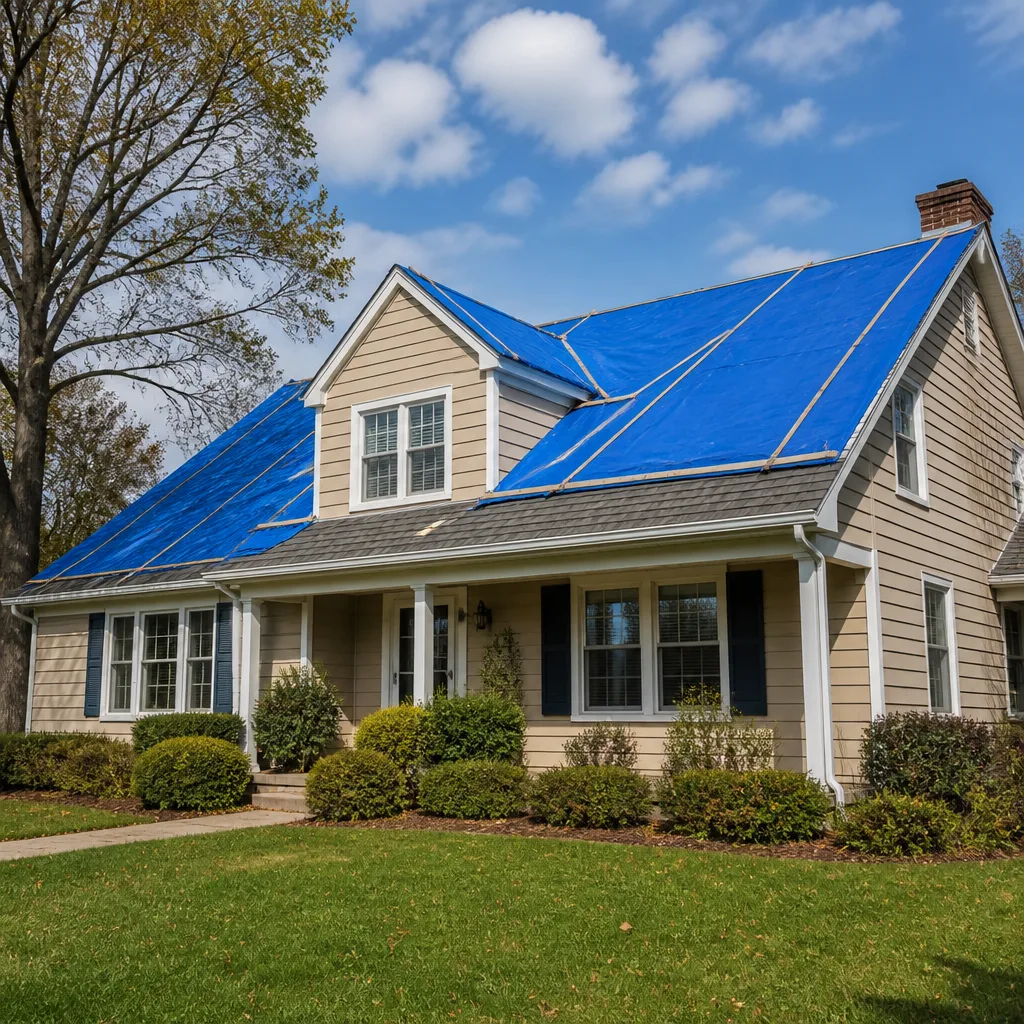
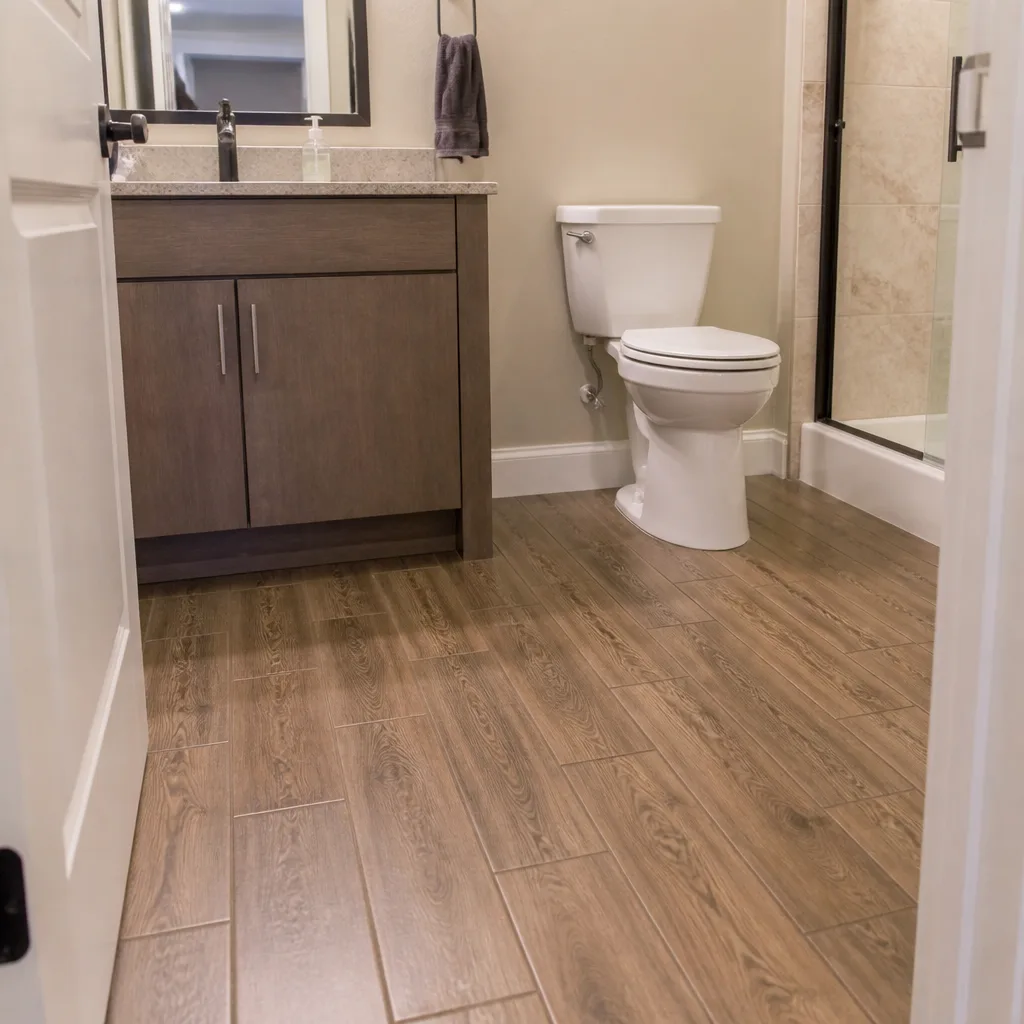
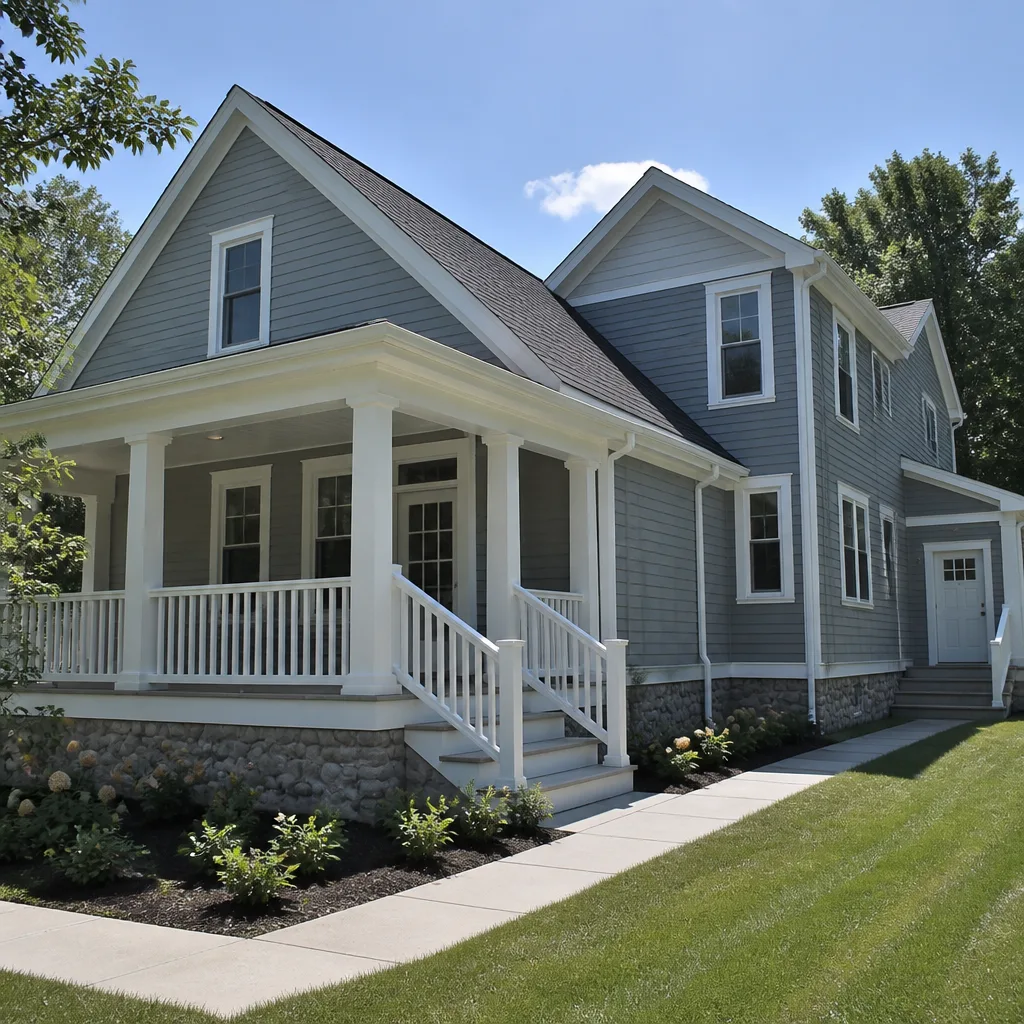
 Before
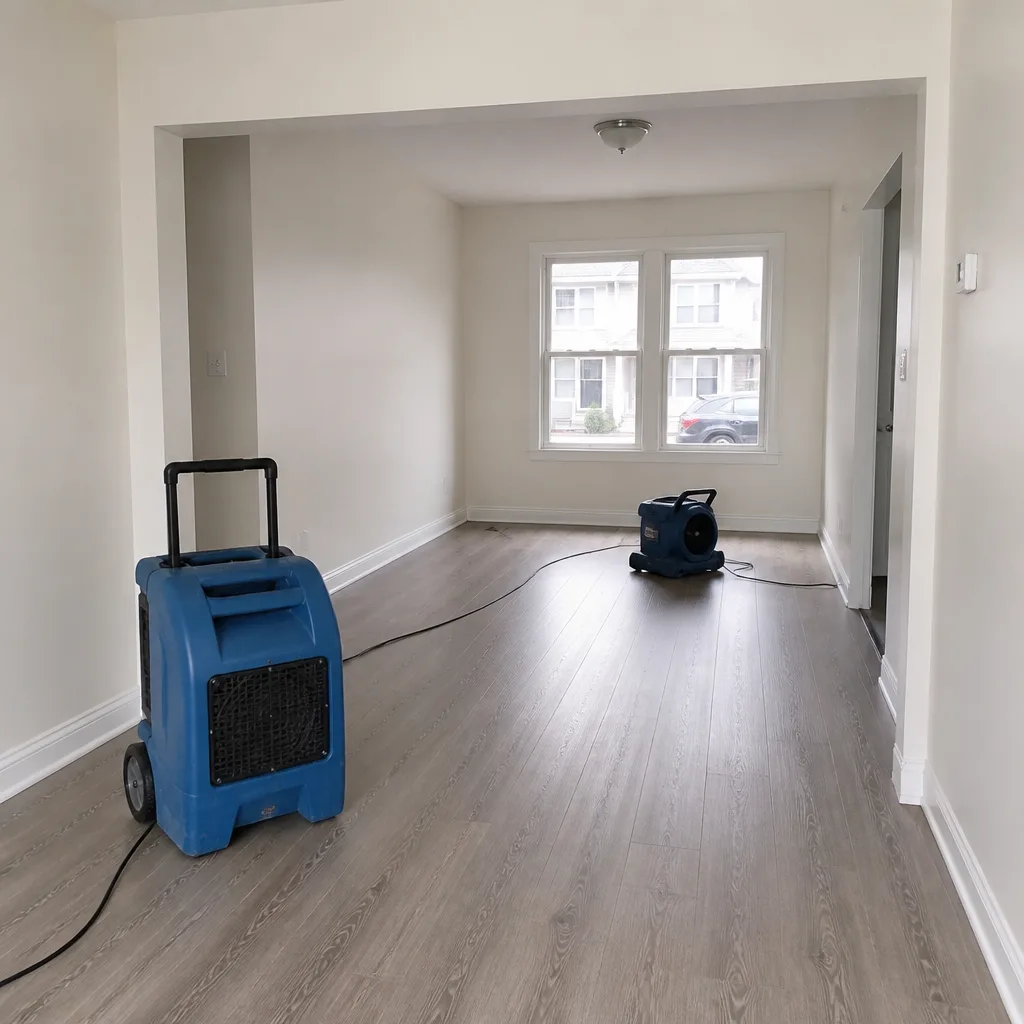 After
After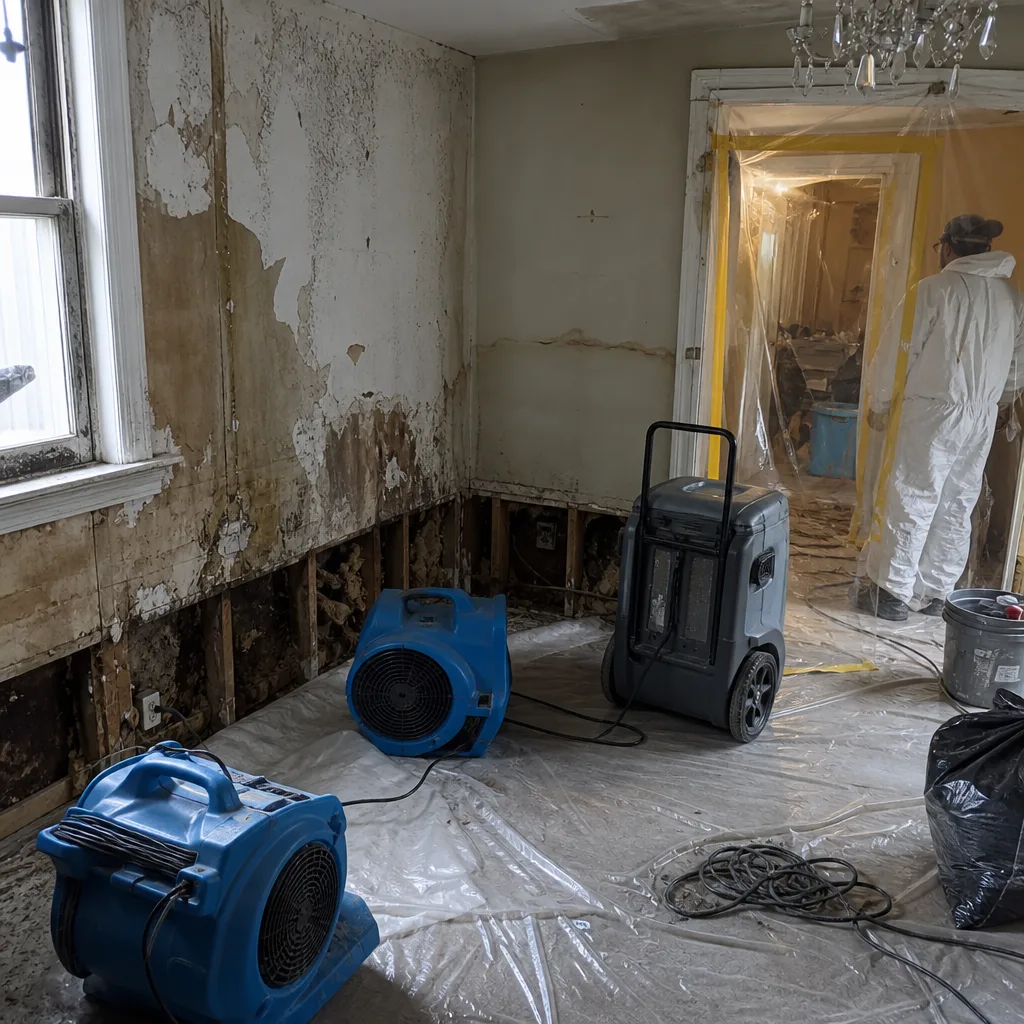 Before
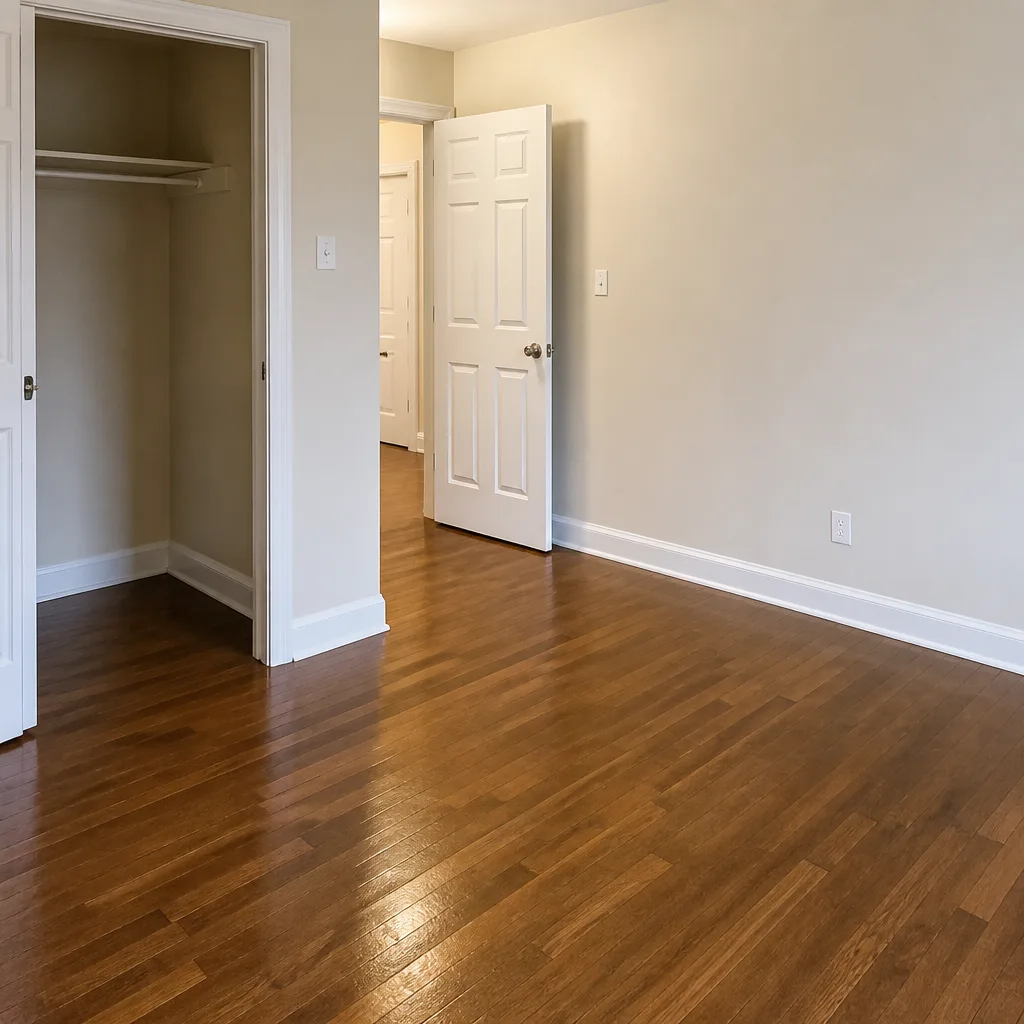 After
After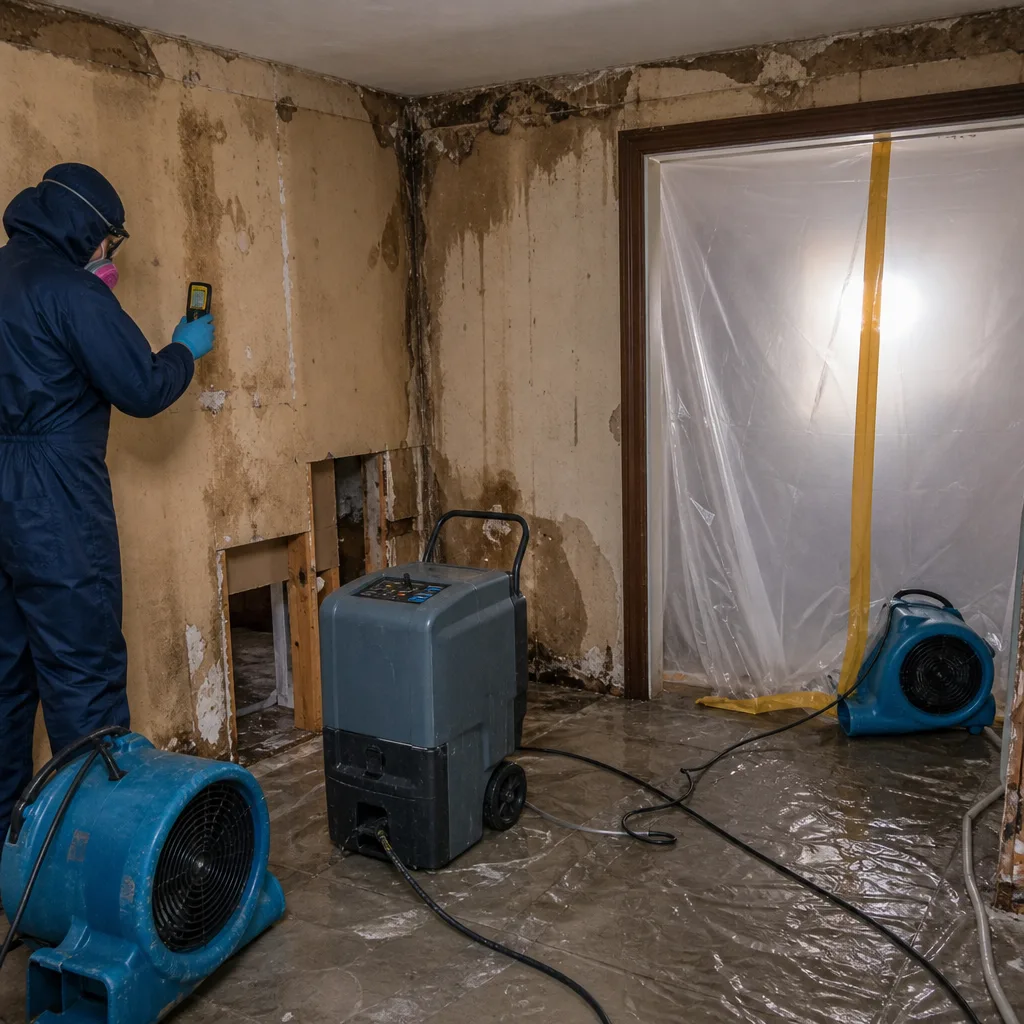 Before
 After
After24/7 Emergency Mold Remediation in West New York
Mold spreads fast in West New York’s pre-war brick walk-ups, and the sooner we start containment, the less wall we have to open. Call Floodline Restoration Co. at (640) 221-3499 any hour, day or night. A live dispatcher answers, not a recording, and a background-checked, uniformed crew reaches your building ready to set up HEPA air scrubbers and map moisture before the colony moves another floor down. In a dense apartment building, the first hour isn’t just about drying; it’s about stopping spores from riding shared wall cavities into the unit next door. Our Mold Remediation team serves all of West New York with free visual inspections and a written scope before any work starts.
Understanding Mold Remediation Severity in West New York Properties
Not every mold call is a full containment job, and knowing the difference saves you money. A surface bloom on a bathroom ceiling from poor ventilation is a cleaning issue. Hidden growth behind plaster-and-lath from a corroded supply line is a structural contamination problem that requires full containment, negative air pressure, HEPA air scrubbing, and clearance testing. In West New York’s 1900s-1950s brick tenements, we see the second category far more often because water travels through shared wall assemblies and settles in cavities you can’t see. By the time staining appears on your ceiling, the moisture source has usually been active for weeks. Severity levels break down like this: Level 1 covers less than 10 square feet of visible growth, typically a one-day job. Level 2 spans 10 to 30 square feet and often requires localized containment. Level 3 runs 30 to 100 square feet and almost always involves HVAC contamination. Level 4 exceeds 100 square feet or follows a major water event, and that’s when we bring in full negative-pressure containment, daily moisture readings, and independent clearance testing. In stacked-unit buildings, we scope conservatively upward because what looks like a Level 1 in one apartment is frequently a Level 3 one floor down.
Why West New York Property Owners Choose Floodline Restoration Co.
- 45-minute response commitment: Our dispatchers maintain live route maps for West New York’s inland blocks and waterfront corridors, so a crew is usually at your door within 45 minutes of your call, not sometime tomorrow.
- 24/7 live answer, always a person: At 2 a.m. on a Sunday, a real dispatcher picks up. You’ll never leave a voicemail and wait for a callback while mold keeps spreading.
- IICRC-certified crews: Our technicians hold IICRC certifications including WRT (Water Restoration Technician) and AMRT (Applied Microbial Remediation Technician), plus RIA and IFA training. They know what a pre-war wall cavity looks like from the inside.
- Free visual inspection: Before we quote anything, we walk the affected unit and the floors directly above and below. That’s standard for us in West New York because water doesn’t respect lease boundaries.
- Direct insurance billing: We bill your carrier directly and speak with your adjuster ourselves. You won’t play messenger between our office and an insurance desk.
- One team, start to finish: Same certified crew handles containment, drying, antimicrobial treatment, and reconstruction. No mid-job handoff to a subcontractor you’ve never met.
Our Mold Remediation Process
Inspection & Assessment
We start with a free visual inspection of your unit plus the floors directly below and above. Thermal imaging and hygrometers help us find hidden moisture pockets inside plaster-and-lath assemblies. You get a written scope of work with line-item pricing before we touch a wall.
Containment & Stabilization
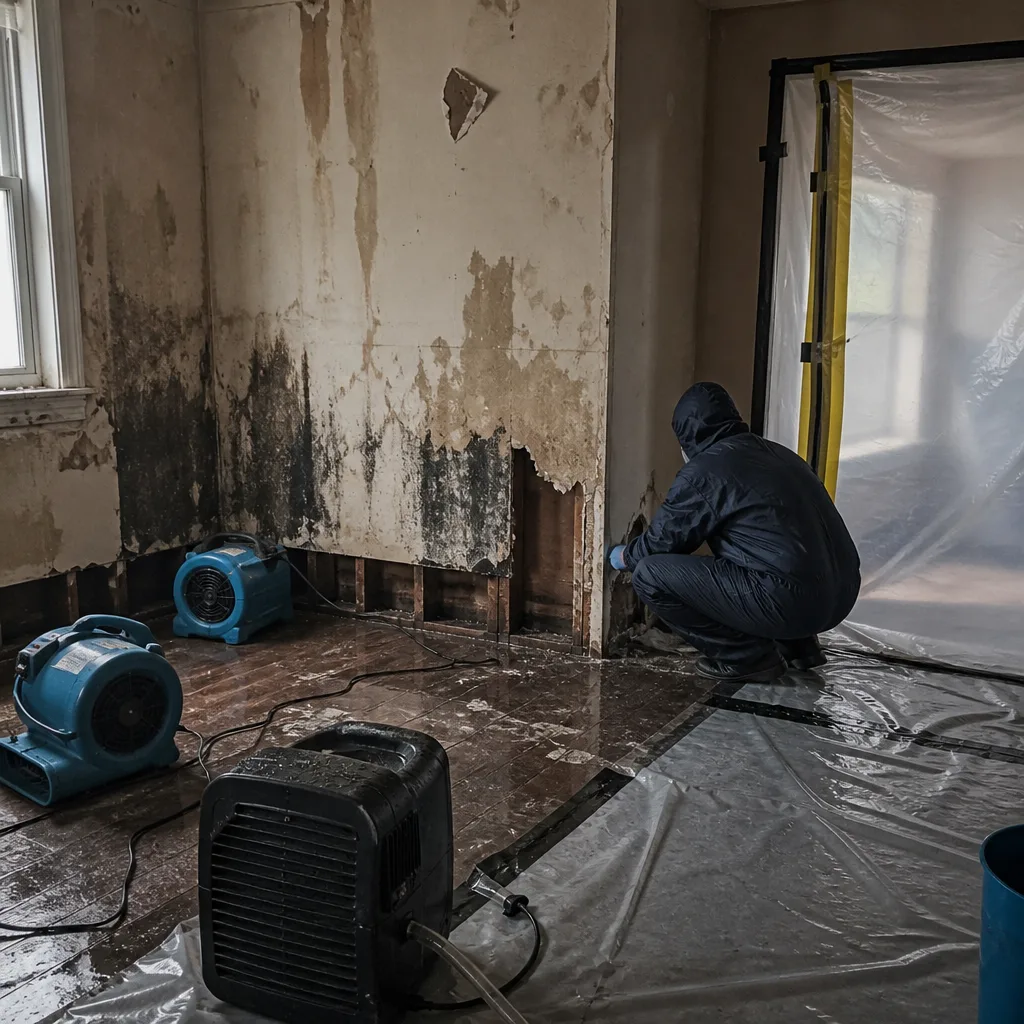
We seal off the affected area with 6-mil polyethylene, run negative air pressure with HEPA-scrubbed air, and shut down HVAC venting that could carry spores to other units. In multi-floor buildings, containment can span three stacked apartments at once.
Drying & Dehumidification
Dri-Eaz dehumidifiers and Phoenix air movers pull moisture from cavities and framing lumber until we hit the dry standard. We log daily readings and hand that moisture log to you and your carrier. No shortcuts, no “close enough” drywall.
Cleaning & Sanitization
We remove damaged drywall, insulation, and plaster back to clean, structurally sound material. HEPA vacuuming and antimicrobial treatment follow on all exposed framing and adjacent surfaces. Affected contents get cleaned or, where unsalvageable, documented for your claim.
Air Quality Restoration
Before we rebuild, we run the air scrubbers and retest. Clearance testing confirms spore counts inside the containment zone match the building’s background levels. We don’t call a job done until the air proves it.
Repairs & Restoration
We rebuild what we opened: drywall, plaster, paint, trim, and any framing that needed replacement. The same crew that removed the mold puts your walls back and stands behind the work with the 90-Day Done Right Promise in writing.
Need Emergency Mold Remediation in West New York Now?
Crews minutes away, answering live 24 hours a day. The sooner we start, the less it costs.
Working With Your Insurance Company
Most West New York mold claims start as water claims, and the paperwork follows a pattern. Your adjuster needs proof of the moisture source, proof of the spread, and proof of what we did to fix both. From the first hour, we photograph everything: the corroded supply line, the stained plaster, the readings from the wet wall cavity. We generate industry-standard line-item scopes that adjusters recognize, and we submit moisture logs and drying records directly to your carrier. When three tenants in one building file claims with three different carriers over one leak, our documentation keeps the stories straight. The homeowner or tenant never plays messenger. Mold Remediation in West New York through Floodline means one point of contact, and that point of contact talks to the adjuster.
What We Provide Your Insurer
- Thorough documentation of the loss
- Photos of all damage, room by room
- Moisture readings and drying logs
- A detailed, line-item scope of work
- Direct coordination with your carrier
Built for West New York’s Loss Calendar
Mold in West New York doesn’t follow a clean seasonal schedule, but the triggers do. January and February bring deep freezes that crack aging galvanized and cast-iron supply lines inside uninsulated exterior walls. The thaw comes in March, and with it, the slow leaks that have been quietly wetting wall cavities for weeks. April and May runoff off the Palisades grade pushes hard against older building foundations on the uphill blocks, and sub-slab water finds its way into basement apartments. Summer thunderstorms overwhelm old roof drains and send water down shared interior chases, wetting four units at once. August humidity sits heavy in unventilated pre-war hallways, and mold that was dormant all winter starts growing on surfaces that never actually dried. September nor’easter remnants push against the Hudson River waterfront, and ground-floor units in the FEMA Special Flood Hazard Area see moisture intrusion through foundation walls and slabs. October and November are when we most often walk into a fourth-floor unit for visible staining and end up working three floors below it. The calendar shapes our dispatch board. In West New York, every season has a mold route.
Mold Remediation Across West New York’s Neighborhoods
West New York’s neighborhoods each carry their own mold pathology, and our crews read buildings the way a doctor reads symptoms. Up along Bergenline Avenue, the commercial spine, we work four and six-story brick buildings from the 1910s through 1930s, where original brass and galvanized supply lines run inside wall cavities and fail in place. The apartments above storefronts see mold tracked upward through shared joist bays. Down near the Hudson River waterfront, the luxury high-rises along River Road and Port Imperial look different but hide their own problems: modern mechanical systems, yes, but lower-level common spaces and parking structures sit inside FEMA-designated flood zones with persistent slab moisture. In the blocks around 60th Street and Boulevard East, the pre-war walk-ups step up the Palisades grade, and foundation drainage that worked in 1920 gets overwhelmed by modern storm runoff. The residential blocks off Park Avenue and 49th Street are dense rowhouse-style tenements where a roof leader from one building discharges against a neighbor’s party wall, and mold follows the shared foundation line. We know the blocks around Weehawken’s border and the streets that run uphill from Boulevard East because we’ve opened walls in most of them. Each neighborhood has a building type, and each building type fails in predictable ways. That’s what lets us get to the right fix fast.
Specialized Mold Remediation Services We Offer in West New York
Mold Inspection & Testing
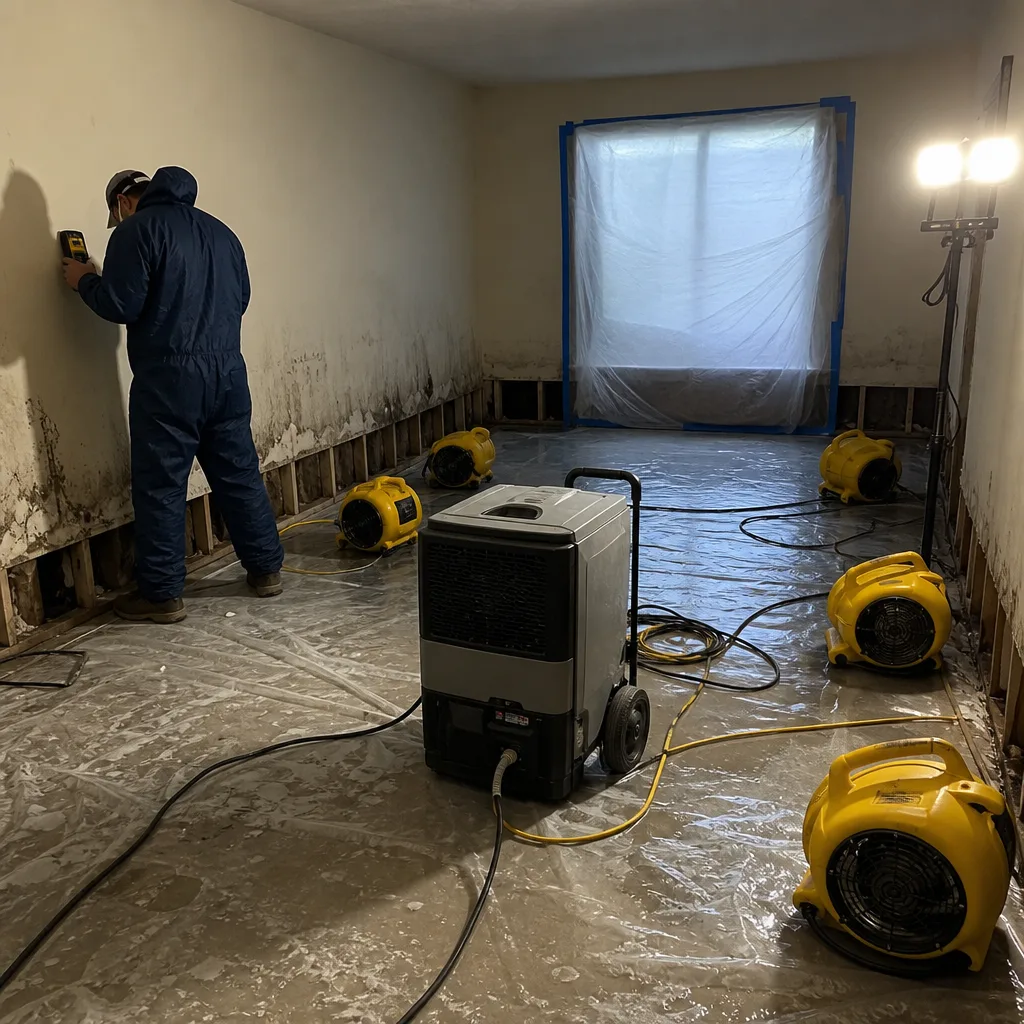
When you smell must but can’t see staining, or when a neighbor’s leak left your ceiling suspicious, we start with a full inspection. Thermal imaging finds cold, wet cavities behind finished walls. Moisture meters quantify what the eye can’t. Air sampling and swab testing identify the specific mold species, which matters when someone in the unit has respiratory issues. In West New York’s stacked buildings, we inspect the floors above and below your unit as standard practice, because the visible mold is rarely the whole story. A written report with photos and readings accompanies every inspection.
Mold Removal
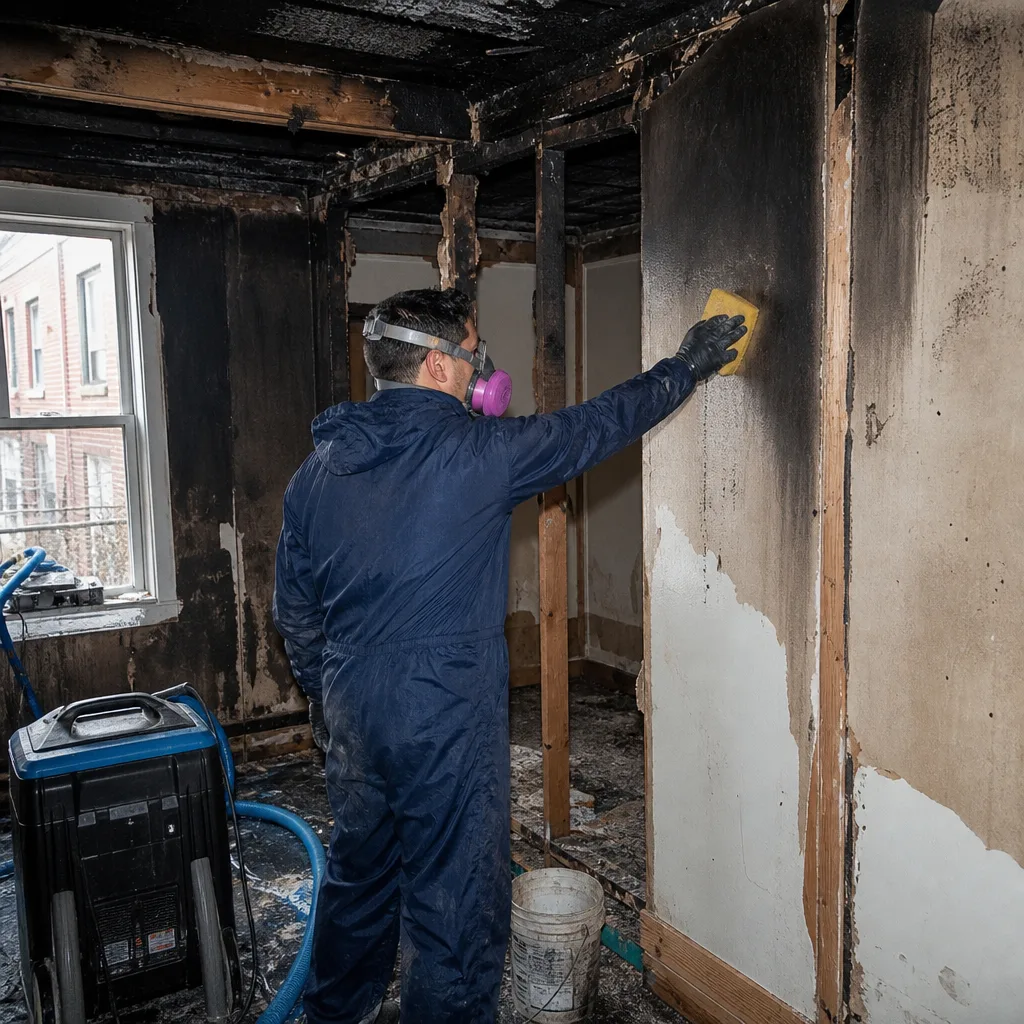
Removal means physically cutting out contaminated drywall, plaster, insulation, and trim, not just wiping surfaces. In pre-war construction, we open walls to the studs where moisture mapping dictates, and we don’t close them until the cavity reads dry and the framing is treated. Damaged lath often cannot be salvaged and gets replaced with modern substrate. Every removal job ends with clearance considerations: the contained area must pass air quality verification before residents return to full use of the space.
Black Mold Remediation
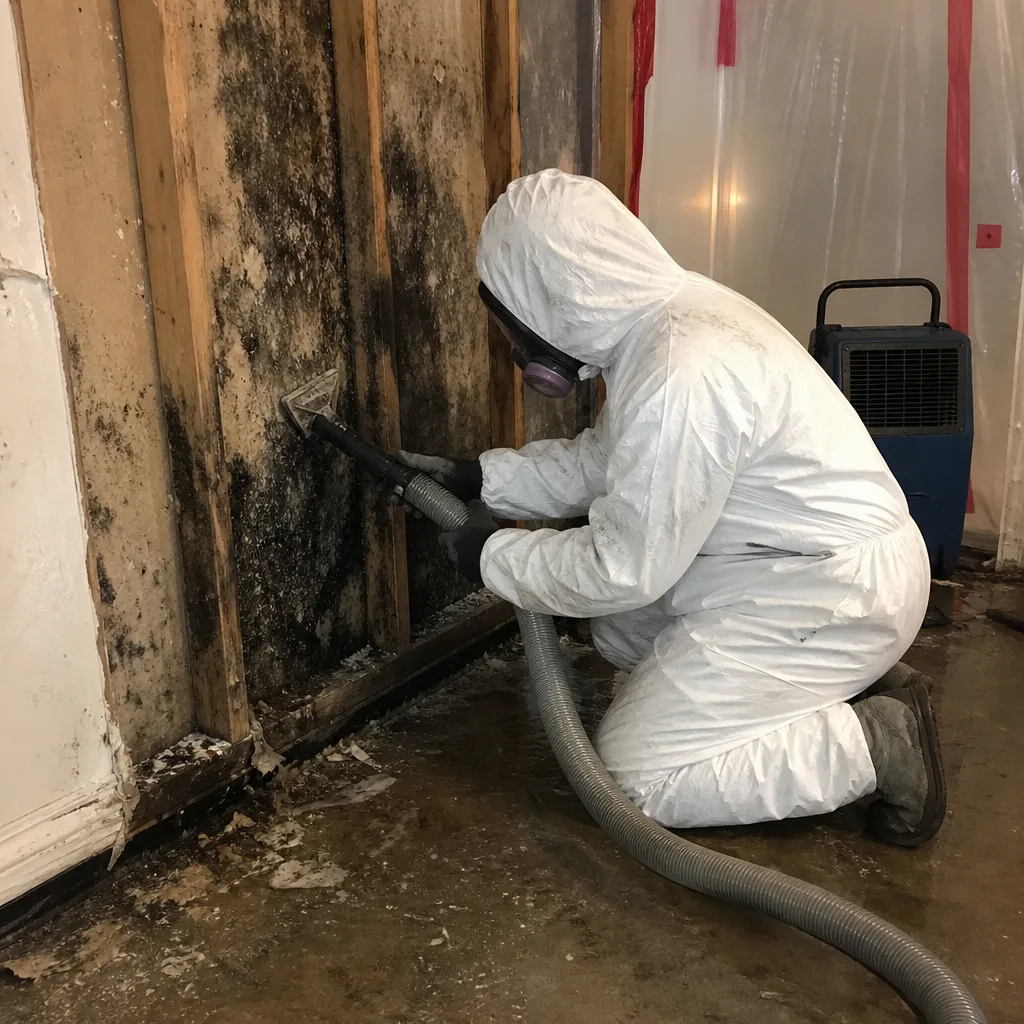
Black mold, most often Stachybotrys, favors continuously wet cellulose: drywall paper, plaster backing, jute, and old lumber. West New York’s chronic slow leaks from aging supply lines create exactly the conditions Stachybotrys needs. Remediation requires full containment with negative air pressure, HEPA air scrubbing, and careful removal of all affected material in sealed bags. We treat exposed framing with antimicrobial agents and run clearance testing before releasing the area. Black mold is not a surface-wipe job, and any contractor who tells you it is should not be in your building.
Air Quality Restoration
After any mold removal job, the air in the unit carries spores stirred up during demolition. We run HEPA air scrubbers throughout the containment period and after, exchanging and filtering the air until post-remediation verification shows spore counts at or below the building’s background baseline. In dense West New York apartments, we also check shared hallway air and adjacent units when containment was extended across floors. Your neighbor’s air is part of your air when the building breathes through common chases.
Crawl Space Treatment
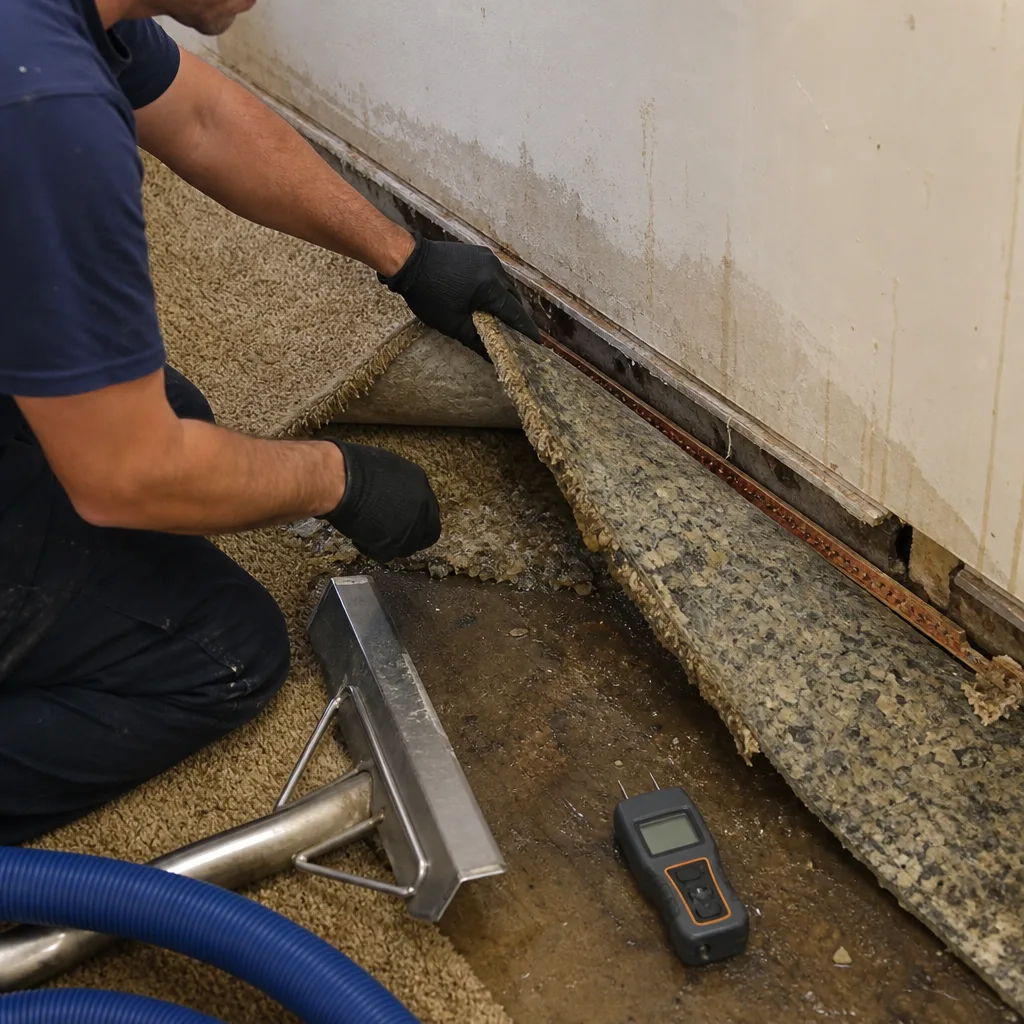
Basement-level and crawl-space moisture drives mold upward through the building. In West New York’s uphill blocks, foundation drainage issues push water into sub-grade spaces after every heavy rain. We treat crawl spaces with moisture barriers, drainage correction, dehumidification, and antimicrobial application to the structural wood. The goal is a dry, clean space that stops feeding mold on the floors above. This is especially common in the older tenement basements along the Palisades slope, where century-old foundations meet modern stormwater.
Moisture & Humidity Control
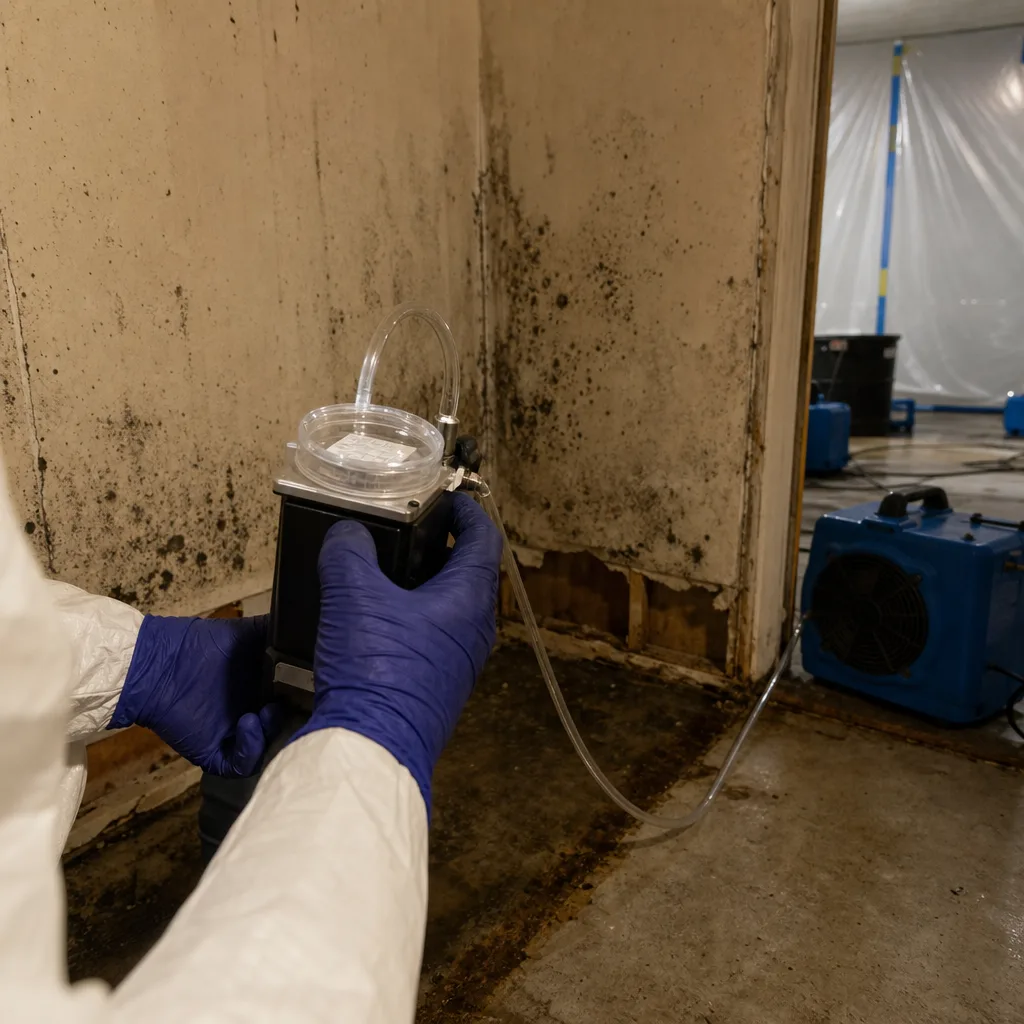
Mold returns when moisture returns. In West New York’s pre-war buildings, the battle is humidity: unventilated hallways, kitchens without exhaust fans, and shared walls that breathe damp air from the neighbor’s shower. We install and calibrate dehumidification, correct ventilation, and seal gaps that let humid outdoor air into wall cavities. In waterfront high-rises, we address conditioned-space humidity imbalances that condense on slab surfaces in summer. The goal is to make the building physiology inhospitable to mold, not just to remove the mold that’s already there.
What happens when you call
- 1
A real person answersNo phone trees - you reach a local pro.
- 2
You get an upfront price rangeHonest numbers before anyone is dispatched.
- 3
A background-checked tech heads outLicensed & insured, dispatched right away.
- 4
You approve before work beginsNothing starts until you say go.
Mold Remediation Costs in West New York, NJ
We quote West New York jobs honestly because we know what this market actually costs. A small isolated patch, under 10 square feet with a single source, typically runs $500-$1,200 including surface treatment and air scrubbing. A mid-sized job affecting one wall cavity and requiring containment, removal, drying, and rebuild lands between $1,800 and $4,500. Multi-floor contamination in stacked units, where containment spans two or three apartments and shared cavities must be opened, runs $4,000-$9,000 per unit when insurance is involved, and sometimes more when we’re coordinating across multiple policies in one building. What moves the price: whether the source is a clean water leak or a sewage-adjacent line, how many wall cavities are wet, whether lath and plaster need full replacement, and whether HVAC ducting is contaminated. Insurance-covered losses commonly pay out at these ranges minus your deductible; out-of-pocket remediation on smaller jobs is sometimes cheaper than a claim when you weigh premium impact. The free visual inspection is the path to a firm number. Call (640) 221-3499 and we’ll give you a written scope with line items, not a hand-wave estimate over the phone.
We Also Serve Cities Near West New York
Our crews work throughout Hudson County. We regularly handle mold remediation in North Bergen’s residential streets, Ridgefield’s single-family homes and small apartment buildings, Weehawken’s waterfront and cliffside blocks, and Union City’s dense pre-war stock. If you’re a landlord with buildings in several of these towns, one call covers the whole portfolio.
West New York Mold Remediation Questions, Answered
How does mold spread so fast in West New York’s pre-war brick apartment buildings?
Shared wall cavities and common chases give spores a highway between units. In a 1920s brick tenement, the plaster-and-lath assemblies run continuously across floor plates, and moisture from one leaking supply line travels down through joist bays and party walls. What starts as a fourth-floor bathroom leak becomes ceiling staining in the third and second floors within two to three weeks. Our crews assume cross-unit spread until we prove otherwise, which is why we inspect above and below before writing any scope.
Why do I need to inspect the floors below my apartment when I only see mold in my unit?
Because water obeys gravity, but mold follows moisture in any direction. The visible patch on your ceiling is fed by a leak from the unit above, and that same water has already passed through your floor assembly into the apartment below, even if that neighbor sees nothing yet. In West New York’s stacked buildings, we routinely find active growth one and two floors below the first visible signs. Skipping that inspection leaves a hidden colony that produces a callback claim within months. Call (640) 221-3499 and our inspection covers the full moisture path, not just the stained ceiling.
What’s different about mold remediation in the Hudson River waterfront high-rises?
The buildings are newer, but the moisture problems are structural. Lower-level common spaces and parking areas sit inside FEMA Special Flood Hazard Areas, and slab moisture pushes up through concrete that never fully dries. High-rise mechanical rooms concentrate humidity, and condensation forms on chilled surfaces in summer. Remediation in these towers means addressing the slab and the building’s humidity balance, not just the visible mold. We use Dri-Eaz dehumidifiers and Phoenix air movers sized for large-volume common spaces, and we log moisture readings daily until the slab hits the dry standard.
How do local landlords handle mold claims across multiple units in one building?
Usually with multiple insurance policies and a lot of phone calls. One leak in a four-story building can trigger a claim from the tenant above, the tenant below, and the landlord’s own building policy over shared wall damage. We document each unit separately, produce separate moisture logs, and coordinate directly with each adjuster. Landlords who own contiguous buildings on the same block often ask us to inspect the neighboring structure before we finish the first. We’re used to that; it’s how West New York works.
Why does mold keep coming back in my uphill basement after remediation?
Because the water still comes in. On the Palisades grade, heavy rain runs hard against uphill foundation walls, and a 1920s foundation with no modern drainage membrane lets water through every storm. If the previous contractor dried the basement and treated the mold but never fixed the drainage, the mold returns in six months. Our approach includes correcting the water path: drainage installation, foundation sealing, sub-slab vapor barriers, and dehumidification sized to the space. Mold removal without moisture correction is just recurring revenue for someone’s future callbacks.
How fast can someone actually get here if I find mold tonight?
We commit to a 45-minute response window for West New York callers, 24 hours a day. A live dispatcher takes your call, routes the nearest available crew, and that crew arrives ready to set up containment and start moisture mapping. In a dense building, those first hours matter because spores move through shared cavities quickly. Every hour that passes expands the affected area and the final bill.
Will my insurance cover mold remediation, or am I paying out of pocket?
Most mold coverage stems from a covered water event: a burst supply line, a water heater failure, a storm-related intrusion. If the water source is a covered peril, remediation is usually covered as part of the water claim. Gradual leaks that ran for months are trickier, and many policies exclude long-term seepage. We document everything from the first hour, photograph the source, and provide the line-item scopes adjusters need to approve claims. We bill directly when coverage applies, and the free inspection gives you a written scope you can take to your carrier before spending a dollar.
Can we stay in our apartment during mold remediation?
For small, contained jobs, usually yes, though we’ll ask you to stay out of the contained area while work is active. For multi-floor containment with negative air pressure and HEPA scrubbers running, the affected units often need residents to relocate for a few days. Black mold remediation, especially where Stachybotrys is present, typically requires the space to be empty until clearance testing passes. Your adjuster handles temporary housing under most policies. We give you an honest answer on day one, not after you’ve already spent a night breathing spores.
Serving West New York, NJ - Our Local Coverage Area
We’re based in the West New York area and know this community well. Use the map below to see our service coverage - if you’re nearby, we can almost certainly help.
Why This Page Reads Different From the Franchises
Here’s the thing about West New York that a national mold franchise will never understand: density changes everything. In a single-family suburban house, a mold job is one leak, one wall, one insurance adjuster, one check. In West New York, a fourth-floor bathroom leak becomes a three-floor containment job involving two tenants, one landlord, and three insurance carriers before anyone even writes a proposal. The pre-war brick walk-ups share walls the way row homes share party lines, and water finds every seam between them. A contractor who scopes only the unit with visible mold has already failed. A contractor who treats a waterfront high-rise slab like a basement in Paramus will be back in six months. This page exists to tell you exactly what our crew told the landlord on Bergenline Avenue: we walked the second and third floors before we opened a single wall, and that’s why the job settled instead of dragging into a dispute. If you’ve got mold in West New York, you need a company that reads brick buildings the way other contractors read street signs. Call (640) 221-3499 and we’ll start at the floodline, wherever yours is.
Written by Curt Bowman, Owner at Floodline Restoration Co., serving West New York with full-cycle mold remediation and restoration since 2010.