
Free visual inspection and a written scope of work before any mitigation begins - photos, moisture readings, and drying logs go in your claim file
The scope we write is the scope we bill. Anything new gets shown to you, in writing, before we touch it.
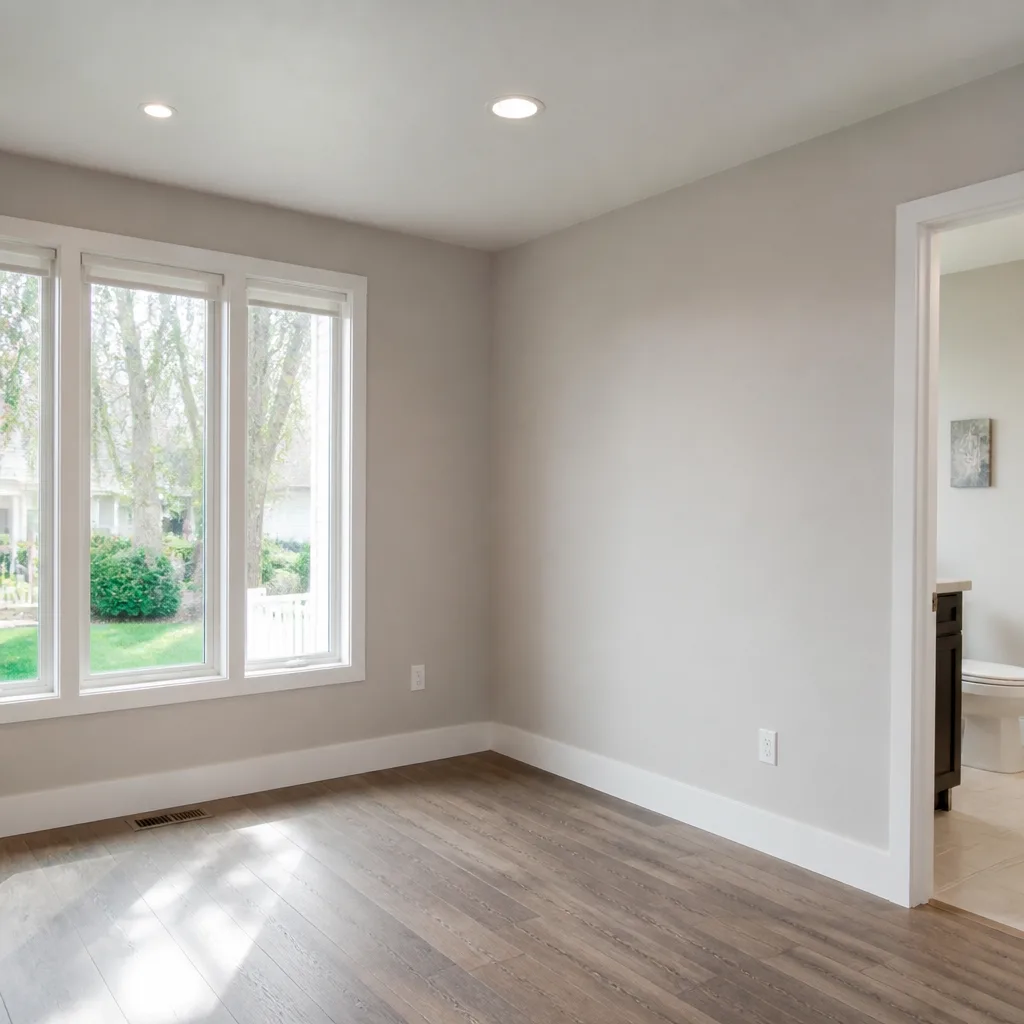
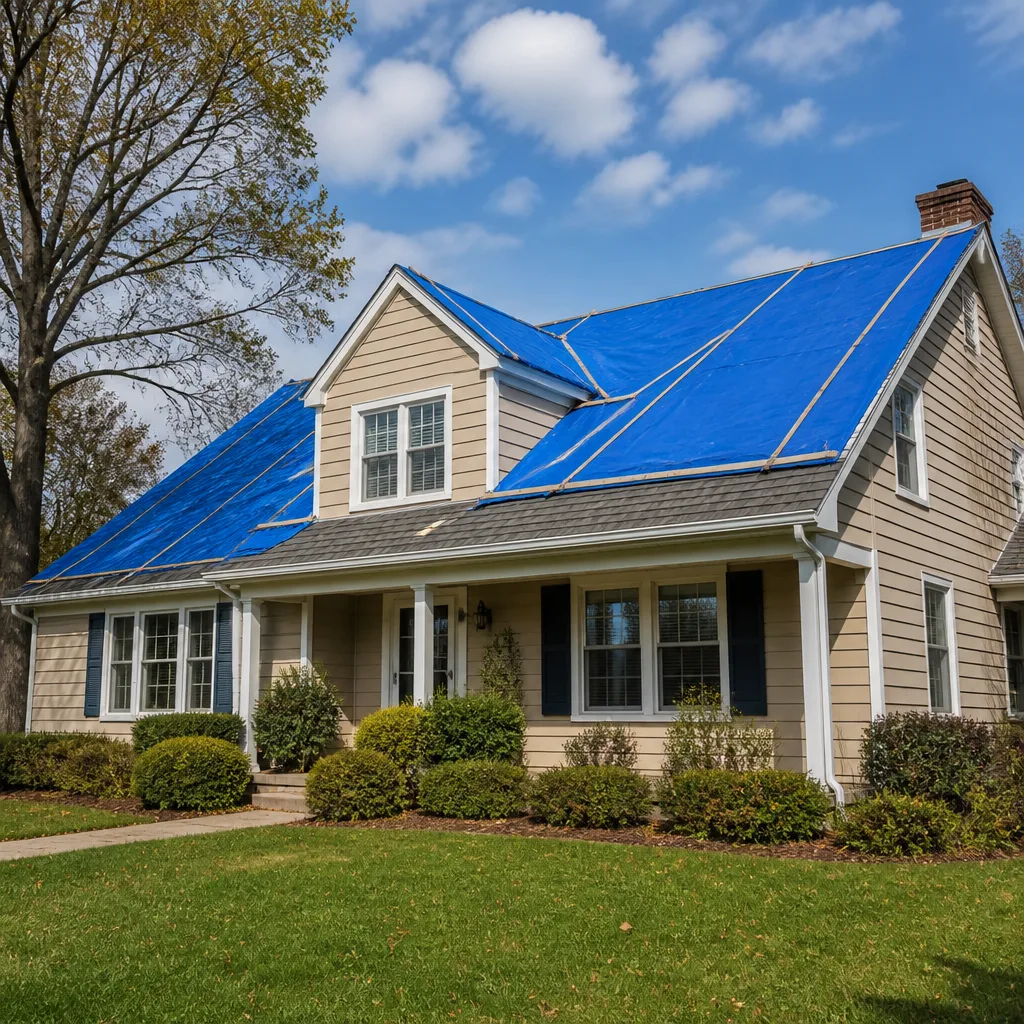
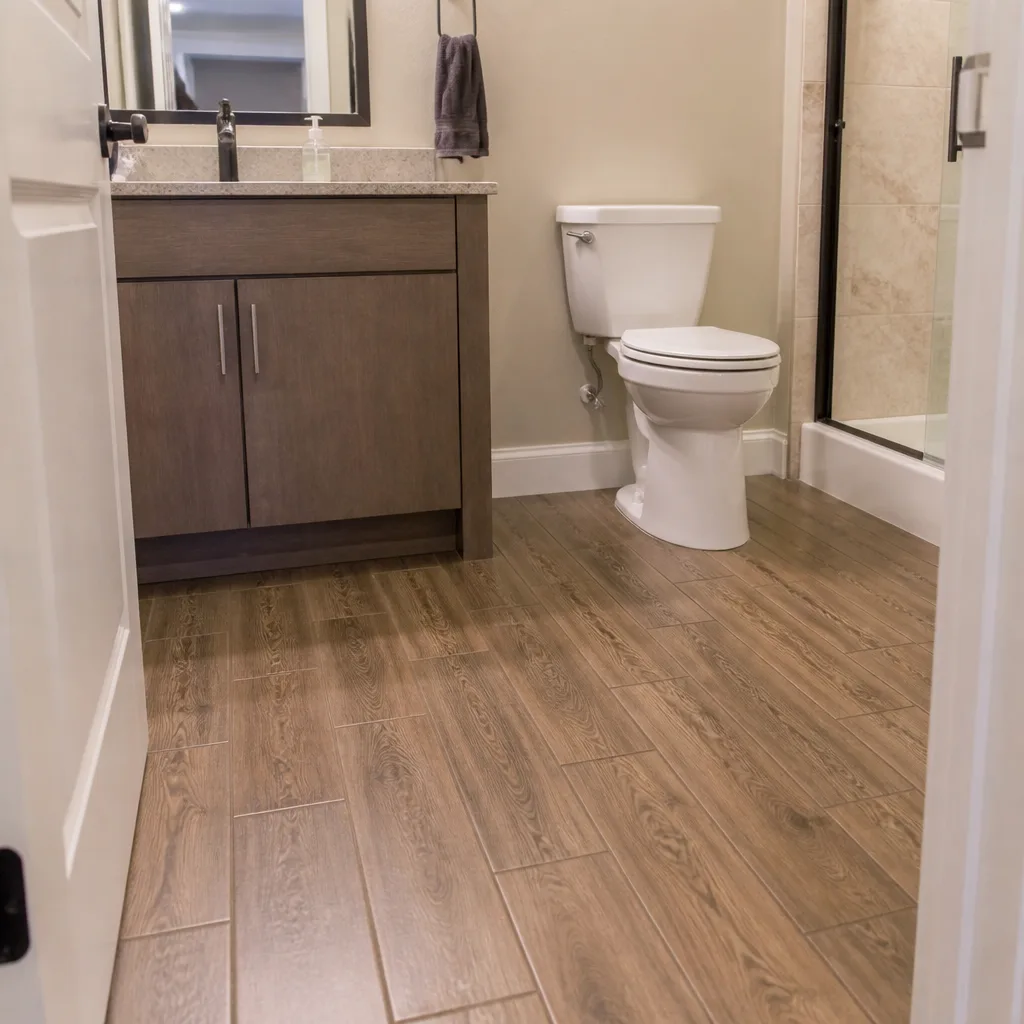
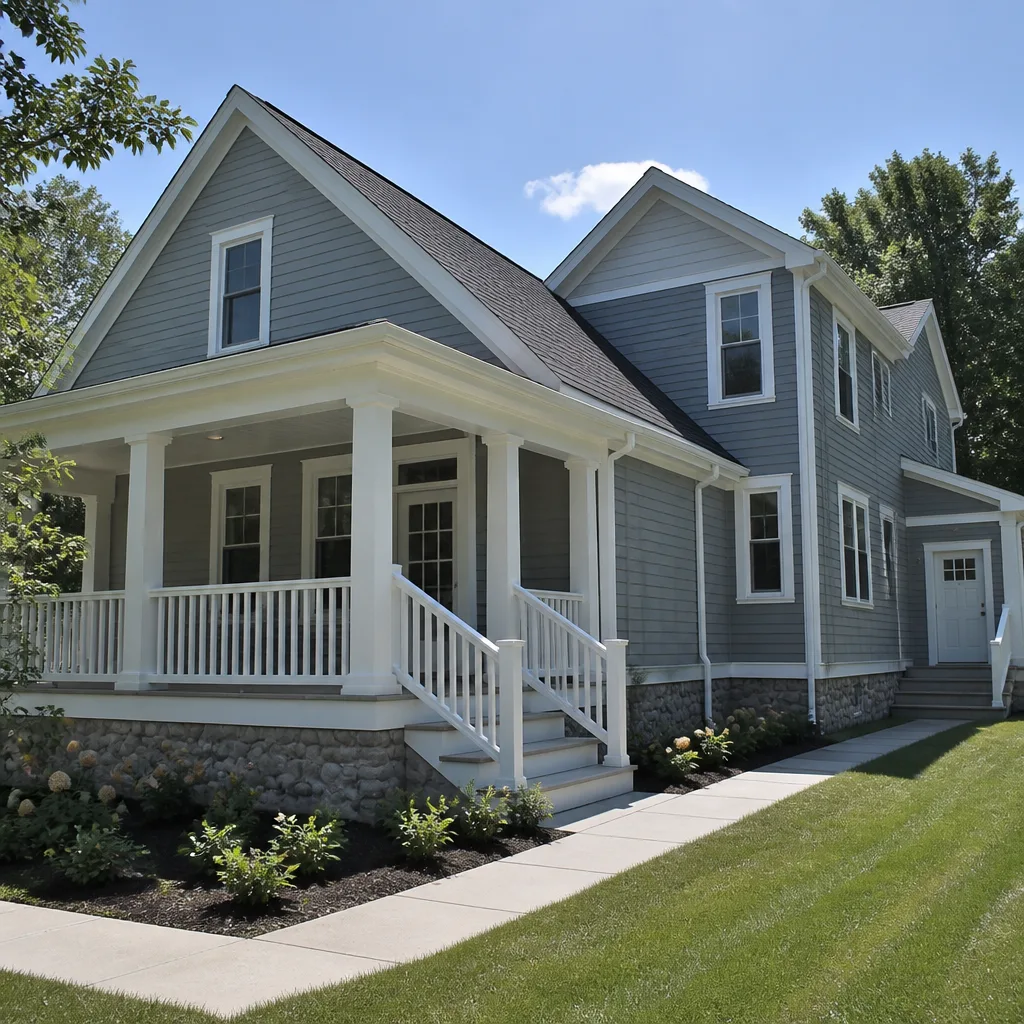
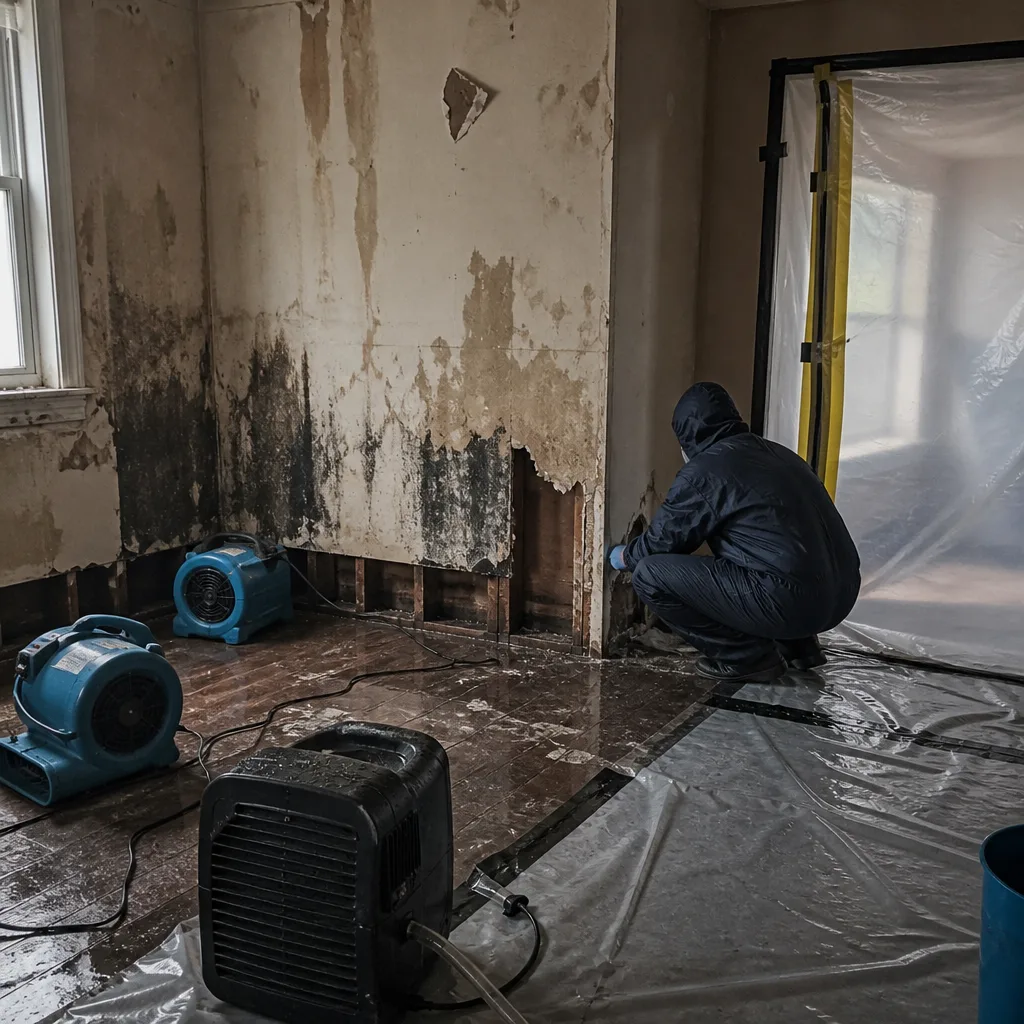 Before
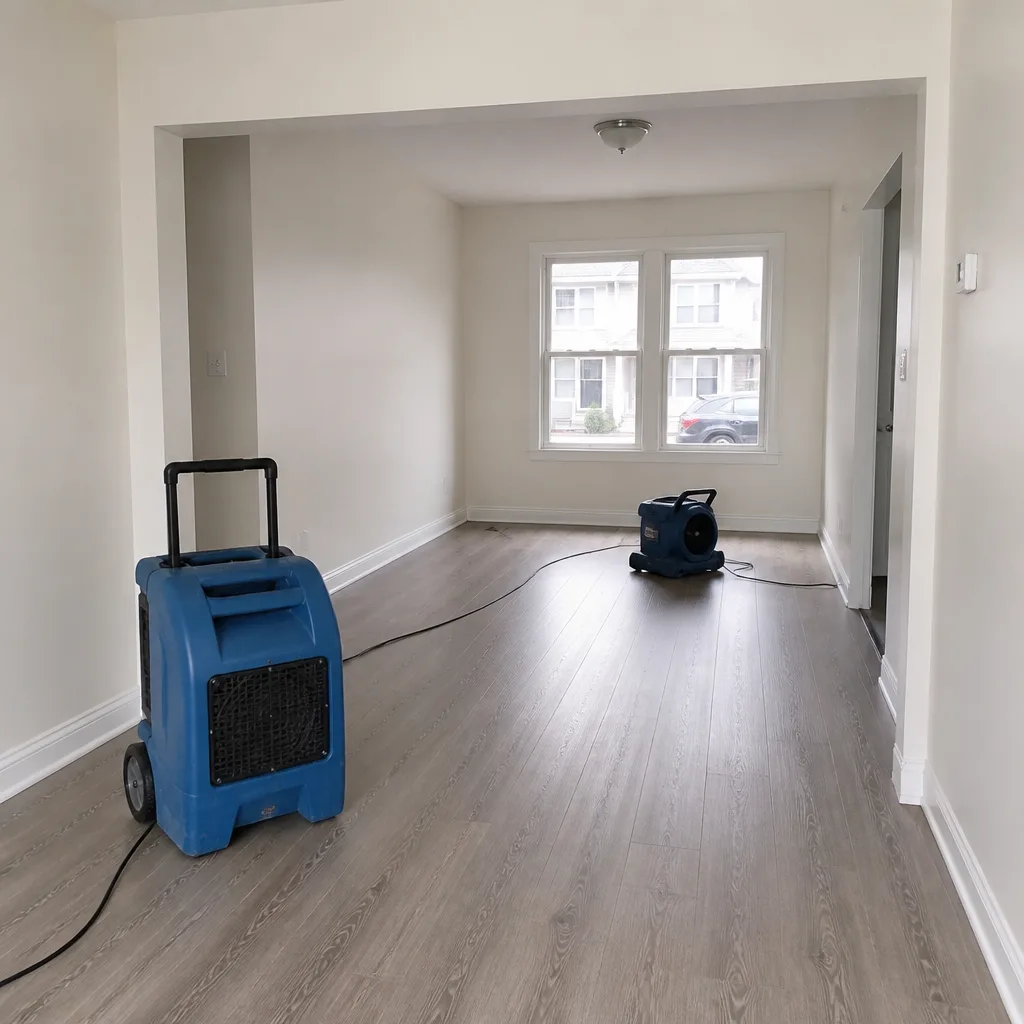 After
After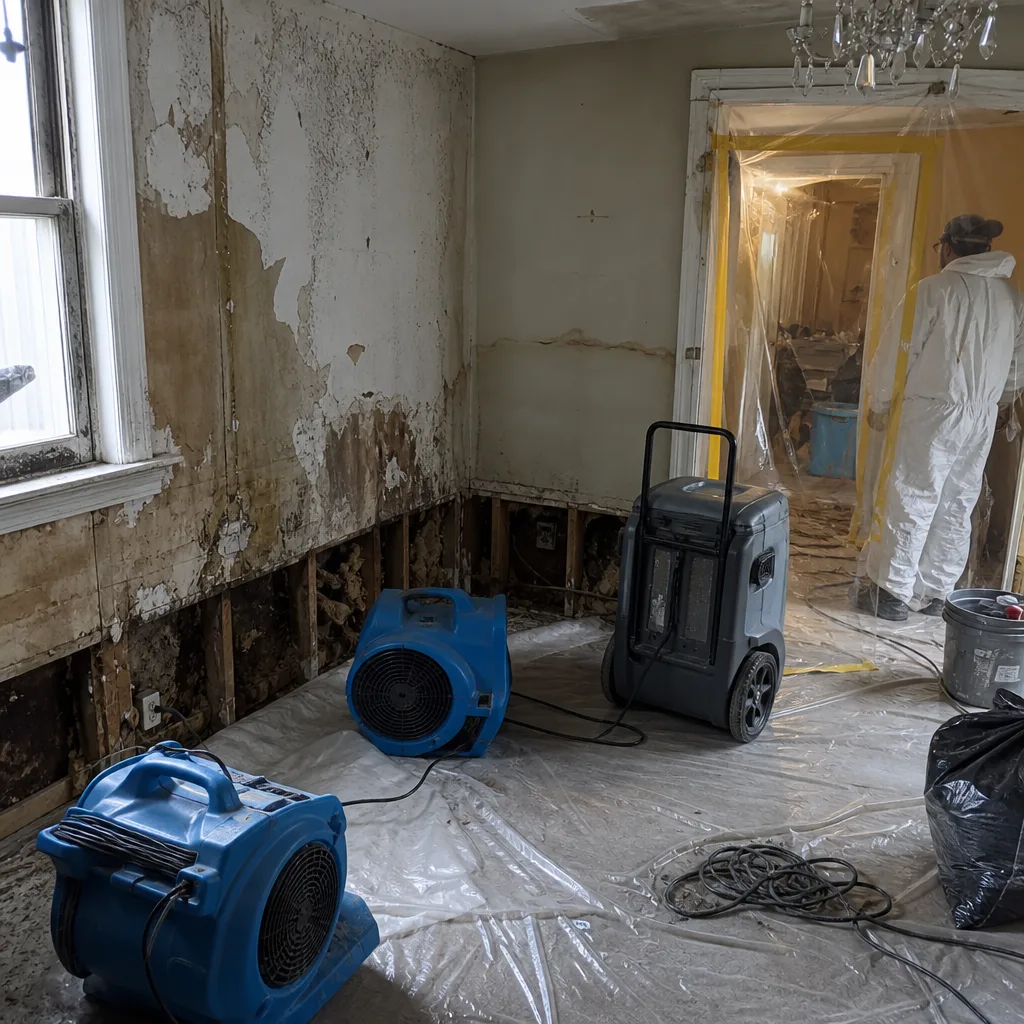 Before
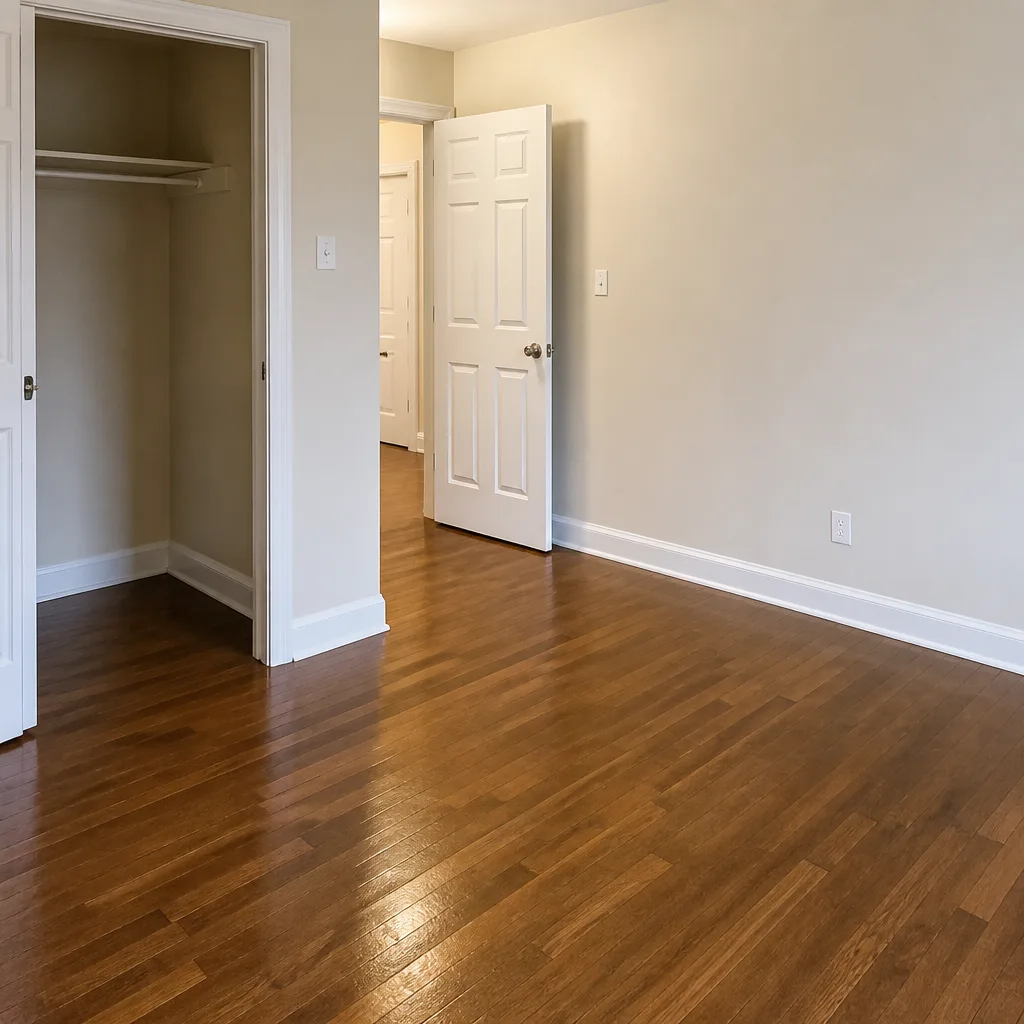 After
After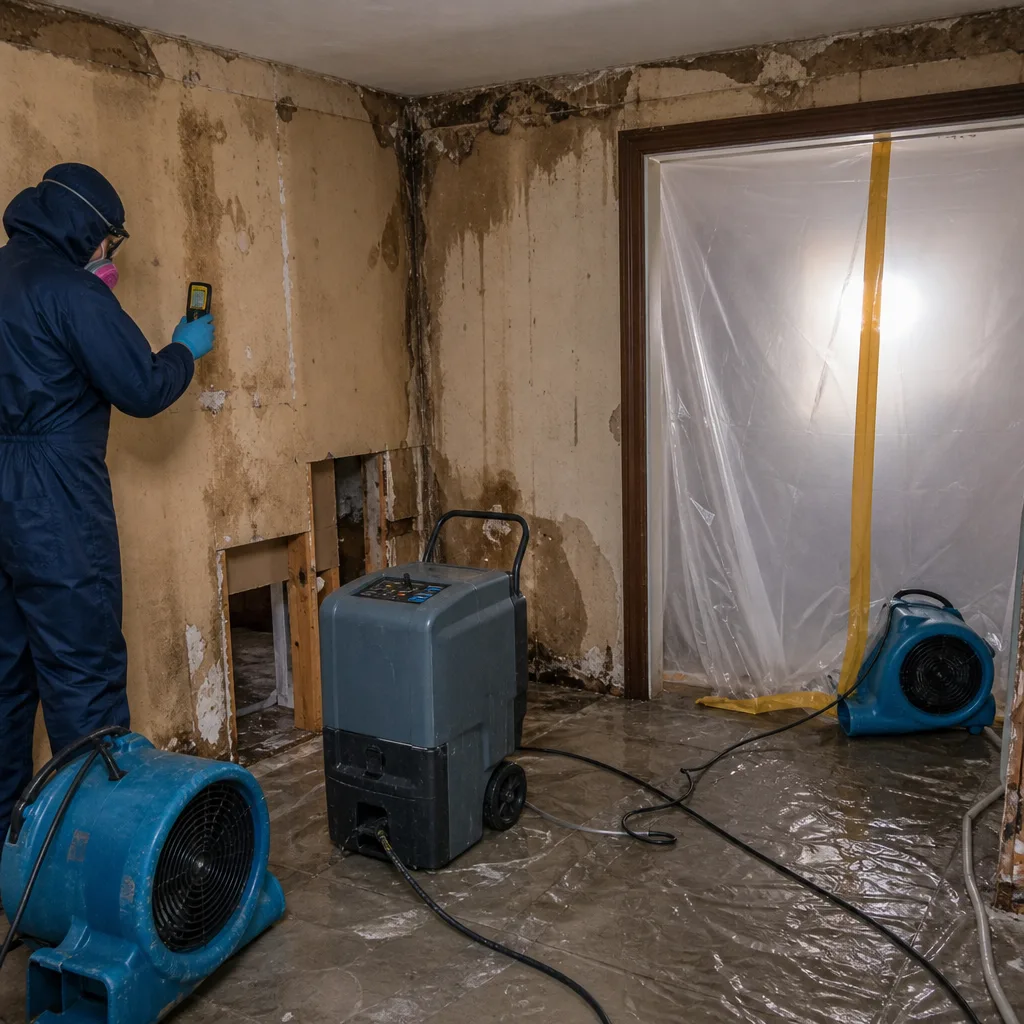 Before
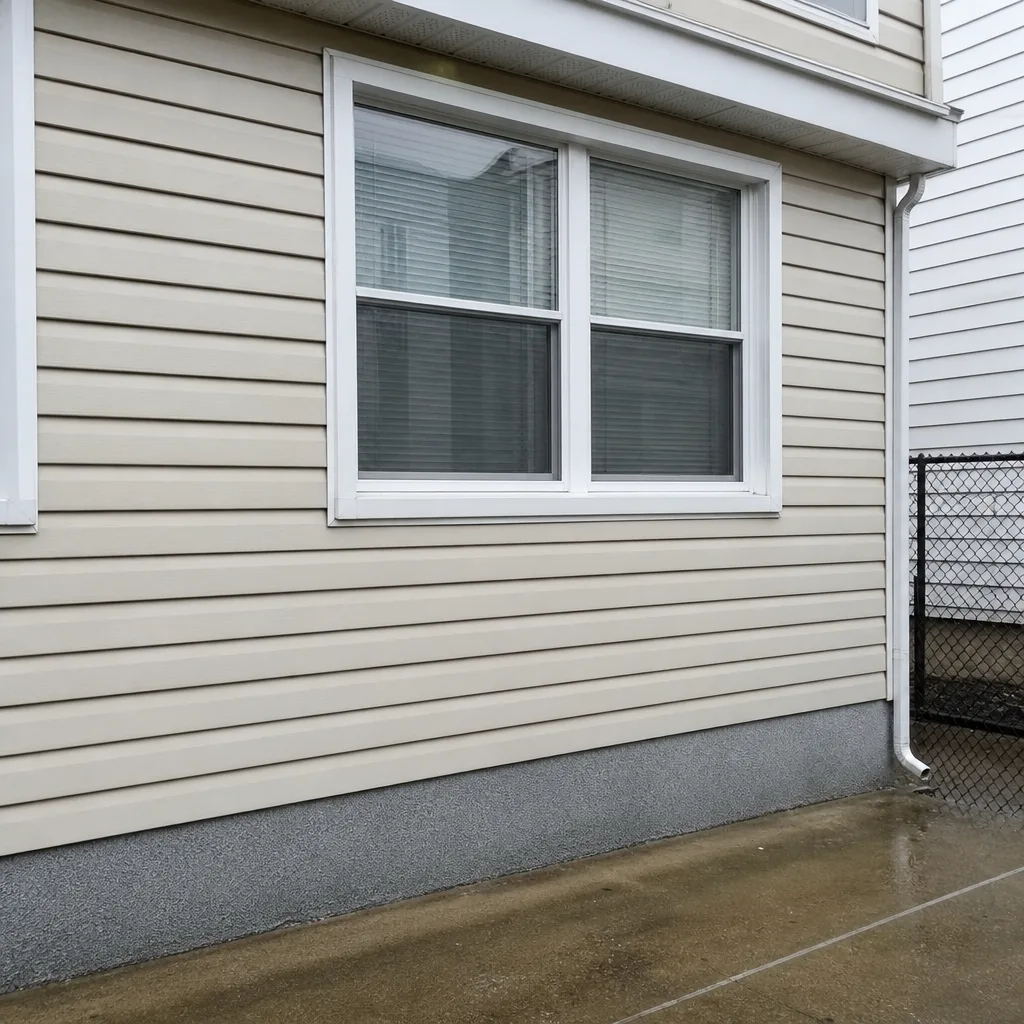 After
After24/7 Emergency Storm & Disaster Restoration in Edgewater
Storm and disaster restoration in Edgewater, NJ typically runs $2,800-$18,500 depending on whether you’re dealing with river-side surge flooding, cliff-side groundwater seepage, or both at once. Our crews answer live around the clock and can reach most Edgewater addresses within 45 minutes, because we keep a local dispatch board tied directly to the Hudson River corridor. When water is moving through post-tension concrete slabs or wind-driven rain has breached a curtain-wall seam on River Road, the first hour decides whether you’re drying a contained area or rebuilding a cascading multi-unit loss. Call (640) 221-3499 the moment you see water where it shouldn’t be. We’ll send a background-checked, uniformed crew the same visit, with professional-grade extraction equipment running before the moisture map is even finished.
Edgewater’s geography sets this town apart from every other Bergen County community we serve. A single storm can push water into a building from both the Hudson River side and the Palisades cliff side at the same time. That dual-source scenario changes how we scope, contain, and dry every job. Most restoration companies treat the surge path and miss the uphill groundwater. We don’t.
Understanding Storm & Disaster Restoration Severity in Edgewater Properties
Water damage in Edgewater falls into three categories, and the distinction matters for your family’s health and your insurance claim. Category 1 water is clean, from a burst supply line inside a condo tower on the former Alcoa site. Category 2 carries significant contamination, like the wind-driven storm water that pushed through a high-rise curtain wall during the nor’easter we worked on River Road. Category 3 water is grossly contaminated, which is what you’ll see when Hudson River surge or backed-up municipal storm sewers flood a first-floor unit. In Edgewater’s luxury high-rises, Category 2 is the one that sneaks up on people: moisture travels through shared HVAC chases and unit-to-unit wall cavities far faster than it would in a single-family home, and post-tension concrete slabs hold water longer than standard slab construction. That’s why we log moisture readings on every floor, every day, until the dry standard is met.
The Palisades-slope homes off Route 9W face a different severity picture. Aging foundations built into the hillside experience hydrostatic pressure from cliff runoff, which means water can enter through the uphill foundation wall while first-floor drains simultaneously back up from overwhelmed municipal sewers. Two distinct moisture vectors, one event. Mitigation for that scenario requires separate containment and drying strategies for each source, and it’s one of the most common reasons an Edgewater job gets under-scoped by an out-of-town crew.
Why Edgewater Property Owners Choose Floodline Restoration Co.
- 45-minute response commitment: We keep crews staged along the Hudson River corridor, so a live dispatcher can have certified techs at your Edgewater door, extraction running the same visit.
- 24/7 live answer, never an automated system: A real person picks up at 2 a.m. when a nor’easter blows through and a curtain-wall seam lets go. No phone tree, no callback.
- IICRC-certified crews: Our WRT, FSRT, and AMRT-certified technicians are trained to the standards that matter for Edgewater’s high-rise and hillside housing stock.
- Free visual inspection: One of our techs walks your property, maps the moisture with thermal imaging and hygrometers, and gives you a written scope before any work begins.
- Direct insurance billing: We document the loss from hour one, coordinate with your adjuster, and bill your carrier directly, so you never play messenger between us and them.
- One team from extraction to reconstruction: The same crew that reads the moisture map on day one handles daily readings and rebuilds what needs rebuilding. No mid-job handoff, no inherited crew.
We’ve been doing this work since Curt Bowman founded Floodline Restoration Co. in 2010, and we back every Edgewater job with the 90-Day Done Right Promise, our written Keystone Standard. If it’s not done right, we make it right. No paperwork battles, no arguing.
Our Storm & Disaster Restoration Process
Inspection & Assessment
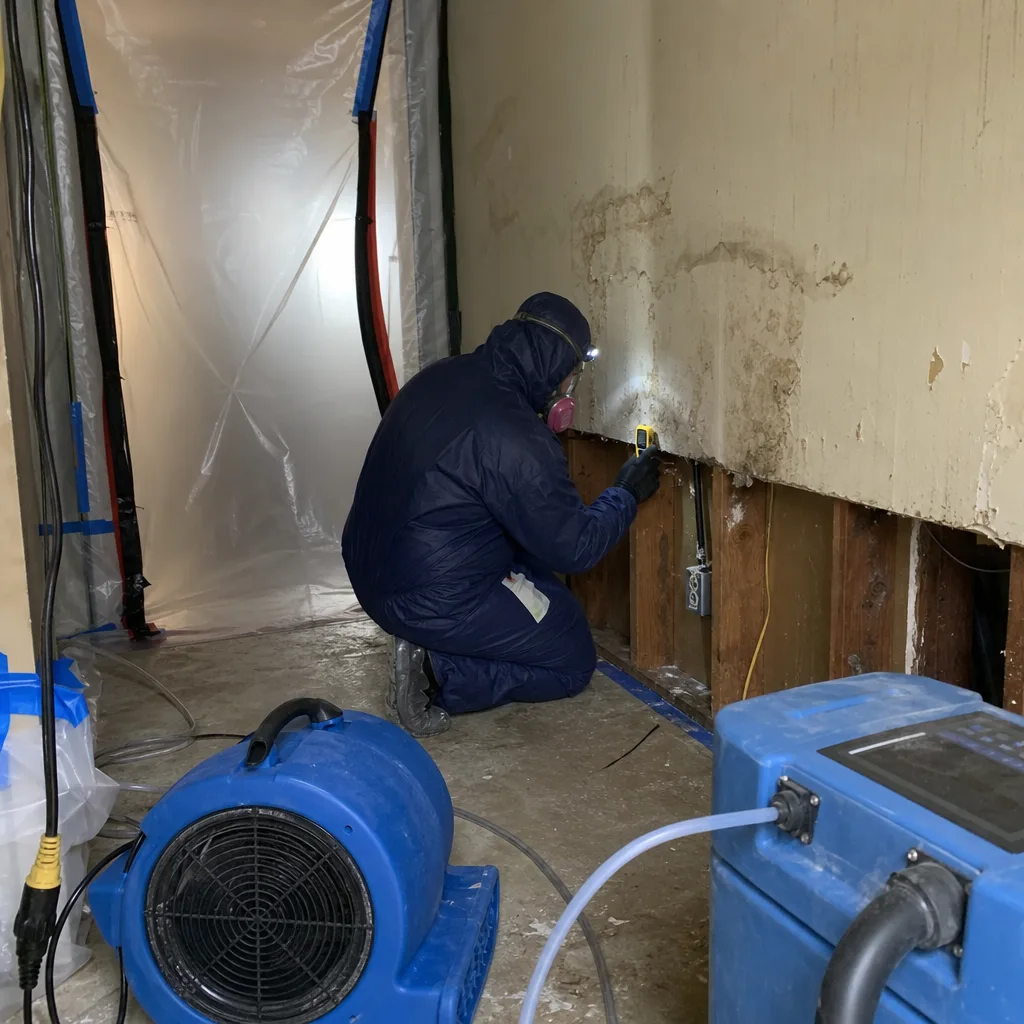
We start with a full walkthrough of your Edgewater property, using thermal imaging and moisture meters to identify every water path, including the uphill groundwater vector that flatland crews never think to check. We document the loss with photos and moisture readings, then hand you a written scope of work before any equipment comes off the truck.
Extraction & Stabilization
We remove standing water fast, using truck-mounted extraction for flooded ground-floor units and high-rise-safe equipment where weight limits matter. On the Palisades slope, this step often includes trenching and temporary water diversion to stop cliff runoff from re-entering the foundation.
Drying & Dehumidification
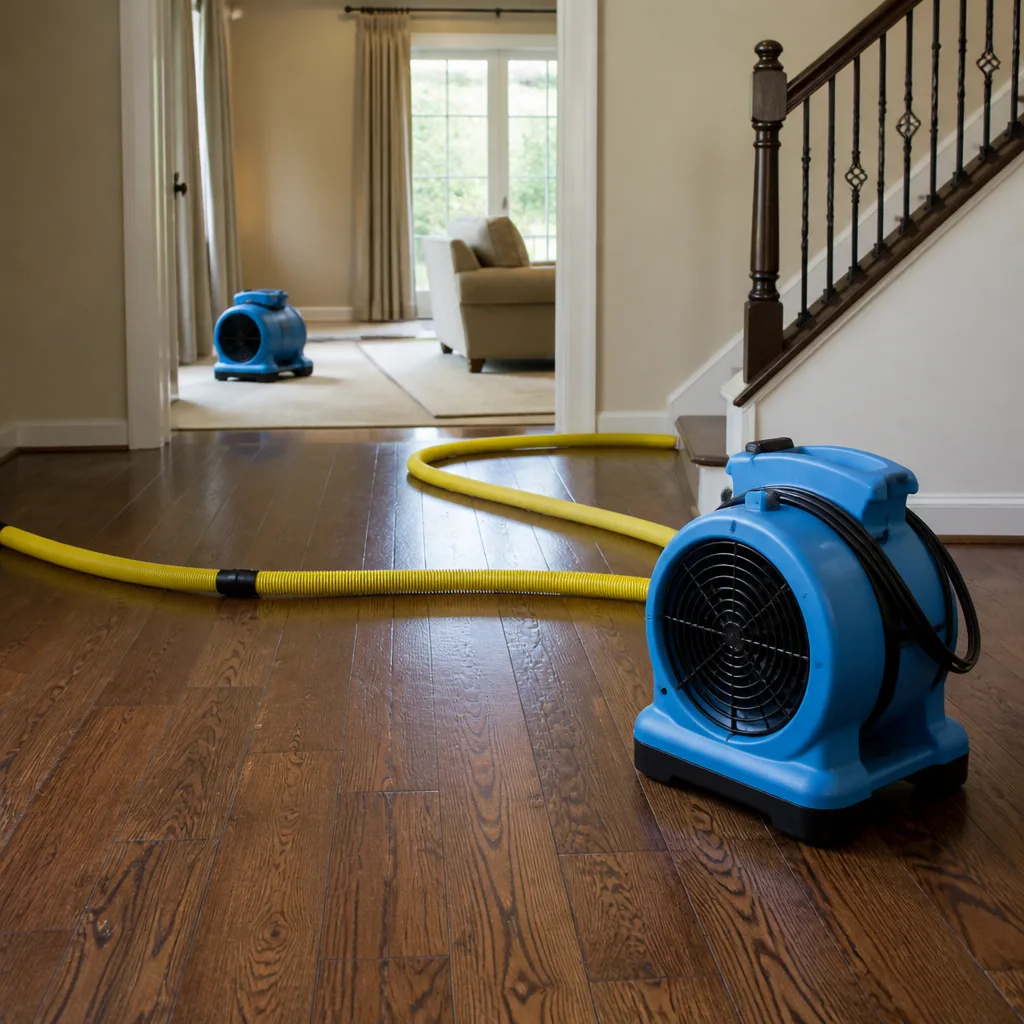
We deploy Dri-Eaz and Phoenix dehumidifiers with B-Air air movers, sized for the cubic footage of high-rise condo units and post-tension slab construction. Daily moisture readings are logged and shared with your carrier until the dry standard is met, not when the surface feels dry.
Cleaning & Sanitization
Category 2 and 3 water events get antimicrobial treatment and HEPA air scrubbing as part of our Sanitization Services in Edgewater. In Edgewater’s shared HVAC buildings, we treat the chases and common wall cavities where mold would otherwise travel to neighboring units within days.
Specialty Treatment for Edgewater Dual-Source Scenarios
When a single storm pushes water from both the river side and cliff side, we run parallel containment zones, separate drying plans for each moisture vector, and inject drying through Injectidry systems in post-tension slab cavities and curtain-wall chases that standard equipment can’t reach.
Repairs & Restoration
After the dry standard is confirmed, the same crew handles Reconstruction & Cleanup - Edgewater style: rebuilding drywall, flooring, millwork, and any structural components. Your written scope covers the full path from extraction to finished rebuild, so there are no surprises on the bill.
Need Emergency Storm & Disaster Restoration in Edgewater Now?
Crews minutes away, answering live 24 hours a day. The sooner we start, the less it costs.
Working With Your Insurance Company
We handle the insurance paperwork from the first hour, because we know that an Edgewater storm loss often involves a high-rise condo association, a master policy, and a unit owner’s policy all in the same claim. Our techs document the loss room by room, capture timestamped photos before anything is moved, and log moisture readings on every floor so your carrier sees exactly what we saw. We write industry-standard estimates using the same pricing structure adjusters expect, and we communicate directly with your adjuster, your condo board’s property manager, and your broker, so you get to be the homeowner, not the middleman. If there’s a question about coverage, we help you understand what the policy actually says, in plain English, before any work begins.
What We Provide Your Insurer
- Thorough documentation of the loss
- Photos of all damage, room by room
- Moisture readings and drying logs
- A detailed, line-item scope of work
- Direct coordination with your carrier
Built for Edgewater’s Loss Calendar
Edgewater’s storm season doesn’t follow a single pattern. January and February bring deep freezes that stress the post-industrial concrete structures along the old Unilever and Alcoa sites, and supply lines in riverside parking garages let go with enough force to flood multiple below-grade levels. Spring thaw sends snowmelt down the Palisades face, saturating hillside soils until hydrostatic pressure pushes water through foundation walls and backs up first-floor drains. Summer thunderstorms come fast off the Hudson, dropping inches of rain in under an hour, and Edgewater’s narrow footprint means storm water drains straight into the same municipal sewers that are already handling riverfront runoff. Autumn brings the nor’easters, and that’s when curtain-wall failures on River Road high-rises happen most often, wind-driven rain working its way through seams and into unit after unit. The waterfront location inside FEMA Special Flood Hazard Areas means the lowest-lying parcels, the ones closest to the ferry terminals and the riverfront promenade, carry a year-round flood exposure that inland Bergen County towns will never see. We plan for each season’s failure mode before the season arrives.
Storm & Disaster Restoration Across Edgewater’s Neighborhoods
The River Road corridor, running north-south along the Hudson, is where the luxury condo towers cluster, and where wind-driven rain and surge damage travel through curtain-wall systems and shared HVAC chases. When we get a call from one of the riverside complexes near the Edgewater ferry terminal, we know we’re likely dealing with a multi-unit moisture migration problem, not a single contained room. Up on the Palisades slope above Route 9W, the older single-family and multi-family homes off the steep side streets face a different loss pattern: cliff runoff and hillside groundwater pushing against aging foundations, plus drain backups when the municipal storm system gets overwhelmed. The neighborhoods around Veterans Field and the small commercial blocks along Old River Road sit on reclaimed brownfield land where post-tension slabs and former industrial grading create uneven drainage behavior that shows up as surprising water paths after a heavy rain. We know which buildings near Edgewater Commons tend to pool water at the loading docks, and which condo towers at the north end of River Road have documented curtain-wall maintenance gaps. That local knowledge, the stuff that never appears on a franchise restoration company’s routing sheet, cuts hours off our response time.
We responded to a nor’easter that drove wind-driven rain through a high-rise curtain wall on River Road while simultaneous cliff runoff backed up first-floor drains in a Palisades-slope home off Route 9W. Our techs set containment on both units, used moisture mapping and Dri-Eaz dehumidifiers to dry post-tension concrete slabs, and applied antimicrobial treatment to stop Biohazard & Crime Scene Cleanup in Edgewater-grade Category 2 water damage in shared HVAC chases before it spread to neighboring condos. Two properties, two entirely different water sources, same storm, same crew.
Specialized Storm & Disaster Restoration Services We Offer in Edgewater
Storm Damage Cleanup
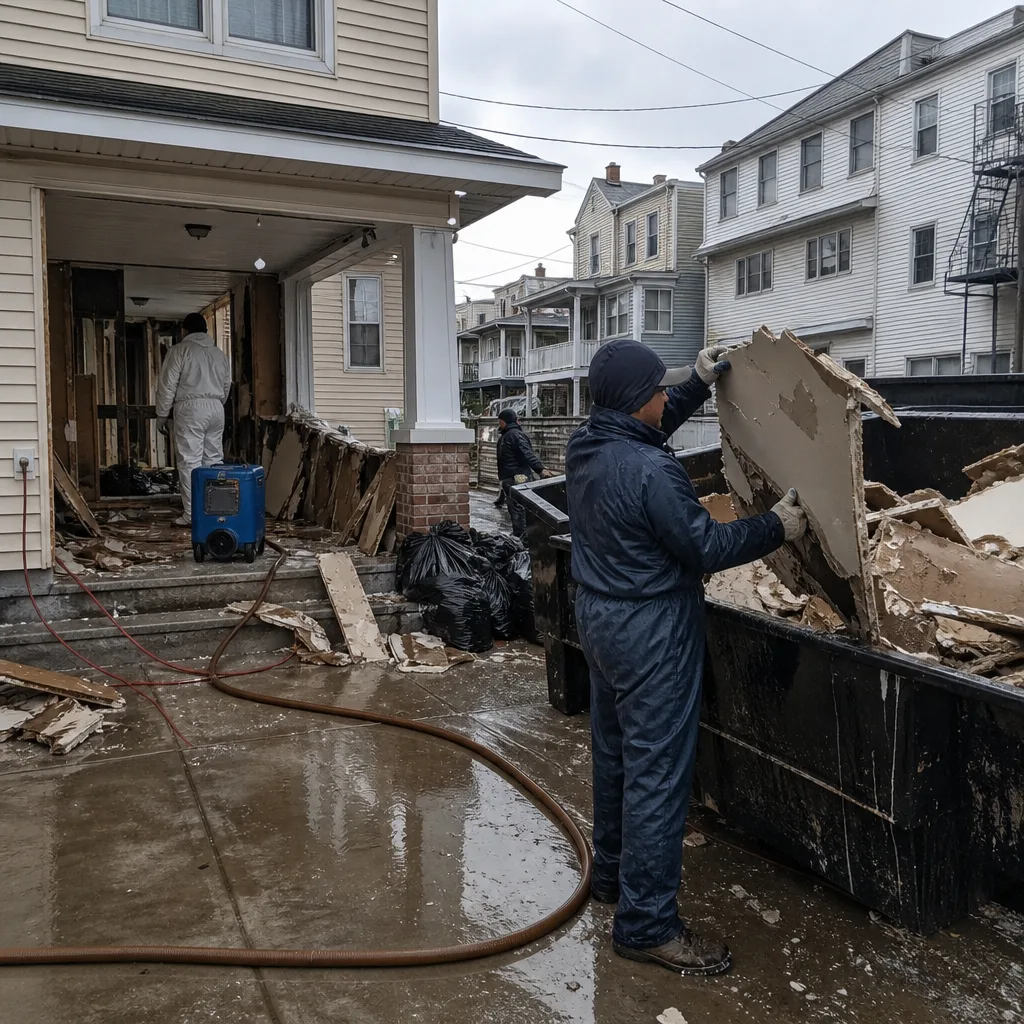
We remove storm debris, damaged building materials, and contaminated water from Edgewater properties of every type, from riverfront condo units to Palisades single-family homes. We work with you to salvage what’s worth saving and dispose of what isn’t, with the debris loaded and hauled the same shift.
Flood Damage Restoration
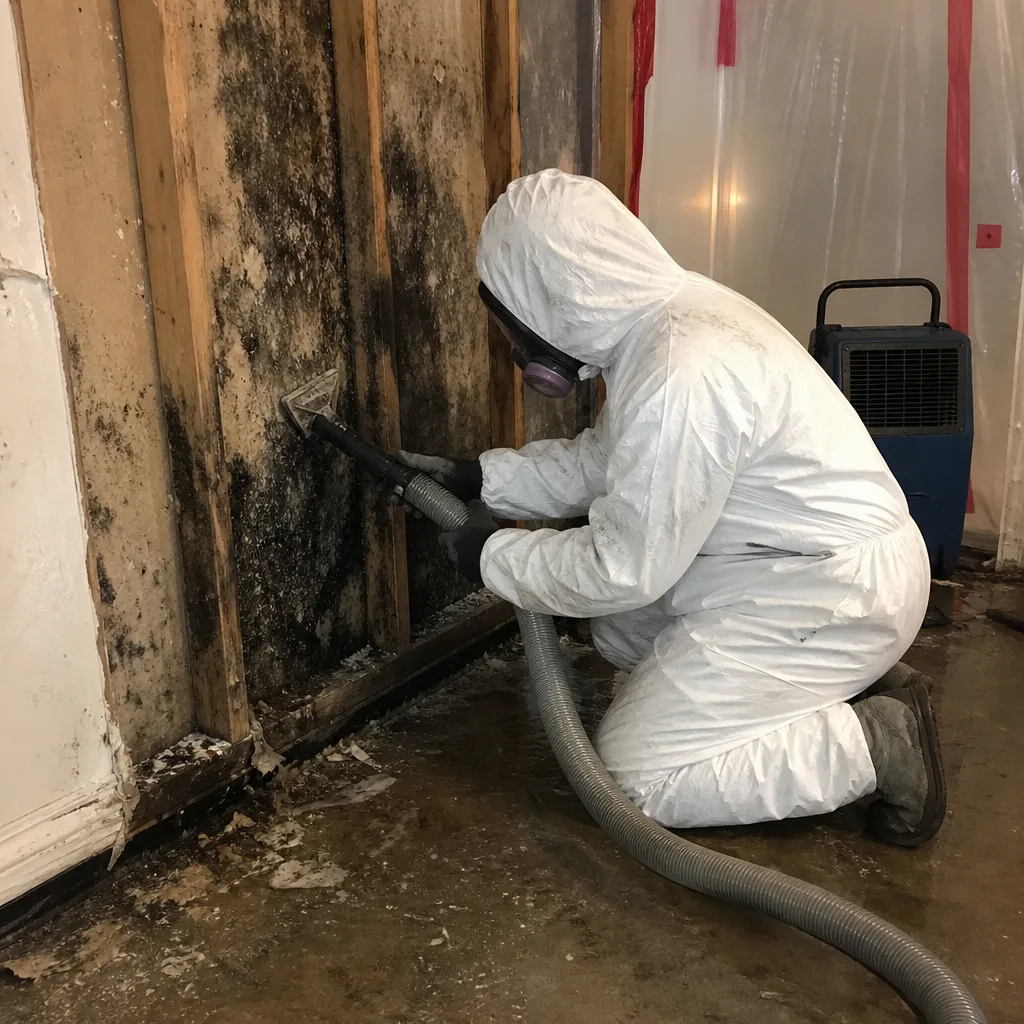
Our Storm & Disaster Restoration team handles the full flood path in Edgewater’s dual-source geometry: river surge from the east, cliff runoff from the west, and the category 2 water that travels through shared high-rise cavities. We extract, contain, dry, and rebuild, and we log every moisture reading for your carrier.
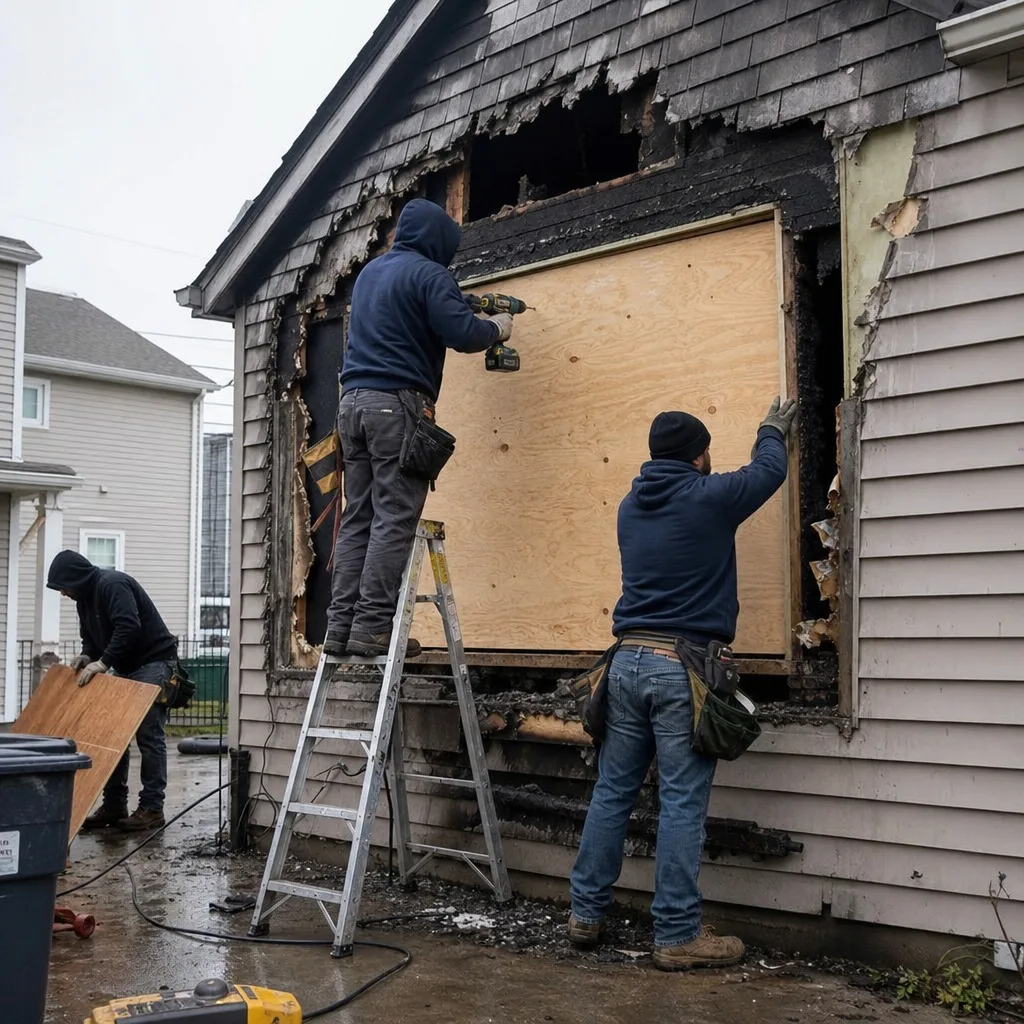
Emergency Board-Up
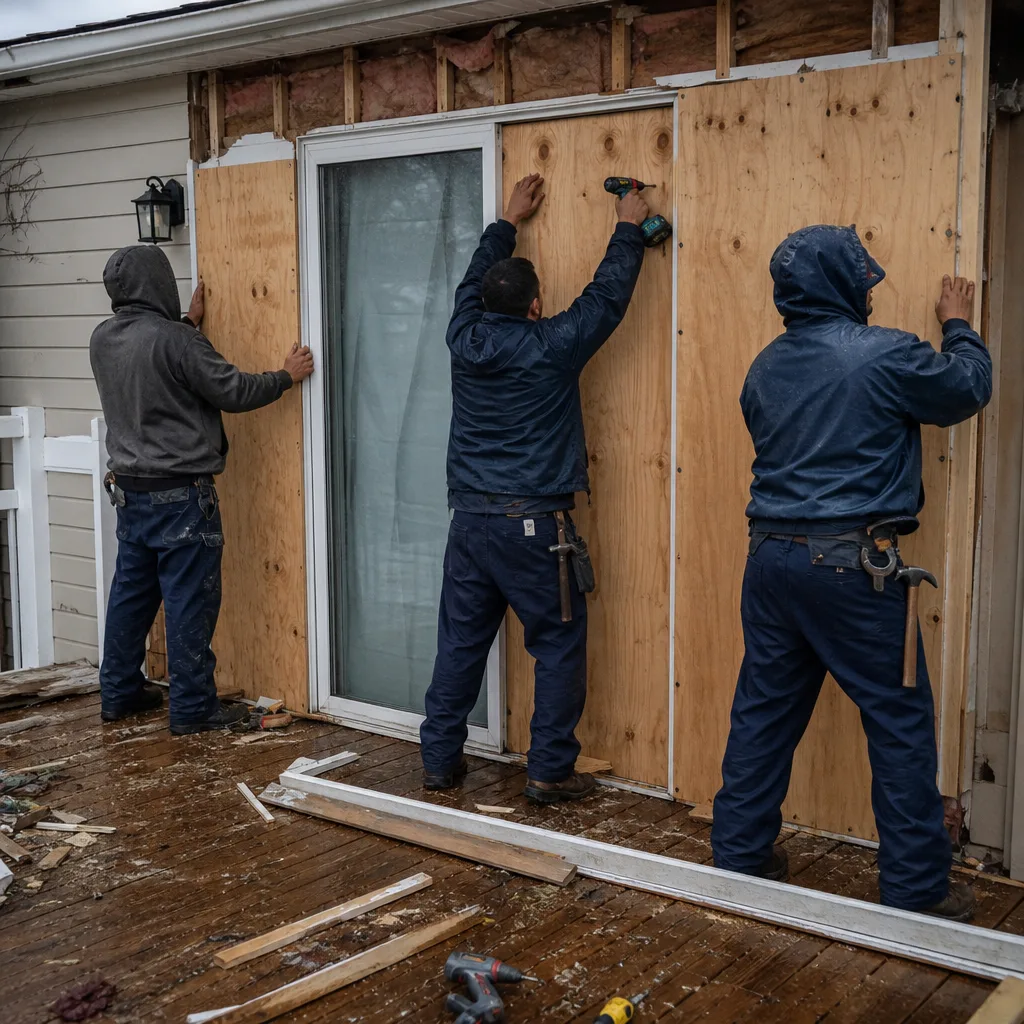
When wind damage leaves a River Road condo tower or a hillside home exposed, we board and secure the opening the same visit. Our crews carry the right materials for high-rise window systems and older wood-frame housing alike, so your property stays safe and insurable while repairs get scoped.
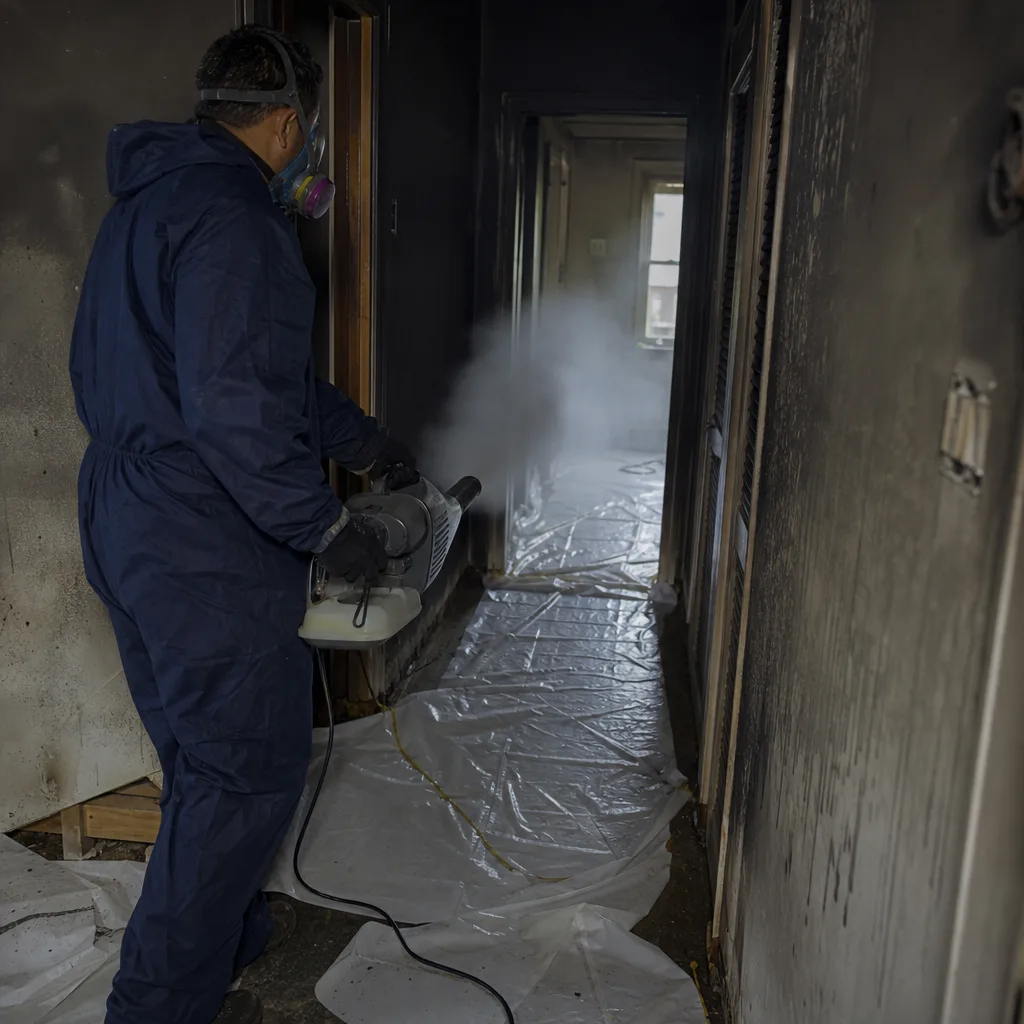
Roof Tarping
Nor’easter wind damage on Edgewater’s flat-roofed high-rises and older sloped-roof hillside homes gets a temporary tarp that actually stays put while you wait for permanent repair. We tie the tarp properly and photograph it for your carrier.
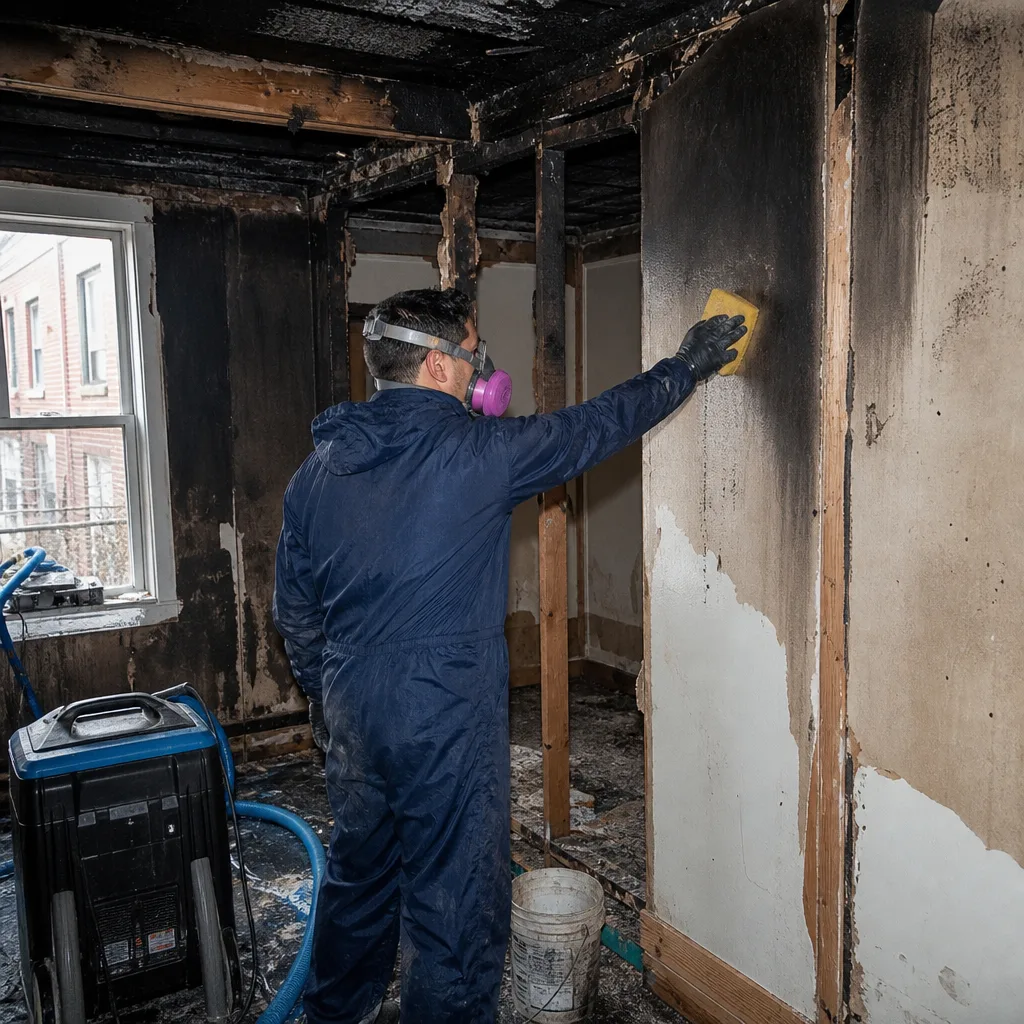
Debris Removal
Storm debris, soaked drywall, ruined flooring, and everything in between gets loaded out and disposed of in compliance with Bergen County hauling rules. We handle the full removal so you’re not waiting on a second crew to show up.
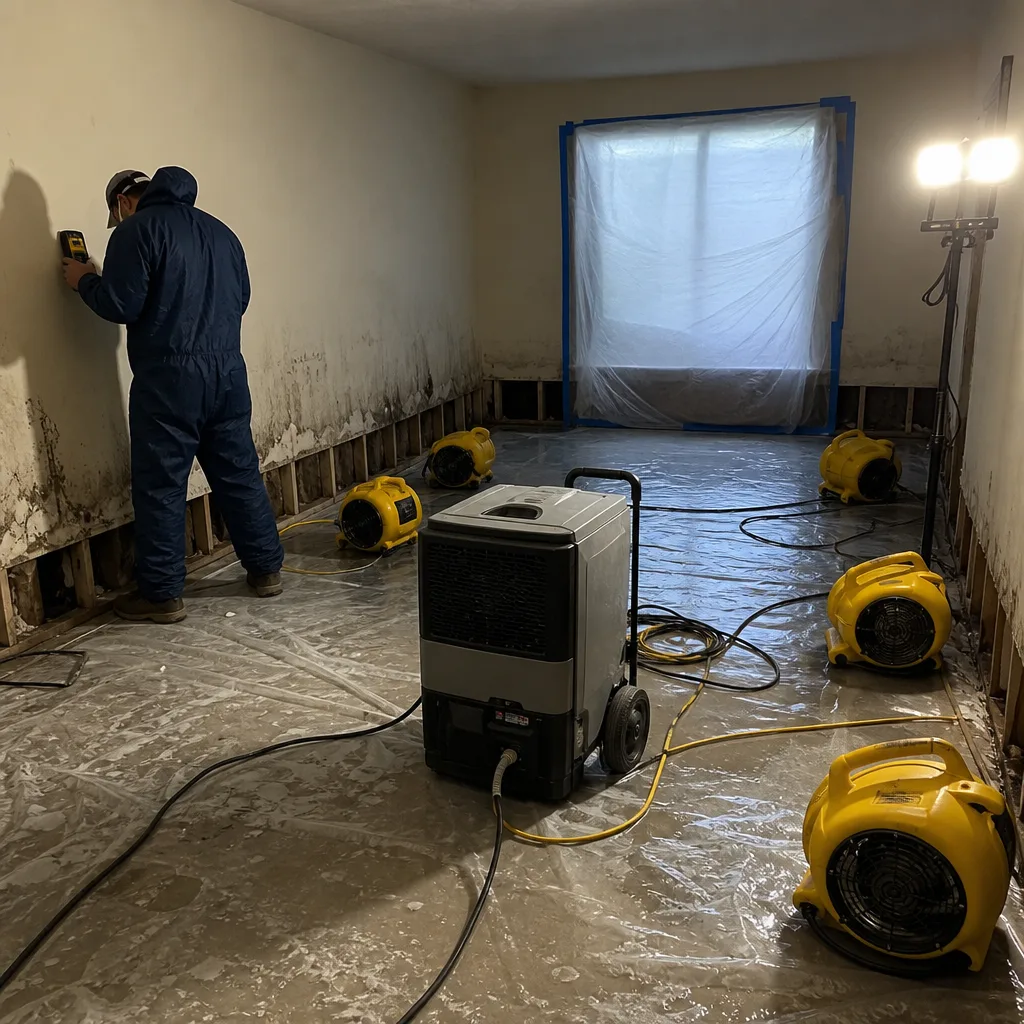
What happens when you call
- 1
A real person answersNo phone trees - you reach a local pro.
- 2
You get an upfront price rangeHonest numbers before anyone is dispatched.
- 3
A background-checked tech heads outLicensed & insured, dispatched right away.
- 4
You approve before work beginsNothing starts until you say go.
Storm & Disaster Restoration Costs in Edgewater, NJ
A straightforward storm cleanup in Edgewater, the kind where a single unit took water through one wall and the carpet is soaked but the slab hasn’t been saturated, typically runs $2,800-$6,500. Flood damage restoration in a riverfront condo where Category 2 water traveled through shared chases runs $8,000-$18,500 or more, because we’re drying post-tension slabs and multiple common areas, not one room. Roof tarping runs $500-$1,500 depending on the roof height and access. Emergency board-up runs $350-$900 per opening. What moves the price most in Edgewater is whether you’re dealing with one moisture vector or two. If your unit took water from the river side and the cliff side in the same event, the job costs more because it requires parallel containment and separate drying strategies. Your insurance covers most of this work when the loss is sudden and accidental, and our free inspection gets you a written scope so you know exactly what’s covered before anything starts.
We Also Serve Cities Near Edgewater
Our crews also answer calls in Edgewater‘s neighboring communities: Ridgefield, North Bergen, Weehawken, and Union City. If you own property in one of those towns and the storm just hit, the same live dispatcher answers, and the same standard applies.
Serving Edgewater, NJ - Our Local Coverage Area
We’re based in the Edgewater area and know this community well. Use the map below to see our service coverage - if you’re nearby, we can almost certainly help.
Edgewater Storm & Disaster Restoration Questions, Answered
How does Edgewater’s location between the Hudson River and Palisades cliffs change a single storm response?
Edgewater’s narrow strip between the Hudson and the Palisades means a single storm can drive water into a building from both the river side and the uphill cliff side at once, so our crews run parallel containment and separate drying plans for each moisture vector instead of treating one flood path and missing the other.
Do you dry post-tension concrete slabs differently in Edgewater high-rises than in standard homes?
Yes. Post-tension slabs hold water longer and distribute it through internal cavities, so we use Injectidry drying systems and daily moisture readings on every floor to confirm the slab reaches the dry standard before any flooring is reinstalled, which prevents recurring claims in building types where a wrong call means a voided warranty.
What happens to a condo unit when storm water enters through a curtain-wall seam?
Water entering through a curtain-wall seam travels through the wall cavity and into shared HVAC chases, often showing up as moisture in neighboring units days later, so we treat the entire chase path with antimicrobial application and HEPA air scrubbing, not just the unit where the water was first spotted.
Can a single pipe break in an Edgewater riverside complex flood more than one unit?
Yes. In converted brownfield buildings with shared plumbing chases and post-tension slabs, a single supply line break on one floor can saturate the cavity and damage units above, below, and beside it, which is why our initial moisture map includes every adjacent floor and shared wall cavity before we open drywall.
How fast do you respond to a storm surge or flash flood in Edgewater?
We commit to a 45-minute response for Edgewater addresses, with a live dispatcher answering 24 hours a day and crews staged along the Hudson River corridor so extraction is running the same visit.
Will my insurance cover storm and flood restoration in Edgewater?
Most sudden and accidental storm losses are covered, but river surge flooding is often excluded on a standard policy unless you carry a separate flood policy, so we document the loss thoroughly, coordinate directly with your adjuster, and show you in writing what your policy covers before work begins.
Do I really need full restoration, or can I just dry it out and clean it?
If the water was Category 2 or 3, or if it touched post-tension slab cavities or shared HVAC chases, a surface clean will leave moisture in places you can’t see, leading to mold and recurring claims, so we recommend the full dry standard verification we document with daily moisture logs.
What should I do in the first 30 minutes after storm water enters my Edgewater property?
Shut off power only if you can do so safely and without stepping in water, move valuables up off wet floors, photograph the damage from multiple angles, and call (640) 221-3499 for a live answer and a same-visit crew, because extraction in the first hour is the single biggest factor in whether you dry or rebuild.
Floodline Restoration Co. is the full-cycle restoration company that starts at the floodline, the honest mark the water left on the wall, and does not hand the job off until extraction, drying, and rebuild are finished by the same certified crew, with a moisture log and the 90-Day Done Right Promise in the homeowner’s hands. We serve Storm & Disaster Restoration in Edgewater with live dispatch, background-checked uniformed technicians, and direct insurance billing. Call (640) 221-3499 for a free visual inspection and a written scope before any work begins. Estimates are free, and the senior and veteran 5% discount always applies.
Written by Curt Bowman, Owner at Floodline Restoration Co., serving Edgewater since 2010.