
Free visual inspection and a written scope of work before any mitigation begins - photos, moisture readings, and drying logs go in your claim file
The scope we write is the scope we bill. Anything new gets shown to you, in writing, before we touch it.
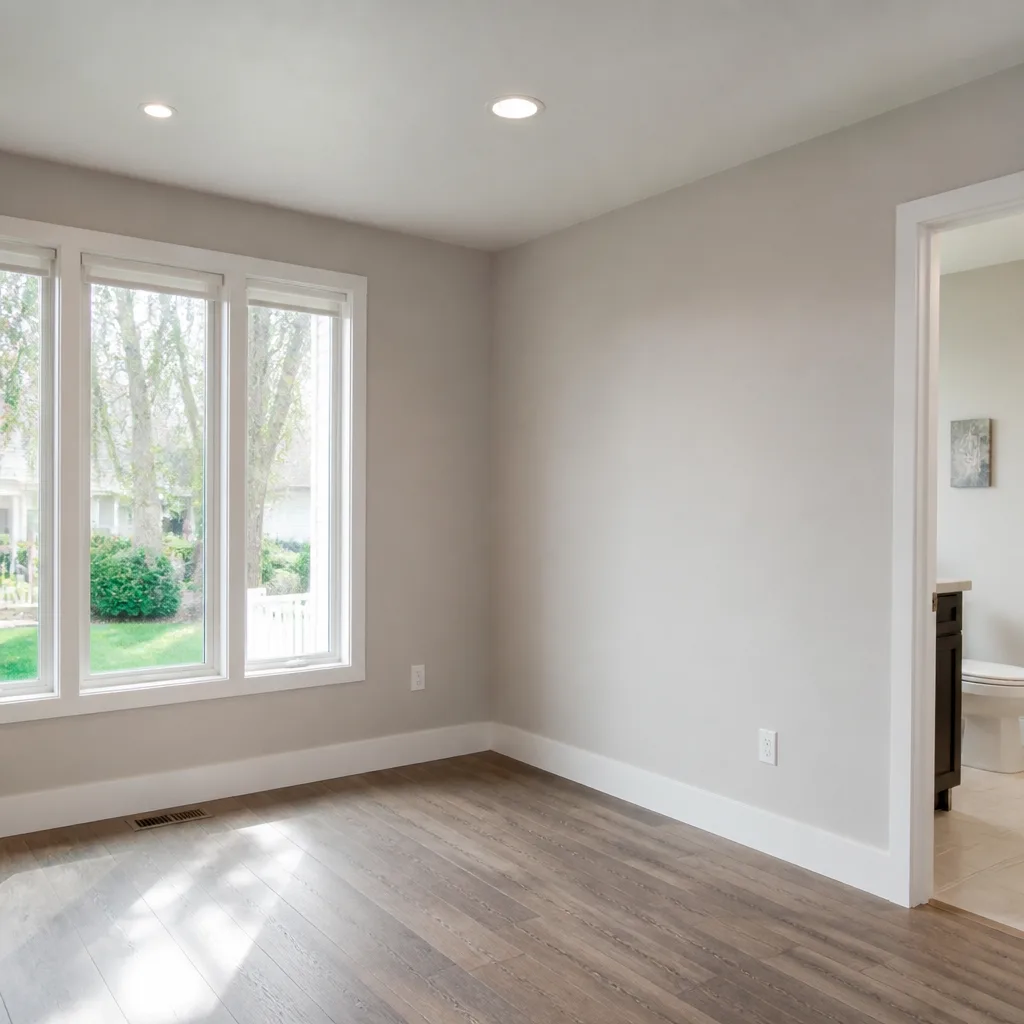
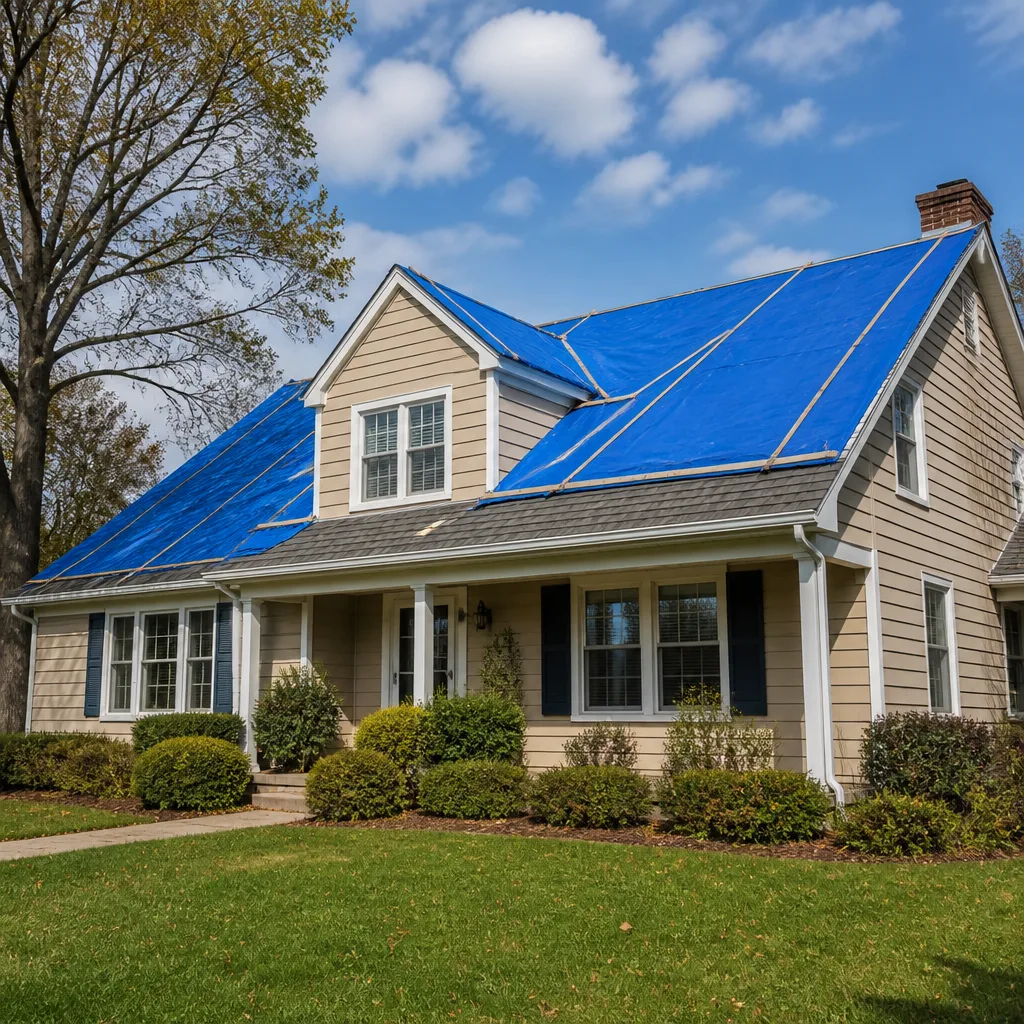
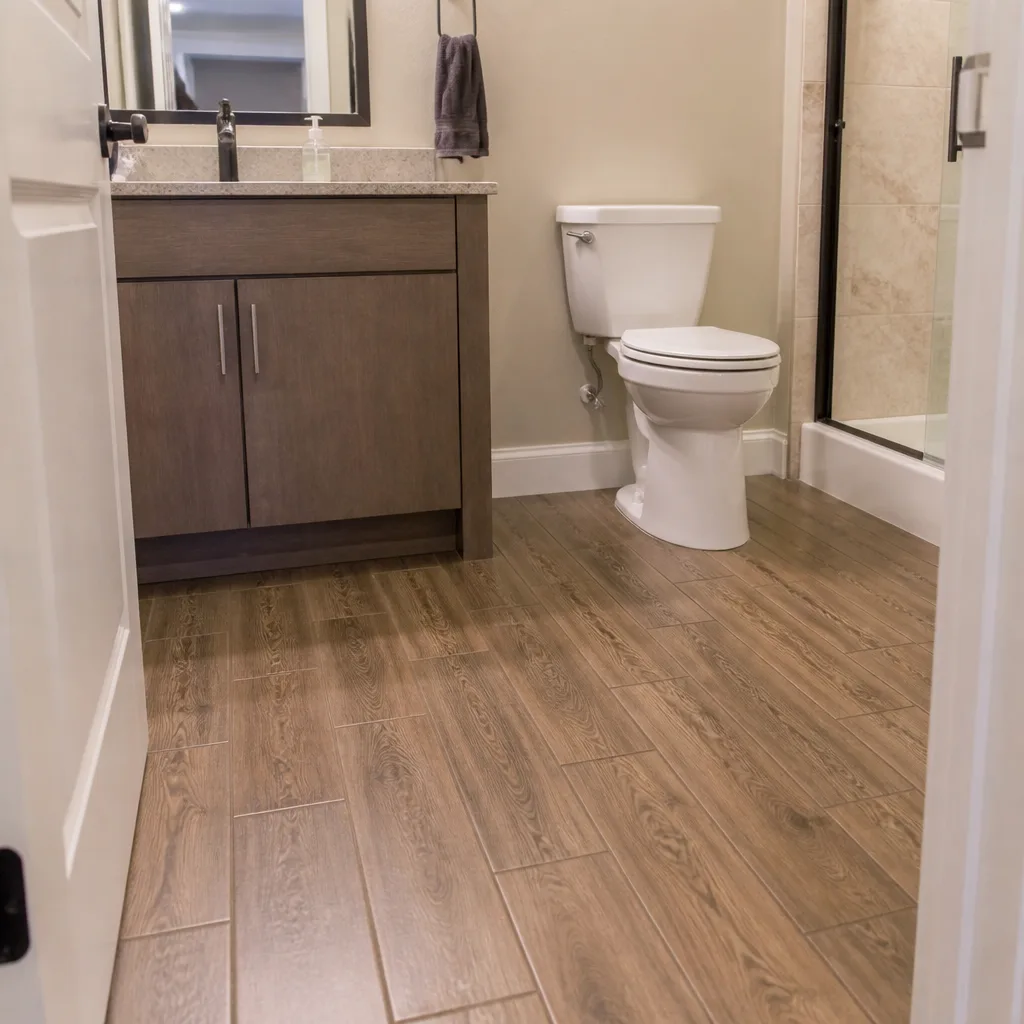
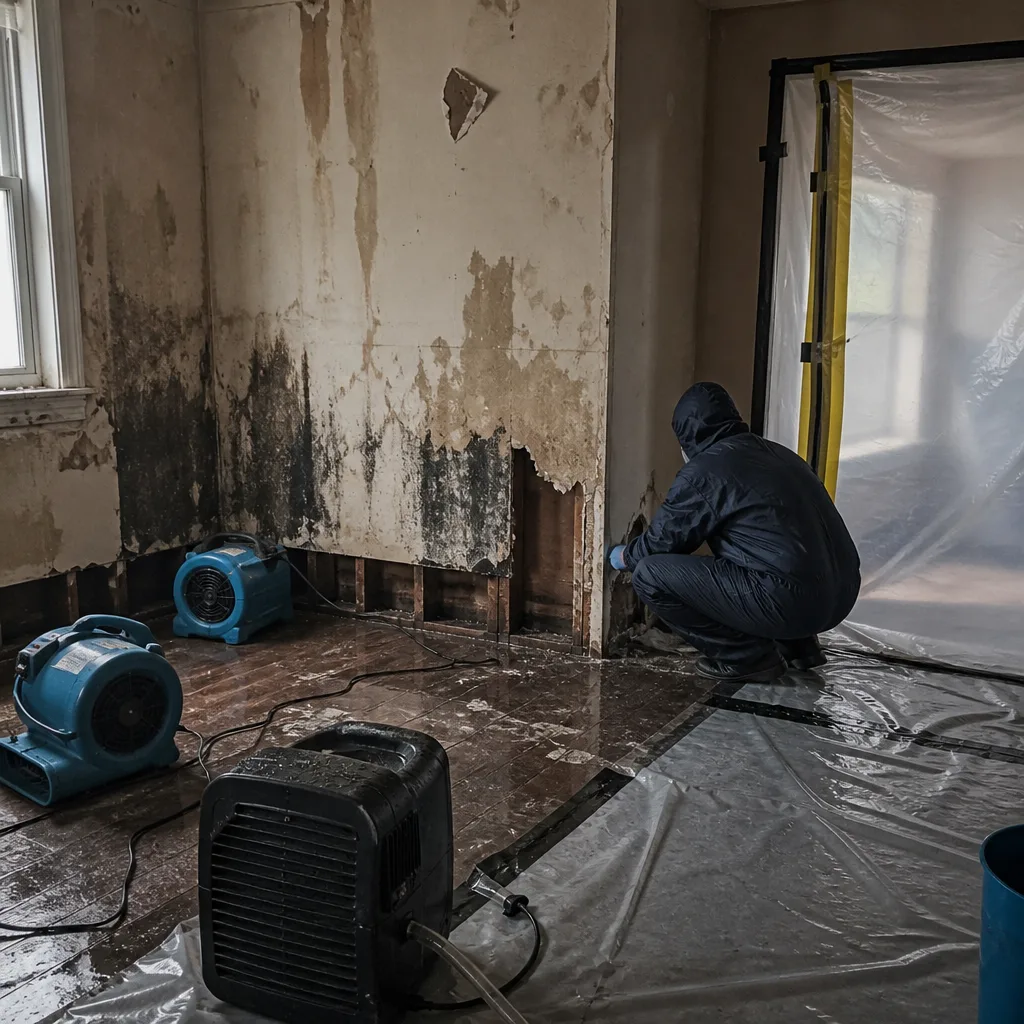 Before
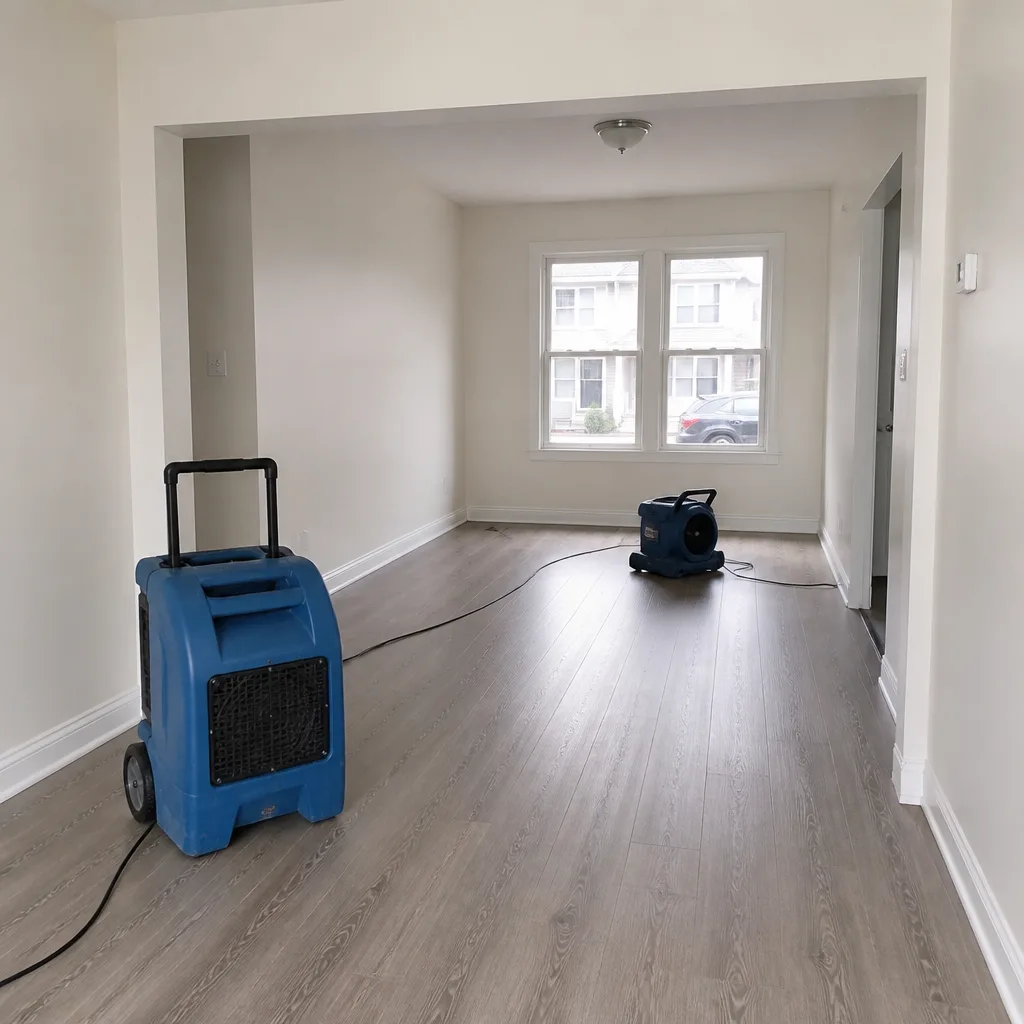 After
After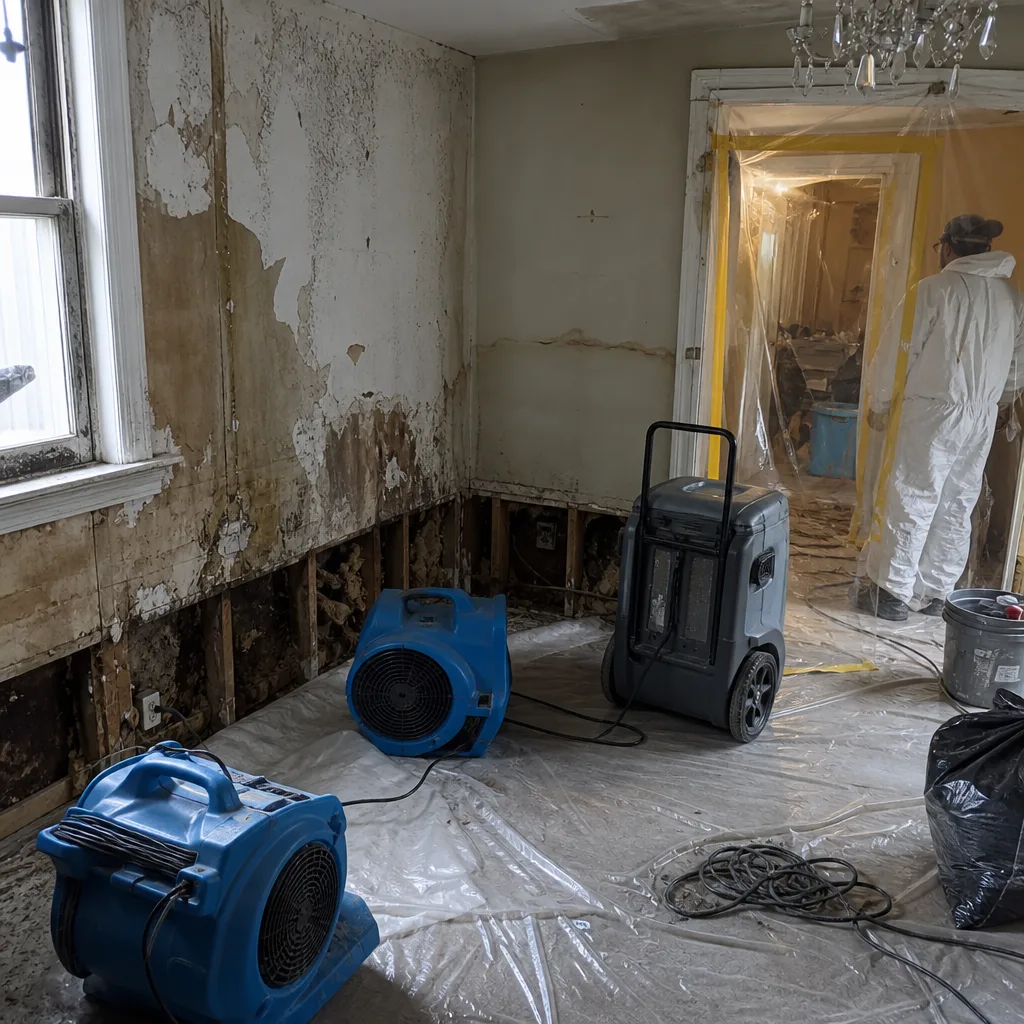 Before
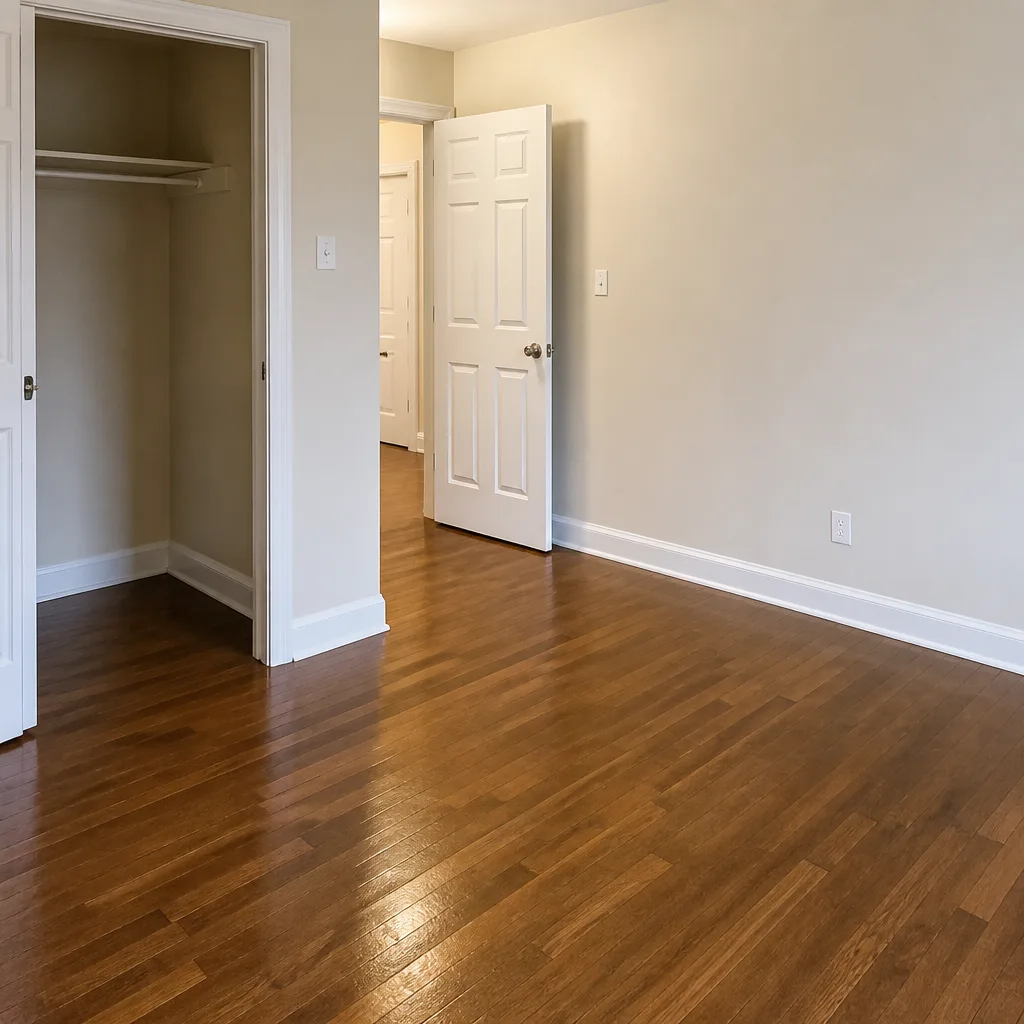 After
After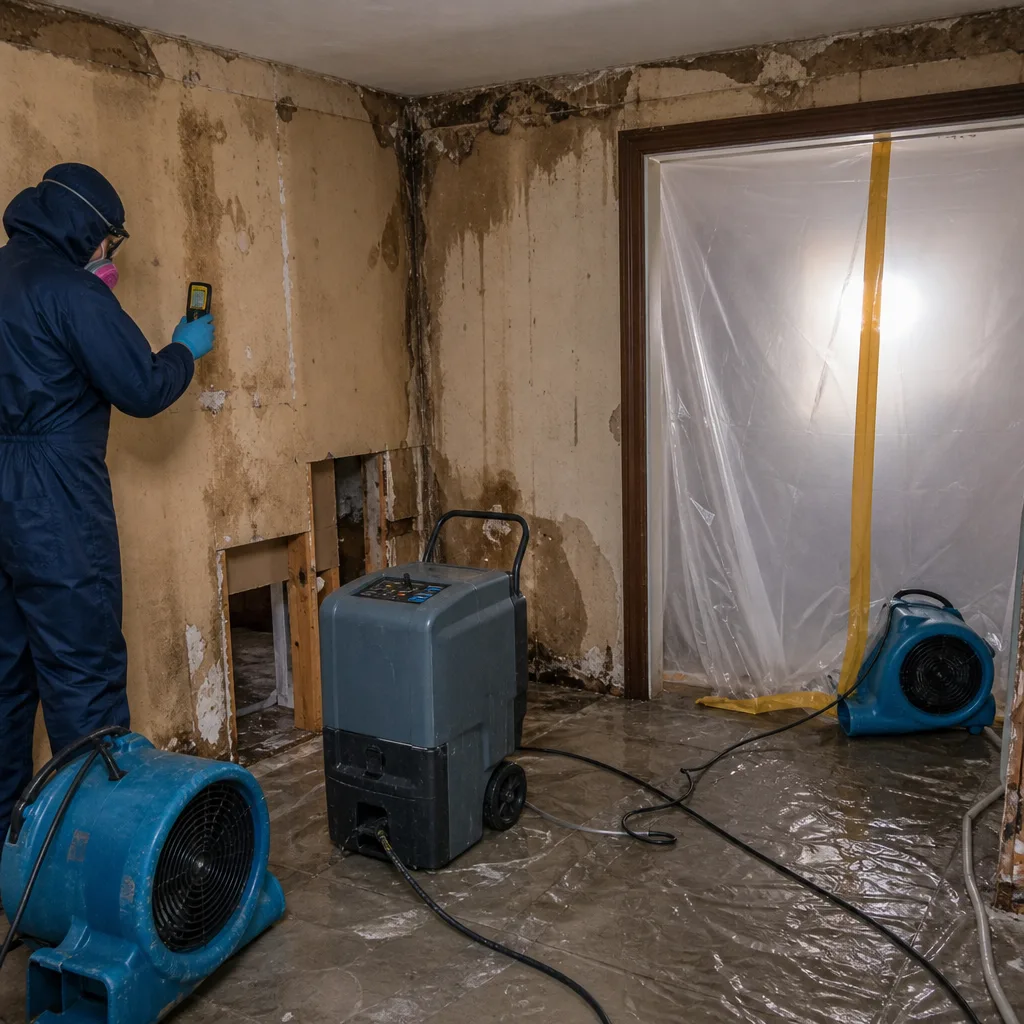 Before
 After
After24/7 Emergency Sewage Cleanup in West New York
Sewage cleanup in West New York typically runs between $1,800 and $6,400 depending on how many rooms and floor assemblies the Category 3 water has reached, and the first crew can usually be on site within 45 minutes. Our dispatchers answer live at (640) 221-3499 around the clock, every day of the year, and they send a background-checked, uniformed team from our local West New York rotation straight to your building. The first hour matters more with sewage than with any other water loss because bacteria begins colonizing porous materials immediately, and in West New York’s stacked pre-war brick walk-ups, that contamination rarely stays in one apartment. We do a free visual inspection, set containment where it’s needed, and get extraction running the same visit.
Understanding Sewage Cleanup Severity in West New York Properties
Not all water damage is the same, and sewage sits at the top of the scale. The restoration trade classes water into three categories. Category 1 is clean water from a supply line. Category 2 carries some contamination, like a dishwasher overflow or a washing machine leak. Category 3 is what comes out of a sewer line, a toilet with a failed wax ring below the floor, or a septic failure. That water carries bacteria, viruses, and parasites. It is not something you dry out and walk away from.
In West New York, category 3 water moves differently than it does in a single-family house. Most of the housing stock is four-to-six story brick tenement buildings built between 1900 and 1950, with cast-iron waste stacks and shared floor assemblies. When a stack backs up on the fourth floor, the black water does not pool politely in one bathroom. It finds the seams in the old plaster-and-lath or early drywall and wicks into the joist cavities below. By the time a tenant notices the smell, the second and third floors may already be contaminated. That is why our technicians walk the floors below every sewage loss before they write a line item. Drying those types of assemblies safely requires moisture mapping, HEPA air scrubbing, and a clean containment plan, not just a shop vac and some bleach.
Why West New York Property Owners Choose Floodline Restoration Co.
- 45-minute on-site response target – Our West New York rotation crews are dispatched from the metro corridor and typically arrive within 45 minutes of your call, day or night.
- A real person answers, always – When you call (640) 221-3499 at 2 a.m., a live dispatcher picks up. No automated tree, no answering service that takes a message. You get a person who can send help.
- Technicians certified to IICRC, RIA, and IFA standards – Our crews train to the codes that matter for sewage work, including WRT and AMRT certifications, and they carry Dri-Eaz, Phoenix, and XPOWER equipment on every truck.
- Free visual inspection before any work begins – We walk the loss site, check the floors above and below where necessary, and give you a written scope with line-item pricing before extraction starts.
- Direct insurance billing – We bill your carrier directly and coordinate with your adjuster so you are not playing messenger between us and the insurance company.
- One team from first extraction to finished rebuild – The crew that pulls the sewage out on day one is the same crew that dries the structure, sanitizes the space, and rebuilds the ceiling. No mid-job handoff to a different company.
Our Sewage Cleanup Process
Inspection & Assessment
We walk the affected apartment and every unit below and above it when the building construction allows. In a pre-war brick walk-up, sewage does not respect floor lines, so we trace the water path through shared joist cavities before we write anything down. We take moisture readings, photograph the full loss, and identify the water category.
Containment & Extraction
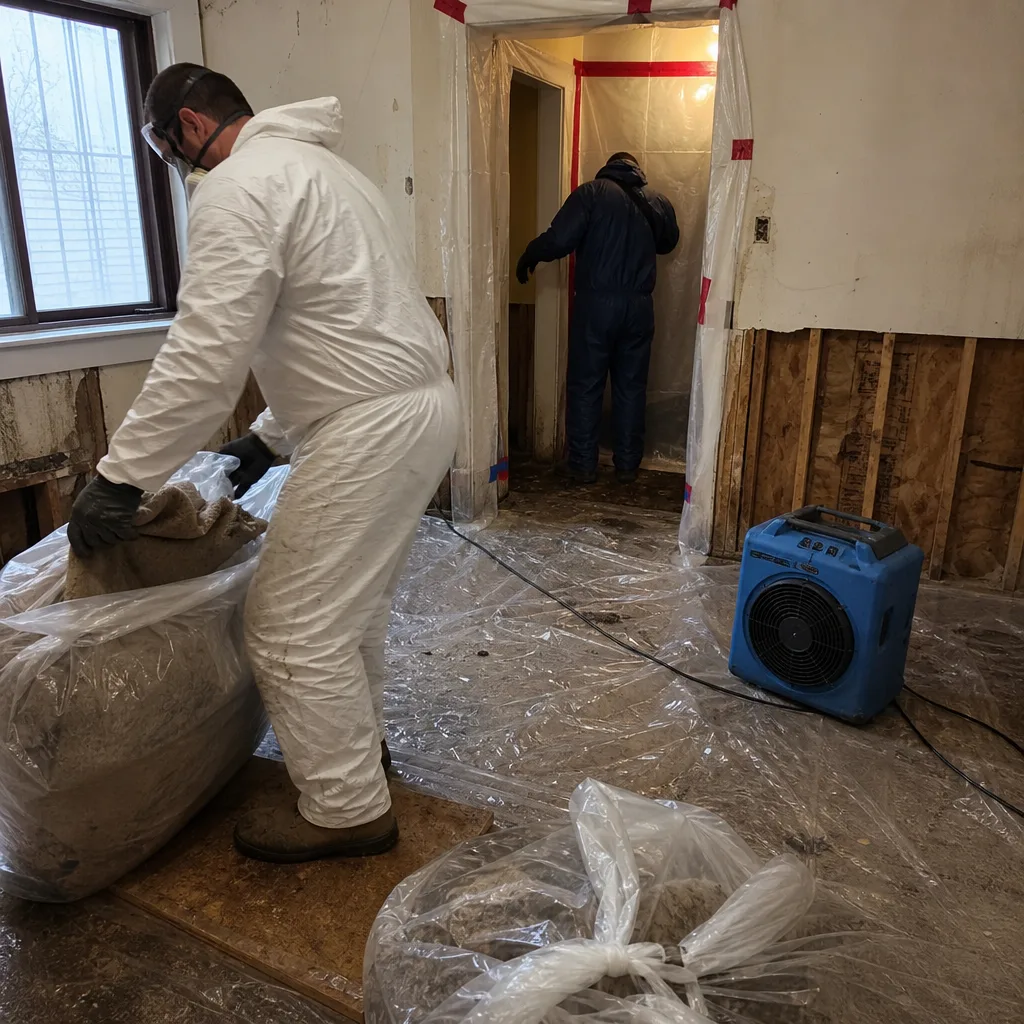
We seal off the affected area with negative air pressure and HEPA filtration so aerosolized bacteria does not drift through the building. Then we extract the standing black water using truck-mounted and portable extractors. On a 60th Street walk-up near Palisade Avenue, this step kept a third-floor sewage backup from forcing the second-floor neighbor out of their unit entirely.
Removal & Disposal
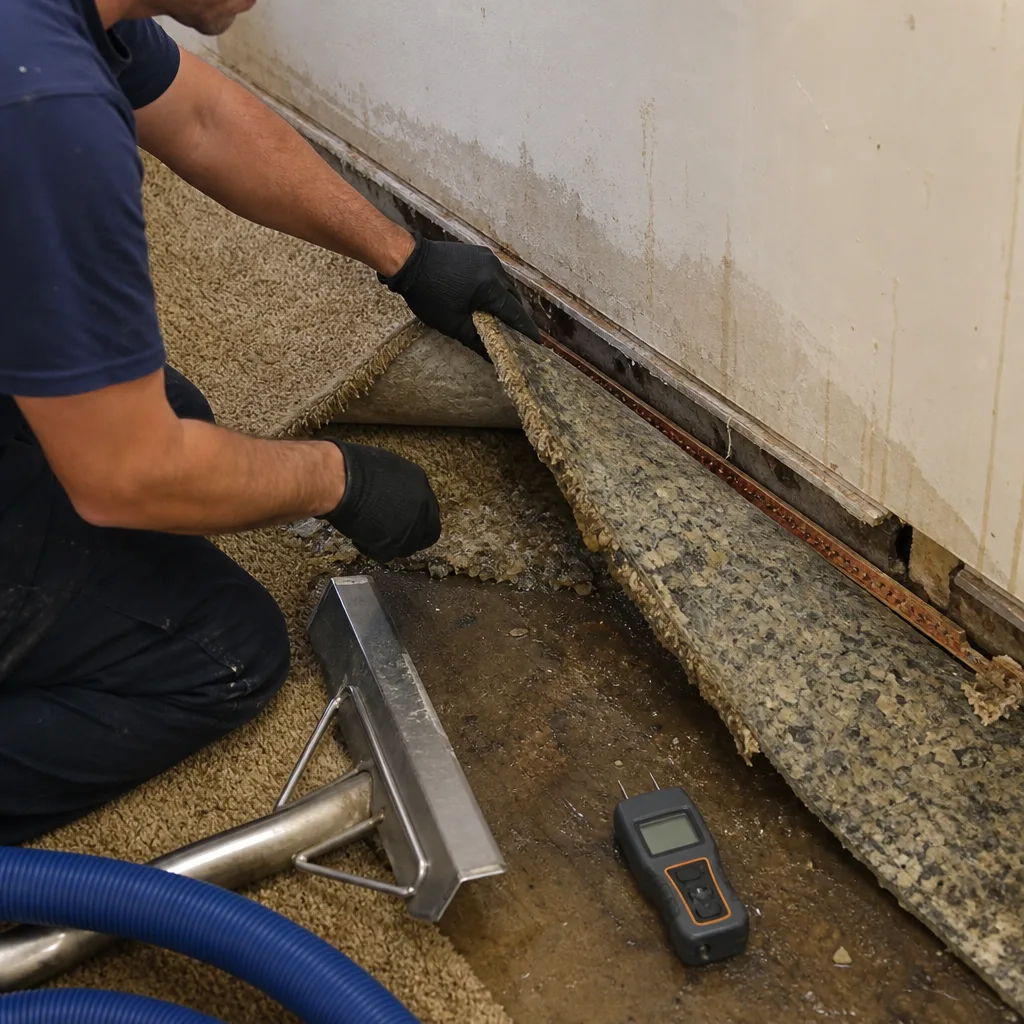
Contaminated porous materials get cut out and bagged for regulated disposal. That includes saturated carpets, padding, drywall with visible wicking, and any insulation inside affected cavities. Plaster-and-lath assemblies get specific treatment: we take humidity and moisture content readings on both sides before deciding what stays and what goes.
Drying & Dehumidification
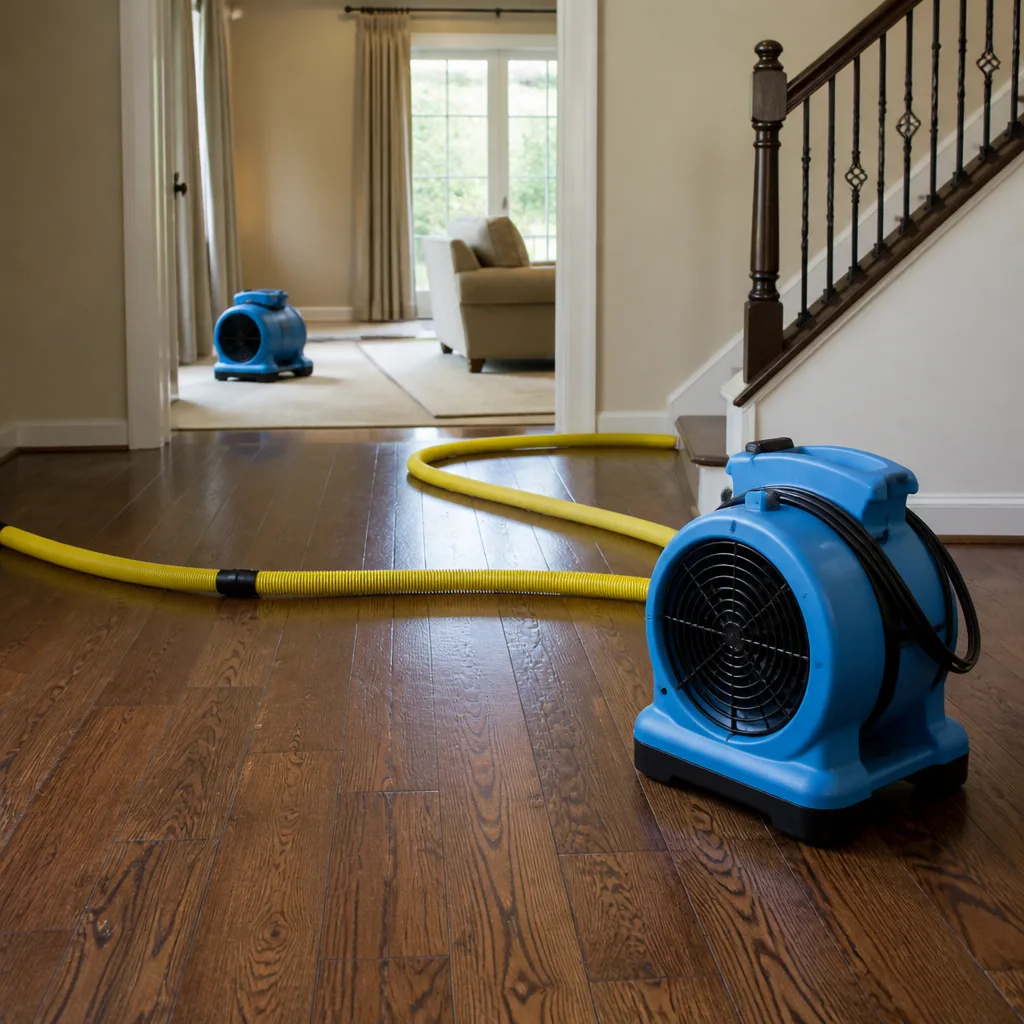
We set Dri-Eaz dehumidifiers and XPOWER air movers positioned to push air through the affected cavities. Daily moisture readings are logged until the structure reaches a dry standard. In West New York’s riverfront flood-zone buildings, that standard takes longer to reach because ambient humidity stays persistently high in lower levels.
Sanitization & Disinfection
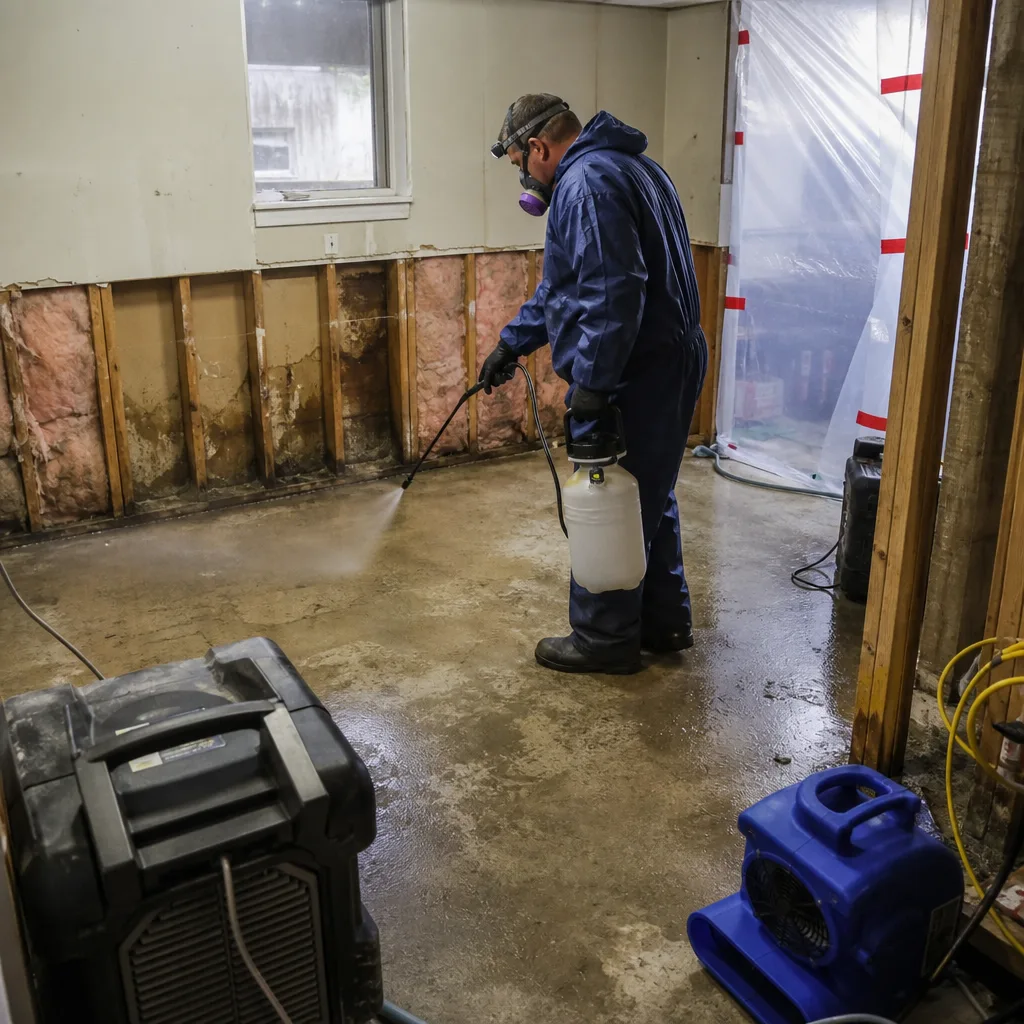
Every affected surface gets treated with EPA-registered antimicrobial and Sanitization Services in West New York agents appropriate for Category 3 water exposure. We HEPA-vacuum all horizontal surfaces, fog the contained area where warranted, and document the application for your insurer.
Repairs & Restoration
Once drying logs confirm the structure is stable, we rebuild what we removed. The same certified crew that did the extraction handles our Reconstruction & Cleanup in West New York, so the job stays whole from start to finish. Every job carries our 90-Day Done Right Promise in writing.
Need Emergency Sewage Cleanup in West New York Now?
Crews minutes away, answering live 24 hours a day. The sooner we start, the less it costs.
Working With Your Insurance Company
Sewage losses in West New York apartment buildings almost always involve more than one policy. The tenant above has a loss, the tenant below has a loss, and sometimes the building owner’s policy covers the structural cavity between them. We handle this every week, and we have done West New York Commercial Restoration in buildings where four separate units were affected by one backed-up cast-iron stack. We document everything from the first hour: photos of all damage room by room, moisture readings from every affected assembly, drying logs updated daily, and a line-item scope that matches the format your carrier expects. We then speak directly with the adjuster, so you are not relaying technical questions back and forth. Direct billing to your insurer is our standard practice.
What We Provide Your Insurer
- Thorough documentation of the loss
- Photos of all damage, room by room
- Moisture readings and drying logs
- A detailed, line-item scope of work
- Direct coordination with your carrier
Built for West New York’s Loss Calendar
Most sewage backups in West New York do not happen randomly. They follow a pattern that anyone who has lived in the old brick buildings on Bergenline Avenue or up the hill along Palisade knows well. January and February bring deep freezes that snap aging supply lines and freeze waste stacks in poorly insulated building walls. March and April bring heavy spring rain that overloads the combined sewer system, pushing sewage back through floor drains in basement units. Summer thunderstorms drop inches of rain in an hour, and the old terra-cotta sewer laterals under the pre-war buildings cannot carry the volume, so the water backs up into ground-floor apartments. Nor’easters in the fall bring storm surge along the Hudson River waterfront and flooding into mechanical rooms and parking levels at the base of the newer high-rises. Knowing which failure is likely in which season means our local crews arrive already thinking two floors down and one wall cavity over.
Sewage Cleanup Across West New York’s Neighborhoods
West New York is a small town, only about one square mile, but the building stock changes block by block and so does the nature of a sewage loss. In the dense grid between Bergenline Avenue and Kennedy Boulevard, the buildings are mostly four-to-six story brick walk-ups from the 1920s and 1930s. Sewage backups there travel vertically through shared wet-wall cavities and joist bays, and our crews regularly set containment on two floors for what looked like a one-bathroom spill. The blocks above Palisade Avenue toward the top of the Palisades grade have older single-family and two-family homes mixed with small apartment buildings, where we see more lateral line failures and yard cleanout backups from tree roots. Along the Boulevard East corridor, the pre-war apartments and newer condominium buildings sit close to the Hudson River, and the ground floors and basement mechanical rooms there stay damp from flood-zone moisture and storm surge history, making structural drying slower. And in the residential blocks off 60th Street near Miller Stadium, we have handled multiple cast-iron stack failures in near-identical 1930s walk-ups where the floor assembly construction repeats from building to building. We know what that ceiling looks like before we open it.
Specialized Sewage Cleanup Services We Offer in West New York
Sewage Backup Cleanup
When a waste line backs up into a tub, a floor drain, or a basement floor, the standing water is Category 3 the moment it leaves the pipe. In West New York’s pre-war buildings, those backups often run from an upper floor down through the common stack, so we check the units on both sides of the wet-wall before we start extraction.
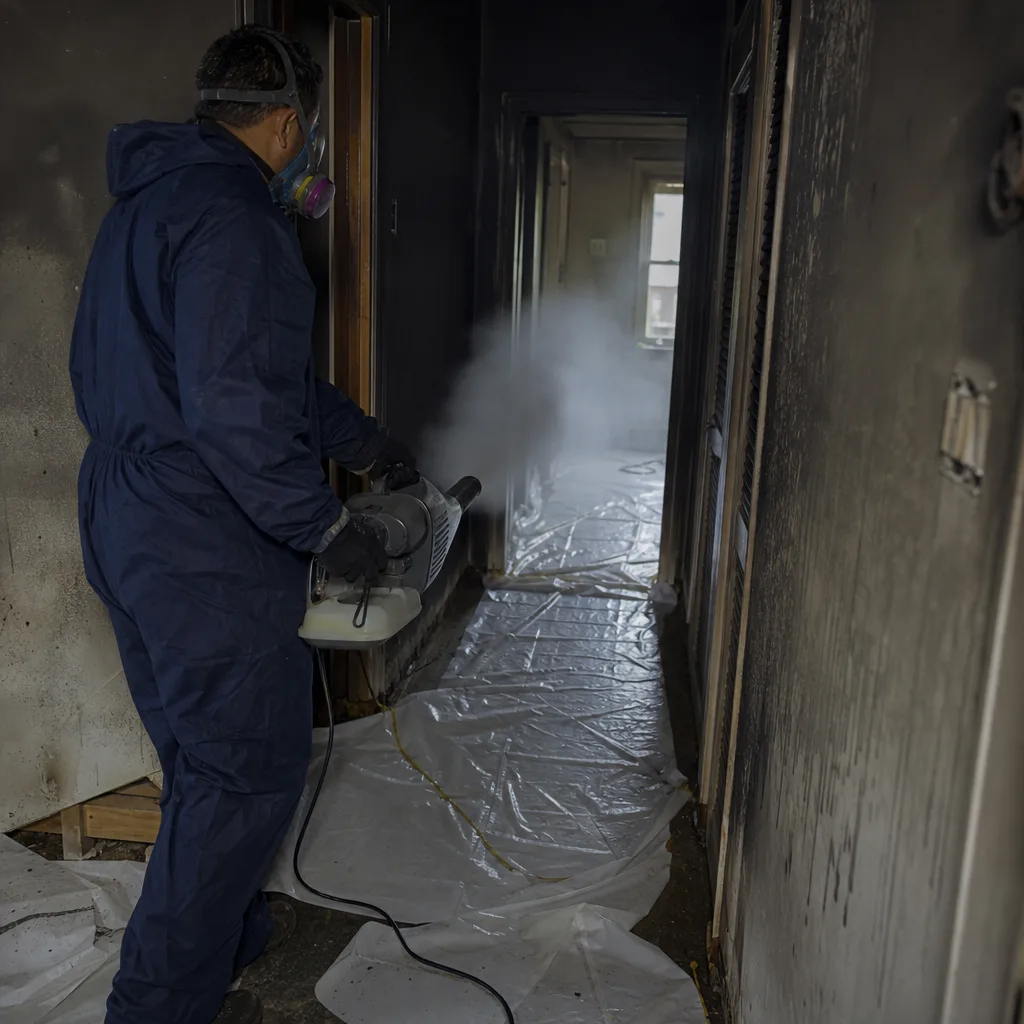
Black Water Extraction
Black water is the trade term for water carrying human waste, and it is what comes out of a toilet overflow or a sewer line break. We extract it with truck-mounted equipment, remove the saturated porous materials, and dry the assembly cavities with Dri-Eaz dehumidifiers. This is the kind of job where a homeowner with a shop vac does real damage by driving bacteria deeper into plaster cracks.
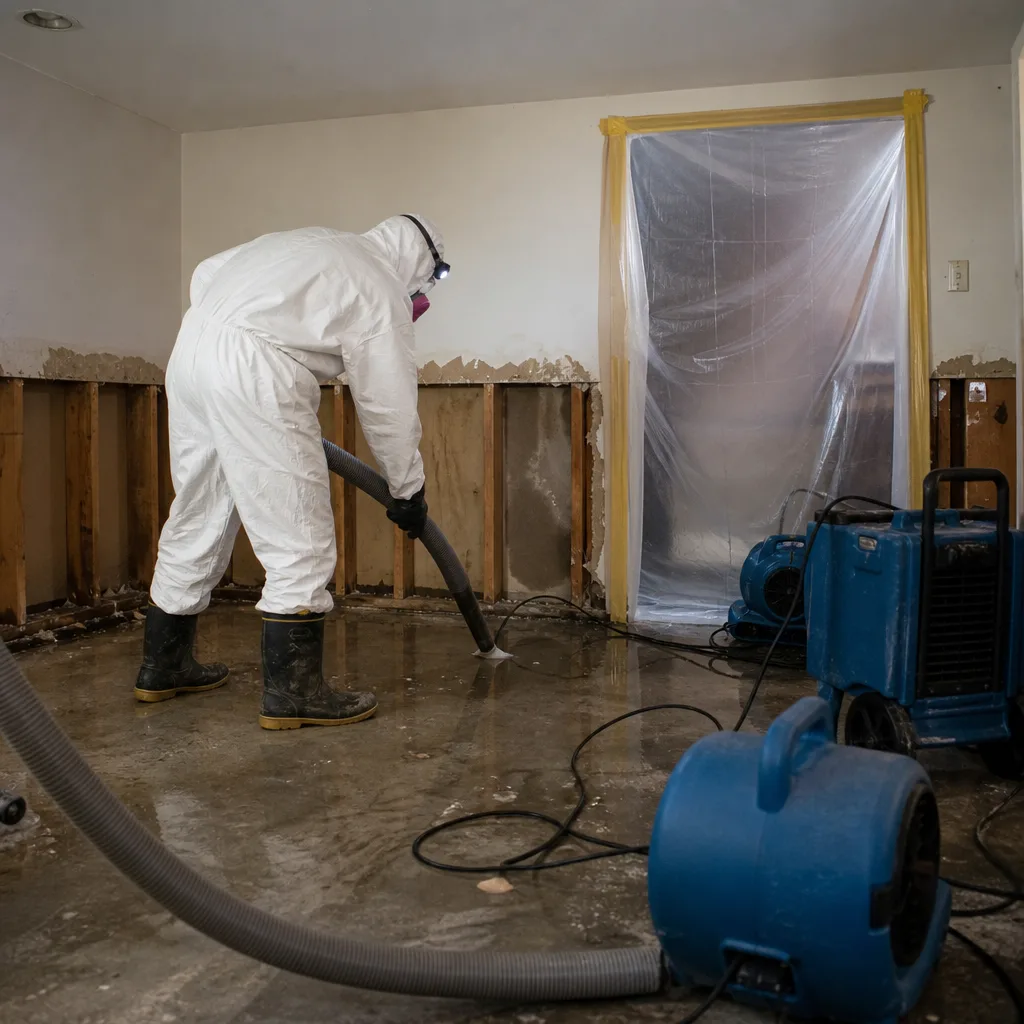
Sanitization & Disinfection
After extraction and removal, the entire affected space gets treated with EPA-registered antimicrobials. We fog contained areas, HEPA-vacuum all surfaces, and run HEPA air scrubbers to pull airborne bacteria and mold spores out of the air. Then we document what was applied and where, so your insurer has a complete sanitation record.
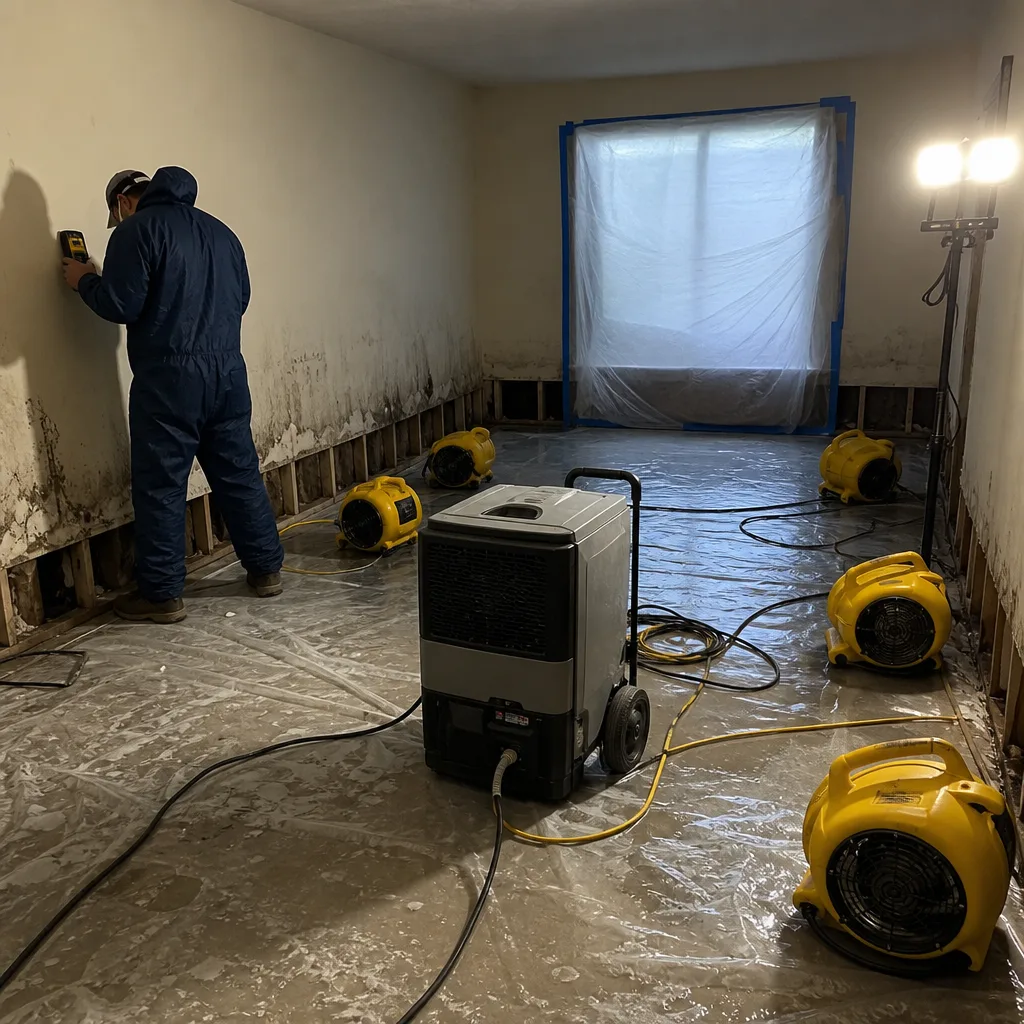
Toilet Overflow Cleanup
A toilet overflow in a 1920s brick walk-up is rarely a one-bathroom problem. The water passes through the failed wax ring, wets the floor assembly, and drips into the unit below. We open the ceiling beneath only when moisture readings tell us the cavity is saturated, and we dry what can be salvaged in place whenever possible.
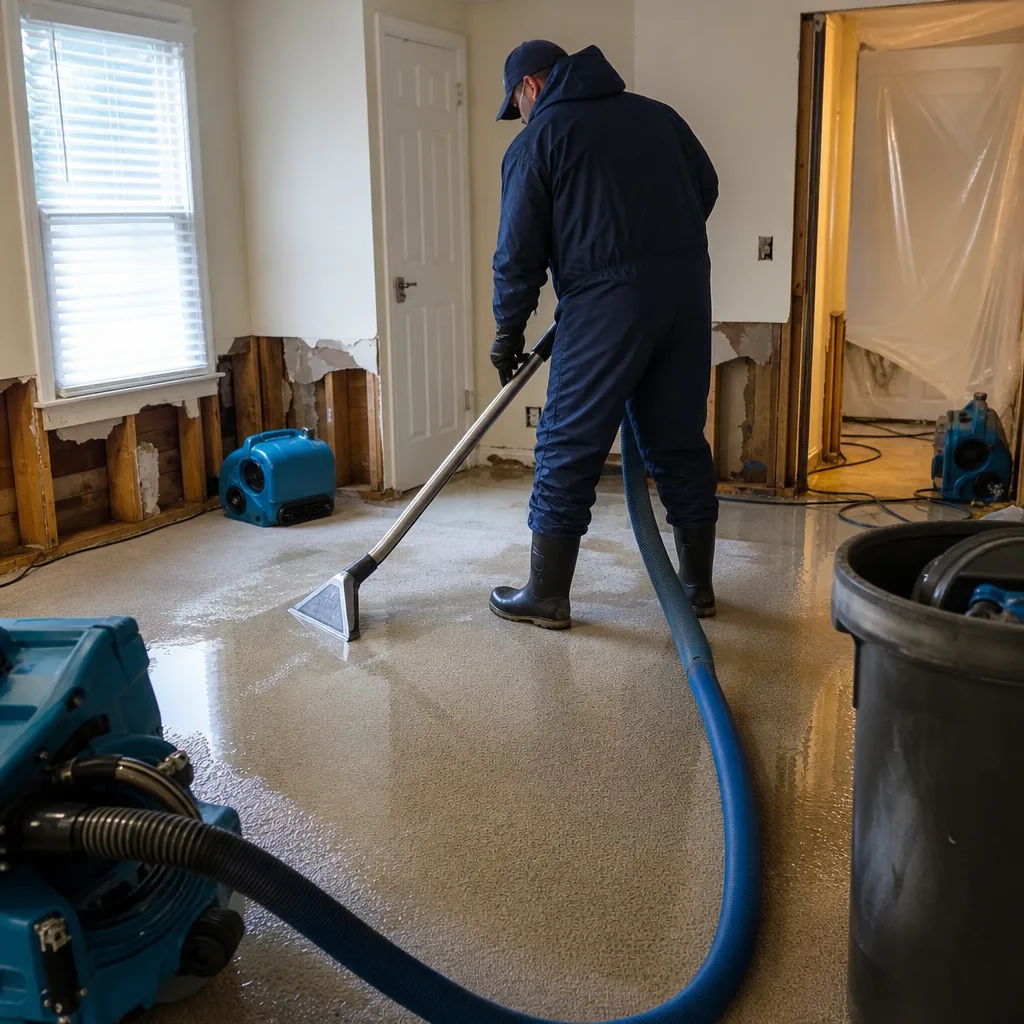
Septic Failure Cleanup
A failed septic system in one of the older two-family homes near the top of the Palisades grade sends raw sewage into the yard and often into the basement through the floor drains. We pump, extract, remove the contaminated soil along the foundation where needed, and sanitize the lower level before structural drying begins.
What happens when you call
- 1
A real person answersNo phone trees - you reach a local pro.
- 2
You get an upfront price rangeHonest numbers before anyone is dispatched.
- 3
A background-checked tech heads outLicensed & insured, dispatched right away.
- 4
You approve before work beginsNothing starts until you say go.
Sewage Cleanup Costs in West New York, NJ
A small contained toilet overflow in a single bathroom in West New York typically runs $1,800 to $3,200 with extraction, drying, sanitization, and minor repairs. A multi-floor sewage backup that requires containment on two levels, ceiling removal, structural drying, and rebuild work in a pre-war building commonly runs $4,500 to $9,800, and that number moves based on how many joist bays are saturated and how much of the plaster-and-lath ceiling has to come out. What moves the price is access (fifth-floor walk-ups cost more in labor time), the number of affected units, and whether the cavity beneath the loss is open joist or sealed plaster. Insurance generally covers sudden sewage backups, minus your deductible. We hand you a written line-item scope before any work begins, so there are no surprises on the bill. Call (640) 221-3499 and we will send someone for a free visual inspection the same day.
We Also Serve Cities Near West New York
Our West New York crews also respond to sewage cleanup calls in North Bergen, Ridgefield, Weehawken, and Union City, along with the surrounding Hudson County neighborhood corridor. If your building is just across the border, the same team that services West New York will be the team that arrives.
Serving West New York, NJ - Our Local Coverage Area
We’re based in the West New York area and know this community well. Use the map below to see our service coverage - if you’re nearby, we can almost certainly help.
West New York Sewage Cleanup Questions, Answered
How do you contain a sewage backup in a West New York pre-war building without shutting down the whole floor for days?
We set negative air containment at the doorway of the affected unit and sometimes at the stairwell landing, then run HEPA-filtered air scrubbers inside the contained zone so that air moves in but does not carry contamination out. The hallway stays usable, neighbors stay in their apartments, and the containment comes down as soon as drying and sanitization are complete.
If my toilet overflows into the apartment below me in a 1920s brick walk-up, who is responsible for the sewage cleanup and drying?
That depends on the building’s declarations and the specific policies involved. Typically, your liability or homeowners policy may cover damage to the unit below for sudden overflow, and the building owner’s policy may cover the common structural assemblies. We remove that headache by documenting everything and billing the appropriate carrier directly, coordinating with both adjusters so you are not in the middle.
Can you dry a sewage-soaked plaster-and-lath ceiling in place, or does it always have to come out?
We dry it in place when we can. Plaster itself is not a food source for mold, but the lath and the joist cavities behind it are. We take moisture readings from below and above, and if the cavity shows wet wood, we open a small access to set air movement through it. If the plaster keys have failed or the cavity is saturated with Category 3 water, that section comes down and is rebuilt after drying.
Why do you need to check the apartments below mine before writing an estimate for a sewage backup on the fourth floor?
Because in pre-war brick construction, a toilet overflow on the fourth floor has almost always already moved into the joist cavities above the third-floor ceiling. We walk the units below, take moisture readings along the shared wall and ceiling, and map the full water path before we give you a number. A scope that skips that step undercounts every time.
My basement near the Hudson River floods with sewage every time we get a heavy rain – is that just a plumbing backup or something worse?
In the Boulevard East and riverfront corridor of West New York, that pattern usually points to a combined sewer system being overwhelmed by stormwater, not a simple plumbing clog. Sewage and rainwater run in the same municipal lines, and when they fill, the water pushes back through your floor drain. It is a recurring problem in that flood-zone area, and it calls for full containment, extraction, and sanitization every time, not just mopping up.
How long does sewage cleanup and drying take in a West New York apartment?
For a single-bathroom overflow with no structural cavity damage, we usually finish extraction and sanitization in one visit, with drying running two to three days. A multi-floor backup in a pre-war building typically takes five to seven days of drying and remediation before rebuild work starts, and that timeline depends on the ambient humidity in the building and how many cavities were affected.
Is it safe to stay in my apartment during sewage cleanup?
If the contamination is contained to one room and we have the area under negative air with HEPA scrubbing, you can usually stay in the unaffected areas of your apartment. If the sewage has spread through shared spaces or the contamination is extensive, we will tell you plainly when it is safer to stay elsewhere until sanitization is complete. We never give you a soft answer on this.
What should I do in the first 30 minutes after a sewage backup in West New York?
Shut off water to the affected fixture if you can do it safely, keep people and pets out of the affected area, and call (640) 221-3499. Do not run fans, do not try to shop-vac the mess, and do not pour bleach on it. Your first hour of decisions determines how much of your building has to be reconstructed later.
On a 60th Street walk-up near Palisade Avenue, a corroded cast-iron stack backed up into a third-floor bathroom, sending black water through the failed wax ring and across original hardwood into the second-floor apartment. We set up containment at the bedroom doorway, ran an XPOWER air mover and Dri-Eaz dehumidifier for three days, and pulled the saturated plaster-and-lath ceiling below only after confirming moisture readings were tracking toward pre-loss condition, all while coordinating separate adjuster scopes for the two affected policies. That is the job our Sewage Cleanup team does in this town every week, and it is why our Sewage Cleanup in West New York crews know to walk the floors below before writing an estimate. Done right, and backed in writing.
Written by Curt Bowman, Owner at Floodline Restoration Co., founded in 2010.