
Free visual inspection and a written scope of work before any mitigation begins - photos, moisture readings, and drying logs go in your claim file
The scope we write is the scope we bill. Anything new gets shown to you, in writing, before we touch it.
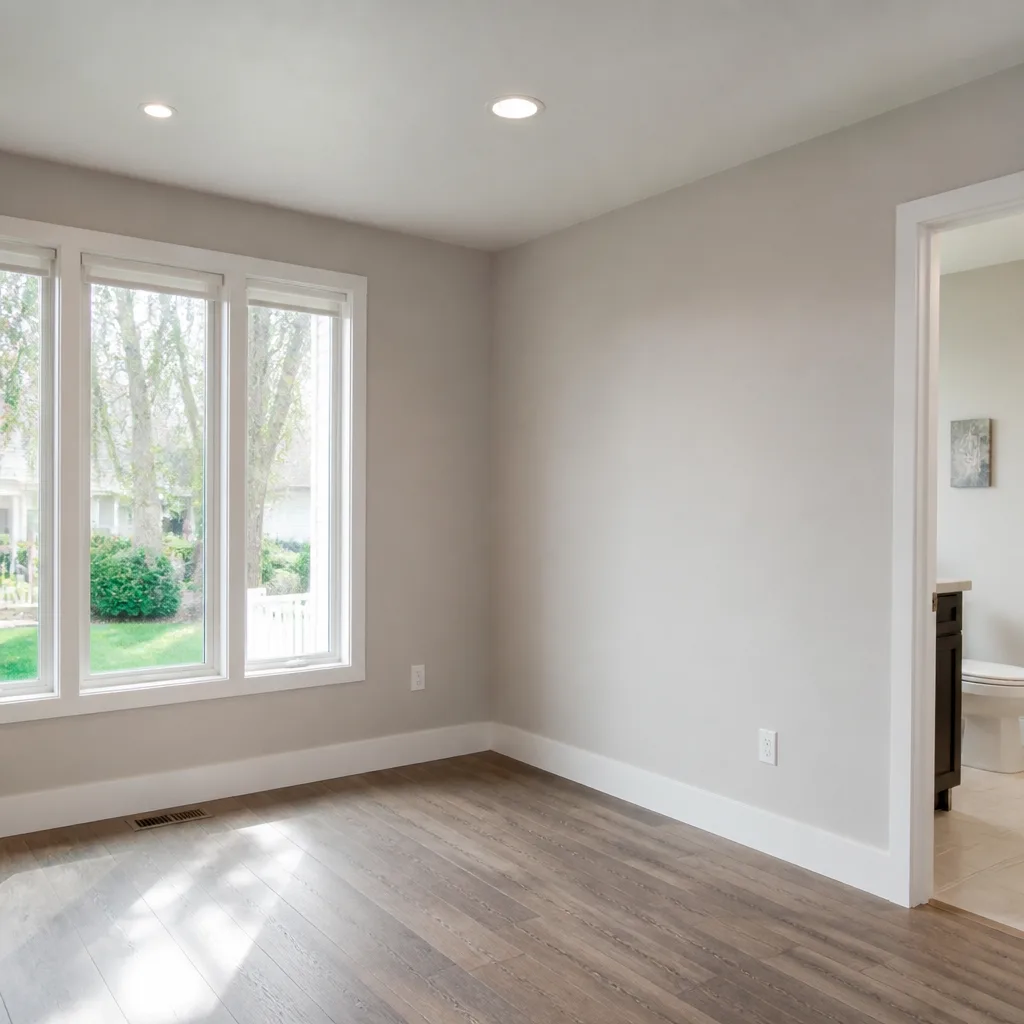
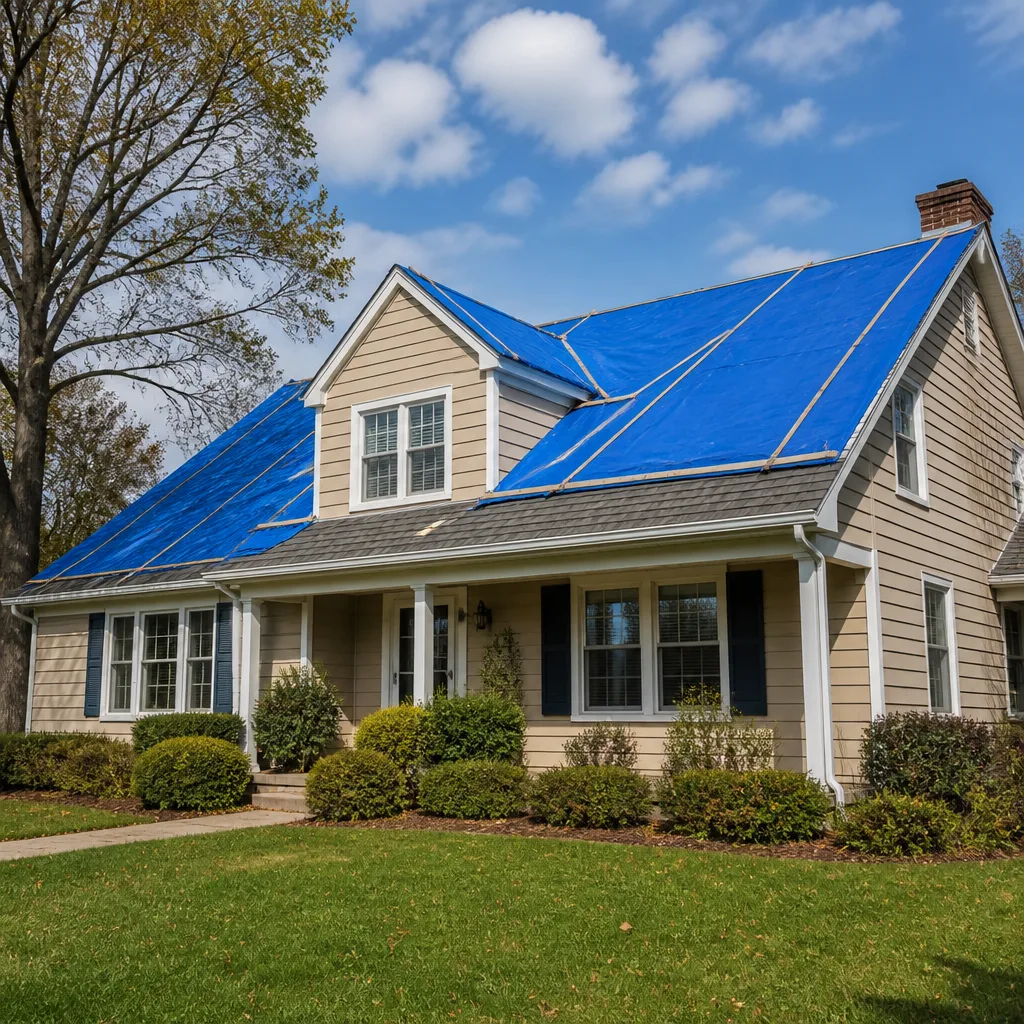
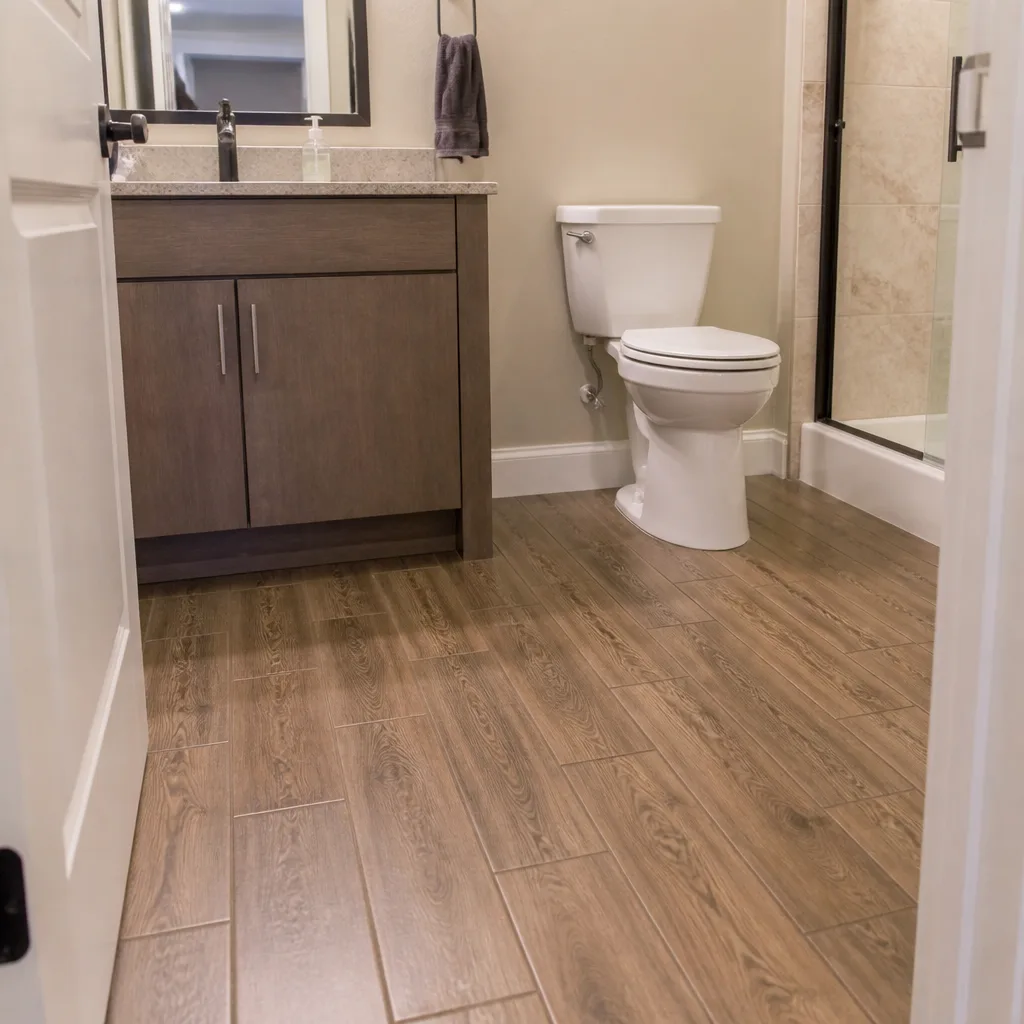
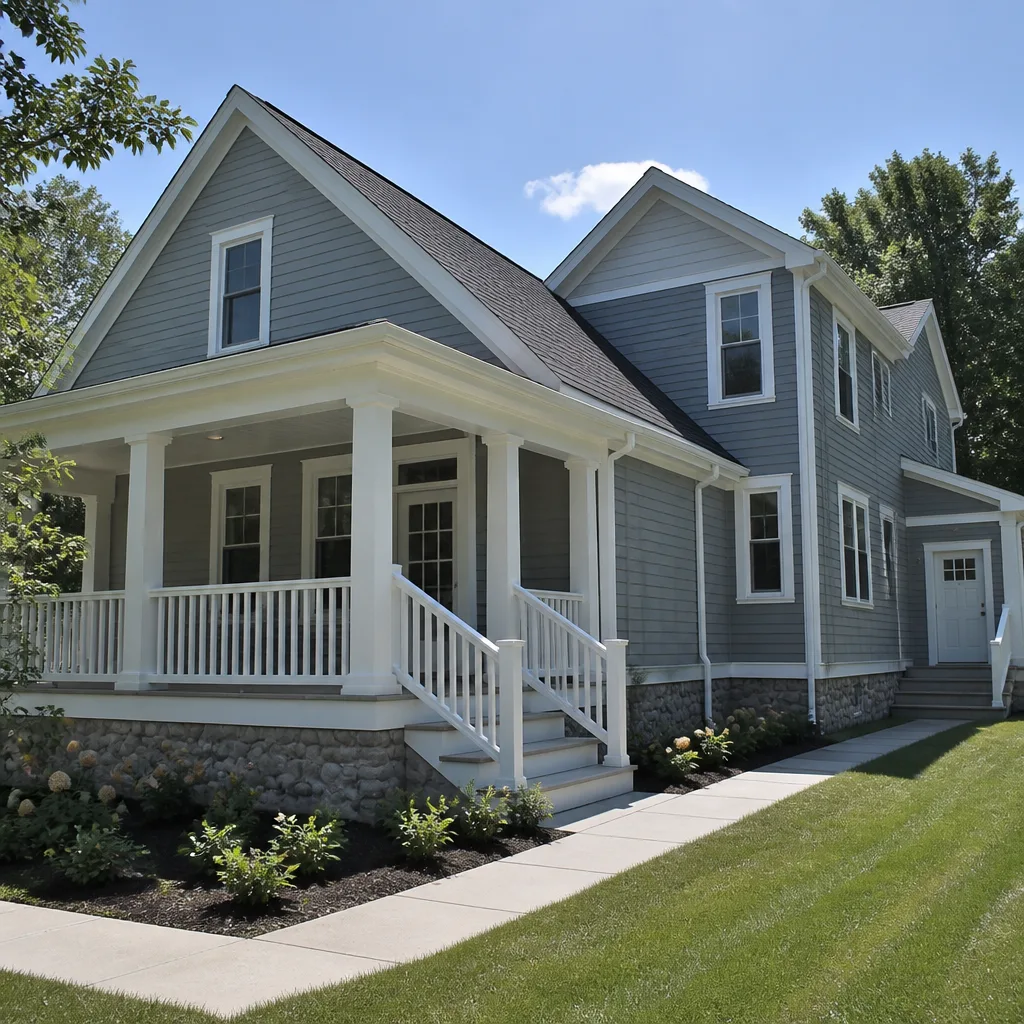
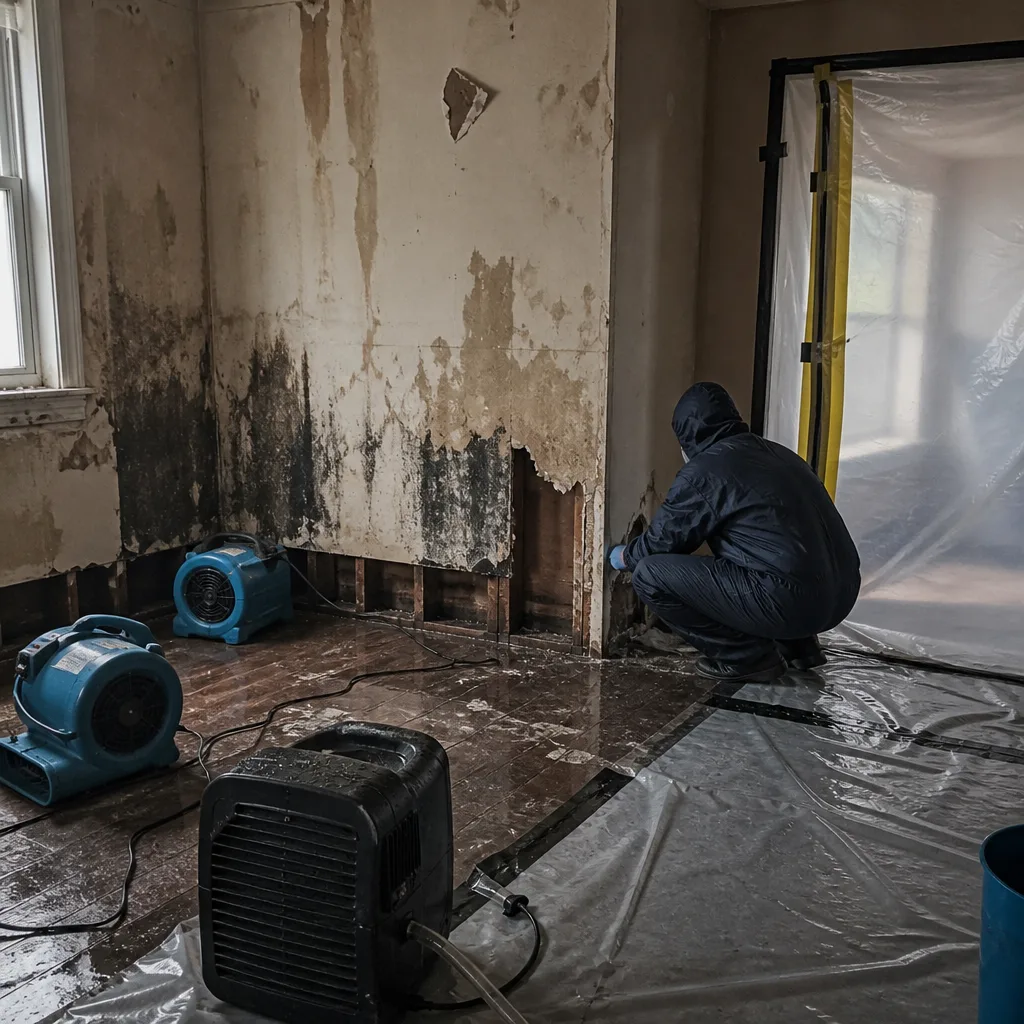 Before
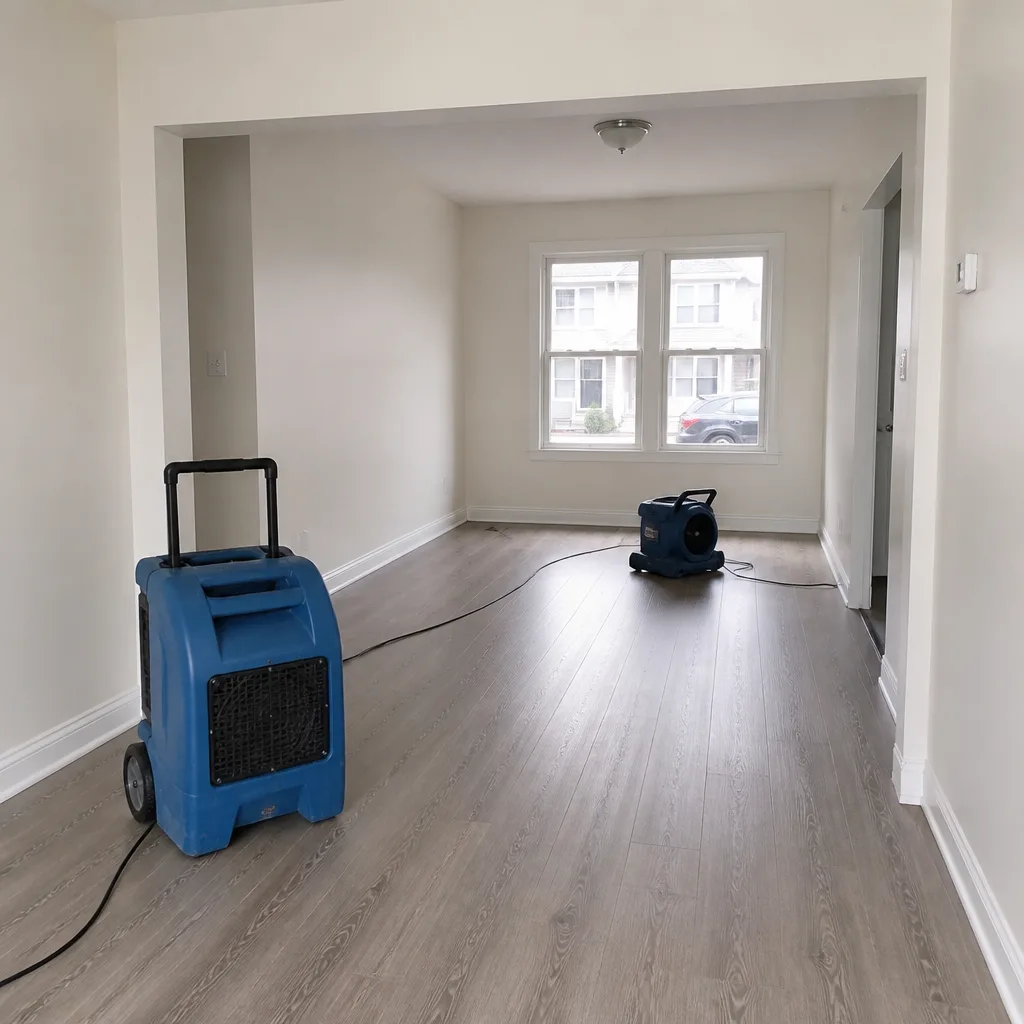 After
After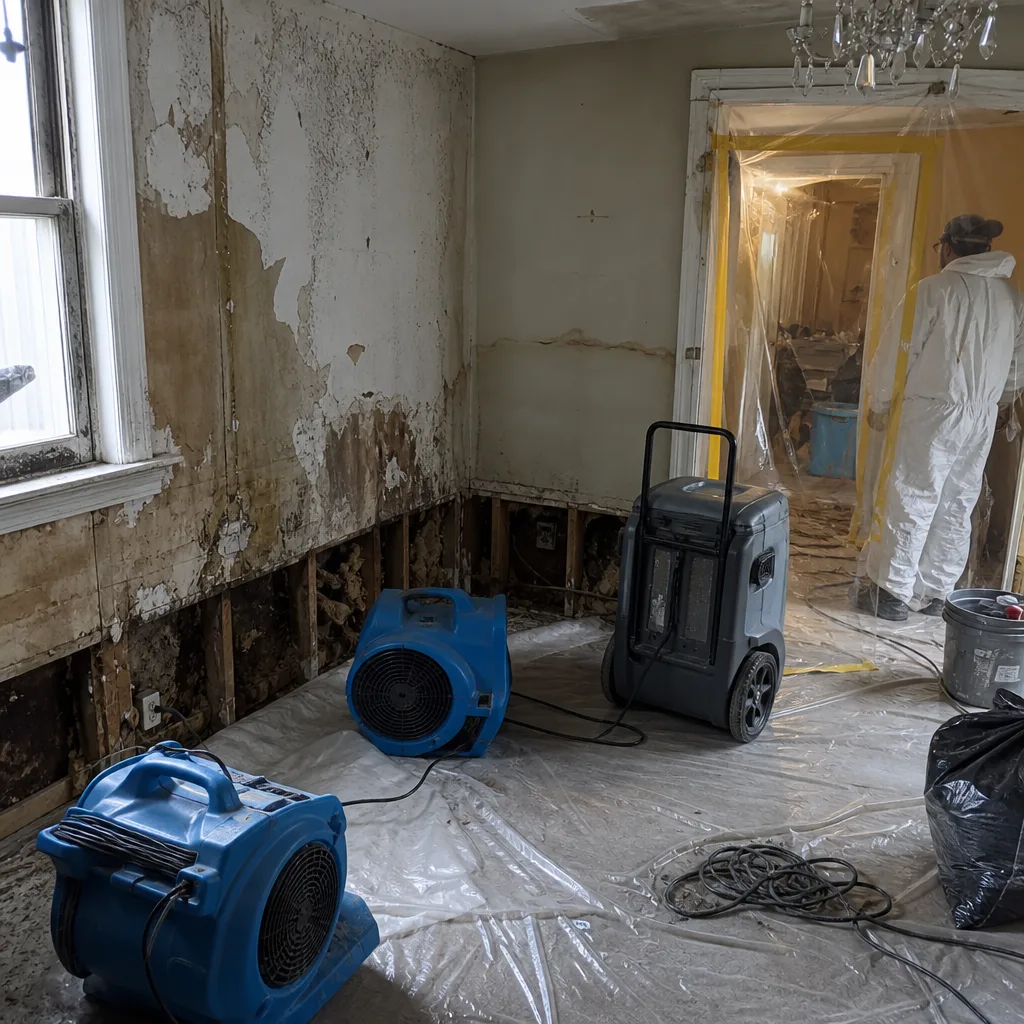 Before
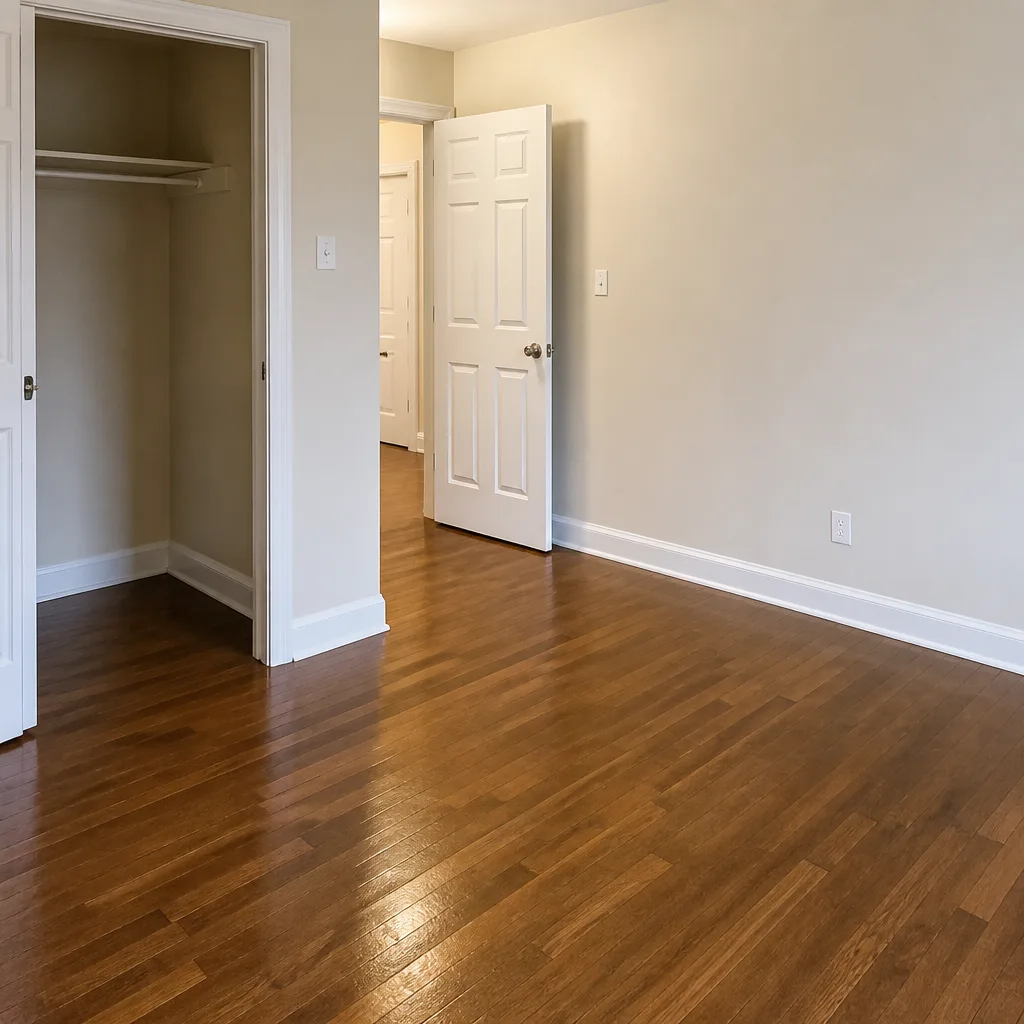 After
After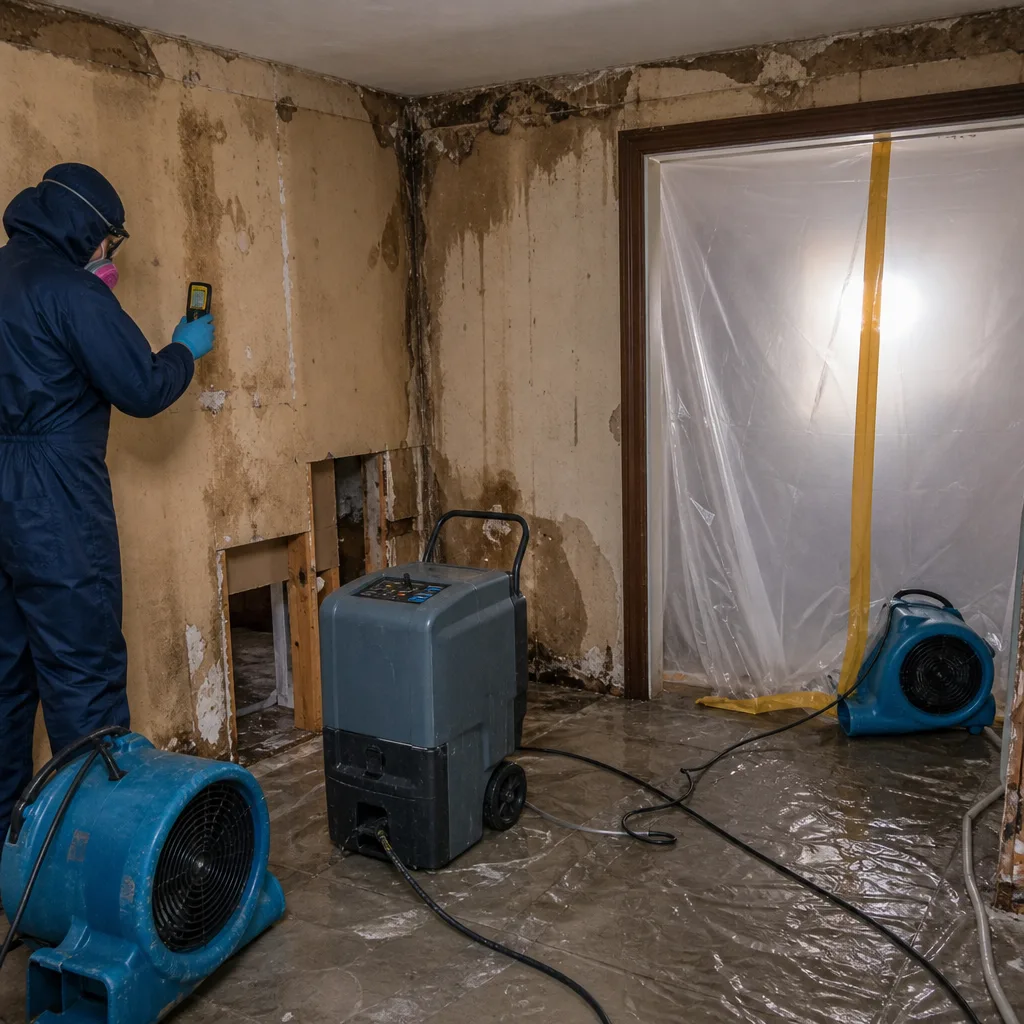 Before
 After
After24/7 Emergency Reconstruction & Cleanup in Ridgefield
When water, fire, or storm damage hits a Ridgefield home, the first call should be to a crew that can start the same hour. Floodline Restoration Co. answers live around the clock at (640) 221-3499, and our certified technicians reach most Ridgefield addresses within 45 minutes. We do not use answering services or callbacks. A live dispatcher picks up, a background-checked crew is routed from the nearest location, and extraction begins on the same visit. The first hour matters because river-adjacent flood water, sewage backflow, and smoke residue all spread deeper into building materials the longer they sit. In Ridgefield’s older homes, that spread moves behind original drywall and into wall cavities faster than most homeowners expect.
Every estimate starts with a free visual inspection and a written scope of work before any money changes hands. That is how we have run Reconstruction & Cleanup since Curt Bowman founded Floodline Restoration Co. in 2010. No pressure, no surprise line items, and the 90-Day Done Right Promise in writing on every job.
Understanding Reconstruction & Cleanup Severity in Ridgefield Properties
Water Damage Restoration in Ridgefield breaks down by water category and building age. Category 1 water comes from a broken supply line or an overflowing tub, and it is the easiest to dry. Category 2 carries contaminants from appliances or sump failures. Category 3, what we call black water, includes sewage and river backflow. In Ridgefield’s lower-elevation streets near the Hackensack River, tidal backflow during a nor’easter pushes Category 3 water into basements, and that water brings silt and organic matter with it. That changes everything: the contamination level, the drying timeline, and the materials that must be removed.
Much of Ridgefield’s housing stock was built between 1945 and 1965. Cape Cods, split-levels, and small colonials with slab-on-grade or shallow basement foundations are the norm. Those foundations offer little resistance to groundwater intrusion, and the original building materials create a second risk layer. Asbestos floor tiles, vermiculite insulation, and galvanized plumbing show up regularly on flood jobs here. Before structural drying can begin, those materials often need testing, and abatement adds both time and cost. Moisture mapping with hygrometers and thermal imaging shows us where water traveled behind 1960s paneling, which is where Mold Remediation - Ridgefield becomes necessary long after the visible water is gone.
Why Ridgefield Property Owners Choose Floodline Restoration Co.
- 45-minute response commitment. We track crews from dispatch to arrival and hold ourselves to it. No vague windows, no waiting through a sales funnel.
- 24/7 live answer. A real person picks up at 2 a.m. during a Hackensack River flood event. Never an automated tree, never a voicemail.
- IICRC-certified crews. Our technicians carry WRT (Water Damage Restoration Technician) and ASD (Applied Structural Drying) certifications as standard. FSRT for fire and smoke. AMRT for mold. Not every Ridgefield contractor can say that.
- Free visual inspection. We walk the damage, test the moisture levels, and hand you a written scope before you commit to anything.
- Direct insurance billing. We bill your carrier directly, including NFIP flood claims, and we document everything from the first hour.
- One team from start to finish. The same crew that runs extraction on day one runs the daily moisture readings and rebuilds the drywall. No mid-job handoff, no inherited strangers.
Our Reconstruction & Cleanup Process
Inspection & Assessment
We arrive, walk the property, and run moisture mapping across floors, walls, and ceiling cavities. Thermal imaging shows us water behind paneling and inside wall bays. We identify the water category and check for asbestos-era materials before touching anything.
Extraction / Stabilization
Standing water comes out with truck-mounted extraction units and professional-grade pumps. For Ridgefield’s river backflow events, this step removes the silt and organic debris that would otherwise accelerate mold. We cut away unsalvageable drywall and remove saturated insulation at this stage.
Drying & Dehumidification
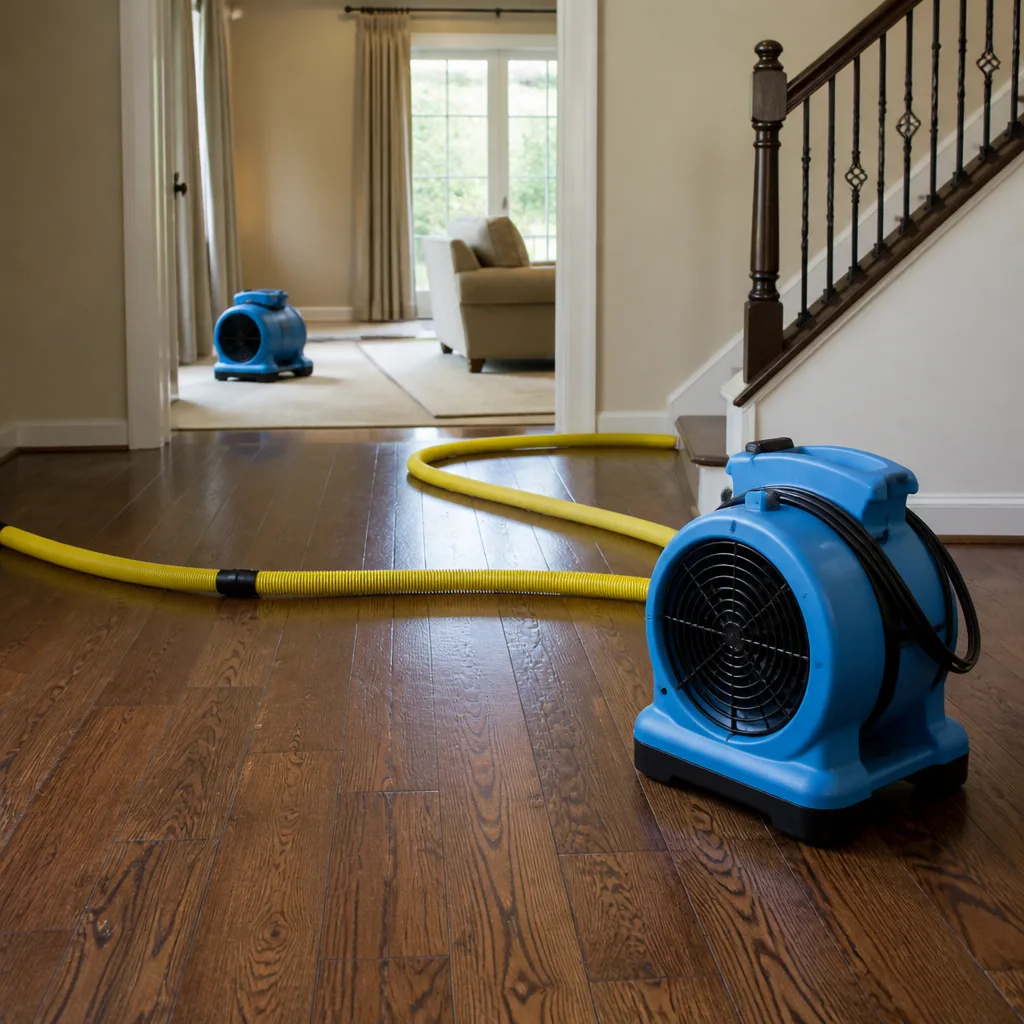
Dri-Eaz air movers and dehumidifiers run continuously, with daily hygrometer readings logged until the structure hits the dry standard. On slab foundations, we monitor wall cavities closely because trapped moisture there causes recurring mold.
Cleaning & Sanitization
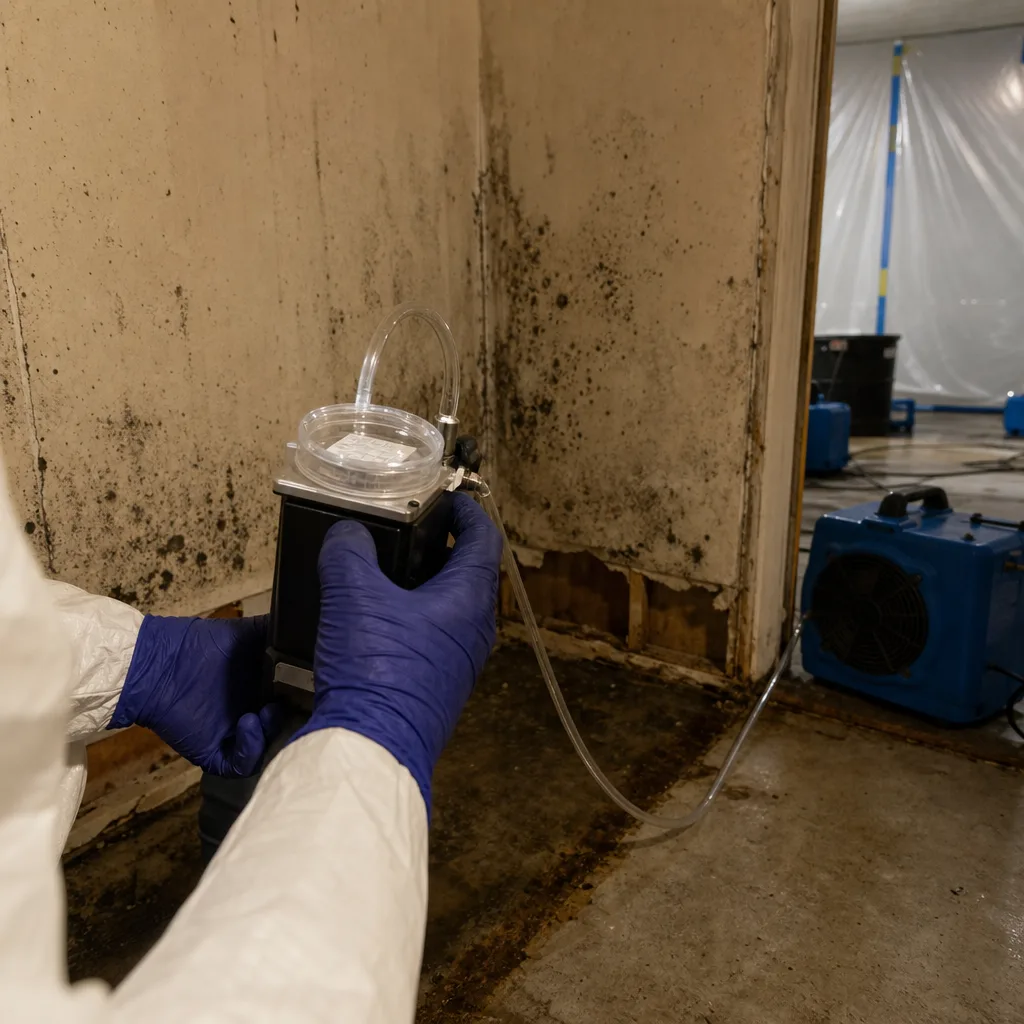
Category 3 water requires antimicrobial treatment on original framing and any surface the water touched. HEPA air scrubbers run during this phase to capture airborne spores and particulate. We clean, disinfect, and document every step.
Specialty Treatment
For Ridgefield Commercial Restoration, this includes asbestos testing, vermiculite insulation removal, and restore-or-replace decisions on original hardwood and trim. For fire losses, it includes soot residue classification and smoke odor neutralization.
Repairs & Restoration
The same crew that dried your house now rebuilds it. Drywall, flooring, paint, and trim return the home to pre-loss condition, and often better. Testing confirms no moisture remains before we close walls. The 90-Day Done Right Promise covers the work in writing.
Need Emergency Reconstruction & Cleanup in Ridgefield Now?
Crews minutes away, answering live 24 hours a day. The sooner we start, the less it costs.
Working With Your Insurance Company
Reconstruction and cleanup in Ridgefield means dealing with two different insurance worlds. Standard homeowners policies cover pipe bursts and fire losses. Flood damage goes through NFIP, the National Flood Insurance Program, and that process moves differently. We have worked both channels for years and we know what adjusters need. Documentation starts on the first visit: photos of every room, moisture readings from day one through the drying log, and a line-item scope of work in industry-standard format. We communicate directly with your adjuster, and we bill the carrier directly. You never play messenger between us and the insurance company, and you never pay out of pocket for a covered loss while waiting on a reimbursement check. Photographed evidence and dated drying logs are what get NFIP claims approved. We build that file from hour one.
What We Provide Your Insurer
- Thorough documentation of the loss
- Photos of all damage, room by room
- Moisture readings and drying logs
- A detailed, line-item scope of work
- Direct coordination with your carrier
Built for Ridgefield’s Loss Calendar
Ridgefield follows a seasonal loss pattern, and we plan our crews around it. January and February bring deep freezes that burst supply lines in older split-levels and colonials. The galvanized plumbing from the 1950s and 1960s is the first to go, and when a pipe lets go in an unheated crawl space, it floods fast. March and April thaw the frozen ground, and groundwater pressure pushes into those shallow basements along the lower streets. June through August brings thunderstorm season, and Ridgefield’s stormwater systems back up when the Hackensack River is already elevated, even on days when the rain does not look severe above ground. September through November is nor’easter season, and that is when the tidal backflow events hit hardest in the FEMA-designated flood zones near the river. Every season here has a pressure point. Knowing the calendar means we staff for it.
Reconstruction & Cleanup Across Ridgefield’s Neighborhoods
Ridgefield is small, just over two and a half square miles, but the flood risk divides sharply along elevation. The lower western streets, the ones near the Hackensack River and Overpeck Creek, are where tidal backflow and storm surge do the real damage. Homes along Edgewater Avenue, Virginia Avenue, and Abbott Avenue sit in FEMA flood zones and take river silt into their basements during nor’easters. Those jobs need full category 3 protocols, fast mold containment, and asbestos testing on original materials before drying begins. The higher ground east of Grand Avenue, up toward Palisades Park, sees far less flood water and far more pipe bursts and mechanical failures. The houses are the same vintage, but the losses come from different causes. Post-war Cape Cods and split-levels dominate every neighborhood, and the slab-on-grade foundations that made them cheap to build in 1955 make them expensive to dry today. Knowing which side of town a call comes from tells us what we will find before we even ring the bell.
Specialized Reconstruction & Cleanup Services We Offer in Ridgefield
Our Reconstruction & Cleanup team handles the full cycle of damage repair in Ridgefield, from first extraction to final trim, and everything in between.
Full-Service Reconstruction
When a lower-street Ridgefield basement floods with river backflow, the rebuild often extends to walls, flooring, and utility systems. We reconstruct to current code, which in flood zones means updated materials and, where the adjuster approves it, flood-resistant assemblies. The goal is not just to restore what was there, but to rebuild it so the next tidal event does less damage. Our crews install drywall, framing, flooring, and trim on site, and we schedule work in writing before a single stud goes up.
Insurance Claim Documentation
NFIP claims on Ridgefield flood losses live or die on the paper trail. We photograph every affected room, log moisture readings daily until the dry standard is met, and submit line-item scopes that match the carrier’s format. For a 1950s split-level with asbestos-era tile, that documentation includes testing results and abatement records. The adjuster gets one file that answers every question. You get direct billing and no phone tag.
Drywall & Flooring Repair
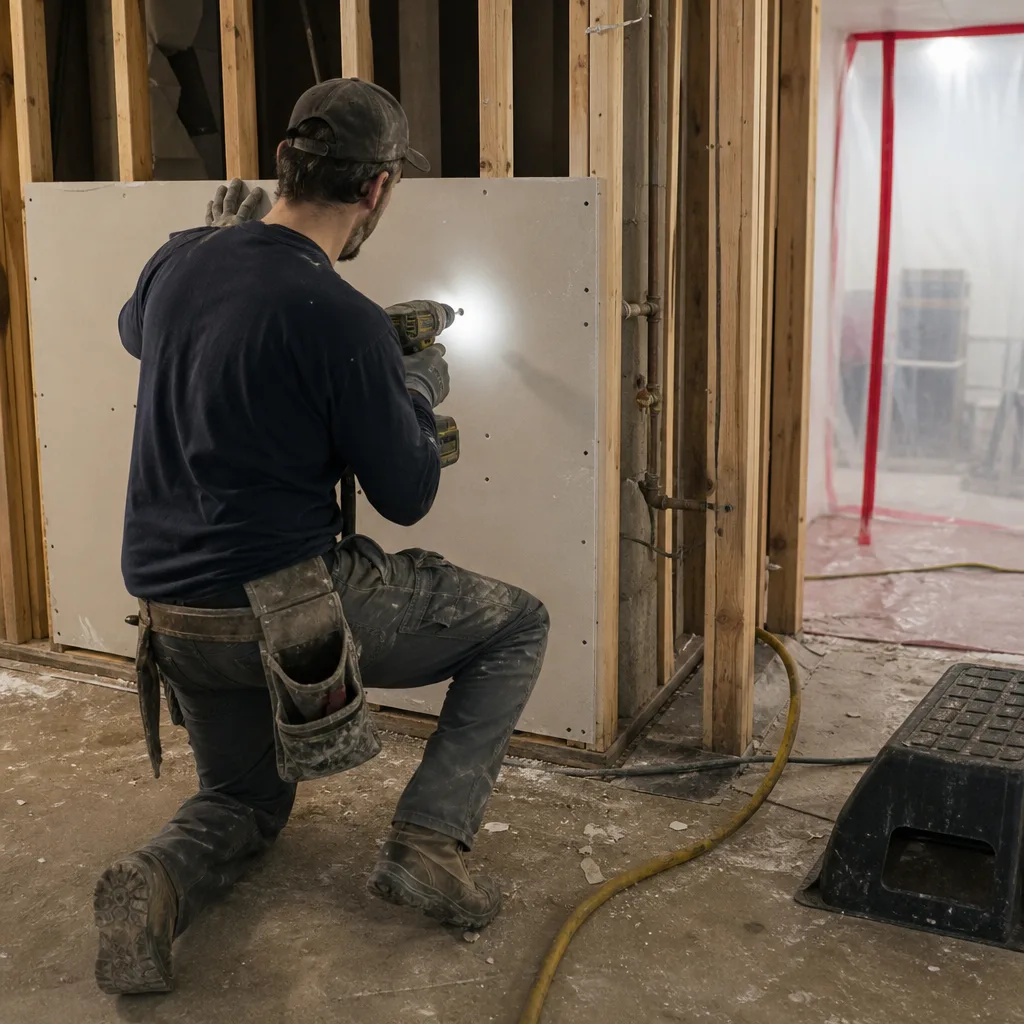
Flood water in Ridgefield means cutting drywall two feet above the visible waterline, because moisture wicks upward through gypsum. We remove only what saturation testing confirms is compromised, then patch and refinish with materials matched to the original profile. Hardwood floors in slab-on-grade homes often cup and buckle after long water exposure. We assess each board against moisture readings and salvage what we can in place, replacing only the sections that cannot be dried flat.
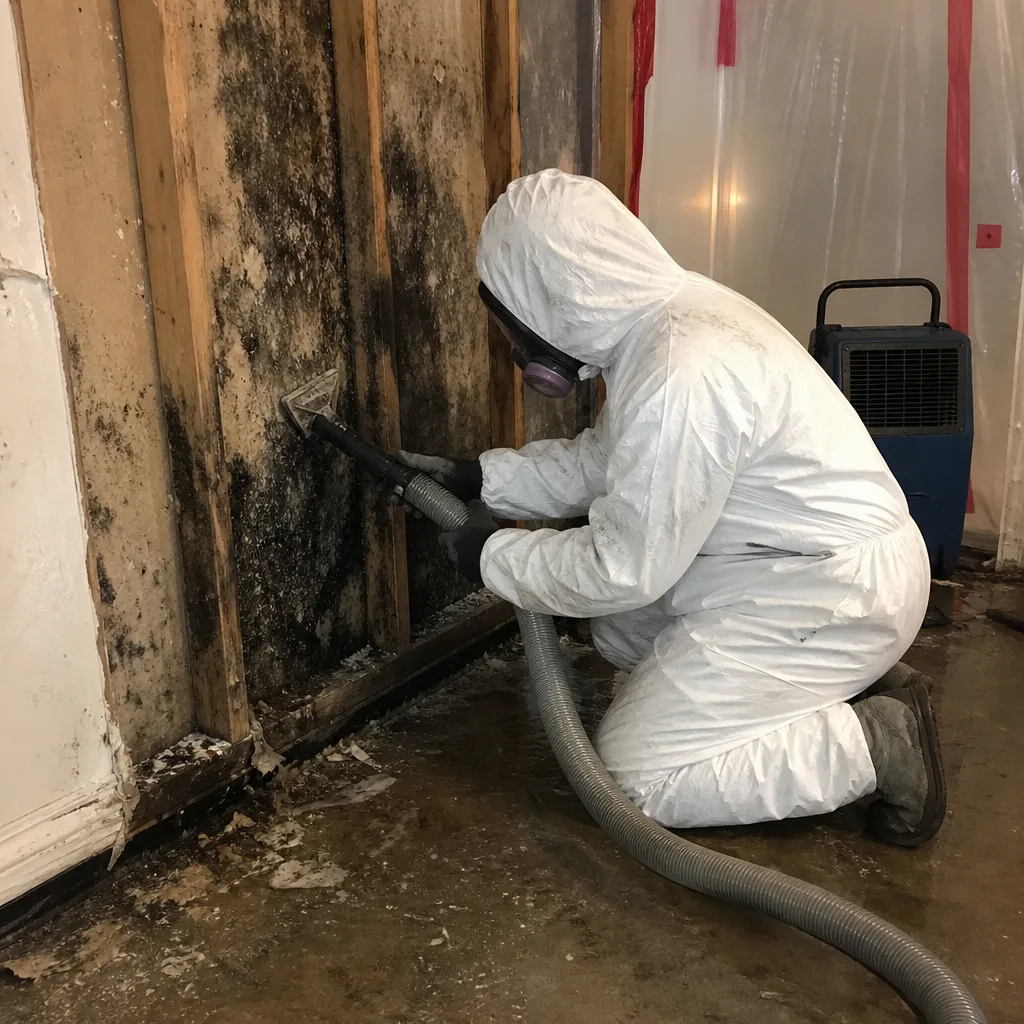
Contents Restoration & Pack-Out
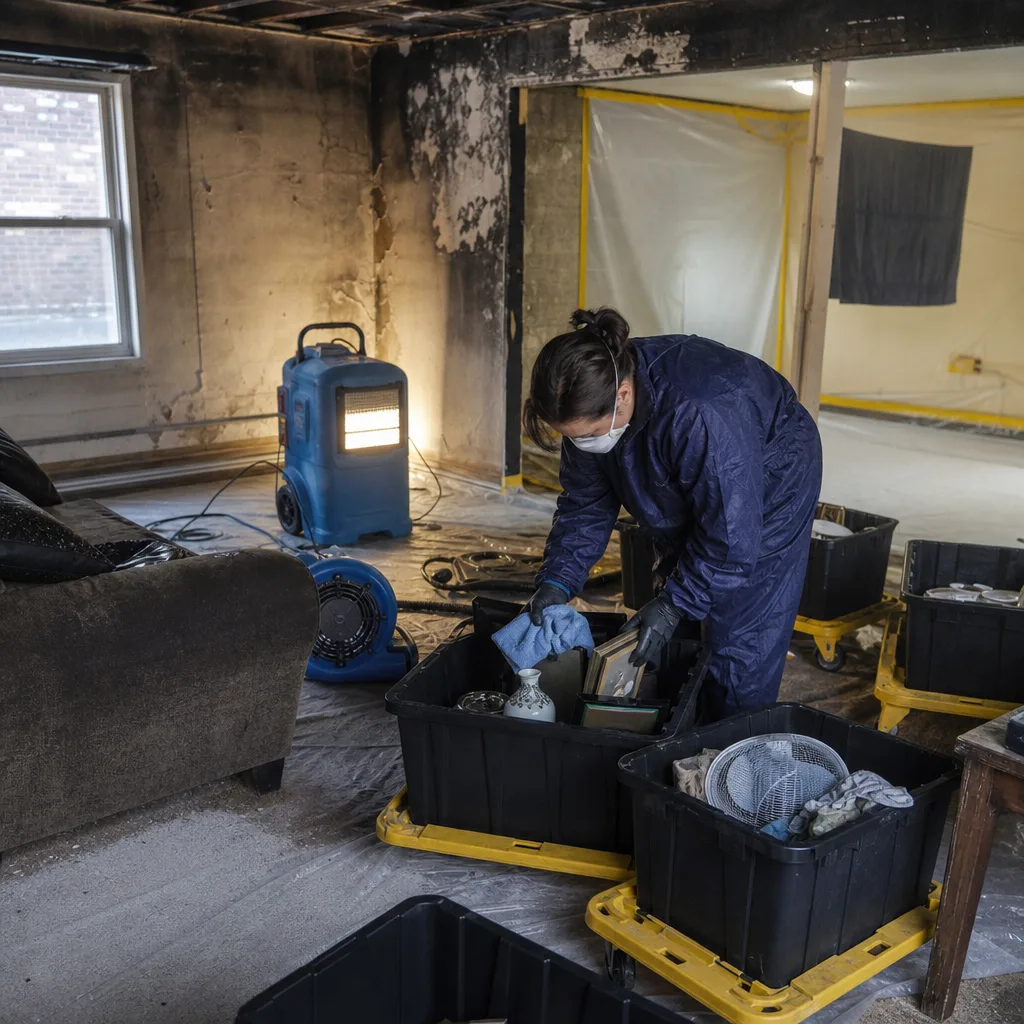
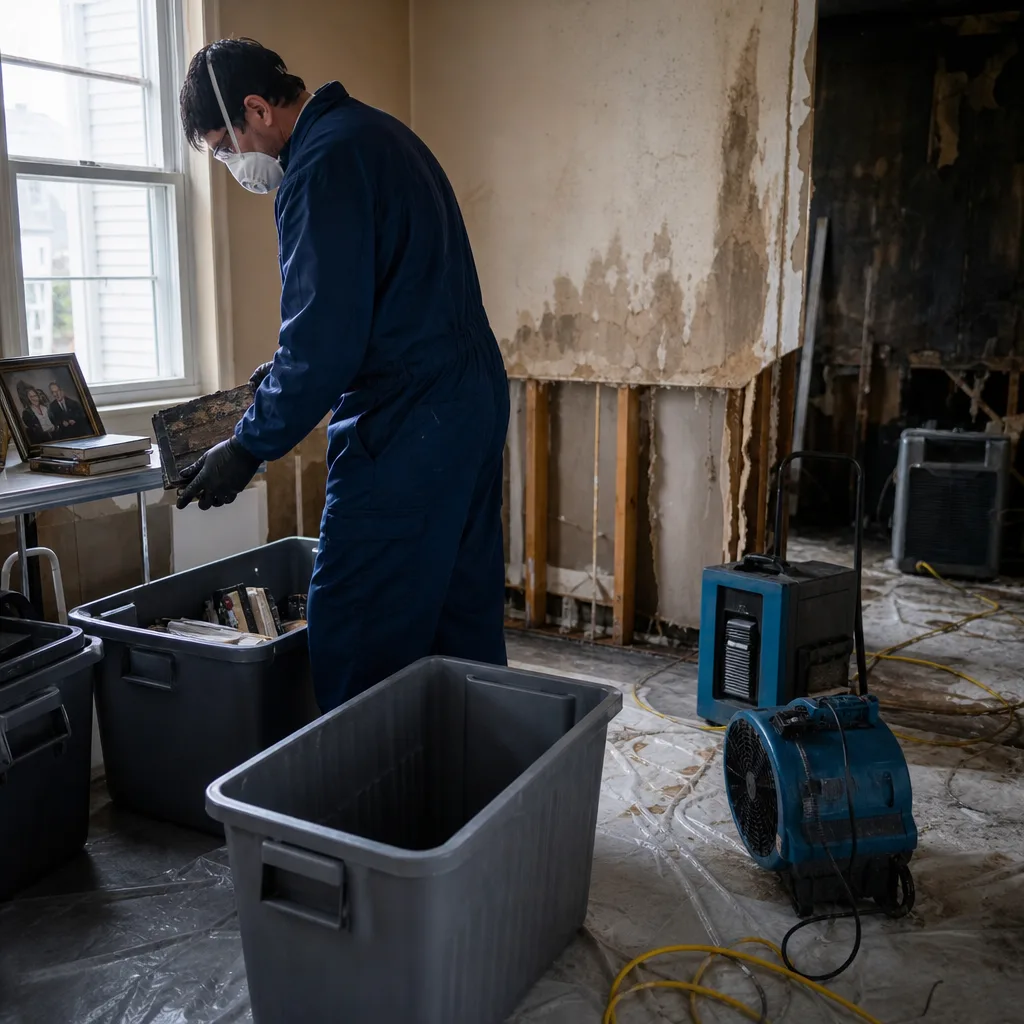
Furniture, documents, and personal belongings from a flooded Ridgefield basement need assessment too. We catalog, photograph, and pack out contents when the structure requires full containment during remediation. Items are cleaned, deodorized, and stored until the rebuild is done. The inventory goes to your adjuster with replacement values, so the contents claim matches the structural claim.
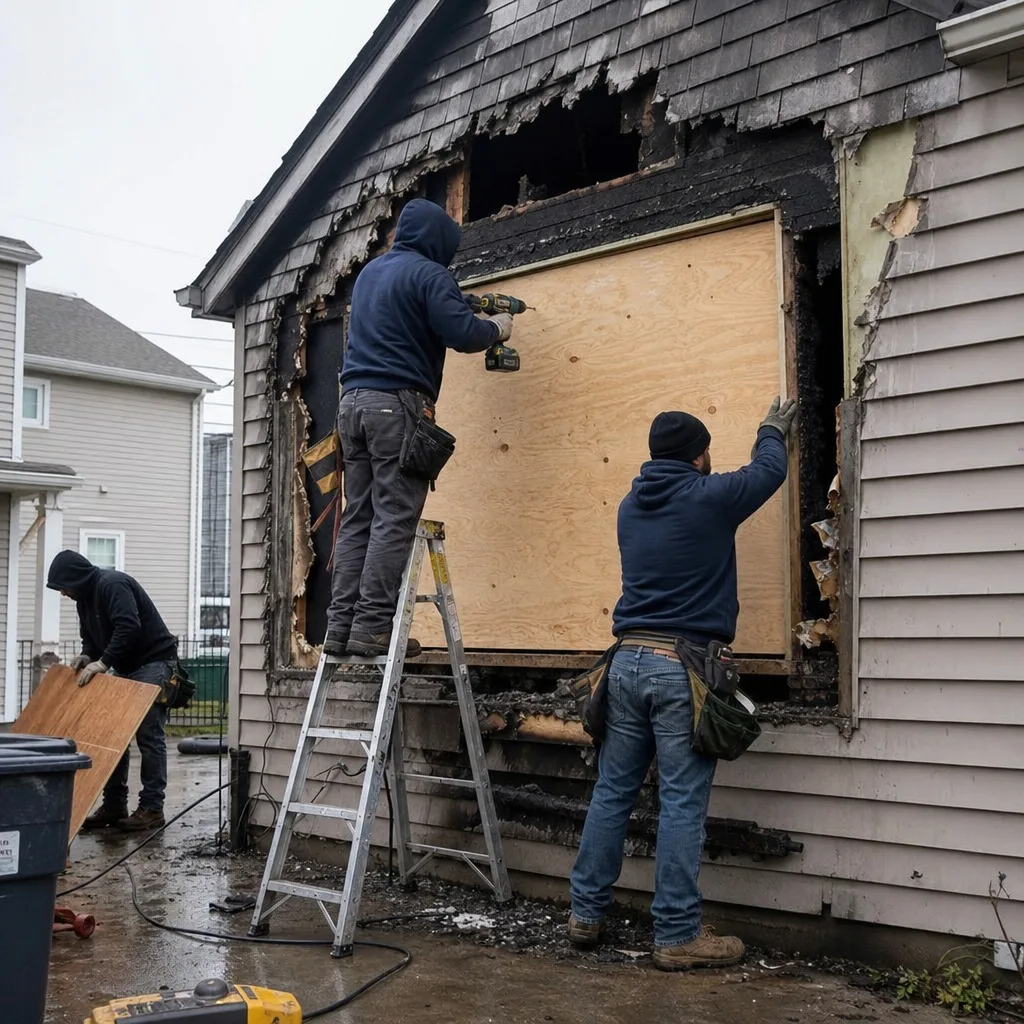
Carpet & Upholstery Cleaning
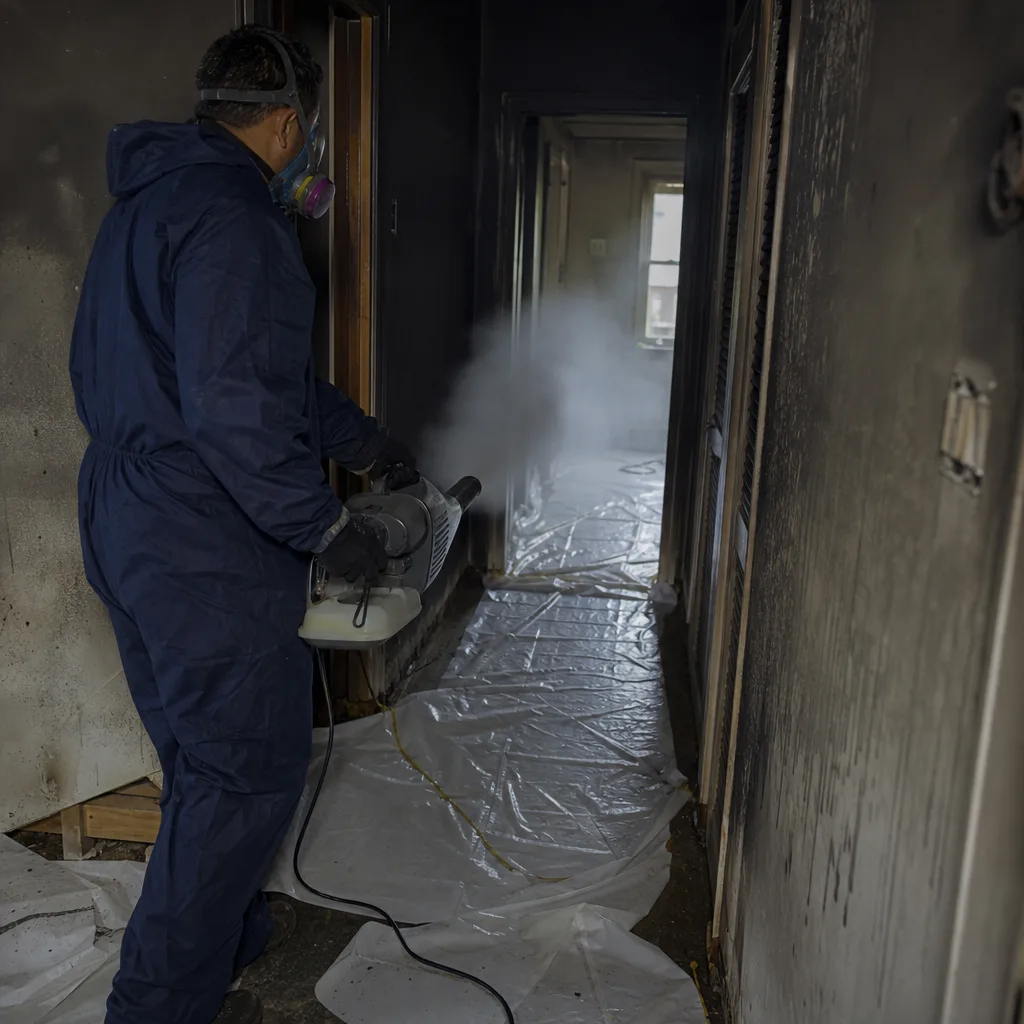
Carpet in a category 3 flood cannot be saved. We remove and dispose of it under containment, then clean and deodorize salvageable upholstery with professional extraction equipment. For non-flood losses where the water is category 1, we can often clean carpet and pad in place with hot water extraction and accelerated drying. Every decision is based on water category and moisture reading, not guesswork.
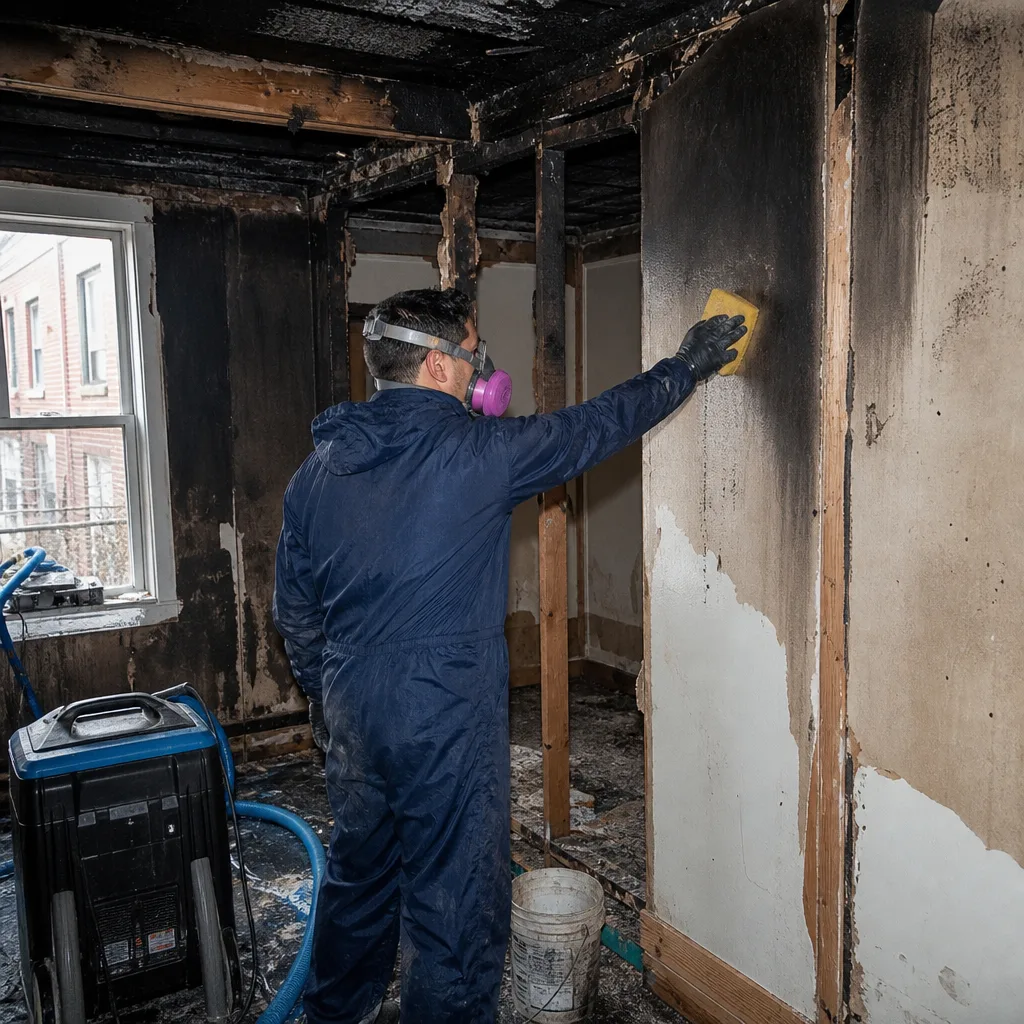
Post-Construction Cleanup
After any rebuild, a fine layer of construction dust settles into every vent, seam, and carpet fiber. Our post-construction cleanup goes room by room, HEPA-vacuuming surfaces, wiping down trim and fixtures, and clearing the air before you move back in. This is the step most contractors skip, and the one Ridgefield homeowners call us back to fix. We schedule it as part of every reconstruction scope.
What happens when you call
- 1
A real person answersNo phone trees - you reach a local pro.
- 2
You get an upfront price rangeHonest numbers before anyone is dispatched.
- 3
A background-checked tech heads outLicensed & insured, dispatched right away.
- 4
You approve before work beginsNothing starts until you say go.
Reconstruction & Cleanup Costs in Ridgefield, NJ
Ridgefield pricing runs a little higher than neighboring inland towns because the flood-zone work carries extra steps: asbestos testing, antimicrobial treatment on river-affected framing, and full containment. A typical water extraction and drying job on a pipe burst in a Ridgefield split-level runs $2,800 to $5,500. Full basement flood remediation with river backflow contamination typically lands between $7,000 and $18,000 depending on square footage, materials removed, and whether asbestos abatement is required. Drywall removal and replacement on a 500-square-foot basement usually falls in the $4,200 to $9,000 range. Flooring restoration runs $12 to $28 per square foot for hardwood refinishing, while full replacement with mid-grade engineered flooring runs $9 to $15 per square foot. The free visual inspection gives you a firm written scope with real numbers, so there are no ranges to guess at when you sign. Insurance-covered losses move straight to your carrier, and our direct billing keeps the out-of-pocket at your deductible. Call (640) 221-3499 and we will put hard numbers on your specific damage before anything gets started.
We Also Serve Cities Near Ridgefield
Our Ridgefield crews work the surrounding Bergen and Hudson County towns daily. If you need Reconstruction & Cleanup in Edgewater, North Bergen, Weehawken, or Union City, the same certified teams answer the same 24/7 line. Response times vary by distance, but the written scope and the 90-Day Done Right Promise are identical.
The Ridgefield Reality: River Silt, Asbestos-Era Homes, and NFIP Paperwork
Ridgefield’s western and lower-elevation streets fall within FEMA-designated flood zones tied to the Hackensack River’s tidal backflow. That is not a technical footnote. It means Reconstruction & Cleanup crews here routinely handle river-adjacent silt and organic debris in basements, not just clean groundwater, which demands faster mold remediation and more aggressive containment than jobs in neighboring higher-ground towns like Palisades Park. The silt accelerates mold colonization well past what a clean water loss would produce, and it changes the materials that can be saved. Add to that the housing stock: much of Ridgefield was built in the post-WWII suburban build-out, 1945 to 1965, with slab-on-grade foundations and shallow basements that resist drying. Those homes routinely contain asbestos floor tiles, vermiculite insulation, and original galvanized plumbing. All of it must be tested, often abated, before structural drying and rebuilding begin. And the insurance claim is not a standard homeowners policy; it is an NFIP claim, which has its own adjuster, its own timeline, and its own documentation requirements. Waiting for the NFIP adjuster before starting mitigation is the single most expensive mistake homeowners make on lower-street flood jobs. Do not wait. Document, extract, and dry first. The claim file catches up.
Our crew was called to a split-level on Edgewater Avenue after a nor’easter pushed Hackensack River water through the slab-on-grade foundation. We started with moisture mapping across the original 1950s drywall and found readings off the scale behind the paneling, so we set full containment, cut the wet drywall two feet up, and ran Dri-Eaz air movers and dehumidifiers for five days to hit pre-loss condition before rebuilding. The silt line told us this was category 3 water, so everything porous came out, including the vermiculite insulation that had to be tested before we could even finish structural drying.
Serving Ridgefield, NJ - Our Local Coverage Area
We’re based in the Ridgefield area and know this community well. Use the map below to see our service coverage - if you’re nearby, we can almost certainly help.
Ridgefield Reconstruction & Cleanup Questions, Answered
How do you handle the river silt in my Ridgefield basement after a tidal backup?
We treat river silt as a Category 3 contaminant and remove it under full containment before drying begins. The silt carries bacteria, oils, and organic matter from the Hackensack River, and it accelerates mold growth far faster than clean groundwater would. We pump out the water, shovel and extract the silt, then run antimicrobial treatment on every surface the water touched, including original framing. Anything porous that absorbed the contaminated water, carpet, pad, drywall, insulation, comes out. It is a more aggressive protocol than a clean water loss, and it is the only correct approach for a tidal backflow event.
Will my 1950s Ridgefield house need asbestos abatement before you can dry the basement?
Most Ridgefield homes built between 1945 and 1965 contain at least one asbestos-bearing material, most commonly floor tiles, pipe wrap, or vermiculite insulation. Before we can cut wet drywall or remove saturated insulation, we test any suspect material. If asbestos is found, abatement happens before structural drying continues, because we cannot safely run air movers and open wall cavities around friable asbestos fibers. We coordinate the abatement, document it for your claim, and factor it into the written scope so the cost is clear from the start.
Why do you need moisture mapping and drying logs for a flood claim on a lower-street home?
NFIP adjusters approve flood claims based on documentation, and moisture mapping plus daily drying logs are the core of that file. Moisture mapping shows exactly where the water traveled, including behind paneling and inside wall cavities where it is invisible. The daily log proves we dried the structure to the dry standard, not just until the visible wetness disappeared. Without those logs, an NFIP claim can be reduced or denied because the carrier has no proof of the scope of work. We build that file from the first day and hand it to your adjuster complete.
How fast do I need to start water extraction after Hackensack River backup in my Ridgefield basement?
You have about 24 to 48 hours before mold begins colonizing on wet drywall, wood, and insulation, and river-silt water shortens that timeline even further. Extract as soon as the water recedes enough for crews to work safely. Call us immediately at (640) 221-3499 and we will be on site within 45 minutes in most of Ridgefield. Every hour of delay means more demolition, more replacement cost, and a longer time out of your basement.
Can you save my original hardwood floors in a Ridgefield split-level after a tidal flood, or do they need full replacement?
It depends on how long the water sat and how deep it went. Hardwood that was submerged in river-silt water for more than 48 hours is almost always a loss. The wood swells, cups, and absorbs contaminated water that no amount of drying removes safely. Floors that took on water for a short time, under 24 hours, can sometimes be saved with careful drying and refinishing. We test moisture content board by board and give you a salvage assessment before we recommend replace versus restore. The goal is to remove only what cannot be saved.
How long does a full reconstruction take after a Ridgefield flood loss?
Extraction and drying usually take three to five days. The rebuild, drywall, flooring, paint, trim, typically runs another one to four weeks depending on the scope and whether asbestos abatement is needed first. We give you a written timeline at the start of the job and update it as each phase completes. Emergency repairs like tarping, board-up, and water extraction start immediately, but the full reconstruction is scoped and scheduled like a remodel, not a same-day job.
Will my insurance cover river backflow and tidal flooding in Ridgefield?
Standard homeowners policies do not cover flood damage. Tidal backflow from the Hackensack River falls under flood insurance, which in Ridgefield’s FEMA-designated zones means an NFIP policy. If you have flood insurance, the cleanup, drying, and rebuild are covered up to your policy limits, minus your deductible. We bill NFIP directly and document the claim from day one, so you do not pay out of pocket and wait for reimbursement. If you are not sure what your policy covers, call us and we will help you read the fine print before committing to anything.
Do you have the certifications for flood and mold work in Ridgefield?
Yes. Our technicians are trained to IICRC, RIA, and IFA standards, and our crews hold WRT, ASD, and AMRT certifications as applicable to the job. We use Dri-Eaz, Phoenix, XPOWER, B-Air, and Injectidry equipment on every loss. Background-checked, uniformed techs arrive at your door, and every job is backed by the 90-Day Done Right Promise in writing.
Ridgefield flood damage does not wait, and neither should you. Call (640) 221-3499 for a free visual inspection and a written scope. A live person answers, day or night. Ridgefield homeowners get the full cycle: extraction, drying, rebuild, and the Done Right Promise in writing.
Written by Curt Bowman, Founder and Owner at Floodline Restoration Co., serving Ridgefield and surrounding Bergen County communities with full-cycle restoration and the 90-Day Done Right Promise.