
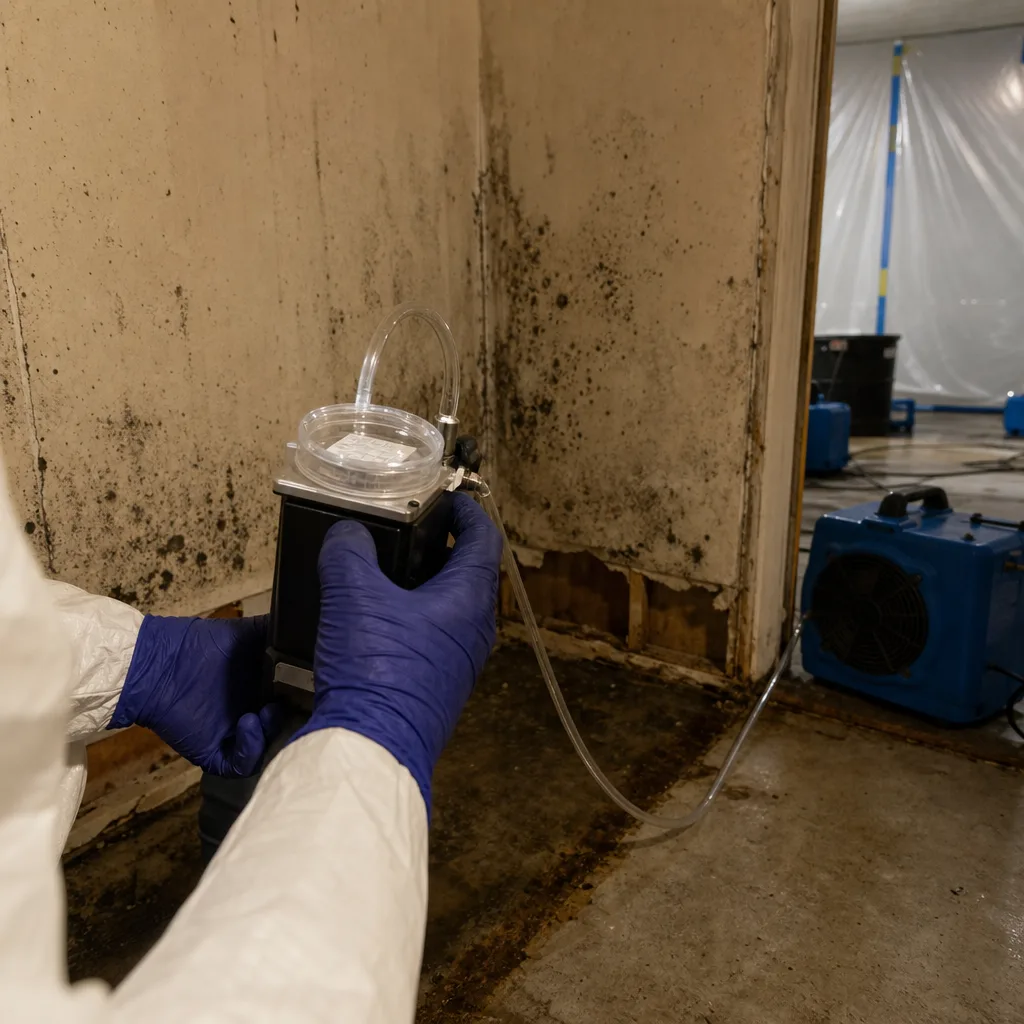
Free visual inspection and a written scope of work before any mitigation begins - photos, moisture readings, and drying logs go in your claim file
The scope we write is the scope we bill. Anything new gets shown to you, in writing, before we touch it.
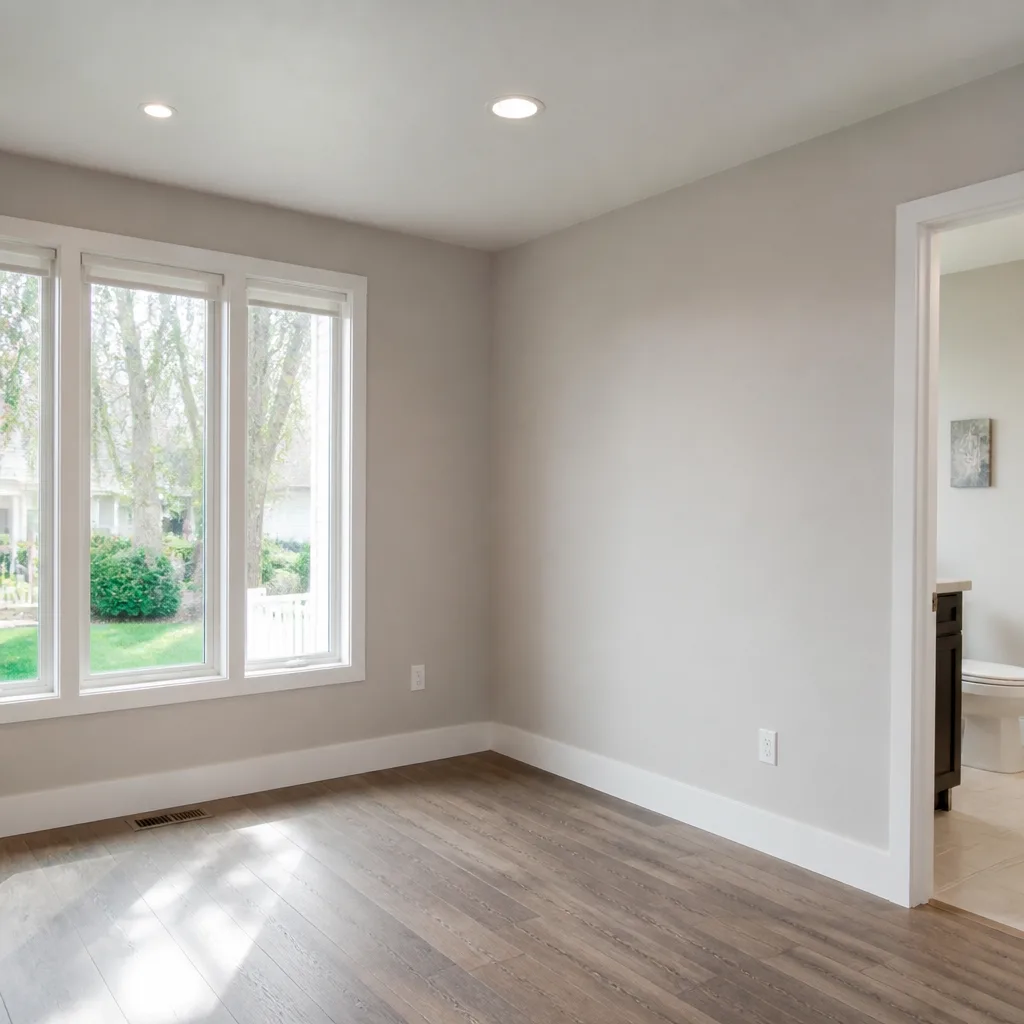
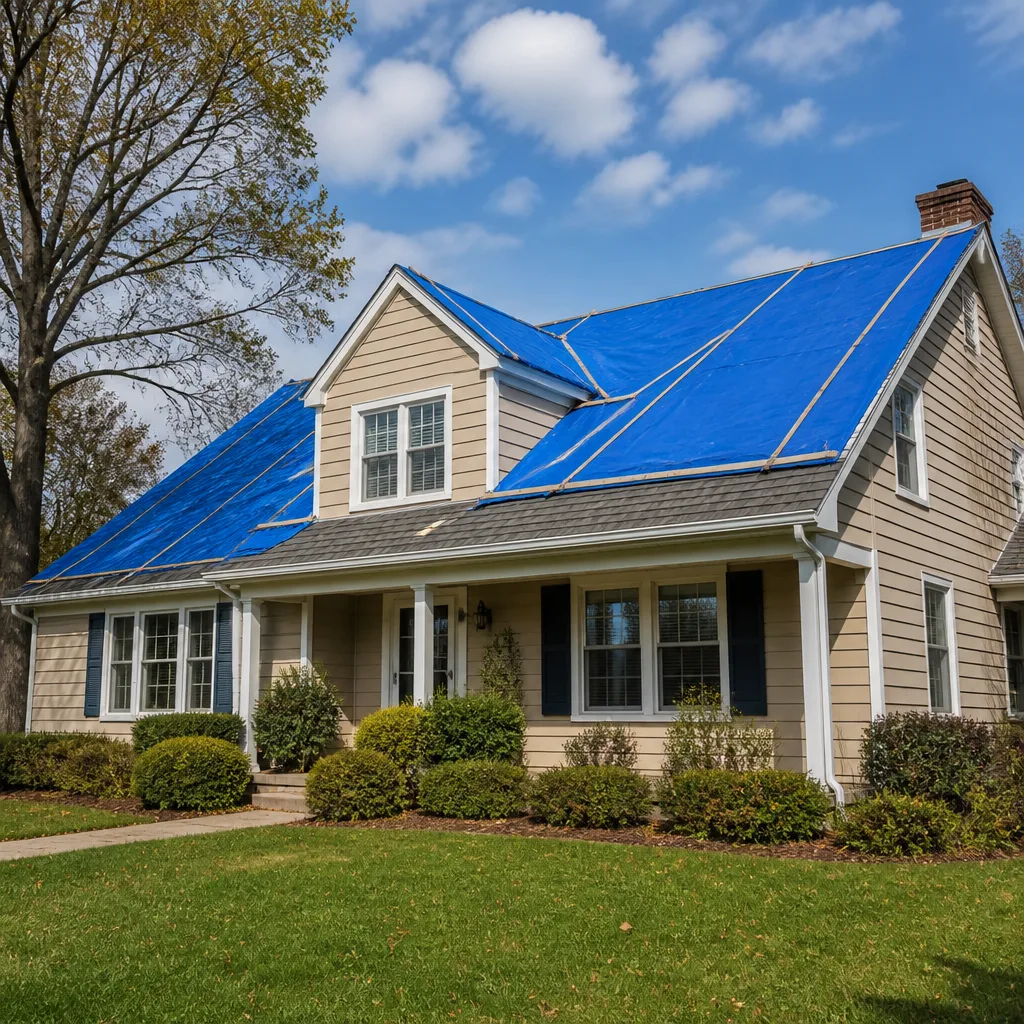
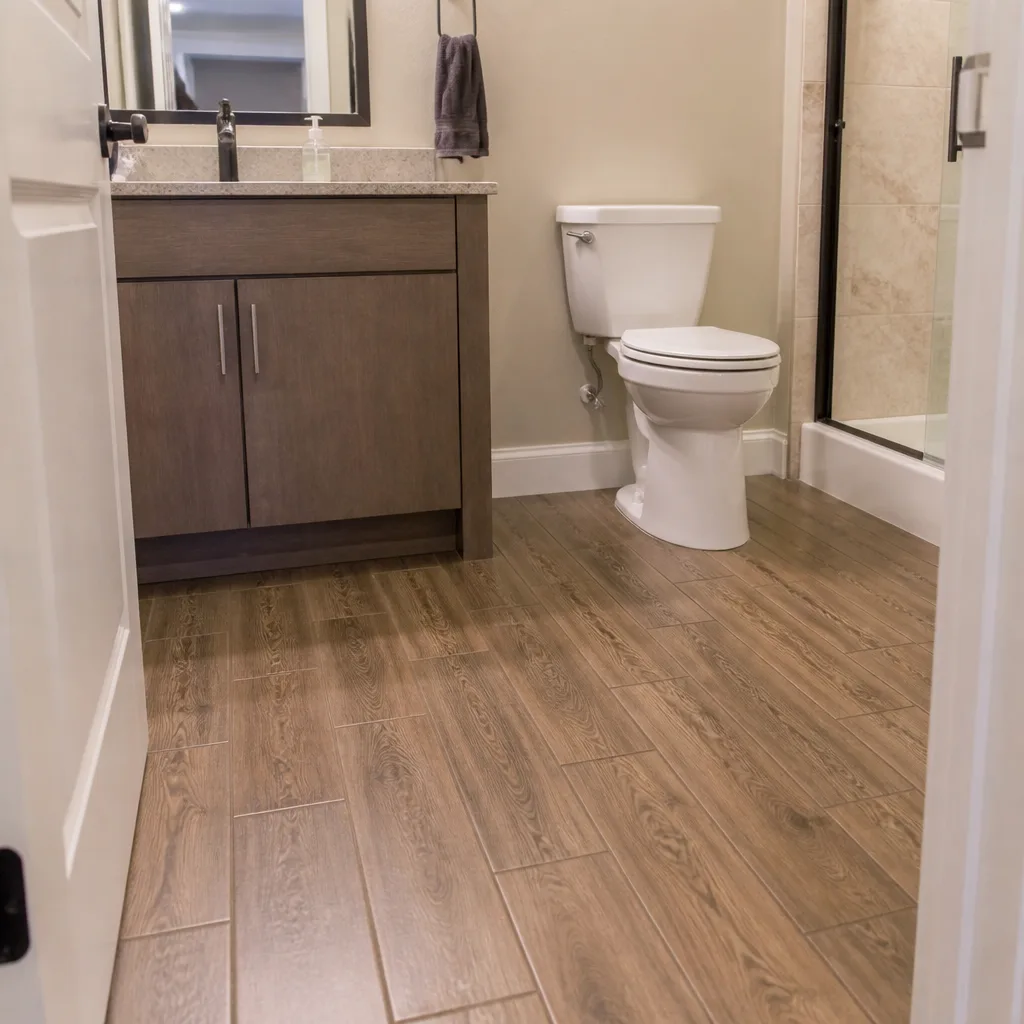
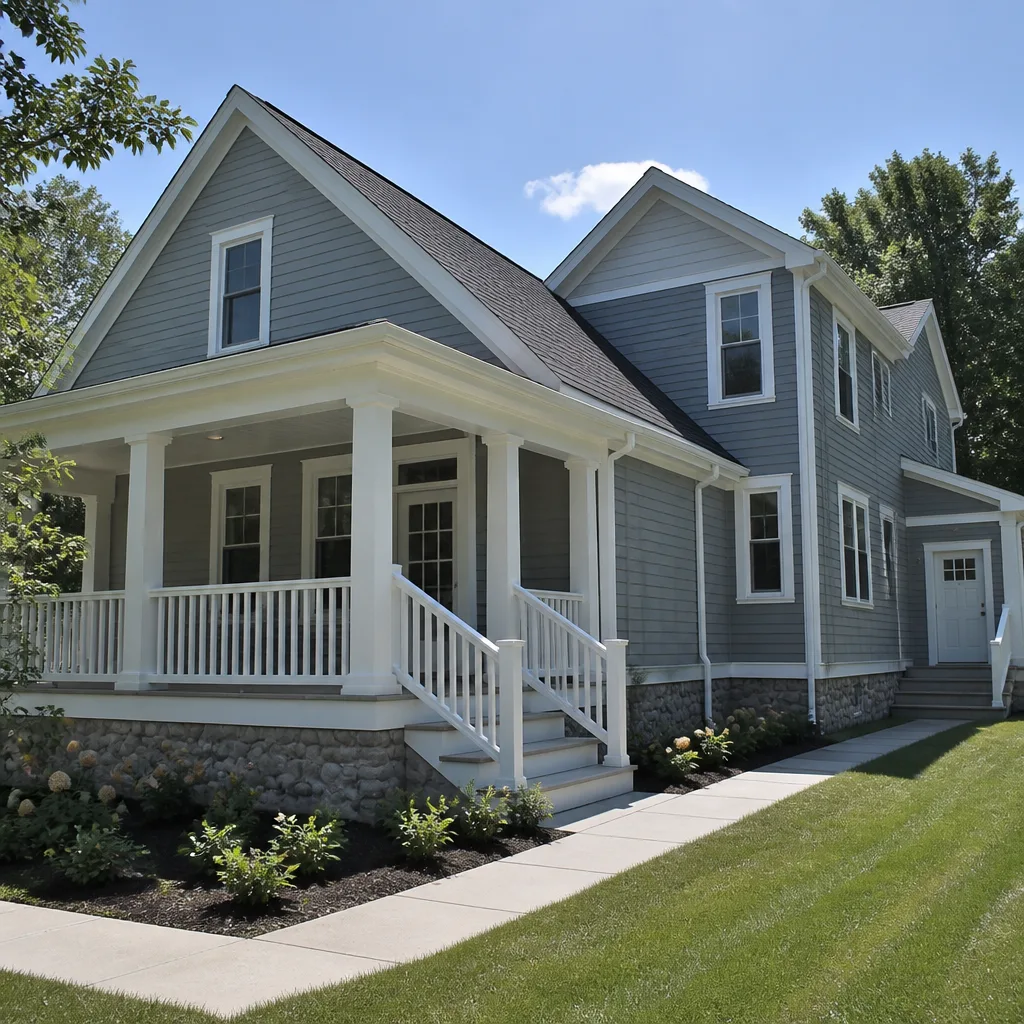
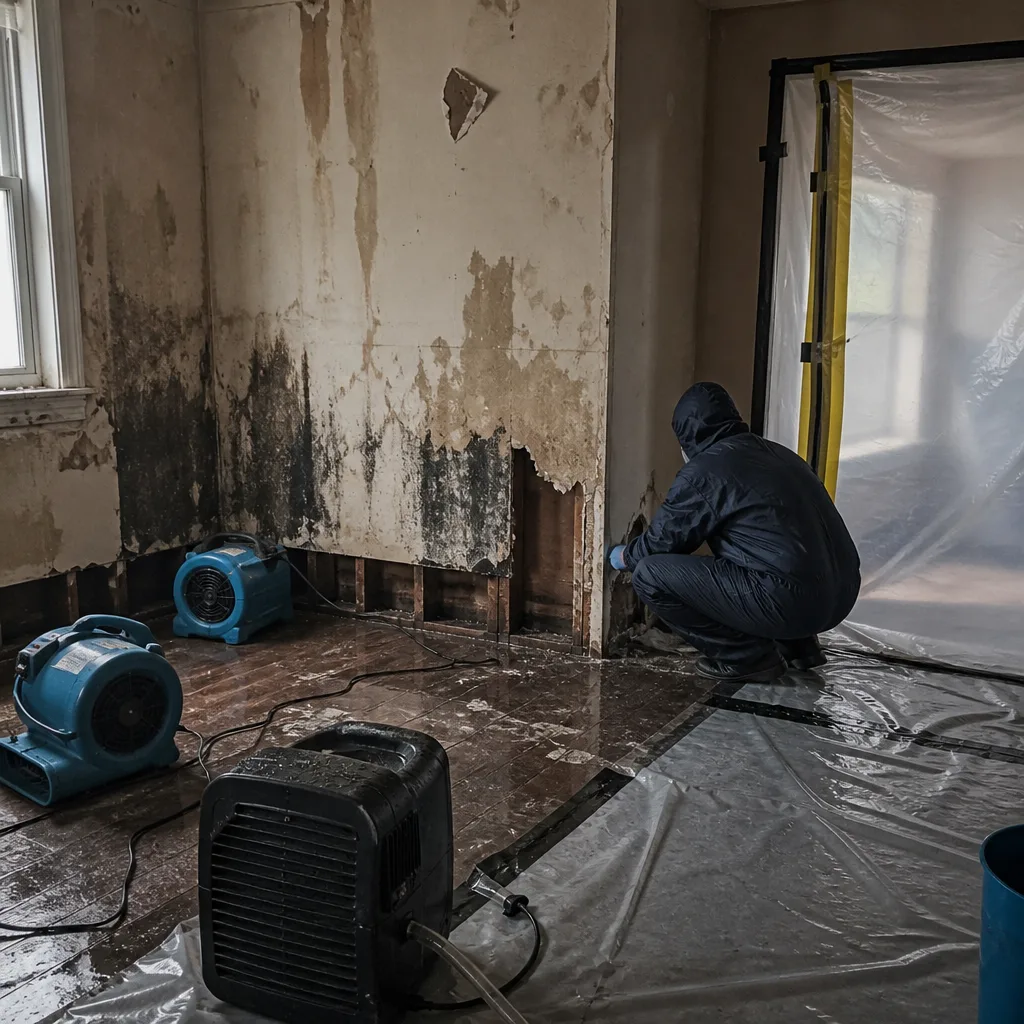 Before
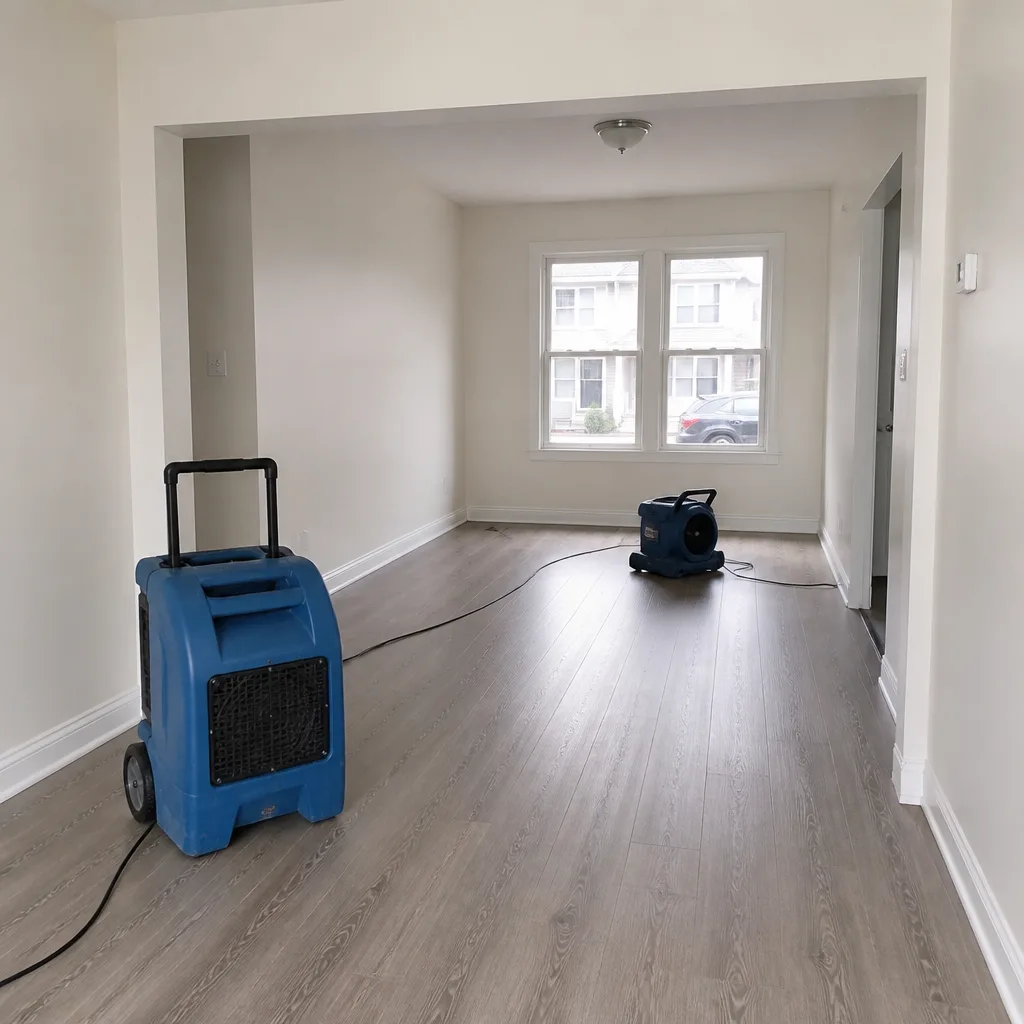 After
After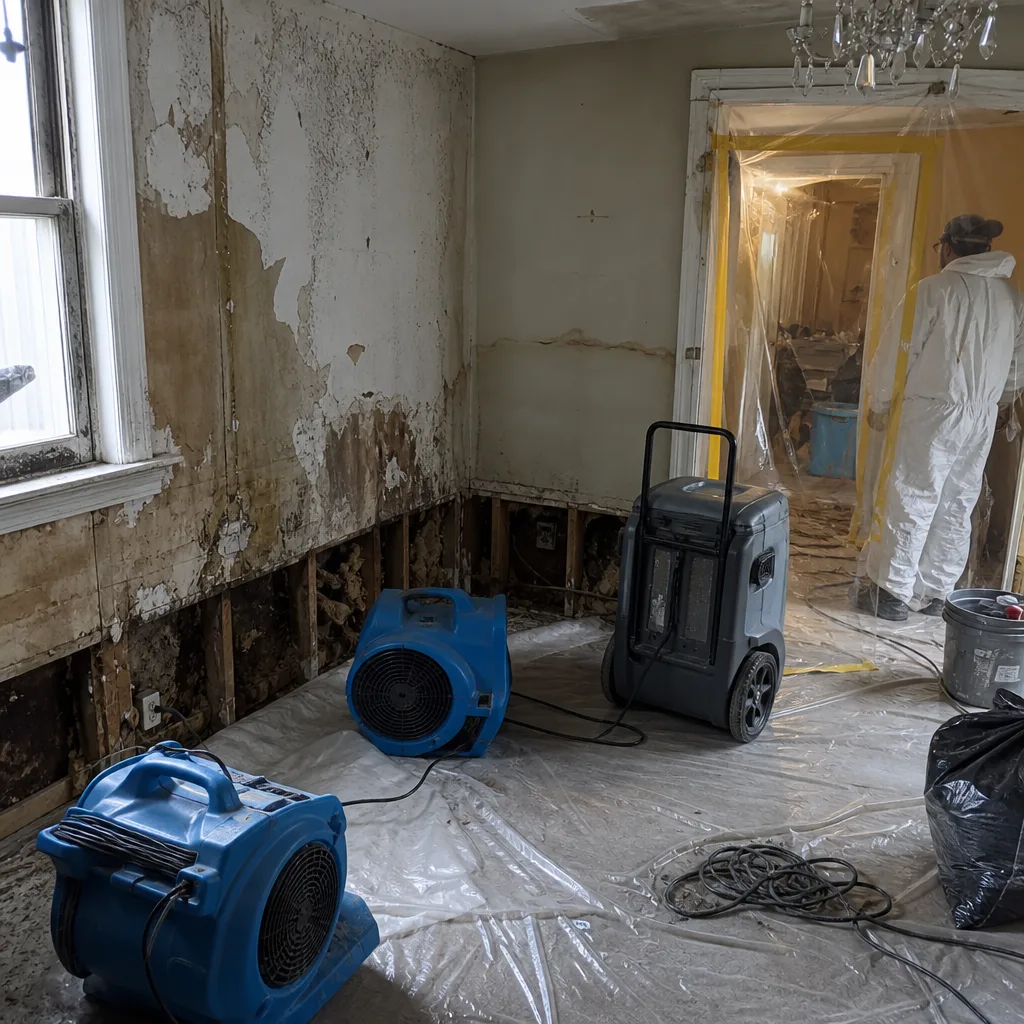 Before
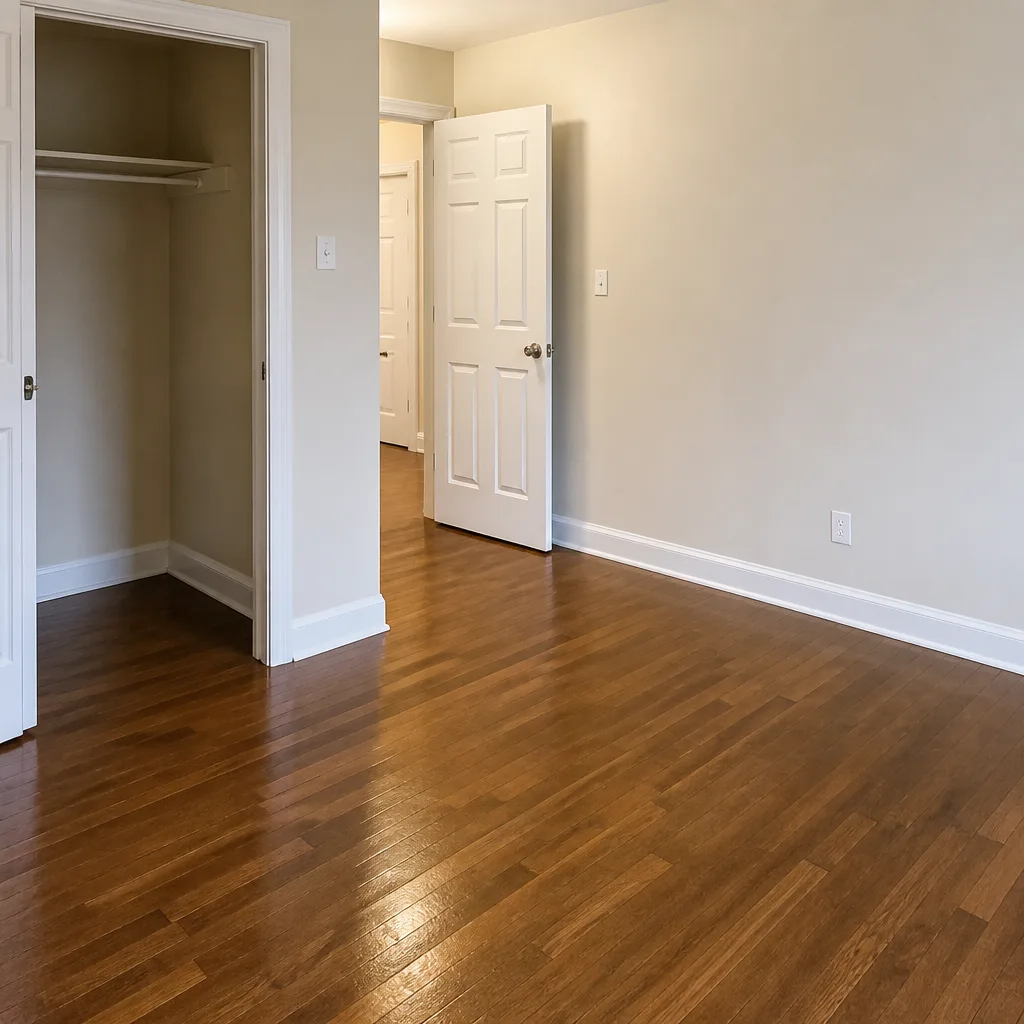 After
After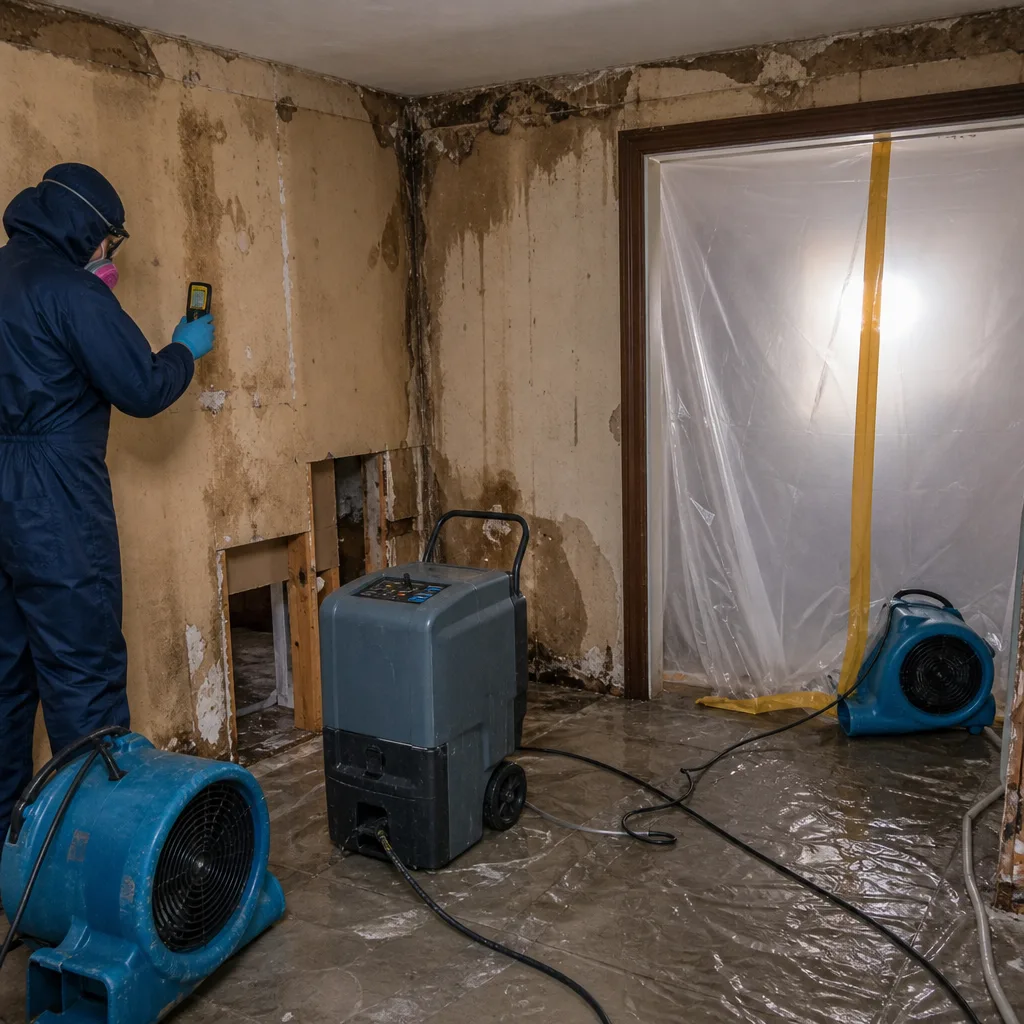 Before
 After
After24/7 Emergency Mold Remediation in Upper West Side
Mold remediation in Upper West Side typically runs $1,800-$6,500 depending on how many floors and rooms are involved, and in a prewar co-op the real cost driver is how long water sat inside plaster walls before anyone found it. If you’ve spotted black staining along a baseboard, a musty smell near a radiator riser, or peeling paint after a leak from the apartment above, call us at (640) 221-3499 right now. A live dispatcher answers 24 hours a day, not a recording. The first hour matters because mold in original horsehair-and-plaster walls, the kind you’ll find in nearly every prewar building from 96th Street down to 59th, starts colonizing within 24 to 48 hours of a water event. Early containment is the difference between cleaning a single wall cavity and tearing out three floors of original plaster in an LPC-protected co-op.
Understanding Mold Remediation Severity in Upper West Side Properties
We classify mold jobs by how far moisture has traveled through a building’s structure, and on the Upper West Side that almost always means vertical travel. Your building’s cast-iron drain stacks and steam risers run floor to floor through original plaster walls, and when one fails, water drops through the riser chase and wicks sideways into every adjacent unit along the way. A bathroom leak on the 8th floor of a Riverside Drive co-op isn’t a one-apartment problem. It’s a stacked, multi-unit contamination risk that requires containment on every floor the water passed through. We use thermal imaging and hygrometers to map moisture behind walls without opening them blindly, then run HEPA air scrubbers to capture airborne spores before any demolition starts. Severity on the UWS rarely stays localized: a slow supply-line leak inside a 1920s wall cavity can feed mold for weeks before a tenant notices discoloration, and by then the colony has spread well beyond the visible stain. That’s why we treat every Upper West Side mold call as a potential stacked-unit containment job, not a single-room cleanup.
Our Mold Remediation team is trained to the IICRC’s AMRT standard for mold remediation, which covers exactly these interior contamination scenarios. The relevant question on a prewar UWS co-op is never just “is there mold” but “which floors does the mold footprint actually cover” and “what’s living inside the riser chase between them.”
Why Upper West Side Property Owners Choose Floodline Restoration Co.
- 45-minute response commitment - We dispatch crews located in and around Upper West Side so someone is at your building within 45 minutes of your call, not the next day.
- Live answer, 24/7 - A real person picks up at 2 a.m. on Sunday. No automated triage, no “press 2 for mold.”
- IICRC-certified crews - Our techs hold AMRT and WRT certifications through the IICRC, with additional training through RIA and IFA. Uniformed, background-checked, and steady under co-op board pressure.
- Free visual inspection - We walk the unit, read moisture levels, and tell you straight whether you need full containment or a targeted cleaning. No charge for the assessment.
- Direct insurance billing - We bill your HO-6 carrier and the building’s master-policy carrier directly and handle the adjuster calls. You’re not the messenger.
- One team from extraction to reconstruction - Our crew that sets containment is the same crew that dries, treats, and rebuilds. No mid-job handoff to a subcontractor you’ve never met.
Our Mold Remediation Process
Inspection & Assessment
We start with visual inspection plus moisture mapping using thermal imaging and hygrometers. On a prewar UWS co-op, that means checking not just the visible room but the riser chase, adjacent wall cavities, and the ceiling of the unit below where water likely tracked.
Containment & Stabilization
Before any wall opens, we set negative-air containment with HEPA scrubbers on every affected floor. In occupied buildings we seal doorways, elevator vestibules, and hallway access points so spores don’t migrate to neighbors’ units.
Drying & Dehumidification
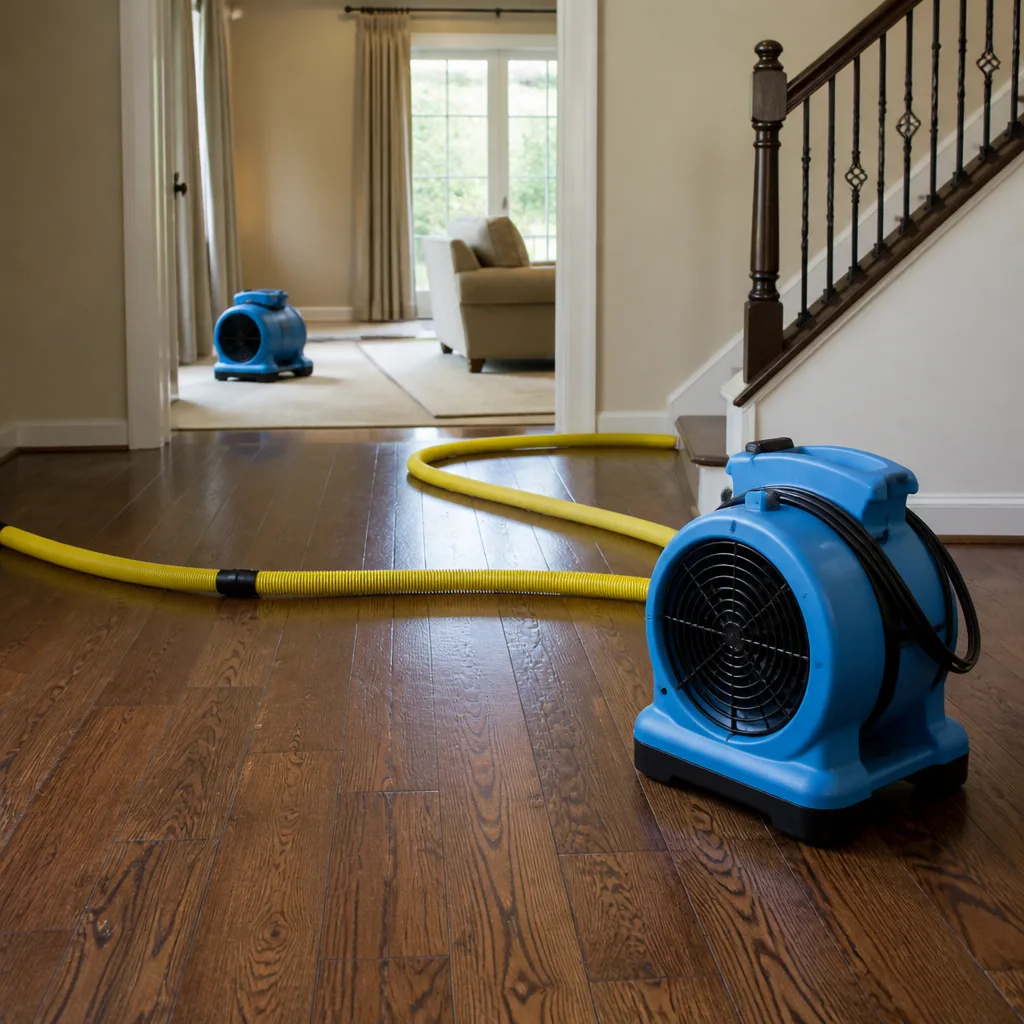
Dri-Eaz dehumidifiers and XPOWER air movers pull moisture out of plaster and lath. We log readings daily until walls hit the dry standard, typically below 16% wood moisture equivalent in these older assemblies.
Cleaning & Sanitization
We remove contaminated plaster and lathe with HEPA-filtered tools, wire-brush and treat affected lath and framing, and HEPA-vacuum every cavity. Non-porous surfaces get antimicrobial treatment per IICRC S520.
Air Quality Restoration
HEPA air scrubbers run continuously through the cleanup, and we conduct post-remediation air sampling when the job or the co-op board requires it. You get a clearance report, not just a “looks dry to us.”
Repairs & Restoration
In these buildings, drywall patch-and-paint isn’t acceptable. We match original plaster profiles, reproduce moldings, and work with your co-op board and LPC guidelines when any exterior work is part of the fix.
Need Emergency Mold Remediation in Upper West Side Now?
Crews minutes away, answering live 24 hours a day. The sooner we start, the less it costs.
Working With Your Insurance Company
Mold claims in Upper West Side co-ops are rarely simple. Your HO-6 policy covers your unit interior; the building’s master policy covers common elements like riser pipes and shared walls; and the two carriers often disagree about who pays for what. We’ve handled enough of these to know exactly what each adjuster needs to approve a scope. From the first hour, we photograph every step, log moisture readings daily, and write line-item scopes using Xactimate language carriers recognize. Then we submit directly to your insurer and the co-op’s carrier, so you’re not printing checks for a job that should be covered. Our documentation has helped countless UWS owners recover properly from mold events their neighbors’ contractors under-documented and under-claimed.
What We Provide Your Insurer
- Thorough documentation of the loss
- Photos of all damage, room by room
- Moisture readings and drying logs
- A detailed, line-item scope of work
- Direct coordination with your carrier
Built for Upper West Side’s Loss Calendar
On the Upper West Side, mold outbreaks follow a seasonal rhythm that any longtime resident can feel. January and February bring deep freezes that stress 100-year-old supply lines and radiator valves until they let go, sending Category 2 water down through stacked apartments. March and April thaw out frozen pipe damage hidden inside walls, and that’s when we find colonies that started weeks earlier. Summer thunderstorms overwhelm the city’s combined sewer system, backing water into basement storage rooms and mechanical spaces under prewar co-ops along Broadway and Amsterdam. And then comes what local restoration crews call “radiator season.” Every October and November, when building supers throttle up steam pressure for heating season, aged union fittings and supply valves fail in a predictable spike. The first hard cold snap floods multiple buildings within a few blocks in a single day. We pre-schedule crews through that window because we know from 42 years in this work that the calls will come. If you’re in an older UWS building, check your radiator valves in early October, before the pressure hits.
Mold Remediation Across Upper West Side’s Neighborhoods
The buildings change character as you move through the Upper West Side, and so do the mold profiles. Along Riverside Drive and West End Avenue, the grand 1890s and 1920s co-ops have original horsehair-and-plaster walls up to two inches thick. Water takes longer to dry in those assemblies, and mold colonizes deeper, so containment and drying cycles run longer and cost more. The west-facing elevations take direct Hudson River wind-driven rain, and freeze-thaw cycles have opened hairline cracks in the century-old masonry, channeling moisture into wall cavities behind the plaster. Over along Broadway and Amsterdam, many buildings from the 1910s and 1920s have mixed original plaster and prior renovation drywall, which means we often find mold hiding at the seam where two dissimilar materials meet and moisture condenses. Near Columbus Avenue and in the 90s and 100s, the buildings are slightly newer but the cast-iron risers and supply lines are still original, and radiator season hits those blocks as hard as anywhere. In the Morningside Heights corridor along 110th and Broadway, many buildings sit on sloping bedrock, which means groundwater and stormwater pooling patterns differ from the flat blocks further south, and basement storage rooms take on more seasonal moisture.
One thing every UWS neighborhood shares is building density. When mold is found in one unit, the affected footprint often includes the unit’s shared wall with a neighbor, the riser chase, and sometimes the hallway corridor outside. Our response times and containment protocols account for that density. We’re moving equipment through service entrances, coordinating with supers on freight elevator access, and keeping hallways clean while we work.
Specialized Mold Remediation Services We Offer in Upper West Side
Mold Inspection & Testing
In a prewar co-op on the Upper West Side, visual inspection alone isn’t enough. Mold hides behind original plaster, inside riser chases, and under floor boards where water from the unit above pooled. We use moisture meters, thermal imaging, and air sampling to establish the actual footprint. You get a written report with photographs and readings, useful for your co-op board and your insurer.
Mold Removal
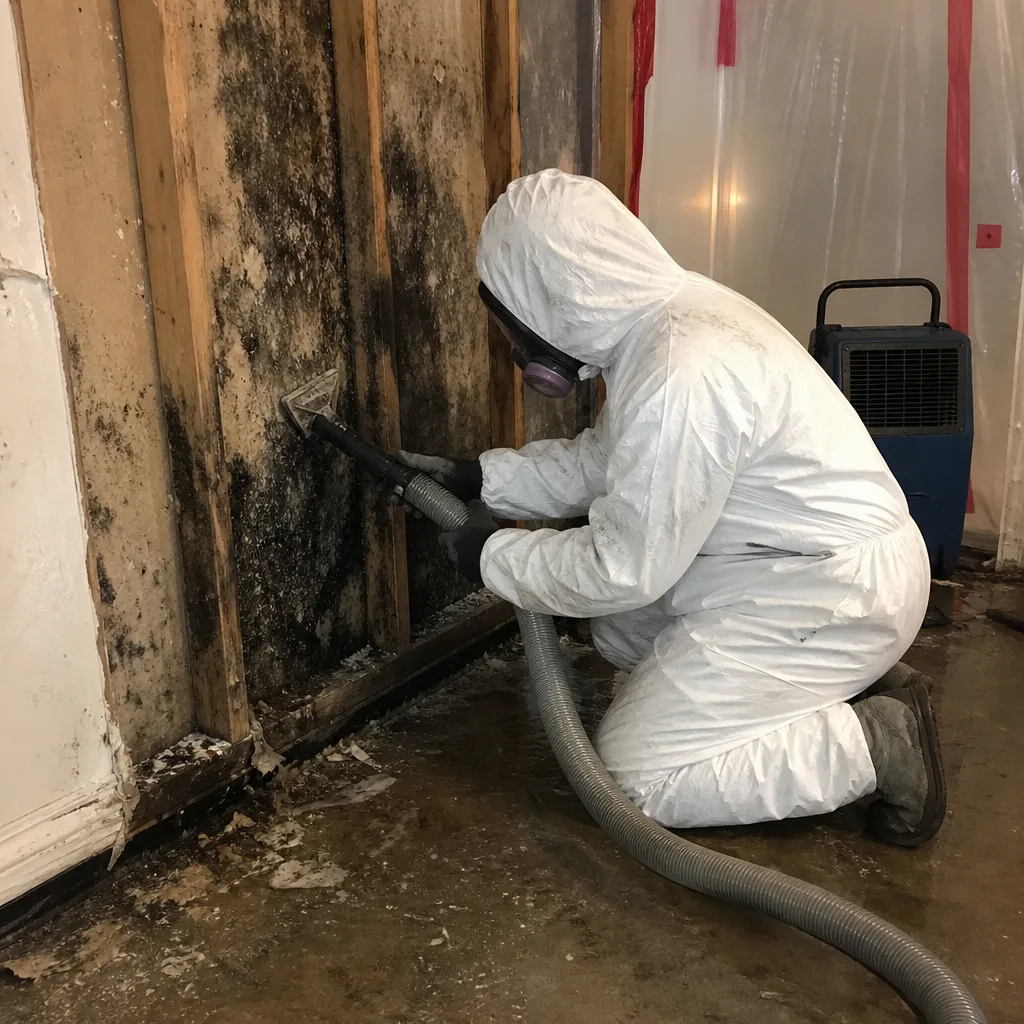
Removal in these buildings means careful, contained demolition. We cut through plaster without pulverizing the plaster keys that hold the rest of the wall in place, bag contaminated material in the containment zone, and HEPA-vacuum every cavity before any rebuild starts. For original ornamental plaster that a board wants preserved, we clean and treat rather than remove whenever the material is salvageable.
Black Mold Remediation
Stachybotrys, commonly called black mold, thrives on wet cellulose, and horsehair-and-plaster walls with original lath provide exactly that. We handle black mold with the same IICRC S520 containment protocols as any other toxigenic species: full negative-air isolation, HEPA air scrubbing, and clearance testing before we release the space back to you.
Air Quality Restoration
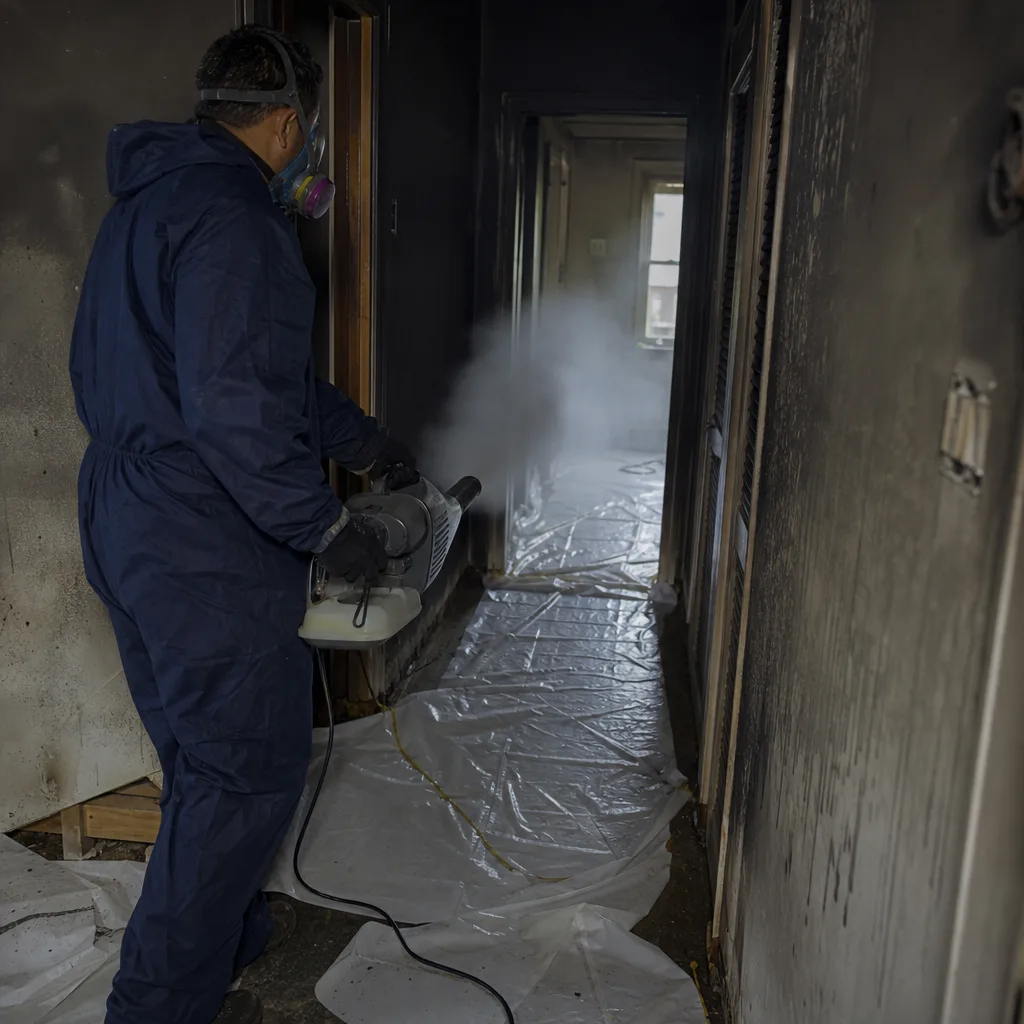
After any mold remediation, airborne spore counts need to drop, not just the visible staining. In stacked UWS buildings, spores from a torn-out wall migrate upward through riser chases and into neighboring units. We run HEPA scrubbers during the entire containment period and conduct post-remediation air sampling when the job calls for it.
Crawl Space Treatment
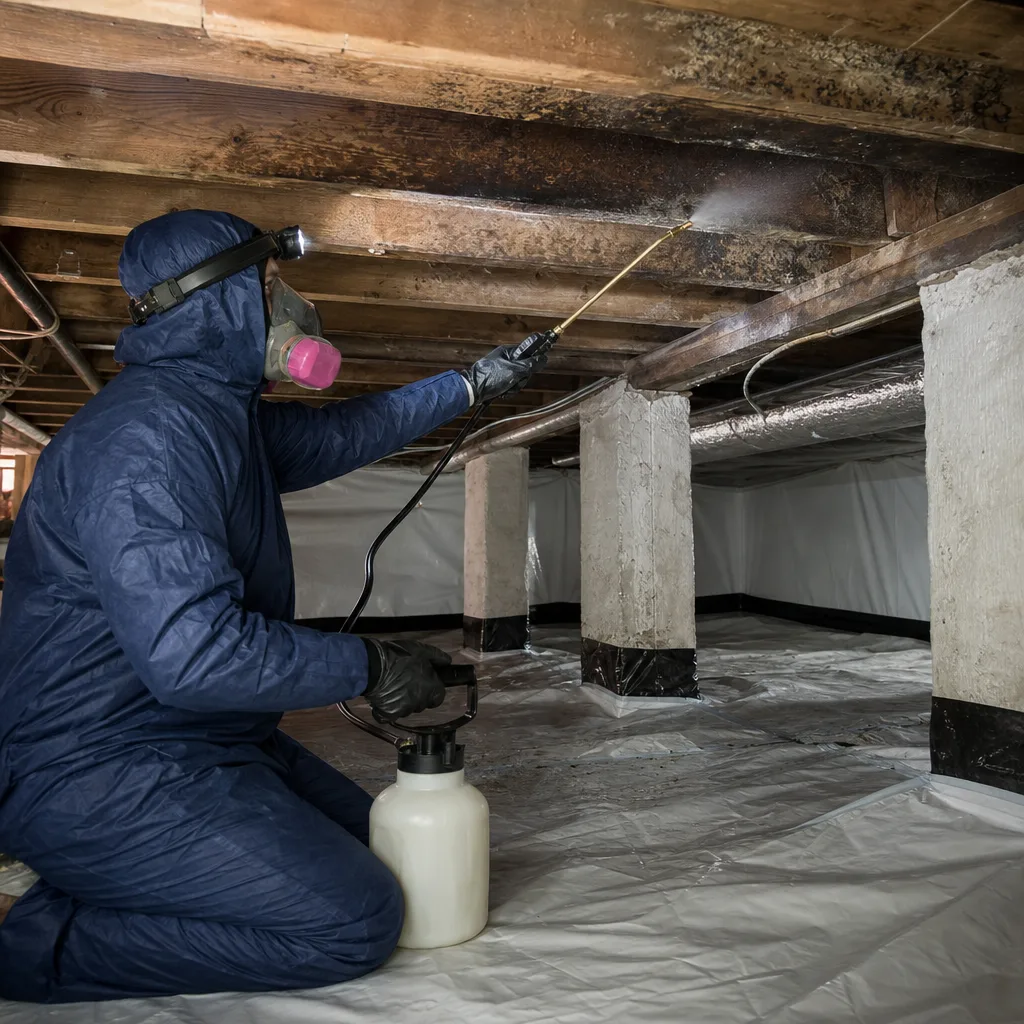
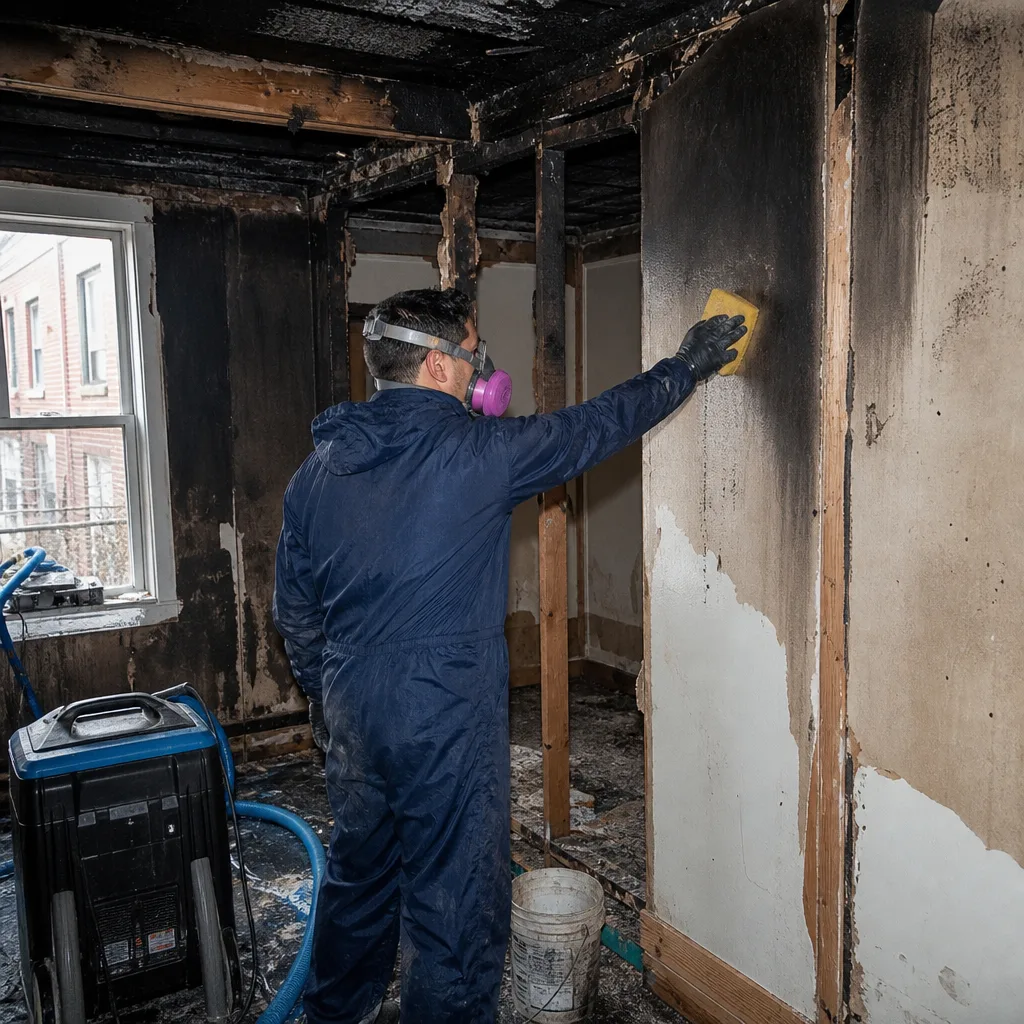
Some UWS brownstones and the few remaining single-family homes have crawl spaces rather than full basements. These spaces trap moisture against dirt floors and foundation walls, feeding mold that then migrates up through floor joists. We install vapor barriers, manage drainage, and treat the framing with appropriate antimicrobial products.
Moisture & Humidity Control
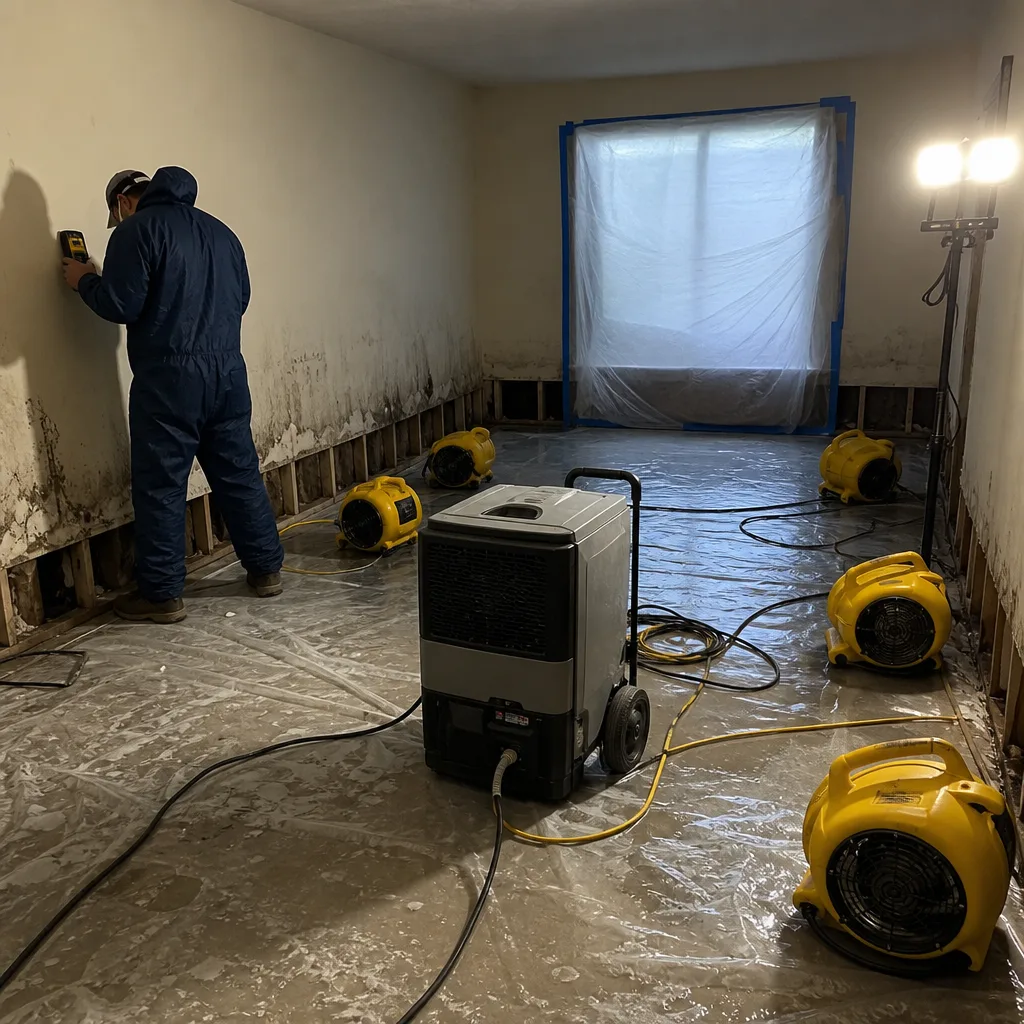
In prewar buildings, steam heat and poor ventilation create standing humidity problems long after a mold colony is removed. We recommend and install dehumidification where it makes sense, and we address the moisture source itself. Without that, any remediation is temporary.
What happens when you call
- 1
A real person answersNo phone trees - you reach a local pro.
- 2
You get an upfront price rangeHonest numbers before anyone is dispatched.
- 3
A background-checked tech heads outLicensed & insured, dispatched right away.
- 4
You approve before work beginsNothing starts until you say go.
Mold Remediation Costs in Upper West Side, NY
Let’s talk straight numbers for Upper West Side. A single-room containment and mold cleanup in a UWS apartment typically runs $1,800-$3,000. A stacked multi-unit event where water traveled from the 10th floor down through six apartments can run $15,000-$40,000 or more depending on how many rooms, the plaster conditions, and whether LPC approvals are required for any exterior work. Mold inspection and testing alone runs $400-$900 for a standard UWS unit, including moisture mapping and air samples. What moves the price most in this neighborhood is containment complexity: working inside an occupied co-op with hallway access restrictions, elevator coordination, and dust-control requirements costs more than a simple single-family basement job in Queens. The best path is our free visual inspection. We’ll tell you what needs doing and what your insurer is likely to cover before any money leaves your pocket. Call (640) 221-3499.
We Also Serve Cities Near Upper West Side
Our crews regularly work in Midtown West, Midtown Manhattan, Upper East Side, and Upper Manhattan. If you’re in one of those neighborhoods and dealing with mold from a burst riser or a storm backup, we can usually get there fast.
Upper West Side Mold Remediation Questions, Answered
How do you contain mold during remediation in an occupied prewar co-op on the Upper West Side without shutting down the whole building?
We set negative-air containment on every affected floor, using HEPA-filtered exhaust to the exterior and poly sheeting to seal doorways, hallway access points, and any opening to shared spaces. Elevator vestibules are protected, hallways are kept clean, and the rest of the building keeps operating normally.
What happens when mold is found behind original horsehair-and-plaster walls in an 1890s Riverside Drive co-op?
We cut carefully to preserve the remaining plaster keys, remove only what’s necessary, and treat the cavity and lath before rebuilding with matched plaster profiles. If the room has ornamental molding, we document it and reproduce the profile so the repair blends.
During ‘radiator season,’ can mold remediation wait until after the heating system is fixed?
No. Mold colonizes damp plaster within 48 hours, and while you wait for a plumber to fix the riser, the colony spreads. We can set containment and begin drying while the plumbing repair is scheduled. Waiting makes the eventual remediation larger and more expensive.
If my UWS apartment has mold from a storm-water backup in the building’s basement storage room, who pays: my HO-6 or the co-op’s master policy?
It depends on where the water came from and which policy covers that element. Common-area backups typically fall under the master policy, but your HO-6 may cover your stored contents and any interior repairs. We document everything and submit to both carriers so the responsibility is sorted out in writing, not in a phone argument between you and the board.
How do you eliminate the musty smell in a prewar UWS bathroom after a mold remediation job?
The smell comes from mold spores and damp building materials. We remove the contaminated material, HEPA-vac every cavity, and run air scrubbers until airborne spore counts drop. If a musty odor persists after that, it usually means mold remains behind an adjacent wall or inside the riser chase, and we re-inspect rather than mask the smell.
How quickly can you actually get a crew to my Upper West Side building?
Our target is 45 minutes from your call to our techs arriving at your building. We keep crews positioned around the Upper West Side, Midtown Manhattan, and Upper Manhattan specifically so that emergency response stays short. Call (640) 221-3499 and someone will be on the way.
Will my insurance cover mold remediation from a radiator or pipe leak?
Most HO-6 and master policies cover sudden and accidental water damage that leads to mold, though coverage limits and mold exclusions vary. We document the cause, the drying process, and the remediation scope in the exact format adjusters require. Call us and we’ll walk through what your policy likely covers before any work begins.
What are your mold remediation certifications and how do I know your crews are qualified?
Our technicians are trained to IICRC standards, specifically AMRT and WRT, with additional RIA and IFA training. They are uniformed, background-checked, and have handled hundreds of prewar Manhattan co-op mold jobs. You can ask to see credentials at the door.
Serving Upper West Side, NY - Our Local Coverage Area
We’re based in the Upper West Side area and know this community well. Use the map below to see our service coverage - if you’re nearby, we can almost certainly help.
Get a Free Mold Inspection in Upper West Side
If you suspect mold in your Upper West Side apartment or building, don’t wait. The first 30 minutes after you notice a stain or smell, the most useful thing you can do is shut off any source of water and call us at (640) 221-3499. We’ll walk the space, take readings, and give you a straight answer about what’s happening and what it will take to fix. No charge for that. Our 90-Day Done Right Promise backs every job in writing: if it isn’t done right, we make it right, no paperwork battles and no arguing. Floodline Restoration Co. was founded by Curt Bowman in 2010 and built around a dispatch board, not a sales desk. We answer the phone with a live person at any hour, and we’ll be there when we say.
Written by Curt Bowman, Owner at Floodline Restoration Co., serving Upper West Side and the surrounding Manhattan neighborhoods.