
Free visual inspection and a written scope of work before any mitigation begins - photos, moisture readings, and drying logs go in your claim file
The scope we write is the scope we bill. Anything new gets shown to you, in writing, before we touch it.
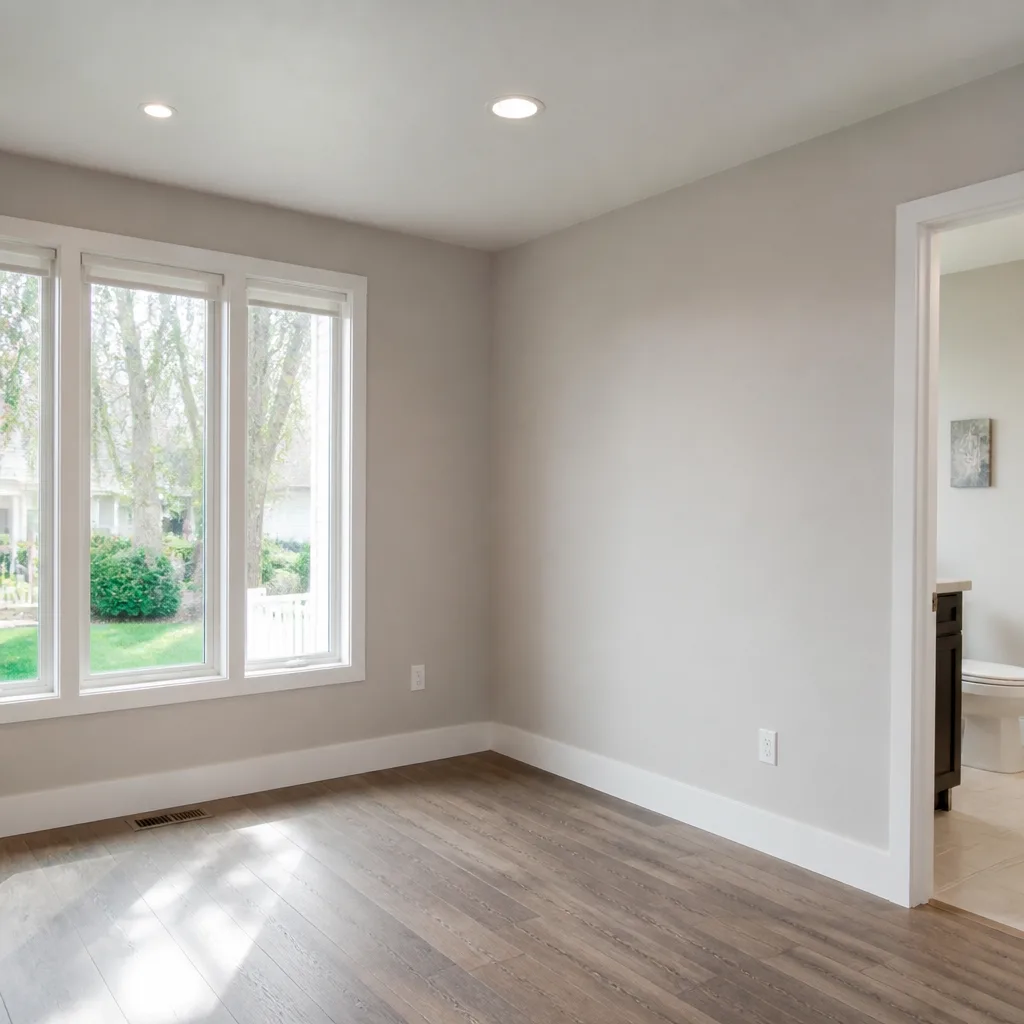
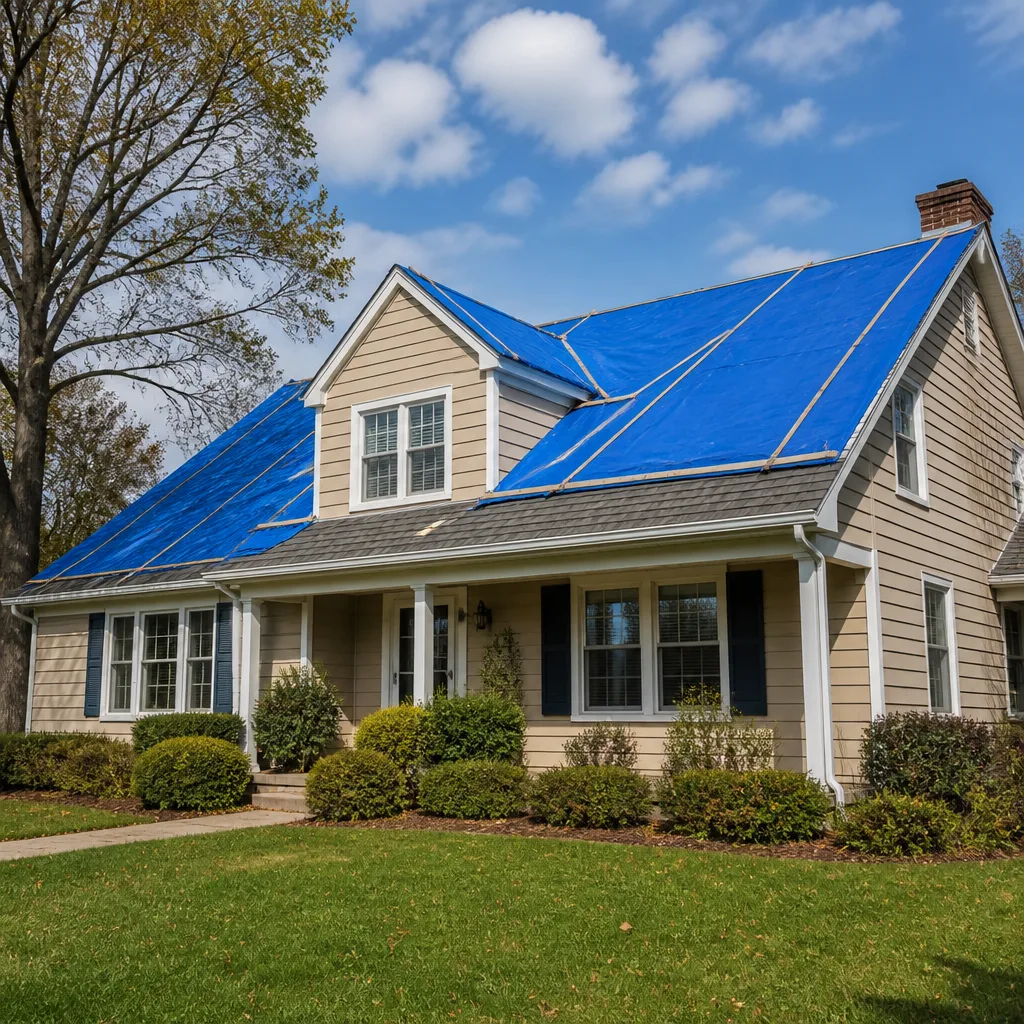
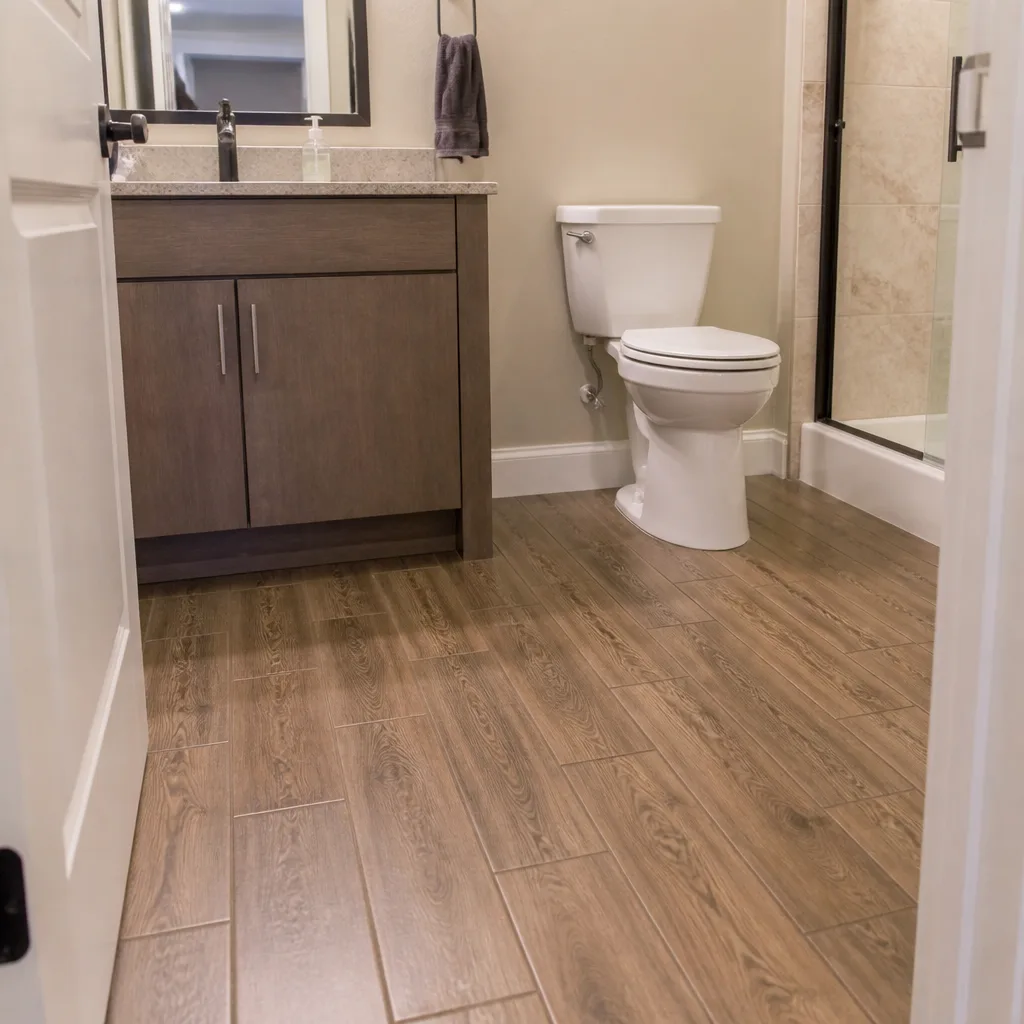
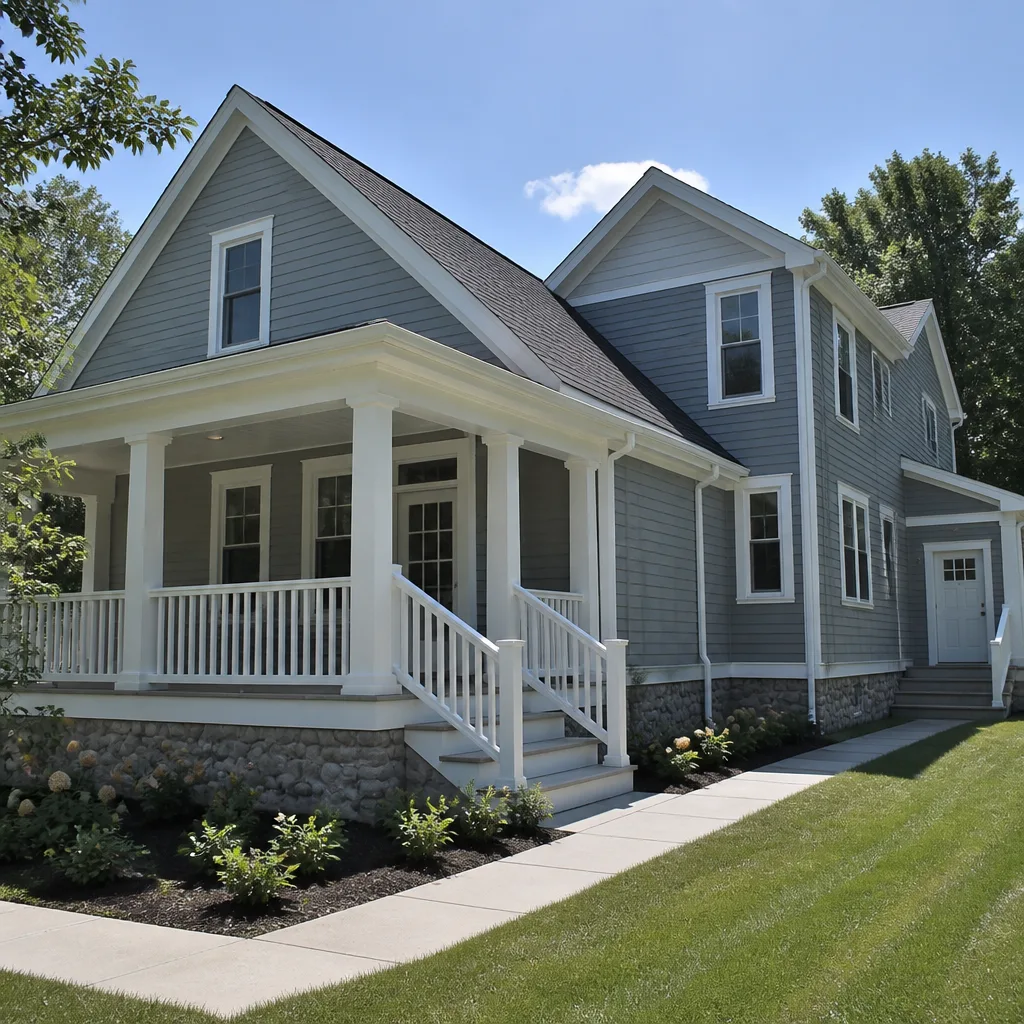
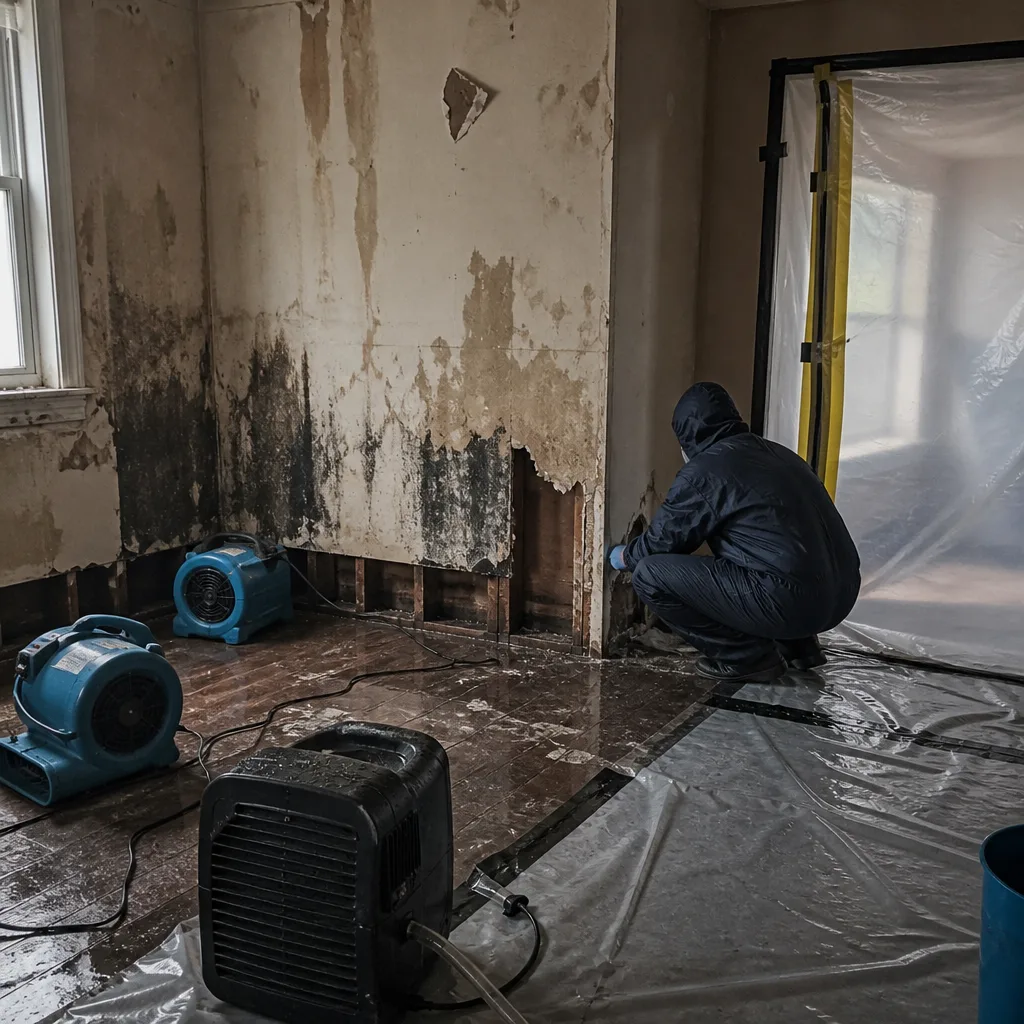 Before
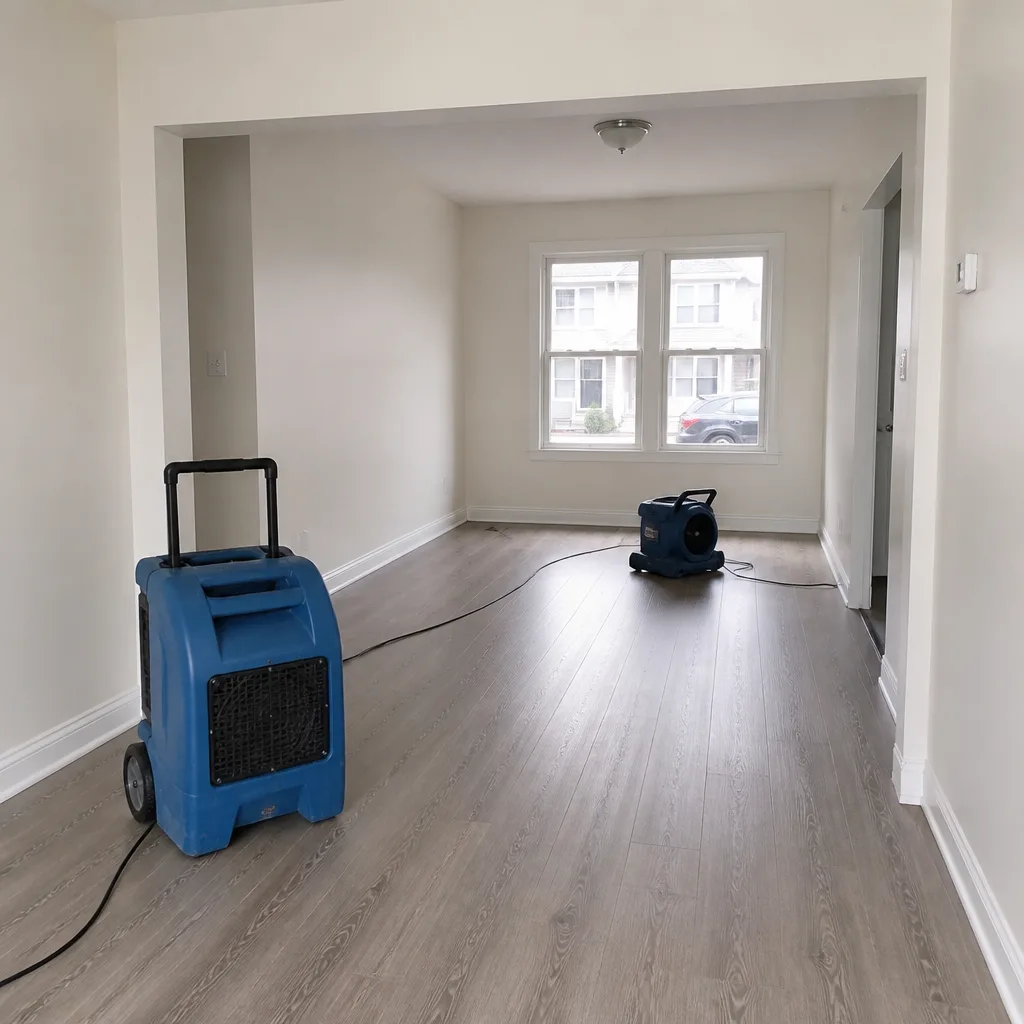 After
After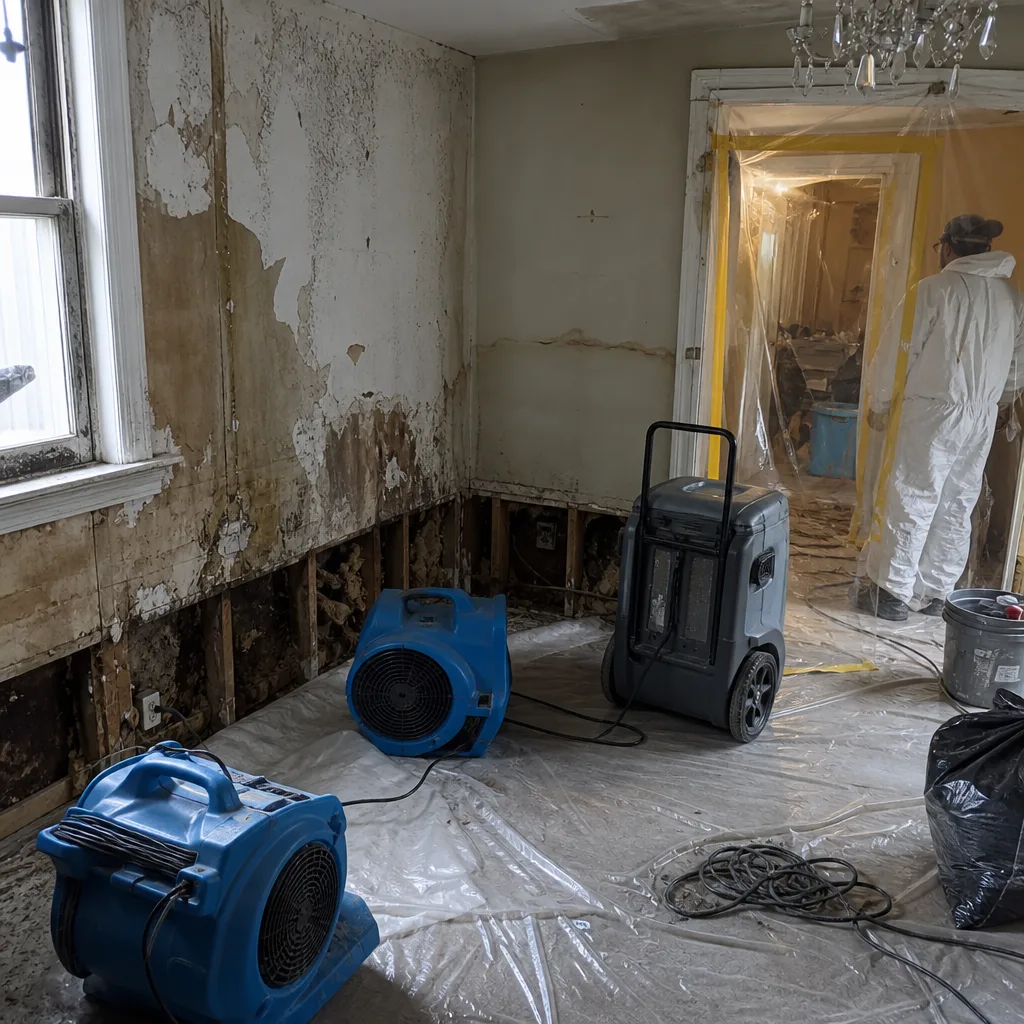 Before
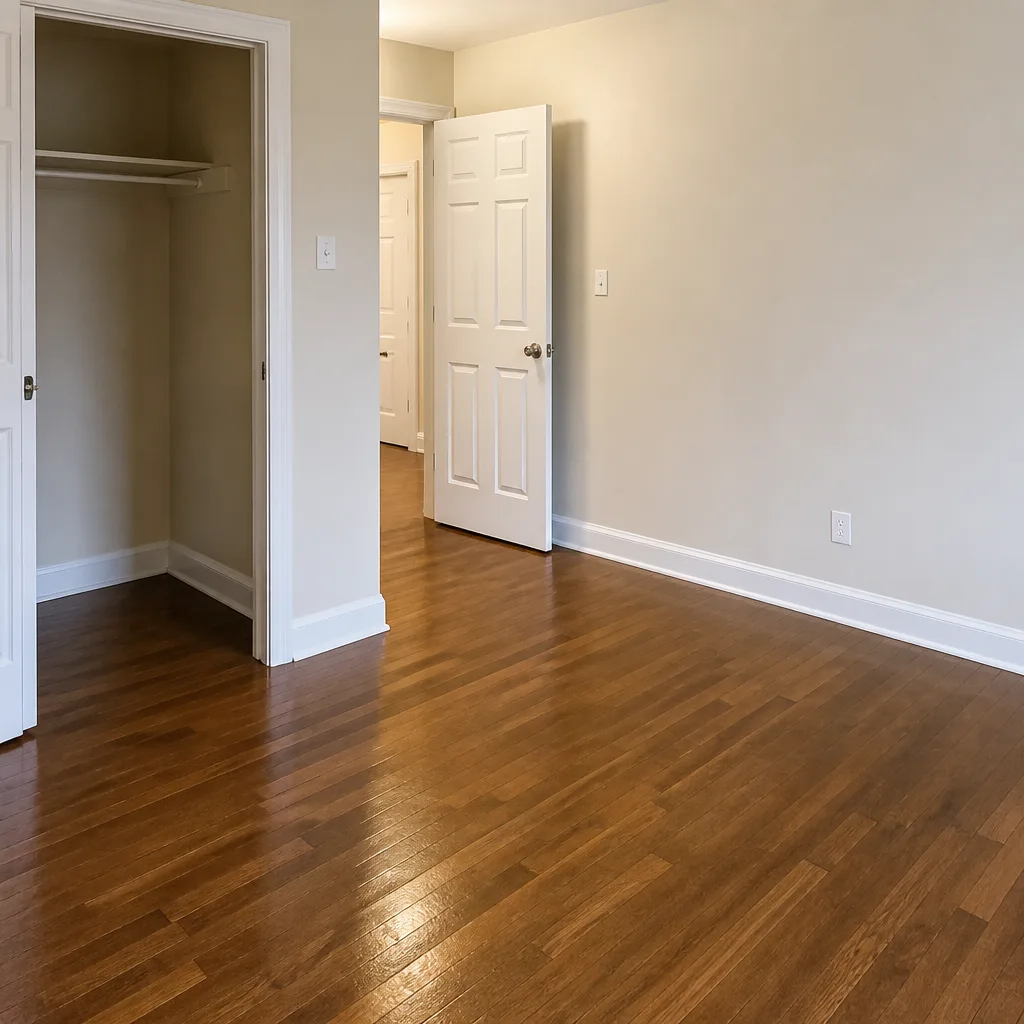 After
After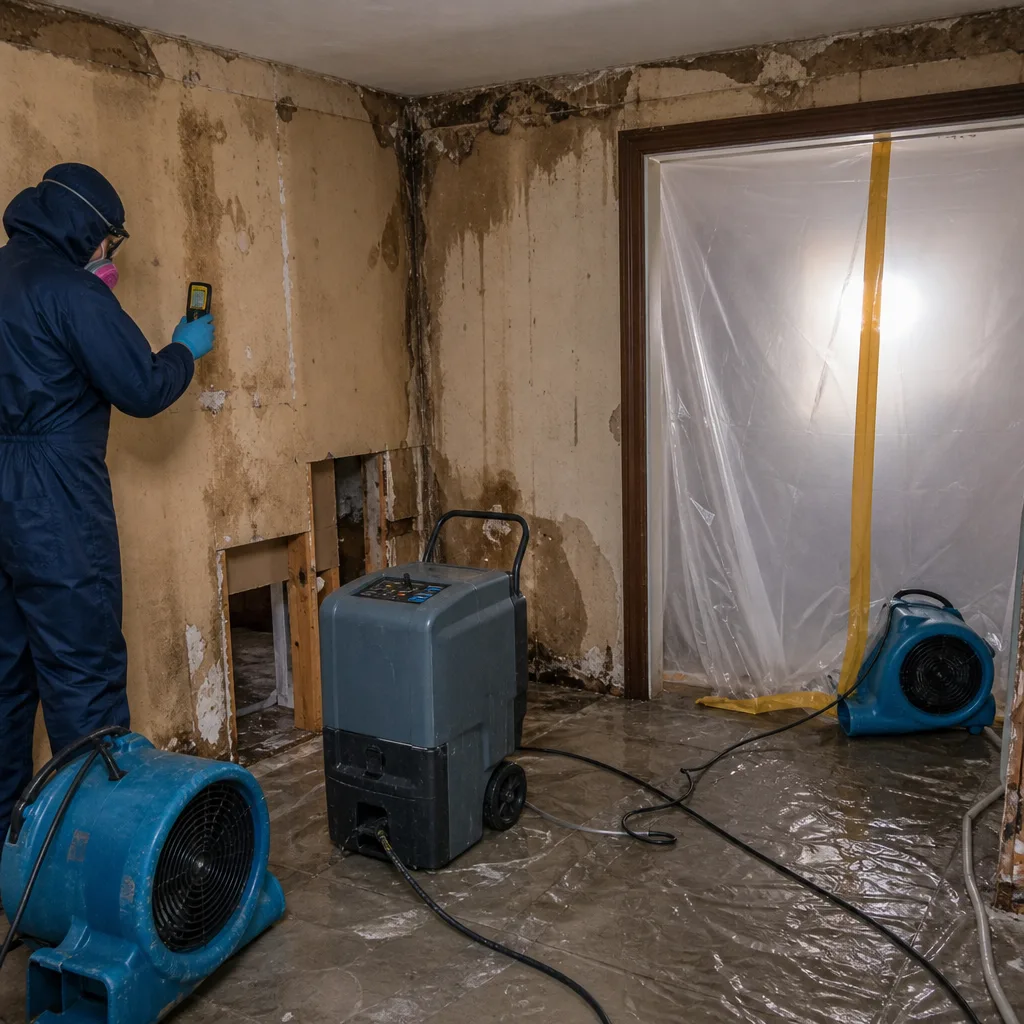 Before
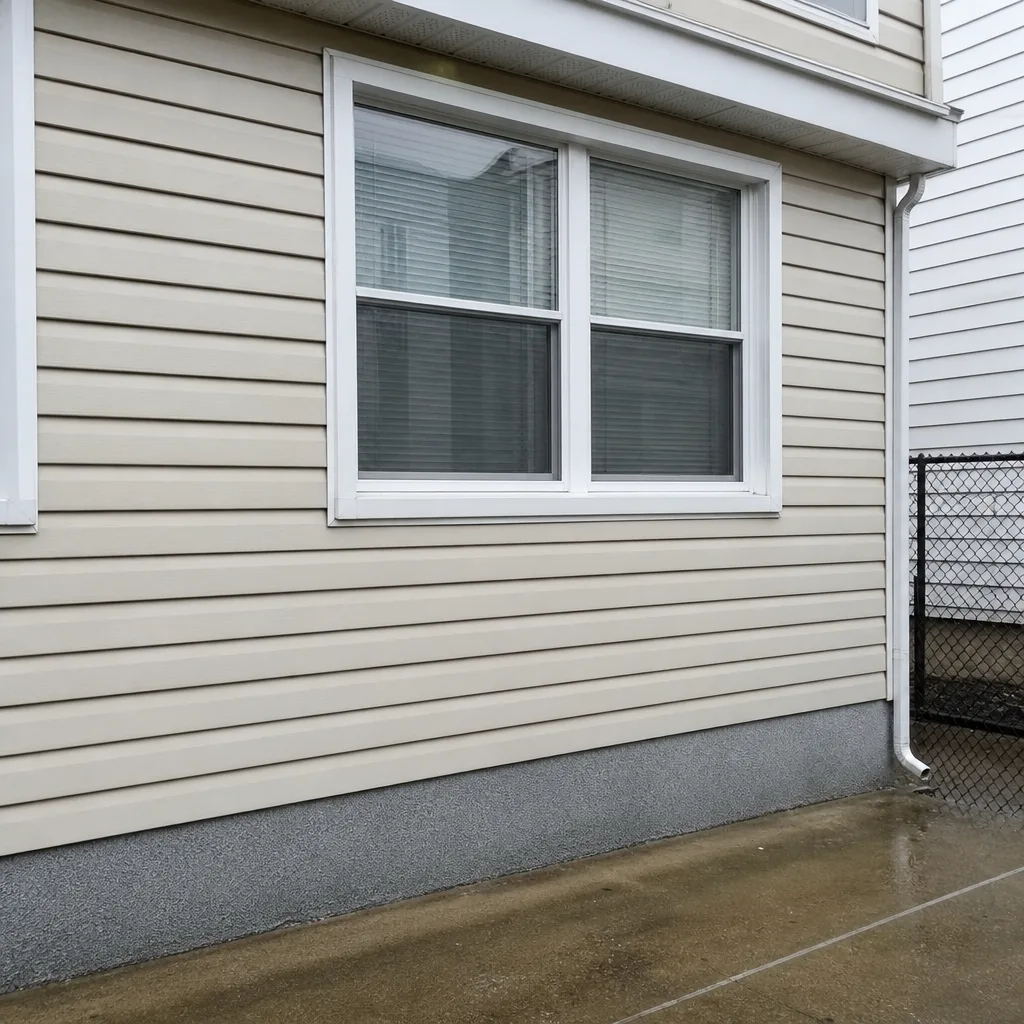 After
After24/7 Emergency Fire & Smoke Damage Restoration in Edgewater
Fire and smoke damage in Edgewater moves fast. Soot begins etching glass and metal within hours, and smoke odor works into drywall, fabrics, and HVAC ducts before the fire trucks have cleared River Road. Our crews answer live around the clock and can be on site in Edgewater within 45 minutes of your call to (640) 221-3499. We start with a free visual inspection, then get containment and ventilation running before the damage spreads to floors and units that were never touched by flame.
We know Edgewater’s buildings. The luxury towers along the Hudson behave differently after a fire than the older homes climbing the Palisades slope. What stays the same is this: the first hour decides how much of your home gets restored versus replaced. A live dispatcher answers at two in the morning. A certified crew follows. That’s how Floodline Restoration Co. has handled Fire & Smoke Damage Restoration since Curt Bowman founded the company in 2010, and it’s how we’ll handle yours.
Understanding Fire & Smoke Damage Restoration Severity in Edgewater Properties
Not all smoke is the same, and Edgewater’s housing stock spans two very different risk profiles. In the high-rise condominium towers along River Road, a kitchen fire produces protein-based soot that is nearly invisible but aggressively greasy, bonding to custom cabinetry, stone counters, and stainless appliances. In the older homes on the Palisades slope above Route 9W, fires fueled by natural materials and older construction produce dry, powdery soot that travels on air currents, settling inside walls far from the original burn site.
Smoke migration is the threat Edgewater property owners underestimate most. In towers with shared HVAC systems, smoke from one unit follows return-air pathways into neighboring units on multiple floors, leaving odor and residue behind even where no fire ever burned. Post-tension concrete slabs do not stop smoke; they simply channel it along chase ways and pipe penetrations. We assess severity by residue type, surface porosity, and HVAC connectivity before any cleaning begins. That assessment determines whether we are wiping surfaces or removing and restoring them. Every Edgewater job gets a written scope before work starts, and a moisture log throughout, because what you cannot see behind a curtain-wall façade or above a dropped ceiling is usually where the real damage sits.
Why Edgewater Property Owners Choose Floodline Restoration Co.
- 45-minute response commitment. We dispatch crews to Edgewater from the moment you call, with live phone coverage every hour of every day. The first hour after a fire is when most of the permanent damage happens.
- 24/7 live answer, never a recording. A real person picks up at 2 a.m. at (640) 221-3499. You will never fight a phone tree while your home is filling with smoke odor.
- IICRC-certified crews, trained to FSRT and WRT standards. Fire and smoke restoration and water restoration both come into play in nearly every Edgewater fire event, since sprinklers and firefighting water are part of the loss.
- Free visual inspection. We walk the property with you, identify what needs immediate attention, and give you a straight scope of work before anything is torn out or replaced.
- Direct insurance billing. We coordinate with your carrier from the first call, provide the documentation they need, and bill them directly so you are not caught in the middle.
- One team from extraction to reconstruction. The same Floodline Restoration Co. crew that tears out smoke-damaged drywall is the crew that rebuilds it. No mid-job handoff, no inherited subcontractors.
Our Fire & Smoke Damage Restoration Process
Inspection & Assessment
We walk every affected room, inspect HVAC returns and chase ways, and document soot type, residue patterns, and water intrusion points. In Edgewater’s high-rises, this includes checking the unit above and below, because post-tension slabs transfer moisture and smoke in ways you cannot see from one floor.
Stabilization & Containment
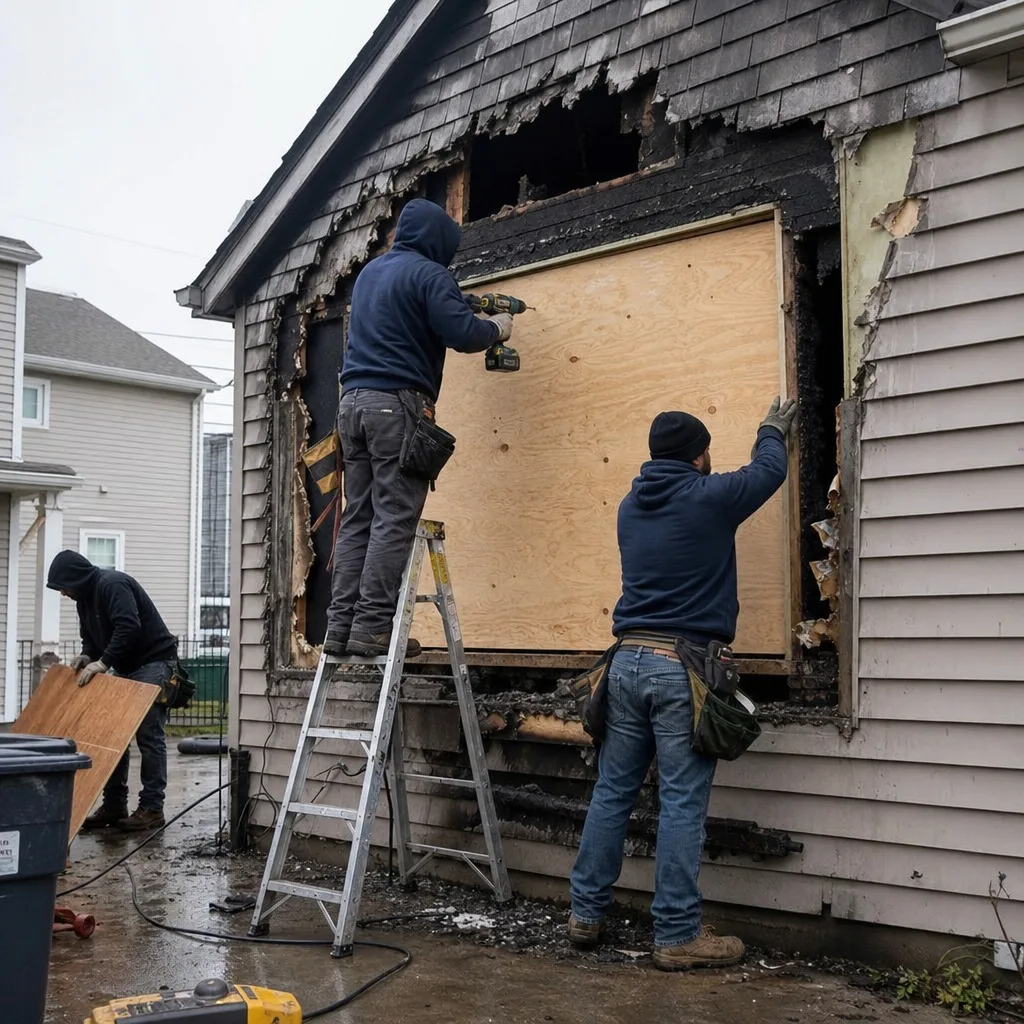
We seal off the affected area with containment barriers, shut down or isolate the affected HVAC zones, and board up any openings where fire or firefighting compromised windows, doors, or the curtain-wall façade. This stops cross-contamination and keeps your neighbors safe from migrating odor.
Water Extraction & Structural Drying
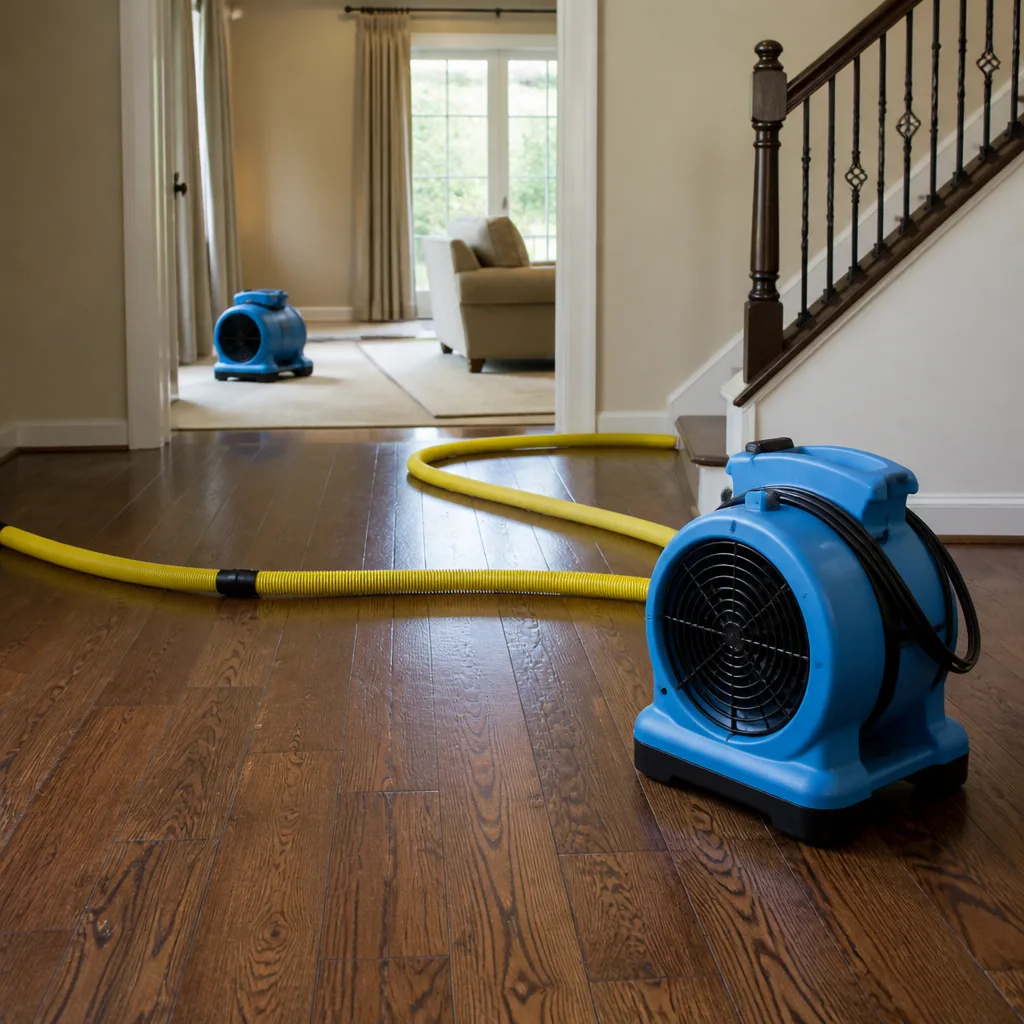
Sprinkler water and firefighting water leave a second disaster behind. We extract standing water, map moisture with thermal imaging and hygrometers, and run Dri-Eaz dehumidifiers and Phoenix air movers until the dry standard is met. In Edgewater towers, that often means drying through the slab to protect the unit below.
Smoke & Soot Removal
We clean every affected surface with the right method for that residue type: dry sponge cleaning for powdery soot, wet cleaning with appropriate agents for protein-based residues, and HEPA vacuuming for loose particulates. Custom finishes on high-end Edgewater condos get the care they deserve, not a one-size-fits-all wipe-down.
Odor Removal & Deodorization
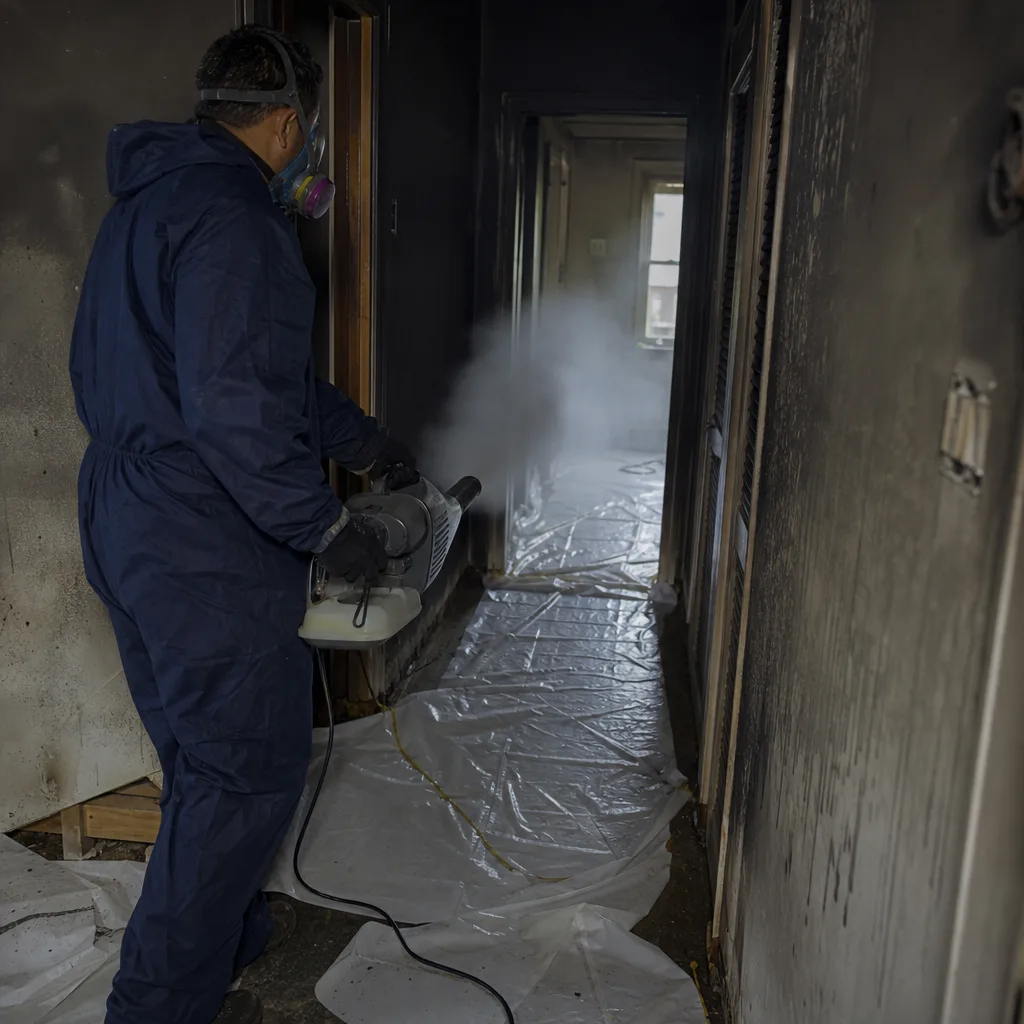
Cleaning alone does not end smoke odor. We use thermal fogging, ozone treatment in unoccupied spaces, and hydroxyl generators where people and pets are present. Duct cleaning and HVAC assessment prevent odor from recirculating through the shared systems that connect Edgewater’s towers.
Repairs & Restoration
We rebuild what fire and water took: drywall, paint, trim, flooring, cabinetry, and custom finishes. The same certified technicians who handled the extraction handle the reconstruction, so the work is consistent from first cut to final walkthrough, and it is all backed by our 90-Day Done Right Promise.
Need Emergency Fire & Smoke Damage Restoration in Edgewater Now?
Crews minutes away, answering live 24 hours a day. The sooner we start, the less it costs.
Working With Your Insurance Company
Insurance claims after a fire in Edgewater are complicated by the fact that two losses usually exist in one event: fire and water. Your carrier needs documentation that separates what the fire damaged from what the sprinklers and firefighting water damaged, and that documentation has to be precise enough to survive adjuster review. We build that file from the first hour on site, with photo documentation room by room, moisture readings tied to specific dates and locations, and a line-item scope of work that your adjuster can verify without a second visit.
You do not have to interpret your policy for us, and you do not have to carry proposals back and forth between us and your carrier. Our team communicates directly with your adjuster, answers their questions, and submits the documentation they ask for. That’s how direct insurance billing is supposed to work, and it is how we have handled claims in Edgewater’s towers and hillside homes for years.
What We Provide Your Insurer
- Thorough documentation of the loss
- Photos of all damage, room by room
- Moisture readings and drying logs
- A detailed, line-item scope of work
- Direct coordination with your carrier
Built for Edgewater’s Loss Calendar
Edgewater’s fire and smoke losses follow a rhythm, and it is not the same rhythm as towns ten miles inland. January and February bring the heating-season fires that start in high-rise utility closets and older hillside home furnaces, and those fires are often complicated by frozen pipe bursts that occur when firefighting water meets cold-weather plumbing. March and April thaw brings Palisades runoff, so a small kitchen fire in a slope home can turn into a dual event when groundwater enters through the uphill foundation while the fire crew is still on site.
Summer in Edgewater means air conditioners running hard in towers built in the 1990s and 2000s, and overloaded circuits in buildings that were not designed for today’s electrical loads. Those fires are typically smaller, but they put smoke into the shared HVAC returns that serve dozens of units, creating odor complaints far beyond the fire unit. Nor’easter season from October through December brings wind-driven rain against the river side of the towers, and when a fire breaks out during one of those storms, the same event that damages a window or façade lets water in behind the board-up. We plan for these patterns in Edgewater because we work them every year.
Fire & Smoke Damage Restoration Across Edgewater’s Neighborhoods
River Road runs the length of Edgewater’s waterfront, and its high-rise towers dominate the fire restoration work in town. When a unit fire triggers a sprinkler head in one of these buildings, the water travels down through post-tension slabs and along chase ways, and the smoke travels through shared returns to units on at least three floors. We know those buildings: the older conversions near the former Alcoa site, the newer towers up toward the old Unilever property, and everything built on the brownfield strip in between. The building management, the elevator access, the loading dock protocols, the fire suppression systems, all of it matters when we are mobilizing a crew.
Above Route 9W, the older single-family and multi-family homes on the Palisades slope present a different challenge. These homes sit against the cliff face, and they were built in an era before sealed building envelopes. Smoke from a fire travels through balloon framing and open wall cavities into attics and upper floors quickly, and odor removal requires more aggressive access: opening walls, treating framing, and sealing surfaces that would never be touched in a concrete tower. The access roads are tight, parking is limited, and every hour of work has to be planned around what a hillside driveway can hold. We route our Edgewater response by neighborhood because time spent circling for parking is time soot keeps working into your finishes.
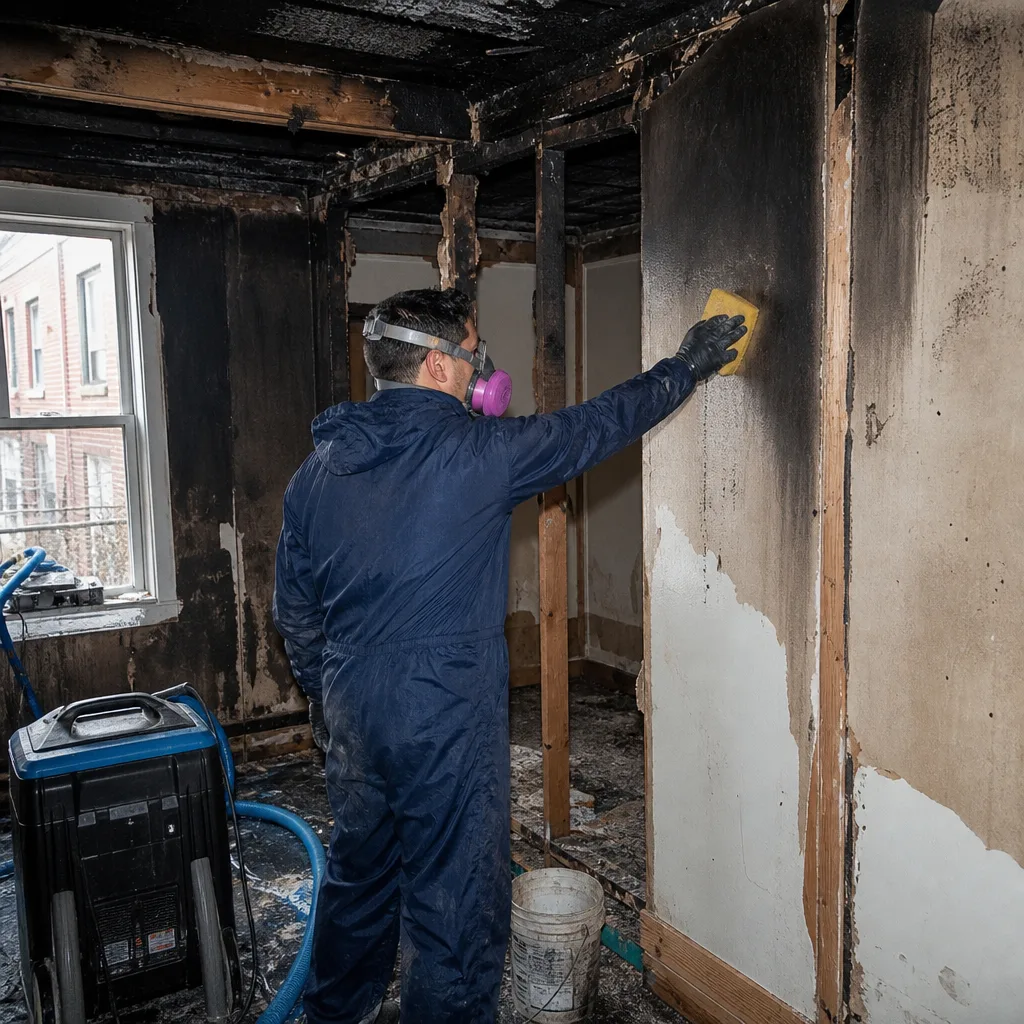
Edgewater’s 07020 zip code covers both worlds, and so do we. Whether your address is a riverfront tower unit with a concierge desk and a loading dock or a hillside house with a steep driveway off a narrow side street, the crew that shows up at your door has already thought through the building.
Specialized Fire & Smoke Damage Restoration Services We Offer in Edgewater
Smoke & Soot Removal
Soot in Edgewater’s luxury towers is often the protein-based residue from kitchen fires, which is nearly invisible at first and then yellows cabinets and etches stone over days. In the older hillside homes, you are more likely dealing with dry, carbon-heavy soot that dusts every surface and works into paint. We match the cleaning method to the residue and the surface. Custom stone, high-end cabinetry, designer fixtures, all of it gets treated like what it is: materials worth restoring, not just cleaning.
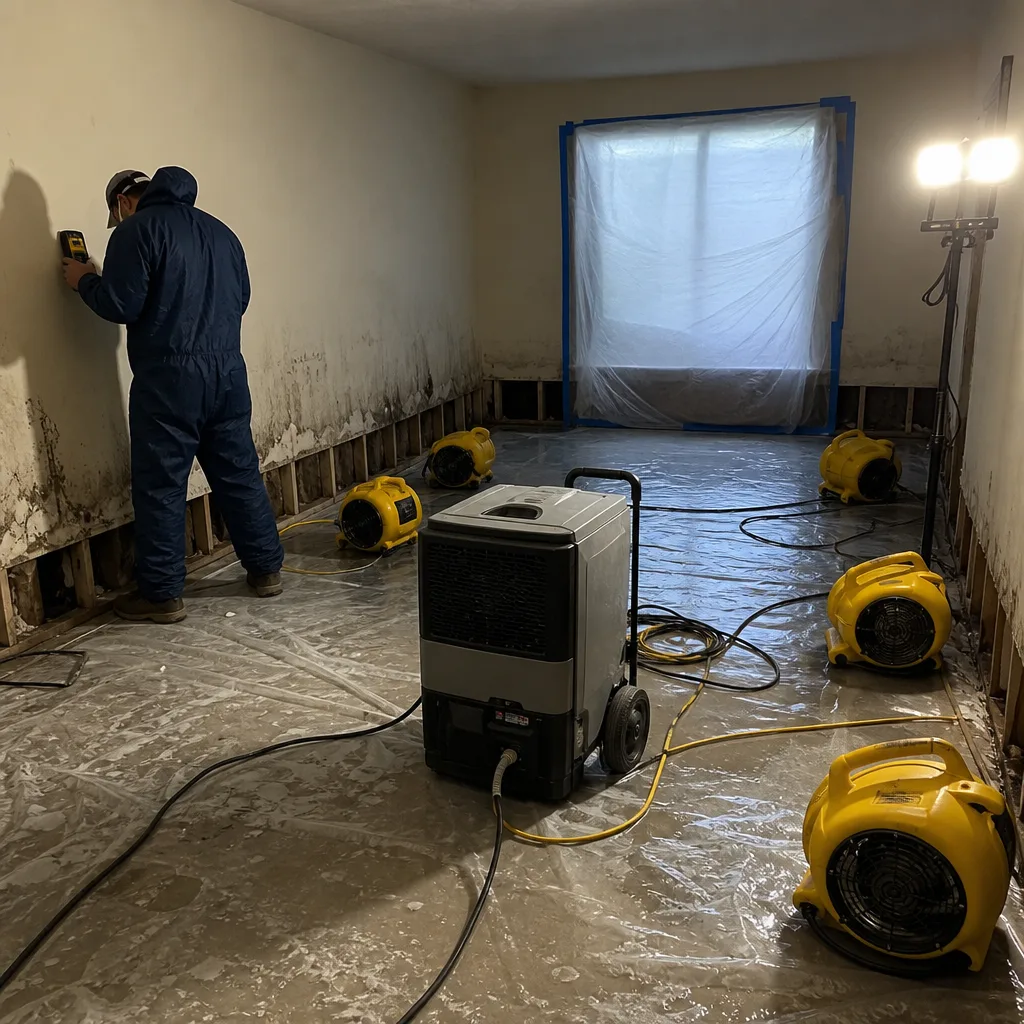
Odor Removal & Deodorization
Smoke odor in an Edgewater high-rise is not a one-unit problem. The shared HVAC returns that make tower living convenient are also what carry smoke odor from a second-floor kitchen fire into units on four other floors. We treat the source, the surfaces, and the air path: thermal fogging for porous materials, hydroxyl treatment for occupied spaces, and duct assessment for the returns that connect units. A surface cleaning will not end the odor. The air has to be treated too.
Contents Cleaning & Pack-Out
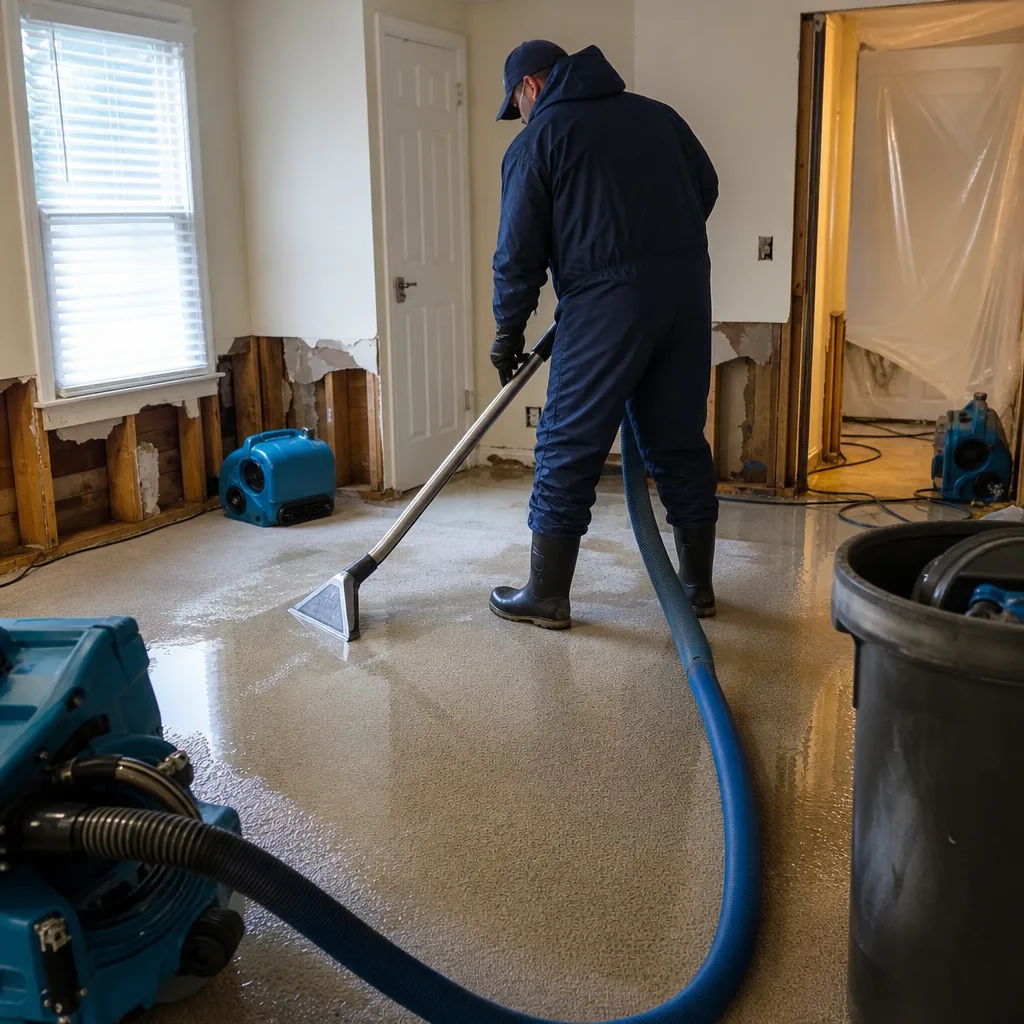
When a fire affects a waterfront condo with custom furniture, designer clothing, and personal collections, we do not just wipe things down. We inventory, pack out, clean, store, and return contents room by room, with a written inventory at every stage. For high-value items, we use the right method: dry cleaning for smoke-laden fabrics, ultrasonic cleaning for hard contents, and ozone treatment for items that can be treated off site. You get your things back clean, not just less smoky.
Emergency Board-Up & Tarping
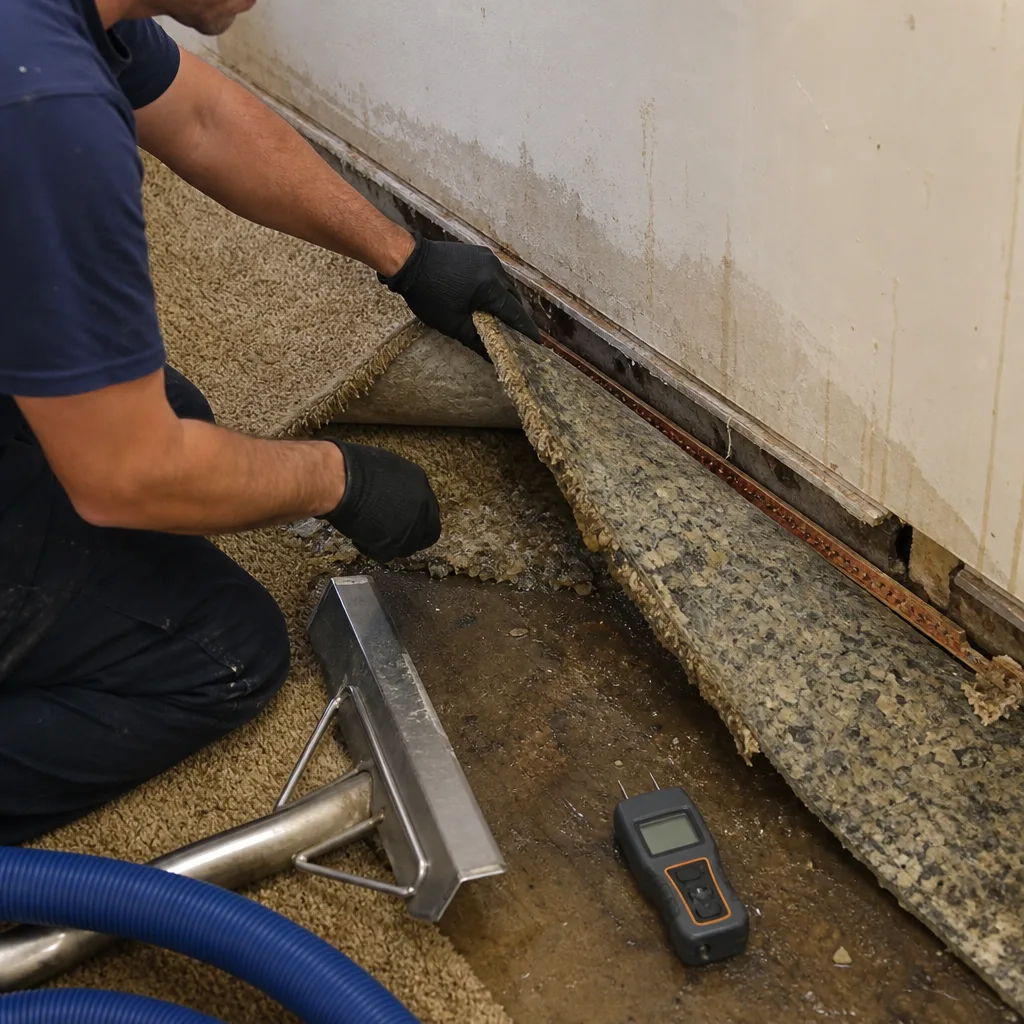
Fire-damaged windows on the river side of an Edgewater tower need quick board-up, but the board-up itself can create a new problem: a gap that lets wind-driven rain behind the façade. We board and seal with an eye toward what the next storm will do, not just what the last fire did. On hillside homes, we tarp rooflines and seal openings before the next rain event pushes water down through a fire-damaged roof.
Fire Damage Cleanup
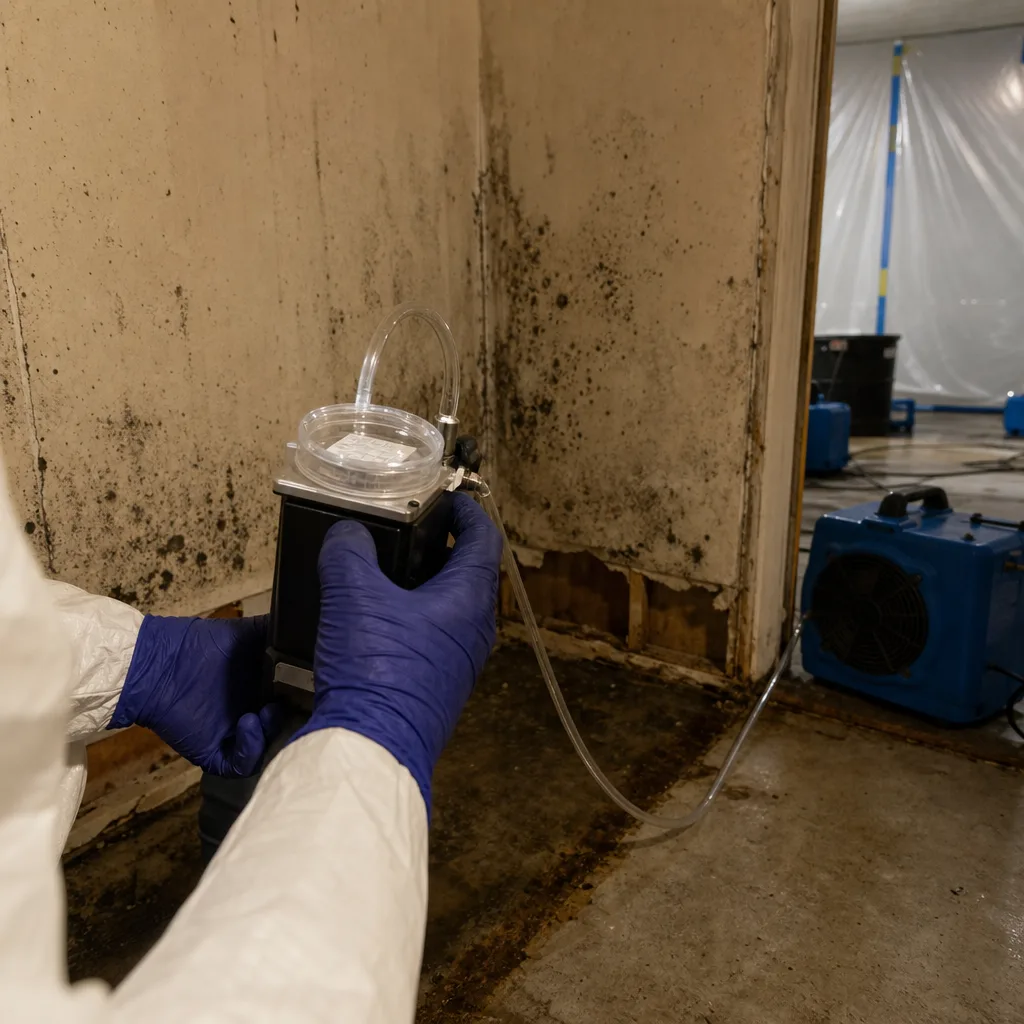
Before restoration comes cleanup: soot removal, water extraction from sprinklers and firefighting, charred material removal, and odor control. In Edgewater, where a single fire event often involves both river-side moisture and interior sprinkler water, cleanup has to happen fast and in the right order. We handle the full scope, from first shovel to final coat of paint, as one team.
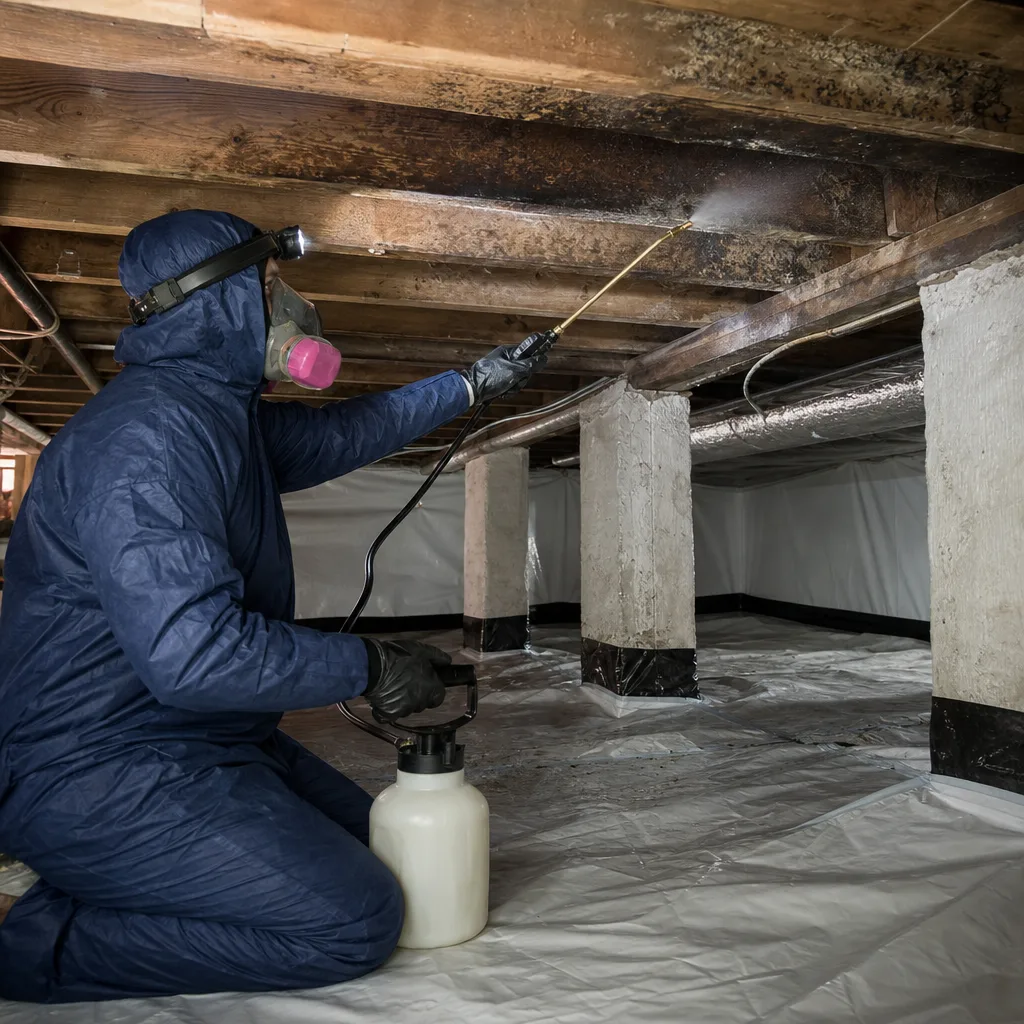
What happens when you call
- 1
A real person answersNo phone trees - you reach a local pro.
- 2
You get an upfront price rangeHonest numbers before anyone is dispatched.
- 3
A background-checked tech heads outLicensed & insured, dispatched right away.
- 4
You approve before work beginsNothing starts until you say go.
Fire & Smoke Damage Restoration Costs in Edgewater, NJ
Restoration costs in Edgewater run higher than inland Bergen County because the buildings are more complex. A typical smoke and soot removal in a single tower unit runs $1,800 to $4,500, depending on finish level and how far the smoke traveled through the HVAC. Full odor removal with thermal fogging and duct cleaning in a two-bedroom condo lands between $3,500 and $7,500. Contents cleaning and pack-out for a fire in a luxury unit can run $5,000 to $18,000, driven by volume and material type.
Structural fire repair on a Palisades-slope home is a different scale entirely: $12,000 to $60,000 and up depending on how much framing, electrical, and finish work the fire consumed. Insurance covers most of this in a covered loss, but your deductible and your policy limits are not something to guess at. Call (640) 221-3499 for a free visual inspection, and we will give you a written scope with line-item pricing before any work starts. No surprises on the bill.
We Also Serve Cities Near Edgewater
Floodline Restoration Co. serves Edgewater and the surrounding communities of Ridgefield, North Bergen, Weehawken, and Union City. If you are in one of those towns and dealing with fire or smoke damage, the same live-answer dispatch and certified crews are available at (640) 221-3499.
Serving Edgewater, NJ - Our Local Coverage Area
We’re based in the Edgewater area and know this community well. Use the map below to see our service coverage - if you’re nearby, we can almost certainly help.
Edgewater Fire & Smoke Damage Restoration Questions, Answered
How does the shared HVAC system in Edgewater’s high-rise condos affect smoke and odor removal after a unit fire?
Shared HVAC returns in Edgewater’s towers carry smoke and odor from the fire unit into adjacent units on multiple floors, which means odor removal has to address the air path, not just the burn site. We inspect the returns and duct runs connected to the affected unit, set containment to prevent further spread, and treat the air space with hydroxyl generators while running duct cleaning where the carrier’s scope approves it. Treating only the fire unit leaves the odor circulating back through the building within days.
What is the right category for the water left after a sprinkler douses a kitchen fire in an Edgewater condo?
Sprinkler water from a fire event in a residential condo is Category 2 water under the IICRC S500 standard, meaning it is contaminated and requires antimicrobial treatment and structural drying, not just extraction. When the same event also brings in river or storm water from outside, that portion is Category 3, black water, and it must be handled with containment and disposal protocols. Our WRT-certified crews classify each source separately and treat accordingly, because mixing the two without proper protocol is a common and costly failure.
Why do Palisades-slope homes in Edgewater need different smoke damage mitigation than waterfront towers?
Hillside homes in Edgewater are typically older, wood-framed, and built with open wall cavities that let smoke travel through the structure far from the fire source, while the towers are concrete and steel with more compartmentalized units. Slope homes also face groundwater intrusion through the uphill foundation wall during and after a fire event, meaning the same job that started as smoke removal often becomes a dual water and smoke mitigation. We plan for that before we open the first wall.
Can you restore custom finishes and high-end materials damaged by smoke in Edgewater’s luxury condos?
Yes. Custom cabinetry, stone surfaces, designer wallcoverings, and high-end flooring respond well to restoration when the right method is applied: dry sponge cleaning for powder soot, controlled wet cleaning for protein residues, and thermal fogging for odor in porous materials. The key is matching the method to the material and the residue type, which is what our crews are trained to do. We would rather restore a $20,000 custom cabinet run than tear it out and tell you to file for replacement.
Does Edgewater’s FEMA flood zone impact how a fire and smoke restoration is scoped?
Edgewater’s lowest-lying parcels sit inside FEMA Special Flood Hazard Areas, and that affects how we scope a fire job when the same event includes storm surge, river flooding, or sewer backup in addition to fire and sprinkler water. We have to classify each water source separately, document the boundaries of floodwater intrusion, and coordinate with your carrier on flood versus fire coverage. A fire restoration that ignores the floodwater component will fail, and we will not scope a job that way.
How fast can you actually get to an Edgewater address after a fire?
We commit to 45 minutes for emergency response in Edgewater. A live dispatcher takes your call at (640) 221-3499, confirms the details, and alerts the nearest available crew. In the towers along River Road, that crew is often already working in a building nearby. In the hillside homes above Route 9W, our dispatch routes the closest truck by actual drive time, not by zip code guesswork.
Will my homeowner’s insurance cover fire and smoke damage in Edgewater?
Most Edgewater policies cover fire and smoke damage as a named peril, including the water damage from sprinklers and firefighting. The portion that gets complicated is flood-related water from the Hudson or Palisades runoff, which is typically excluded unless you carry separate flood coverage. We document both loss types separately so your carrier can pay what they owe on each line without blurring the two. Call us and we will help you get the claim started correctly from hour one.
What should I do in the first 30 minutes after a fire in my Edgewater home or condo?
Call your carrier, call us, and do not turn on your HVAC system. The first call gets the claim started. The second call gets a certified crew moving toward your door. The third action, keeping the HVAC off, stops smoke from being pulled through shared returns into other rooms or other units. Do not wipe soot yourself; soot is easily smeared into porous surfaces and made permanently worse. Call (640) 221-3499 and let us handle it from there.
Written by Curt Bowman, Owner at Floodline Restoration Co., serving Edgewater, NJ.