
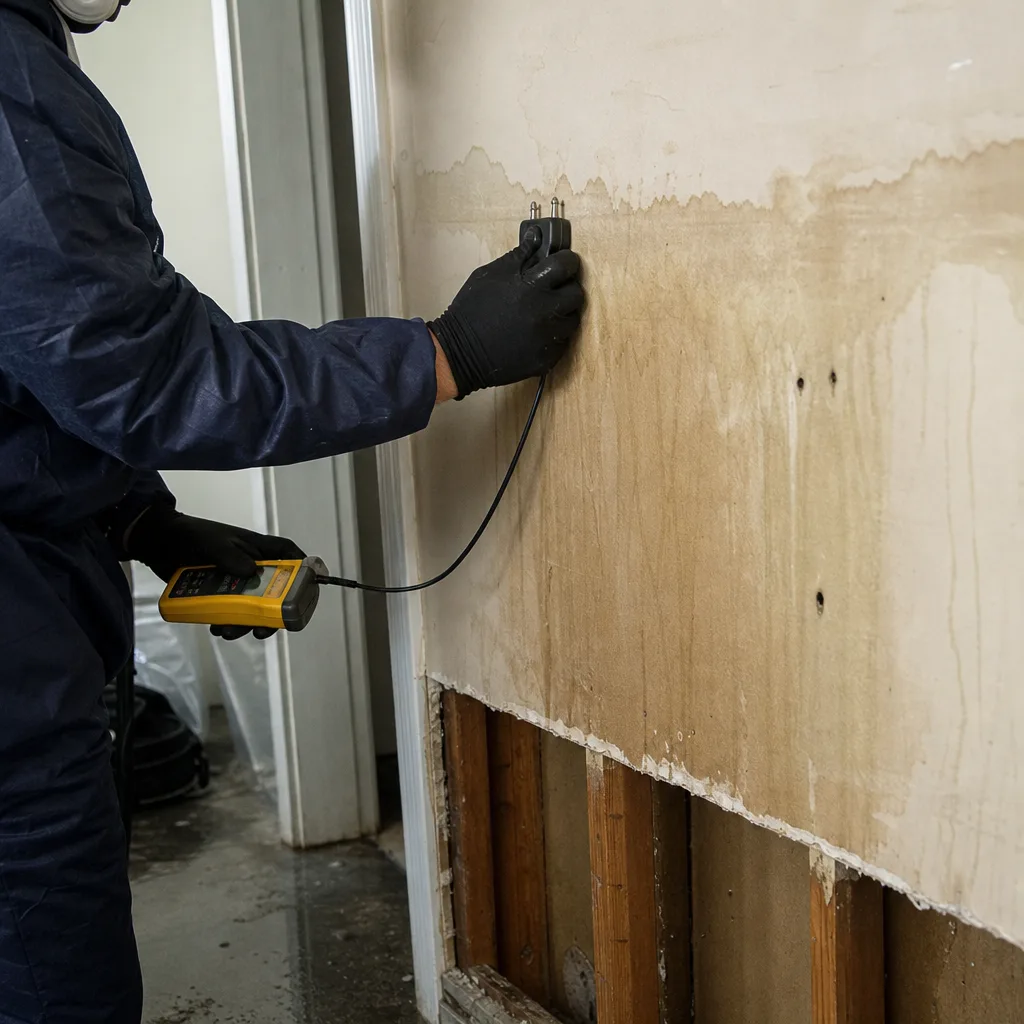
Free visual inspection and a written scope of work before any mitigation begins - photos, moisture readings, and drying logs go in your claim file
The scope we write is the scope we bill. Anything new gets shown to you, in writing, before we touch it.
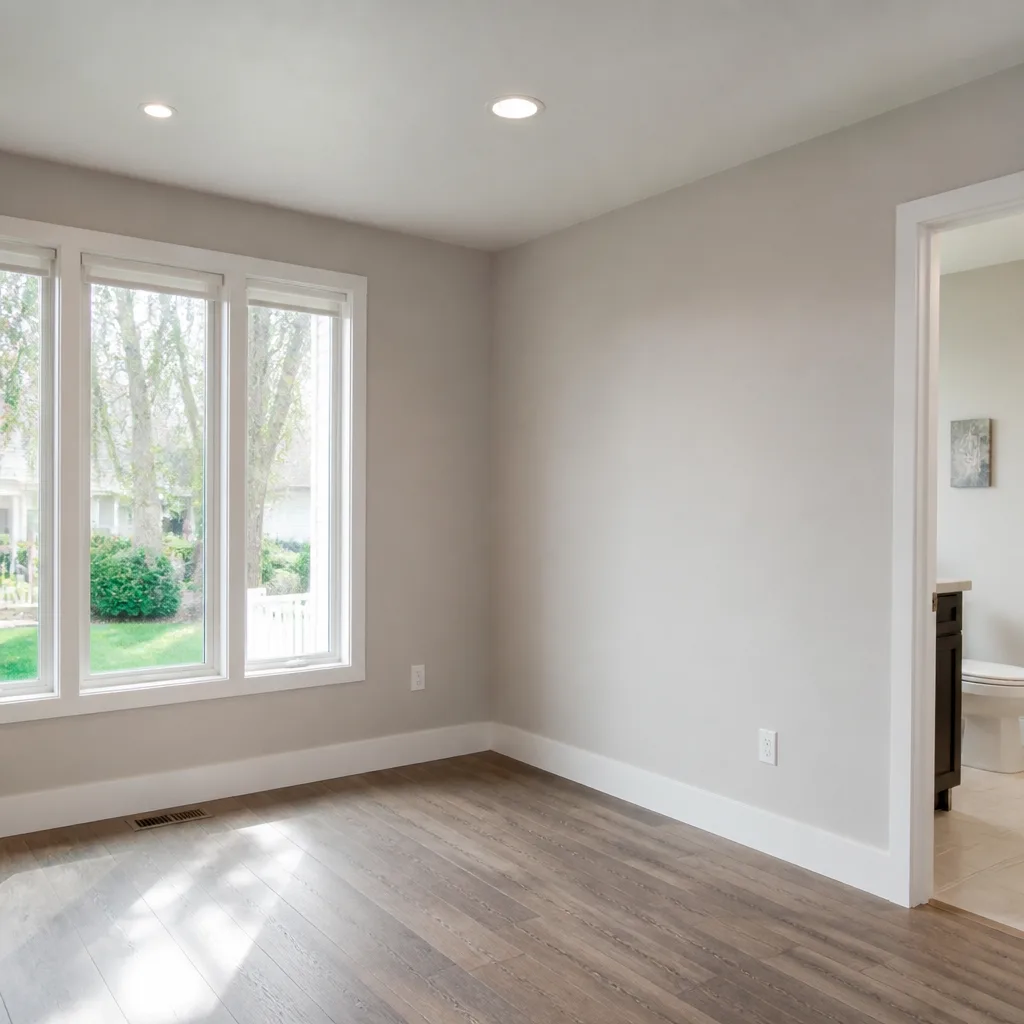
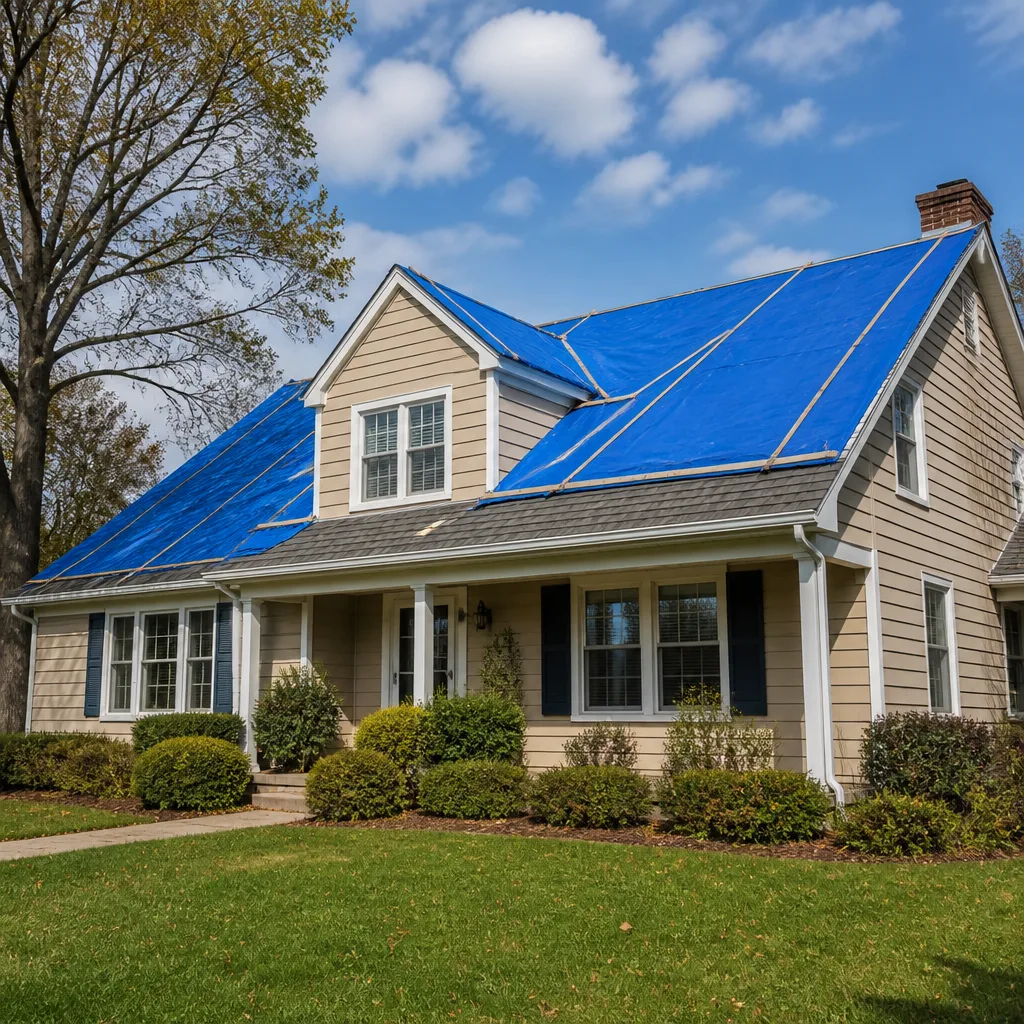
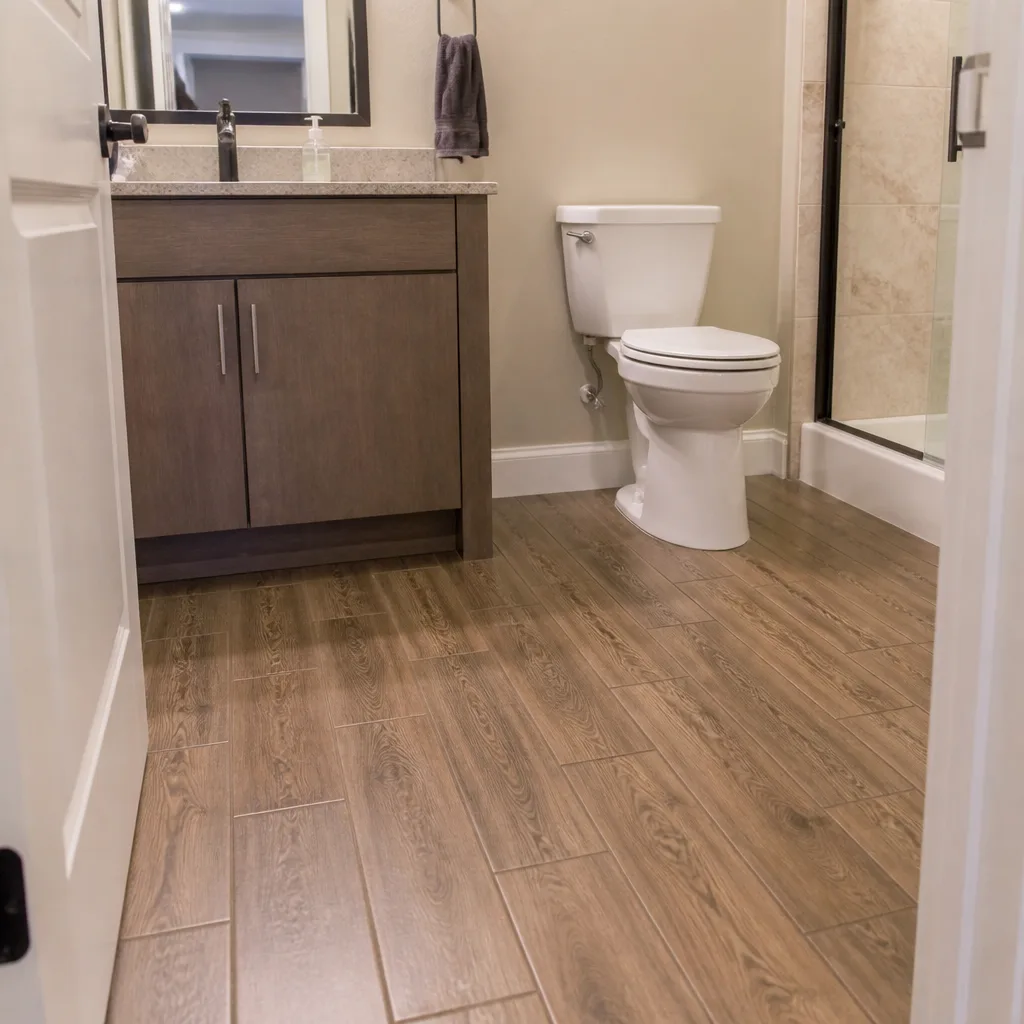
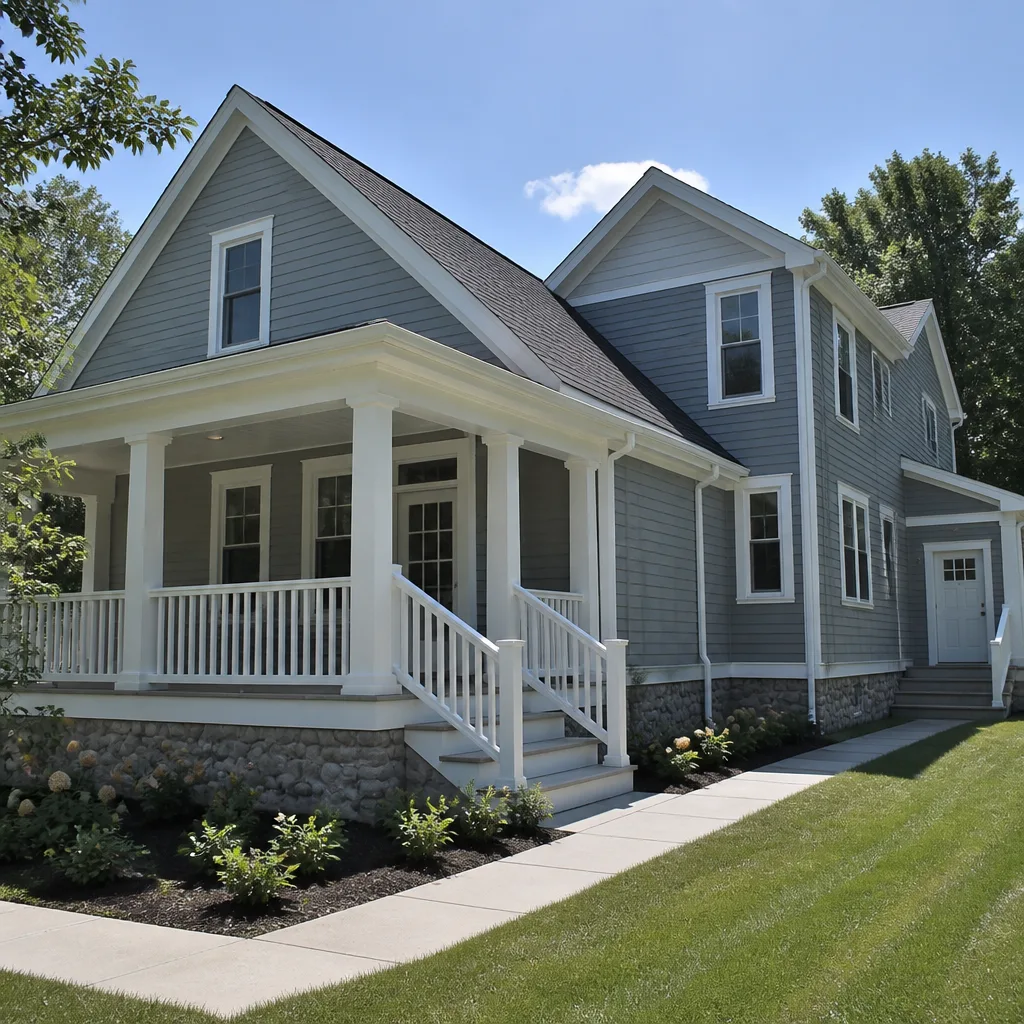
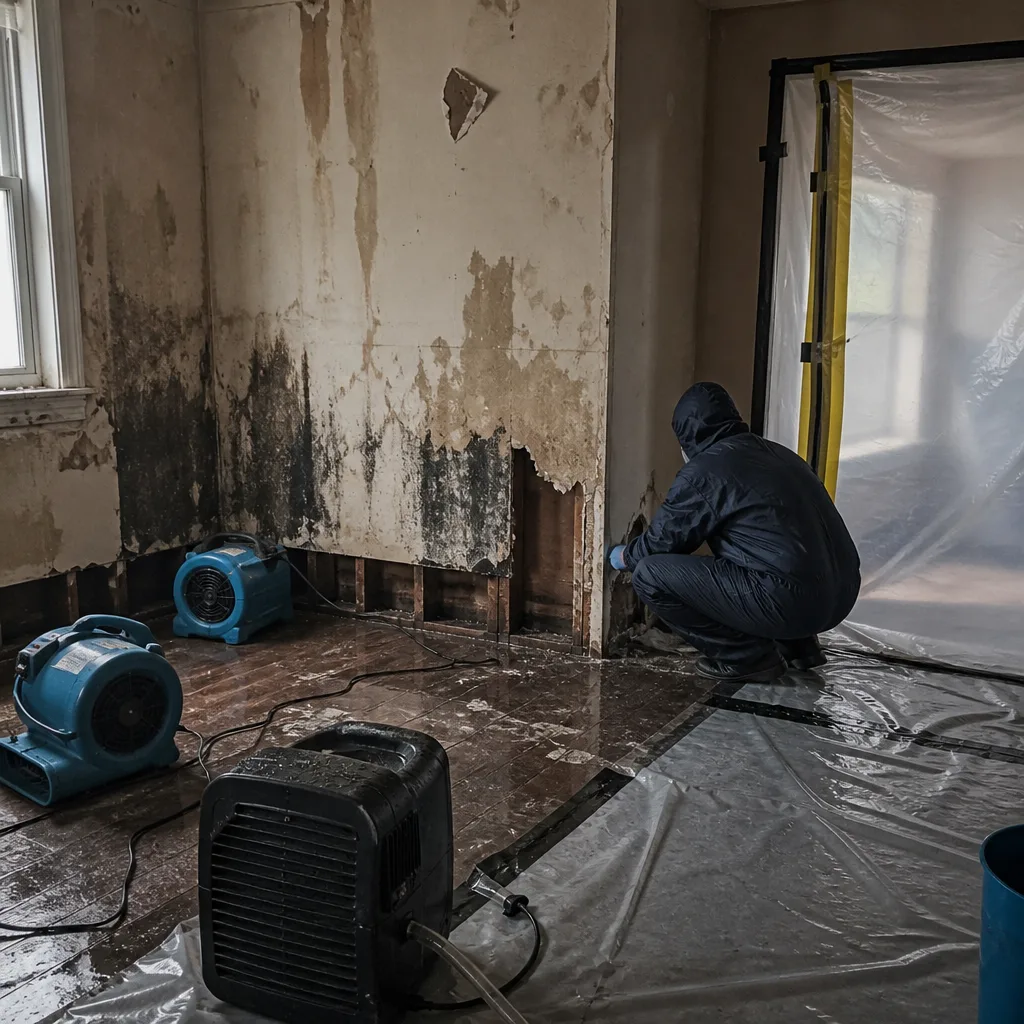 Before
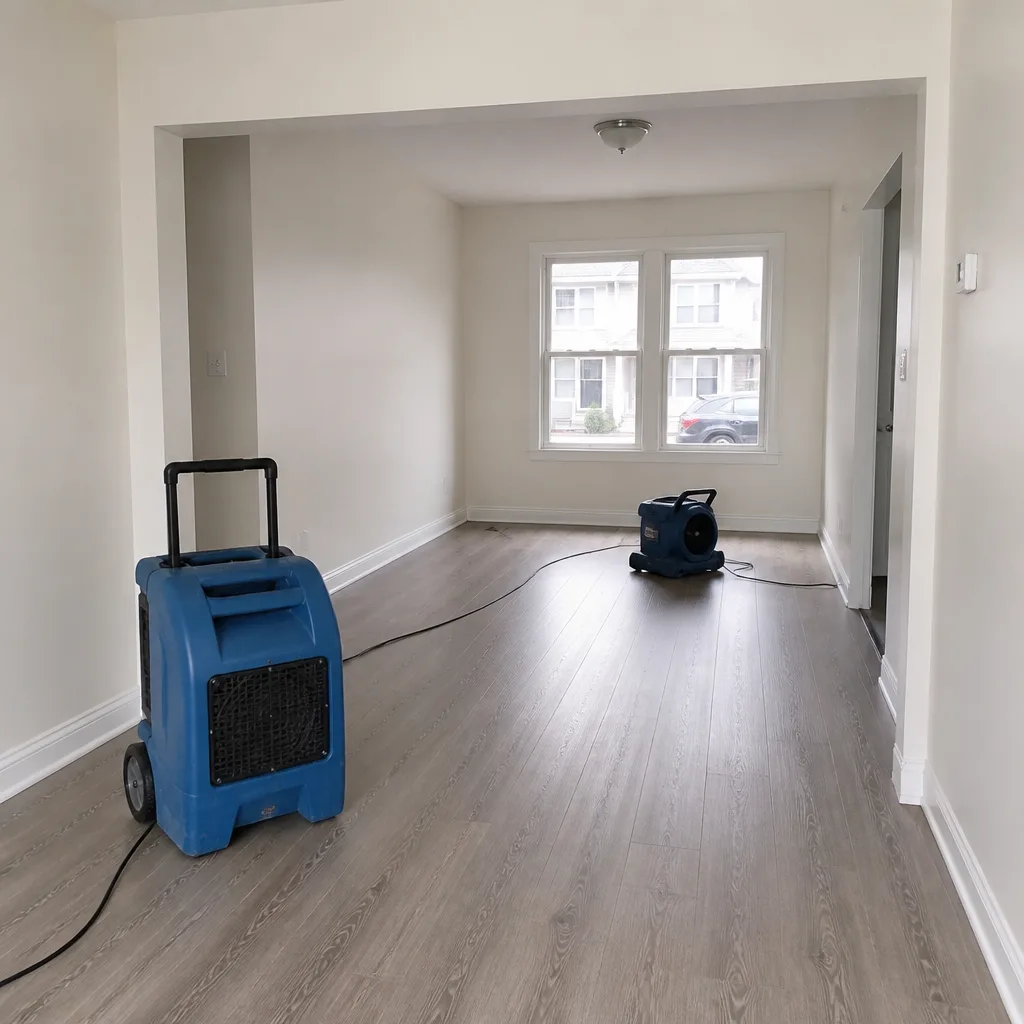 After
After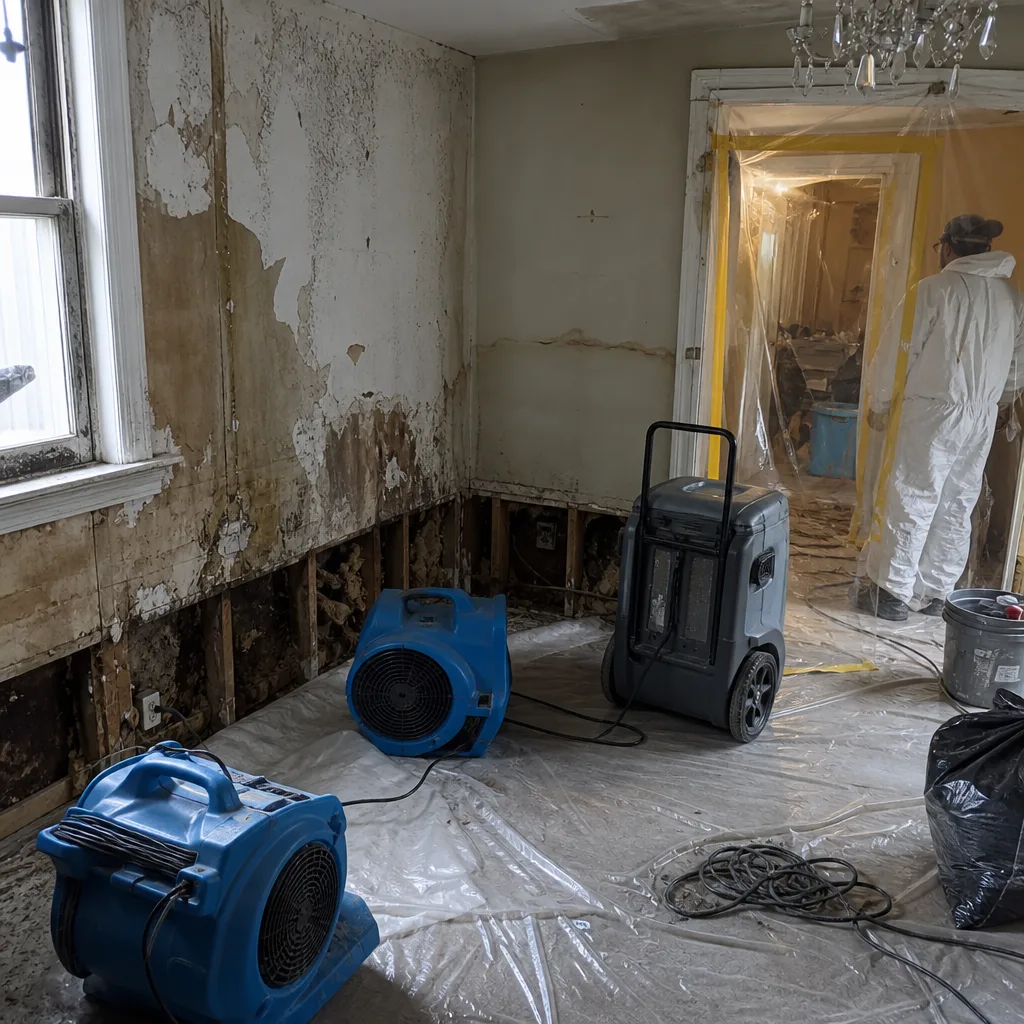 Before
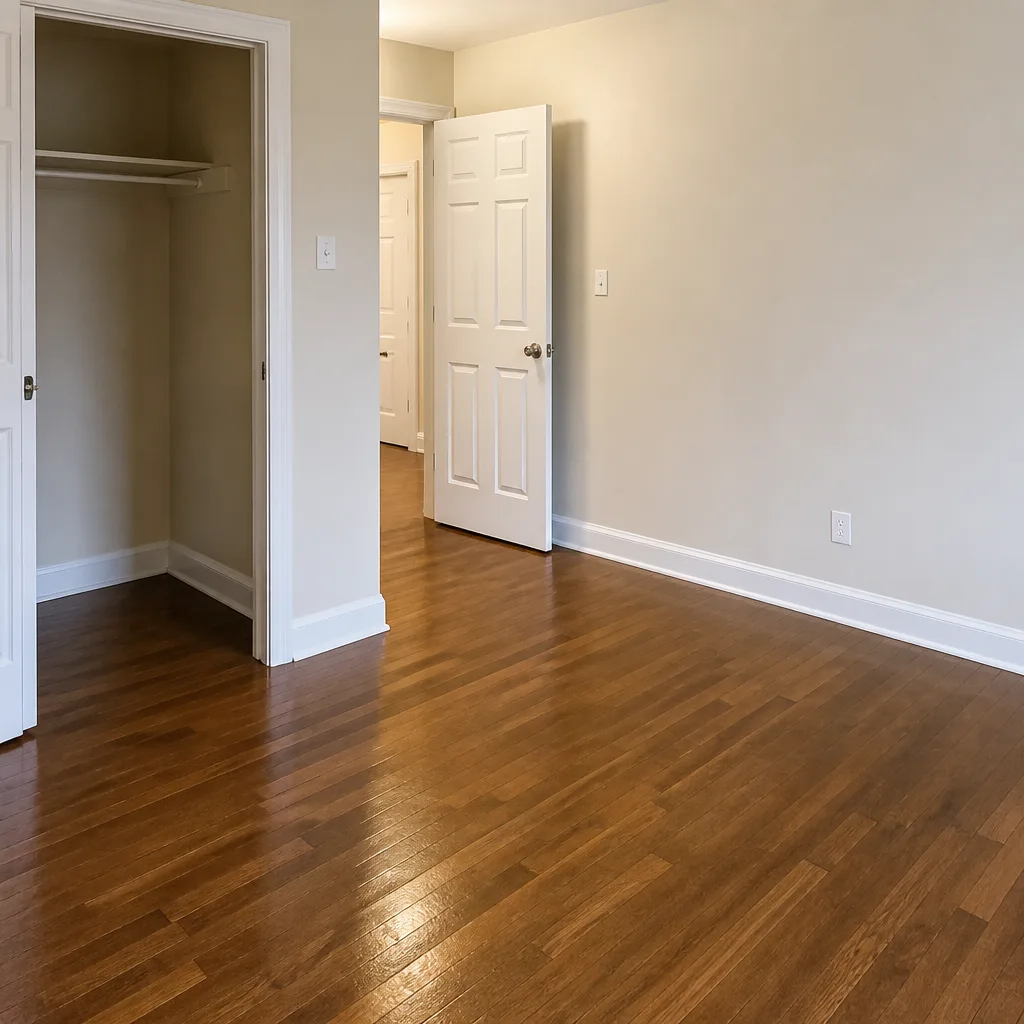 After
After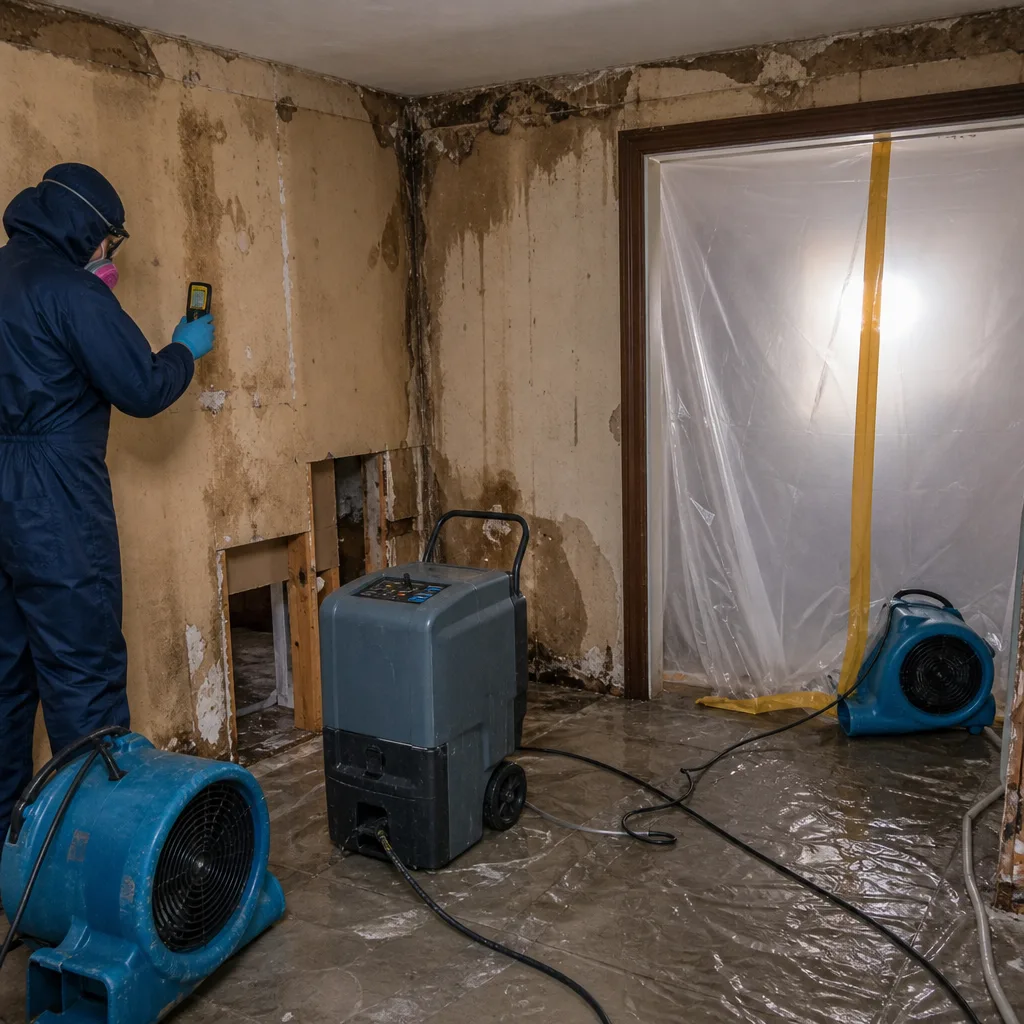 Before
 After
After24 Hour Sanitization Services When West New York Homeowners Need It Most
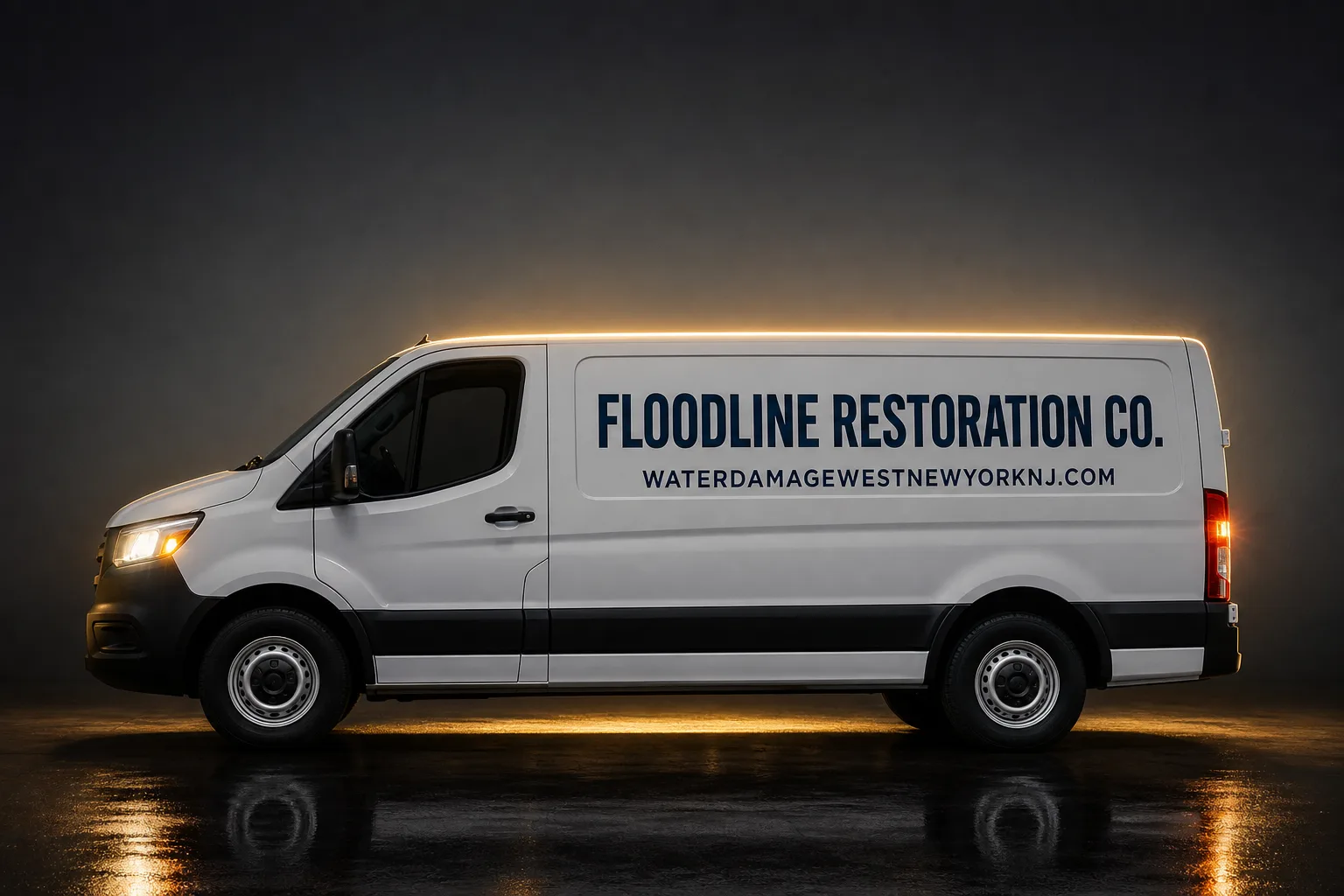
Floodline Restoration Co. has answered hundreds of after-hours sanitization calls across Hudson County, and the ones from West New York stand apart. The density here changes everything. We’ve walked into buildings on 60th Street at 2 a.m. where a fourth-floor supply line gave out and by the time we arrived, water had already traced a path through three units below. Our crews are dispatched around the clock because in this town, waiting until morning means the difference between a contained cleanup and a building-wide claim. That’s why we offer Emergency Sanitization Services in West New York, NJ. Curt Bowman, our owner, built Floodline Restoration Co. specifically for buildings like these.
What happens when you call
- 1
A real person answersNo phone trees - you reach a local pro.
- 2
You get an upfront price rangeHonest numbers before anyone is dispatched.
- 3
A background-checked tech heads outLicensed & insured, dispatched right away.
- 4
You approve before work beginsNothing starts until you say go.
What Makes a Sanitization Services Company the Best in West New York?
If you’re comparing companies right now, here’s what actually separates the Best Sanitization Services in West New York, NJ from one you’ll regret calling. This isn’t a generic checklist. It’s built from what we see go wrong in West New York apartment buildings every month.
- Licensing that’s real and current. Any legitimate restoration company in New Jersey carries a state-issued home improvement contractor registration. Ask to see it. Ask if it’s active. Floodline Restoration Co. is state-licensed, and we’ll show you our credentials before any work begins. Companies that hesitate on this question are usually operating without proper standing, and that becomes your problem if something goes wrong.
- Insurance that actually covers what happens inside your building. Sanitization work in a pre-war brick walk-up means working around other tenants’ belongings, shared hallways, and building systems. A contractor without proper liability coverage puts you and your landlord at risk. Floodline Restoration Co. is fully insured and bonded. We carry the coverage this work demands, and we’re glad to provide proof before we set foot inside.
- Reviews that mention the hard situations. Every company has a few good reviews. Look for the ones that describe a sewage backup at midnight or a third-floor leak that ran through two ceilings. Those are the reviews that tell you whether a company can handle West New York’s specific problems. Floodline Restoration Co. has built a strong local reputation because we’ve handled exactly those jobs, and homeowners here keep our number saved in their phones.
- A warranty that’s written down. If a company won’t put their workmanship guarantee in writing, walk away. We provide a clear scope of work before we start and stand behind our sanitization results. You’ll know exactly what we’re doing, what it costs, and what happens if a problem comes back.
- Response time measured in hours, not days. A sanitization company that schedules you for Thursday can’t help you when sewage is pooling on Tuesday night. Floodline Restoration Co. answers the phone at (640) 221-3499 around the clock. We dispatch crews fast because we know every hour of delay in a dense building means more units affected, more tenants displaced, and more claims to untangle.
Floodline Restoration Co.’s Credentials & Proof
You shouldn’t have to take our word for any of this. Here’s what we bring to every West New York job:
- State-licensed contractor - registered and current with the State of New Jersey
- Insured and bonded - liability coverage appropriate for multi-unit residential work
- Owner-led operations - Curt Bowman is directly involved in scoping and quality control on local jobs
- IICRC-aligned methods - our crews train on the same standards used by restoration professionals nationwide
- Dri-Eaz and Phoenix drying technology - commercial-grade air movers and dehumidifiers that actually get results in plaster-and-lath construction
We’re members of the Restoration Industry Association (RIA), which means we hold ourselves to a code of conduct that includes honest pricing, clear communication, and documented work. That matters in a town where one sanitization job can involve five tenants, two policyholders, and a property manager who needs answers by morning.
What West New York Customers Say
Here’s the kind of feedback we get from the buildings we serve:
“I called Floodline at 11:40 p.m. after a pipe burst in the apartment above mine. They had someone on the phone immediately and a crew at my building within hours. They walked the units below me before they even started because they said the water probably found its way down. They were right. By the time my insurance adjuster called the next morning, Curt had already sent photos and a moisture map.” - a West New York homeowner on Boulevard East
“Our landlord had a restoration company on the hook for weeks. I called Floodline myself because I couldn’t keep living around the damp smell. They worked directly with the property manager and my own renters policy. They explained what was covered, what wasn’t, and what the sanitization would actually involve before anything was signed.” - a tenant in a pre-war building near the Palisades grade
“The first company quoted me a number over the phone without seeing the basement. Floodline walked the space, found water wicking into a shared wall with the next building, and wrote a real scope. The price was honest and the work was done when they said it would be.” - a property owner near the waterfront flood zone
How We Compare to Other Sanitization Services Companies in West New York
The sanitization industry has its share of problems, and West New York’s density makes those problems worse. Here’s what we consistently see with lower-tier contractors, and how we approach the same situations differently.
Bait-and-switch pricing. Some companies quote a low number to get their foot in the door, then escalate the price once the work is underway. It happens all the time in this trade, and it’s especially ugly in multi-unit buildings where tenants and owners are already stressed. Floodline Restoration Co. provides a written scope of work before we begin. If the situation changes because we uncover something hidden, we stop and communicate. You never pay for work you didn’t approve.
Fake urgency. A bad contractor will tell you everything is an emergency, including work that could wait a day. That’s a sales tactic. A good contractor tells you what’s actually urgent and what isn’t. We’ll give you an honest assessment of what needs immediate sanitization and what’s a next-week project. In a West New York apartment building, that honesty saves landlords real money.
No adjuster coordination. Many restoration companies will do the work and leave you to fight with your insurance provider alone. We don’t. We photograph everything, document moisture readings with Dri-Eaz and Phoenix equipment, and we’ll coordinate directly with adjusters. In buildings where one leak hits multiple policies, that coordination is the difference between a smooth claim and a nightmare.
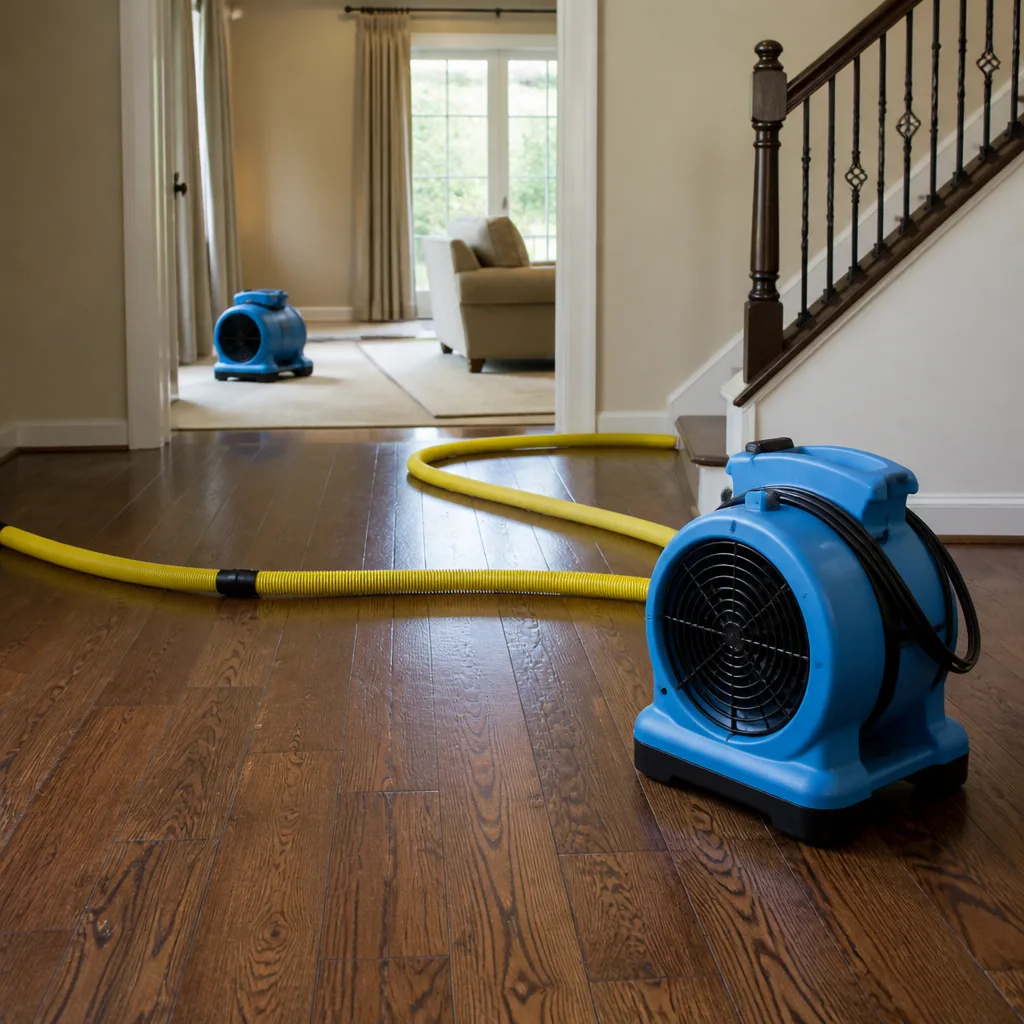
Untrained crews with rental equipment. Some companies pick up a few fans from a hardware store and call it drying. In a 1920s brick building with plaster walls, that approach fails. We use commercial-grade Phoenix and Dri-Eaz systems with continuous monitoring, and our crews understand how these old buildings actually dry. It’s a different discipline than drying a modern suburban home.
How Fast Can Someone Actually Get Here?
In West New York, our answer is simple: fast. We have crews on call 24 hours a day, and we prioritize this town’s density-driven emergencies. A sewage backup in a ground-floor unit of a six-story walk-up gets immediate attention, because we know it’s not just one apartment at risk. Call (640) 221-3499 and you’ll reach a person, not a voicemail tree. We’ll ask the right questions about your building, the floor you’re on, and what you’re seeing, so we arrive prepared.
Do I Really Need Full Sanitization or Just a Cleaning?
That depends on the source. If clean water from a supply line soaked through a ceiling, the concern is mold and bacterial growth inside the wall cavity, not just the visible surface. A cosmetic cleaning misses what’s happening behind the baseboard. If the water is gray or black (sewage, toilet overflow, sump pump failure), full sanitization with proper antimicrobial treatment and disposal of saturated porous materials is non-negotiable. We’ll tell you which category your situation falls into, and we won’t upsell you into work you don’t need. When you call, we’ll help you figure out the urgency before we ever dispatch anyone.
Will Insurance Cover This?
Most sanitization work in West New York is covered under at least one insurance policy, but the density creates a wrinkle most companies don’t handle well. When a burst pipe on the fourth floor damages three units below, you’re looking at three separate claims, or one claim plus three tenants’ renters policies, or a landlord’s building policy interacting with an HOA or co-op master policy. We’ve managed these multi-policy situations regularly. We document everything with photos and moisture readings, work directly with adjusters, and help property owners and tenants understand who covers what. If you’re unsure about your coverage, call us at (640) 221-3499 and we’ll help you think through it before any money is spent.
Who Deals with My Adjuster?
We do, if you want us to. Floodline Restoration Co. provides photo documentation, moisture mapping, equipment logs, and a written scope that adjusters can verify. We’ll coordinate directly with your insurance provider so you’re not translating restoration jargon into a claims phone call. Curt Bowman has handled enough Hudson County claims to know exactly what documentation speeds things along. In multi-unit West New York buildings, we also help separate what’s each policyholder’s responsibility from what falls to the building owner. That clarity alone saves weeks of back-and-forth.
How Do I Know I’m Not Overpaying?
Get the scope in writing. Every legitimate sanitization company will provide a line-item estimate before work begins. Compare scopes, not just bottom-line numbers. A lower price often means a smaller scope: fewer air movers, shorter drying time, no antimicrobial application, no third-party clearance testing. When Floodline Restoration Co. writes a scope, we explain every line. You’ll know what you’re paying for and why. And because we’re transparent about what we find, you won’t get hit with surprise supplemental charges mid-project.
Frequently Asked Questions - 24 Hour Sanitization Services in West New York
Yes. We maintain on-call crews 24 hours a day, 7 days a week, and we routinely respond to overnight water damage and sanitization emergencies in West New York’s apartment buildings. Call (640) 221-3499 at any hour and you’ll speak to a live person who can dispatch a crew when you need us.
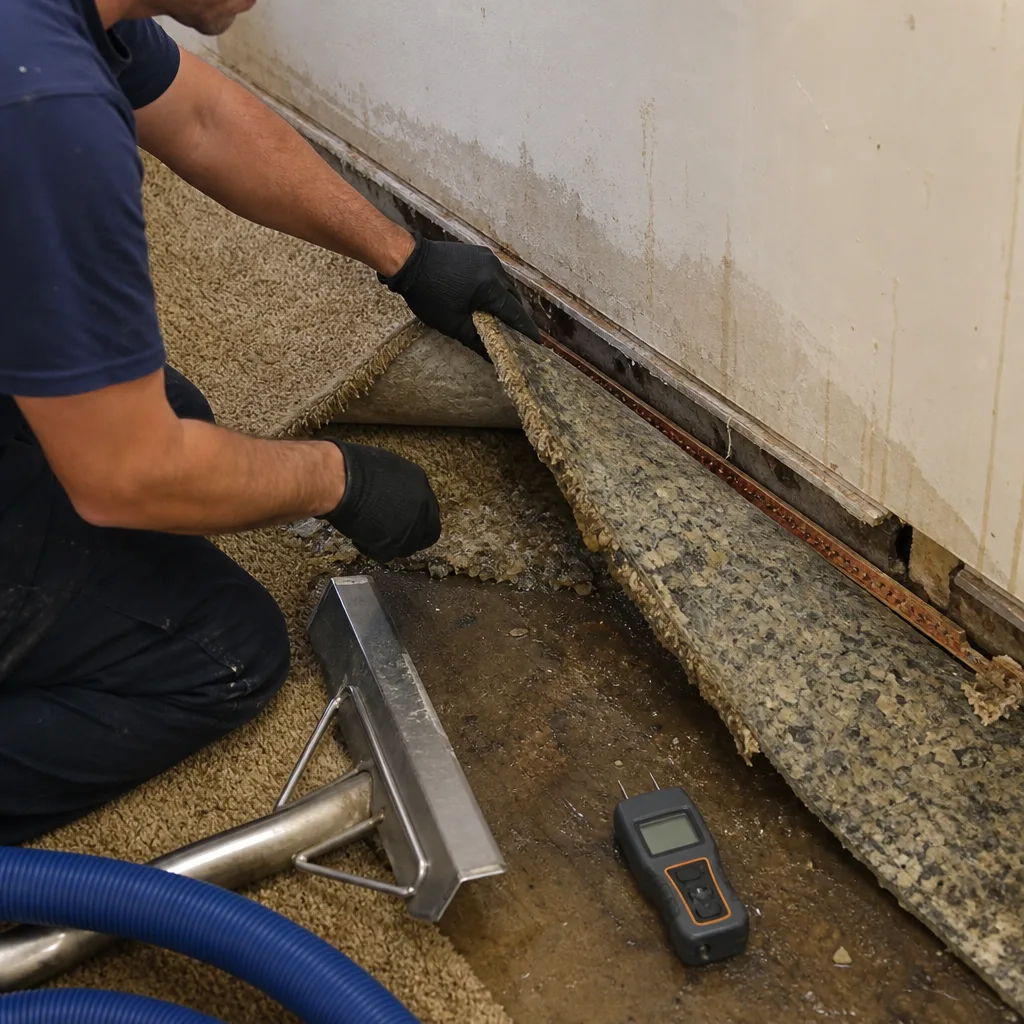
In most cases, yes. We contain the affected area, establish negative air pressure where needed, and communicate clearly with tenants about which spaces are safe and which should be avoided during drying. For sewage-related sanitization, we’ll typically recommend temporary relocation of the affected unit’s occupants until the space is clear. We coordinate with landlords and property managers to keep disruptions predictable.
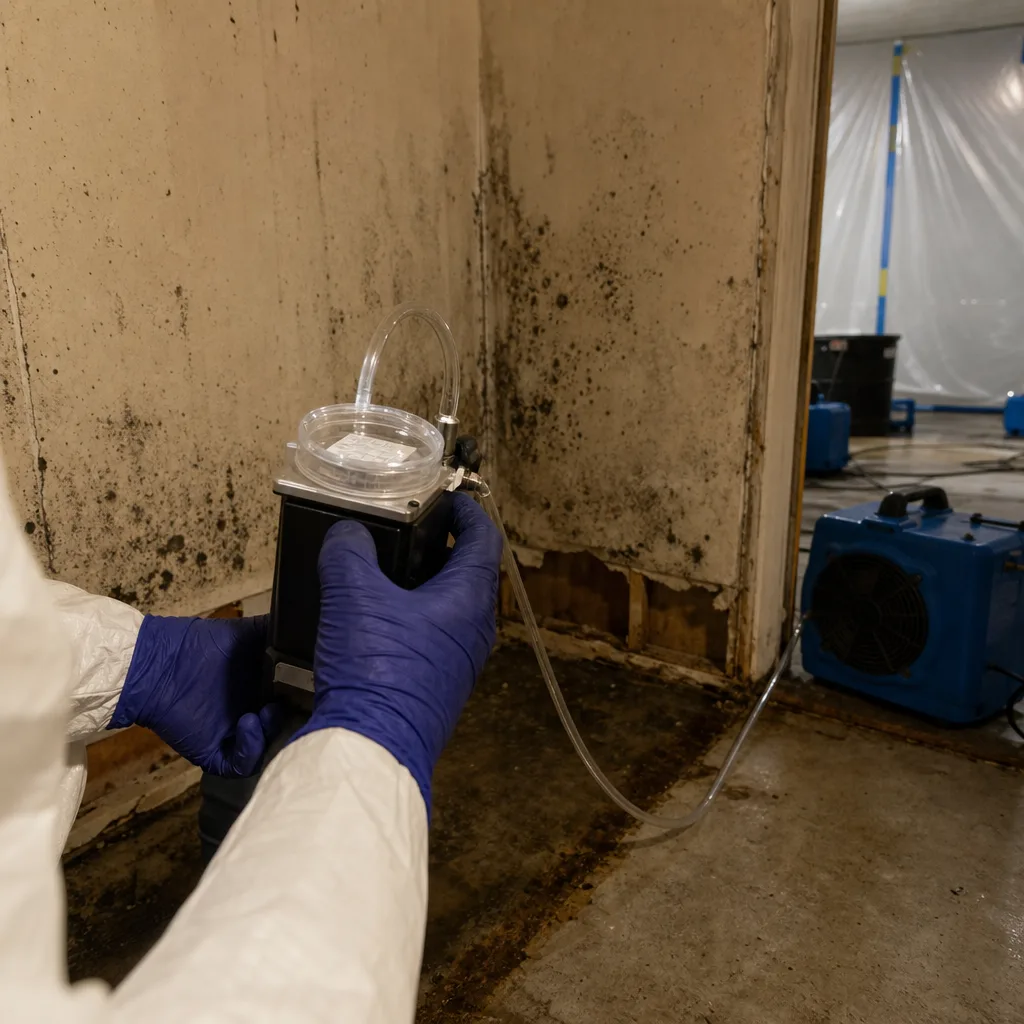
Most clean-water sanitization and drying jobs in this area take 3 to 5 days from extraction to final moisture verification. Sewage-related jobs take longer because of material removal, treatment, and clearance testing. The pre-war construction and shared wall assemblies in West New York buildings slow drying compared to modern construction, which is why we use commercial Phoenix and Dri-Eaz equipment and monitor moisture daily rather than guessing.
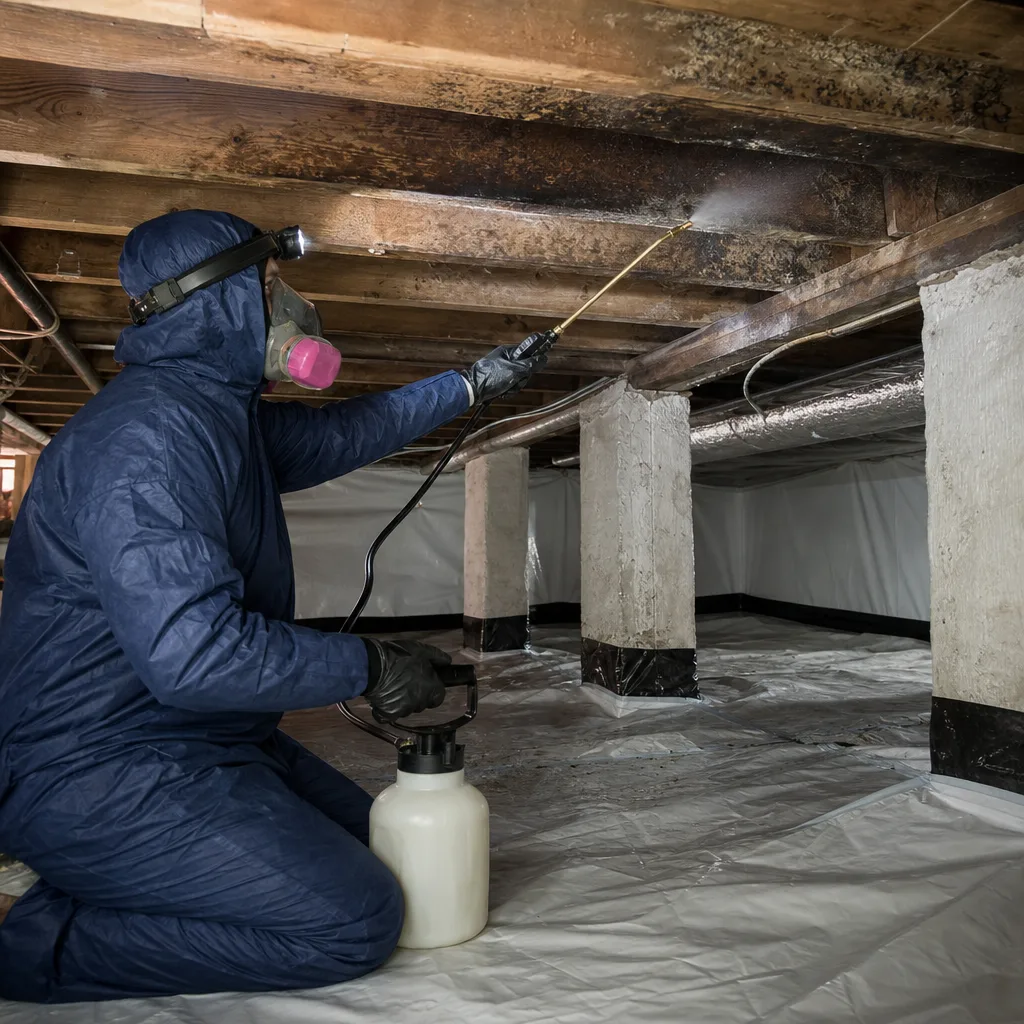
It includes water extraction and/or contamination source control, removal of affected porous materials (carpet, drywall, insulation), antimicrobial treatment of remaining surfaces, placement of commercial drying equipment, daily moisture monitoring, and documentation for insurance purposes. For sewage events, it also includes proper disposal of contaminated materials and, when needed, post-remediation clearing. Every step is itemized in the written scope before we begin.
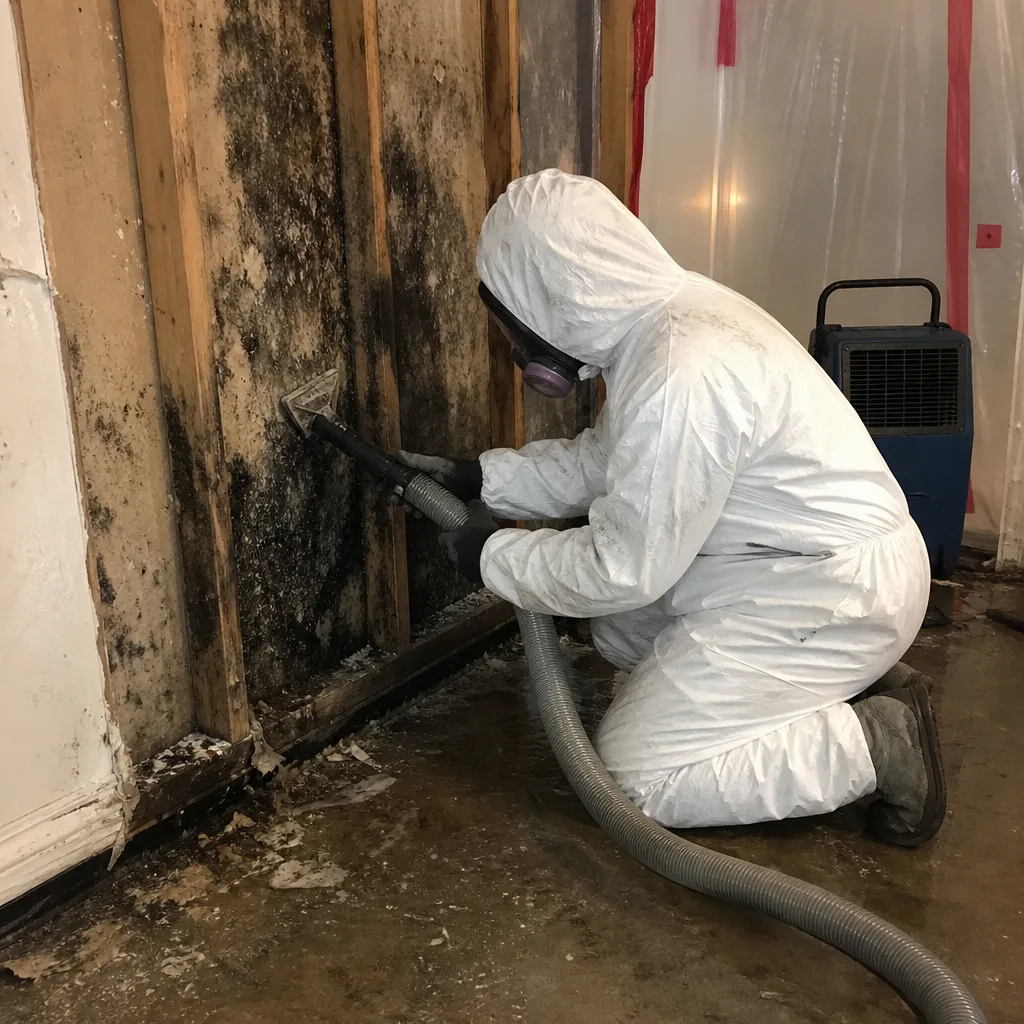
Yes. Many of our calls come from property managers, condo and co-op boards, and individual unit owners who bring us in when their building’s regular vendor can’t respond fast enough or doesn’t have the right equipment for older construction. We understand the coordination required in multi-unit buildings, and we document everything in a way that works for building owners, tenants, and insurance adjusters alike.
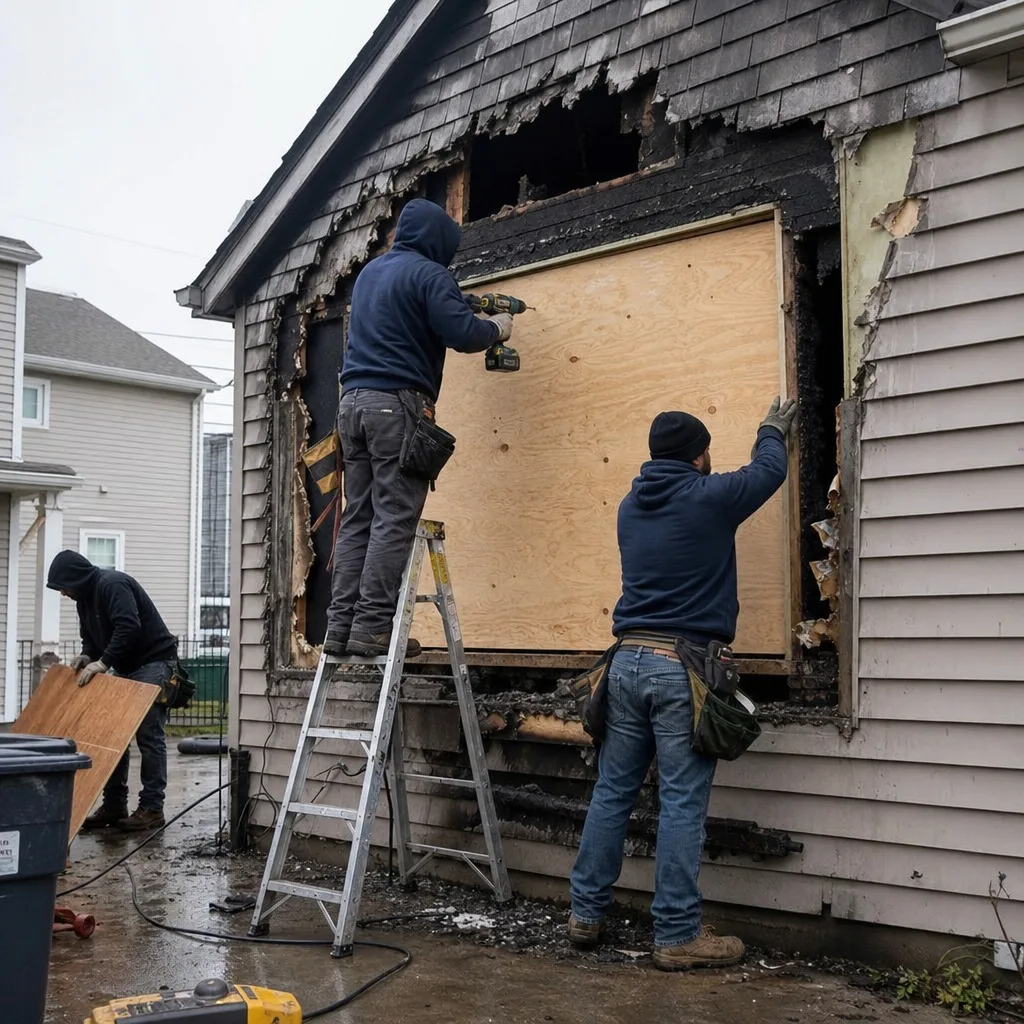
Get the Best Sanitization Services Service in West New York - Free Estimate
Call Floodline Restoration Co. at (640) 221-3499 and Curt Bowman or a member of his team will walk you through what you’re dealing with and what comes next. No pressure, no obligation. If it’s an emergency, we’ll dispatch immediately. If it can wait, we’ll tell you that too. Either way, you’ll have a clear picture and a plan.
Written by Curt Bowman, Owner at Floodline Restoration Co., serving West New York and greater Hudson County with our Sanitization Services services.
What Our Customers Say
"Second property they have dried out for us. Same process both times, meter readings logged on every visit and the log handed over at the end. Our adjuster said it was the cleanest file he had seen all year."
- Grant Ostrowski"Another company told me the whole attic needed mold remediation at a terrifying price. These guys tested, showed me it was surface growth on one sheet of plywood, and charged me for a cleaning instead. That kind of honesty buys a customer for life."
- Duane Pickett"Water heater flooded the finished side of the basement at two in the morning. A person answered, not a machine, and a crew was pulling water before sunrise. Everything got photographed before they moved a thing, which made the insurance claim painless."
- Terrence Fowler